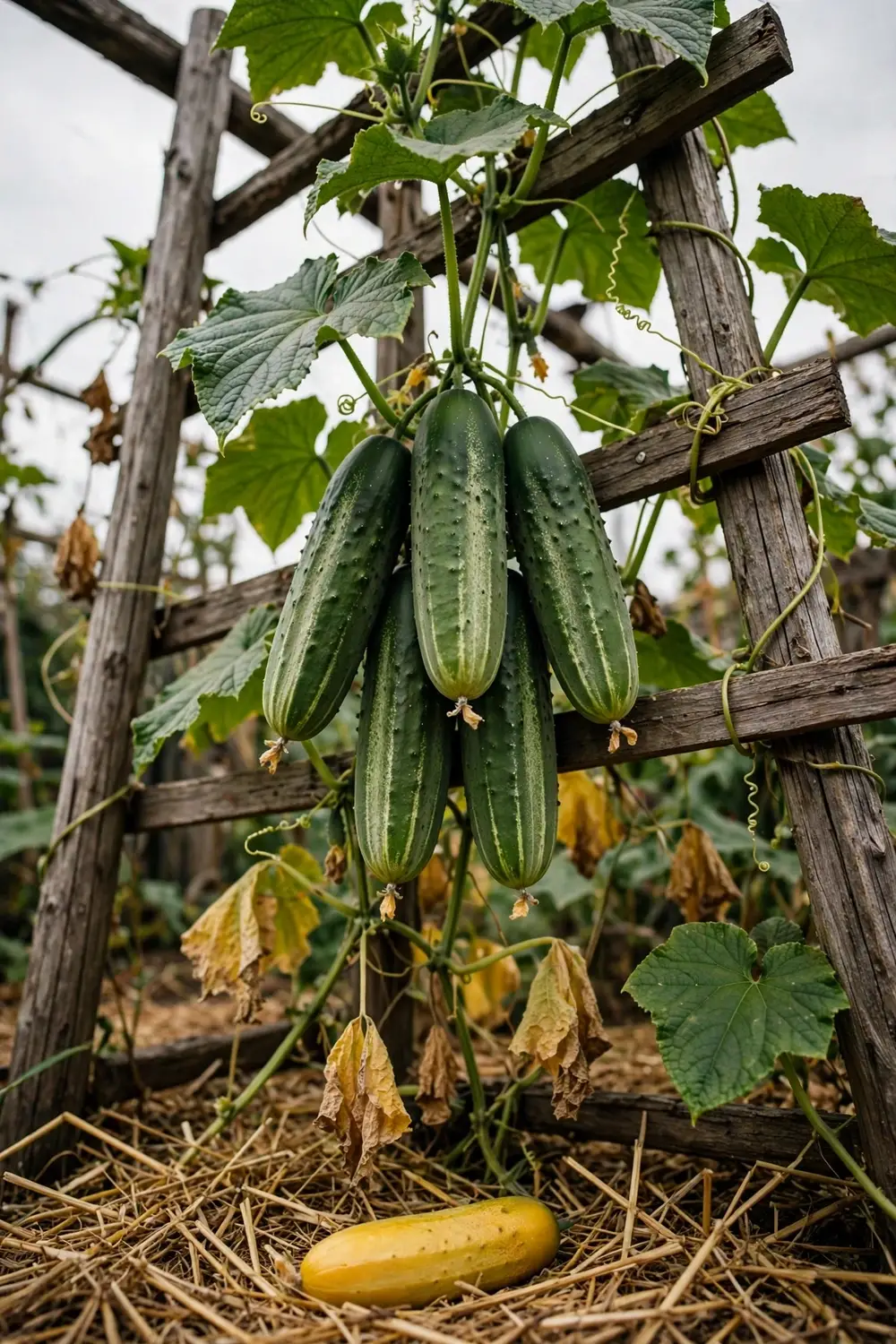

Sow cucumber seeds after the last frost when soil reaches 16 °C, and you will pick the first crisp fruit 50 to 70 days later. That is growing cucumbers in Australia in one line: a warm-season annual that needs full sun, rich soil, steady water, and regular picking from flowering onward. Cucumbers are Cucumis sativus, a fast-growing trailing vine in the Cucurbitaceae family. The rest of this page is 12 practical steps, from choosing a variety to picking fruit young.
Work from the top if spring is close. Sow in September in temperate zones and October in cool zones for the best start. Pick every two to three days in summer.
1. Choose a Cucumber Variety That Suits Australia
Pick the type you actually eat, because the three main cucumbers grown in Australia taste and behave differently. Lebanese cucumbers are the most popular in Australia. They are smooth-skinned, usually seedless, and eaten whole at 10 to 12 cm long, according to the Gardenate Australia cucumber notes. Continental cucumbers grow longest, with fruit reaching 40 cm. Apple cucumbers are round with pale, almost white skin and a very crunchy bite.
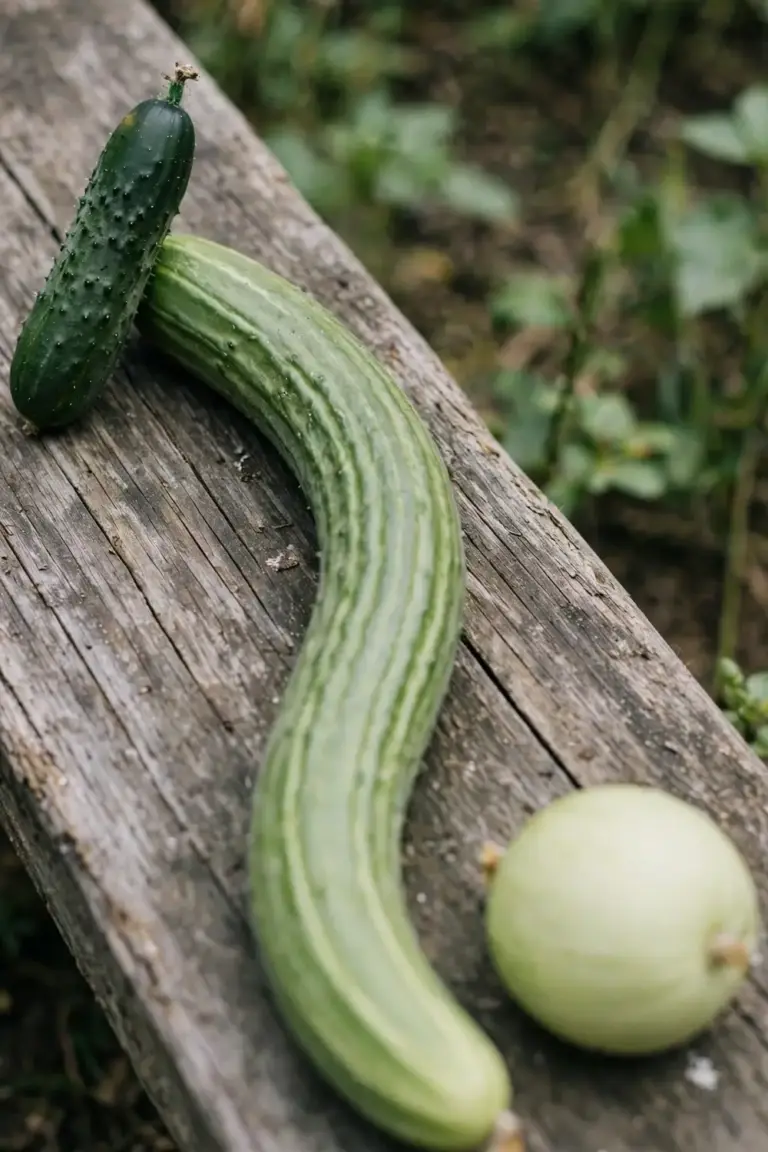
Match the variety to your space before you buy seed. Compact or bush types suit pots and small beds, staying under a metre across. Full-size vining types sprawl 1.5 to 2 m and need a trellis or 1 to 1.2 m between rows. Gynoecious varieties carry mostly female flowers and set heavier crops, but need a pollinator plant nearby. Parthenocarpic types set fruit without pollination and suit greenhouses or balconies where bees rarely visit.
Your seed packet carries the days to maturity for the exact variety you bought. That figure beats every generic table. Note it on your garden plan when you sow, because next season you will know which variety gave the earliest pick and which one ran late.
Hybrid seed costs more but delivers uniformity and disease resistance bred in. Open-pollinated varieties cost less and let you save seed, though saved seed from hybrids will not grow true. For a first crop, a reliable hybrid Lebanese type removes one variable. Once you know your garden, experiment with heirloom Apple or pickling types.
Buy fresh seed each year if germination was patchy. Cucumber seed stays viable for about three years in a cool, dry spot, but fresh seed germinates faster and more evenly. Old seed with weak germination wastes a fortnight you cannot get back in a short season.
2. Sow at the Right Time for Your Climate Zone
Sow when the soil is warm, not when the calendar says spring. Cucumbers are a warm-season crop with no tolerance for frost. Sow after the chance of frost has passed and soil has warmed to 21 °C, as South Dakota State Extension advises in its cucumber growing guide. In Australia the sowing window shifts by zone.
| Climate zone | Sow | First harvest |
|---|---|---|
| Cool and mountainous | October to December | December to February |
| Temperate (Sydney, Melbourne, Adelaide, Perth) | September to January | November to March |
| Subtropical (Brisbane) | August to March | October to May |
| Tropical (Darwin, Cairns) | March to September | May to November |
The zone windows above follow the Gardenate Australia cucumber calendar, which lists sowing months by Australian climate zone at gardenate.com. In the tropics, sow in the cooler months and avoid the hottest, wettest stretch of summer, when fungal disease explodes and fruit rots on the vine. Autumn sowings in March and April catch the dry season and produce the cleanest fruit of the year in the far north. In cool zones, start seeds indoors if October soil still feels cold to your wrist. Soil at 16 °C is the minimum for germination; 21 to 35 °C is the sweet spot.
Succession sowing stretches the harvest. Sow a second batch two to three weeks after the first, and a third two weeks later. Each sowing fruits for several weeks, so three staggered plantings keep cucumbers coming for two months instead of one glut.
3. Pick a Sunny Spot Sheltered From Wind
Give cucumbers the sunniest position you have. They need full sun for strong growth and heavy fruiting. A spot that receives at least six hours of direct sun each day works. Less sun means fewer female flowers, slower fruit, and more mildew.
Shelter matters as much as sun. Wind tears the large leaves, snaps tendrils, and dries the soil fast. A fence, hedge, or dense shrub on the windy side protects the vines. In exposed sites, a temporary windbreak of shade cloth on stakes buys the young plants time to anchor.
Do not plant in a frost pocket or a low spot where cold air settles, because one late frost kills seedlings outright. Walk the garden on a cold morning and watch where frost lingers longest. Those white patches are where cucumbers will fail. Plant on the slightly higher ground nearby instead.
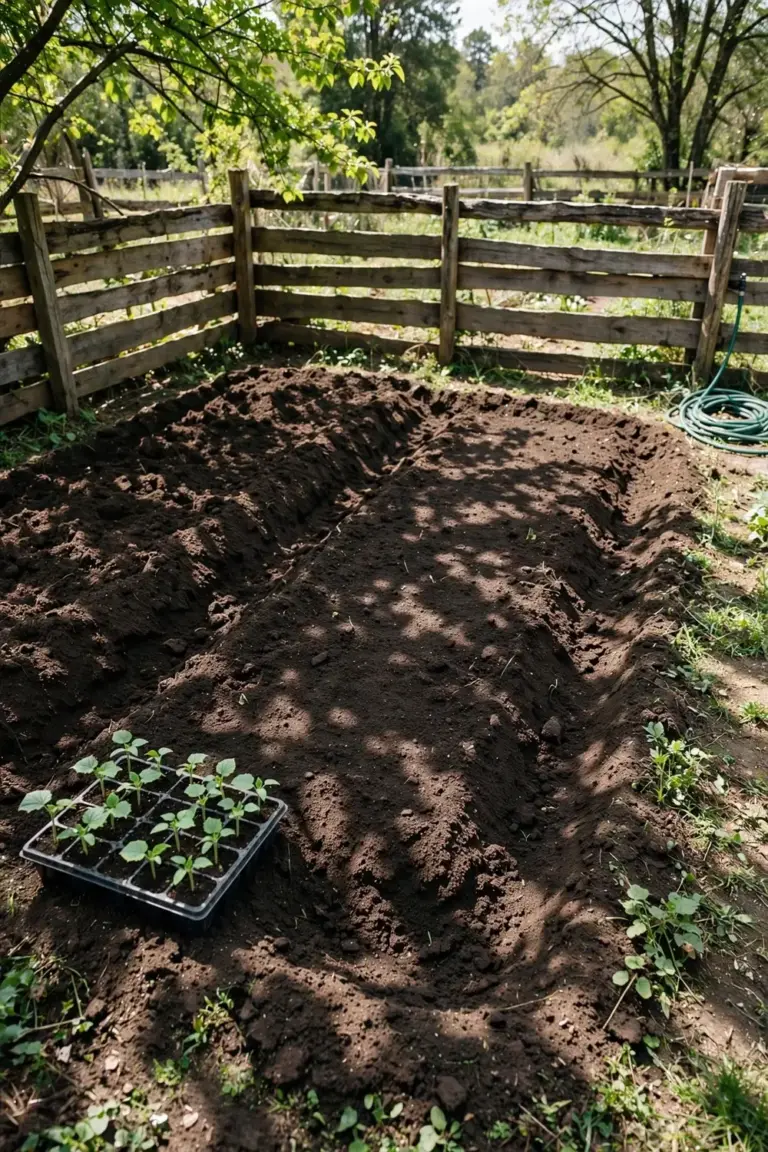
Avoid ground that stayed wet all winter, since cucumbers hate wet feet and rot quickly in soggy soil. If your only sunny spot is heavy clay, build a raised mound 15 to 20 cm high to lift the root zone above the damp. A mound also warms faster in spring, which can bring sowing forward by a week.
Consider the path of the summer sun, not just the spring sun. A spot that is full sun in September may fall into afternoon shade by January as the sun angle changes and trees leaf out. Watch the site through a full day in midsummer before committing a long row. Six hours of direct sun in January matters more than six hours in September.
4. Build Rich, Free-Draining Soil
Cucumbers are heavy feeders that punish poor soil with pale vines and bitter fruit. North Carolina State Extension recommends a well-drained loamy soil at pH 6.0, and advises a soil test before planting, as with all vegetables. Work in compost or well-rotted animal manure a fortnight before sowing, so the nutrients settle into the root zone.
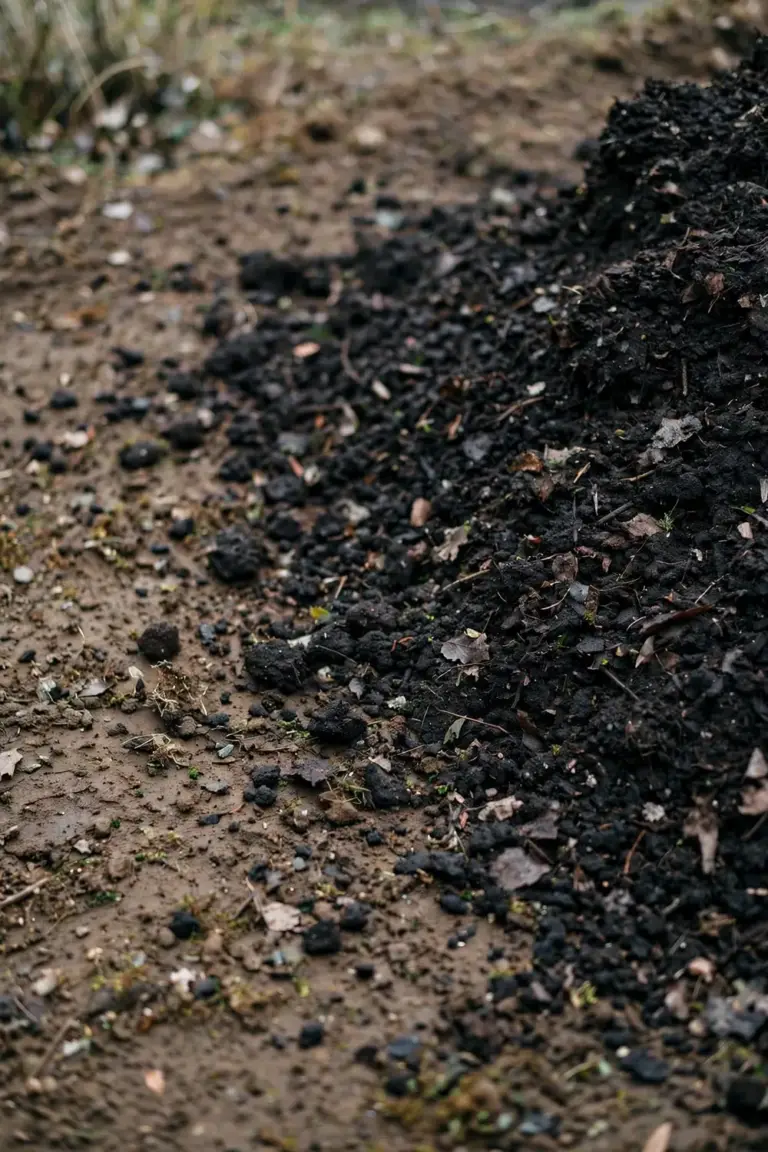
Build soil health before the seed goes in, because feeding a struggling plant mid-season never catches up. Loosen the bed to at least 20 cm so roots run deep and find water in dry spells. Keep the bed free of weeds until planting, since young cucumber seedlings compete poorly for light and nutrients. A 5 cm layer of organic mulch after the soil warms holds moisture, suppresses weeds, and keeps developing fruit off bare dirt.
Test pH if your garden has a history of acid soil. Cucumbers prefer slightly acid to neutral ground. Dolomite or garden lime corrects acidity, but apply it weeks before sowing and retest, because over-liming locks up trace elements just as badly as acidity does.
5. Sow Seeds Directly Once Frost Danger Passes
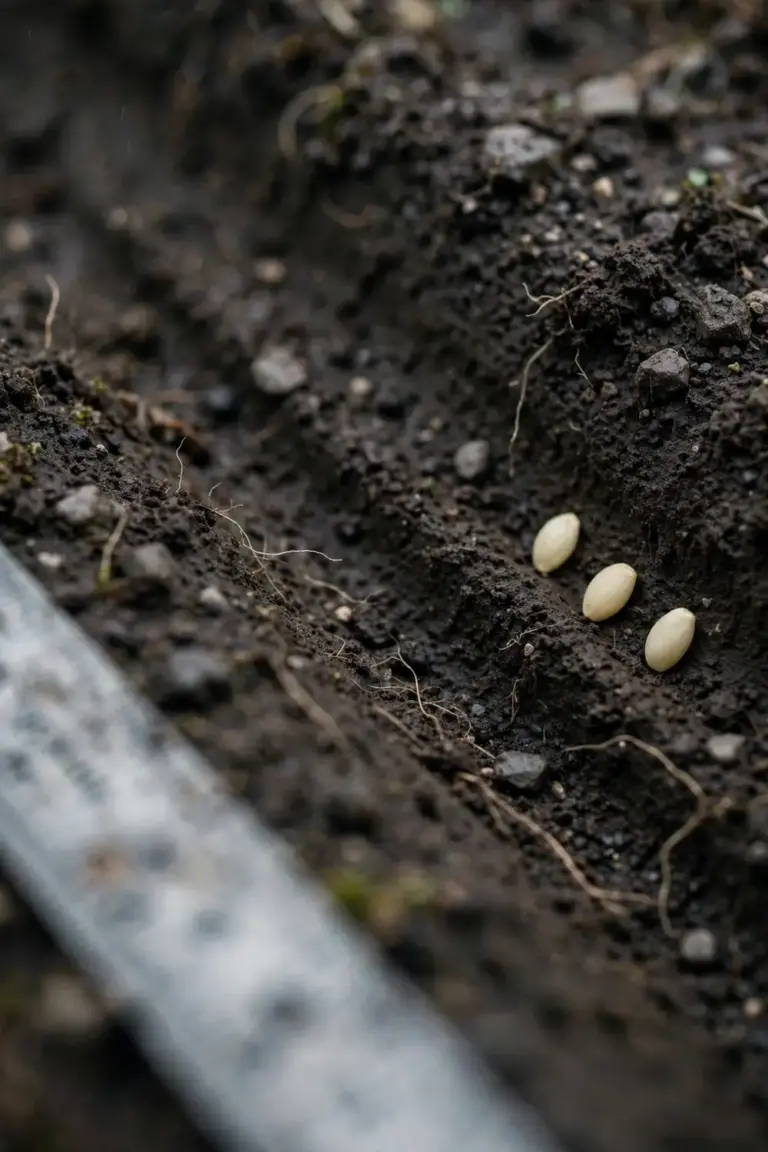
Direct sowing is the simplest start and gives deeper roots than transplants. Sow seeds 1.3 cm deep after frost danger has passed and the soil is warm. South Dakota State Extension recommends sowing seeds about 15 cm apart in rows in its home garden guide, then thinning to 25 to 38 cm apart once seedlings emerge.
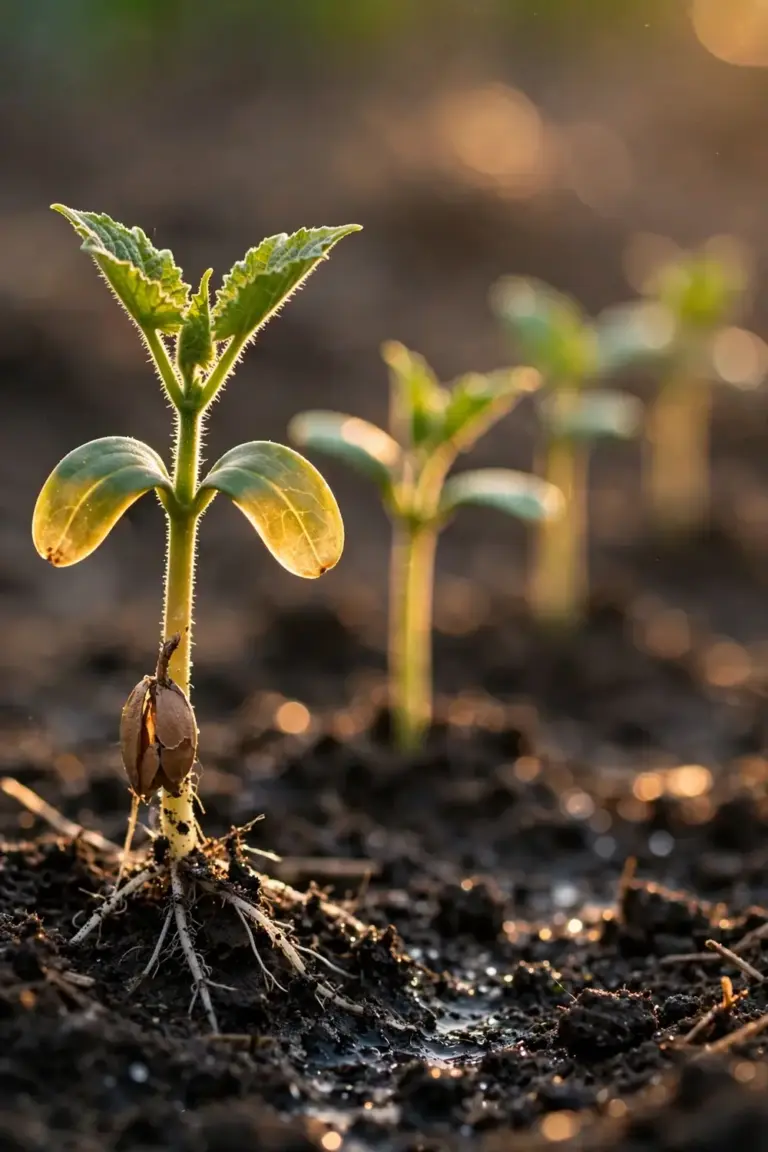
For hills, make flat mounds 10 to 15 cm high and 30 to 60 cm across, spaced 90 to 150 cm apart. Plant 4 to 6 seeds per hill and thin to the 2 or 3 strongest after emergence. Thinning feels wasteful, but crowded seedlings compete and none thrive. Snip the extras at soil level rather than pulling, which disturbs the roots of the keepers.
Keep the soil evenly moist but never waterlogged until seedlings are up. A light mulch of straw over the row holds moisture without cooling the soil too much. Germination takes 4 to 10 days in warm soil. If nothing emerges after two weeks, the soil was too cold or too wet, and resowing into warmer ground beats waiting.
6. Start Seeds in Pots for a Head Start
Start seeds indoors 3 to 4 weeks before your safe outdoor date if spring runs cold. Sow one seed per 9 cm pot in seed-raising mix. Keep the pots warm, around 21 to 25 °C, because germination stalls below 16 °C. A heat mat under the tray makes a real difference in a cold laundry.
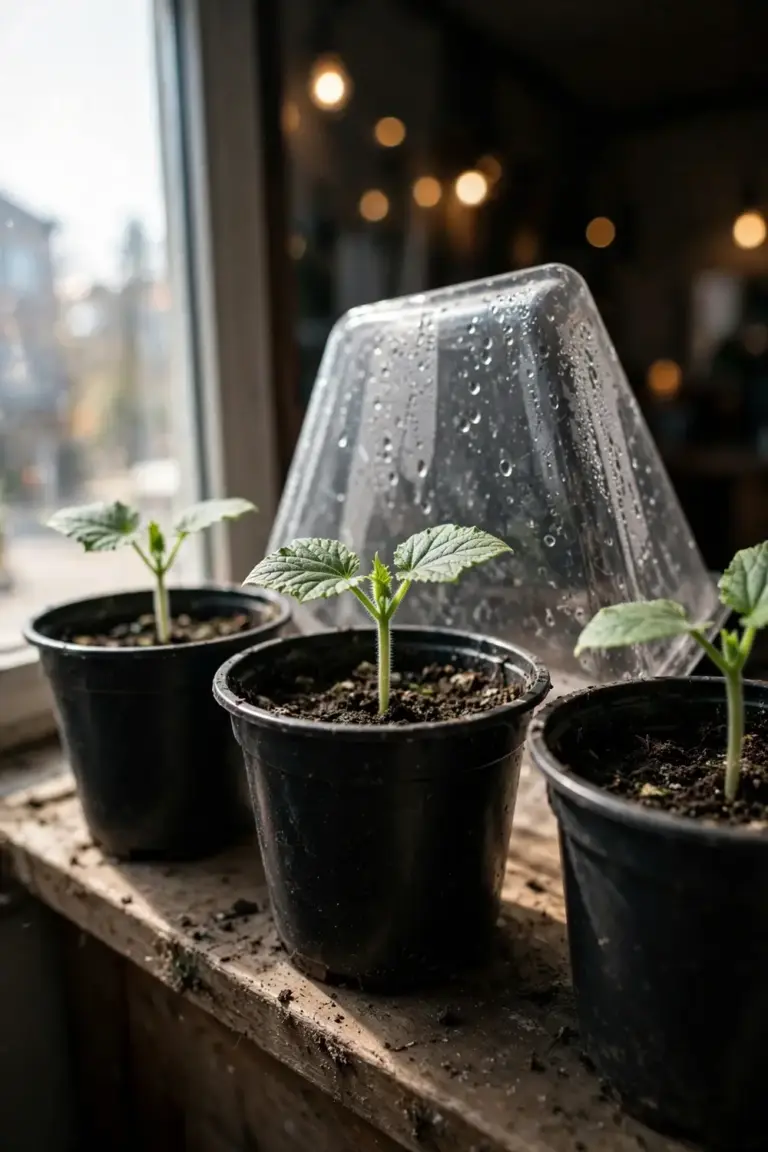
Transplant when seedlings have no more than two true leaves. Larger plants suffer transplant shock that wipes out the head start entirely. South Dakota State Extension warns that oversized transplants gain nothing over direct-sown seed, so resist the urge to let them grow big indoors. Small and stocky beats tall and leggy every time.
Harden seedlings off over 7 to 10 days. Set them outside in shelter for a few hours daily, lengthening the time and exposure. Plant at the same depth they grew in the pot. Water in well. Mulch around the stem, never against it, because wet mulch on the stem invites rot. For a reliable indoor start, follow the steps in the seed starting guide.
7. Water Deeply and Keep It Even
Uneven watering is the fastest route to bitter cucumbers. Give about 2.5 cm of water per week, more in heat or sandy soil. That figure is a baseline, not a rule; dig a finger into the soil and water when the top 3 cm feels dry. Water deeply at the base of the plant so moisture reaches the full root zone. Shallow daily sprinkles grow shallow roots that suffer in the first hot spell.
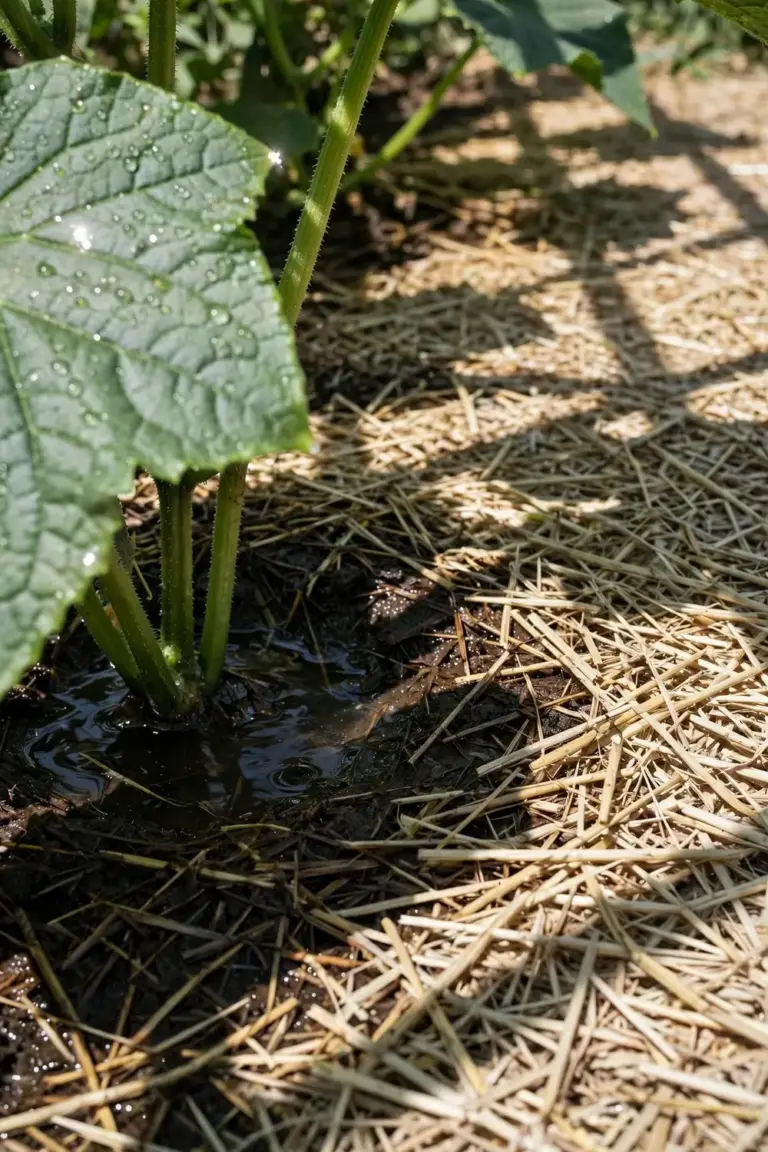
Morning watering beats evening watering. Leaves dry fast in morning sun, which cuts mildew pressure sharply. Wet leaves overnight are an open invitation to fungal disease. Avoid wetting the leaves late in the day, and never water so late that foliage stays damp past sunset.
Drip irrigation or a soaker hose delivers water to the roots without wetting foliage at all. It is worth the setup for a long cucumber row, because it cuts both water use and disease pressure. Run the drip for a deep soak twice a week. Skip the daily sprinkle. Deep, infrequent watering grows the deep roots that carry the plant through the first hot spell unstressed.
Mulch once the soil is warm to lock in moisture. A 5 to 8 cm layer of straw or sugar cane mulch keeps the root run cool and even between waterings. The mulching guide covers materials and depth in detail. In pots, check daily in summer. A 30 cm pot in full sun can dry out completely in one hot afternoon, and a wilted cucumber vine rarely fully recovers.
8. Feed Little and Often Through Fruiting
Cucumbers fruit heavily and eat heavily, so plan feeding as a season-long routine, not a one-off dose. Start with compost-rich soil, then side-dress lightly as vines begin to run. A handful of compost or a light liquid feed every two to three weeks once fruit sets keeps production steady.
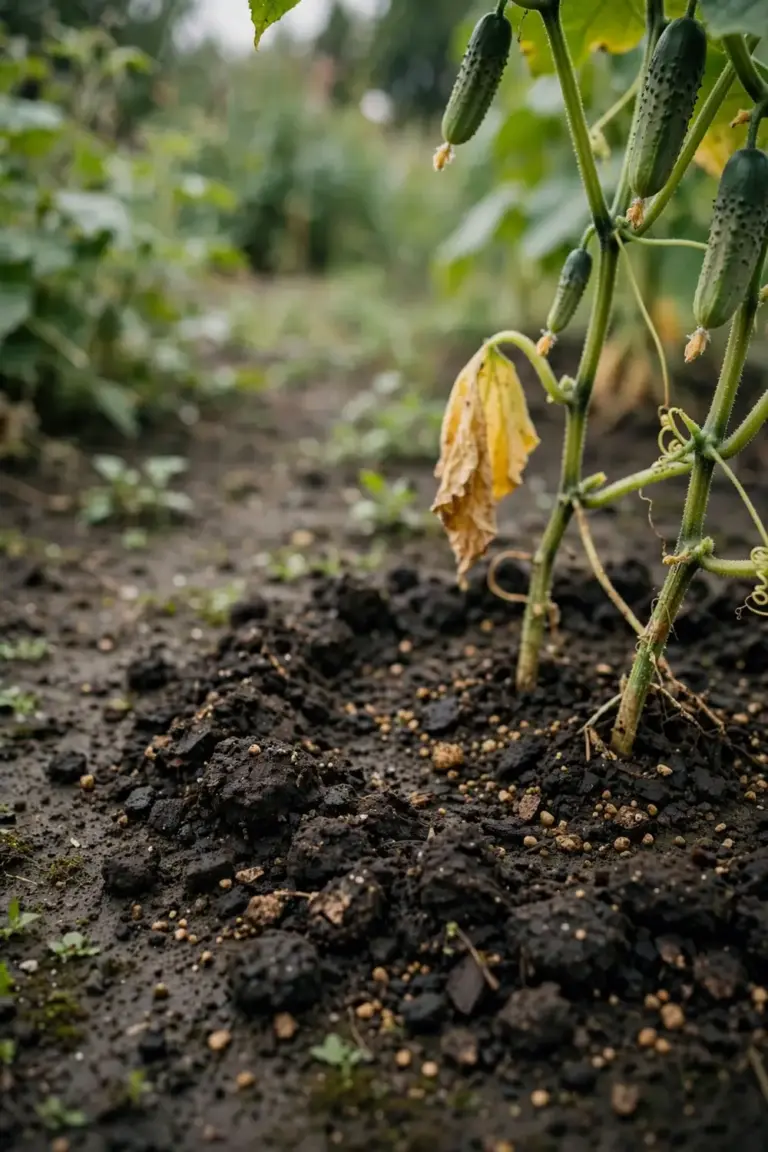
Too much nitrogen grows leafy vines with few flowers. If the plant is all leaf and no fruit, cut the nitrogen and check sunlight first, because shade causes the same symptom. A balanced fertilizer or one slightly higher in potassium supports flowering and fruit development once the vine is running.
Watch the leaves for the feeding signal. Pale older leaves mean the plant wants nitrogen. Dark green vines with no flowers mean you have already given too much, or the plant needs more sun. Yellowing that starts at leaf edges can mean potassium shortage in sandy soils, which a high-potassium liquid feed corrects within a week.
Compost tea and worm castings work as gentle feeds that will not burn roots. Apply them in the cool of the morning so foliage dries fast. Avoid fresh manure anywhere near the plants, because it burns roots and can carry pathogens onto low-hanging fruit. Well-rotted manure, dark and crumbly with no smell, is safe to dig in before planting.
Stop feeding when the vine starts to yellow and die back at season end. No fertilizer revives a finished plant, and late feeding only delays the inevitable while feeding the mildew.
9. Train the Vines Up a Trellis
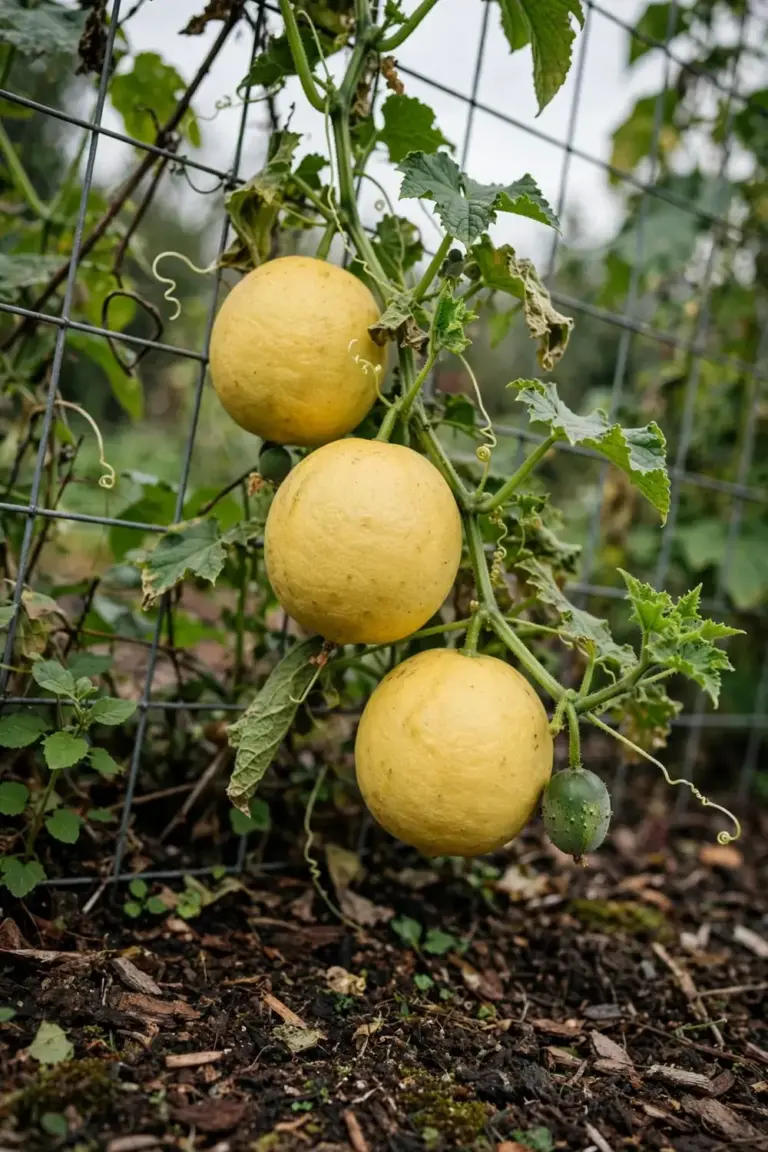
A trellis saves space and grows straighter, cleaner fruit. Vines climb readily if you give them strings, mesh, or a frame at planting time. Install the support before sowing so you never damage roots hammering in posts later. Tie the main stem loosely at first with soft twine until tendrils take hold.
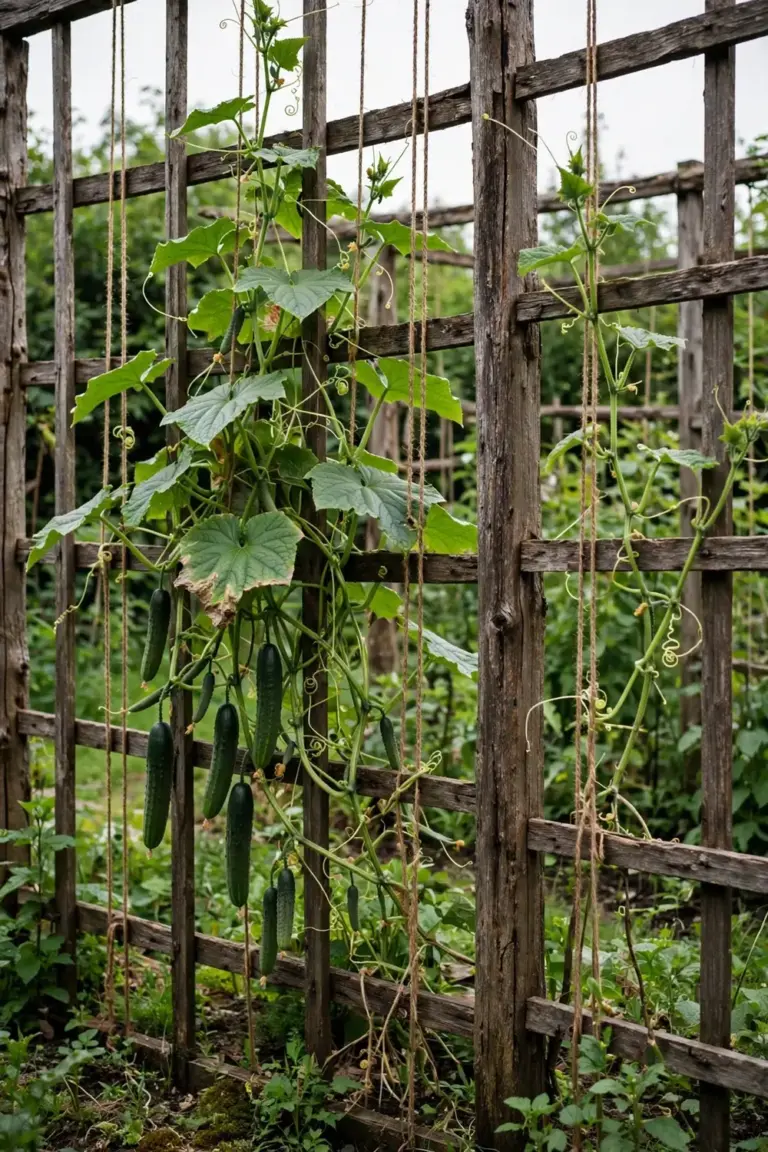
Space trellised plants 30 to 45 cm apart along the support. A simple A-frame works. So does a fence panel or a set of vertical strings. Ground-grown vines need wider paths and a clean mulch layer under the fruit, plus 90 to 150 cm between hills. Trellising improves air flow through the leaves, which cuts mildew pressure sharply. It also lifts fruit off damp soil, so fewer cucumbers rot on the underside or develop yellow bellies.
For small gardens, a trellis turns a 1 m wide bed into a vertical cucumber wall that can carry six to eight plants. For larger plantings, parallel trellises 1.2 m apart let you walk between rows to pick from both sides. Pick from both sides so no fruit hides behind the leaves and swells to bitterness unnoticed.
Prune lightly if the vine gets too dense. Remove the oldest, lowest leaves once they yellow, because they contribute little and harbor disease. Do not strip the vine bare; the leaves feed the fruit. A vine with good air flow and dappled light through the canopy outyields a tangled mat every time.
10. Watch for Powdery Mildew and Chewing Pests
Powdery mildew is the most common cucumber problem in humid weather. It shows as white powdery patches on the upper leaf surface and spreads fast in warm, damp air with poor circulation. Good air flow from trellising is the best prevention. Space plants properly, water at the base, and remove badly affected leaves promptly. Do not compost diseased leaves; bin them.

Chewing and sucking pests include aphids, two-spotted mite, and pumpkin beetle in Australia. Check leaf undersides weekly, because aphids and mites colonise the underside first. A strong jet of water dislodges aphids and mites. Hand-pick pumpkin beetles in the cool of the morning when they move slowly. Keep the garden free of weeds that shelter pests between seasons.
Rotate the planting spot each year. Do not follow cucumbers with pumpkins, zucchini, or melons, because they share the same soil diseases. A three-year rotation away from all cucurbits starves out most soil-borne problems. Healthy soil with plenty of organic matter grows plants that tolerate minor pest pressure without collapsing.
For mildew that keeps returning, choose resistant varieties next season. Seed catalogues mark resistance with codes, and a variety bred for your climate beats spraying a susceptible one all summer. Remove the worst-affected leaves early rather than waiting for the whole vine to whiten, because every infected leaf is a spore factory for the rest.
11. Pick Fruit Young and Pick Often
Pick cucumbers before they grow large, because oversized fruit turns bitter and stops the vine producing more. Iowa State Extension advises harvesting every two to three days, since the fruit grows fast and quickly passes its best. Slicing types are best at 15 to 20 cm long, still dark green and firm. Pickling types go at 5 to 10 cm, before seeds harden.
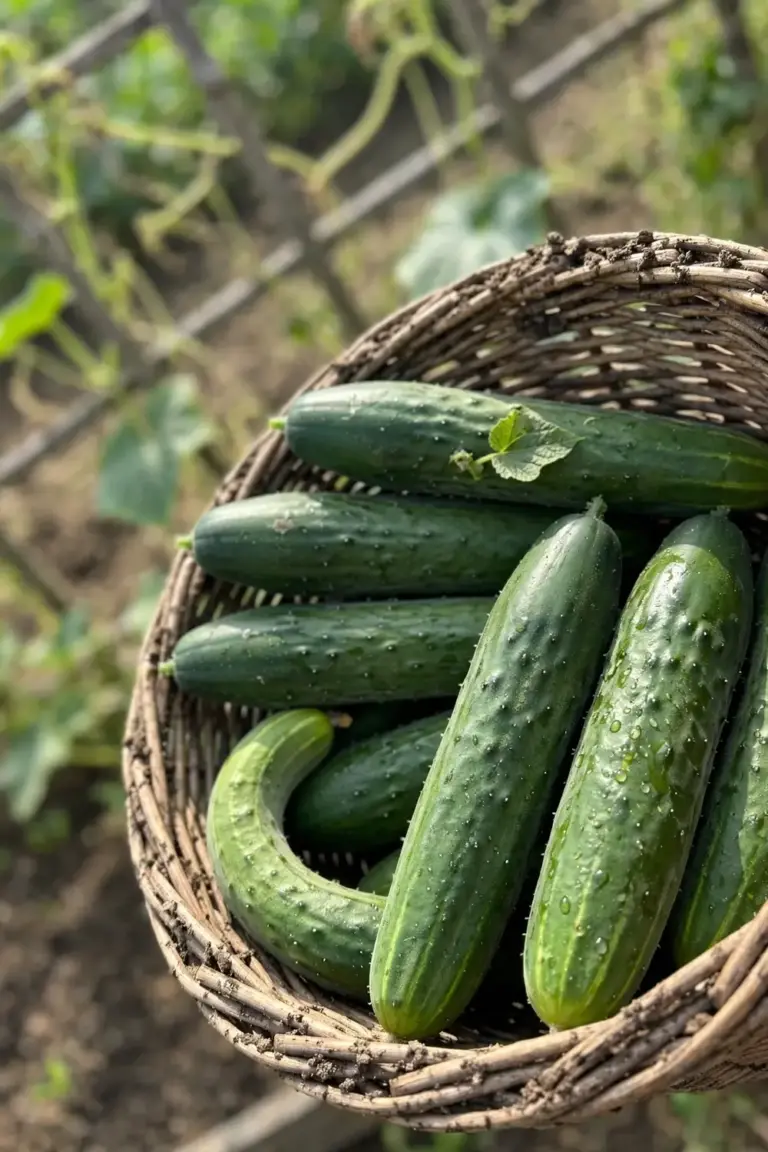
Cut the fruit from the vine with scissors or secateurs rather than pulling. Pulling tears the vine and damages nearby young fruit that would have been next week’s pick. Support the vine with one hand while you cut with the other. Remove any missed fruit that has turned yellow or swollen with seed. One over-mature cucumber left on the vine halts new fruit set across the whole plant, because the vine reads it as job done.
I pick every second morning in summer, because fruit left to swell signals the vine to stop flowering. Morning picks are crisper and cooler, and the vine has the full day to direct energy into the next wave of young fruit.
12. Fix Bitter, Misshapen, or Missing Fruit
Bitter cucumbers come from stress, usually uneven water or a heat wave. Keep watering even and mulch well to buffer soil moisture. Pick fruit young, because bitterness concentrates as cucumbers oversize. If bitterness persists across pickings, the variety may be at fault; modern Lebanese and Continental types are bred for mild flavor, while some older open-pollinated types run bitter in heat.
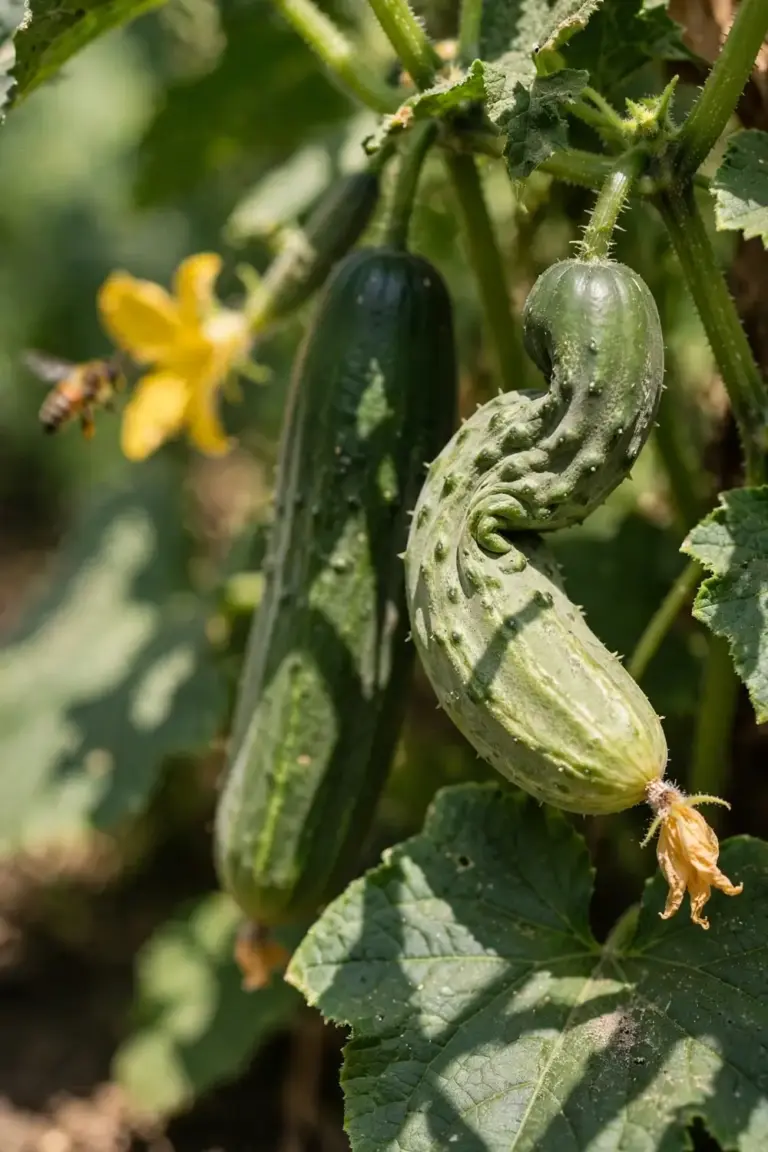
Misshapen fruit with a pinched or curled end means poor pollination. Bees must visit within hours of the flower opening. Do not spray insecticide during bloom. Keep row covers off once flowers appear so pollinators can reach them. Plant flowers nearby to draw bees into the vegetable bed.
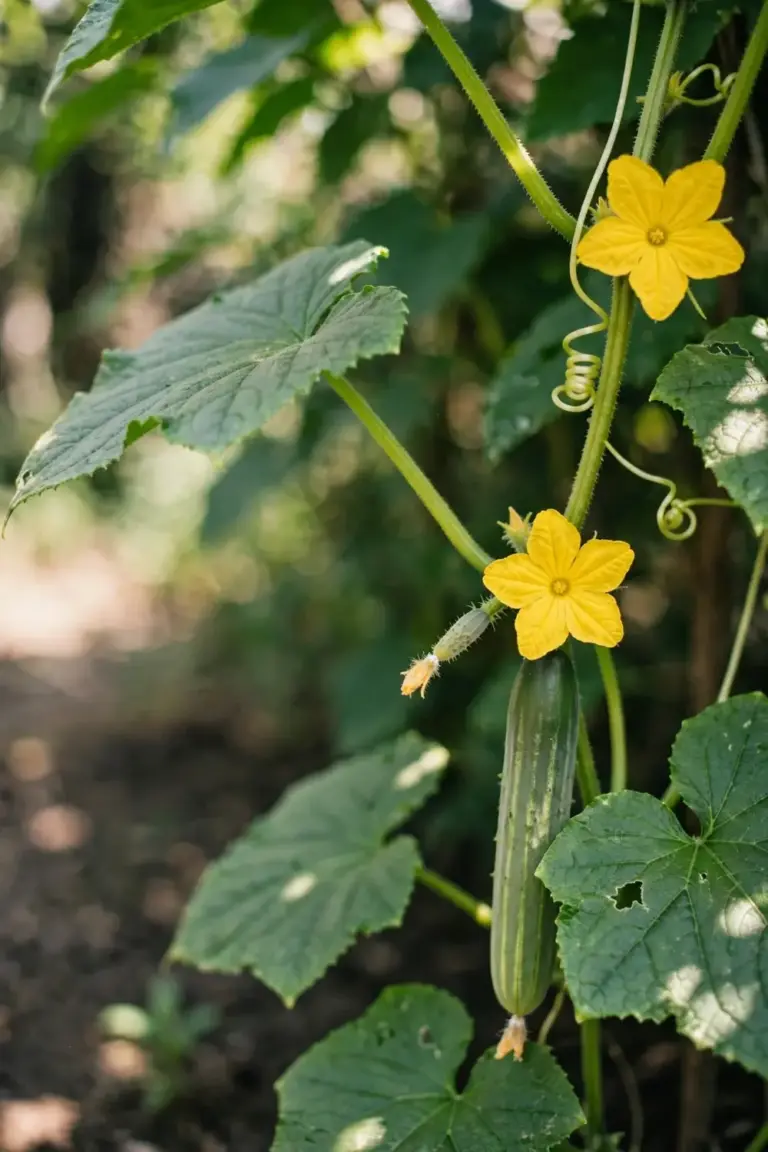
Heavy bloom with no fruit often means only male flowers are open. Male flowers appear first, sometimes a week or more before the first female, and this is normal. Wait. Female flowers carry a miniature fruit behind the bloom; if those appear but still fail to set, check that nights are warm enough and bees are visiting. Cold nights below 13 °C slow pollination and fruit set noticeably.
Hand pollination works as a backup. Pick a fresh male flower, strip its petals, and dab the pollen onto the center of an open female flower in the morning. One male flower pollinates two or three females. This is slow for a large planting but saves a balcony crop with few bees.
Remove the vine at season end when mildew takes over most leaves, because no spray restores a finished plant. Pull the whole vine, roots and all, to deny overwintering disease a host. Compost only healthy material; bin the mildewed leaves.
13. Stretch the Season With Succession and Shelter
One sowing gives one glut. Three sowings give two months of cucumbers across the whole warm season. Sow the first batch at your safe outdoor date, the second two to three weeks later, and the third two weeks after that. Each planting fruits for three to four weeks with regular picking, so the waves overlap into a continuous supply instead of one overwhelming glut.
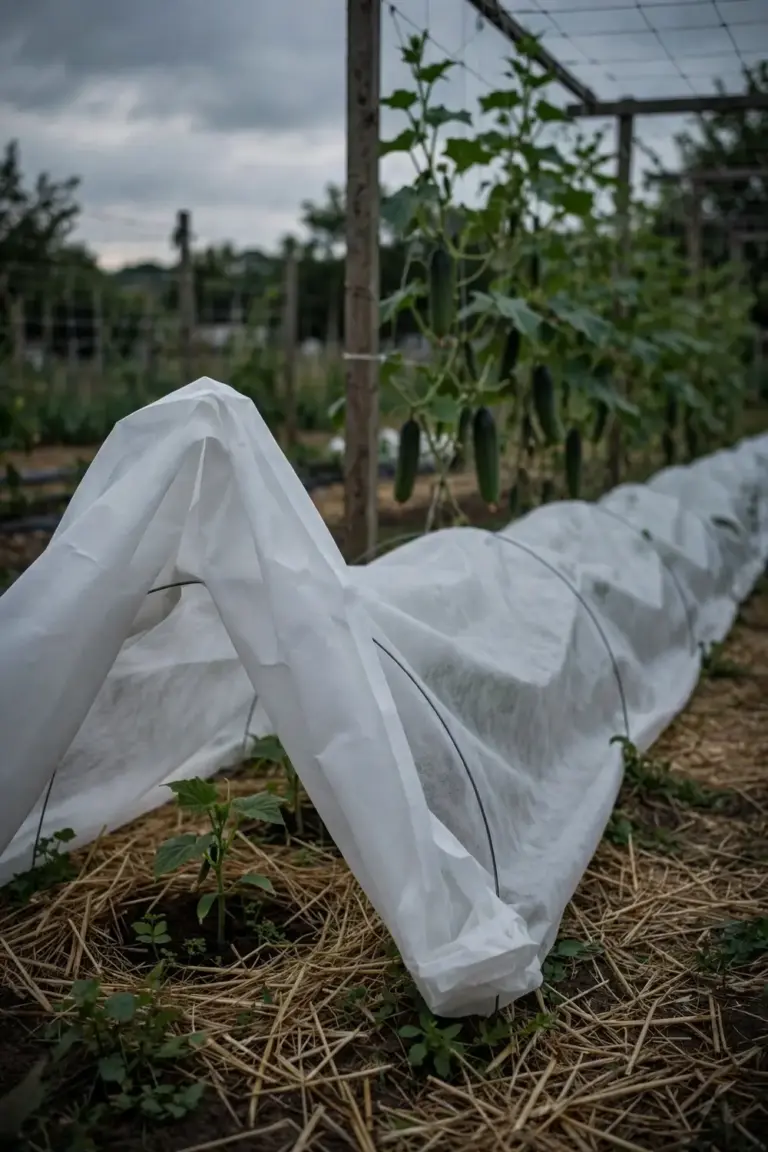
Shelter buys extra weeks at both ends of the season. A cloche or row cover over early sowings holds warmth on cold nights and speeds germination. Remove covers once flowers open so bees can pollinate. At the tail end, a cover over the last planting protects ripening fruit from the first cool nights and stretches picking by a fortnight.
In frost-free subtropical and tropical zones, time plantings to dodge the worst heat. Sow so the main fruiting falls in the milder months, not the peak of summer. In the far north, the March to September window avoids the wet-season disease pressure that ruins summer crops.
Frequently Asked Questions
Most varieties take 50 to 70 days from sowing to first harvest, according to South Dakota State Extension. In Australian conditions that usually means 8 to 12 weeks. Variety, warmth, and watering all shift the date. Warm weather with steady water and feeding brings the earliest pick, while cool springs stretch the timeline by two weeks or more. Southern gardeners should add a buffer to every packet figure.
Yes. Choose a compact or bush variety and a pot at least 30 cm wide and deep, with drainage holes. Use quality potting mix, not garden soil, because mix drains freely and feeds evenly. Water daily in summer and feed every two weeks once flowers appear. Give the vine a small trellis or stake even in a pot, to keep fruit off the mix and improve air flow around the leaves.
Bitterness comes from stress, most often uneven watering or heat waves during fruiting. Keep soil moisture steady with mulch and deep, regular watering. Pick fruit young, because oversized cucumbers concentrate the bitter compounds near the stem end. Some older varieties are naturally more bitter than modern Lebanese and Continental types, which were bred for mild flavor even in warm weather.
No, but they do far better with one. Trellised vines produce straighter fruit, suffer less mildew thanks to better air flow, and use much less ground space. Ground-grown vines work if you space them widely and keep a clean mulch layer under the developing fruit. Either way, give each plant room for air to move through the leaves, and install supports before sowing.
Keep watering until the vine finishes for the season. Reduce frequency as growth slows and leaves yellow in autumn, matching water to what the plant still uses. Do not stop abruptly while fruit is still forming, because a dry shock at that stage turns the remaining cucumbers bitter. Pull the vine and compost healthy material once mildew covers most leaves.
Start With One Trellis This Season
One trellis, one variety, one sowing after the last frost. That is enough for a household to eat fresh cucumbers for weeks. Sow Lebanese for salads, add a Continental if you have the space, and pick every two to three days once fruit starts.
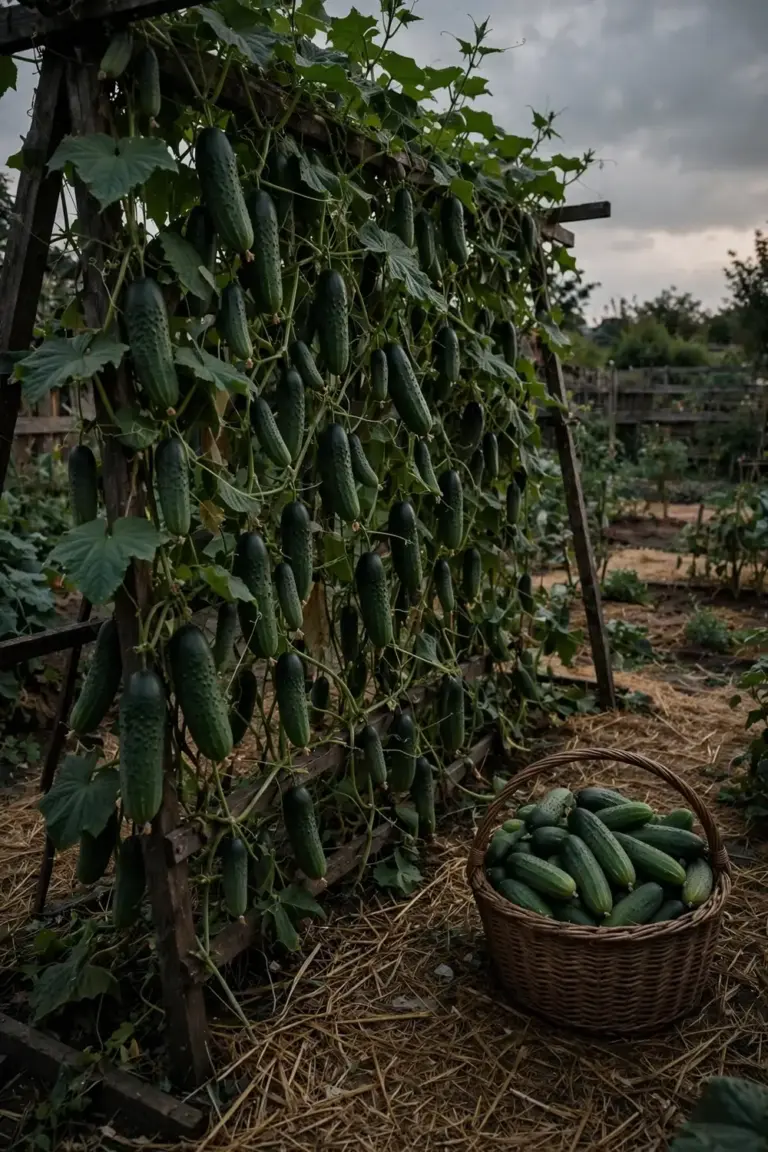
Keep notes on what worked. Record the variety, the sowing date, the first pick date, and any pest pressure you saw. Next season those four lines tell you exactly what to repeat and what to change. A gardener who writes down sowing dates beats one who relies on memory every time, because memory blurs and the notebook does not.
For garden planning around your cucumbers, see companion planting for spring vegetables. Good companions include corn and beans. They share the warm-season bed without competing hard for the same nutrients. Keep cucumbers away from potatoes, which compete aggressively for water.