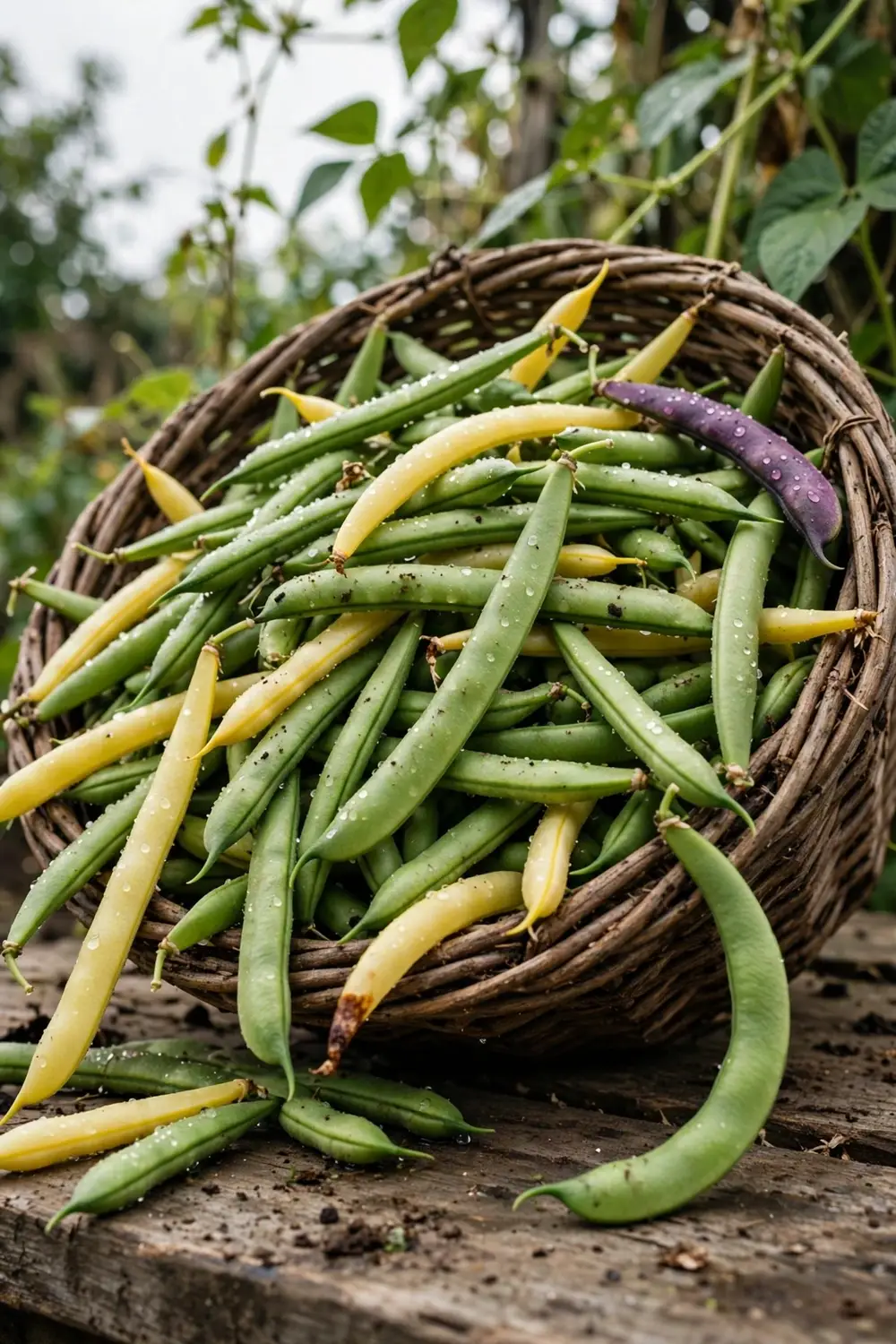

Growing beans in Australia starts with one decision: match the bean to your season. Sow warm-season beans after the last frost into soil that has reached 16°C, and sow broad beans into the cool season instead. Bush beans reach picking in 50 to 65 days, pole beans take 70 days, and dry shelling beans take as long as 110 days.
I have learned that the bean I pick young keeps flowering, while the one I leave to swell stops setting pods.
1. Choose the Bean Type That Fits Your Bed
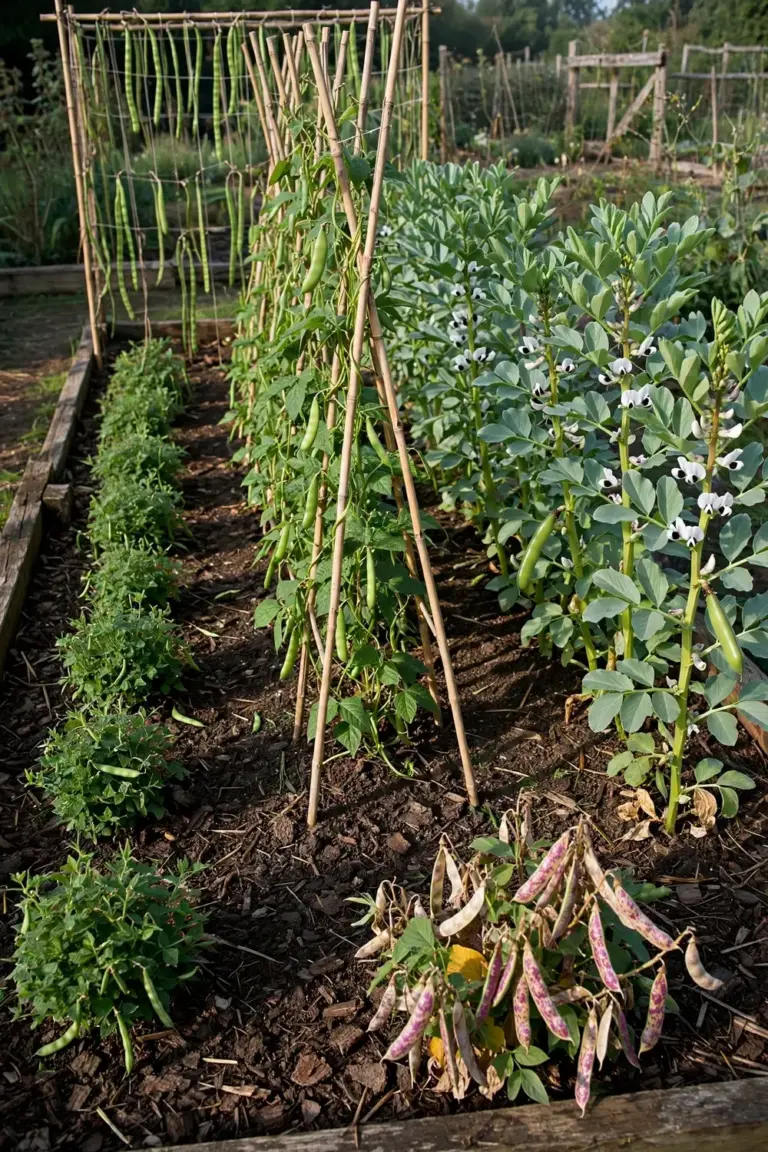
Five bean types cover every Australian bed, and each one answers a different job. Bush beans suit small beds and pots, while climbing beans want a trellis and repay the structure with a harvest that lasts months. Broad beans suit the cool season. Snake beans suit summer heat. Borlotti beans suit shelling and drying. Pick the type first, then the variety. The table below sets out the five types side by side.
| Bean Type | Botanical Name | Habit | Eat As | Days to Pick |
|---|---|---|---|---|
| Bush / dwarf | Phaseolus vulgaris | Compact bush, no support | Snap pods, young | 50 to 65 |
| Climbing / runner | Phaseolus vulgaris, Phaseolus coccineus | Twining vine, needs support | Snap pods, young | 60 to 70 |
| Broad | Vicia faba | Upright, stocky, may need staking | Shelled beans, fresh or dried | 90 to 150 |
| Snake / yard-long | Vigna unguiculata subsp. sesquipedalis | Vigorous vine, needs support | Long pods, young | 60 |
| Borlotti | Phaseolus vulgaris | Bush or climbing forms | Shelled beans, fresh or dried | 90 to 110 |
Broad beans carry the longest wait and the coolest season. The 90 to 150 day span comes from Gardenate’s Australian broad bean notes, which give a 3 to 5 month harvest window and note that cold weather stretches it. Borlotti sits near the dry-bean end of the range because the pods finish on the plant.
2. Sow Bush Beans for a Fast First Pick
Bush beans give the fastest return of any bean type. The plants stay compact, carry no support cost, and crop in one concentrated flush over two to three weeks. That flush suits a small bed, a pot, and a gardener who wants beans on the table fast.
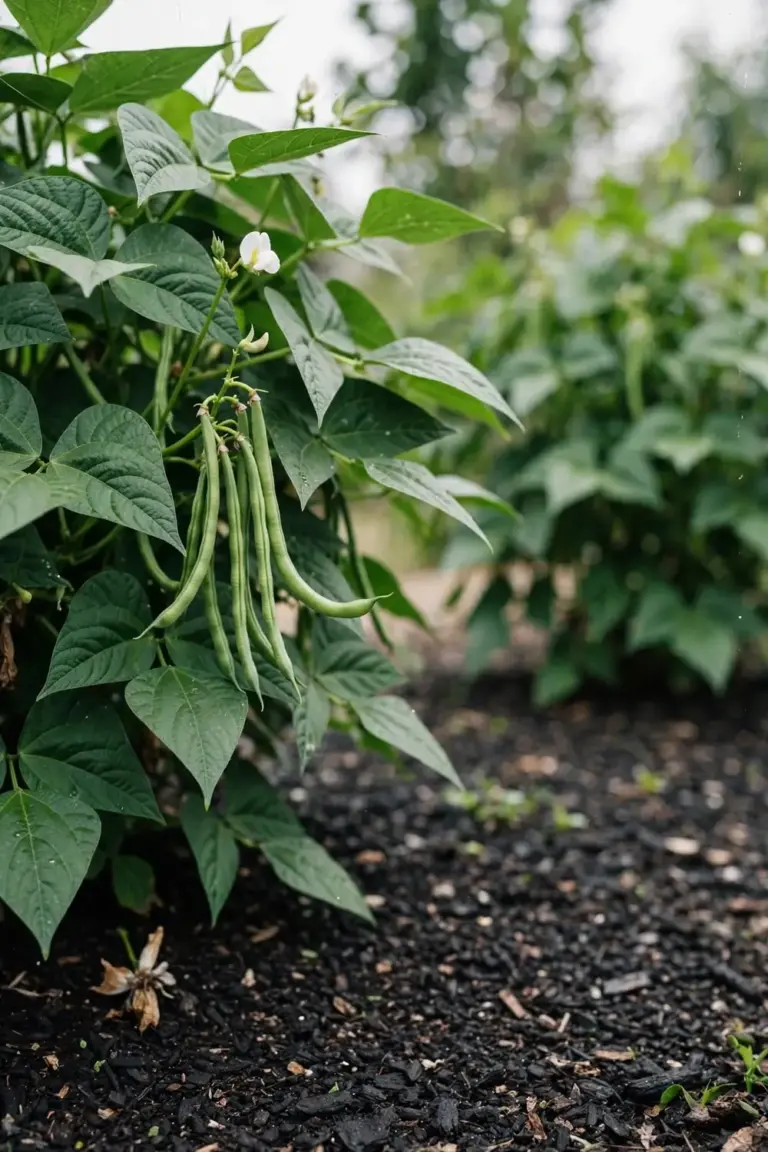
Sow bush beans in a block rather than a single row. A block shades the soil, holds moisture, and lets neighbours shelter each other from wind. Sow a fresh block every 10 to 14 days through the warm season, and the flushes overlap into a steady supply. The same New Hampshire guide that sets the spacing below recommends that 10 to 14 day succession rhythm for green bush beans. Stop sowing 8 weeks before your first expected frost so the last block finishes before cold nights arrive.
Pick the first flush young and keep picking. Bush beans set a second wave of flowers when pods leave the plant, so a block picked clean outcrops a block picked once. Walk the row every two days in peak season. A missed pod swells, toughens, and tells the plant to stop.
Bush beans also suit pots. One plant per 20 cm pot gives a workable crop, and a 30 cm pot holds two. Pots dry fast, so check moisture daily in summer. A pot on a sunny balcony outcrops a shaded bed every time.
3. Grow Climbing Beans Up a Trellis
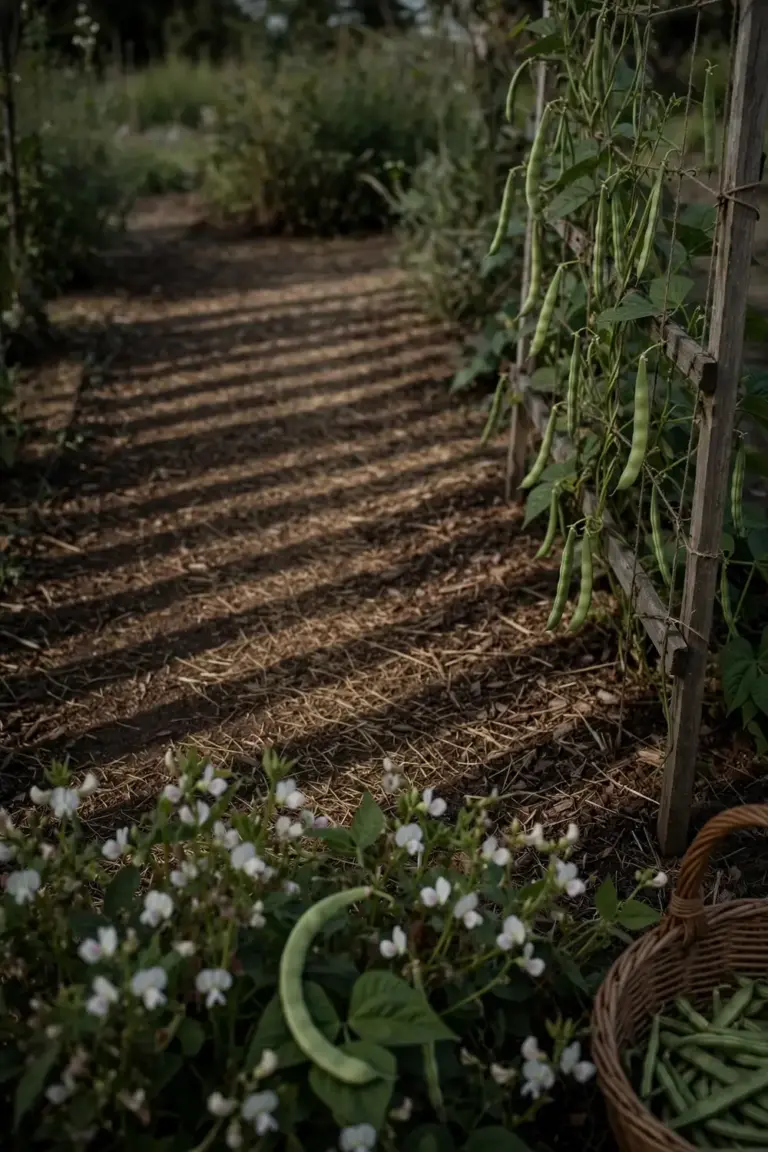
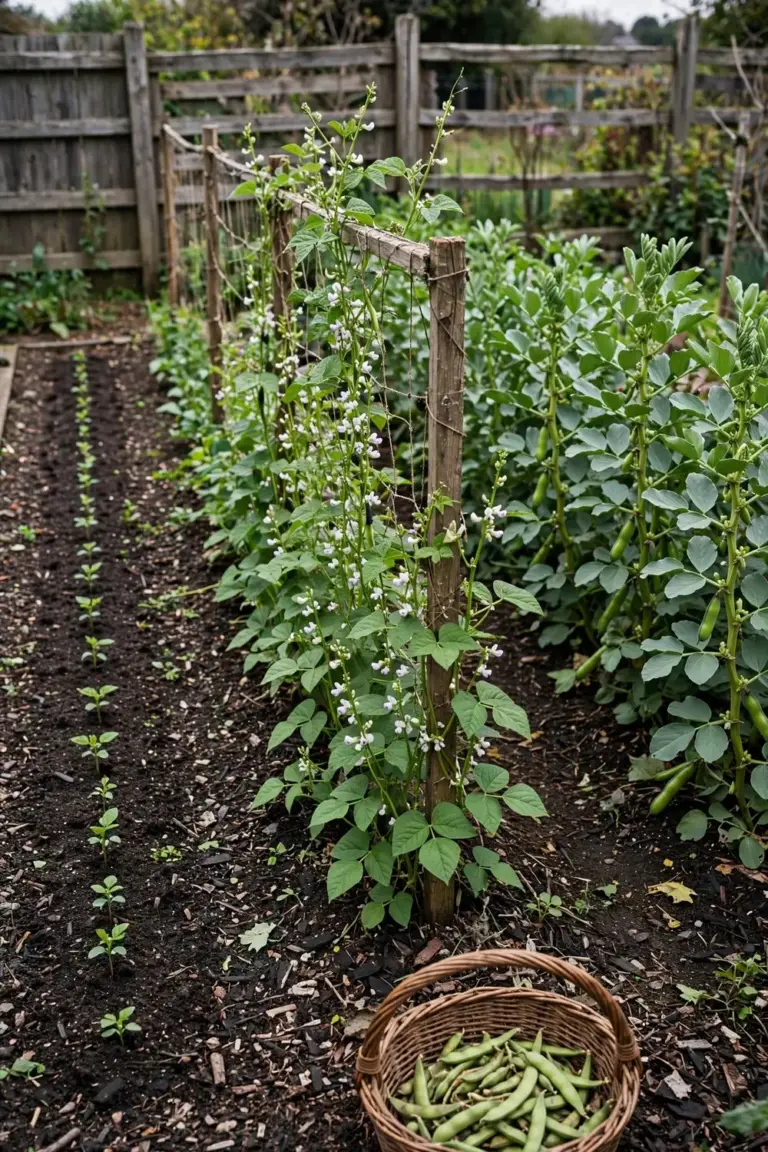
Climbing beans trade a support structure for a harvest that lasts months, with one planting climbing, flowering, and setting pods in waves until frost. The yield per square meter beats bush beans because the plants use vertical space.
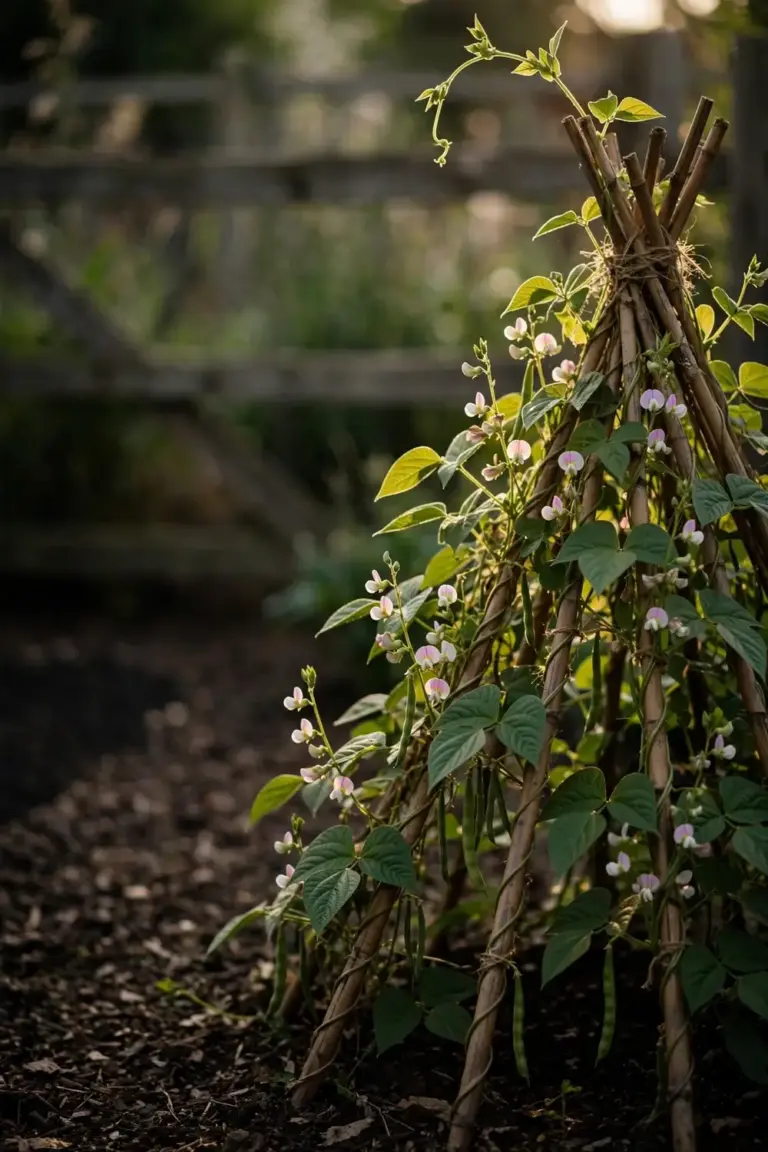
Climbing French beans are Phaseolus vulgaris in vining form. Runner beans are a separate species, Phaseolus coccineus, with scarlet flowers and larger pods. Runner beans set pods poorly in hot weather, so in tropical and subtropical zones the climbing French types and snake beans outperform them. In cool zones, runner beans crop well and their flowers draw pollinators.
Set the support at planting time. The same West Virginia guide that sets the soil-temperature floor below recommends installing supports at planting, because fitting them later can injure small plants. A trellis, a tepee of bamboo canes, or a vertical wire all work. Make the structure strong enough to carry a wet vine load in wind.
4. Sow Broad Beans in the Cool Season
Broad beans are the cool-season exception in the bean family. They germinate in soil as cool as 6°C and crop through winter in mild zones. Gardenate’s Australian broad bean notes give a soil-temperature span of 6°C to 24°C and a spacing of 15 to 25 cm between plants.
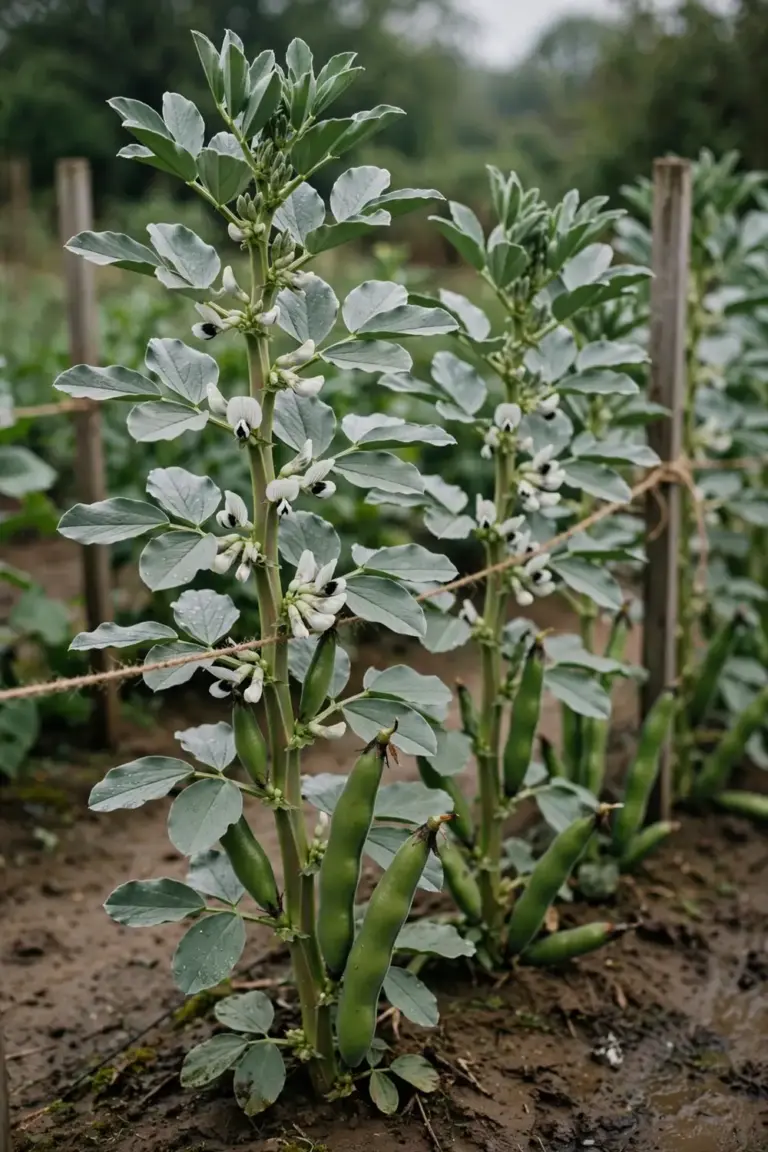
Sow broad beans in autumn in mild zones for a winter crop, and in early spring in cold zones. In tropical zones, broad beans are not recommended. The plants grow 0.5 to 1.7 m tall with stout, square stems, so stake tall varieties or string between posts in windy sites. Plants that fall across each other shade their own flowers and set fewer pods.
Broad beans and fava beans are the same plant, Vicia faba. Australian packets say broad beans. Packets that say fava mean the same seed. Check the botanical name before buying, and the naming question disappears.
5. Grow Snake Beans Through Summer Heat
Snake beans are the heat answer. They keep flowering when French beans drop theirs in hot weather, and their pods grow 30 to 46 cm long. The pods taste like green beans with a denser texture and a stronger bean flavour.
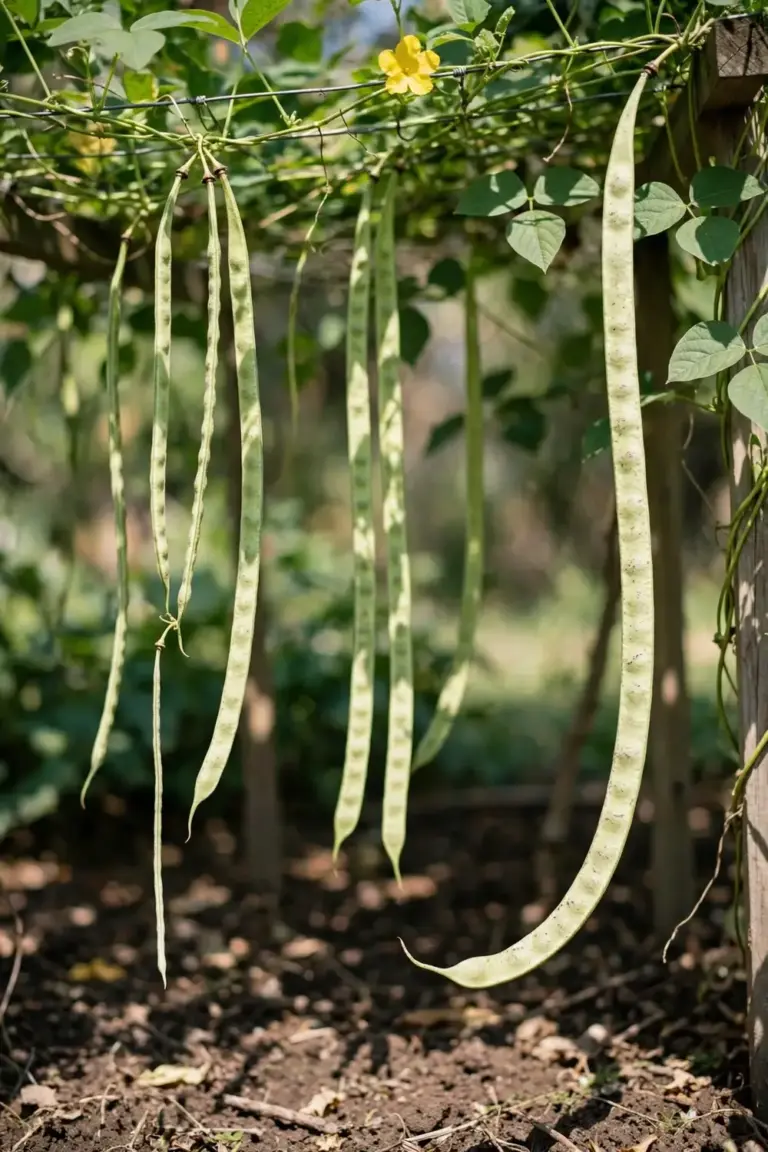
Snake beans need a support 2.1 m high, according to the LSU AgCenter yardlong bean guide. Sow seeds 2.5 cm deep and 15 to 30 cm apart along a row trellis, or three seeds per pole on a tripod. Harvest starts 60 days after sowing. Pick pods when they are thinner than a pencil and still snap when bent, generally at 30 to 46 cm long. Pick daily in peak season, because continuous picking keeps the plants producing and pods left to mature stop the plant.
Snake beans are Vigna unguiculata subsp. sesquipedalis. The name on the packet may read snake bean, yard-long bean, asparagus bean, or Chinese long bean. All four names point at the same plant. Buy one packet under any of those names and the vine in the bed is the same.
6. Grow Borlotti for Shelling Beans
Borlotti beans are shelling beans, not snap beans. The pods carry red-splashed cream shells, and the beans inside cook into a creamy, nutty pulse. Grow them for the pantry rather than the salad bowl.
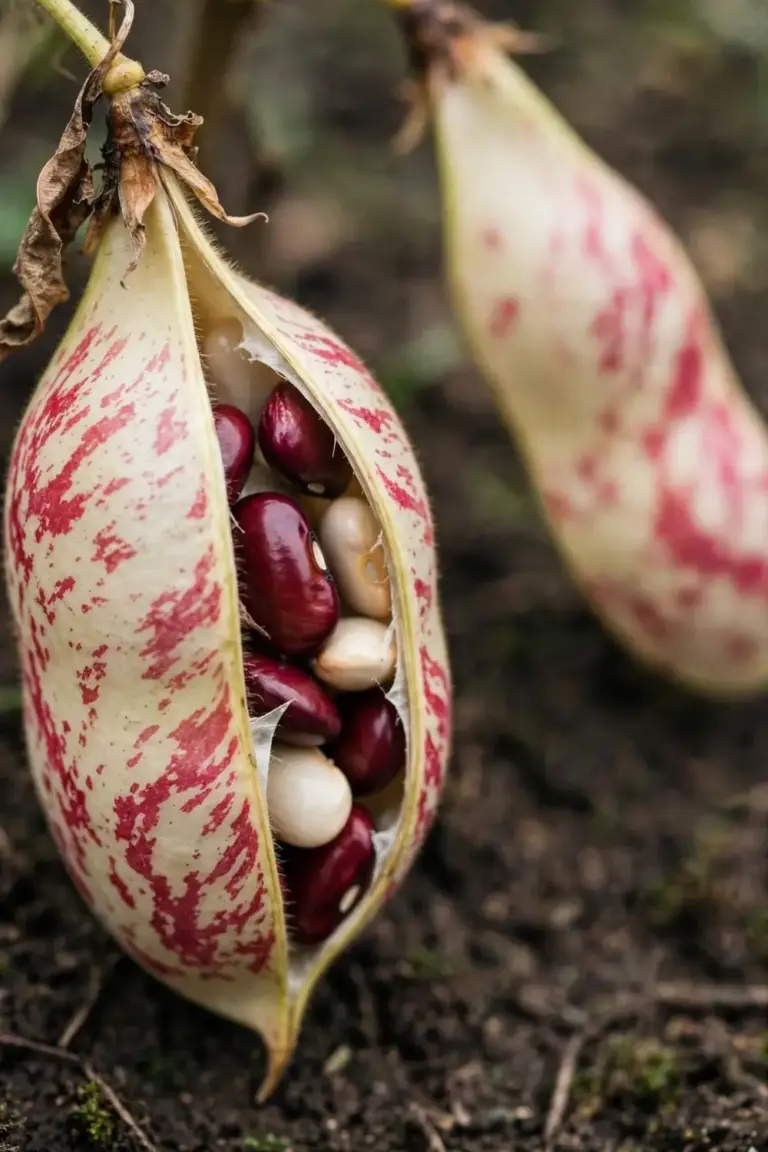
Borlotti is a Phaseolus vulgaris type, so it grows like other common beans. Bush forms need no support. Climbing forms need a trellis. Let the pods swell and color on the plant, then pick when the pods feel full. For dried beans, leave pods on the plant until they turn leathery and rattle, then shell and store in a sealed jar.
Dried borlotti keeps a year or more in a cool, dark, airtight jar. Fresh shelled borlotti keeps a few days in the fridge. Freeze the surplus in meal-sized bags and the pantry stretches into winter.
7. Match Sowing to Your Climate Zone
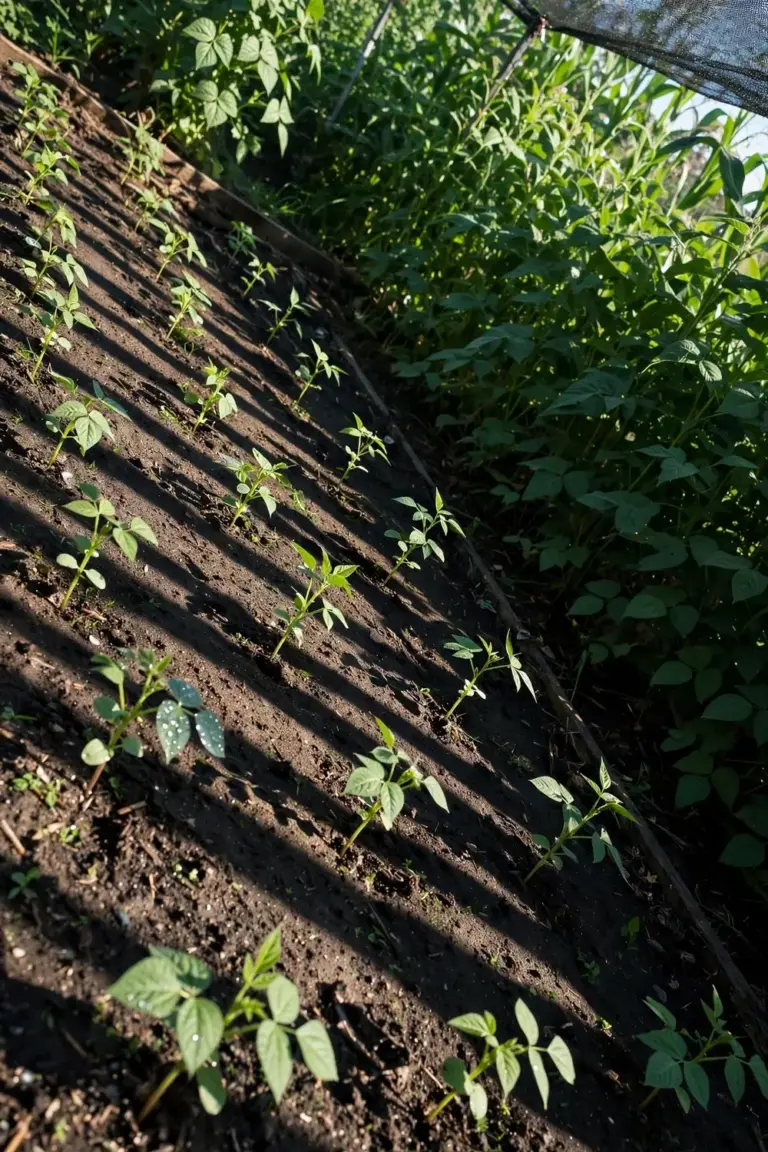
Sowing dates follow soil temperature and frost, not the calendar month, and warm-season beans wait for soil at 16°C and for frost to pass. West Virginia University Extension sets 16°C soil as the germination floor for beans, and notes that beans cannot tolerate frost. Broad beans follow the opposite rule: sow them into cool soil and let them crop through winter.
| Climate Zone | Warm-Season Beans | Broad Beans |
|---|---|---|
| Tropical | Sow in the cooler dry season; avoid the wettest months | Not recommended |
| Subtropical | Spring to early autumn, in succession | Autumn to winter |
| Temperate | After last frost to midsummer, in succession | Autumn and early spring |
| Cool / mountain | Late spring to summer | Spring, after the soil can be worked |
| Arid | After rain or with irrigation, in the cooler months | Winter, with water |
The Northern Territory agriculture note gives Darwin French bean planting between April and August, with dwarf varieties harvestable within 45 days and climbing varieties in 70 days. That window shows the tropical rule in practice: sow warm-season beans into the dry season, not the wet season. In temperate zones, the last frost date sets the start, and the first frost date sets the end.
8. Prepare Sun, Soil, and Drainage
Beans need full sun and free-draining soil. The University of New Hampshire Extension guide sets the soil pH band at 6.0 to 6.8, calls a sandy loam the best soil type, and asks growers to follow a soil test before adding fertilizer. Beans grow in a wide range of soils, but they fail in waterlogged beds and in cool, wet soil.
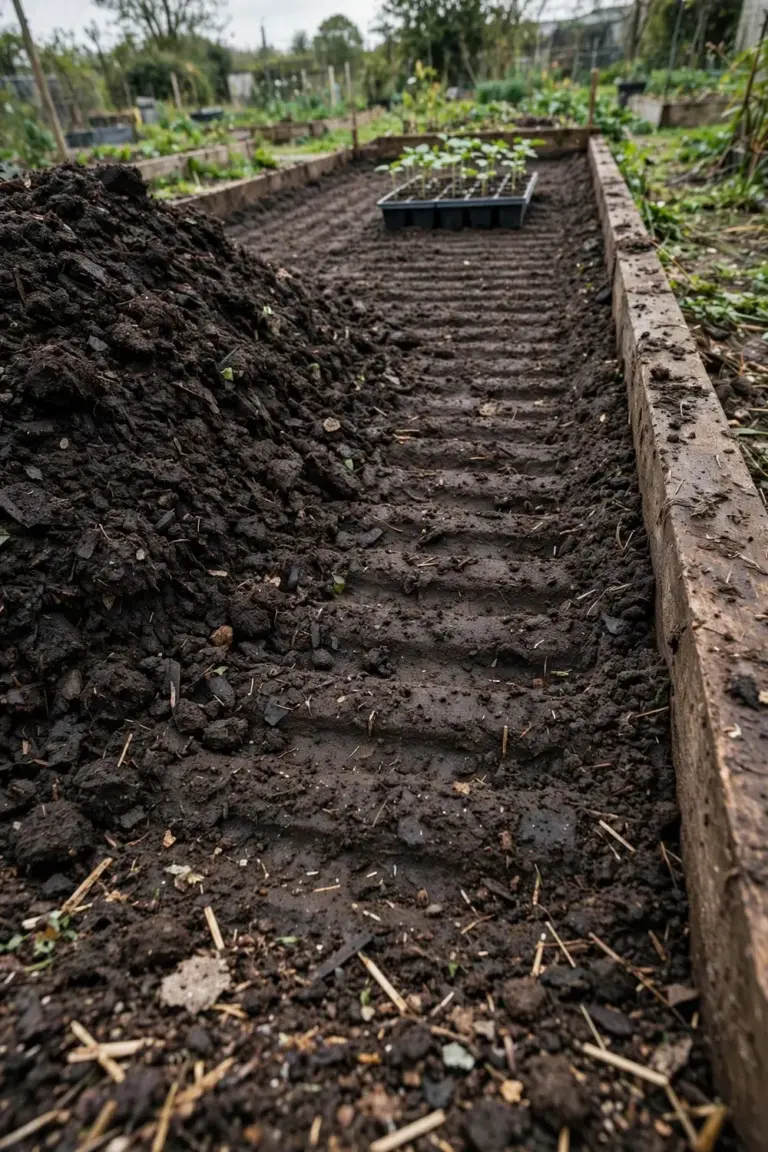
Work mature compost into the bed before sowing. Compost from a home bin adds structure and feeds soil life without the nitrogen spike that pushes leafy growth. Do not sow into soil that has just received fresh manure or fresh organic matter. The Northern Territory agriculture note warns that fresh organic matter in the bed encourages fungal root rots in beans.
Healthy soil holds moisture without staying wet. Dig a fork into the bed after rain. Water that sits in the holes means the drainage needs work. A raised bed or a mound fixes drainage faster than any soil additive.
9. Sow Beans Direct at the Right Depth
Sow beans where they will grow. Beans resent transplanting, and direct sowing gives stronger plants. The same New Hampshire guide that sets the pH band above seeds bush beans 2.5 to 3.8 cm deep and 5.1 cm apart in rows 38 to 46 cm apart, and seeds pole beans 10 cm apart with slender poles 30 cm apart or a trellis between sturdy posts.
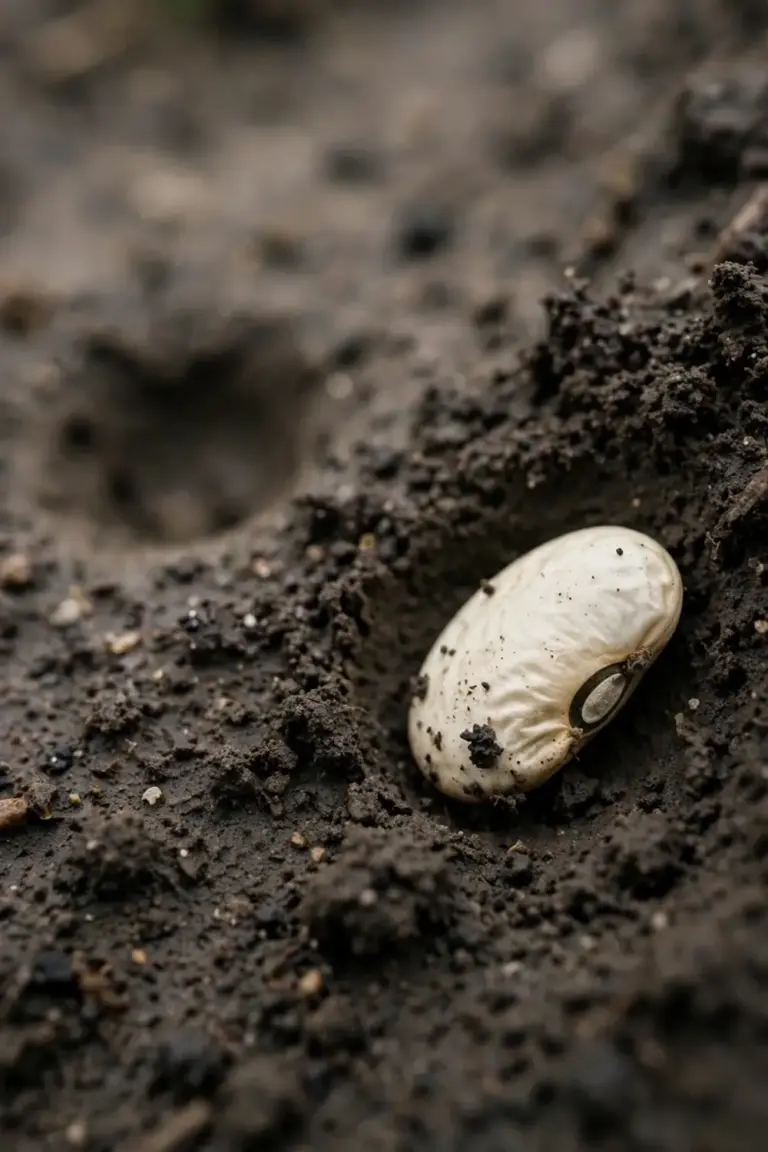
Push each seed into moist soil with the eye facing down, then firm the soil over it. Water the row after sowing and keep it damp until seedlings appear, usually within 7 to 10 days. Cold, wet soil rots seed before it sprouts, so wait for warm soil rather than sowing early and hoping.
Inoculant is worth one honest paragraph. Bean roots carry nodules that fix atmospheric nitrogen, but the right rhizobium bacteria must be present in the soil. A SARE production guide recommends inoculating seed with Rhizobium phaseoli for the best nitrogen fixation. Inoculant pays where beans have never grown. Where beans have grown before, the bacteria already live in the soil and the packet adds little.
Seed-starting steps suit crops that need a head start indoors. Beans are not one of them. Direct sowing skips the transplant shock entirely.
10. Build Supports That Hold the Weight
Climbing beans need a support that holds a wet vine in wind. Build it before sowing. A trellis of woven wire between sturdy posts, a tepee of three or four bamboo canes tied at the top, or vertical wires on a frame all work. Space tepee poles 30 cm apart at the base so each vine has its own cane.
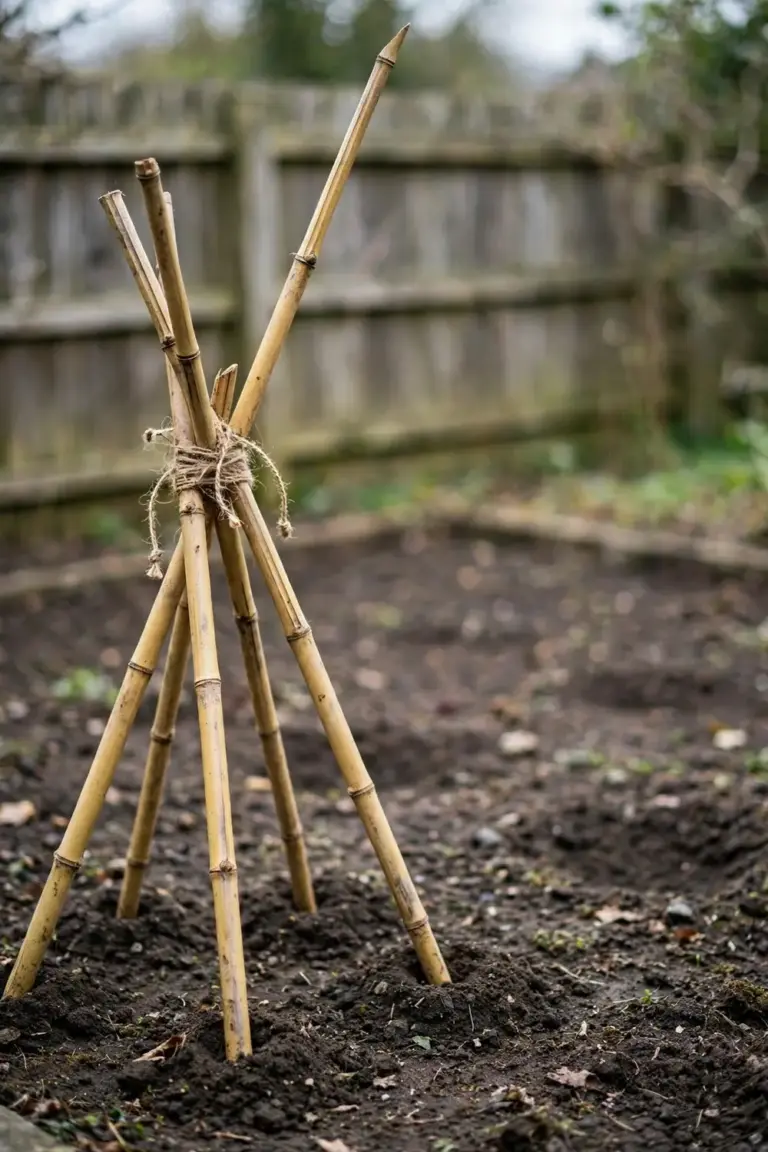
Tie young vines to the support once they reach 15 cm. The tendrils find the structure on their own after that. Pinch the growing tip when a vine reaches the top of its support, and the plant puts energy into side shoots and pods instead of more vine.
Anchor the support against wind before the vines load it. A tepee that rocks in a storm pulls seedlings out by the roots. Drive canes 20 cm into the soil, lash the tops tight, and set the structure on the windward side of the bed so gusts press it into the ground rather than lifting it.
Bush beans need no support. Broad beans need staking only in wind. Snake beans need the tallest support in the bean family, about 2.1 m, because the vines grow fast and the pod load pulls hard.
11. Water Beans Through Flowering and Pod Fill
Water beans at the roots and keep the soil damp through flowering and pod fill. Mulch holds that moisture and keeps pods clean. Water in the morning so leaves dry before nightfall, because wet leaves invite fungal disease.
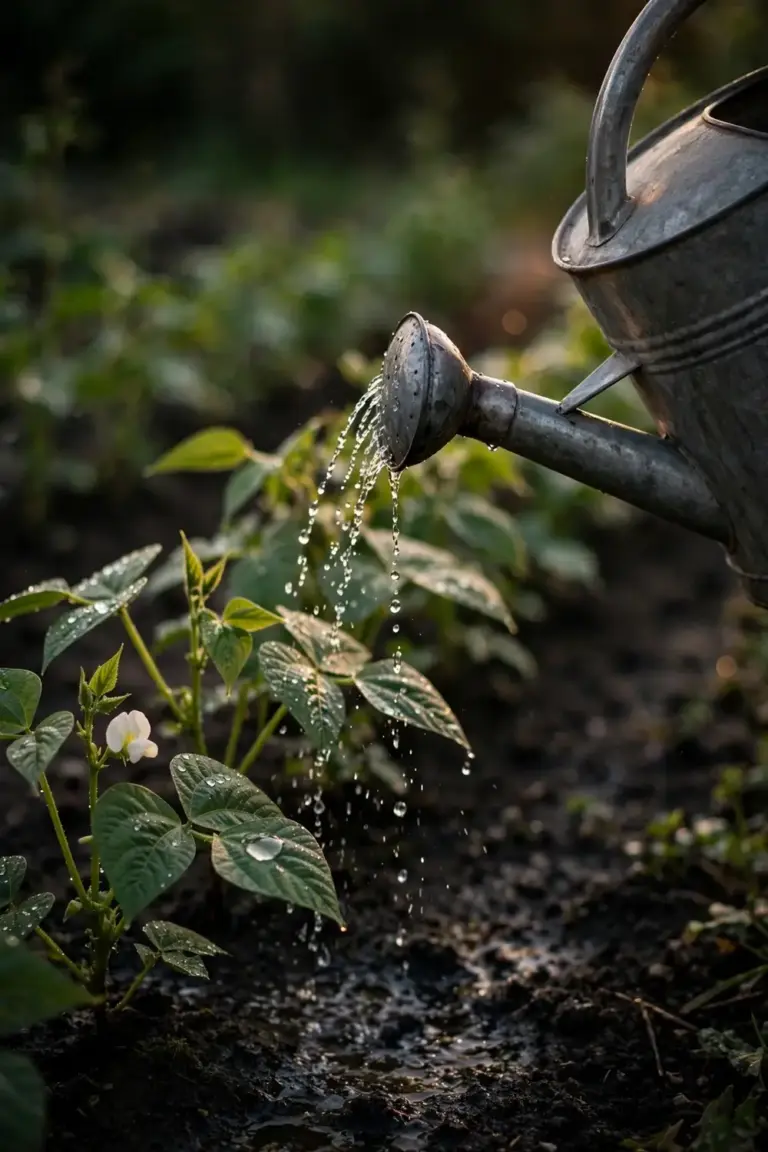
Beans need steady water most when pods are filling. A dry spell at that stage gives small, tough pods. A flood gives yellow leaves and root rot. Aim for soil that feels like a wrung sponge a few centimetres down. If the top 3 cm dries out, water. If it stays wet for days, hold off.
Heat drops flowers. Air temperatures above 29°C cause flowers to drop and slow production, according to the University of Georgia Extension guide on home garden green beans. The same guide sets the air-temperature band for good growth at 18°C to 29°C, with soil at 13°C or warmer for germination. Shade cloth over a bed in a heatwave saves the flowers that would otherwise fall.
12. Feed Beans Lightly and Skip the Nitrogen
Beans are light feeders. The compost worked into the bed before sowing carries most of what they need. A small side dressing of a balanced fertilizer at flowering suits a poor bed, but a high-nitrogen feed grows leaves at the expense of pods.
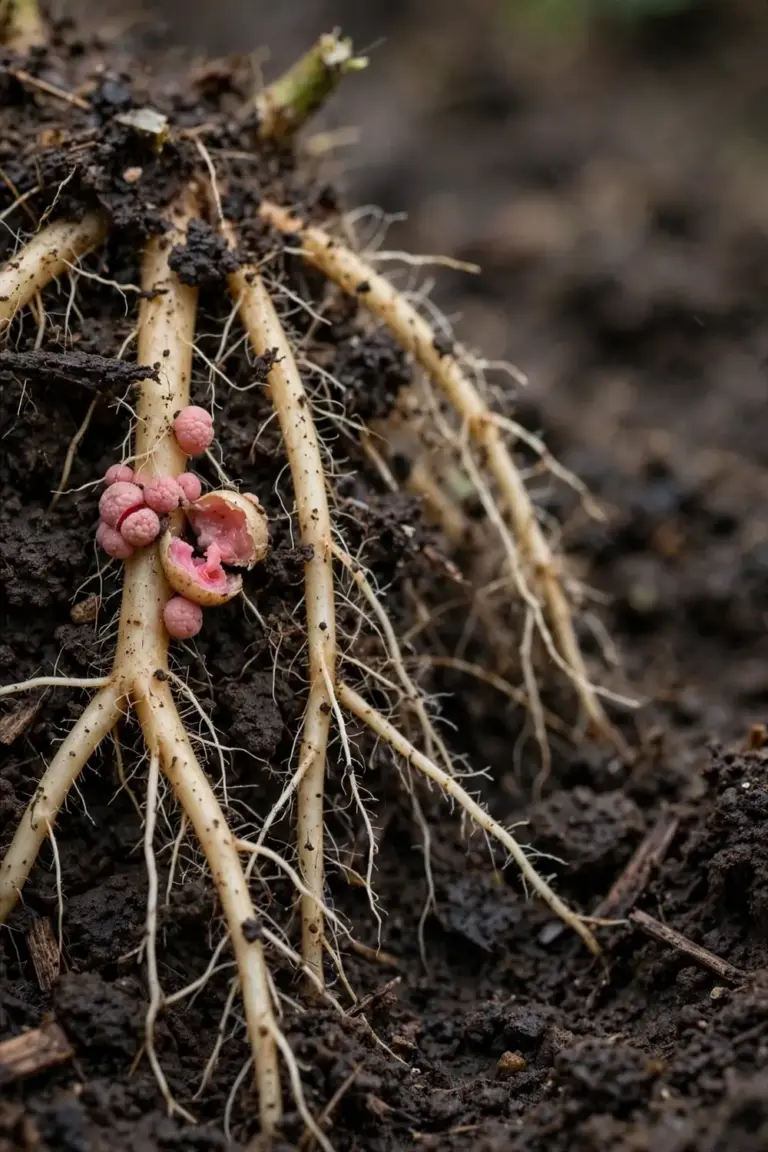
Watch the leaves for the feeding signal. Deep green leaves on a flowering plant mean the bed is carrying the crop. Pale leaves with weak flowering mean the bed is short, and a small balanced side dressing at flowering is the fix. Feed once, then watch. A second dose rarely helps and often pushes leafy growth.
Beans fix their own nitrogen. Root nodules host rhizobium bacteria that convert atmospheric nitrogen into a form the plant uses. The same New Hampshire guide that sets the spacing above notes that nodules in the root system fix atmospheric nitrogen and enrich the soil. That is why beans follow hungry crops well in a rotation and why they need less feeding than most vegetables.
Leave the roots in the bed after harvest. The nodules keep feeding the soil as they break down, the same job cover crops do for a bed between seasons. Cut the stems at ground level, compost the tops, and let the roots rot in place.
13. Spot the Four Pests That Hit Beans
Four pests do most of the damage on garden beans: aphids, bean fly, red spider mite, and snails and slugs. Check the undersides of leaves and the growing tips weekly, and act early. A small colony handled by hand beats a large colony handled by spray.
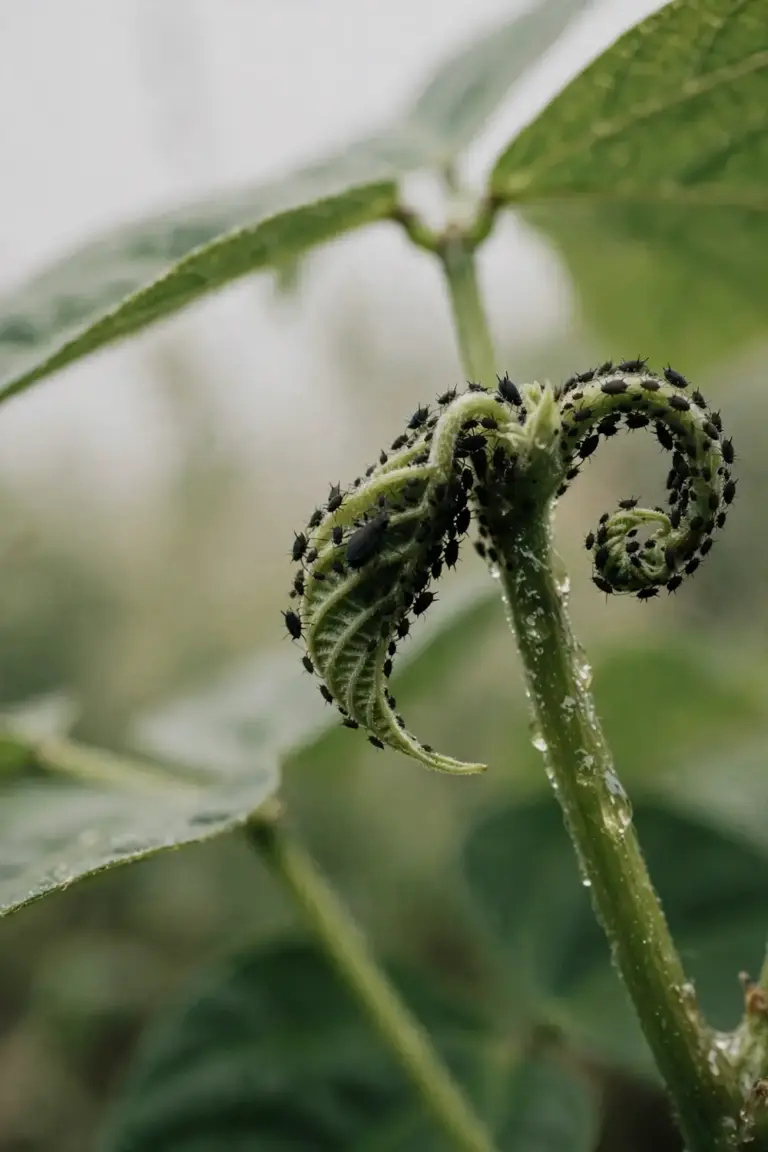
Aphids cluster on growing tips and flower buds. Black aphids love broad beans. Gardenate’s broad bean notes advise pinching out the growing tips once beans start setting, which removes the aphids’ favorite feeding site. A hard jet of water knocks the rest off. Ladybirds and hoverflies eat aphids, so leave them alone when they arrive.
Bean fly is the serious one. The maggots tunnel inside stems, and seedlings wilt at the base and collapse. Pull affected seedlings and bin them. Sow into warm, settled soil so seedlings grow fast and outrun damage. The PGRO bean seed fly guide notes that females lay eggs on freshly disturbed soil near decaying matter, so let a freshly worked bed settle before sowing.
Red spider mite thrives in hot, dry weather, and leaves turn stippled and bronzy with fine webbing underneath. Hose the undersides of leaves and keep the soil damp, because plants under water stress suffer worst and watering is the first control.
Snails and slugs feed at night and chew ragged holes in leaves and pods. Hand-pick after dark with a torch, and keep the bed clear of debris where they hide by day. A mulch layer that stays damp all day shelters them, so pull mulch back from young stems.
14. Harvest Snap Beans Young and Shelling Beans Dry
Pick snap beans young, before the seeds swell inside the pods. Pods that grow fat turn fibrous and tough, and the plant slows down. Early picking stimulates flowering and increases yield, according to the Northern Territory agriculture note. Pick every two to three days in peak season, and daily for snake beans.
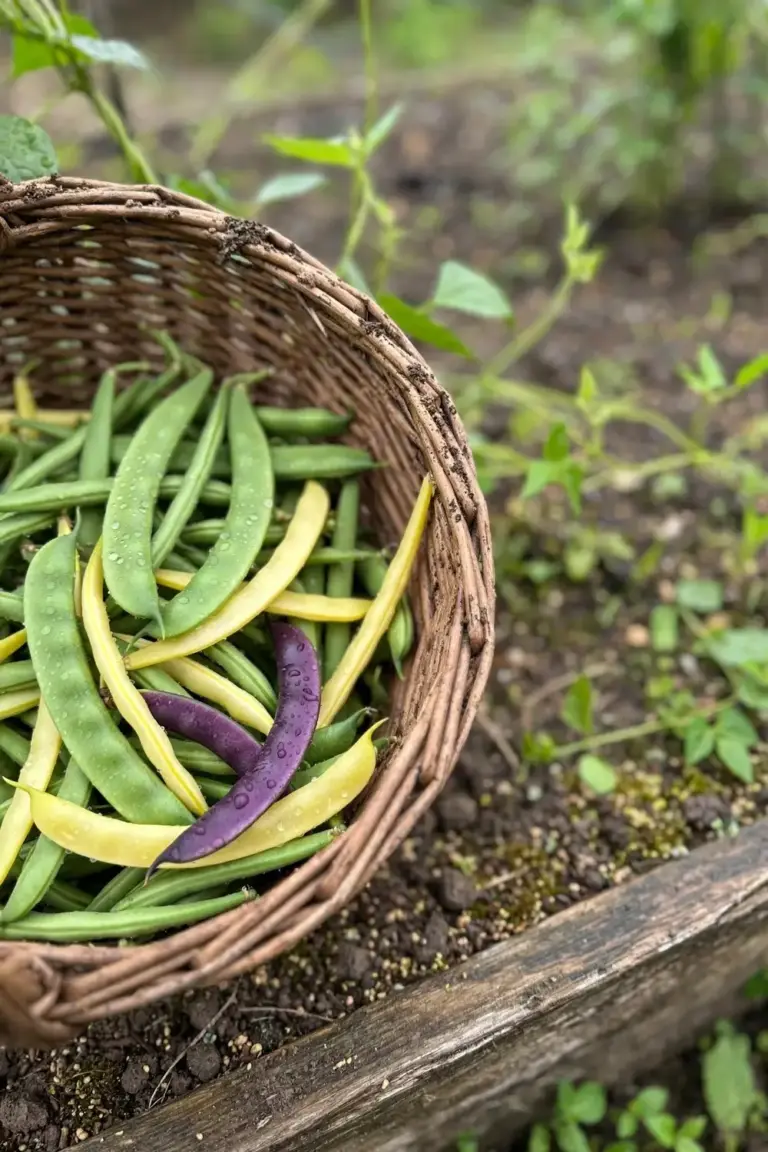
The same West Virginia guide that sets the soil-temperature floor gives the maturity spans: bush beans mature in 50 to 65 days, some pole varieties take 70 days, and some dry bean varieties take as long as 110 days. Those spans are variety figures, so check the packet for the exact days on the variety you sow.
Pick snap beans by snapping the pod off with a thumb, or cut with scissors to avoid pulling the plant. Pick in the morning when pods are crisp and cool. A basket of beans picked young eats better than a basket of beans picked late, whatever the weight.
Shelling beans follow a different rule. Leave borlotti and broad beans on the plant until the pods fill and dry. Shell fresh borlotti straight into the pot. Dry borlotti and broad beans fully on the plant, then shell, then store. The same LSU guide that sets the snake bean support height notes that snake bean pods left to mature stop the plant producing, which is why snap types get picked young and shelling types get left to dry.
15. Fix the Five Failures That Stall Beans
Most bean failures trace to five causes: no flowers, flowers that drop, yellow leaves, tough pods, and seedlings that never emerge. Work through them in that order, because each one points at a different fix.
No Flowers on Healthy Vines
Vines that grow leafy and flower-free usually sit in nitrogen-rich soil. Fresh manure or a high-nitrogen feed pushes leaves and delays flowers. Hold all feeding, and let the plant use up what is there. Shade also delays flowers. Beans need full sun, so cut back overhanging growth or move the next sowing to a sunnier bed.
Flowers Drop Without Setting Pods
Heat drops flowers. Air above 29°C aborts blossoms, and a dry spell at flowering does the same. Water the bed deeply, mulch to hold moisture, and rig shade cloth in a heatwave. Windy sites drop flowers too. A windbreak of mesh or a hedge line steadies the air around the plants.
Yellow Leaves on Growing Plants
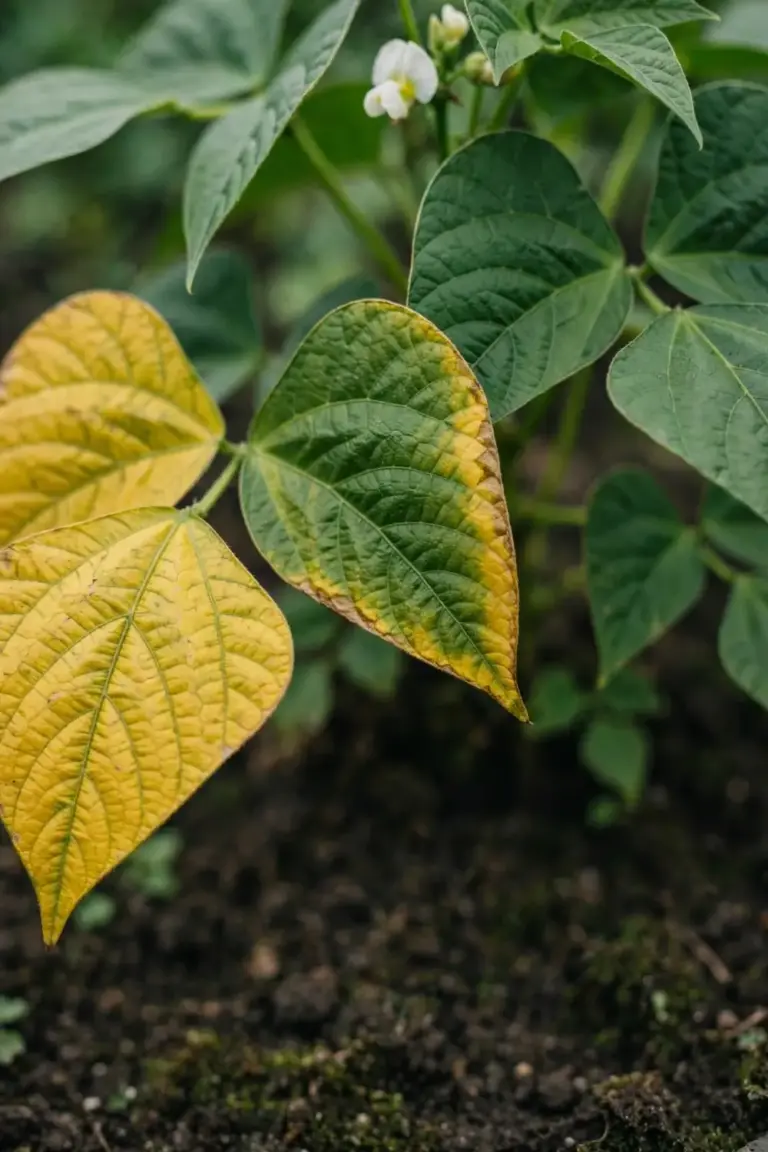
Yellow leaves point at water or nitrogen. Waterlogged soil starves roots of air, and the leaves yellow from the bottom up. Let the bed dry between waterings and check drainage. Pale leaves on an otherwise healthy plant in poor soil point at low nitrogen, but beans fix their own, so check that nodules are present before feeding. Dig one plant and look for pink nodules on the roots. White or absent nodules mean the bacteria never established, and inoculant is worth trying on the next sowing.
Tough or Stringy Pods
Tough pods mean late picking. Pick younger and pick more often. A dry spell during pod fill also toughens pods, so keep water steady from flowering onward. Old varieties carry strings by nature. Modern snap varieties are stringless, so choose a stringless variety if strings keep ruining the harvest.
Seedlings That Never Emerge
Seed that never emerges usually rotted in cold, wet soil. Wait for soil at 16°C before sowing, and sow into settled soil rather than a freshly turned bed. Bean seed fly larvae also eat germinating seed in freshly disturbed beds. If emergence is patchy and stems show tunnelling, the fly is the likely cause. Re-sow into warm, settled soil and the second sowing usually emerges cleanly.
16. Frequently Asked Questions About Growing Beans in Australia
Yes. Bush beans suit pots best. Give each plant a 20 cm pot, or grow two plants in a 30 cm pot. Use a free-draining potting mix and water daily in summer, because pots dry fast. Climbing beans grow in pots too, but the pot must anchor a 2 m support, so use a heavy pot and a sturdy trellis. Feed lightly, since potting mix holds little nutrition.
Beans need little fertilizer. Compost worked into the bed before sowing covers most needs. Skip high-nitrogen feeds, because beans fix their own nitrogen through root nodules. A small side dressing of balanced fertilizer at flowering suits a poor bed. Overfeeding grows leaves at the expense of pods, so feed less than you would for tomatoes or corn.
Heat drops bean flowers. Air above 29°C aborts blossoms, and dry soil at flowering does the same. Water deeply, mulch to hold moisture, and rig shade cloth in a heatwave. Wind also drops flowers, so shelter the bed. If flowers drop in mild weather, check for aphids on the buds and for waterlogged soil at the roots.
Yes. Let pods dry fully on the plant, shell the beans, and store them in a sealed jar in a cool, dark spot. Bean seed stays viable for two to three years when kept dry. Save seed only from open-pollinated varieties, because hybrid seed does not come true. Grow one variety at a time if you want pure seed, since beans can cross with neighbours.
Yes. Broad beans and fava beans are both Vicia faba. Australian packets say broad beans, while fava is the name used in other countries. The seed, the plant, and the growing method are identical. Check the botanical name on the packet before buying, and the two names stop causing confusion. Grow them as a cool-season crop.
17. Sow the Bean That Fits Your Season
Beans reward the gardener who matches type to season. Sow bush beans for a fast first pick, trellis climbers for a harvest that lasts months, and sow broad beans into the cool season. Grow snake beans through summer heat and borlotti for the pantry. Sow into warm soil, pick young, and the plants keep producing.