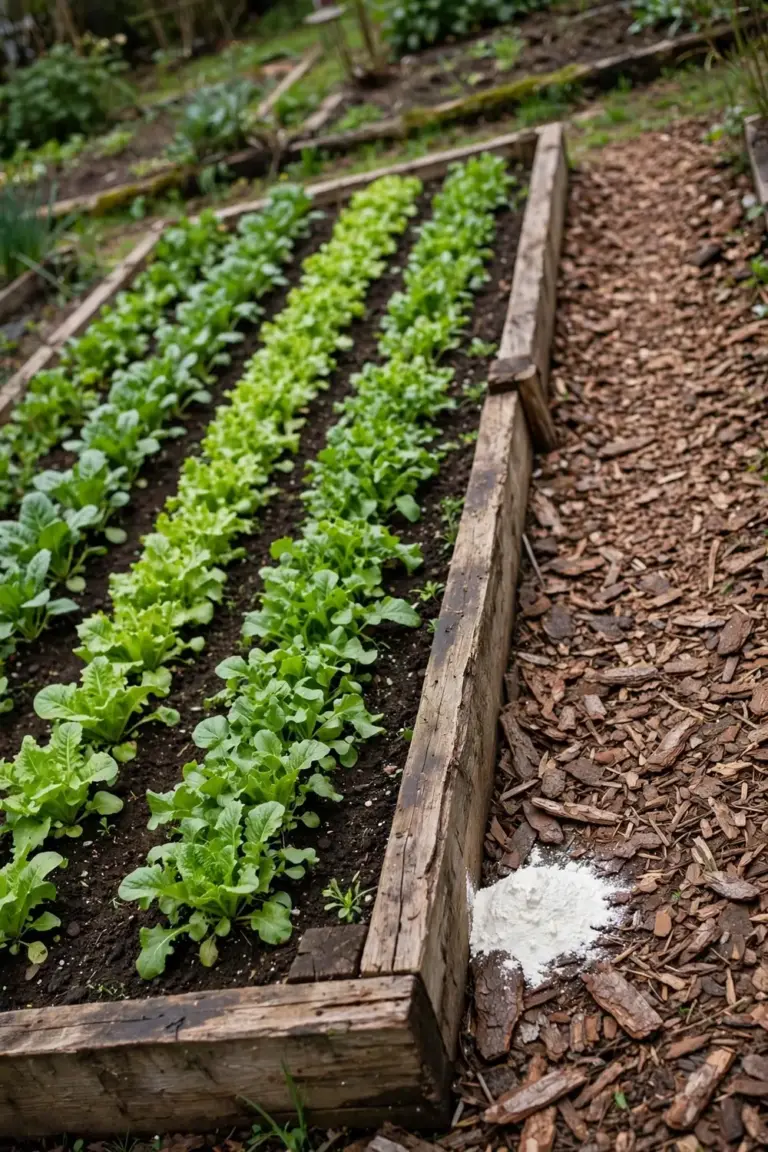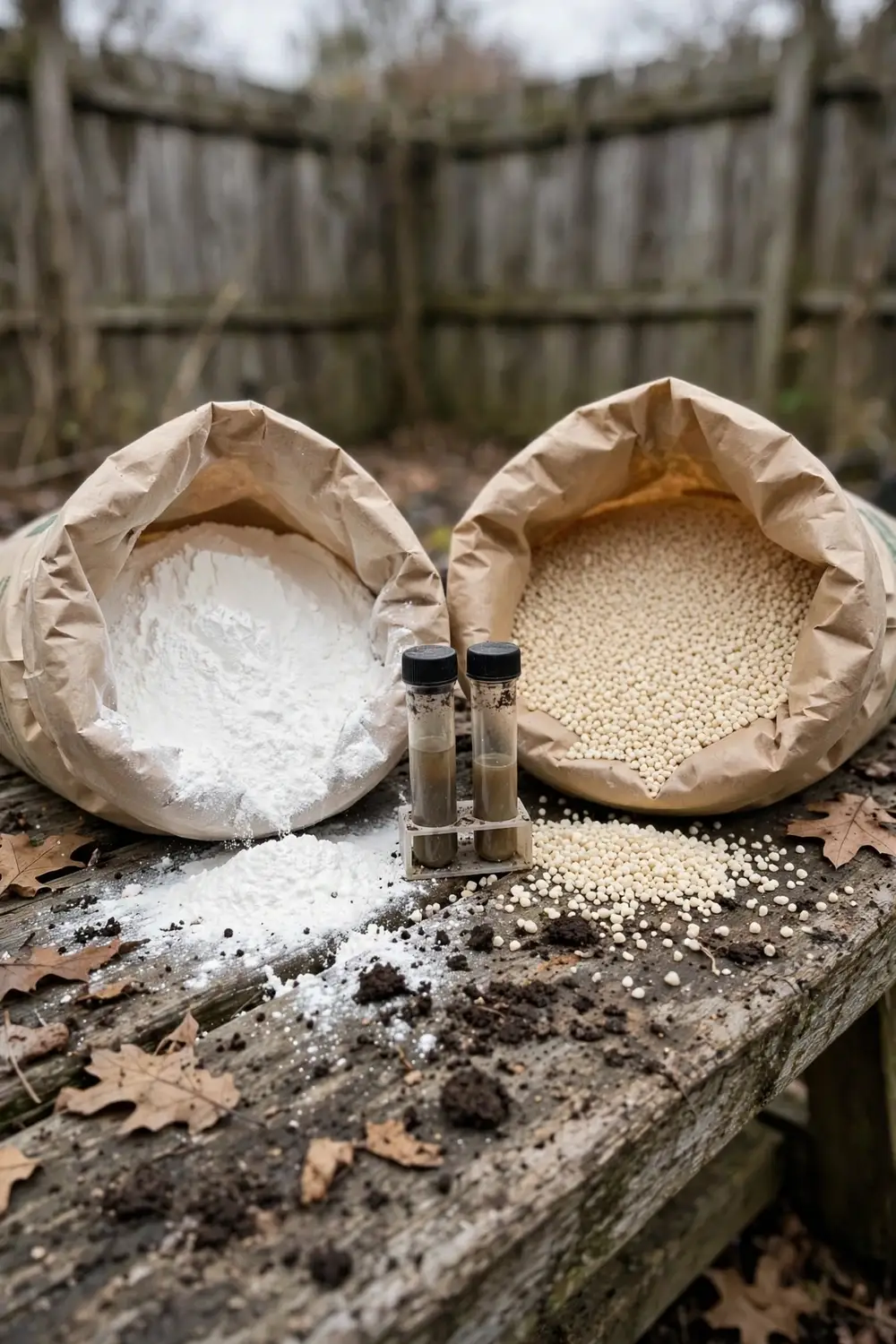

Garden lime raises soil pH and adds calcium only. Dolomite raises soil pH and adds calcium plus magnesium. A soil test returns 2 numbers that decide the garden lime vs dolomite choice: pH and magnesium.
I have learned that the bag I buy after a soil test beats the bag I buy on a guess. The rest of this page walks the decision in order: what each product is, how they compare, how to test, how much to spread, and the mistakes that undo good work.
1. Pick Garden Lime When Your Soil Needs Calcium Only
Garden lime is ground calcium carbonate, CaCO3. It neutralizes soil acidity and supplies calcium. It adds no magnesium. That narrow job is its strength when a soil test shows acidity plus adequate magnesium.
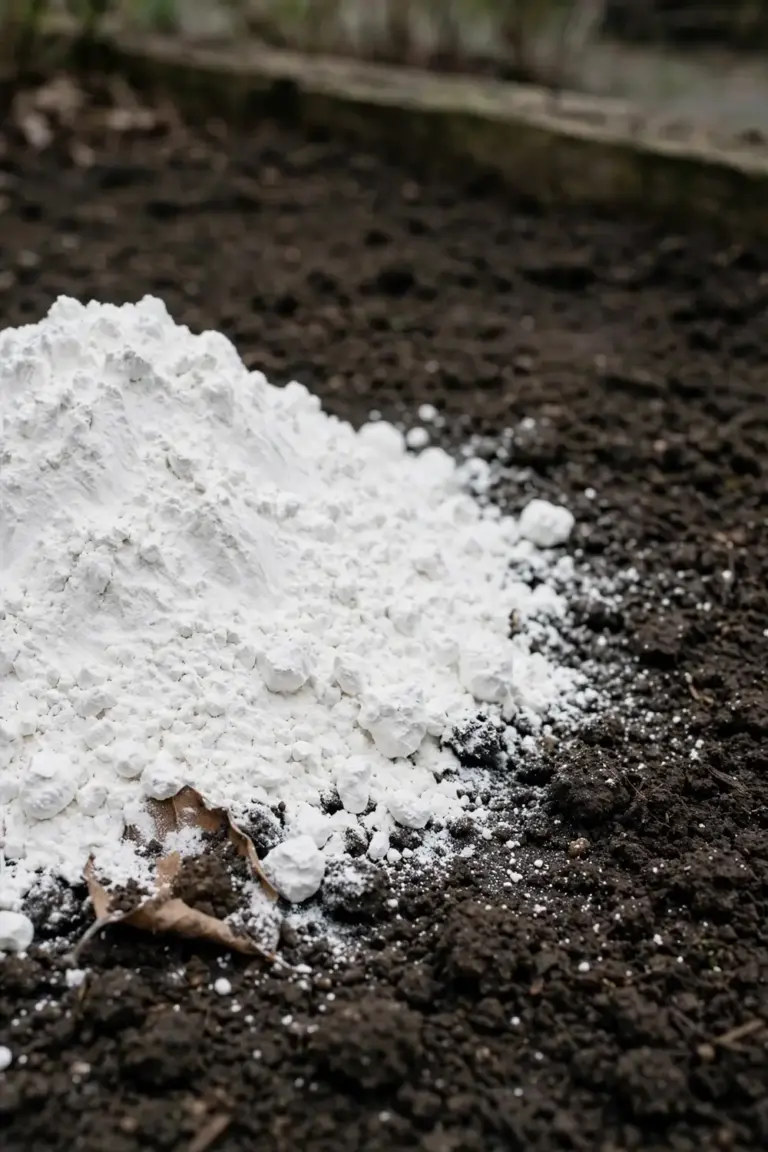
Oregon State University Extension lists mined limestone at 32 to 39 percent calcium and below 1 percent magnesium, with a calcium carbonate equivalent of 90 to 100 percent, in its liming materials table. The carbonate is the part that neutralizes acidity. Calcium alone never raises pH. Gypsum proves the point: it carries calcium with no basic anion, so it leaves pH alone.
Pick garden lime when the test shows two facts together: pH below your target, and magnesium in the adequate band. The product then fixes the acidity without pushing magnesium higher. Most garden plants grow best between pH 6 and 7, according to Searles Gardening. A bed already near pH 6.5 with adequate magnesium needs no bag at all. A bed at pH 5.2 with adequate magnesium needs garden lime.
Garden lime suits the gardener who already feeds magnesium through other inputs, or whose soil test shows magnesium at the top of the range. It also suits anyone liming near plants that dislike extra magnesium. The label tells the story: calcium carbonate with a neutralizing value near 100. Commercial lime in New South Wales usually carries a neutralizing value between 95 and 98, against 100 for pure calcium carbonate, according to the NSW Department of Primary Industries liming guide.
2. Pick Dolomite When Your Soil Needs Magnesium Too
Dolomite is ground calcium magnesium carbonate, CaMg(CO3)2. It neutralizes acidity and supplies calcium plus magnesium in one bag. That second mineral is the whole reason to choose it.
Oregon State University Extension lists dolomite at 18 to 23 percent calcium and 8 to 12 percent magnesium, with a calcium carbonate equivalent of 95 to 110 percent, in its liming materials table. Per kilogram, dolomite carries less calcium than garden lime and adds a real dose of magnesium. The neutralizing power stays comparable. The mineral payload differs.
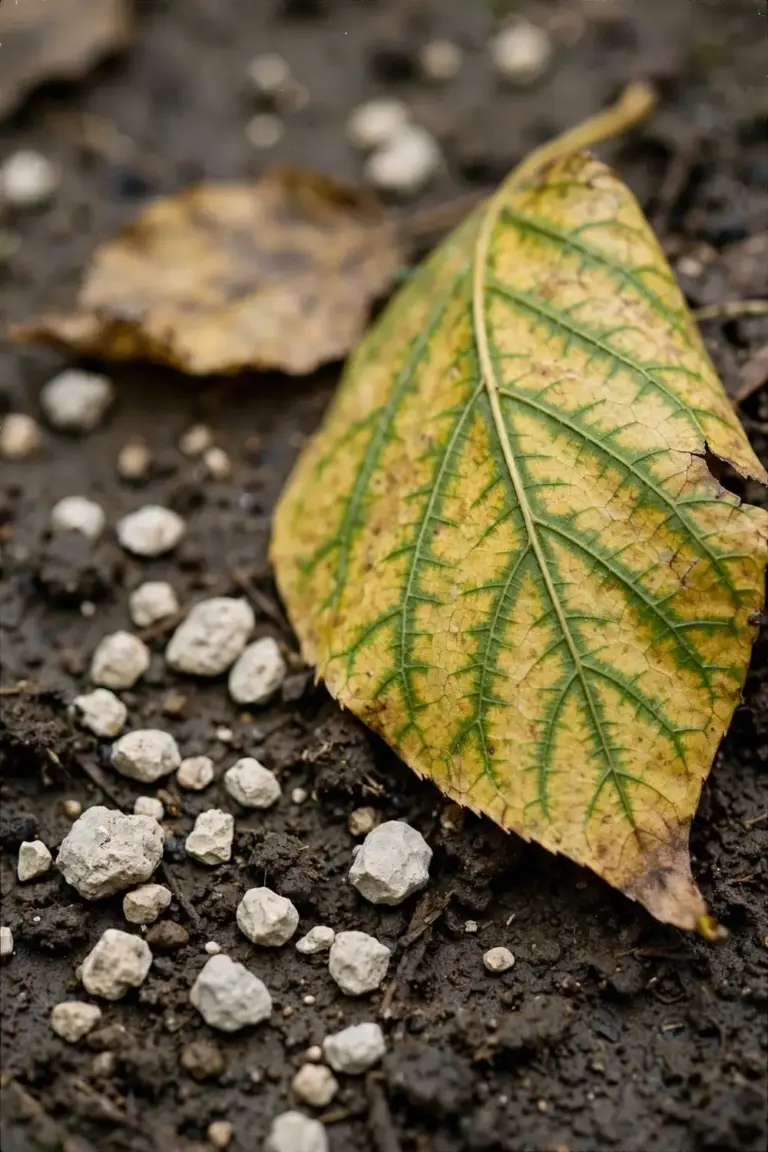
Pick dolomite when the test shows two facts together: pH below your target, and magnesium low. The product then corrects both shortages in one pass. A magnesium shortage often announces itself on the plant. West Virginia University Extension describes magnesium deficiency as interveinal chlorosis that starts on older leaves, turns mottled and yellow, then reddish, in its nutrient deficiency guide. Yellow between the veins on old leaves points at magnesium. Yellow on young leaves points elsewhere, often calcium.
Dolomite suits sandy soils that leach magnesium fast, beds that have carried heavy potassium feeds, and gardens where the test keeps returning low magnesium alongside acidity. It does not suit every bed. Where magnesium already sits high, dolomite pushes it higher for no gain. The NSW Department of Primary Industries states the choice plainly: the choice of lime, dolomite, or magnesite depends principally on price and the need for magnesium, and that need comes from soil or plant testing, in its liming guide.
3. Compare Garden Lime vs Dolomite Head to Head
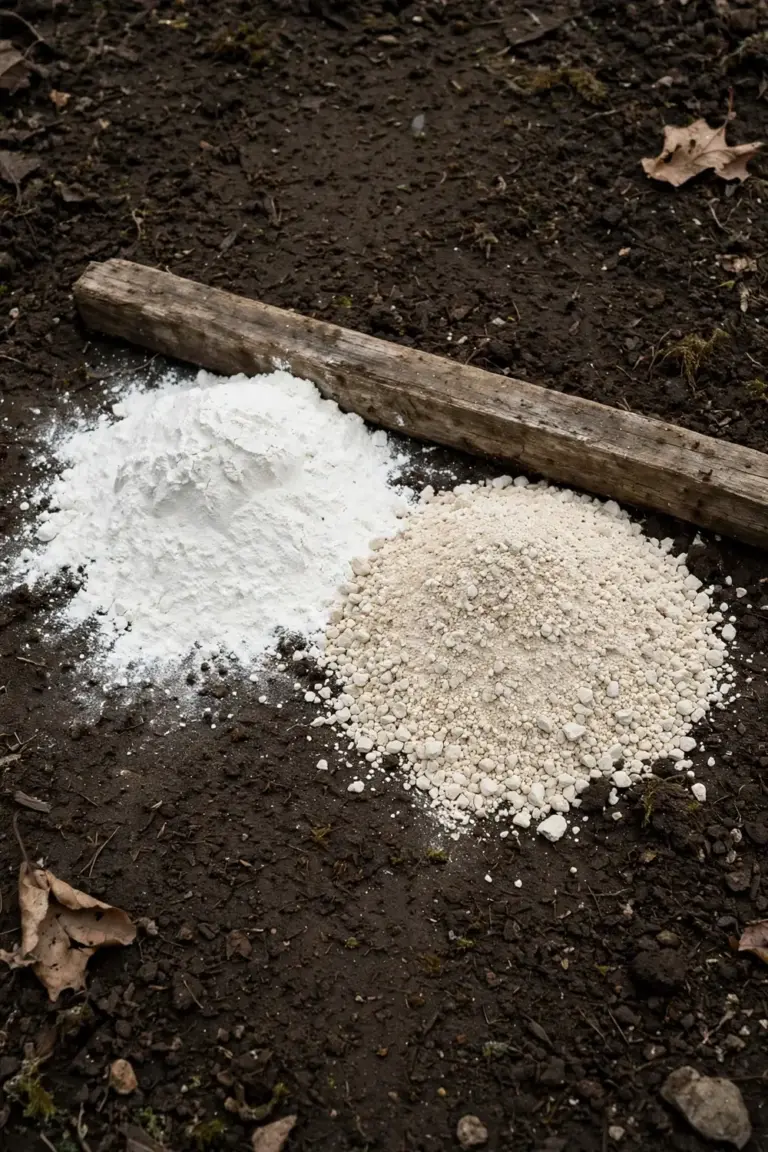
Both products do one job the same way. They differ in what else they add, and that difference decides the purchase. The table below lines up the facts. Read it with a soil test in hand. Without the test, the table cannot pick a winner.
| Property | Garden Lime | Dolomite |
|---|---|---|
| Chemistry | Calcium carbonate, CaCO3 | Calcium magnesium carbonate, CaMg(CO3)2 |
| Calcium content | 32 to 39 percent | 18 to 23 percent |
| Magnesium content | Below 1 percent | 8 to 12 percent |
| Neutralizing power (CCE) | 90 to 100 percent | 95 to 110 percent |
| Effect on soil pH | Raises pH | Raises pH |
| Best for | Acidic soil with adequate magnesium | Acidic soil with low magnesium |
| Wrong for | Soil already high in magnesium | Soil already high in magnesium |
The composition figures come from the Oregon State University Extension liming materials table. Neutralizing power sits in the same band for both products. Neither one wins on strength. The decision rides on magnesium.
Price decides ties. The NSW Department of Primary Industries lists price first among the tiebreakers when magnesium need is absent, in its liming guide. Two bags with equal neutralizing value do equal pH work. Buy the cheaper one that matches the test. Fineness matters more than brand. Fine particles react fast. Particles larger than 0.5 mm react only very slowly, according to the same NSW liming guide. Powder works fast and drifts in wind. Pellets spread clean and react slower. Both forms reach the same endpoint given time.
4. Test Soil pH and Magnesium Before You Buy Either Bag
Testing comes before buying. A pH test plus a magnesium reading turns a guess into a decision. Skip the test and the choice between lime and dolomite becomes a coin flip with a real cost.
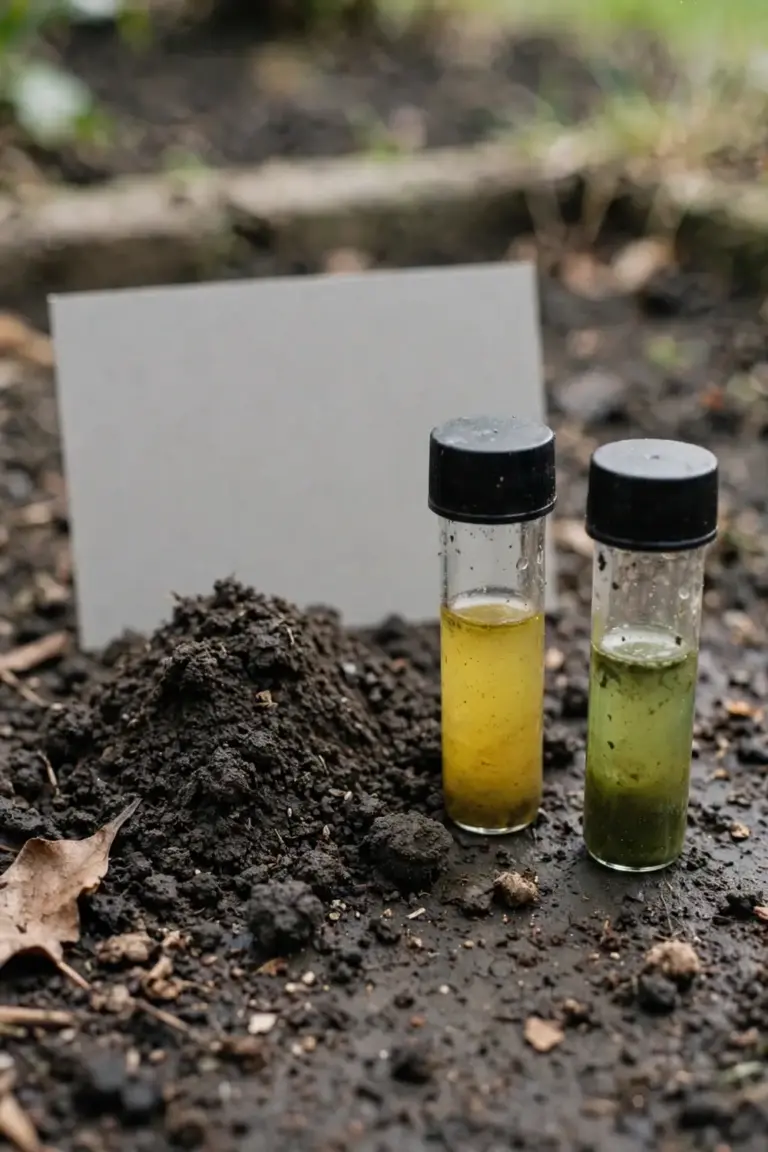
Start with pH. A probe meter, a colorimetric kit, or a lab test all report the same scale. A lab test adds the magnesium reading, plus calcium, potassium, and cation exchange capacity. The lab path costs more and answers the actual question: which bag does this soil need? A pH test kit for soil covers the pH half at home. It never reports magnesium. Pair a home pH kit with a lab test at least once, so the magnesium side of the decision rests on data rather than symptoms.
Read the two numbers as a pair. Acidic plus magnesium low means dolomite. Acidic plus magnesium adequate means garden lime. Alkaline means neither bag, whatever the magnesium reading says. A bed at pH 7.2 with low magnesium needs magnesium from a source that leaves pH alone, such as Epsom salt, not a liming product. A bed at pH 5.4 with adequate magnesium needs garden lime, not dolomite.
Symptoms help but never decide. Interveinal chlorosis on older leaves hints at low magnesium. It also mimics manganese and iron problems. West Virginia University Extension places magnesium deficiency on older leaves first, with interveinal chlorosis that turns mottled and yellow, then reddish, in its nutrient deficiency guide. Treat the symptom as a reason to test. Treat the test as the reason to buy.
Sample the soil right. Take small cores from several spots across the bed, mix them, and test the mix. One scoop from one corner describes one corner. Test the top 15 cm for a vegetable bed. Test before liming, then retest months after application. Retesting closes the loop and stops the second bag that the soil never needed.
5. Work Out How Much Lime Your Bed Needs
Rate follows three inputs: starting pH, target pH, and soil texture. Sandy soil needs less lime than clay to move the same pH distance. Clay holds more acidity and demands more product. No single rate fits every bed, which is why a lab lime-requirement result beats any rule of thumb.
The NSW Department of Primary Industries publishes farm-scale rates for superfine lime with a neutralizing value above 95, applied to the top 10 cm. Its Table 3 gives tonnes per hectare. Converted to garden scale, 1 tonne per hectare equals 0.1 kg per square meter. The converted rates for a mid-range soil read as follows.
| Starting pH | Lime to reach pH 5.2 (kg per square meter) |
|---|---|
| 4.0 | 0.47 |
| 4.3 | 0.25 |
| 4.7 | 0.11 |
These figures come from the NSW Department of Primary Industries liming guide, converted from tonnes per hectare. They assume superfine lime worked into the top 10 cm. Coarse product, shallow incorporation, or a lower neutralizing value all shift the real rate upward. Treat the table as a starting point for a mid-range soil, not a prescription for every bed.
Oregon State University Extension gives the same lesson in texture terms. Raising pH by 1 unit takes about 2 tonnes per acre on a sandy loam and about 4 tonnes per acre on a clay soil, according to its liming guide. Converted, those rates equal 0.49 kg per square meter for the sandy loam and 0.99 kg per square meter for the clay. The clay bed needs double the product for the same pH move. That gap is why two gardeners with the same starting pH buy different amounts.
Start low on light soils. The NSW Department of Primary Industries warns that over-liming can cause nutrient deficiencies, particularly in light soils, in its liming guide. A half rate plus a retest beats a full rate plus a rescue. Split a large correction across two applications months apart. The soil answers slowly. Give it time to answer before adding more.
Read the Bag Label Before You Spread
The label carries three numbers that matter: neutralizing value, calcium content, and magnesium content. Neutralizing value compares the product against pure calcium carbonate at 100. A bag at 95 needs slightly more product than a bag at 100 for equal pH work. Calcium and magnesium contents confirm which product sits inside the bag. A “dolomite” bag with near-zero magnesium is mislabeled or misread. Check before spreading. The NSW Department of Primary Industries notes that all liming products made in New South Wales must state calcium and magnesium content, fineness, and neutralizing value on the label or invoice, in its liming guide.
6. Spread Lime So It Reaches the Root Zone
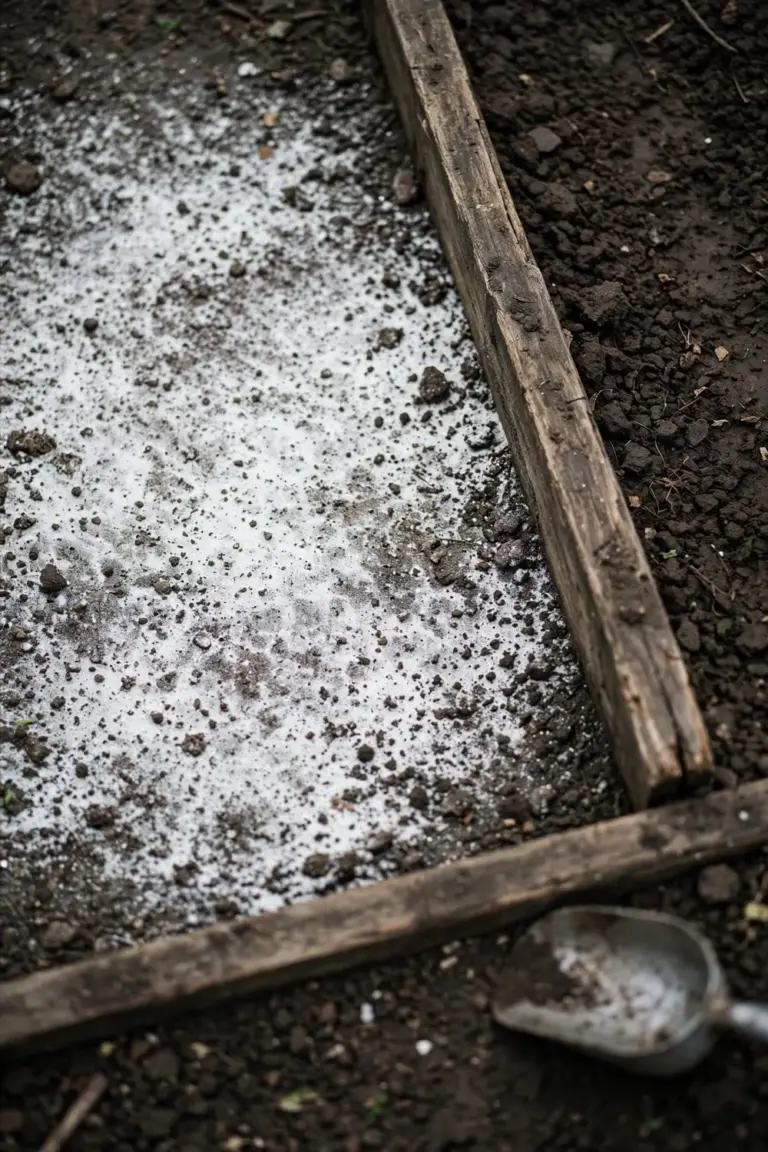
Lime reacts only where it touches acidic soil. It barely moves on its own. Oregon State University Extension states that liming materials have very limited movement into soil without incorporation, and that surface-applied lime changes pH only in the top 1 to 2 inches, in its liming guide. A bag tipped on top of a bed treats the crust. The roots below stay acidic.
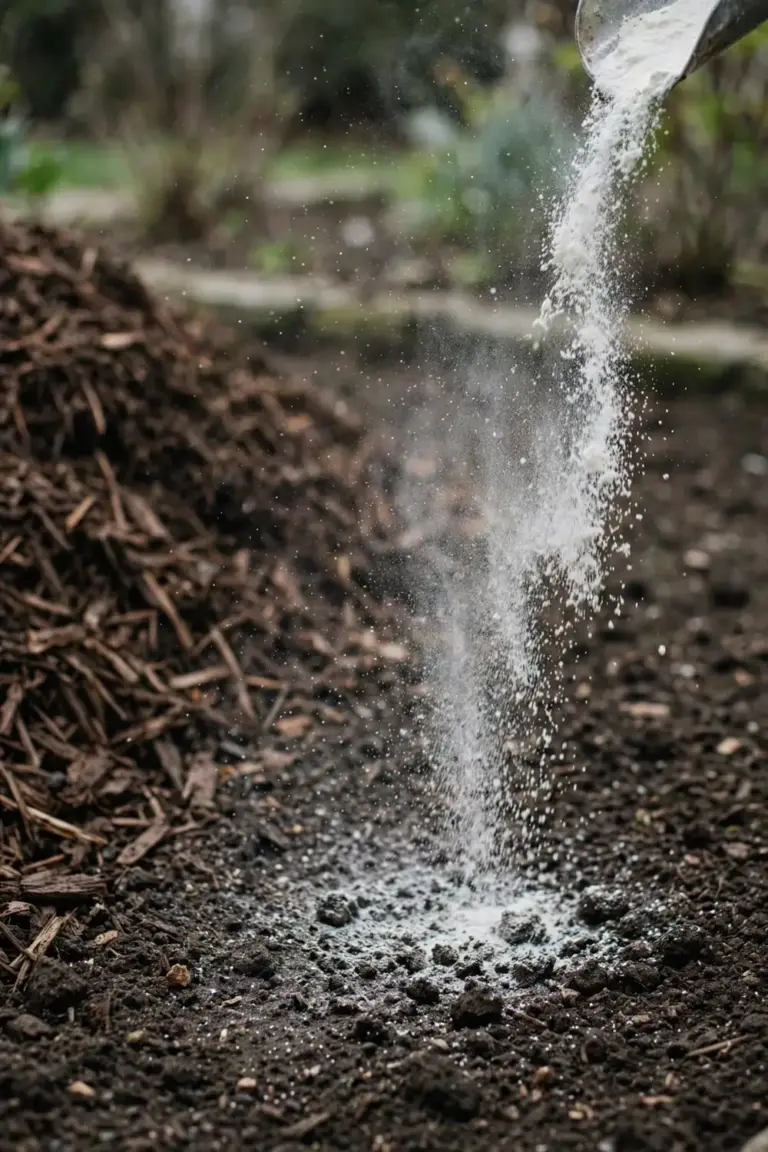
Work the product into the top 10 to 15 cm for a vegetable bed. Rake it in, fork it through, then water. For an established bed with plants in place, surface application still helps the top layer, and worms plus rain carry some effect downward over months. For a lawn, surface application is the only option. Oregon State University Extension puts top-dress lime for no-till ground at 1 to 2 tonnes per acre, which converts to 0.25 to 0.49 kg per square meter, in its liming guide. Higher top-dress rates waste product, since the extra lime sits above the depth it can reach.
Time the job for winter. Winter application gives the correction months to settle before spring growth. Searles Gardening calls winter the ideal window for exactly that reason: the minerals need time to work through the soil before plants shift into active growth. Oregon State University Extension advises applying lime about a year before planting the crop most sensitive to acidity, in its liming guide. Both sources point the same way. Lime early. Plant later.
Keep lime and fertilizer on different days. Spreading both in one pass can reduce the value of each. The chemistry is simple: lime raises pH and fertilizer salts shift it back while the two sit together. BPG Supplies, an Australian supplier, advises spacing the two jobs. Give the lime a week or more in the soil before the next fertilizer pass. Water the lime in after spreading. Dust on dry soil blows away. Water carries it into contact with soil particles, which is where the reaction happens.
Wear a dust mask and gloves for the spreading job. Fine lime powder irritates lungs and eyes. Pellets cut the dust. Wash hands after handling. Keep the bag off skin and out of reach of children and pets. These are handling facts, not chemistry. They still belong in the job.
7. Skip These Five Liming Mistakes
Five mistakes account for most liming failures, and each one has a fix. Run the list before spreading.
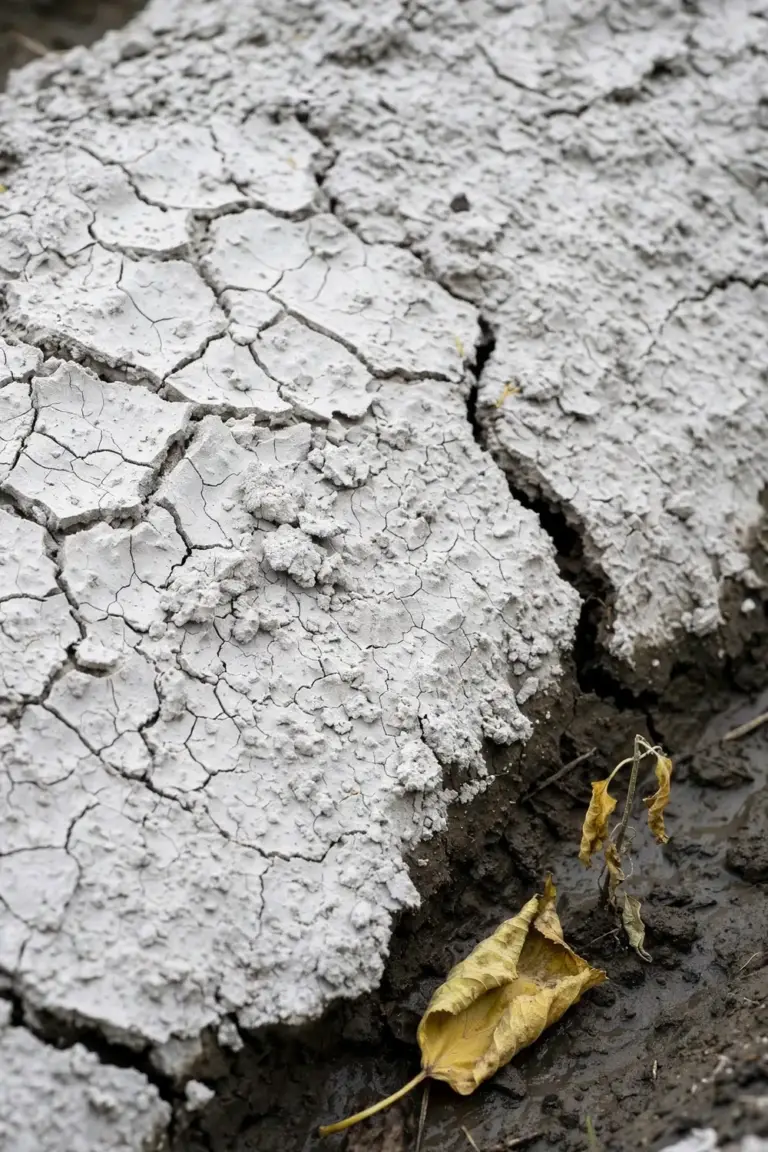
First, liming without a test. The test costs less than the bag and decides the bag. Skip the test and the choice between lime and dolomite is a guess. Fix it by testing first, every time, even on a bed limed last year.
Second, choosing dolomite as the default. Dolomite does both jobs, so it tempts gardeners to skip the decision. The extra magnesium helps only when magnesium is low. Where magnesium already sits high, dolomite adds a mineral the soil never asked for. Fix it by letting the magnesium reading pick the product. Dolomite is a tool for a shortage, not a default.
Third, over-liming. Extra lime pushes pH past the target and locks up iron, manganese, and zinc. Leaves yellow while the soil test claims plenty. The NSW Department of Primary Industries warns that over-liming can cause nutrient deficiencies, particularly in light soils, in its liming guide. Fix it by starting at the low end of the rate table and retesting before a second pass.
Fourth, liming the whole garden in one pass. Acid-lovers and natives share beds with vegetables in many gardens. A blanket application hits plants that never wanted it. Fix it by liming bed by bed, and leaving the acid-lover beds alone. The fence list in the next section names the plants to skip.
Fifth, expecting instant results. Lime works over months. A retest two weeks after spreading shows little change and tempts a second bag. The NSW Department of Primary Industries assumes 70 percent of the lime dissolves in one year, in its liming guide. Fix it by waiting months before retesting, and by treating the first application as the start of a slow correction rather than a finished job.
Compost deserves one line here. Compost feeds soil life and improves structure. It never replaces a lime decision. A compost bin for the garden belongs in the soil-building plan. Lime belongs in the pH plan. The two plans run side by side.
8. Fix a Soil pH That Refuses to Move
A pH that stays put after liming has a cause. Find it before adding more product, because four causes cover most cases and each one wants a different fix.
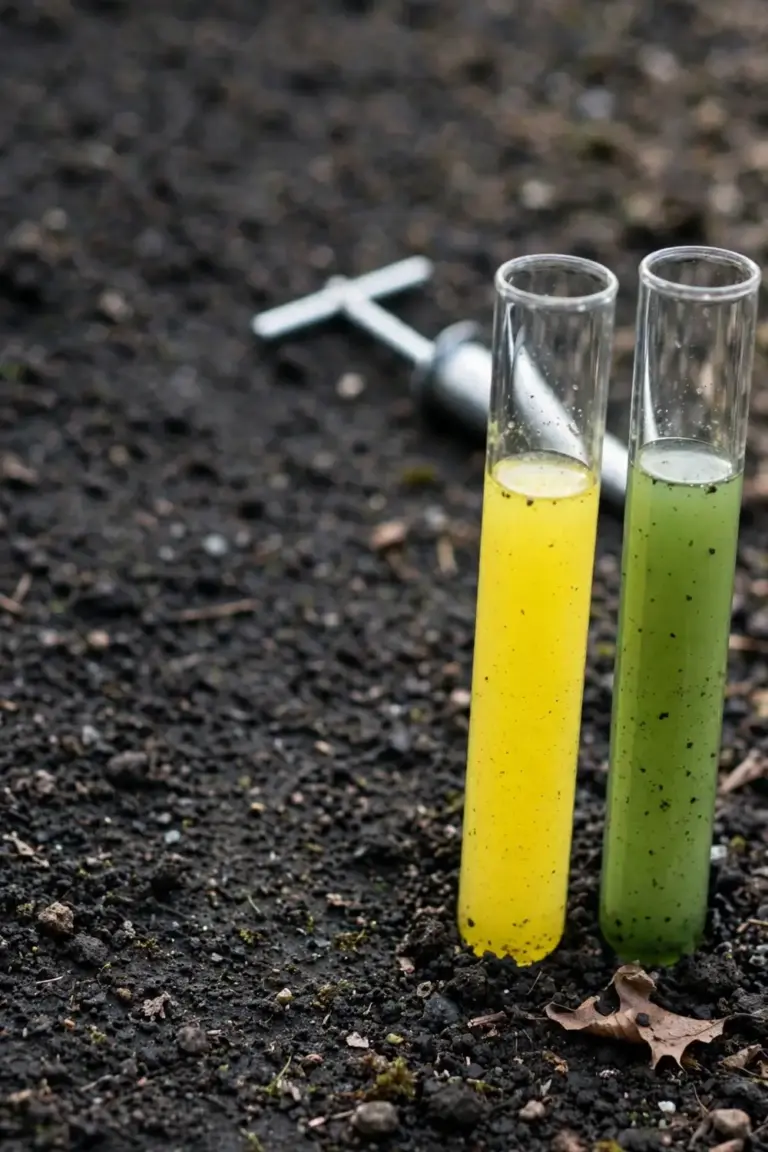
Cause one: the lime never reached the soil. Surface application on mulched beds treats the mulch. Thick mulch intercepts the powder. Pull mulch back, spread on bare soil, water in, then replace the mulch. Incorporation matters more than rate when the product sits on top of organic matter.
Cause two: the product was too coarse. Particles larger than 0.5 mm react only very slowly, according to the NSW Department of Primary Industries liming guide. A bag of coarse chips can sit in the soil for a season with little effect. Finer product reacts faster. Check the label fineness next time, and give coarse product a full year before judging it.
Cause three: the soil needs more than one pass. Clay and high-organic-matter soils buffer pH hard. One application moves the number partway, then the soil pulls it back. Oregon State University Extension explains that higher cation exchange capacity means more hydrogen ions to neutralize, so clay needs more lime than sand for the same pH move, in its liming guide. Split the correction across two applications months apart. Retest between passes.
Cause four: the test misled the job. A pH probe in dry soil reads low. A sample from one corner describes one corner. A water pH reading and a CaCl2 pH reading differ by up to a full unit, and mixing the two methods across tests fakes a change that never happened. Sample the same way each time, from several spots, at the same depth. Compare like with like. Building soil health over seasons steadies pH swings, but it never replaces the test that tells you where pH stands today.
When plants still yellow after the pH moves into range, the problem sits elsewhere. Magnesium shortage, iron lockout, waterlogging, and root disease all yellow leaves with pH in range. Recheck the magnesium reading first, then look at drainage, then look at the roots. pH is one variable in a garden that runs on several at once.
9. Leave Acid-Lovers, Natives, and Lookalikes Alone
Some plants want acidic soil. Liming their beds harms them. Keep these fences in mind before spreading anywhere near them.
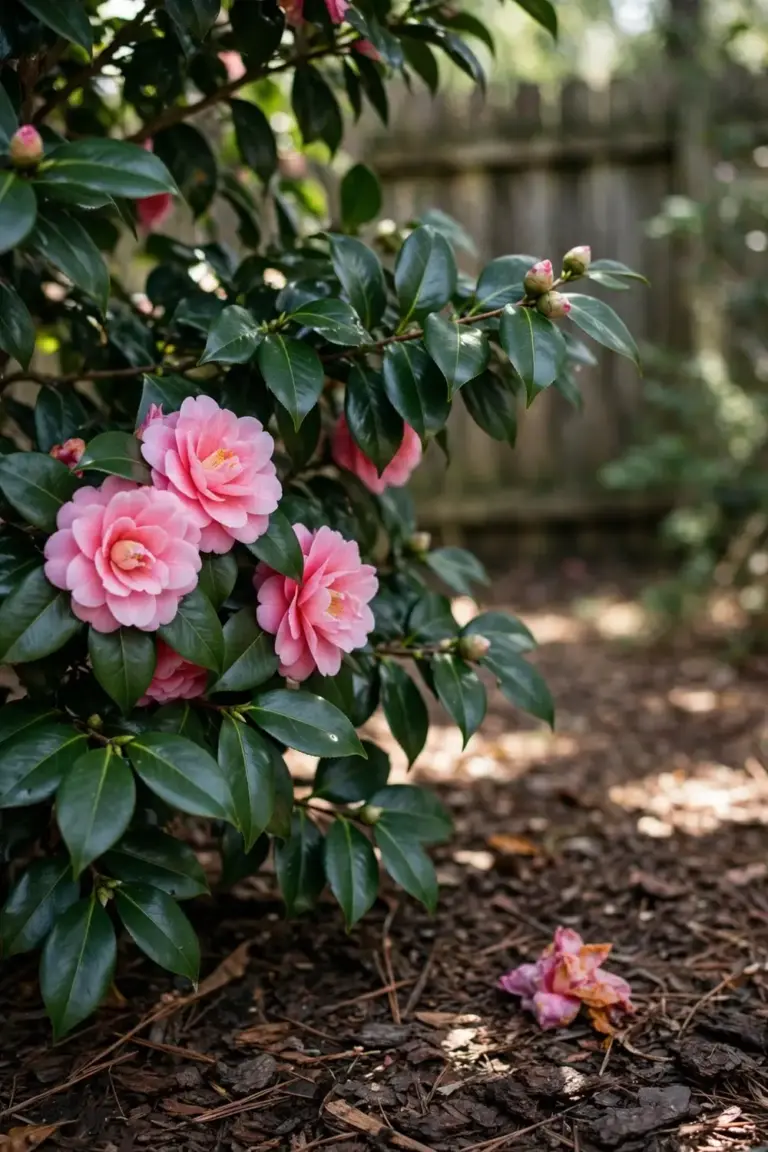
Acid-Lovers and Australian Natives Stay Unlimed
Camellias, azaleas, rhododendrons, gardenias, and blueberries need acidic soil. Lime around their roots pushes pH up and locks out iron. Searles Gardening states that these acid-loving plants should never be treated with lime or dolomite, and that most Australian native plants also prefer slightly acidic soil. Oregon State University Extension caps a single lime application at 2 tonnes per acre, which converts to 0.49 kg per square meter, even where its test indicates a greater lime need, for acid-loving plants such as blueberry, azalea, and red maple, in its liming guide. The cap exists because these plants punish over-liming fast. The safest move in a mixed garden is to skip the acid-lover beds entirely and lime only the beds that test acidic.
Gypsum Fixes Structure Without Raising pH
Gypsum is calcium sulfate. It supplies calcium and improves sodic clay structure. It never raises pH. Oregon State University Extension states that calcium alone does not increase soil pH, and that gypsum contains calcium with no basic anion, so it never neutralizes soil acidity, in its liming guide. Reach for gypsum when the job is structure or calcium without a pH change. Reach for lime or dolomite when the job is pH. Confusing the two buys the wrong correction.
Sulfur Moves pH the Other Way
Elemental sulfur acidifies soil. It belongs to the acid-lover job: lowering pH for blueberries, azaleas, and camellias. It never belongs in a liming decision. A gardener who spreads sulfur expecting a pH rise gets the opposite result. Keep sulfur in its own lane. This article covers raising pH only.
Hydrated Lime Stays Out of the Home Garden
Hydrated lime, calcium hydroxide, is caustic and burns skin, leaves, and roots. It reacts fast and punishes mistakes fast. Home gardeners have no reason to use it. Garden lime and dolomite are the safe carbonate forms. If a bag says hydrated, slaked, or burnt lime, leave it on the shelf, because no rate here applies to it.
Lime Tree Fruit Is a Different Topic
Garden lime shares a name with the lime tree, the citrus fruit. The two have nothing to do with each other. Garden lime is a soil amendment. Lime trees are fruit trees that happen to like slightly acidic soil. Do not lime a lime tree bed on the strength of the shared name. Test the bed. Lime only when the test says so.
Garden Lime vs Dolomite FAQ
Mixing both products in one spread is pointless. Both are carbonates that raise pH. The blend lands somewhere between the two magnesium contents, which helps nobody. A soil test picks one product. Buy that one. Spend the second bag money on a retest instead. Mixing also hides which product did the work, so the next decision starts from guesswork again.
Lime works over months, not days. The NSW Department of Primary Industries assumes 70 percent of applied lime dissolves in one year, in its liming guide. Oregon State University Extension advises applying lime about a year before planting the crop most sensitive to acidity, in its liming guide. Spread in winter, retest in late spring, and judge the result then. A second pass too early doubles the dose the soil never needed.
Yes. Spread lime on a lawn the same way as a bed, then water it in. Oregon State University Extension puts top-dress lime for no-till ground at 1 to 2 tonnes per acre, which converts to 0.25 to 0.49 kg per square meter, in its liming guide. Surface lime changes pH only in the top few centimeters, so lawn liming is a slow surface correction. Retest yearly. Skip the lawn if the test shows pH already in range.
Dolomite works in pots the same way it works in beds, but the rate is harder to judge. A pot holds little soil, so a small error overshoots fast. Data not available for a verified per-pot rate from an institutional source. Use a potting mix already balanced for the plant, test the mix pH, and follow the product label for container doses. Repot with fresh mix before reaching for a liming product in a small container.
Yes, when the soil test says the ground under the tree is acidic. Spread lime across the drip line, keep it off the trunk, and water it in. Skip acid-loving fruit such as blueberries. Citrus, stone fruit, and pome fruit all accept a pH near 6 to 7. Test first. A tree that already grows in range gains nothing from a bag spread on habit.
Test First, Then Buy One Bag
Garden lime and dolomite both raise pH. Only dolomite adds magnesium. The soil test tells you which fact matters in your bed. Test pH and magnesium, pick the matching bag, spread in winter, work it into the root zone, and retest before a second pass. That sequence beats every shortcut. Spring garden soil amendments can follow once the pH correction is underway and the beds are ready for the growing season.