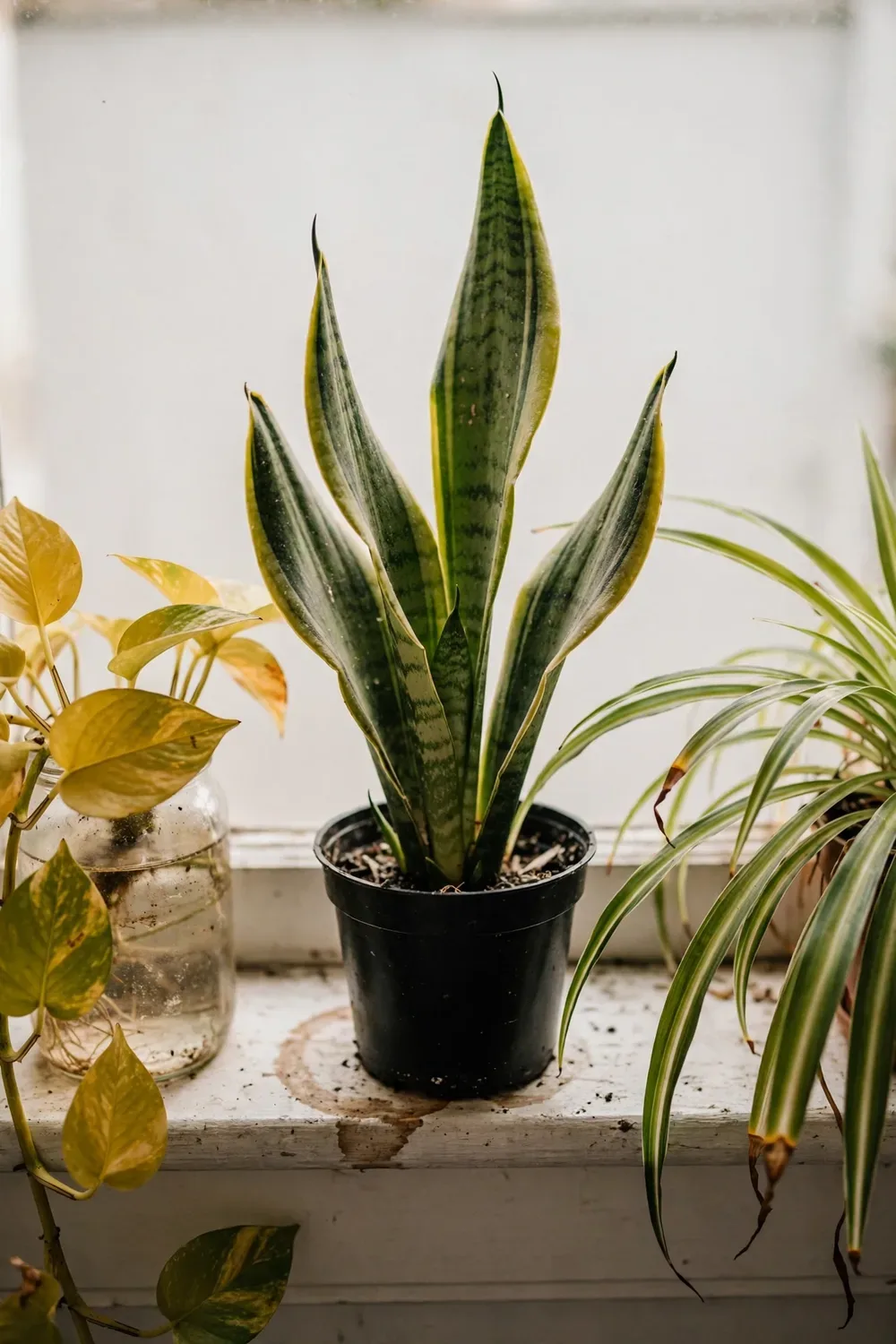

The 12 best budget houseplants are the ones you buy once and never buy again. Snake plant, golden pothos, spider plant, ZZ plant, cast iron plant, peace lily, Chinese evergreen, jade plant, heartleaf philodendron, rubber plant, aloe vera, and Boston fern all sit on the lowest nursery shelf and all multiply for free through cuttings, plantlets, pups, or division.
The budget math is simple. A cheap plant that dies costs you twice. A slightly less cheap plant that survives and produces offspring costs you once. Iowa State University Extension notes that a single snake plant leaf cut into 3-to-4-inch sections produces new shoots at the base of each section within two months, which means one purchased leaf can become several plants. I have learned that the cheapest plant in my house is the one I have never bought twice, and that rule has saved me more money than any sale.
This is strictly a buying guide, not a care guide. Each plant below gets a price band, the propagation math that makes it pay for itself, one honest weakness, and a one-line care note. Full care instructions live in the sibling grow guides linked under each plant.
Start With the Budget Math: Why the Best Budget Houseplants Pay for Themselves
A budget houseplant pays for itself when its cost per plant drops below its purchase price. That happens in exactly two ways. First, the plant survives, so you never pay for a replacement. Second, the plant reproduces, so one purchase becomes several plants. A plant that does both is the cheapest plant you will ever own.
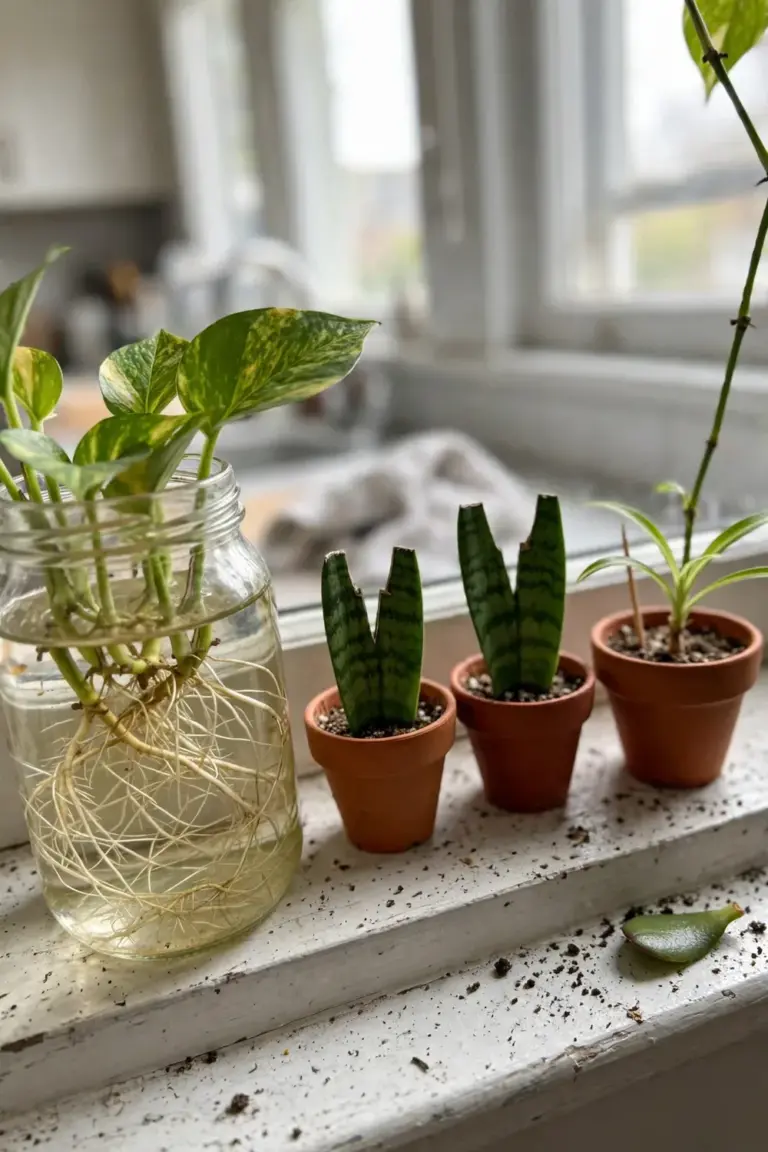
| Plant | Typical price band | How it pays for itself | One-line care |
|---|---|---|---|
| Snake plant | Budget | Leaf cuttings: one leaf becomes several plants | Let soil dry fully between waterings |
| Golden pothos | Budget | Stem cuttings root in water | Bright indirect light; tolerates low light |
| Spider plant | Budget | Plantlets root readily when touching soil | Bright indirect light; easy to grow |
| ZZ plant | Value | Division; slow but reliable | Tolerates neglect and low light |
| Cast iron plant | Value | Division; survives dark corners | Low light; minimal water |
| Peace lily | Value | Division; blooms in low light | Even moisture; no direct sun |
| Chinese evergreen | Value | Stem cuttings | Low to medium light |
| Jade plant | Budget | Stem and leaf cuttings | Bright light; water sparingly |
| Heartleaf philodendron | Budget | Stem cuttings with nodes | Medium to bright indirect light |
| Rubber plant | Mid-range | Stem cuttings; one purchase fills a room | Bright indirect light |
| Aloe vera | Budget | Pups appear around the base | Bright light; gritty soil |
| Boston fern | Budget | Division doubles the plant each spring | Bright indirect light; steady moisture |
Price bands stay generic on purpose. Nursery prices move with the season and the city, but the bands hold. Budget means the lowest shelf in most garden centers. Value means a small step up that the propagation math pays back fast. Mid-range means you pay more once and never pay again.
Replacement risk is the hidden column in every table above. The most expensive houseplant is the pretty one you replace three times. Every plant in this list earned its place by being hard to kill and easy to multiply.
There are two ways to lose money on houseplants, and both are avoidable. The first is buying a plant your conditions cannot support, which is why the list below matches each plant to the corner it tolerates. The second is paying full price for the fifth plant when the first four would have supplied it for free. The list below fixes both at once: buy the right plant for your corner, then propagate it instead of shopping again.
1. Buy a Snake Plant When You Want One Leaf to Become Five Plants
The snake plant (Dracaena trifasciata) is the toughest plant on this list and the best multiplier. One leaf, cut into 3-to-4-inch sections and planted right-side up, pushes out new shoots at the base of each section in about two months, according to Iowa State University Extension’s propagation guide. A single tall leaf becomes a row of new plants.
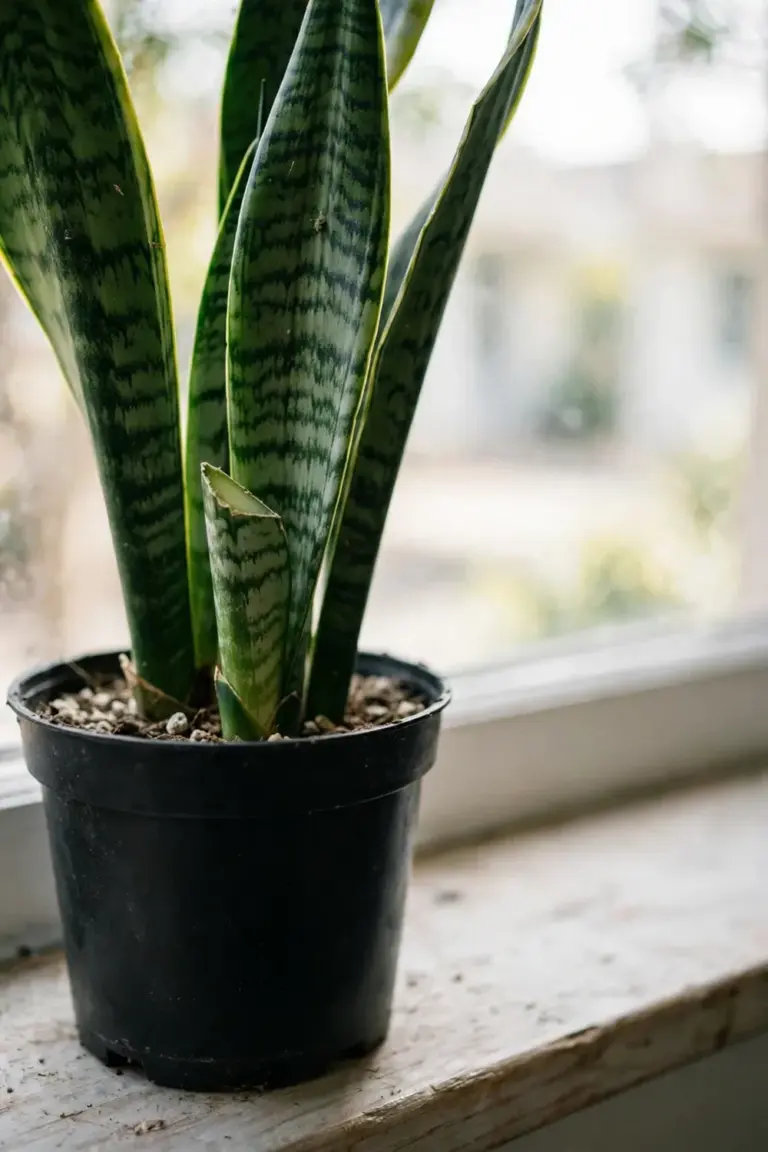
Keep the orientation of every section. The end that grew closest to the soil goes into the medium, and the Iowa State University Extension propagation guide recommends cutting a small notch in the top end so you never mix them up. A section planted upside down does not root.
From cutting day to visible shoots, plan on roughly eight weeks of warm, bright indirect light.
The one real weakness is rot from overwatering. Snake plant stores water in its thick leaves, so wet soil is its only serious enemy. Skip this plant if you water on a fixed schedule instead of checking the soil. One-line care: let the soil dry completely, then water deeply.
2. Buy Golden Pothos When You Want Roots in a Glass of Water
Golden pothos (Epipremnum aureum) is the fastest reward on this list. A stem cutting with one node roots in a glass of water on a windowsill, and Clemson University Extension lists pothos among the easiest houseplants to keep, noting it tolerates low light while preferring bright indirect light and 50 to 70 percent humidity.
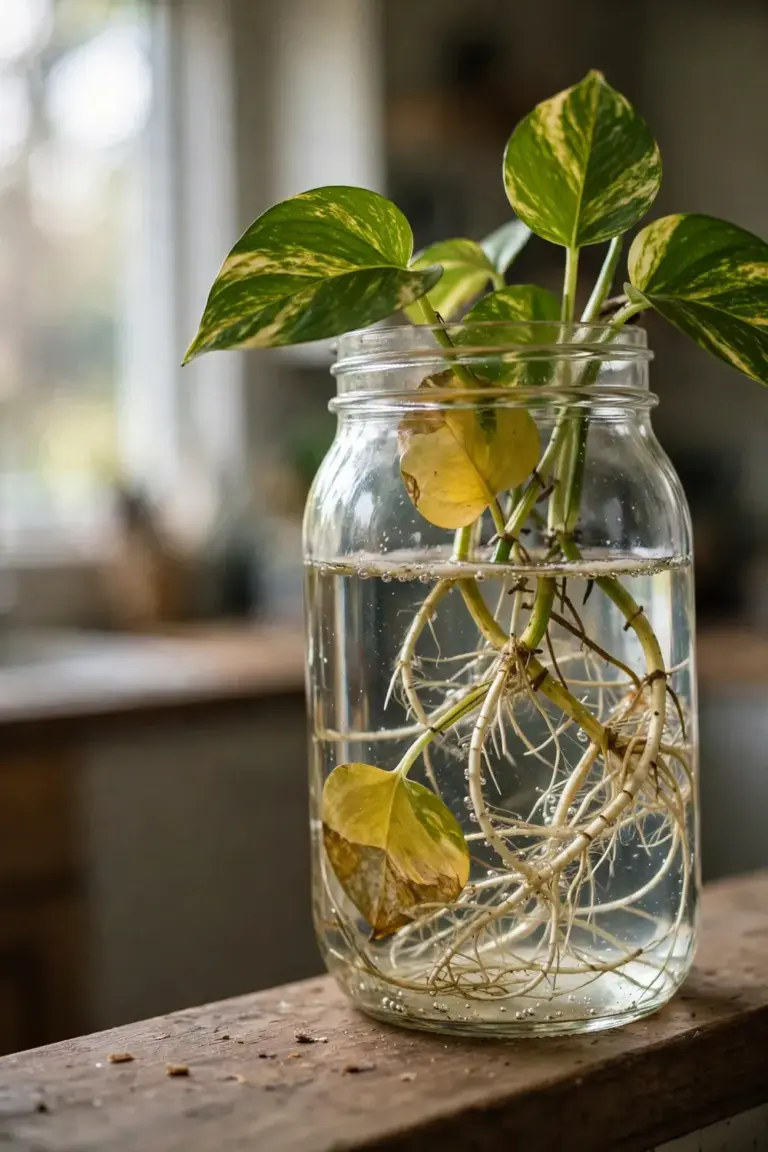
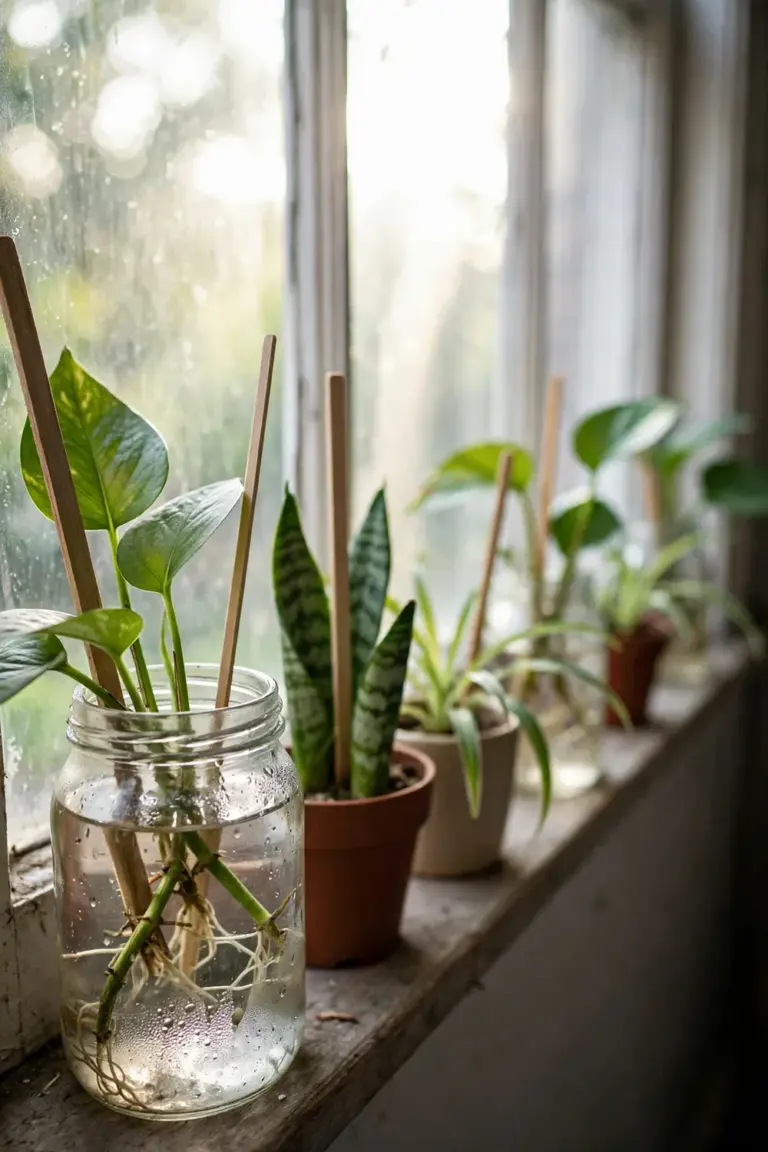
Cut just below a node, keep the node submerged, and change the water weekly. Each node can sprout roots and a new vine. One hanging basket becomes cuttings for every shelf in the house. Warm rooms and bright indirect light speed the process. Cold dark corners stall it.
The one real weakness is that tolerance is not the same as thriving. Pothos survives a dark bathroom, but the vines stretch thin and the leaves shrink. Skip the dark-bathroom plan if you want full leaves. One-line care: bright indirect light, and let the soil dry completely between waterings.
3. Buy a Spider Plant for the Plantlets It Keeps Giving Away
The spider plant (Chlorophytum comosum) is the gift that keeps giving. A mature plant sends out wiry stems tipped with plantlets, and Clemson University Extension states those plantlets root readily when they touch soil. Set a small pot of potting mix next to the mother plant, pin a plantlet onto the surface while it is still attached, and cut the stem once roots form.
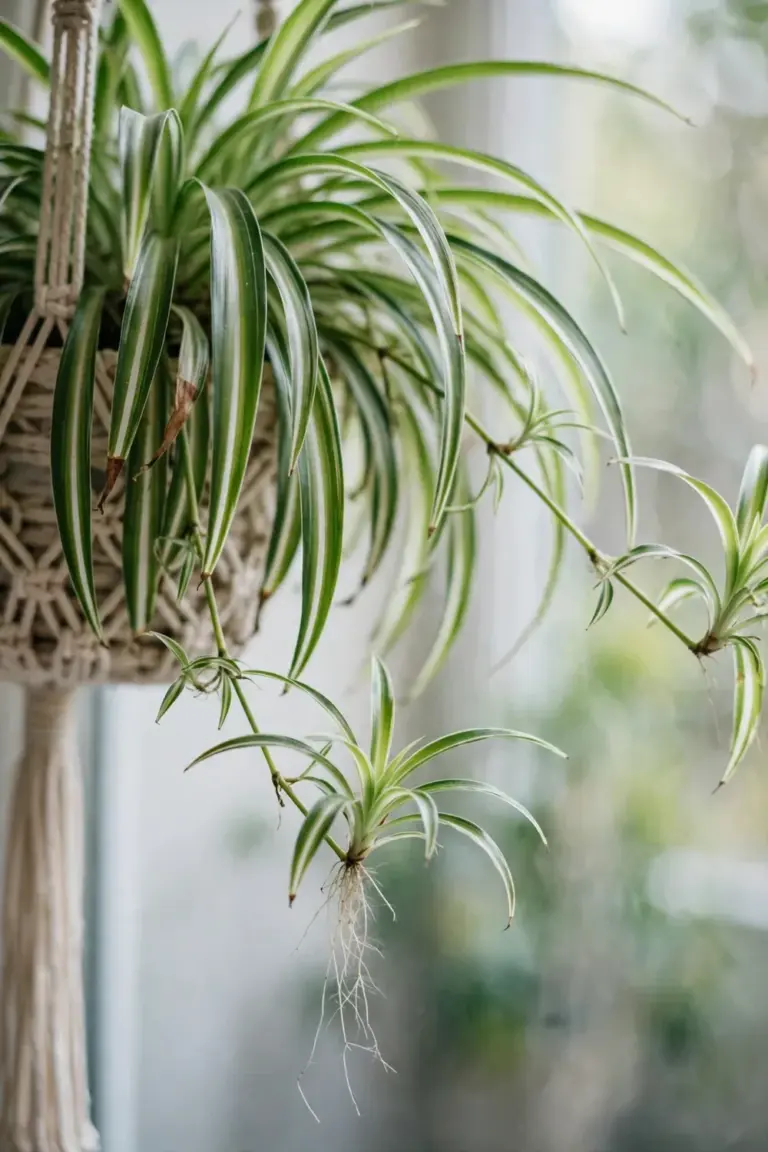
Plantlets arrive on a schedule. Clemson University Extension notes that the best time for offshoot production is the shorter days of fall, and North Carolina State University Extension adds that plantlets develop after the plant gets less than 12 hours of light a day for at least three weeks. Dim the evening lamps near it in autumn and the babies appear.
A plantlet pinned in autumn roots through winter and becomes an independent plant by spring. The mother plant keeps producing, so one pot funds a new batch every year.
The one real weakness is brown leaf tips. They come from dry air, fluoride in tap water, or too much fertilizer, and they do not heal. Skip this plant only if brown tips would drive you mad. One-line care: bright indirect light and even moisture, per the Bonnie spider plant care guide.
4. Buy a ZZ Plant When You Measure Value in Years, Not Weeks
The ZZ plant (Zamioculcas zamiifolia) plays the long game. It propagates from stem cuttings, single leaflets, or division, and it builds an underground rhizome before it shows any top growth. Leaflets can take many months to produce a new stem. That slowness is honest, and it is exactly why the plant earns its place here.
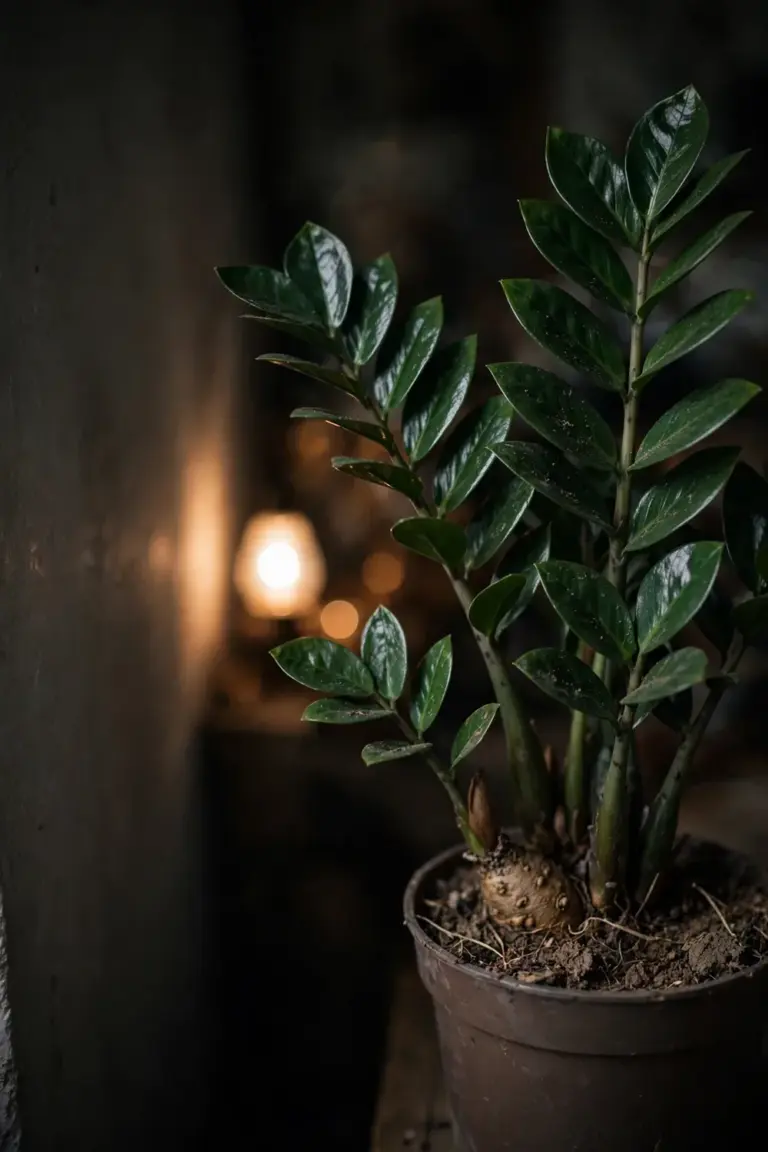
Division is the fast lane. When you repot, separate the rhizome cluster so each piece keeps stems and roots, and every piece becomes a full plant immediately. One nursery pot becomes two or three plants at the first repot.
The one real weakness is that you cannot hurry it. A ZZ plant cutting sat in water teaches patience whether you want the lesson or not. Skip leaflet propagation if you want results this season. A stem cutting in a warm bright room still builds its rhizome quietly for months before the first new stem appears. One-line care: bright indirect light and water only when the soil is fully dry, with the chameleon ZZ plant care guide covering the variety details.
5. Buy a Cast Iron Plant for the Darkest Corner You Own
The cast iron plant (Aspidistra elatior) earned its name by surviving conditions that kill almost everything else. It tolerates deep shade, irregular watering, and the dry air of heated rooms. It grows slowly, which keeps it in a small pot for years.
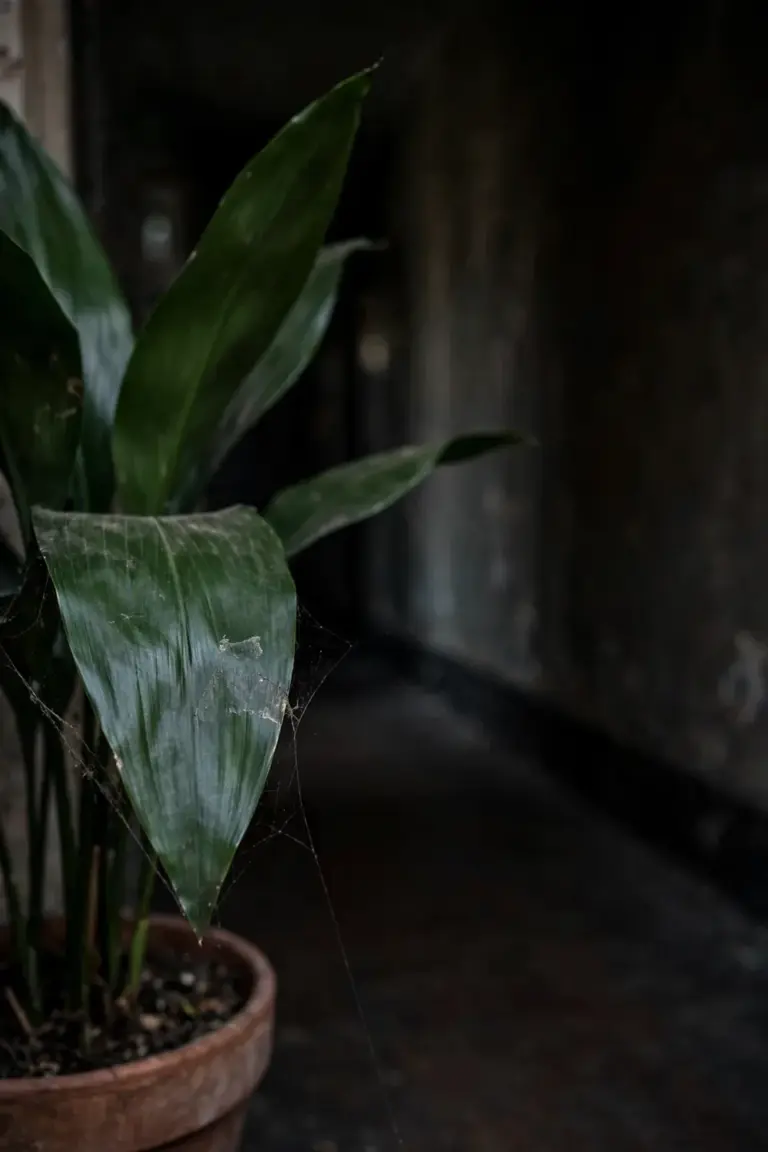
Propagation is by division. A mature clump separates into fans of leaves, each with roots attached, and each fan becomes a plant. One pot quietly becomes two every couple of repots. A divided fan sulks for a few weeks, then resumes its slow steady pace.
The one real weakness is its pace. A cast iron plant will not fill a corner fast, and it never gives you the quick win of a pothos cutting. Skip it if you want visible progress every month. One-line care: low light is fine, and water only when the top of the soil dries.
6. Buy a Peace Lily When You Want Flowers Without the Fuss
The peace lily (Spathiphyllum wallisii) is the only flowering plant on this list, and it blooms in light levels where flowering plants usually refuse. It droops dramatically when thirsty and perks up within hours of watering, which makes its needs impossible to misread.
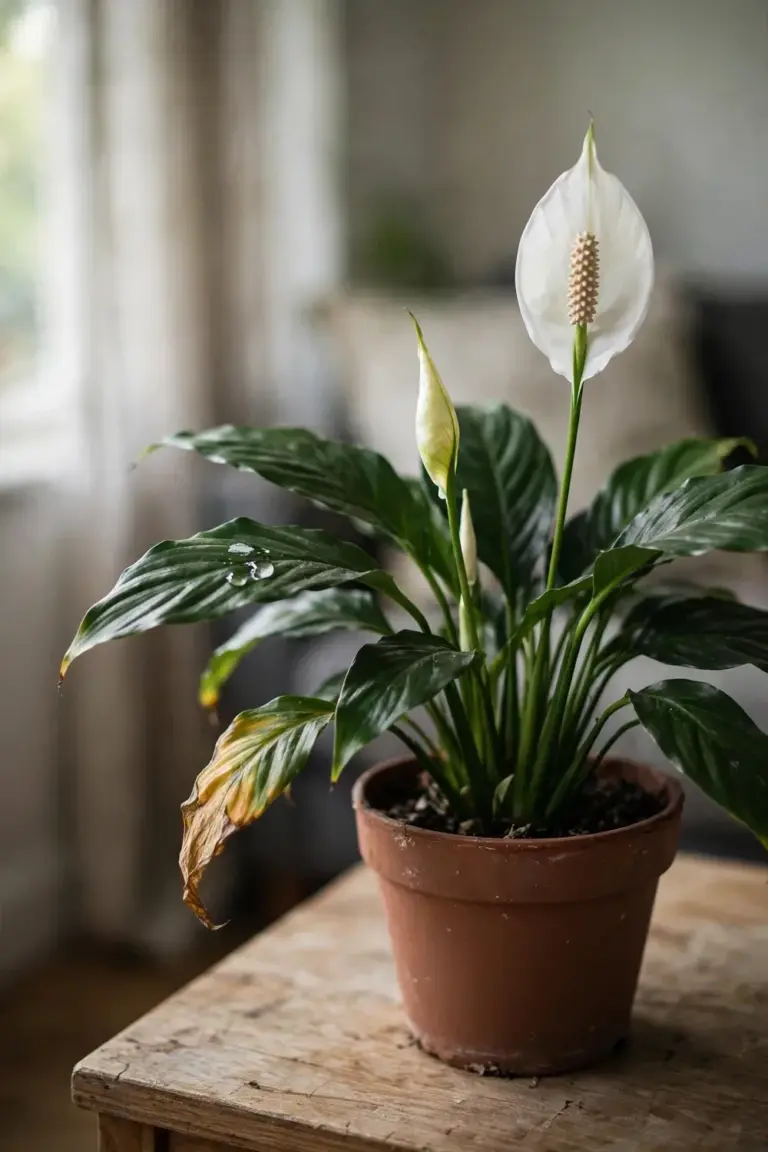
Propagation is by division. When the clump outgrows its pot, split it into sections with roots and leaves, and each section becomes a flowering plant. One grocery-store peace lily becomes gifts for two friends at the next repot. Divided sections bloom again within the next flowering cycle once they settle.
The one real weakness is its sensitivity to chemicals. Fluoride and chlorine in tap water brown the leaf edges, and direct sun scorches the leaves. Skip it if your only window faces the afternoon sun. One-line care: bright indirect light and evenly moist soil.
7. Buy a Chinese Evergreen for Color on a Small Budget
The Chinese evergreen (Aglaonema commutatum) brings patterned leaves in silver, red, and pink to the budget shelf. Newer cultivars cost more, but the classic green-and-silver types sit at the value tier and propagate the same way.
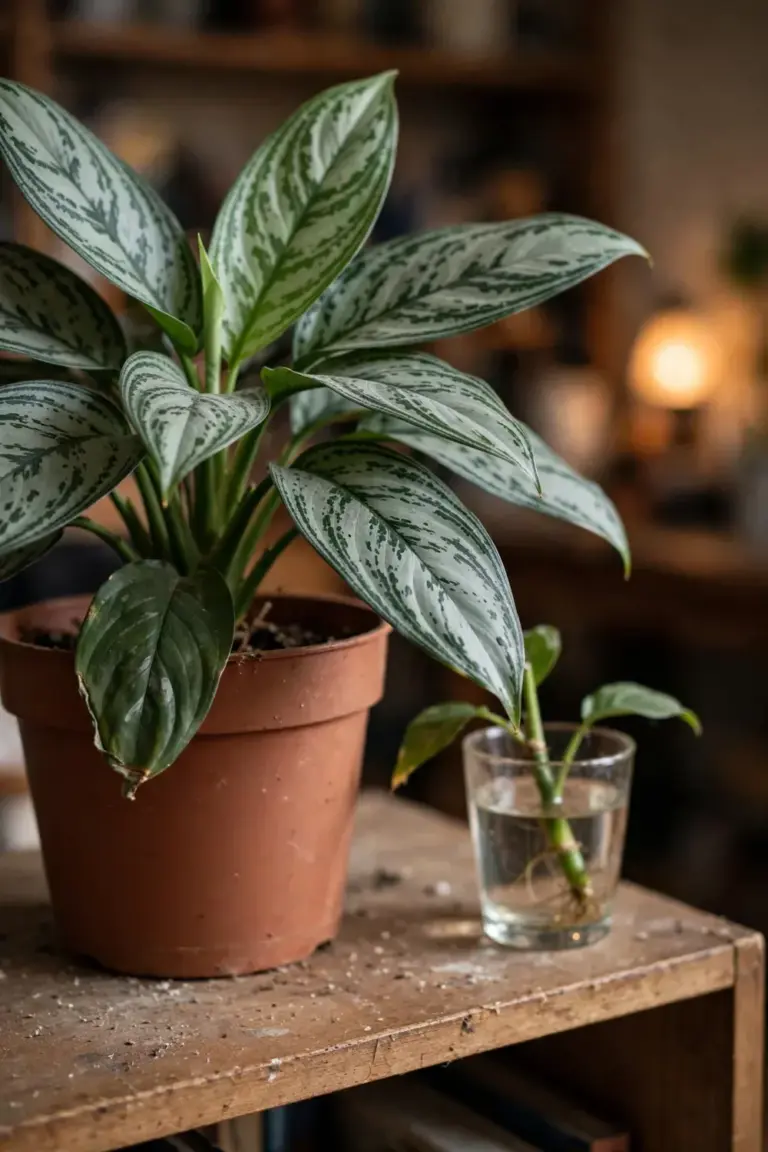
Stem cuttings root in water or moist mix. Cut a stem with a few leaves, keep the node buried or submerged, and roots form in weeks. Top-heavy older stems become new plants instead of compost. Take cuttings in the warm half of the year, when the plant is actively growing.
The one real weakness is cold. Chinese evergreen sulks in cool rooms and hates cold drafts from windows and doors. Skip it for a drafty entryway. One-line care: low to medium light and steady warmth.
8. Buy a Jade Plant and Let Every Fallen Leaf Become a Gift
The jade plant (Crassula ovata) turns accidents into inventory: a leaf knocked off during watering calluses over in a few days and roots on dry soil. Stem cuttings root faster and make fuller plants sooner, so one mature jade supplies enough cuttings for a whole gift list without a repeat purchase.
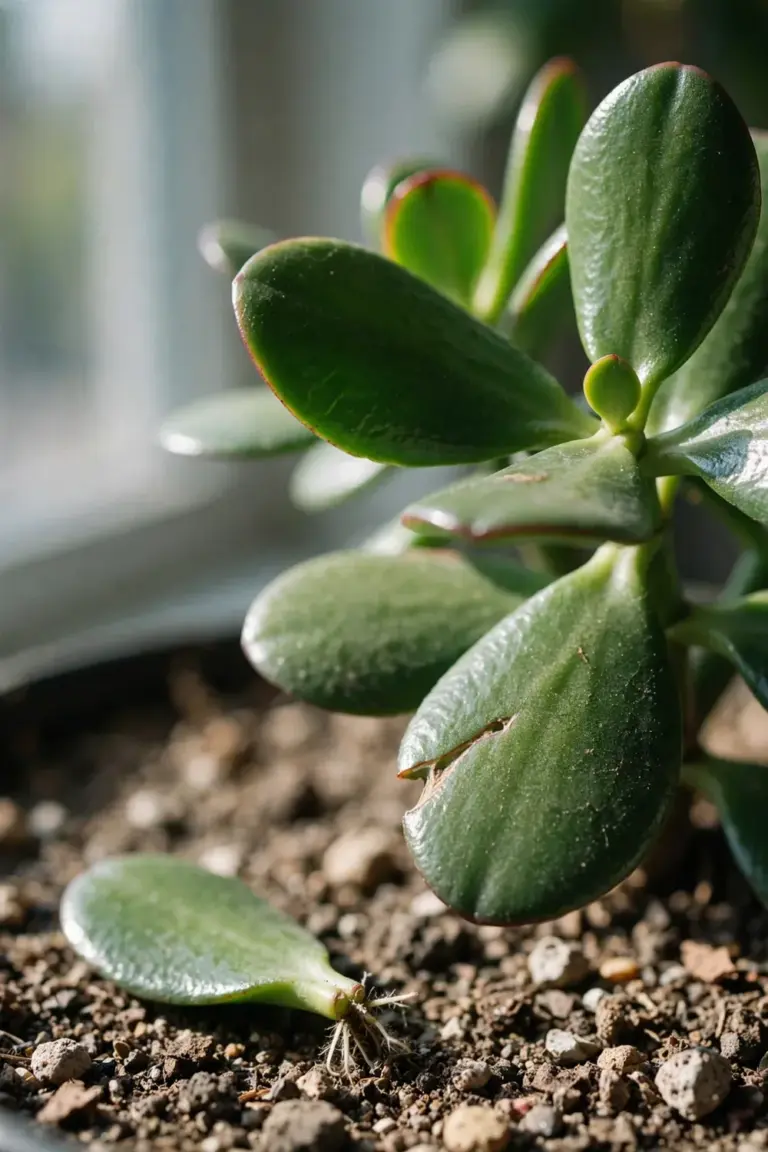
Let every cutting callus before it touches soil, because fresh cuts rot in damp mix while a callused cut seals itself and roots cleanly. Three days on a dry shelf is the whole technique. A stem cutting taken in spring becomes a sturdy little plant by autumn.
The one real weakness is overwatering, the classic succulent killer: jade stores water in its leaves and rots in soggy soil, so check the soil before you reach for the can. Skip it if your instinct is to water often. One-line care: bright light and a gritty mix that drains fast, with the succulent growing guide covering the wider family.
9. Buy Heartleaf Philodendron for the Easiest Cutting You Will Ever Take
Heartleaf philodendron (Philodendron hederaceum) roots so willingly it almost feels like cheating. A stem cutting with a node goes into water and shows roots within days in warm weather. The plant trails from shelves and climbs a moss pole with equal ease.
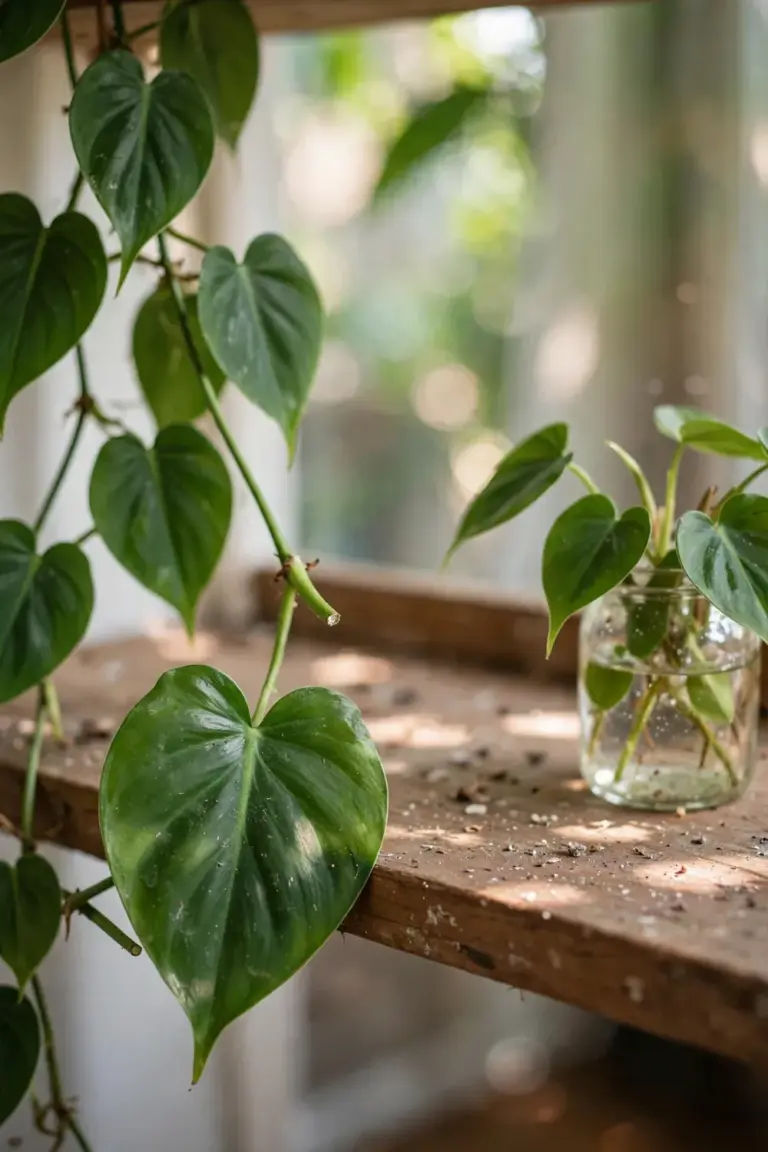
Each cutting needs a node, the small bump where a leaf meets the stem. Leafless stem sections with nodes root too, which means one long vine becomes a whole row of starter plants. Nothing on this list multiplies faster per dollar, and the whole operation needs nothing but a jar of water.
The one real weakness is that it never stops. Untrimmed vines reach the floor, tangle, and look tired. Skip it if you will not prune twice a year. One-line care: medium to bright indirect light and water when the top inch of soil dries.
10. Buy a Rubber Plant When You Have Room to Grow
The rubber plant (Ficus elastica) is the mid-range entry that pays back in scale. One plant becomes a six-foot statement tree, and stem cuttings taken during pruning root into new plants. Air layering works too: wrap a wounded stem in damp moss, wait for roots, then cut and pot.
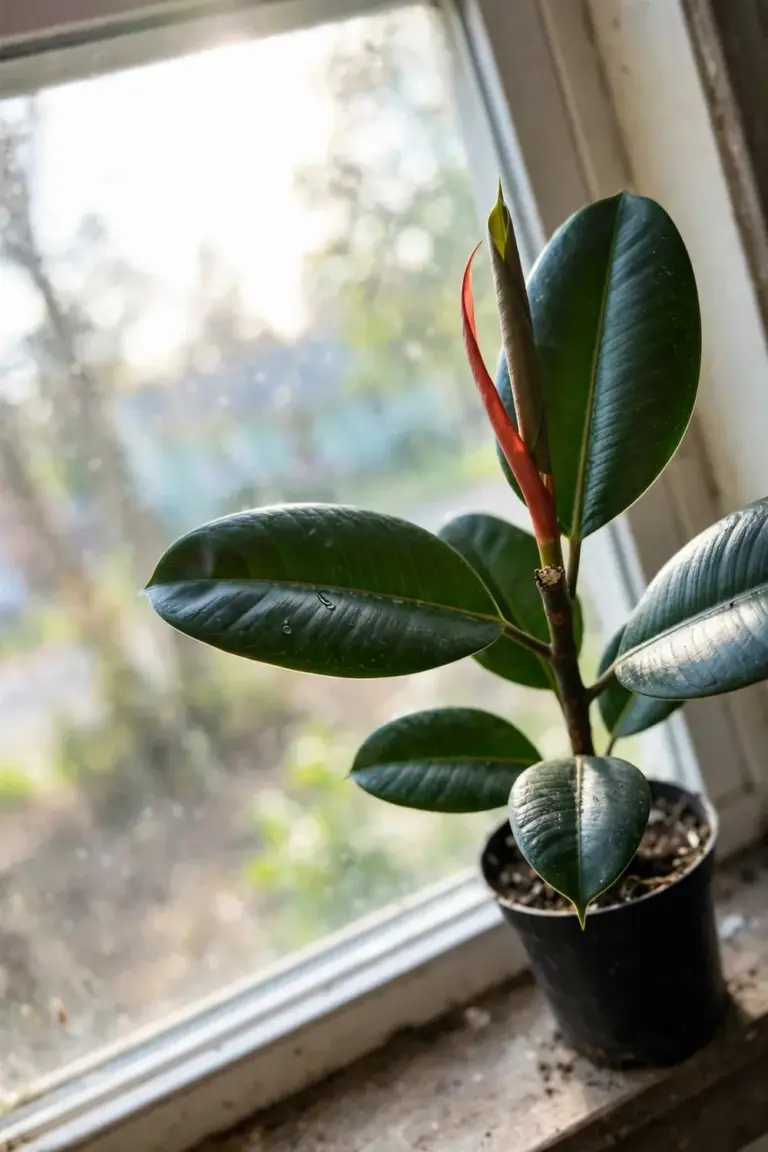
Prune to propagate. Every time the tree outgrows its spot, the removed top becomes a cutting, so the plant funds its own offspring as part of normal maintenance. One purchase fills the room and the windowsill. Air layering beats cuttings for thick stems, since the stem keeps feeding itself while the new roots form.
The one real weakness is size. A rubber plant will not stay small, and fighting its nature means constant pruning. Skip it for a tiny desk. One-line care: bright indirect light and a pot with drainage.
11. Buy Aloe Vera for Pups That Never Stop Coming
Aloe vera (Aloe vera) manufactures its own replacements. A healthy plant pushes pups from its base all season, and each pup with roots becomes an independent plant. One pot becomes a colony, then several pots, then gifts.
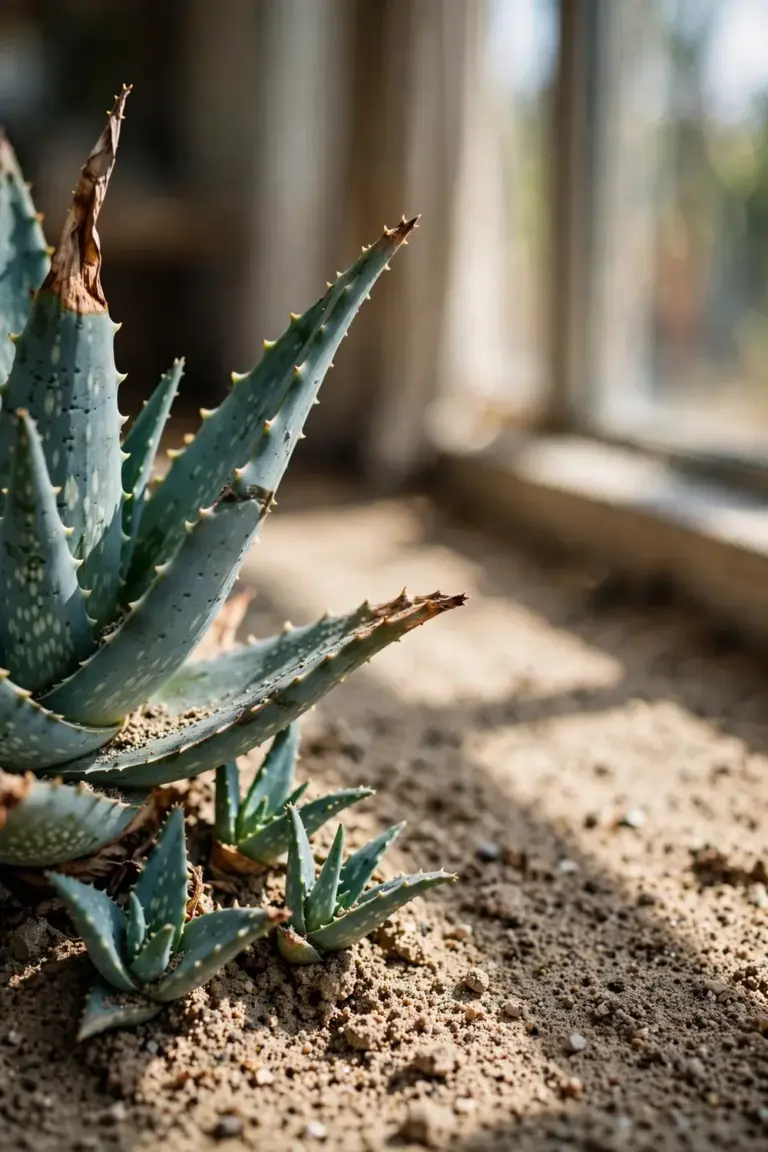
Separate pups when they reach a few inches tall. Tease them away with roots attached, let the wound dry for a day, and pot them in gritty mix. The mother plant barely notices. A colony of pups left undisturbed crowds itself, so annual separation keeps every plant vigorous.
The one real weakness is that aloe wants more light than most buyers give it. In dim rooms it stretches pale and flops. Skip it for a north-facing shelf. One-line care: the brightest window you own and water only when the soil is bone dry, with the aloe vera growing guide for the full details.
12. Buy a Boston Fern and Double It Every Spring
The Boston fern (Nephrolepis exaltata) is the division champion. A root-bound fern pulls out of its pot as a solid mass, and a sharp knife turns it into two or four plants. Every spring repot doubles your stock. A spring division looks rough for a month, then pushes a full flush of new fronds.
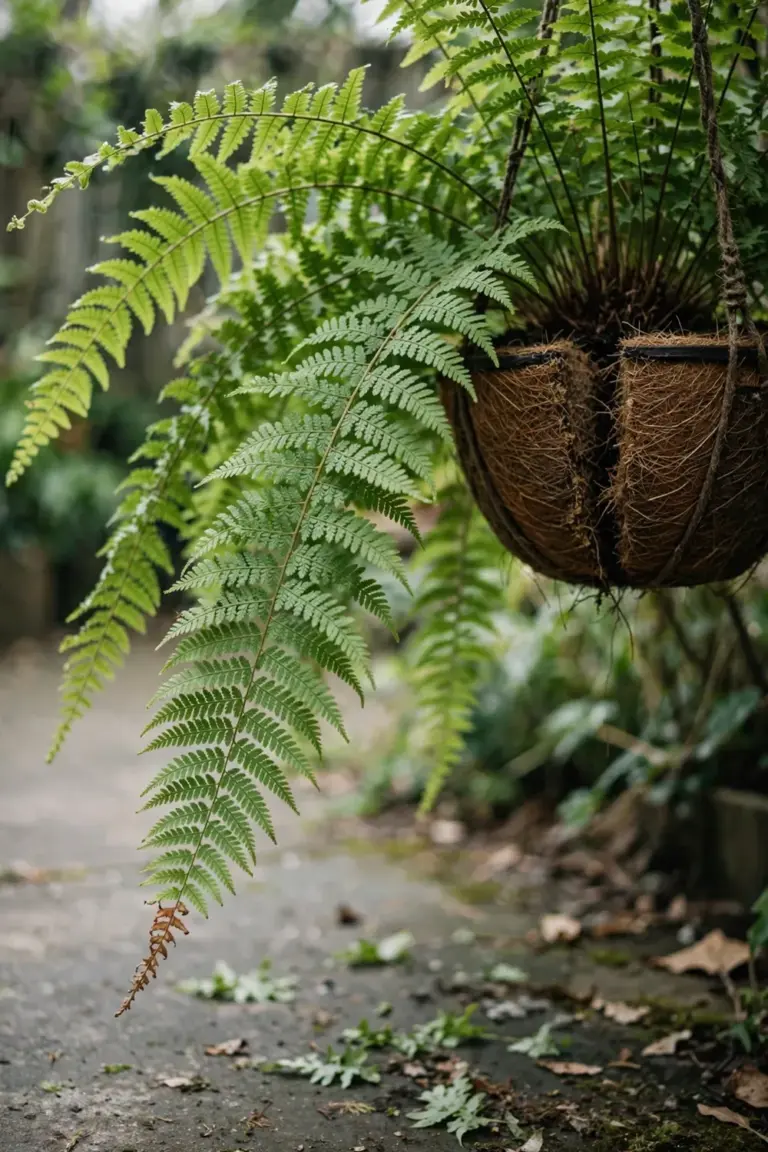
Boston ferns want steady moisture and humidity. A pebble tray or a bathroom windowsill keeps the fronds green, and consistent watering prevents the brown shedding that gives ferns a bad name.
The one real weakness is mess. A dry fern sheds leaflets across the floor for weeks. Skip it if fallen leaflets would annoy you daily. One-line care: bright indirect light and soil that never fully dries.
Source Plants From the 3 Cheapest Shelves First
Where you buy decides the real price. The same pothos costs three different amounts at three different shelves, and the cheapest shelf is rarely the garden center display. Work through the three shelves in order, and only move to the next one when the first comes up empty.
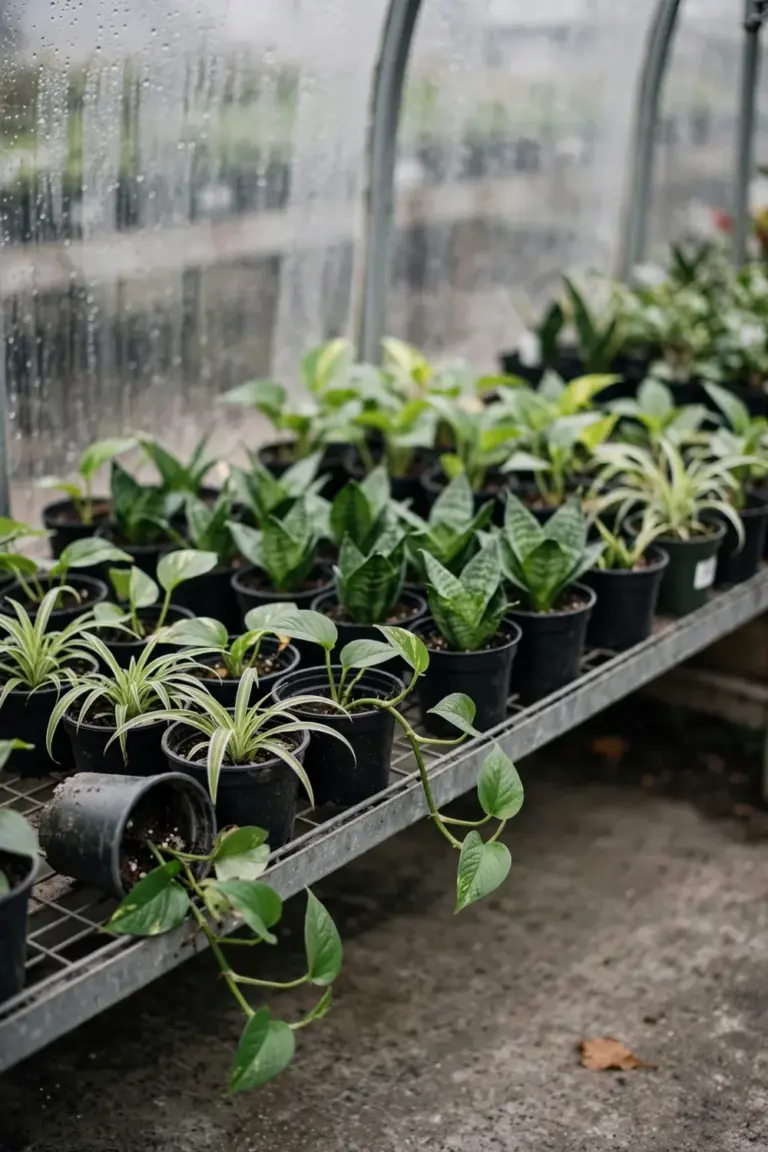
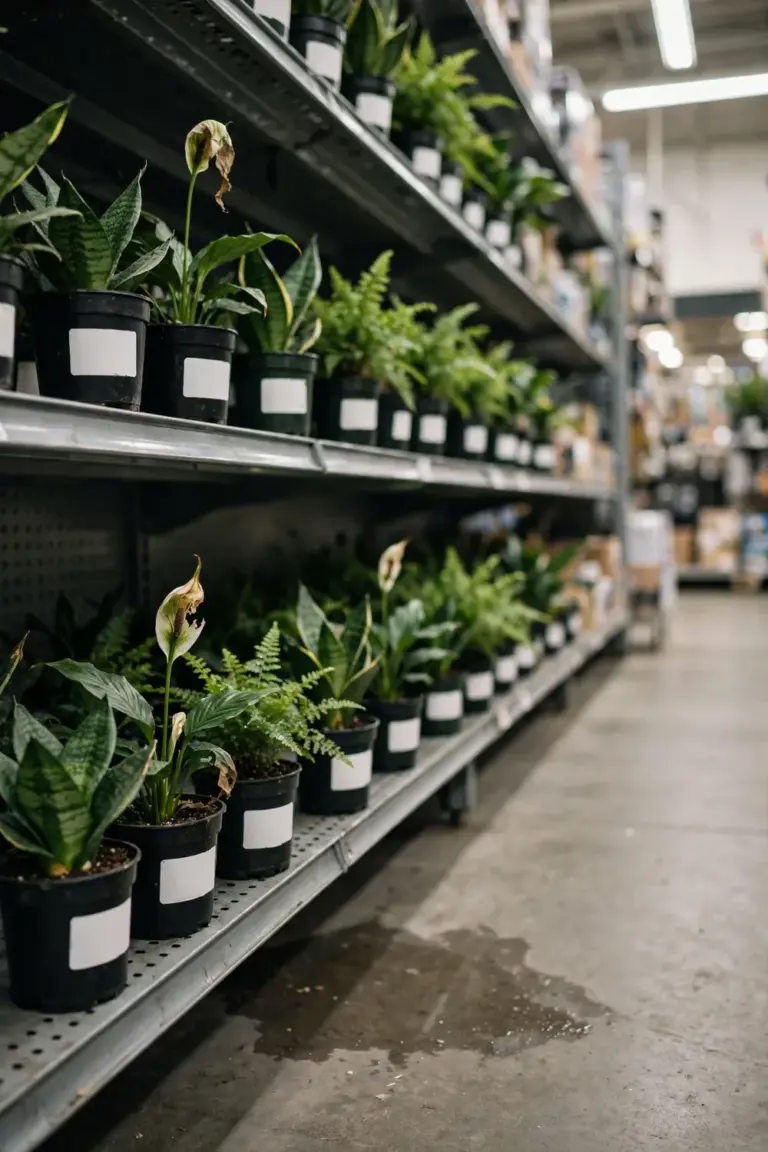
Shelf one: supermarkets and hardware stores. Mass growers supply these shelves, and the plants arrive in standard nursery pots at the lowest prices. Stock turns over fast, so check the roots and leaves before buying. A root-bound plant at half price is still a bargain if the foliage is healthy.
Shelf two: plant swaps and local gardening groups. Swaps trade cuttings and divisions for free, which makes the price band zero. A spider plant owner always has spare plantlets. A snake plant owner always has a spare leaf. Ask in local groups and the plants come to you. This is also where the propagation math pays off socially: the plantlets and pups you separate become your currency at the next swap.
Shelf three: end-of-season clearance. Greenhouses clear stock when seasons turn, and slightly tired plants sell for a fraction of their spring price. A clearance peace lily with brown edges recovers fully with proper watering. Buy the roots, not the leaves.
Skip the boutique plant shop for this mission. The same species costs more there because you are paying for the pot, the styling, and the rent. Buy the plant cheap and spend the savings on a pot you actually like. The plant itself is identical. Only the price tag differs.
Buy Budget Houseplants in Australia Without the Markup
Australia gets the same plants at the same three shelves. Supermarkets, hardware stores, and local nurseries carry snake plant, pothos, spider plant, and peace lily at budget prices nationwide. Plant swap groups run in every capital city, and they are the cheapest source of cuttings anywhere. If you are starting from zero, one supermarket pothos and one swap-meet spider plant cover most of the propagation tricks above for almost nothing.
Watch the seasons. Southern-hemisphere timing flips the northern calendar, so spring clearance lands around September and the best swap activity runs through the warm months from October to March. Buy tropical species like the rubber plant and Chinese evergreen in the warm half of the year so they establish before winter.
One local caution: never release unwanted cuttings or potted plants into bushland. Several popular houseplants naturalize aggressively in warm Australian climates. Compost the spares or give them away. A free cutting becomes an expensive weed the moment it escapes the pot.
Skip These 5 Mistakes That Turn Cheap Plants Expensive
Mistake 1: buying the pot, not the plant. A decorative pot doubles the price of a budget plant. Buy the plant in its nursery pot and repot into something you already own.
Mistake 2: buying a big plant instead of a small one. A small pothos catches up to a large one within a growing season, and it costs a third of the price. Growth is free. Size is the most expensive thing on the shelf.
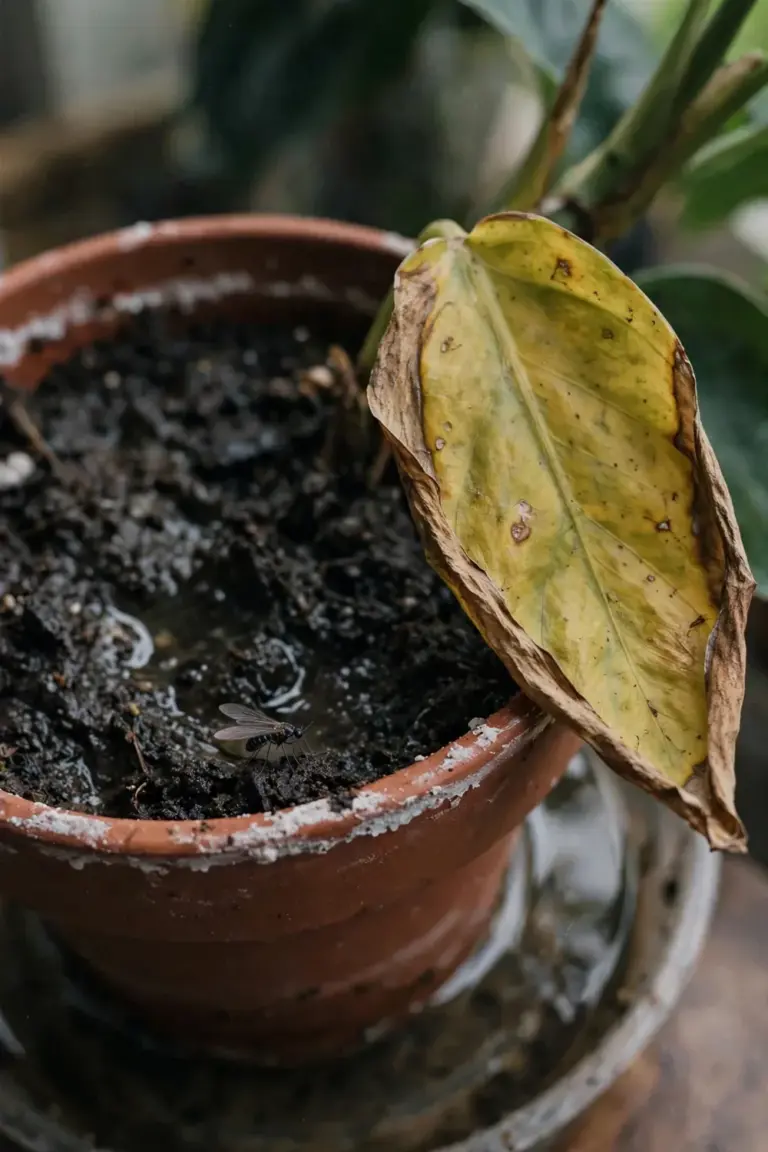
Mistake 3: skipping the root check. Tip the plant out of its pot in the store. White roots circling the bottom mean a healthy plant. Black mushy roots mean rot, and no discount makes a rotting plant cheap.
Mistake 4: propagating in the dark. Cuttings need bright indirect light to root. A cutting jar on a dark shelf rots instead of rooting, and the replacement cutting costs you the savings. Light is the cheapest rooting hormone.
Mistake 5: fertilizing a new plant immediately. Nursery soil already carries fertilizer. Feeding a new plant burns tender roots, and a burned plant grows slower than an unfed one. Wait a month, then feed at half strength during the growing season.
The theme across all five mistakes is the same. Money leaks out of a plant collection through impatience: buying size instead of time, buying styling instead of roots, feeding before the plant asks. The budget buyer does the opposite. Small plants, bare roots checked in the store, bright light for cuttings, and patience while the plant does the multiplying.
Budget Houseplant FAQ
One healthy leaf cut into 3-to-4-inch sections can become four to six new plants, because each section grows its own shoots at the base within about two months, per Iowa State University Extension. A mature plant with a dozen leaves holds serious multiplication potential. Division of the rhizome gives instant full-size plants even faster than leaf sections.
Golden pothos and heartleaf philodendron tie for the cheapest propagation. Both root from stem cuttings in plain water with no rooting hormone and no special equipment. Spider plant runs close behind, since its plantlets root on contact with soil while still attached to the mother plant. All three turn one purchase into many plants within a single growing season.
No. Price and toughness are unrelated. Some budget plants like the snake plant and cast iron plant tolerate serious neglect, while others like the Boston fern and peace lily want steady moisture. Read the one-line care note for each plant before buying. The cheapest plant is the one that matches the care you will actually give.
Plant swaps and local gardening groups are the cheapest, because cuttings and divisions change hands for free. Supermarkets and hardware stores come next, selling mass-grown plants at the lowest retail prices. End-of-season greenhouse clearance offers the best discounts on nursery stock. Boutique plant shops charge the most for the same species.
Yes, but slowly. A single ZZ leaflet grows its own rhizome and eventually a new stem, though visible top growth can take many months. Stem cuttings move faster, and division at repotting time gives instant new plants. Choose leaflets when you want maximum plants from one stem and you can wait.
Where to Go From Here
A budget houseplant collection grows the way a savings account grows: slowly at first, then all at once. Buy one snake plant, one pothos, and one spider plant. Propagate everything they offer. Within two growing seasons the cuttings outnumber the purchases, and every plant after that is free.
Start with three plants, not twelve. Three survivors teach you more about your light and your habits than a full shelf of guesses. Once those three are multiplying, add the next tier from the list above. The budget approach is not buying less. It is buying once.