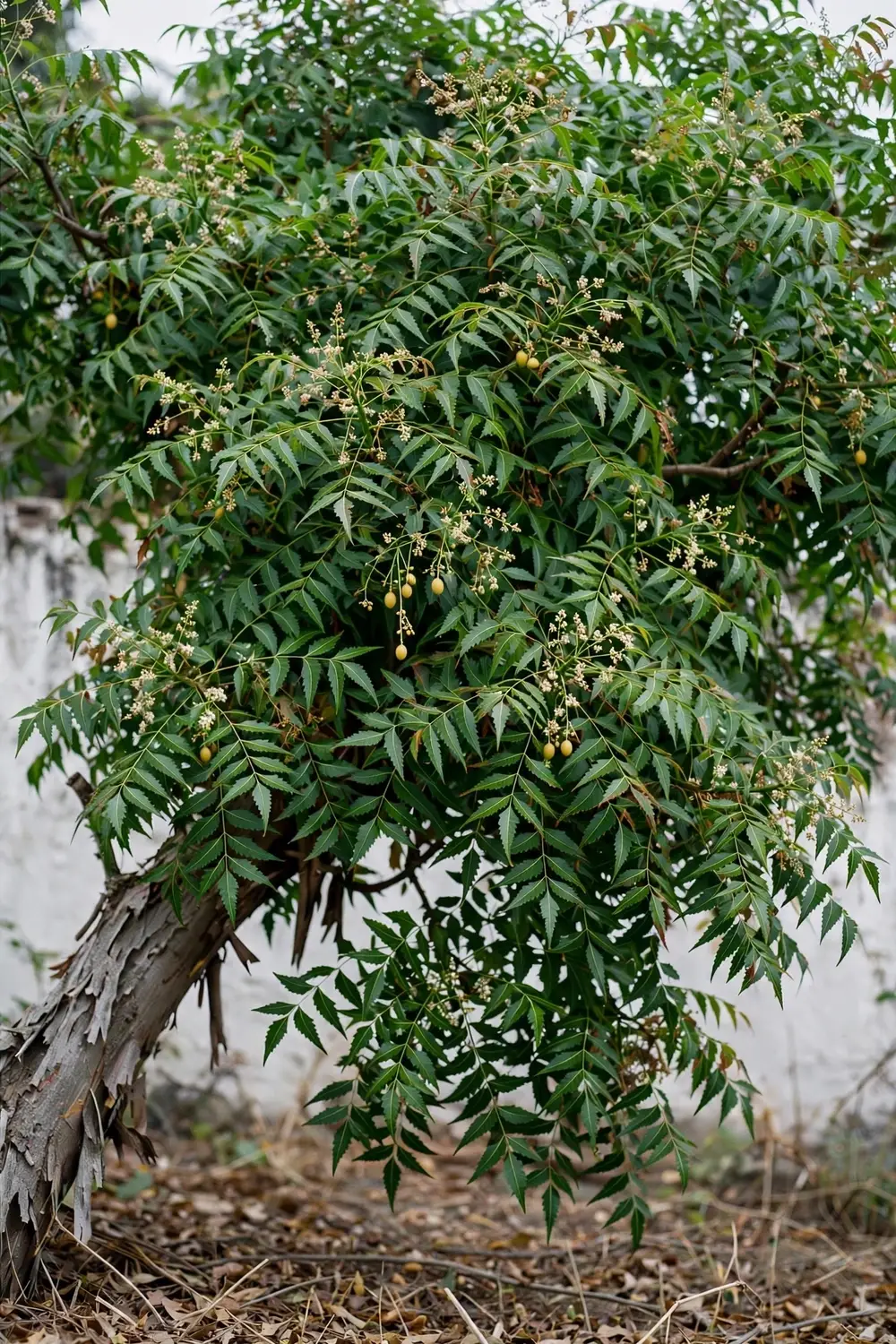

A neem tree can reach 8 feet of new growth in a single warm year, shade your patio by year three, and supply leaves, twigs, and seeds for a lifetime of garden uses. The catch is that neem is a tropical tree that dies when the thermometer drops below freezing, so where you live decides whether it grows in the ground or in a pot you carry indoors each fall. This is the honest guide to how to grow neem tree from India the way the tree actually wants: fresh seed, deep heat, and a plan for winter.
The seed is the whole story. Neem seeds lose viability within 10 to 12 days of collection, which means almost every failure starts at the seed packet, not the soil. Buy fresh fruit, sow quickly, and give the seedling the warmth of the Indian subcontinent. Do that and a fast-growing, drought-tough, evergreen canopy tree is entirely within reach, even in a cold climate where it spends the winter by a bright window.
1. Climate and Cold-Hardiness: Where Neem Trees Actually Grow
Neem grows outdoors year round only in USDA zones 9 to 11, where winters stay frost free. Some sources extend the range to zone 12 on the hot end, but the cold edge is the one that matters. At 50°F (10°C) the tree sulks and drops leaves; below about 35°F (2°C) tissue damage turns lethal fast. That makes neem a genuine tropical, not a borderline subtropical like citrus.
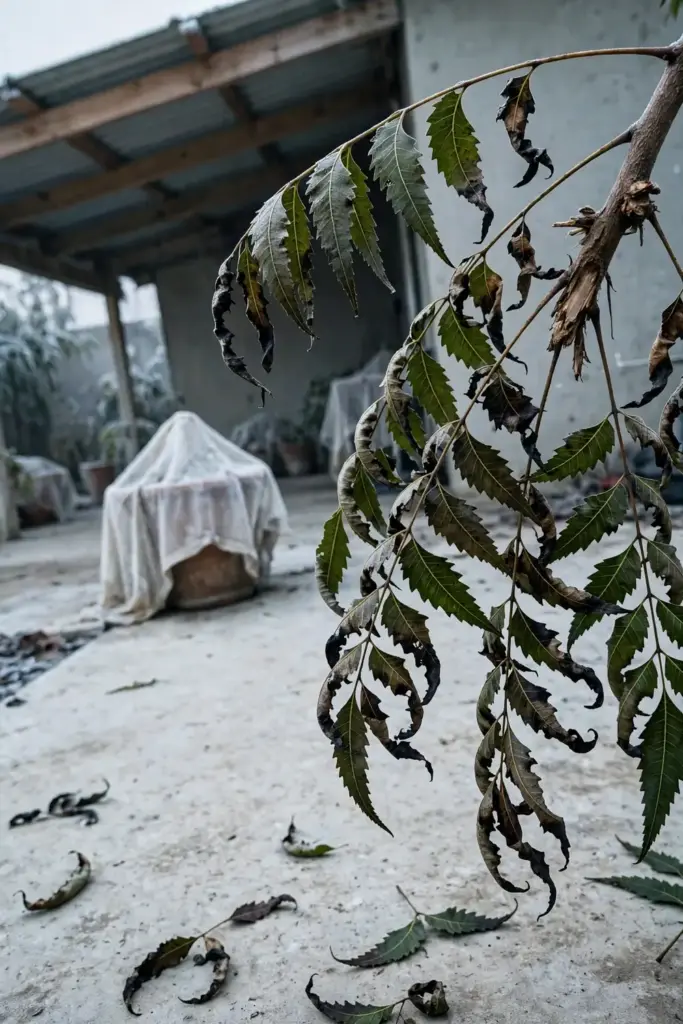
If you live in zone 8 or colder, neem is a container tree. It spends the warm months outdoors in full sun and winters inside near a bright window or under grow lights. Cold-climate growers do this successfully for years, but they do it with eyes open. A container neem will never become the 50-foot giant that shade trees become in their native range.
The tree earns its reputation as tough. Mature neem survives drought and poor soil that kills lesser trees, and it keeps its leaves all year. Heat is never the problem. Neem handles 104°F (40°C) without complaint, and it actually grows fastest when nights stay warm.
2. Seed Freshness Is Everything
Most neem seeds sold online are dead before they ship. Neem seed viability collapses within 10 to 12 days of the fruit being harvested, a window documented by multiple nursery and botanical sources. Seed stored in ordinary dry conditions loses germination power dramatically after about a month. Only properly dried seed kept refrigerated near 4°C holds viability for up to a year, and few sellers do this work.
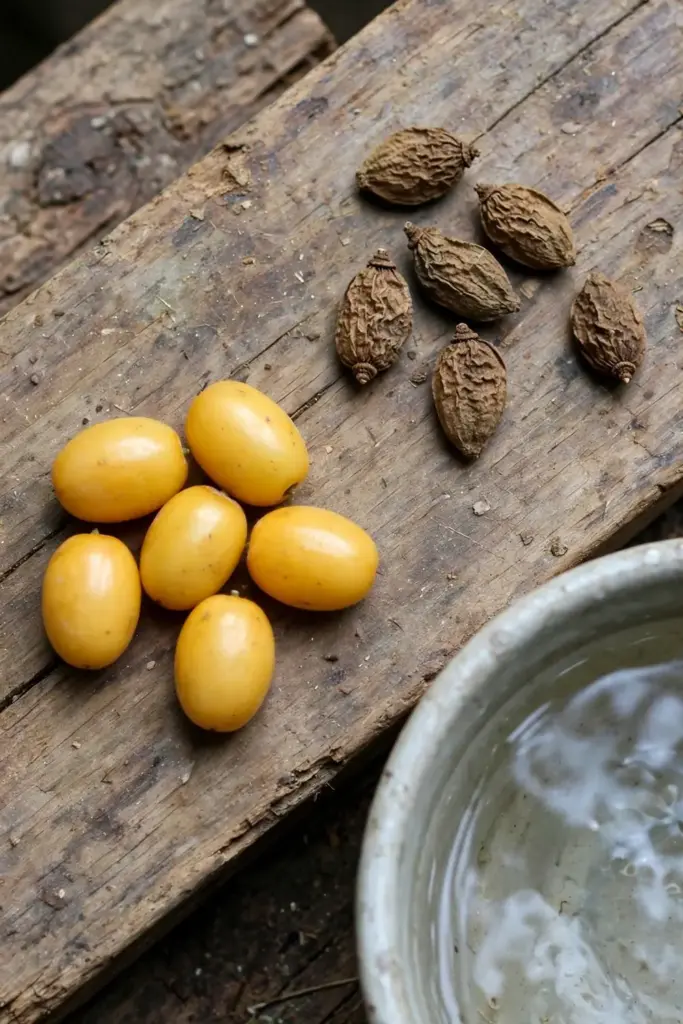
Buy fruit, not seed. Ripe yellow neem drupes, fresh from the tree or from a supplier who ships the day of harvest, give the only reliable germination. The Seed Vine documents the same short window in its germination instructions for Azadirachta indica. If a seller cannot tell you the harvest date, keep looking. The 10 to 12 day window is not a suggestion; it is the single biggest reason beginners fail.
Depulp the fruit as soon as it arrives. The resinous flesh surrounding the seed inhibits germination and invites mold. Urvann’s home neem guide recommends rubbing the seeds gently against a coarse surface, washing them clean, and drying in shade for a few hours, no longer. Then sow immediately. Every day the cleaned seed sits is a day of lost viability.
3. Seed vs Cuttings: Choosing Your Starting Method
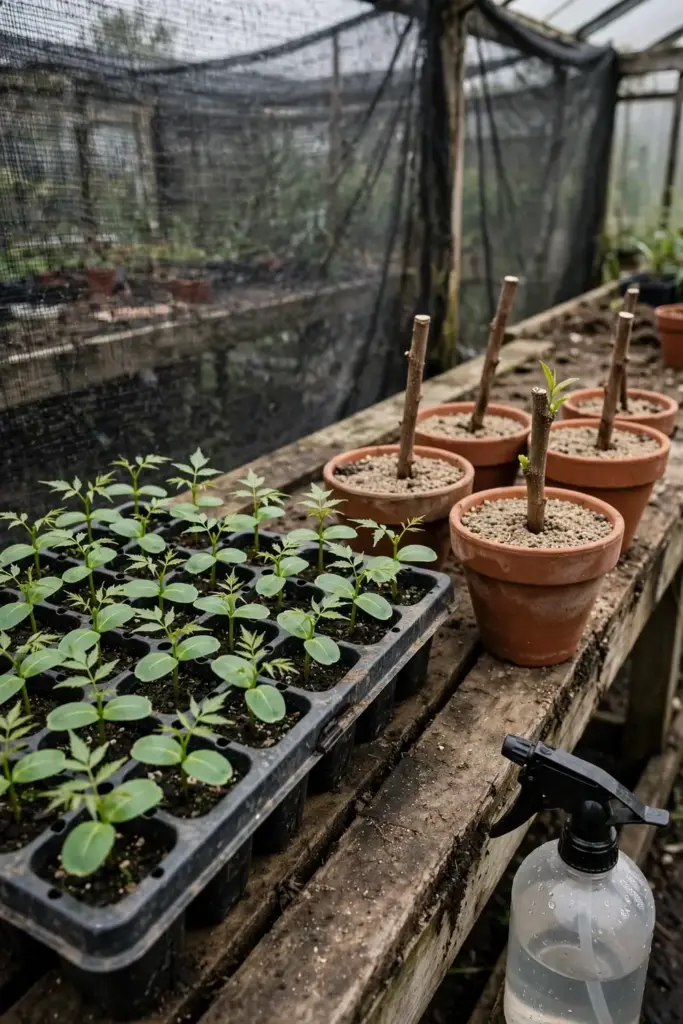
Seed is the standard path. Nursery growers, research stations, and home gardeners almost all start neem from seed because it is fast, cheap, and produces the deep taproot the tree wants. The ECHO technical sheet on neem confirms that air layering, cuttings, and grafting all work, but seed remains the nursery standard. Cuttings work too, but they are a backup plan, not the main road.
| Method | Germination / Rooting Time | Viability Risk | Root Quality | Best For |
|---|---|---|---|---|
| Fresh seed | 1 to 4 weeks | High: 10 to 12 day freshness window | Deep taproot, best long-term tree | Everyone who can get fresh fruit |
| Cuttings | 4 to 8 weeks to root | Moderate: needs rooting hormone and humidity | Fibrous, no taproot, shallower tree | No fresh seed available |
| Air layering | 2 to 3 months | Low on the mother tree | Clone of a chosen tree | Propagating a specific superior tree |
Fresh seed wins on every axis except availability. Cuttings root with the help of rooting hormone and a humid, warm environment, but the resulting tree lacks the taproot that makes seed-grown neem so drought tough. Air layering clones a proven tree, which matters for orchard-scale planting but rarely for a home garden.
Sow three to five seeds for every tree you want. Even with fresh fruit, real-world germination sits near 60 percent in home trials, and the extras give you the strongest seedlings to keep. Thin ruthlessly. A weak neem seedling rarely becomes a strong tree.
4. How to Germinate Neem Seeds Step by Step
Soak the cleaned seeds for 24 hours in room temperature water. This single step softens the seed coat and evens out germination, and every major neem nursery recommends it. Seeds that float after soaking are usually dead; keep the sinkers and discard the floaters.
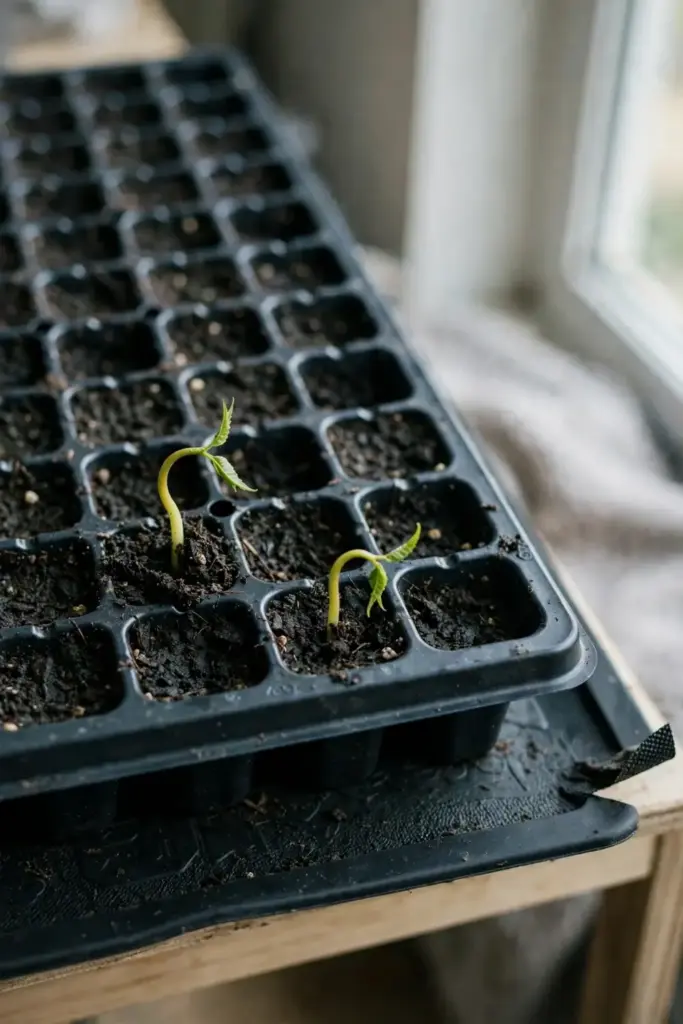
Fill a deep pot or nursery bag with sterile seed-starting mix, not garden soil. Neem seedlings are vulnerable to damping off, and clean mix removes that risk. If your seed-starting routine needs a refresher, our seed starting guide walks through the same sterile-mix steps. Press the seed about 1 inch deep into the mix. Deeper planting wastes the seed’s limited energy; shallower planting leaves it exposed.
| Step | Action | Time |
|---|---|---|
| 1 | Depulp fresh fruit, wash, shade dry a few hours | Day 0 |
| 2 | Soak seeds 24 hours in room temperature water | Day 0 to 1 |
| 3 | Sow 1 inch deep in sterile, well drained mix | Day 1 |
| 4 | Keep at 68 to 85°F (20 to 29°C), heat mat if cooler | Days 1 to 28 |
| 5 | Water gently, let top half inch dry between waterings | Daily check |
| 6 | Move to morning sun once true leaves appear | Weeks 3 to 5 |
Warmth is the lever. At 20 to 25°C (68 to 77°F) germination typically takes 1 to 3 weeks; at warmer temperatures up to 29°C it can be faster. Sacred Plant Co’s regenerative neem guide adds that a heat mat is the cheapest insurance when night temperatures dip, even briefly. Below 68°F germination stalls or fails. Keep the mix moist but never waterlogged, and protect the pot from hard rain that can bury or expose the seed.
Seedlings emerge with a pair of smooth, rounded seed leaves, followed by the first true leaves that already look like miniature neem foliage: slender, pointed, and serrated. Once the true leaves are well established, usually 3 to 4 weeks after germination, move the pot to morning sun and begin feeding lightly. For the first two to three months, resist the urge to repot or fuss. The seedling is building its taproot, and disturbance stalls it.
5. Growing Neem in Pots and Containers
The container lane is real, and it is the only lane for cold climates. Start seedlings in a 3-gallon pot and move up as the taproot fills it. Expect to reach a 15 to 20 gallon container within a few years, repotting each spring before growth resumes. Neem is fast, and it outgrows small pots quickly.
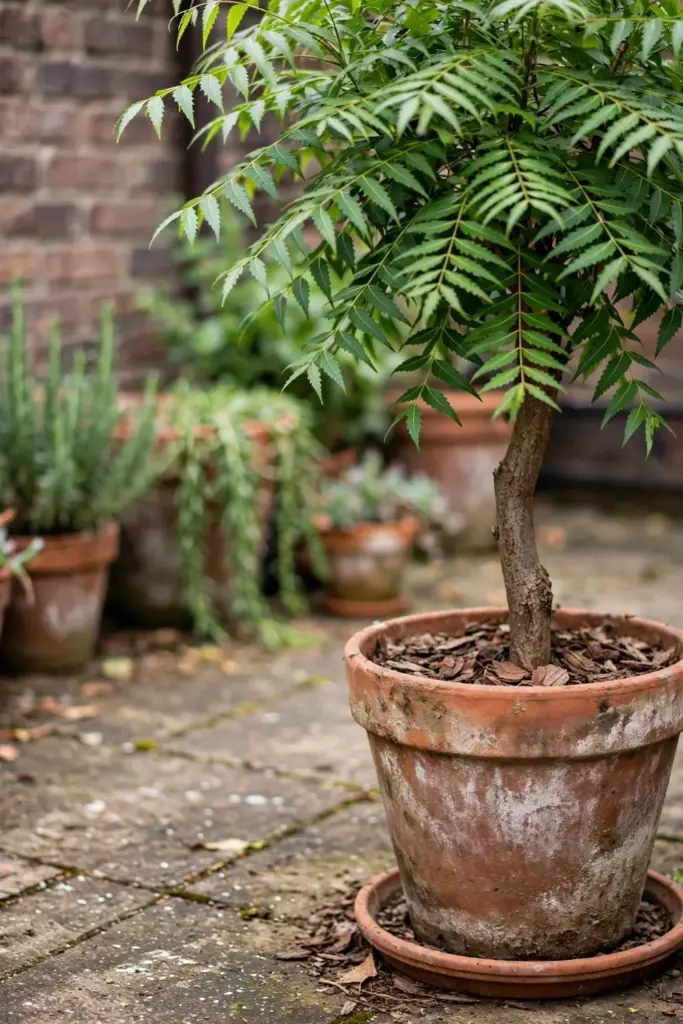
The pot sizing conflict in online guides is honest confusion, and here is the resolution. A 3-gallon pot is the starting size for a young tree, not the forever home. A 15 to 20 gallon container is the realistic long-term size for a neem that stays manageable and can still be moved indoors. Neither figure is wrong; they describe different years of the same tree’s life.
Plan for the ceiling. A neem will never mature fully in a pot, even a large one. Container trees flower later, around year five instead of year two, and stay smaller than ground trees. That is a fair trade for growers in cold climates, but it is not a trick for growing a 30-foot shade tree on a balcony.
Use a free-draining, sandy loam mix with compost. Neem tolerates poor soil in the ground, but containers punish bad drainage, and root rot kills faster than any nutrient shortage. Water when the top half inch of mix is dry. Indoors in winter, watering drops sharply; a pot that sits wet all winter is a pot that grows root rot.
6. Overwintering Indoors: Beating the Frost
When night temperatures threaten to dip into the low 50s°F (around 12°C), bring the pot inside. Do not wait for a freeze warning. Neem damage begins well before ice forms, and one cold night can defoliate a young tree. The safe habit is simple: the pot comes in when the furnace comes on.
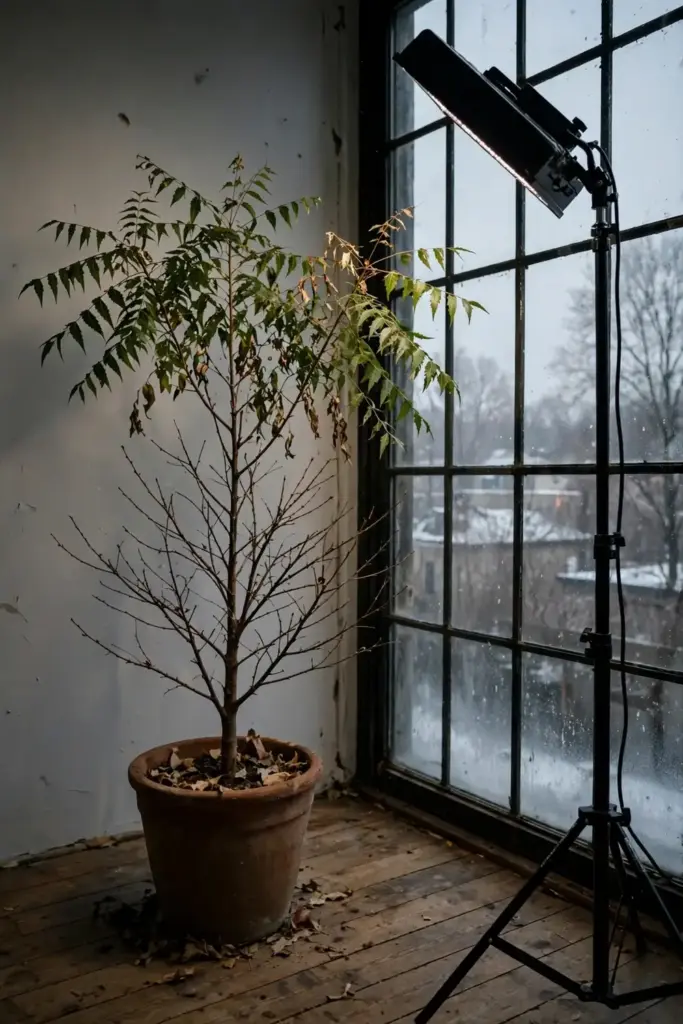
Place the tree at the brightest window you own, ideally south facing, or under full-spectrum grow lights for 12 to 14 hours a day. Neem in winter sheds leaves and slows to almost nothing; that is normal dormancy behavior, not death. Our indoor herb garden guide covers the same bright-window winter setup for tender perennials. Keep watering minimal. Let the mix dry between waterings, skip fertilizer entirely, and watch for spider mites, which love dry indoor air and are the one indoor pest neem growers consistently report.
Prune lightly before bringing the tree in. Trimming back long, leggy growth makes the tree fit the room and encourages bushier regrowth in spring. Anyone studying how to grow neem tree from India in a cold climate learns this rhythm fast: the tree winters inside and summers outside. Neem responds to pruning by branching, so a yearly haircut before winter keeps the canopy dense instead of lanky.
Return the tree outdoors only after nights stay reliably above 50°F. Harden it off over a week, starting with morning sun and shelter from wind. Seedlings that skip this step burn and defoliate in the first harsh afternoon.
7. Soil: What Neem Tolerates and What It Demands
Neem grows in sandy, rocky, and alkaline soils where most fruit trees fail. The ideal is a well-drained sandy loam with a pH between 6.2 and 7.0, enriched with compost at planting. Drainage matters more than fertility; the tree that survives desert margins cannot survive wet feet.
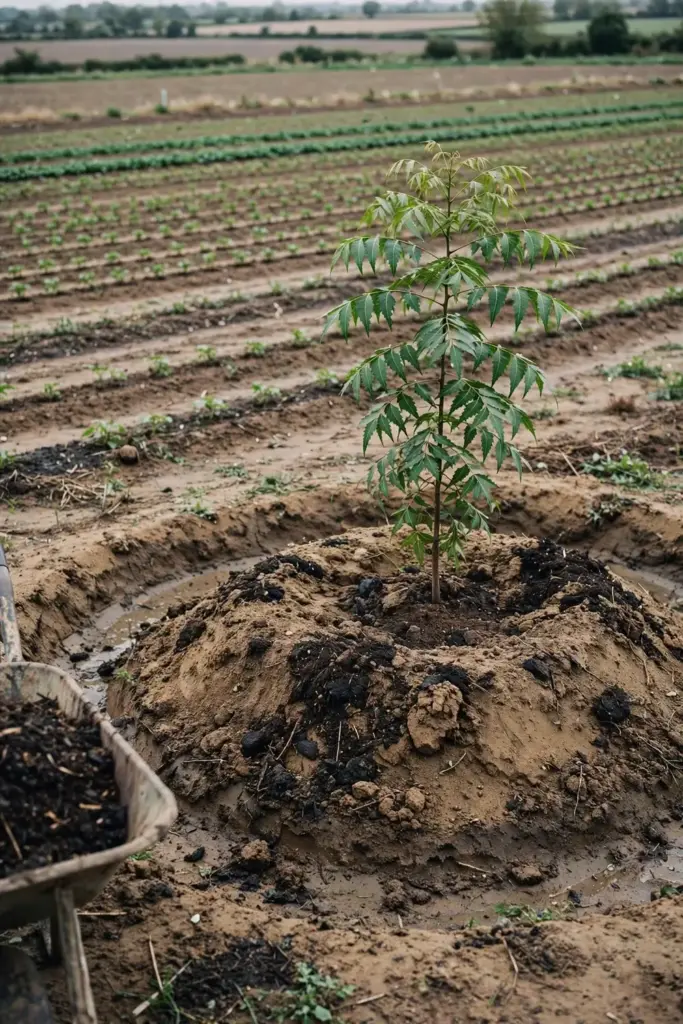
In the ground, dig a hole twice as wide as the root ball and mix compost into the backfill, the same soil health foundation we recommend for every planting on this site. Space trees 15 to 20 feet apart. Neem crowns spread wide, and crowded trees stay spindly. In heavy clay, plant on a mound or a raised bed; a few inches of elevation saves the tree from winter waterlogging.
In pots, use a commercial cactus or citrus mix amended with a third compost, or a standard potting mix cut with coarse sand. Whatever you choose, the test is the same: water must flow through within seconds. If it puddles, the mix is wrong.
8. Watering Rules for Fast Growth
Young neem needs steady water; established neem barely needs any. For the first year, keep the soil evenly moist, watering deeply when the top inch dries out. In a pot in summer heat, that can mean daily watering. Reduce watering in the rainy season and nearly stop it indoors in winter.
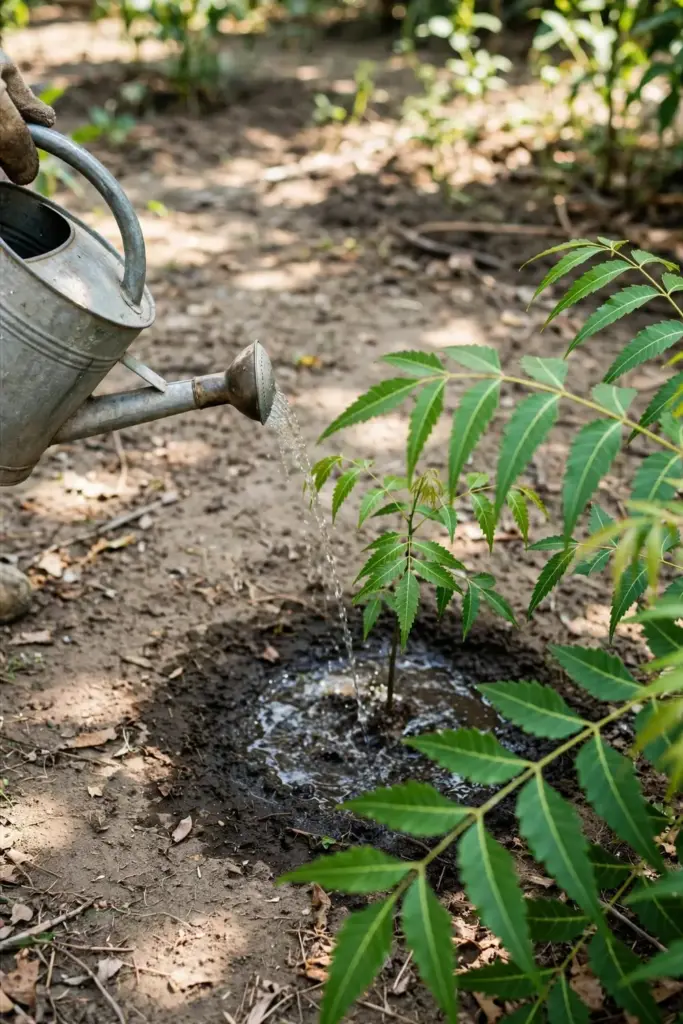
The one rule that prevents most deaths: never let the tree sit in standing water. Overwatering causes the root rot and seedling damping off that neem growers fear most, and it is the top killer of container trees. A pot with no drainage hole is a death sentence, and a saucer left full of water is a slow one.
Once the trunk is as thick as your wrist and the tree is in the ground in a warm climate, it handles drought on its own. Water during extreme dry spells to keep growth moving, but the deep taproot finds water that shallow-rooted trees miss.
9. Feeding a Hungry Tree
Neem is a light feeder, and overfertilizing does more harm than underfeeding. At planting, compost in the hole is enough. In the ground, a yearly top dressing of compost in spring carries the tree through the year. In pots, where nutrients leach with every watering, feed monthly through the growing season.
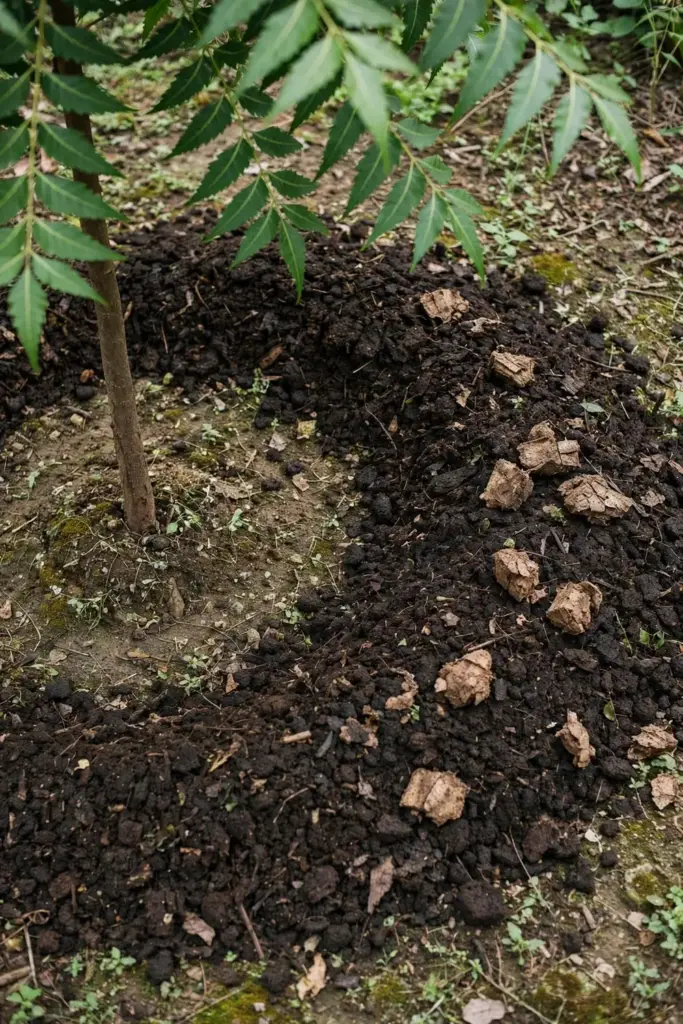
Use a balanced fertilizer at half the label rate, or a slow-release organic like neem seed cake, which returns the tree’s own nutrients to the soil. Stop feeding in fall. Fertilizer pushed into a tree heading for dormancy produces soft growth that frost destroys, and indoor trees should not be fed at all through winter.
Yellowing leaves on a young neem usually mean cold or wet soil, not hunger. Check drainage and temperature before reaching for fertilizer. The feeding schedule matters far less than the drainage and warmth, and most struggling seedlings need less water, not more food.
10. Pruning and Shaping the Canopy
Prune in late winter or early spring, before the main flush of growth. Neem responds to heading cuts by pushing multiple branches, so prune to the shape you want: a single straight trunk for a shade tree, or a low bushy form for easy leaf harvest.
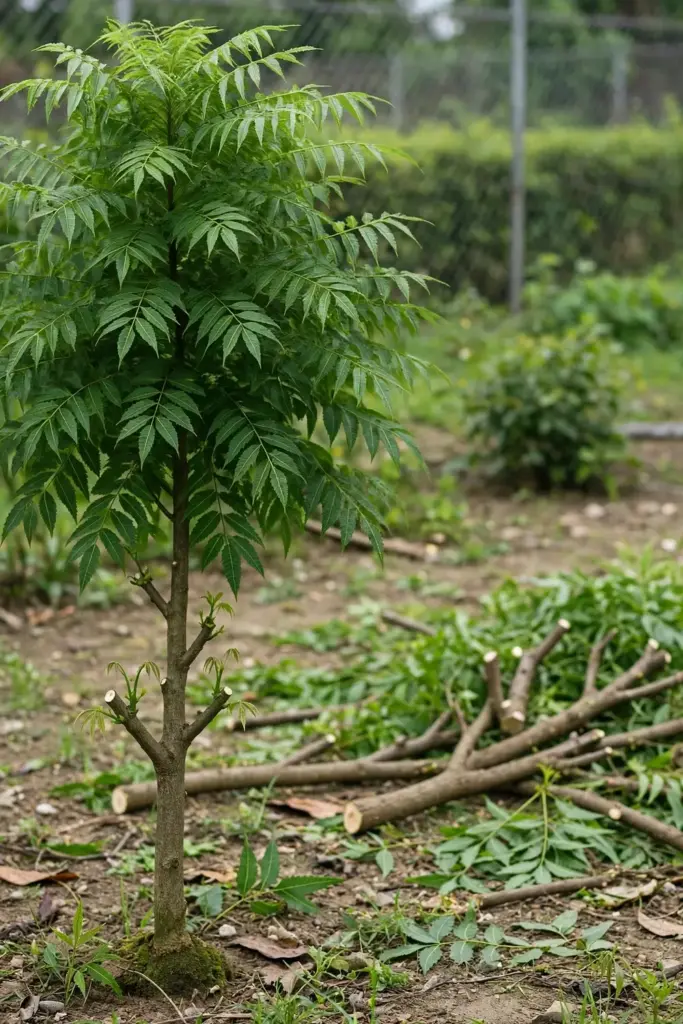
Remove dead, crossing, and inward-growing branches first. Then shorten overly long leaders to encourage branching. Neem wood is forgiving; even hard pruning back to bare wood usually resprouts in warm weather. Coppicing, cutting the tree nearly to the ground, is an old practice in India for regenerating firewood, and the stump resprouts vigorously.
Never remove more than a third of the canopy at once on a young tree. Heavy pruning in the wrong season, especially going into winter, leaves the tree with wounds it cannot heal before dormancy. Prune when the tree is about to grow, not when it is about to rest.
11. Pests and Diseases of Neem Trees
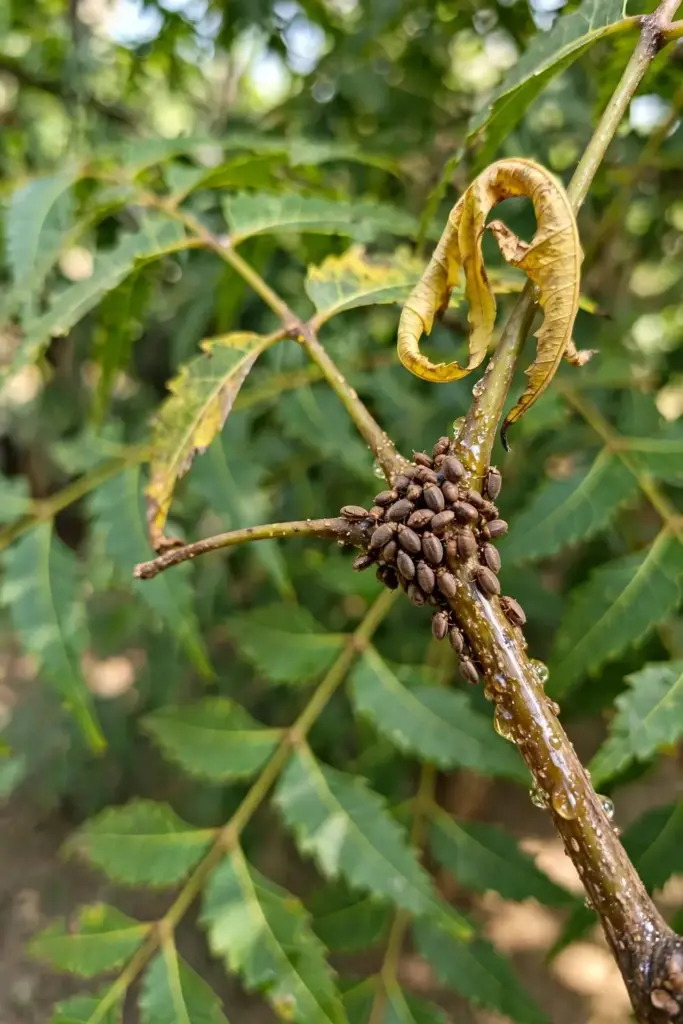
Neem is famous as the source of a natural pesticide, but the tree itself is not invincible. Scale insects and mealybugs colonize stressed container trees, and spider mites are the classic indoor pest. Aphids attack new growth in spring. All three yield to horticultural oil, insecticidal soap, or a strong jet of water.
Root rot from overwatering is the disease that matters. It starts with yellowing leaves and a stalled tree, and by the time the bark darkens at the base the tree is often past saving. Prevention is the whole treatment: drainage, drainage, drainage.
Leaf spot fungi appear in humid, crowded plantings. Space trees for airflow, water at the base, and remove fallen leaves. The irony is real but manageable: growers routinely treat neem’s own pests with diluted neem oil extract. The tree that makes the pesticide still needs protection from the same insects it repels.
12. The Growth Timeline: What to Expect Year by Year
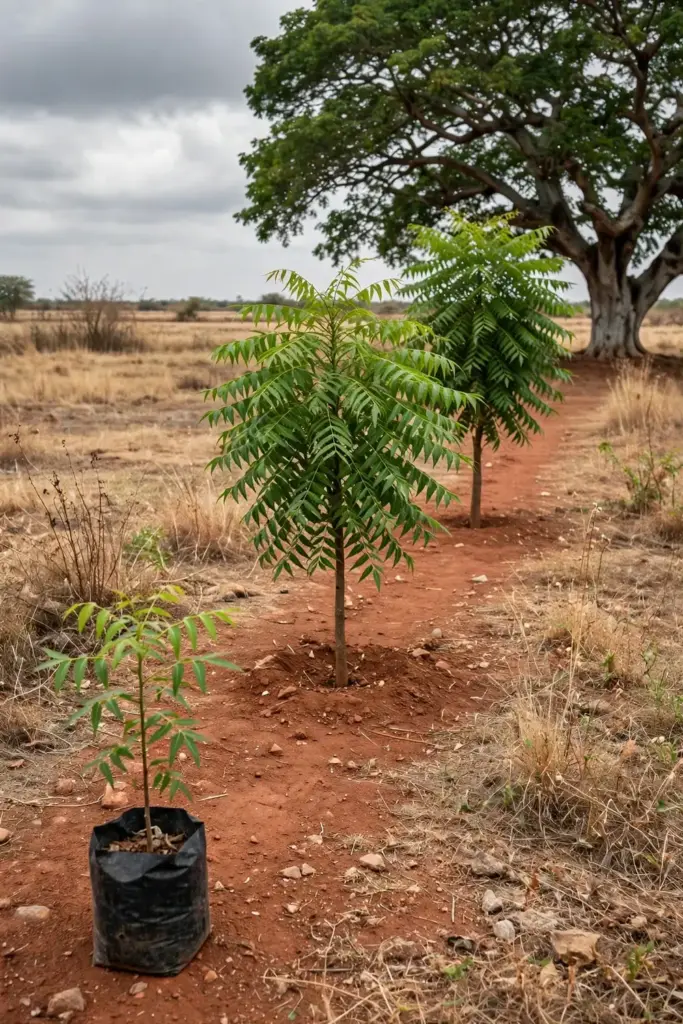
Neem is one of the fastest trees a home gardener can grow. The timeline below assumes warm conditions and good care; container trees and cool climates run slower.
| Year | Milestone | Size |
|---|---|---|
| 0 | Germination, taproot establishment | Seedling, inches tall |
| 1 | First true canopy, move up in pot size | 3 to 6 feet in the ground |
| 2 to 3 | First honey-scented white flowers | 10 to 15 feet |
| 3 to 5 | First fruit, first real seed crop | 15 to 25 feet |
| 5 | Container trees flower in pots | 8 to 12 feet in a large pot |
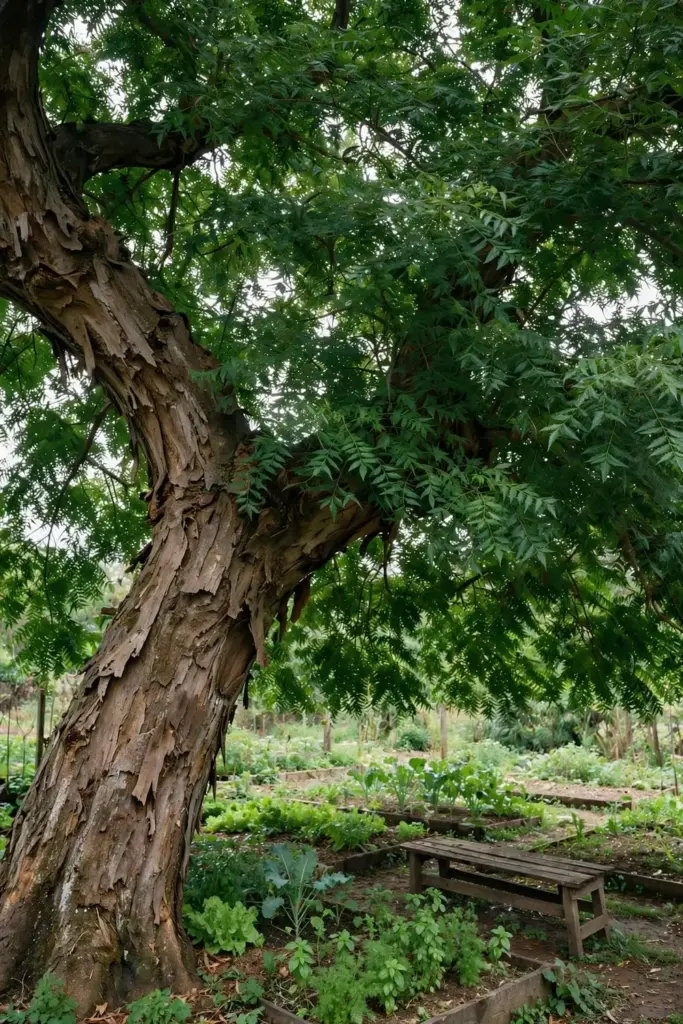
| 10 | Shade tree in the ground | 30 feet and spreading |
| 20 plus | Mature canopy, timber-sized trunk | 50 feet or more, reported lifespans reaching two centuries |
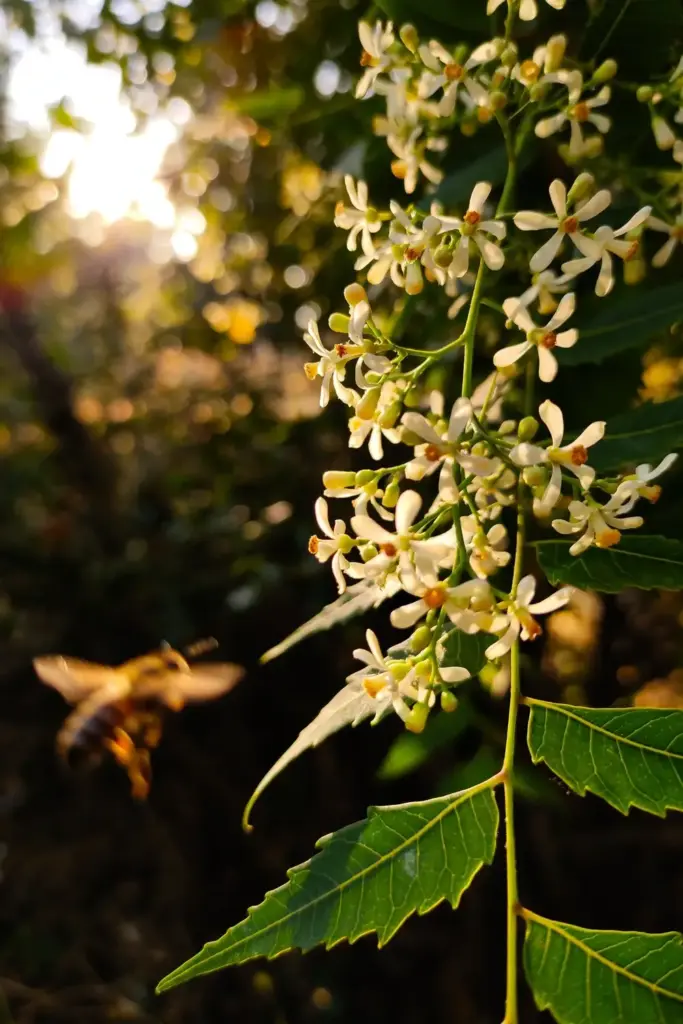
Flowers appear in fragrant white clusters, sometimes as many as 250 blossoms per cluster, and the olive-like fruits that follow each contain a single seed. The ECHO technical sheet notes that trees begin bearing fruit at 3 to 5 years of age. A healthy mature tree produces abundant fruit annually, which is why neem self-sows aggressively in tropical regions.
Do not expect timber, heavy shade, or a seed crop before year five. The fast early growth is real, but the tree needs several years to build the structure that carries real yields. Plan for the long life: a neem you plant today can outlive you.
13. Harvesting Neem Leaves
Leaves are the most accessible harvest and the reason many gardeners grow the tree. Pick mature, fully expanded leaves from the lower branches, leaving the growing tips to keep the canopy productive. A healthy tree tolerates regular picking; harvest no more than a third of the foliage at once.
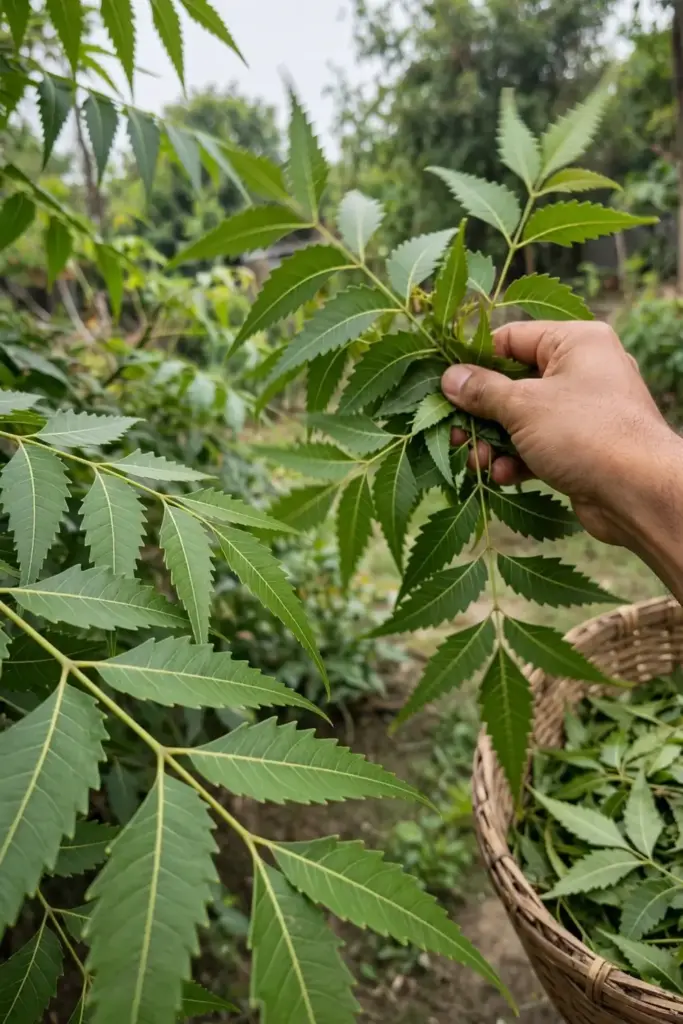
Use leaves fresh for garden preparations, teas, and traditional preparations, or dry them in shade for storage. Shade drying preserves the green color and the active compounds, while sun drying bleaches and weakens them. Once crisp, store the leaves in a sealed jar away from light. They keep for a year.
The twigs are a traditional toothbrush in India, chewed at one end into a fibrous brush. Cut pencil-thick twigs, peel the bark, and chew the tip. It is the oldest use of the tree and still the most common reason rural families keep one near the house.
14. Neem Oil, Azadirachtin, and the Timber Lane
This article is about growing the tree. Neem oil, the pressed extract of the seeds, and azadirachtin, its main active compound, belong to a different lane. Our pest and disease guides cover neem oil as a spray ingredient; that coverage is the product lane, and this article is the tree lane. Growers who want the spray will find it there; growers who want the tree are in the right place.
The distinction matters because the site treats the two separately on purpose. Extract coverage answers how to mix and apply the product. This guide answers how to plant, feed, and prune the living tree that produces the raw material. The two topics support each other but do not overlap.
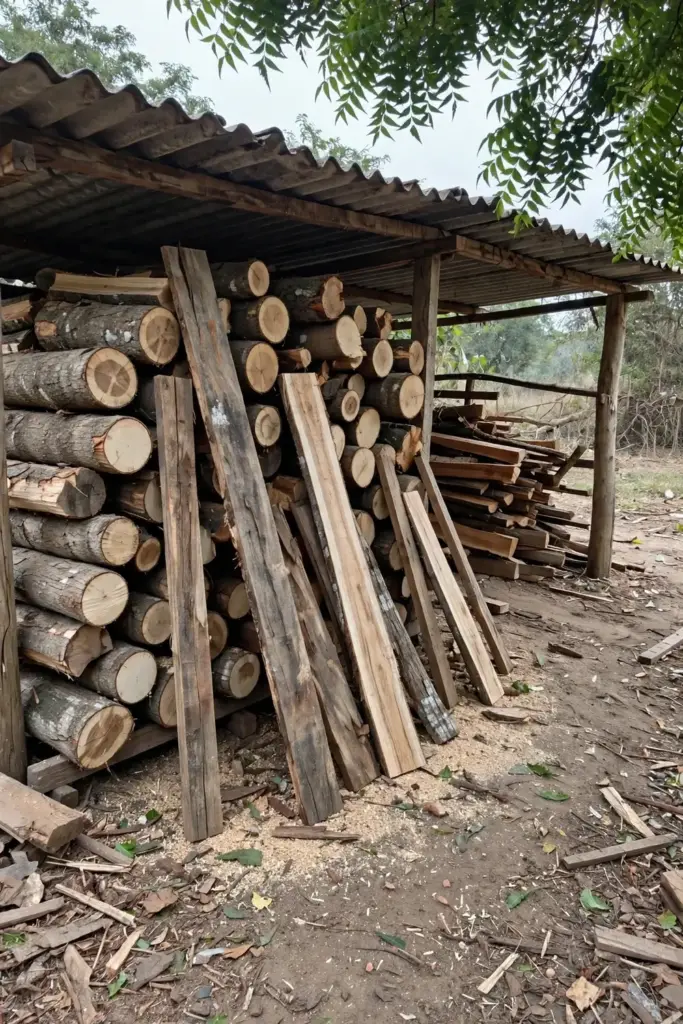
Beyond leaves and oil, neem is a genuine timber tree. The wood is hard, termite resistant, and used for furniture and construction in its native range. It is also a reforestation workhorse, planted against erosion and desert creep. A home gardener grows it for shade, leaves, and beauty; the timber and ecosystem value explain why whole regions plant it by the thousand.
15. Mistakes That Kill Young Neem Trees
Sowing old seed is the number one mistake. Seed past the 10 to 12 day window germinates poorly or not at all, and no amount of care fixes a dead seed. Buy fruit, depulp immediately, and sow the same week.
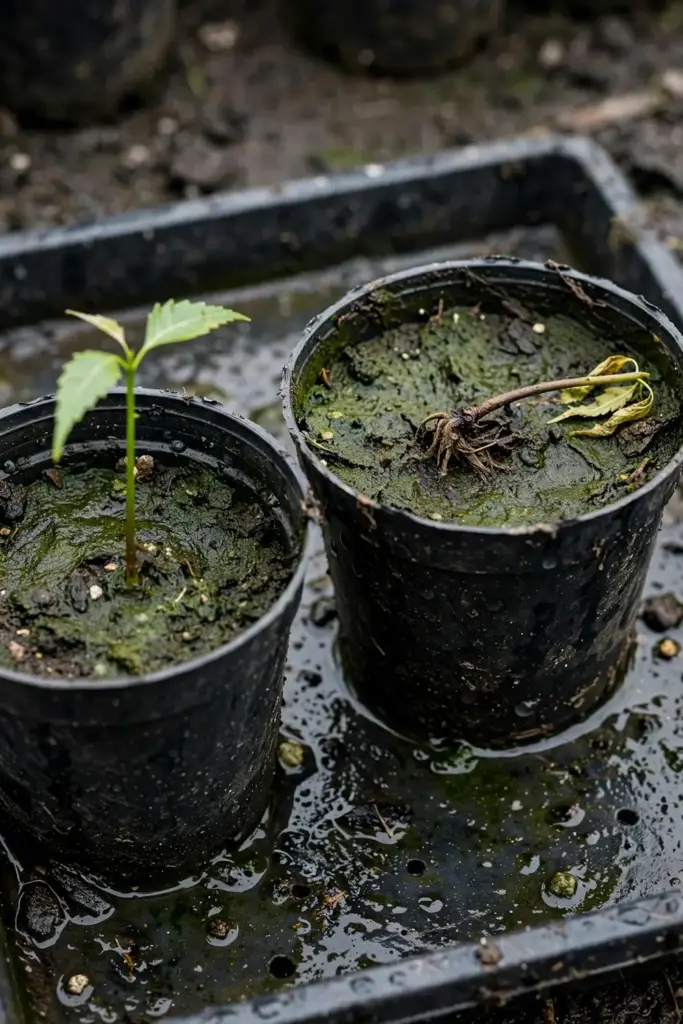
Overwatering is number two. Neem seedlings in soggy mix rot at the root collar and collapse overnight. Water when the top half inch is dry, use fast-draining mix, and never leave a saucer full of water under the pot.
Skipping the heat mat is number three. Sowing in a 60°F room and waiting is a recipe for rot, not germination. Neem seed wants 68 to 85°F. If the room is cooler, the mat costs little and decides the outcome.
Leaving the tree out too late in fall is number four. The first cold night below the low 50s°F can defoliate a young neem. Bring pots in when nights start dipping, not when the forecast threatens a freeze.
Planting in heavy, unamended clay is number five. Neem tolerates poor soil but not waterlogged soil. In clay, mound the planting site or choose a raised bed, and the tree thrives where flat planting would kill it.
16. Troubleshooting
Leaves dropping in winter is normal for indoor neem. Short days and dry air trigger a partial defoliation that looks alarming but reverses in spring. Keep the tree barely watered and wait; new leaves push with the longer days.
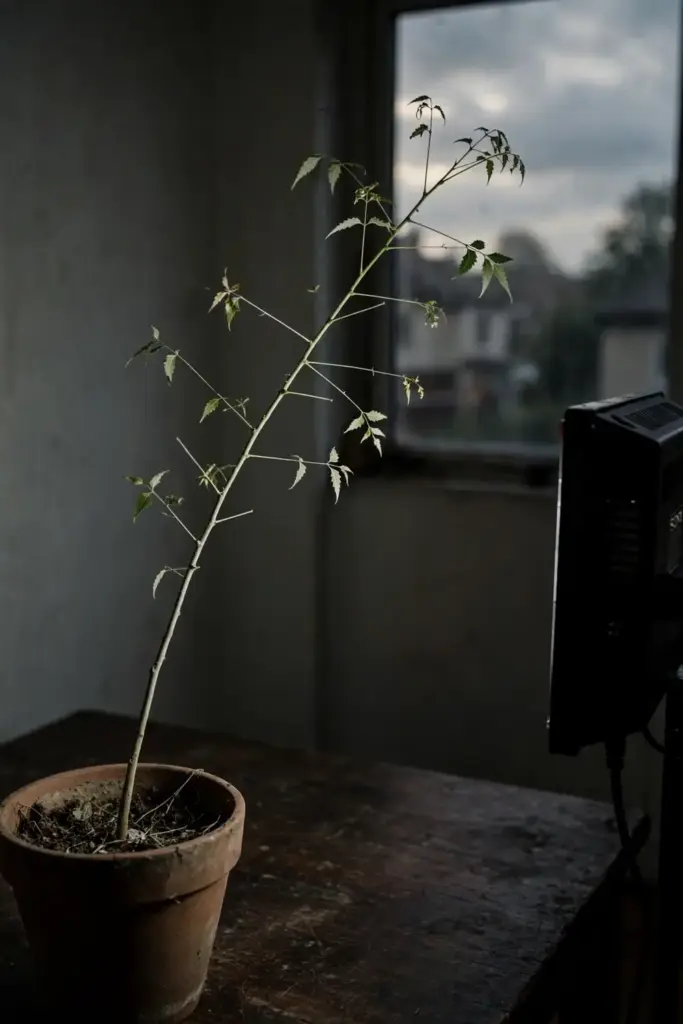
Seedling stems collapsing at the soil line is damping off, caused by non-sterile mix or overwatering. There is no cure; discard the seedling, sterilize the pot, and start again with fresh mix and less water.
No germination after a month usually means the seed was too old or the mix too cool. Start over with fresh fruit, add a heat mat, and sow at 1 inch deep; seeds buried deeper than 1.5 inches often exhaust themselves before they reach the surface.
Leggy, pale growth indoors means too little light. Move the tree closer to the window or add a grow light for 12 to 14 hours a day. Neem tolerates low light the way it tolerates cold: briefly, and with complaints.
17. Frequently Asked Questions
Under warm conditions, seeds germinate in 1 to 4 weeks and seedlings reach 3 to 6 feet in the first year. Flowers appear at 2 to 3 years, fruit at 3 to 5 years, and real shade by year 8 to 10. Container trees grow slower and flower around year five.
Neem dies below about 35°F (2°C) and suffers below the low 50s°F. In zone 9 to 11 it stays outdoors year round. Everywhere colder, grow it in a pot and bring it inside before fall nights drop, giving it bright light and minimal water through winter.
Water young trees when the top inch of soil dries, which can be daily in summer heat. Let the soil dry between waterings to prevent root rot. In winter indoors, water sparingly, only when the mix is dry several inches down.
Yes, with rooting hormone and a warm, humid setup, though cuttings root slower than seeds germinate and lack the deep taproot. Seed is the better path whenever fresh fruit is available. Air layering works for cloning a specific tree, since it copies the mother plant exactly.
Neem survives indoors but does not thrive there long term. It needs the brightest window or grow lights, dry-ish winter conditions, and a move back outdoors each spring. Think of it as winter lodging, not a houseplant lifestyle, and expect leaf drop each winter.
Neem leaves are widely used in traditional preparations across India, and the tree is called the village pharmacy for good reason. Treat all medicinal uses conservatively, research carefully, and consult a clinician before ingesting any preparation, especially during pregnancy or while taking prescription medication.
18. Where to Go From Here
A neem tree rewards the grower who respects its two non-negotiables: fresh seed and winter protection. Get those right and the tree does the rest, growing fast, shrugging off drought, and producing leaves, flowers, and shade for decades.
Start with fruit, sow within the week, keep it warm, and bring the pot in before the cold. In a few years you will understand why whole villages plant neem around their homes. Few trees give so much and ask so little.
For growers learning how to grow neem tree from India in a cold climate, the container method described here is the complete path: 3-gallon start, 15 to 20 gallon home, bright winter window, and back outdoors each spring.