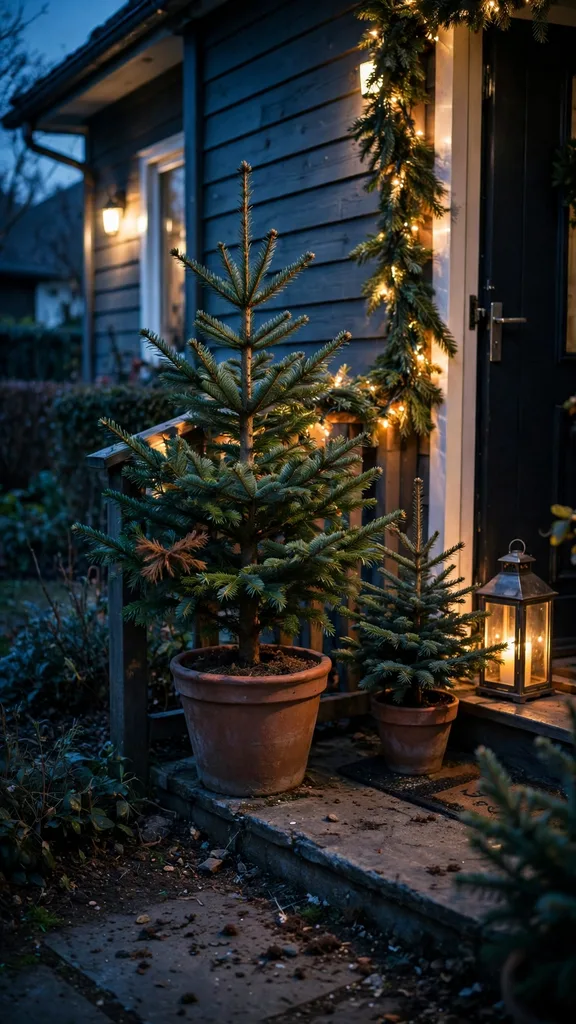

Christmas garden ideas hold together when living plants carry the display. Cut boughs, berries, and lights add color and scent, and the plants underneath keep the garden alive after the decorations come down. This collection gathers 100 ideas across the entryway, porch, yard, windows, beds, containers, trees, lights, and table, and every idea names the plant or material at its center so a reader can buy it, grow it, or forage it with confidence.
Start at the door and work outward. A living fir garland, a potted spruce, and a foraged wreath set the tone before a visitor reaches the path, and the path, beds, and windows repeat the same evergreens in different forms. Repeating one plant family through several spots keeps the garden coherent, and it keeps aftercare simple because the same watering and shelter rules cover most of the display.
I have learned that watering a potted evergreen before the soil freezes protects the roots through the coldest weeks. That single habit sits behind the container ideas in this collection, and it explains why potted plants get shelter, wrapping, and a watering check while cut boughs get a bucket of water and a shaded spot.
1. Frame the Door With a Living Fir Garland
Drape a fir garland around the door frame and let the boughs overlap so no bare hook or wire shows. Fraser fir holds its needles well outdoors, and its flat, soft needles sit flat against a frame without shedding onto the step. Fix the garland at the top corners first, then work down each side so the weight hangs evenly.
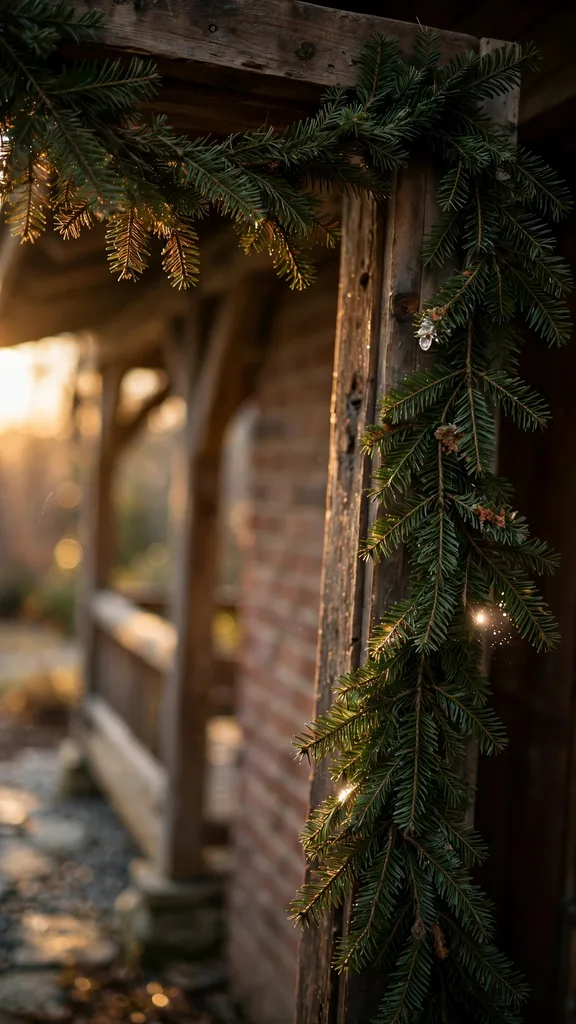
Mist the garland on dry days and keep it clear of a hot porch light. Heat dries cut fir fast, and a garland hung tight against a warm bulb browns from the inside out. A garland that sheds heavily at the touch has dried past saving, and replacing one short section beats watching the whole frame thin out.
2. Flank the Door With Potted Norway Spruce
Set a potted Norway spruce on each side of the door for a symmetrical entry that stays green through winter. Norway spruce carries short, stiff needles on drooping branchlets, and its narrow shape fits a step without blocking the path. Choose pots wide enough to resist wind, and set them on pot feet so water drains clear.
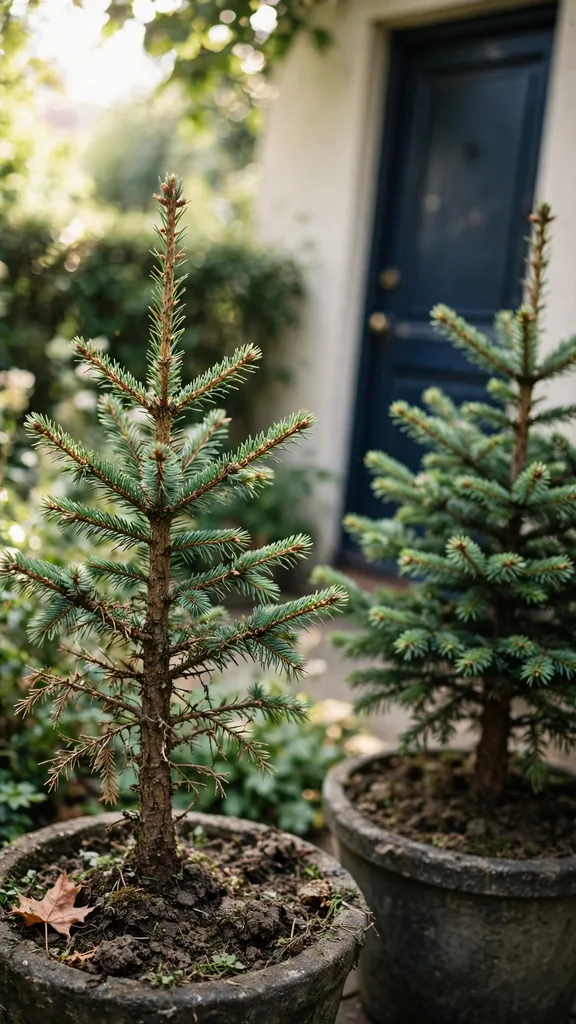
Check the soil with a finger before watering, and water only when the top layer feels dry. A spruce in a waterlogged pot rots at the roots while the top still looks green, so drainage matters more than frequent watering. Move the pots against the wall in a hard wind, since wind dries needles faster than cold alone.
3. Hang a Foraged Fir and Holly Wreath on the Door
Hang a wreath of foraged fir and holly on the door, with holly berries spaced through the fir so the red reads from the path. Fir gives the wreath its full base, and holly adds stiff, glossy leaves and berries that hold color outdoors. Wire each bundle to a plain ring, and overlap the bundles in one direction so the wreath looks dense from every angle.
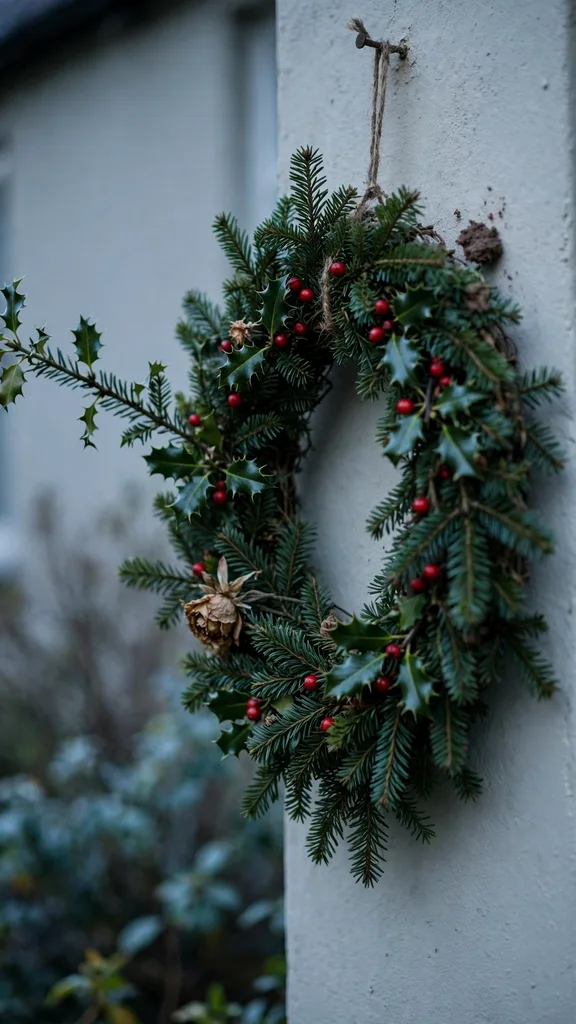
Keep the wreath out of direct sun and strong wind, and mist the fir on dry days. Holly berries drop when the stems dry, and a wreath hung on a sunlit door thins within days. For a fuller guide to wreath plants, materials, and hanging methods, see these christmas wreaths.
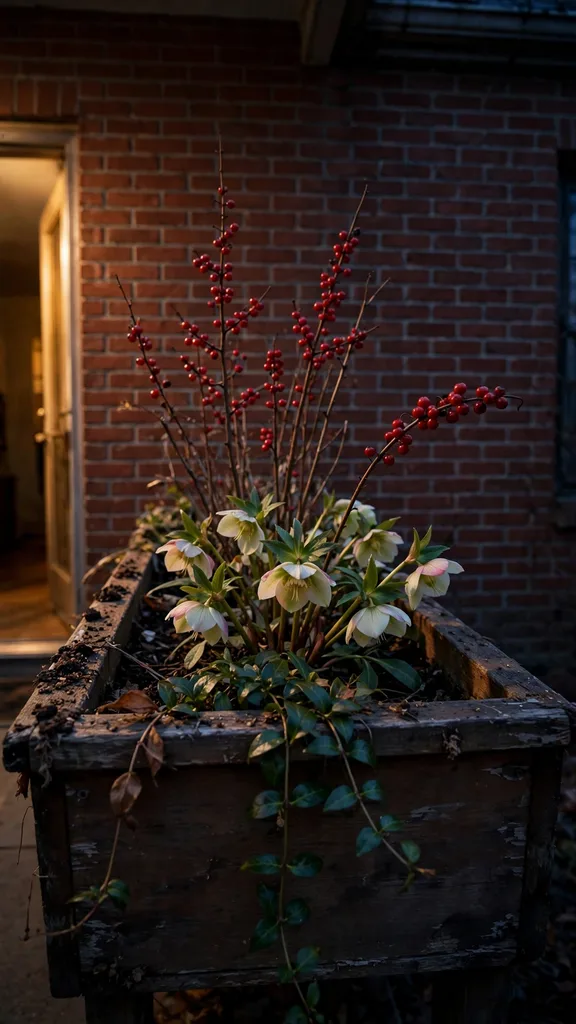
4. Line the Doorstep With Potted Hellebores
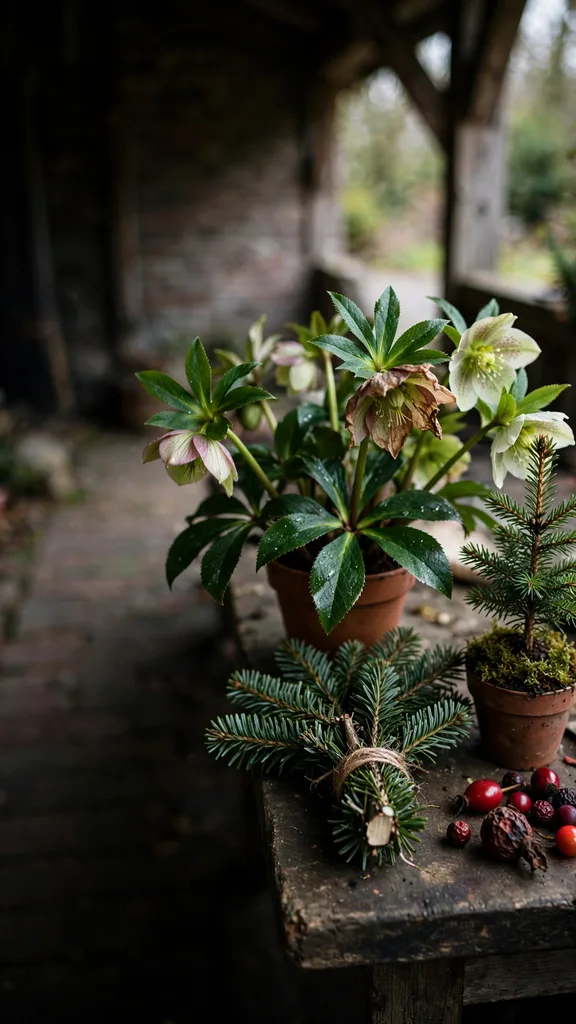
Line the doorstep with potted hellebores for flowers that open while most of the garden sleeps. Hellebore flowers nod on short stems above leathery, divided leaves, and the blooms range from white and cream to plum and deep rose. Set the pots where rain reaches them but foot traffic does not, and raise them on feet for drainage.
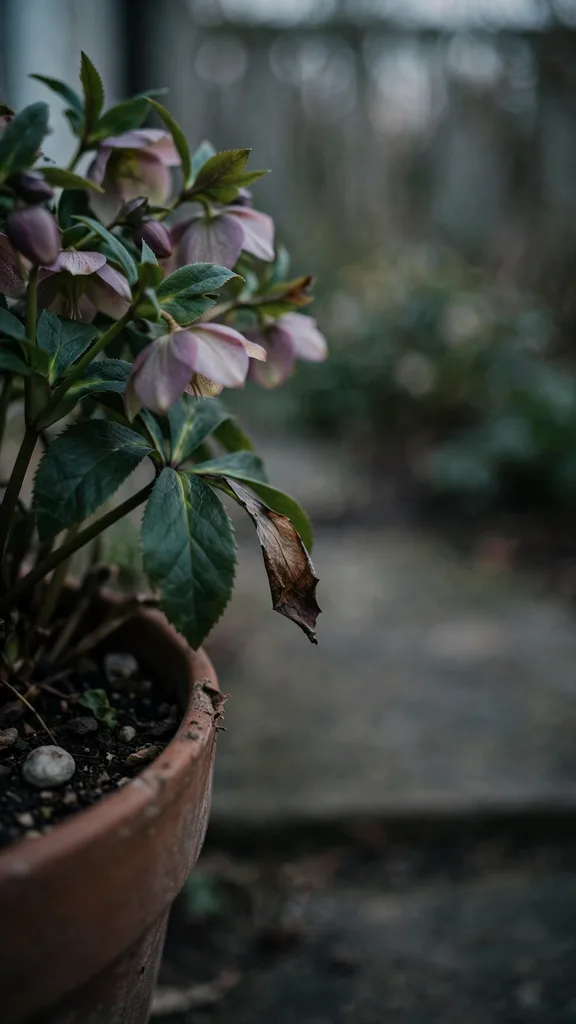
Cut away damaged leaves at the base so the flowers show, and leave healthy leaves to feed the plant. Hellebores sulk in a dry pot, and a plant that wilts repeatedly at the step rarely flowers well the next winter. A sheltered step suits them, since cold wind tears the petals faster than frost.
5. Set a Rosemary Topiary Pair Beside the Door
Set a rosemary topiary pair beside the door for scent that greets every visitor. Rosemary carries narrow, aromatic leaves on woody stems, and a clipped cone or ball shape holds its form through winter in a sheltered spot. Plant each topiary in a heavy pot, and turn the pots regularly so growth stays even on all sides.
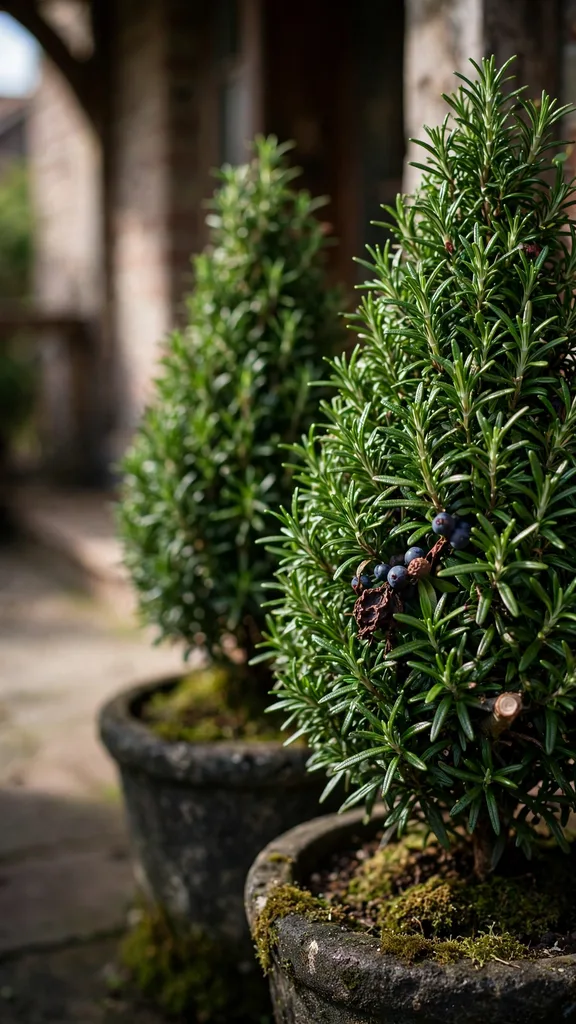
Clip only light, soft growth, and stop clipping once cold weather settles. Hard clipping late in the season pushes tender growth that frost damages, and a damaged topiary takes a full season to fill back in. Bring rosemary under cover during a hard freeze, since its Mediterranean roots dislike frozen, wet soil.
6. Dress the Porch Rail With Cedar and Pine Garland
Dress the porch rail with cedar and pine garland for a long, soft swag that survives handling. Western red cedar gives flat, fragrant sprays, and white pine adds long, soft needles that drape well over a rail. Twist the two together with twine at intervals, and let the swag sag gently between fixings rather than pulling it taut.
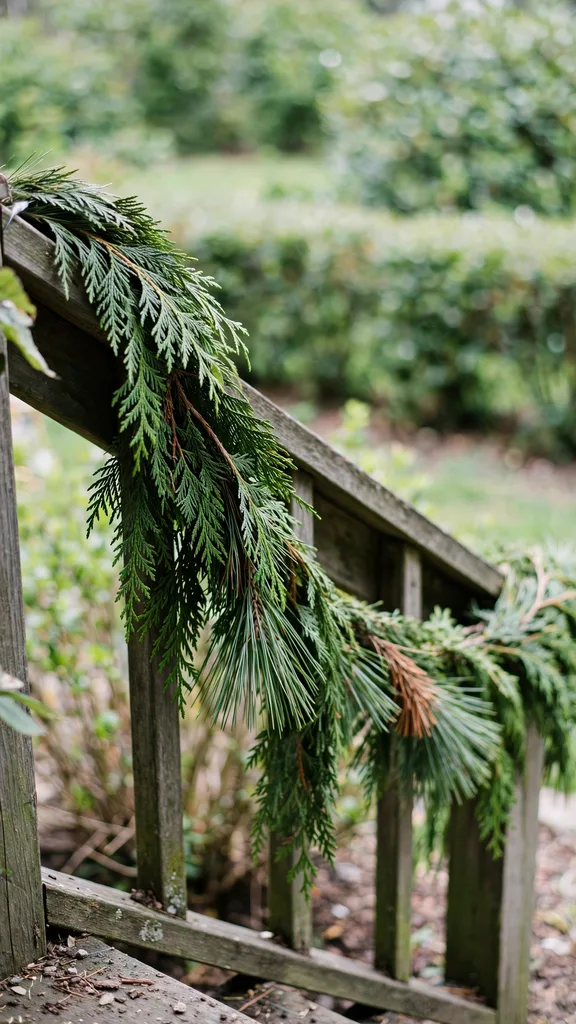
Wire the garland to the rail at each fixing point, and check the fixings after wind. A garland that swings free rubs bark and paint, and a single loose end unravels the whole run. Replace any section that turns brown at the tips, since brown tips spread dryness along the stem.
7. Place a Living Christmas Cactus by the Door Glass
Place a living Christmas cactus by the door glass for winter flowers indoors at the threshold. Christmas cactus grows as flattened, jointed stems, and its tubular flowers open in shades of red, pink, and white at the stem tips. Set the pot where it gets bright light without direct sun, and keep it away from a cold glass pane at night.
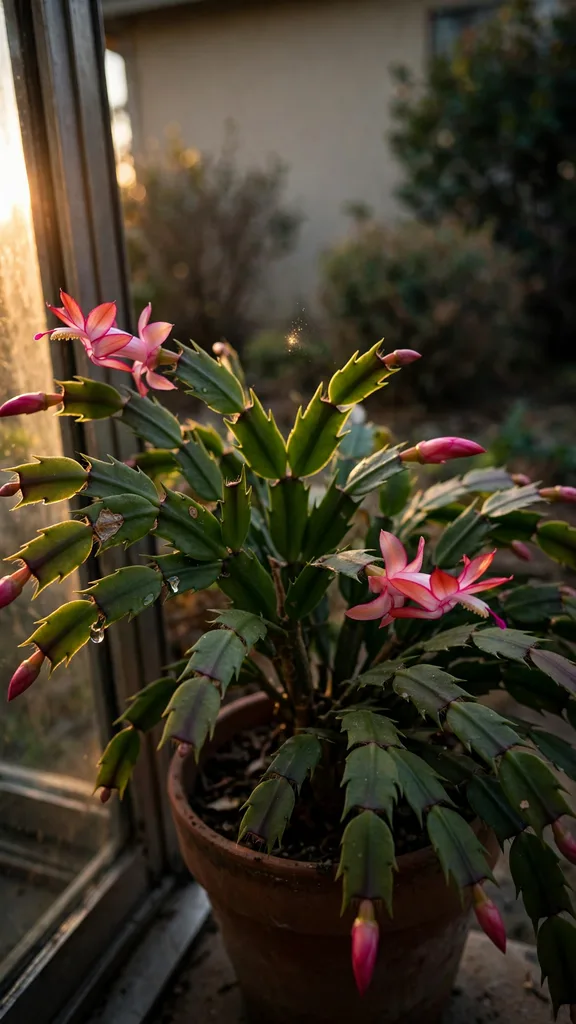
Water when the top of the soil feels dry, and empty the saucer after watering. A Christmas cactus standing in water drops its buds, and bud drop is the most common failure with this plant indoors. Keep the plant in one spot while buds form, since moving it during budding often triggers bud loss.
8. Stack Firewood With Evergreen Sprigs at the Door
Stack firewood beside the door and tuck evergreen sprigs between the logs for a working display. A neat log stack reads as honest winter preparation, and sprigs of fir, pine, and cedar add scent and color without hiding the wood. Stack logs bark side out, and leave gaps for air so the wood stays dry.
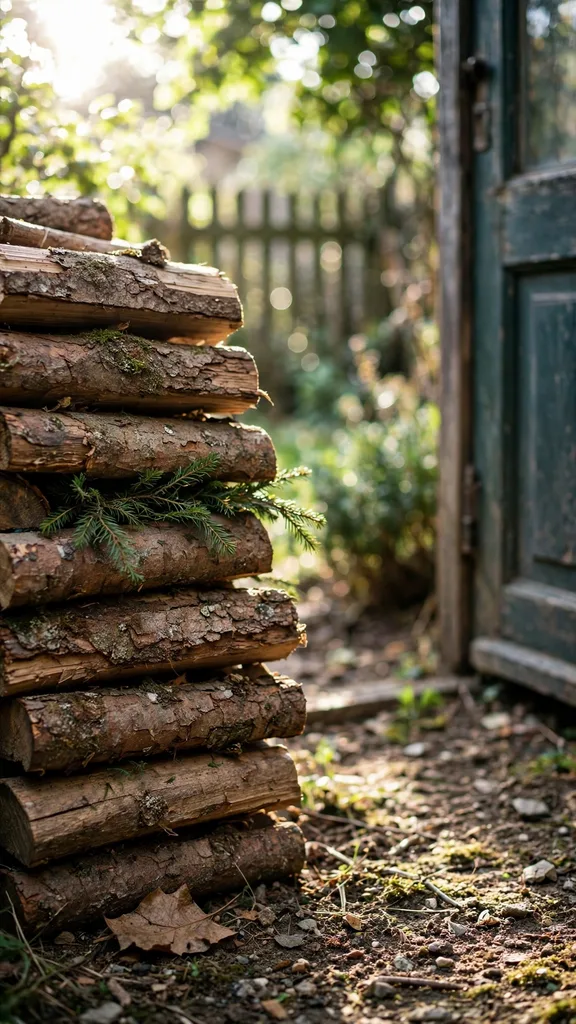
Keep the stack clear of the door swing and clear of soil contact. Logs sitting on bare soil draw damp and invite pests into the pile, and a damp pile rots from the bottom while the top still looks tidy. Replace sprigs as they dry, since dry sprigs shed needles across the step.
9. Hang a Pinecone Swag From the Porch Beam
Hang a pinecone swag from the porch beam for a display built entirely from garden material. Pinecones wired to a cord at varied lengths catch light and shadow, and a few fir sprigs between the cones soften the line. Use cones of different sizes, and wire each cone at its base so it hangs point down.
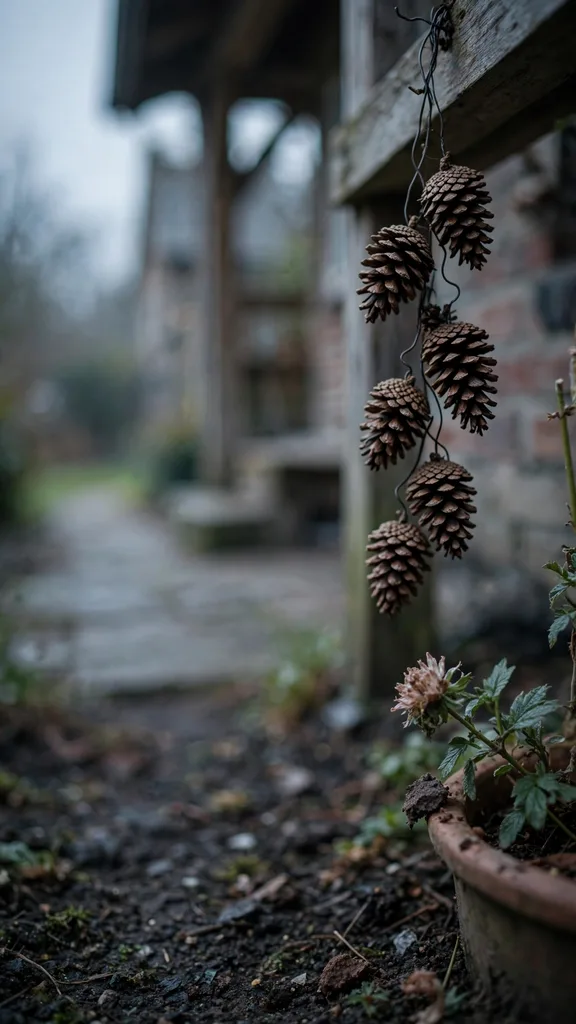
Check the wire after rain, since wet cones gain weight and pull loose. A swag that slips at one end drops cones onto the step, and a dropped cone on a wet step becomes a slip hazard. Store spare cones dry indoors, since cones left in a damp pile grow mold before use.
10. Plant a Winter Pansy Border Along the Porch Edge
Plant a winter pansy border along the porch edge for low flowers that face upward through cold months. Winter pansies carry rounded flowers above low, leafy growth, and they flower in purple, yellow, white, and mixed shades. Space the plants so air moves between them, and set them in soil enriched with compost.
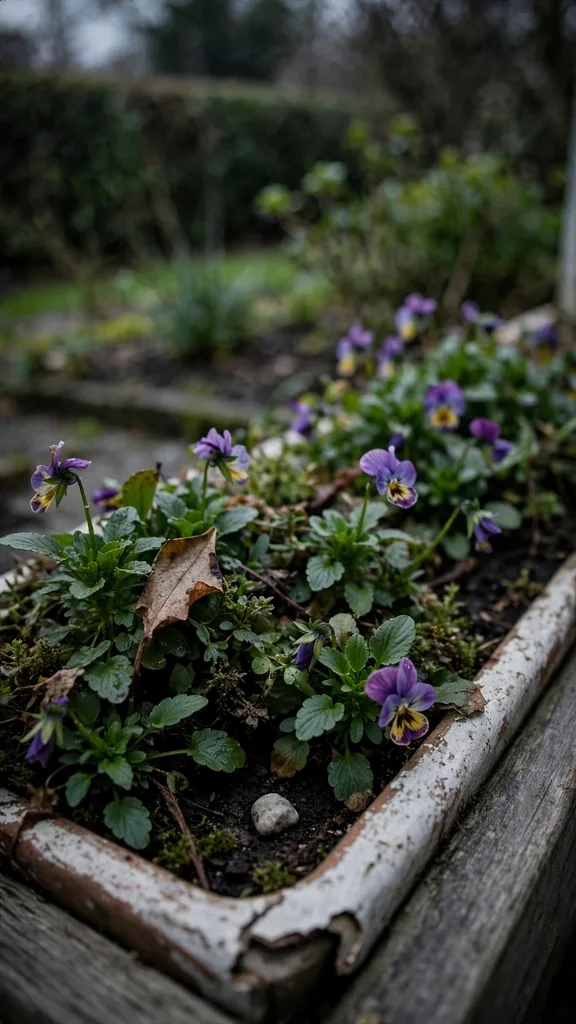
Deadhead faded flowers to keep new buds coming, and water during dry spells even in winter, checking the soil first with a finger before each watering. Pansies in a dry border stop flowering and sit as bare leaves, and a border that looks empty in December rarely recovers its display before spring. Replace any plant that rots at the crown, since crown rot spreads to neighbors in wet soil.
11. Set a Stone Trough of Ivy and Fir at the Threshold
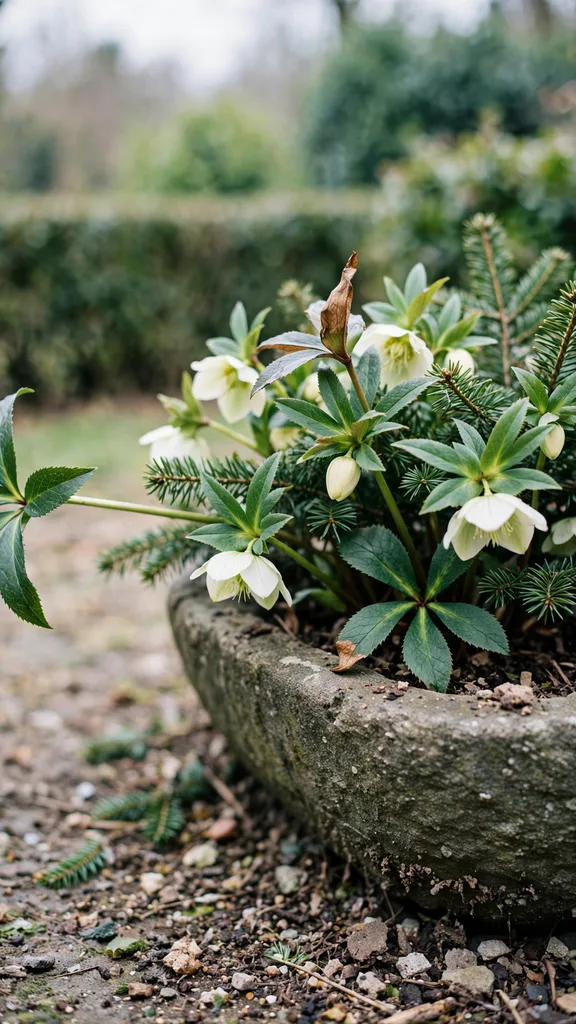
Set a stone trough of ivy and fir at the threshold for a low, permanent container that anchors the step. English ivy trails over the trough edge, and fir boughs stuck into the soil add height and winter scent. Stone holds steady in wind, and its weight keeps the trough in place where a light pot would topple.
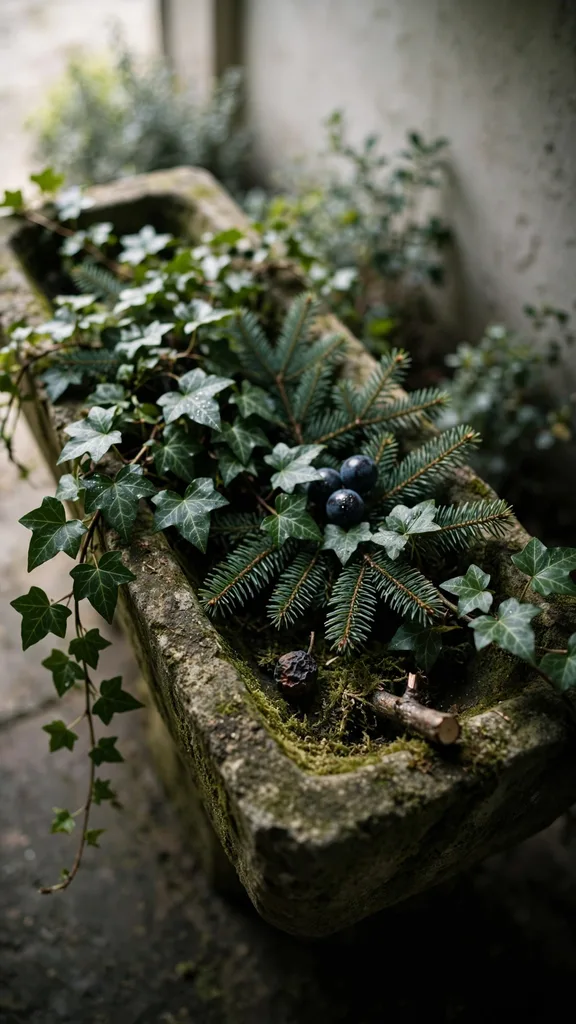
Water the trough sparingly in winter, and check that its drainage hole stays open. A stone trough without drainage holds water at the roots, and ivy roots in standing water rot while the top growth still looks fresh. Trim ivy that creeps across the step, since trailing stems on a wet step cause slips.
12. Train a Living Ivy Frame Around the Door
Train living ivy around the door on a simple wire frame for a green outline that lasts beyond the holidays. English ivy climbs by aerial roots, and its lobed leaves cover a frame within a season of growth. Fix the wire clear of the wall so air moves behind the leaves, and tie new shoots to the wire as they lengthen.
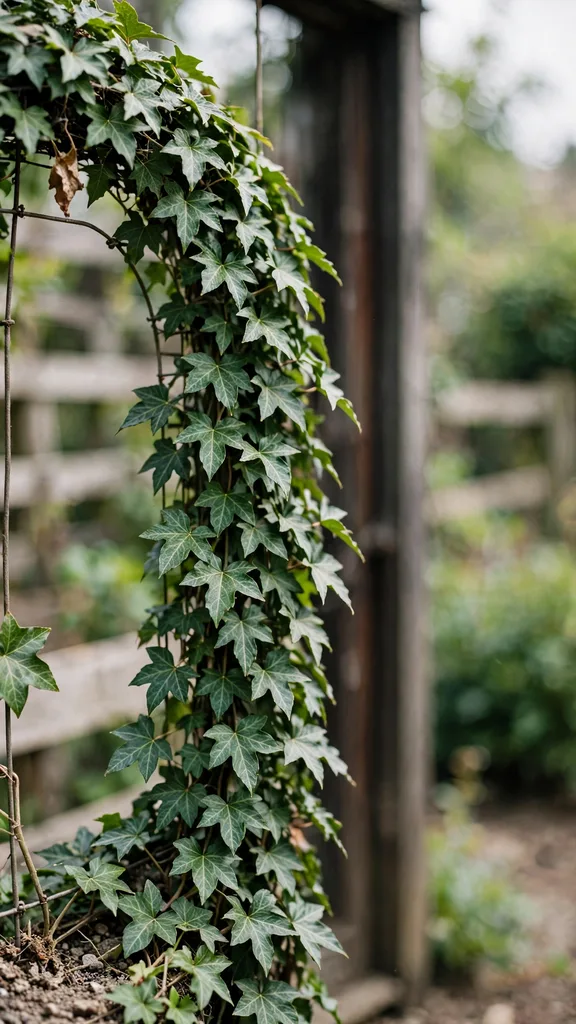
Clip ivy back from the door seal and hinges, and never let it cover a vent or a light fitting. Ivy that grows into a hinge binds the door, and ivy over a vent traps damp against the wall. A frame kept clear of moving parts gives a living outline with no repair bill later.
13. Edge the Front Path With Potted Boxwood Balls
Edge the front path with potted boxwood balls for formal green shapes that hold through winter, spacing them evenly so the run reads as one border. Boxwood carries small, dense, oval leaves on twiggy stems, and a clipped ball keeps its shape with light trimming. Set the pots in a straight run, and align the ball centers so the eye reads a clean line from gate to door, checking the line from the gate before fixing each pot in place.
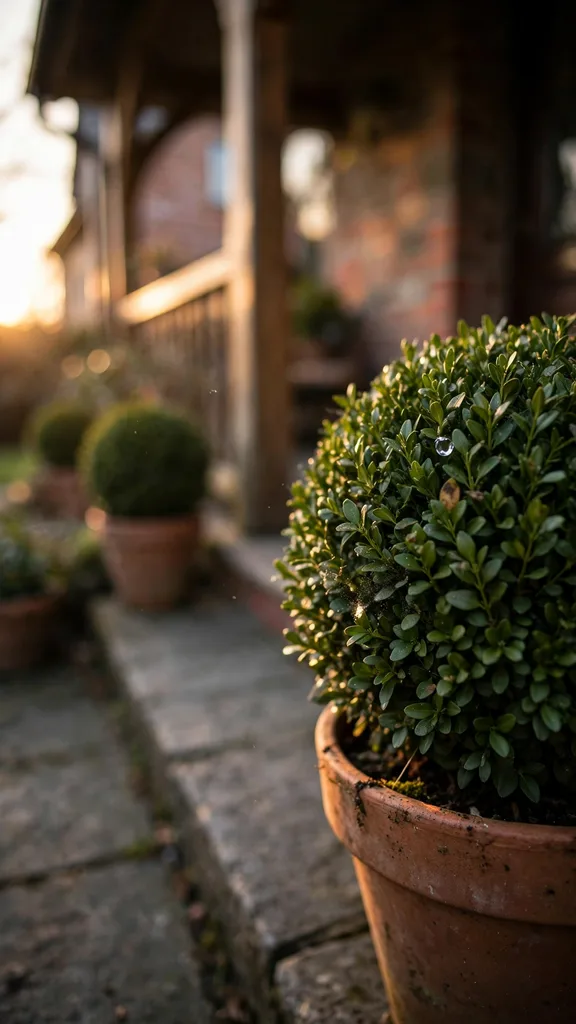
Clip boxwood in mild weather, and clear clippings from the center of each ball, working from the top of each ball downward. Clippings trapped inside a dense ball hold damp and invite blight, and a blighted ball thins from the inside before the outside shows damage. Feed boxwood only in the growing season, since late feeding pushes soft growth that frost damages.
14. Light the Path With Lanterns Set Among Low Juniper
Set lanterns among low juniper along the path for light that sits inside the planting rather than above it. Creeping juniper spreads as a flat, prickly carpet, and its blue green foliage catches lantern light without blocking the path. Place each lantern on a flat stone so it stays level, and keep the glass clear of overhanging juniper tips.
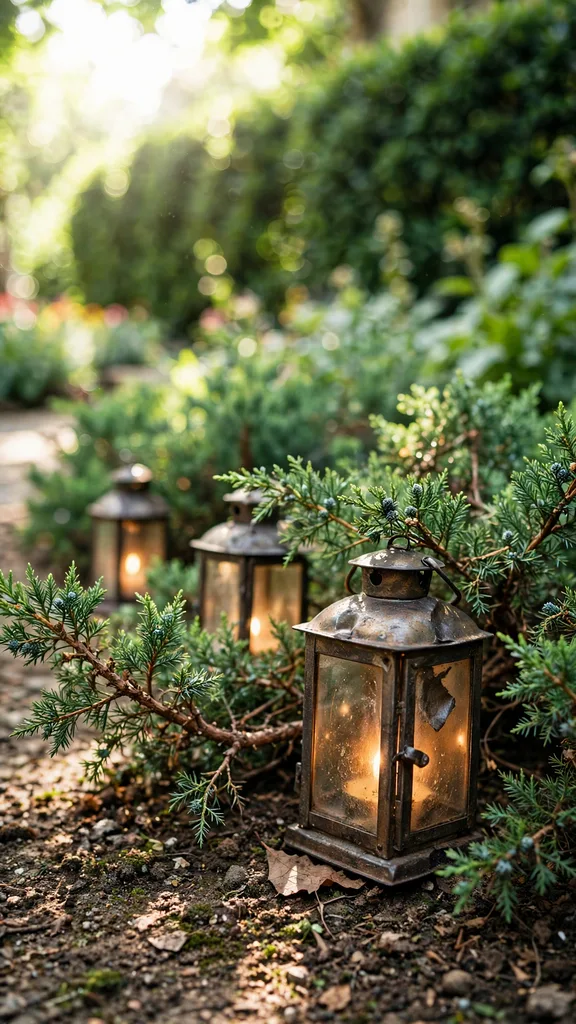
Use outdoor rated lanterns and cables, and keep cables off the walking surface. A cable across the path trips visitors, and a lantern tipped into juniper scorches foliage before anyone notices. Check lantern glass after wind, since a cracked pane lets rain reach the flame or bulb.
15. Plant a Holly Hedge Accent at the Path Corner
Plant a holly hedge accent at the path corner where the turn needs a strong green anchor. English holly carries stiff, spiny leaves and red berries on female plants, and its dense growth screens a corner without constant clipping. Plant male and female hollies near each other if berries matter, since berries form only where pollination happens.
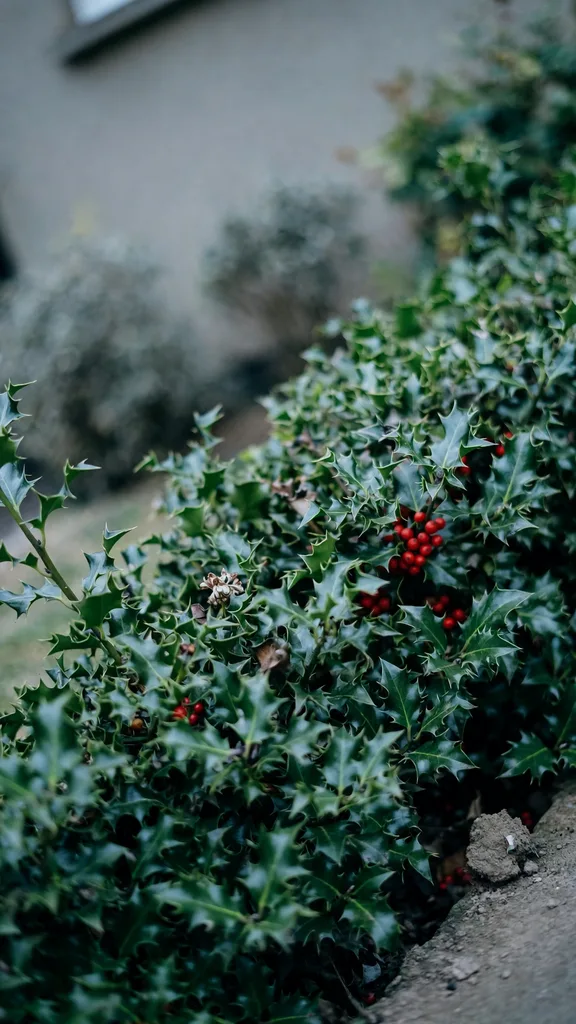
Clip holly lightly after berry season, and wear thick gloves for the work. Holly spines pierce thin gloves and skin, and a careless clip leaves spines in the path for bare feet later. A holly left unclipped grows leggy at the base, so cut back long shoots to keep the bottom dense.
16. Set Solar Path Markers Beside Winter Heathers
Set solar path markers beside winter heathers for a path edge that glows without wiring. Winter heather flowers in pink, white, and purple through the cold months, and its low, needlelike foliage stays green all year. Push each marker into firm soil beside the plants, and angle the solar panel toward open sky.
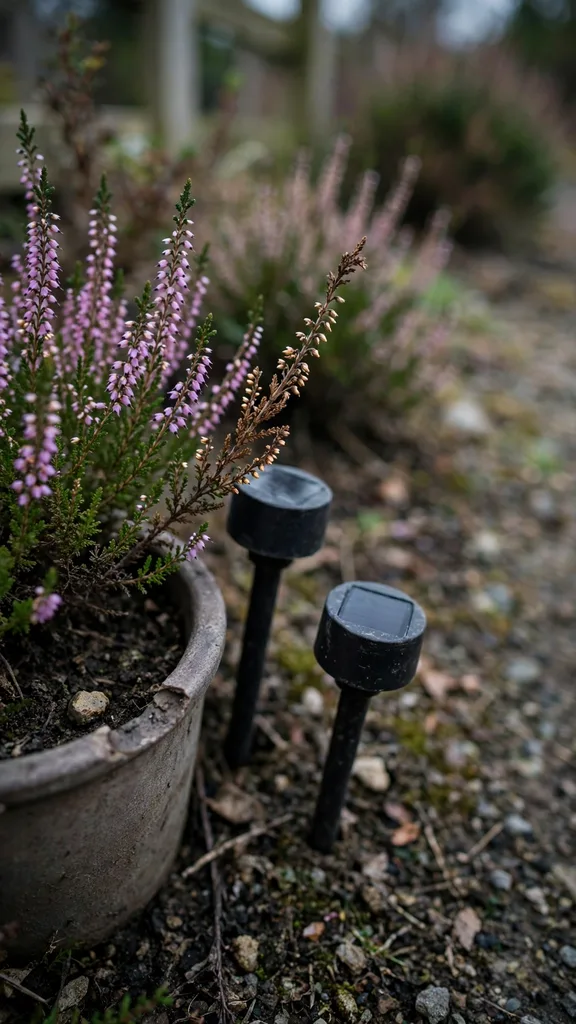
Clear fallen leaves from the panels, and check the markers after frost. A panel covered by leaves charges poorly, and a marker that stays dark all evening usually needs cleaning rather than replacement. Replace rechargeable cells when a marker dims through the night, since weak cells fail first in cold weather.
17. Build a Twig Arch Over the Garden Gate
Build a twig arch over the garden gate from pruned branches for a rustic entry that costs nothing beyond twine. Hazel and willow rods bend well, and a simple arch of lashed rods carries fir sprigs and pinecones for the season. Lash each joint tightly, and sink the arch legs into firm soil so wind cannot rock the frame, driving each leg deep enough to hold against a winter gale.
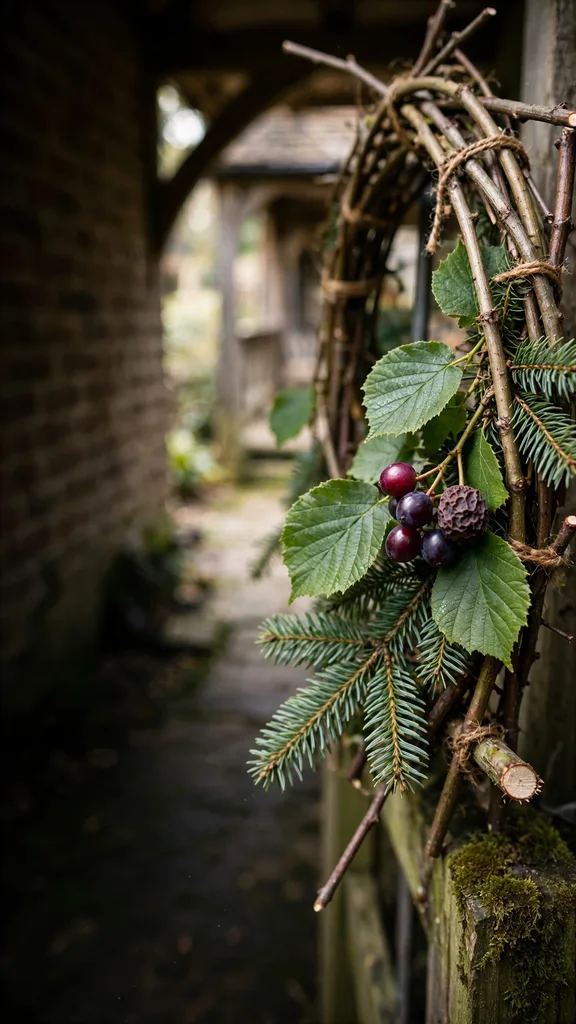
Check the lashings after storms, and re tie any joint that loosens before it pulls free and drops the whole arch decoration. An arch that leans at one leg pulls its fixings from the gate post, and a leaning arch drops its decorations onto visitors. Cut the arch down after the season if the rods dry and crack, since dry rods snap under decoration weight.
18. Line the Drive With Potted Dwarf Alberta Spruce
Line the drive with potted dwarf Alberta spruce for narrow, conical trees that suit a drive edge. Dwarf Alberta spruce grows as a tight cone of short, soft needles, and its slow growth keeps it in scale beside a drive for years. Set the pots on gravel for drainage, and space them so car doors clear the foliage.
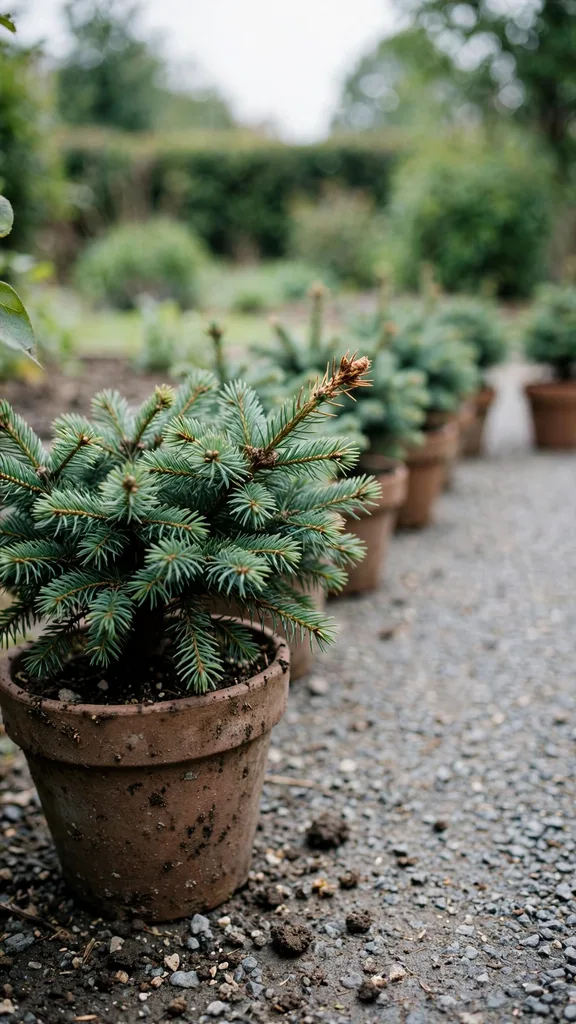
Water the pots through dry winter spells, and brush snow off the cones after heavy falls. Snow packed into a tight cone holds damp at the center, and a cone that stays wet through a thaw rots from the inside. A spruce planted in a pot too small dries fast, so repot when roots circle the pot wall.
19. Sow a Winter Interest Border Beside the Walk
Sow a winter interest border beside the walk with plants chosen for bark, berries, and shape rather than summer flowers. Red twig dogwood, winter heather, and hellebores give the border color and form while the rest of the garden rests. Plant in drifts so each plant reads as a mass from the walk, and leave gaps for spring bulbs to follow.
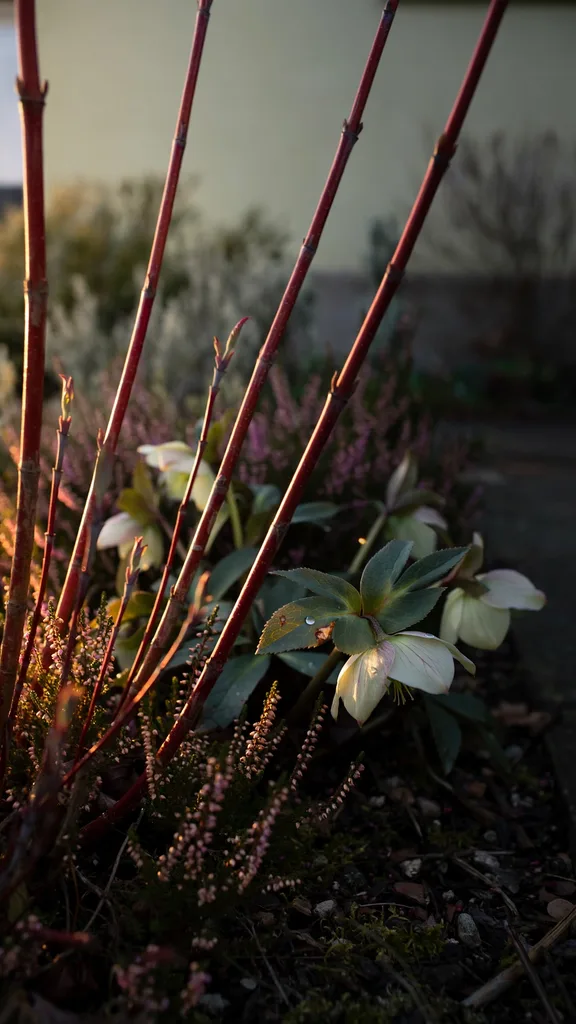
Mulch the border after planting, and keep mulch clear of woody stems. Mulch piled against a stem holds damp bark and invites rot, and a rotted stem collapses a shrub that otherwise would anchor the border for years. Cut dogwood stems hard in late winter for fresh red growth, since old stems fade to gray.
20. Place a Bird Friendly Holly and Hawthorn Corner
Place a bird friendly corner of holly and hawthorn where birds find berries and shelter through winter. Hawthorn carries clusters of red haws on thorny branches, and holly adds evergreen cover beside it. Plant the corner away from the path so thorns stay clear of visitors, and leave some berries unpicked for birds.
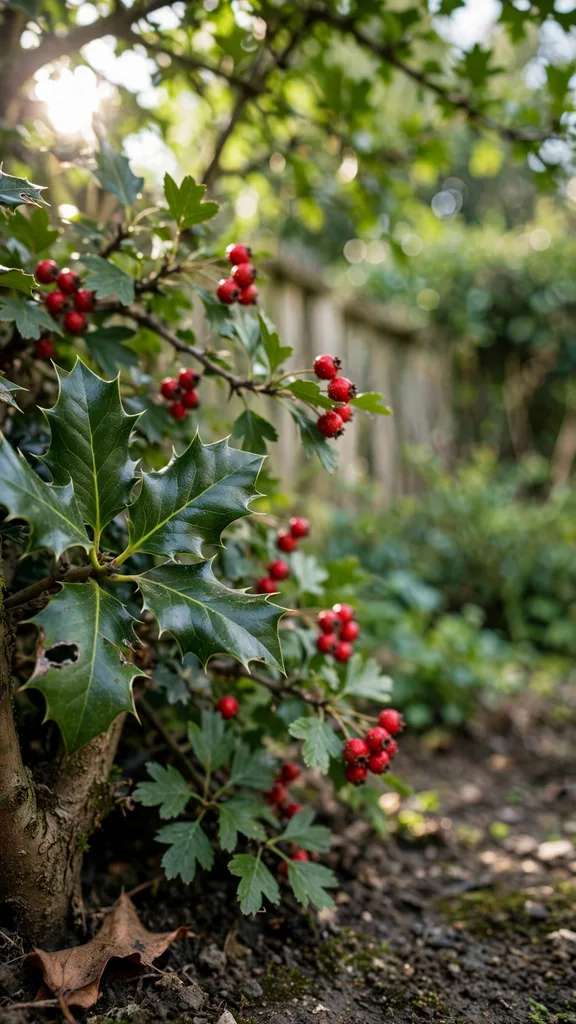
Avoid trimming the corner during the berry season, and leave fallen leaves beneath the shrubs. Fallen leaves shelter insects that birds feed on, and a corner stripped bare in autumn feeds fewer birds through the hardest weeks. A corner with berries, cover, and leaf litter holds birds all winter.
21. Dress the Mailbox Post With Fir and Red Berries
Dress the mailbox post with fir and red berries for a small display that greets the post carrier and every visitor. Wrap fir boughs around the post, and wire clusters of holly berries and rosehips through the fir so the red shows from the road. Keep the mailbox door and number fully clear, since a covered number delays deliveries.
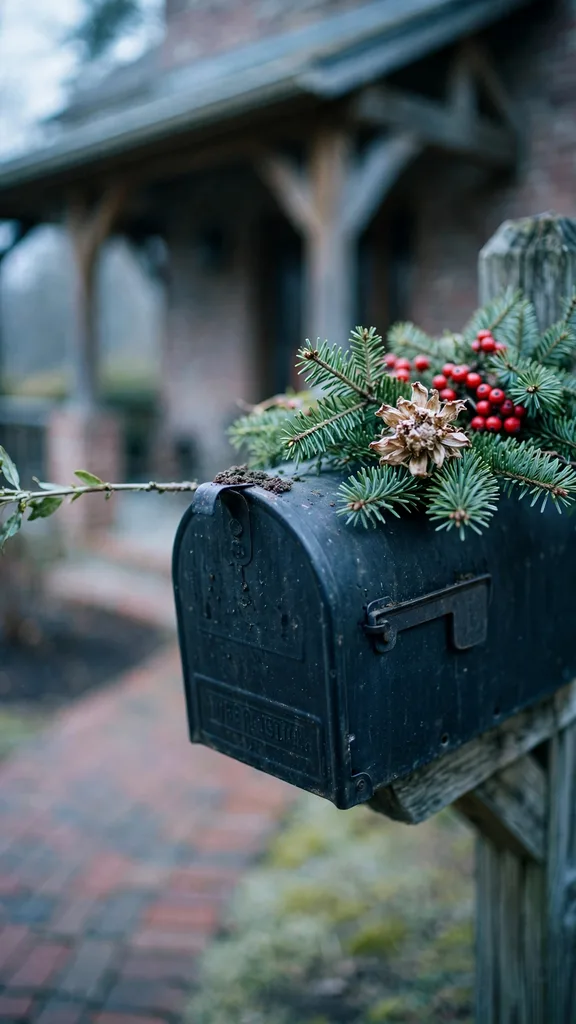
Wire the boughs firmly, and check them after wind. A loose bough that slips over the mailbox lid jams the door, and a jammed lid leaves mail exposed to rain. Replace berry clusters as birds eat them, since a picked over post looks thin within days.
22. Set a Frost Hardy Sarcococca Beside the Path
Set a frost hardy sarcococca beside the path for winter scent that carries on still air. Sarcococca, also called sweet box, grows as a low evergreen shrub with small white winter flowers that release a strong sweet scent. Plant it where visitors pause, such as beside a gate or a step, and keep the soil moist but drained.
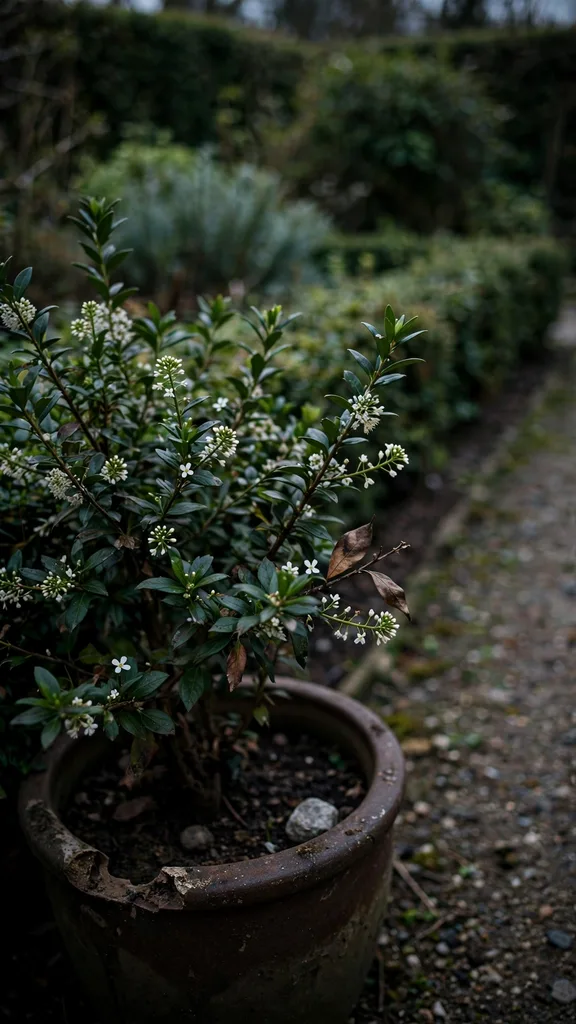
Prune sarcococca lightly after flowering, and remove any dead stems at the base. Dead stems inside a dense shrub hold damp and invite disease, and a shrub that smells sweet in flower deserves clean growth underneath. A sarcococca in dry, windy soil drops leaves, so shelter it from the worst wind.
23. Create a Snowdrop Drift at the Path Edge for January
Create a snowdrop drift at the path edge for white flowers that open as the Christmas display comes down. Snowdrops grow as small bulbs with narrow leaves and nodding white flowers, and a drift of them turns a bare path edge into a January feature. Plant bulbs in the green after flowering for reliable establishment, and plant them in groups rather than single bulbs.
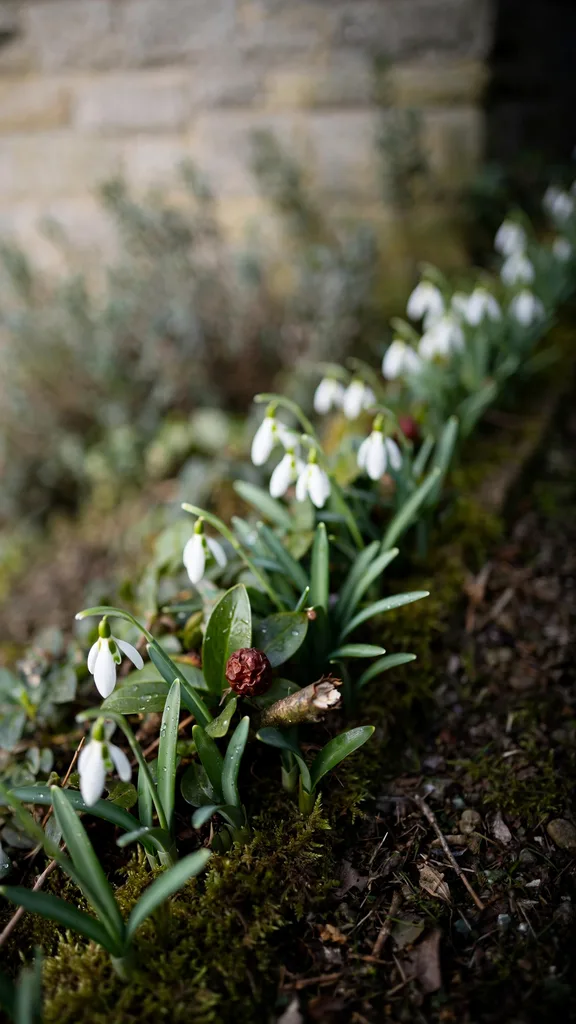
Mark the drift with a discreet stake, and avoid digging the edge in autumn. A drift dug by accident loses bulbs that took years to multiply, and a marked drift survives bulb planting and edging work. Leave snowdrop leaves to die back naturally, since leaves feed the bulb for the next winter.
24. Stage a Full Dusk Display Across Porch, Path, and Tree
Stage a full dusk display across porch, path, and tree as one composition, and view it from the gate at dusk before calling it finished. Potted spruce frames the door, fir garland dresses the rail, path lanterns lead the eye forward, and lights in a single garden tree close the view. One plant family repeated through the display ties the whole front garden together at dusk.
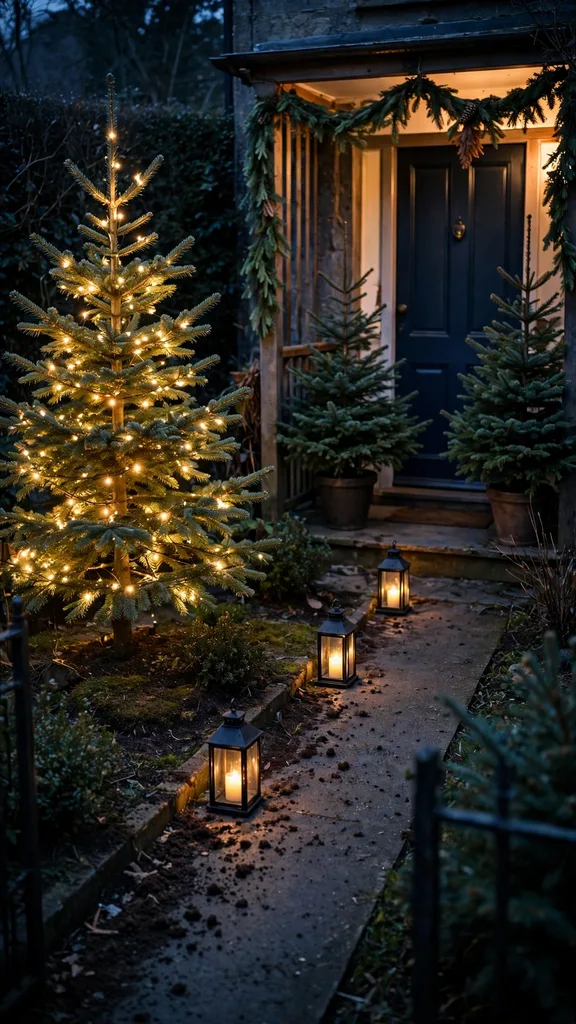
Walk the display at dusk and fix the weak spot first, since a single dark gap breaks the whole composition. A lantern hidden behind juniper, a garland section gone brown, or a tree string gone dark each pull the eye away from the rest. A display checked at dusk reads as one garden, and a display checked only in daylight often fails at the hour it matters most.
25. Fill a Window Box With Living Fir, Ivy, and Hellebore
Fill a window box with living fir, ivy, and hellebore for a window display that outlasts cut decorations. Small fir plants give height at the back, ivy trails over the front edge, and hellebores flower low in the middle. Plant in a box with drainage holes, and line the box so soil stays moist without waterlogging the roots.
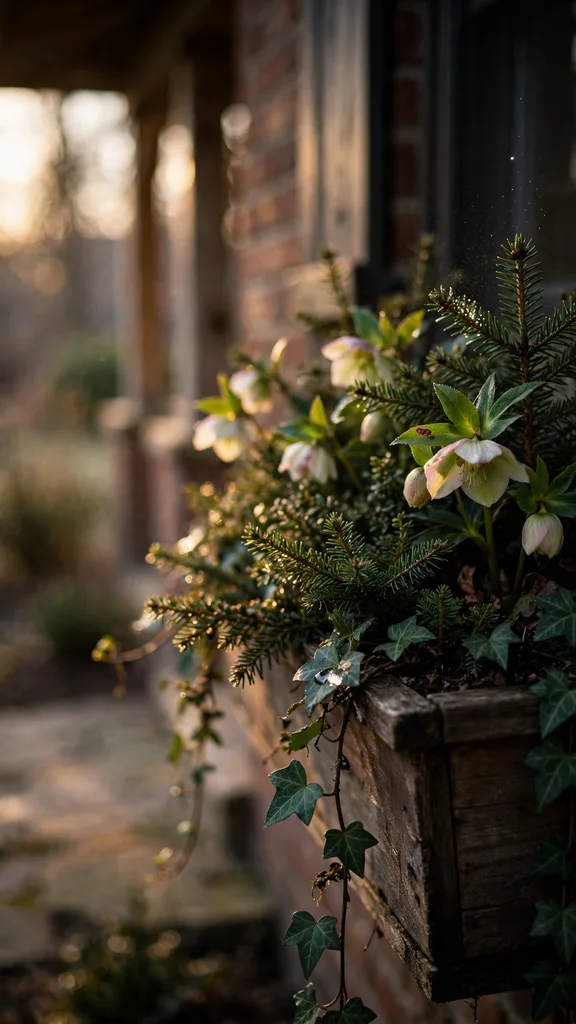
Water the box in dry spells, and check the brackets after rain. A window box heavy with wet soil pulls at its brackets, and a bracket that fails drops soil and plants onto the path below. Replace any hellebore that rots at the crown, since crown rot spreads fast in a shared box.
26. Dress a Window Sill With Potted Cyclamen
Dress a window sill with potted cyclamen for flowers that open above patterned leaves through winter. Cyclamen carries heart shaped leaves marked with silver, and its flowers rise on slender stems in pink, red, and white. Set the pots on a sill with bright light and cool air, and keep them away from a hot radiator.
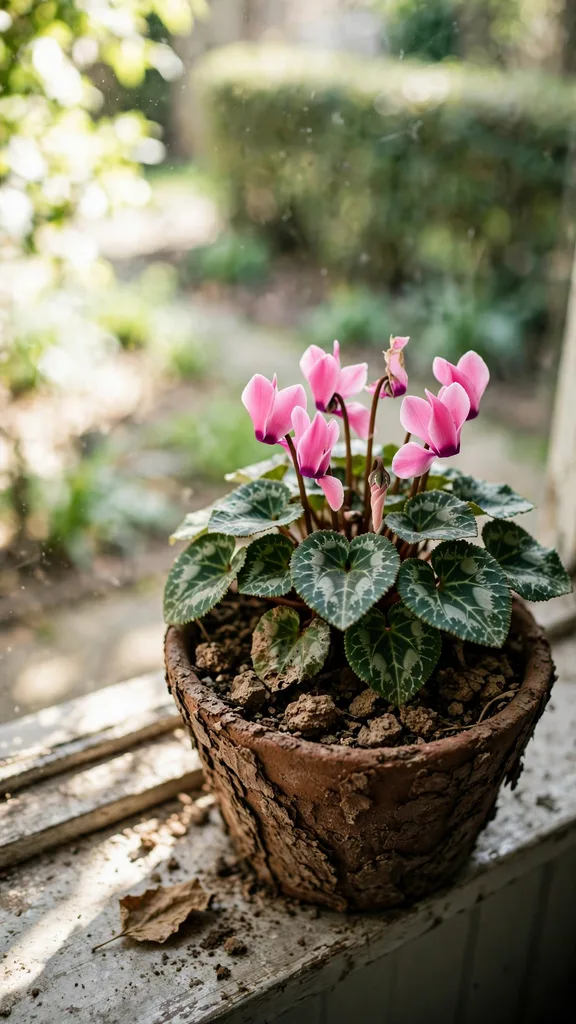
Water cyclamen from the base, and let excess water drain away. Water on the crown rots the corm, and a rotted corm collapses a plant that otherwise flowers for months. Remove faded flowers by twisting the stem at the base, since a clean twist prevents rot at the cut.
27. Plant a Window Box of Trailing Ivy and Winter Pansy
Plant a window box of trailing ivy and winter pansy for a window that reads from the street and the room. Trailing ivy hangs in green ropes from the box front, and winter pansies flower above it in clear winter color. Set pansies toward the front so their flowers show, and let ivy trail between them rather than smothering them, leaving gaps where new buds can open in full light.
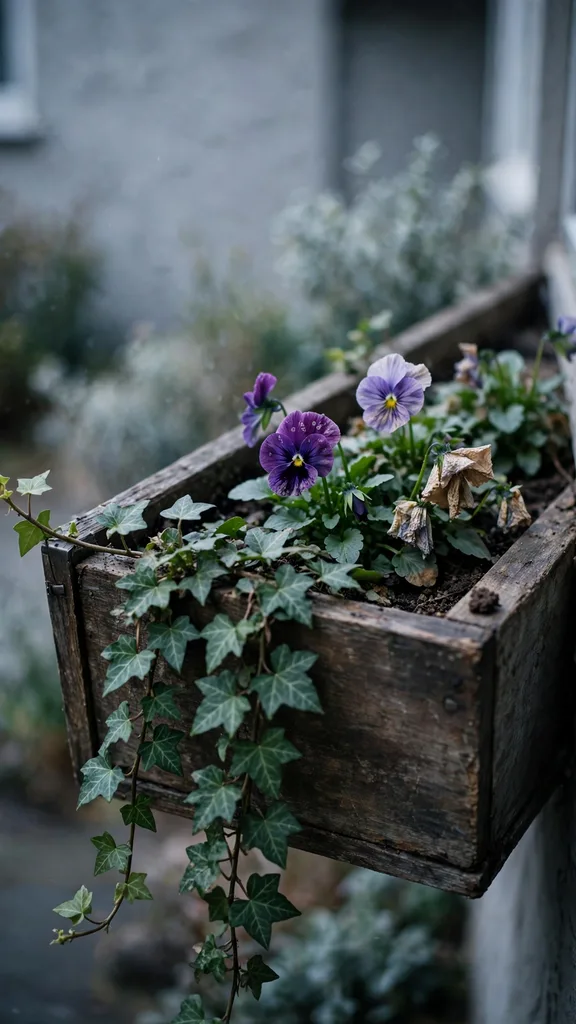
Deadhead the pansies often, and trim ivy that covers the flowers, cutting back any stem that reaches across a flower cluster. Ivy left unchecked shades pansy buds, and shaded buds open small and pale. For more window box planting combinations and care notes, see these Christmas window box ideas.
28. Frame a Window With a Cedar Garland and Pinecones
Frame a window with a cedar garland and pinecones for a natural outline that suits a plain facade. Cedar sprays lie flat against a frame, and pinecones wired at intervals add weight and shadow. Fix the garland to the frame with removable hooks, and keep it clear of the window latch and hinges, testing the latch and hinges after every hook goes on.
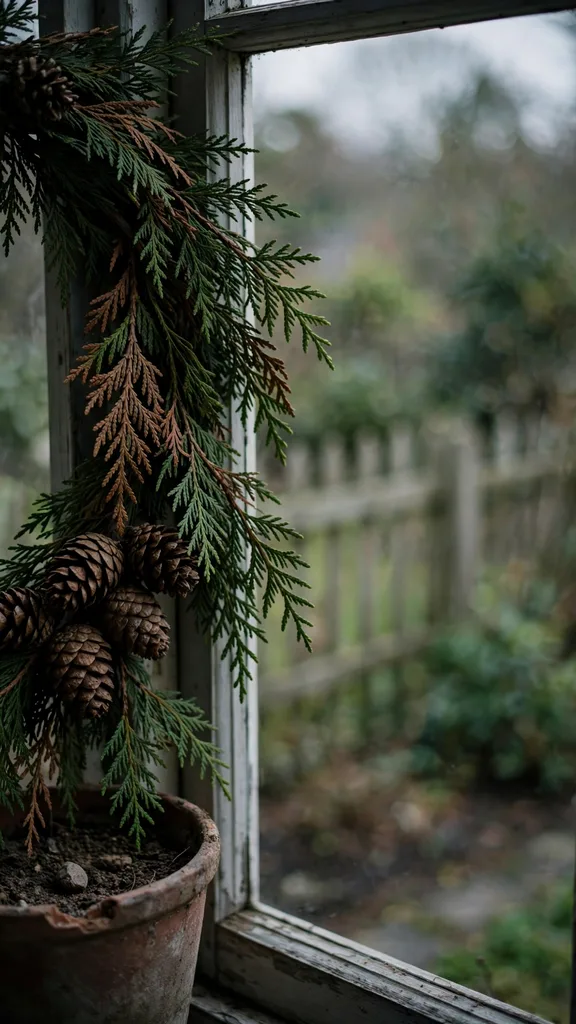
Check the hooks after wind, and lift the garland clear of the sill after rain, shaking off trapped water before it soaks the frame. A garland that traps water against a wooden frame holds damp on the paint, and damp paint peels by spring. A garland removed cleanly leaves the frame ready for the next season.
29. Set a Living Amaryllis on the Window Ledge
Set a living amaryllis on the window ledge for tall winter flowers grown from a bulb. Amaryllis grows a thick stem from a large bulb, and its trumpet flowers open in red, pink, white, and striped forms. Plant the bulb with its top third above the soil, and stake the stem as it lengthens so it does not lean toward the glass.
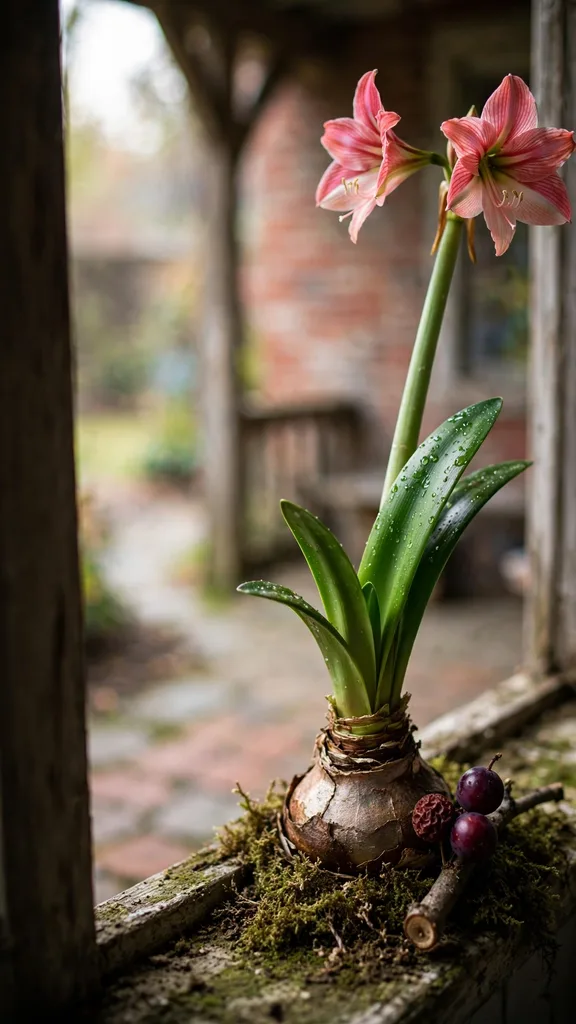
Water sparingly until growth starts, then water when the soil surface dries. A bulb watered heavily before roots form rots in the pot, and a rotted bulb never flowers. Turn the pot regularly so the stem grows straight, since a stem that leans hard toward light snaps under flower weight.
30. Hang a Small Fir Wreath in Each Front Window
Hang a small fir wreath in each front window for a repeated motif that ties the facade together. Small wreaths suit windows better than large ones, since a wreath too large for its window hides the glass and looks heavy from the street. Hang each wreath from a suction hook or a ribbon over the frame top, and center it in the glass.
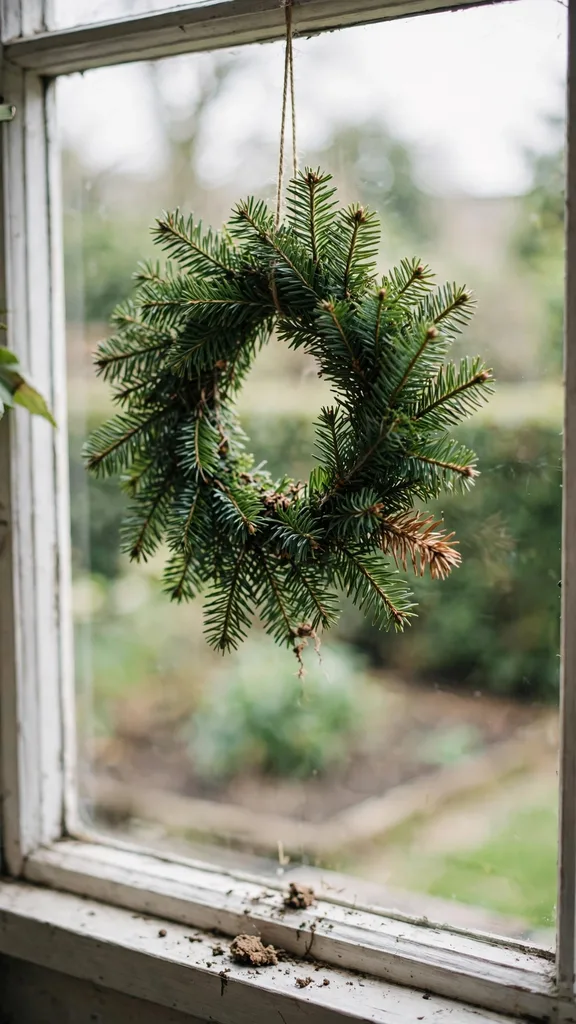
Use wreaths of similar size and density, and hang them at the same height. Wreaths hung at mixed heights read as accidental, and a facade with one low wreath and one high wreath looks unfinished. Replace any wreath that sheds heavily, since shedding fir litters the sill and the floor below.
31. Place a Paperwhite Pot on the Inside Sill
Place a paperwhite pot on the inside sill for scented winter flowers grown from bulbs in a shallow pot. Paperwhite narcissus grows narrow leaves and clusters of small white flowers on slender stems, and its scent fills a room. Plant bulbs close together in a shallow pot, and support the stems with twigs as they lengthen.
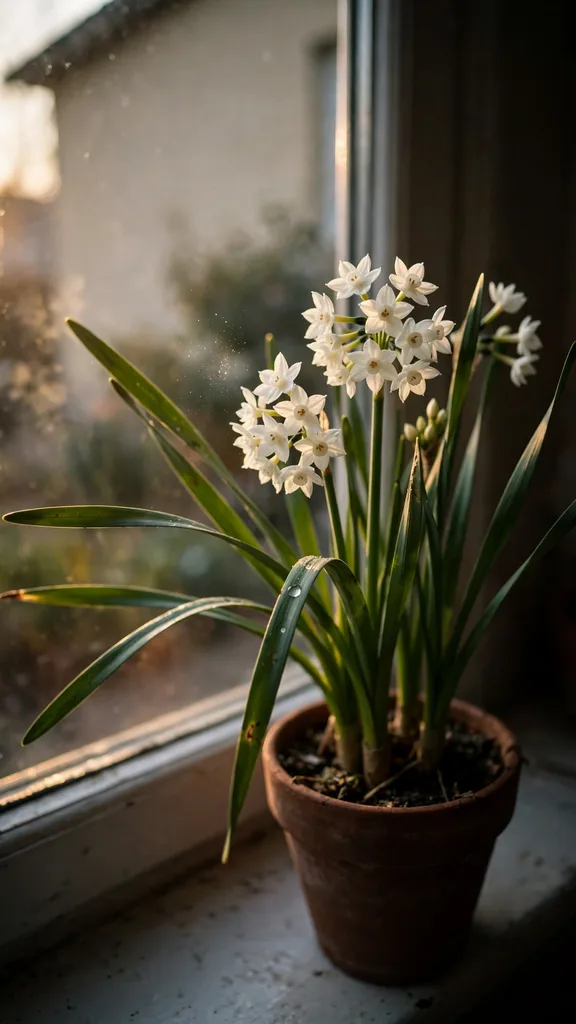
Keep paperwhites in bright light and cool air, and water only when the soil surface dries, using a narrow spout to keep water off the bulbs. Paperwhites in warm, dim air grow tall and flop, and flopped stems snap at the base when moved. A pot kept cool and bright stays compact, and compact stems carry their flowers without support.
32. Grow a Rosemary Hedge in a Window Trough
Grow a rosemary hedge in a window trough for an aromatic window edge that doubles as a kitchen herb supply. Rosemary grows as a woody shrub with narrow leaves, and a row of young plants in a trough forms a low hedge within a season. Plant in free draining soil, and set the trough where sun reaches it for most of the day.
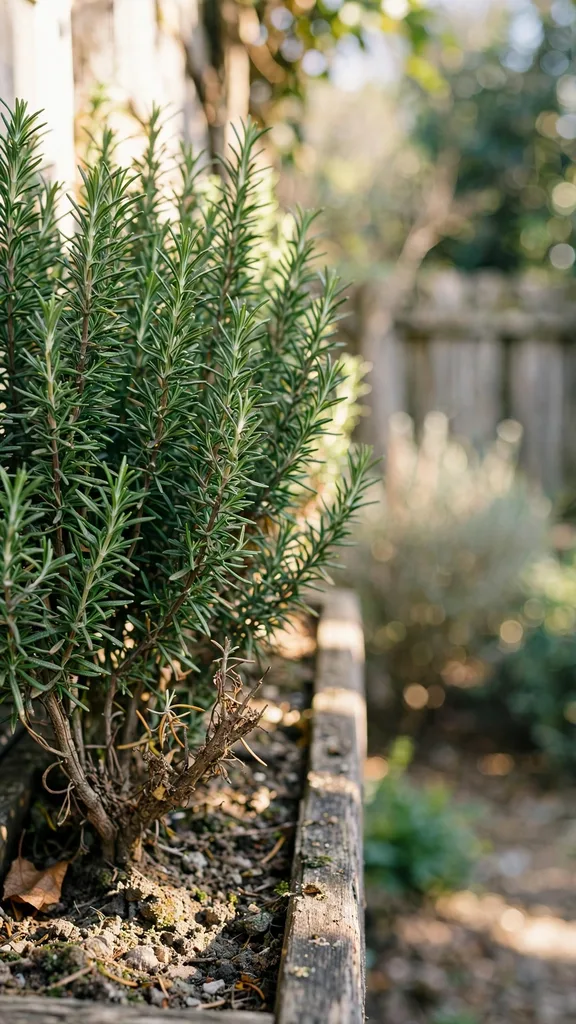
Clip the hedge lightly to keep it dense, and harvest sprigs from the tips. A rosemary hedge clipped hard into old wood regrows slowly, and bare woody stems at the base stay bare. A trough hedge in wet soil rots at the roots, so drainage holes matter more than feeding.
33. Dress a Basement Window Well With Fir Boughs
Dress a basement window well with fir boughs for a spot that usually gets no decoration at all. Lay fir boughs across the well grate and around its edges, and add pinecones where they sit stable. The boughs soften a harsh concrete edge, and they catch snow in a way that reads as intentional rather than neglected, holding their shape through repeated frosts and thaws.
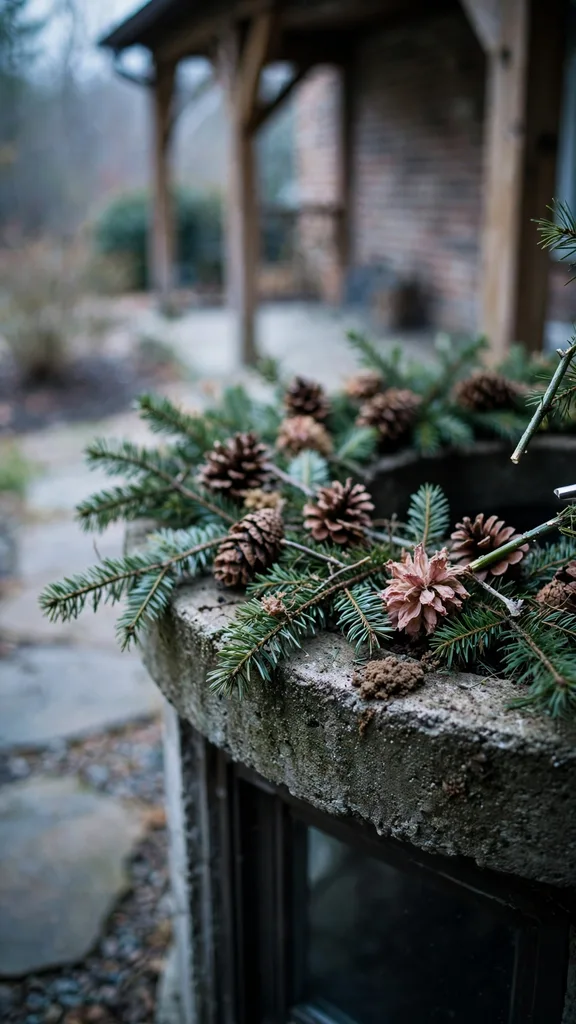
Keep boughs clear of the window glass and the well drain, leaving a clear gap for light and for drainage. Boughs piled over a drain block water, and a blocked well floods in a thaw. Lift the boughs after storms to clear leaves beneath, since leaves trapped under fir hold damp against the grate.
34. Set a Winter Jasmine Pot Beneath a South Window
Set a winter jasmine pot beneath a south window for yellow flowers on bare stems in the coldest months. Winter jasmine grows as a scrambling shrub with small yellow flowers along green stems, and it flowers before its leaves appear. Plant it in a pot with a trellis or wires, and tie the stems as they lengthen.
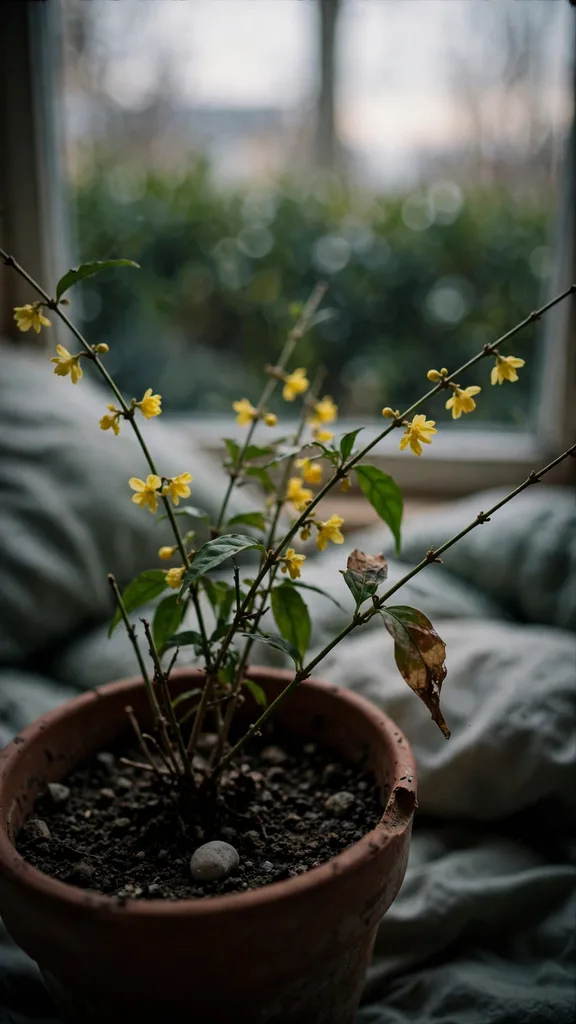
Prune winter jasmine after flowering, and cut back a third of the oldest stems at the base. A jasmine left unpruned tangles into a knot of bare stems, and a tangled plant flowers only at its tips. A pot kept against a south wall flowers earlier, since the wall stores daytime warmth.
35. Plant a Skimmia Pair in Window Side Pots
Plant a skimmia pair in window side pots for berries and buds that carry the window through winter. Skimmia grows as a compact evergreen shrub, and female plants carry red berries while male plants carry scented flower buds. Plant one male and one female near each other for berries, since berries need pollination.
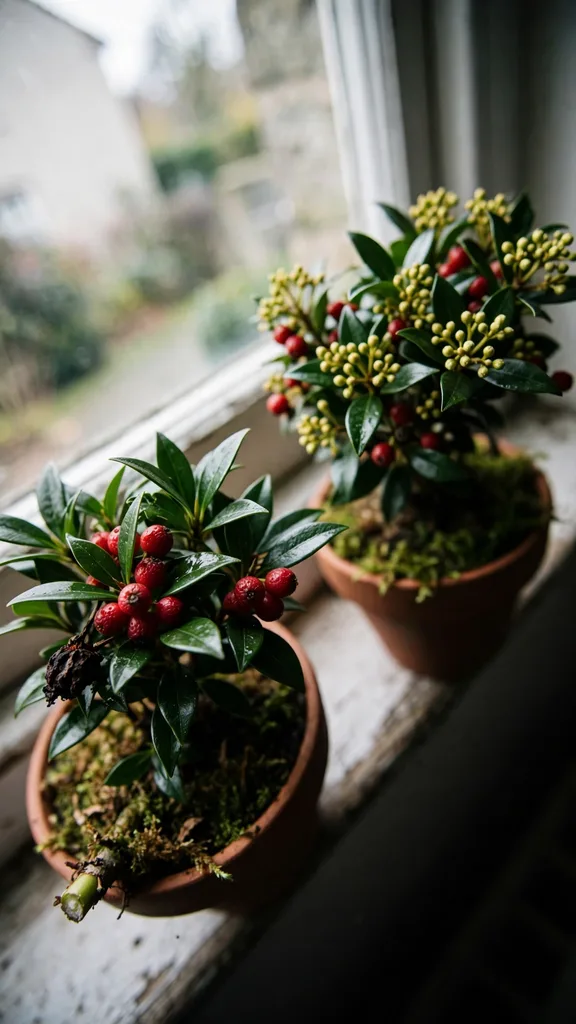
Keep skimmia in shade or partial shade, and water during dry spells. Skimmia in full sun scorches at the leaf edges, and scorched leaves stay on the plant all winter. A skimmia pair in matching pots frames the window, and matching pots matter more than matching plants for a clean look.
36. Line the Window Ledge With Small Potted Conifers
Line the window ledge with small potted conifers for a miniature evergreen forest at eye level. Dwarf spruce, dwarf pine, and dwarf cypress each bring a different needle texture, and a row of them reads as a forest in small scale. Choose pots of one material so the row looks planned, and vary the plant heights slightly for depth.
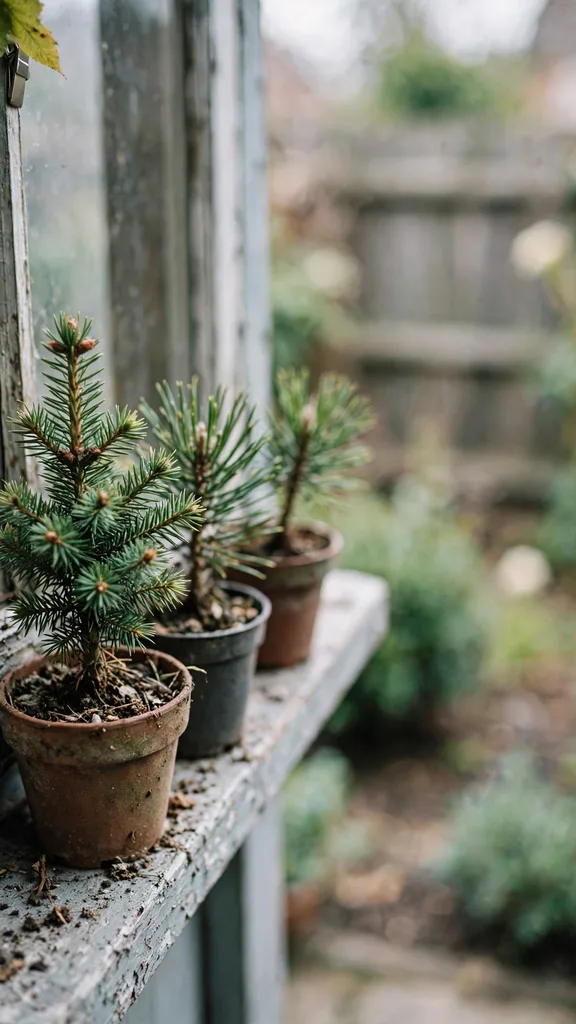
Water each pot by weight, lifting it to judge dryness, and water only the dry ones. A row watered on a single schedule drowns the slow drinkers and starves the fast ones, and a ledge of mixed pots needs individual checks. Turn the pots weekly so growth stays even, since a conifer left facing one way grows lopsided.
37. Plant a Red Twig Dogwood Screen Behind the Bed
Plant a red twig dogwood screen behind the bed for winter color that needs no decoration. Red twig dogwood grows as a multi stemmed shrub, and its young stems glow red in winter light. Plant it in a row behind lower plants, and leave space for its spread so it does not crowd the bed front.
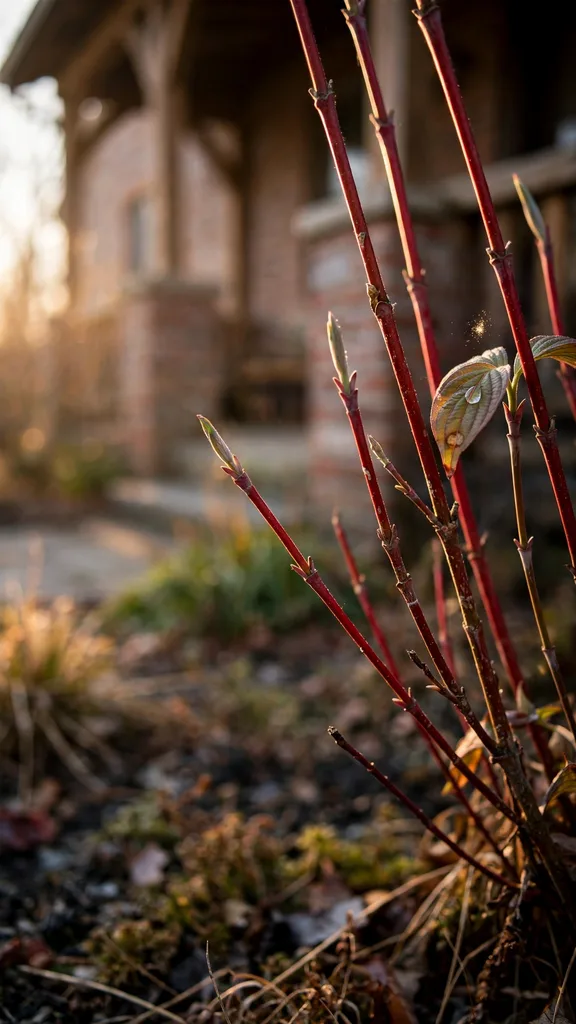
Cut a third of the oldest stems to the base each late winter to renew the color. Old stems fade to gray brown, and a screen left uncut loses the red that justifies its place. A dogwood screen in dry soil grows slowly, so water it through its first seasons until roots establish.
38. Underplant a Fir Bed With Winter Heather
Underplant a fir bed with winter heather for flowers at ground level beneath evergreen branches. Winter heather spreads as low, dense growth with needlelike leaves, and its flowers open in pink and white through winter. Plant heather in acidic soil, and keep it clear of fir needle litter that smothers low growth.
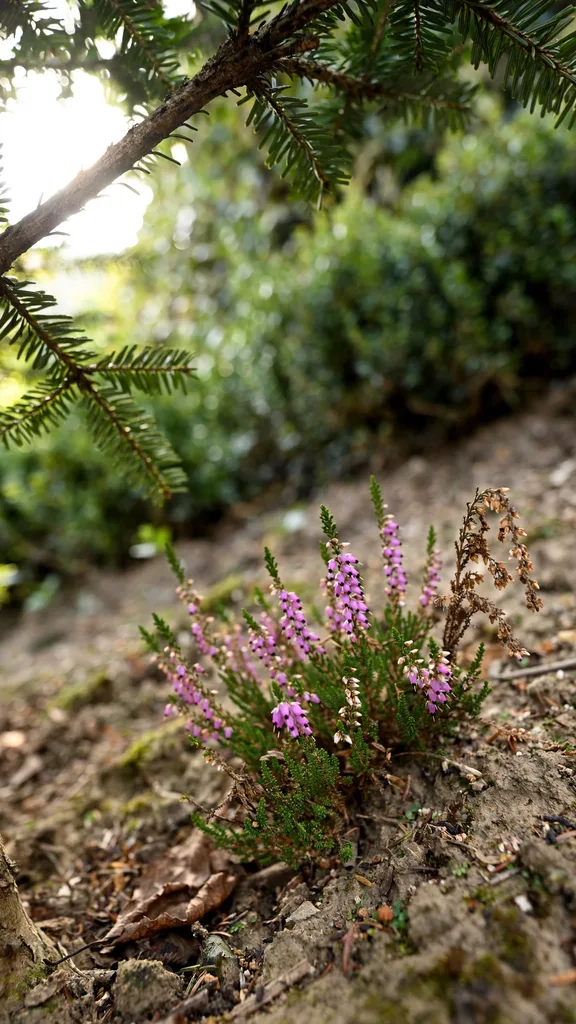
Rake needle litter lightly from the heather in autumn, and trim heather after flowering. Heather trimmed hard into old wood regrows poorly, so cut only the flowered tips. A fir bed with heather underneath reads as a complete planting, and a bare fir bed reads as a tree in a patch of soil.
39. Set a Mahonia Shrub for Winter Scent in the Bed
Set a mahonia shrub for winter scent in the bed, with yellow flowers that open in cold weather. Mahonia grows as an evergreen shrub with spiny, hollylike leaves, and its flower spikes carry a sweet scent that travels on still air. Plant it where a path passes close, and give it shade or partial shade.
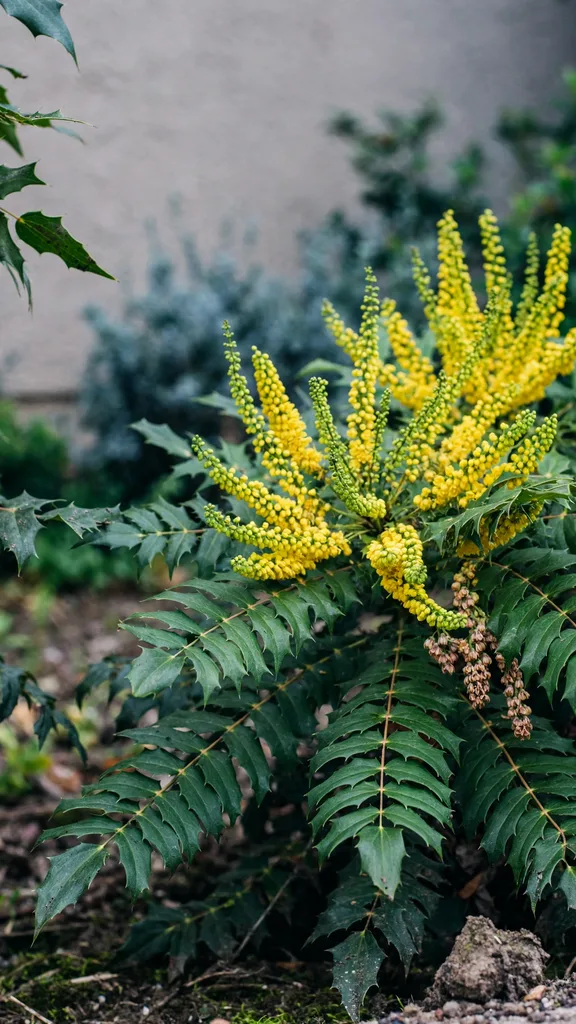
Prune mahonia after flowering, and remove any stem that grows bare at the base. A mahonia left unpruned grows leggy, and leggy stems flower only at the top where scent escapes above head height. A mahonia in full sun scorches, so shade suits it better than a bright corner.
40. Grow a Winter Flowering Viburnum at the Bed Corner
Grow a winter flowering viburnum at the bed corner for pink buds that open to scented white flowers. Viburnum bodnantense grows as a deciduous shrub, and its flowers open on bare stems through winter. Plant it at a corner where its scent reaches the path, and leave space for its arching stems.
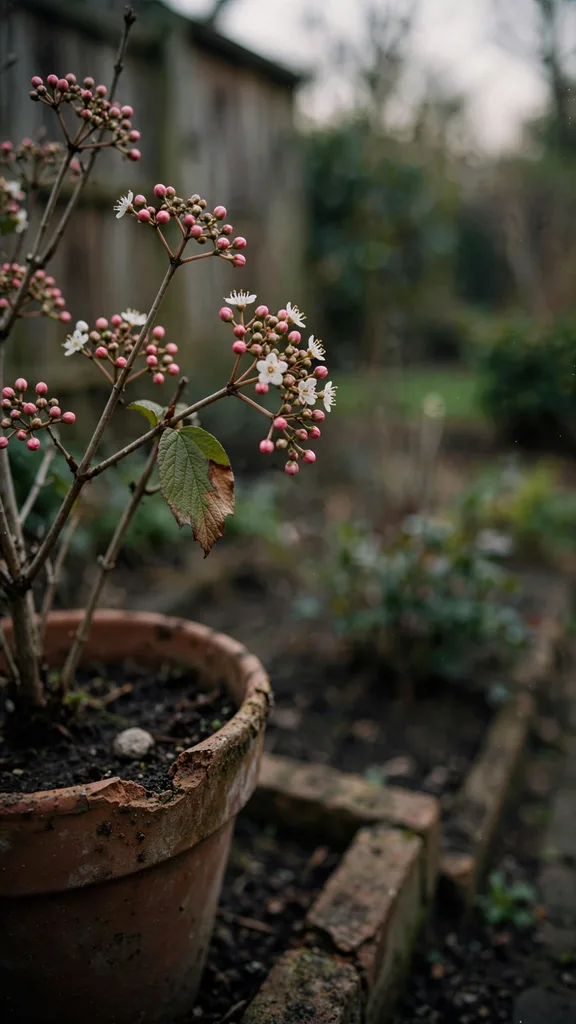
Prune viburnum after flowering, and remove crossing stems at the base. Crossing stems rub bark and invite disease, and a shrub with rubbed bark weakens year by year. A viburnum corner planted too tight against a wall flowers only on the outer face, so give it room to arch.
41. Edge a Bed With Evergreen Euonymus
Edge a bed with evergreen euonymus for a low, dense border that holds its leaves all winter. Euonymus fortunei grows as a spreading evergreen with small oval leaves, and variegated forms add cream or gold to the edge. Plant it as a continuous edge, and clip it lightly to keep the line crisp.
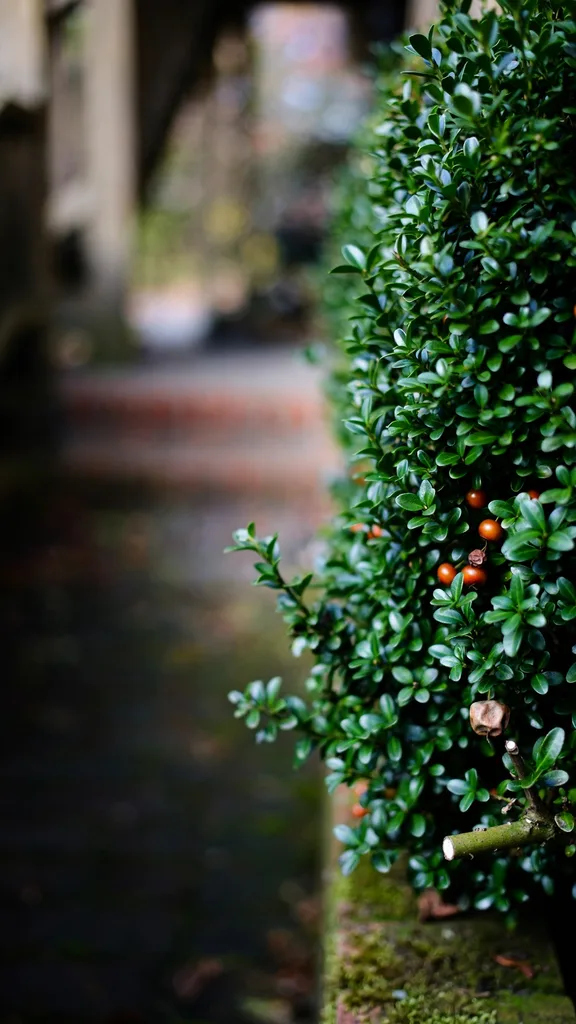
Clip euonymus in mild weather, and clear clippings from the bed. Clippings left on the soil smother small plants, and a border edge buried under clippings looks untidy within days. A euonymus edge in shade stays denser than one in full sun, since sun scorches variegated leaves.
42. Plant a Witch Hazel for January Flowers
Plant a witch hazel for January flowers that open as spidery yellow and orange blooms on bare branches. Witch hazel grows as a large shrub or small tree, and its flowers carry a light scent on mild days. Plant it where its winter flowers show against a dark background, such as a hedge or a wall, stepping back to the path to check the view before backfilling.
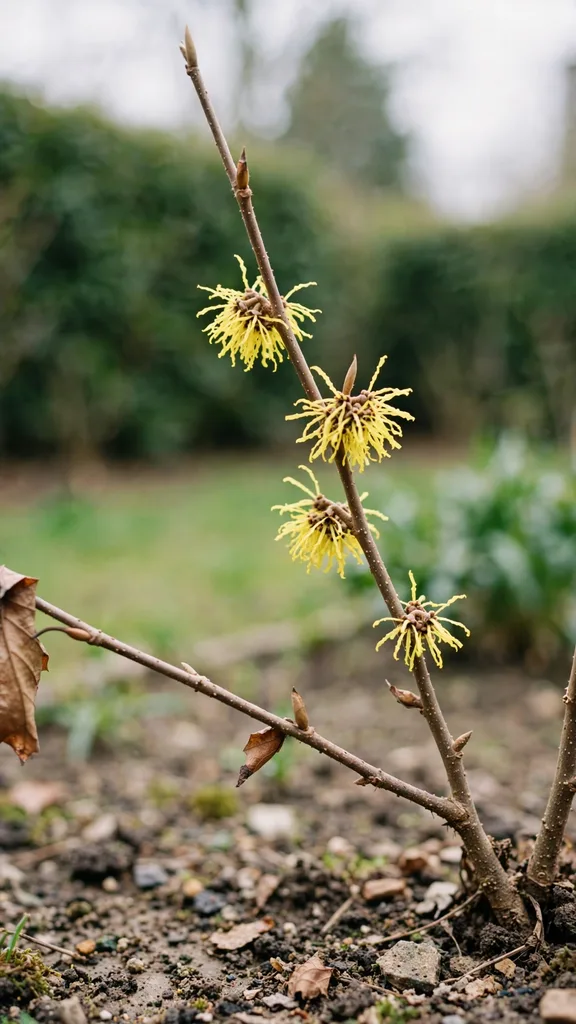
Prune witch hazel lightly after flowering, and remove only dead or crossing wood, cutting each stem back to a healthy outward bud. Hard pruning ruins its natural vase shape, and a witch hazel cut back hard takes years to flower well again. A witch hazel in wet soil grows poorly, so plant it where drainage runs free.
43. Keep a Hellebore Bank in Flower Through Winter
Keep a hellebore bank in flower through winter by planting a slope or raised bed with hellebores of mixed colors. A bank of hellebores flowers from early winter into spring, and the slope lifts the nodding flowers toward eye level. Plant in soil enriched with leaf mold, and mulch after planting to hold moisture.
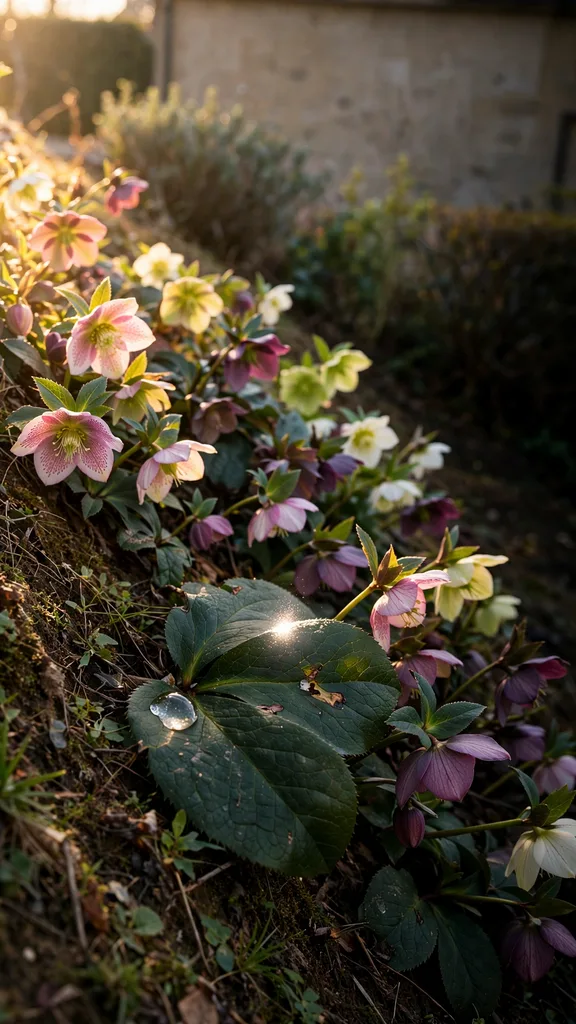
Cut old leaves away in late winter before new flowers open, and leave new growth untouched. Old leaves hide the flowers and harbor disease, and a bank cleared of old leaves shows every flower. A hellebore bank in dry soil flowers sparsely, so water it through dry spells in its first years.
44. Add a Camellia for Late Winter Buds
Add a camellia for late winter buds that open into large flowers as the Christmas season ends, choosing a variety whose buds open slowly through the coldest weeks. Camellia grows as an evergreen shrub with glossy leaves, and its buds form through autumn and open in late winter and spring. Plant it in acidic soil in shade or partial shade, and shelter it from morning sun after frost, digging in leaf mold at planting time to hold moisture through summer.
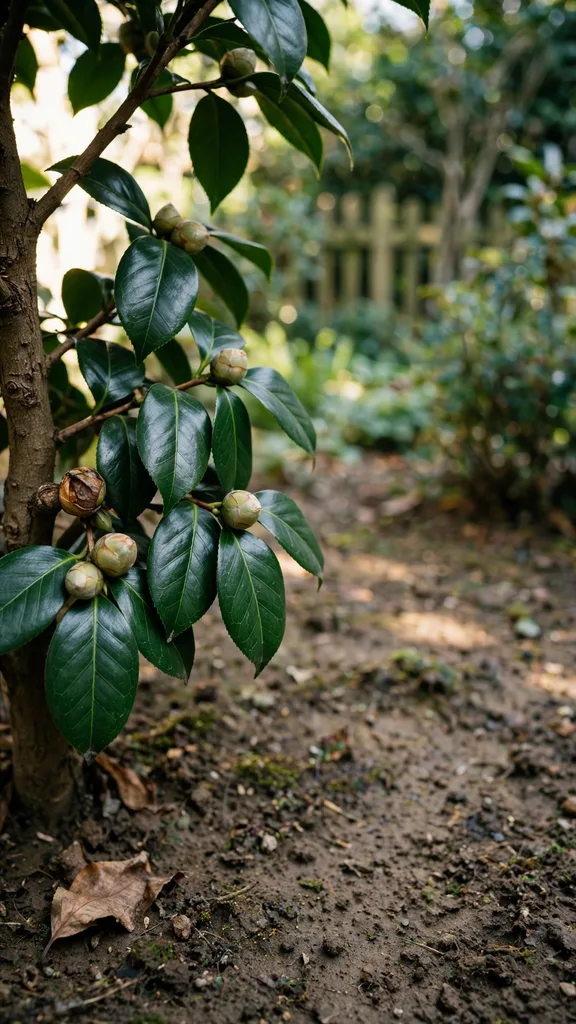
Water camellias during dry spells, and mulch with leaf mold or bark, spreading the mulch wide but keeping it clear of the stems. A camellia that dries while buds form drops its buds, and bud drop is the most common disappointment with this shrub. Morning sun on frosted buds damages the flowers, so an east facing wall suits camellia poorly.
45. Plant a Daphne Beside the Bed Path for Scent
Plant a daphne beside the bed path for scent that stops visitors in their tracks. Daphne grows as a small evergreen or deciduous shrub, and its pink or white flowers release a powerful sweet scent in late winter. Plant it in free draining soil, and avoid moving it once planted, since daphne resents root disturbance.
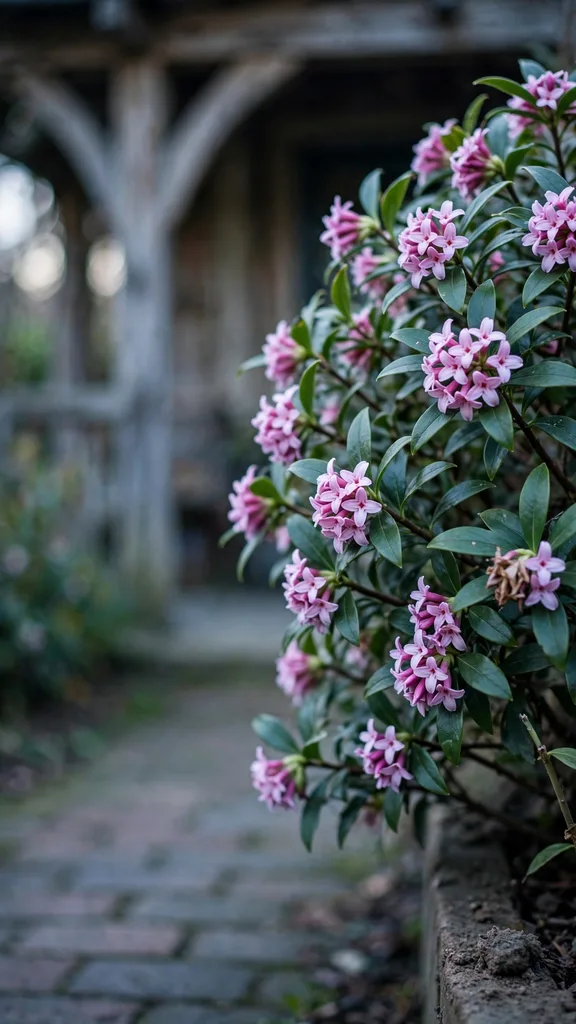
Prune daphne lightly after flowering, and never cut into old bare wood. Daphne cut back hard rarely regrows, and a shrub killed by hard pruning leaves a gap that takes years to fill. A daphne in wet soil rots at the roots, so drainage matters more than feeding for this plant.
46. Set a Sarcococca Hedge for Shade and Scent
Set a sarcococca hedge for shade and scent in a corner where little else flowers. Sarcococca grows as a dense evergreen shrub, and its tiny white winter flowers release scent out of proportion to their size. Plant it as a low hedge under trees or beside a north wall, and clip it lightly after flowering.
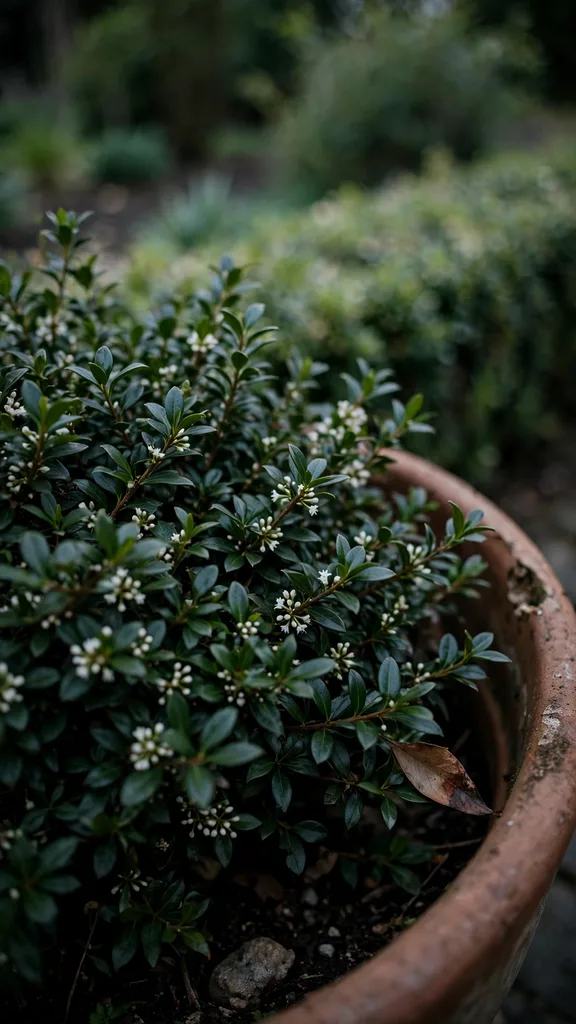
Keep sarcococca watered in its first seasons, and mulch to hold soil moisture. A sarcococca hedge in dry shade thins at the base, and a thin hedge fails as a screen. A hedge clipped into shape each year stays dense, and dense growth carries scent better than sparse stems.
47. Grow a Hardy Cyclamen Drift Under Shrubs
Grow a hardy cyclamen drift under shrubs for small flowers that naturalize in dry shade. Hardy cyclamen, Cyclamen hederifolium, grows from a corm with patterned leaves, and its pink flowers open in autumn and persist into early winter. Plant corms shallow under deciduous shrubs, and let leaf litter cover them naturally.
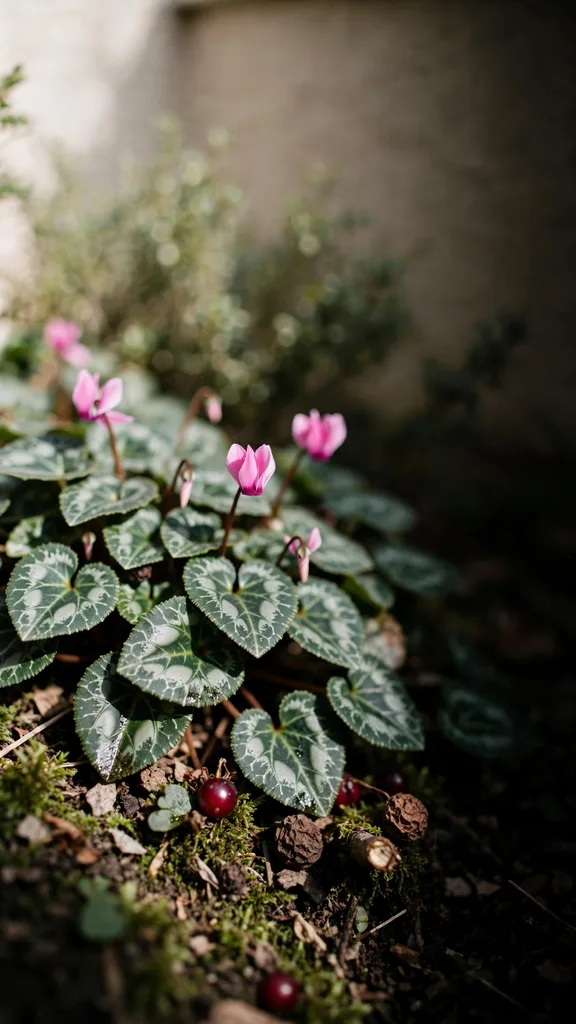
Avoid digging the drift, and let seedlings establish where they fall. A drift dug for tidiness loses corms and seedlings that took years to build, and a drift left alone thickens each year. Hardy cyclamen in wet soil rots, so plant it where shrubs drink the soil dry in summer.
48. Leave Seedheads Standing for Frost and Birds
Leave seedheads standing for frost and birds through winter, and let the garden show its structure. Echinacea, sedum, and ornamental grasses hold seedheads that catch frost and feed birds, and their silhouettes give the winter bed shape. Cut nothing back until late winter, and leave stems tall enough for birds to perch on.
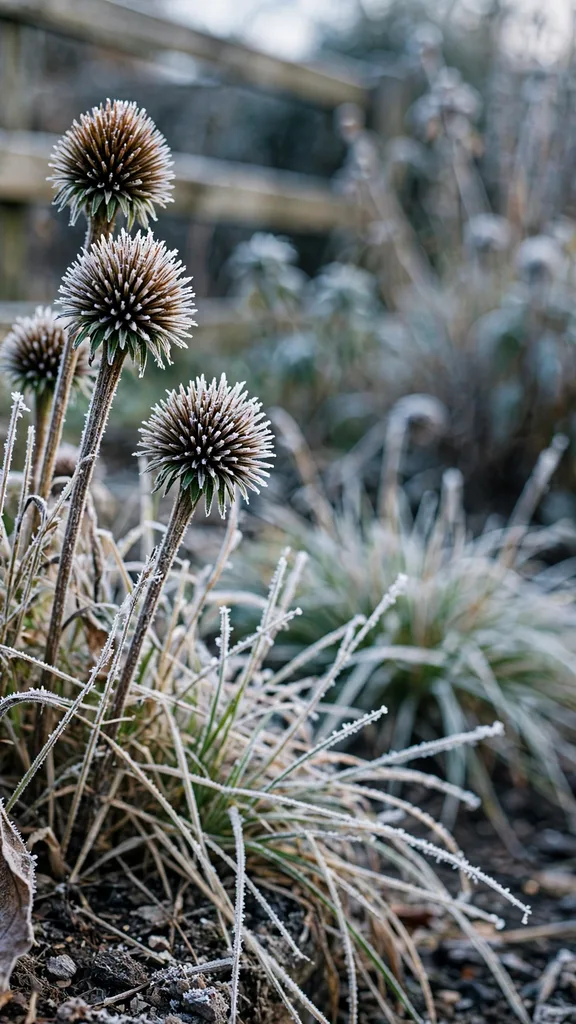
Clear only stems that collapse onto paths, and leave the rest standing. A bed cut bare in autumn looks tidy for a week and empty for months, and birds that fed on standing seedheads move on. A bed left standing feeds birds, shelters insects, and gives the Christmas garden a natural winter texture.
49. Plant a Dwarf Spruce in a Frost Proof Pot
Plant a dwarf spruce in a frost proof pot for a small tree that survives winter outdoors without cracking its container. Frost proof pots resist freeze and thaw, and a dwarf spruce in such a pot stays put through the coldest months. Choose a pot wider than the root ball, and fill it with free draining compost mixed with grit.
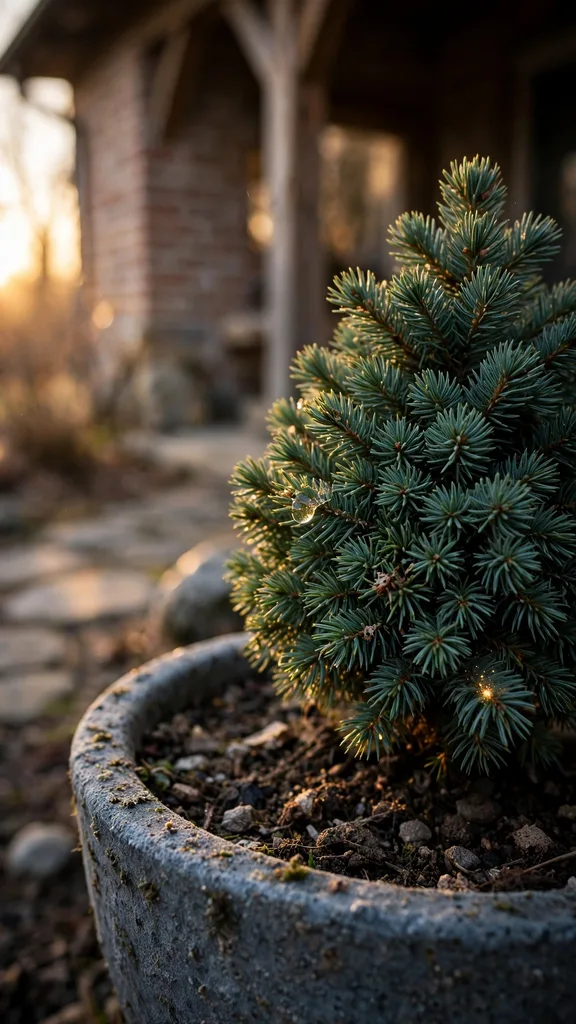
Raise the pot on feet, and check the drainage hole each autumn. A pot that drains freely loses excess water before a freeze, and a pot that holds water cracks or rots roots when ice forms. A dwarf spruce in a small pot dries fast, so water it through dry winter spells.
50. Fill a Terracotta Pot With Ivy and Winter Pansy
Fill a terracotta pot with ivy and winter pansy for a classic container that flowers through the cold months. Ivy trails over the pot rim, and winter pansies flower above it in the center. Plant pansies in the middle and ivy at the edges, and water the pot until water runs from the base.
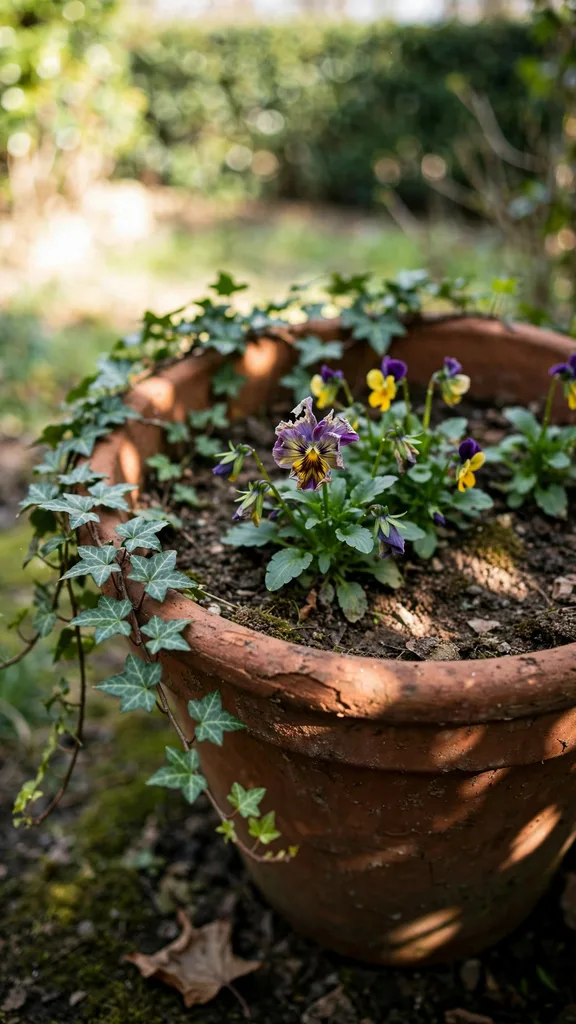
Move terracotta pots under cover during hard freezes, since terracotta cracks when wet soil freezes inside it. A cracked pot still holds soil for a season, and a pot that splits fully drops its plants onto the step. Wrap a terracotta pot in hessian if it must stay out, and keep the soil on the dry side of moist.
51. Set a Pair of Boxwood Cones in Tall Planters
Set a pair of boxwood cones in tall planters for formal height at a door or gate. Boxwood cones grow as dense, clipped evergreen shapes, and tall planters lift them to eye level. Choose planters heavy enough to resist wind, and set them on level ground so they do not lean.
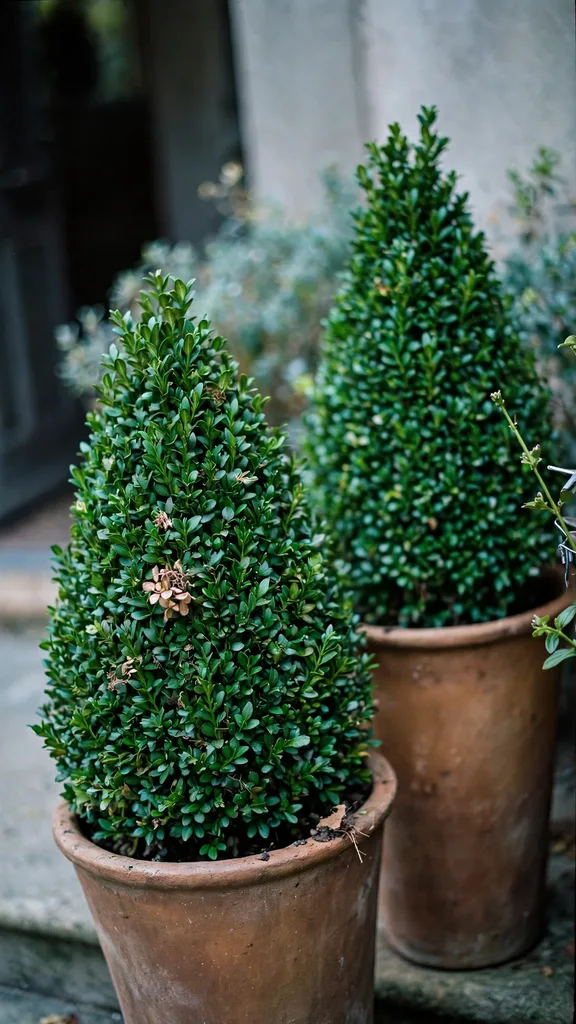
Clip the cones lightly to keep their points sharp, and clear clippings from inside the foliage, working slowly around each cone in turn from top to base. Clippings trapped in dense boxwood hold damp and invite blight, and a blighted cone thins from the inside. A cone pair in matching planters frames an entry, and mismatched planters break the formal effect.
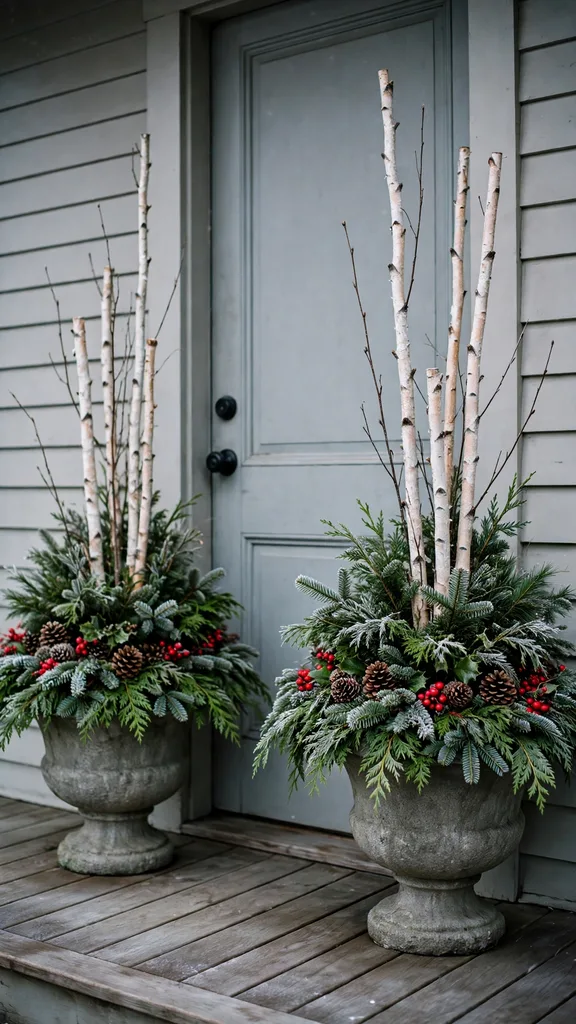
52. Build a Winter Urn From a Living Spruce and Cut Fir
Build a winter urn from a living spruce and cut fir for a container with a living center and a full, festive edge. Plant a small living spruce in the urn center, and stick cut fir boughs around it at an angle so the urn reads full from every side. Add holly berries and pinecones between the boughs, and water the spruce at planting.
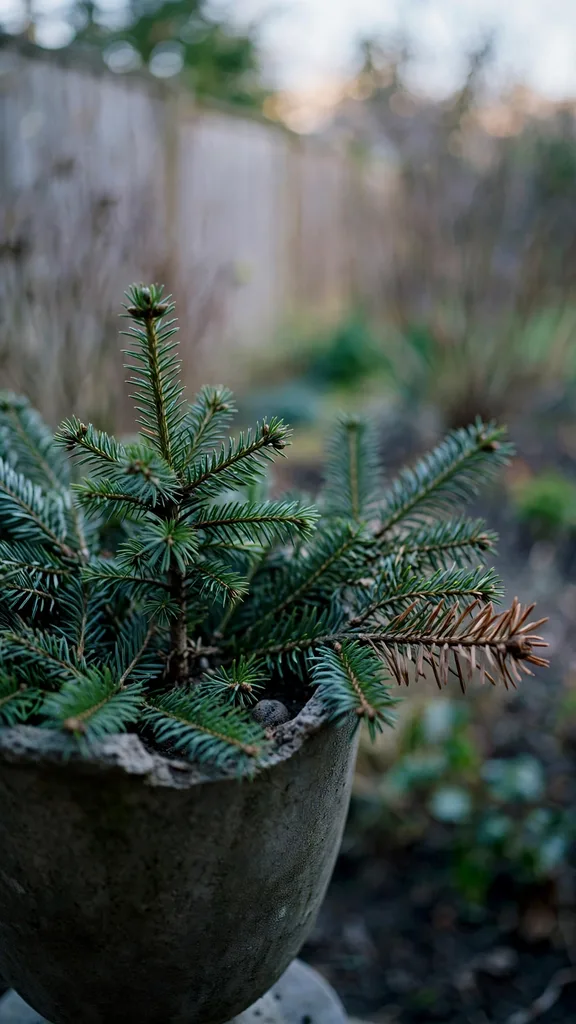
Keep the urn soil moist but drained, and lift the cut boughs out as they dry. Cut boughs dry faster than the living spruce, and dry boughs shed needles across the step. For more urn planting combinations, heights, and winter care, see these outdoor Christmas urns.
53. Dress a Half Barrel With Fir Boughs and Pinecones
Dress a half barrel with fir boughs and pinecones for a rustic container that suits a cottage garden. A half barrel holds a large volume of soil, and fir boughs stuck around its rim give it a festive edge without hiding the wood. Drill drainage holes if the barrel lacks them, and raise it on bricks for airflow beneath.
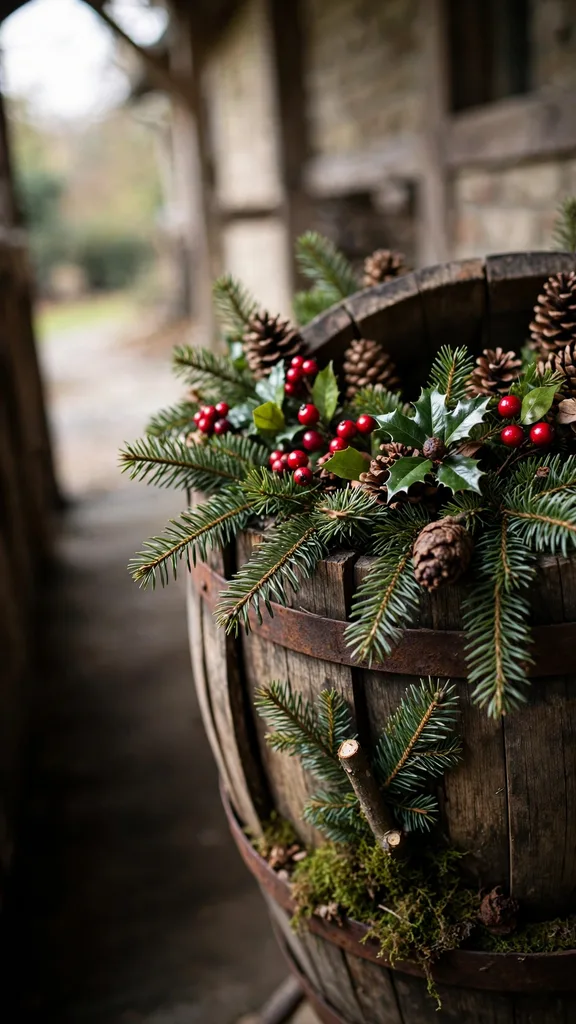
Line the barrel with a permeable liner, and fill it with free draining compost. A barrel without drainage holds water at the roots, and plants in a waterlogged barrel rot while the top growth still looks green. Replace fir boughs as they dry, since dry boughs in a barrel shed into the soil and look thin.
54. Place a Galvanized Tub of Holly and Ivy by the Steps
Place a galvanized tub of holly and ivy by the steps for a bright container that resists weather. Holly gives stiff leaves and berries, and ivy trails over the tub edge to soften the metal. Plant holly in the center and ivy at the rim, and set the tub where it catches light so the berries show.
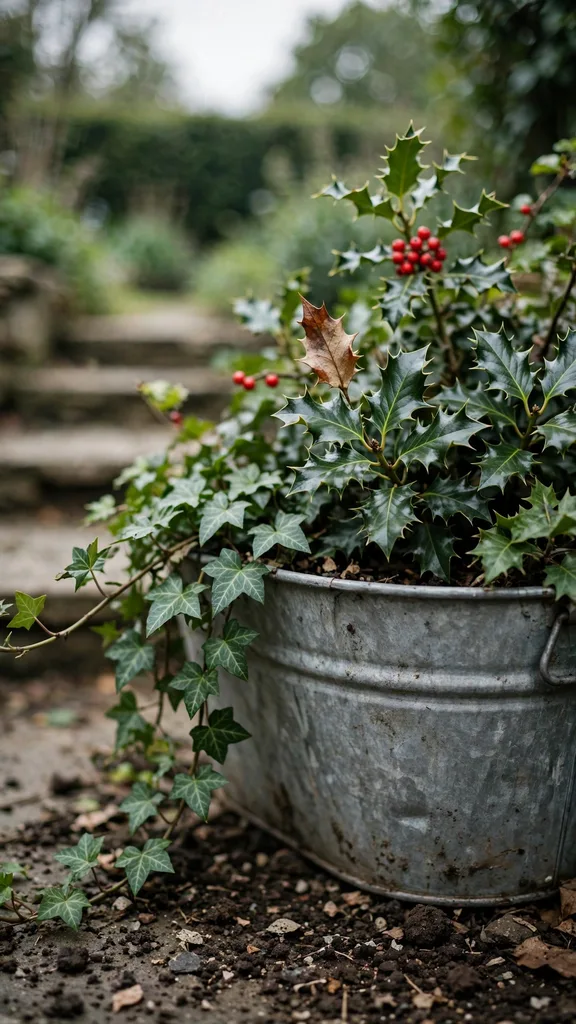
Drill drainage holes in the tub base, and raise the tub on feet. A metal tub without drainage fills with rain and drowns its plants, and a tub sitting flat on wet ground rusts from beneath. A galvanized tub in full sun heats its soil, so shade suits it better than a south facing step.
55. Grow a Bay Tree in a Pot for the Doorstep
Grow a bay tree in a pot for the doorstep for evergreen leaves that double as a kitchen herb. Bay grows as a small evergreen tree with aromatic, oval leaves, and a clipped standard or cone suits a pot by the door. Plant it in free draining compost, and set the pot in a sheltered spot out of cold wind.
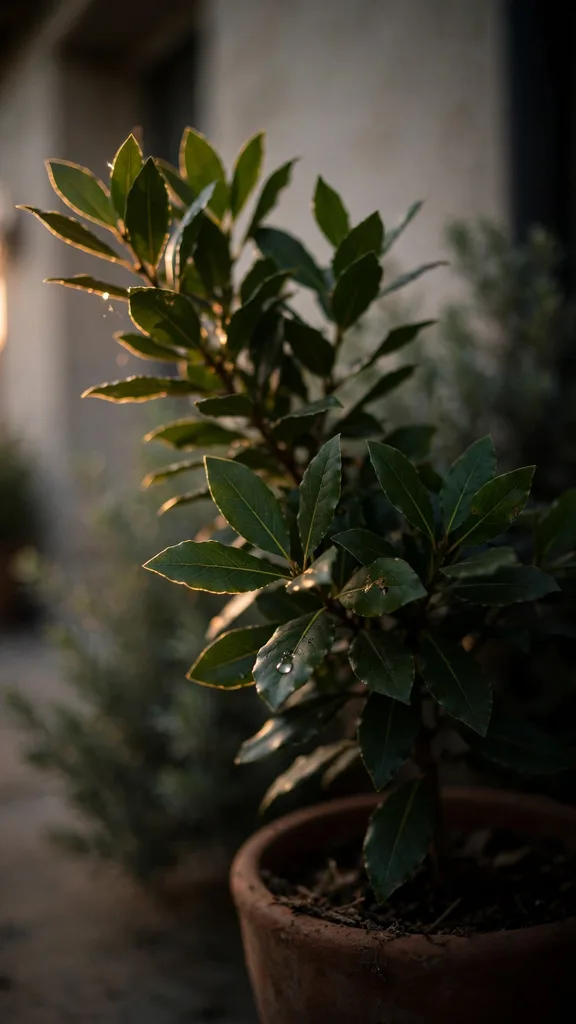
Water bay sparingly in winter, and bring it under cover during hard freezes. Bay leaves scorch in cold wind, and scorched leaves stay on the tree all winter. A bay in a pot too small dries fast and drops leaves, so repot when roots fill the pot.
56. Set a Winter Heather Trio in a Wide Bowl
Set a winter heather trio in a wide bowl for low flowers that spread across the surface. Winter heather grows as dense, low mounds with needlelike leaves, and three plants in one bowl merge into a single flowering mass. Plant in acidic compost, and set the bowl where rain reaches it but wind does not dry it.
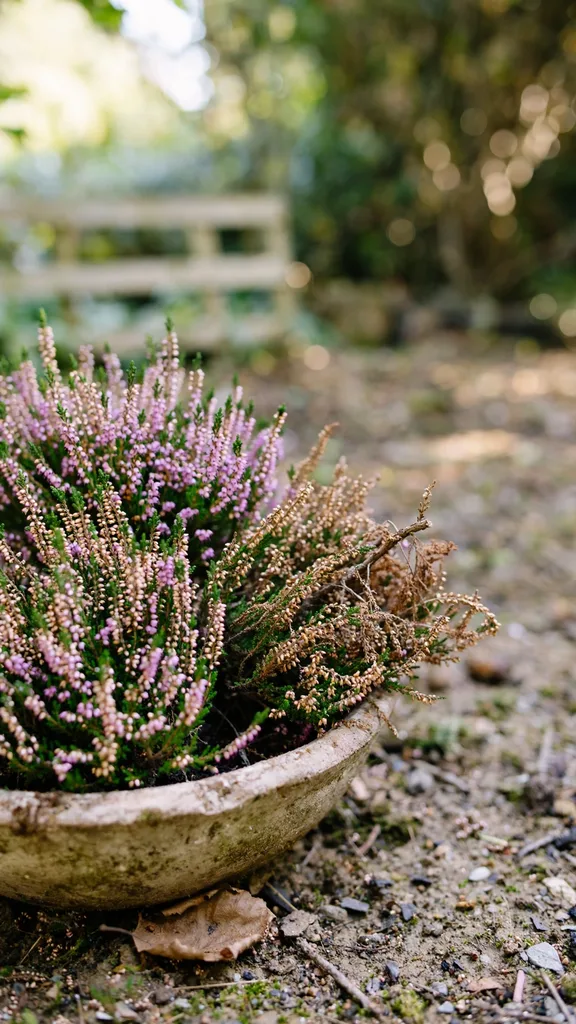
Trim heather after flowering, and cut only the flowered tips. Heather cut into old wood regrows poorly, and a bowl with bare centers looks empty through the next winter. A heather bowl in alkaline soil yellows, so acidic compost matters more than feeding.
57. Plant a Skimmia and Ivy Pot for Shade Corners
Plant a skimmia and ivy pot for shade corners where sun rarely reaches. Skimmia grows as a compact evergreen with berries or buds through winter, and ivy trails from the pot rim to cover the container edge. Plant skimmia in the center and ivy at the rim, and water the pot during dry spells.
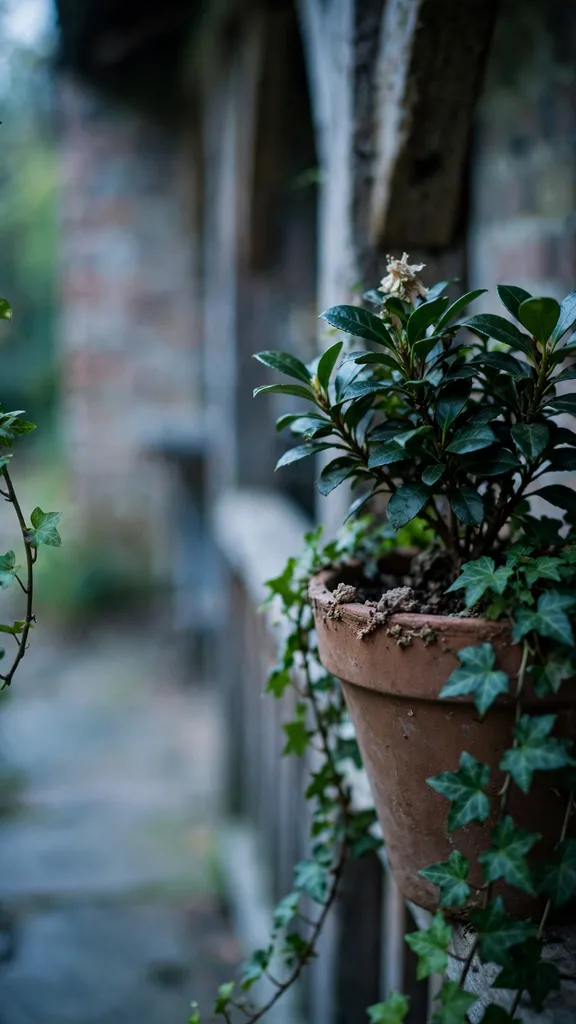
Keep the pot in shade, and check the soil before watering. Skimmia in full sun scorches, and a scorched skimmia keeps its damaged leaves all winter. A shade corner pot watered on a fixed schedule rots, since shade soil dries slowly and a pot that stays wet loses roots.
58. Fill a Wooden Crate With Fir and Red Twig Dogwood
Fill a wooden crate with fir and red twig dogwood for a container that mixes green and red in one box. Fir boughs give the crate its evergreen base, and red twig dogwood stems stuck upright add height and winter color. Line the crate so soil stays put, and set it on bricks for drainage.
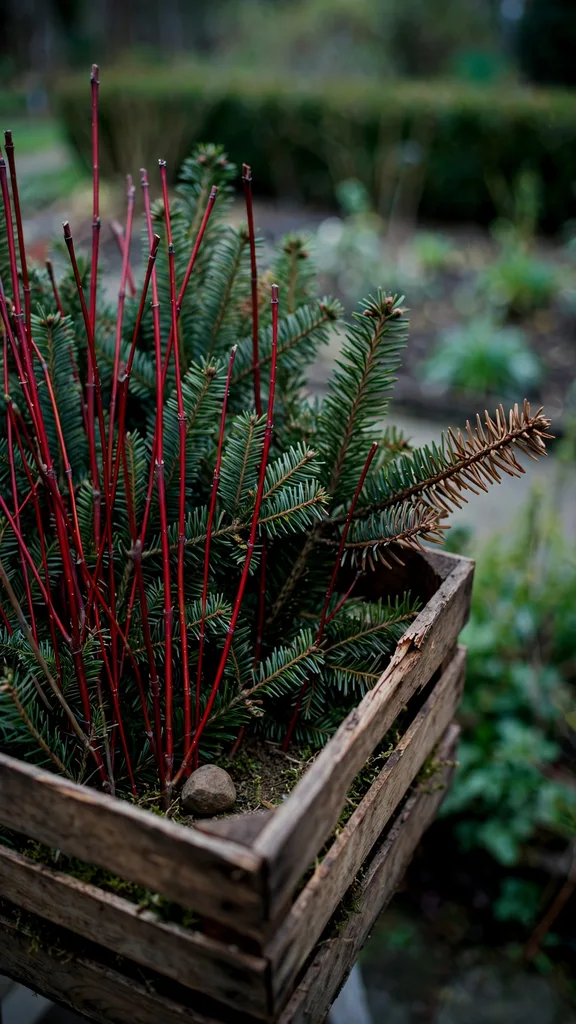
Keep the crate out of standing water, and check its base each season. A wooden crate sitting in water rots from the bottom, and a rotted crate collapses under soil weight without warning. Replace dogwood stems as they fade, since faded stems turn gray and lose the red that carries the display.
59. Keep a Potted Camellia Sheltered by the Wall
Keep a potted camellia sheltered by the wall for buds that open after the Christmas display ends. Camellia grows as an evergreen shrub with glossy leaves, and its buds need shelter from cold wind and morning sun after frost. Set the pot against a wall that blocks wind, and mulch the pot surface to hold moisture.
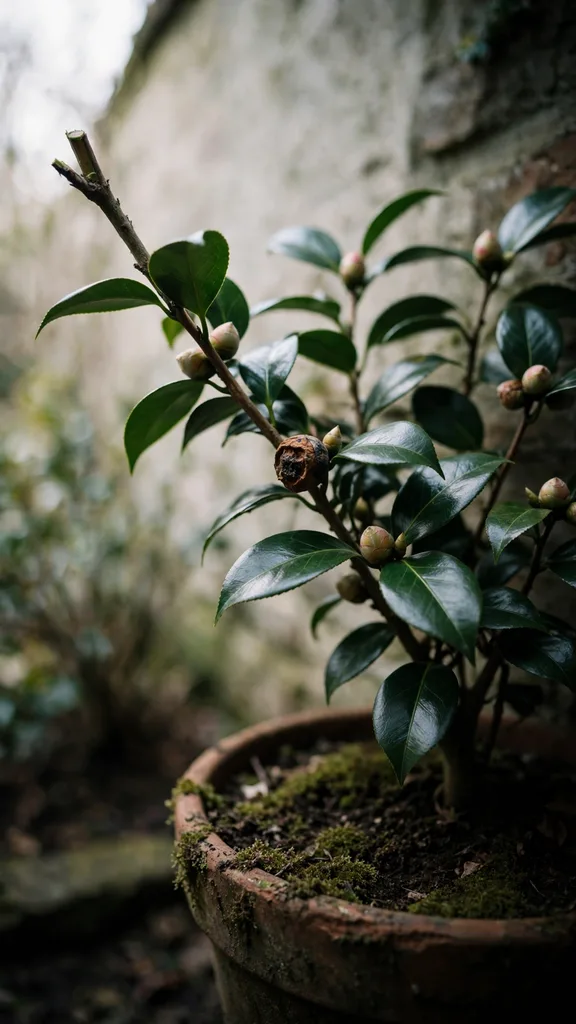
Water the pot during dry spells, and never let it dry while buds form. A camellia that dries at bud stage drops its buds, and bud drop wastes a full year of growth. A wall sheltered pot still needs water in winter, since a pot under a wall eave misses rain.
60. Water and Wrap Potted Evergreens Before a Freeze
Water and wrap potted evergreens before a freeze, since roots in a pot freeze harder than roots in the ground. Penn State Extension advice on overwintering plants in containers recommends choosing container plants rated two zones colder than the garden zone. Wrap the pot in hessian or bubble wrap, and group pots together against a sheltered wall for shared protection, tucking straw or shredded leaves around the pots for extra insulation.
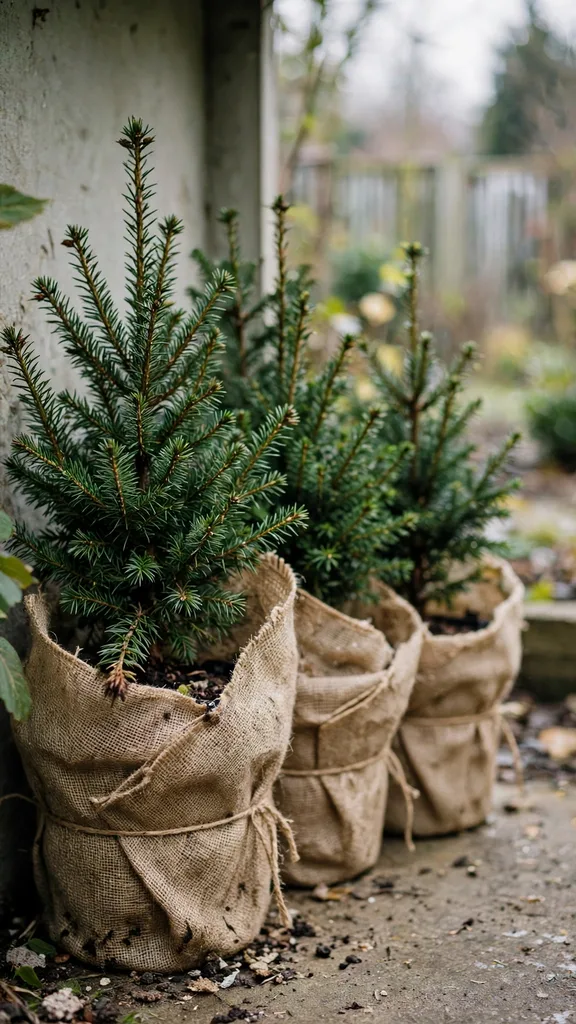
Water the pots well before the soil freezes, and check soil moisture during mild spells, pushing a finger deep into the compost before deciding. Dry soil freezes faster than moist soil, and a pot that dries in winter loses roots before spring growth reveals the damage. Move the most tender pots into an unheated garage or shed, and bring them out again once hard freezes pass.
61. Plant a Living Nordmann Fir as the Garden Tree
Plant a living Nordmann fir as the garden tree for a permanent Christmas tree that grows with the family. Nordmann fir grows as a broad, symmetrical conifer with soft, dark green needles, and its branches hold ornaments well without shedding, keeping their color through weeks indoors and out. Plant it in a sunny spot with room to spread, and stake it for its first seasons until roots anchor it.
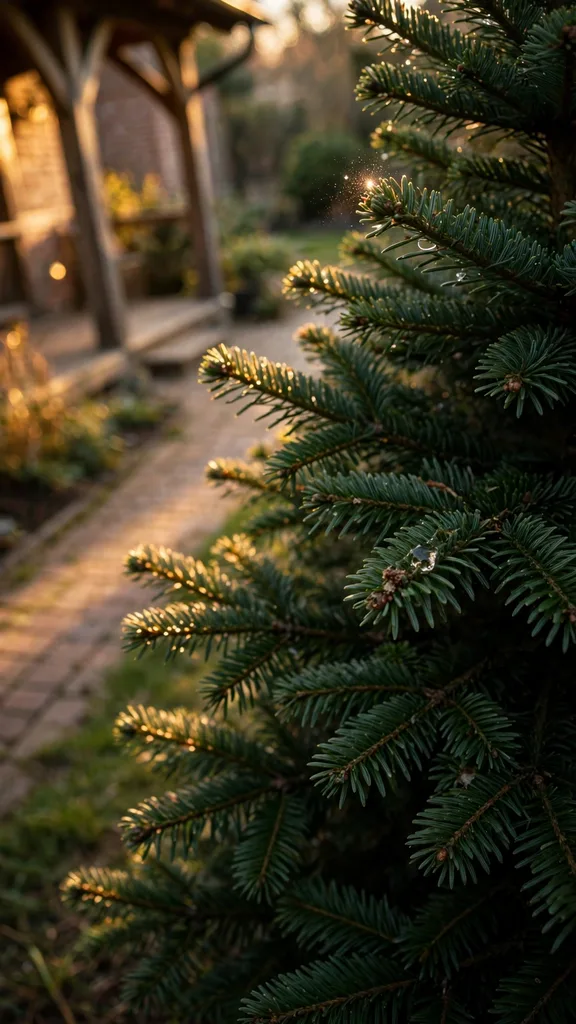
Water a young Nordmann fir through dry spells, and mulch to hold soil moisture, spreading mulch in a wide ring clear of the trunk. A fir planted in dry soil grows slowly and thins at the base, and a thin base spoils the tree shape for years. A living garden tree needs no annual purchase, and it gains height and presence each winter.
62. Dress a Potted Fraser Fir for the Terrace
Dress a potted Fraser fir for the terrace for a tree that moves indoors for the holidays and returns outside after. Fraser fir grows as a narrow conifer with soft, flat needles, and its shape suits a pot on a terrace. Keep the pot outdoors until the holidays, and bring the tree inside only for a short festive period.
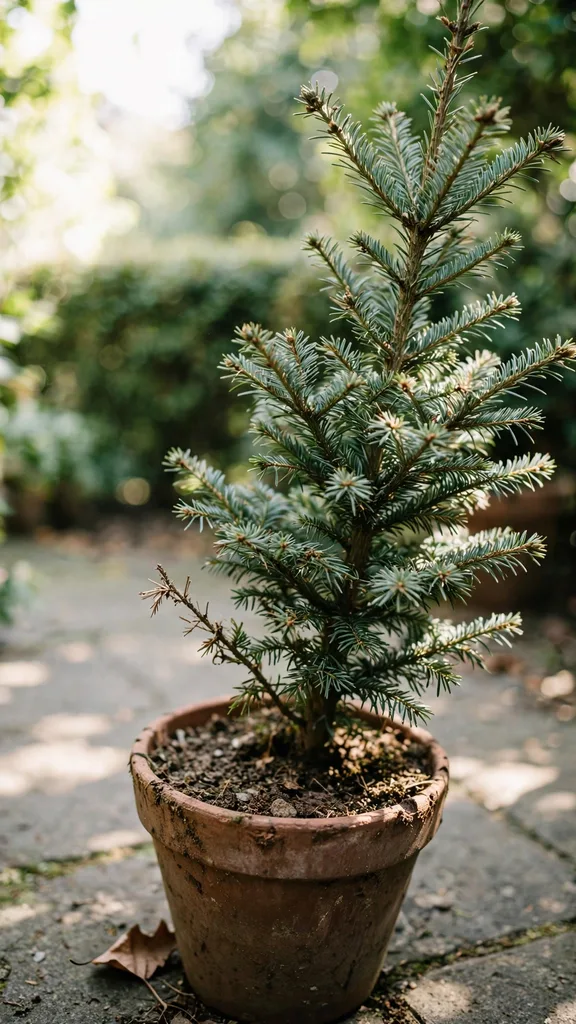
Return the tree outdoors promptly after the holidays, and water it through winter. A Fraser fir kept indoors too long dries at the needles and drops them, and a tree that dries indoors rarely recovers its full shape. A potted fir acclimates best when moves between indoors and outdoors stay brief and gradual.
63. Set a Small Blue Spruce as a Permanent Tree
Set a small blue spruce as a permanent tree for silver blue foliage that stands out against green hedges. Blue spruce grows as a conical conifer with stiff, sharp needles in shades of blue green, and its color deepens in cold weather. Plant it where it catches light, since light brings out the blue, and give it room to spread.
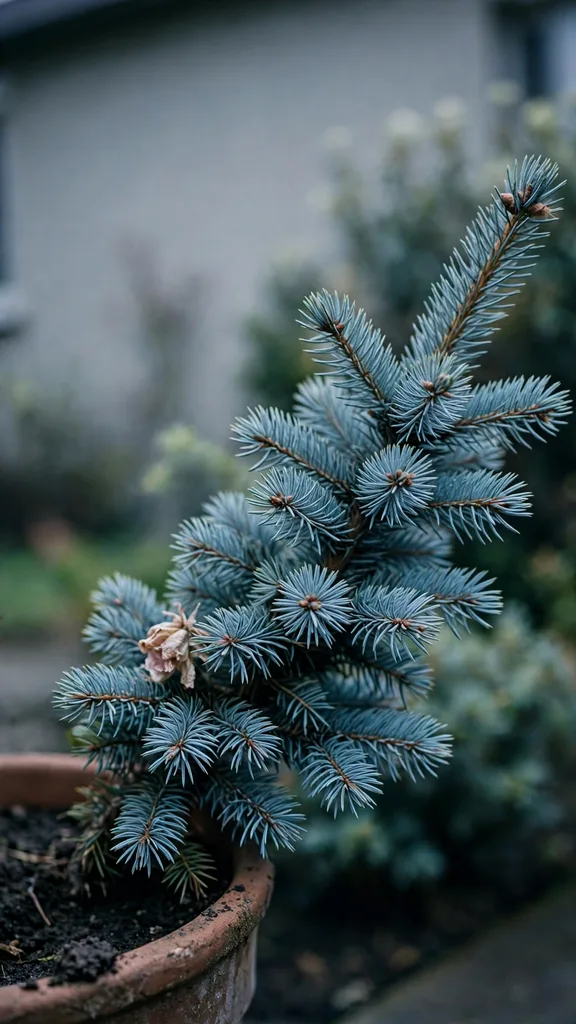
Avoid planting blue spruce in a damp, still corner, and prune only dead wood. Blue spruce in still, damp air suffers needle disease, and a diseased spruce thins from the bottom upward. A spruce with room and airflow keeps its lower branches, and lower branches matter for a tree dressed at ground level.
64. Grow a Korean Fir for Cones and Color
Grow a Korean fir for cones and color, since its upright cones appear young and color early. Korean fir grows as a compact conifer with short, dark green needles, and its violet blue cones stand upright on the branches like candles. Plant it in a sheltered spot with moist, free draining soil, and give it room for its broad shape.
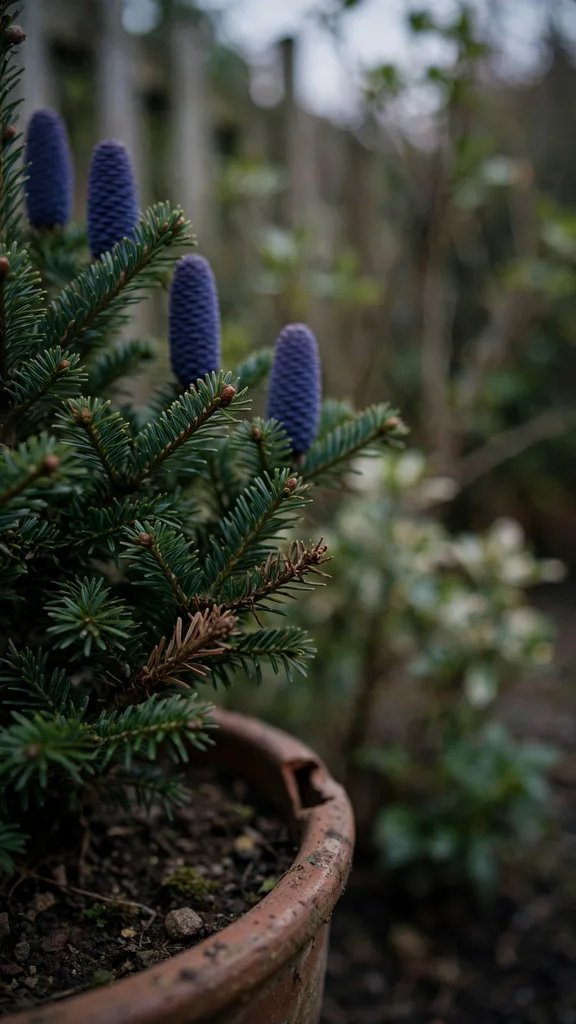
Water Korean fir during dry spells, and mulch to keep roots cool. A Korean fir in dry soil drops needles and cones, and a tree that loses its cones loses its main winter feature. A young Korean fir cones earlier than most firs, so even a small tree carries a display.
65. Plant a Serbian Spruce for a Narrow Corner
Plant a Serbian spruce for a narrow corner where a broad tree would crowd the path. Serbian spruce grows as a slender conifer with drooping branchlets and two tone needles, dark green above and silver below. Its narrow shape fits a corner beside a drive or a fence, and its arching branches catch wind without breaking.
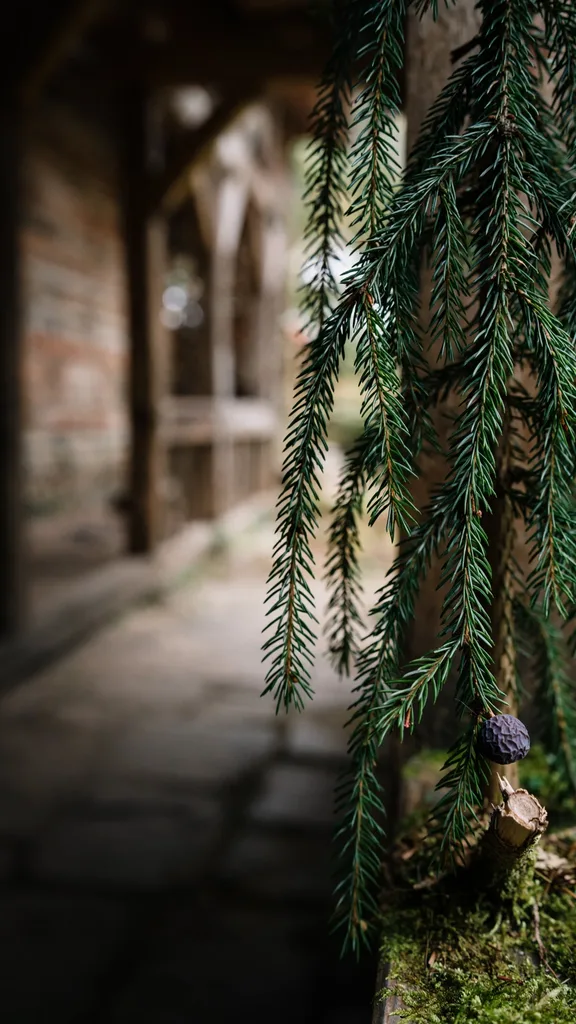
Stake a young Serbian spruce until roots establish, and water it through dry spells. A spruce in a narrow corner dries faster than one in open ground, since walls and fences block rain. A Serbian spruce left to grow without a stake leans toward light, and a leaning tree in a narrow corner blocks the path.
66. Keep a Potted Christmas Tree Alive After the Holidays
Keep a potted Christmas tree alive after the holidays by moving it outside promptly and watering it through winter. A root balled or potted tree still grows after the holidays, and it needs light, water, and cold air to harden off again. Set it in a sheltered spot outdoors, and keep its pot raised on feet for drainage.
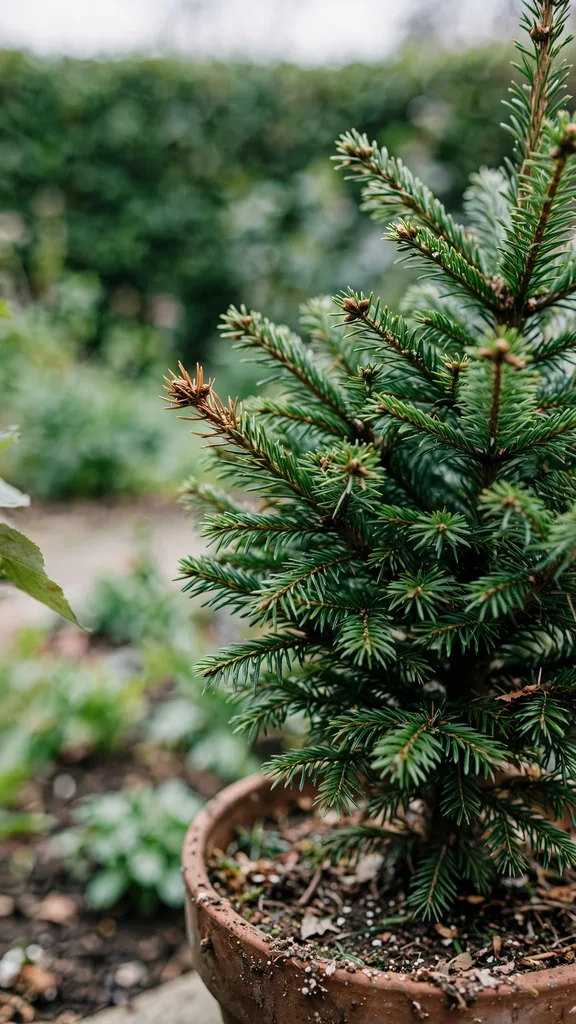
Water the pot when the soil surface dries, and check for roots circling the pot wall. A tree left indoors after the holidays dries and drops needles, and a tree in a pot bound with roots starves through the next season. Repot a bound tree in spring, and plant it out when it outgrows its pot.
67. Underplant the Garden Tree With Hellebores
Underplant the garden tree with hellebores for flowers beneath evergreen branches through winter. Hellebores flower low under a tree canopy, and their leathery leaves tolerate dry shade once established. Plant them in soil enriched with leaf mold, and keep them clear of thick needle litter that smothers young plants.
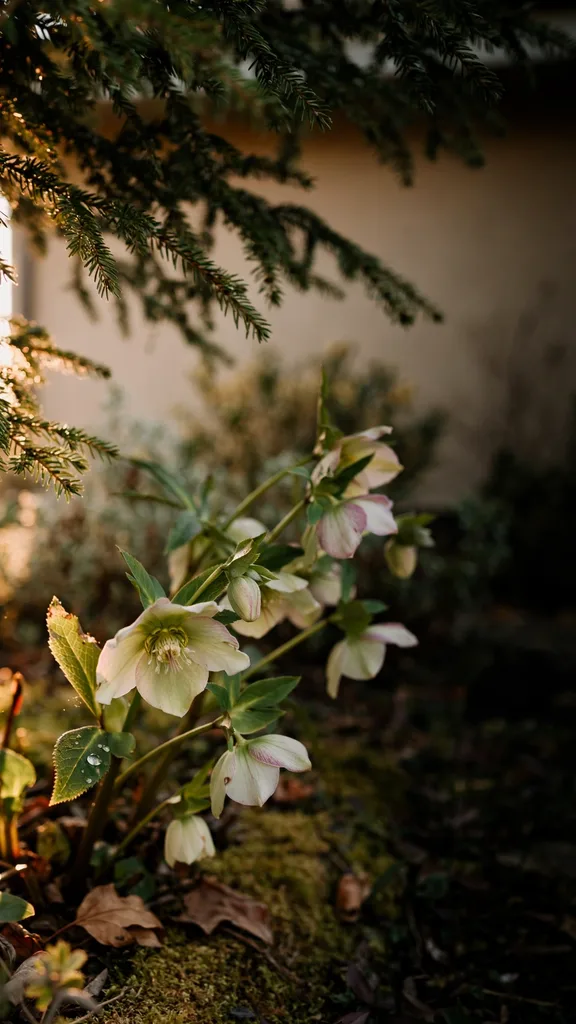
Cut old hellebore leaves away before new flowers open, and leave new growth untouched. Old leaves hide flowers and harbor disease, and a tree bed cleared of old leaves shows every flower at ankle height. A hellebore bed under a tree needs water in its first years, since tree roots drink the soil dry.
68. Hang Foraged Ornaments From a Garden Apple Tree
Hang foraged ornaments from a garden apple tree for a display that uses a tree already in the garden. Dried orange slices, pinecones, and cinnamon sticks hung on twine suit an apple tree, and their scent carries on still air. Hang ornaments on sturdy branches, and keep them clear of the trunk so bark stays undamaged.
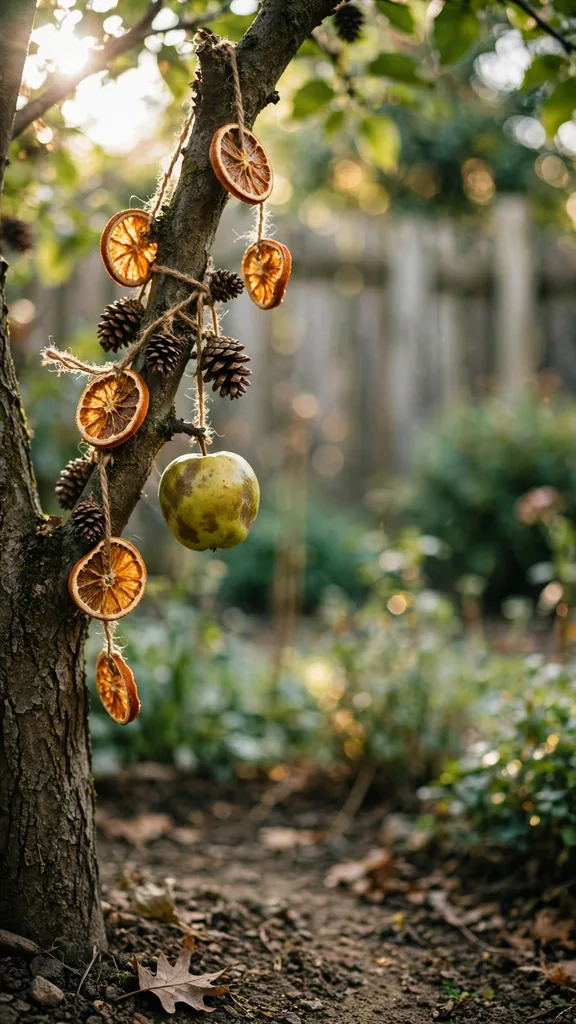
Remove ornaments after the holidays, and check branches for twine cuts. Twine left on a branch girdles the bark as the branch grows, and a girdled branch dies back in spring. An apple tree dressed with foraged ornaments needs no purchased decorations, and it returns to fruiting without a trace of the display.
69. Dress a Bare Birch With Pinecones and Fir
Dress a bare birch with pinecones and fir for a tree that looks festive without leaves. Birch bark glows white against winter sky, and pinecones and fir boughs wired to its branches add green and texture. Wire decorations loosely, and hang them from branches thick enough to carry the weight without bending.
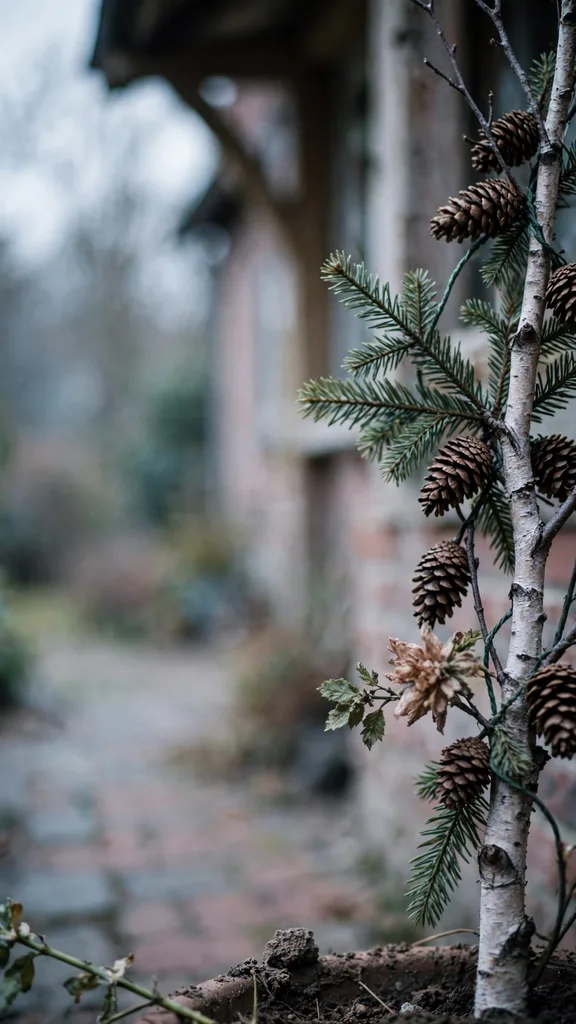
Remove decorations before spring growth starts, and check the bark for wire marks. Wire left on birch cuts into the thin bark, and bark damage on birch invites disease. A birch dressed lightly reads as elegant winter structure, and a birch loaded heavily bends under decoration weight.
70. Set a Living Olive Tree in a Sheltered Pot
Set a living olive tree in a sheltered pot for silver foliage that suits a sunny, protected corner, placing it where winter sun reaches the leaves for most of the day. Olive grows as a small evergreen tree with narrow, silver green leaves, and its gnarled trunk adds character to a pot display. Plant it in free draining compost, and set the pot against a warm wall out of cold wind, turning the pot through the season so growth stays even on all sides.
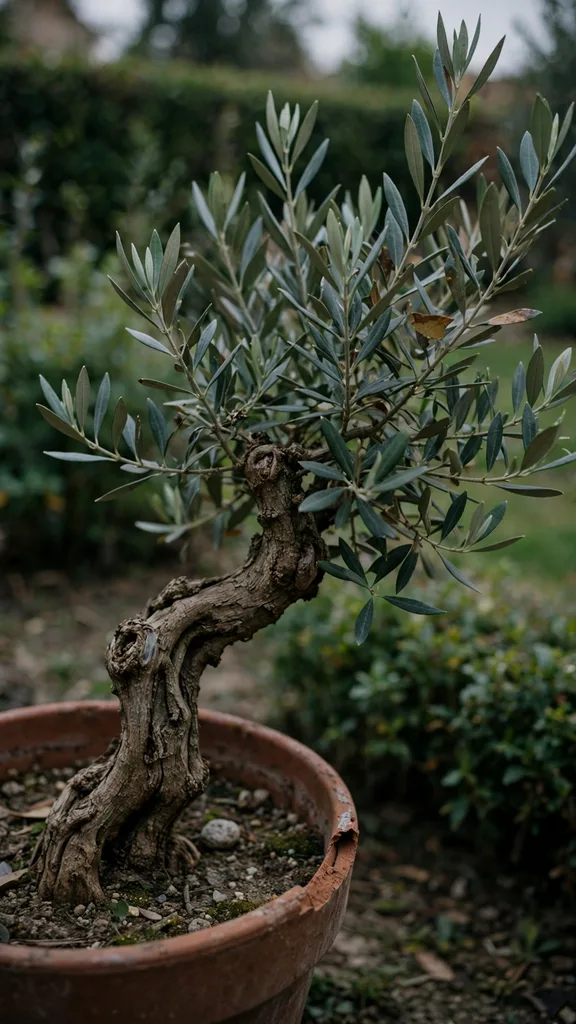
Bring olive under cover during hard freezes, since olive leaves and roots damage in prolonged cold, and shelter it before the first hard night rather than after damage shows. An olive in wet, cold soil rots at the roots, and a rotted olive drops leaves and fails to regrow. A sheltered pot olive kept on the dry side survives winters that kill one left exposed.
71. Plant a Holly Tree for Berries Every Year
Plant a holly tree for berries every year, and let it grow into a permanent winter feature. Holly grows as a dense evergreen tree with spiny leaves, and female trees carry red berries through winter when a male tree grows nearby. Plant holly in a spot with room to spread, and prune lightly to keep its shape.

Leave berries for birds through the hardest weeks, and cut holly for indoor decoration only from spare branches. A holly stripped of berries in December feeds no birds in January, and a tree left with berries carries color into late winter. A holly tree planted for berries needs pollination, so plant male and female trees together.
72. Train Lights Around a Young Pine Without Damaging Bark
Train lights around a young pine without damaging bark by wrapping the string loosely and supporting it on branches rather than the trunk. Young pine bark tears easily, and a string pulled tight around a trunk cuts bark as the tree grows. Drape the string over branches, and leave slack at each turn so the tree can move in wind.
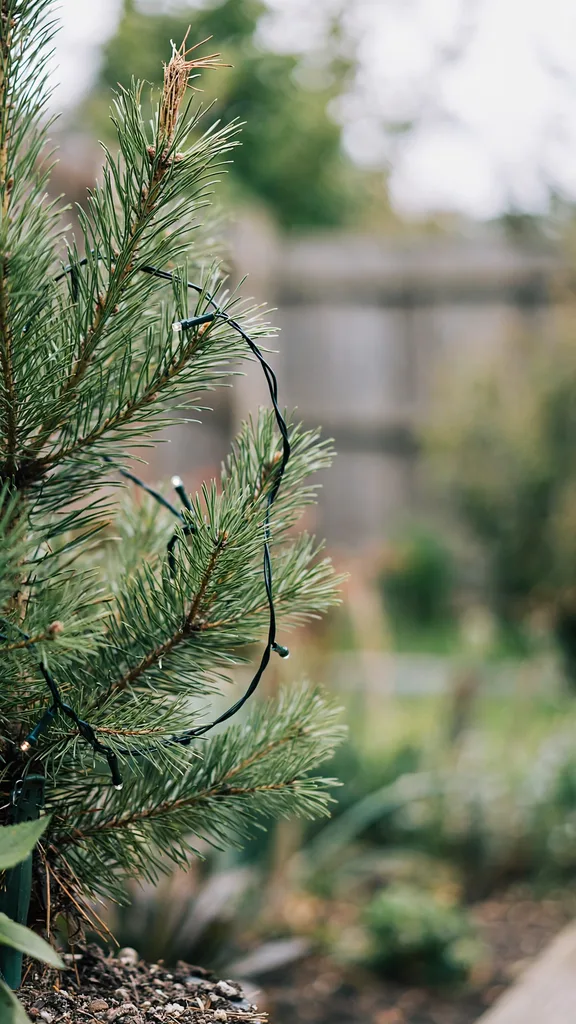
Remove lights after the holidays, and check the trunk for marks. A string left on a young pine through spring girdles the trunk, and a girdled pine dies above the constriction. Lights on branches rather than trunk give the same glow, and branches recover from light contact while trunk bark does not.
73. String Warm Lights Along a Fir Hedge
String warm lights along a fir hedge for a long, even glow that follows the garden boundary. Warm white lights suit fir foliage, and their color reads as candlelight rather than daylight. Drape the string along the hedge top and front face, and fix it with clips rather than nails so foliage stays undamaged.
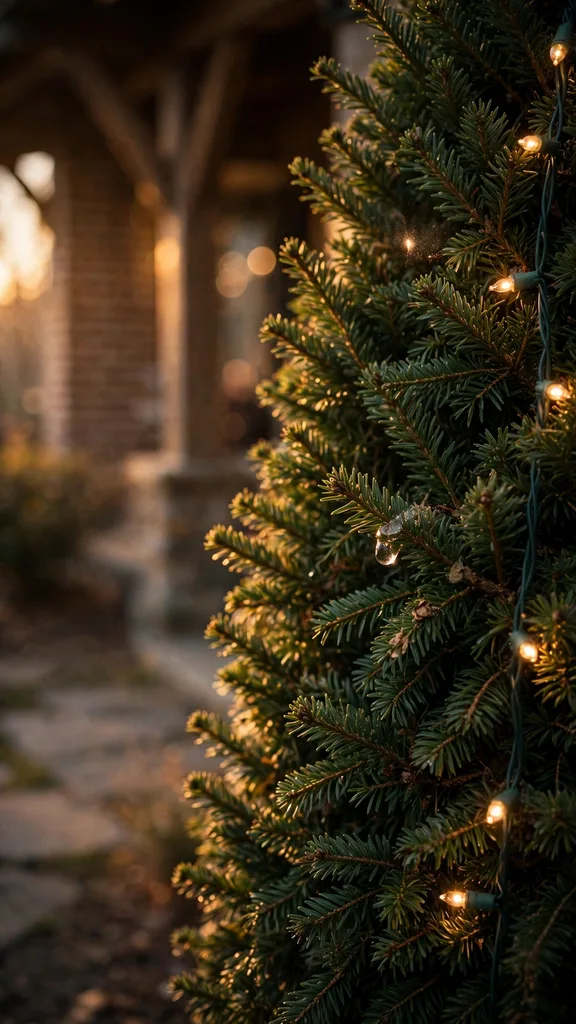
Check the string after wind, and re clip any section that sags onto the path. A sagging string catches on shrubs and pulls branches, and a string left sagging through winter tangles into the hedge. A hedge lit from within its foliage glows softly, and a hedge lit only from outside looks flat.
74. Wrap a Tree Trunk With Lights to the First Branches
Wrap a tree trunk with lights to the first branches for a trunk that glows from the ground upward. Wrap the string loosely around the trunk in a spiral, and continue onto the lowest branches where the light spreads into the canopy. Use outdoor rated lights, and keep the transformer sheltered from rain.
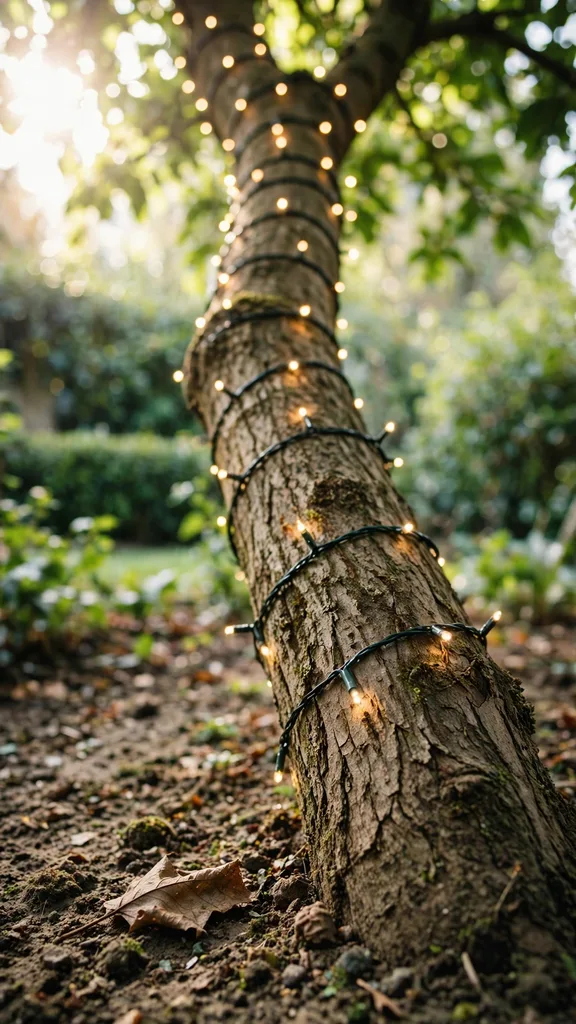
Leave slack in the spiral, and remove the string after the holidays. A tight spiral on a growing trunk cuts bark, and bark damage on a young tree invites disease. A trunk wrapped loosely glows as well as a trunk wrapped tight, and loose wrapping comes off cleanly in January.
75. Hang Net Lights Over a Boxwood Ball
Hang net lights over a boxwood ball for even light across a dense, clipped shape. Net lights drape as a mesh, and their even spacing suits a ball better than a single string wound around it. Drape the net over the ball, and settle it into the foliage so no bare mesh shows from the path.
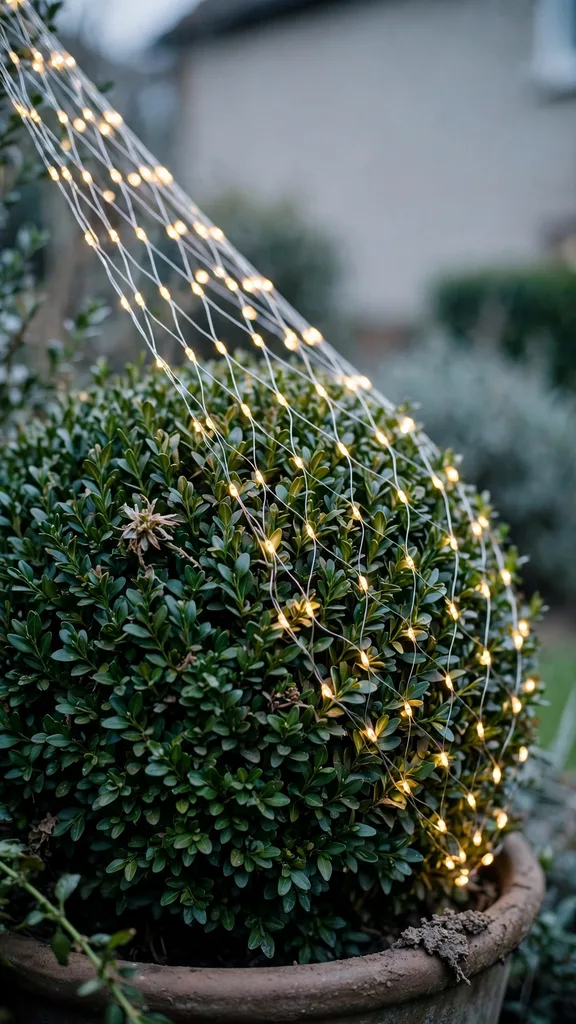
Check the net after wind, and re settle any corner that slips. A net corner that slips hangs as a loose flap, and a loose flap catches on passing coats and pulls the whole net off. A boxwood ball under a settled net glows as a solid sphere, and a ball under a slipping net looks half dressed.
76. Set Candle Lanterns Among Potted Evergreens
Set candle lanterns among potted evergreens for flickering light at ground level. Lanterns with real candles or battery candles sit well among pots, and their low light flatters foliage without washing out the display. Place each lantern on a flat stone, and keep it clear of dry foliage and trailing ivy.
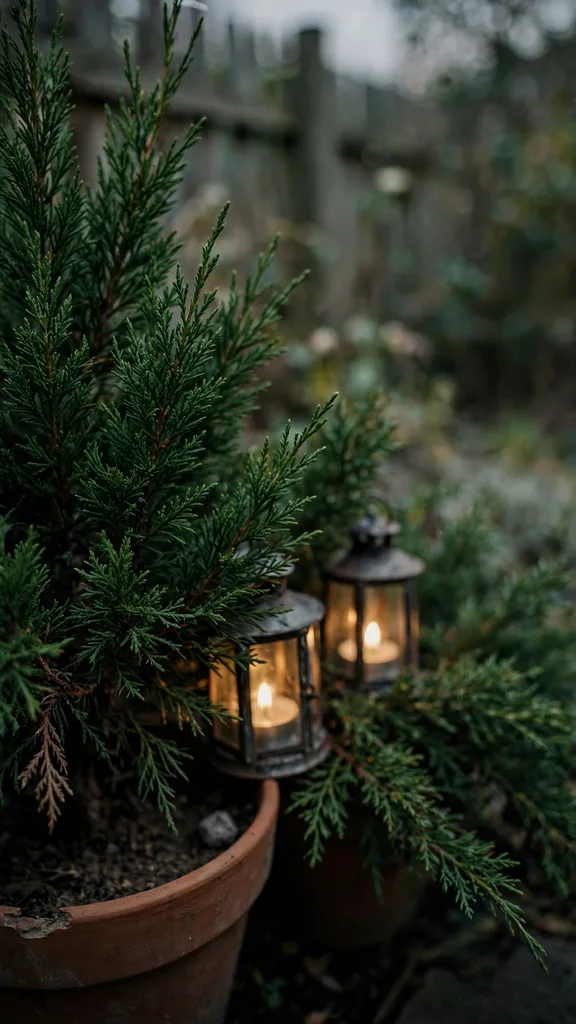
Use battery candles where foliage sits close, and keep real flames clear of all plant material. A lantern flame near dry fir ignites fast, and a fire among potted evergreens spreads across a porch in minutes. Lanterns checked at dusk and brought in at night give the glow without the risk.
77. Light a Twig Teepee With a Single String
Light a twig teepee with a single string for a small structure that glows from within. A teepee of hazel rods tied at the top gives a frame, and a single string wound through the rods lights it evenly. Build the teepee on firm soil, and sink the rod ends so wind cannot topple it.
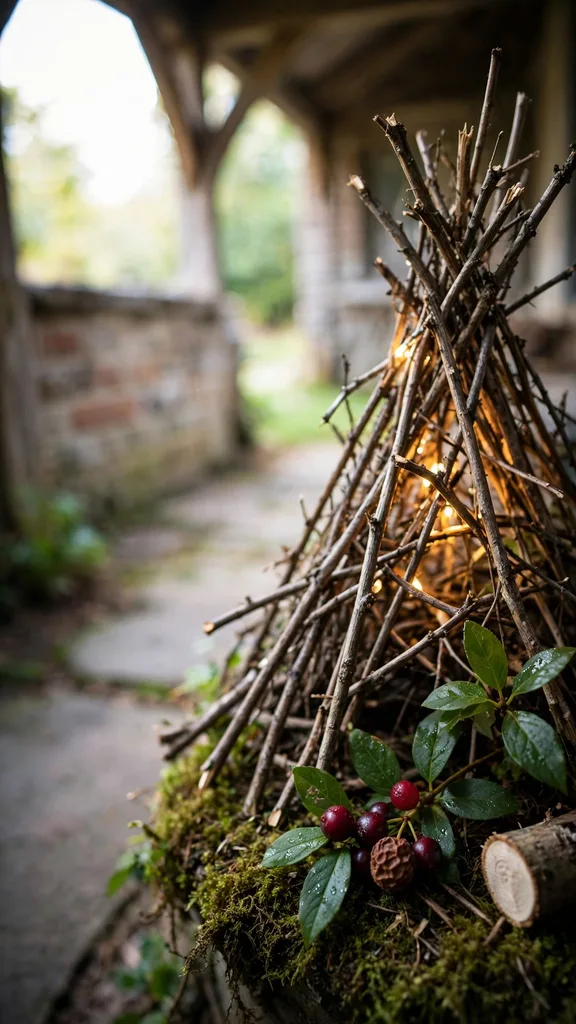
Wind the string loosely, and keep it clear of the rod tips. A string pulled tight snaps rods, and a teepee with snapped rods collapses onto its lights. A teepee lit from within reads as a small tent of light, and a teepee lit from outside looks like rods with a string on them.
78. Run Rope Lights Along a Low Stone Wall
Run rope lights along a low stone wall for a line of light that follows the garden edge. Rope lights sit well on stone, and their continuous tube gives an unbroken line without individual bulb glare. Fix the rope with clips at intervals, and run it along the wall top where it reads from the path.
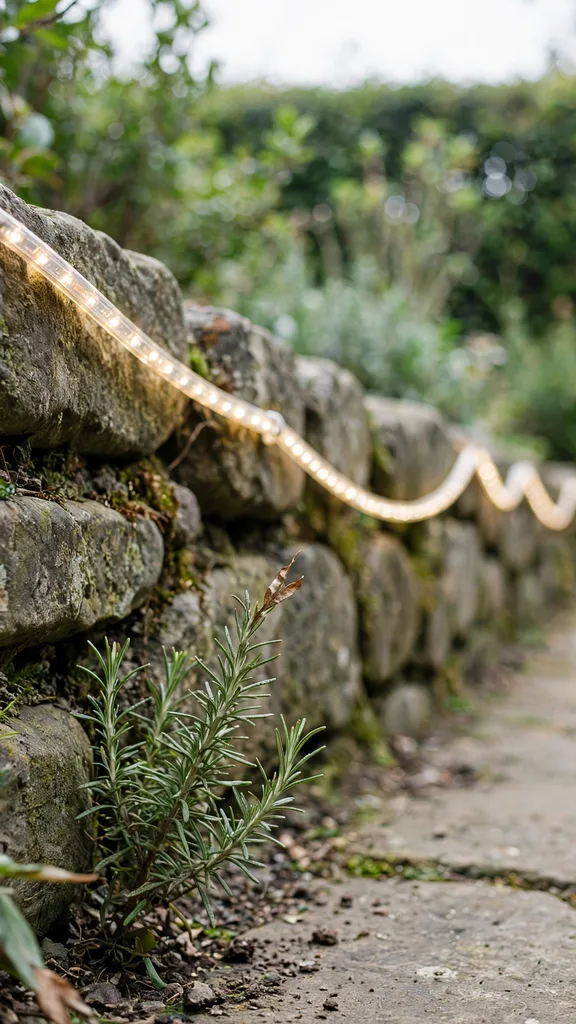
Keep the rope clear of soil and standing water, and check clips after frost. A rope that slips into soil stains and cracks, and a cracked rope lets water reach the wiring. A wall line lit cleanly guides visitors along the garden, and a wall line with gaps reads as unfinished.
79. Hang Icicle Lights From a Porch Beam Over Fir
Hang icicle lights from a porch beam over fir for drops of light above evergreen foliage. Icicle lights hang at varied lengths, and their drops catch the eye above a fir garland. Fix the string to the beam with clips, and let the drops hang free so they move slightly in air.
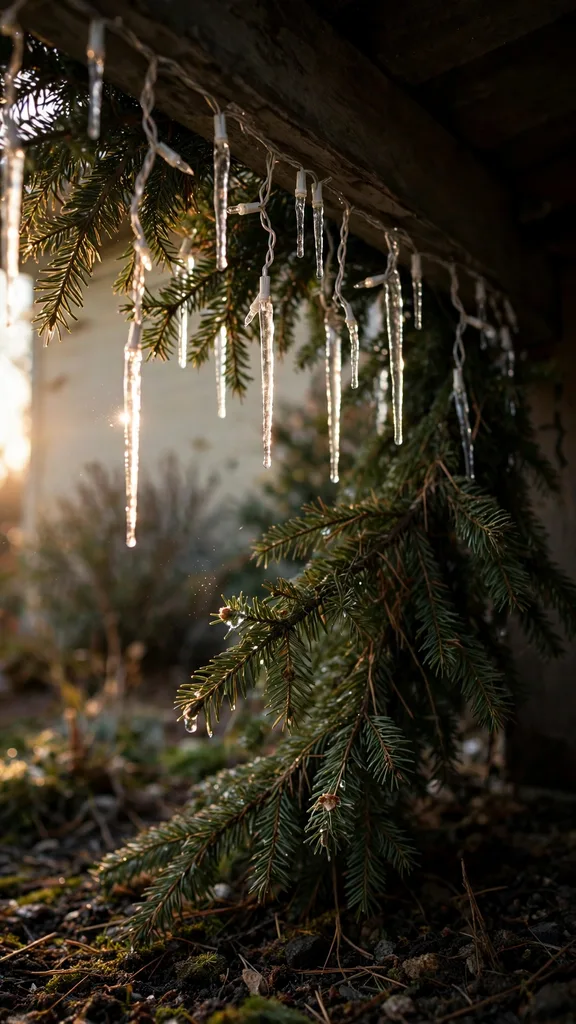
Check the drops after wind, and untangle any that twist together. Tangled drops bunch into a single bright mass, and a bunched string loses the icicle effect entirely. Icicle lights over fir suit a porch beam better than a bare wall, since fir behind the drops softens the light.
80. Light the Drive With Low Lanterns and Holly
Light the drive with low lanterns and holly for a drive edge that guides cars without glare. Low lanterns sit at wheel height, and holly sprigs beside each lantern add green and berries. Set lanterns back from the drive edge so car doors clear them, and set each on a flat stone for stability.
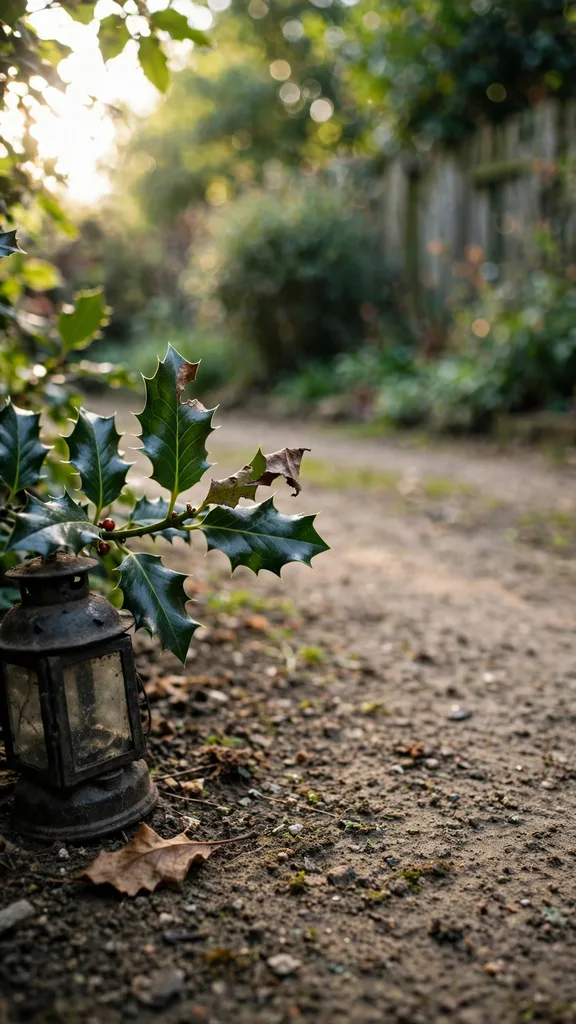
Use outdoor rated lanterns, and keep them clear of dry leaves. A lantern tipped into dry leaves starts a fire, and a drive edged with leaves needs clearing before lanterns go out. Lanterns brought in during storms last longer, and a lantern left out in a storm fills with rain.
81. Place a Lit Wreath Form Over Living Fir
Place a lit wreath form over living fir for a wreath that glows from within its foliage. A wire wreath form wrapped with small lights sits over a living fir plant or a fir wreath, and the lights shine through the needles. Fix the form firmly, and keep the battery pack or transformer sheltered from rain.
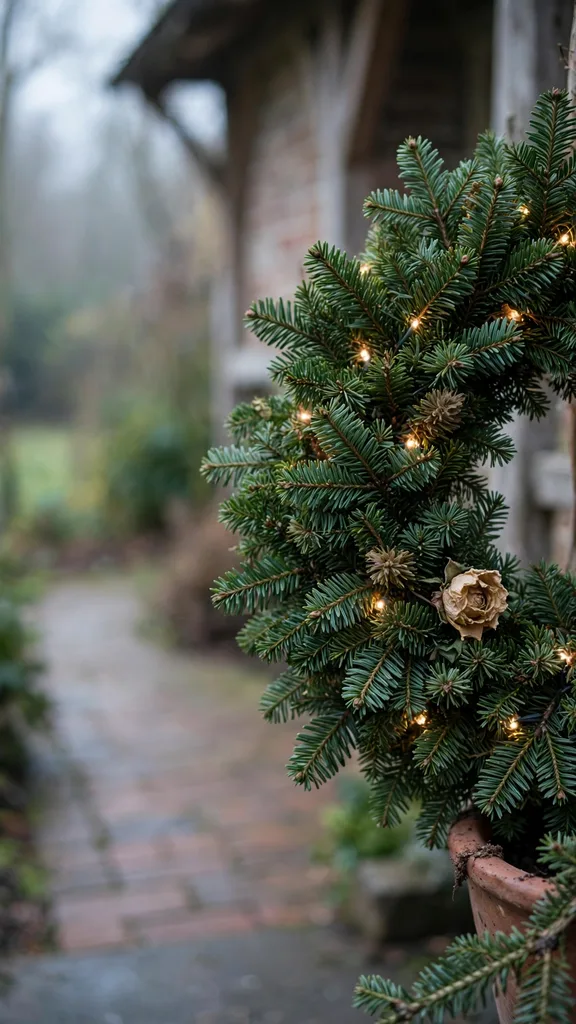
Check the form after wind, and re fix any section that slips. A form that slips hangs as a bright ring off center, and an off center ring draws the eye away from the fir. A lit form over living fir suits a door or a gate, since the living plant behind it keeps the display green after the lights come off.
82. Use a Timer to Rest Lights and Plants Overnight
Use a timer to rest lights and plants overnight, and let the garden go dark in the small hours. A timer switches lights off after the evening display, and plants benefit from a dark period just as they benefit from light. Set the timer to switch off once evening visitors leave, and set it to switch on again at dusk the next day.
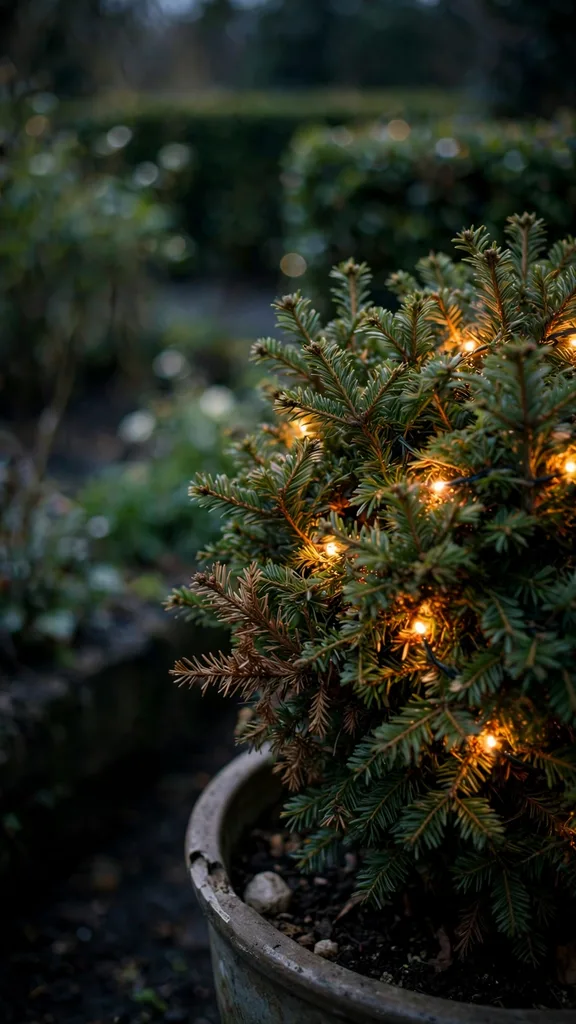
Check the timer after power cuts, and reset it if it drifts. A timer that drifts switches lights on in daylight and off before dusk, and a display on the wrong hours wastes energy and misses its audience. A timer kept accurate gives a reliable display every evening without daily handling.
83. Protect Cables From Soil and Standing Water
Protect cables from soil and standing water by routing them above ground and clear of puddles. Outdoor cables buried in soil rot at their sheathing, and cables lying in standing water fail at their joints. Run cables along walls, fences, or raised edges, and cover joints with weatherproof boxes.
Check cable routes after rain, and reroute any cable that sags into a puddle. A cable in a puddle trips a breaker, and a breaker that trips repeatedly signals a cable that needs replacing rather than resetting. Cables routed high and dry last through the season, and cables left in soil fail early.
84. String Lights Through a Bare Birch Frame
String lights through a bare birch frame for a tree that glows through its own branch structure. Birch branches form a fine, upward pattern, and lights threaded through them outline the tree without hiding its bark. Thread the string through the outer branches, and leave slack so branches move in wind without pulling the string taut.
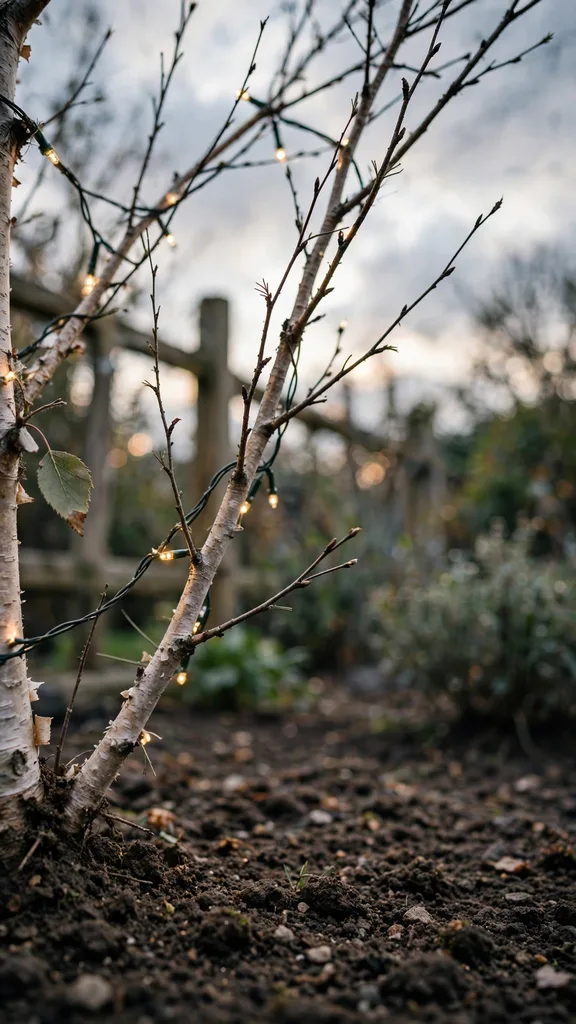
Remove the string after the holidays, and check branches for rub marks. A string left through birch branches through spring rubs bark at every contact point, and rubbed bark on birch invites disease. A birch lit through its branches reads as a tree of light, and a birch wrapped tight reads as a pole with lights on it.
85. Dress the Table With a Living Rosemary Centerpiece
Dress the table with a living rosemary centerpiece for scent and foliage that guests can use. A rosemary plant in a low pot sits at the table center, and its aromatic leaves scent the air around the meal. Choose a plant with dense, even growth, and set it on a tray to catch water.
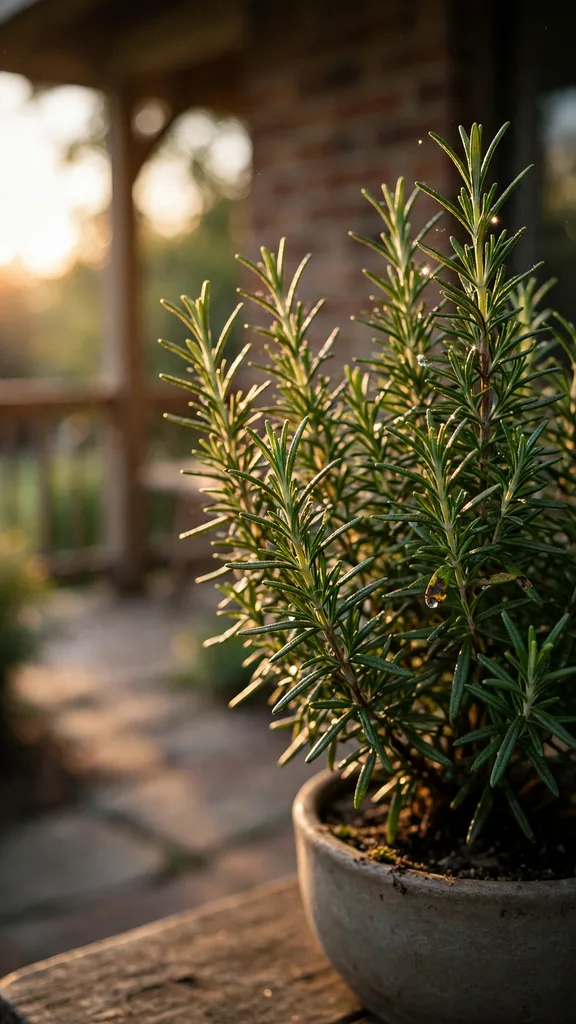
Water the rosemary before the meal, and empty the tray after watering. A centerpiece standing in water drips onto the table, and a dripping pot stains cloth and wood. A living centerpiece returns to the garden after the meal, and a cut centerpiece goes to compost.
86. Set a Fir Runner Down the Outdoor Table
Set a fir runner down the outdoor table for a green line that carries the garden onto the table. Lay fir boughs end to end down the table center, and overlap them so no bare table shows between boughs. Add pinecones at intervals, and keep the runner clear of plates and glasses so guests eat without brushing foliage, spacing the cones where they frame the serving dishes rather than crowding them.
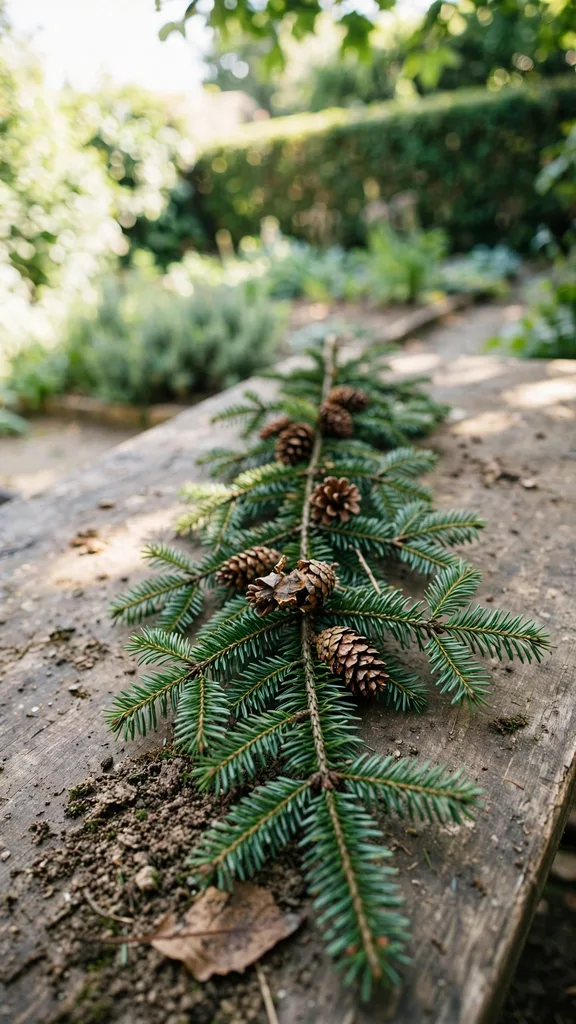
Mist the runner on dry days, and replace boughs that shed heavily, lifting each tired bough out without disturbing its neighbors. A runner that sheds litters plates, and shedding fir on food spoils a meal. A fir runner removed after the meal goes to compost, and a table left clean needs no scrubbing.
87. Set Potted Poinsettias on the Outdoor Table
Set potted poinsettias on a sheltered porch table for daytime color, and carry them indoors before night cold. Poinsettia grows as a bushy plant with colored bracts around small yellow flowers, and its red, pink, and white forms suit a festive table. Set the pots where they catch bright light, and keep them clear of cold glass and cold air currents.
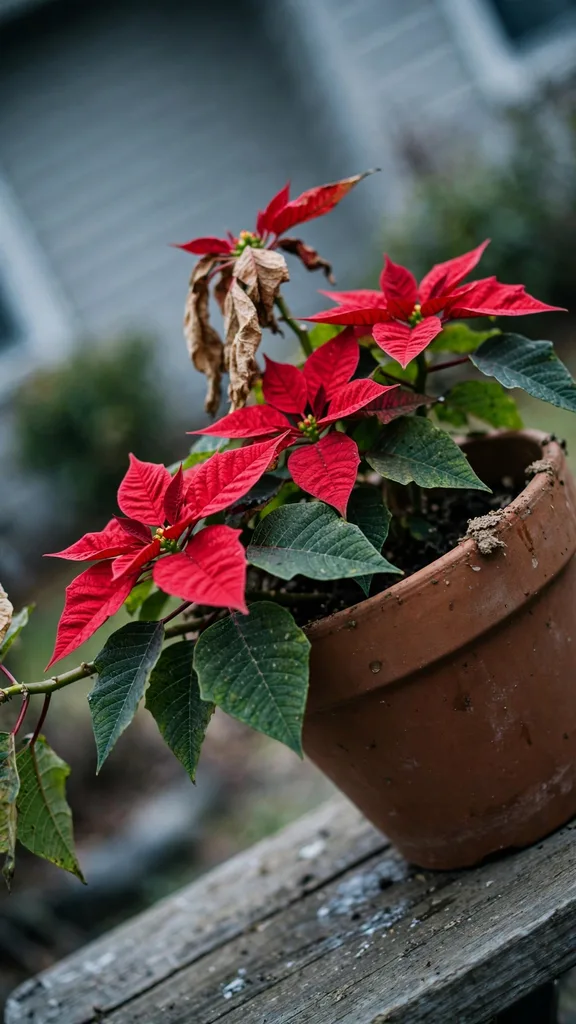
Illinois Extension poinsettia care places poinsettia daytime temperature at 15.6 to 21.1 degrees Celsius. Water poinsettias when the soil surface feels dry, and empty saucers after watering so pots never stand in water. Illinois Extension guidance on poinsettia light recommends at least six hours of indirect light each day for a plant in bloom.
88. Grow Herb Sprigs for Table Garlands
Grow herb sprigs for table garlands from rosemary, thyme, and sage already in the garden. Herb sprigs wired into a garland scent the table, and their varied leaf shapes give texture that fir alone lacks. Cut sprigs in the morning when leaves hold their oils, and wire them into small bundles before joining the bundles into a garland.
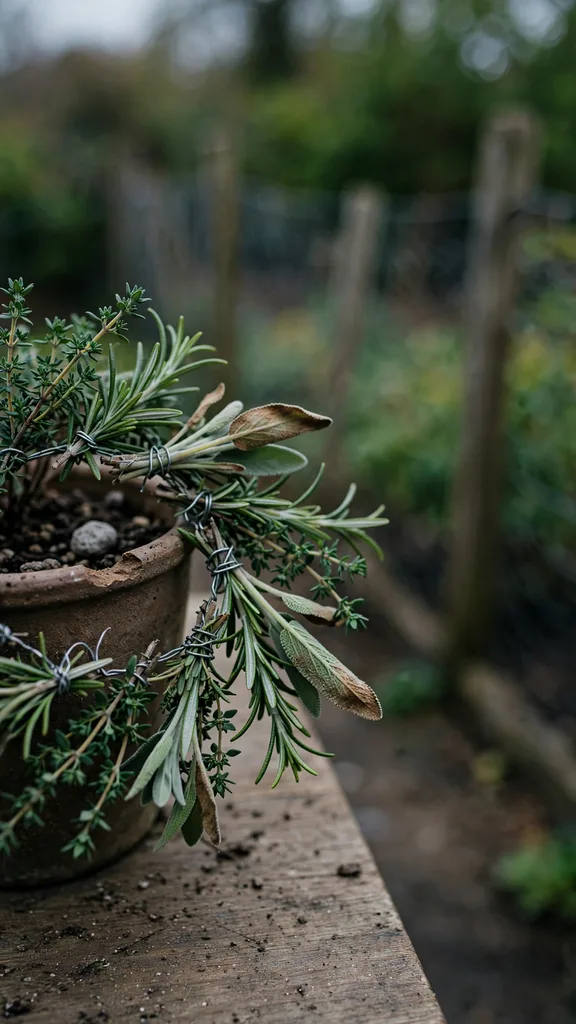
Keep the garland away from open flames, and mist it lightly on dry days. A herb garland near a candle dries fast and ignites, and a garland that dries before the meal sheds leaves onto plates. A garland made from garden herbs returns to compost after the meal, and a garland from the garden costs nothing beyond twine.
89. Set a Cranberry and Fir Bowl on the Table
Set a cranberry and fir bowl on the table for red berries and green foliage in a single vessel. Fresh cranberries float in water in a glass bowl, and fir sprigs around the bowl rim add scent and height. Fill the bowl with water, and add cranberries until the surface reads as a solid red layer, dropping the berries in gently so they float rather than sink.
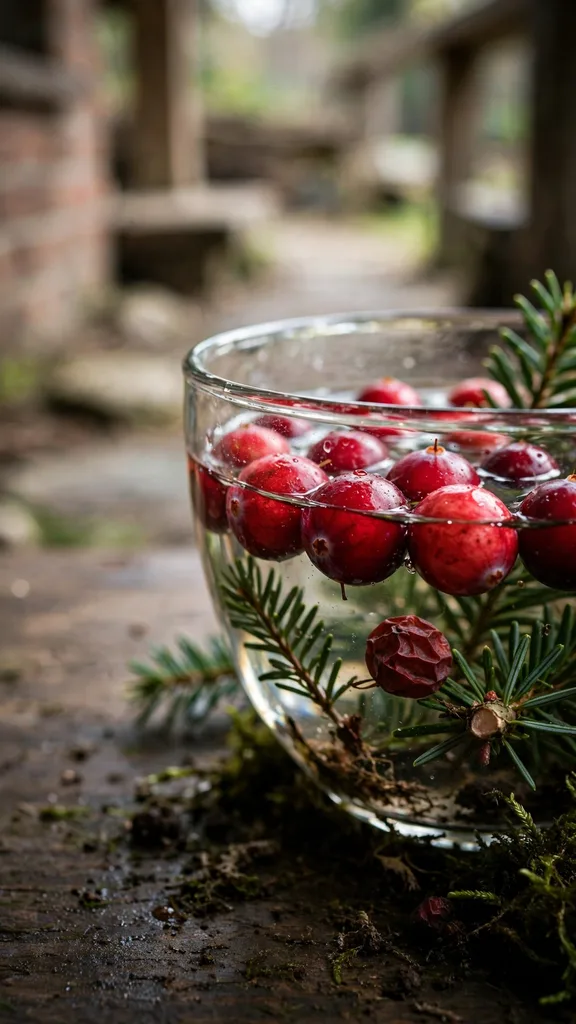
Change the water every few days, and discard berries that soften, lifting out any berry that clouds the water at once. Cranberries left in stale water grow mold, and moldy berries smell before they show. A bowl kept fresh lasts through the festive week, and a bowl left unchanged turns cloudy and dull.
90. Dress the Gate With a Small Fir Swag
Dress the gate with a small fir swag for a display that suits a gate better than a full wreath. A swag hangs as a single drop of fir, tied at the top and fanning at the bottom, and it moves less in wind than a wreath. Tie the swag firmly to the gate, and keep it clear of the latch so the gate opens freely.
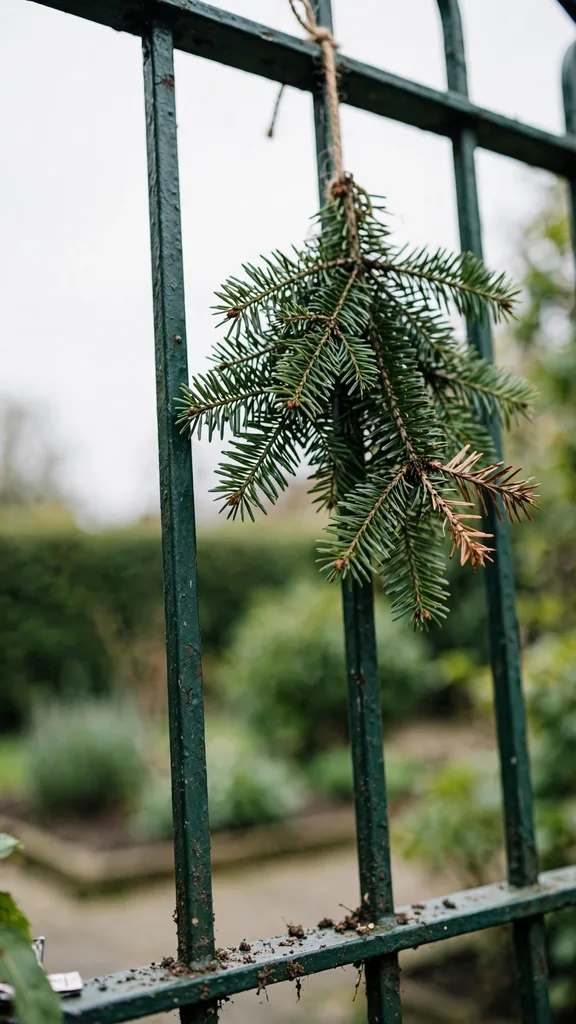
Check the tie after wind, and re tie any swag that slips. A swag that slips over the latch jams the gate, and a jammed gate frustrates visitors. A small swag on a gate reads as a greeting, and a large wreath on a small gate overwhelms it.
91. Hang a Dried Orange and Fir Garland on the Fence
Hang a dried orange and fir garland on the fence for color and scent along a boundary. Dried orange slices threaded on twine alternate with fir sprigs, and their amber color shows against green foliage. Dry orange slices fully before threading, and thread them through the flesh rather than the rind edge so they hang flat.
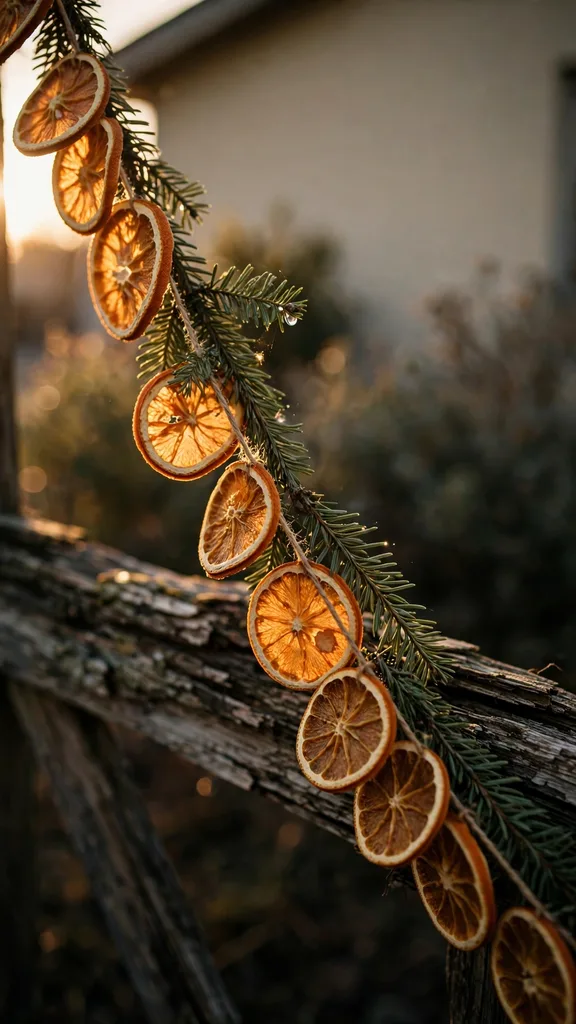
Bring the garland under cover in rain, and check it for mold after wet weather. Orange slices left wet grow mold, and moldy slices stain the fence and smell. A garland kept dry lasts through the season, and a garland left in rain needs replacing within days.
92. Build a Twig Star for the Garden Shed Door
Build a twig star for the garden shed door from pruned twigs tied at five points. A twig star gives a shed door a festive mark without hiding the door, and its open shape lets the door color show through. Cut twigs to equal lengths, and lash each joint tightly with twine.
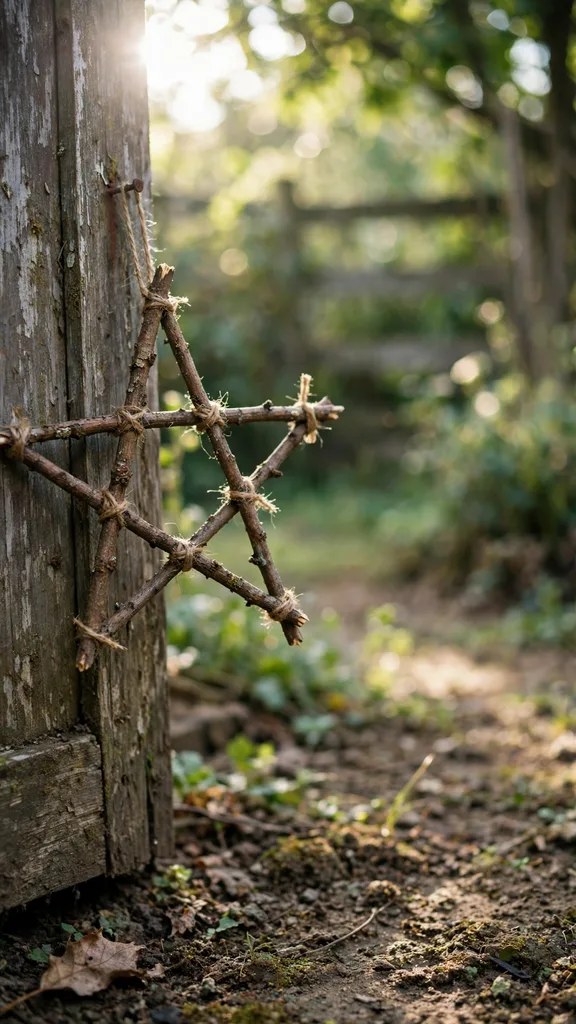
Hang the star from a single hook, and check the lashings after wind. A star with a loose joint sags into a bent shape, and a bent star reads as broken rather than rustic. A twig star made from garden prunings costs nothing, and it composts cleanly after the season.
93. Set a Bird Feeder Among Holly Branches
Set a bird feeder among holly branches for birds that feed beside shelter and berries. A feeder hung in holly gives birds cover from predators, and holly berries add a second food source beside the feeder. Hang the feeder from a sturdy branch, and keep it clear of the path so spilled seed does not litter the walk.
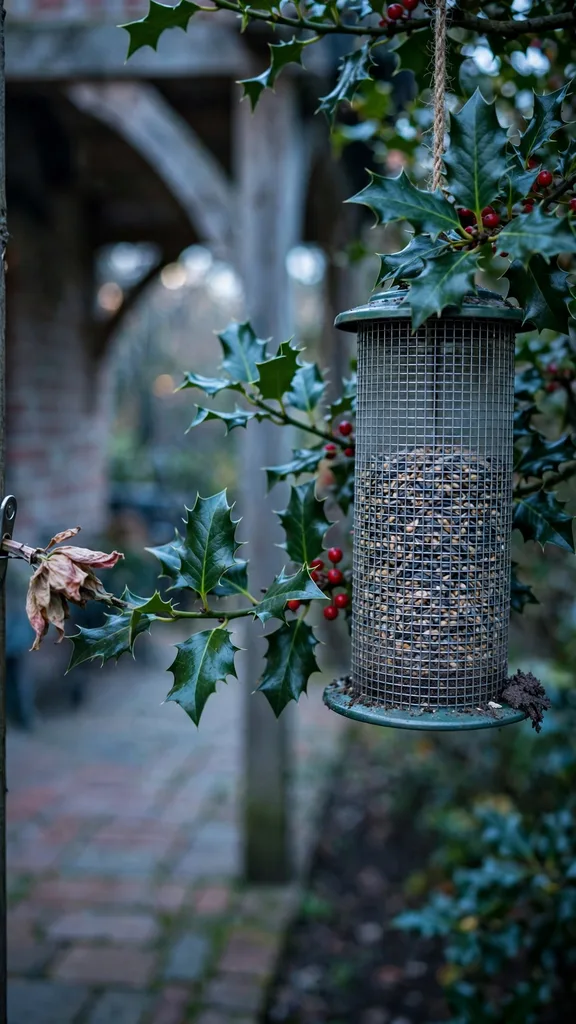
Clean the feeder regularly, and discard damp seed. Damp seed grows mold, and moldy seed sickens birds that feed through winter. A feeder kept clean and full holds birds all winter, and a feeder left dirty empties as birds move to safer food.
94. Leave a Berry Branch Uncut for Winter Birds
Leave a berry branch uncut for winter birds, and resist cutting every berry stem for indoor decoration. Birds feed on berries through the hardest weeks, and a branch left on the shrub feeds birds long after cut stems fade indoors. Mark the branch with twine so it survives pruning, and cut around it.
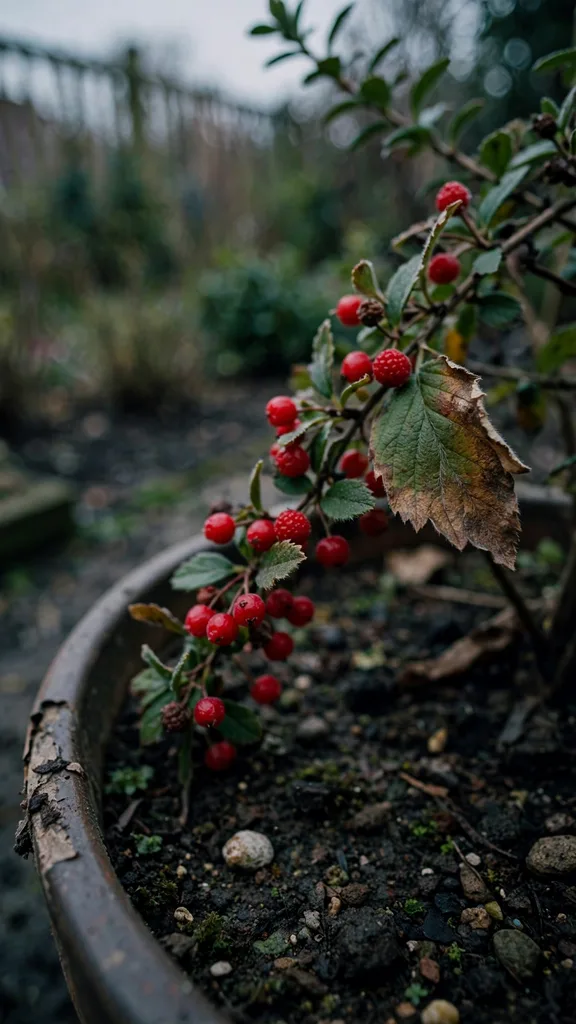
Cut indoor stems from shrubs with spare berries, and leave the best berry branches for birds. A garden stripped of berries in December feeds no birds in January, and a garden with berries left standing carries birdsong through winter. A single uncut branch feeds more birds than a full indoor arrangement feeds people with color.
95. Store Cut Fir Boughs in Water Before Use
Store cut fir boughs in water before use, and let them drink for a day before wiring them into decorations. Cut boughs drink water through their cut ends, and a day in water plumps needles and slows shedding. Stand the boughs in a bucket in shade, and recut the ends underwater before standing them in the bucket.
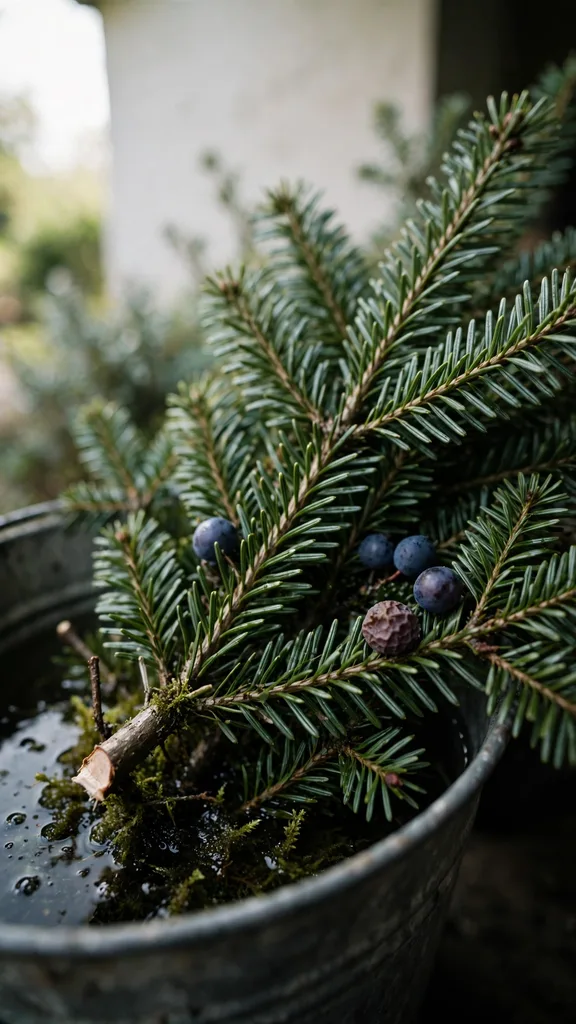
Keep stored boughs out of sun and wind, and change the bucket water if it clouds, tipping the bucket out and refilling it fresh each time. Boughs stored in sun dry before use, and boughs in cloudy water rot at the cut ends. A bough that drinks before wiring lasts longer on the door, and a bough wired dry sheds from the first day.
96. Compost Spent Cuttings After the Holidays
Compost spent cuttings after the holidays, and return fir, pine, and herb stems to the garden as compost. Strip decorations of wire, twine, and ornaments before composting, and chop long stems so they break down faster. Add cuttings in layers with kitchen waste and leaves, and keep the heap moist but not wet.
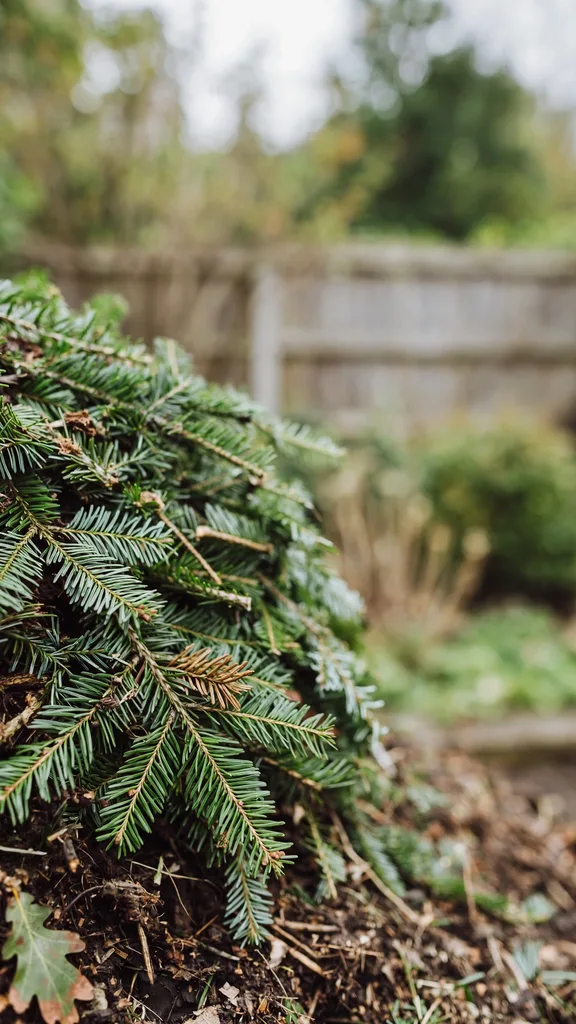
Remove any stem treated with spray or glitter before composting, since treated material contaminates compost, and bag treated stems for household waste rather than the heap. A heap fed with clean cuttings breaks down into useful compost by spring, and a heap fed with wire and plastic stays contaminated for years. Composting closes the loop, and a garden that composts its decorations buys less compost next year.
97. Prune a Living Tree Lightly After Display
Prune a living tree lightly after display, and remove only branches damaged by decorations or lights. A living tree dressed for Christmas needs little pruning, and light pruning keeps its shape without stressing it. Cut damaged branches back to a healthy side branch, and seal no cuts, since trees seal their own wounds.
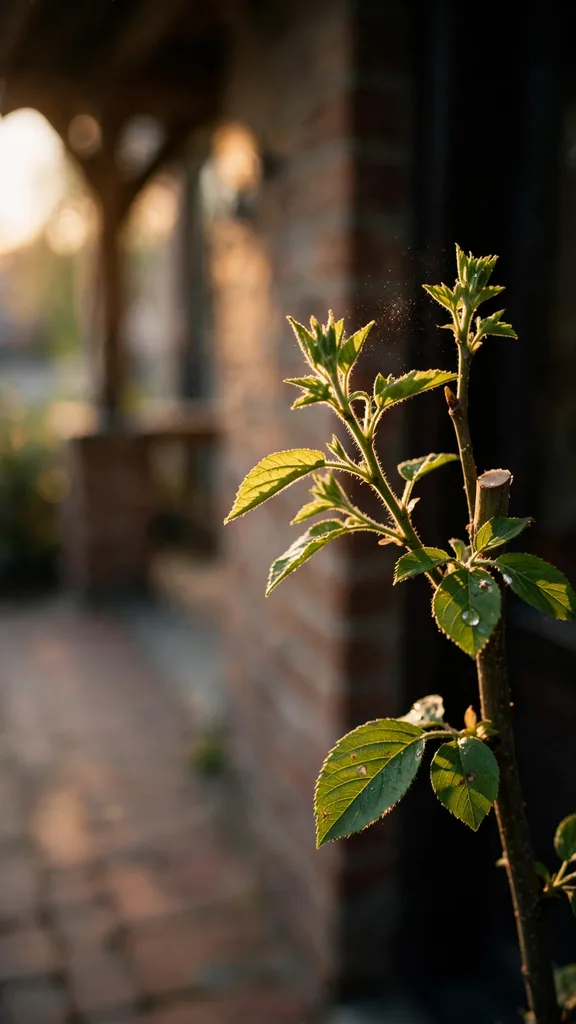
Avoid heavy pruning in winter, and save shaping cuts for the growing season. Heavy winter pruning on a young tree removes growth it needs for spring, and a tree pruned hard in winter grows weakly the next year. A tree pruned lightly after display keeps its Christmas shape and grows on cleanly.
98. Move Potted Evergreens to Shelter After the Holidays
Move potted evergreens to shelter after the holidays, and give them a quiet corner to recover from display. Pots that stood at the door through wind and frost benefit from a sheltered wall or an unheated garage, and shelter lets roots recover before spring growth. Group the pots together, and water them during mild spells.
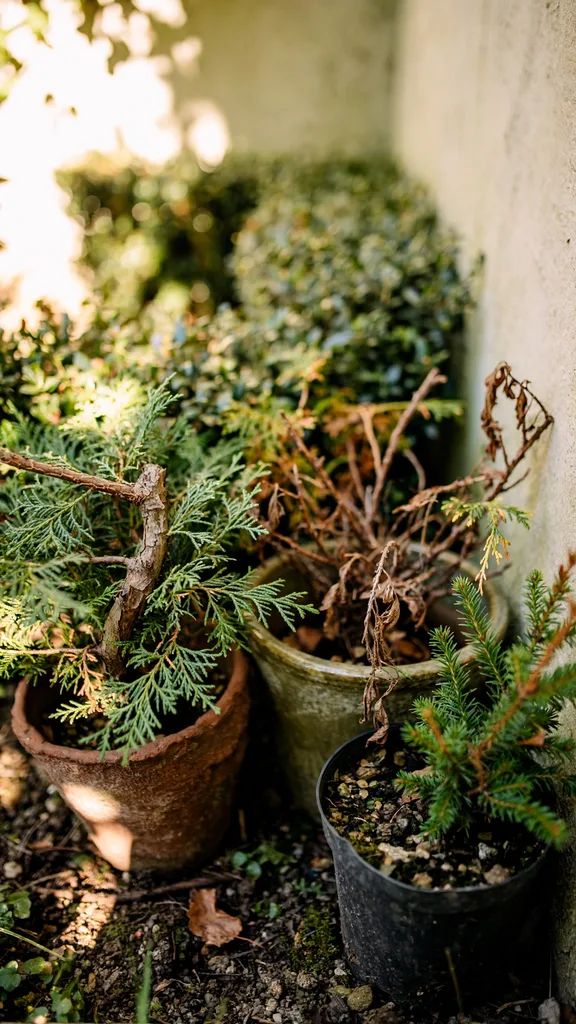
Check each pot for root damage and pests before sheltering, and discard any plant that rots at the crown. A rotted plant sheltered with healthy plants spreads disease, and a shelter corner with one sick plant infects its neighbors. Pots moved to shelter in January return to display the next winter stronger than pots left exposed.
99. Record Which Plants Held Color Through Winter
Record which plants held color through winter, and use the record to plan next year planting. Note the plants that stayed green, flowered, or held berries, and note the ones that browned, dropped leaves, or died. A simple notebook entry per plant beats memory, and a record kept through one winter guides buying for the next.
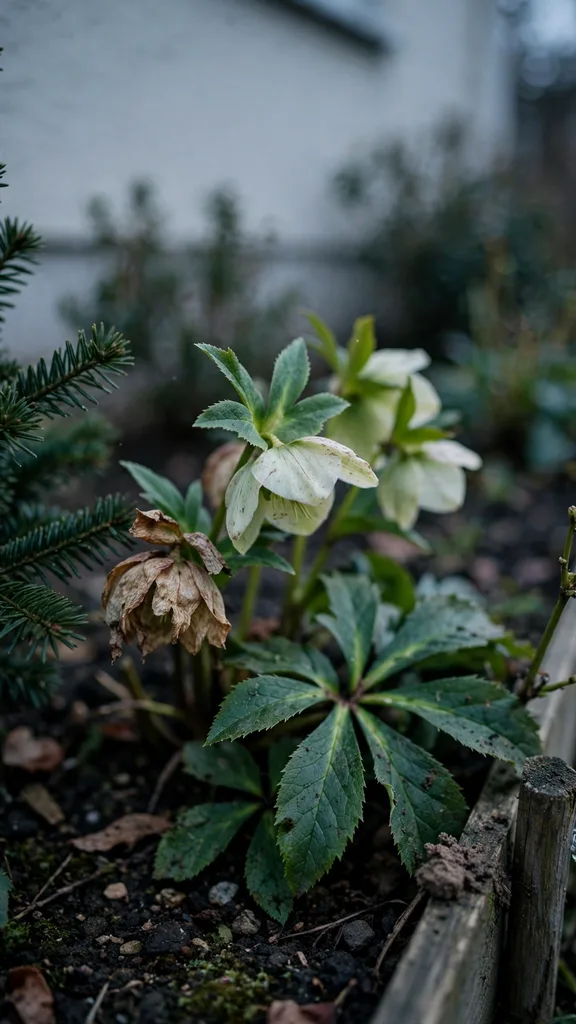
Photograph the display at dusk and in daylight, and file the photographs with the notes. Photographs show which spots glowed and which stayed dark, and a record with photographs plans better than a record of words alone. A garden planned from its own winter record improves each year without guesswork.
100. Plan Next Year Planting From This Winter Display
Plan next year planting from this winter display, and order plants that proved themselves in this garden. Plants that held color, flowered, or fed birds through winter earn a place in next year beds, and plants that failed leave space for better choices. Order early, since nurseries sell out of the best winter plants before autumn.
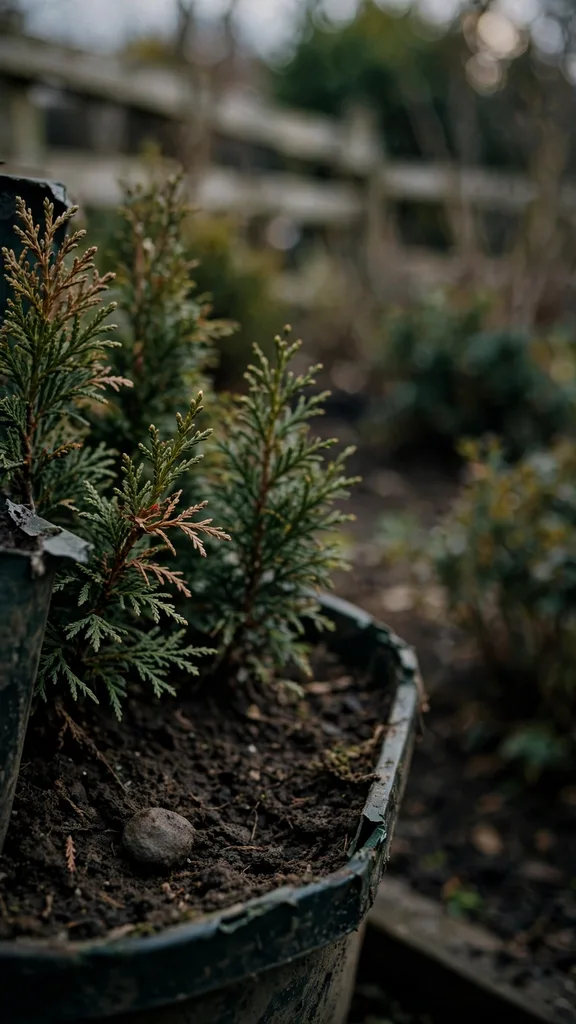
Plant new winter plants in spring or early autumn, and give them a full season to establish before their first Christmas display. A plant established for a full season survives its first winter display, and a plant rushed into the ground in late autumn struggles through its first cold months. A display planned a year ahead grows richer each winter, and a display improvised each December repeats the same gaps.
Quick Picks by Garden Zone
Use this table to start with one idea per zone, then expand toward the spots that proved themselves in your garden.
| Garden Zone | Quick Pick | Plant or Material at Its Center | Winter Care Check |
|---|---|---|---|
| Entryway and Porch | Door fir garland | Fraser fir boughs | Mist on dry days and keep clear of hot lights |
| Yard and Pathways | Potted boxwood balls | Boxwood in heavy pots | Clip lightly and clear clippings from inside each ball |
| Windows | Trailing ivy and pansy box | English ivy and winter pansy | Deadhead pansies and trim ivy that shades buds |
| Garden Beds | Red twig dogwood screen | Red twig dogwood stems | Cut oldest stems to the base each late winter |
| Containers and Urns | Living spruce winter urn | Small living spruce with cut fir | Water the spruce and lift cut boughs as they dry |
| Trees | Living Nordmann fir | Nordmann fir in open ground | Water through dry spells and mulch to hold moisture |
| Lights | Warm lights on a fir hedge | Warm white outdoor lights on fir | Clip fixings to foliage and check strings after wind |
| Table and Door Details | Living rosemary centerpiece | Rosemary in a low pot | Water before the meal and empty the tray after |
| Wildlife and Aftercare | Holly and hawthorn corner | Holly and hawthorn shrubs | Leave berries for birds and trim only after berry season |
Frequently Asked Questions About Christmas Garden Ideas
Boxwood, dwarf spruce, holly, ivy, and skimmia survive winter in pots when their pots drain freely and their roots stay protected from hard freezes. Choose plants rated for colder conditions than your garden zone, since roots in a pot freeze harder than roots in the ground. Group pots against a sheltered wall, wrap the pots in hessian or bubble wrap, and water during mild spells so the soil never dries fully.
Living plants last longer outdoors, since a living plant keeps drinking and growing while a cut bough only dries. Cut fir boughs give a full display for the festive weeks when they drink from a bucket before use and stay misted on dry days. Living spruce, boxwood, and ivy carry a display through winter and return the next year, while cut boughs go to compost after the holidays.
Wrap each pot in hessian or bubble wrap, group pots together against a sheltered wall, and water the soil well before the soil freezes, working through the pots in one calm afternoon before the forecast turns. Move the most tender pots into an unheated garage or shed during hard freezes, and bring them out again once the coldest weather passes. Check soil moisture during mild spells, since dry soil freezes faster than moist soil.
Poinsettias stay outside only on mild days in a sheltered spot, and they must come indoors before night cold. Poinsettias grow as tropical plants, and cold air damages their leaves and bracts quickly. Keep them in bright, indirect light indoors, water when the soil surface feels dry, and empty saucers after watering so the pots never stand in water through the holidays.
Take Christmas garden displays down after the holidays, once the festive week ends and before spring growth starts. Remove lights, garlands, and ornaments from trees and shrubs, and check bark and branches for wire marks or twine cuts as you work. Compost clean cuttings, move potted evergreens to shelter, and leave seedheads and berry branches standing for birds through the rest of winter.