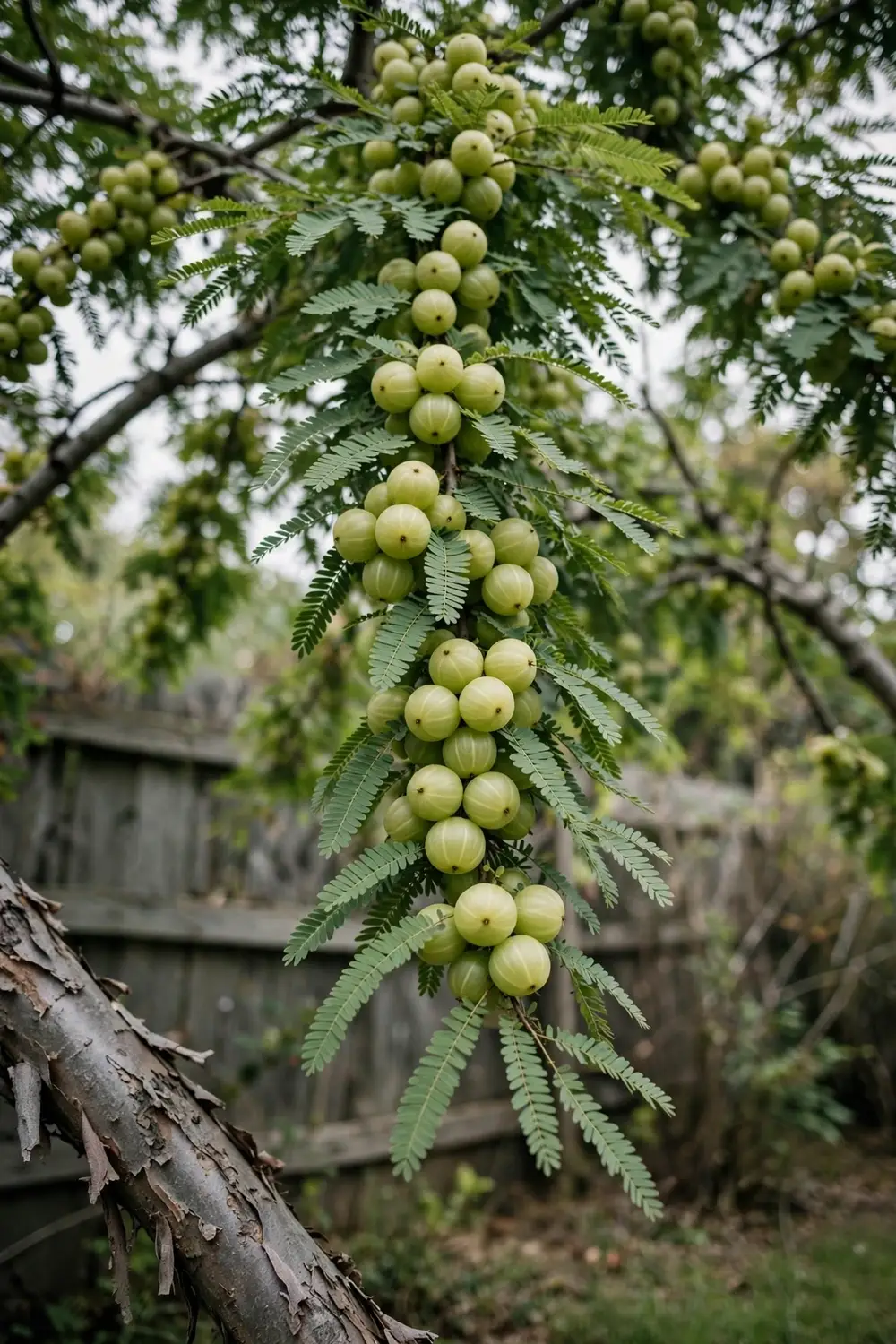

An amla tree takes 7 years to hand you its first real harvest. That is the number every other guide buries in paragraph nine, and it is the number you deserve in paragraph one. Amla, the Indian gooseberry (Phyllanthus emblica), is a hardy tropical tree that rewards patience with decades of tart, vitamin-packed fruit. Learn how to grow amla from India the honest way, and you will know exactly what you are signing up for before the first seed hits soil.
If you can give a tree full sun, a warm climate, and seven years, amla asks for little else. It tolerates poor soil, shrugs at drought once established, and outlives most fruit trees a home gardener plants. In cold climates the project still works, but it becomes a container and overwintering project, like any tropical fruit tree grown outside its comfort zone. Growers who approach amla with this timeline in mind end up with a 40- to 60-year companion; growers who expect fruit in two seasons end up disappointed.
This guide walks you from seed to the vitamin-C harvest, with every number sourced and every conflict between sources settled openly. You will meet the varieties worth seeking, the germination protocol that actually works for a tropical species, and the seed-versus-grafted decision that defines your whole timeline. For the honest side-by-side of seed and grafted tropical trees, the mango guide’s method comparison makes the same math this article applies to amla.
1. Climate First: Amla Is a Tropical Tree, Not a Shrub
Amla grows as a tree that reaches 30 to 60 feet in the ground, not a bush you tuck into a corner. It belongs in USDA zones 9 to 11, where winters stay mild and summers run long and hot. Young plants are frost-sensitive and need protection from cold winds until about age three. Mature trees are far tougher, tolerating temperatures from near freezing to 45 degrees C, though prolonged frost still damages them.
The species wants a tropical rhythm: annual rainfall of 630 to 800 mm, a distinct dry season to trigger flowering, and full sun for most of the day. Those climate and soil figures come from AgriFarming’s amla cultivation guide, which also documents the tree’s tolerance of alkaline soils. In humid subtropical and tropical regions it performs best. Wild Himalayan amla tolerates light frosts slightly better than lowland types, which matters if your winters flirt with freezing.
2. Amla Is Not a European Gooseberry
The name “Indian gooseberry” causes real confusion, and some guides mix the two plants freely. The disambiguation table below keeps you on the right species.
| Feature | Amla (Indian gooseberry) | European gooseberry |
|---|---|---|
| Botanical name | Phyllanthus emblica | Ribes uva-crispa |
| Growth habit | Tree, 30 to 60 ft | Shrub, 3 to 5 ft |
| Climate | Tropical to subtropical | Temperate, needs winter chill |
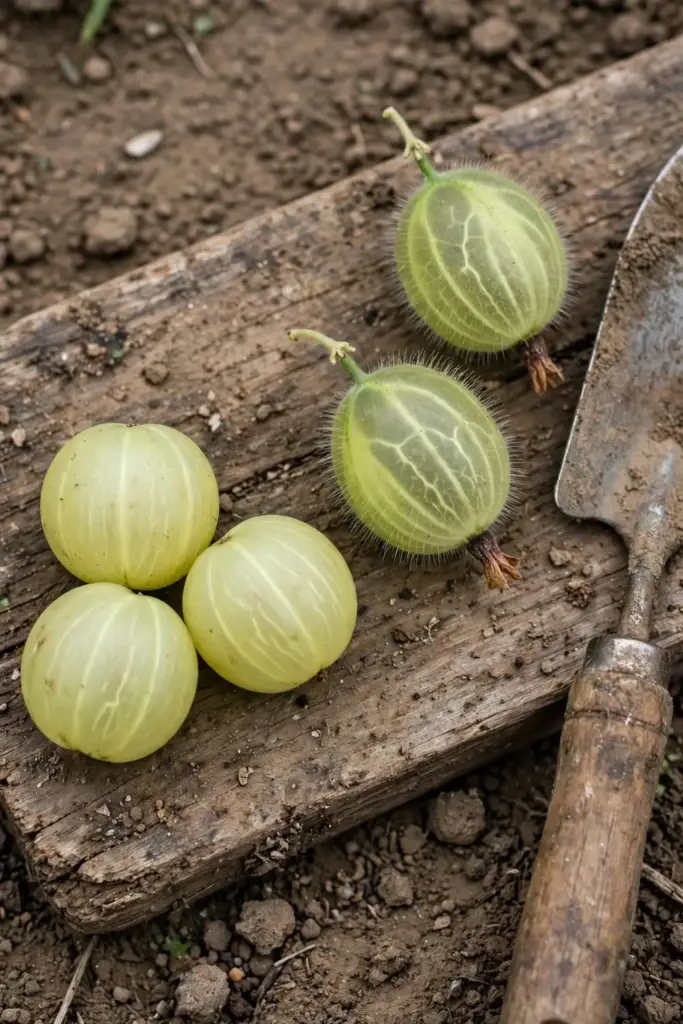
| Fruit | Smooth, round, tart, 6 segments | Fuzzy or smooth, borne on canes |
| Synonyms | Amalaki, aonla, nelli | None shared with amla |
Amalaki is the Sanskrit name for amla. It is the same plant, not a different fruit, and not a synonym of kudampuli or any other souring agent. “Indian Gamboge” is another naming trap: it refers to Garcinia indica, the kokum fruit, not amla. When buying seed or plants, check the Latin name on the label. If it does not say Phyllanthus emblica, you are buying something else.
3. The Honest Timeline: Seven Years From Seed
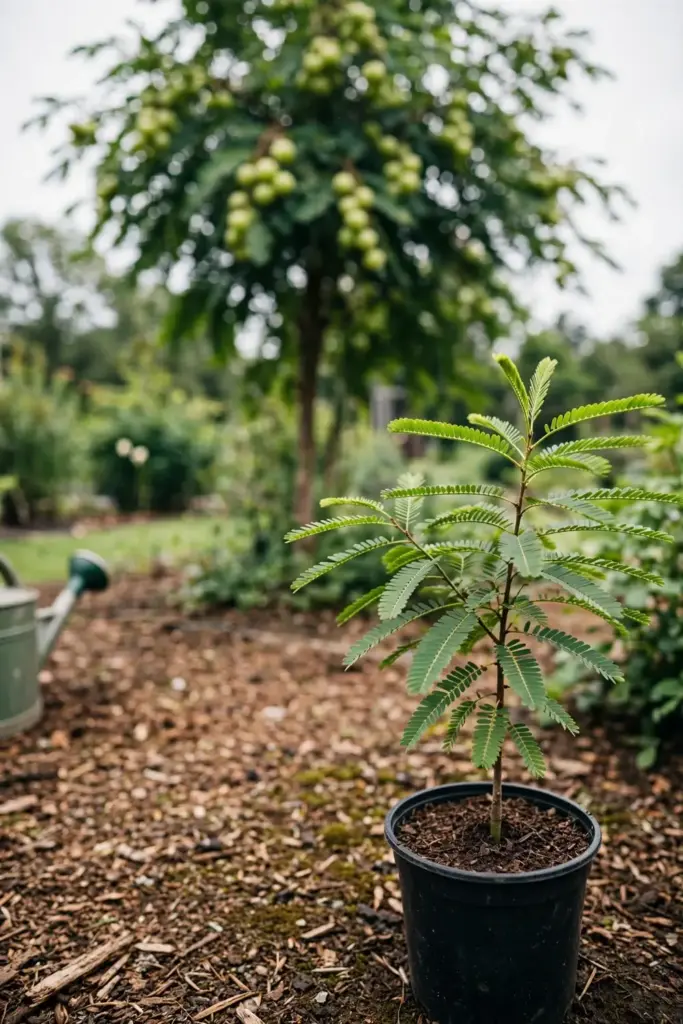
Every serious amla source lands in the same range, and the honesty is the point. Seed-grown trees fruit in 5 to 8 years, with 7 years the most commonly reported figure and slower results in marginal conditions; AgriFarming’s cultivation guide puts seedlings at 4 to 6 years and grafted trees at 2 to 3. The tree keeps producing for decades, and a mature tree can yield a heavy annual crop by age ten.
| Starting material | Years to first fruit | Notes |
|---|---|---|
| Seed | 7 (range 5 to 10) | Variable fruit quality; cheapest start |
| Grafted or budded | 2 to 4 | True to variety; uniform, larger fruit |
| Air layer | 3 to 5 | Clones the parent; needs a mature tree |
If the number seven surprises you, good. That surprise now, before you plant, is worth more than surprise at year six. Choose seed if you enjoy the full journey and the price is right. Choose a grafted tree if you want fruit while you are still young enough to climb a ladder comfortably.
4. Seed or Grafted: Pick Your Starting Line
Seed is the patient path. It costs almost nothing, the trees live long, and seedling trees are often hardier than grafted ones. The trade-off is time plus variability: seedling fruit varies in size, tartness, and vitamin content because amla does not grow true from seed.
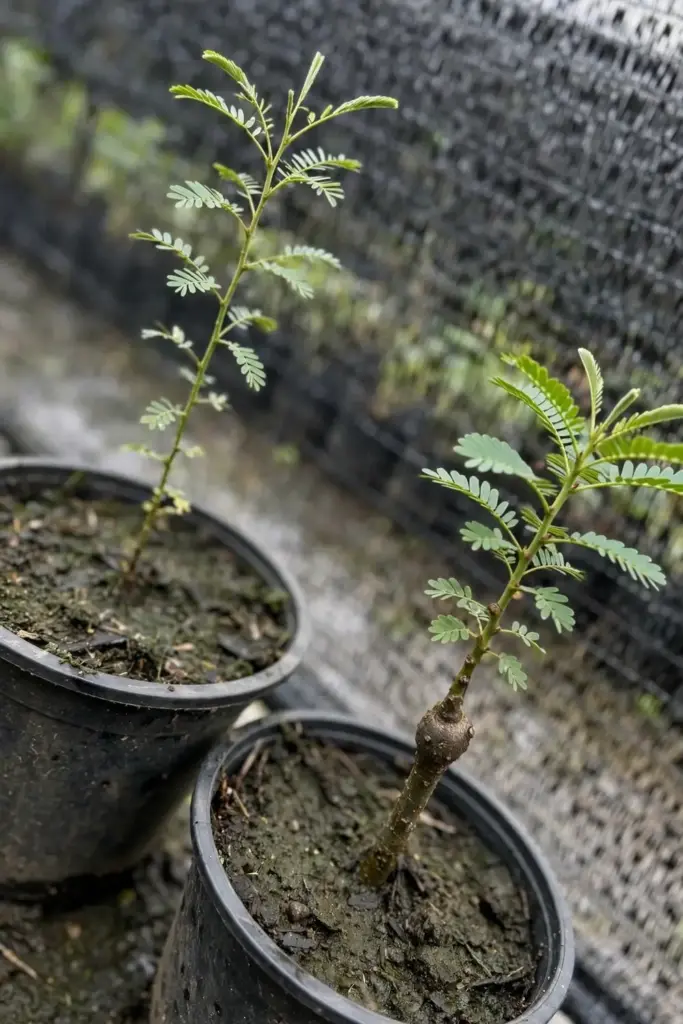
A grafted or budded tree is the practical path for most home growers. You get a named variety with known fruit quality, and you cut the waiting time roughly in half. Buy from a nursery that names the variety on the tag. Unnamed “amla plant” stock is usually a seedling with seedling timelines, no matter what the seller implies.
If you already have access to a mature tree with fruit you like, air layering sits between the two options. It clones the parent exactly and fruits sooner than a seedling, though the technique takes practice.
The decision also depends on your climate. Gardeners learning how to grow amla from India in zones 9 to 11 can plant in the ground with confidence, while those in colder zones should factor the container reality into their choice: a grafted tree in a large pot fruits years sooner than a seedling fighting the same pot.
5. Varieties Worth Looking For
Indian breeding programs have named dozens of amla varieties, and Balcony Garden Web’s variety rundown covers the famous types a home grower is likely to meet. Banarasi is the classic large-fruited variety, popular for fresh eating and processing. Francis is another old favorite with good fruit size. The NA series from Indian research stations gives you numbered choices: NA-4 (Krishna), NA-5 (Kanchan), NA-6, NA-7, and NA-10, each selected for yield and fruit quality. Chakaiya is widely planted for processing, and BSR-1 (Bhavanisagar) suits southern Indian conditions.
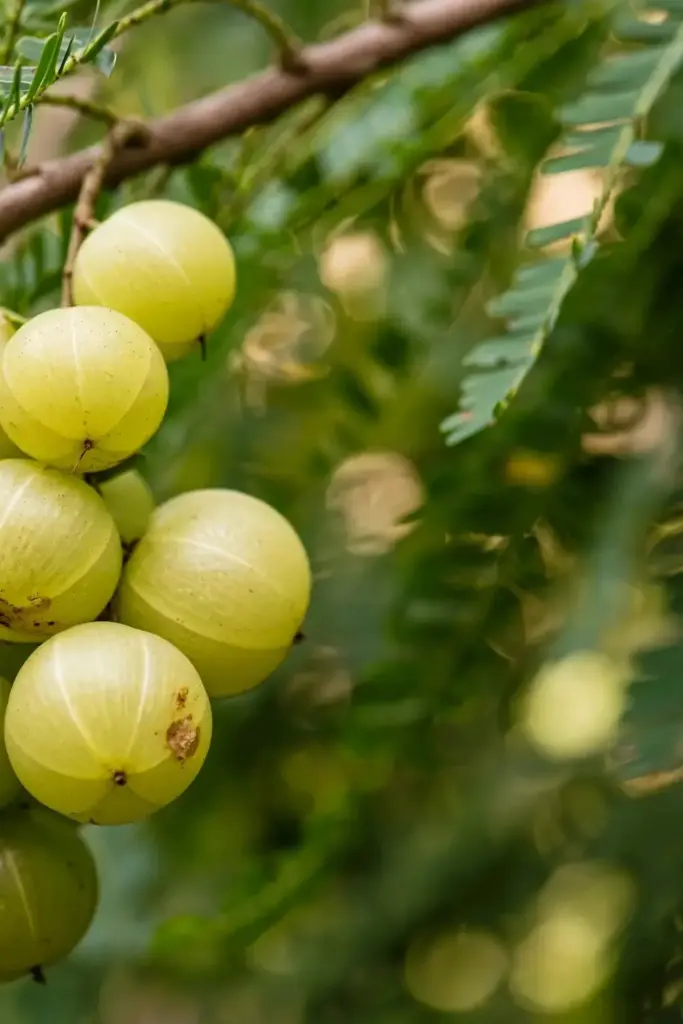
For home growers the variety matters less than the propagation method. A named grafted tree of any of these beats a mystery seedling. In zones at the cold edge of amla’s range, ask nurseries about Himalayan seedling stock, which handles brief dips near freezing better than lowland types.
6. Getting Viable Seed From a Ripe Fruit
Fresh seed germinates; old seed disappoints. Collect fruit in the fall, when the skin turns from translucent green to an opaque yellow-green and loses its shine. Cut the fruit open, remove the hard pit, and crack it gently with a nutcracker or hammer to free the small red-brown seeds inside.
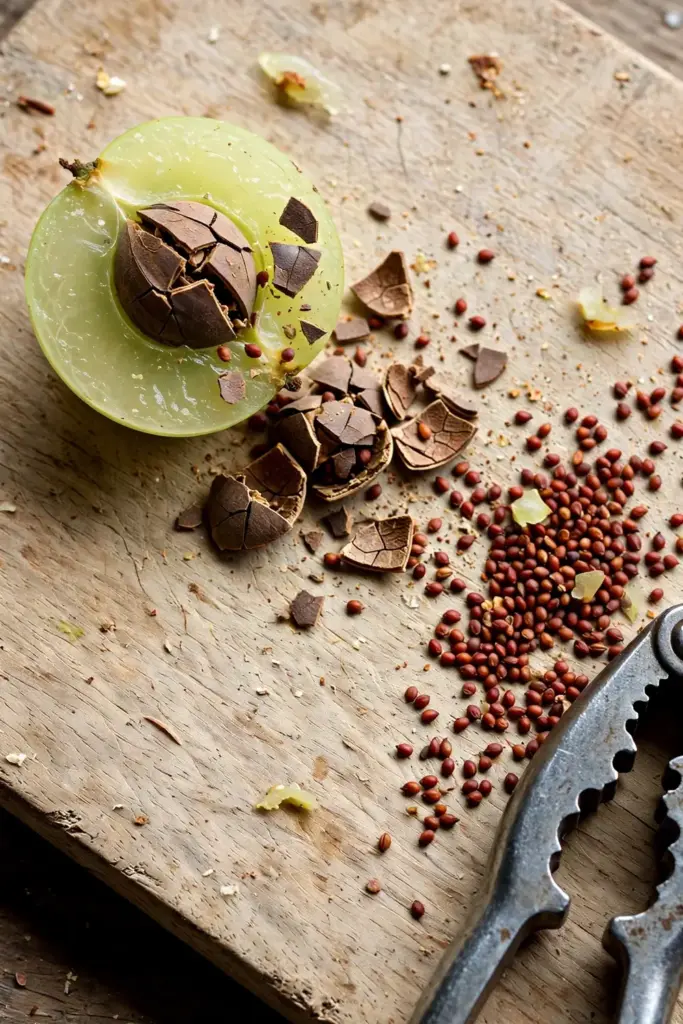
Drop the seeds into a bowl of water. Viable seeds sink. Floaters are empty or dead, so discard them. This sink test is the single most useful quality check in amla propagation, and it takes thirty seconds. Sow fresh seed promptly. Viability drops with storage, and last season’s dried seed is a gamble.
7. How to Germinate Amla Seed
Amla is a tropical species, and its seed responds to warmth, not to cold. Some forum guides recommend 4 to 6 weeks of cold stratification, but that advice was borrowed from temperate fruit and is unnecessary for this tree. Warmth plus moisture is the whole recipe.
| Step | Action | Time |
|---|---|---|
| 1 | Crack pits, extract red-brown seeds | 15 minutes |
| 2 | Sink test in room-temperature water; keep sinkers | 30 minutes |
| 3 | Soak sinkers in lukewarm water | 12 to 24 hours |
| 4 | Sow 0.4 to 0.5 in deep in individual pots | 10 minutes |
| 5 | Keep at 25 to 30 C, moist, bright indirect light | 2 to 6 weeks |
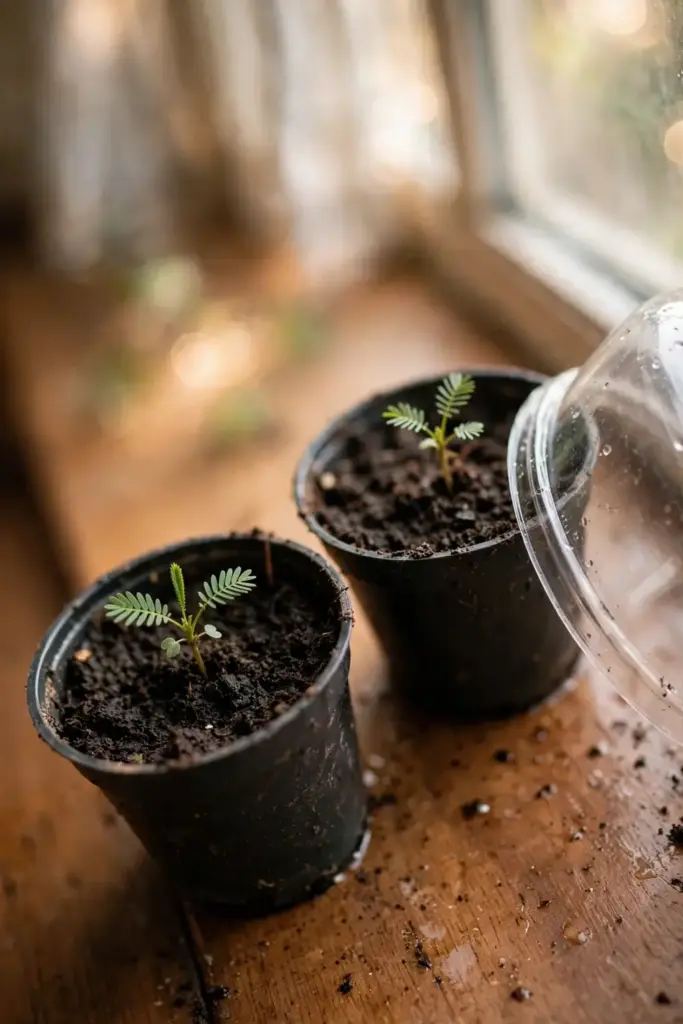
Sow one seed per pot. Amla builds a taproot early and resents transplant disturbance, so individual pots save you a move later. Use a free-draining mix of compost and potting soil, water it in, and give the pots 4 to 6 hours of bright indirect light daily. Seedlings typically appear in 3 to 4 weeks at warm temperatures, though some take up to 6. A heat mat helps if your nights drop below 20 C. Sacred Plant Co’s seed-starting protocol makes the same point about sustained warmth being the real germination trigger for this species.
8. The First Year in a Pot or Nursery Bed
Treat the first year as nursery time. Keep seedlings in their pots or a nursery bed through their first dry season, watering deeply but letting the surface dry between waterings. Feed lightly with compost a few times during the growing season. Full-strength synthetic fertilizer burns young roots, so restraint pays.
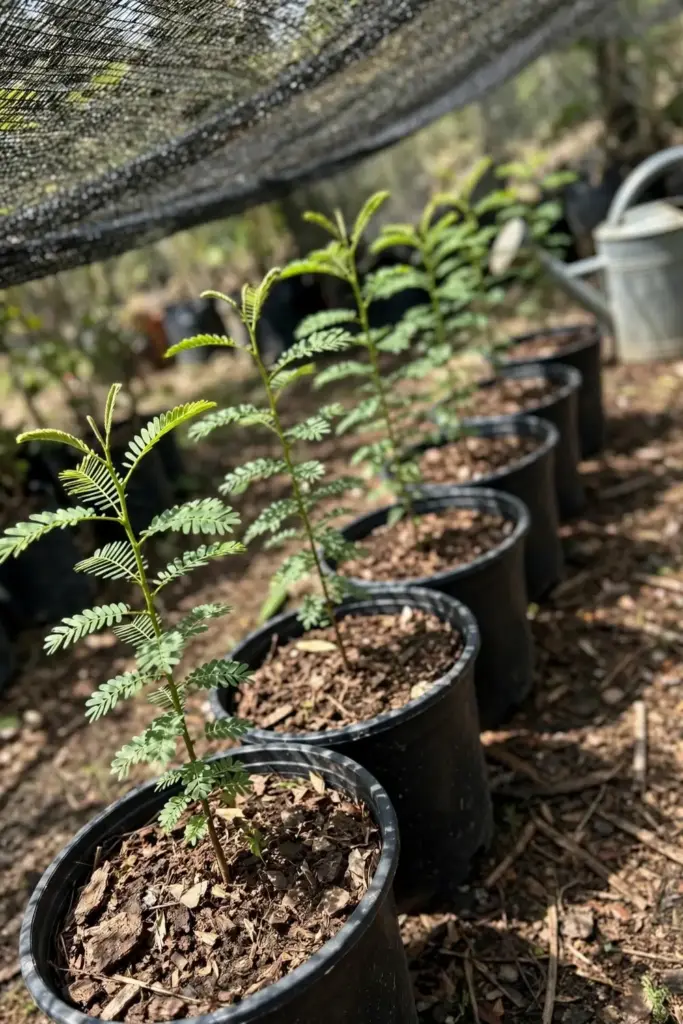
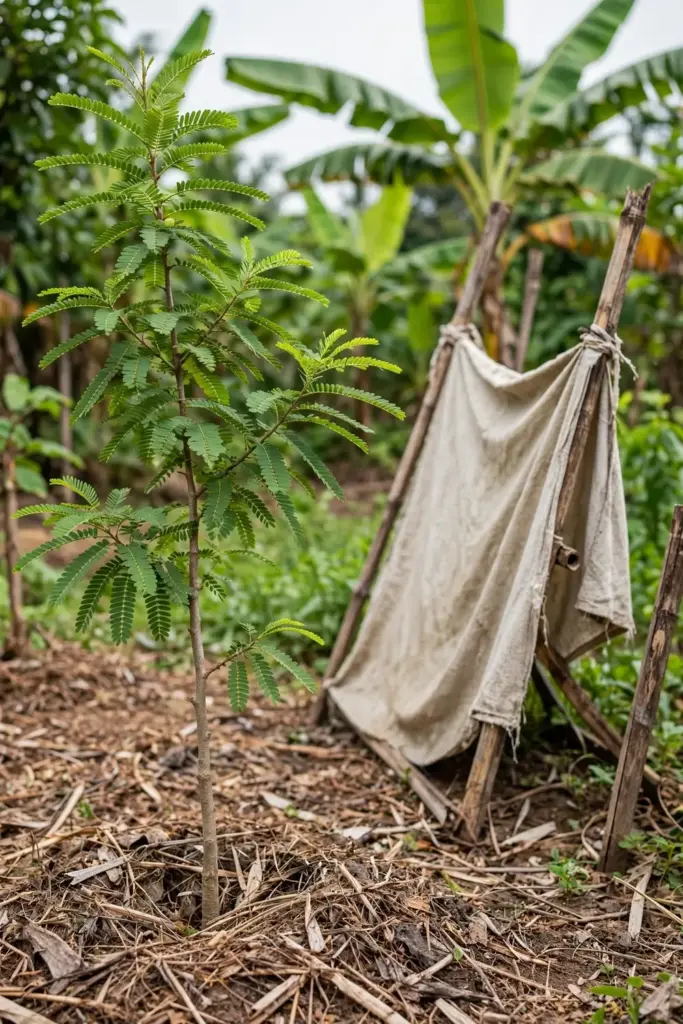
Move seedlings up to larger pots as roots fill the container. By 8 to 10 months, a healthy seedling stands 10 to 12 inches tall and is ready for its permanent spot. Protect young plants from hot drying winds and from frost through their third year. A simple windbreak of cloth or a sheltered wall position does the job.
9. Planting Out: Pits, Spacing, and Soil
Amla tolerates poor soil better than most fruit trees, but it fruits best in deep, well-drained loam. It handles a pH range of 6.0 to 8.0 and even tolerates moderate alkalinity. Avoid pure sand and waterlogged ground. The foundation principles for building living soil apply here as they do to every fruit tree, and you can read the full soil-health method in the site’s soil guide.
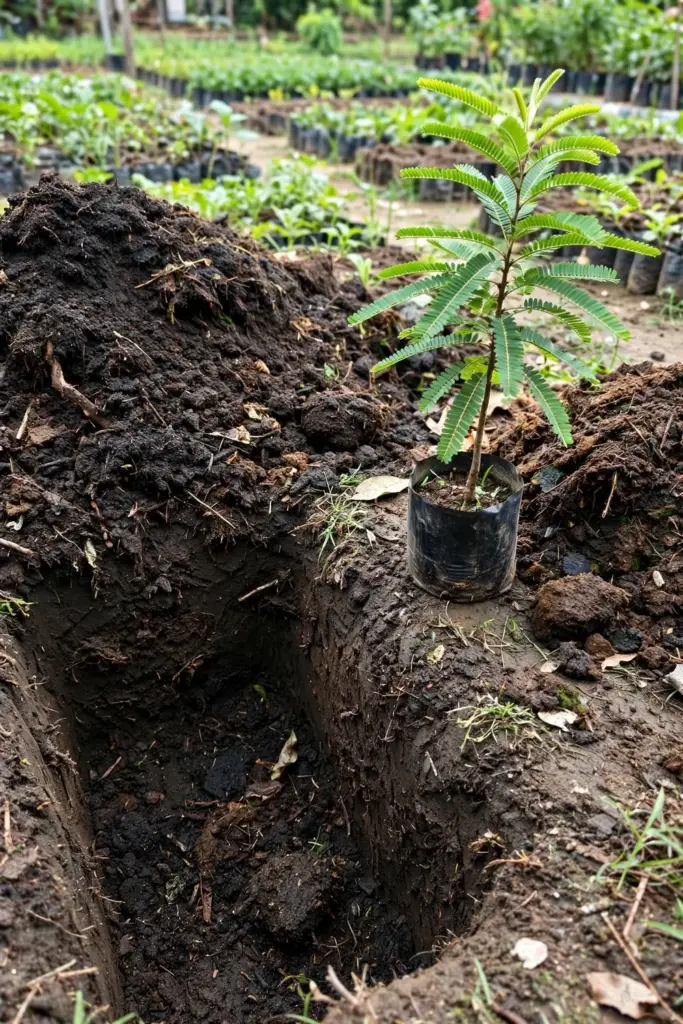
Dig planting pits about 1 cubic meter, spaced 4.5 to 6 meters apart in home plantings. Leave the pits open to the sun for two to three weeks before planting, then refill with surface soil mixed with well-rotted farmyard manure. Plant at the start of the monsoon or rainy season so the young tree establishes on natural rainfall. Set the plant at the same depth it grew in the nursery, firm the soil, water deeply, and mulch the surface.
10. Watering and Feeding Young Trees
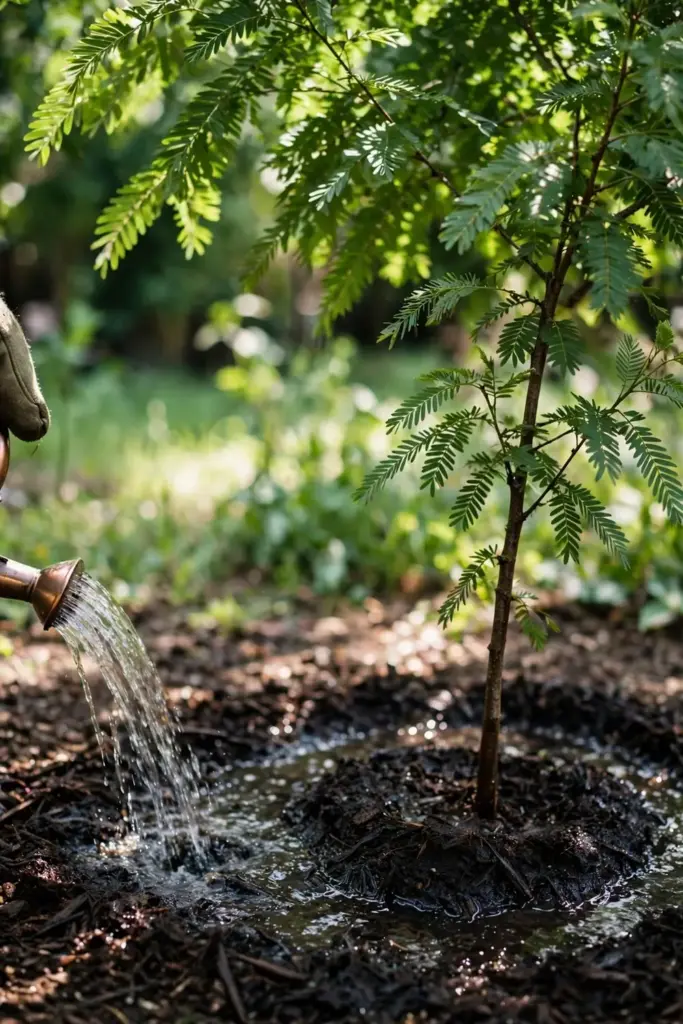
Water young trees every two weeks through their first dry seasons until established. Mature trees are drought-tolerant, but fruiting trees still appreciate deep watering during fruit development. Drip irrigation works well: roughly 25 to 30 liters per tree per day from October through December in orchard practice, scaled down for a home tree.
Feed with compost or well-rotted manure twice a year, once before flowering and once after fruit set. A one-year-old tree does well on 10 kg of farmyard manure plus modest nitrogen, phosphorus, and potassium, per the age-based dose table in AgriFarming’s cultivation guide; increase the dose as the tree grows. Orchard references scale this up to 50 kg of farmyard manure per year for a 10- to 12-year-old tree, which tells you how hungry a mature amla becomes; AgriFarming’s cultivation tables lay out these age-based doses in full. If leaves show interveinal yellowing or fruit develops dead spots, a boron foliar spray corrects the common deficiencies, though most home trees never need it.
11. Pruning for Shape and Yield
Amla fruits on the current season’s growth, so pruning shapes the tree and renews fruiting wood. In the first two years, select three to four well-spaced scaffold branches and remove the rest. This open center lets light into the canopy and keeps harvest within reach.
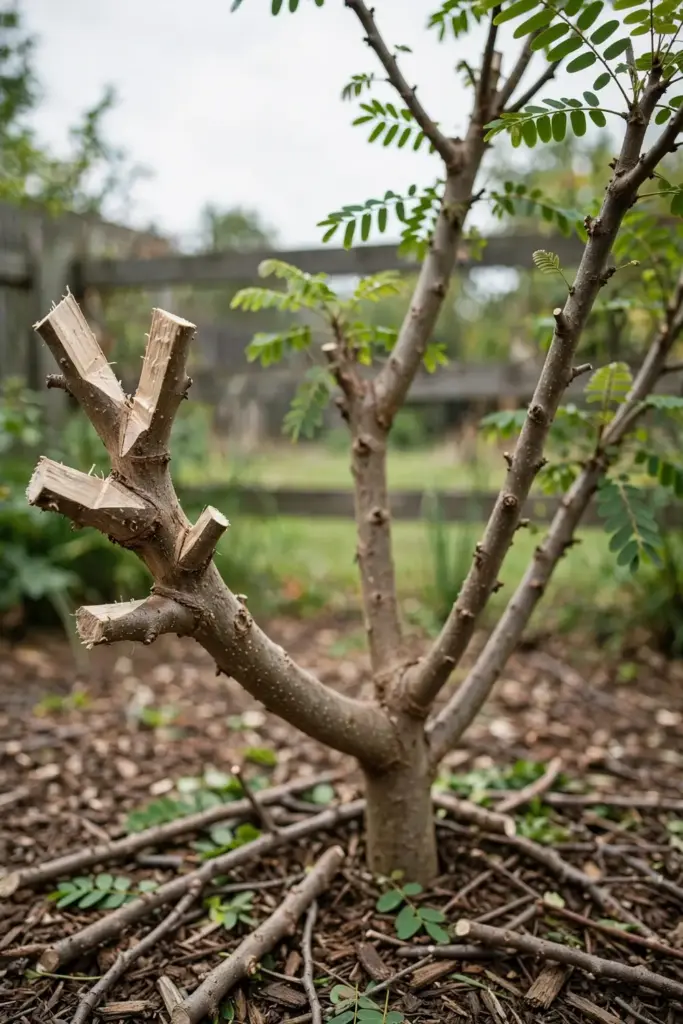
Each year after harvest, thin crowded branches and cut back overly long shoots by about a third. Remove dead, crossing, and inward-growing wood, and clear suckers from the base before they steal energy. Amla responds well to pruning and resprouts vigorously, so do not be timid. A well-pruned 10-year-old tree stays manageable at 15 to 20 feet instead of racing to 40.
12. Container Growing for Small Spaces
Amla grows in containers, with honest limits. Choose a pot at least 18 to 24 inches deep and wide, with drainage holes and a gravel layer at the base. Terracotta breathes well and keeps roots cooler than plastic. Use a rich, well-draining mix with compost and coco peat.
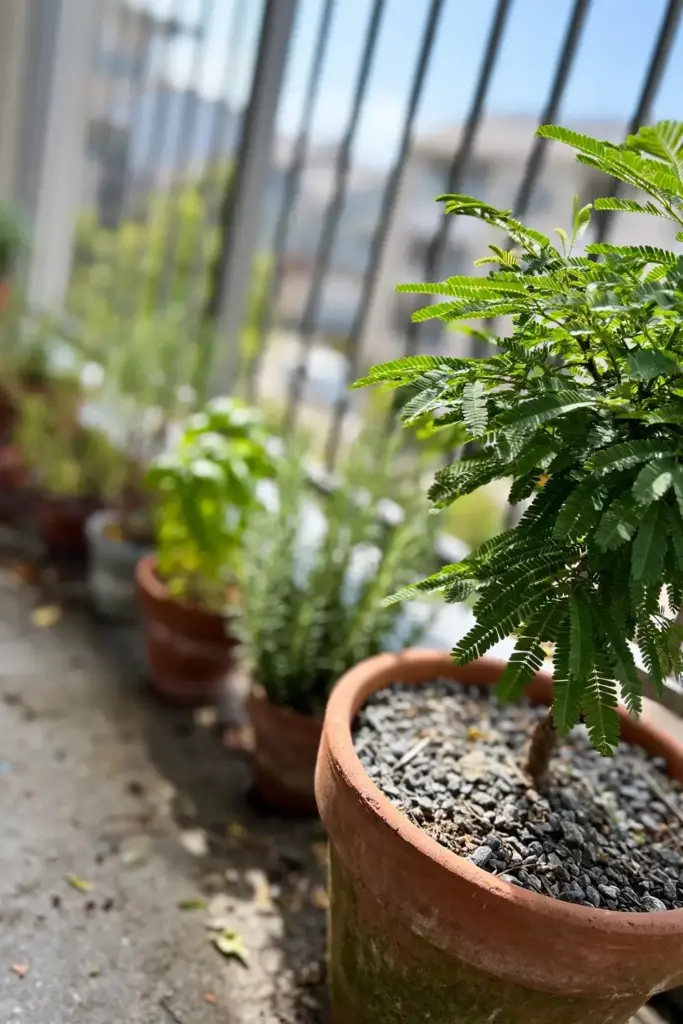
Container trees fruit, but they stay smaller and yield less than ground-planted trees. Repot every two to three years, root-pruning lightly at each move, and feed monthly during the growing season since pots leach nutrients fast. Here is the honesty point one container guide states plainly: a tree will never fully mature in a pot. Treat a container amla as a productive dwarf project, not a future orchard tree. For broader indoor and balcony fruit-tree technique, the site’s indoor herb garden guide covers light and airflow principles that transfer directly.
13. Cold-Climate Care and Frost Protection
Outside zones 9 to 11, amla becomes a moveable project. Grow it in the largest pot you can manage and bring it under cover before the first frost. An unheated greenhouse, a bright sunroom, or a garage with a grow light all work. The tree tolerates brief dips near freezing once mature, but young plants suffer damage below about 2 C.
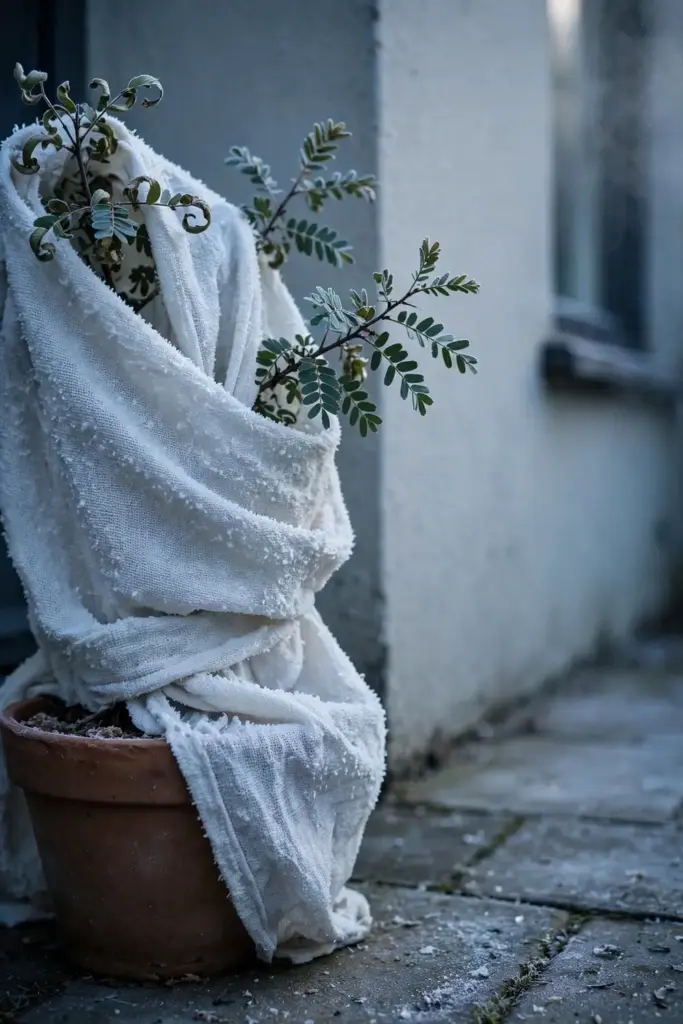
Reduce watering in winter and stop feeding until spring growth resumes. If the tree drops leaves in a cold garage, that is normal dormancy behavior, not death. Scratch the bark in spring: green underneath means alive. Move the tree back outside only after night temperatures stay reliably above 10 C.
14. Pests and Diseases
Amla is notably trouble-free compared with most fruit trees. Aphids and mealybugs occasionally colonize new shoots; a strong jet of water or neem oil handles them. Bark-eating caterpillars sometimes attack neglected trees; prune out affected branches and keep the trunk clear of weeds.
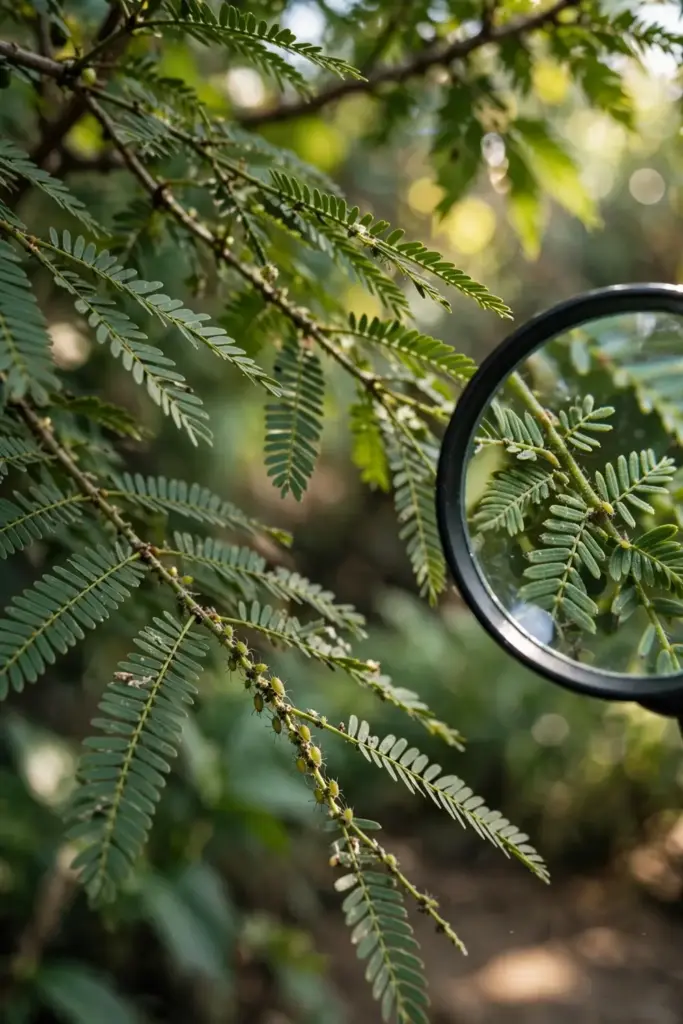
Fruit necrosis, where developing fruit turns brown and drops, usually traces to boron deficiency rather than disease. Rust and leaf spots appear in very wet seasons but rarely threaten the tree, and good airflow plus sensible spacing with no overhead watering prevents most problems before they start.
15. Flowering, Pollination, and Fruit Set
Amla flowers in early summer on the new season’s growth. The small greenish-yellow flowers are easy to miss, but bees find them. The tree is self-fertile, so a single tree sets fruit alone. No pollination partner is needed, which simplifies small gardens.
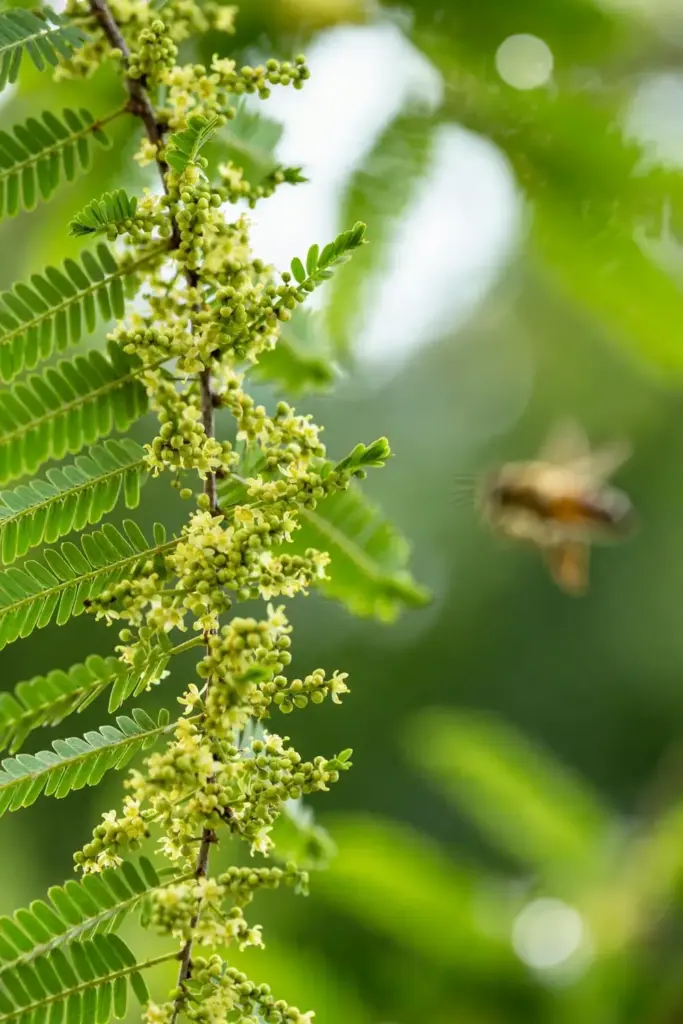
Fruit develops through the rainy season and ripens in late autumn to winter. A dry spell before harvest improves sugar content and reduces fruit drop. Young trees often drop their first few crops; this is normal. Consistent bearing starts once the tree has enough canopy to support a crop, usually from the timelines in section 3.
16. Harvest Signs and the Vitamin-C Harvest
Ripe amla turns from bright green to a pale yellow-green and feels firm with a slight give. The skin loses its glossy translucence and looks matte. Taste one: ripe fruit is mouth-puckeringly tart with a sweet finish that arrives a few seconds later. That delayed sweetness is the signature of a ripe amla.
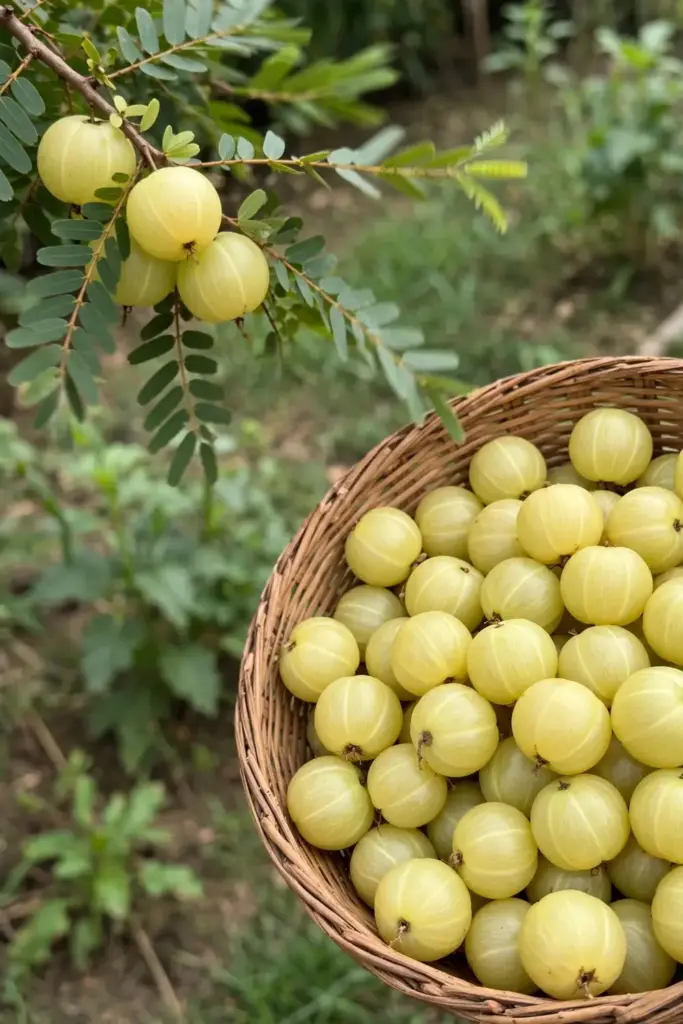
Harvest by hand-picking into baskets; the fruit bruises if dropped onto hard ground. A mature tree yields far more fruit than one household eats fresh, so plan your processing before harvest day arrives. The headline nutrient is vitamin C, reported near 600 mg per 100 g of pulp in nursery references, about twenty times the level in an orange; amla retains much of it even when dried. Published figures vary by source, so treat these as ballpark rather than laboratory guarantees, and talk to a clinician before using amla therapeutically.
17. Processing: Powder, Candy, and Pickle
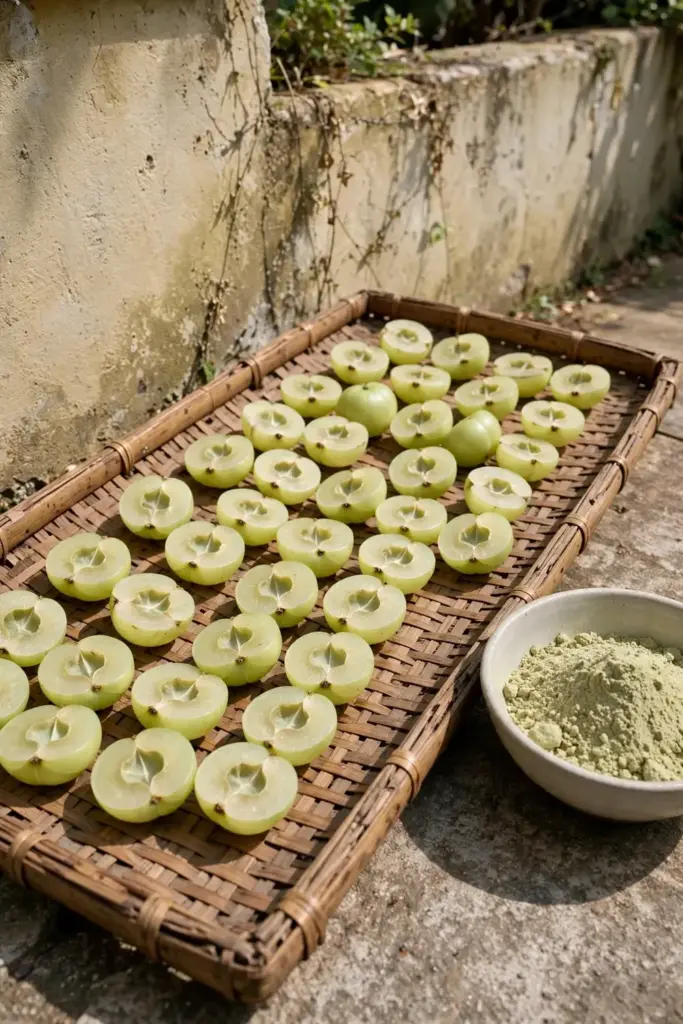
Most home harvests become processed products, and amla suits all of them. Drying is the simplest: halve the fruit, remove the seed, and sun-dry or dehydrate until leathery, then grind into powder for year-round use. Amla candy (murabba) preserves whole fruit in syrup and is a traditional favorite. Pickles and chutneys use the tartness as their backbone.
| Method | Prep | Storage |
|---|---|---|
| Sun-dried powder | Halve, deseed, dry, grind | Airtight jar, 12 months |
| Murabba (candy) | Prick, blanch, simmer in syrup | Sterile jars, 12 months |
| Pickle | Quarter, salt, spice, oil-cure | Cool dark place, 6 months |
| Fresh juice | Press, strain, refrigerate | 3 to 4 days chilled |
However you process it, work with ripe fruit and clean equipment. Amla’s acidity is forgiving, but mold is not.
18. Amla and Chyavanprash
Chyavanprash is the traditional Ayurvedic jam in which amla is the lead ingredient, simmered with honey, ghee, and a blend of herbs and spices. It is one of the oldest continuously made food-medicine preparations in the world, and amla provides its characteristic tart base.
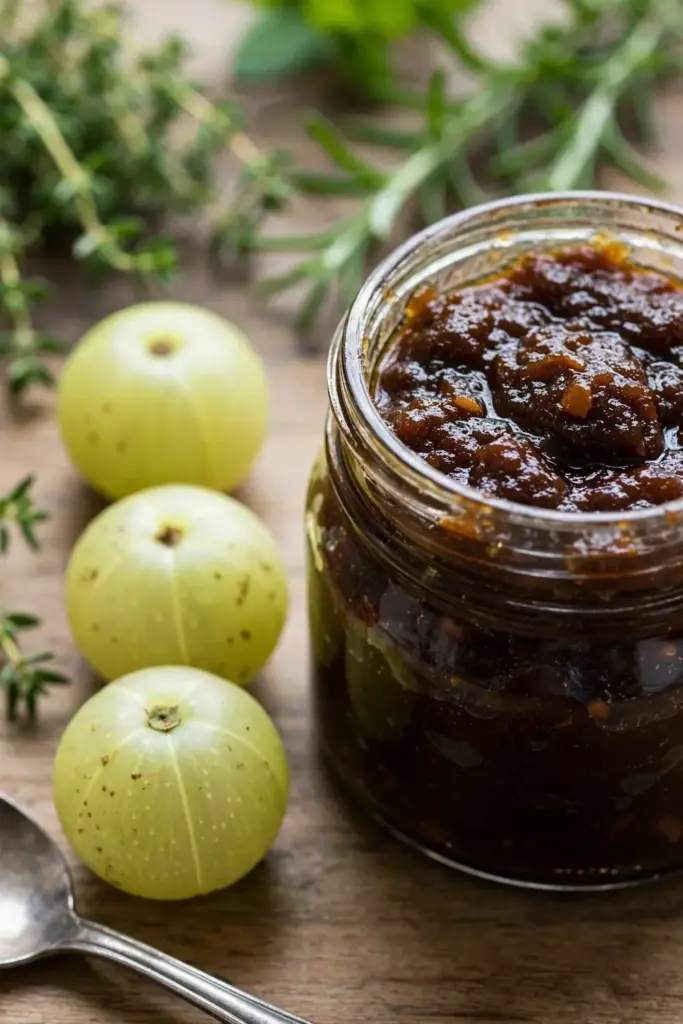
Home cooks sometimes make simplified versions with amla pulp, jaggery, and a few warming spices. Treat these as culinary projects with traditional roots, not as medicine you prescribe yourself. If you are interested in amla for health reasons, the conservative move is to enjoy it as food and discuss any therapeutic use with a qualified clinician.
19. Common Mistakes and Fixes
Planting a seedling and expecting fruit in three years is the classic error. The timeline in section 3 is the fix: plan for seven, celebrate if it comes sooner. Sowing old seed from a kitchen jar is the second error; the sink test in section 6 exists precisely for this.
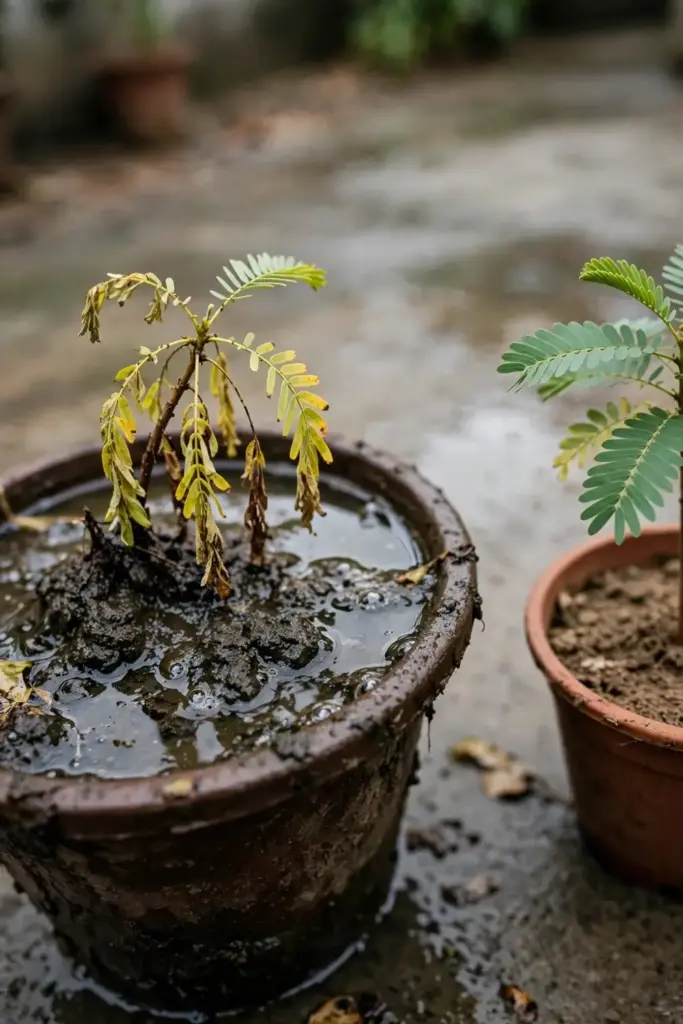
Overwatering kills more young amla than drought. The tree wants deep, infrequent water and soil that drains. Planting in a low spot where water pools rots the taproot. Finally, skipping the variety question wastes years: an unnamed seedling gives unnamed fruit, so buy grafted stock of a named variety if fruit quality matters to you.
20. Troubleshooting
Seedlings emerge weak or not at all. The usual cause is old seed or cold soil. Use fresh seed, confirm sinkers, and hold 25 to 30 C. Seed older than a few months germinates erratically even with perfect technique.
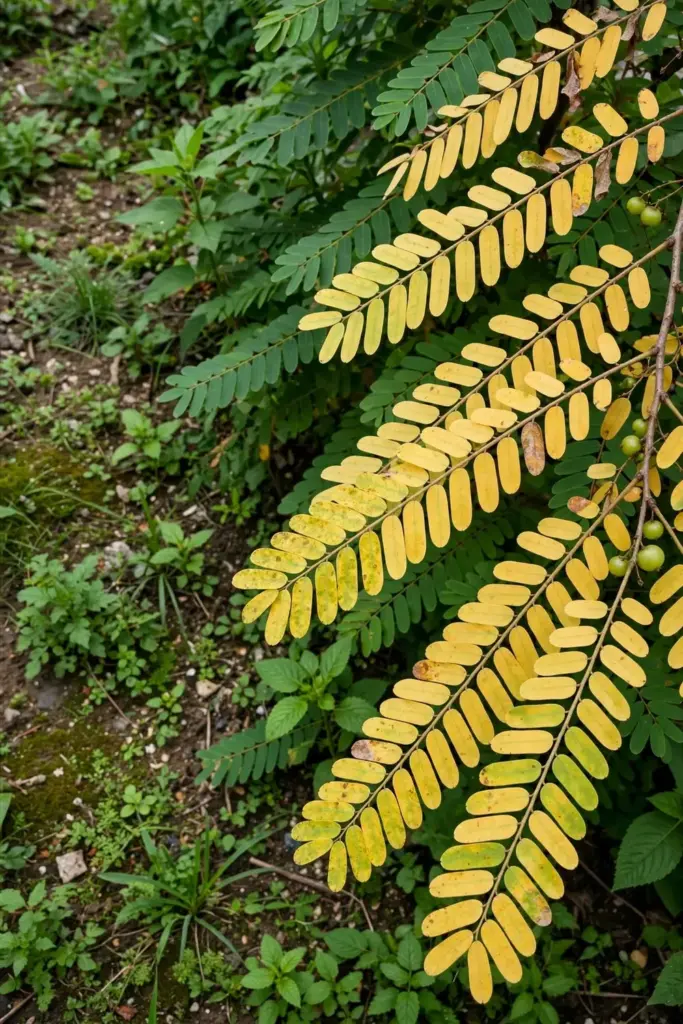
Leaves yellow between the veins. This is often iron or general nutrient deficiency in alkaline soil. Mulch with compost, avoid overwatering, and consider a chelated iron drench if the problem persists across a season.
Flowers form but fruit drops. Young trees do this normally. On mature trees, drought during fruit development or boron deficiency are the common causes. Deep water through the dry fruiting months and test the boron hypothesis with a foliar spray.
Growth stalls in a container. The tree is root-bound or starved. Move up a pot size, refresh the mix, and feed monthly in the growing season. Remember the honest limit: containers cap the tree’s ultimate size and yield.
21. Frequently Asked Questions
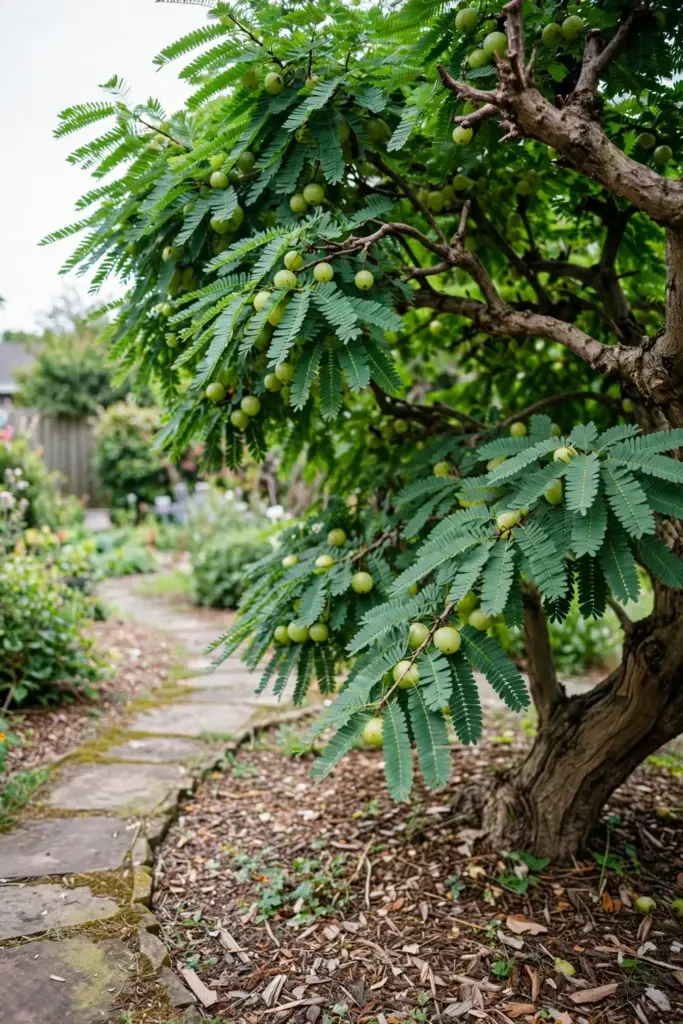
Seven years is the honest answer, with a realistic range of 5 to 10 depending on climate, variety, and care. Grafted trees fruit in 2 to 4 years. The tree then produces for decades, so the wait buys a lifetime of harvests from a single planting.
Yes, in a pot at least 18 to 24 inches deep and wide, with good drainage and regular feeding. Container trees stay smaller and yield less than ground trees. They make a fine productive project for balconies, but the tree never fully matures in a pot.
No. Amla is Phyllanthus emblica, a tropical tree that reaches 30 to 60 feet. The European gooseberry is Ribes uva-crispa, a temperate shrub that needs winter chill. They share only a common name and none of the same growing requirements. Amalaki is the Sanskrit name for amla itself, not a different fruit, and it is unrelated to kudampuli or other souring agents.
No. Amla is self-fertile, so a single tree sets fruit on its own and no pollination partner is required. That makes it ideal for small gardens with room for only one tree. Planting a second tree of a different variety can improve pollination and bump yields slightly, but treat that as a bonus rather than a requirement.
Plant at the start of the rainy season, typically June to August in India and the equivalent warm wet period in other regions. Rain-established young trees need less supplemental water and root faster than dry-season plantings. Avoid planting just before winter in marginal climates, and give container trees a full warm season outdoors before their first winter under cover.
Refrigerate fresh fruit for two to three weeks in a breathable bag. For longer storage, dry halved fruit into powder, candy whole fruit as murabba, or pickle quarters in spiced oil. Dried amla powder keeps about a year in an airtight jar away from light and heat. Frozen pulp also works well for cooking use over several months.
22. Where to Go From Here
Start with the timeline, then work backward. If seven years from seed feels too long, buy a grafted tree of a named variety and cut the wait to two or three. If the journey is the point, crack fresh pits this fall, run the sink test, and sow at 25 to 30 C. Either way, give the tree sun, drainage, and patience. That is the whole method for how to grow amla from India in one sentence: respect the clock, and the tree does the rest.
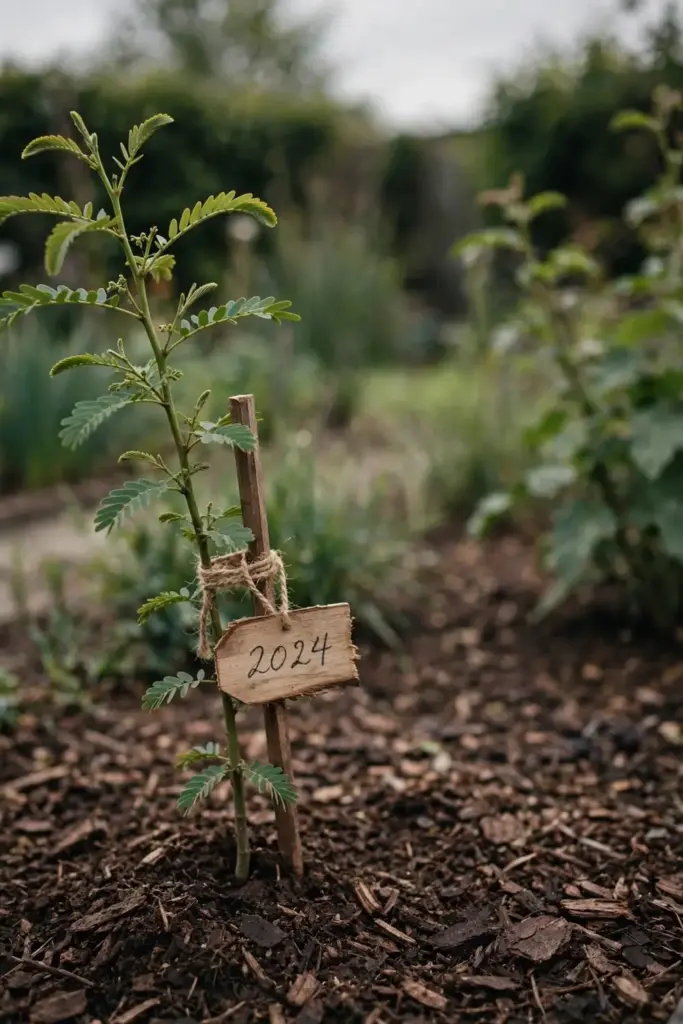
For the closest comparable project on this site, the mango guide walks the same seed-versus-grafted decision for another tropical tree. Plant your amla, mark the year on a tag, and let the decades do the rest.