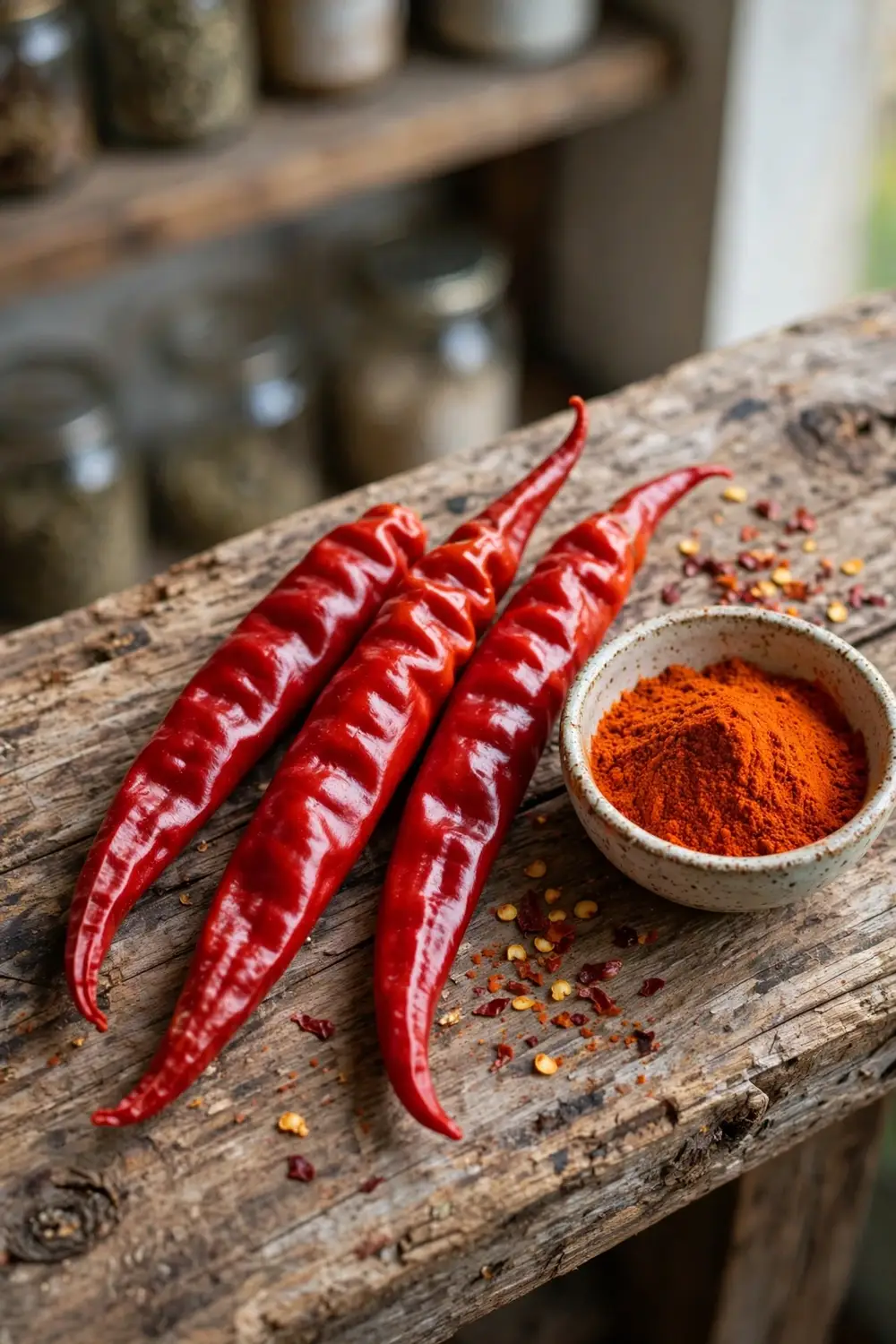

Cayenne pepper is one named cultivar, Capsicum annuum ‘Cayenne’, usually rated at 30,000 to 50,000 Scoville heat units. Red chilli is the generic label on whatever ripe red Capsicum went into the jar or onto the shelf. That is the cayenne pepper vs red chilli answer in two sentences: one name with a number, one name without one.
The rest of this page runs 11 comparisons, from the pod to the pantry, so you can buy the right jar and dose it without fear. Australian readers will meet both names on the same supermarket shelf, sometimes on the same product. If you grow your own heat, the site’s cayenne growing guide covers the plant side; this page stays on the spice side.
| Trait | Cayenne Pepper | Red Chilli |
|---|---|---|
| Botanical identity | One cultivar: Capsicum annuum ‘Cayenne’ | Generic label for any ripe red Capsicum |
| Heat (Scoville) | 30,000 to 50,000 SHU, conventional range | No single number; depends on what is inside |
| Pod | Tapering, 10 to 25 cm, curved tip, rippled skin | Varies by cultivar; often a cayenne-type pod |
| Powder | Dried and ground cayenne, but blends are common | Dried and ground red Capsicum, blend by default |
| Flavor | Clean, fast heat; dry, slightly fruity | Follows the blend; can be smoky, sweet, or earthy |
| Best use | Precise heat in rubs, sauces, and finishing pinches | Everyday heat where exact Scoville does not matter |
1. Name the Two Sides of Cayenne Pepper vs Red Chilli
Cayenne pepper is a type of Capsicum annuum, and ‘Cayenne’ is the cultivar name, the same way ‘Granny Smith’ names one apple among hundreds. Wikipedia’s cayenne entry lists the taxonomy plainly: genus Capsicum, species C. annuum, cultivar Cayenne. One plant, one name, one expected heat.
That species is a big family. Bell peppers, jalapeños, and pimientos are all Capsicum annuum too, which means cayenne shares its species with peppers that have no heat at all. The cultivar is what carries the fire, not the species. Two annuum peppers can sit at opposite ends of the Scoville scale.
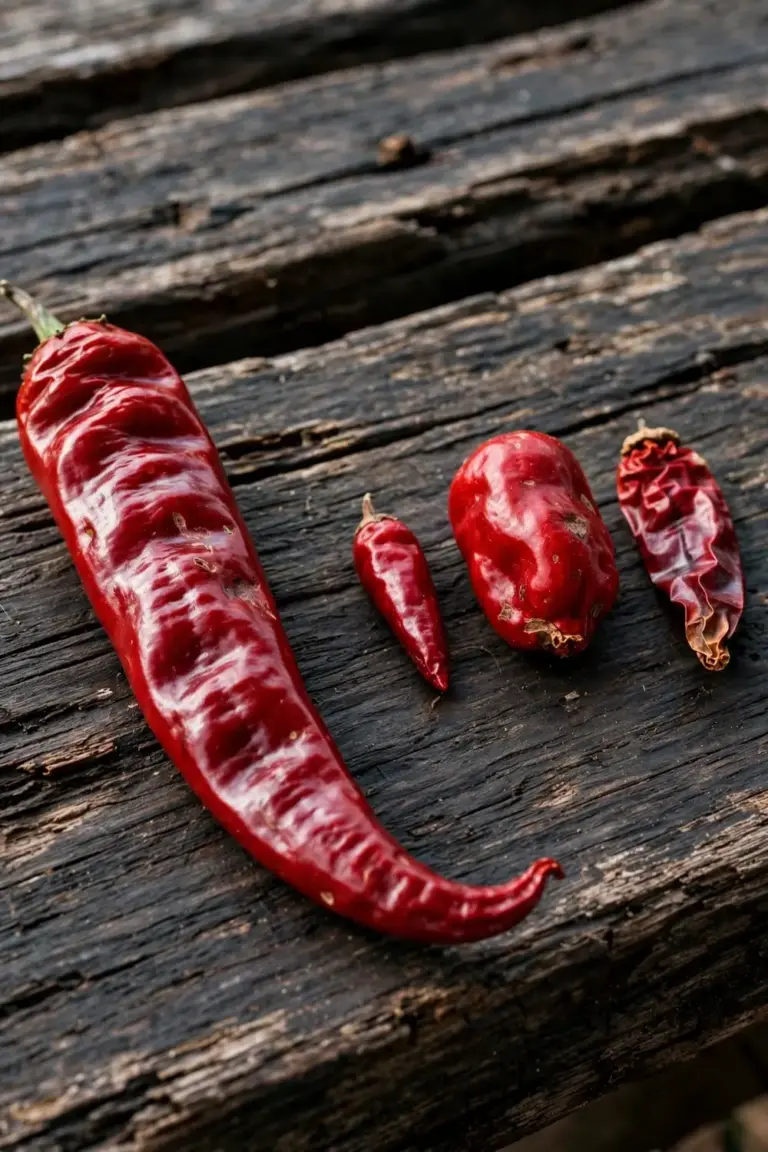
Red chilli names no cultivar at all. It describes a color and a genus: a ripe red fruit of Capsicum. That fruit could be a cayenne-type pod, a bird’s eye, a long red Dutch chilli, or a blend of several. The label tells you the color. It does not tell you the cultivar.
This is why the confusion never dies. People ask whether cayenne pepper is the same as red chilli, and the honest answer is that the question compares a specific thing with a category. A cayenne pepper is always a red chilli in the loose sense. A red chilli is only sometimes a cayenne.
2. Compare the Heat: 30,000 to 50,000 Scoville Units
The conventional heat rating for cayenne as a category is 30,000 to 50,000 Scoville heat units, a figure Wikipedia reports as the standard range. That number sits roughly halfway up the familiar kitchen scale: far above a jalapeño at 2,500 to 8,000 SHU, far below a habanero at 100,000 to 350,000 SHU.
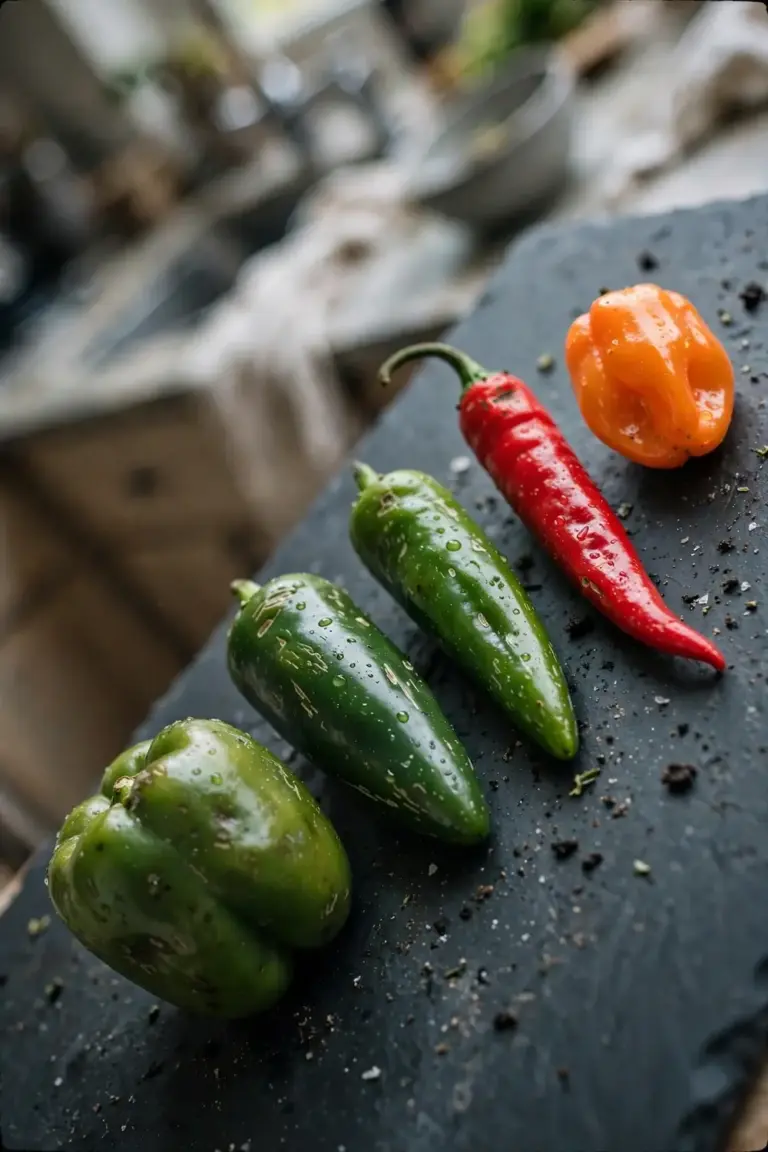
The Scoville scale itself deserves a sentence. The original test diluted a chile extract until tasters could no longer detect heat, and each unit of dilution became one Scoville heat unit. Modern labs use high-performance liquid chromatography, which measures the heat compounds directly. New Mexico State University notes the taster method is subjective and depends on taster sensitivity, while HPLC is the most accurate method available.
Treat the 30,000 to 50,000 range as a convention, not a measurement. Spice reference Spiceography lays the evidence out honestly: the 30,000 to 50,000 figure is an attributed range from chile writers, not a lab result, while replicated HPLC trials of named cayenne cultivars near Las Cruces measured 12,900 SHU for ‘Large Red Thick’, 13,200 SHU for ‘Mesilla’, and 17,400 SHU for ‘NuMex Las Cruces’ in the HortScience cultivar trials. Same cultivar family, different numbers, different methods.
Red chilli carries no number of its own. Its heat is whatever the jar holds. A jar of pure ground cayenne-type pods lands in the cayenne band. A jar blended with paprika or milder chillies lands far lower. Heat follows the contents, and the contents follow the label, which often says nothing.
3. Compare the Pod: 10 to 25 cm of Tapered Red Fruit
A cayenne pod has a look you can learn in one glance. Wikipedia describes the group as tapering, 10 to 25 cm long, generally skinny, mostly red, often with a curved tip and somewhat rippled skin, hanging from the bush rather than standing upright. Long, thin, wrinkled, red. That silhouette is the field mark.
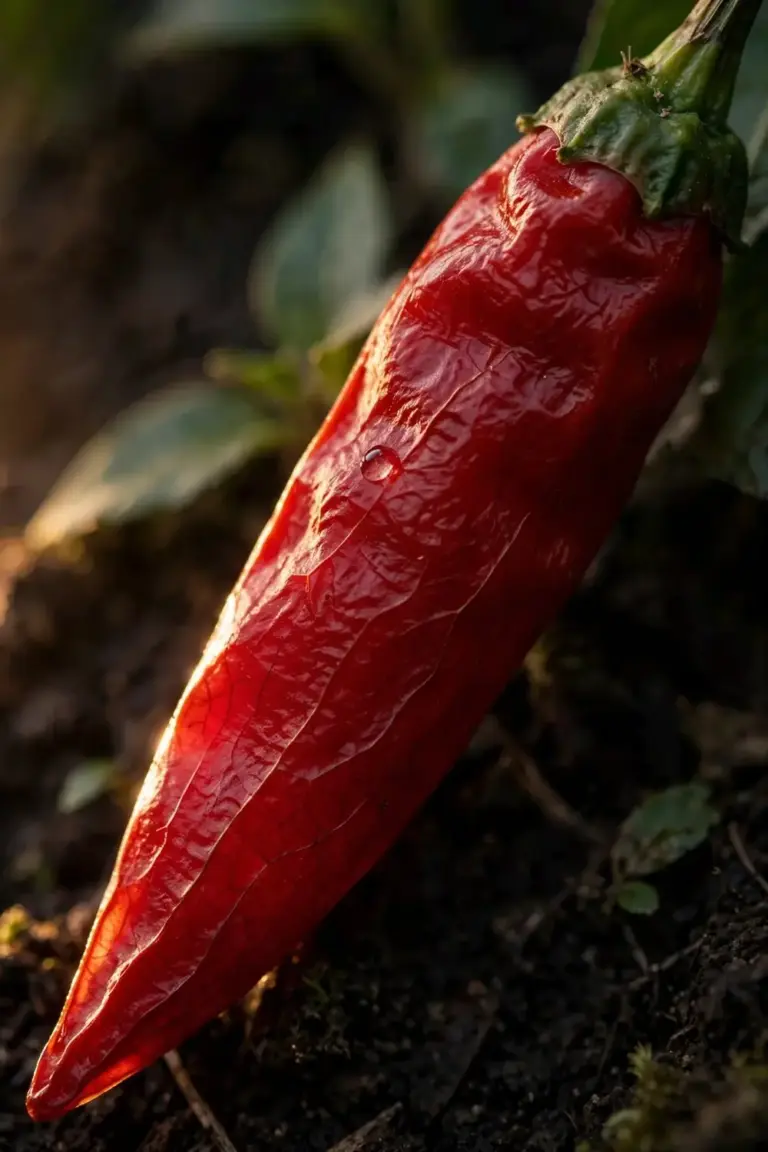
The hanging habit matters more than it sounds. Peppers whose fruit grows upright on the bush belong to a different group by definition, the frutescens type, which includes tabasco. Cayenne pods hang down. That one trait separates cayenne-type pods from their upright cousins at a glance in the garden.
Cayenne also comes in more cultivars than the single red pod suggests. Named types include ‘Ring of Fire’, ‘Joe’s Long’, ‘Cayenne Large Red Thick’, ‘NuMex Las Cruces’, and ‘Cayenne Indonesian’, and while most modern cayennes are red, yellow and purple varieties exist. Most are hot, though a few mild variants circulate. The pod keeps its tapered shape across all of them.
A red chilli pod has no single silhouette because the name covers many pods. In practice, the fresh red chillies on Australian supermarket shelves are often long cayenne-type pods, which is exactly why the two names blur together at the shops. But the label “red chilli” also covers short bird’s eye types, thick Dutch reds, and everything between.
Pod shape is the only visual test, and it only works on fresh pods. Once dried and ground, shape is gone. Buy whole dried pods when the cultivar matters to you.
4. Compare the Powder: One Cultivar vs Whatever Went Into the Jar
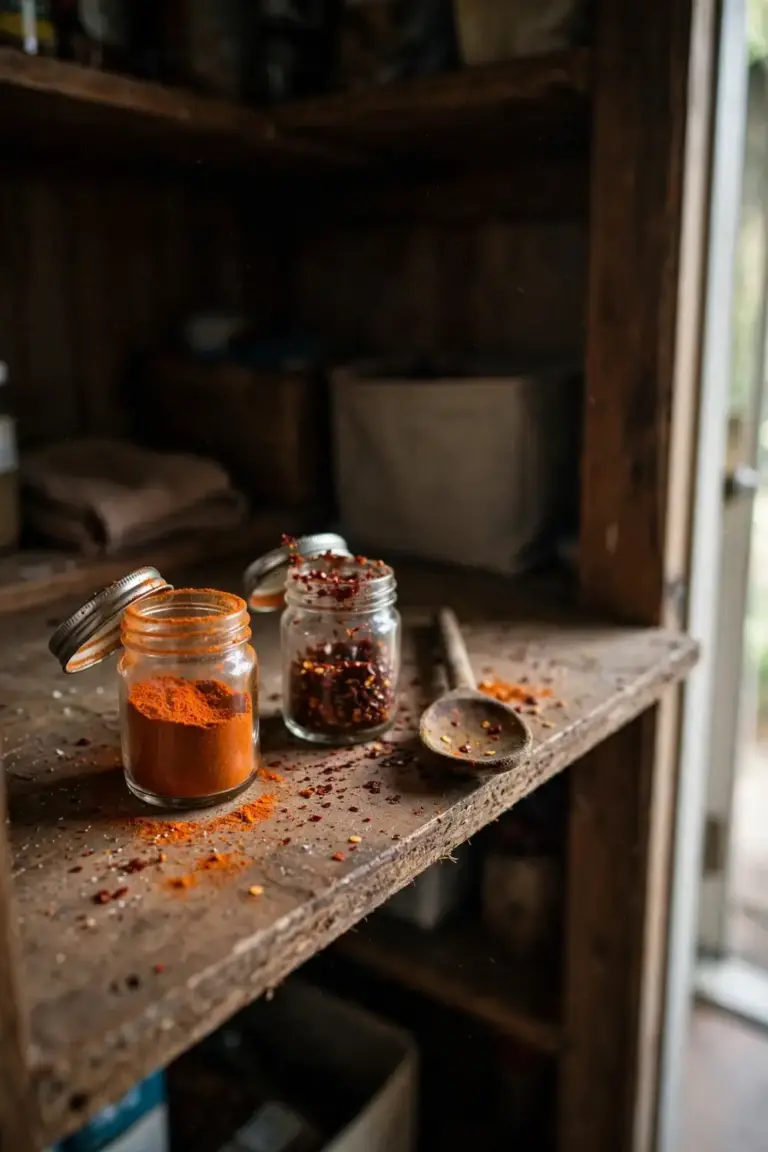
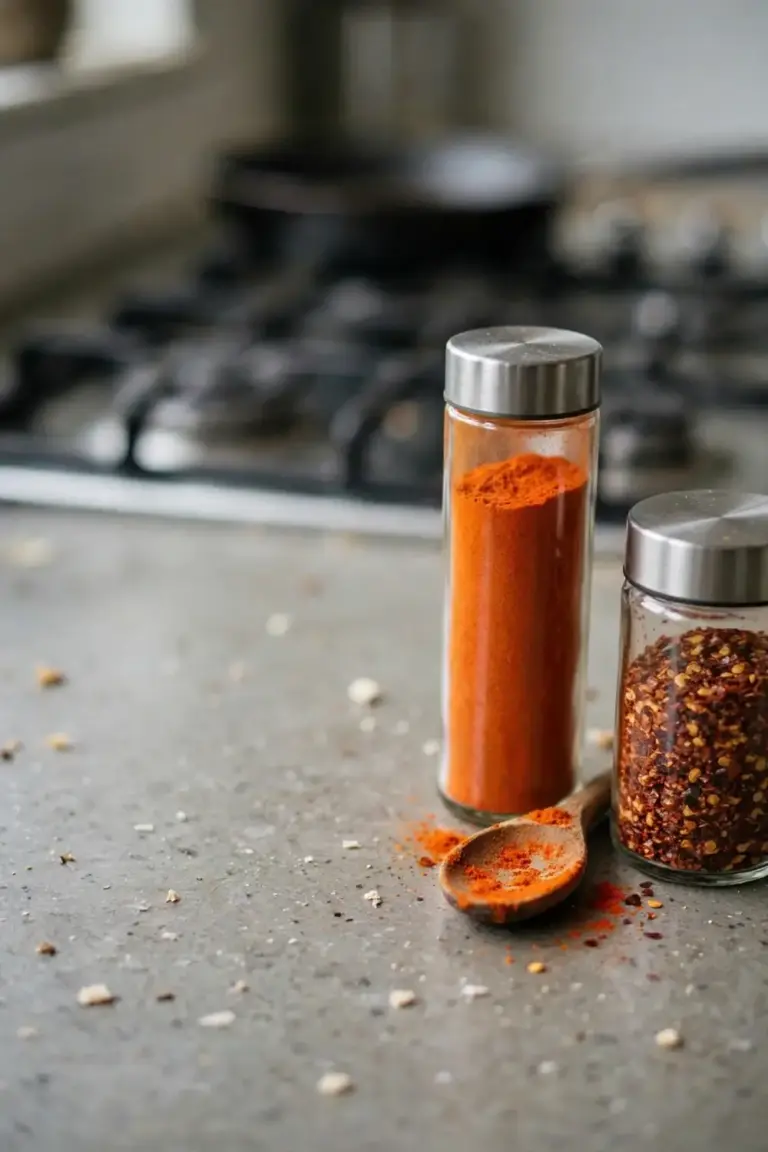
Here the comparison gets practical. True cayenne powder is dried cayenne pods, ground. But Wikipedia warns plainly that cayenne powder may be a blend of different types of peppers, quite often not containing cayenne peppers at all, and may or may not contain the seeds. Read that twice. The jar that says cayenne does not always hold cayenne.
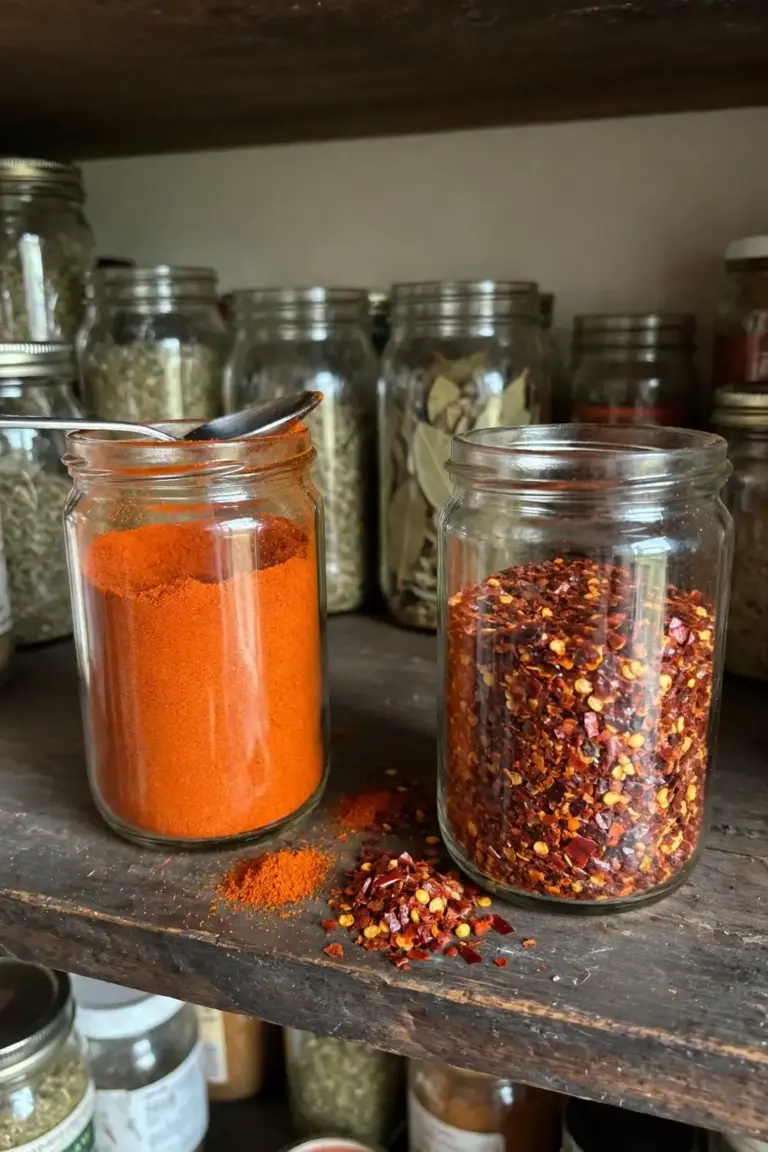
Seeds change the jar too. Some grinds include them, some do not. Seeds carry heat absorbed from the pod walls, so a seeded grind runs hotter than a seedless one from the same pods. The label rarely says which you bought.
Red chilli powder makes no stricter promise. It is ground dried red Capsicum, and the blend is the product. One maker grinds cayenne-type pods. Another grinds a mix chosen for color and price. Neither is lying. The label was never a cultivar certificate.
Spiceography adds the trade detail: ground cayenne and “ground red pepper” overlap in the spice trade, and labels do not always say which chillies went into a jar. The same powder is also sold as “red pepper”. If the exact cultivar matters for your cooking, the label is the wrong place to look for certainty. Buy from a maker that names the cultivar, or accept the blend.
5. Compare the Flavor: Clean Fast Heat vs Whatever the Blend Brings
Cayenne brings heat first and little else. Spiceography describes ground cayenne as hot first, with a dry, slightly fruity red-pepper flavor behind the heat, and little of the sweetness of paprika or the smoke of chipotle. Another spice reference describes it as plainly, cleanly peppery, with a touch of sweetness and a faint bitter edge, a chile that mostly shows up to carry heat. Clean, fast, neutral.
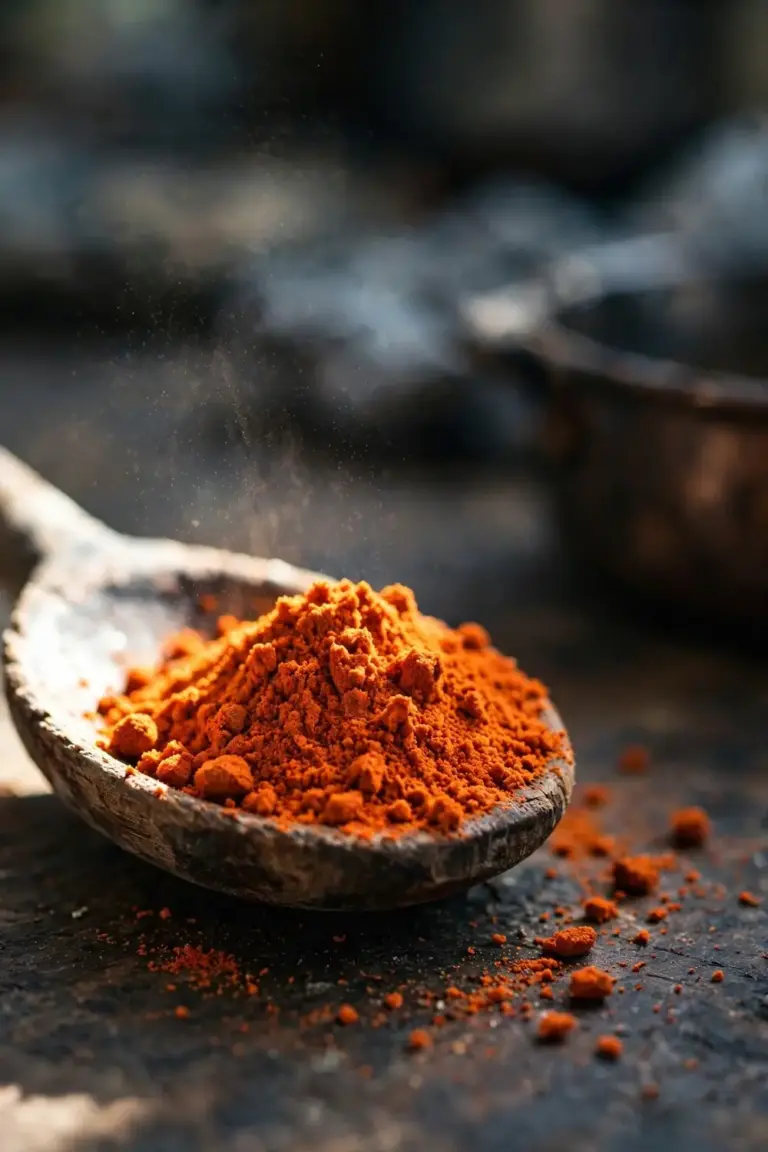
That neutrality is why cayenne disappears into rubs and sauces. It raises the temperature without rewriting the dish. A Cajun rub needs heat that does not argue with the other spices. A finishing pinch on eggs needs warmth that does not change the flavor underneath. Cayenne does both jobs because it brings almost nothing but heat.
Red chilli powder tastes like its blend. A cayenne-heavy blend tastes like cayenne. A blend built on milder, fruitier chillies tastes rounder and sweeter. A smoked blend tastes like smoke first and heat second. Flavor follows the recipe of the jar.
Neither profile is better. They do different jobs, and the smart kitchen keeps both. Reach for cayenne when you want heat without a flavor argument. Reach for a red chilli blend when you want the blend’s character in the dish.
6. Compare the Forms: Fresh, Dried, Ground, and Flakes
Both names appear in several forms, and the forms behave differently. Fresh cayenne pods go into salsas, stir-fries, and infused oils, where their water and fruitiness join the heat. Dried whole pods get crushed for rubs or simmered in stews, releasing heat slowly into the liquid. Ground powder seasons blends and finishes dishes with instant, even heat. Each form releases heat at its own speed, so the form is part of the recipe decision.
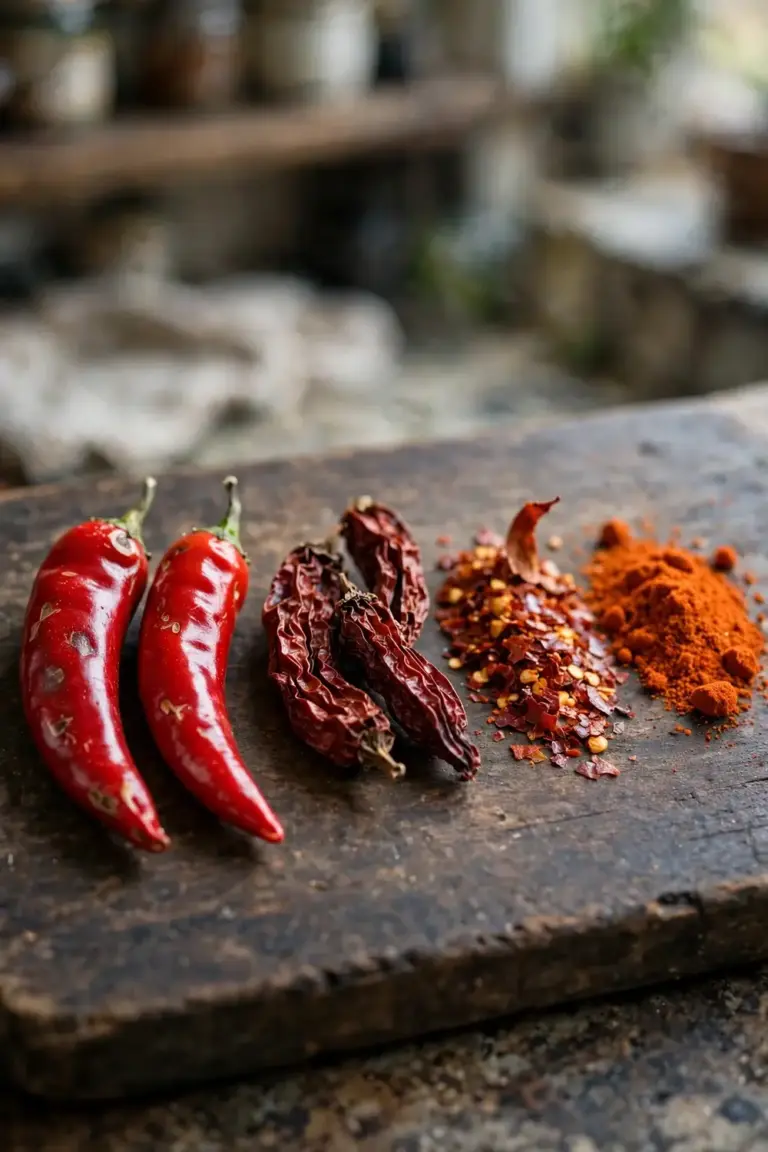
Red pepper flakes deserve a special note. Wikipedia records that in North America, the primary cultivar in crushed red pepper is cayenne. The flakes on a pizza table are very often cayenne, just in flake form. So the “red chilli flakes vs cayenne” debate is frequently a debate about grind size, not about the pepper.
Mash is the form most cooks never see. In the United States, fresh cayenne pods are chopped and fermented into a mash, and that mash is the key ingredient in Louisiana-style hot sauces. Wikipedia names Frank’s RedHot, Texas Pete, and Crystal among the North American hot sauces built on cayenne. New Mexico leads American commercial cayenne production for exactly this market. The hot sauce on the table started as fresh pods, not powder.
That mash route explains a flavor difference worth knowing. A fermented cayenne mash tastes tangy and rounded, nothing like the dry punch of the powder from the same cultivar. When a recipe calls for hot sauce and you reach for cayenne powder instead, you are swapping a fermented product for a dried one. The heat number may match. The flavor will not.
Form changes dosing more than most cooks expect, and this is where meals get away from people. Flakes distribute unevenly and hit in bursts: one bite is mild, the next one burns. Powder disperses evenly through a sauce and hits all at once, which makes it easier to judge but harder to take back. Fresh pods bring water and fruitiness along with the heat, softening the edges. Match the form to the dish, not just the name on the jar.
7. Substitute One for the Other Without Wrecking Dinner
Substitution is where this comparison earns its keep. Start from heat, not from the name. If your jar of red chilli powder is a cayenne-type grind, swap it one for one with cayenne powder. If it is a milder blend, you will need more of it, and the dish will taste fruitier. The jar gives you no number, so your tongue does the measuring.
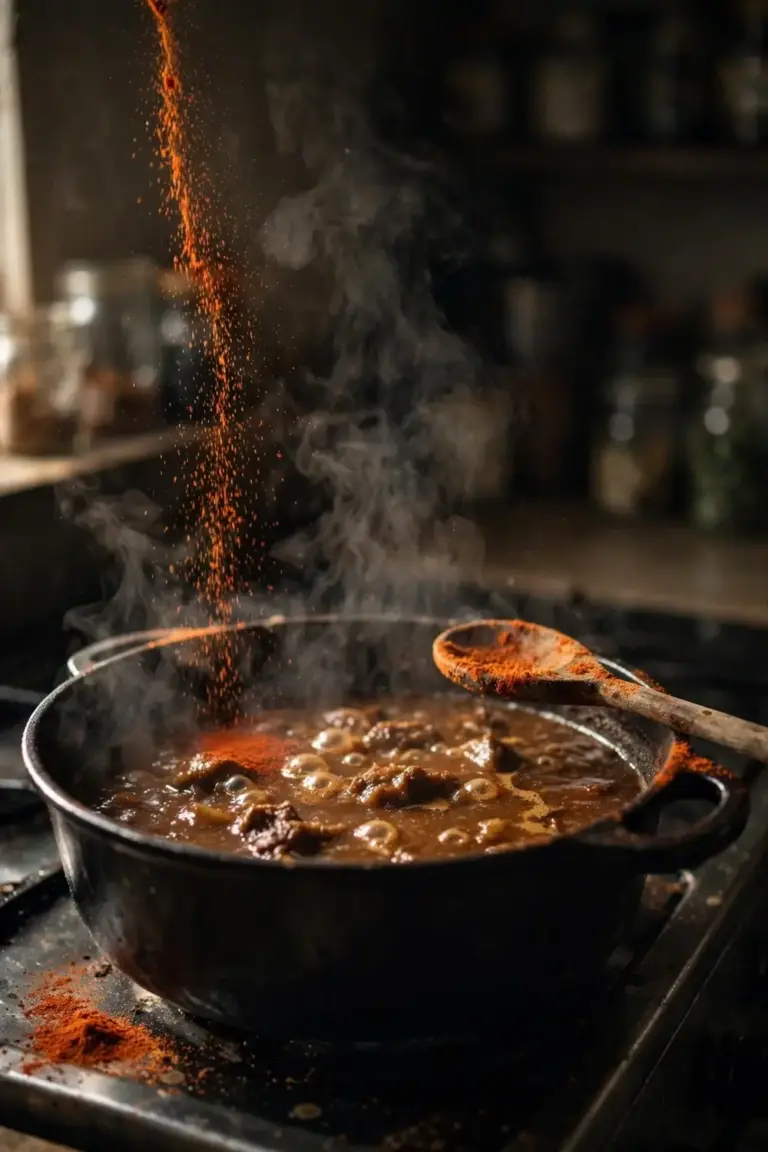
I add cayenne a pinch at a time and taste before the second pinch, because the jar never tells me which cultivar went into it. That habit comes straight from the honest uncertainty in the sources: a given jar is whatever its maker blended, so fixed ratios are guesses dressed as rules.
Work through the dish types one by one. In a dry rub, powder swaps cleanly because the form matches. In a soup or stew, add the substitute early so it has time to bloom, then taste before serving. In a finishing role, like deviled eggs or a soup garnish, swap with extra care, because there is no cooking time left to fix an overshoot. In a sweet dish like hot chocolate, where a little heat sharpens the chocolate, under-dose on purpose. You can stir in more. You cannot stir it out.
For fresh pods, the swap is easier. A fresh red cayenne-type chilli and a fresh “red chilli” from the same shelf are often the same pod. Taste a sliver raw before committing the whole pod to the pot. For flakes, remember they are usually cayenne already, so treat them as cayenne with uneven distribution and dose by pinches, not spoonfuls. Crush a flake between your fingers before adding it to gauge its strength; a fresh flake smells sharp and peppery, while a stale one smells of dust.
Substitution also runs the other way. If a recipe calls for red chilli powder and all you have is cayenne, use slightly less cayenne than the recipe states, then taste. Cayenne’s clean heat can feel stronger than a milder blend even at the same spoonful, because there is no sweetness or fruitiness softening it. Start at three-quarters, cook, taste, and close the gap.
Keep notes. The blend in your red chilli jar will not match the blend in mine, so the ratio that works in your kitchen is yours alone. Write it on the jar lid with a marker. Next time you buy a different brand, the note reminds you to re-test rather than trust the last ratio.
One caution travels with every substitution. Dishes where heat must stay in the background, like a delicate seafood pasta or a mild curry for guests, punish guesswork. In those dishes, do not substitute at all. Buy the exact spice the recipe names.
8. Read the Label Before You Buy the Jar
The label is the only honest document in this comparison, and it is honest by omission. A jar that lists one ingredient, dried cayenne peppers, makes the strongest promise available. A jar that lists “chilli” or “spices” makes none. Buy the single-ingredient jar when the cultivar matters.
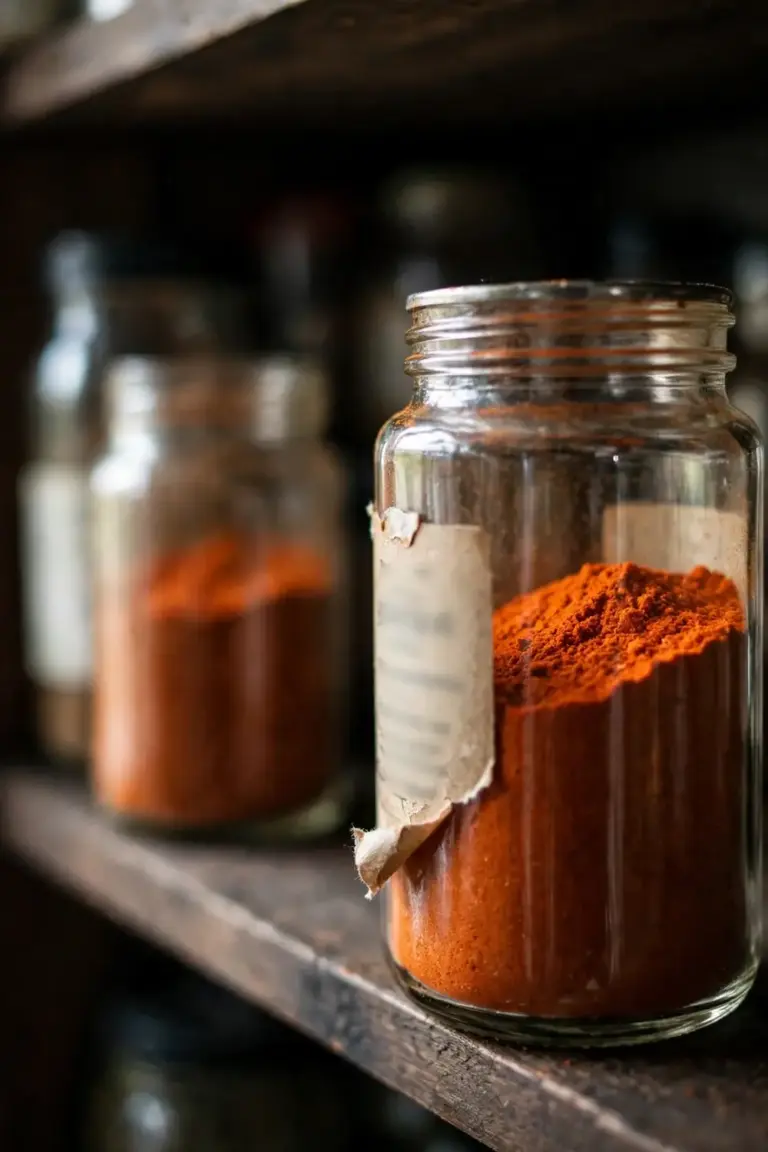
Color gives a secondary clue. A bright, even orange-red powder is a reasonable sign of freshness. A dull brownish powder has likely faded, and faded powder has lost heat along with color. The spice trade measures color precisely with lab instruments, but retail jars rarely state a reading, so your eyes do the work.
Origin lines help slightly. A jar that names a region or a cultivar is making a checkable claim, and makers who make checkable claims tend to keep them. “Product of India” tells you less than a cultivar name, but it tells you more than nothing. Price tells you almost nothing at all. Expensive jars can be blends. Cheap jars can be pure cayenne.
For gardeners who want certainty, growing a named cultivar at home beats reading any label. The site’s pepper growing guide covers the plant side from seed to harvest, and a plant you raised yourself has no labeling mystery.
9. Store Both So the Heat Lasts
Capsaicin fades with light, heat, and time. Keep ground cayenne and red chilli powder airtight, dark, and cool, away from the stove. A sealed jar in a dark pantry keeps its punch far longer than the same jar beside the cooktop. The stove is the worst address in the kitchen for any ground spice.
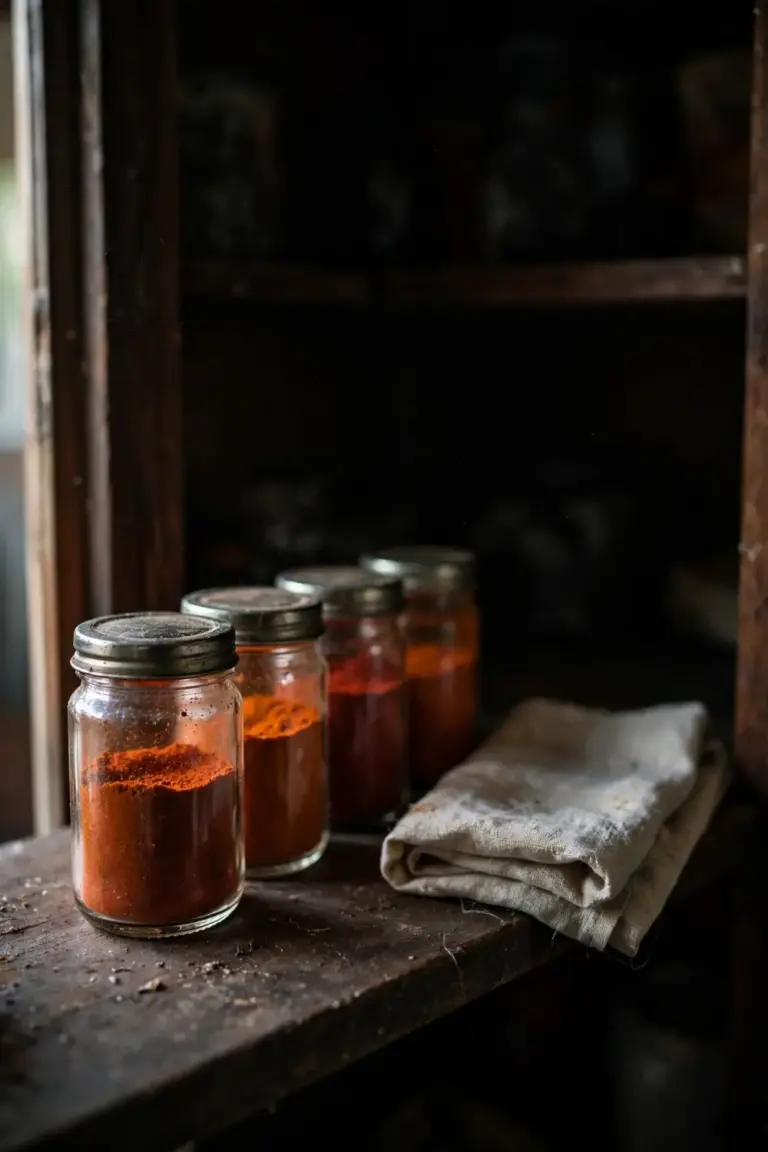
Buy small jars. A teaspoon of cayenne powder weighs about 1.8 g, per USDA figures via Spiceography, and most dishes need a pinch, not a spoonful. A large jar lasts years at that pace, and years are exactly how long it takes for the heat to fade into disappointment. Small jars turn over faster, so the powder is always fresh.
Whole dried pods keep longer than powder. The intact skin slows the loss of both color and heat. If you cook with chilli heat weekly, whole pods plus a small grinder beat a big jar of pre-ground powder. If you reach for heat monthly, the small jar wins. Either way, date the jar when you open it. No regulator publishes a shelf-life figure for ground cayenne, so the rule is sensory: when the color dulls and the aroma weakens, replace it.
10. Trace the Name: Why Cayenne Is Called Cayenne
The name carries four centuries of confusion, which suits this comparison. Wikipedia traces the English word to a Tupi word from Brazil meaning capsicum, first recorded in 1756, and describes the link to Cayenne, the capital of French Guiana, as a mistaken association. The town did not name the pepper. A misheard Indigenous word did.
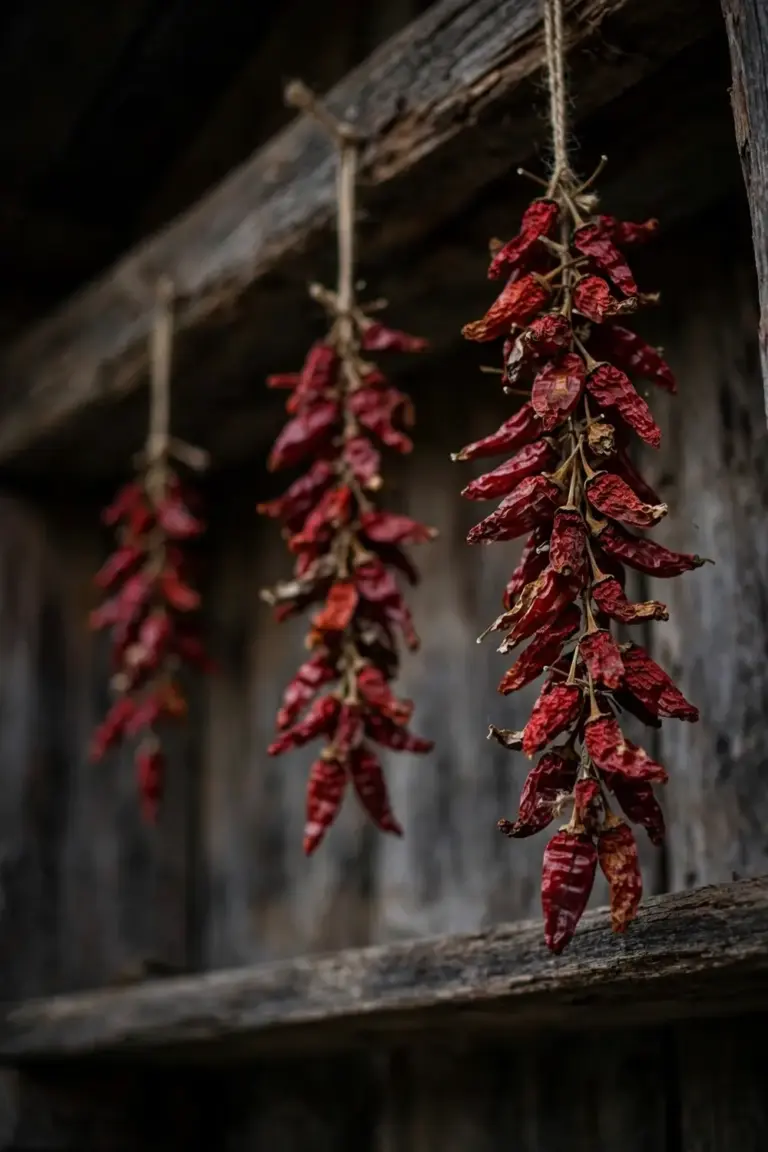
English botanist Nicholas Culpeper used the phrase “cayenne pepper” in 1652, and his herbal treated it as a synonym for what he called “pepper (guinea)”. By the end of the 19th century, “Guinea pepper” had drifted to mean bird’s eye chilli or piri-piri. The same common name has pointed at different peppers in different centuries.
The taxonomy wandered too. In the 19th century, modern cayenne peppers were classified as C. longum, a name later synonymised away. Cayenne powder, meanwhile, has historically been made from bird’s eye peppers as often as from cayenne-type pods. The name on the jar has been approximate for longer than any living cook has been buying it. Expecting precision from it now is asking the label to do something it has never done.
11. Cook With Both: Dishes That Show the Difference
The comparison lands in the kitchen. Spice references list cayenne in seasoning blends, meats, pickles, and seafood, and in Italian, Indian, Mexican, and Caribbean cooking, with seasoned salt, chili powder, jerk seasoning, mole negro, and berbere among the blends that use it. That is the cayenne job description: background heat across cuisines.
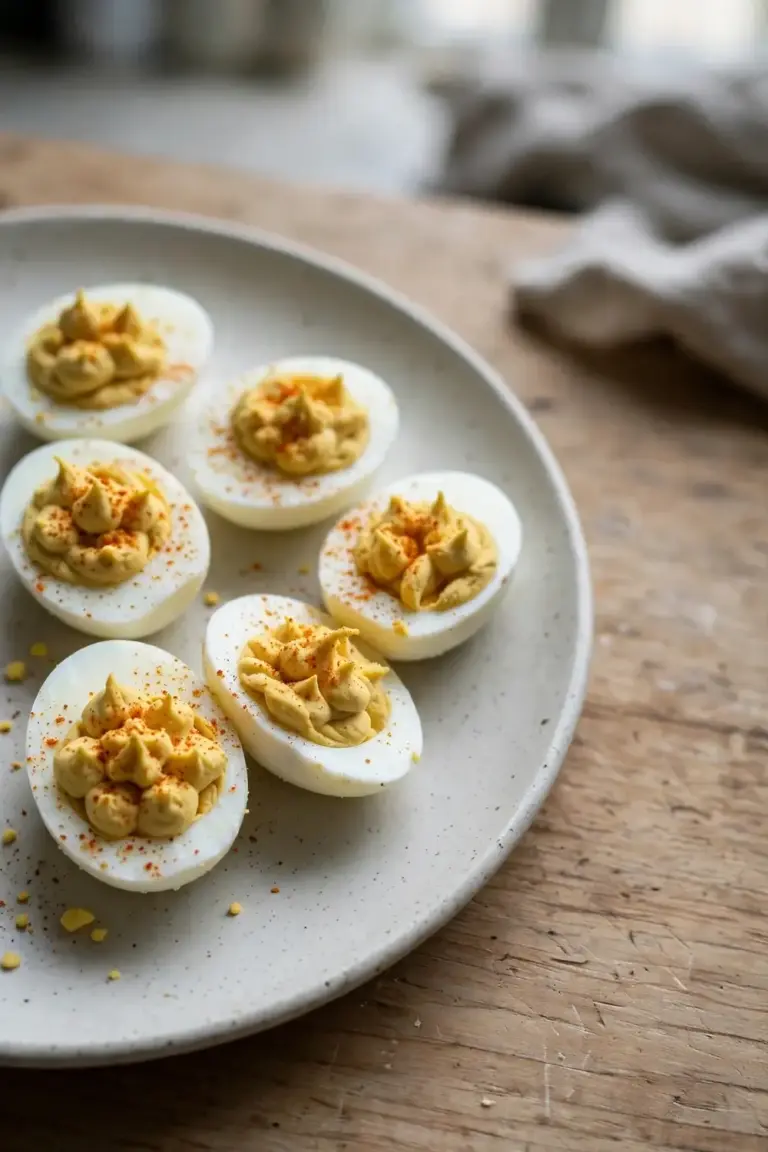
Give each form its best dish. Ground cayenne seasons a Cajun rub, where its neutral heat lets the other spices speak. It finishes deviled eggs and soups, where a pinch adds warmth without changing the flavor underneath. It sharpens hot chocolate, where a little heat lifts the cocoa. Fresh pods start a stir-fry or a homemade hot sauce. Dried whole pods simmer in a curry, then come out before serving.
Red chilli blends earn their place where character matters more than precision. A smoky blend belongs in a barbecue sauce, where the smoke is half the point and the heat is the other half. A fruity mild blend suits a weeknight curry where the family wants warmth, not fire, and nobody is keeping score. A flake jar belongs on the table, where each diner doses their own plate and nobody has to agree on a heat level.
Eggs show the difference fast. A pinch of cayenne on scrambled eggs adds clean background warmth that never fights the butter. A pinch of a smoky red chilli blend on the same eggs changes the dish entirely, for better or worse depending on your mood. When the base ingredient is mild, the spice choice becomes the recipe.
That principle scales up to a whole chilli con carne. Cayenne lets the beef, beans, and cumin carry the flavor while it handles the heat quietly in the background. A red chilli blend with its own fruity character joins the flavor argument instead of staying out of it. Cooks who want the classic bowl reach for cayenne. Cooks who want their own signature reach for the blend.
Soups reward the same thinking. A cayenne pinch disappears into a lentil soup, lifting it without a trace of its own flavor. A red chilli blend leaves fingerprints: fruit, smoke, earth. Neither is wrong. The cook who knows which jar does what stops guessing and starts choosing. Keep both jars. Cook with both. Let the dish pick the winner.
12. Frequently Asked Questions
No. Cayenne pepper is one cultivar, Capsicum annuum ‘Cayenne’. Red chilli is a generic label for any ripe red Capsicum fruit or the powder ground from it. Every cayenne is a red chilli in the loose sense, but most red chillies are not cayenne. The names overlap at the shops because fresh red chillies are often cayenne-type pods.
Usually neither, because red pepper flakes are often cayenne already. In North America the primary cultivar in crushed red pepper is cayenne. Compare the actual products instead: a pure cayenne powder at 30,000 to 50,000 Scoville units against whatever the flake jar holds. Flakes hit in uneven bursts while powder disperses evenly, so the same pepper can feel hotter as flakes.
Yes, with adjustment. If the red chilli powder is a cayenne-type grind, swap one for one. If it is a milder blend, use more and expect a fruitier flavor. Add a pinch, taste after a few minutes of cooking, then adjust. Never substitute in dishes where heat must stay quiet in the background; buy the exact spice the recipe names instead.
It means medium-hot: clearly hotter than a jalapeño at 2,500 to 8,000 SHU, far milder than a habanero at 100,000 to 350,000 SHU. Treat the range as a convention rather than a lab result, since replicated HPLC trials of named cayenne cultivars measured 12,900 to 17,400 SHU. In practice, a pinch seasons a dish for four; a teaspoon dominates it.
Because the jar is a blend more often than the label admits. Cayenne powder may contain different pepper types and may not contain cayenne peppers at all. Cultivar, growing conditions, and age all shift the heat and flavor. Buy single-ingredient jars from makers that name the cultivar, store them dark and cool, and replace them when the color dulls.
13. Pick by Heat First, Then by Flavor
Buy cayenne when you want one named cultivar and a known heat band. Buy red chilli when you want everyday heat and the exact Scoville number does not matter. Dose both by pinches and taste, because the jar never tells the full story. For another hot pepper to compare, Tabasco pepper plants run a similar heat band with a very different flavor. Keep the powder dark, keep the jar small, and let the dish decide the rest.