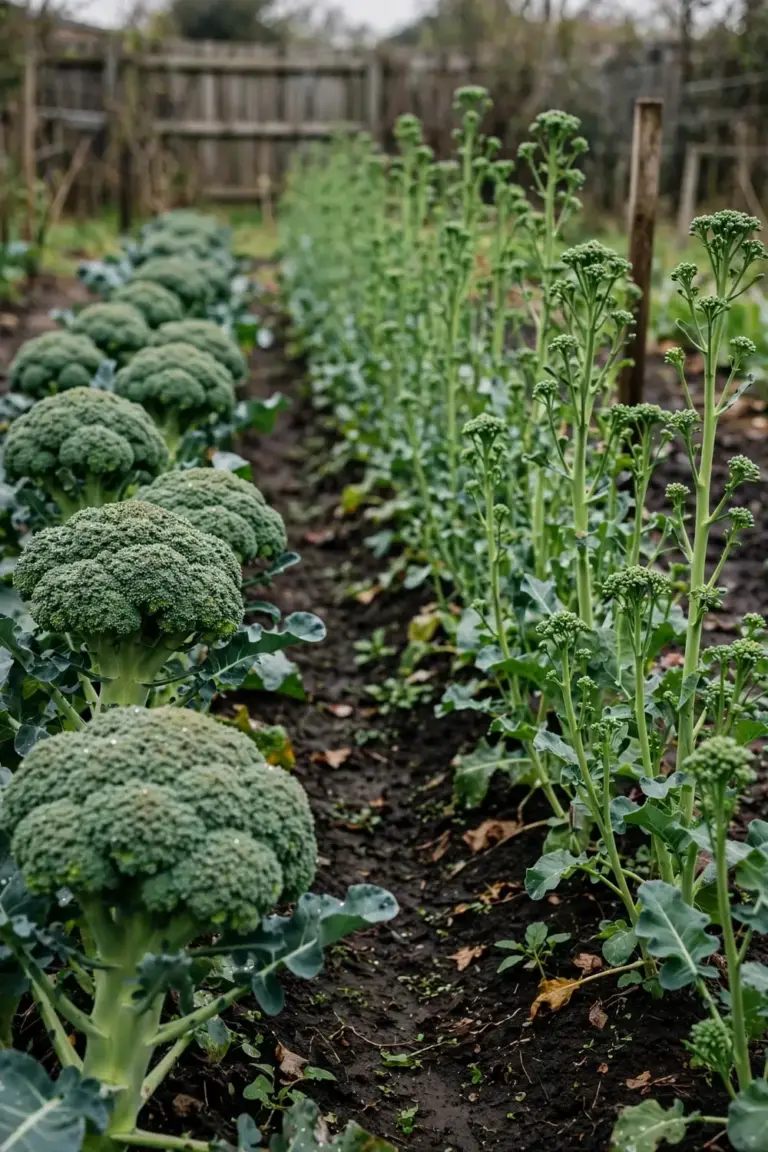

Pick one heading variety and one shoot variety. That pair covers 11 of the best broccoli varieties for Australian gardens, from the classic Calabrese head to gai lan stems. Broccoli is Brassica oleracea var. italica, a cool-season crop grown for its tight cluster of unopened flower buds. I plant one heading variety and one sprouting variety, because the head feeds the first harvest and the shoots keep coming after it.
Varieties means cultivars here. A cultivar is one named selection inside the species, bred for a head shape, a harvest window, or a climate edge. Best means best by Australian garden performance, not best overall. A variety that tops a trial in a cool Tasmanian autumn can bolt in a Brisbane October. The rest of this page ranks 11 picks by harvest style, then sorts the Australian-bred commercial lines, then gives you the chooser.
1. Calabrese: The Classic Heading Broccoli
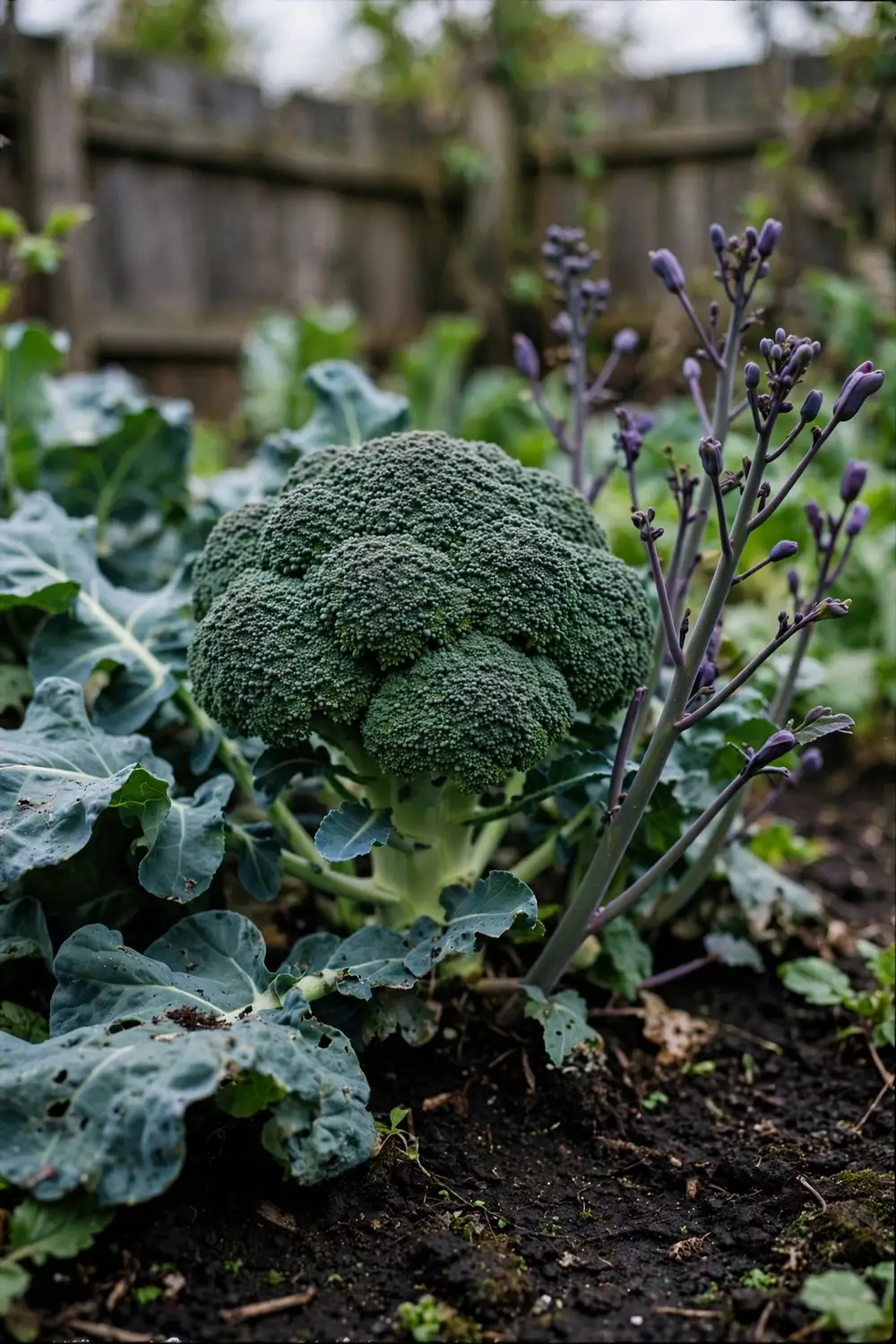
Calabrese is the standard green broccoli most Australian gardeners picture. It grows a solid central head, then keeps sending smaller side shoots after the main head is cut. The National Gardening Association lists Calabrese as an open-pollinated Italian heirloom sprouting type that matures in 58 days and produces many small heads of 7.6 to 12.7 cm over a long period, in its brassica growing guide.
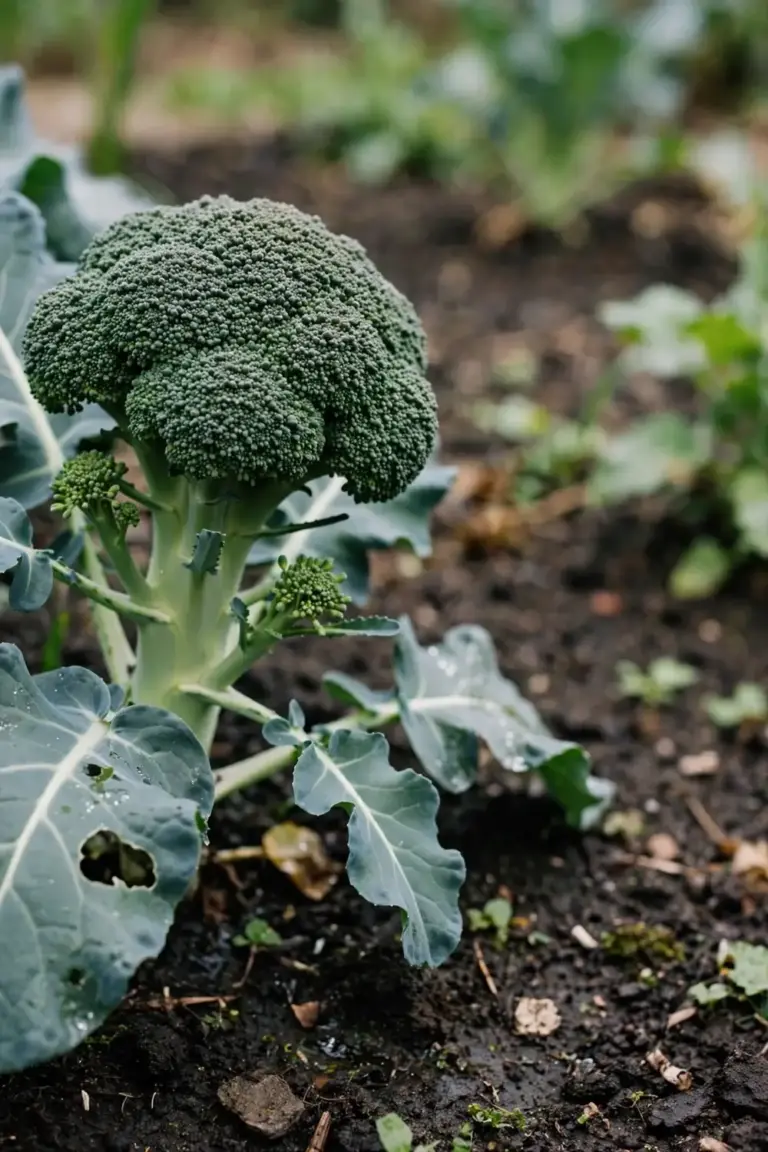
Cut the central head while the buds stay tight and dark green. A head left too long loosens and yellows as the buds open. Leave the lower leaves and side buds intact when you cut. The plant keeps feeding those side shoots for weeks when water and feed stay steady. Pick side shoots every few days once they start. A shoot picked small stays tender. A shoot left to grow large turns woody at the stem and loose at the head.
Calabrese suits a gardener who wants one familiar variety and a long harvest. Seed stays true because the variety is open-pollinated, so you can save seed from isolated plants. Buy seed from a seller who names the strain on the packet, because packet names vary.
2. Waltham 29: The Cold-Tolerant Heirloom
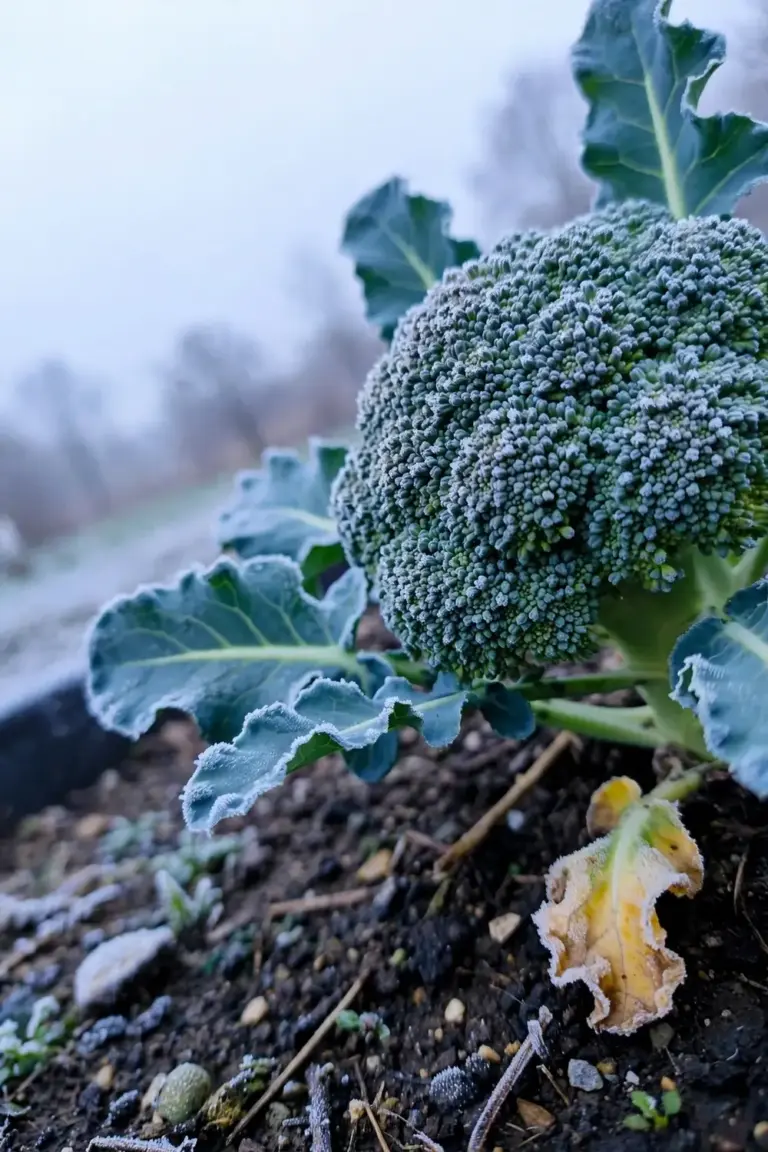
Waltham 29 is the heirloom to plant when your winters run cold. It is late-maturing, cold-tolerant, and generous with side shoots after the main head comes off. The National Gardening Association lists Waltham 29 as an open-pollinated heirloom that matures in 75 days and is known for cold tolerance and abundant side shoots, in its brassica growing guide.
An Australian seed seller groups Waltham 29 with Calabrese as the classic garden pair, chosen when a gardener wants familiar green heads followed by useful side-shoot production, in its broccoli chooser. That pairing works in cool and temperate gardens where autumn sowings head up in winter cold.
Give Waltham 29 the longest cool window you can. Sow so head development lands in cool to mild weather. Heat at heading time turns heads loose and small. A plant that heads in steady cold gives the densest head and the longest side-shoot run. In a temperate garden, sow Waltham 29 in late summer for an autumn and winter harvest, then sow again in early spring where springs stay cool. The autumn crop usually outperforms the spring crop, because days shorten as heads form instead of lengthening. If your spring warms fast, switch the spring slot to De Cicco and keep Waltham 29 for autumn only.
3. De Cicco: The Earliest Sprouting Type
De Cicco is the fastest pick on this list. It matures in 48 days, the earliest figure in the National Gardening Association variety table, which describes it as a very early sprouting type with larger heads than Calabrese and abundant side shoots, in its brassica growing guide. The main head runs small. The side shoots carry the harvest.
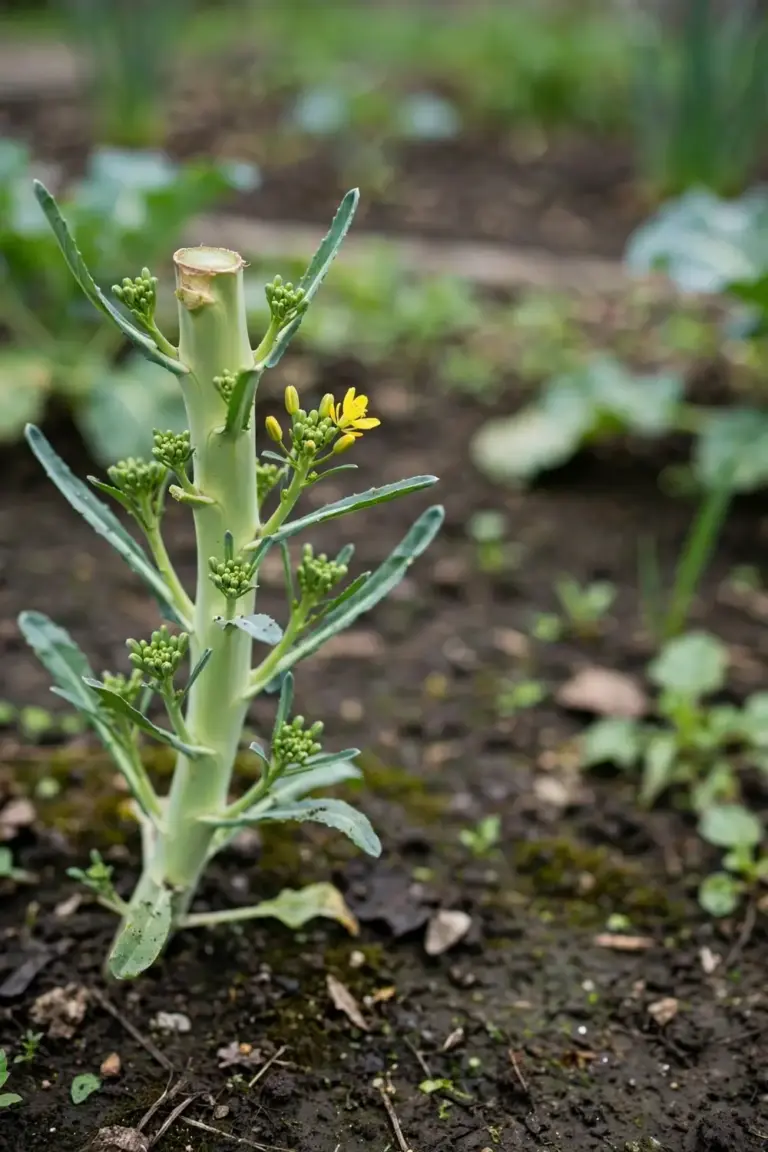
De Cicco suits a short cool window. Sow it where spring warms fast or where autumn frosts arrive early. The plant puts energy into many small heads rather than one large one. Pick shoots while buds stay tight. A shoot left on the plant opens into yellow flowers within days in warm weather. Check plants every two days once shooting starts. The harvest window moves fast, and a missed check turns shoots into flowers. Cut shoots with a short stem attached. The stem stays tender at this size and cooks with the head.
De Cicco also suits a small bed. Plants stay compact beside a big hybrid. Sow two batches two weeks apart and the second batch takes over as the first batch fades. Succession sowing beats one large planting for this variety.
4. Marathon: The Uniform Heading Hybrid
Marathon is the hybrid to plant when you want one even head per plant and a tidy harvest. The National Gardening Association calls Marathon the most widely grown broccoli in the world, a hybrid with uniform 15.2 cm heads, cool tolerance, and good side-shoot production, maturing in 68 days, in its brassica growing guide. An Australian seed seller groups Marathon with Imperial and Camele as uniform heading crops for growers who want consistent plant growth, central heads, and even harvests, in its broccoli chooser.
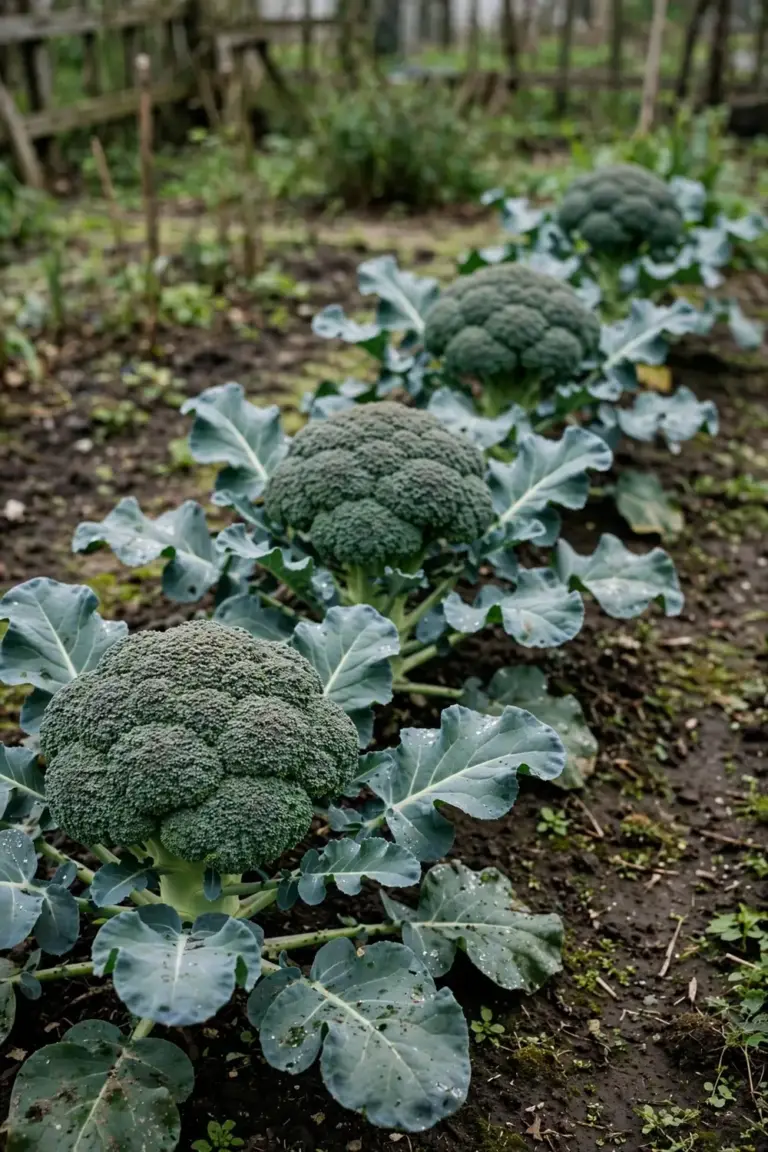
Uniform heads matter when you harvest a whole bed at once. Plants reach cutting size together. That suits a gardener who blanches and freezes a batch in one session. Blanch heads briefly in boiling water, chill them fast in iced water, then drain them well before bagging. Heads frozen without blanching lose color and texture in the freezer. Side shoots follow the main head, so the bed keeps producing after the first cut. Pick shoots for fresh eating while the frozen batch covers winter meals.
Marathon needs steady water at heading time. A dry week during head formation gives small, uneven heads. Mulch holds moisture through that window. Keep feed even rather than heavy late in the season.
5. Green Magic: The Heat-Tolerant Early Hybrid
Green Magic is the hybrid to plant when your cool window is short and warm days arrive early. Cornell University lists Green Magic in its early spring, late summer, and fall planting lists, and places it in the late summer list for crops that tolerate some warmth, in its Eastern Broccoli Project variety recommendations. Green Magic matures early, one of the earliest hybrids on this page.
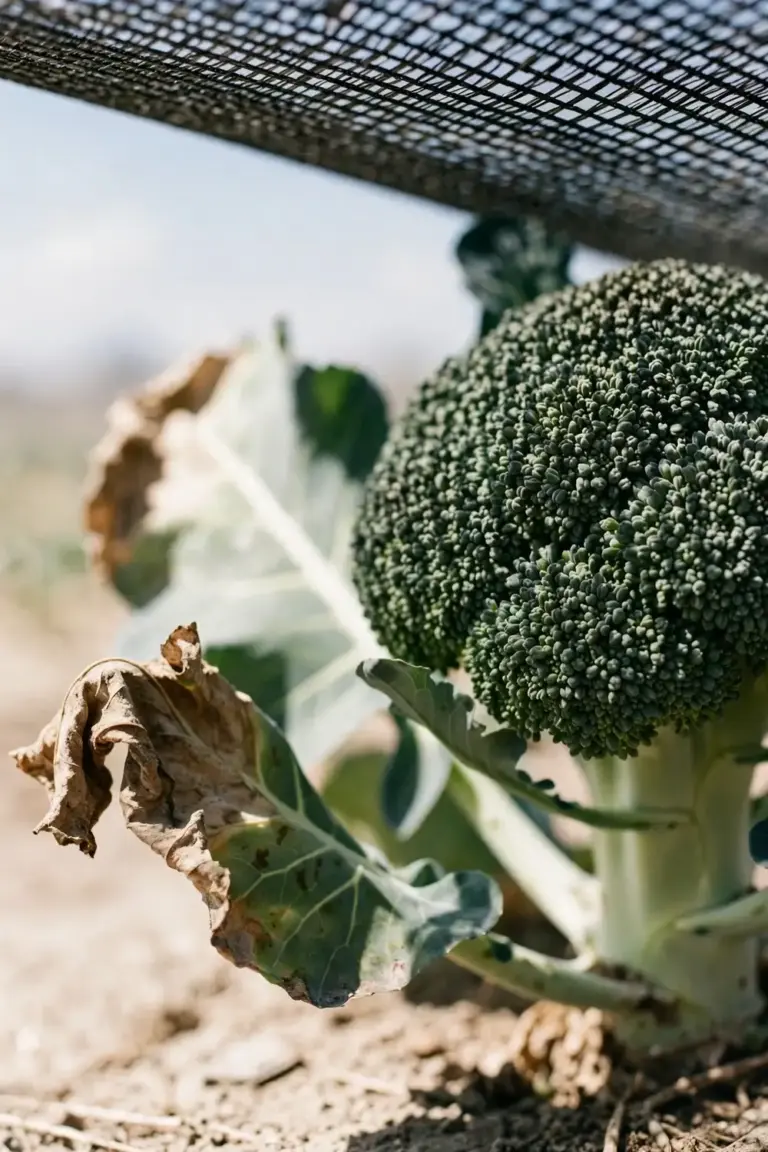
Heat tolerance is relative. Green Magic holds a head through warm spells better than Waltham 29 does, though it still heads best in cool to mild weather. Time the crop so heads form before sustained heat arrives. Afternoon shade cloth over the bed buys a week in a hot spell when draped over hoops. Never lay it flat on the leaves. Flat cloth traps heat and cooks the heads.
Green Magic suits subtropical gardens where autumn sowings head up in winter. It also suits temperate gardens as a spring crop that finishes before summer. Cut heads early in the day while buds stay tight.
6. Belstar: The Stress-Tolerant All-Rounder
Belstar is the hybrid to plant when your garden swings between cool nights and warm days. Cornell University lists Belstar in its early spring, late summer, and fall planting lists for eastern growers, in its Eastern Broccoli Project variety recommendations. Belstar matures mid-season, with domed blue-green heads and strong side-shoot production after the main head.
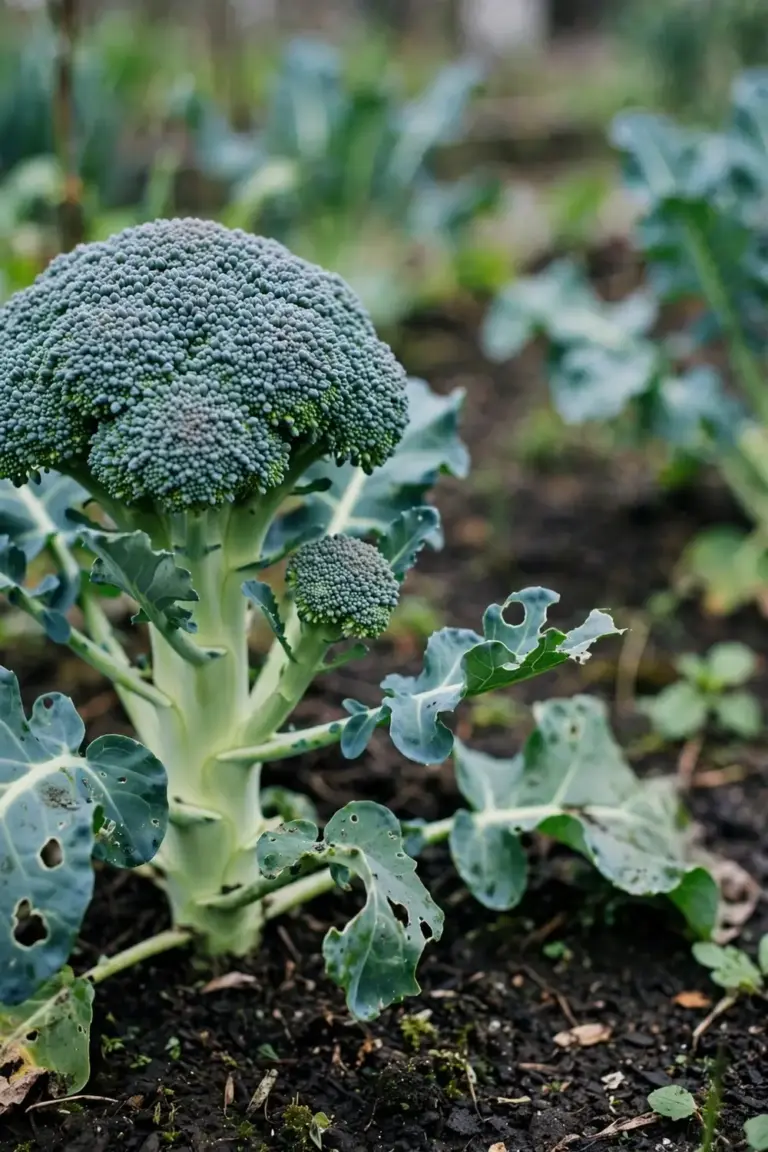
Belstar holds a head well on the plant. That holding ability forgives a missed harvest day. Heads stay tight a few days longer than De Cicco heads do. The plant tolerates both cold and heat better than most hybrids, which is why it appears in all three of Cornell’s seasonal lists.
Belstar suits a gardener who wants one variety for spring and autumn. Sow it in both windows and compare the two crops. The autumn crop usually gives the denser head. Save the spring slot for Green Magic when heat arrives early.
7. Arcadia: The Big-Headed Cold-Season Hybrid
Arcadia is the hybrid to plant when you want the largest head on this list. The National Gardening Association lists Arcadia as a hybrid that matures in 63 days, with a large head, good disease tolerance, and good cold tolerance, in its brassica growing guide. Cornell University lists Arcadia in its fall harvest list for bunching, florets, and processing, in its Eastern Broccoli Project variety recommendations.
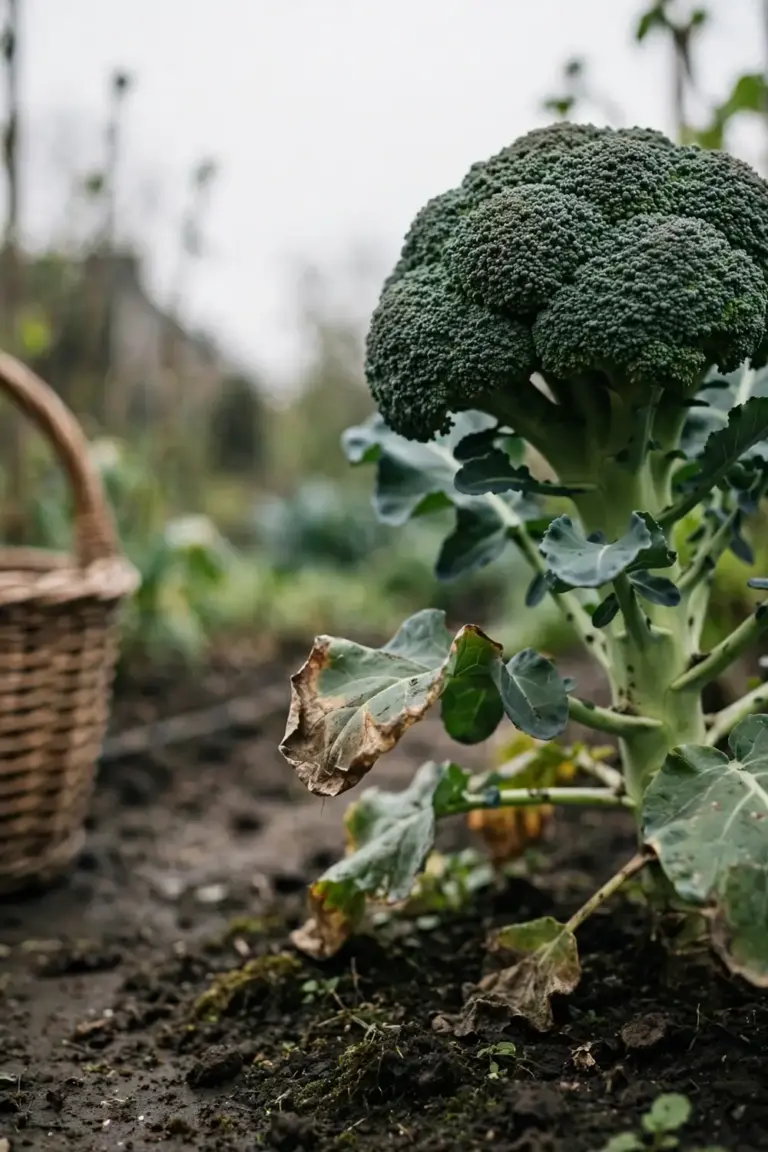
Arcadia heads sit high on the stem, which makes cutting easy. The plant grows vigorously and fills its spacing fast. Give it the full spacing on the packet. Crowded Arcadia plants give smaller heads and weaker side shoots. Thin ruthlessly if you direct sow. One strong plant beats two crowded ones.
Arcadia suits a cool-season bed where you want a processing crop. Big heads blanch and freeze well. The variety also suits a gardener who sells at a market stall, because heads look uniform at the stall. Disease tolerance helps in humid coastal gardens where leaves stay wet. Pick heads before rain where you can. Wet heads hold water in the beads and soften faster in storage.
8. Purple Sprouting: The Overwintering Shoot Crop
Purple sprouting broccoli is the pick for repeated harvests instead of one head. The National Gardening Association lists purple-sprouting as an open-pollinated overwintering type that matures in 220 to 250 days, with large yields of purple heads in early spring, in its brassica growing guide. An Australian seed seller lists purple sprouting broccoli for repeated shoot harvests, chosen when a gardener prefers multiple tender shoots over one large central head, in its broccoli chooser.
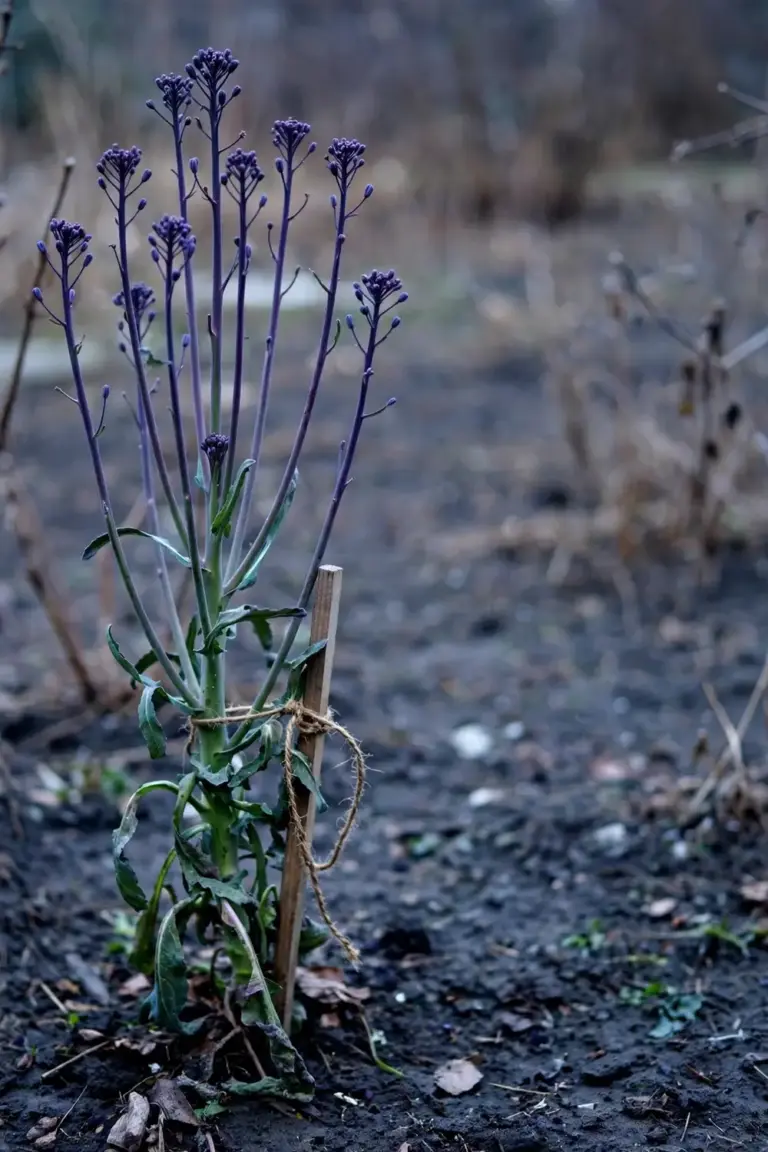
The wait is the longest on this list. Plants grow through winter and shoot in late winter and spring. The purple shoots turn green when cooked. Pick shoots while buds stay tight, and the plant keeps sending more for weeks. Pick every two or three days at peak shoot season. A shoot left too long opens into flower and turns woody.
Plants grow large over their long season, so stake them in windy sites. A single cane beside the stem stops wind rock. Wind rock loosens roots and checks growth. A loose plant heads poorly.
Purple sprouting suits cool and temperate gardens with a real winter. In subtropical gardens, sow in autumn and harvest through winter. In tropical gardens, skip it. The plant needs a cool season to perform. Give each plant generous space, because plants grow large over their long season.
9. Romanesco: The Spiral-Headed Showpiece
Romanesco is the pick for a garden that also feeds the eye. It grows a single lime-green head of tight spirals, each cone built from smaller cones. An Australian seed seller describes Romanesco as a distinctive central head for speciality gardens, with striking lime-green spiral heads and a delicate, mildly nutty flavour, in its broccoli chooser.
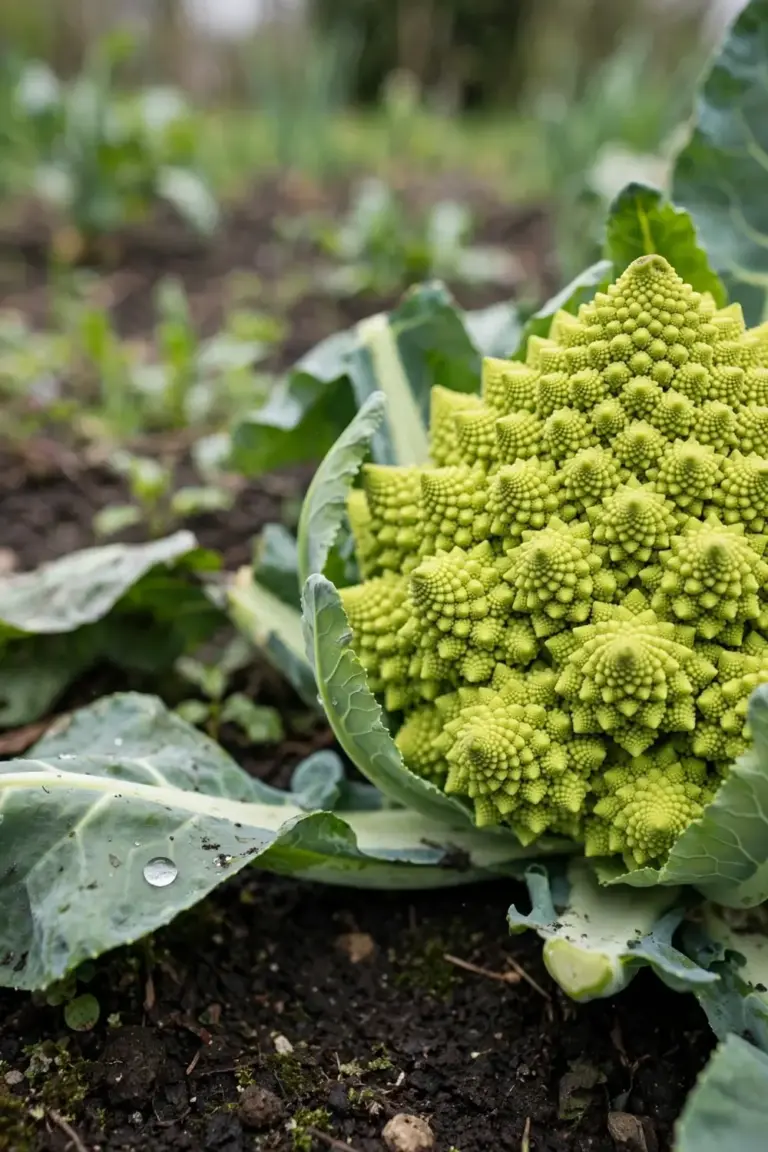
No single days-to-maturity figure is published consistently for Romanesco. Data not available for an exact figure. Buy seed from a seller who prints a maturity figure on the packet, and plan on a longer wait than heading types need. The head needs steady cool weather to form its tight spirals. Heat during head formation gives loose, uneven cones.
Romanesco suits a gardener who already grows a reliable heading variety and wants one row of something different. Grow it as a trial row first. If the trial row heads well in your climate, plant more next season. Cut the head while the spirals stay tight and bright. A head that starts to loosen will not tighten again. Cook it the same day, because spiral heads soften faster than dense heading types once cut.
10. Broccolini: The Tender-Stem Hybrid
Broccolini is the pick for long tender stems and small loose heads. North Carolina State University Extension notes that broccolini heads are smaller and looser than broccoli heads, in its Brassica oleracea group profile. Seed sellers describe broccolini as a broccoli and gai lan cross, which explains the slender stems and the loose heads.
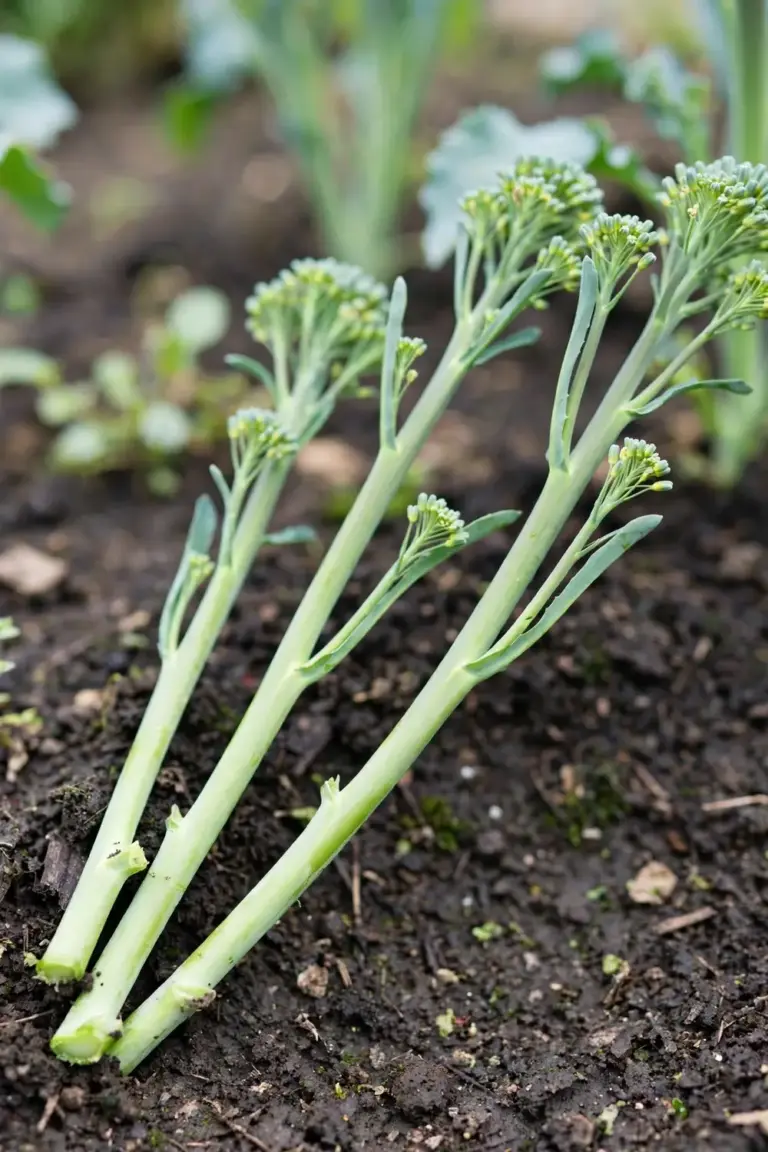
Harvest broccolini by cutting stems while the small heads stay tight. The plant keeps sending new stems after each cut. Stems cook fast, which suits stir-fries and roasting. A bed of broccolini gives a longer harvest than a bed of heading broccoli.
Broccolini suits a gardener who eats stems as much as heads. It also suits a small garden, because plants crop over a long period from a small footprint. Space plants so air moves between them. Tight spacing in humid weather invites leaf disease. Sow a second batch three weeks after the first. The second batch takes over as the first batch slows, and the harvest never gaps.
11. Gai Lan: The Leaf-and-Stem Crop
Gai lan, also called Chinese broccoli, is the pick for leaves and stems rather than a head. An Australian seed seller lists Chinese broccoli for leaves, stems, and developing flower buds, with broad leaves and substantial tender stems, in its broccoli chooser. North Carolina State University Extension places gai lan inside the same Brassica oleracea group as broccoli, in its Brassica oleracea group profile.
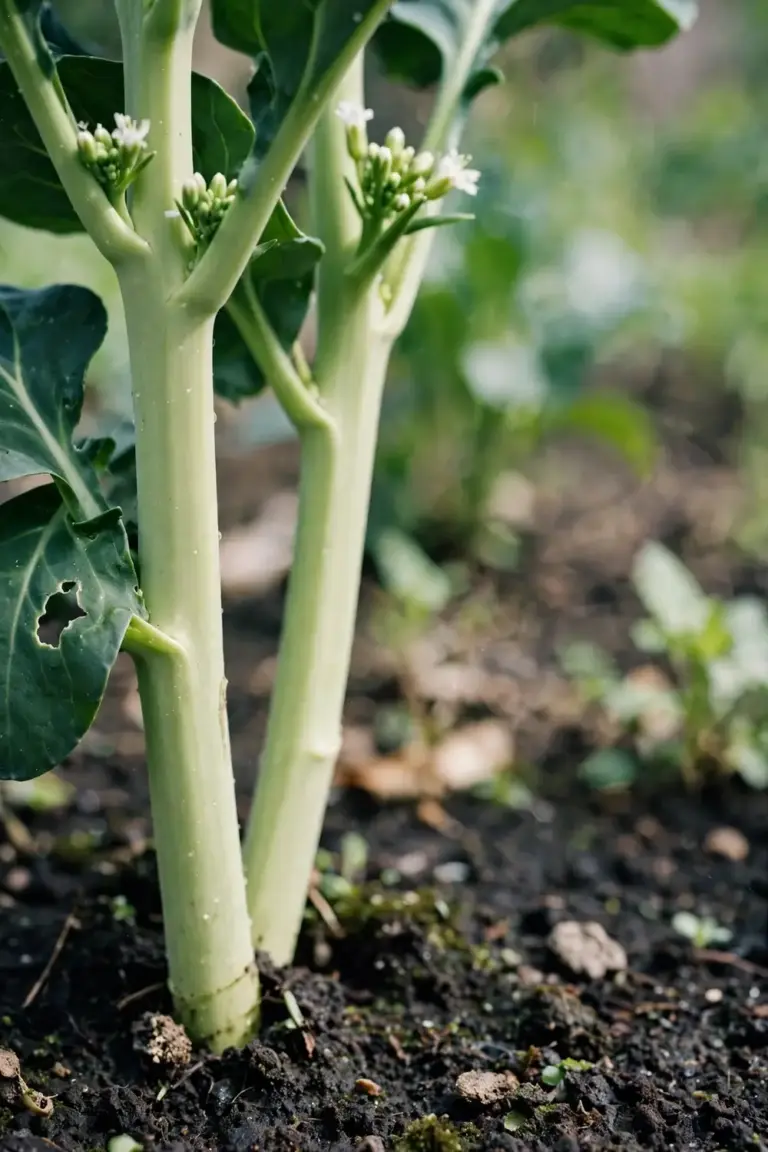
Harvest gai lan by cutting stems while the flower buds stay closed. Cut low and the plant sends new stems from lower buds. Leaves cook with the stems. The flavour runs stronger and more mustard-like than heading broccoli, which suits garlic and oyster sauce.
Gai lan suits a gardener who cooks Asian dishes and wants a crop that keeps producing. It also suits warm gardens better than heading broccoli does. Sow small batches in succession so stems stay young. Old stems turn tough and woody. Watch for bolting in hot weather. A plant that bolts sends a tall flower stalk and stops making useful stems. Cut it out and sow a fresh batch.
12. What About the Australian-Bred Commercial Varieties?
Australian seed breeder South Pacific Seeds lists six broccoli varieties bred for commercial production: Aurora, Alucia, Atomic, Brumby, Jarrah, and Overland. These lines are sold in bulk quantities for commercial growers, not in home-garden packets. A home gardener will usually buy the garden varieties above. The commercial lines still tell you what Australian breeding selects for: heat tolerance, hollow-stem tolerance, and head weight. Treat the figures below as commercial trial results. They run under commercial feeding, irrigation, and spacing, so a home bed may return smaller heads.
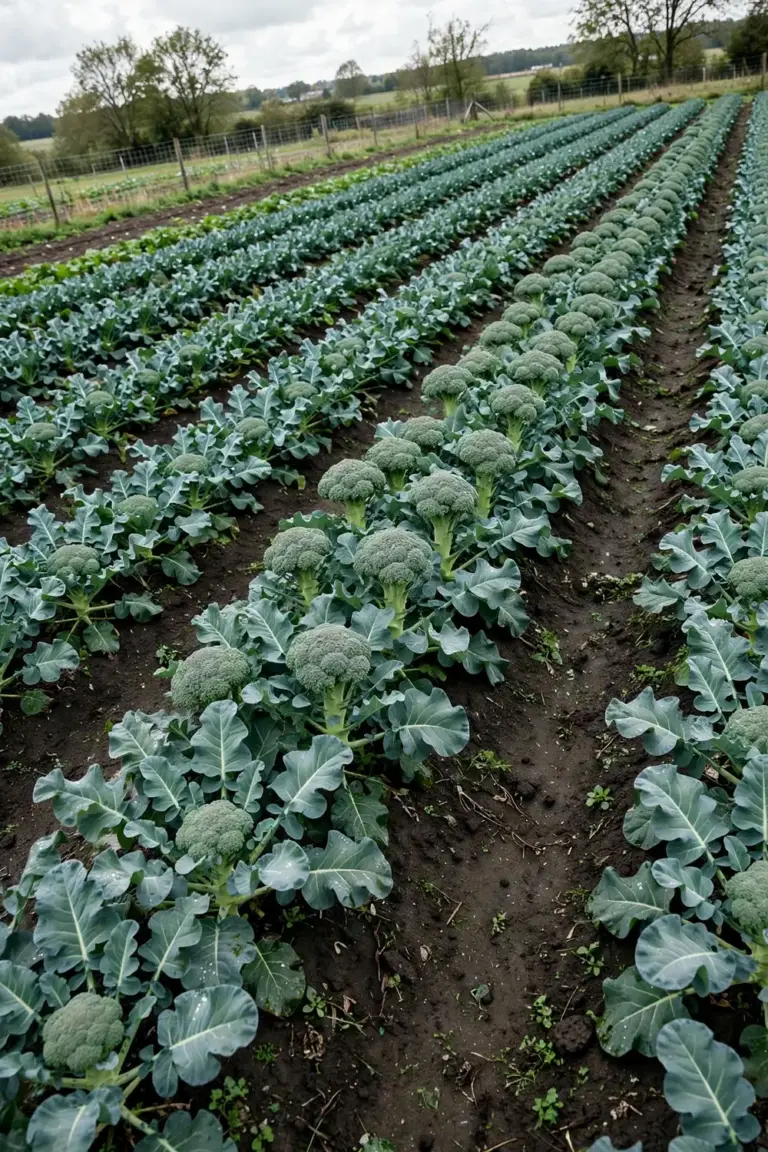
South Pacific Seeds lists Aurora as an improved Atomic type that matures in 60 days from transplant, suited to autumn and early winter harvest, with a dome-shaped head, strong tolerance to hollow stem, and less susceptibility to white rust in plantings to date. Alucia suits summer harvest, with heavy firm dome-shaped heads and head weights of 380 to 400 grams. Atomic matures early, handles summer and autumn harvest, and does not suit spring harvest in cooler climates.
Brumby is the warm-weather workhorse of the set. South Pacific Seeds describes Brumby as a versatile mid-maturing warm-weather type with uniform heads, fine bead, and exceptional color under warm conditions, and lists its relative maturity at 9 to 13 weeks. Jarrah matures late, with blue-green heads of 480 grams, nil purpling, and good heat tolerance in plantings to date. Overland is a firm-holding cool-season variety, a later-maturing Aurora type with better cold tolerance at maturity.
If a local seed seller stocks any of these lines in a small packet, the traits above are what to expect. Aurora and Overland suit cool-season beds. Alucia, Atomic, and Brumby suit warm-season beds. Jarrah suits a long cool-to-warm season. Ask the seller for the packet’s own maturity figure, because commercial trial figures run under commercial feeding and irrigation. Ask whether the seed is treated. Commercial seed sometimes carries a fungicide coating, and a home gardener who saves seed or grows organically needs to know before sowing. Keep your first planting small. One row of a commercial line tells you more about its fit for your soil than any trial report does.
13. How to Choose Among the Best Broccoli Varieties for Australian Gardens
Start with harvest style. Heading types give one large head plus side shoots. Sprouting types give many small shoots and no large head. Stem types give tender stems with small heads. Leaf-and-stem types give leaves, stems, and buds. Pick the harvest style you cook most, then pick the variety inside it.
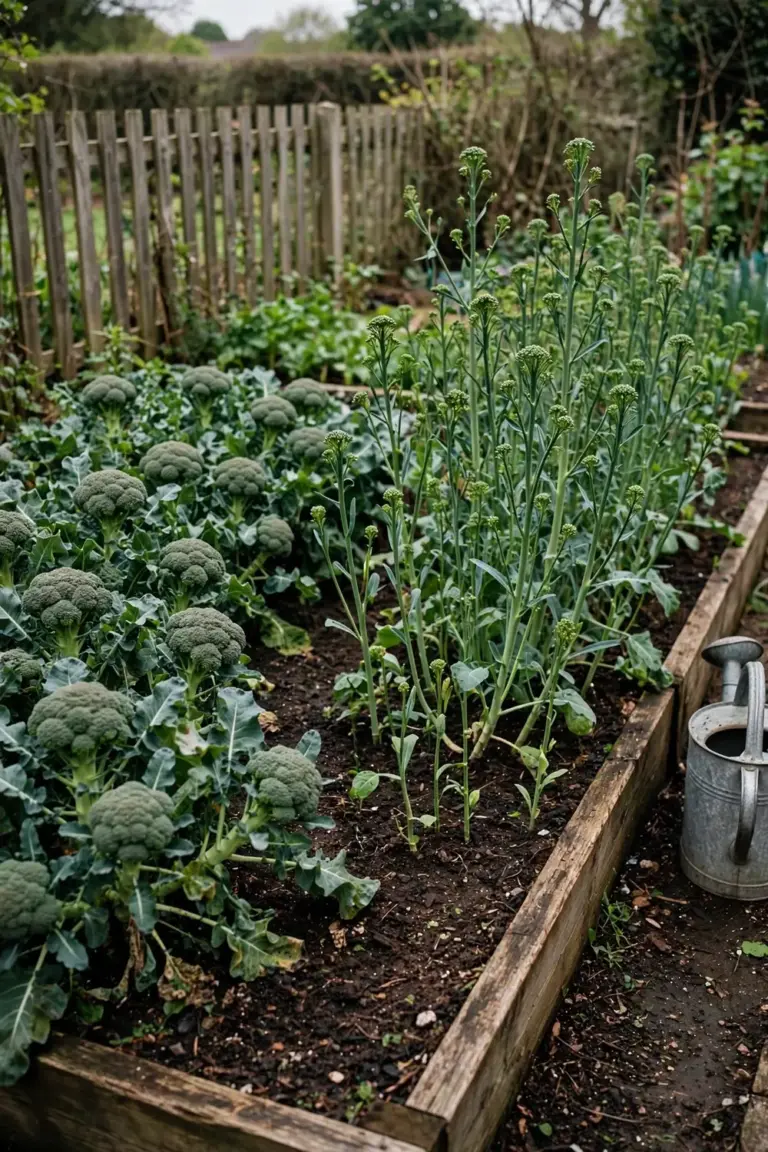
Match the variety to your climate window. An Australian seed seller gives three planting periods: cool and temperate climates sow in late summer through autumn, with extra spring sowings where conditions permit; subtropical climates sow in autumn through winter so heads form in cooler months; tropical climates sow in the cooler and drier months and avoid persistent heat and humidity, in its broccoli planting guide. Heat-tolerant varieties like Green Magic, Belstar, and Brumby extend the season in subtropical beds. Cold-tolerant varieties like Waltham 29 and Arcadia hold up in cool beds.
Use the table to narrow the list to two or three varieties, then sow one heading type and one shoot or stem type. Plan the bed before you sow. A bed that held cabbage, cauliflower, or kale last season should rest from brassicas this season, because soil-borne brassica problems carry over in the same ground. Rotate the bed to a crop from another family, then bring broccoli back next cool season. Succession sowings beat one large planting for most varieties on this list. Sow a second batch two weeks after the first, and the harvest stretches across a month instead of landing in one week.
| Variety | Harvest Style | Days to Maturity | Best For |
|---|---|---|---|
| Calabrese | Heading plus side shoots | 58 | First heading variety, long harvest |
| Waltham 29 | Heading plus side shoots | 75 | Cold winters, extended harvest |
| De Cicco | Sprouting | 48 | Short cool windows, fast crop |
| Marathon | Heading, uniform | 68 | One even harvest, freezing |
| Green Magic | Heading | About 57 | Short cool windows, warm spells |
| Belstar | Heading plus side shoots | About 65 | Variable weather, spring and autumn |
| Arcadia | Heading, large | 63 | Cool-season beds, processing |
| Purple Sprouting | Shoots | 220 to 250 | Overwintering, repeated shoots |
| Romanesco | Single spiral head | Data not available | Trial row, showpiece bed |
| Broccolini | Tender stems | Data not available | Stir-fries, long harvest |
| Gai Lan | Leaves and stems | Data not available | Asian cooking, warm beds |
Sow seeds in trays or direct in the bed. The seed starting guide covers tray sowing, hardening off, and transplant timing. Build the bed on fertile soil with compost worked through. Soil health sets head size more than any fertilizer does. Mulch holds moisture through head formation. What is mulching covers materials and depth. Broccoli sits well beside other cool-season crops. Fall vegetables to plant lists companions for the same bed.
Maturity figures for Green Magic and Belstar come from seed sellers’ listings, since the extension sources list them by season rather than by days. Read every packet before you sow. A packet that names the variety, the type, and the maturity figure tells you the head shape, the wait, and the climate edge. A packet that says only “broccoli” hides the harvest style. Keep the packet until harvest, so you can compare the result with the claim next season.
Frequently Asked Questions
Calabrese and Waltham 29 are the easiest starting pair. An Australian seed seller names them as the established choices for home gardens, with the best pick still depending on planting season, climate, and whether you want one large head or repeated side-shoot harvests. Sow Calabrese first for a familiar head, then add Waltham 29 for cold tolerance.
Green Magic and Belstar handle heat best among the garden varieties. Cornell lists both in its late-summer list for crops that tolerate some warmth. Brumby, an Australian-bred commercial line, is described by its breeder as the most heat-tolerant variety in its range. Time even heat-tolerant varieties so heads form before sustained heat arrives.
Summer growing works only where summers stay mild or where you pick a heat-tolerant variety and shade the bed. Seedmart advises subtropical growers to sow in autumn through winter so heads form in cooler months, and tropical growers to sow in the cooler and drier months. A summer crop in a hot inland garden usually bolts before it heads.
Tiny heads, called buttoning, usually come from stress on young plants. The National Gardening Association notes that broccoli can button when seedlings face cold temperatures while still small. Other causes include transplant shock, crowding, dry soil, and poor fertility. Start with healthy transplants, space plants fully, and keep water and feed steady through head formation.
Save seed only from open-pollinated varieties, and only with isolation. An Australian seed seller notes that open-pollinated varieties can produce seed that keeps the parent traits when plants are isolated from compatible brassicas and seed is selected carefully. Hybrid varieties like Marathon, Green Magic, and Belstar will not come true from saved seed. Buy fresh hybrid seed each season.
Plant Two Varieties, Not Ten
Two varieties teach you more than ten packets do. Plant one heading variety and one shoot or stem variety this season. Watch which one heads best in your climate, then add a third next season. The best broccoli variety for your garden is the one that heads in your weather, on your soil, in the window you actually have. Write the variety names on a stake at the end of each row. Memory fades by harvest time, and the stake tells you which packet earned a second season. Start with Calabrese and broccolini if you cannot decide. That pair gives a classic head and a long stem harvest from two rows.