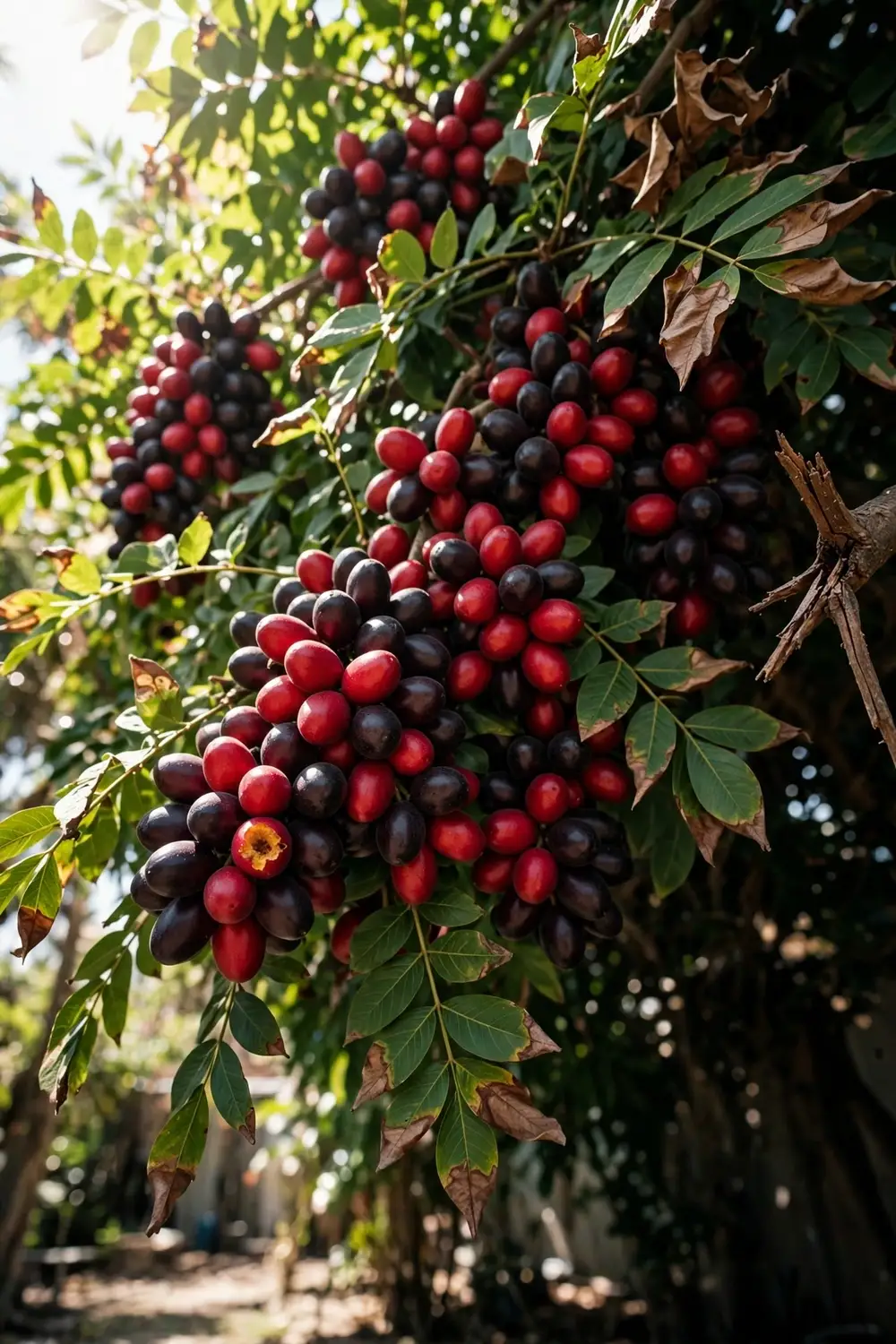

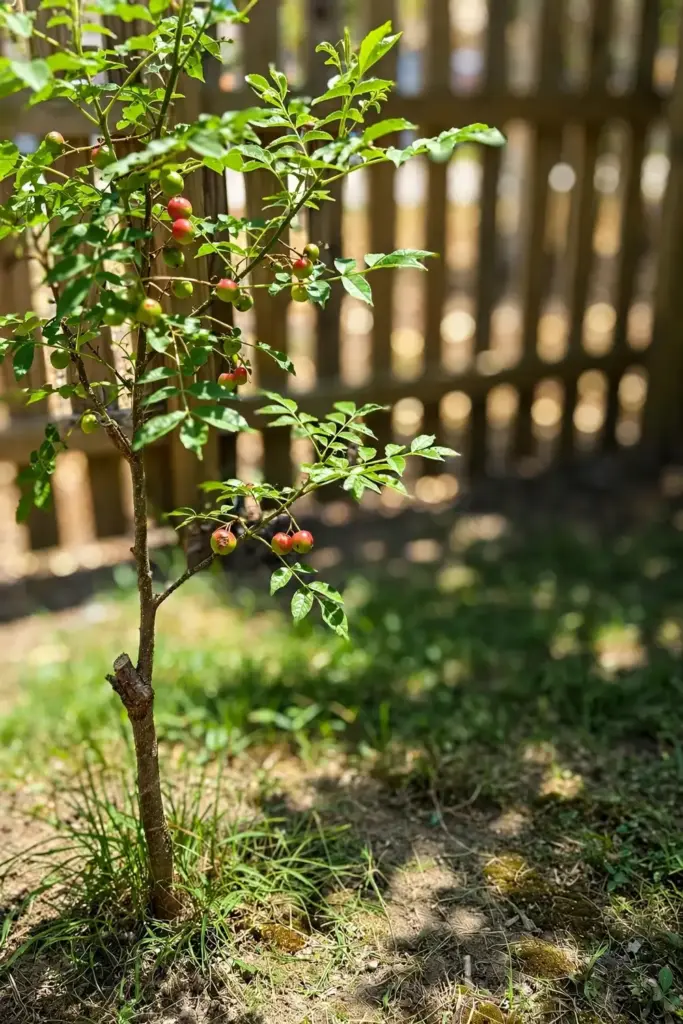
You can grow sarguelas from a branch cutting that is at least 4 feet long, and that single cutting can carry fruit in 2 to 3 years. The seed route takes 4 to 5 years and succeeds less often. I have learned to trust the four-foot rule instead of gambling on short cuttings, because every serious growing guide on Spondias purpurea agrees on it.
Sarguelas is the Filipino name for the Spanish plum, also sold and shared as sineguelas, siniguelas, jocote, red mombin, and ciruela. Its correct scientific name is Spondias purpurea, and getting that right matters. Guides mix this fruit with two others that share the word “plum,” and starting a cutting of the wrong species wastes years. If you were weighing how to grow a plum tree from a fresh plum seed, that European plum path is a different plant with different rules.
| What You Grew | Scientific Name | Leaves | Fruit | Propagation That Works |
|---|---|---|---|---|
| Sarguelas / Spanish plum / sineguelas / jocote | Spondias purpurea | Semi-deciduous, drops leaves in the dry season | Small oval fruit, green turning yellow, red, or dark purple, sweet-tart | 4-foot branch cuttings (preferred); air-layering; seed as the slow route |
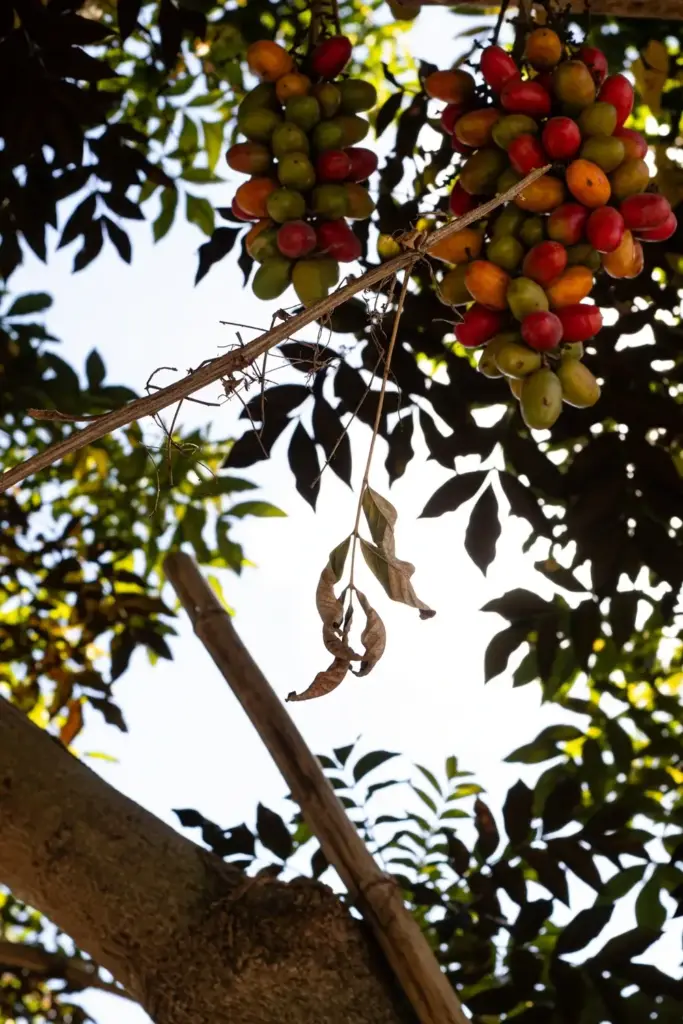
| June plum / ambarella / Otaheite apple | Spondias dulcis | Evergreen to semi-deciduous | Larger oval fruit, green turning golden yellow, crisp and sour | Cuttings and seed, faster growth than sarguelas |
| European or Japanese plum | Prunus domestica / Prunus salicina | Fully deciduous, temperate trees | Round plums, blue-purple or red, temperate flesh | Bare-root nursery trees; seed needs cold stratification |
1. Match the Right Fruit to the Right Name
Every H2 below opens with its direct answer, and this one matters most. If you plant a European plum cutting hoping for sarguelas, no amount of care fixes the mismatch. The three fruits in the table above are different species in different families. Sarguelas sits in the cashew family (Anacardiaceae) alongside mango and cashew, while European plums sit with cherries and peaches in the rose family.
Competitor pages get this wrong in public. A widely ranked food blog names Muntingia calabura as the scientific name of sineguelas, but that name belongs to aratilis, the Jamaican cherry, a completely different tree. A simplified encyclopedia page invents “Sarguelas regalis,” which is not a recognized binomial. Trust the name Spondias purpurea and you sidestep both errors.
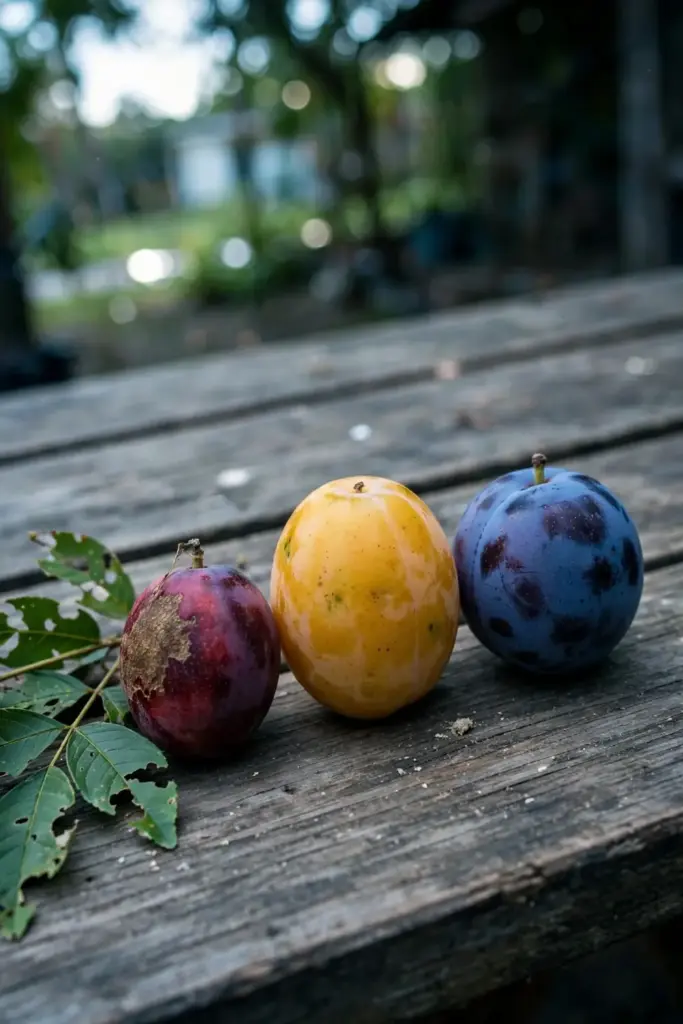
When a seller offers “Spanish plum,” ask which species it is. True sarguelas fruit ripens from green to yellow, red, or dark purple, and the flesh around the large seed turns soft and juicy. June plum ripens golden yellow and stays crisp. European plums ripen in cool climates that sarguelas cannot survive. Knowing the difference before you cut anything saves two growing seasons.
2. Read the Quick Spec Before You Cut
This table compresses the whole article into one glance. Every figure below it is documented again with its source in the section where it appears.
| Spec | Value |
|---|---|
| Scientific name | Spondias purpurea |
| Preferred propagation | Hardwood cuttings at least 4 feet long |
| Time from cutting to fruit | 2 to 3 years |
| Time from seed to fruit | 4 to 5 years |
| Climate | 20 to 35°C, full sun, more than 1,500 mm rainfall |
| Soil | Well-drained sandy loam, pH 5.5 to 7.5 |
| Frost tolerance | Low, protect below freezing |
| Spacing | 7 to 9 meters between trees |
| Mature height | Up to about 25 feet (7.5 m) |
| Harvest season (Philippines) | April to June |
3. Check Your Climate Against 20 to 35 Degrees
Sarguelas grows where the thermometer stays between 20 and 35°C most of the year. The University of Guam extension guide puts the sweet spot at 72 to 82°F. It handles dry spells once established, because it drops leaves in the dry season and waits out the heat. That semi-deciduous habit is normal, not a sign of disease.
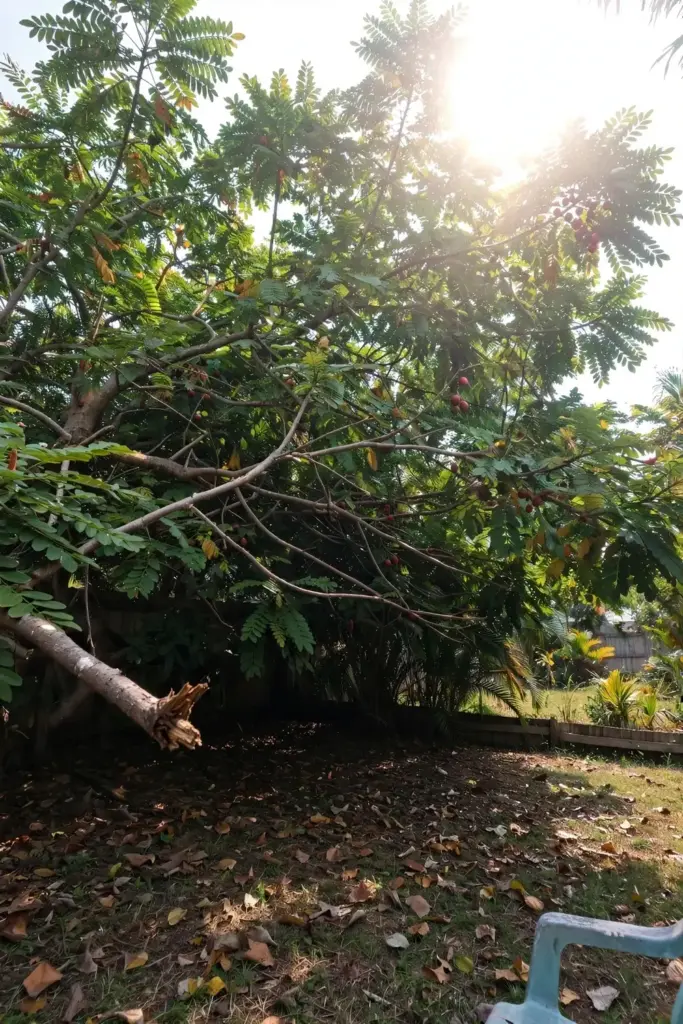
Frost is the real limit. The tree tolerates very little of it. The University of Florida’s Spondias guide records that mature trees survive a brief dip to 25°F with leaf and twig injury, while young trees die around 29 to 30°F. If your winters dip below freezing, you will either grow sarguelas as a protected container tree or accept winter losses. Like its fellow tropical guava, sarguelas wants tropical warmth and punishes cold exposure on young wood.
Rainfall matters more than most people expect. The documented requirement is more than 1,500 mm of annual rainfall for vigorous growth. Drier areas still work if you irrigate, because the tree’s deep root system finds water once roots establish. New cuttings have no such root system, so the first dry season decides whether they live.
4. Grow Sarguelas in Florida, California, and Texas
Location questions dominate the search data for this fruit. Three US states can grow sarguelas, and each one has a different catch. Southern Florida suits sarguelas best. The University of Florida’s Spondias guide limits cultivation to the warmest areas of the state, along the southeast and southwest coasts, where frost is rare. Trees introduced into Florida are all female, which limits propagation strictly to vegetative means: air-layering or hardwood cuttings. No male trees means no viable seed, so every Florida tree is a clone.
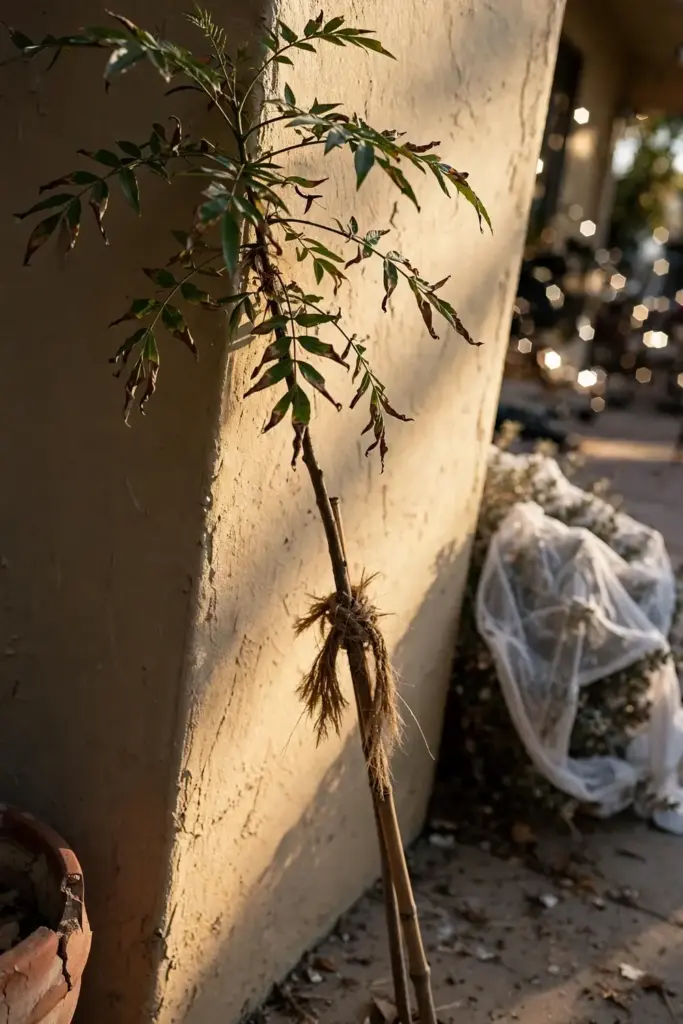
Coastal Southern California works with protection. The climate fits during the growing season, but cold snaps threaten young trees. Plant against a warm south-facing wall, mulch thickly, and be ready to cover the tree on freeze nights. Growers near East Los Angeles use frost cloth and micro-sprinklers on the coldest nights.
South Texas, especially the Rio Grande Valley, is the third US option. Summer heat is no problem. Winter freezes are the problem, and they arrive irregularly. Keep young trees in large containers for the first two or three years so you can move them indoors during freezes, then plant out once the trunk is thick.
5. Pick Between the Green-Yellow and Red-Purple Types
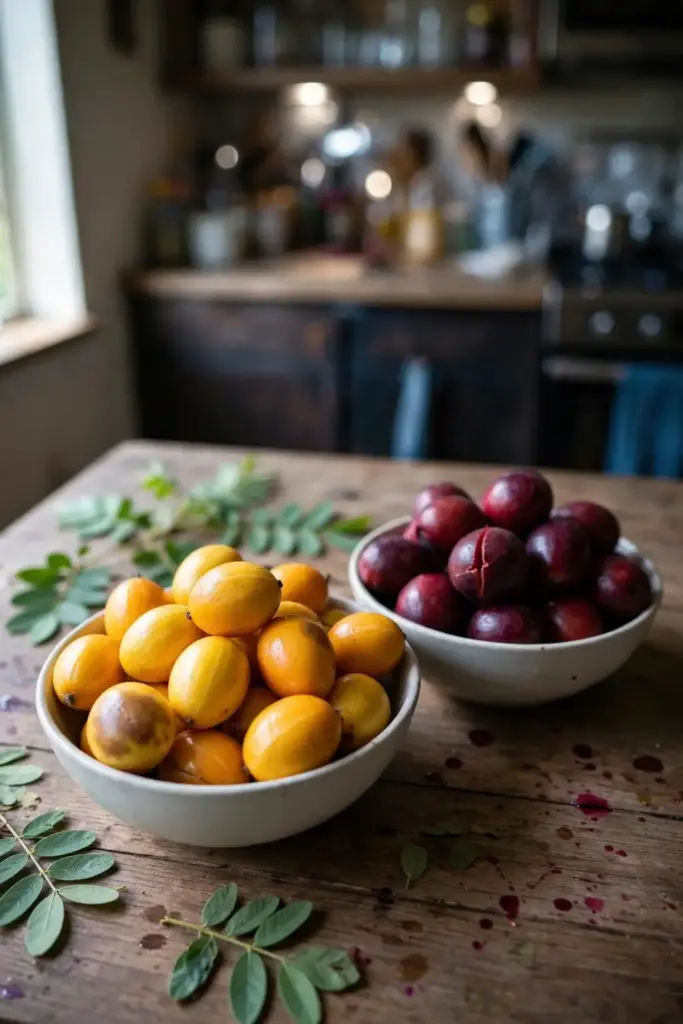
Sarguelas is not one uniform fruit. Growers describe two broad groups, and the color tells you what to expect on the tongue.
| Type | Ripe Color | Flavor Profile | Notes |
|---|---|---|---|
| Yellow type | Green turning yellow | Milder, sweeter, less tart | Common in the Philippines; eaten fresh at full ripeness |
| Red type | Green turning red to dark purple | Sharper, more aromatic, tangy | Often eaten slightly underripe with salt, the classic street-snack style |
The Hawaii Tropical Fruit Growers community confirms this split: growers keep both, and the green fruit that turns yellow when ripe is a different eating experience from the dark purple one. The PROSEA profile traces both back to two clones maintained in the Philippines, the yellow and the purple. Botanists have described at least 20 varieties of the species worldwide, per the Guam extension guide, but in a home garden the choice is simple: yellow or purple. When you take cuttings, take them from the tree whose fruit you actually like, because a cutting is a clone. The fruit of the new tree will match the mother tree exactly.
Ask the owner of the mother tree when its fruit ripens. Some trees run a few weeks earlier or later than others, and that shift is genetic. A cutting preserves it.
6. Source a 4-Foot Cutting From a Proven Tree
Everything starts with the mother tree. Choose a tree that fruits heavily every year, shows no dieback, and carries the fruit color you want. A healthy tree older than five years gives the best cutting wood, because mature branches root more reliably than thin juvenile growth.
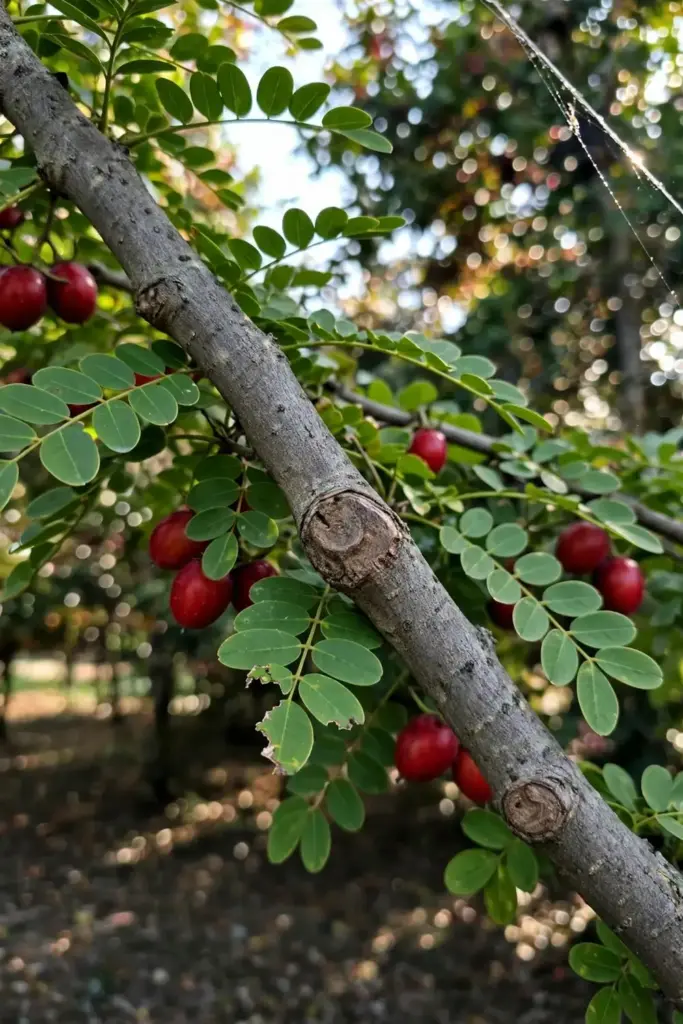
Take the cutting from a straight, vigorous branch about 5 to 8 cm thick. Avoid branches with cankers, gummosis, or insect damage, and skip the current season’s soft green tips. The wood you want is firm, bark-covered, and at least one season old.
Permission matters as much as technique. Never cut a branch from a tree you do not own. Ask the owner, explain the four-foot requirement, and offer a share of the harvest. Most backyard sarguelas owners prune yearly anyway and are glad to give wood away.
7. Execute the 4-Foot Method Step by Step
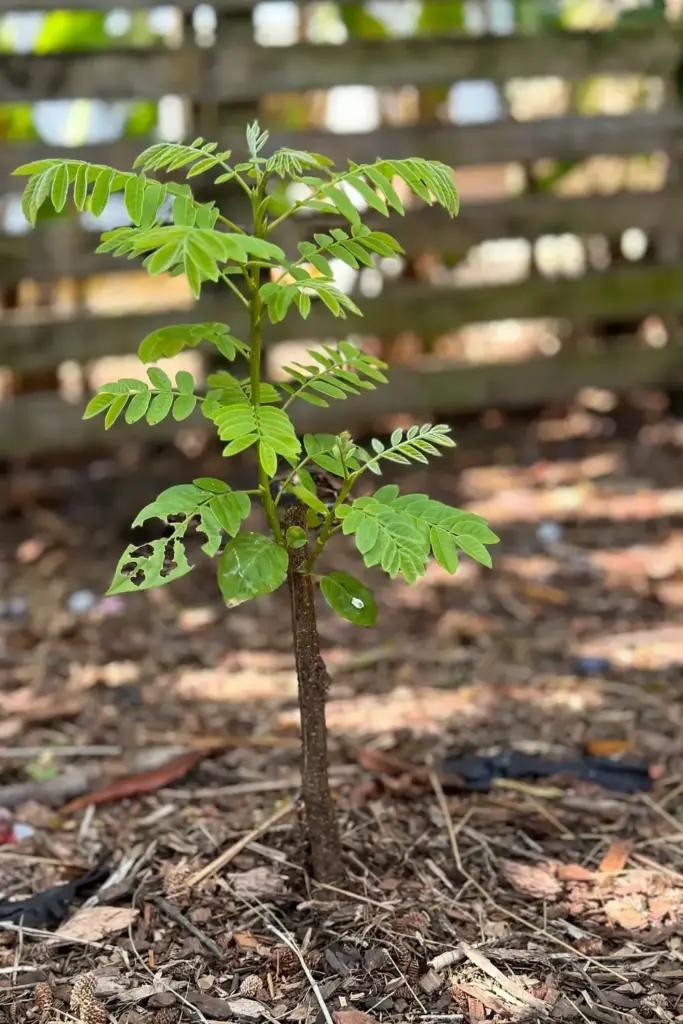
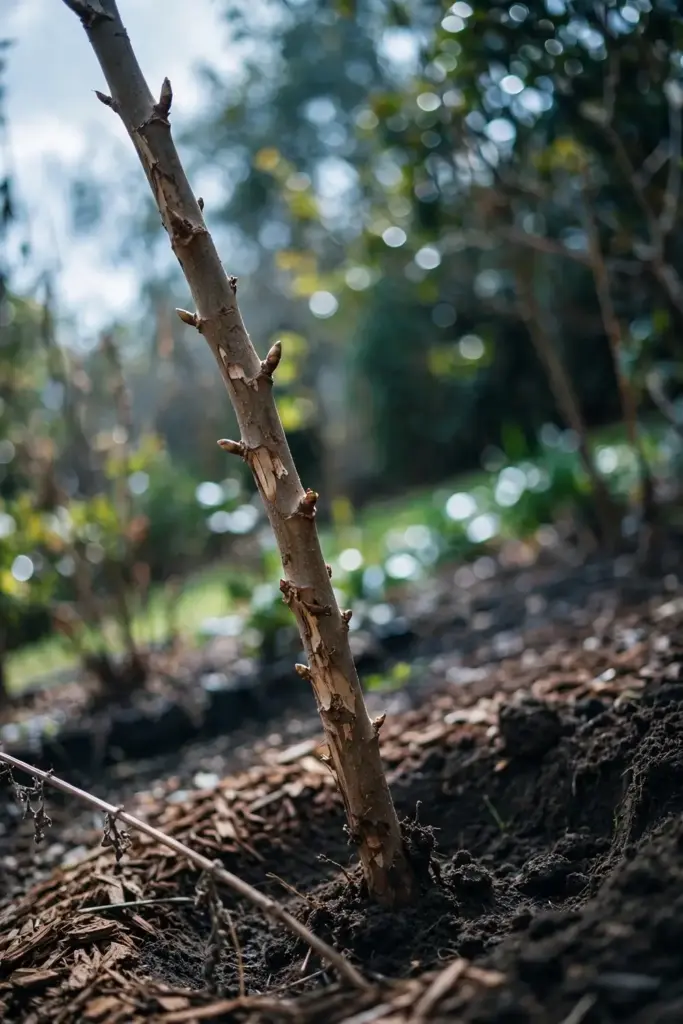
This is the centerpiece of the article and the method the research supports most strongly. The University of Guam extension guide is blunt. Cuttings is the preferred method of growing Spanish plum and is highly successful, and sections of cuttings should be at least 4 feet long. That length is not decoration. A long cutting carries enough stored energy to push roots and new shoots while it has no root system.
| Step | Action | Detail |
|---|---|---|
| 1 | Select the branch | Mature, straight, 5 to 8 cm thick, from a heavy-fruiting tree |
| 2 | Cut the section | At least 4 feet long and 2 inches thick; bottom cut horizontal for a stable base |
| 3 | Strip the lower wood | Remove bark and leaves from the bottom 30 cm to expose the wood where roots form |
| 4 | Apply rooting hormone | Dip the prepared end in rooting hormone powder or gel |
| 5 | Rest in shade | Lay the cutting in shade for several days to a week so the cut surface dries |
| 6 | Plant the cutting | Set it 30 to 60 cm deep in loose, well-draining soil mixed with compost |
| 7 | Water and wait | Keep the soil moist daily without waterlogging; roots form in a few weeks |
The University of Guam extension guide is blunt. Cuttings is the preferred method of growing Spanish plum and is highly successful, and sections of cuttings should be at least 4 feet long and 2 inches thick with a horizontal cut. The horizontal cut gives the heavy section a stable base to stand in the planting hole. Some growers angle the cut to expose more cambium, the living tissue that generates roots, but the extension specification is horizontal, and its documented success rate needs no improvement.
Two shorter practices are documented for comparison. The PROSEA botanical profile of Spondias purpurea records 50 cm stem sections used for nursery pots in the Philippines, and the FAO neglected-crops guide calls for straight cuttings more than 6 cm thick and at least 1.5 m long for farm planting. The four-foot section is the field-planting version: big enough to stand on its own and fruit in 2 to 3 years.
Filipino growers describe this method as “plant it like malunggay,” after the moringa tree that roots from big cuttings the same way. The comparison is exact. Push a big stick into the ground at the start of the rains, keep it watered, and it becomes a tree.
8. Rest the Cutting in Shade Before Planting
Fresh cuts rot. Planted immediately, the open wound sits in moist soil and invites fungi before roots can form. Resting the cutting in shade for several days to a week lets the cut surface dry and form a callus, a dry protective skin that resists infection.
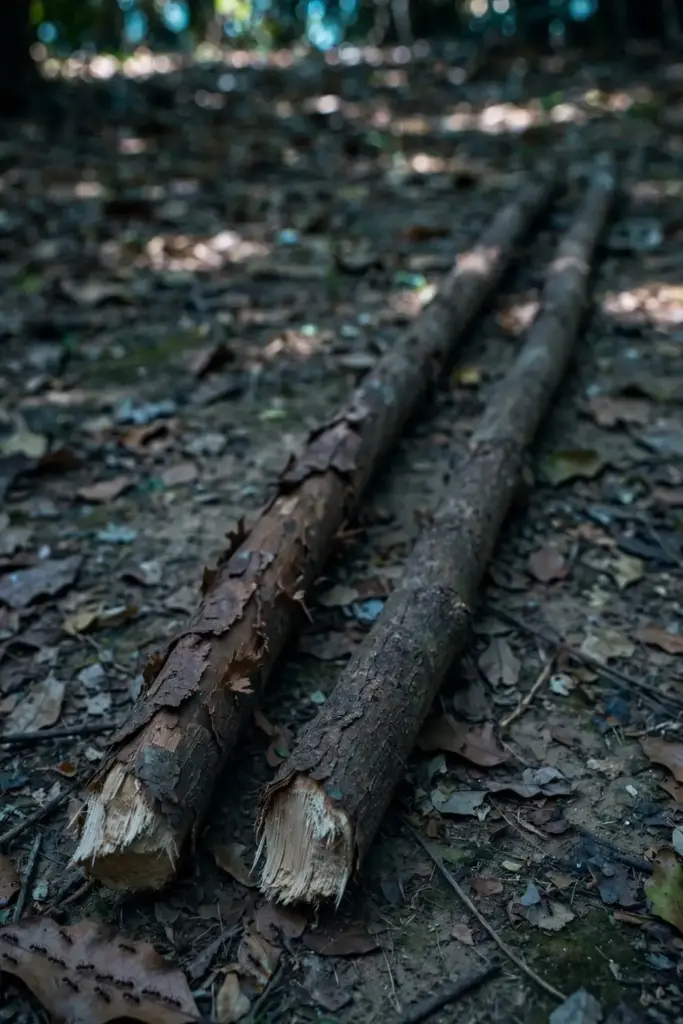
Lay the cutting horizontally in a shaded, ventilated spot. Keep it out of direct sun, which desiccates the wood, and off wet ground, which defeats the purpose. The Mexican producer practice documented in the FAO material goes further: cuttings rest in shade for a couple of weeks before planting.
This step separates success from failure more than any other small detail. Growers who skip it and plant fresh-cut wood into wet soil report the highest loss rates. A week of patience buys a year of growth.
9. Understand Rooting in Water Before You Try It
A cutting can sit in water and produce roots. That fact misleads a lot of growers. It is a fun way to watch the process begin.
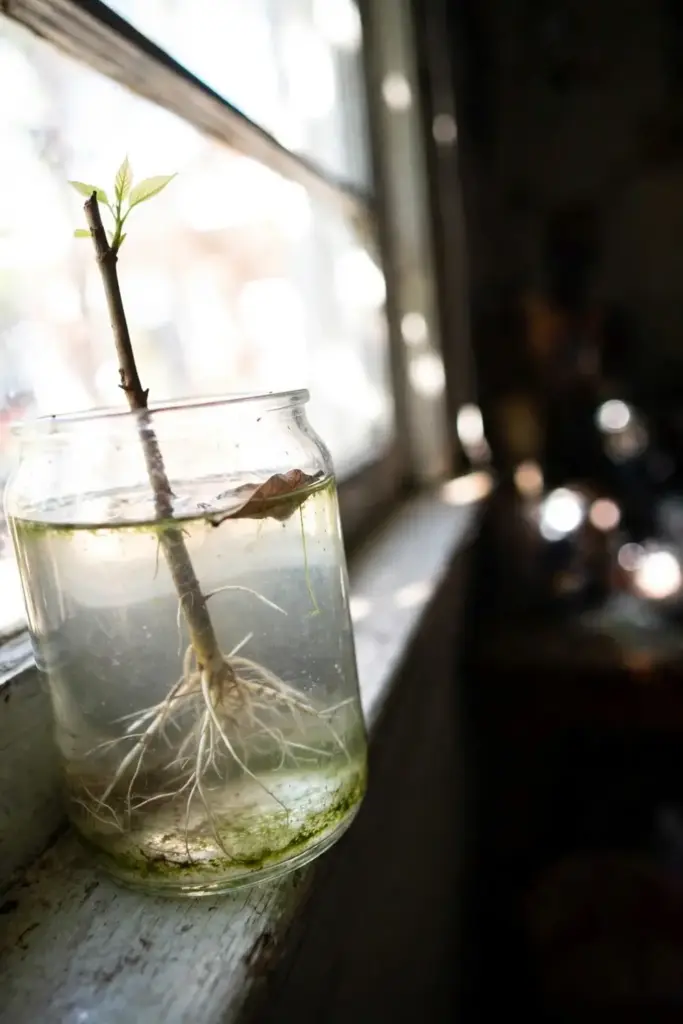
It is not a growing method. A 25-foot tree cannot live in water, and a water-rooted cutting still needs soil within weeks. Roots that form in water are structurally different from soil roots, and the transition shocks the plant. If you want to demonstrate the vigor to a curious child, use a small cutting in a jar. For the tree you actually want, plant the four-foot section directly in soil.
10. Air-Layer a Branch for a Reliable 2 to 3 Year Clone
Air-layering is the backup vegetative method, and it carries the same timeline as cuttings: fruit in 2 to 3 years. Choose a healthy branch, wound a ring of bark, wrap it with moist sphagnum moss and plastic, and wait for roots to fill the moss. Then sever the branch below the roots and plant it.
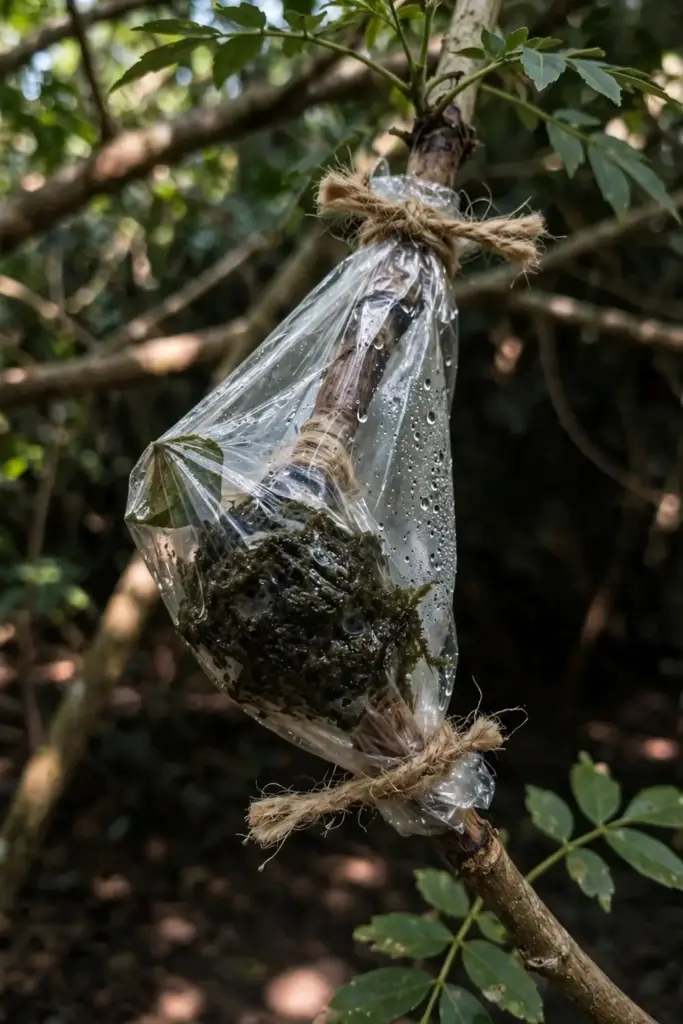
The method takes longer to set up than a cutting. PROSEA documentation records that marcotting takes 8 to 9 months, which is the air-layering timeline under field conditions. What you get for the wait is a rooted branch that never leaves the mother tree until it is independent, so losses are lower.
Use air-layering when the mother tree owner will not give you a four-foot branch but will let you wrap one. It is also the method Florida growers use, since all their trees are female and cuttings remain the only other option. Either way, the new tree is a clone of the mother.
11. Try the Seed Route With Realistic Expectations
Seeds are the honest slow route, and in the Philippines they are usually a dead end. The PROSEA profile explains why: Philippine trees are male-sterile clones propagated vegetatively for generations, their flowers produce no pollen, and fruit sets by parthenocarpy, so the stones inside contain seeds that do not germinate. The Guam extension guide states the timeline plainly: plants grown from seed generally fruit in 4 to 5 years, while cuttings may fruit within 2 to 3 years, and seed-grown plants succeed less often because of poor pollen formation (Morton 1987). Viable seeds exist in the species’ native range in the Americas, where trees still produce pollen normally.
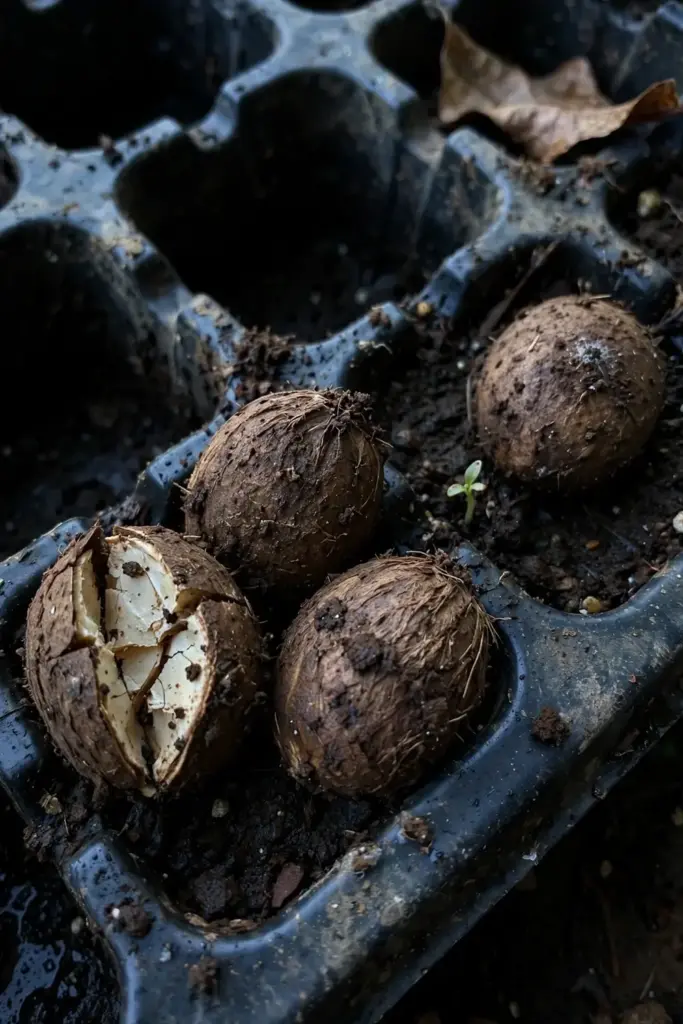
If you have fresh seeds from a native-range tree, plant them in warm, moist soil and expect germination in 35 to 75 days. Keep the seedbed shaded and consistently moist, not soggy. Move seedlings into individual pots once they have several true leaves, following a standard seed starting guide for the transplant timing.
A seed-grown tree takes 4 to 5 years to fruit and may not match the parent’s fruit. Use seed only when cutting wood is unavailable, or when you are breeding and want genetic variation. For a home gardener who wants this fruit, the cutting route wins on every measure that matters: speed, reliability, and fruit quality.
12. Separate Clickbait Timelines From Documented Ones
Exaggerated video claims follow this fruit everywhere. The table below puts the documented record next to what the internet promises.
| Claim | Source Type | Documented Reality |
|---|---|---|
| Fruit in 60 days in pots | Viral video title | Impossible; a cutting needs 2 to 3 years, and a pot-grown tree fruits later than a ground-planted one |
| Harvest in 8 months | Viral video title | No documented case; the fastest reliable figure is 2 to 3 years from a large cutting |
| Fruit in 2 to 3 years from cuttings | Guam extension guide | Documented and repeatable with 4-foot cuttings |
| Fruit in 4 to 5 years from seed | Guam extension guide | Documented; lower success due to poor pollen formation (Morton 1987) |
| Germination in 35 to 75 days | Documented for fresh seed | Documented for fresh seed |
| 120 days for seedlings | Reported by growers | Refers to seedling development, not fruiting; do not read it as time to harvest |
When a video promises fruit in months, remember the biology. A cutting must grow roots, a canopy, flowers, and then fruit. Two to three years is already fast for a tree. Anything faster is a thumbnail, not a harvest.
13. Space Trees 7 to 9 Meters for Airflow
Sarguelas grows into a broad, spreading canopy, so spacing decides the tree’s health for decades. The PROSEA profile recommends 7 to 9 meters between trees, and the Guam extension guide recommends 15 to 20 feet for orchard rows. Seven to eight meters is the home-garden sweet spot inside both figures.
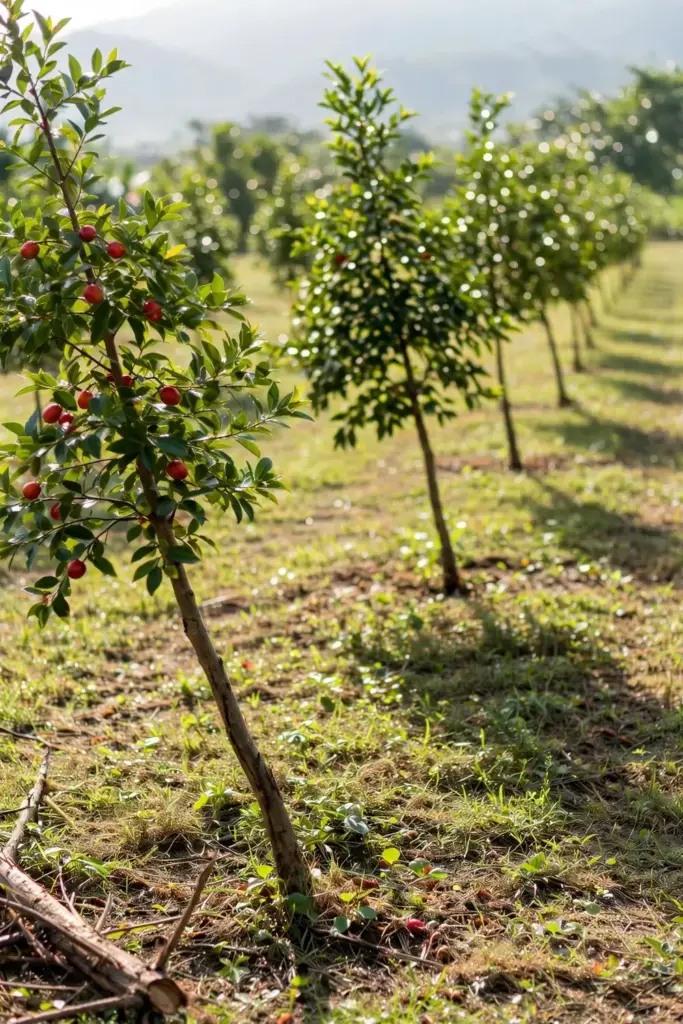
Wide spacing does three jobs at once. It gives each canopy full sun, which the fruit needs to sweeten. It lets air move through the branches, which dries leaves after rain and reduces disease pressure. And it gives you room to walk the tree at harvest with a pole, the traditional picking method.
In a small yard, one tree is enough. A single healthy sarguelas produces more fruit than most families can eat fresh, and the tree’s own fallen fruit feeds the soil. Plant the tree where its 9-meter canopy will not shade your vegetables in five years.
14. Plant Cuttings 30 to 60 cm Deep at the Start of the Rains
Timing decides rooting success. Plant cuttings at the onset of the rainy season, when warm soil and steady moisture push roots fast. The Mexican producer records describe cutting at the start of leaf production, which coincides with the beginning of the rains.
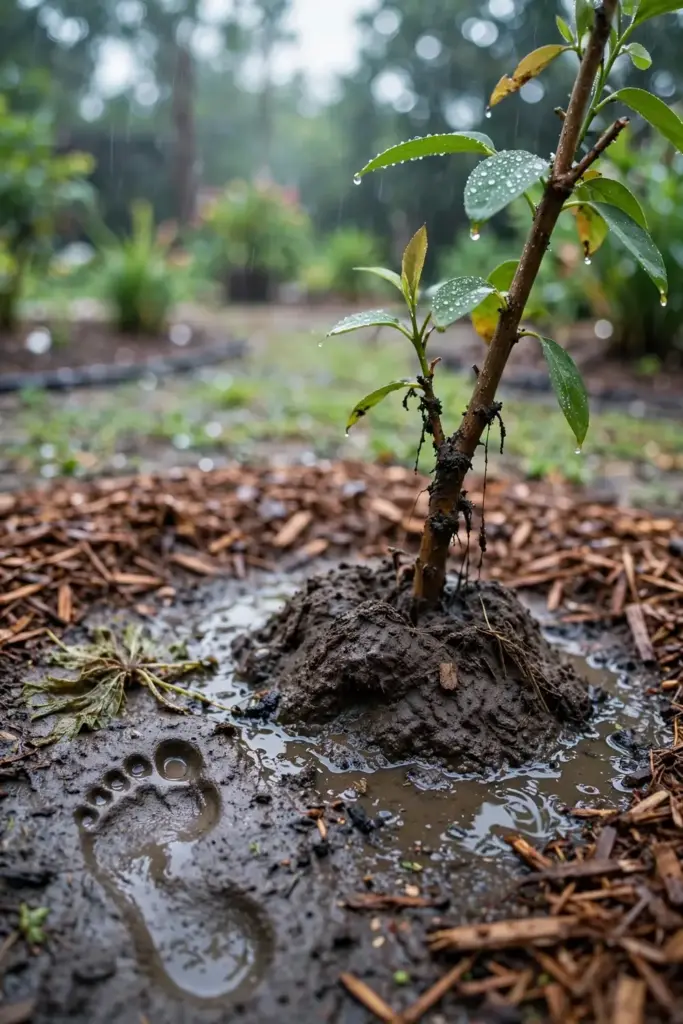
Dig the hole before the cutting arrives. Set the prepared end 30 to 60 cm deep in native soil and firm it so the heavy cutting cannot rock in the wind, following the University of Florida’s planting method: no compost or topsoil in the hole itself, backfill with excavated soil, and keep the finished grade level. A shallow-planted four-foot cutting topples in the first storm, and a rocking cutting tears its new roots.
Mulch around the base with coarse bark or wood chips, keeping it well clear of the stem. A healthy soil foundation around the planting zone does more for the tree than anything placed in the hole.
15. Water Deeply and Infrequently After Year One
Young cuttings need consistent moisture while they have no roots. The Guam extension guide sets the schedule: water every two days for several weeks after planting, then at least once or twice a week, stopping or reducing during heavy rains. Sarguelas roots drown in standing water, and the number one killer of new cuttings is a waterlogged planting hole, not drought.
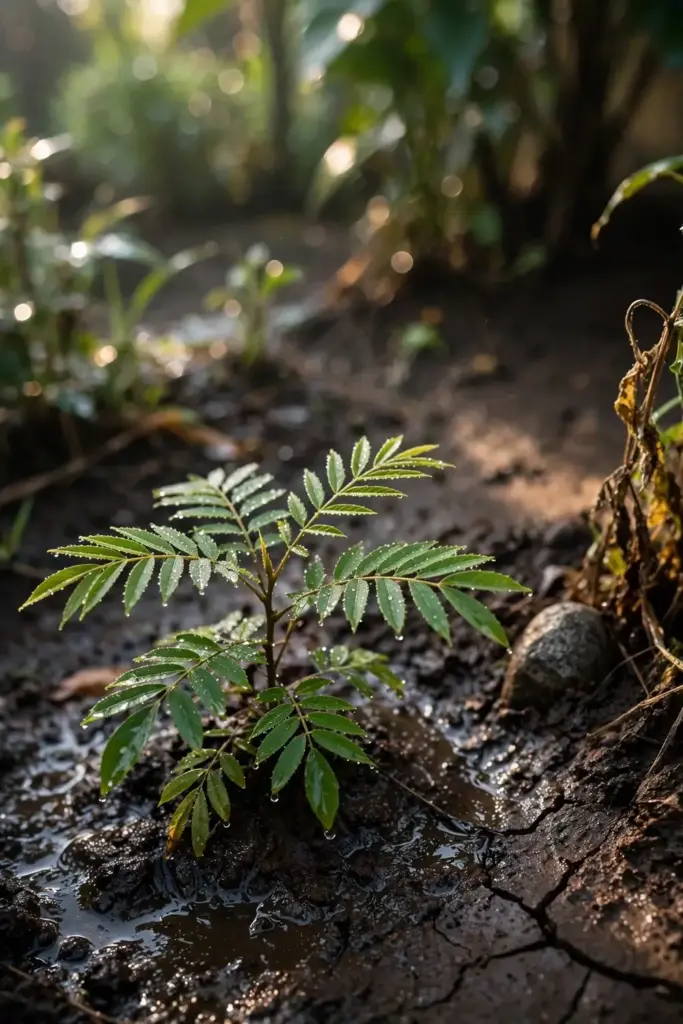
Once roots establish, shift to deep, infrequent watering. The documented irrigation figure is 400 to 600 mm per season, delivered best by drip. Mature trees are drought-tolerant and drop their leaves to ride out dry months, but fruit size and yield improve with steady water through flowering and fruit development.
Stop watering once the rains arrive. Overwatering a mature tree during the wet season adds nothing and encourages root problems. Let the tree’s own rhythm run: leaf out with the rains, fruit in the dry months, rest when the leaves fall.
16. Feed Young Trees Every 2 to 3 Months in Year One
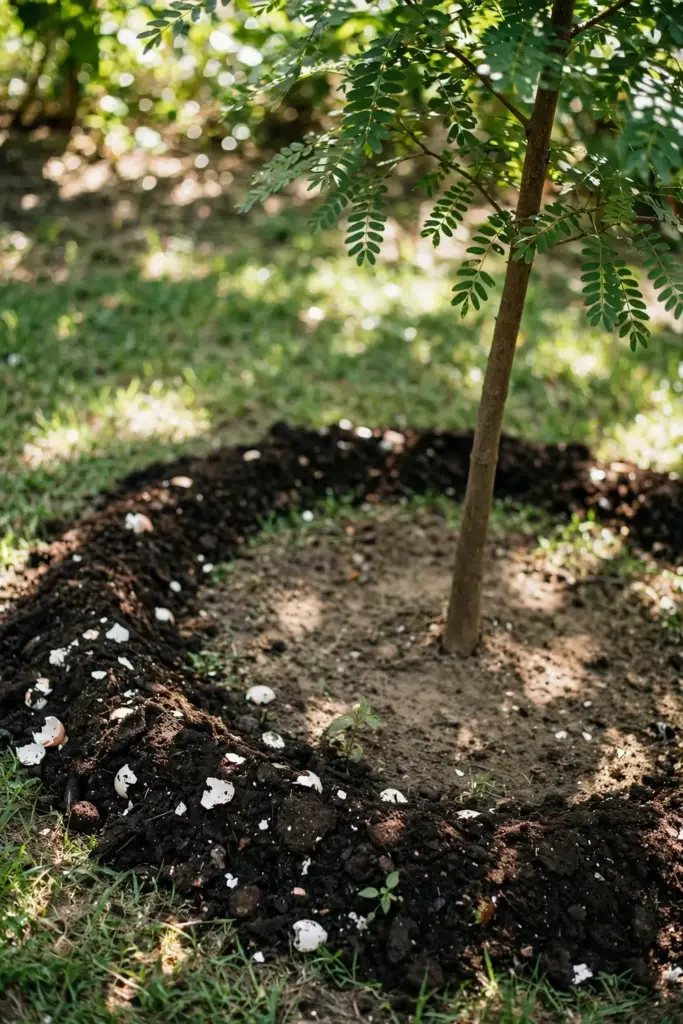
Sarguelas grows and fruits with very little input, but young trees size up faster with steady nutrition. The Guam extension guide sets the home-scale schedule: fertilize young trees every 2 to 3 months during the first year, starting with 4 ounces of a complete fertilizer such as 10-20-20 per plant and gradually increasing to 1 pound, then apply no more than 10 to 12 pounds per tree per year for mature trees. Farm-scale literature adds a nitrogen target of 150 kg per hectare, split into three doses across the season.
| Task | Frequency | Notes |
|---|---|---|
| Balanced fertilizer (young trees) | Every 2 to 3 months, first year | Start at 1/4 lb, increase to 1 lb per application |
| Balanced fertilizer (mature trees) | 2 to 4 times a year | Never more than 10 to 12 lbs per tree per year |
| Compost or aged manure | Twice a year | Ring around the drip line, not against the trunk |
| Farm-scale nitrogen | 3 doses per season | Matches the 150 kg N per hectare figure; home growers scale down |
For a home tree, compost does most of the work. Two applications a year of aged compost around the drip line feeds the tree and builds the soil biology that keeps roots healthy. Skip the fertilizer math unless you are running an orchard.
17. Prune Up to 3 Times a Year and Remove No More Than 25%
The Guam extension guide recommends pruning up to 3 times a year to hold the tree at a desirable size, with one strict limit: never remove more than 25% of the plant material in a single event. Pruning enlarges the size and weight of the fruit, so the work pays directly.
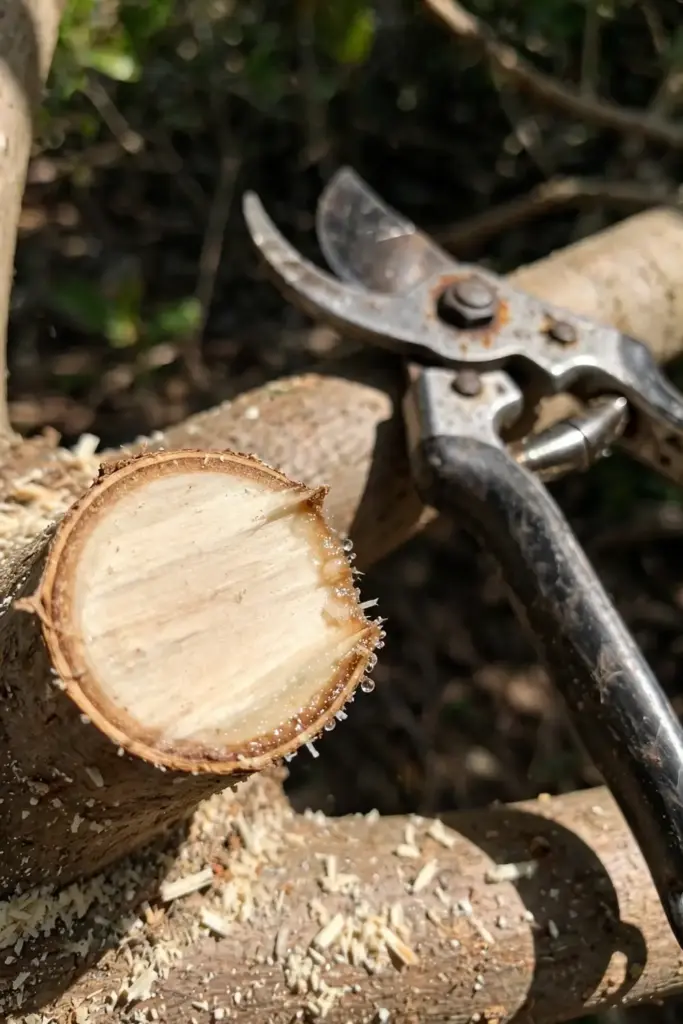
Keep the cuts modest. Sarguelas wood is soft and brittle, and large wounds rot. Cut back to a healthy side branch, never leaving a long stub. Prune during hot dry weather so wounds dry and heal fast, and leave the wounds unpainted. In Oaxaca, commercial growers prune trees to 2 meters so harvest stays within reach of a pole, and the pruned trees take on the shape of a European apple orchard.
Remove crossing branches, dead wood, and anything that shades the center of the canopy. Then stop. Over-pruning a sarguelas costs you next year’s crop, because branches cut back past the previous season’s growth will not bear fruit for at least a year.
18. Manage the Few Pests That Show Up
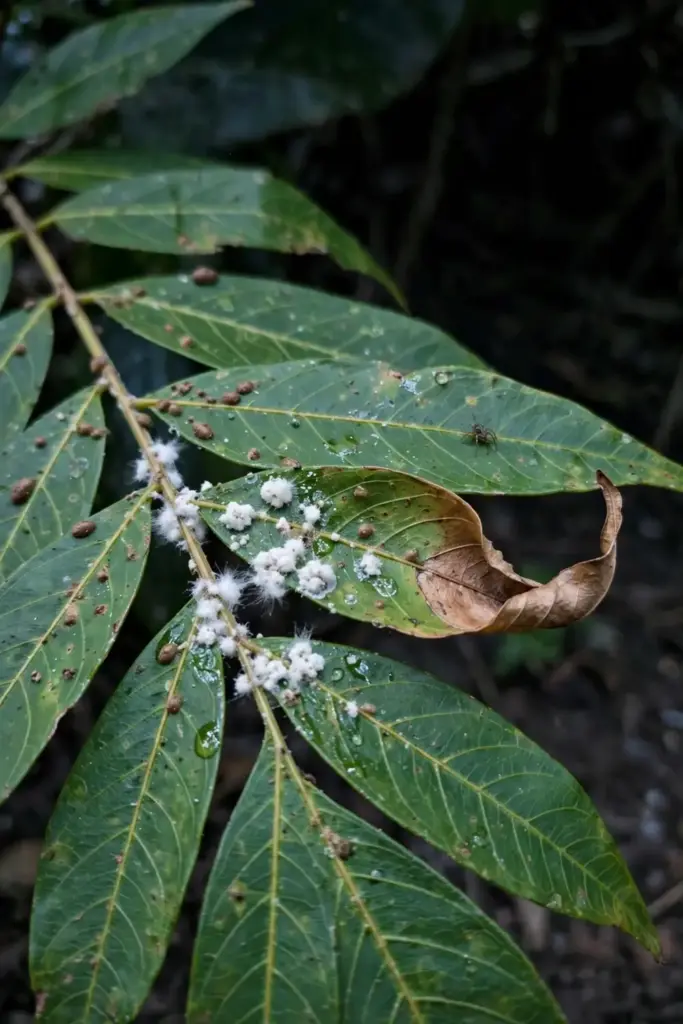
Sarguelas is genuinely low-maintenance on pests, which is one reason smallholders love it. The PROSEA profile reports no important diseases or pests. The minor visitors recorded in the Philippines include twig borers, toy beetles, slug and tussock caterpillars, gray and cottony cushion mealy bugs, and scales. The Guam extension guide lists thrips, scales, mites, and fruit flies as the insects to watch, plus root rot from flooded soil, stem-end rot on the fruit, and gummosis on the wood.
Fruit flies are the one serious threat, and only at harvest. The Mediterranean fruit fly and the Mexican fruit fly damage fruit across the growing regions, and the Caribbean fruit fly is the major fruit pest in Florida. Control is expensive for small producers. The practical defense is sanitation: pick ripe fruit promptly, never leave ripe fruit hanging on the tree, and clear fallen fruit from the ground. Fruit flies become serious when ripe fruit is allowed to remain on the tree.
Watch for mealybugs and scale on stressed trees. A strong jet of water dislodges light infestations. Horticultural oil handles heavier ones. Keep the tree vigorous with water and mulch, and most pest problems never start.
19. Grow Sarguelas in Pots Within Honest Limits
A 25-foot tree does not belong in a pot. A sarguelas will not reach full size or full production in a container. What a pot does well is the nursery stage: root your cutting in a large pot for the first year or two while you decide on the permanent spot, or while you wait out cold winters in Florida, Texas, or California.
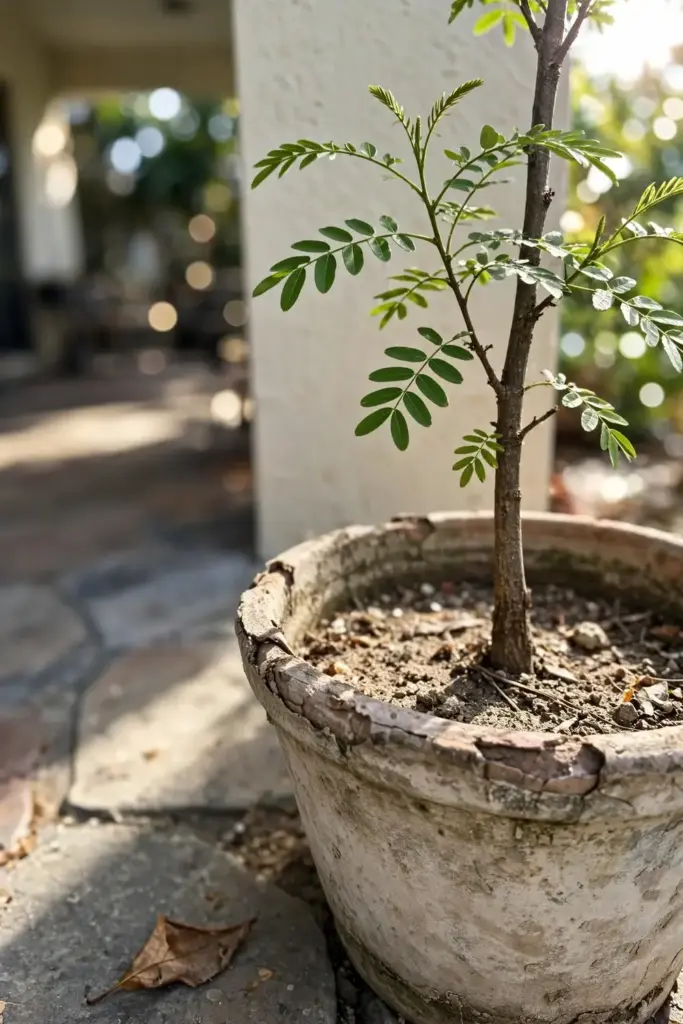
Use the largest pot you can move: 50 liters minimum, half-whiskey-barrel size if you plan two years. Fill it with a loose, well-draining mix of potting soil, compost, and coarse sand or perlite. The tree hates wet feet even more in a pot, so drainage holes must run freely. Fast tropical fruits like papaya handle the nursery-pot stage the same way, and the rules transfer directly.
Prune a container tree harder than a ground tree so the canopy stays proportionate to the root ball, and feed more often because pots leach nutrients with every watering. Then plan the exit. Once the trunk thickens past your thumb, the tree wants the ground. A container is a waiting room, not a home.
20. Pick Fruit by Skin Color Change, April to June
In the Philippines the season runs April to June, the hot dry months when the tree carries its crop. The ripeness signal is visual and tactile: the PROSEA profile defines ripe fruit as skin shifting from green to greenish-yellow or reddish-purple, and the flesh gives slightly under thumb pressure. Fruit on one tree does not ripen all at once, so harvest in passes over several weeks. Pick by hand, because the peel is thin and breaks easily. Fruit picked at full color eats best fresh; fruit picked a touch early ripens off the tree but never reaches the same sweetness.
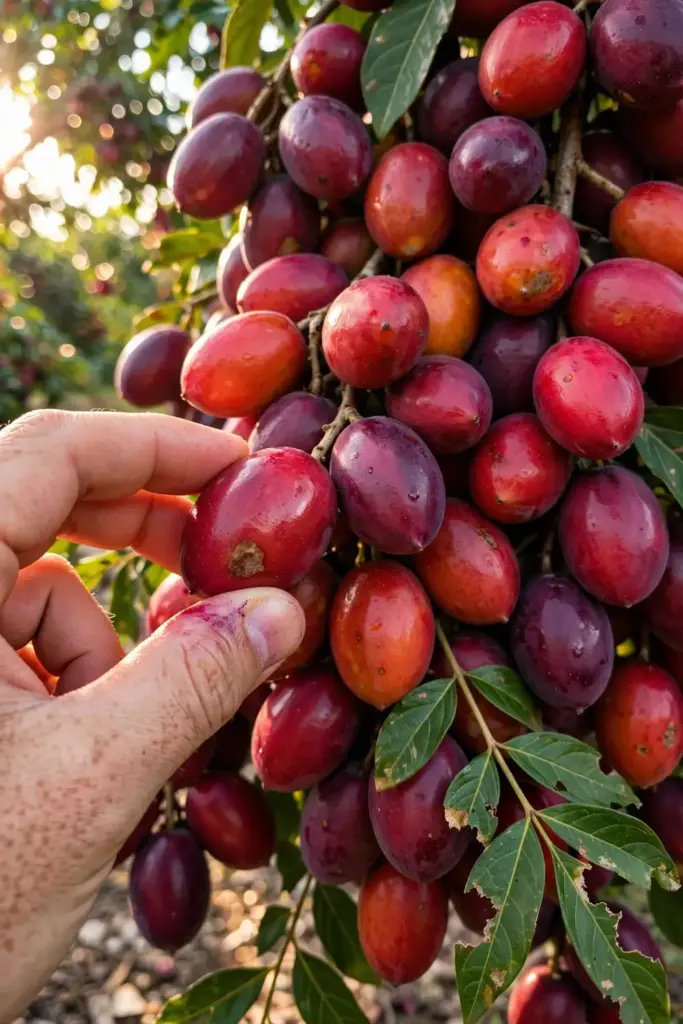
Expect the first real crop in the tree’s third year from a good cutting, with yields climbing each season after. In Guam the extension guide records flowering in February and March with fruiting from April to July and peak production in May and June, while Philippine trees peak April to June. Share the surplus. Sarguelas season is short, and the fruit does not wait.
21. Know the Nutrition Inside Each Bite
Sarguelas earns its place in the yard on flavor, but the nutrition data is solid. The Guam extension guide lists vitamins A, B, and C plus calcium, phosphorus, and iron (Morton 1987). Per 100 grams of edible fruit, the PROSEA profile records 51 mg of vitamin C, 370 IU of vitamin A, 15 mg of calcium, 0.9 mg of iron, and 0.5 g of dietary fiber. The fruit is eaten fresh, cooked into preserves, and juiced across its range.
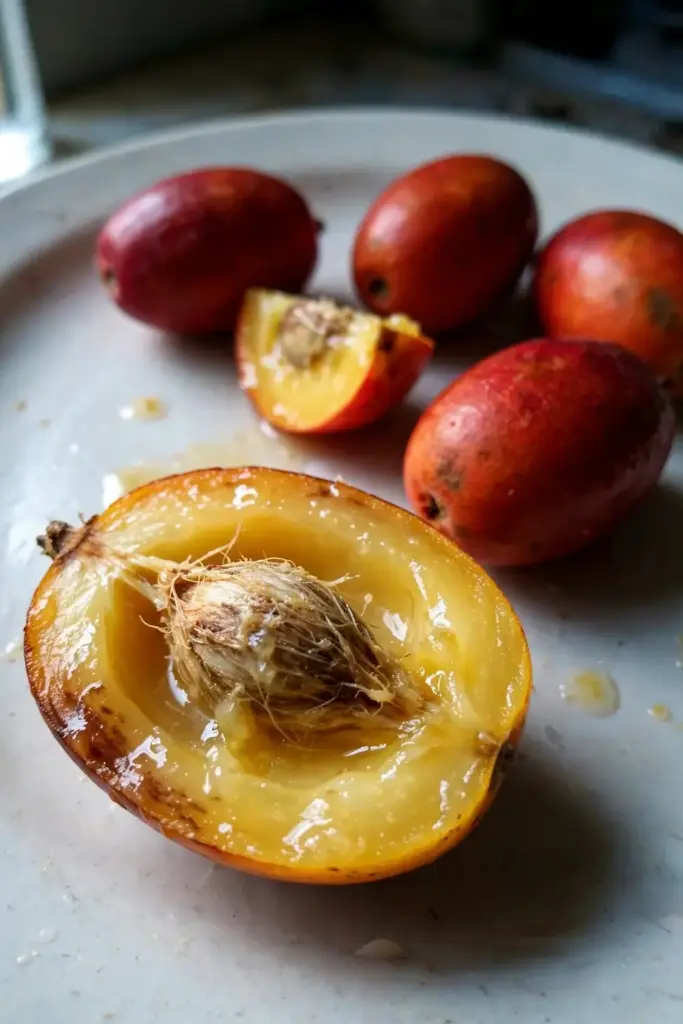
Eat the yellow types fully ripe for the sweetest, mildest bite. Eat the red types slightly underripe with a pinch of salt for the classic tart crunch that Filipino childhoods are made of. Either way, the fruit is best within a day or two of picking; the thin skin means a short shelf life at room temperature.
If you are planting for family nutrition rather than curiosity, the yellow type usually wins the taste test for children. Plant the red type for yourself and the neighbors who grew up with it.
22. Fix a Sarguelas That Refuses to Fruit
A healthy-looking tree with no fruit has a short list of causes. Walk it in order.
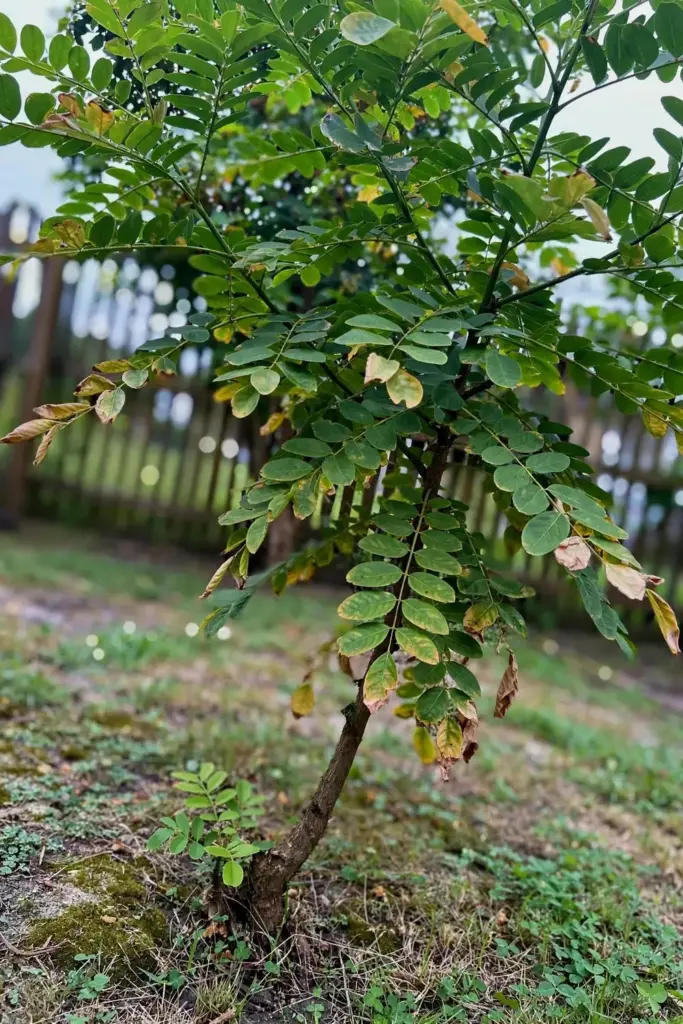
It is too young. A cutting fruits in 2 to 3 years, a seedling in 4 to 5. If your tree is younger than that, the fix is patience. No fertilizer, pruning trick, or prayer shortens the biological clock.
It was pruned at the wrong time. Flowers form on current-year wood. If you cut branches back hard in the growing season, you removed the flowering wood. Prune only after the fruiting season.
It is a seedling with poor pollen. Morton documented in 1987 that seed-grown plants can have poor pollen formation and lower fruit set. If a seedling tree flowers but sets little fruit, the genetics are the problem. Graft a known-fruiting scion onto it, as tropical growers do with mango, or replace it with a cutting from a proven tree.
It sits in shade or wet feet. Sarguelas needs full sun to set and sweeten fruit, and waterlogged roots shut the tree down. Move a young tree, or fix the drainage. A tree planted in a low spot that floods will survive but never thrive.
It never got a dry season. The tree’s fruiting rhythm follows the wet-dry cycle: leaf out with rain, flower and fruit as the dry season sets in. In climates with year-round rain, some trees fruit lightly or irregularly. There is no fix for this one. Choose the site with the climate in mind from the start.
Frequently Asked Questions
Cuttings fruit in 2 to 3 years, which is why cuttings are the preferred method. Seed-grown trees take 4 to 5 years and fruit less reliably. Air-layered branches match the cutting timeline. Claims of fruit in months are not supported by any documented source.
Yes. Plant fresh seeds from fully ripe fruit in warm, moist soil and expect germination in 35 to 75 days. The tree that results takes 4 to 5 years to fruit, may not match the parent’s fruit, and can suffer poor pollen formation. Use seed only when cutting wood is unavailable.
No. Sarguelas is Spondias purpurea and June plum is Spondias dulcis. They are related species in the same genus but different trees with different fruit. Sarguelas fruit turns yellow, red, or dark purple when ripe. June plum turns golden yellow and stays crisp.
In the Philippines the season runs April to June. The tree flowers as the dry season sets in and the fruit ripens through the hot months. Timing shifts with local climate, so watch your own tree’s color change rather than the calendar.
Temporarily. A large container works for the nursery stage or for overwintering a young tree in Florida, Texas, or California. A mature sarguelas reaches about 25 feet, per the Guam extension guide, and needs the ground for full production. Treat the pot as a waiting room, not a permanent home.
It is probably the dry season. Sarguelas is semi-deciduous and sheds leaves to survive dry months, then leafs out with the rains. Leaf drop outside the dry season, especially with yellowing or dieback, points to waterlogging, root damage, or severe pest pressure instead.
Give the Cutting Three Years
The whole method fits in one sentence: take a four-foot branch from a tree whose fruit you love, rest it in shade, plant it deep at the start of the rains, and give it three years. Sarguelas asks for almost nothing after that: sun, drainage, a yearly pruning, and prompt picking at harvest.
Start with the right name, the right wood, and the right expectations, and the tree does the rest. In three years you will be the neighbor giving away cuttings.