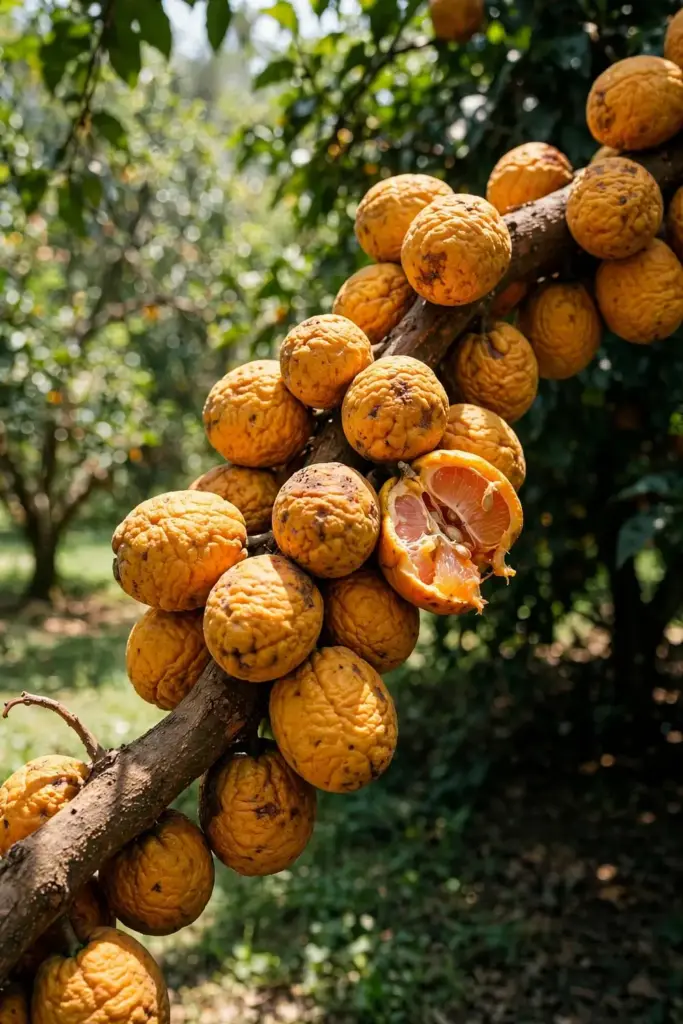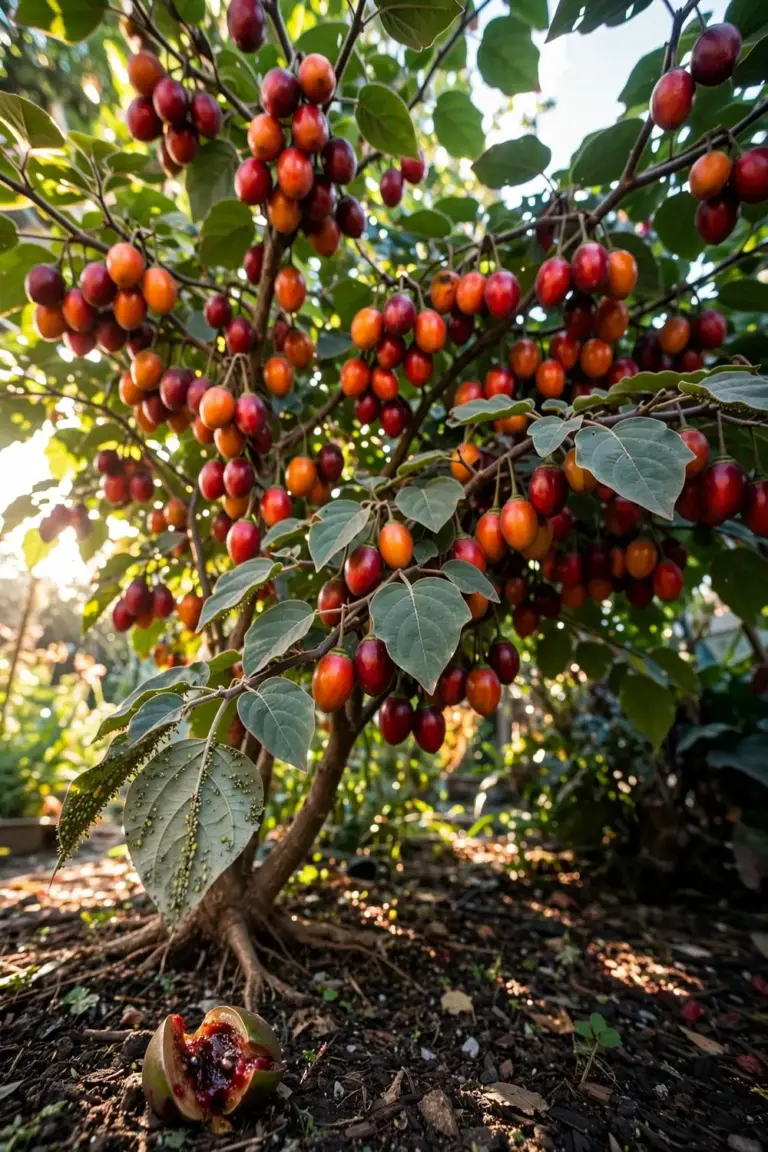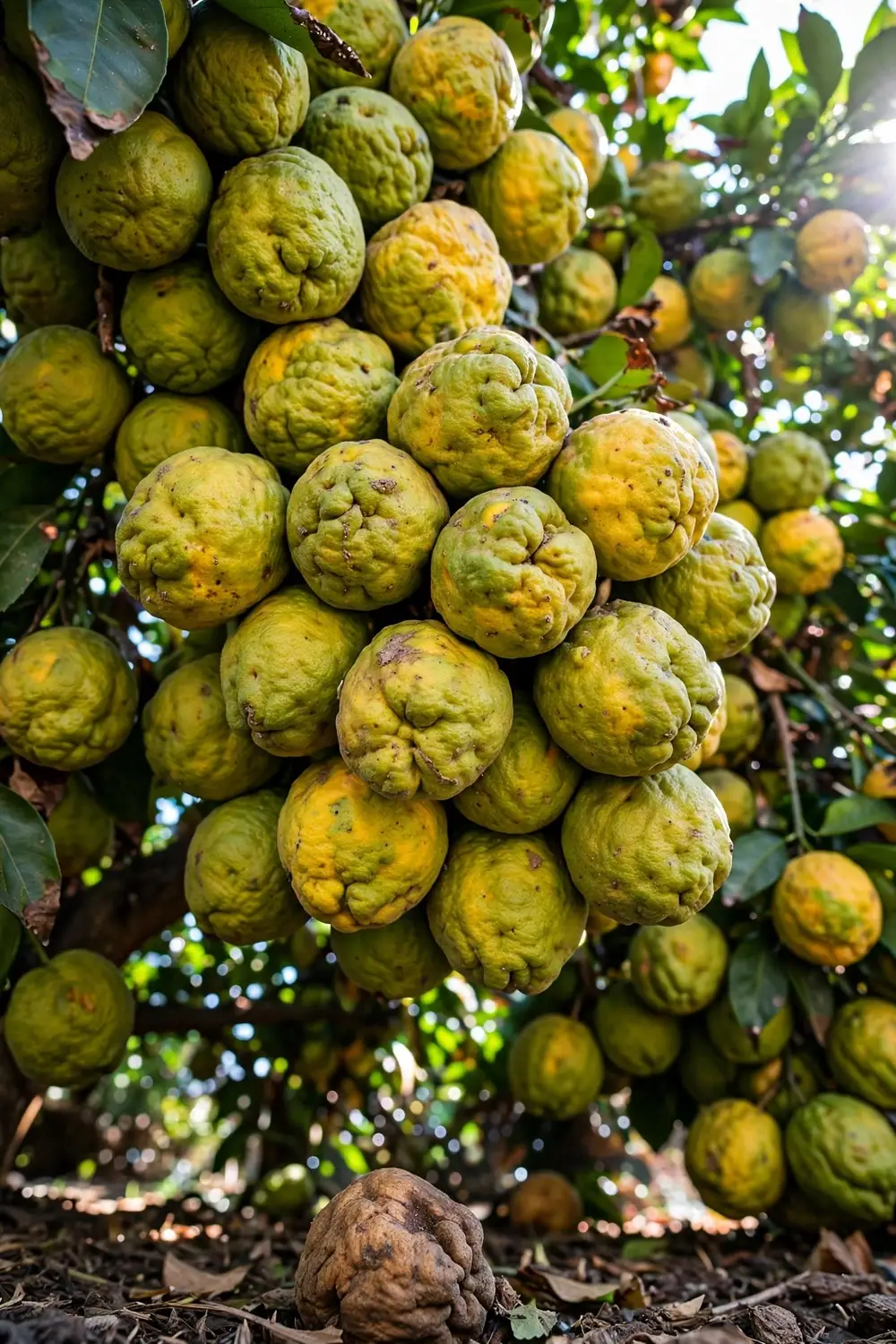

Yes, ugli fruit is real. It is a natural Jamaican tangelo, a tangerine crossed with a grapefruit, discovered growing wild near Brown’s Town, Jamaica, around 1917. The fastest route to fruit is a grafted tree, which can harvest in 2 to 3 years, while a seed-grown tree takes 10 or more. This guide walks you through every honest route, from the 1917 discovery story to the taste-test harvest rule.
I have learned to trust the taste, not the color, when judging ugli ripeness, because the fruit often stays green even when it is ready to eat. That single habit prevents the most common harvest mistake. If you are comparing citrus options, the tangerine carries the sweet flavor side of this hybrid family.
The name answers its own mystery. A buyer in 1934 reportedly asked for “more of that ugly fruit,” and Cabel Hall Citrus Limited registered UGLI as a trademark. In Jamaica, locals pronounce it “hugly.” The Sharp family has grown it commercially at Trout Hall since the 1930s. It is a natural hybrid, not a genetically modified fruit, and the trademark covers the brand, not the plant itself.
Ugli Fruit at a Glance
| Fact | Detail |
|---|---|
| Botanical identity | Jamaican tangelo, Citrus reticulata × Citrus paradisi |
| Common names | Ugli fruit (brand), uniq fruit, Jamaican tangelo |
| Pronunciation | “Ugly” outside Jamaica, “hugly” in Jamaica |
| Hardiness zones | 9 to 12 |
| Sun | 6 to 8 hours daily |
| Soil pH | 5.5 to 7.0, well draining |
| Best planting method | Grafted tree |
| First harvest | 2 to 3 years from a grafted tree, 10+ years from seed |
| Frost tolerance | Brief dips to about 19°F |
| Pollination | Self-fertile |
| Spacing | 12 to 25 feet |
| Season | Late November through April |
1. Start With the True Story of the 1917 Discovery
Every ugli article should open with the facts, because the fruit is wrapped in myth. The original tree grew wild in a Jamaican pasture and was a natural hybrid of tangerine, grapefruit, and possibly Seville orange stock. Growers selected seedling generations for fewer seeds through budwood grafting over several decades.
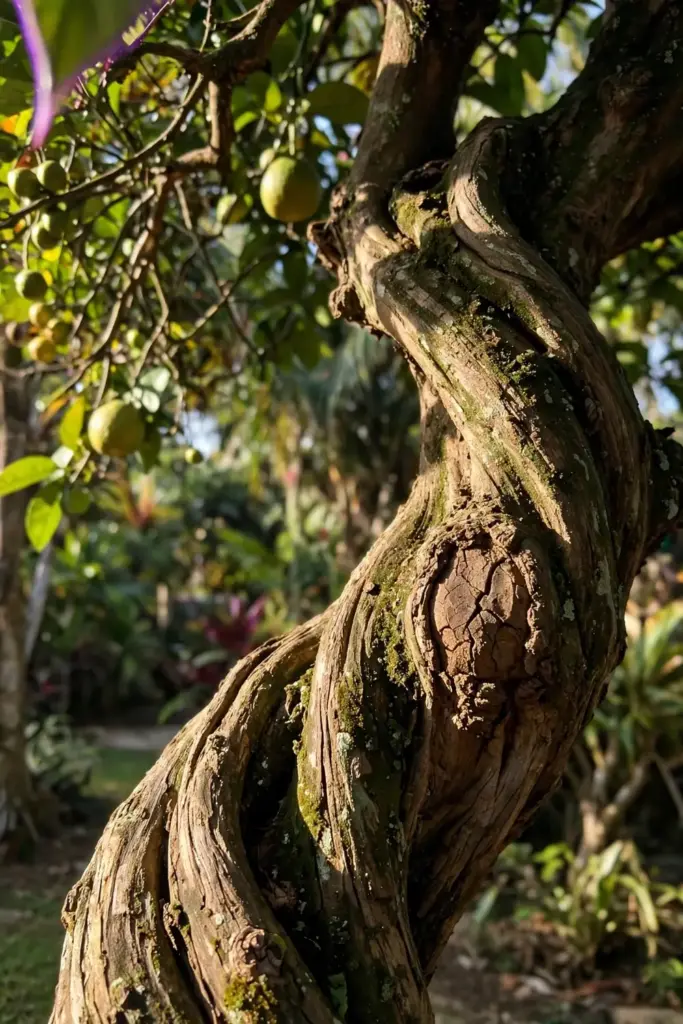
The commercial path began when the Sharp family developed the find at Trout Hall. Export to Canada and England began by 1934, and the United States followed in 1942. Today the fruit remains largely a Jamaican export, with limited Florida production. Knowing the story matters for gardeners, because it explains the trademark: UGLI is a brand name, and other nurseries sell the same Jamaican tangelo under different labels.
The natural hybrid origin also answers the GMO question directly. Spontaneous hybridization produced this fruit in the wild, the same process that gave the world the grapefruit. No laboratory was involved.
2. Match Your Climate to Zones 9 to 12 Before You Plant
Ugli trees belong to warm country. PlotMyGarden places the growing range at zones 9 to 12, while Gardening Know How lists the tree conservatively at zone 10. The honest reading is that zone 9 works with frost protection, and zone 10 and warmer is the easy lane.
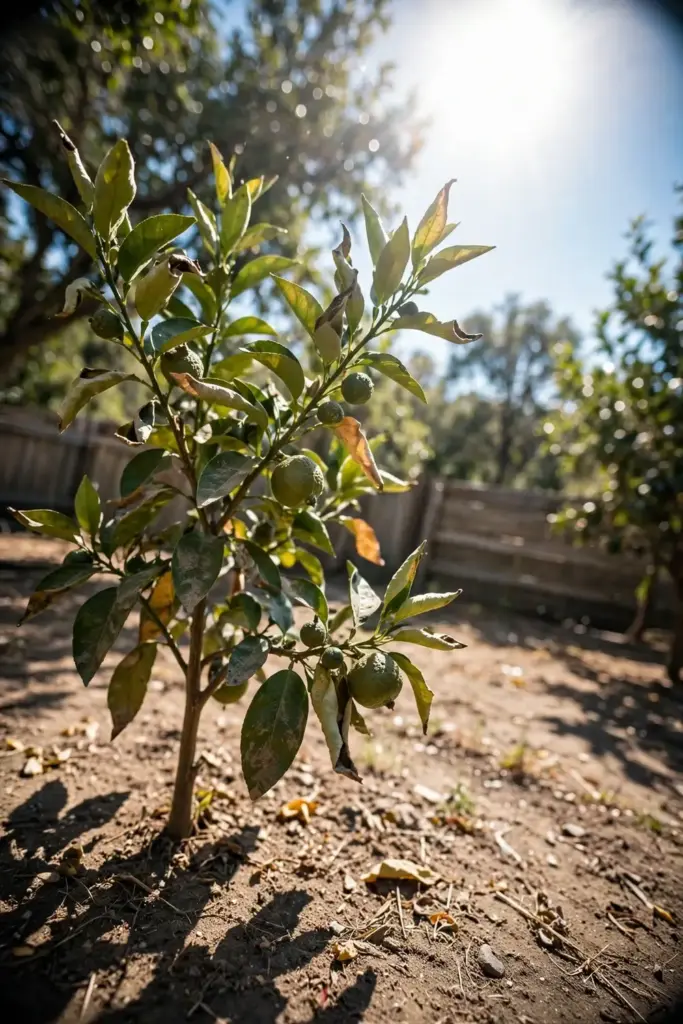
The tree tolerates brief dips to about 19°F, per growing guides. Anything colder damages the foliage and young wood. In zone 9, plant against a south-facing wall, and be ready with frost cloth. Below zone 9, keep the tree in a container you can move indoors, which the container section covers in full.
Give the tree full sun, 6 to 8 hours daily. Shade reduces both yield and sweetness. Good air movement helps too, since still, humid air invites the fungal problems common to citrus. If your winters run colder than zone 9, treat ugli as a container tree from the start rather than fighting frost every year.
3. Learn the Three Parent Fruits in the Ugli Story
The parentage shapes how you grow and taste the fruit. The tangerine side gives the loose, easy-peel rind and the sweet-tangy flavor. The grapefruit side gives the size and juiciness. The Seville orange influence, where present, adds the dimpled, wrinkled rind.
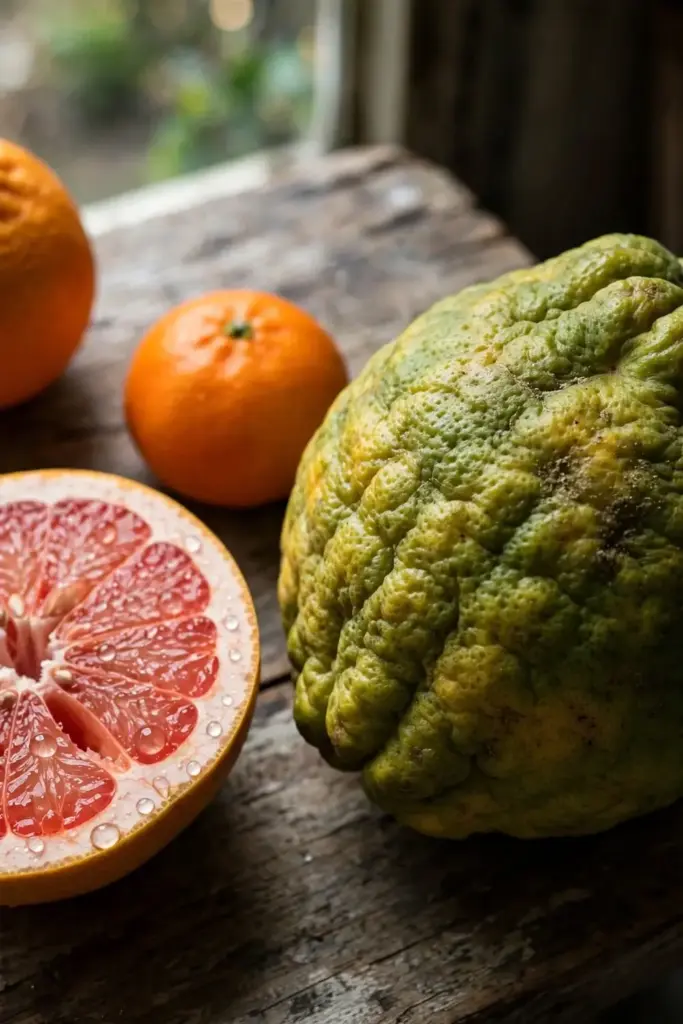
This matters at the nursery. You will sometimes see the fruit sold as “uniq fruit” or “Jamaican tangelo.” These are the same plant, marketed under different names to avoid the trademark. If a tag says Jamaican tangelo, you are holding the right tree.
Flavor follows the tangerine side more than the grapefruit side. Expect sweetness with a mild tang, never grapefruit bitterness. For a closer look at the sweet parent in the cross, the mandarin guide shows how the same citrus family behaves in a home garden.
4. Decide Which Ugli Types Exist Before You Shop
Nursery catalogs list the Jamaican tangelo with little variety detail, because the commercial industry standardizes on a handful of selected clones. You will occasionally see “Baby Ugli,” a smaller snack-size selection grown for easy eating. Treat size claims with care: ordinary ugli fruits vary from about 4 inches to 6 inches in diameter regardless of the label.
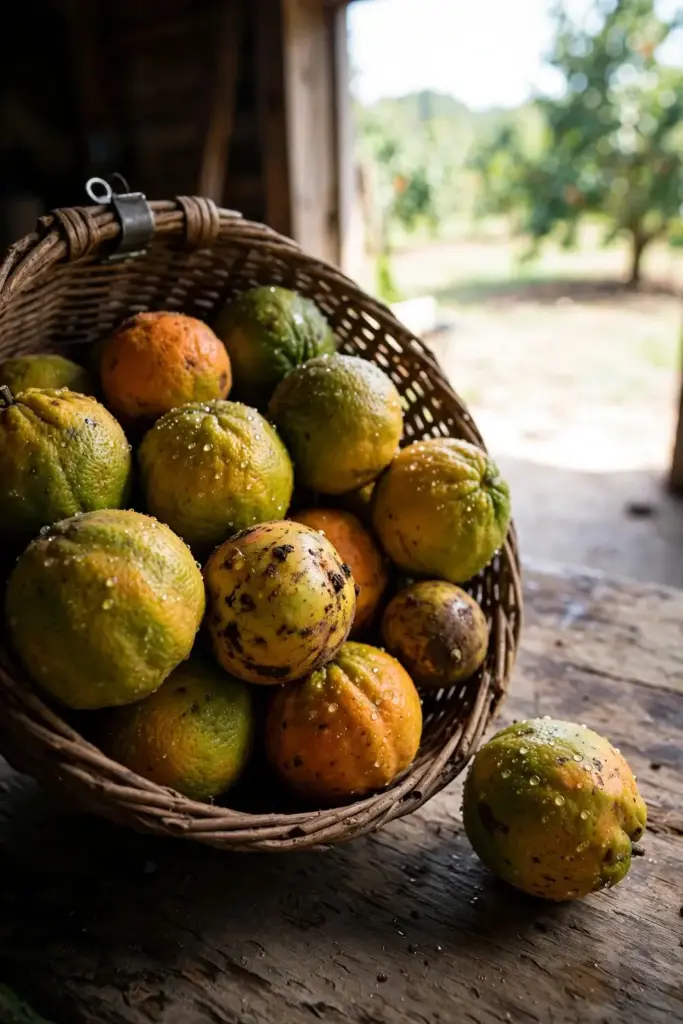
Color varies more than beginners expect. Jamaican-grown fruit keeps a mottled green and orange rind at maturity, because the tropical climate never triggers full color change. The same cultivar grown in a more temperate area turns a more even orange. Both are ripe when the taste says so, which the harvest section explains.
When buying, choose a grafted tree from a reputable tropical or citrus nursery. Ask which rootstock it is on, since rootstock affects vigor and disease tolerance in your soil.
A note on “Baby Ugli” is worth making. This is a smaller selection marketed for snacking, not a separate species, and it grows the same way as the standard fruit. Do not pay a premium expecting a dwarf tree: the label describes fruit size, not tree size. Whatever the label says, the growing rules here apply unchanged.
5. Source Fresh Seeds From Ripe December Fruit
If you want to try the seed route, start with the freshest seeds possible. Buy ugli fruit in season, late November through April, when specialty grocers carry it. Choose heavy fruit with no mold or soft spots, and skip any with a dried-out stem end, since desiccated fruit holds dead seed.
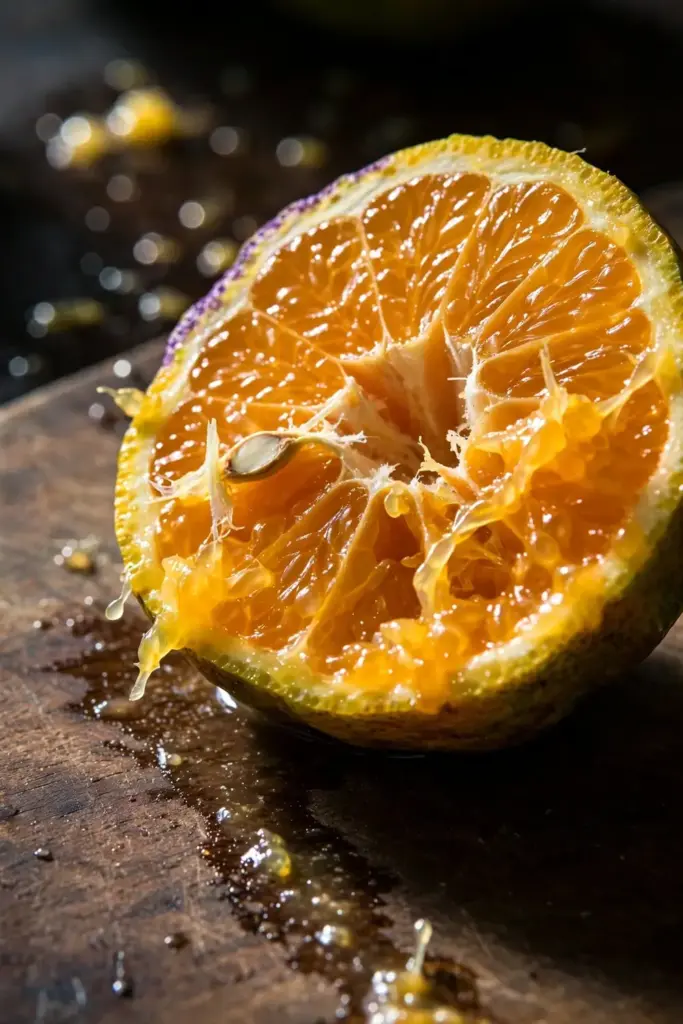
Cut the fruit and extract the seeds the same day. Rinse off all pulp, since sugary residue invites mold in the tray. Fresh citrus seed loses viability as it dries, so plant within a day or two of extraction for the best germination odds.
The sink test helps you sort viable seeds quickly. Drop the cleaned seeds in a glass of water and keep the ones that sink. Floaters are usually empty shells.
6. Sow the Seeds Half an Inch Deep at 70 to 80°F
Fill small pots with a sterile seed-starting mix, not garden soil. Garden soil carries damping-off fungi that kill citrus seedlings. Plant each seed about half an inch deep, per the propagation figures in grower guides.
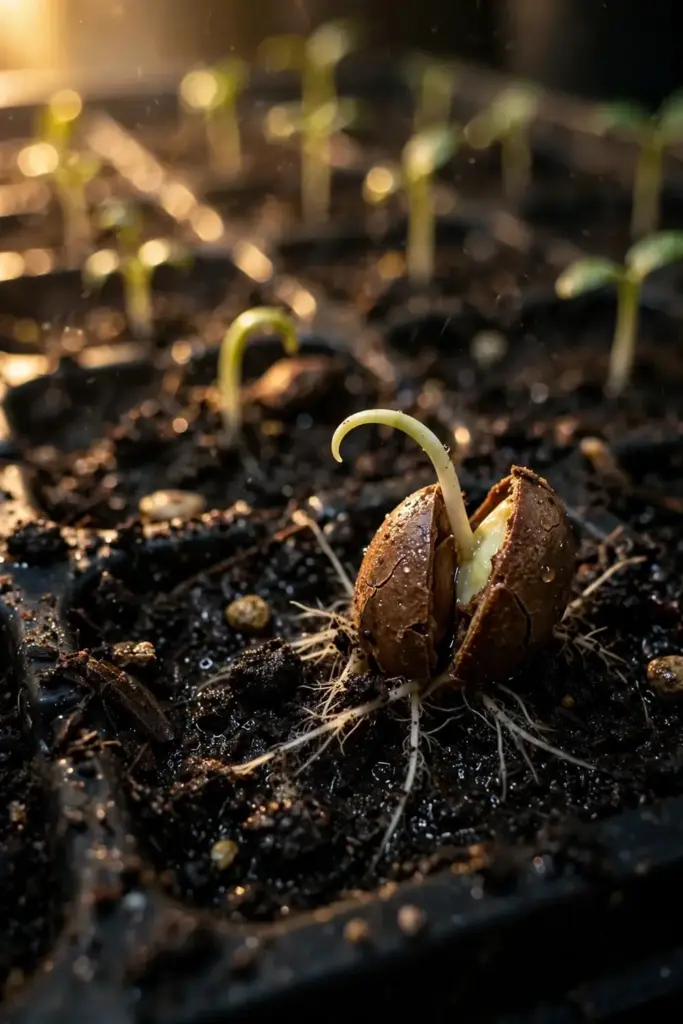
Keep the mix consistently moist but never soggy. Warmth matters: germination proceeds at 70 to 80°F, so a heat mat pays off in cool rooms. Expect sprouts in 2 to 4 weeks under good conditions, though some seeds take longer.
Cover the pots with a clear dome or plastic wrap to hold humidity, and vent daily to prevent mold. Remove the cover the day the first seedling straightens up. The seed-starting guide walks through this tray setup in more detail for growers new to indoor sowing.
7. Raise the Seedlings Through Their First Year
Move seedlings into bright light the moment they emerge. A south-facing window works. Better still, hang a simple grow light 6 inches above the leaves, because weak, leggy seedlings never recover, so a dim corner is the one place not to start them.
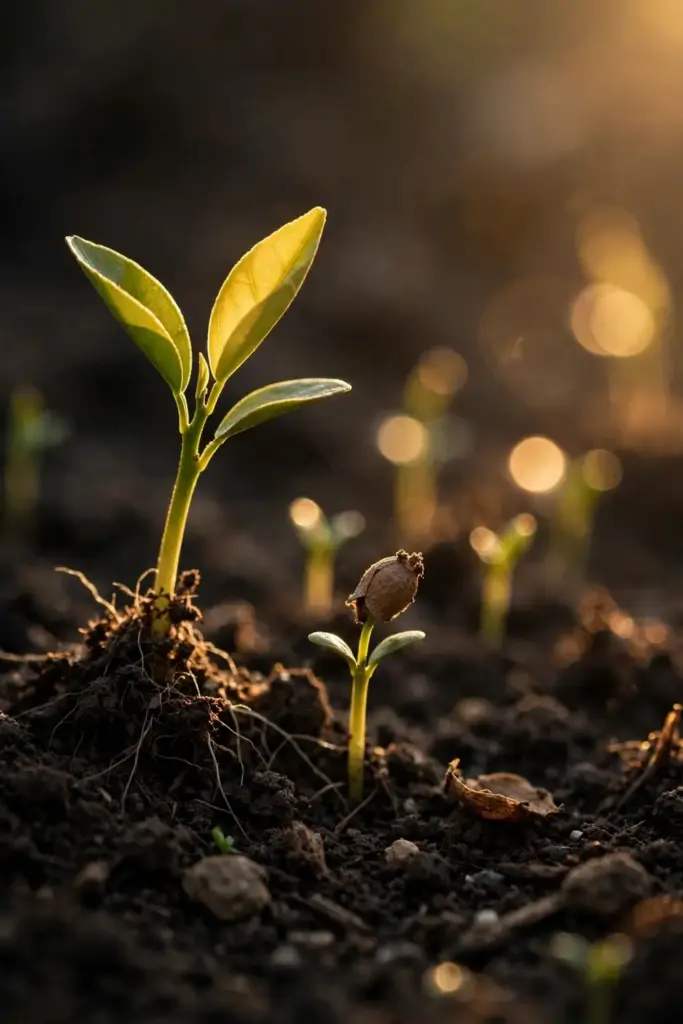
Water when the top inch of mix dries, and feed lightly after the first true leaves appear. A diluted balanced liquid feed every two weeks supports steady growth without burning tender roots. Pot up when roots fill the container, moving one size at a time.
The first year is about building a strong root system, not fruit. Keep the young tree frost-free through its first winter, even in zone 9, because a single hard freeze can kill a seedling that a mature tree would shrug off. A seedling that survives with a straight trunk and healthy leaves becomes a grafting candidate later, which the timeline section explains.
8. Compare the Honest Timelines: 10 Years From Seed, 2 to 3 From a Graft
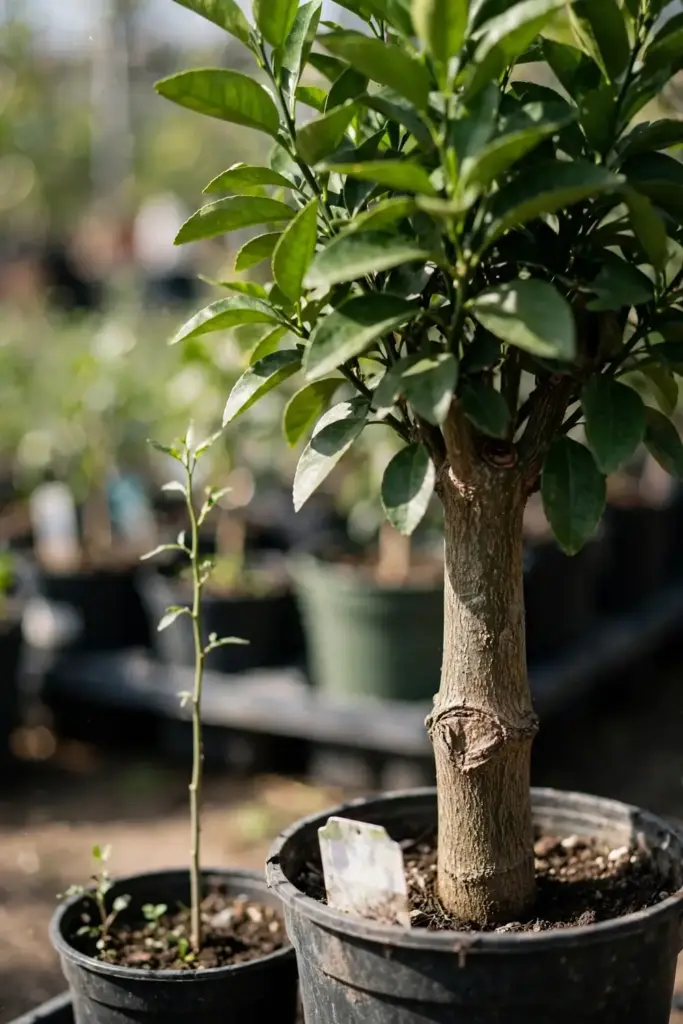
This is the decision that shapes the whole project. Ugli fruit is a hybrid, and seedlings do not reliably repeat the parent. Gardening Know How’s ugli fruit guide states the primary method is grafting, because seed-grown fruit “may be different from the parent plant,” and grafting ensures true clones.
| Method | Time to first harvest | Fruit reliability | Difficulty |
|---|---|---|---|
| Grafted nursery tree | 2 to 3 years | True clone of the parent | Easy |
| Seed | 10 or more years | May differ from the parent | Moderate |
| Seed, optimistic reports | 5 to 7 years | Still a genetic gamble | Moderate |
| Cuttings | Rarely offered | True clone if it roots | Hard |
Kings Plant Barn, the New Zealand nursery chain, reports harvest in 2 to 3 years from planting for grafted stock. Seed-grown trees take 5 to 7 years with variable taste, while some sources warn of 10 or more years. PlotMyGarden suggests about 1 year after planting for an established grafted tree. All three can be true at once: a large grafted tree fruits fast, a seedling fruits slowly and unpredictably.
The middle path is practical. Grow a seedling for a year, then graft ugli budwood onto it, or buy the grafted tree and skip the gamble entirely. Tropical fruit forum growers debate whether ugli comes true from seed, and the consensus lands against it. Treat the seed route as an experiment, not a plan.
9. Buy a Grafted Tree From a Tropical Citrus Nursery
Most home growers should start here. A grafted tree gives you a known cultivar on a known rootstock, and it can fruit within a couple of seasons. Search tropical fruit nurseries and specialty citrus growers rather than general garden centers.
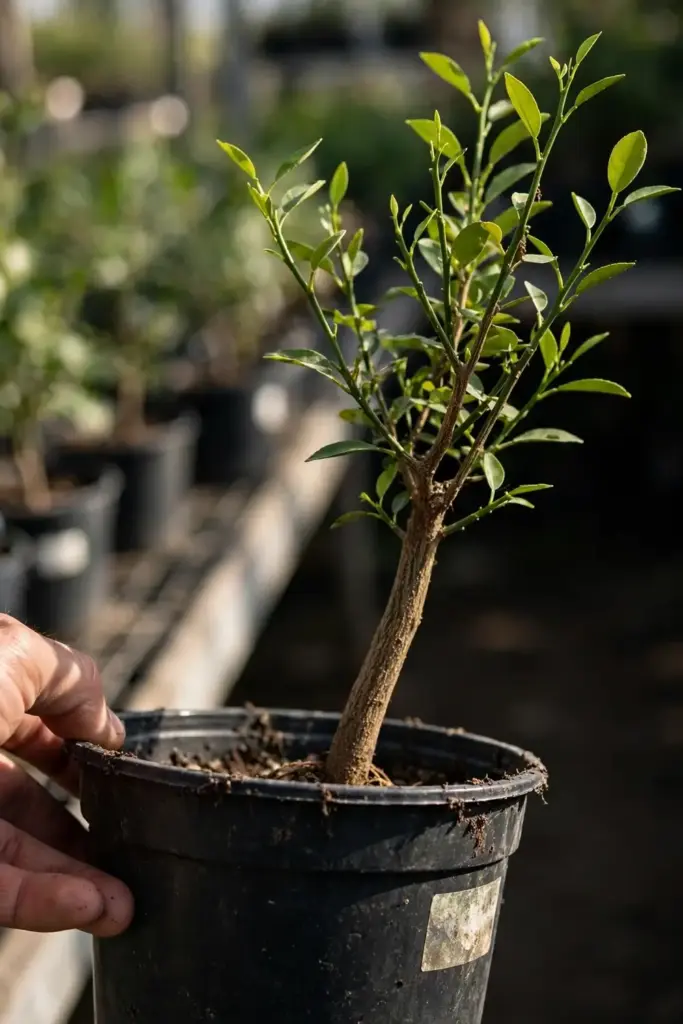
Availability follows the season. Ugli fruit ships to stores from late November through April, and nurseries list trees in the same window. If your local nursery does not carry it, ask for a Jamaican tangelo, which is the same plant under a non-trademark name.
Expect to pay more than for a common citrus tree. Limited production keeps prices up, and shipping a large grafted tree adds cost. Compare the price against 2 to 3 years of waiting for a seedling: the grafted tree usually wins on value.
Check the graft union before you buy. It should be healed and smooth, sitting a few inches above the soil line, with no suckers sprouting below it. Reject trees with circling roots or cracked unions.
10. Trust the Self-Fertile Flowers and Skip the Pollinator
Ugli fruit trees are self-fertile, so a single tree sets fruit without a pollination partner. Kings Plant Barn’s uglifruit growing guide confirms this directly. Bees still help. Open flowers attract pollinators, and good bee activity raises the fruit set.
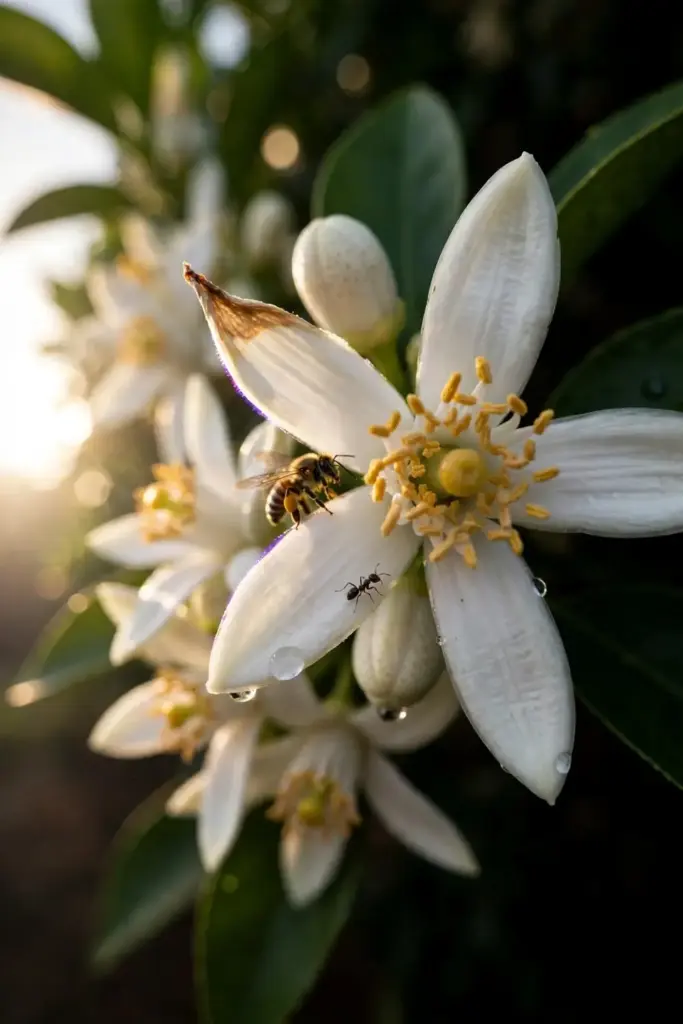
Plant for pollinator access anyway. Position the tree where bees can reach the canopy freely, and avoid spraying insecticides during bloom. If your tree flowers heavily but drops most of the fruitlets, the cause is usually water stress or nutrient shortage, not pollination.
Young trees often drop their first flower flushes. This is normal. Let the tree build canopy for a season or two before expecting a full crop.
11. Give Each Tree 12 to 25 Feet of Air and Light
Site selection decides the next twenty years. Choose the sunniest spot you have, with 6 to 8 hours of direct sun and room for a spreading canopy. Published spacing figures range from 12 to 15 feet for home orchards up to 25 feet for commercial rows, so 15 to 20 feet suits most backyards.
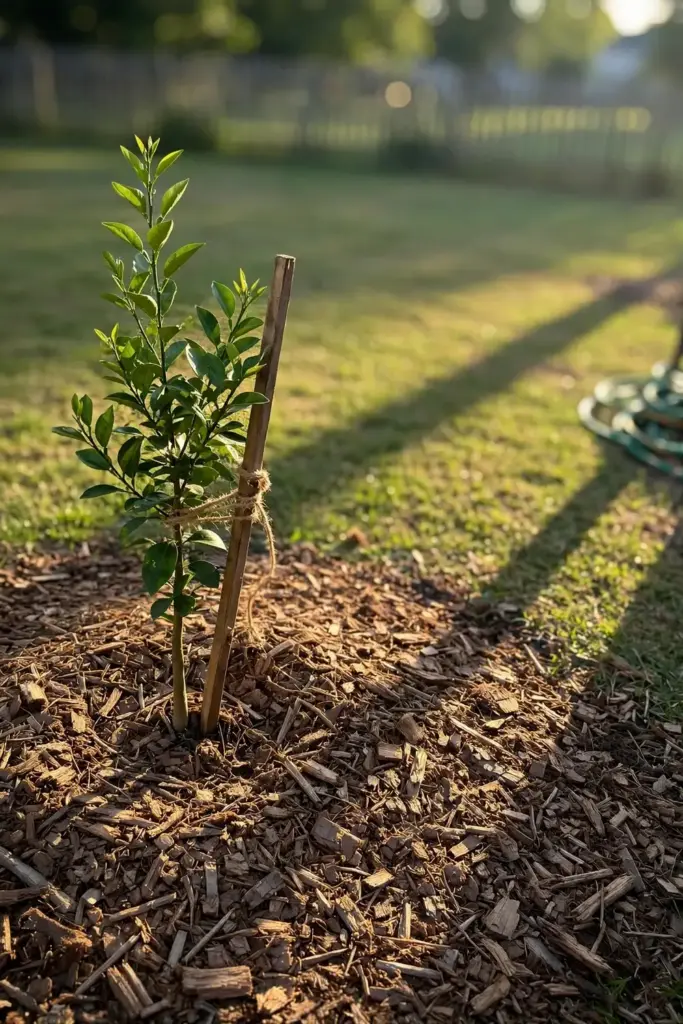
Air movement matters as much as sun. A gentle breeze dries the leaves after rain and reduces fungal pressure. Avoid frost pockets and low spots where cold air settles, since ugli is the least cold-hardy member of most home citrus collections.
Keep the tree clear of competing roots. Do not plant it under a large established tree, and keep lawn grass at least 3 feet from the trunk so the shallow feeder roots get the water and fertilizer you apply.
12. Plant With the Graft Union 2 to 6 Inches Above the Soil
Dig the hole twice as wide as the root ball but no deeper. The top of the root ball should sit level with the surrounding ground, never buried. Burying the trunk invites rot, and burying the graft union lets the scion root on its own, which defeats the rootstock.
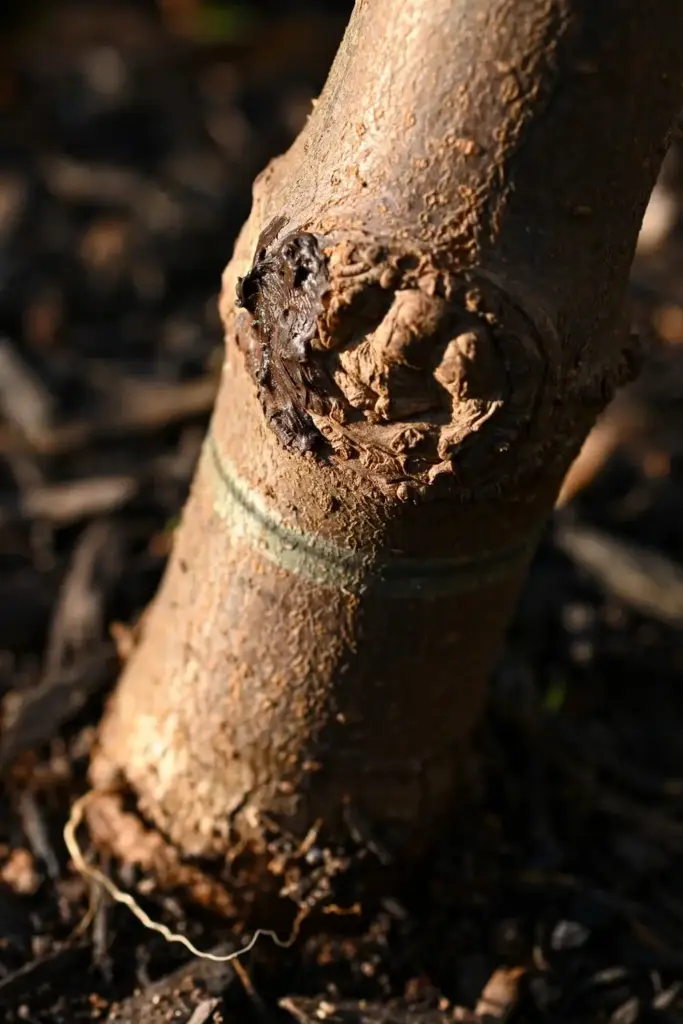
Set the graft union 2 to 6 inches above the soil line. Ugli guides give this range, and it keeps the union safely above mulch and irrigation splash. Firm the soil gently to remove air pockets, then water deeply to settle it.
In heavy clay, plant on a raised mound instead of in a flat hole. Mix compost into the native soil at roughly a 50/50 ratio, and add a handful of gypsum to the bottom of the hole to help break the clay over time. Building strong soil health before planting pays off for the life of the tree.
Mulch 3 inches deep with wood chips or straw, keeping the mulch 6 inches away from the trunk. Mulch holds moisture and feeds soil life, but mulch piled against bark causes rot.
13. Water Deep 2 to 3 Times a Week in the Growing Season
Ugli trees need consistent moisture, especially while fruit is sizing. Growing guides recommend deep watering 2 to 3 times per week during the growing season. Deep means soaking the root zone, not sprinkling the surface.
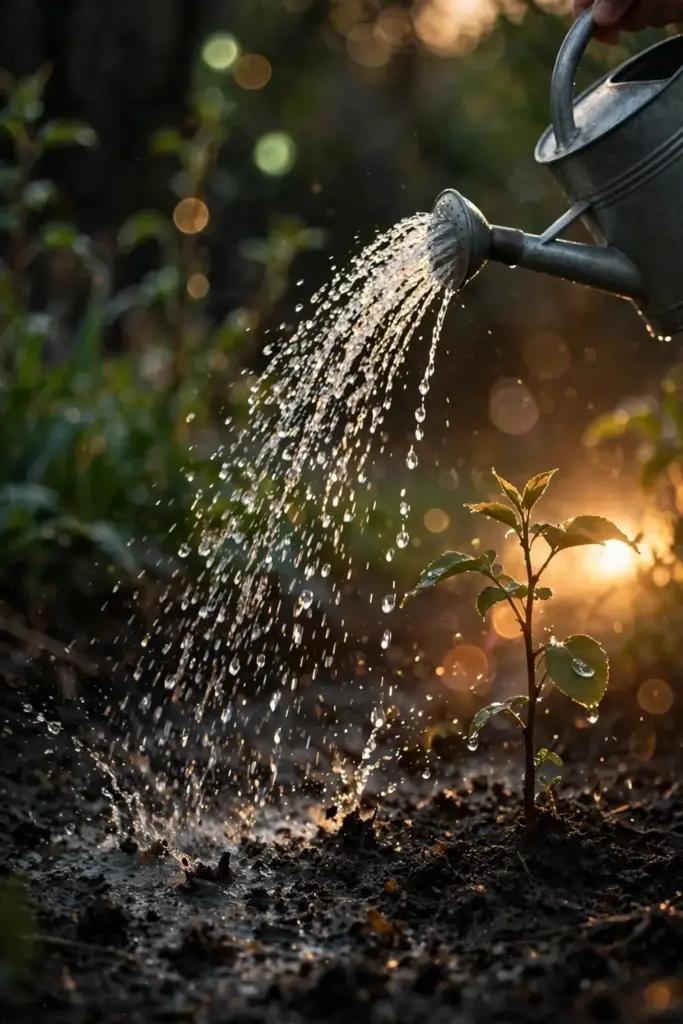
Check soil moisture before watering. Push your finger 2 inches into the soil: water when it feels dry at that depth. Established trees tolerate short dry spells, but drought during fruit development shrinks the crop and thickens the rind.
Reduce watering in winter when growth slows. Soggy winter soil rots citrus roots faster than any pest. In containers, water when the top 2 inches dry out, and always let excess drain freely.
14. Feed With Citrus Fertilizer From Spring Through Autumn
Feed with a balanced citrus fertilizer three times a year: early spring, early summer, and early autumn. Ugli guides recommend this rhythm, with extra potassium to boost sweetness. Gardening Know How adds an early spring feeding specifically to encourage fruiting.
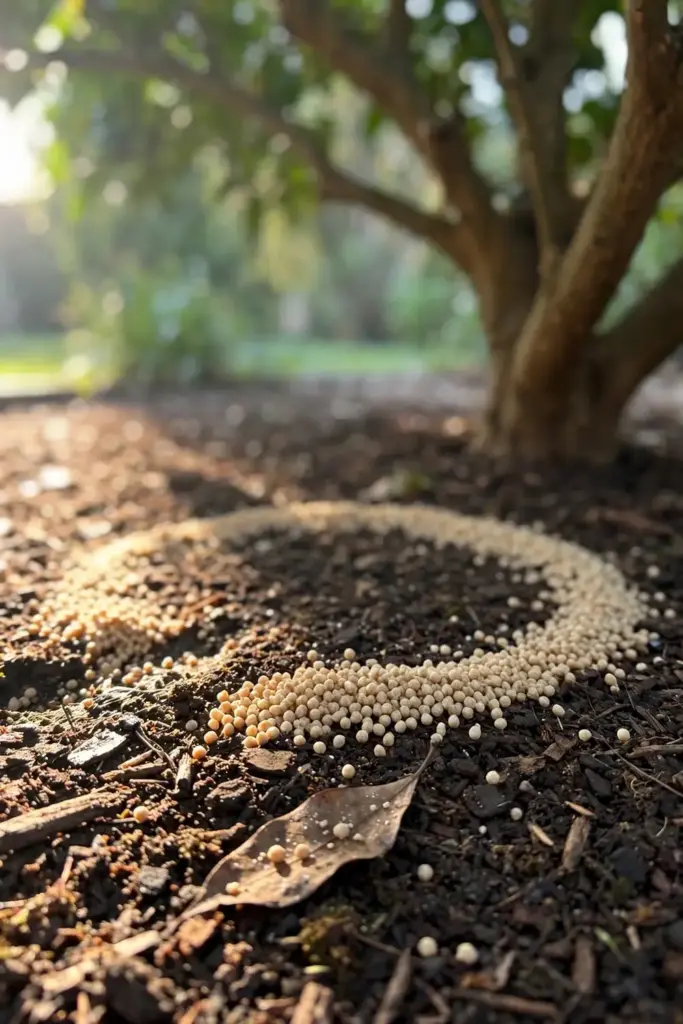
Young trees need more frequent, lighter feeding. Kings Plant Barn suggests monthly feeding from spring through autumn for the first year or two, using a citrus and fruit tree food plus monthly liquid feed to build roots. Established trees do well on the three-times schedule.
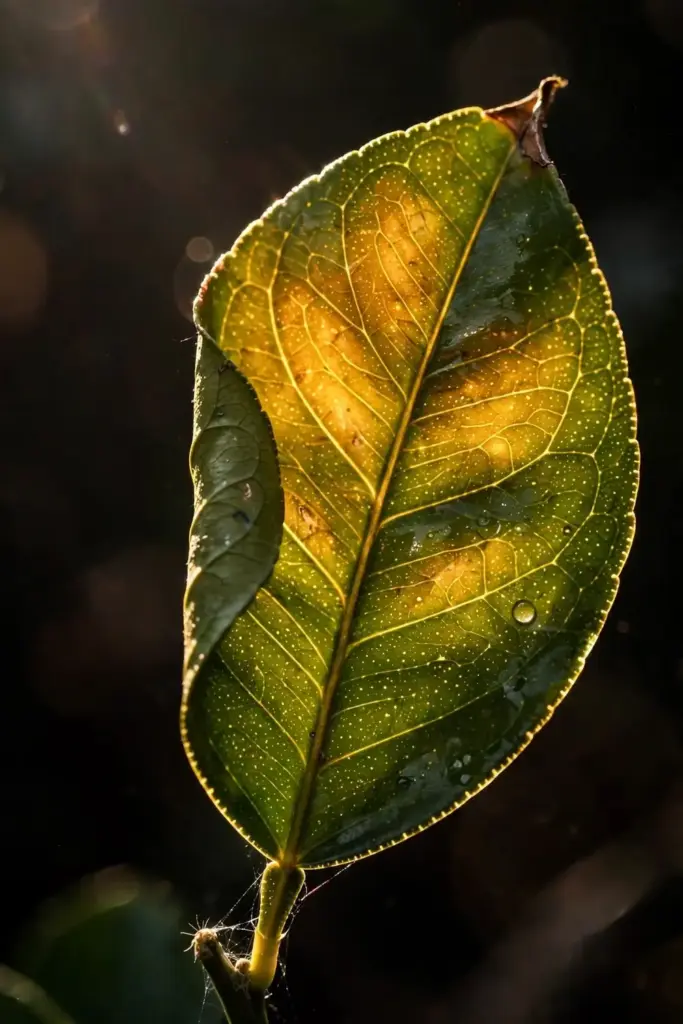
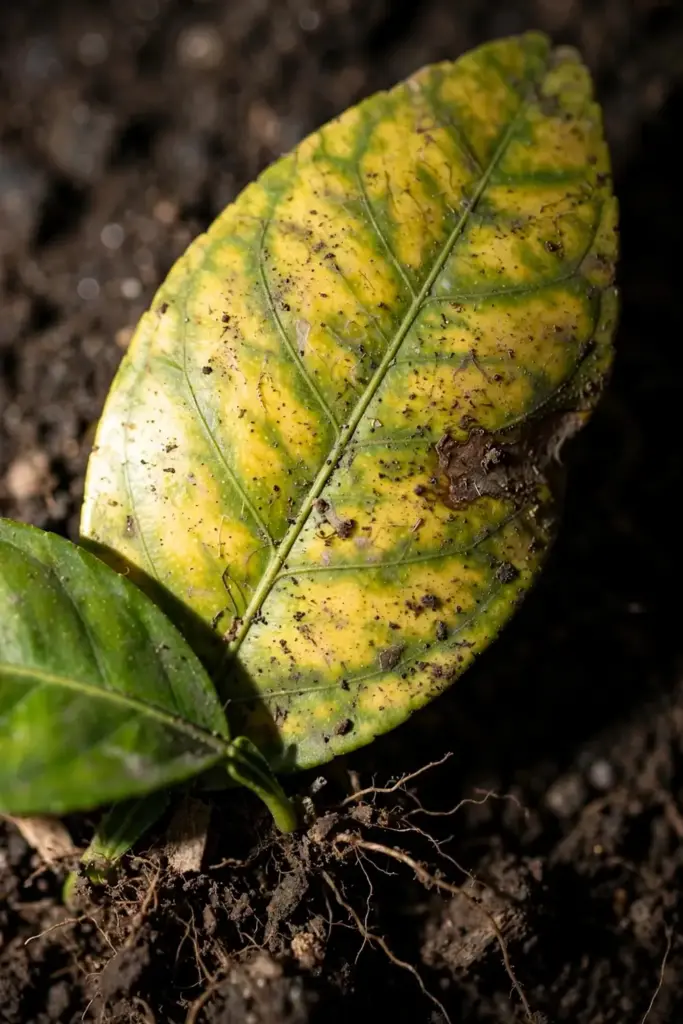
Spread granular fertilizer under the canopy drip line, not against the trunk. Water it in well after application. Yellow leaves with green veins signal iron or manganese shortage, common in alkaline soils; a chelated micronutrient spray corrects it.
15. Prune Lightly to 3 or 4 Strong Main Branches
Ugli trees need only light pruning. The standard advice is to shape the young tree to 3 or 4 main branches, then maintain that open structure. An open canopy lets light and air reach the interior fruit.
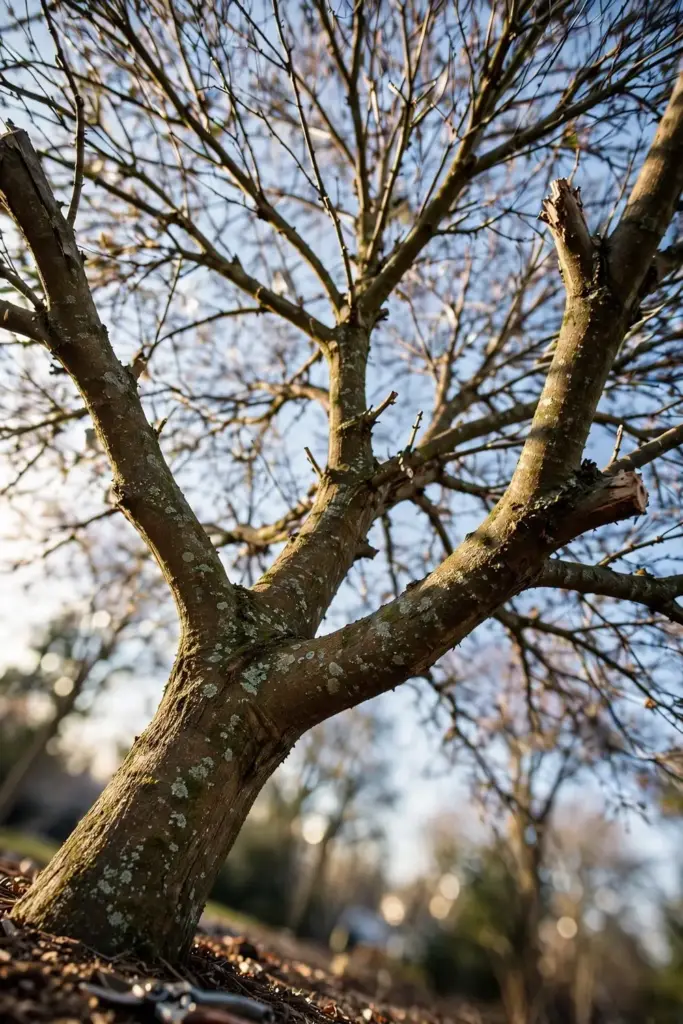
Prune after harvest, in late winter or early spring before the growth flush. Remove dead, damaged, and crossing branches first. Thin crowded interior shoots so sunlight reaches the center of the tree.
Never top the tree or shear it like a hedge. Hard pruning triggers a flush of water sprouts that bear no fruit for a season. The spring pruning techniques guide covers the thinning cuts that keep citrus productive without shocking the tree.
16. Watch for Citrus Pests and Scale, Mealybug, and Leafminer
Ugli trees face the standard citrus pest list. Watch for scale insects on stems, mealybugs in leaf joints, and citrus leafminer trails in new foliage. Aphids cluster on spring growth and attract ants that protect them.
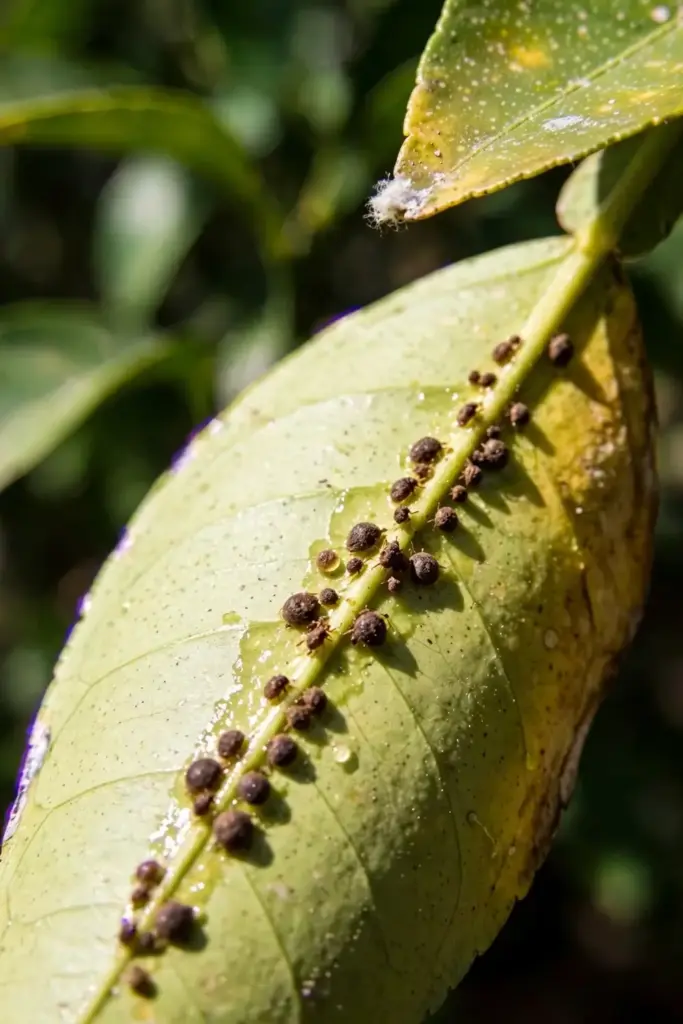
Treat early and gently. A strong jet of water dislodges aphids and mealybugs. Horticultural oil smothers scale when applied in cool weather, never in heat above 90°F. Encourage ladybugs and lacewings by avoiding broad-spectrum insecticides.
Diseases follow the same pattern. Greasy spot and citrus canker appear in wet climates; good air flow and prompt removal of fallen leaves reduce both. In Florida and other HLB regions, watch for the blotchy yellowing of citrus greening and report suspect trees to your extension service.
One more habit separates healthy trees from struggling ones. Inspect the undersides of leaves monthly through the growing season, because scale and mealybug colonies establish there weeks before they show on top. A monthly two-minute check catches infestations when a damp cloth still solves them.
17. Grow in a 60-Liter Pot When You Live Below Zone 9
Containers make ugli possible in marginal climates. Growing guides recommend 60 to 100 liter pots for growers below zone 9. That is a large pot, roughly half a wine barrel, and the tree will need it: citrus roots fill small pots fast.
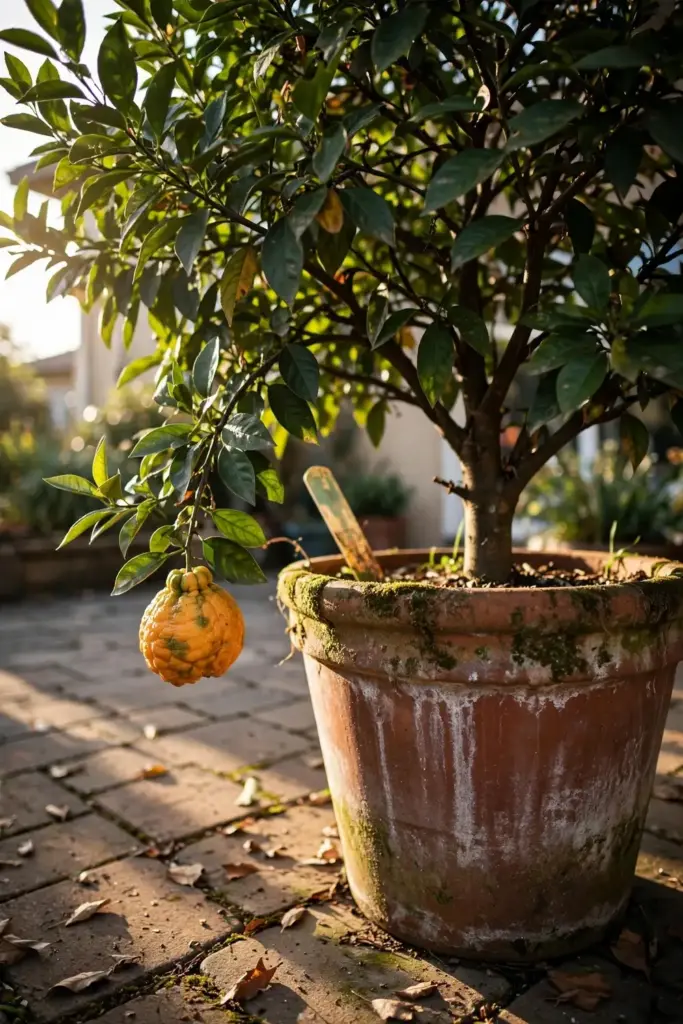
Use a coarse, free-draining citrus mix, not garden soil. Add extra perlite or bark for drainage. Container trees dry out faster than ground trees, so check moisture every day or two in summer.
Move the pot to a bright, frost-free spot before the first freeze. A sunny garage, greenhouse, or south-facing room works. Reduce watering in winter but never let the root ball dry out completely. Expect a smaller tree and a smaller crop than in the ground; the pot is a compromise, not a penalty.
18. Harvest When the Taste Says Ready, Not the Color
This is the section that saves the crop. Ugli fruit often stays green or mottled even when fully ripe, and Gardening Know How warns that ripeness “can be difficult to ascertain, as fruits remain quite green even when ready for harvest.” The key rule: skin color can mislead, and the taste test is the most reliable check.
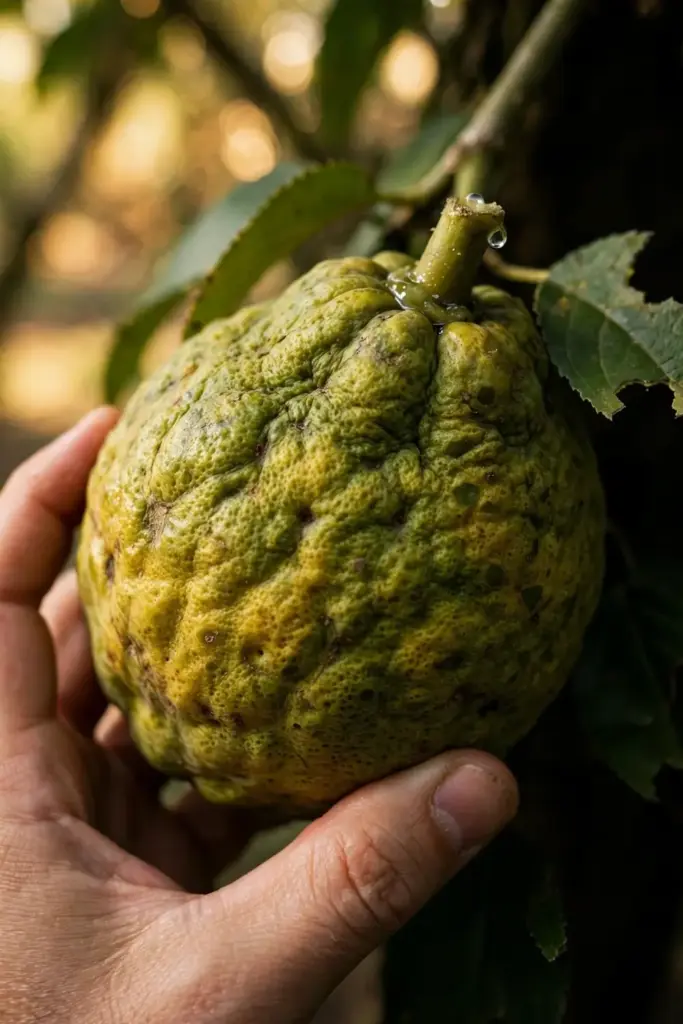
Start sampling when the fruit feels heavy and the rind loosens slightly. Cut one open and taste a segment. Ripe ugli is sweet and tangy with deep orange flesh. If it tastes sharp or grassy, wait a week and test another.
Pick fruit by clipping the stem, not pulling. Pulling tears the rind and shortens storage. Store at room temperature for up to 5 days or refrigerate for up to 2 weeks, per Specialty Produce’s handling figures. Guava growers use the same taste-first rule for judging tropical harvests.
19. Fix the Most Common Ugli Problems Before They Spread
Yellow leaves with green veins point to micronutrient deficiency, usually iron in alkaline soil. Apply chelated iron and mulch with acidic organic matter. Uniformly pale leaves suggest nitrogen shortage; increase the feeding schedule.
Fruit drop has three usual causes. Young trees drop fruitlets naturally while they build canopy. Water stress during fruit sizing causes mid-season drop. Overbearing on a weak tree causes late drop; thin the fruitlets to one per cluster on young trees.
No flowers after several years usually means too much nitrogen, too much shade, or a seedling still in its juvenile phase. Cut back nitrogen, confirm 6 to 8 hours of sun, and give seed-grown trees the decade they may need. A grafted tree that refuses to bloom deserves a soil test.
Split rind after rain comes from uneven watering. Keep moisture consistent during fruit development, and mulch well to buffer the swings. Split fruit still tastes fine; eat it fresh rather than storing it.
Frequently Asked Questions
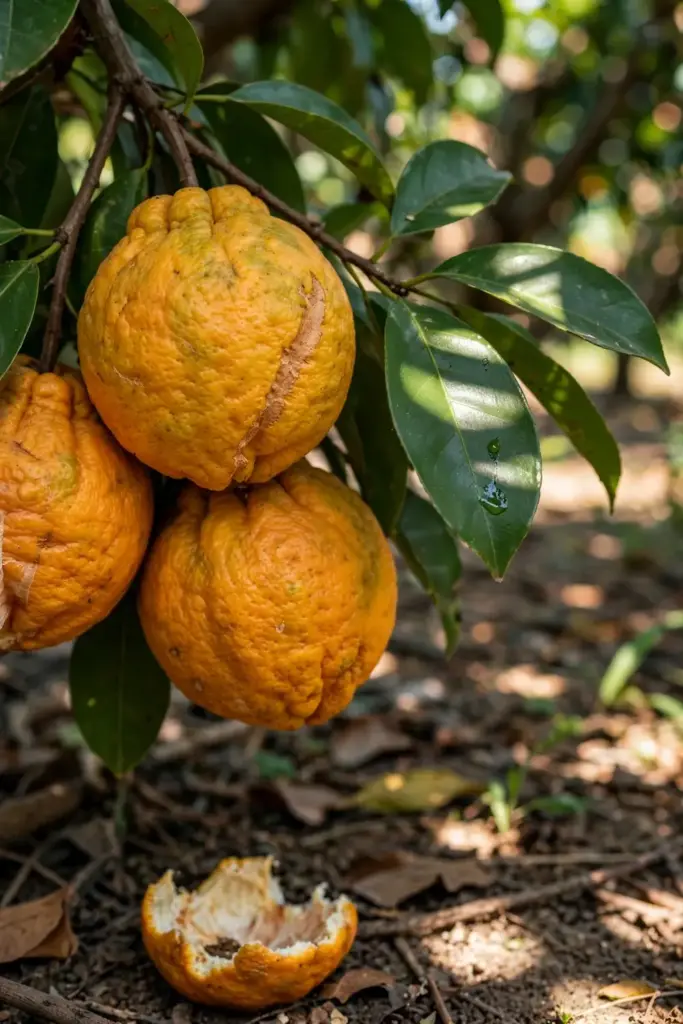
Yes. Ugli fruit is a real, natural citrus hybrid discovered growing wild in Jamaica around 1917. It is a tangerine crossed with a grapefruit, developed commercially by the Sharp family since the 1930s. UGLI is a registered trademark of Cabel Hall Citrus Limited covering the brand, not a laboratory creation, so it is not a GMO.
Yes, in season. Ugli fruit ships from late November through April and appears in specialty grocers and select supermarkets in North America and Europe. Availability is limited because production is concentrated in Jamaica with small Florida acreage. If stores near you skip it, tropical fruit nurseries sell grafted Jamaican tangelo trees.
A grafted tree typically bears in 2 to 3 years, and Kings Plant Barn reports harvest within that window from planting. Seed-grown trees take far longer: grower reports range from 5 to 7 years to 10 or more, and the fruit may not match the parent. For reliable, fast fruit, buy a grafted tree.
Cuttings are possible but difficult. Grower guides note that ugli cuttings need bottom heat of 25 to 28°C with fog-like humidity, and even rooted cuttings are usually grafted onto rootstock afterward. For home growers, a grafted nursery tree is simpler and far more reliable than cuttings.
Baking soda has limited, situational use. Some growers spray dilute baking soda as a mild antifungal for sooty mold or powdery mildew, but it does not feed the tree or fix nutrient problems. It cannot replace proper fertilization, watering, and pruning. Treat it as a minor supplement, not a citrus care program.
Ugli fruit tastes sweet and tangy, closer to a tangerine than a grapefruit. The flesh is deep orange, juicy, and easy to segment, with few seeds. Expect mild acidity and no grapefruit bitterness. Eat it fresh, segment it into salads, or squeeze it for juice.
Give the Tree Three Years
Ugli fruit rewards the patient gardener who starts with a grafted tree. Plant it in full sun in zones 9 to 12, water deeply through the fruiting season, feed on the citrus schedule, and harvest by taste instead of color. The wrinkled rind hides one of the sweetest citrus fruits you can grow at home, and the 1917 discovery story gives every harvest a history worth telling.