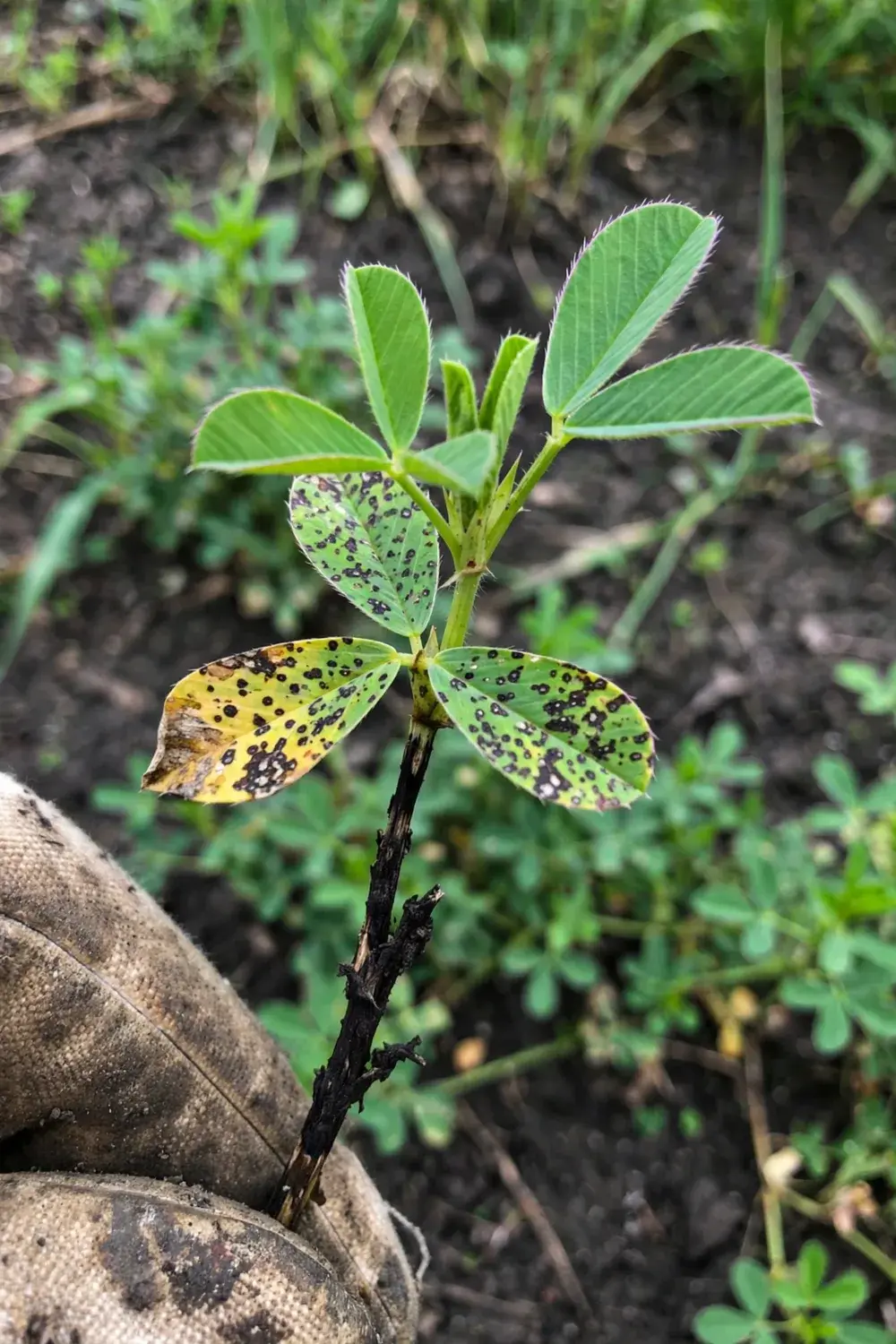

Spring Black Stem of alfalfa turns lower stems black in cool, wet spring weather. The fungus behind it carries 2 names. Field guides still call it Phoma medicaginis. Taxonomists now place it in Ascochyta medicaginicola.
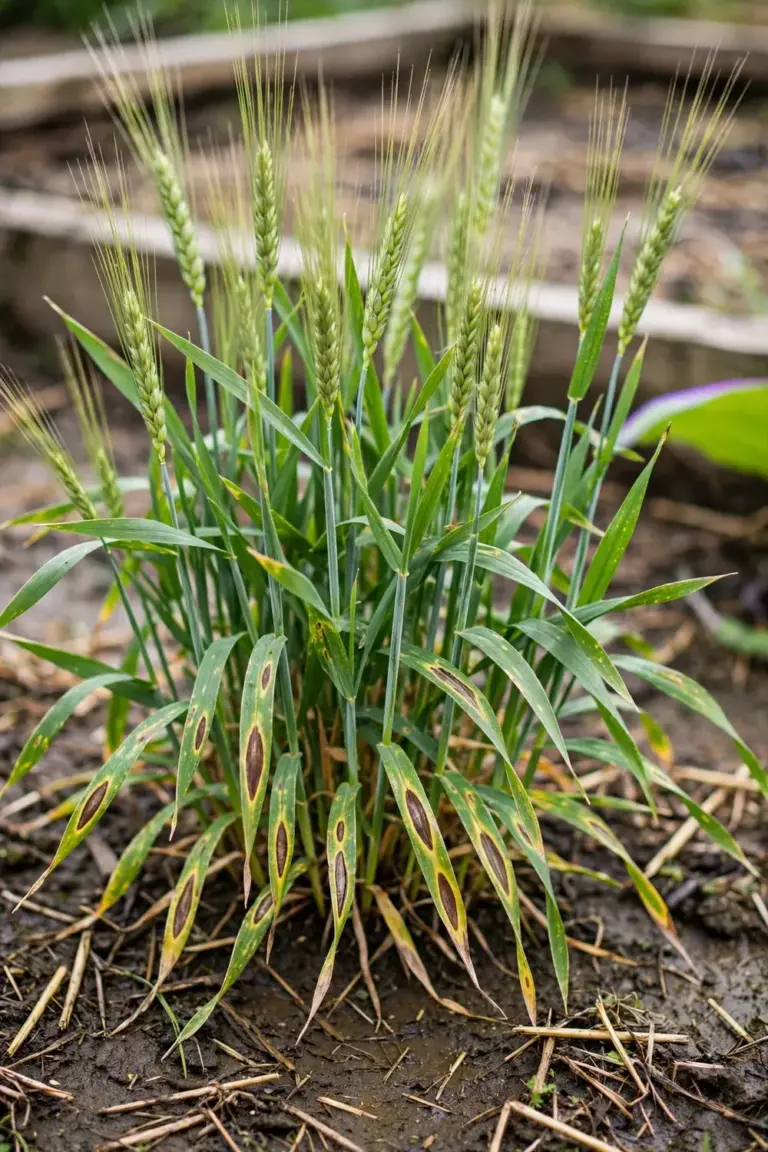
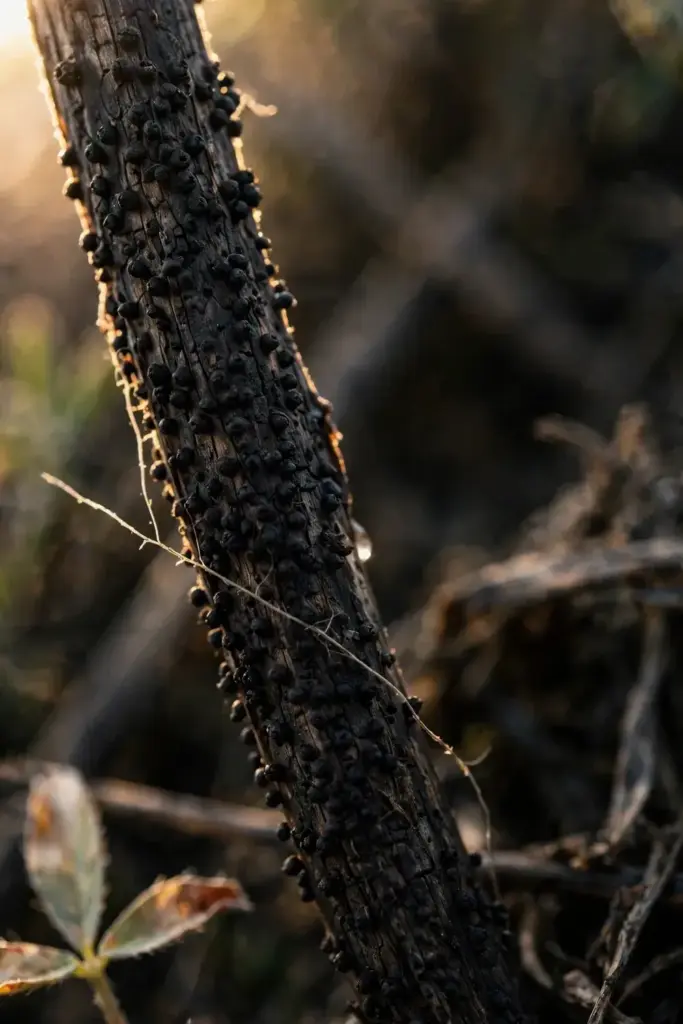
The disease starts on the lowest leaves and climbs the shoot. Small dark spots spread, leaves yellow and drop, and stem lesions merge until the stem blackens. A girdled stem dies. The fungus can reach the crown and upper taproot.
The rest of this page gives one symptom check, one honest table, and 5 moves that fit a home patch. The moves are small. Clean seed, residue cleanup, air, removal, and rotation carry the home patch, since the field-scale programs belong to forage production.
What Spring Black Stem of Alfalfa Actually Is
Spring Black Stem of alfalfa is a fungal leaf and stem disease of alfalfa (Medicago sativa). The fungus Phoma medicaginis causes it. The current name is Ascochyta medicaginicola, and most applied guides still use the older name.
Use the older name when you read Extension material. The University of Nebraska-Lincoln fact sheet files the disease under Phoma medicaginis. The name changed. The disease did not.
Do not borrow pea advice for this disease. The pea disease comes from Phoma medicaginis var. pinodella, a different variety on a different host. Pea evidence does not apply to alfalfa.
Alfalfa is a forage and field crop, and most Spring Black Stem evidence comes from forage production. Field-scale programs such as spring burning, rotation with corn or soybeans, and per-hectare fungicide schedules belong to that world. This page does not carry them as home advice. The home patch gets the smaller version: clean seed, clean residue, air, removal, and rotation.
The fungus waits out the cold season in the patch. It overwinters as pycnidia and dormant mycelium in residue, old stems, crowns, taproots, and seed. In wet spring weather, spores ooze from the pycnidia and splash onto new shoots. New shoots catch the infection as they grow through last season residue. The foliage must stay wet from dew or rain for infection and spread to occur.
How to Identify Spring Black Stem on Alfalfa Leaves and Stems
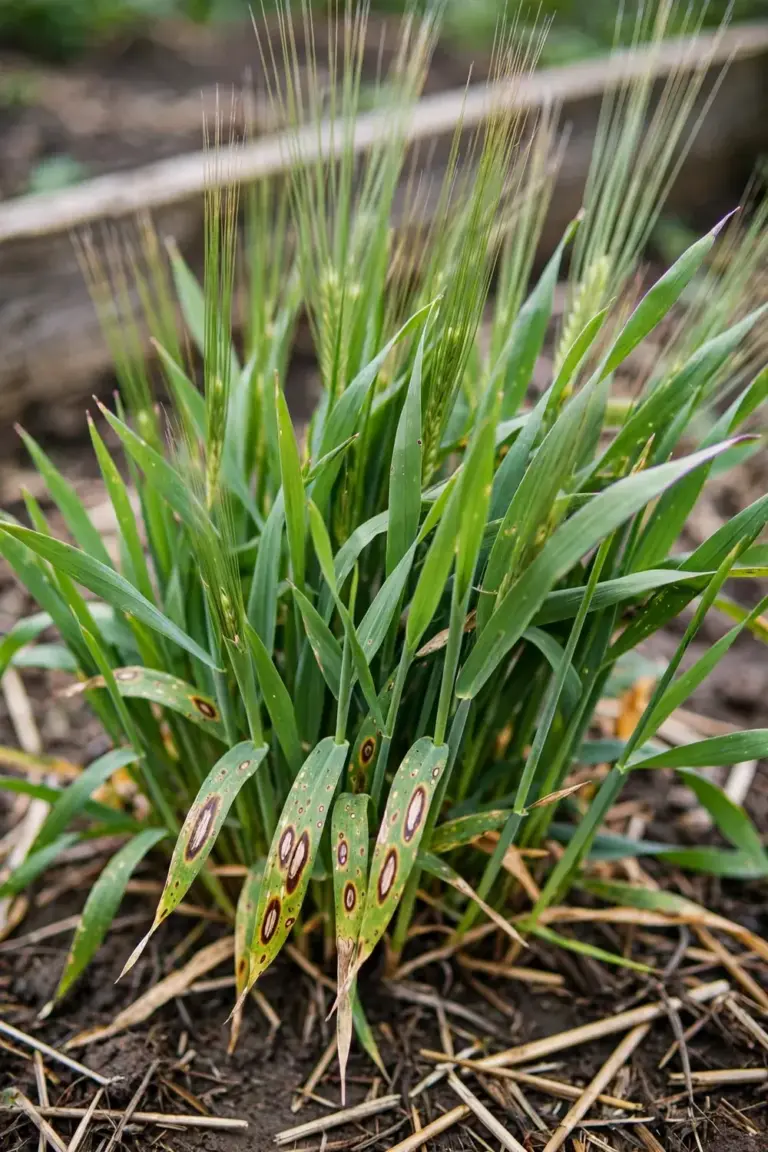
Start at the lowest leaves. Spring Black Stem shows first as small dark brown to black spots on lower leaves, petioles, and stems of new shoots.
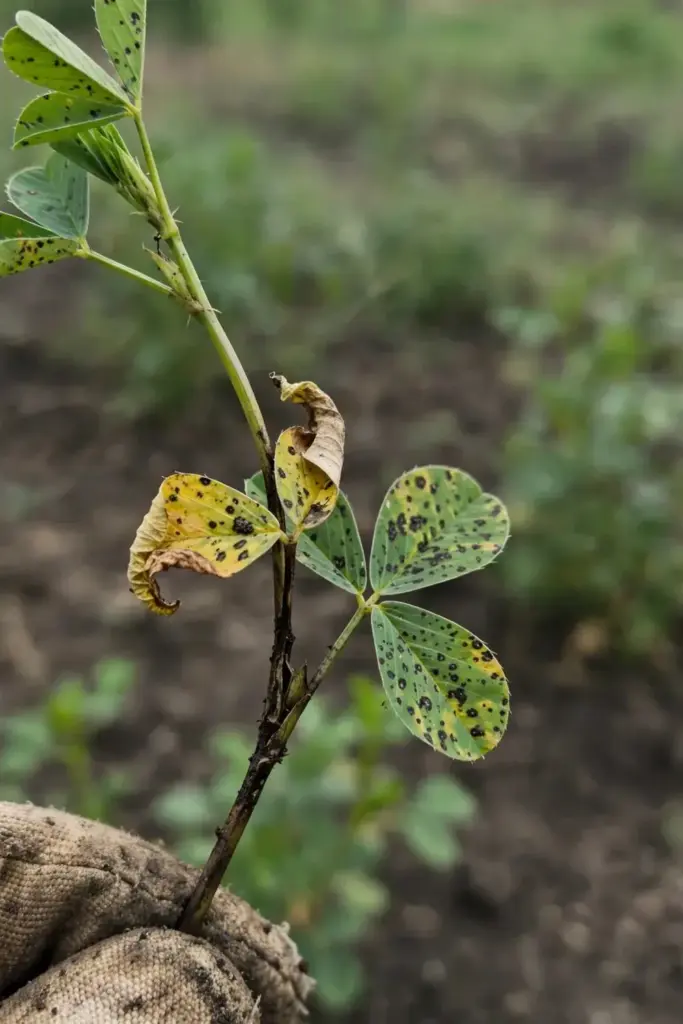
I have learned to check the lowest leaves first, since the spots start low and climb.
The table below sorts the signs by where to look and what each sign tells you.
| What You See | Where to Look | What It Tells You |
|---|---|---|
| Small dark spots, often called tar spots | Lower leaves, petioles, and stems of new shoots | Early infection, check the rest of the shoot |
| Leaf spots merge, leaves yellow and drop | Leaflets | The disease is advancing on that shoot |
| Stem lesions merge and the stem turns black | Lower stem, near the base | The shoot may die if the stem girdles |
| Crown and upper taproot rot | Plant base, below the soil line | Infection reached the crown, pull and discard that plant |
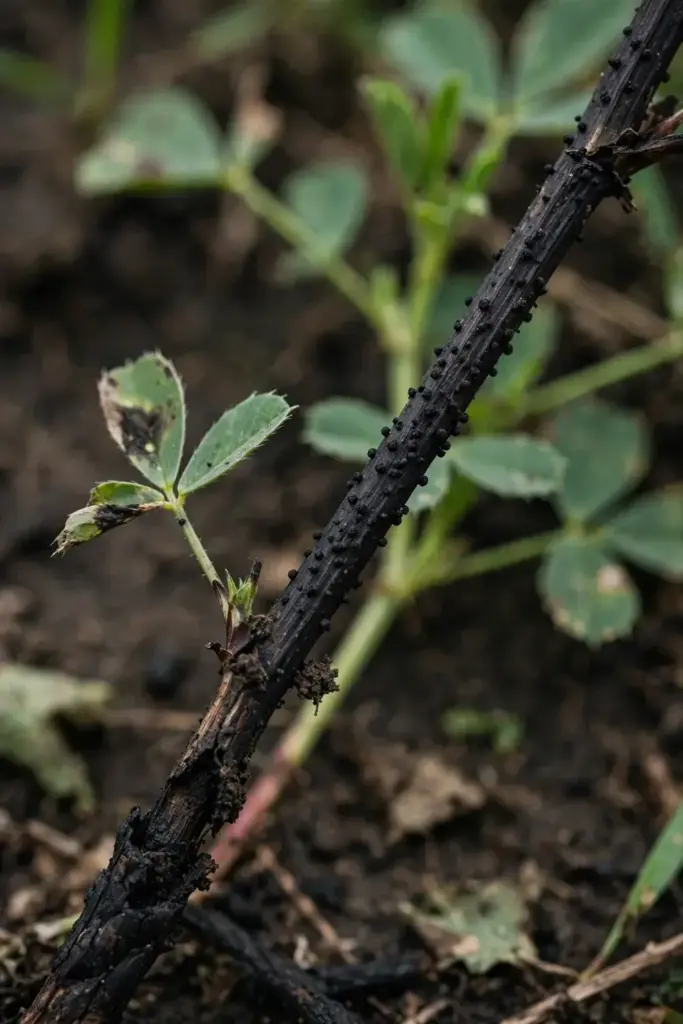
Leaf lesions enlarge and merge until much of the leaflet is covered. Infected leaves yellow and drop from the plant. Lesions on stems and petioles turn black. As stem lesions enlarge and merge, most of the stem becomes black. If the stem girdles, the plant dies. The fungus can also invade the plant base and cause the crown and upper taproot to rot. In mature plants, seed pods may discolor and shrivel under high humidity. The University of Nebraska-Lincoln fact sheet describes this full progression from tar spots to blackened stems.
Stem blackening has more than one cause. Bacterial stem blight of alfalfa and winter injury can blacken stems too. Field ID sorts suspects. A lab test settles the call when the decision matters, such as whether to rest the patch or change the rotation.
1. Buy Certified Seed
Buy certified seed from a supplier that certifies its stock. Certified seed is the first defense against a seedborne fungus.
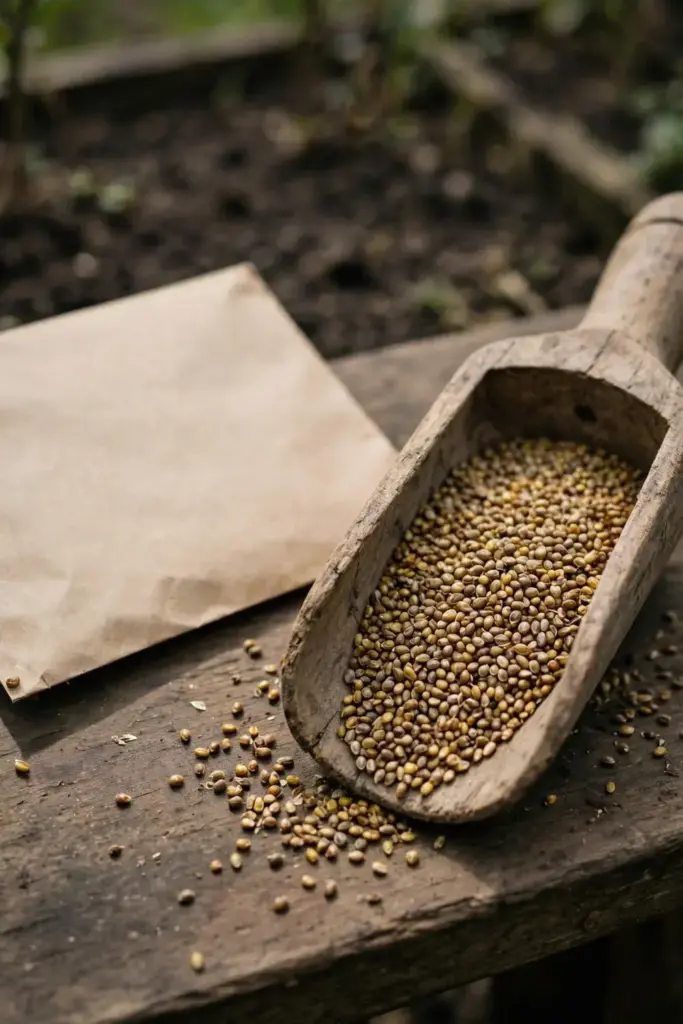
The fungus rides in seed. A seedling blight can follow when infected seed goes into the ground, and early seedling loss leaves a thin stand. The University of Illinois Extension report advises sowing high-quality, certified, fully mature seed produced in an arid climate. Arid-grown seed carries less of this fungus.
Do not save seed from plants that showed Spring Black Stem. Saved seed from an infected patch carries the fungus into the next sowing. Buy fresh certified seed each season, and keep the packet label until the stand is up.
2. Clear Residue at the End of the Season
Clear every stem, leaf, and clipping from the patch at season end. Residue is where the fungus waits.
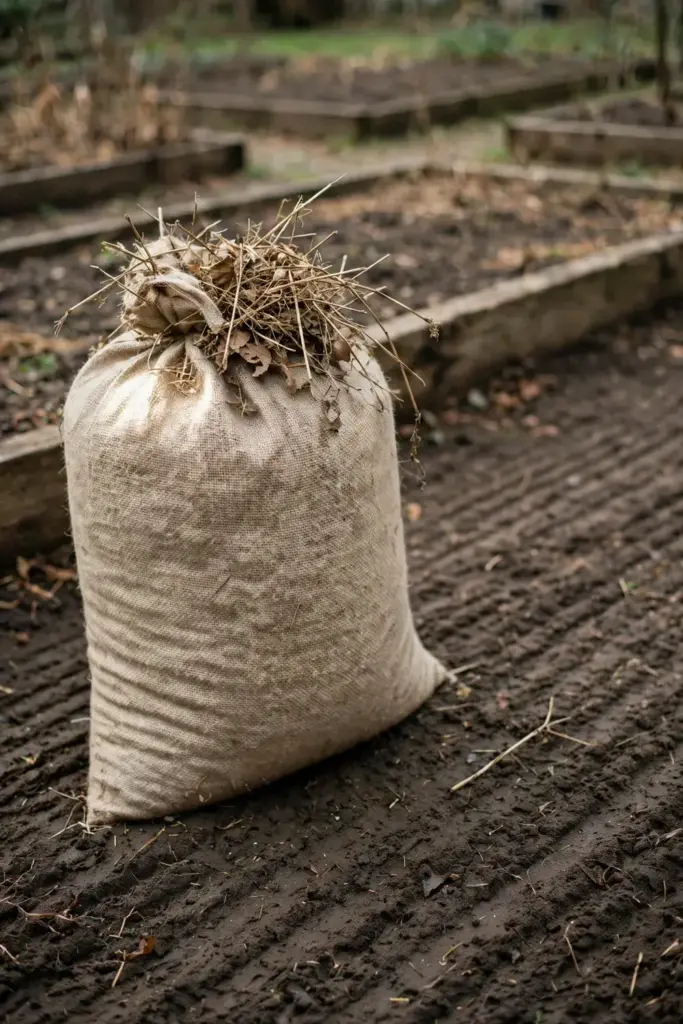
Pycnidia form on infected stems and fallen leaves during late fall and early winter. Those fruiting bodies hold the spores that splash onto next spring shoots. The University of Nebraska-Lincoln fact sheet traces the spring infection straight back to that residue.
Bag the residue and put it in the trash. Do not compost it. A compost pile returns the material to the garden, and the fungus rides along. Rake the patch clean, then wash the tools that touched the crop.
3. Keep the Patch Dry and Open to Air
Space plants so air moves, and water at soil level. Wet foliage drives this disease.
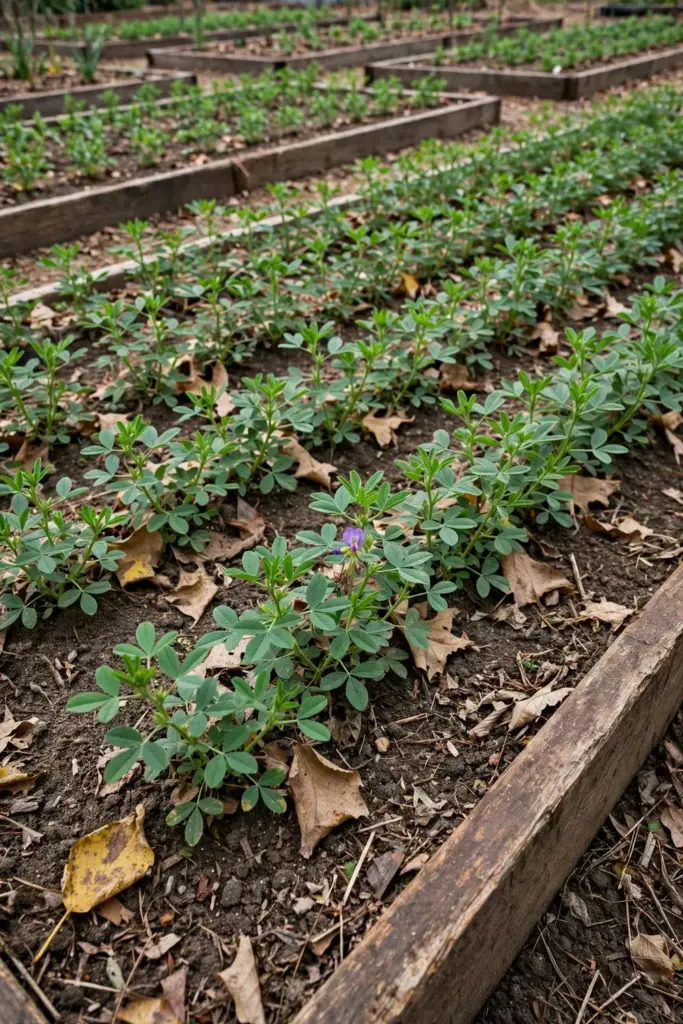
The foliage must stay wet from dew or rain for infection and spread to occur. Cool, wet weather that lingers through spring lets the disease climb the canopy. A crowded patch holds dew longer. Overhead watering wets leaves on a schedule the fungus likes.
Water at the base in the morning so leaves dry fast. Thin crowded growth so air moves through the patch. The fall garden bed prep guide covers bed shape and drainage that keep a patch from holding standing water.
4. Mow and Remove Affected Growth
Cut affected shoots at the first black lesions and remove the clippings. Early removal takes inoculum out of the patch before it spreads.
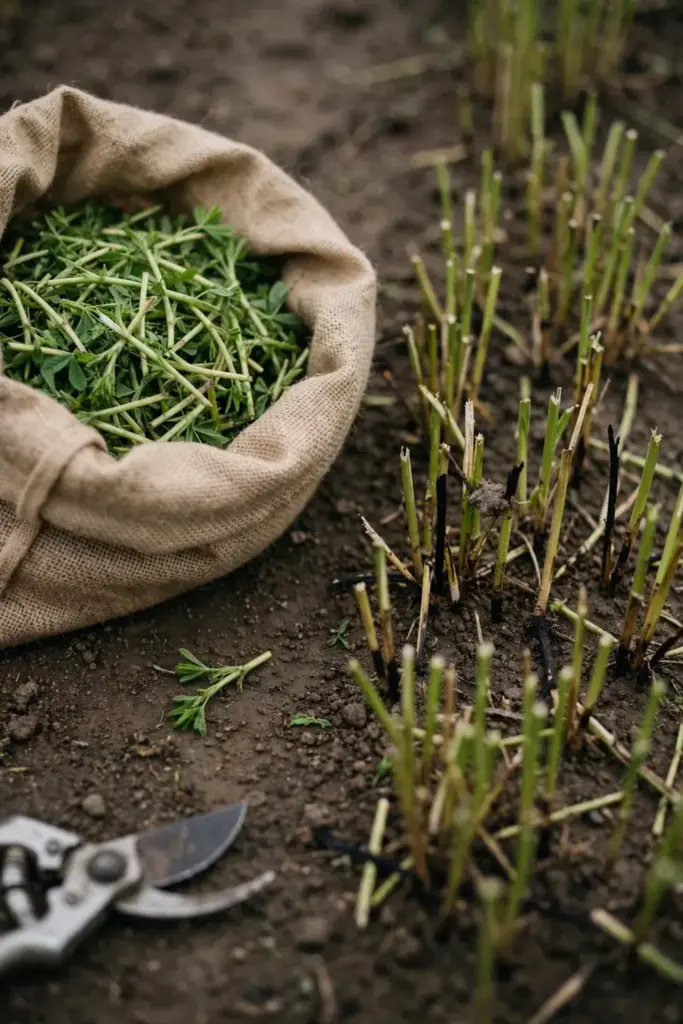
Forage stands get an early harvest when Spring Black Stem runs severe. The Crop Protection Network encyclopedia entry lists early harvest among the forage responses. A home patch cannot run a forage harvest. The home-scale version is a mow and a bag: cut the affected growth, bag it, and trash it.
Do not leave the clippings on the soil. Clippings on the soil become next season residue. Cut low, bag everything, and wash the mower or shears after the job.
5. Rotate Alfalfa Out of the Patch
Do not resow alfalfa in the same patch next season. Plant something unrelated there instead.
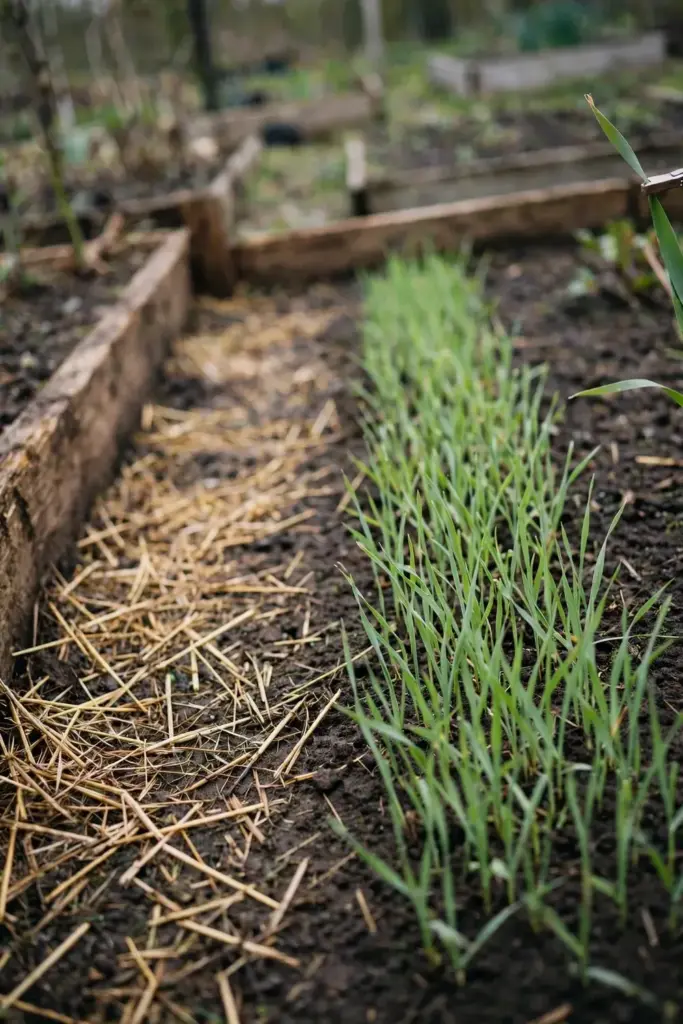
Rotation starves a residue-borne pathogen of its host. The Crop Protection Network encyclopedia entry lists planting certified seed and rotating to non-host crops among the ways to cut inoculum. A home patch follows the same logic at garden scale.
A legume-free cover crop works the bed during the rest. The cover crops for fall planting guide lists species, mixes, and termination methods that keep a rested bed earning its keep. Keep alfalfa out until the residue has fully broken down and the patch has grown an unrelated crop.
Frequently Asked Questions
No. Spring Black Stem and Summer Black Stem are two different fungal diseases of alfalfa with different seasonal windows. Spring Black Stem comes from Phoma medicaginis, now Ascochyta medicaginicola, and favors cool, wet spring weather. Summer Black Stem is a different fungus that favors warm, humid weather. The University of Nebraska-Lincoln fact sheet covers both diseases in one sheet, which helps readers compare their seasonal patterns.
Do not sprout seed saved from plants that showed Spring Black Stem. The fungus rides in seed, and infected seed can fail or carry seedling blight into the sprouting tray. Buy fresh certified seed meant for sprouting from a supplier that certifies its stock. Keep sprouting seed separate from garden seed, and discard any lot that smells off or shows mold.
No spray reverses stems that already turned black. The Crop Protection Network notes that fungicides registered for this disease must go on before symptoms appear, in forage production. That timing does not make a home rescue spray. Prevention carries the home patch: clean seed, residue cleanup, air, removal, and rotation. Spend the spray money on fresh certified seed instead.
No. Bag affected stems and leaves and put them in the trash. The fungus overwinters in residue as pycnidia and dormant mycelium, so compost returns the inoculum to the bed. Clear the patch fully at season end, and wash the tools that touched the crop. A clean patch in fall means fewer spores waiting for spring shoots.
Where to Go From Here
Walk the patch in spring and check the lowest leaves first, because dark spots low on the shoot mean Spring Black Stem. Blackened stems mean removal, not a rescue spray. Plan next season now. Buy certified seed, clear the residue at season end, and rotate alfalfa out of the patch. The soil health guide helps you build the bed the next crop grows in.
Spring Black Stem is a small problem with a small playbook. Start with certified seed. End with a clean, rotated patch.