Wait 6 months of cold before a seed wakes. Dormancy is a built-in pause that stops a viable seed from germinating even when water, warmth, and light are all present.
Dormancy is a seed’s calendar. A seed that germinates in autumn, in the wrong season, dies in the first frost. A seed that waits through winter, then germinates in spring, lives. The pause is not damage and it is not death. It is a timer set by the mother plant, and the timer runs on cold, on moisture, and on time itself.
| What you need to know | The short version |
|---|---|
| Definition | A viable seed that will not germinate in good conditions |
| Locks | Hard coat, chemical inhibitors, immature embryo |
| Cold treatment | Moist chill at 0.6 to 5 °C for 1 to 6 months |
| Scratch treatment | Nick or sand the coat, called scarification |
| Not the same as | Quiescence, a seed waiting for water or warmth |
| Common examples | Apple, maple, lupin, sweet pea |
What Is Dormancy?
Dormancy is a state in which a seed that is alive and able to germinate does not germinate, even when water, oxygen, and temperature all favor it. A New Phytologist review defines it as a seed characteristic that sets the conditions required for germination: a dormant seed does not have the capacity to germinate in a specified period under any combination of otherwise favorable conditions. The block is inside the seed, not in the soil around it.
The distinction that matters is dormancy against quiescence. A quiescent seed is ready and waiting: give it water and warmth and it germinates at once. A dormant seed is locked: give it water and warmth and it still waits, because the lock needs a specific key. That key is usually cold, sometimes a scratch, sometimes months of dry storage.
Three locks hold most dormant seed. Physical dormancy is a hard, waterproof coat that blocks water from reaching the embryo: sweet pea, lupin, and morning glory wear it. Physiological dormancy is chemistry inside the seed, with inhibitors such as abscisic acid holding germination back until cold or time breaks them down: apple, maple, and many wildflowers carry it. Morphological dormancy is an immature embryo that must keep growing inside the seed before it can sprout. Some seeds carry 2 locks at once, and need both keys in sequence.
The purpose is timing. Dormancy spreads germination across seasons and years, so one bad spring cannot kill a whole generation. A maple drops thousands of seeds in autumn, and dormancy holds most of them through winter until spring warmth and moisture arrive together. A seed bank in the soil holds dormant seed for years, waiting for a gap in the canopy or a disturbance that lets light in.
How Dormancy Works
The seed coat is the first lock, and it works by keeping water out. A hard coat of lignin and wax seals the embryo dry, and no amount of watering softens it. The key is scarification: a nick with a file, a rub with sandpaper, or a soak in hot water cracks the coat so moisture can enter. One nick is enough. A deep cut kills the embryo.
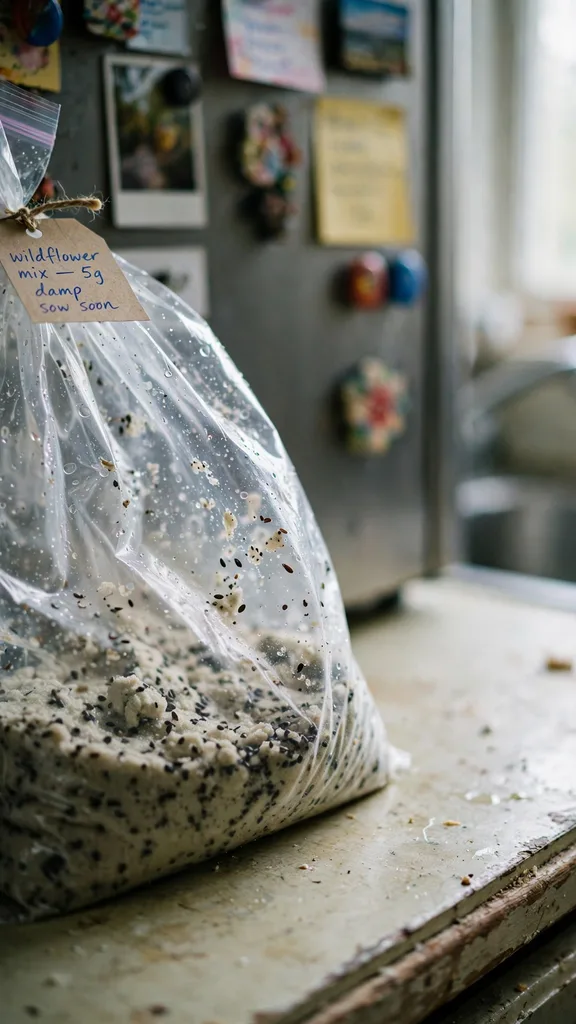
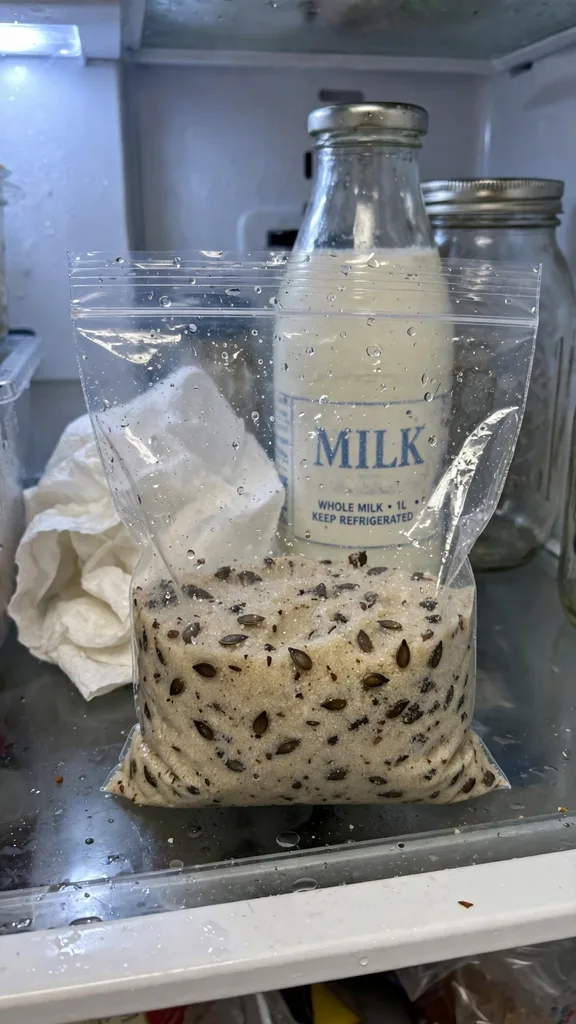
Cold is the second key, and it works by chemistry. Stratification is the name for the moist chill that breaks physiological dormancy: seed mixed with damp sand or vermiculite, held cold, for weeks or months. The same Arizona guide gives the working range: stratification exposes the seed to low temperatures of 0.6 to 5 °C under moist conditions for 1 to 6 months. The cold slowly breaks down the inhibitors and builds up the promoters, and the seed that comes out of the fridge germinates in days.
Hormones run the switchboard. Abscisic acid holds the seed shut. Gibberellins push it open. The balance between the 2 shifts with cold, light, and time in dry storage, and germination starts when the promoters finally outweigh the inhibitors. The gardener never sees the hormones, only the result: a tray that sat still for weeks, then sprouted all at once.
After-ripening is the slow key. Some seed loses dormancy in dry storage at room temperature over several months, with no cold and no scratch. Seed saved in autumn and sown in spring often germinates better than seed sown the day it was harvested, because the months in the jar did the work.
Dormancy vs Quiescence
| Trait | Dormancy | Quiescence |
|---|---|---|
| Seed state | Alive, able to germinate, but blocked | Alive, able to germinate, ready |
| What is missing | The key: cold, scratch, or time | Water, warmth, or oxygen |
| Response to water | No germination | Germinates at once |
| Response to cold | Cold breaks the block | Cold merely pauses growth |
| Cause | Inside the seed: coat, chemistry, embryo | Outside the seed: dry or cold soil |
| Fix | Stratify, scarify, or wait months | Water and warm the soil |
| Example | Apple seed fresh from the fruit | Lettuce seed in a dry packet |
The table settles the most common diagnosis error. A seed that does not germinate in a warm, wet tray is dormant, not dead, and the fix is a key, not more water. A seed that does not germinate in dry soil is quiescent, and the fix is water. A gardener who treats dormancy as quiescence waters a locked seed for weeks and concludes it was dead, when a month in the fridge would have woken it.
The test is simple. Take 10 seeds from the batch, nick half of them, and put all 10 on damp paper in a warm place. If the nicked seeds sprout and the whole seeds do not, the coat is the lock. If neither sprouts, try a month of moist cold for the rest of the batch. If the batch sprouts after the cold, the chemistry was the lock. A dead seed fails every test, and its coat crushes flat between finger and thumb.
How to Recognize Dormant Seed
Read the packet before you sow. A packet that says stratify, chill, or nick the seed is telling you the lock. A packet that says sow in autumn is telling you to let winter do the stratifying outdoors. A packet that says nothing, for a wildflower or a tree, is the dangerous one: the dormancy is real, and the silence is the trap.
Look at the coat. A hard, glossy, waterproof coat that beads water is physical dormancy you can see. Lupin, sweet pea, and morning glory all wear it. A soft, papery coat that soaks at once is not the lock, and the dormancy, if any, sits in the chemistry inside.
Watch the calendar. Seed sown in spring that germinates in a rush 2 weeks later was quiescent, not dormant. Seed sown in spring that sits all summer, then germinates after the first cold nights of autumn, was dormant, and the cold broke it. The season of germination is the diagnosis, written in the tray.
Check the species. Apple, maple, oak, hawthorn, and most temperate trees carry dormancy, because their seed must survive winter before it sprouts. Tropical seed rarely does, because there is no winter to wait out. A gardener who treats apple seed like tomato seed, sowing it warm and expecting a sprout in a week, will wait all summer for nothing.
Common Mistakes With Dormancy
Sowing dormant seed warm and expecting a sprout is the first mistake. The seed sits, the gardener assumes it was dead, and the tray goes to the compost. The seed was alive and locked. A month of moist cold in the fridge, at 0.6 to 5 °C, would have opened it. Always check the packet for a chill requirement before you sow a wildflower or a tree.
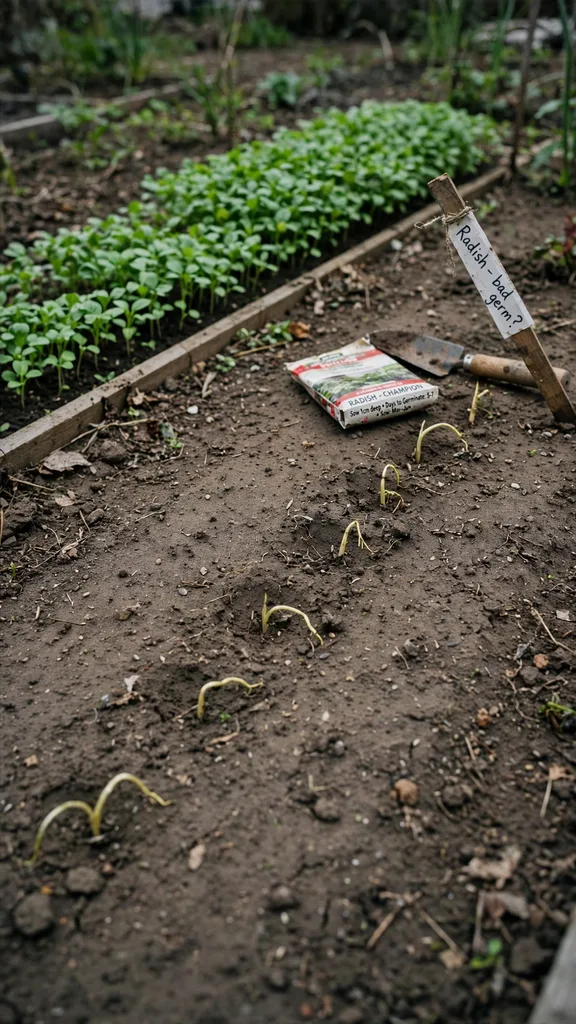
Scarifying too deep is the second mistake. A nick that cuts into the embryo kills the seed it was meant to wake. Nick the coat until you see a pale line, no deeper, and stop. Sandpaper is safer than a knife for small seed: rub the seed between 2 sheets until the coat dulls, then sow. A seed that floats after nicking is often empty, and a seed that sinks is the one to sow.
Stratifying dry seed does nothing. The cold must be moist, because the chemistry that breaks dormancy runs in water. Seed in a dry paper bag in the fridge stays dormant, however long it sits there. Mix the seed with damp sand or vermiculite in a sealed bag, check it monthly for mold, and sow the moment the first root tips appear.
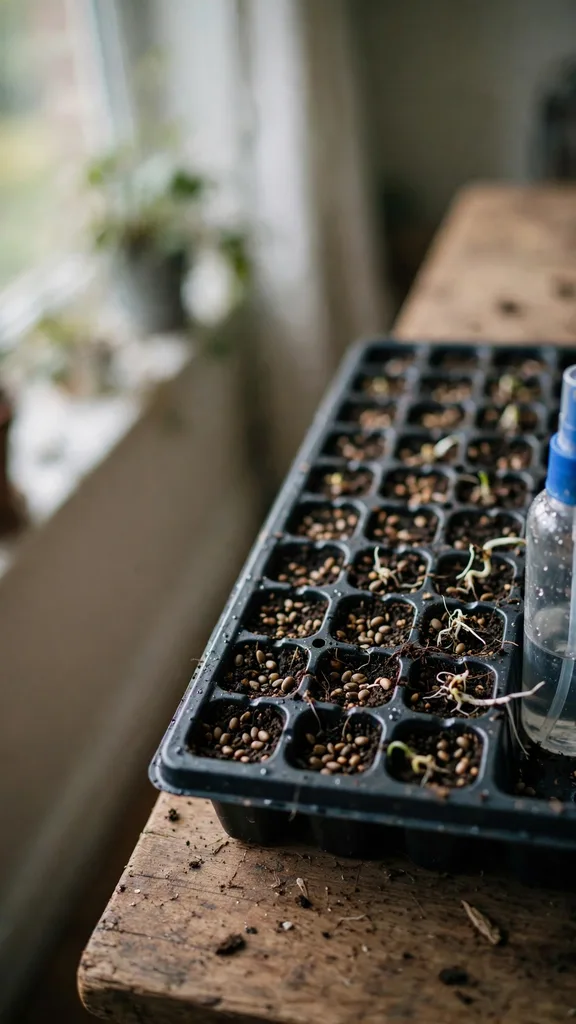
Sowing stratified seed late wastes the key. Seed that has spent months in moist cold is ready to germinate, and it will germinate in the bag if you leave it there. Check the bag weekly in the last month, and sow the seed the moment the roots show.
When Dormancy Matters in Your Garden
Dormancy matters most when you sow trees, shrubs, and wildflowers from seed. Apple, maple, hawthorn, and native wildflowers all carry it, and a gardener who sows them like vegetables gets an empty tray. Sow them in autumn outdoors, or stratify them in the fridge for 1 to 6 months, and the germination that follows is the reward for the wait.
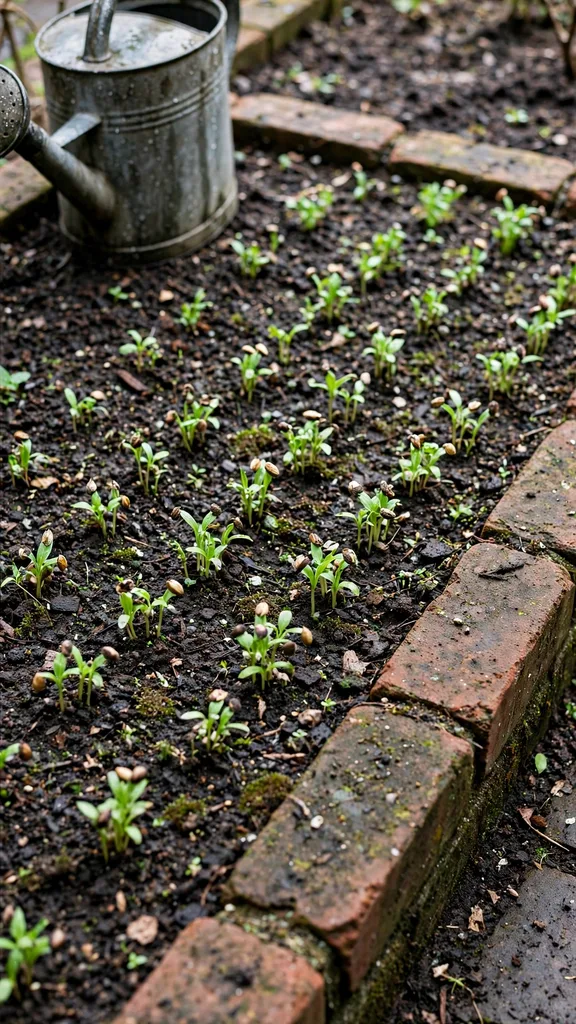
It matters again in the seed bank. Dormant seed in the soil waits years for its moment, and a dug bed can sprout weeds that were sown a decade earlier. The gardener who digs a new bed and sees a flush of seedlings is seeing dormancy break, not a fresh invasion. The seed was there all along, waiting for light and disturbance.
It matters least for the vegetable patch. Most vegetable seed is bred for quick, uniform germination, and dormancy has been selected out of it. Tomato, lettuce, bean, and pea seed germinates warm and wet without a key. The gardening glossary sets the terms: germination is the sprouting itself, and the seed starting guide covers the warm, wet tray. Dormancy is the lock that stands before both, and the cold or the scratch is the key.
FAQ
It depends on the species, and the range runs from 1 to 6 months of moist cold at 0.6 to 5 °C. Apple and maple usually need 2 to 3 months. Some wildflowers need only 4 weeks, and some trees need the full 6. Check the packet or a species guide for the exact figure, and start the chill early enough that the seed is ready when the sowing season opens.
Yes, and the fridge is the most reliable place for it. Mix the seed with damp sand or vermiculite in a sealed bag, label it with the species and the date, and keep it at 0.6 to 5 °C. Check the bag monthly for mold and for root tips. Sow the seed the moment the first roots appear, since a root left in the bag grows long and snaps at sowing.
Only when the nick goes too deep. A shallow nick or a rub with sandpaper breaks the waterproof coat and lets moisture in, which is exactly the point. A cut that reaches the embryo kills the seed. Nick until you see a pale line in the coat, then stop. Sandpaper is the safer tool for small seed, since it dulls the coat without cutting it.
No. A dormant seed is alive and able to germinate, but blocked by a coat, a chemical inhibitor, or an immature embryo. A dead seed fails every test: it does not germinate after nicking, after cold, or after months of waiting, and its coat crushes flat between finger and thumb. Test 10 seeds before you throw a batch away.
The dormancy broke on its own clock. Cold nights, months in dry storage, or a scratch from soil disturbance can each supply the key, and the seed that sat all summer may germinate in autumn or the following spring. The soil seed bank works this way, holding dormant seed for years until the conditions finally match. The seed was never dead, only waiting.