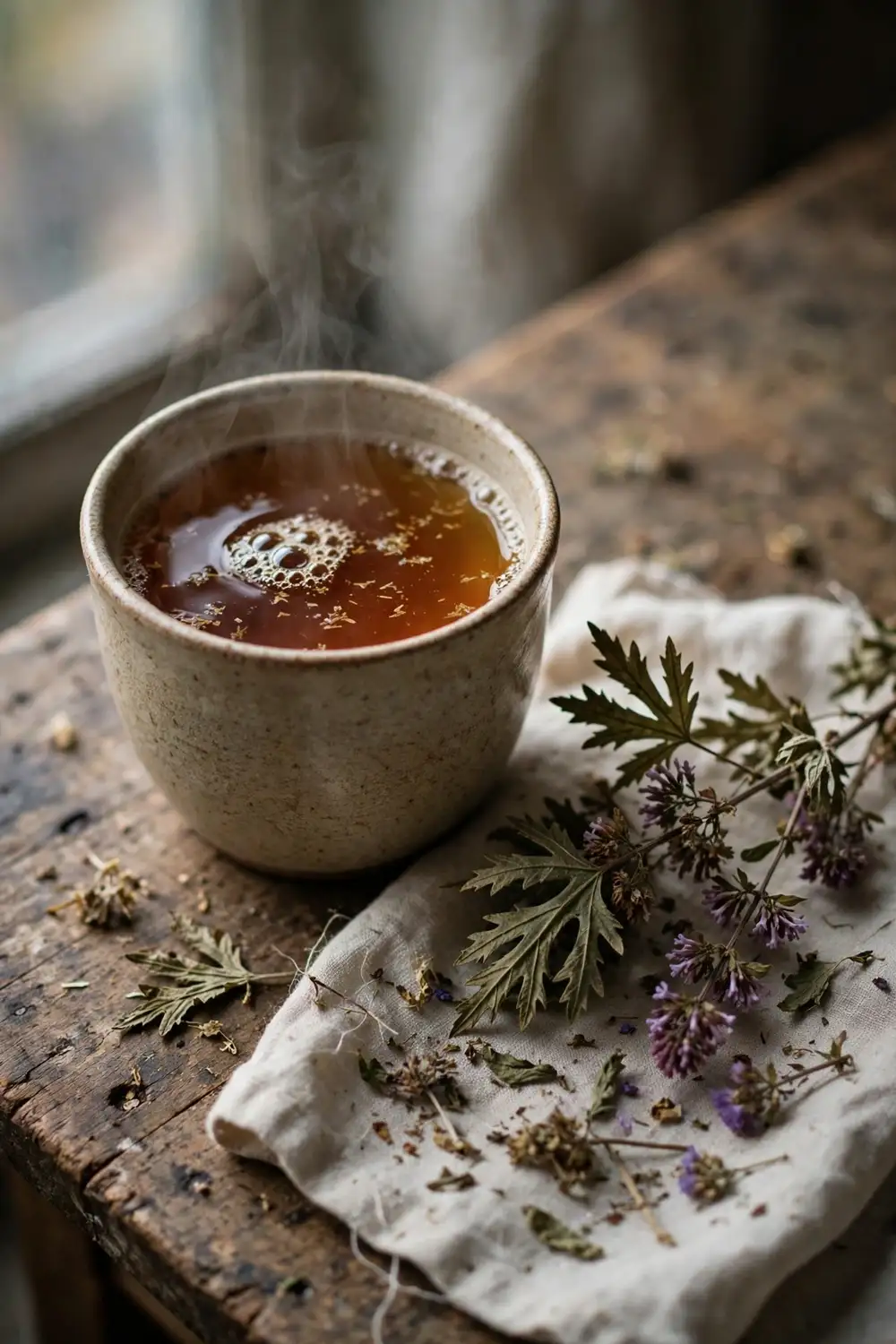

Motherwort tea benefits and uses come down to three things most articles skip: which species is in your cup, how bitter the brew really is, and who should not drink it at all. The tea is made from the flowering tops of motherwort, steeped 10 to 15 minutes like any leaf tea, and used traditionally for nervous tension and mild heart complaints of nervous origin. Before you brew a single cup, learn the species distinction and the safety rules, because both change the answer.
Here is the gap no page-1 result fills. Every major health site names only Leonurus cardiaca, the European species. Almost none mention Leonurus japonicus, the Chinese motherwort known as yi mu cao, which is the species used across China and much of Asia. The two plants are related and partly interchangeable in folk practice, but they are not the same plant. The research behind each comes from different traditions, which is why the Latin name on your label matters more than the common name on the front.
This article covers motherwort tea benefits and uses from the kitchen counter: identifying your species, brewing it right, drying it for winter, what research actually says, and the safety rules that matter more than any benefit claim. It speaks plainly about pregnancy, heart medications, and surgery, because an honest safety section is worth more than a long benefits list. If you decide to grow the plant yourself after reading, that growing guide lives separately.
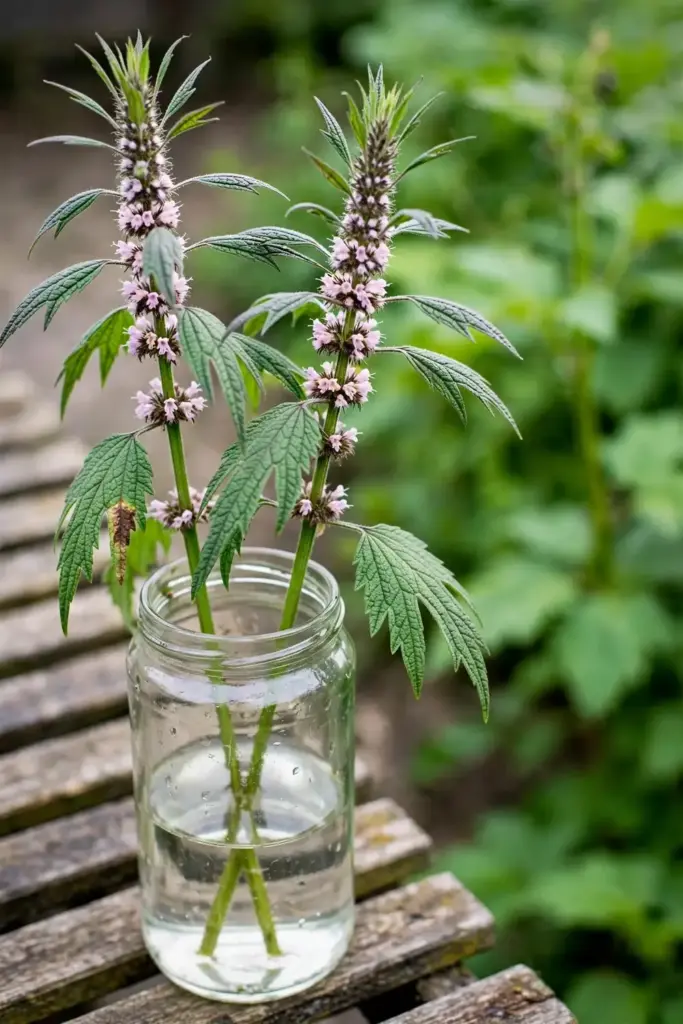
1. Which Motherwort Are You Brewing?
Most jars labeled “motherwort” in Western shops contain Leonurus cardiaca, the European species. Most motherwort used in Chinese practice is Leonurus japonicus, sold as yi mu cao. A third name you may see, Leonurus heterophyllus, is an older synonym tied to the Asian plant. Knowing which one you have matters because the monographs, the clinical literature, and the safety data almost all describe L. cardiaca specifically. A jar with no Latin name most likely holds the European species. One labeled yi mu cao holds the Chinese species, and that changes which tradition your research comes from.
| Leonurus cardiaca | Leonurus japonicus | |
|---|---|---|
| Common names | Common motherwort, European motherwort | Chinese motherwort, yi mu cao |
| Native range | Central Asia and southeastern Europe, now worldwide | China and East Asia |
| What the monographs describe | Yes: EMA and ESCOP monographs | Rarely distinguished in Western sources |
| Traditional emphasis | Nervous heart complaints, calming | Uterine and circulatory uses more prominent |
| What you will find in shops | Most Western tea and tincture products | TCM pharmacies and Asian herb shops |
The European Medicines Agency monograph defines the herbal substance as the flowering aerial parts of Leonurus cardiaca, prepared as comminuted herb for tea, tincture, or liquid extract. That definition is the anchor for nearly every quality product on the Western market. If your bag lists only “motherwort” with no Latin name, assume L. cardiaca, and if it says yi mu cao, you hold the Chinese species.
In practice the two species are used in overlapping ways, and one herb-school monograph notes they are somewhat interchangeable, with the Asian species carrying a stronger traditional connection to uterine uses. Do not treat that interchangeability as a safety pass. The contraindications below apply to both, and anyone using the herb for a specific health reason should talk to a clinician who knows which species and which preparation is involved.
2. Know the Safety Rules Before You Brew
Read this section before the recipe. Motherwort has a real pharmacological footprint, which is exactly why it demands respect. The single most important rule: do not use motherwort during pregnancy. Traditional herbal literature and modern plant profiles alike note that it can stimulate uterine contraction, which is the opposite of what anyone pregnant wants from a cup of tea.
The second rule concerns the heart and blood. Motherwort has a long traditional reputation as a heart herb, and that is precisely why people taking heart medications, blood pressure drugs, or blood thinners should not combine it with their prescriptions on their own. The ESCOP monograph lists interactions with other medicinal products among the safety points a proper monograph must address, and the University of Rochester Medical Center’s herb encyclopedia is a solid second reference for the safety profile. Bring the question to your doctor or pharmacist, not to a forum.
Third, stop herbal preparations before surgery. Anything that can affect bleeding, blood pressure, or sedation deserves a pause, and two weeks before a scheduled procedure is the standard conservative window herbalists cite. Tell your surgical team everything you take, including teas.
Fourth, keep it away from children and treat breastfeeding as an open question. Reliable safety data for nursing mothers is not available, and “not available” means do not guess. These rules are not meant to frighten you off a traditional tea. They are the reason this article leads with safety instead of burying it at the bottom, and they are the standard any responsible source should meet.
3. What Part of the Plant Do You Use?
Use the flowering aerial parts: the leaves, stems, and flowers harvested while the plant is in bloom. The ESCOP monograph defines the herbal drug exactly this way, and the EMA monograph agrees. Roots are not the traditional material, seeds are a separate matter in Chinese practice, and woody lower stems add bulk without benefit.
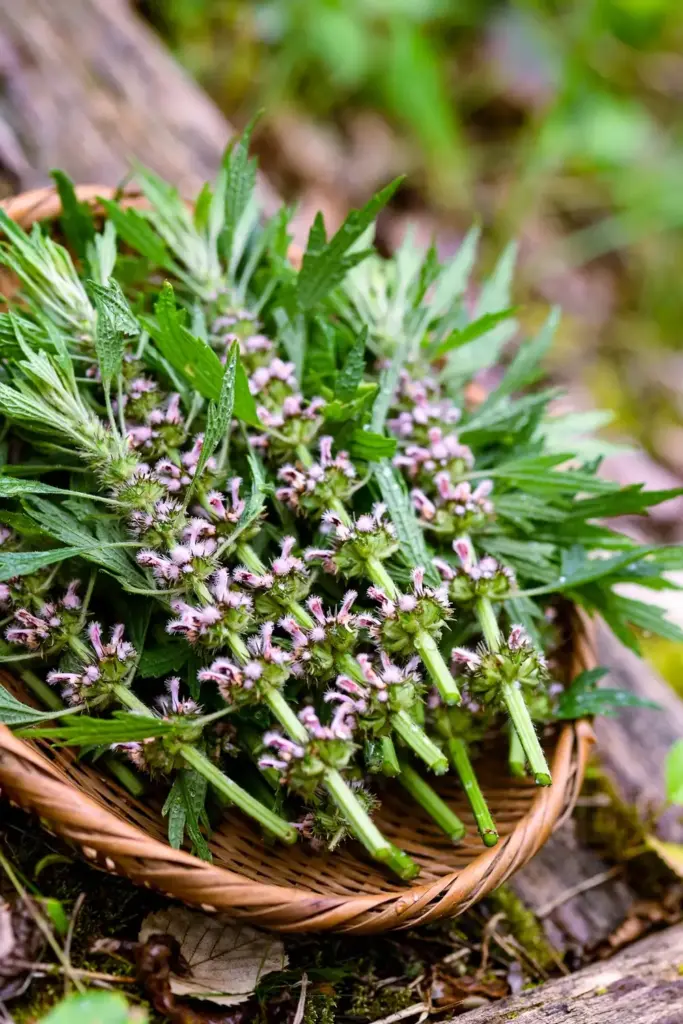
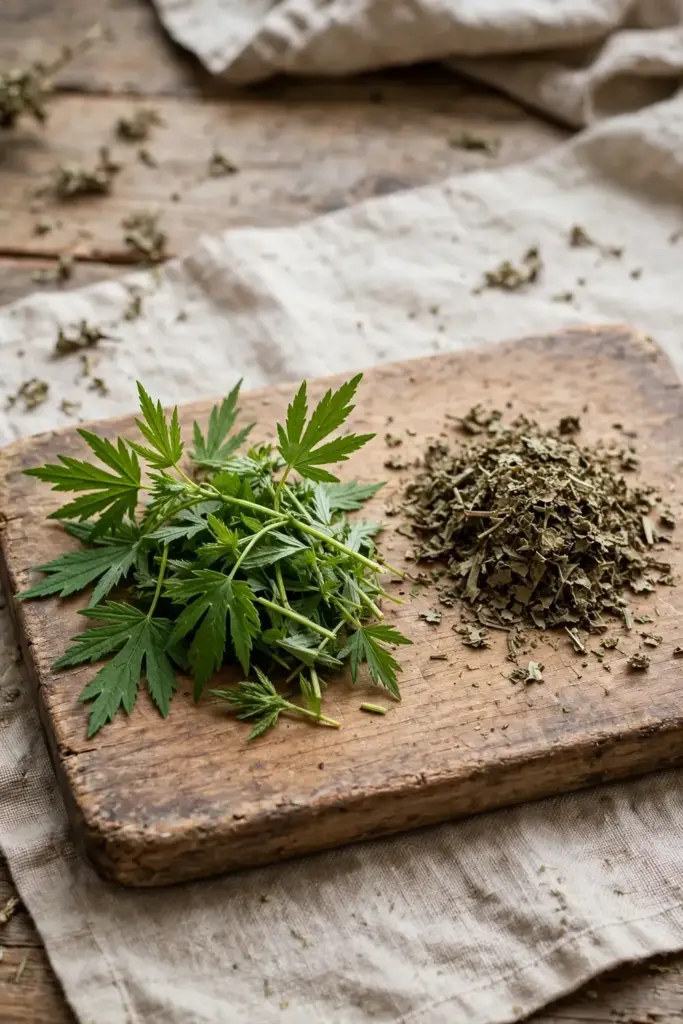
Timing matters for potency and flavor. Harvest on a dry morning after the dew lifts, when the plant is in full flower but before seed sets. Cut the top third of the stems with clean shears, leaving the lower plant intact so it can regrow. If you buy dried herb instead of growing it, look for material that is still green with visible flower bits, not brown dust, and buy from a seller who names the Latin species on the label.
Fresh herb works for tea the day you pick it, but the harvest window is short and the plant is a vigorous self-seeder. Most home users dry the bulk of their harvest, which is covered in section 6, and keep a small fresh batch for immediate brewing. Either way, never harvest from roadsides, sprayed lawns, or anywhere with unknown soil history, because a tea herb concentrates whatever the soil holds.
Within the flowering tops, the leaves and flowers carry the most character and the stems the least, which is why commercial “aerial parts” are often sifted to favor leaf and flower. At home you do not need to be precious about it. Strip the leafy tops and flowering spikes into your basket and leave the thickest lower stems behind. If a stem feels woody between your fingers, it adds nothing to the cup, so compost it and keep the soft growth.
4. Honest Serving Sizes
Herbal tea has no official dose the way a prescription does, so honesty here means separating tradition from prescription. The EMA monograph lists comminuted motherwort herb as a tea preparation within traditional use, alongside a 1:5 tincture in 70 percent ethanol and a 1:1 liquid extract in 25 percent ethanol. Those ratios describe manufactured preparations. They still tell you the herb is taken in modest amounts, which is the point worth carrying to your teapot.
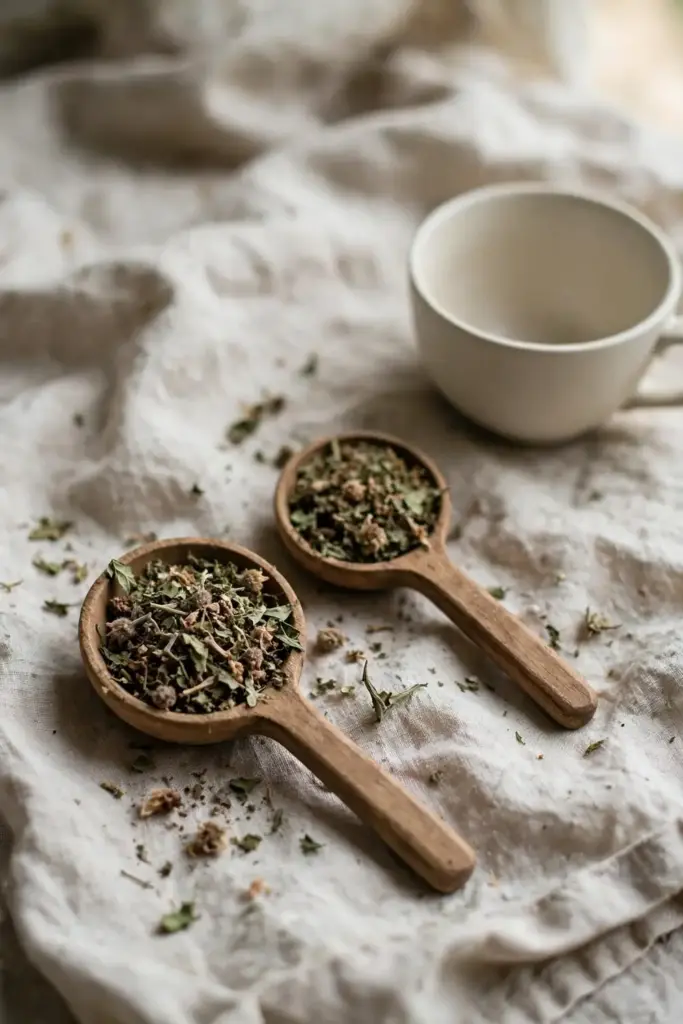
A common home-brewing practice is 1 to 2 teaspoons of dried herb per 8-ounce cup, steeped 10 to 15 minutes. That range comes from household herbal practice, not from a clinical trial, and it is stated as practice on purpose. One cup in the evening is the traditional pattern for a calming tea, not three pots a day. More herb does not mean more benefit with a bitter nervine like this one. It means a more punishing cup and a higher chance of stomach upset.
Duration deserves the same honesty. Traditional use implies weeks, not years of daily drinking, and anyone reaching for motherwort tea to manage an actual condition such as palpitations, hypertension, or anxiety should be talking to a clinician rather than adjusting the spoon. A tea supports a routine. It does not replace diagnosis, and this article will not pretend otherwise.
5. How to Brew Motherwort Tea
Brewing is simple, but the details decide whether the cup is tolerable. Motherwort is intensely bitter, cooling, and slightly acrid, and no recipe changes that. The goal is a clean, effective infusion you can actually finish.
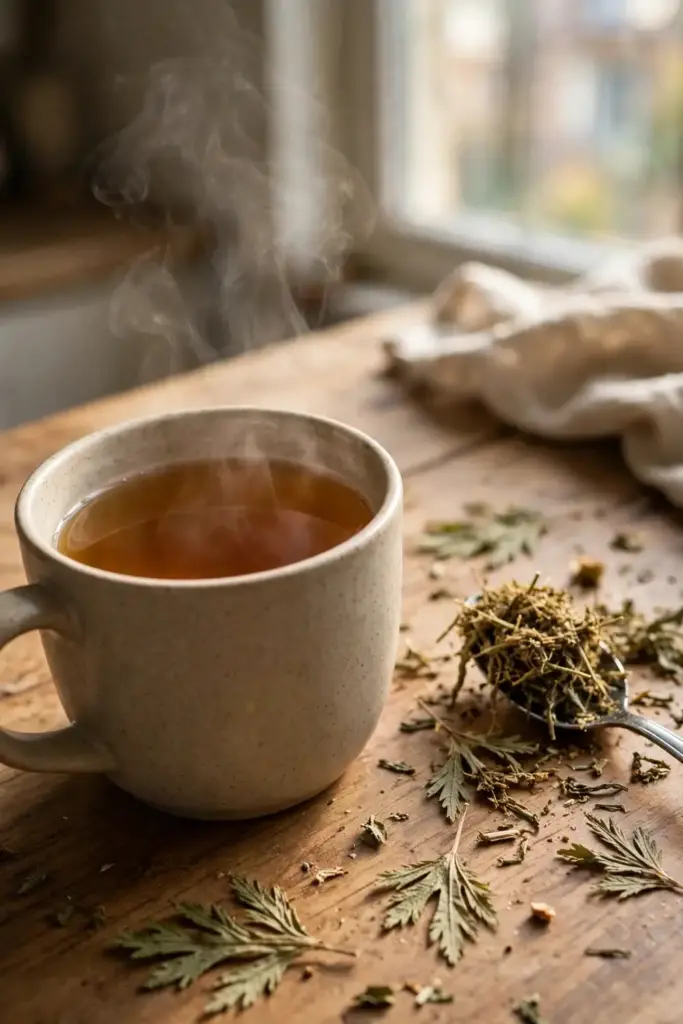
Step 1. Bring fresh water to a full boil, then let it settle for a minute. You want near-boiling water, not a violent rolling boil poured straight onto the herb.
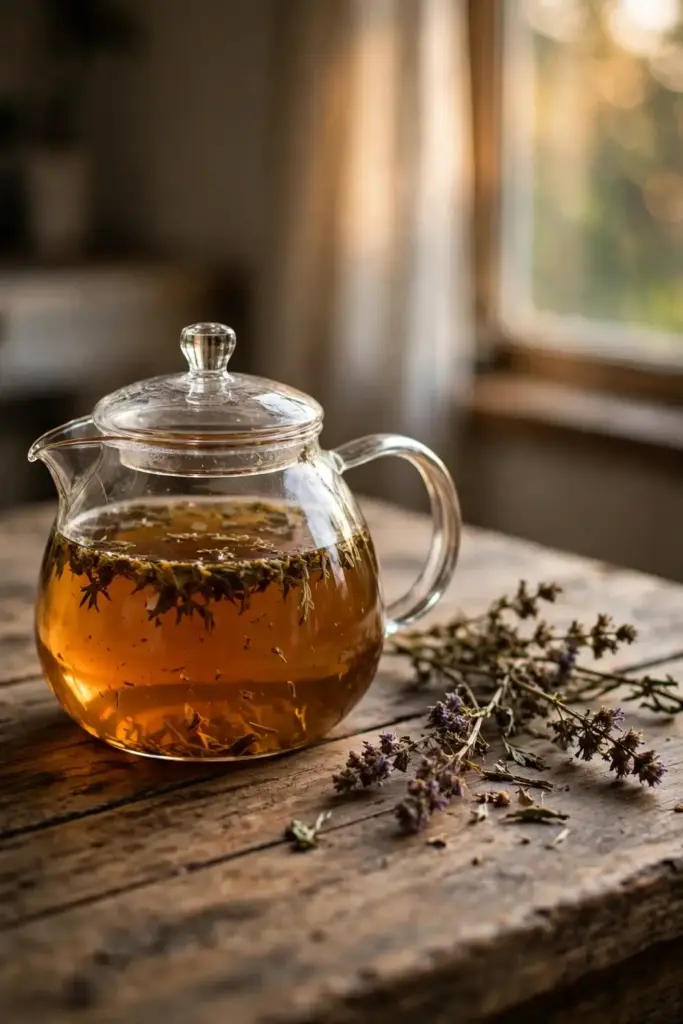
Step 2. Measure 1 to 2 teaspoons of dried flowering tops per cup into a teapot or infuser mug. Crush the herb lightly between your palms first to break the leaf and release more surface area.
Step 3. Pour 8 ounces of the hot water over the herb and cover the vessel. The lid matters because it keeps the volatile oils in the cup instead of in your kitchen air.
Step 4. Steep 10 to 15 minutes. Shorter gives a milder cup, longer gives a stronger and markedly more bitter one. Start at 10 minutes until you know your tolerance.
Step 5. Strain out all plant material through a fine mesh. Do not leave the herb sitting in the cup while you drink, or the last sips will be undrinkable.
Step 6. Flavor it honestly. A spoon of honey and a squeeze of lemon take the edge off without pretending the bitterness is gone. Blending with a milder herb such as chamomile, which many tea gardeners already grow, also works. Drink it warm, not scalding, and give the cup your attention rather than gulping it like water.
6. Drying Motherwort for Year-Round Tea
Fresh motherwort flowers for a few summer weeks, so drying is how you keep the tea shelf stocked. Cut stems on a dry morning, shake off any insects, and skip washing unless the herb is visibly dusty, since added moisture invites mold. Tie the stems in loose bundles of five or six with the flowering tops pointing down.

Hang the bundles in a dark, airy place with good airflow: a garage rafter, a covered porch, or an indoor drying rack all work. Direct sun bleaches the color and degrades quality, so shade is the rule. The herb is ready when the leaves crumble crisply between your fingers and the stems snap instead of bending, usually in 1 to 2 weeks depending on humidity.
Strip the leaves and flowers from the stems, crumble them coarsely, and store the material in sealed glass jars away from light and heat. Label every jar with the species if you know it, the harvest date, and the plant part. Properly dried motherwort keeps its character for about a year, after which the color fades and the tea tastes flat. When in doubt about a two-year-old jar, compost it and harvest fresh.
7. Fresh vs Dried: Which Brews Better?
Both work, and the choice depends on season and strength preference rather than correctness.
| Fresh herb | Dried herb | |
|---|---|---|
| Flavor | Milder, greener, less bitter | Stronger, more concentrated bitterness |
| Amount per cup | About double the volume of dried | 1 to 2 teaspoons per cup |
| Availability | A few weeks in summer | Year-round from your jars |
| Best for | A gentle introductory cup | The standard traditional brew |
| Storage | Use within a day or two | Sealed jars, about 1 year |
If you are tasting motherwort for the first time, start with fresh. The milder cup tells you whether you can live with the flavor before you commit a whole harvest to drying. Dried herb is the workhorse form for every monograph preparation, and it is what the EMA means by comminuted herbal substance. One practical tip: dried herb that smells musty or looks gray has picked up moisture and belongs in the compost, not the teapot.
8. Traditional Uses Beyond the Teacup
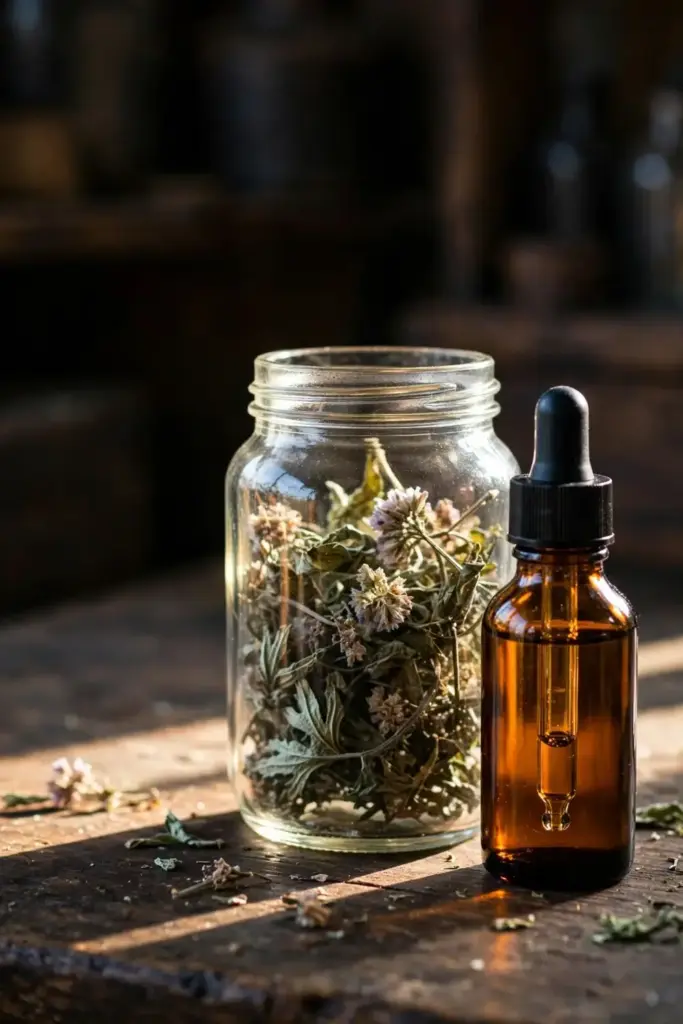
Tea is the most accessible preparation, but the monographs recognize others. The EMA lists three traditional forms for Leonurus cardiaca: the comminuted herb as tea, a 1:5 tincture in 70 percent ethanol, and a 1:1 liquid extract in 25 percent ethanol, as detailed in the European monograph. Tinctures are made by macerating the flowering tops in alcohol for several weeks, then straining. Home tincture-making is a separate skill with its own safety rules around alcohol strength and labeling, and this article will not compress it into a paragraph.
Historically, the herb’s reputation centered on the heart and the nerves. Culpeper wrote of driving melancholy vapors from the heart and strengthening it, and Gerard commended it against infirmities of the heart, language that survives today in the Latin name cardiaca and the folk name lion’s heart. Those are historical claims, not modern prescriptions, and they are included here as history.
The “mother” in motherwort points to the other half of its folk reputation: women’s health. European herbals recommended it for menstrual complaints and as a calming herb for new mothers, which is where the common name comes from. That same uterine activity is exactly what makes the modern pregnancy contraindication non-negotiable. Folk history explains the name. It does not override the safety rules, and no traditional pedigree turns a contraindicated herb into a safe one for the groups listed in section 10.
In Chinese practice, yi mu cao (L. japonicus) carries a stronger traditional association with uterine and circulatory uses, including postpartum contexts under practitioner supervision. That tradition belongs to trained TCM practitioners, not to self-treatment from a blog article. The responsible line is clear: enjoy the tea as a traditional beverage, and leave therapeutic applications to qualified professionals.
9. What the Research Actually Says
The honest summary is short: there is real pharmacology here and very little clinical proof. Keep those two facts side by side and you will read every motherwort claim correctly.
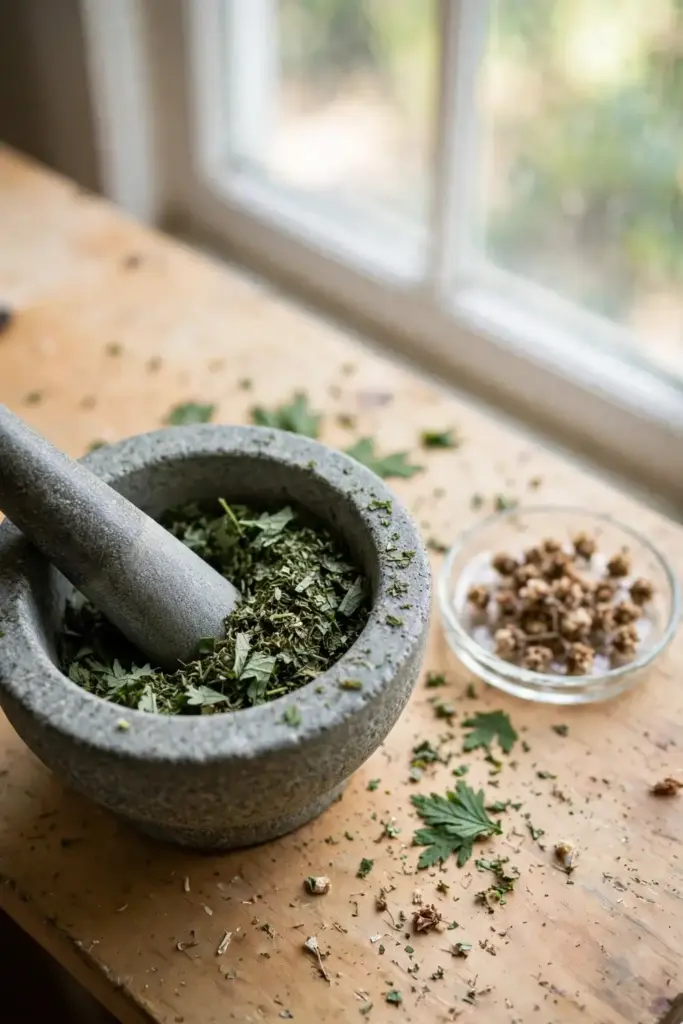
On the pharmacology side, laboratory work has identified the expected cast of plant compounds: alkaloids including leonurine and stachydrine, flavonoids such as rutin and quercetin, iridoids, diterpenes, and phenylpropanoids. A peer-reviewed study on cardiac mitochondria found that constituents of L. cardiaca extract partially uncouple mitochondrial oxidation and reduce free-radical generation, which the authors propose as a possible mechanism behind the herb’s traditional heart reputation. Proposed is the operative word. A mechanism in a dish is not proof of an effect in a person.
On the clinical side, the ESCOP monograph cites an open clinical trial in which patients with stage 1 arterial hypertension accompanied by anxiety and sleep disorders improved after treatment with a motherwort preparation. Open means there was no blinding and no placebo control, so the result is interesting rather than conclusive. Preclinical safety work cited by ESCOP showed low acute toxicity and no mutagenic activity, which is reassuring but not a license for careless use.
What does this mean for your teapot? It means the traditional uses are biologically plausible, not proven, and that the strongest evidence supports the calming and mildly cardiovascular traditional indications rather than any dramatic claim. Anyone selling you certainty about motherwort is selling something the research does not contain.
10. Who Should Skip Motherwort Entirely
This section is the companion to the safety rules up front, with the reasoning spelled out. Skip motherwort completely if you are pregnant or trying to conceive. The uterine-stimulating property that makes the herb interesting to researchers is exactly what makes it unsafe in pregnancy, and no benefit claim outweighs that risk.
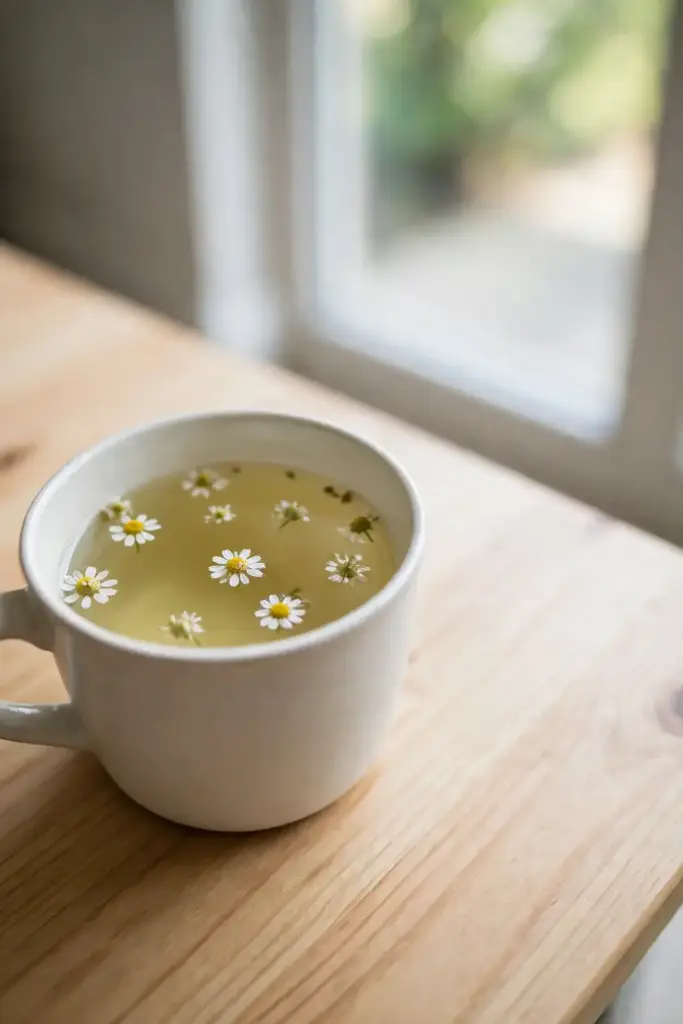
Skip it if you take heart medications, blood pressure drugs, blood thinners, or sedatives, unless your own clinician has reviewed the combination. Motherwort’s traditional heart and calming actions are the reason for caution, not reassurance, when prescriptions are involved. The same logic applies before surgery: pause all herbal preparations about two weeks ahead and disclose everything to your surgical team.
Breastfeeding mothers should treat the herb as an open question and choose something with established safety data instead. Children should not be given motherwort tea, since dosing and safety data exist only for adults. People with heavy menstrual bleeding should also be cautious, because an herb with uterine activity is the wrong experiment during a difficult cycle. When any of these apply, the right move is a conversation with a clinician, not a stronger brew.
11. 7 Mistakes People Make With Motherwort Tea
Mistake 1: Brewing without knowing the species. A bag that says only “motherwort” is probably L. cardiaca, while yi mu cao from a TCM shop is L. japonicus. Check the label before you buy, because the monographs and safety data describe the European species.
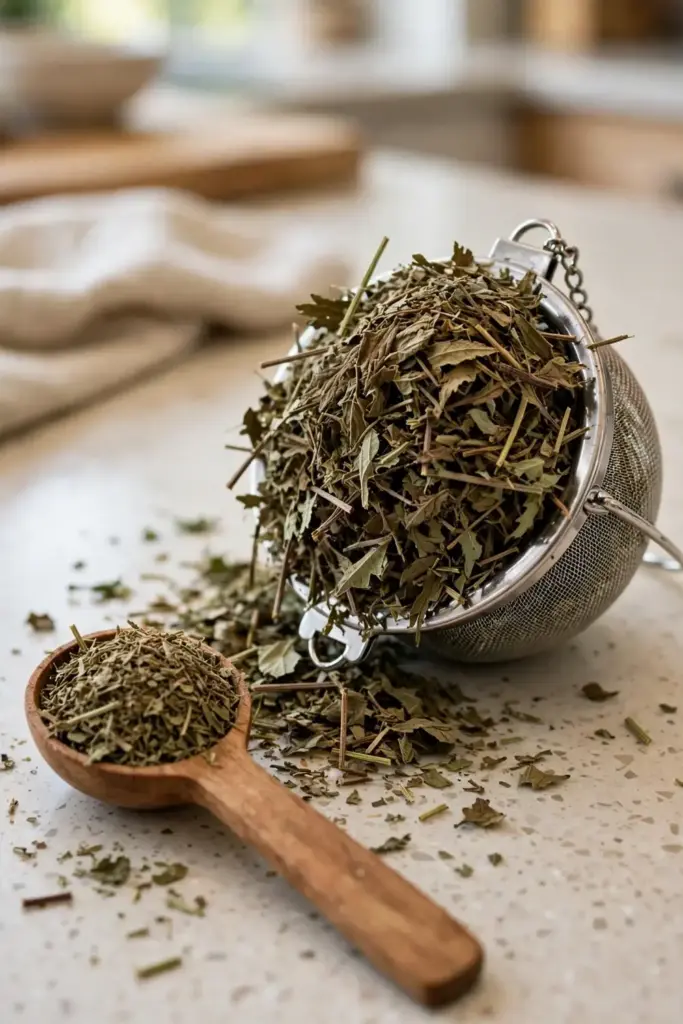
Mistake 2: Treating it like a medical treatment. Motherwort tea is a traditional beverage, not a therapy for palpitations or hypertension. See a clinician for any real symptom, and let the tea stay in the background where it belongs.
Mistake 3: Skipping the safety screen. Pregnancy, heart medications, blood thinners, and upcoming surgery all rule the herb out. Read the safety sections before the recipe, in that order, and the screen takes five minutes.
Mistake 4: Using too much herb. Doubling the spoon does not double the benefit. It doubles the bitterness and the chance of nausea, so stay at 1 to 2 teaspoons per cup and give the herb time.
Mistake 5: Steeping it like green tea. Two minutes gives you flavored water. Motherwort needs 10 to 15 minutes covered to extract properly. Set a timer, keep the lid on, and the extraction takes care of itself.
Mistake 6: Storing it damp. Herb that is not fully crisp before jarring will mold. Once mold appears, the whole batch belongs in the compost, so use the snap test: stems must snap, not bend.
Mistake 7: Expecting it to taste good. It will not. It is bitter, cooling, and acrid, and every honest source says so. Reach for honey, lemon, or a chamomile blend, and keep your expectations where the herb earns them.
12. Troubleshooting Your Brew
If the tea is unbearably bitter, shorten the steep to 8 minutes and add honey after straining, not before. Bitterness also drops when you blend motherwort half and half with a mellow herb. If the cup tastes like nothing, you probably used too little herb, steeped too briefly, or brewed from a jar that is past its year. Increase to 2 teaspoons, cover the pot, and check the harvest date on the label.
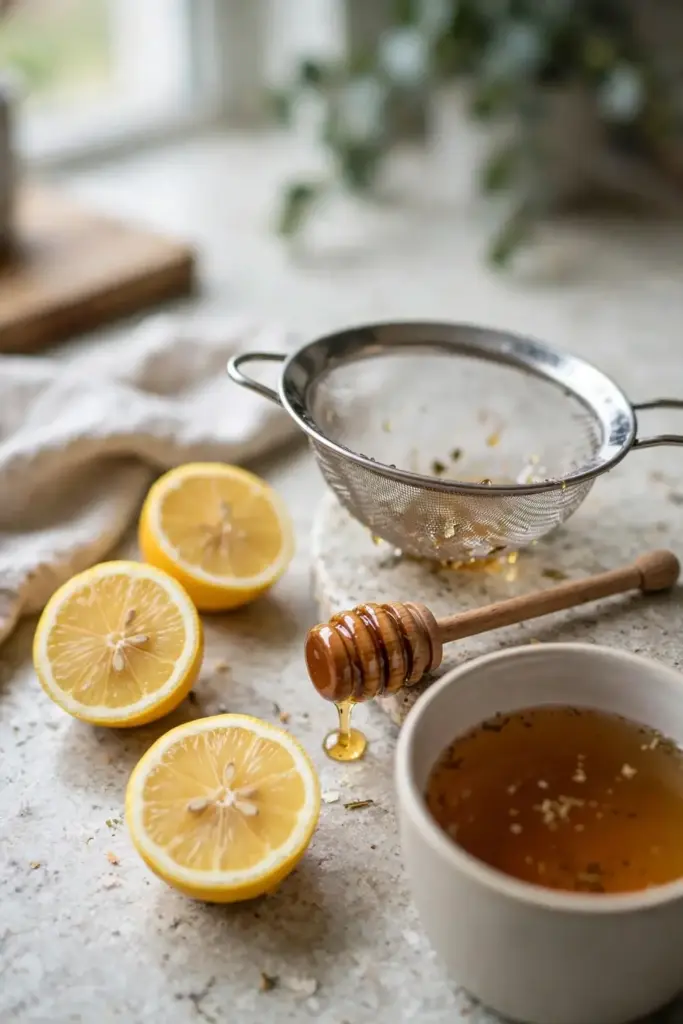
Cloudy tea usually means fine particles slipped through a coarse strainer. Pour it through a coffee filter or a double layer of cheesecloth. A sour or musty smell points to storage failure, and the only fix is a fresh batch, since off flavors in dried herb do not wash out. If the tea upsets your stomach, stop drinking it. Bitter herbs stimulate digestion, and sensitive stomachs sometimes object. That reaction is information, not a challenge to push through.
If your dried herb has lost its green color and smells like hay, it is past its prime even if it is not moldy. The tea will be weak and flat, and no amount of extra spoonfuls restores it. Replace the jar from a new harvest or a fresh purchase. Finally, if you brewed from a bag labeled only “motherwort” and the cup tastes unexpectedly different from a previous batch, check whether the species changed between purchases. Blends and suppliers vary, and the label is the only way to know what you are comparing.
13. Frequently Asked Questions
Most people describe a mild calming effect and a bitter, warming cup rather than anything dramatic. Traditional use frames it as a relaxant for nervous tension, and the ESCOP monograph notes sedative properties observed in animal studies. Do not expect sedation like a sleep aid or euphoria of any kind. If you feel dizzy, nauseated, or unwell, stop drinking it and treat the reaction as a sign to talk to a clinician.
Pregnant women should avoid it entirely because of its uterine-stimulating activity. People taking heart medications, blood pressure drugs, blood thinners, or sedatives should not combine it with their prescriptions without medical review. Stop it about two weeks before surgery, keep it away from children, and treat breastfeeding as insufficiently studied. When in doubt, a pharmacist or doctor gives a better answer than any article.
There is no studied onset time for the tea, so any specific number would be invented. Traditional use suggests a gentle effect within an hour for nervous tension, building over days of regular use for ongoing patterns. The honest answer is that subtle herbal effects are hard to separate from rest, warmth, and ritual. Anyone timing relief for a medical symptom needs a clinician, not a stopwatch.
They are different plants with confusingly similar names. Motherwort is Leonurus cardiaca. Mugwort is Artemisia vulgaris. Check the Latin name on every label. Motherwort is Leonurus cardiaca (or L. japonicus), a mint-family herb used traditionally for nervous and heart complaints. Mugwort is Artemisia vulgaris, a daisy-family herb with its own distinct traditional uses. Check the Latin name on every label, because the common names alone will mislead you.
No. This is the clearest safety line in the entire article. Motherwort can stimulate uterine contraction, which is dangerous during pregnancy, and traditional sources list it as contraindicated. The rule extends to anyone trying to conceive. Choose a pregnancy-safe tea with established data, and discuss any herbal use with your obstetric provider rather than relying on general articles.
They are close relatives but not the same plant. Regular motherwort in Western shops is Leonurus cardiaca, while yi mu cao is Leonurus japonicus, the species used across China. Their traditional uses overlap, with the Chinese species carrying a stronger association with uterine and circulatory applications. The safety cautions here apply to both, and the clinical monographs describe L. cardiaca specifically.
14. Where to Go From Here
You now know the two things that matter most about motherwort tea benefits and uses: which species is in the cup, and the safety rules that come before any benefit claim. Brew it as a bitter traditional tea, dry your harvest properly, keep your expectations honest, and keep your clinician in the loop whenever health conditions or medications are involved.

If reading this made you want to grow the plant yourself, the growing side is covered in the companion guide to this article, which walks through starting and caring for motherwort in the garden while this article stays in the kitchen. A small patch of motherwort, harvested at flowering and dried for winter tea, is one of the simplest ways to keep a traditional herb within reach. Start with the safety rules, brew one careful cup, and let the plant earn its place.