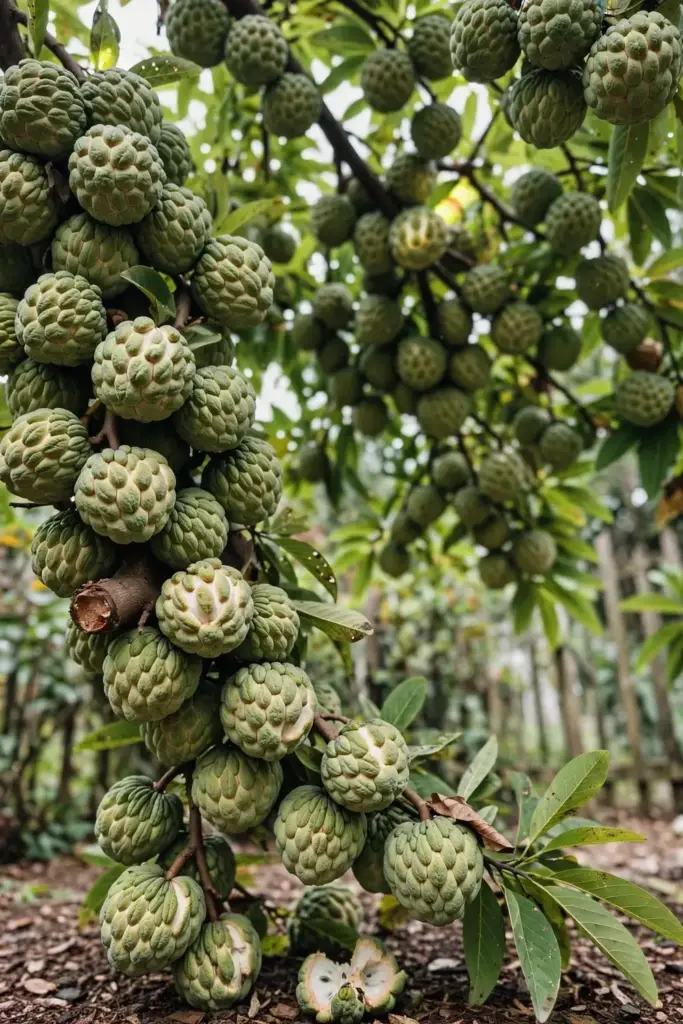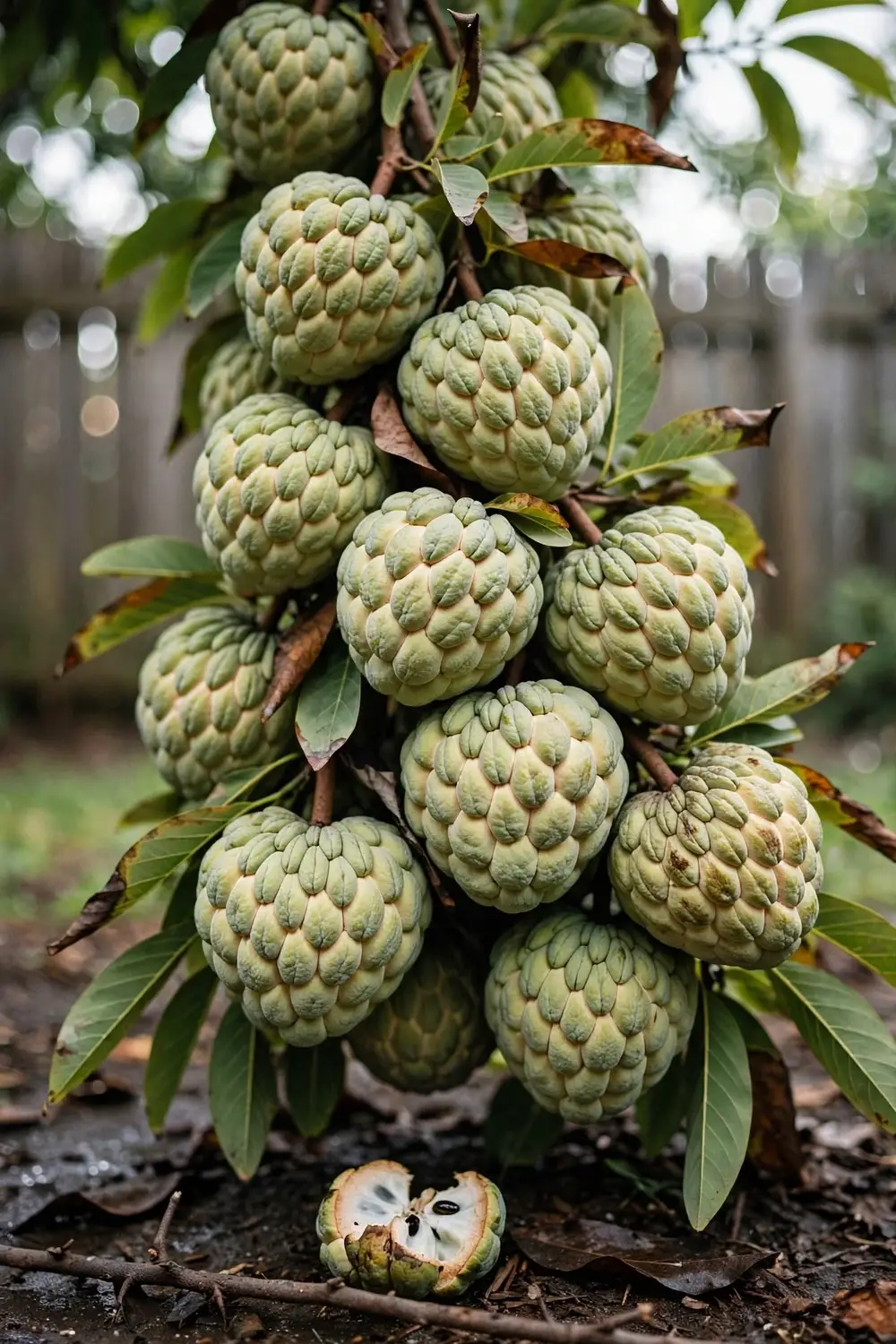

You can grow sugar apples (Annona squamosa) from fresh seed and pick your first fruit in 2 to 4 years. Hand-pollination is the single biggest lever: trees left to natural pollinators set a disappointing fraction of their flowers, while a five-minute morning routine with a small brush changes everything. I have learned that the tree rewards growers who do the pollination work themselves, the same lesson every productive sugar apple grower eventually reaches.
The guide below gives you the full sequence, from choosing viable seed to harvest day. It covers the green vs red variety decision, the 73 to 94°F climate window the University of Florida extension documents, and the pruning routine that keeps a 20-foot tree at a harvestable 8 feet. Its closest relative in the home garden is cherimoya, and the guide to growing cherimoya covers the family traits these two Annona trees share.
| Quick Spec | |
|---|---|
| Latin name | Annona squamosa (family Annonaceae) |
| Climate | USDA zones 9 to 11; containers elsewhere |
| Temperature | Best 73 to 94°F; kill point 30 to 32°F for young trees |
| Light | Full sun, 6 to 8+ hours |
| Soil | Sandy loam, pH 6.0 to 6.5, fast-draining |
| Spacing | 15 to 20 feet between trees |
| Germination | 3 to 8 weeks at 75 to 85°F |
| First fruit | 2 to 4 years from seed |
1. Match Sugar Apples to Your Climate Before You Plant
Sugar apples belong outdoors year-round only in USDA zones 9 to 11, where winter temperatures stay above freezing. The tree grows best between 73 and 94°F with 70% or higher relative humidity during flowering and fruit set, according to the University of Florida IFAS extension’s Sugar Apple Growing in the Florida Home Landscape. Unprotected young trees are killed at 30 to 32°F, and even mature trees suffer serious damage at 26 to 28°F.
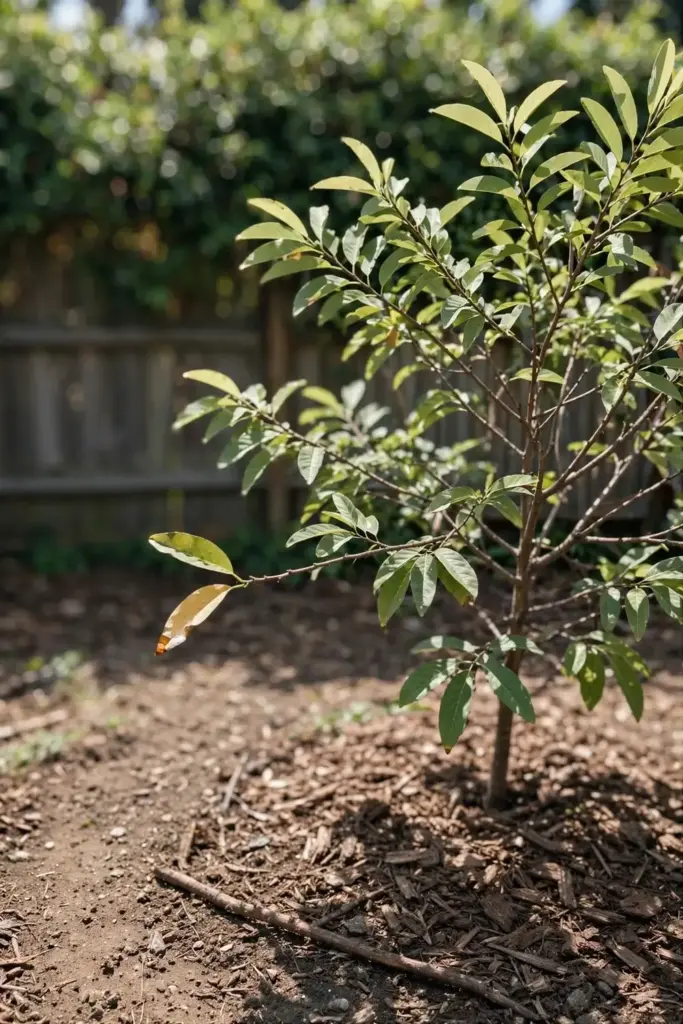
If you live below zone 9, grow the tree in a container and move it indoors before the first freeze. A 15 to 20 gallon pot with drainage holes works, and the tree stays smaller in a container, which is an advantage since mature landscape trees reach 15 to 20 feet if never pruned. Give indoor trees your brightest window or a grow light, and return them outside only after nights stay above 55°F in spring.
2. Buy Fresh Seeds: the 8-Day Viability Rule
Sugar apple seeds germinate best when they are fresh. Plan to plant within a few days of eating the fruit, because viability drops the longer seeds sit on a shelf. Choose a ripe fruit with plump, glossy segments, then scoop out the black seeds and rinse off every trace of pulp. Pulp left on the seed invites mold during the soak.
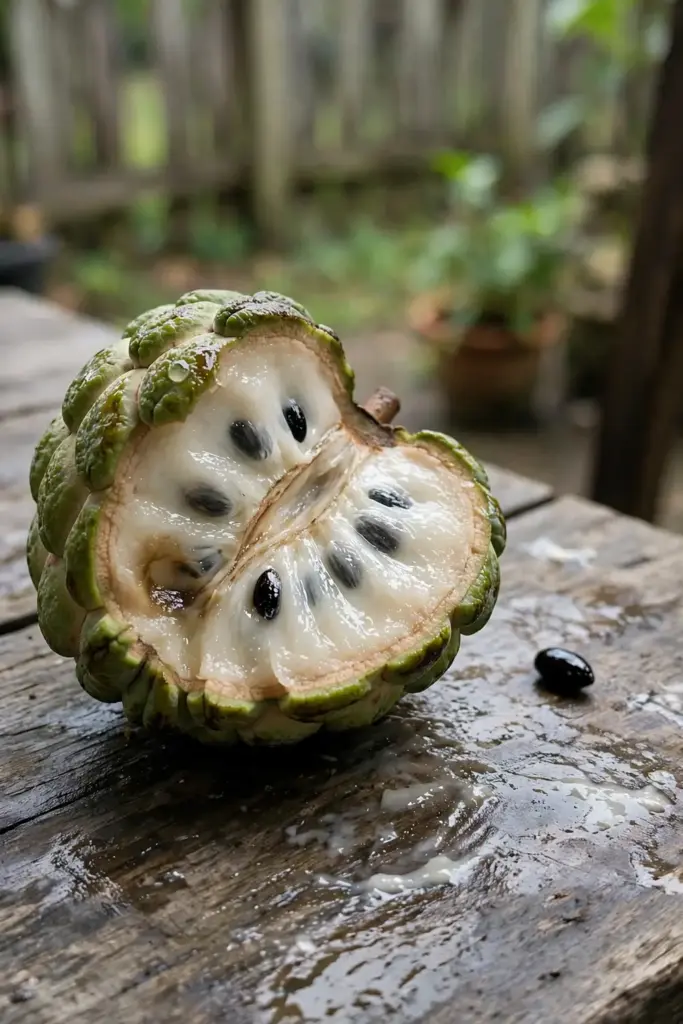
Count on dozens of seeds from each fruit: Gardening Know How counts as many as 40 seeds in a single sugar apple. Sow at least six to ten seeds even if you want one tree, since not every seed sprouts and seedlings vary in vigor. The extras let you keep the strongest plant and give away the rest.
3. Soak and Scarify Seeds to Wake Them Up
The hard black seed coat slows water absorption, which is why sugar apple seeds can take a month or more to sprout. Soak the cleaned seeds in lukewarm water for 24 to 48 hours, changing the water once, until most of them sink. Seeds that sink are the viable ones. Discard floaters, since they rarely germinate.
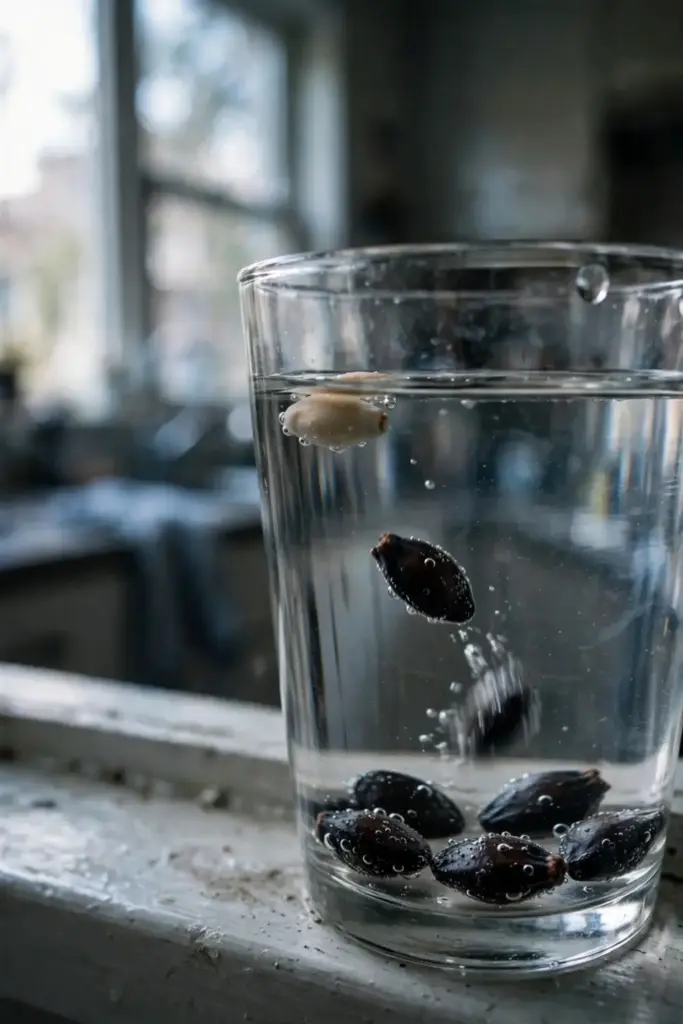
For even faster and more uniform sprouting, scarify the coat before soaking. Nick the seed with a nail file or rub it gently on sandpaper, just enough to break the glossy surface without reaching the pale kernel inside. Gardening Know How notes that scarifying, or a three-day soak, hastens germination that otherwise takes 30 days or longer.
4. Plant Seeds 1/2 to 1 Inch Deep in a Fast-Draining Mix
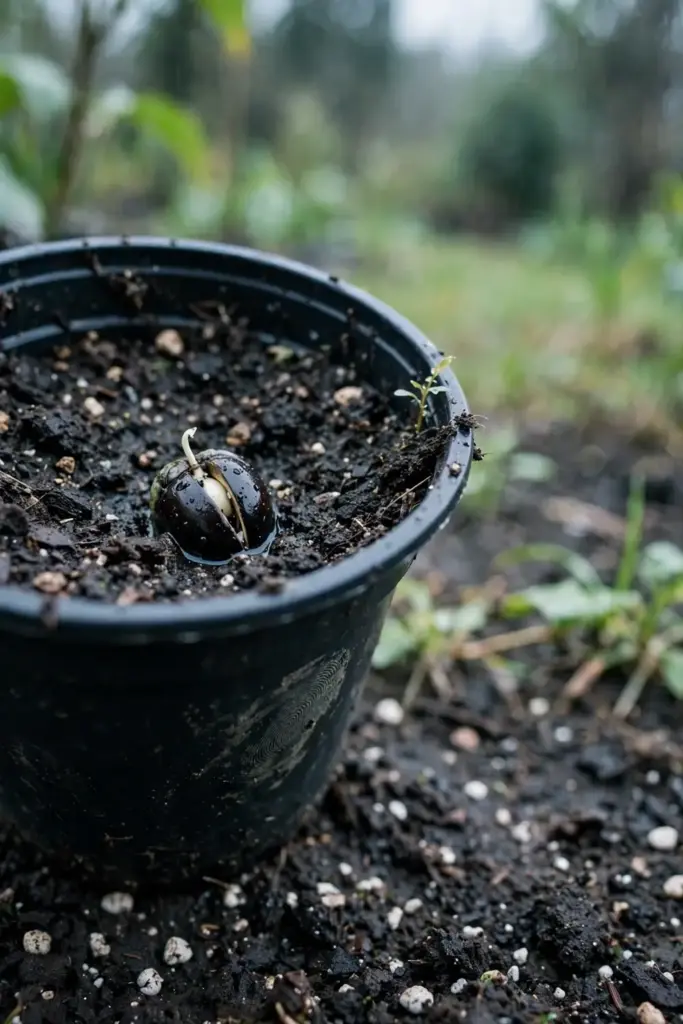
Sow each seed 1/2 to 1 inch deep in small pots of loose, well-draining mix. Sugar apple roots rot in soggy soil, so use a blend of peat or coco coir with perlite and a little compost, or coarse sand mixed with quality potting soil. Water the mix until it is evenly moist, then set the pots where they stay warm: 75 to 85°F speeds germination to 3 to 6 weeks.
| Step | Action | Time |
|---|---|---|
| Clean | Rinse pulp off fresh seeds | Day 1 |
| Scarify | Nick or sand the seed coat | Day 1 |
| Soak | Lukewarm water until seeds sink | 24 to 48 hours |
| Sow | Plant 1/2 to 1 inch deep | Day 2 or 3 |
| Warmth | Hold at 75 to 85°F | 3 to 8 weeks |
| Sprout | First leaves emerge | Up to 12 weeks |
Cover the pots with a clear dome or plastic wrap to hold humidity, and vent daily to prevent mold. Do not let the mix dry out completely between waterings, since the embryo dies when the seed coat dries mid-germination. Expect the first pair of leaves within 3 to 8 weeks in warmth; cooler conditions can stretch the wait to 12 weeks.
5. Raise Sturdy Seedlings in Strong Light
Move sprouted seedlings into bright light immediately, because leggy seedlings with pale stretched stems never become strong trees. A south-facing window works, but a simple grow light 6 inches above the leaves gives stockier plants. The seed starting basics cover the light and timing habits that carry over to any tropical seedling.
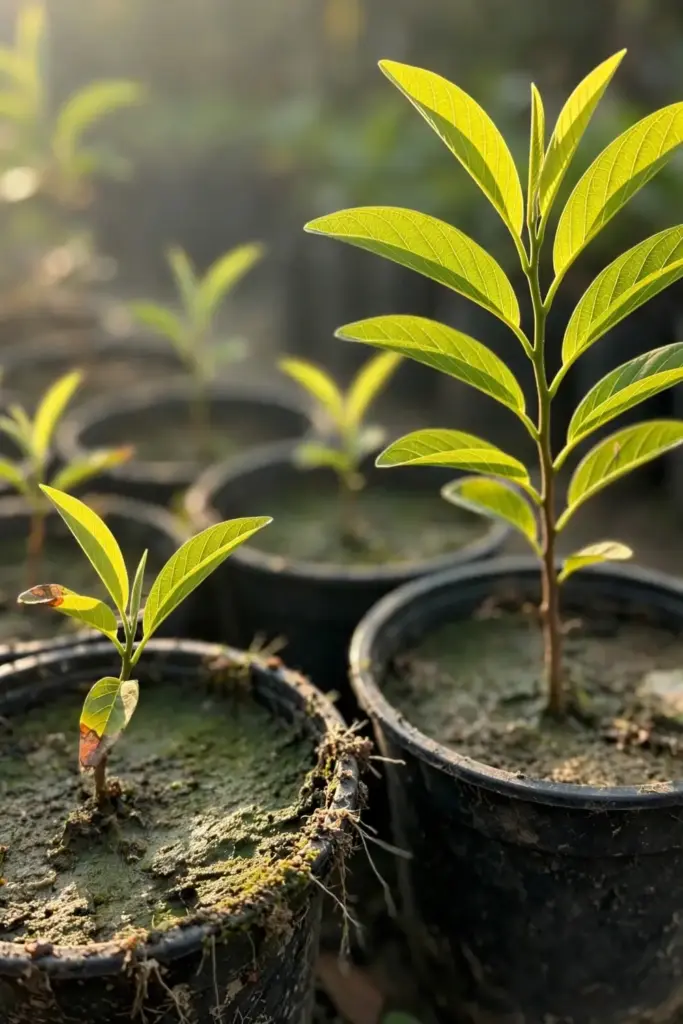
Water when the top half inch of mix feels dry. Never leave the pot standing in a saucer of water, since flooding for as little as 7 to 10 days causes root rot and can kill the tree, per the UF IFAS extension. When seedlings reach 4 to 6 inches tall with several true leaves, step them up into one-gallon pots of the same fast-draining mix. Fertilizer is not needed yet. The seedling feeds from its seed reserves and the small amount of compost in the mix.
Before a seedling moves outdoors permanently, harden it off. Set the pot outside in shade for a few hours the first day, add an hour of direct sun each day for a week, and bring it in if a cold snap threatens. Seedlings that skip this step sunburn and stall for weeks. Once the plant pushes new growth in full sun without wilting, it is ready for its final pot or its planting hole.
6. Choose Green or Red: the Sugar Apple Variety Guide
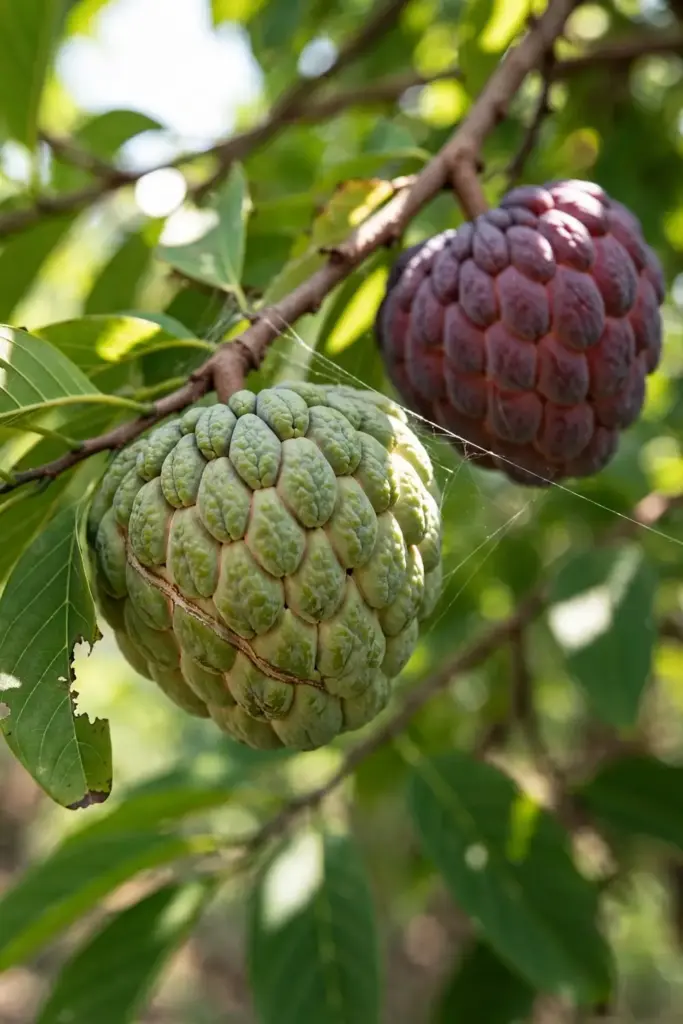
Most sugar apple trees are grown from seed because seedlings stay true enough to type within a named selection, with little variability, per the UF IFAS extension. Still, picking the right selection matters. Green types are the classic sweet shop fruit. Red and purple types taste just as good and add ornamental color to the garden.
| Variety | Skin | Notes |
|---|---|---|
| Thai Lessard | Green | Productive green type widely planted in Florida |
| Na Dai | Green | Sweet, dependable seed-grown selection |
| Kampong Mauve | Purplish red | Beautiful color, good fruit quality |
| Purple or Red | Dark reddish purple | Popular home landscape type |
| Cuban or Brazilian Seedless | Green | Splits near maturity; inferior flavor, a novelty only |
Green or red types are recommended for the home landscape, per the UF IFAS extension. Avoid the seedless types except as a curiosity: the fruit splits when nearing maturity and both quality and yield are reported inferior to seedy types.
When buying seed, source it from a named variety rather than a mystery grocery fruit so you know what the tree will produce. If you can taste the parent fruit first, do it: sugar apple flavor varies subtly between selections, and the one you love eating is the one worth waiting years to grow. Nurseries in warm regions sell seed of named selections, and grower forums often trade fresh seed during harvest season. Freshness matters more than the name on the packet, so buy from a source that ships within days of harvest.
7. Give Each Tree 15 to 20 Feet of Full Sun
Plant sugar apples in full sun for best growth and fruit production, 15 to 20 feet from other trees, buildings, and power lines, per the UF IFAS extension. Trees planted too close shade each other and fruit poorly. Choose the warmest frost-free pocket of your yard, and avoid low spots where water stands after summer rains.
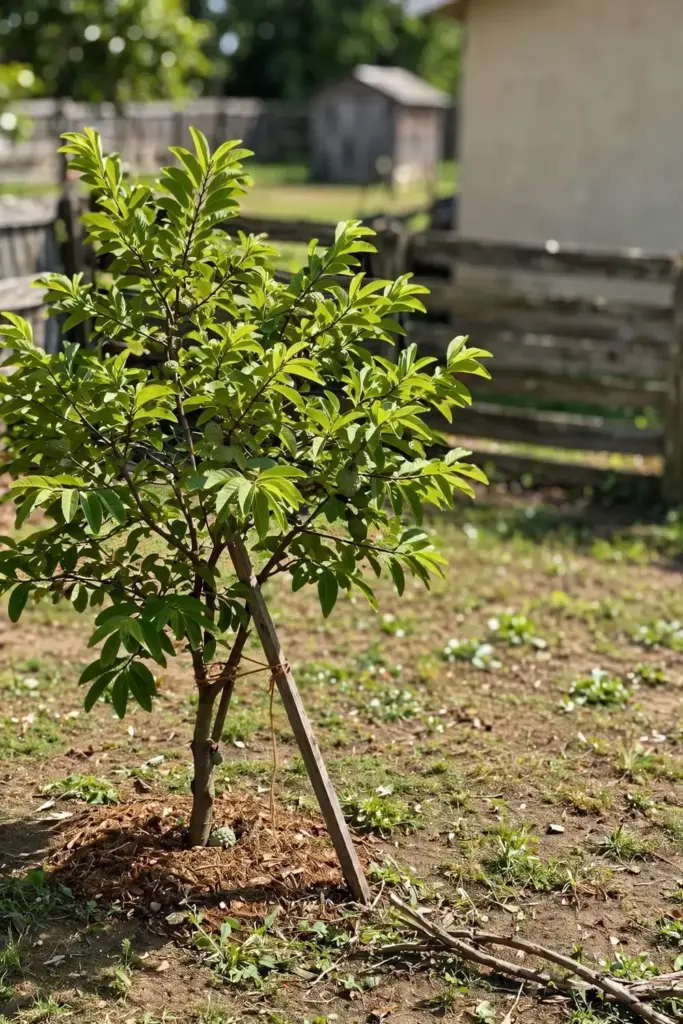
Wind protection matters more for sugar apples than for most fruit trees. Young trees establish far better in sheltered spots, and strong winds with heavy crop loads can snap the long slender branches. A fence, a hedge, or the lee side of the house all work. Wind also dries the flowers and can reduce fruit set, so a calm corner is a productive corner.
8. Plant in Spring on a Raised Mound
Plant in spring once nights stay above 55°F, giving the tree a full growing season to establish before winter. Dig a hole 3 to 4 times the diameter of the container and plant at the same depth the tree grew in the pot. Never plant deep: the first root flare should sit at or just above ground level.
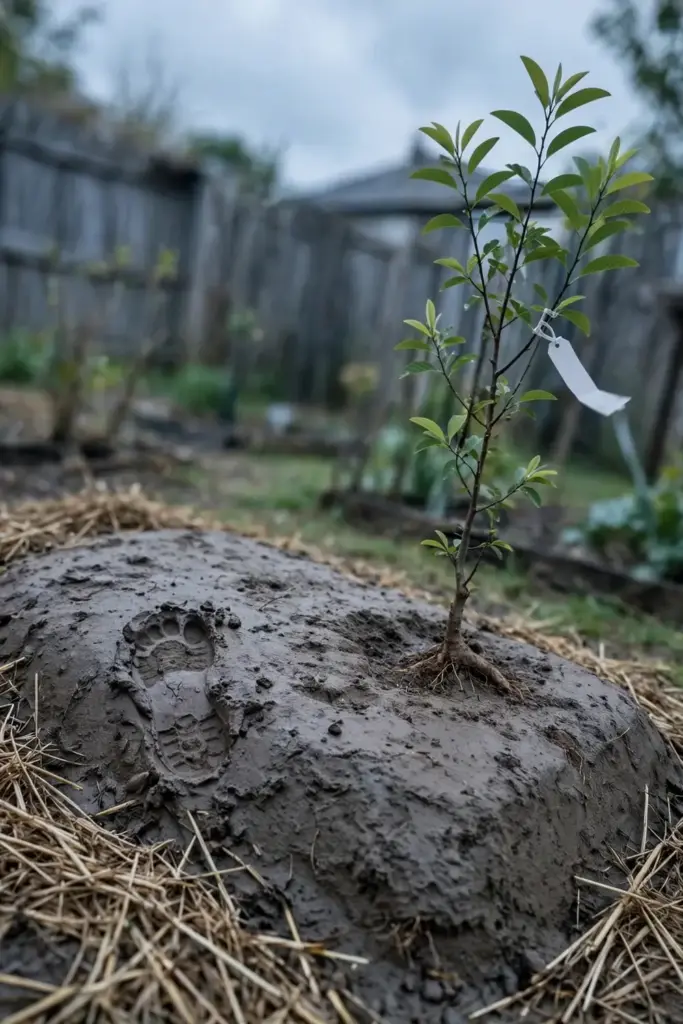
If your soil drains slowly or the water table sits high, plant on a raised mound 2 to 3 feet high and 4 to 10 feet across, following the UF IFAS extension’s method for flood-prone sites. Mounded trees survive ordinary summer downpours that drown trees planted flat. Backfill with the native soil, water deeply to settle it, and mulch with 2 to 4 inches of organic mulch kept 6 inches from the trunk. Good soil health built from mulch and organic matter is what gives heavy soils the drainage structure sugar apples demand.
9. Water Deep but Never Soggy
Water new trees deeply once or twice a week through the first dry season, letting the top few inches dry between waterings. Established trees tolerate dry spells, but prolonged drought during flowering cuts fruit set, shrinks fruit size, and reduces the harvest, per the UF IFAS extension. The sweet spot is non-limiting soil moisture from flowering through harvest, with a dry period in the months before spring bloom.
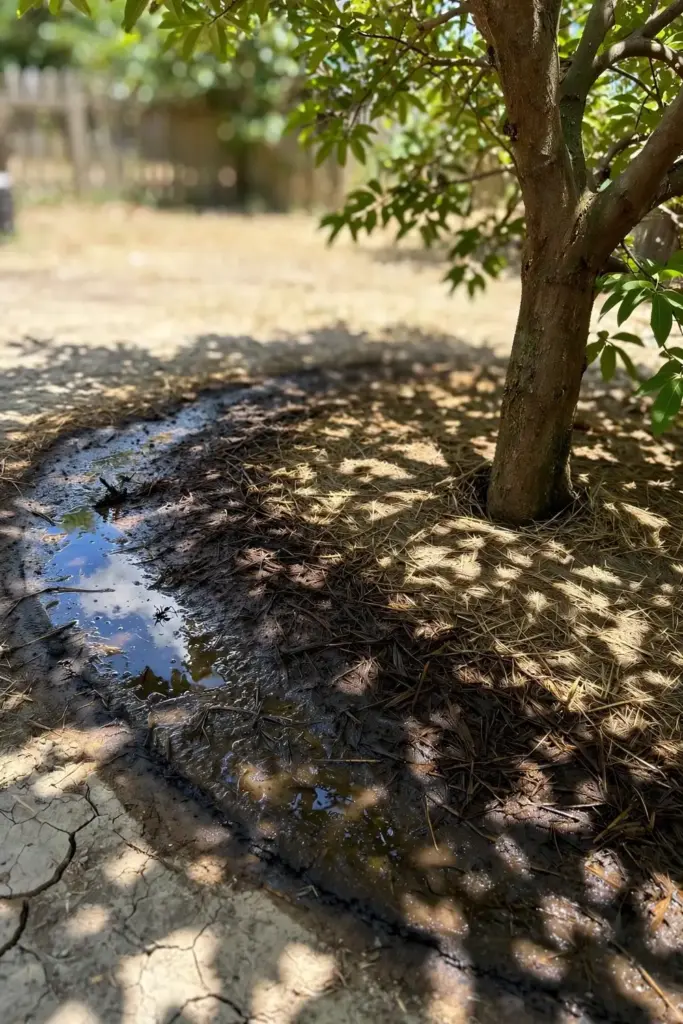
Never water by timer the way a lawn is watered. Timer sprinklers wet the root zone too often and cause root rot, a failure the UF IFAS extension calls out specifically. Check soil moisture with your finger before watering, and reduce frequency in winter when the tree rests. Container trees dry faster than in-ground trees, so check pots twice as often in summer heat.
10. Feed Young Trees Every 6 to 8 Weeks
Push strong growth in the first 2 to 3 years with a complete fertilizer every 6 to 8 weeks during the growing season. Apply about 1/4 pound per young tree per application, using a formula like 6-6-6 or 8-3-9, per the UF IFAS extension. Gradually increase the rate as the tree grows; mature trees take 1.5 to 4 pounds per application, 2 to 4 times a year.
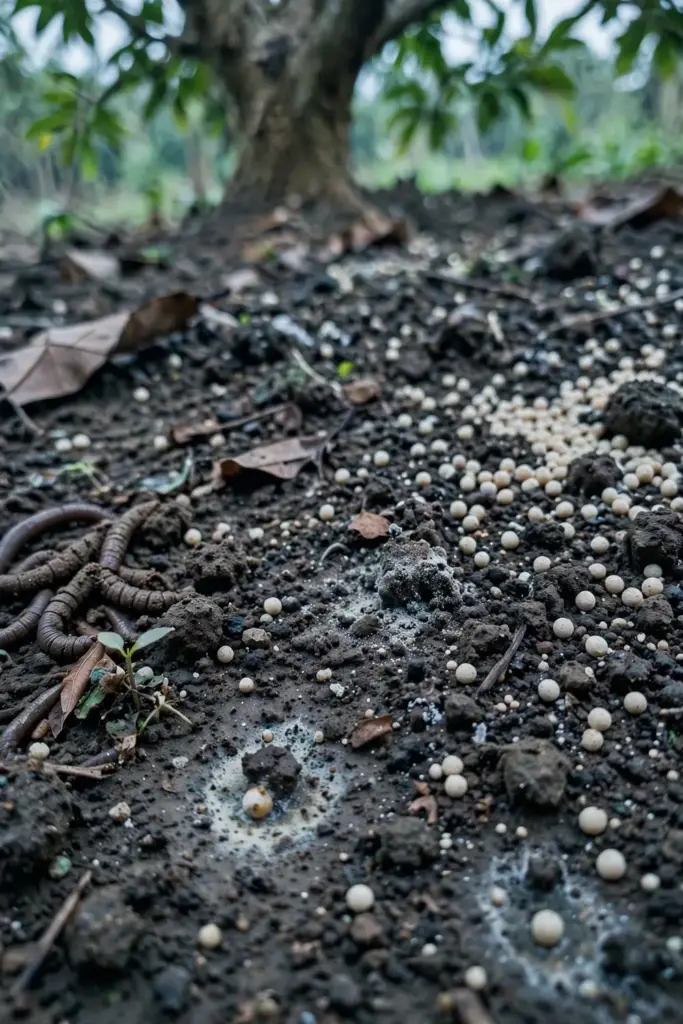
After the third year, shift the emphasis from growth to fruiting. Reduce nitrogen applications and water carefully from flowering to harvest during dry spells, since the tree now needs fruit support more than new wood. Add micronutrient sprays containing zinc, manganese, and magnesium 2 to 4 times a year during the growing season, because sugar apples show deficiency symptoms on poor soils faster than most fruit trees. Pull off any fruit that sets in the first year so the tree puts its energy into structure instead.
11. Hand-Pollinate at Dawn to Double Your Fruit Set
This is the section that decides your harvest. Sugar apple flowers are small, green, and easy to miss, and natural pollinators often visit too few of them. The tree blooms from March through June on new growth, and every missed flower is a fruit you never taste. Hand-pollination is the biggest content gap among growing guides, and the single most reliable way to turn a shy tree into a generous one.
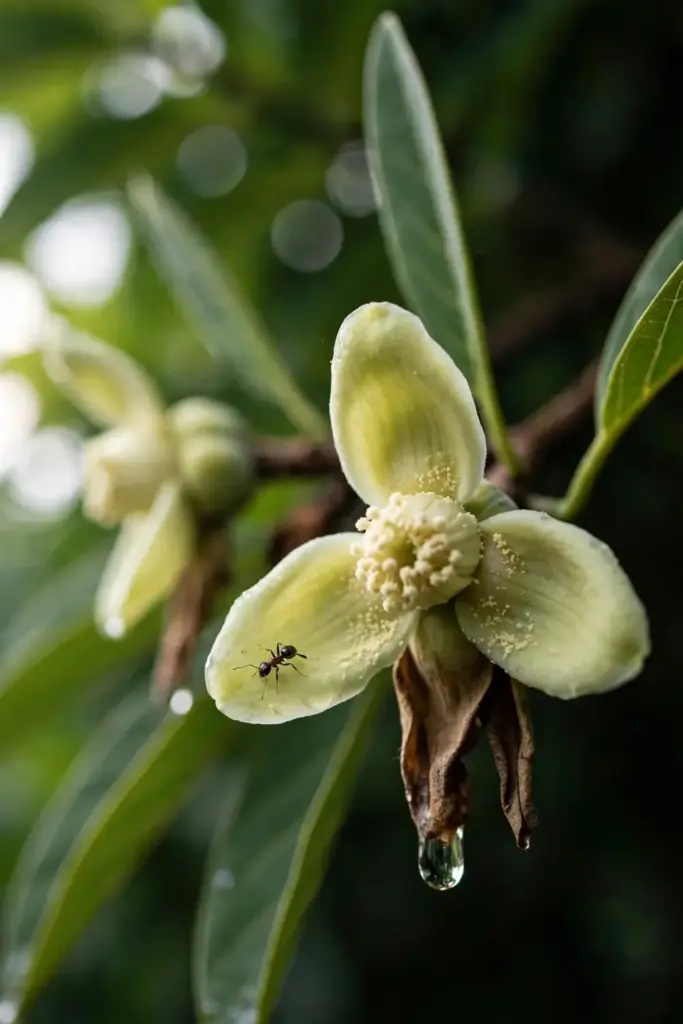
Work in the early morning when the flowers are fully open. Pick a flower with fresh pollen, which looks like fine dust on the petals, and use a small soft brush to transfer it to the central cone of another open flower. Pollinate as many flowers as you can reach, since the fruit ripens 3 to 4 months after spring flowering and you want a staggered set, not a single flush. Growers who hand-pollinate report dramatically heavier crops than neighbors who wait for insects. Mango growers use the same technique, and the guide on how to grow mango fruit covers the brush method in detail for another tropical tree.
Make pollination a bloom-season habit, not a one-time event. Walk the tree each morning during the March to June bloom and touch every open flower you can reach. Five minutes a day beats one long weekend session, because new flowers open daily and each stays receptive only briefly. Mark a few pollinated flowers with a twist of colored yarn so you can confirm which ones swell into fruit; when the marked ones set and the unmarked ones drop, you have your proof that the brush is doing the work.
12. Prune Back 1/3 of Last Year’s Growth Each Spring
Prune annually to keep the tree at 8 to 10 feet instead of its natural 15 to 20. Sugar apples take pruning well, and a compact open canopy is easier to hand-pollinate and easier to harvest. Let a young nursery tree grow untouched through its first season so it establishes fast, then head it back the following spring to force branching along the main trunk.
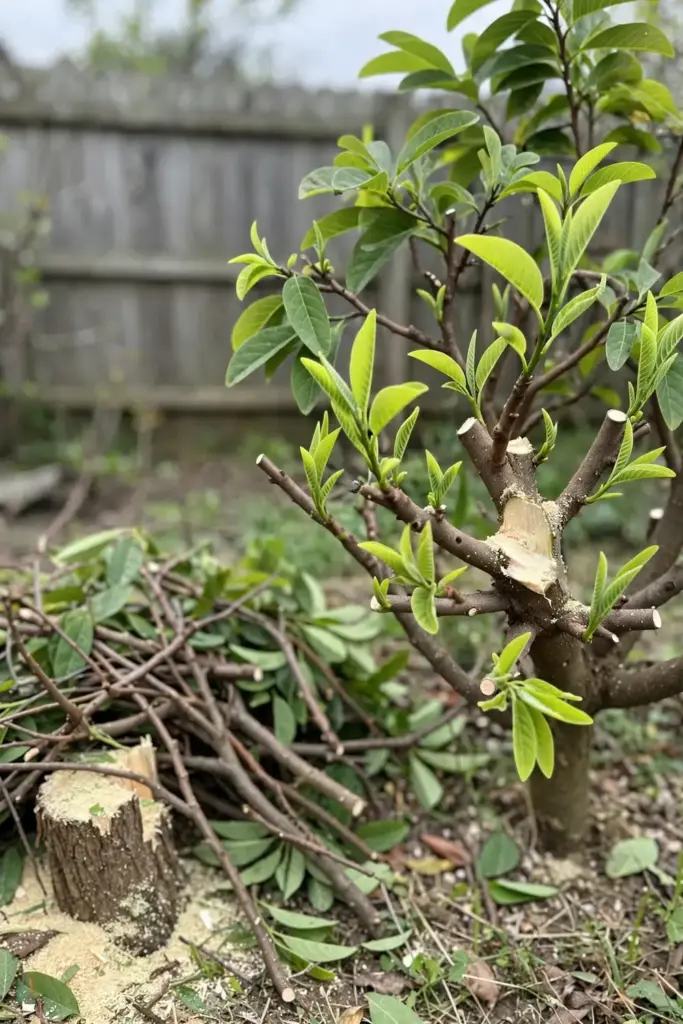
Each February or March, as buds begin to break, remove roughly one third of the previous year’s vegetative growth. Cut out crossing branches, head back long shoots, and open the center so light reaches the interior. The goal is fruit production in the lower canopy, better air flow, and a tree you can reach without a ladder. Remove strong verticals and encourage lateral growth, the classic form that carries the heaviest crops. The spring pruning techniques guide covers the cut angles and tool hygiene that keep every pruning session clean.
13. Pick Seeds or Grafting: the Honest Timeline Tradeoff
Seed-grown sugar apples fruit in 2 to 4 years, and some growers report fruit at age two on vigorous seedlings. That is fast for a fruit tree, and it is why most home trees are grown from seed. Seedlings of a named selection like Thai Lessard or Kampong Mauve stay close to the parent’s type, so you are not gambling the way you are with apple seeds.
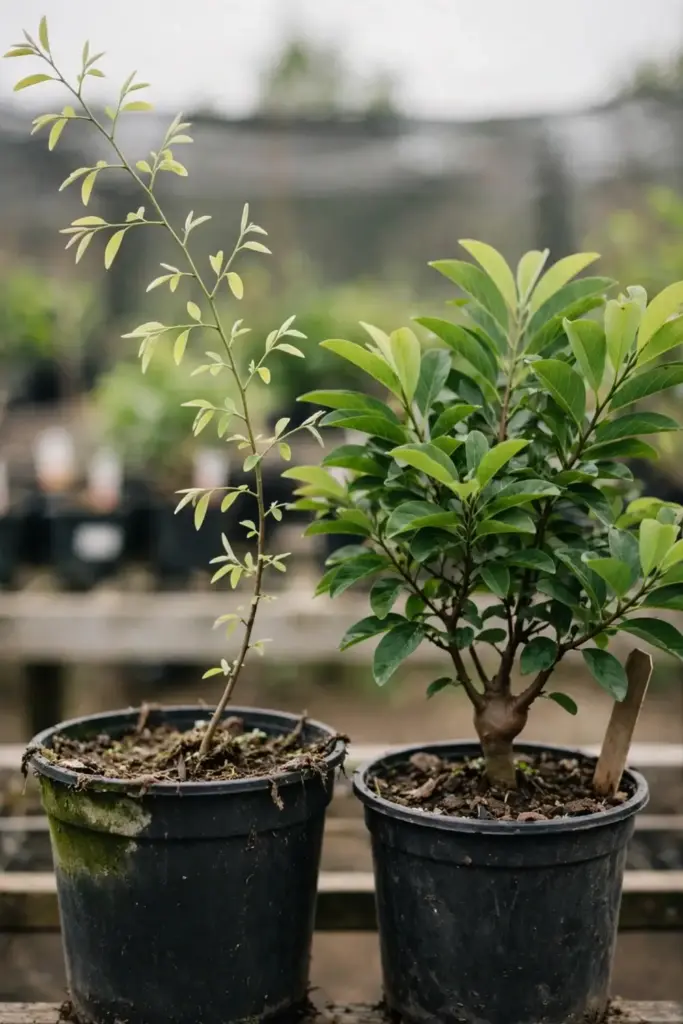
Grafted trees cost more and need a nursery source, but they fruit sooner and exactly match the variety on the label. Improved selections are veneer-grafted or budded onto sugar apple or atemoya rootstock, per the UF IFAS extension. Choose grafted trees when you want a guaranteed variety and the earliest possible harvest, and choose seed when you want many trees cheaply or you enjoy the full process. Both routes converge on the same tree; only the wait differs.
| Option | Years to first fruit | Cost |
|---|---|---|
| Seed | 2 to 4 | Low: one fruit gives dozens of seeds |
| Grafted nursery tree | Sooner than seed | Medium: nursery price per tree |
| Air-layered branch | Can fruit within a year of planting | Medium to high: specialty nurseries |
Air layering sits between the two: a rooted branch from a bearing tree behaves like a mature limb and can fruit quickly, but layered trees are harder to find for sale. For most home growers the honest choice is simple. Plant seed when you have time and curiosity. Buy grafted when you have a small yard and want one guaranteed tree.
14. Keep Pests Away and Seeds Away from Pets
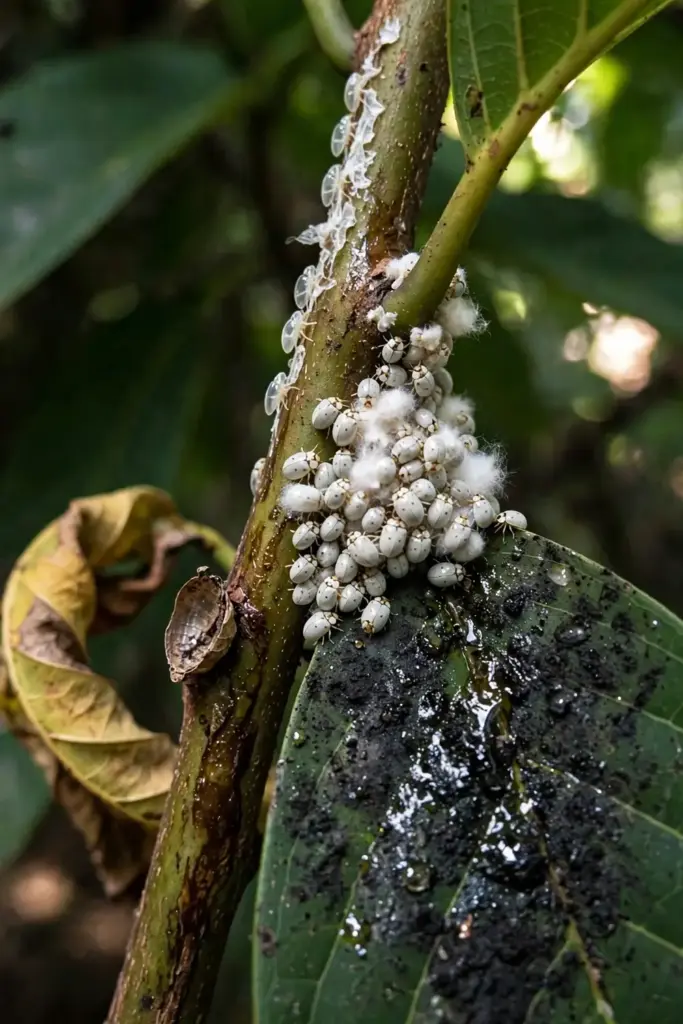
Sugar apples suffer fewer serious pests than most tropical fruit, but three problems deserve attention. The annona seed borer lays eggs inside developing fruit and the damage turns fruit black and mummified, so destroy fallen fruit instead of composting it. Mealybugs and scale colonize stems and leaf undersides; prune for airflow and treat early infestations with horticultural oil before they spread.
Now the safety note every sugar apple grower must know: the seeds are poisonous, and so are the leaves and bark. Gardening Know How reports that powdered seeds have been used as fish poison and insecticide, and the seeds contain annonacin. Keep harvested fruit away from small children and pets, and spit seeds out rather than chewing them. This is not a reason to fear the tree, only a reason to handle fruit the way every tropical grower already does.
Fungal problems stay minor on trees with good airflow. Prune the center open, avoid wetting the foliage when you water, and rake up fallen fruit promptly so disease has nowhere to overwinter. Trees that look ragged in winter usually leaf out fresh in spring; sugar apples are briefly deciduous and the winter appearance worries more growers than it should.
15. Stop Fruit Drop Before It Starts
Few things hurt more than watching marble-sized fruit fall before ripening. The most common cause is drought during fruit development: the tree sheds what it cannot support. Deep-water consistently from flowering through harvest, and mulch to hold soil moisture steady through heat waves.
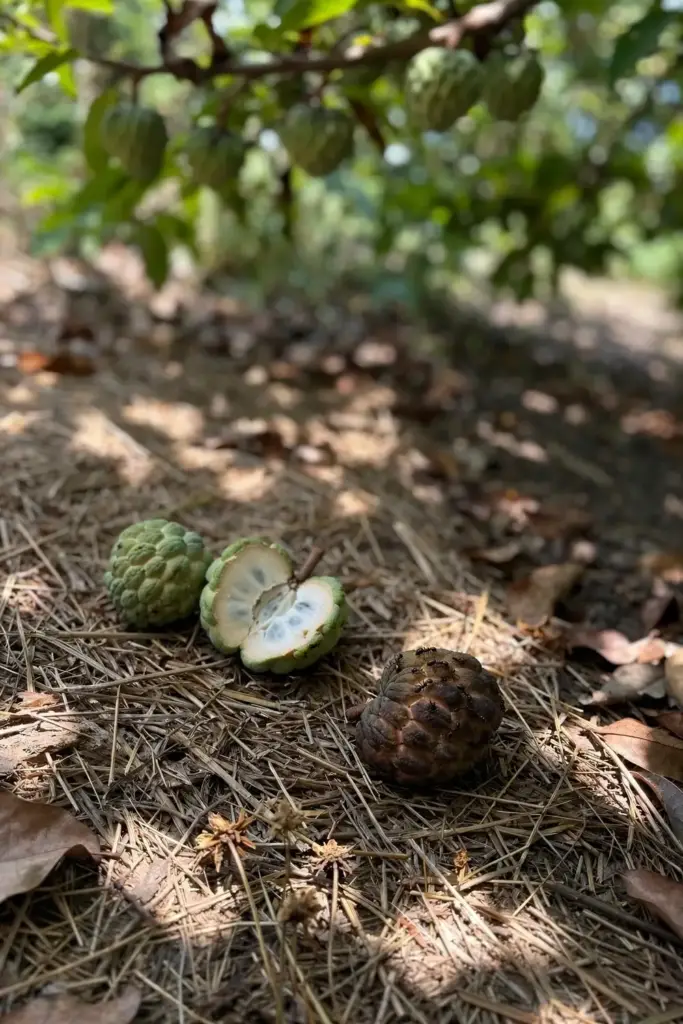
Low humidity during flowering is the second cause, since dry air reduces pollination and fruit set. Wind breaks that raise local humidity around the tree help, and hand-pollination sidesteps the problem entirely by guaranteeing each flower is visited. Finally, do not over-fertilize with nitrogen: dense dark-green leafy growth at the expense of fruit is the classic sign of too much nitrogen, so follow the reduced schedule for bearing trees.
16. Pick Fruit 3 to 4 Months After Spring Bloom
Sugar apple fruit ripens 3 to 4 months after spring flowering, which means mid-summer through fall in most climates, and into midwinter where frost never arrives. A mature tree yields 20 to 50 fruit, or 10 to 50 pounds, per year, with yields varying by climate, pollinators, and care, per the UF IFAS extension.
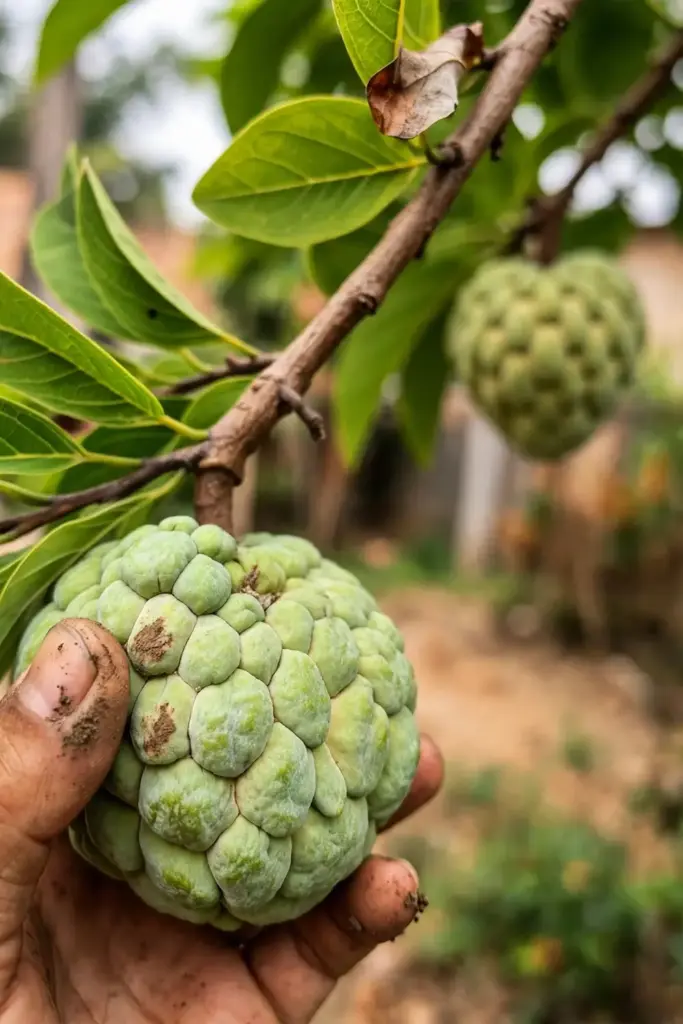
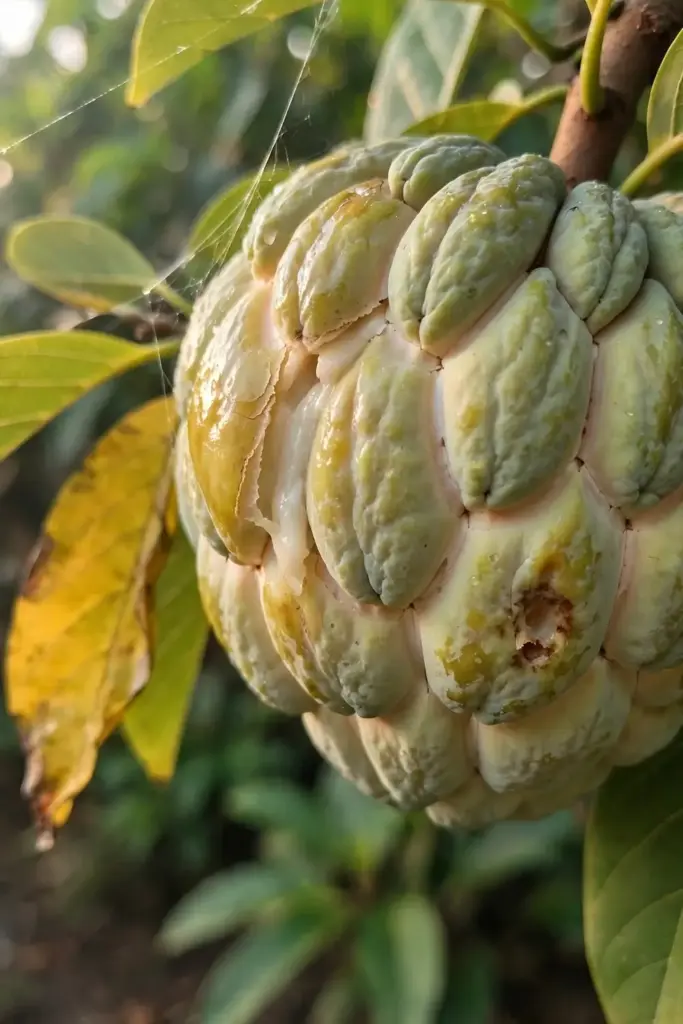
Watch the segments: ripe fruit swells and the separations between the knobby segments turn from green to pale or creamy white. The fruit gives slightly under gentle thumb pressure and the stem releases easily. Pick at this stage rather than waiting, because overripe fruit splits and falls apart within days. Let picked fruit finish softening on the counter for a day, then eat it fresh or press the pulp for juice and ice cream. Grower guides describe fruit ripening in series over a ten-week window, so check the tree every few days.
Eat sugar apples the way tropical growers do: crack the segments apart with your thumbs, scoop the custard-soft pulp with a spoon, and spit the seeds into a bowl. Never refrigerate underripe fruit, since cold stops the ripening process; chill only fully ripe fruit, and eat it within two days. A single tree at peak season can drop more fruit than one household eats, so share the surplus. Neighbors who taste a tree-ripened sugar apple tend to ask for a seedling next spring.
Frequently Asked Questions
Seed-grown trees typically fruit in 2 to 4 years, with some vigorous seedlings producing at age two. Grafted trees fruit sooner because they skip the juvenile phase. Your climate, watering, and especially hand-pollination decide whether you land at the early or late end of that range.
No. A single sugar apple tree can fruit on its own, since the flowers carry both male and female parts. But a lone tree often sets poorly because natural pollinators miss many flowers. Planting two trees helps, and hand-pollinating helps more than anything else.
Yes, and they take containers better than most fruit trees. Use a 15 to 20 gallon pot with excellent drainage, prune to keep the tree at 6 to 8 feet, and move it indoors before the first freeze if you are below zone 9. Container trees need more frequent watering and regular feeding since their root zone is limited.
Work in the early morning when flowers are fully open. Touch a small soft brush to a flower carrying fresh pollen, then dab that pollen onto the center of other open flowers. Repeat across the tree during the March to June bloom. Five minutes a day during bloom season noticeably increases fruit set.
Yes. The seeds contain annonacin and are toxic if chewed and swallowed, and the leaves and bark are also poisonous. Spit seeds out when eating the fruit, keep fruit away from children and pets, and wash your hands after handling crushed seeds. The sweet pulp itself is safe and delicious.
Drought during fruit development is the leading cause: the tree sheds fruit it cannot support. Water deeply and consistently from flowering through harvest. Low humidity during bloom reduces pollination, so wind protection and hand-pollination help. Excess nitrogen can also push leafy growth at the expense of fruit.
Your First Harvest Is Worth the Wait
Sugar apples ask for three things: fresh seed, warm weather, and a gardener willing to pollinate by hand. Give the tree full sun, fast-draining soil, a hard spring prune, and steady water from bloom to harvest, and it returns one of the sweetest fruits a home garden can grow. Plant this spring, pollinate next spring, and taste the result by summer. Few fruit trees reward a small daily ritual the way this one does. For another tropical fruit with the same pollination personality, the guide on how to grow guava fruits continues the story.