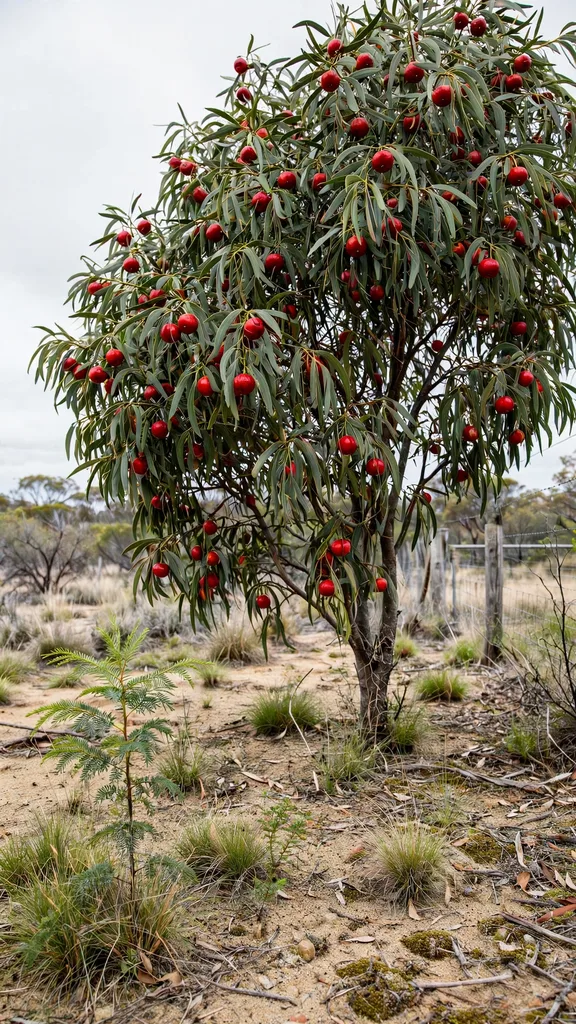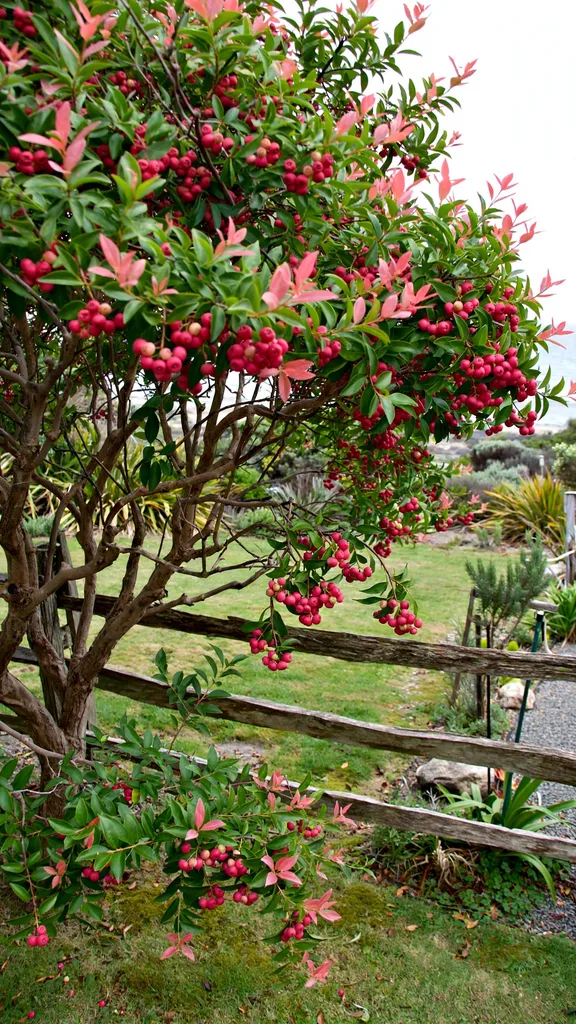
Plant 1 ribberry tree in full sun this spring, water it through its first 2 dry seasons, and the tree starts cropping pink red fruit in December of its second or third year. Learning how to grow ribberry starts with the exact species: ribberry is Syzygium luehmannii, the small-leaved lilly pilly, a rainforest tree from coastal New South Wales and Queensland grown for a tart, clove scented berry. Give the roots moist fertile soil, prune once after flowering, and pick the fruit before birds strip the crown.
Nurseries sell the same tree as small-leaved lilly pilly, riberry, and cherry satinash. The fruit name and the tree name point at one plant. Gardeners who buy a plant labelled only lilly pilly may take home a different Syzygium species with larger leaves and blander fruit. The Latin name on the tag settles the question in one glance.
| Attribute | Detail |
|---|---|
| Botanical name | Syzygium luehmannii |
| Other names | Ribberry, small-leaved lilly pilly, cherry satinash |
| Plant type | Evergreen rainforest tree, dense and narrow crowned |
| Height in cultivation | 5 to 10 m, held lower with annual pruning |
| Leaf | Opposite, glossy, lance shaped, 2 to 5 cm long, pink when young |
| Flower | White to cream panicles at the branchlet tips, November to December |
| Fruit | Pear shaped berry, 13 mm long, pink to red, 1 seed |
| Fruit season | December to February in the Southern Hemisphere |
| Sun | Full sun for the heaviest fruit set |
| Soil | Fertile, well drained, kept moist |
| Propagation | Stem cuttings strike readily, fresh seed germinates unevenly |
Meet the Small Leaved Lilly Pilly Behind the Ribberry Name
Ribberry grows wild in riverine, littoral, and subtropical rainforest from the Macleay River in New South Wales north to Cairns in Queensland. The wild range explains the garden range. This tree wants warmth, steady moisture, and shelter from hard frost while young. A coastal or near coastal garden in a warm temperate to subtropical district suits it without any special work.
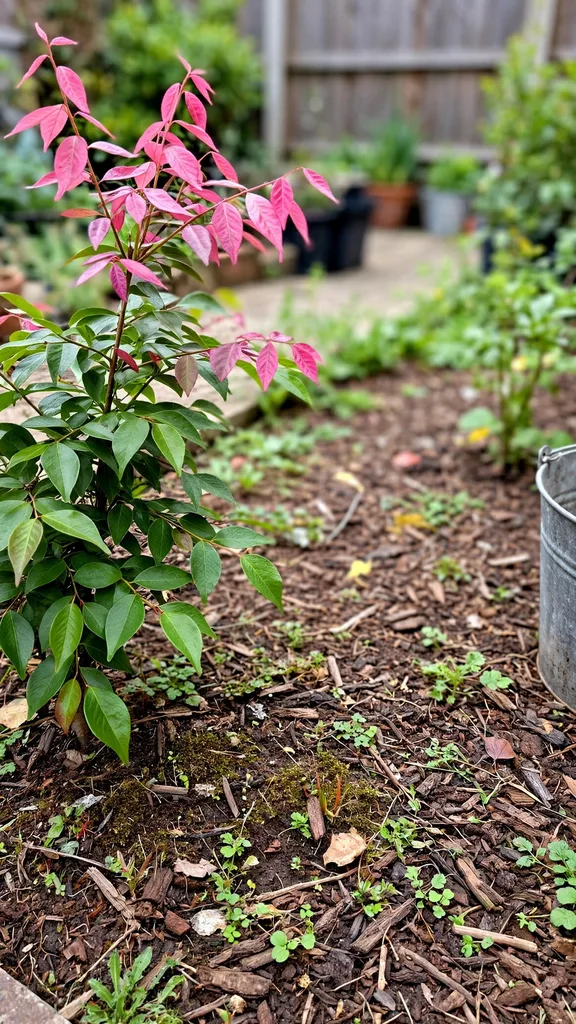
The crown carries foliage to ground level on a young tree and lifts as the trunk thickens. New leaves flush bright pink, then settle to a deep glossy green. That pink flush repeats after every pruning pass and after every warm rain in the growing season. A ribberry hedge shows pink tips for weeks at a time in spring.
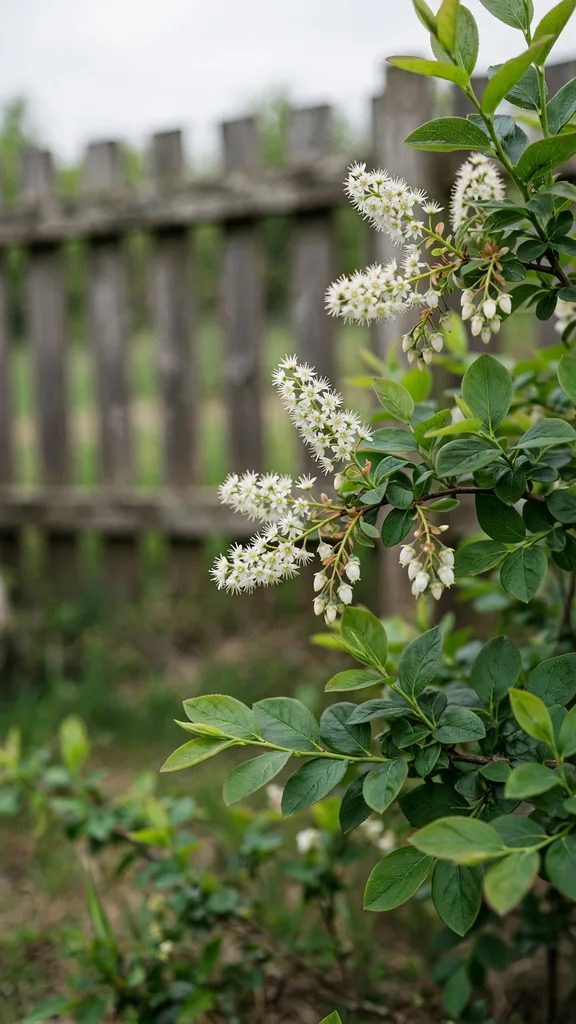
Flowers open at the ends of the branchlets in small panicles. The ACS Distance Education bush tucker guide records panicles 2.5 cm long with white or cream flowers forming in November or December. Bees work the panicles hard on still mornings. Fruit follows the flowers by a matter of weeks, and a healthy tree carries flowers and ripening fruit on different branchlets at the same time in a warm summer.
The tree earns a place in a garden even before the first crop. Dense foliage screens a fence line, the crown casts clean shade over a path, and the pink flush reads as a flowering display from the street. Gardeners plant ribberry as a small shade tree, a hedge, a screen, and a fruit tree in the same hole, and the tree does all four jobs without sulking about any of them. Few fruit trees carry that workload in a warm coastal garden.
Birds find the ripe fruit fast. Rainbow lorikeets, figbirds, and fruit doves strip an unnetted tree in days once the berries redden. Netting after flowering is the standard defence in a home garden. A tree planted for wildlife can stand unnetted, and the gardener takes the lower fruit while birds take the top.
Ribberry Is Syzygium luehmannii and Nothing Else
Lilly pilly is a shared common name across several Syzygium species, and the shared name causes most ribberry buying mistakes. Syzygium australe, brush cherry, carries larger leaves and round fruit. Syzygium smithii, the common lilly pilly, carries leaves well past the ribberry size band. Ribberry stays small leaved, and that leaf size is the field mark to check at the nursery.
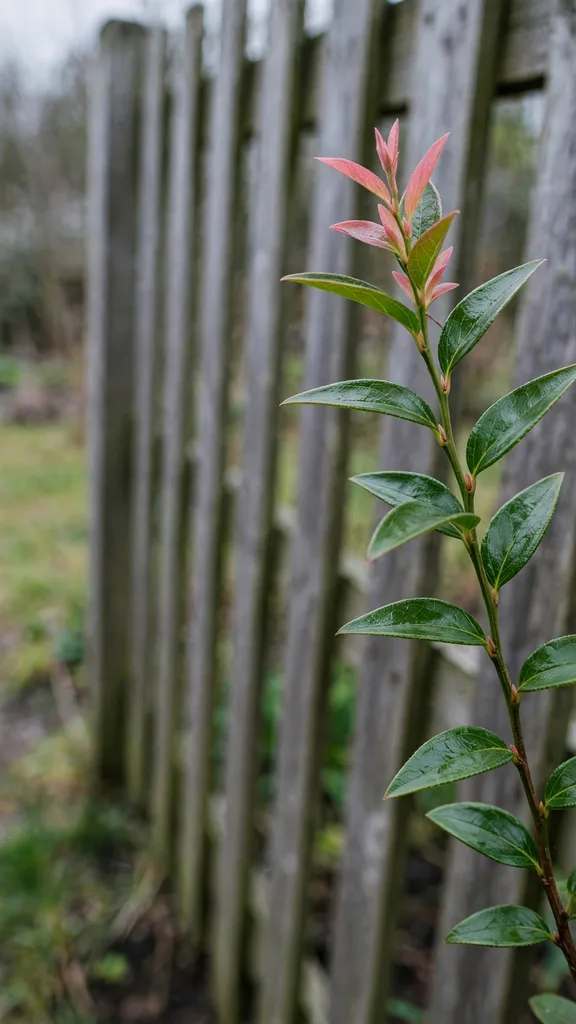
NParks lists the ribberry leaf at 2 to 5 cm long, opposite, elliptic to lanceolate, with an entire margin. The ACS guide gives the same leaf at 4 to 5 cm long on a leaf stalk 2 to 3 mm long, drawn out to a long prominent point. A plant with leaves twice that length is a different species, whatever the common name on the pot claims.
Choosing lilly pilly varieties for cold districts is a different job. That lives on Best Lilly Pilly Varieties for Cold Climates and Frost Prone Gardens in Australia. This page stays on growing Syzygium luehmannii for fruit.
The species line matters for fruit quality as much as for identification. Ribberry fruit carries a tart, spicy flavour with clove and cinnamon notes, and cooks into jam, sauce, and cordial with real character. Generic lilly pilly fruit from a mislabelled tree tastes watery beside it. A gardener who plants for the kitchen plants the named species or a named ribberry selection.
Pick Full Sun and Fertile Well Drained Soil
Full sun grows the crop. NParks records the light preference for Syzygium luehmannii as full sun, with moderate water and a moderate growth rate. Part shade grows a sound screening tree and a thin crop. A ribberry in shade flowers on the sunlit side and fruits there too, while the shaded side stays leafy and bare of berries.
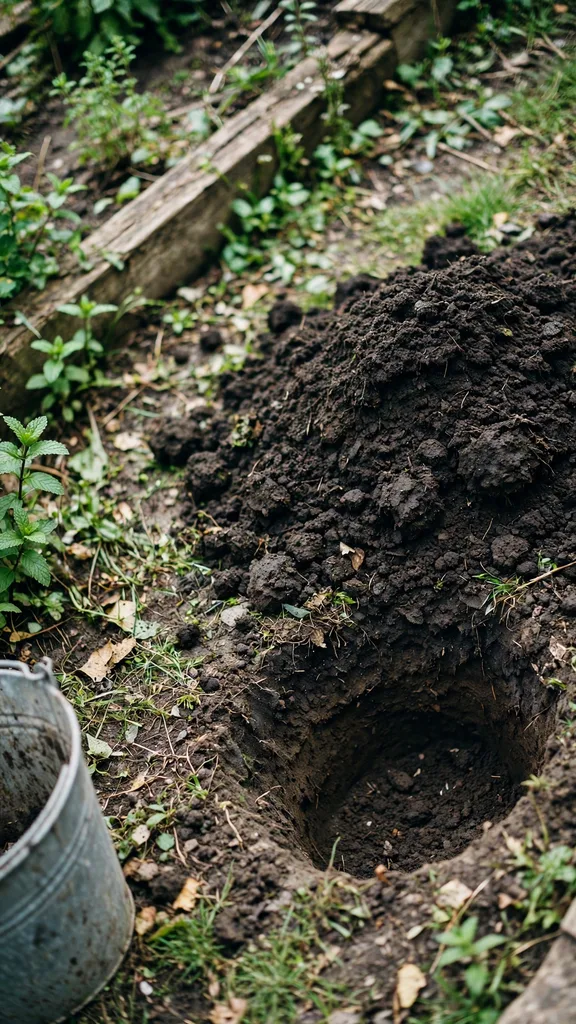
Soil decides how hard the tree works. NParks states that this species grows best in fertile, well draining soil that is kept moist, and that plants droop in compacted or waterlogged soils. The ACS guide asks for well drained fertile soil for a tree to 8 m in garden conditions. Heavy clay needs a raised bed or a broad planting mound. Sand needs compost worked through the whole planting zone, since a single enriched hole in sand drains like a bucket with the bottom out.
Frost sets the southern and inland limit. Young ribberry foliage burns in a hard frost, and a young tree can die to the ground in a cold hollow. Plant on a slope shoulder or beside a north facing wall in marginal districts, and cover young trees on forecast frost nights for the first two winters. An established tree resprouts from the trunk after a light frost and crops again within two seasons.
Wind shelter matters on coastal sites. Salt laden wind scorches the pink new growth and thins the crown on the windward side. A fence, a hedge row, or the lee of a house wall fixes the exposure. The tree still fruits in the open, and the crown grows lopsided for years.
Plant at Pot Depth and Water the Hole First
Plant in spring, after the last frost date for the district, when the soil has warmed and the tree can root through a full growing season before its first winter. Autumn planting works in frost free districts with warm soil and reliable rain. A winter planting in cold ground sits still for months and rots at the collar in wet soil.
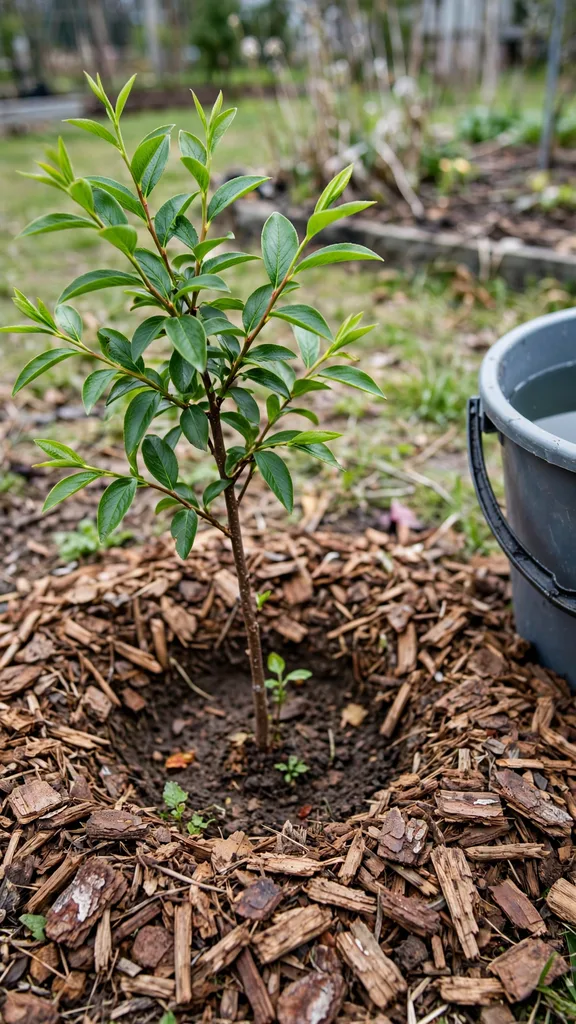
Dig the hole twice the width of the pot and at the same depth. Water the hole and let it drain before the tree goes in. Set the tree so the top of the root ball sits level with the finished soil surface, backfill with the soil that came out of the hole, and firm the backfill with a boot heel. A tree planted deep buries its collar and invites collar rot. A tree planted high dries at the root ball edge and leans in the first storm.
Tube stock planting technique is a different job. That lives on How to Plant Lilly Pilly Tube Stock. This page stays on growing Syzygium luehmannii for fruit, and a fruit tree starts from a larger pot size with a formed root system.
Water the planted tree in with a full bucket, then mulch. Keep mulch clear of the trunk by a hand span. Stake only on a windy site, tie low and loose, and pull the stake out at the end of the first growing season. A tree tied for years grows a weak trunk and snaps at the tie point in a gale.
Space fruit trees with the mature crown in mind. NParks records cultivated ribberry at 5 to 10 m tall with a naturally narrow crown. A single specimen needs a clear circle of ground and sky. A hedge row for fruit and screening plants at close spacing and holds its size with the annual prune described below.
Take Semi Hardwood Cuttings That Strike Easily
Cuttings are the reliable propagation route, and a cutting grown plant carries the fruit quality of its parent tree exactly. The ACS guide states that cuttings of this plant strike easily. NParks lists the propagation methods for the species as seed and stem cutting. A gardener with access to a good fruiting tree takes cuttings and skips the seed lottery entirely.
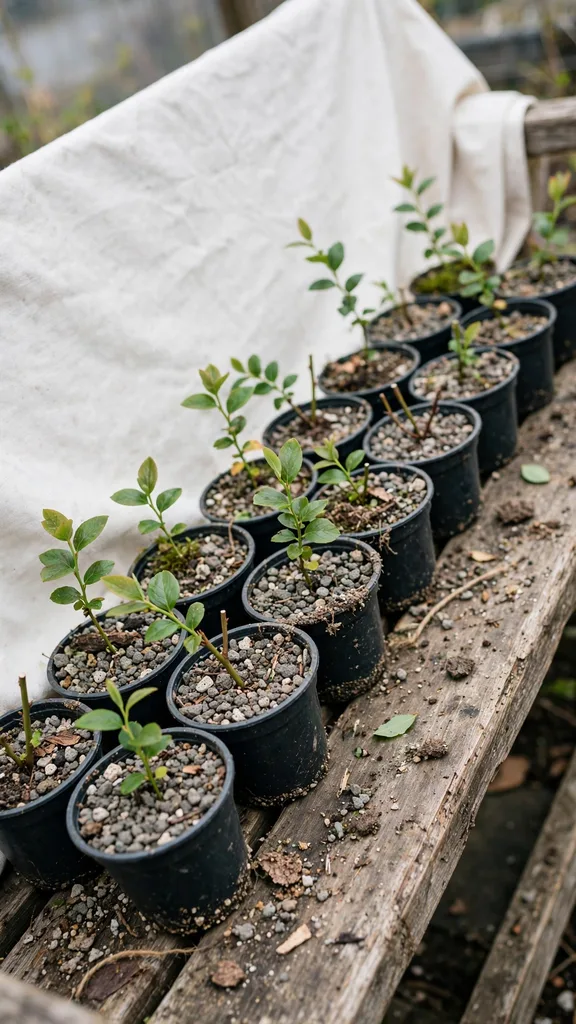
Take semi hardwood cuttings in late spring or summer, from the current season growth that has started to firm. Cut lengths with several leaf nodes, strip the lower leaves, trim the remaining leaves to cut water loss, and set the cuttings in a gritty, free draining mix in a covered pot or propagator. Warmth and steady humidity root them. Pot each rooted cutting on its own once roots fill the mix, and grow it under light shade until it pushes strong new growth.
Cutting grown trees also stay smaller than seed grown trees and fruit earlier. A cutting from a mature fruiting tree carries mature wood, and mature wood flowers sooner than juvenile seedling wood. For a home gardener who wants fruit in year two or three, a cutting grown plant from a known tree beats a seedling of unknown age and unknown flavour.
Keep young cuttings out of direct midday sun until they pot on. Shade cloth or the dappled light under the parent tree itself suits them, and a cutting that wilts daily in hard sun spends its energy on survival instead of roots. Harden potted cuttings into full sun across a fortnight before planting day.
Label every cutting batch with the parent tree and the date. Ribberry selections differ in fruit size, seed size, and ripening date, and an unlabelled tray of cuttings mixes them beyond repair. Seedless and small seeded selections exist in the trade, and a cutting is the only home route that keeps those traits intact.
Sow Fresh Seed and Expect Sporadic Germination
Seed works, with patience and low expectations. The ACS guide warns that seed can be used while germination is sporadic and unreliable. Fresh seed sown straight from ripe fruit gives the best result. Dried seed loses viability fast, and a packet of old ribberry seed often yields nothing at all.
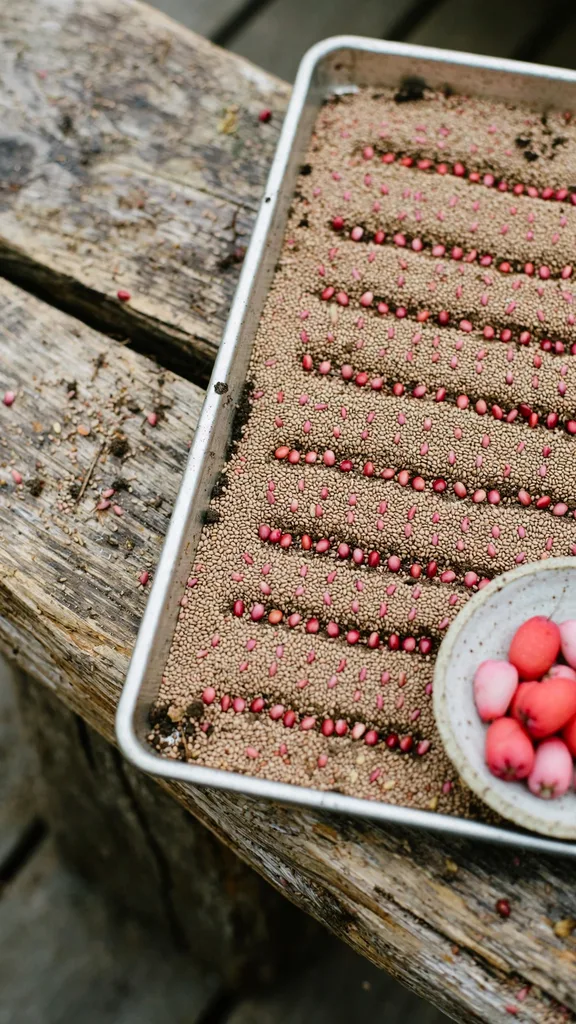
Each berry holds a single seed. The ACS guide records the pear shaped fruit at 13 mm long containing a single seed. Squeeze the seed from ripe fruit, wash the pulp off, and sow it the same day on the surface of a fine seed mix with a light covering. Keep the tray moist and warm. Seedlings emerge unevenly over weeks, and a tray written off at week three can still push shoots at week six.
Seedling trees vary. Fruit size, flavour, tree vigour, and the wait to first fruit all shift from seedling to seedling. A seedling planting suits a windbreak, a wildlife row, or a gardener breeding for a better local selection. A gardener planting one tree for the kitchen buys a cutting grown plant of a named selection and removes the gamble.
Pot seedlings on promptly. Ribberry seedlings resent root disturbance once the taproot coils in a small pot, and a root bound seedling sulks for a season after planting. Deep tubes or early potting on keep the root running straight down.
Water Through the First Dry Season and Mulch Wide
A young ribberry drinks steadily while its roots spread. NParks lists the water preference for this species as moderate water, on fertile loamy and well drained soils. Moderate means deep watering that wets the whole root zone, then a pause while the surface dries. Daily shallow sprinkling grows a shallow root system that collapses in the first hot week.
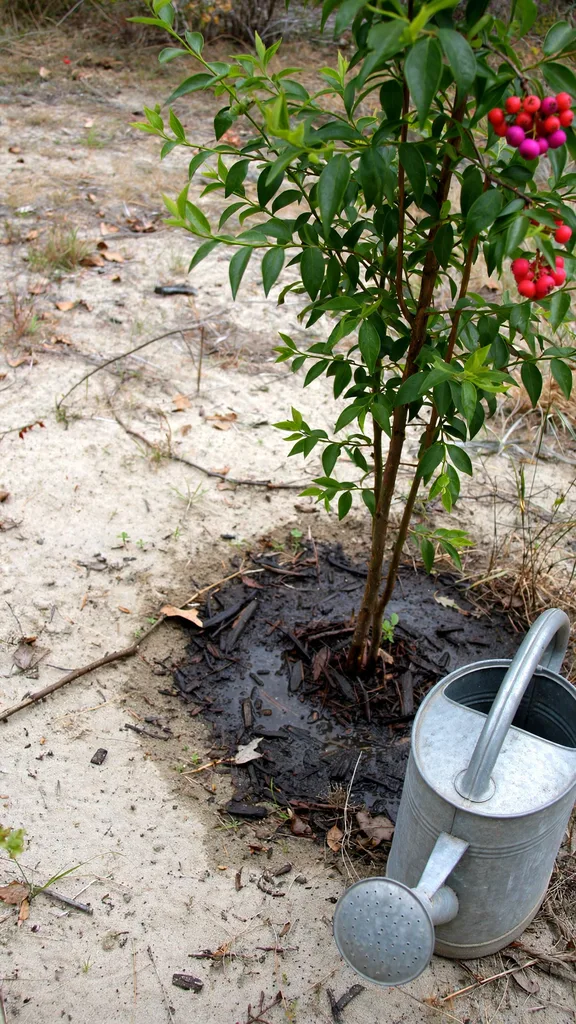
Water at the base, in the morning, and soak the mulched circle out to the drip line. Soak deep. Through the first dry season, a young tree needs a deep soak whenever the top layer of soil dries out, and a tree on sand in a windy coastal garden may need that soak twice as often as a tree on loam in a sheltered yard. Through the second dry season, water in long dry spells only. An established tree on deep soil rides out ordinary dry weeks on its own roots and still crops, because its roots run well past the mulched circle and into soil that stays cool and damp long after the surface has baked dry.
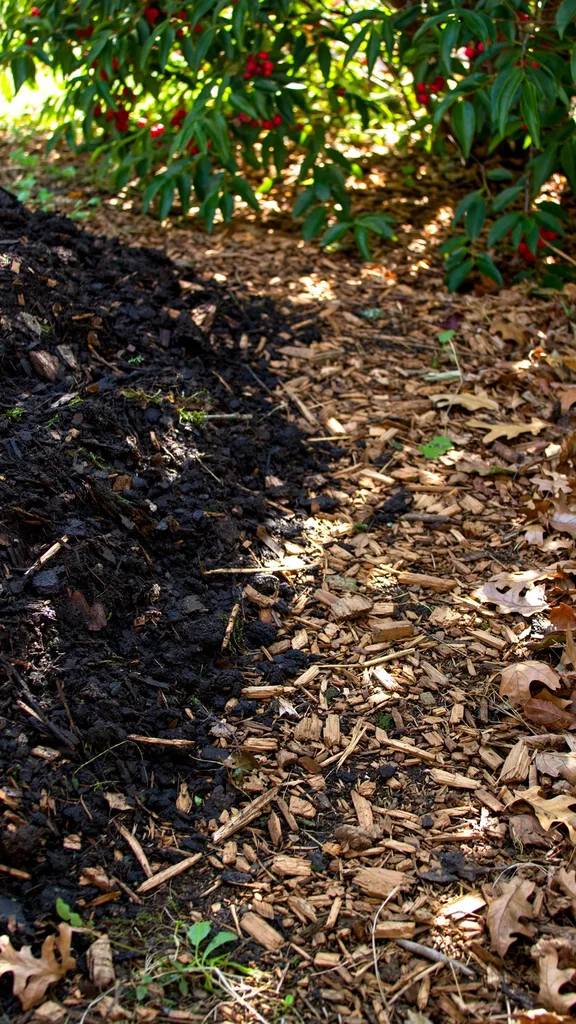
Mulch does half the watering work. Spread a coarse organic mulch over the whole root zone and top it up as it thins. Mulch cools the soil, holds moisture after rain, and feeds the soil biology that a rainforest tree expects under its crown. Bare baked soil under a young ribberry is the commonest cause of a stalled tree in a suburban garden.
Watch the leaves for the water signal. NParks notes that plants droop when grown in compacted or waterlogged soils, and a drought stressed tree droops the same way at midday. Check the soil with a finger before watering a drooping tree. Wet soil plus droop means roots in trouble, and more water deepens the damage.
Feed Lightly and Keep the Root Zone Moist
Ribberry evolved in rainforest soil with a constant fall of leaf litter, and it feeds like a rainforest tree. A light hand wins. Heavy nitrogen feeding pushes soft leafy growth, delays flowering, and draws psyllids and sooty mould to the flush. An annual dressing of compost under the mulch, plus a balanced native plant fertilizer at label rate in spring, covers the need for most garden soils.
Yellow leaves on a ribberry in alkaline soil point at iron lockout. The tree grows in ground that holds iron in a form its roots cannot take up. A soil test settles the question before money goes on treatments. Correcting pH takes a season, and chelated iron buys green leaves while the correction works.
Diagnosing lilly pilly leaf browning is a different job. That lives on Why Is My Lilly Pilly Turning Brown. This page stays on growing Syzygium luehmannii for fruit, and a fruiting tree on moist fertile soil rarely browns at all.
Fruit set improves with steady moisture from flowering to harvest. A tree that dries hard during flowering drops flowers and young fruit. A tree that dries hard during fruit swell drops near ripe berries. The watering habit built in the first two seasons carries the crop for the life of the tree.
Prune After Flowering to Hold a Compact Crown
Prune once a year, after flowering, and the tree holds a compact, fruiting crown. The ACS guide directs gardeners to prune after flowering to maintain compact growth. Pruning at that timing removes spent flower panicles and shapes the crown before fruit swell, and the cut branches carry no crop with them.
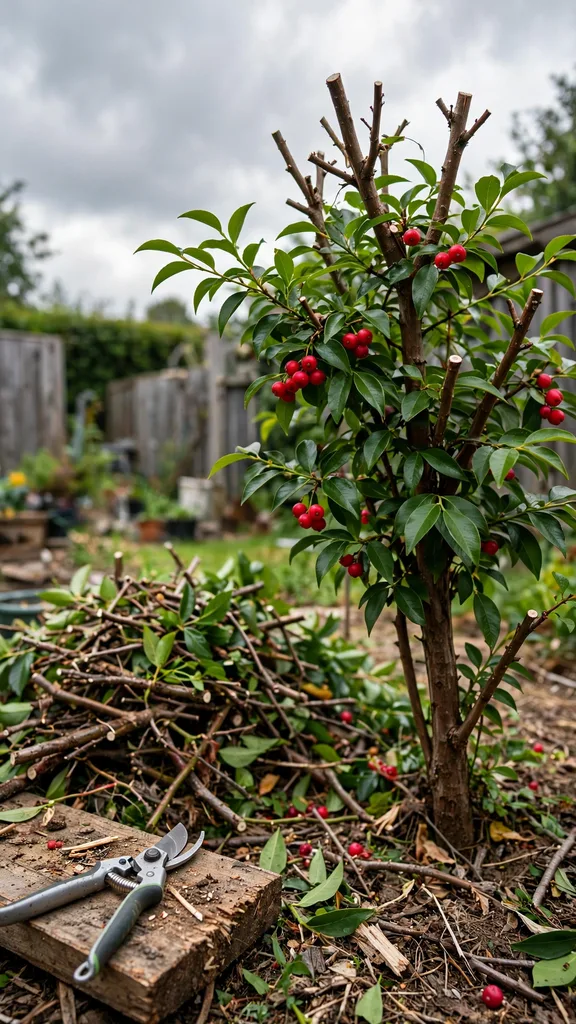
NParks adds that the crown is naturally narrow and can be pruned to the desired shape. Take out crossing branches, dead wood, and any shoot heading back into the crown center. Shorten long leaders to a side branch. A hedge or screen takes a second light trim in late summer, after harvest, to hold its face.
Hard pruning a neglected tree works in stages. Cut a third of the oldest wood in the first year, a third in the second, and the last third in the third. A ribberry cut to stumps in one pass resprouts in a thicket of weak vertical shoots and skips fruiting for seasons. Staged work keeps fruit on the tree every year of the renovation.
Clean the shears between trees. Myrtle rust and other fungal problems move on dirty blades in a mixed Syzygium planting. A wipe with methylated spirits between trees costs seconds and blocks the commonest spread route in a home garden.
Grow Ribberry in a Large Container
A ribberry grows and fruits in a large container, and a container tree suits a courtyard, a rental garden, and a frost marginal district where the pot moves under cover on cold nights. NParks lists container planting among the landscape uses for this species and notes it suits large containers. Start a young cutting grown plant in a generous pot and step the pot size up as roots fill each one.
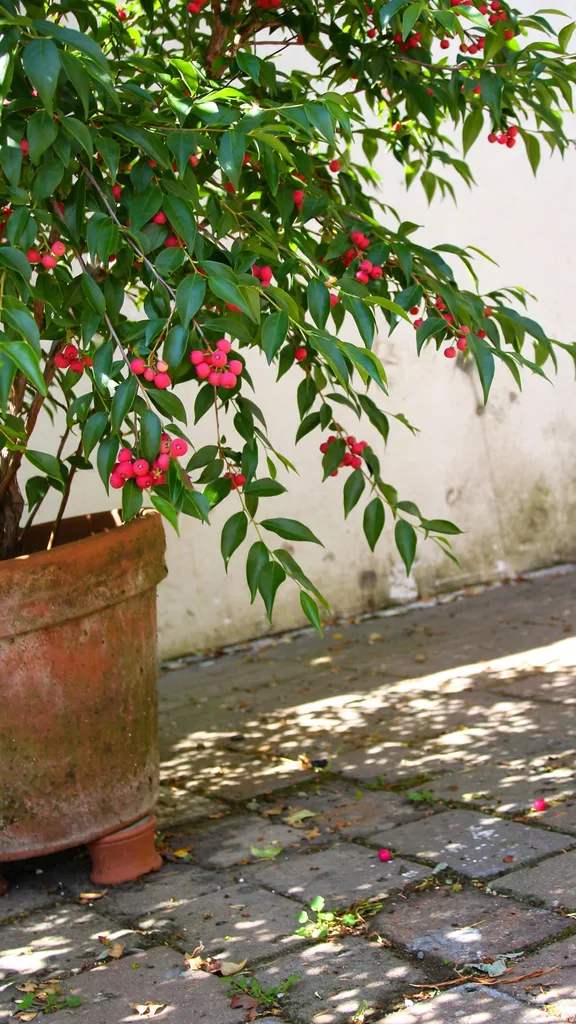
Container trees drink faster than ground trees. The potting mix dries from the top and the sides, and a ribberry in a pot wilts on a hot windy day that a ground tree ignores. Water to runoff, empty the saucer after drainage, and mulch the pot surface. Feed a container tree lightly and often, since every watering washes a share of the feed out of the drainage holes.
Prune a container tree harder than a ground tree. The annual post flowering prune holds the crown in proportion to the pot, and a root prune at repotting every few years holds the whole plant in balance. A pot bound tree that skips repotting fruits small and drops leaves from the inner crown.
Move a container tree gradually when its site changes. A tree raised under shade cloth scorches in a single day of full summer sun. Shift the pot into longer sun over two weeks and the leaves harden without burning.
Harvest Pink Red Fruit From December to February
Fruit ripens in summer, and the harvest window runs for weeks as panicles ripen in sequence. The ACS guide records that the pear shaped red berry fruit matures in December to February. NParks gives the ripe fruit at 1 to 1.5 cm long and 0.9 to 1.2 cm wide, bright pink to red. Pick when the berry colors fully and softens slightly, with a gentle pull that leaves the stalk behind.
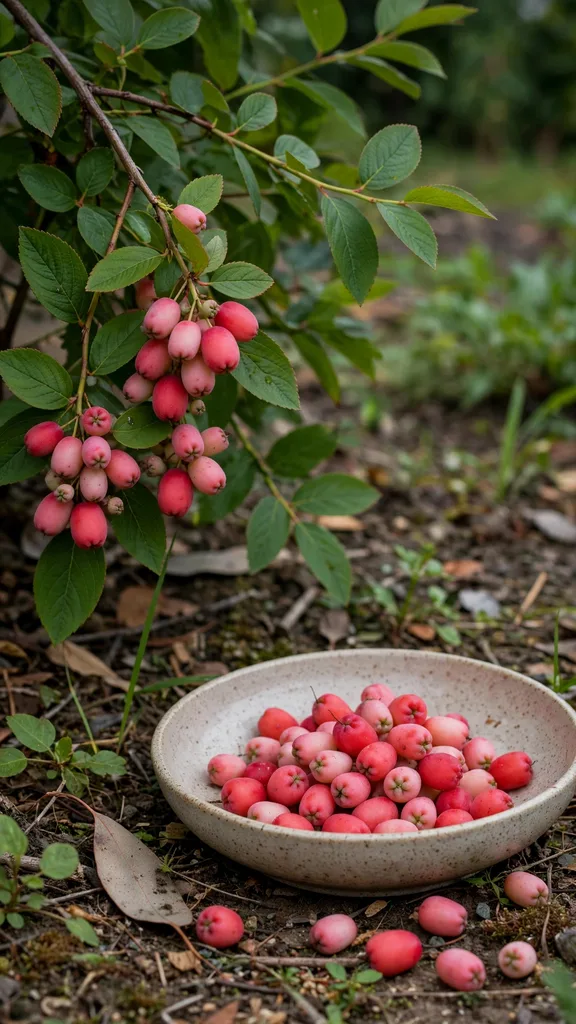
Taste a berry before picking a bowl. Ribberry flavour runs tart and spicy, with clove and cinnamon notes over a crisp texture. NParks records the edible fruit taste as clove and cinnamon like, used in ice cream, cakes, pies, jams, and meat based sauces. Fruit picked pale tastes sharp and thin. Fruit picked deep red tastes rich enough to eat fresh in small handfuls.
Cooks prize this fruit because the flavour survives cooking. Jam sets deep red and keeps the spice. A ribberry sauce cuts through roast pork and duck the way cranberry sauce cuts through turkey. Cordial made from the cooked juice dilutes into a sharp pink drink, and the berries fold into cakes and ice cream without losing their character. Fresh eating suits small quantities. The tartness that makes the fruit valuable in the kitchen makes a large fresh bowl hard work.
Handle ripe fruit gently. Riberries bruise, and a bruised berry ferments in the bowl within a day in summer heat. Pick into a shallow container, refrigerate the same day, and cook or freeze the surplus within days. Frozen berries keep their flavour for jam and sauce work months later.
Leave the top fruit for birds on a large tree. The highest panicles cost a ladder climb for a small return, and the birds that strip them return all season to work the tree for insects. A gardener nets the reachable crown, picks it clean, and shares the top storey by design.
Frequently Asked Questions
A cutting grown ribberry from mature wood can flower and fruit in its second or third year in the ground, since the wood carries the maturity of the parent tree. A seedling takes longer and varies from tree to tree, because seedling wood starts juvenile and must grow through that phase first. Warmth, full sun, and steady moisture shorten the wait on either route.
Ribberry suits warm temperate to subtropical districts and struggles where hard frosts repeat. Young trees burn in frost and can die back, while established trees resprout after light frost and crop again within two seasons. Gardeners in marginal districts plant against a warm wall, cover young trees on frost nights, or grow the tree in a large container that moves under cover.
Ribberry fruit tastes tart and spicy, with clove and cinnamon notes over a crisp, juicy texture and a mild resin finish. NParks describes the flavour as clove and cinnamon like, and cooks use the berries in jams, sauces, cordials, pies, and meat dishes. Fruit picked fully red tastes richest. Pale fruit tastes sharp, and cooking with sugar balances it.
Garden ribberry trees reach a moderate size and hold lower with pruning. NParks records cultivated plants at 5 to 10 m tall, while forest trees reach 30 m. The annual prune after flowering holds a fruit tree at picking height, and a hedge row stays at screen height with a second light trim after harvest each year.
A single ribberry tree fruits on its own. Bees move pollen within the one crown as panicles open in sequence, and no partner tree is required for a crop. A second tree extends the harvest window in a larger planting.
Pick the ripe panicles first and leave the pale ones for the next pass. Skip the color check and the bowl fills with sharp, thin fruit.