

Have you ever tried to find a specific tropical fruit at the grocery store, only to leave empty-handed and disappointed because they just don’t stock the truly exotic treasures? It is frustrating when you want to experience unique flavors like the creamy, almond-pumpkin taste of Pouteria sapota, but you are limited by what’s commercially available. I know that feeling of wanting to walk into your backyard and harvest something extraordinary that you can’t just buy anywhere. I am going to show you exactly how to grow Mamey Sapote fruit so you can end that frustration and successfully cultivate your own supply of this incredible fruit.
Selection Criteria for Mamey Sapote Cultivars
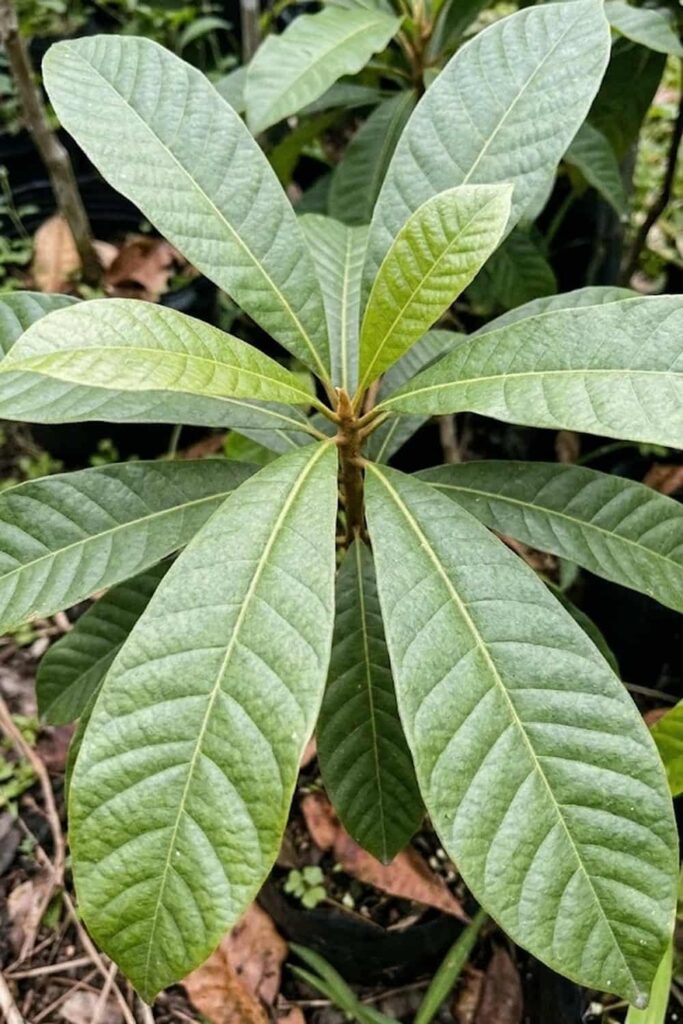
When you decide to grow this magnificent tropical tree, your first critical decision is selecting the right planting material. I cannot emphasize enough that you should plant a grafted tree rather than starting from a seedling. If you are patient, you can expect fruit from a grafted specimen in about three to five years. In stark contrast, seedling trees are a gamble; they often take up to a decade to mature, and the fruit quality is highly unpredictable. I have seen gardeners wait seven years only to harvest fruit that is fibrous and lacks that signature sweet, creamy texture. Stick with known cultivars. ‘Pantin’ is excellent for beginners due to its high productivity, while ‘Magaña’ produces exceptionally large fruits that represent a true rewarding achievement for any home grower.
Ideal Soil Mix for Tropical Sapotes
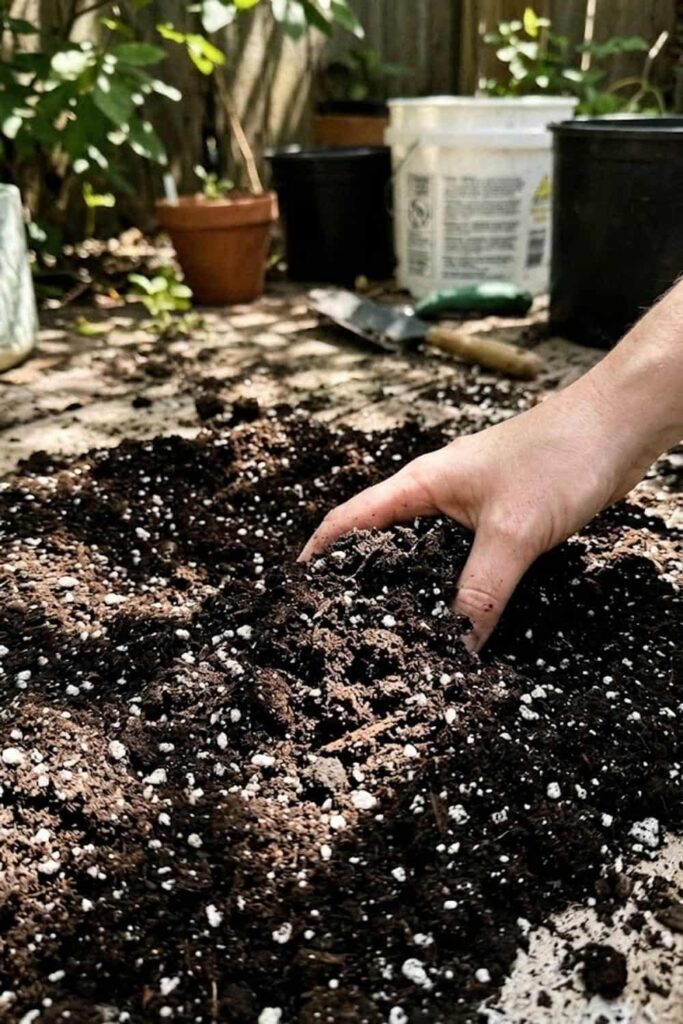
Creating the right soil mix is paramount for the health of your tree. You are aiming for a blend that provides excellent drainage while retaining appropriate moisture levels. In my experience, these trees despise “wet feet,” meaning standing water around the roots will quickly lead to root rot and ultimately kill the plant. I have found that a mix containing substantial amounts of organic matter helps mimic their native rainforest environment. You can achieve this by mixing your native soil with generous amounts of compost. If you have heavy clay soil, you must amend it significantly or, better yet, plant your tree on a mound. A well-draining environment ensures the complex root system can access both water and necessary oxygen. You want to avoid dense soils that compact easily, as this suffocates the roots.
Optimizing Drainage for Root Health
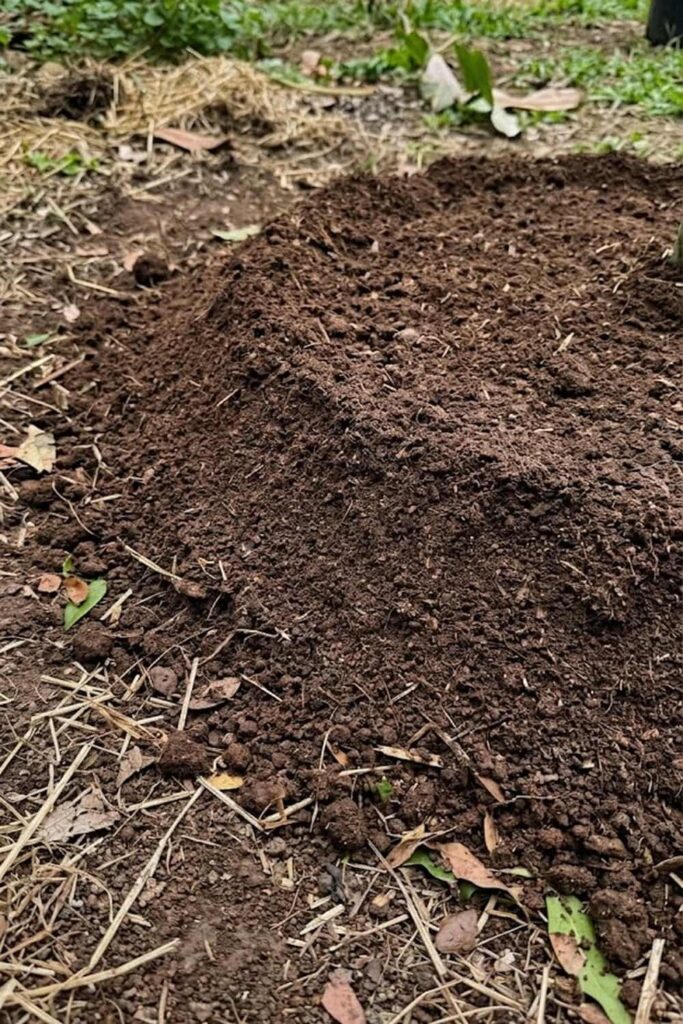
Drainage is arguably the most critical aspect of preventing failure with this tree. I know you might be tempted to treat it like a typical backyard fruit tree, but its rainforest origin means you must treat its roots with extra care. These trees rely on a shallow but expansive root system to gather nutrients and water. When drainage is poor, the oxygen in the soil is displaced by water, creating anaerobic conditions that are perfect for harmful pathogens. I have personally lost a promising tree to Phytophthora root rot because I didn’t sufficiently mound the planting site in heavy soil. Do not let this happen to you. If you suspect your soil drains poorly, you must implement a plan to improve it. In heavy clay areas, planting your tree on a berm or mound that is at least 3 feet high and 6 to 10 feet in diameter is essential. This elevates the core root zone above the saturation point during heavy rains. You should observe water moving away from the trunk, never pooling around it.
Temperature and Cold Protection Strategies
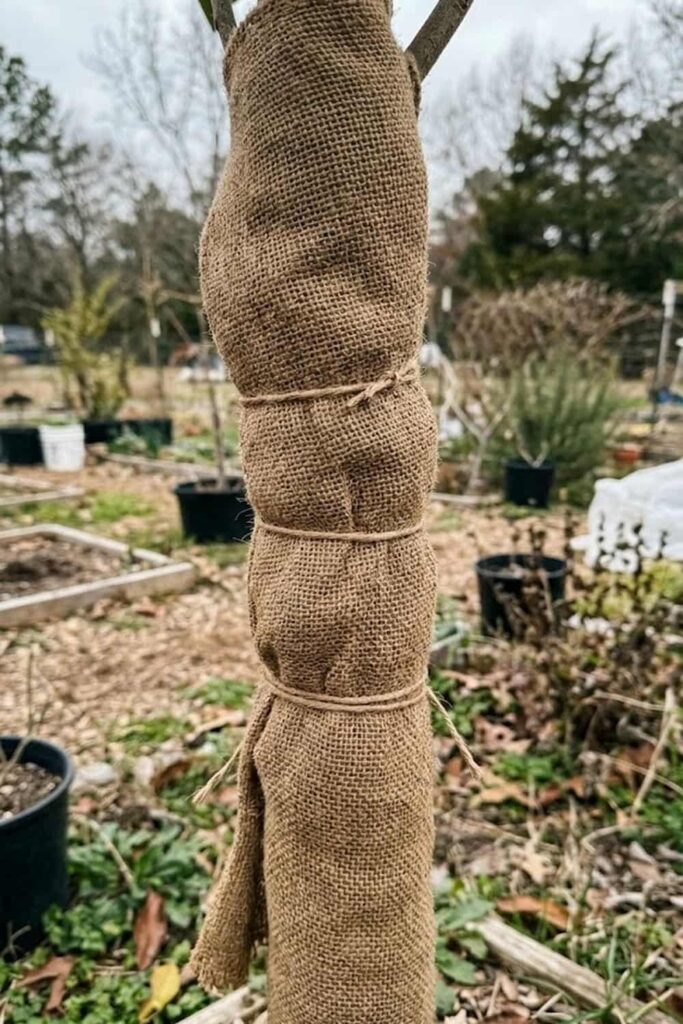
Protection from cold is your most demanding task if you are growing outside of the humid tropics. You must understand that Mamey trees are ultra-tropical; they have zero tolerance for frost. I’ve seen beautiful, established trees severely damaged by just a few hours of 28°F temperatures. You need a reliable plan for winter. If you live in a marginal climate, such as USDA Zone 9 or 10a, you must prepare before the first cold snap arrives. Wrapping the trunk with insulating materials, using frost blankets, and even adding a heat source like incandescent Christmas lights under the cover can save your tree. In my own garden, I monitor the forecast closely and am ready to deploy these active defense measures the moment temperatures are predicted to dip below 35°F. For younger trees, a temporary greenhouse structure built around them for the winter months is an excellent investment. Remember, it is far easier to prevent cold damage than to help a tree recover from it.
Light Requirements for Maximum Fruit Set
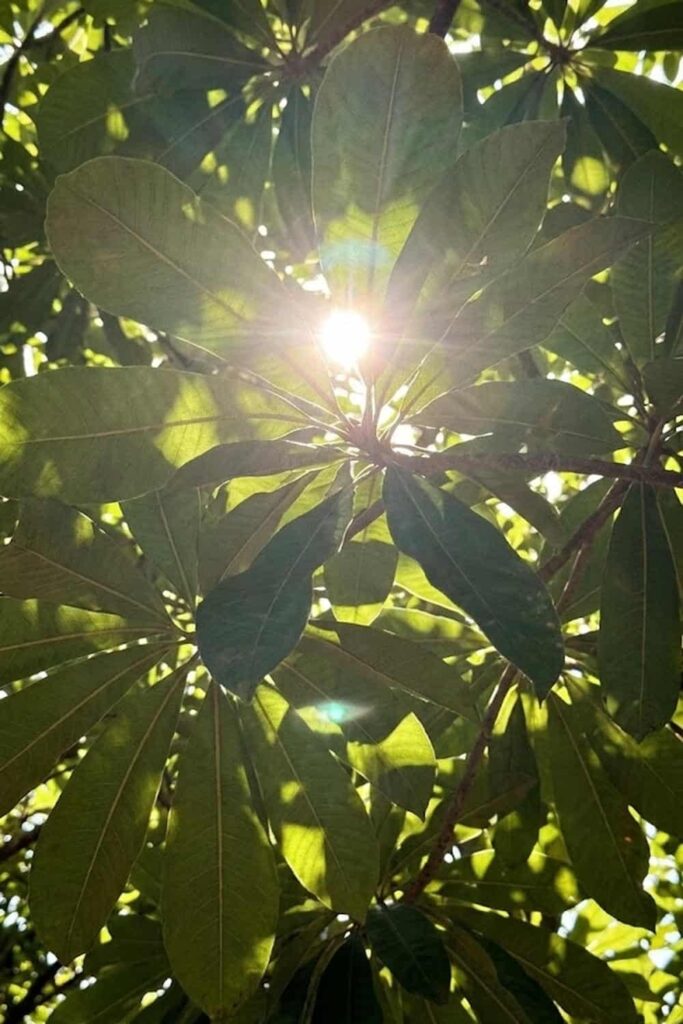
Light is the fundamental energy source that drives both the vegetative growth and the massive reproductive effort required to produce a Sapote fruit. You are not going to get good production if your tree is stuck in the shade. These trees require full, direct sun for the majority of the day to reach their full potential. In my experience, trees that receive at least 8 to 10 hours of bright, unfiltered sunlight daily are far more productive and healthier than those grown in partial shade. While they can survive in less-than-ideal light, your goal is to harvest fruit, not just grow a nice-looking tree. When you are deciding on a planting site, you must choose the brightest spot in your garden. I find that a south-facing exposure is ideal. Sunlight maximizes the tree’s photosynthetic capacity, which directly influences the number of flowers produced and, critically, how many of those flowers successfully develop into mature, harvestable fruit. A tree grown in proper light will have a dense canopy and strong structure, supporting the weight of its large, heavy fruits.
Watering Schedules for Mature Trees
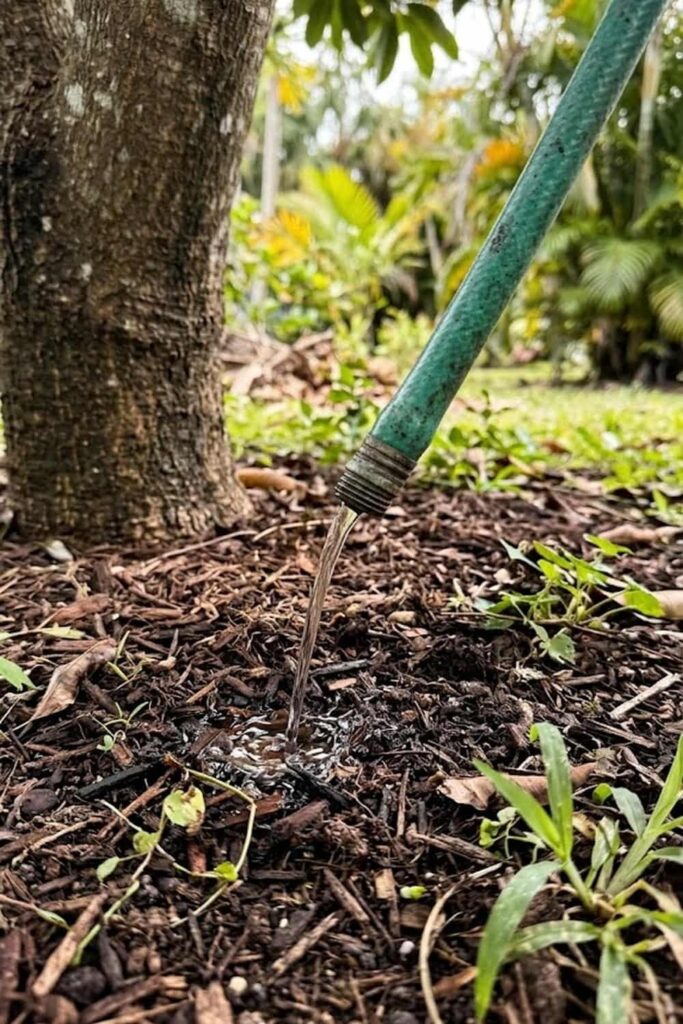
Watering is a task you must manage with careful observation. While I emphasized that young trees need consistent moisture, your strategy must shift as the tree matures and its root system establishes deep topical anchor roots. Mature Mamey Sapote trees actually possess moderate drought tolerance, but allowing them to suffer significant moisture stress will severely impact fruit production. I have found that the most critical times for irrigation are during flowering and fruit set. If the tree does not receive adequate water during these periods, it will protect itself by dropping flowers and young fruit. In my garden, I use a simple visual check: if the top two inches of soil are completely dry, it’s time to water. You should aim for a deep, infrequent watering schedule that saturates the root zone, rather than frequent, shallow sprinklings that only wet the surface. This encourages roots to grow deeper, making the tree more resilient to dry spells. Remember, standing water is still the enemy, so always verify that your soil is draining effectively before applying more water.
Fertilizing for Nutrient-Dense Growth
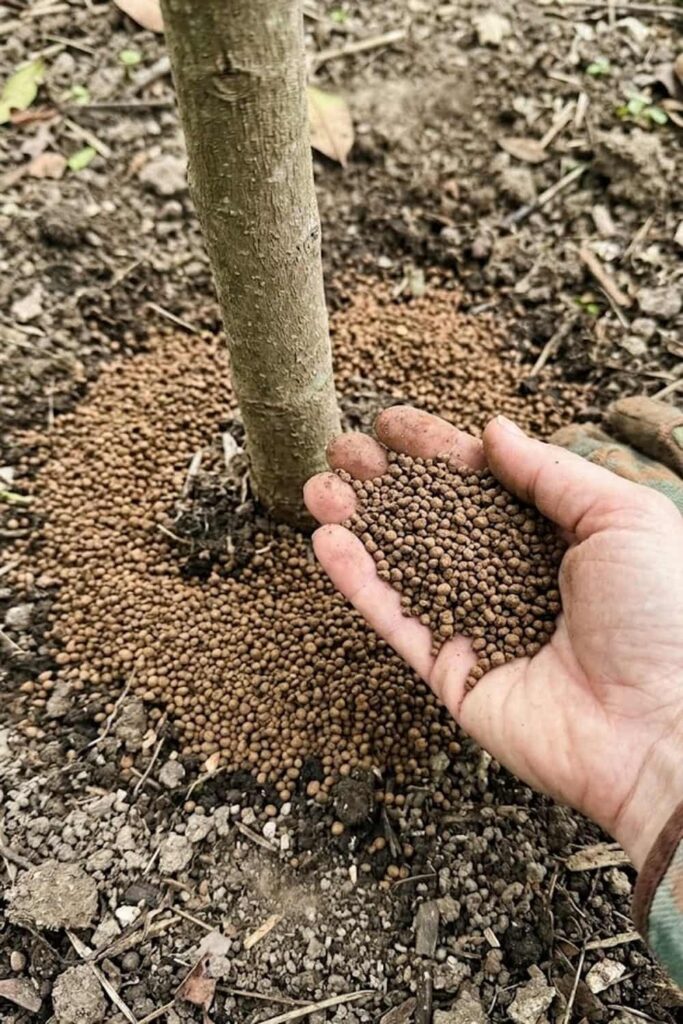
Fertilizing is your method for ensuring the tree has the specific nutrients required to fuel its vegetative expansion and, critically, fruit production. I cannot overstate how energy-intensive it is for a tree to create multiple five-pound fruits that take over a year to mature. To support this massive effort, you must provide regular nutrient inputs. I recommend utilizing a quality granular fertilizer with an 8-3-9 NPK ratio. The higher potassium (the ‘9’) is especially important for fruit development and overall tree health. In my experience, a consistent feeding schedule delivers the best results. You should apply fertilizer three times per year: first in March before the spring growth flush, second in June to support fruit development, and third in October to prepare the tree for winter. I find that skipping the final application often leads to weaker, cold-sensitive growth. Always apply fertilizer granules evenly around the drip line of the canopy, never against the trunk, and water it in thoroughly. You must avoid over-fertilizing, which can cause nutrient burn and pollute groundwater.
Managing Soil pH for Nutrient Uptake
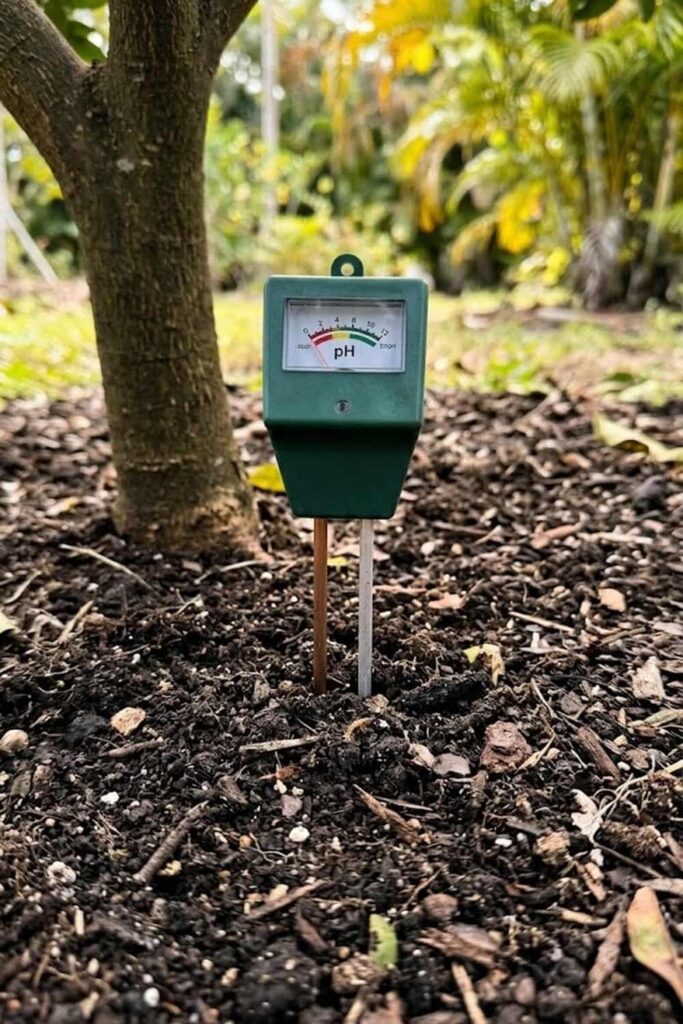
pH is a factor you must understand because it dictates the availability of specific micronutrients in your soil mix. Even if you apply the best fertilizer, the tree cannot absorb necessary minerals if the soil is too alkaline or too acidic. Mamey Sapote trees thrive in a neutral to slightly acidic pH range of 6.0 to 7.0. I have learned through trial and error that failing to manage pH can lead to micronutrient deficiencies, particularly of iron and manganese. These deficiencies manifest as interveinal chlorosis, where the leaves turn yellow while the veins remain green, indicating that you have a problem. In my own garden, I test the soil pH annually using a reliable meter. If your test reveals that the soil is too alkaline (common in limestone-rich areas), you must actively decrease the pH by incorporating elemental sulfur or applying chelated micronutrients directly to the soil or foliage. Regularly monitoring and adjusting pH ensures your nutrient applications are not wasted and your tree can achieve maximum vitality.
Pruning for Size and Accessibility
Pruning is a task you must embrace to keep your tree manageable and productive in a home garden setting. If you allow them, Mamey Sapote trees will grow extremely large, making harvesting an almost impossible chore without professional ladders. Therefore, your main goal is to manage the overall height, ideally keeping it around 15 feet. I have learned that active size management also simplifies other tasks like pest control and cold protection. The best time for major structural pruning is in the late spring or summer, after harvesting the fruit. You should focus on removing any vertical, vigorous “water sprouts” that contribute little to fruit production. I also recommend thinning out inward-growing branches that clutter the canopy and reduce necessary light penetration and airflow. This open-center approach decreases humidity in the canopy, which helps in prevention of fungal diseases. Regular maintenance pruning of younger branches throughout the year is less stressful for the tree and easier for you to manage.
Mulching for Moisture Retention
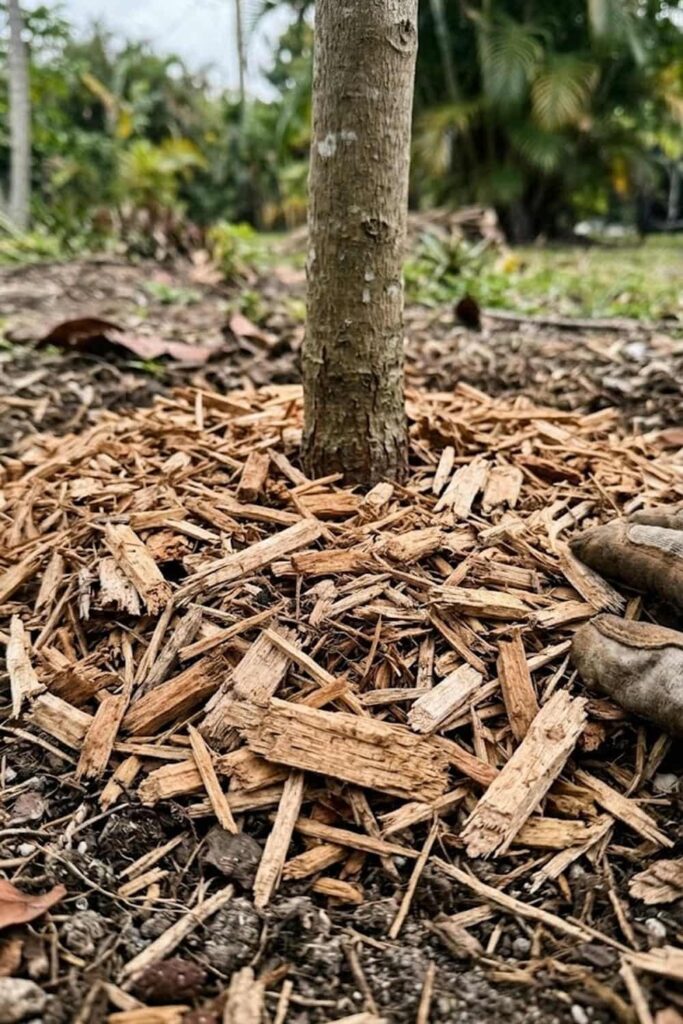
Mulching is an essential practice that delivers multiple benefits for your tree’s health. I have found that a generous layer of organic mulch is one of the single most effective ways to manage soil moisture and temperature, mimicking the natural forest floor environment where Mamey Sapote evolved. By applying a 3- to 4-inch layer of organic material—like wood chips, cypress bark, or coarse compost—around the root zone, you create an insulating blanket. This protection reduces soil water evaporation by up to 70%, which is incredibly useful during hot, dry periods and significantly lowers your watering workload. In my own garden, I find that mulched trees grow faster and suffer less stress than unmulched trees. Crucially, as the organic mulch decomposes over time, it feeds the soil mix with valuable organic matter, improving the drainage, aeration, and nutrient-holding capacity of the soil. You must ensure you keep the mulch several inches away from the tree trunk itself to prevent moisture buildup and potential collar rot.
Monitoring for Common Pests
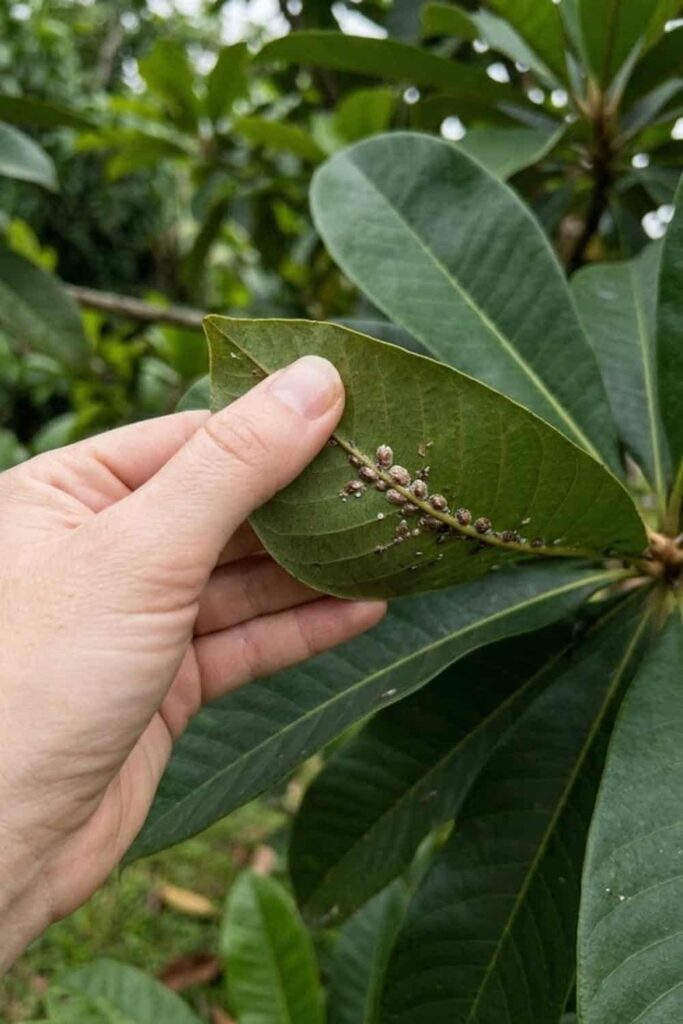
Monitoring is your best defense against the various insects that can impact the health of your tree. While Mamey Sapote is relatively hardy, it is not completely immune to infestations. You must regularly inspect your tree, focusing particularly on the tender new growth and the undersides of the leaves. I have learned that catching a pest problem early makes control much simpler and prevents significant damage. One common pest you might encounter is the sugarcane rootstalk borer (Diaprepes abbreviatus), whose larvae can severely damage the root system. You should look for notched leaf edges, which indicate adult feeding. In my experience, simple physical removal of adult beetles in the early morning can be an effective control method for small infestations. Keep an eye out for aphids and scale insects, which can weaken the tree and excrete honeydew that leads to sooty mold. Regularly monitoring your tree ensures you can act quickly before a minor issue becomes a major problem.
Disease Control and Prevention
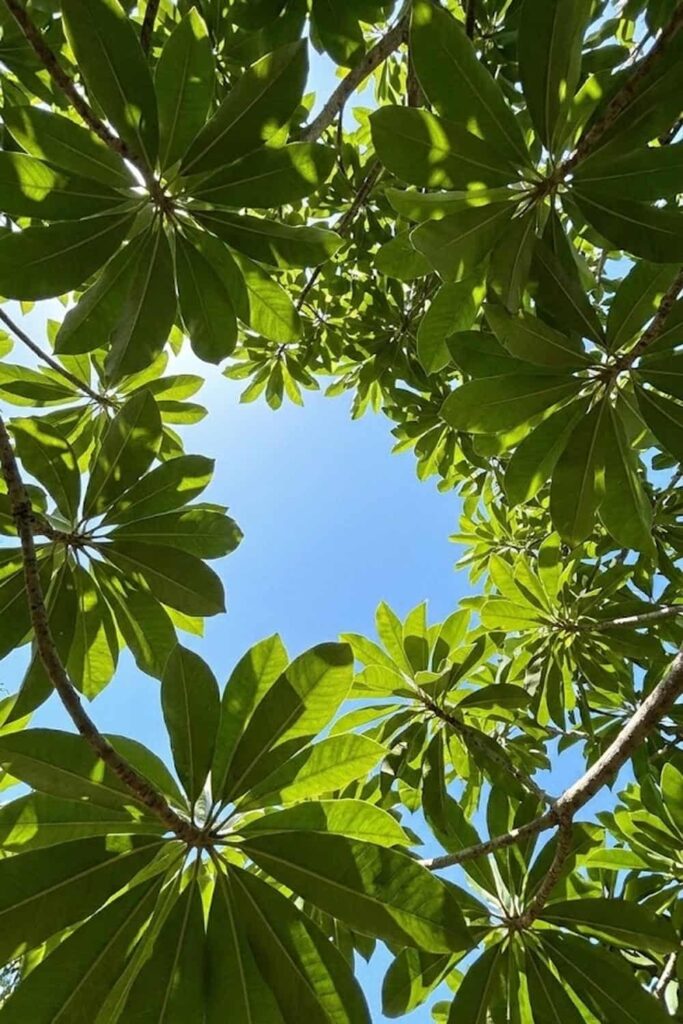
Prevention is the absolute key to managing diseases effectively with Mamey Sapote, as established fungal infections can be difficult to treat in tropical climates. The main disease threats are anthracnose, which attacks flowers, young fruit, and new leaves, and root rot. I have learned that creating an environment that is less favorable for fungal pathogens is your best strategy. You should ensure proper tree spacing when planting and use pruning to keep the canopy open and allow for adequate ventilation and light penetration. This active airflow helps the leaves and fruit dry quickly after rain or dew, reducing the chance of spore germination. You must avoid over-watering and maintain excellent soil drainage to prevent the anaerobic conditions that root rot pathogens thrive in. In my own garden, I find that a proactive approach, including the use of preventive copper fungicides during especially wet periods, can deliver peace of mind and protect my future harvest.
Propagation Techniques: Seed vs Graft
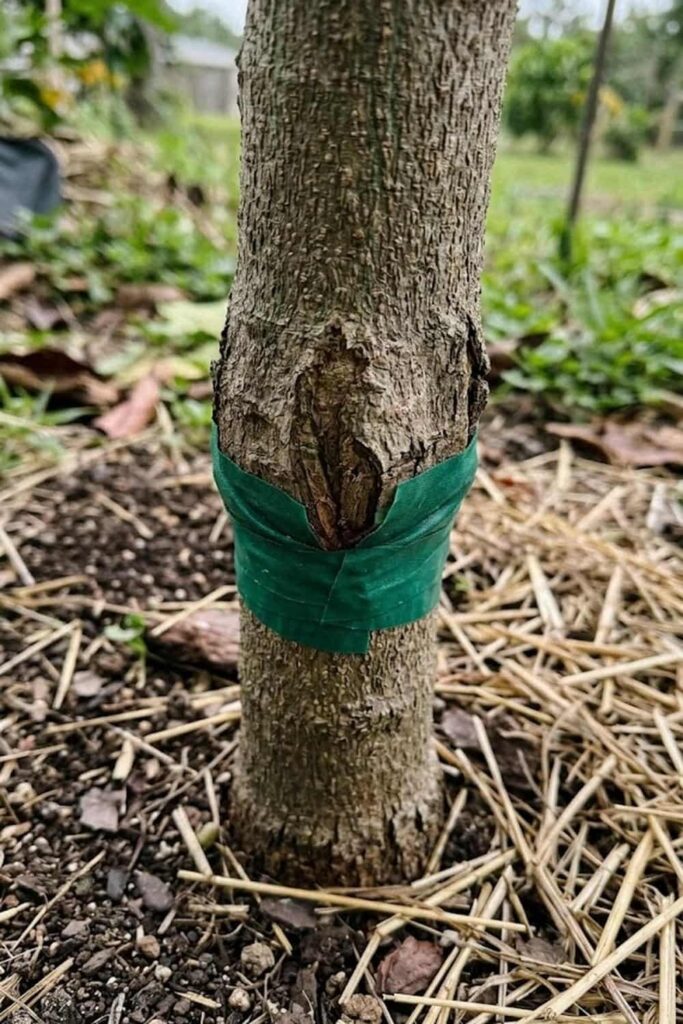
Propagation is a choice you must make that directly impacts how long you will wait to enjoy your first harvest. When considering how long does it take to grow Mamey Sapote fruit from seed, the standard timeline is a challenging seven to ten years, and you will not have any guarantee of fruit quality. I find that this massive investment of time and resources is rarely worthwhile for the home gardener. In stark contrast, starting with a grafted tree from a reputable nursery can deliver excellent fruit in just three to five years. Grafting is a technique where a shoot (the scion) from a known, high-quality variety is fused onto a strong seedling rootstock. If you are patient and want to expand your orchard, you can even learn complex propagation methods like veneer grafting or air layering. I strongly advocate that you should use a grafted tree for your main planting, ensuring you are not wasting years of effort on an unpredictable seedling.
Harvesting the Perfect Fruit
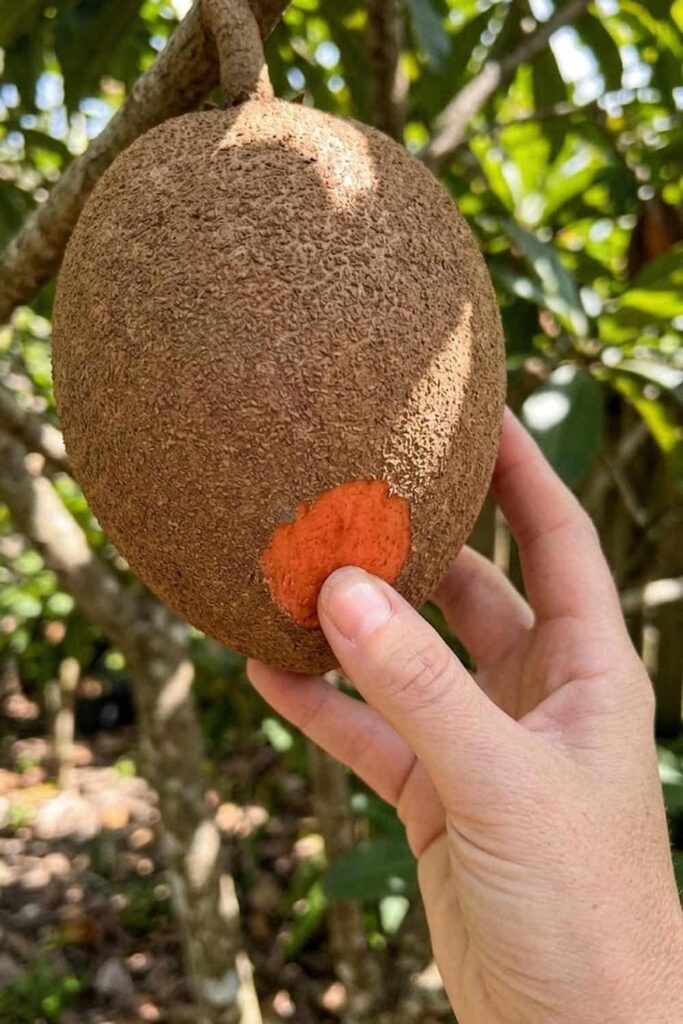
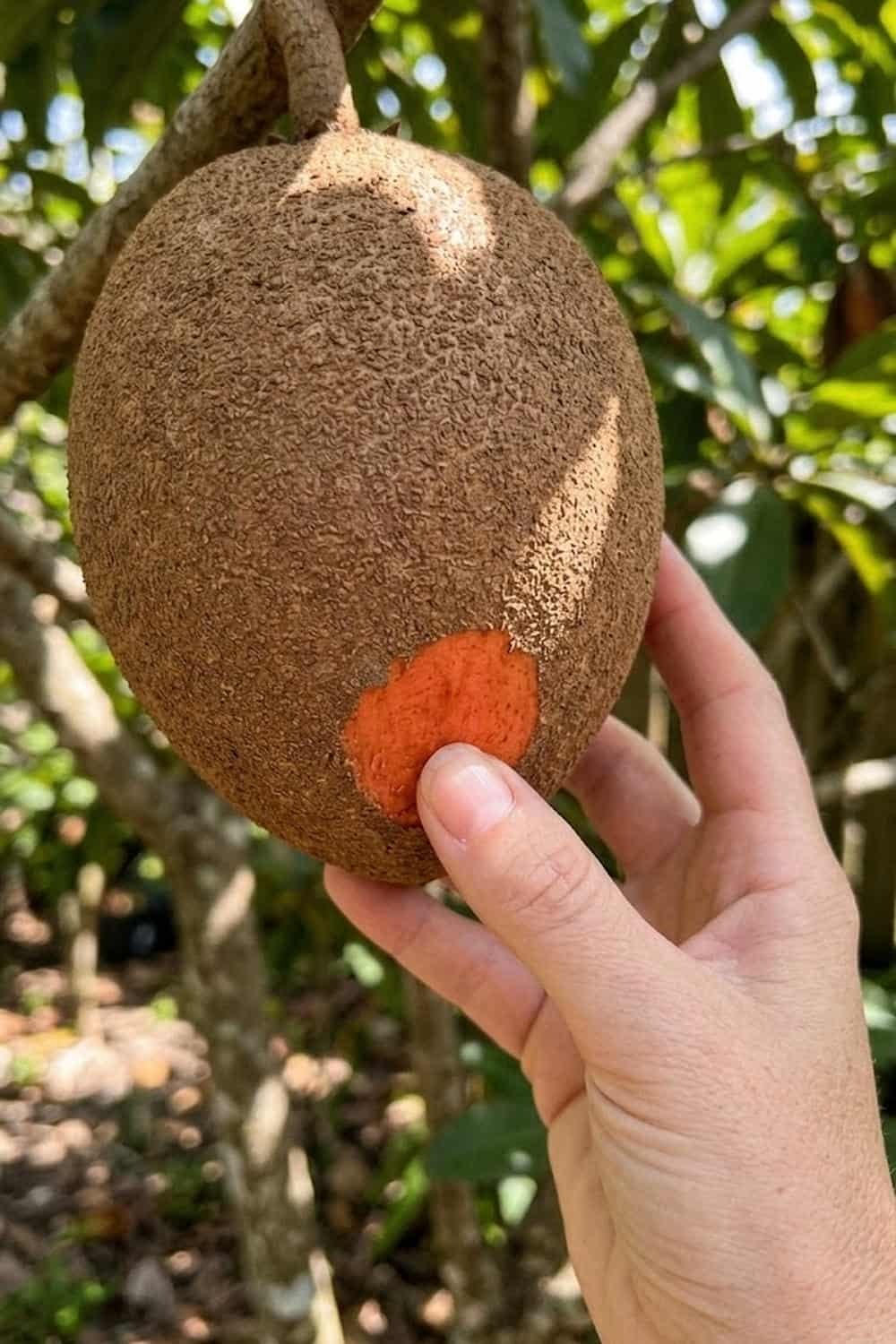
Harvesting is arguably the most rewarding aspect of cultivating this unique tropical treasure. However, because the fruits take so long to mature (sometimes up to two years) and do not significantly change color, knowing exactly when to pick them is a critical skill. I have learned that you cannot rely on visual cues alone; you must actively test for maturity. To verify that a fruit is ready, perform a “scratch test”: lightly nick the brown, sandpaper-like skin with your fingernail. If the flesh underneath is still green, you must wait. If, however, the scratch reveals a deep salmon-orange color, the fruit is mature. Once you identify mature fruit, clip them carefully from the tree, leaving a short stem (peduncle) attached. I recommend picking only one or two at a time and allowing them to ripen indoors, ensuring you never have more ripe, ready-to-eat fruit than you can enjoy. This precise approach to harvesting makes certain that you always experience the Mamey Sapote at its peak flavor and texture.
Storage and Ripening Tips
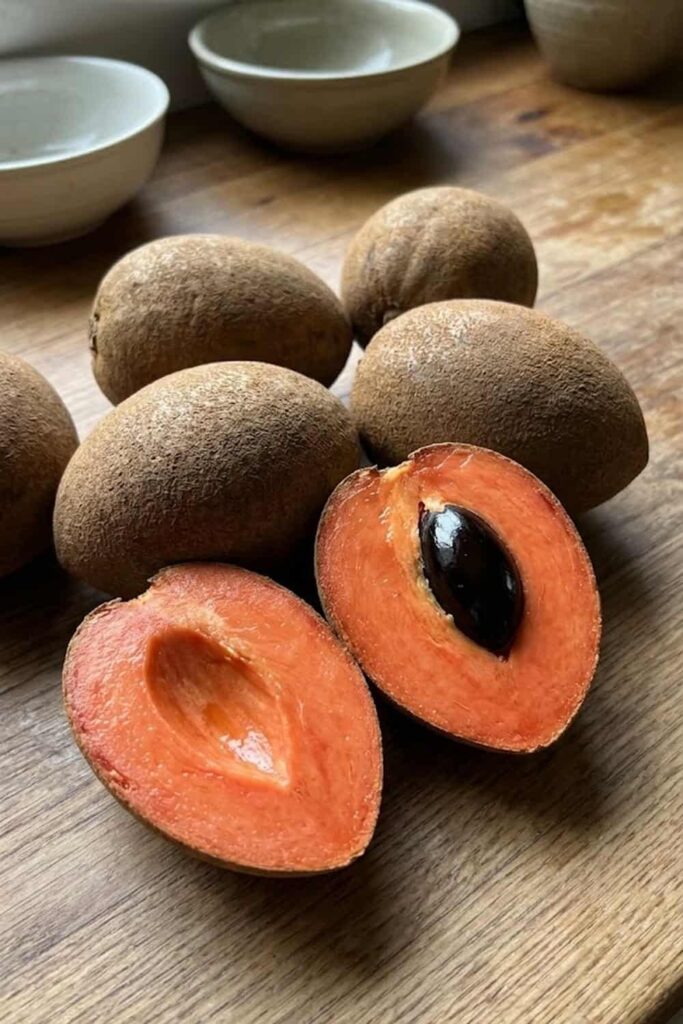
Storage of the mature, harvested Mamey Sapote is the final crucial step before you can indulge in its unique, creamy texture. Remember, unlike some fruits that ripen on the tree, these must be ripened on the counter after being picked. You should store the harvested, hard fruit at room temperature in a spot away from direct sunlight. I have found that placing them in a paper bag can accelerate the ripening process by trapping the natural ethylene gas they emit. Depending on the level of maturity when picked, this softening phase usually takes three to ten days. You will know it is ready when the entire fruit yields to gentle pressure, similar to a ripe avocado. I find that checking them daily is essential to prevent over-ripening. Once ripe, you can keep the fruit in the refrigerator for up to a week, but the real advantage lies in long-term storage: scoop out the rich, orange pulp and freeze it. Ripe Mamey pulp freezes exceptionally well and is a perfect ready-to-use ingredient for smoothies, milkshakes, and homemade ice cream, allowing you to enjoy your harvest all year round.
Growing Your Tropical Treasure: Mamey Sapote FAQ
I know that embarking on the journey to grow this incredible fruit brings up many questions. It’s a significant commitment of time and space, and you want to ensure you are on the right path. Over the years, I’ve heard many of the same concerns from fellow gardeners, and I want to provide you with direct, empathetic answers based on my experience cultivating Pouteria sapota. My goal is to make your path to success as smooth and rewarding as possible.
General Care and Requirements
How to grow Mamey Sapote fruit from a grafted tree? This is the single most important decision you can make for success. Purchase a high-quality grafted variety, such as ‘Pantin’ or ‘Magaña’, from a reputable nursery. You are bypassing the decade-long wait and unpredictability of seedlings. Once you have your grafted tree, plant it in the brightest spot in your garden, as these require full sun. Focus on creating an initial soil mix that is extremely well-draining, potentially planting on a mound if you have heavy clay. Maintain a consistent fertilizing and watering schedule, especially during the first few years as the root system establishes. With proper care, you can expect fruit in as little as three to five years.
What is the best soil pH for growing Mamey Sapote fruit trees? I have found that these trees are highly sensitive to pH levels. They thrive in a neutral to slightly acidic environment, ideally between 6.0 and 7.0. If your soil is too alkaline (above 7.0), which is common in areas with limestone bedrock, the tree will struggle to absorb essential micronutrients like iron and manganese. You will see this manifest as yellowing leaves with green veins. Do not let this happen to you. Test your soil pH annually and be prepared to amend it with elemental sulfur or use chelated micronutrients if the level is too high.
Addressing Time and Climate Concerns
How long does it take to grow Mamey Sapote fruit from seed? I have often seen gardeners tempted by the large, beautiful seeds, but you must be prepared for a long wait. Growing from seed typically requires seven to ten years before the tree produces its first fruit. And here is the real agitation: there is no guarantee the fruit will be any good. It might be small, fibrous, or completely lacking the creamy sweetness of the parent fruit. For this reason, I strongly advise that you respect your own time and effort and choose a grafted tree for your main orchard planting. Use seedlings only for fun or as rootstocks if you plan to learn the art of grafting.
Can I grow Mamey Sapote fruit in USDA zone 9? I know many of you live in Zone 9 and desperately want to grow these tropical gems. The direct answer is yes, you can, but with a major if: if you are willing to provide significant protection. Zone 9 gets frost, and frost will severely damage, or even kill, a Mamey tree, especially a young one. I have personally seen hours of effort lost to a single cold night. To succeed in Zone 9, you must plant your tree in a highly protected microclimate, perhaps against a south-facing wall. You need to have frost blankets, trunk insulation, and potentially even a heat source (like C9 Christmas lights) ready to deploy whenever a freeze is forecast. Alternatively, consider growing a grafted tree in a large container that you can move to a covered, frost-free location during winter.
I hope these direct, helpful answers boost your confidence. Growing how to grow Mamey Sapote fruit is a uniquely rewarding experience, and having the right information is your key to success. You are not just growing a tree; you are cultivating a future harvest of one of the world’s most incredible flavors.








