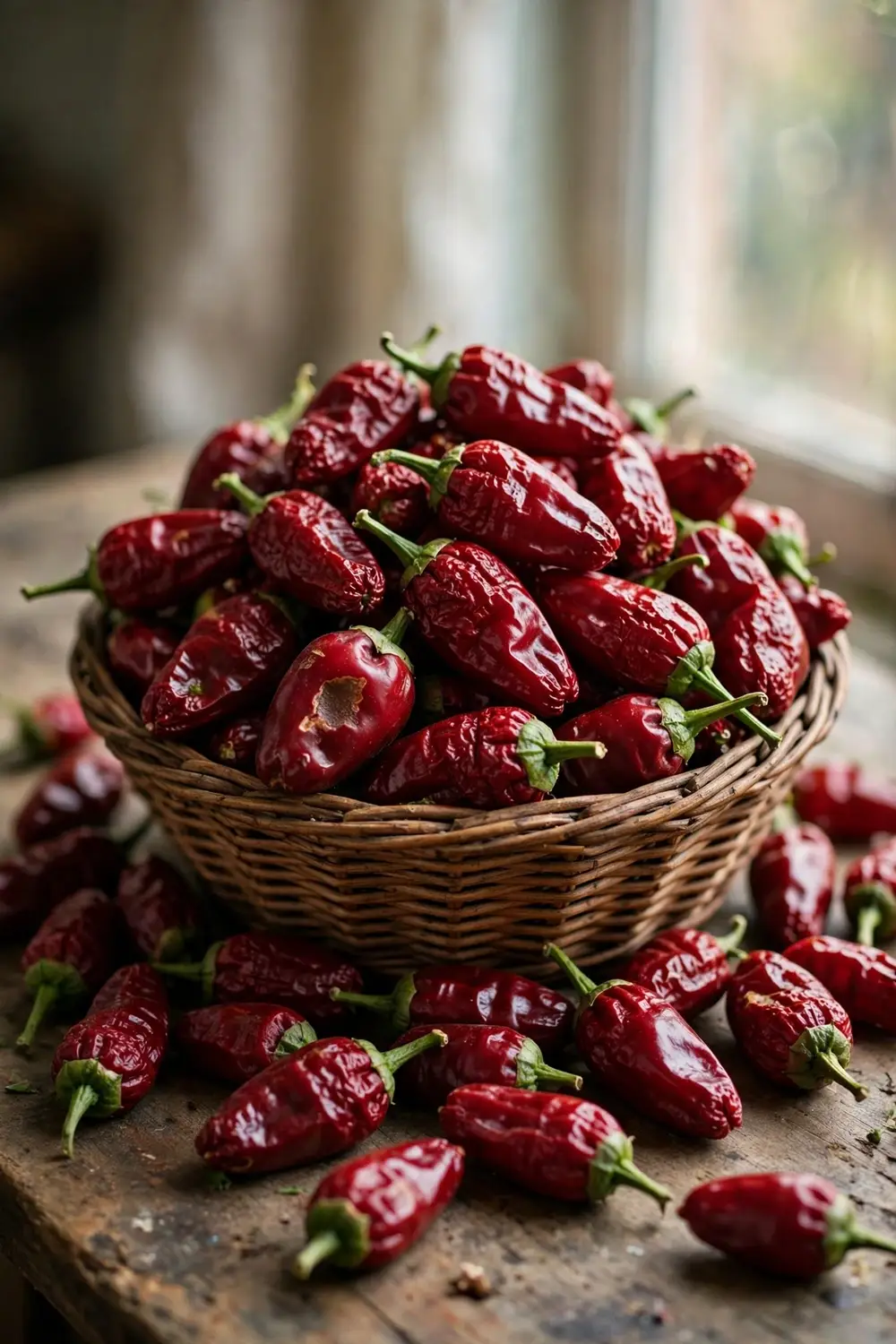

A Kashmiri chilli plant needs 90 to 110 days of warm weather to give you pods, and the pods are grown for their deep red color, not for heat. That single fact decides everything about how you grow it. Learn how to grow Kashmiri chilli from India in a pot or a garden bed, and the harvest is a basket of mild, crimson pods built for curries, tandoori marinades, and homemade chilli powder.
Start seeds indoors 6 to 8 weeks before your last frost, move seedlings out only when nights stay above 60°F, and let every pod ripen to full red on the plant before picking. The color deepens in the final week of ripening, so early green picks cost you exactly what this chilli is famous for.
This is not the same lane as the bhut jolokia article on this site. That plant is Capsicum chinense and it is grown for scorching heat. Kashmiri chilli is Capsicum annuum, and it is grown for color. Grow them for different reasons, or grow only this one if your cooking needs crimson without the burn.
1. Know the Season Windows: When to Sow Kashmiri Chilli
Sow at the right time or the plants stall. In India, Kashmiri chilli seed packets list two sowing windows: May to June and September to November, matching the Kharif and Rabi rhythms of Indian agriculture. If you garden in a temperate climate, translate that into your own frost calendar instead of copying the months.
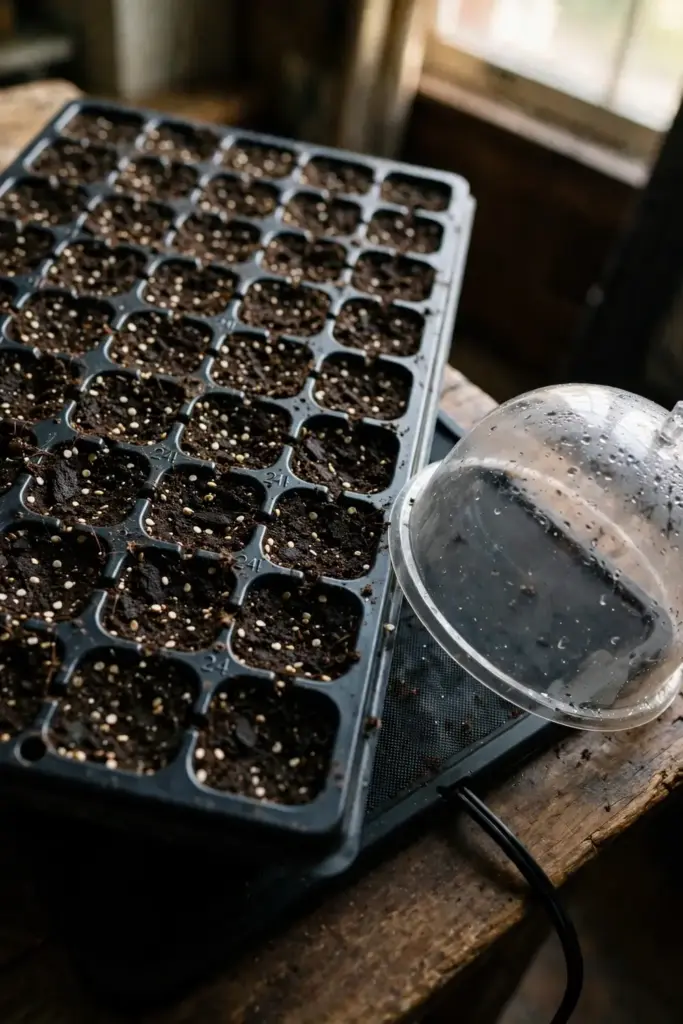
The practical rule for temperate growers is to sow indoors 6 to 8 weeks before the last expected frost, using a season calendar built around frost dates rather than copying the Indian months. Chilli seeds refuse to germinate in cool soil, so an indoor warm start beats any calendar date. Once seedlings are stocky and the weather holds warm nights, transplant them out. A late sowing is better than an early sowing that sits shivering in a cold tray.
Autumn planting in warm climates follows the Indian second window. Sow in September, grow through the mild winter, and harvest in spring. Wherever you garden, the target is the same: give the plant its full 90 to 110 days of warmth between transplant and first ripe pods.
2. Understand the Color-Not-Heat Promise
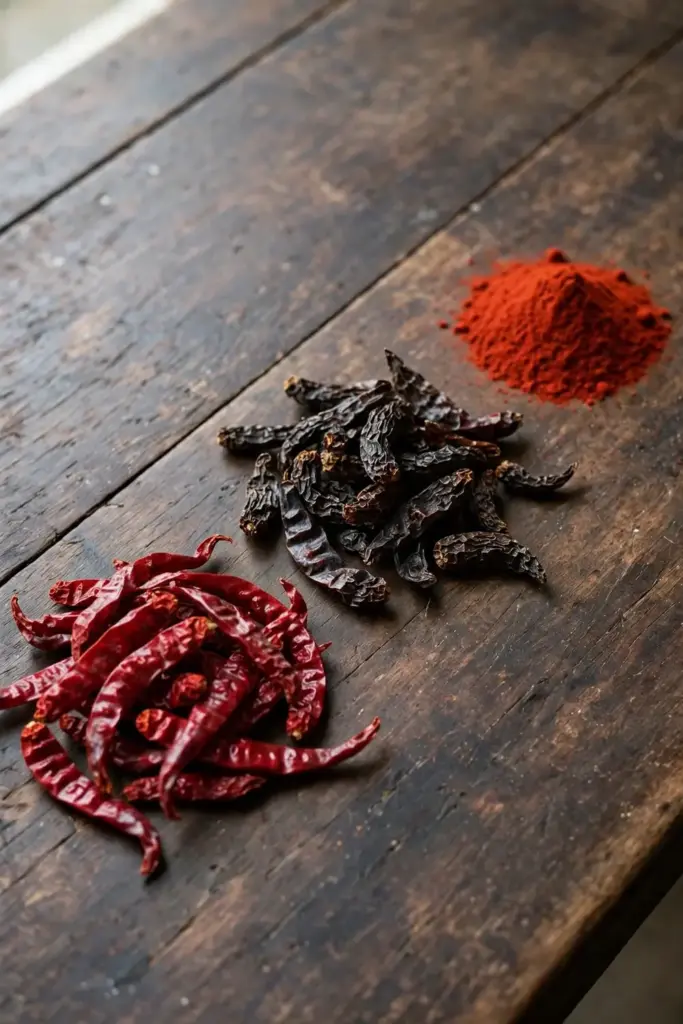
Kashmiri chilli is a color chilli. Its heat runs 1,000 to 2,000 Scoville Heat Units, which places it below a jalapeño and far below the chillies people buy for burn. What it offers instead is a rich, deep red that colors oil, gravies, and marinades a vivid crimson. I have learned that a full tablespoon of Kashmiri chilli powder turns a pan of oil red long before my mouth registers any real heat.
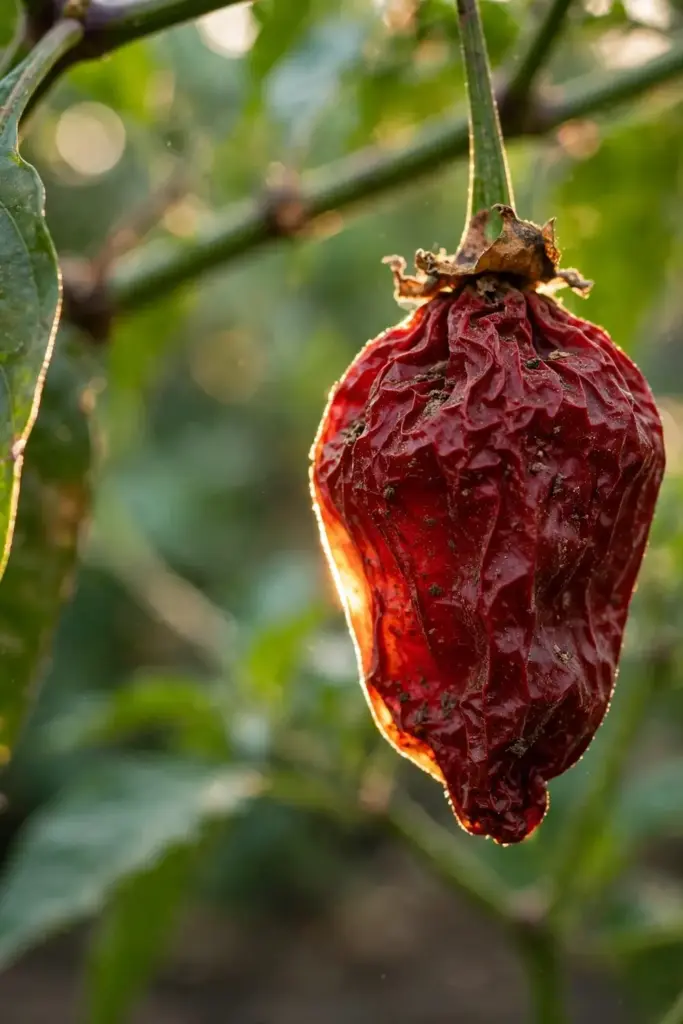
The trade grades this color in ASTA color units under the ASTA 20.1 method, a laboratory test that measures the extractable color of dried, ground pods. Export-grade whole Kashmiri red chillies test around 109 to 121 ASTA, which is why spice buyers pay a premium for the variety. When a packet of seed or a jar of powder promises “Kashmiri,” color is the claim being made, and heat is not.
3. Tell Kashmiri Apart From Byadagi and Paprika
The Indian spice market has more than one color chilli, and seed listings sometimes conflate them. Kashmiri mirch and Kashmiri chilli are the same thing, so buy under either name with confidence. Byadagi is a different color chilli from Karnataka, prized for color too, and some sellers blur the two. Paprika is the closest culinary substitute, but it is a different product with its own flavor profile.
| Chilli | Heat (SHU) | Color Role | Origin | Best For |
|---|---|---|---|---|
| Kashmiri | 1,000–2,000 | Deep crimson, ASTA 109–121 | Kashmir, India | Tandoori, rogan josh, curries |
| Byadagi | 500–3,000 | Deep red, wrinkled pods | Karnataka, India | Masalas, pickles, spice powders |
| Paprika | 100–1,000 | Red to orange-red | Hungary, Spain | Goulash, chorizo, garnish |
| Generic hot red chilli | 30,000+ | Heat first, color second | Various | Hot sauces, pickles |
The Scoville figures for Kashmiri come from a chilli variety database that ranks it at 1,000 to 2,000 SHU, in the mild column next to cascabel. The ASTA figures come from export laboratory certificates for whole red Kashmiri lots. If your plant produces pods that are only moderately red, the variety is still Kashmiri, but the harvest timing or drying was off, which the harvest section below covers.
4. Choose Open-Pollinated or Hybrid Seed
Kashmiri chilli seed comes in two forms, and the choice affects your second year. Open-pollinated seed grows true to type, so you can save seed from your best pods and plant them next season. Hybrid seed, sold as F1 in Indian seed shops, usually gives more uniform plants and heavier pod set in year one, but saved seed from hybrids will not grow true.
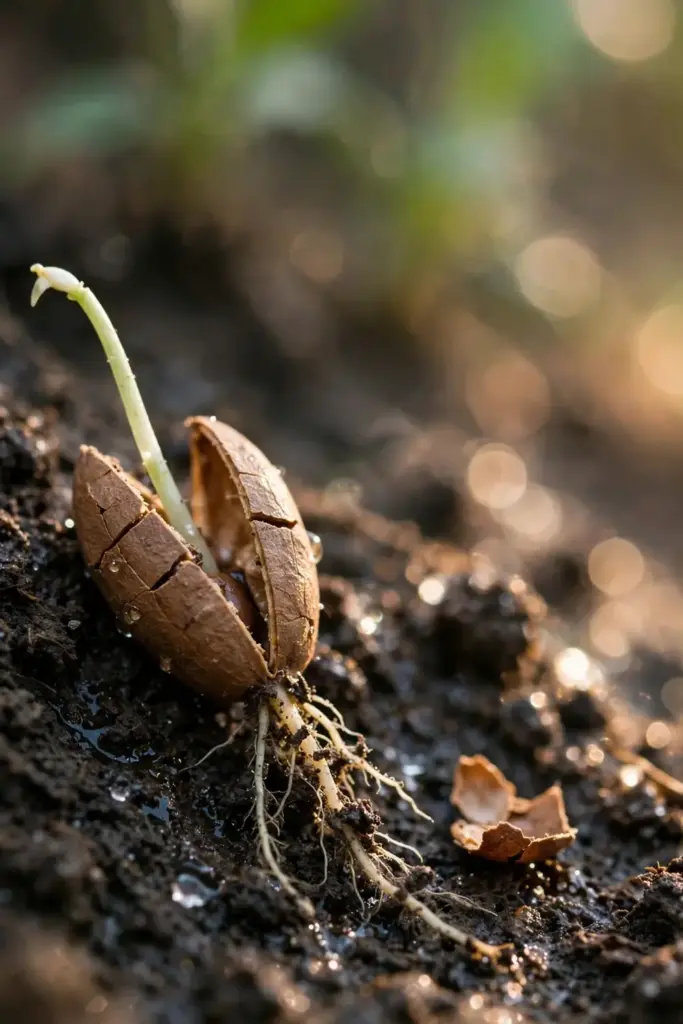
For a home grower, open-pollinated seed is the sensible default. You need only a few plants to fill a spice jar, and saving seed from your most colorful pods quietly selects for better color in your garden. Buy hybrid only if you want maximum uniformity or you are growing for a community kitchen garden where every plant must perform.
Buy seed from a seller that names the variety. Packets labeled only “red chilli” or “mirch” can hold anything. True Kashmiri seed grows plants 2 to 3 feet tall with elongated slim pods 3 to 6 inches long that ripen from green to deep red.
5. Start Seeds Indoors With a Heat Mat
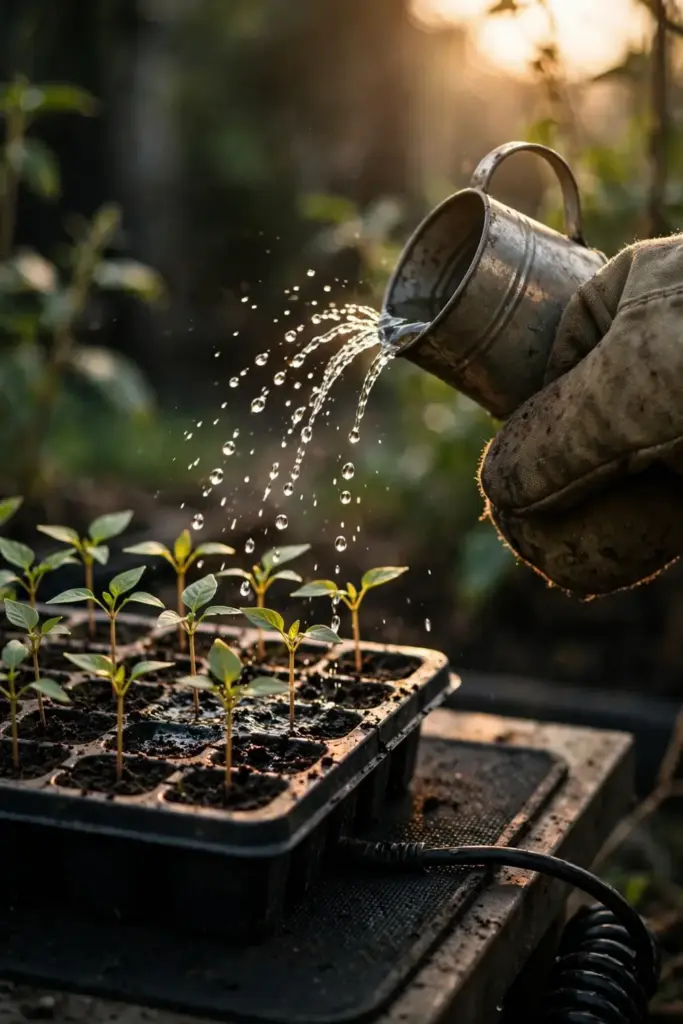
Kashmiri chilli seeds germinate only in warmth. Sow them a quarter inch deep in seed-starting mix, keep the soil at 70 to 85°F, and expect sprouts in 7 to 14 days. A heat mat under the tray is the single biggest upgrade a temperate grower can buy, because room-temperature sowing on a windowsill often adds two weeks of waiting.
| Step | Action | Time |
|---|---|---|
| 1 | Fill cells with moist seed-starting mix and sow 2 seeds per cell, 1/4 inch deep | Day 0 |
| 2 | Cover with a humidity dome and place on a heat mat at 75 to 80°F | Day 0 |
| 3 | Check daily for sprouts; remove the dome at first emergence | Day 7 to 14 |
| 4 | Move under bright light, 14 to 16 hours a day, and thin to the strongest seedling | Day 10 to 21 |
| 5 | Pot up to 4-inch pots when true leaves fill the cell | Week 3 to 4 |
Australian chilli-growing guidance puts the germination floor at 16°C and above, with 10 to 14 days expected in warm conditions and slower rates in the cold. That matches the home experience: the same seed packet can sprout in 8 days on a heat mat and take 20 days on a cool sill. Do not bury the seeds deeper than a quarter inch. Chilli seeds are small, and a deep sowing exhausts them before they reach light.
6. Transplant Only When Nights Stay Warm
Transplant seedlings out when they are 4 to 6 inches tall and nights hold above 60°F. Chilli plants do not forgive cold feet. A seedling moved out during a 45°F night stops growing for two weeks, and that delay costs you color at the far end of the season.
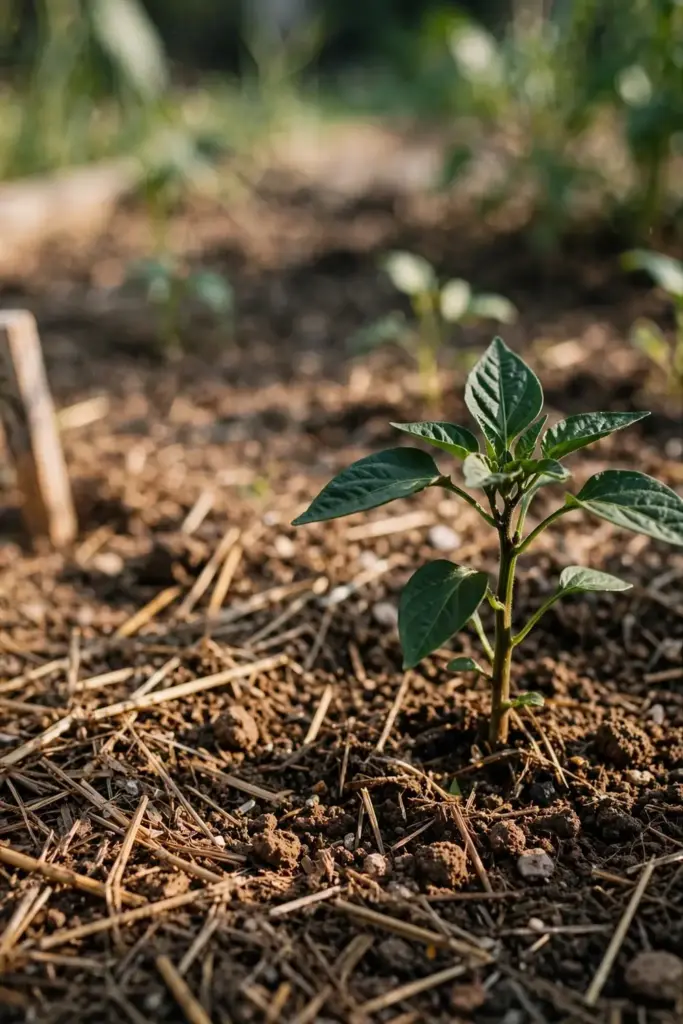
Space plants 18 to 24 inches apart with rows 24 to 36 inches apart in a bed. In containers, one plant per pot. Set the seedling at the same depth it grew in the pot, firm the soil gently, and water it in well. A week of hardening off before transplant, moving the pots outside for a few hours a day, prevents the sunburn and wind shock that kills so many spring transplants.
If your season is short, transplant into black plastic mulch or a dark container. The extra soil warmth buys you back a week of growth at the start of the season, and for a 90 to 110 day crop, a week matters.
7. Grow One Plant Per Pot: The Container Method
Kashmiri chilli grows well in containers, and for gardeners learning how to grow Kashmiri chilli from India in a cold climate, the pot is the main event. Choose a pot at least 12 inches wide with drainage holes, and use a well-draining potting mix combined with compost. Chilli-growing guidance from Australian growers recommends a deep pot at least 25 to 30 cm in diameter, which holds enough soil to carry a 2 to 3 foot plant through fruiting.
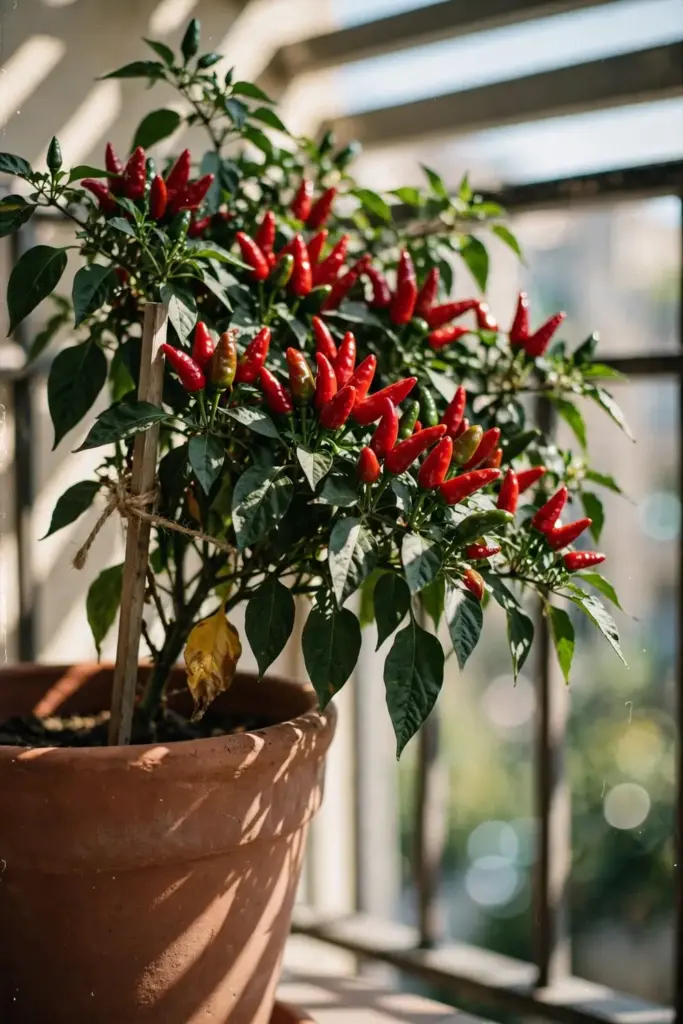
Place the pot where it gets 6 to 8 hours of direct sun a day. Balconies work if the railing does not shade the plants after noon. Water when the top inch of soil feels dry, and feed with a balanced liquid fertilizer every two weeks once flowers appear. Stake the plant when pods begin to swell, because a heavy pod set on a container plant leans hard.
One plant per pot is a rule, not a suggestion. Two plants in a 12-inch pot compete for water and both yield less than a single plant would. If you want more pods, add more pots.
8. Mix Soil That Drains and Feeds
Kashmiri chilli wants fertile, well-drained soil and a spot in full sun. Heavy clay that stays wet after rain invites the root diseases that end chilli seasons early. In a bed, work in several inches of compost before transplanting and make sure the site does not puddle. The same soil-health principles that protect every garden bed apply here: feed the soil biology and the plants follow.
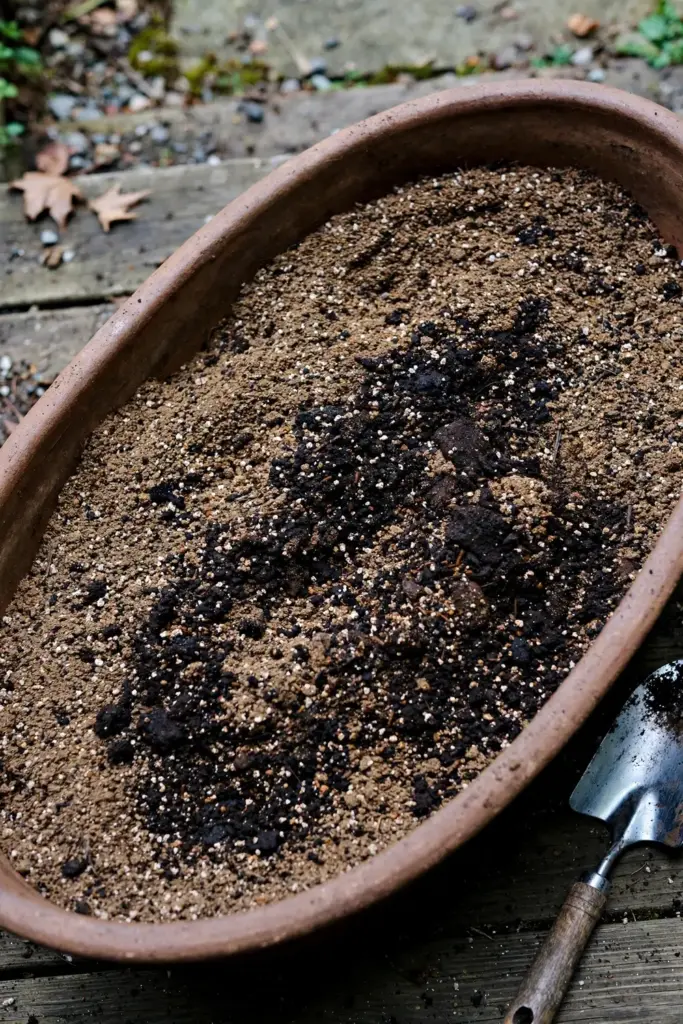
Container growers should use a quality potting mix, not garden soil, and blend in compost for nutrients. Indian container guides recommend a slightly acidic pH around 6.0 to 6.8 with a well-draining mix. Very alkaline tap water pushes pH up over time. Fight it with a yearly top-dress of compost.
Mulch beds with 2 to 3 inches of straw or shredded leaves after the soil warms. Mulch holds moisture steady and keeps soil from splashing onto leaves during rain, which is how many fungal spores reach the plant.
9. Water Deep and Let the Top Dry
Water chilli plants thoroughly, then let the top inch of soil dry before watering again. Consistent moisture grows steady plants, but soggy roots grow sick ones. In hot weather a container plant may need water daily, while a mulched bed plant may need it twice a week. The finger test beats any schedule.
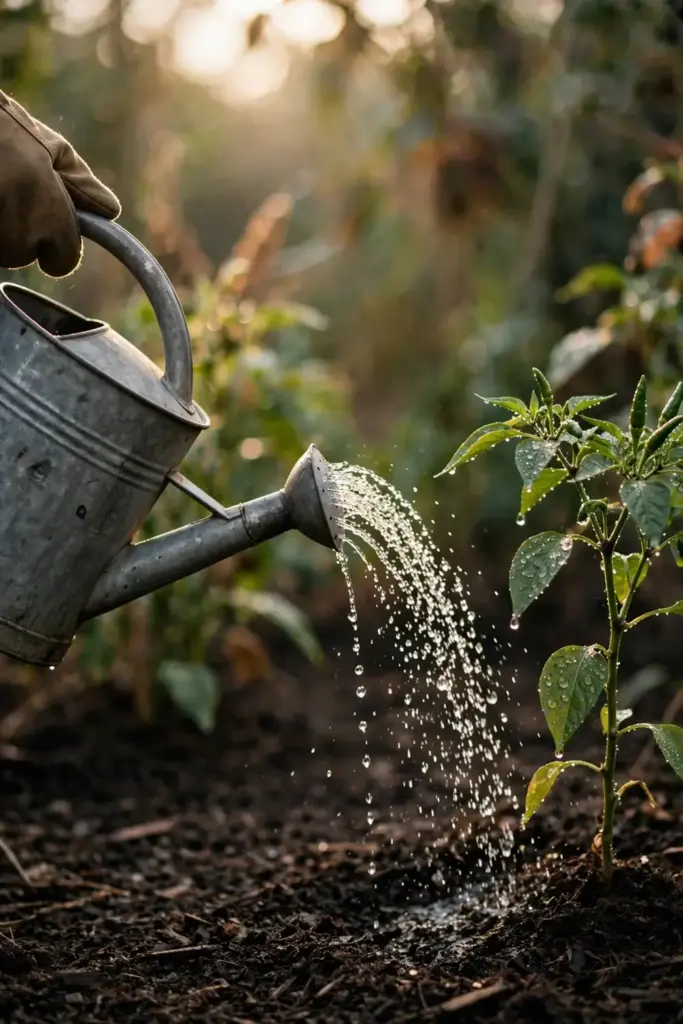
Water at the base of the plant, not over the leaves. Wet foliage invites fungal problems, and chilli leaves stay wet longer than you expect in still air. Morning watering is best because the leaves dry before night. If the leaves wilt in afternoon heat but recover by evening, the plant is fine. If they stay wilted in the morning, water immediately.
Cut back on water slightly as pods begin to color. A mild, even dryness in the final ripening weeks concentrates color and flavor. Never let the plant wilt to the point of dropping flowers, though, because dropped flowers are pods you will never harvest.
10. Feed for Flowers, Then for Pods
Feed Kashmiri chilli with a balanced fertilizer every two to three weeks during the growing season. A young transplant needs nitrogen for leafy growth, but once flowers appear the plant needs phosphorus and potassium for pod set and color development. A tomato or vegetable fertilizer with an even NPK works well through the season.
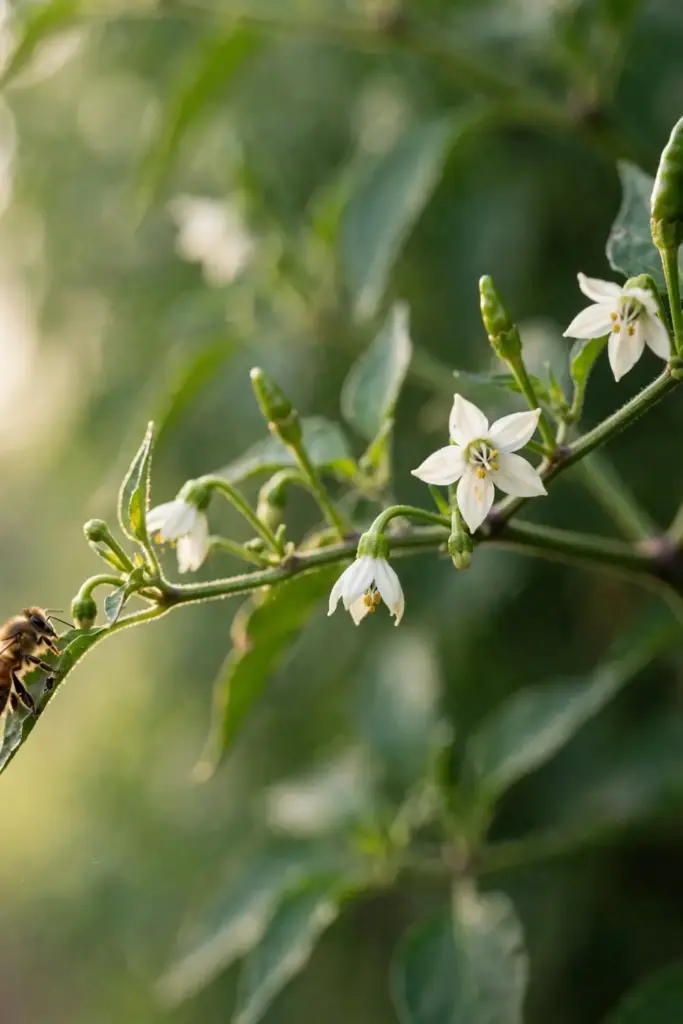
Container plants need feeding more often than bed plants because every watering washes nutrients out of the pot. A liquid feed every two weeks from first flower to last harvest keeps pods sizing up. Stop feeding a month before your expected first frost, since soft late growth is the first thing a cold night kills.
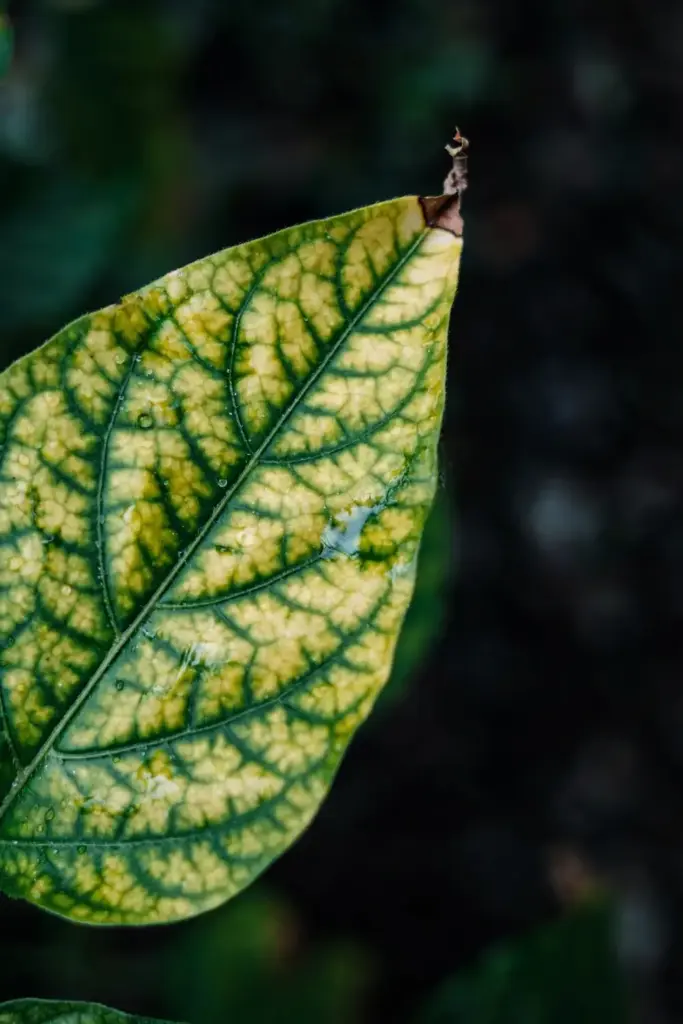
Watch the leaves for the feeding story. Deep green leaves and steady flowering mean the program is working. Pale yellow lower leaves with green veins can signal magnesium shortage, which a tablespoon of Epsom salts dissolved in a gallon of water corrects.
11. Stake Early and Prune Lightly
Stake every plant when the first pods begin to swell. Kashmiri plants grow 2 to 3 feet tall and carry dozens of pods, and a windstorm can snap an unstaked stem in half. A single bamboo stake tied loosely at two heights is enough for most plants.
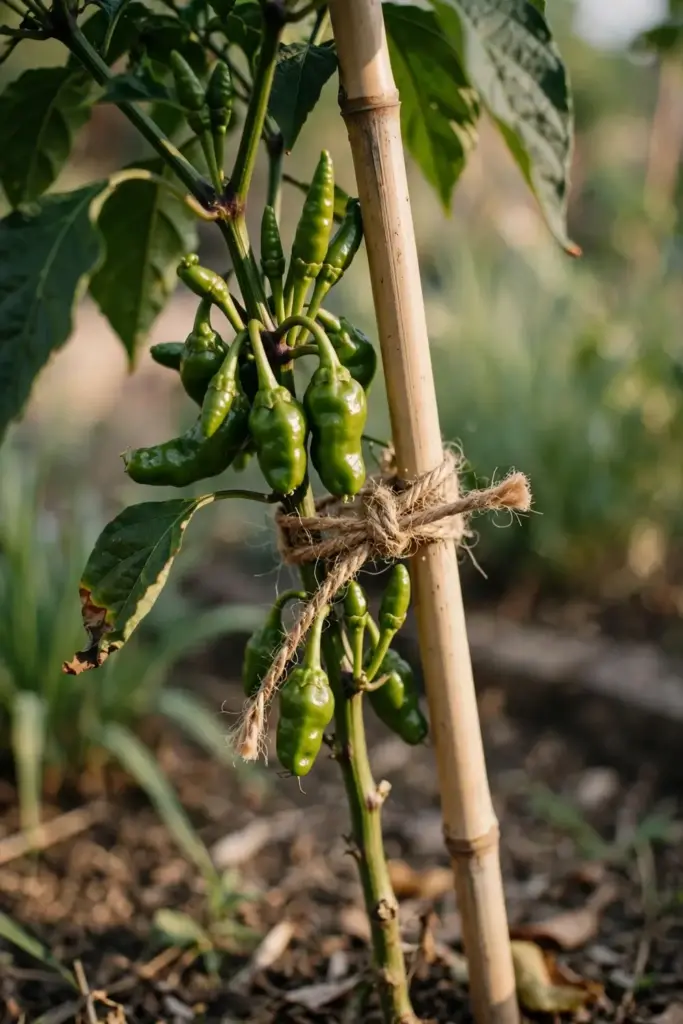
Prune lightly, not hard. Pinch the growing tip when the transplant reaches 8 to 10 inches to encourage branching, which means more flowering sites. Remove suckers from the lower stem to improve airflow. Do not strip the plant the way you would a tomato. Chilli leaves shade the pods, and sunscald on exposed pods ruins color.
At the end of the season, a hard prune is not needed because this plant grows as an annual in most gardens. The overwintering section below covers the exception for gardeners who want to keep a favorite plant alive indoors.
12. Overwinter or Compost: The Annual Decision
Kashmiri chilli is a tender perennial that almost everyone grows as an annual. Frost kills it, and in most temperate gardens the honest move is to compost the plant after the last harvest and start fresh seed in spring. New plants from seed outgrow overwintered plants most of the time.
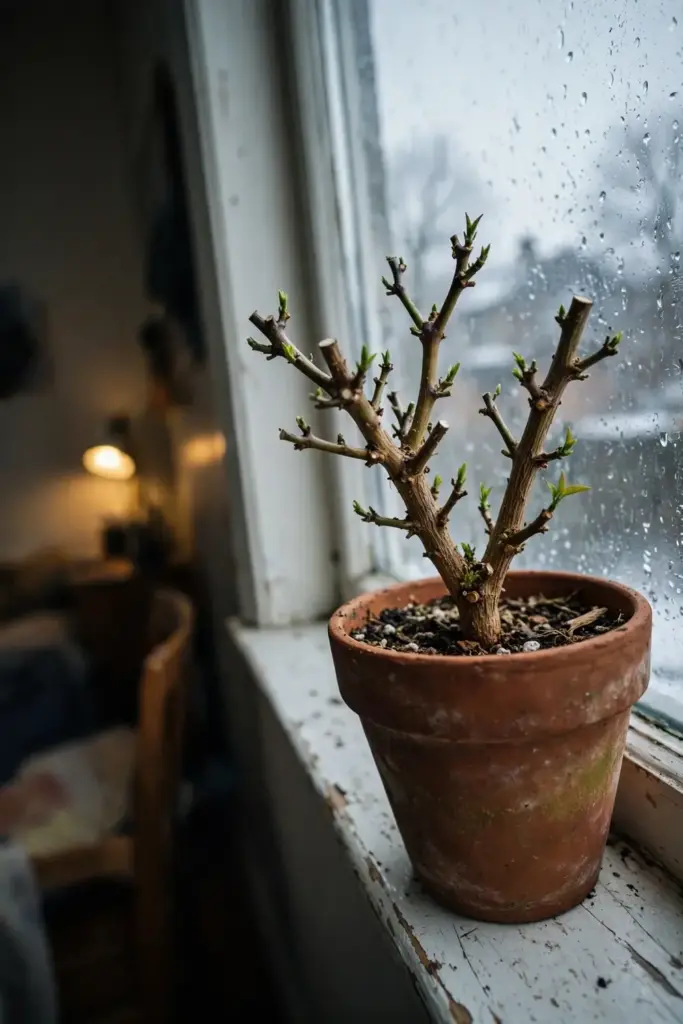
If you want to overwinter a favorite, cut the plant back to 6 to 8 inches before the first frost, dig it up, and pot it in fresh mix. Keep it in a bright, cool room above 55°F and water sparingly through winter. It will drop most of its leaves and look dead. That is normal. In spring, warm it up, feed it, and it will flush new growth weeks before seed-started plants catch up.
Overwintering works best for plants with exceptional color or pod shape you want to keep. For a standard planting, fresh seed each year is simpler and more productive.
13. Watch for Aphids, Whiteflies, and Damping Off
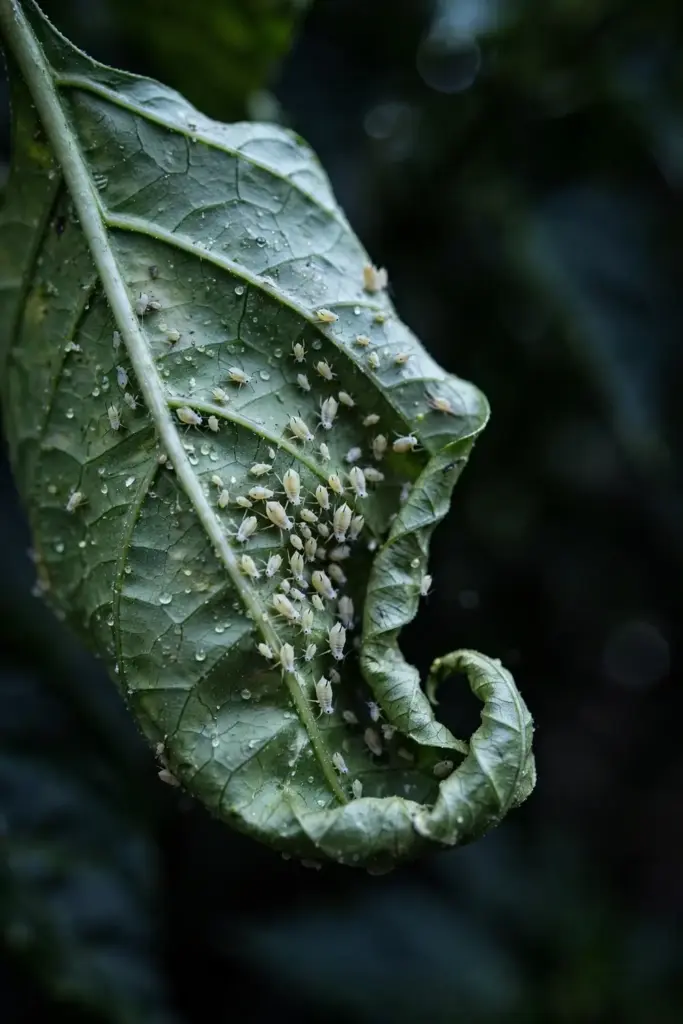
Chilli pests are mostly small and sap-sucking. Aphids cluster under leaves and on flower buds, and whiteflies rise in a cloud when you brush the plant. A strong jet of water knocks both off, and insecticidal soap handles stubborn colonies. Check the undersides of leaves weekly, because by the time you see damage from the top, the colony is large.
Damping off kills seedlings at the soil line, and it strikes in cool, wet seed trays. Warm soil, a sterile starting mix, and watering from below prevent most of it. If seedlings keel over with pinched stems, remove them and improve air circulation around the survivors.
Viruses arrive on the mouths of aphids and whiteflies, so pest control is disease control. Viruses arrive on the mouths of aphids and whiteflies. Pest control is disease control. When new growth comes in mottled and distorted with stunted tips, the plant carries a virus. No cure exists, so pull it, bag it, and keep the insects off your healthy plants.
14. Harvest at Full Red: Timing Is the Whole Game
Pick Kashmiri chillies only when they are fully red and the color has deepened to its final crimson. The variety matures in 90 to 110 days of warm growing, and the last week of ripening is when the color you are growing for actually develops. A pod picked at the first blush of red gives you a fraction of the color of a pod left to finish.
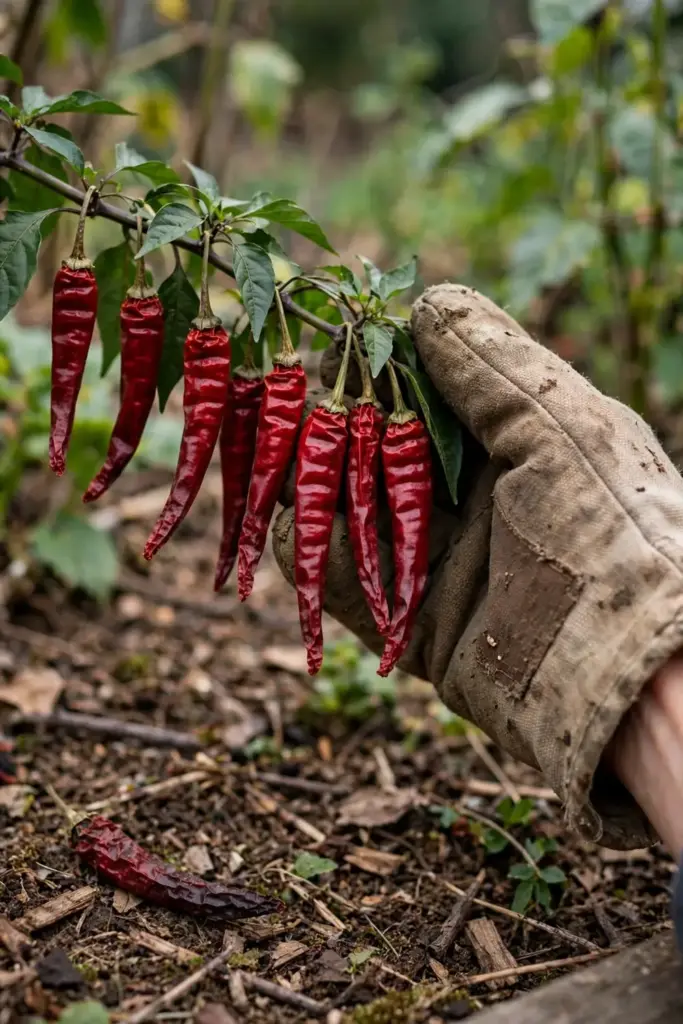
Use scissors or pruning shears to snip pods with a short piece of stem. Pulling pods by hand tears branches and invites disease into the wound. Pick regularly through the season, because steady picking tells the plant to set more pods, and a plant loaded with ripe fruit slows down new flowering.
Taste one fresh pod before you commit the harvest to drying. Heat varies with weather, and a cool season can make Kashmiri pods even milder than their 1,000 to 2,000 SHU rating. The flavor should be sweet and fruity with gentle warmth. If your pods taste grassy, they were picked too early.
15. Dry Whole, Then Grind: From Pods to Powder
Dry the pods whole for the best color. String them on a thread through the stem caps and hang them in a warm, airy spot out of direct sun, or spread them on racks in a dehydrator at 125°F. Sun drying works in good conditions, but direct sun bleaches the color you worked all season to build. Shade drying keeps the crimson deep.
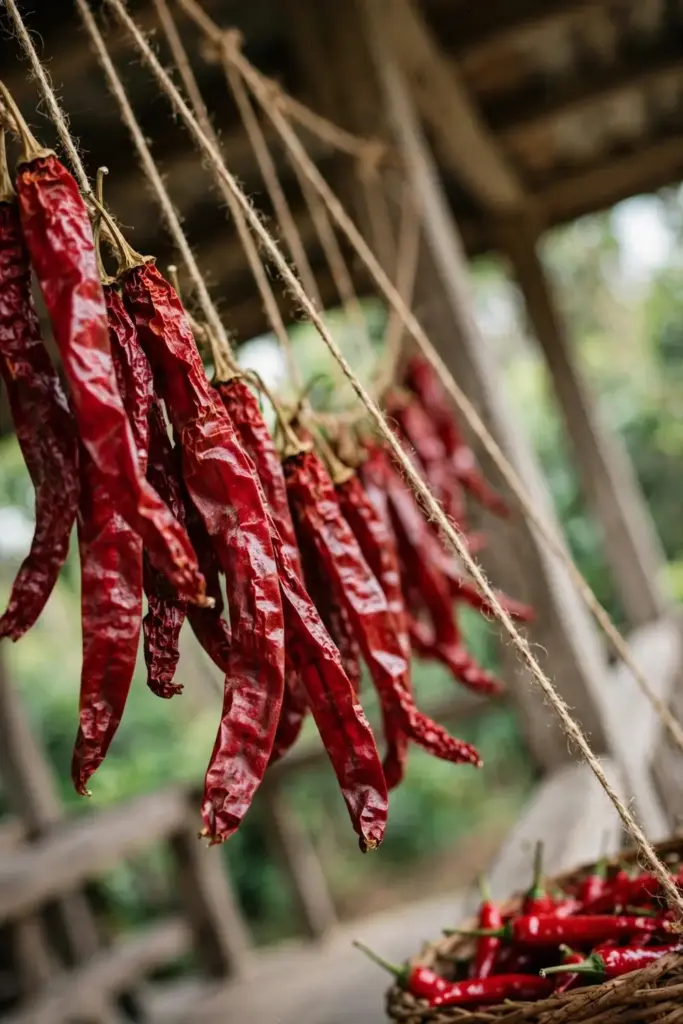
Pods are dry when they snap cleanly and the seeds rattle inside. Any bend or softness means moisture remains, and moist pods mold in storage. Dried pods keep a year in an airtight jar in a dark cupboard. Grind only what you need for the month, because powder loses color faster than whole pods do.
To grind, remove the stems, break the pods into a spice grinder, and pulse to a fine powder. Wear a mask. Even mild chilli dust makes you cough. The result is a powder far more vivid than store jars that have sat on shelves for a year.
16. Cook for Color: Tandoori, Rogan Josh, and Curries
Kashmiri chilli powder exists to make food red. Stir it into hot oil or ghee at the start of cooking and the fat turns crimson, carrying color through the whole dish. Tandoori marinades, rogan josh, butter chicken, and pickles are the classic uses, and the chilli variety database lists tandoori, rogan josh, and coloring as the signature applications.
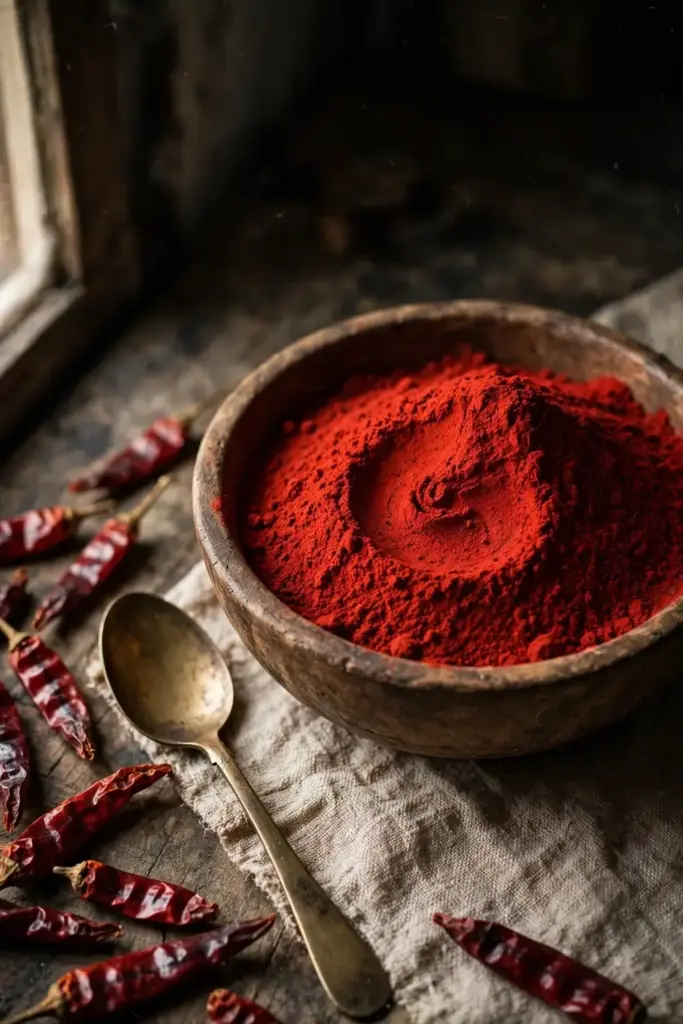
Use it generously. Because the heat is mild, you can add a full tablespoon where a hotter chilli would allow only a quarter teaspoon. That is the whole point of the variety: color without a heat penalty. For curries, bloom the powder in oil for 30 seconds before adding liquids. Bloomed too long, it burns and turns bitter, so keep the heat medium and the time short.
If you run out of homegrown powder, the closest substitute is three parts sweet paprika to one part cayenne. It approximates the color-heat balance, though the flavor differs. Deggi mirch, sold in Indian grocery stores, is a commercial blend of red bell peppers and Kashmiri chillies that serves the same purpose.
17. Avoid the Mistakes That Cost Color
The most common failure is sowing too late. A Kashmiri plant started in June in a short-season climate never gets its 90 to 110 warm days, and the pods stay green when frost arrives. Sow indoors early, because you cannot buy back lost weeks at the end.
The second failure is picking too early. Growers see the first red blush and harvest the whole plant, then wonder why the powder is orange instead of crimson. Wait for the deep, final red. The plant tells you when the color is done developing, and it does not lie.
The third failure is drowning the roots. Chilli plants in waterlogged pots drop their flowers, and no flowers means no pods. Drainage holes are not optional, and saucers that hold standing water undo them. Empty the saucer after every watering.
18. Troubleshoot Slow Plants and Lost Flowers
Flowers drop without setting pods when nights are too cold or the plant is stressed by drought. Night temperatures below 55°F stall pollination, and a missed watering during flowering does the same. Keep water even and wait for warm nights, and fruit set resumes on its own.
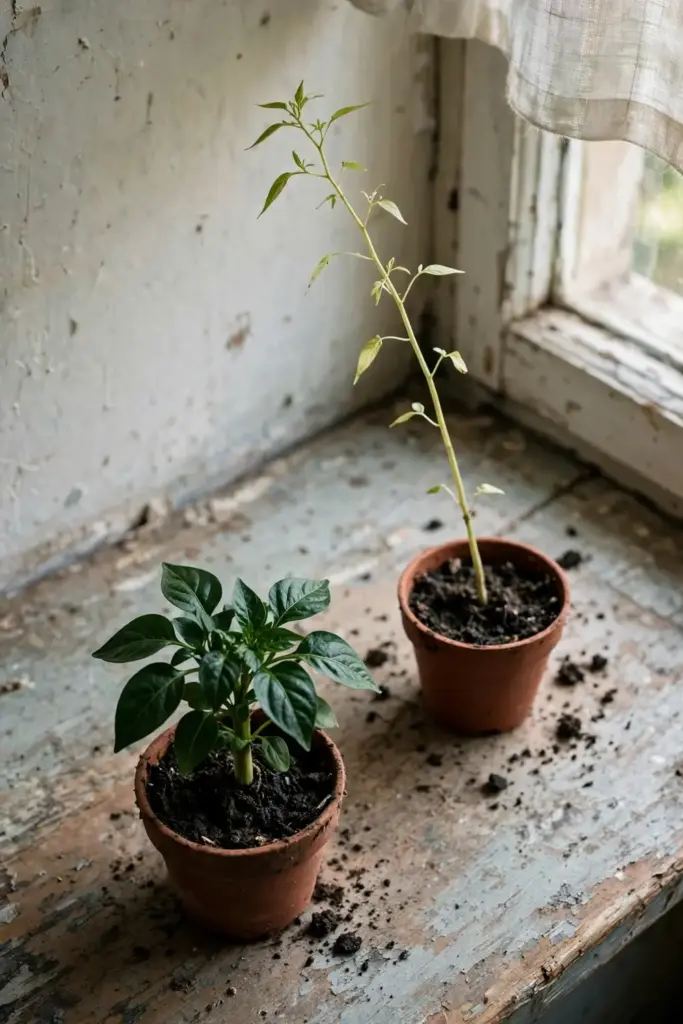
Tall, leggy seedlings with pale stems grew in too little light. A windowsill in March is not enough for chilli seedlings. Move them under a grow light 2 inches above the tops for 14 to 16 hours a day, and the next leaves will come in stocky.
Small pods on a healthy-looking plant usually mean the pot is too small or feeding stopped too early. A 2 to 3 foot plant in a 6-inch pot cannot build big pods. Move up to the 12-inch minimum and resume the two-week feeding schedule.
Yellow leaves with green veins point to magnesium shortage, especially in containers. Dissolve a tablespoon of Epsom salts in a gallon of water and apply it once. When whole leaves yellow from the bottom up instead, the plant wants nitrogen, so feed it.
FAQ
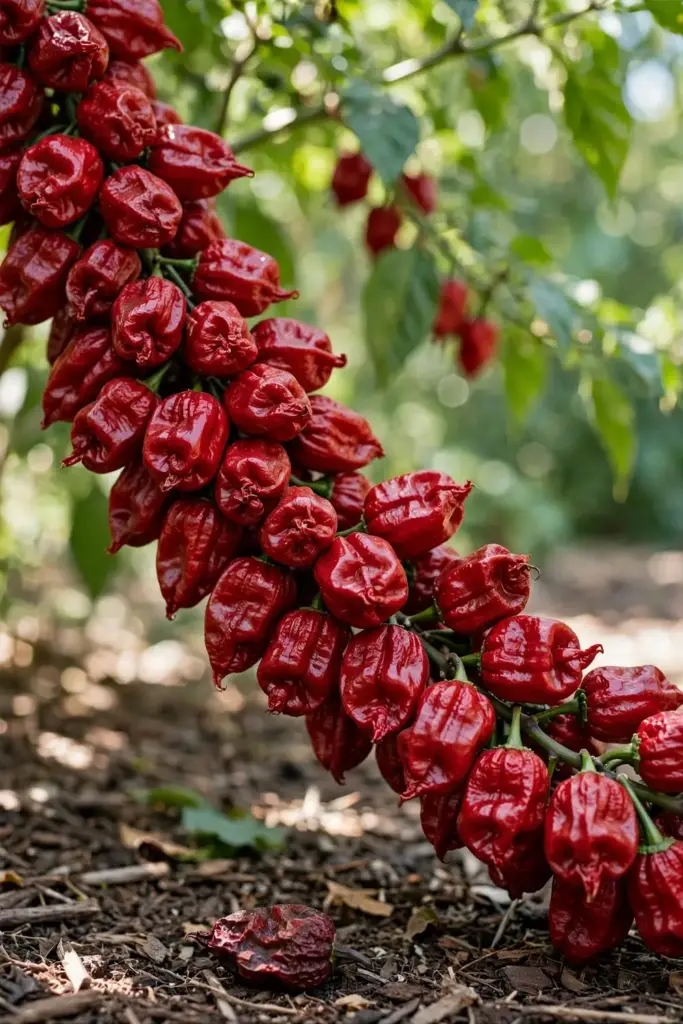
Roughly 90 to 110 days of warm growing after transplanting, per Kashmiri growing guides, plus 6 to 8 weeks of indoor seed starting before that. Sow indoors early, transplant only when nights stay above 60°F, and expect the first fully red pods in late summer. The final week of ripening builds the deep crimson color, so do not pick at the first blush.
No, it is mild. It measures 1,000 to 2,000 Scoville Heat Units, which sits below a jalapeño and far below hot Indian chillies. Growers plant it for color, not burn. You can use a full tablespoon of the powder in a curry where a hotter chilli would allow only a quarter teaspoon.
Yes, and pots suit cold climates well. Use one plant per pot in a container at least 12 inches wide with drainage holes, a well-draining potting mix with compost, and 6 to 8 hours of direct sun. Feed every two weeks once flowers appear and stake the plant when pods swell. Expect slightly fewer pods than in-ground plants.
Nothing. Kashmiri mirch and Kashmiri chilli are two names for the same Capsicum annuum variety. Buy seed under either name. The names to keep separate are Byadagi, a different color chilli from Karnataka, and paprika, a different product that only approximates the flavor.
The pods were picked too early or dried in direct sun. Color develops in the final week on the plant, so wait for the deep final crimson before picking. Dry in shade or a dehydrator at 125°F, because direct sun bleaches the pigments. Grind whole dried pods and use the powder within a few months.
Yes, if you grew open-pollinated seed rather than F1 hybrid. Let the best pods ripen fully on the plant, scoop out the seeds, dry them on paper for a week, and store them in a labeled envelope in a cool, dry place. Saved seed from your most colorful pods gradually selects for better color in your garden.
Plant for Color and Harvest the Crimson
Kashmiri chilli rewards the patient grower with something no hot chilli can give: a basket of mild pods that turn a whole kitchen red. Sow early indoors, give the plants sun and steady water, wait for the full crimson, and dry in the shade. The powder you grind in autumn will outshine any store jar.
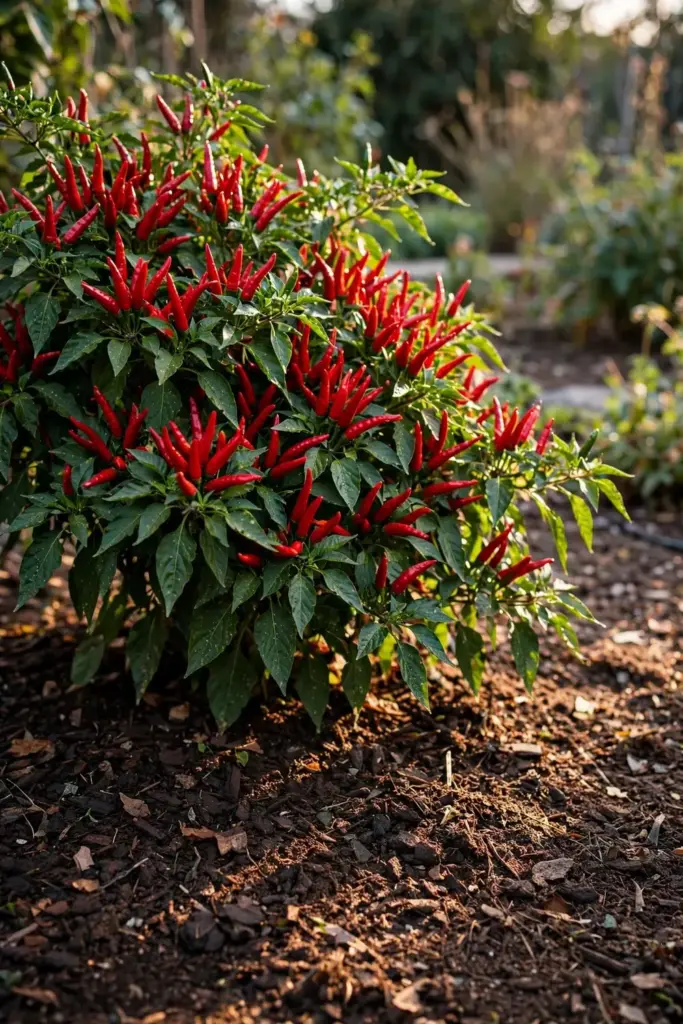
If your cooking leans toward tandoori marinades, rich curries, and pickles that glow, this is the chilli to grow. Start one plant in a 12-inch pot this spring and learn how to grow Kashmiri chilli from India the honest way: for color first, heat second, and flavor all the way through.