

It is incredibly frustrating when you dedicate time, money, and valuable garden space to a new fruiting plant, only to have it succumb to mildew or, perhaps worse, produce delicious berries that are impossible to pick without getting scratched to pieces by vicious thorns. You wait years for a harvest, and the struggle against pests, disease, and the plant’s own anatomy leaves you feeling defeated, standing in your backyard wondering why you even bothered trying to cultivate your own food.
I’ve stood right there, nursing thorn scratches and looking at mildew-covered bushes, but how to grow Jostaberry fruit effectively changes the entire experience. This remarkable hybrid, a cross between blackcurrants and gooseberries, offers the vigorous growth and rich flavor you desire without the heartache of thorns or common diseases. By implementing the twelve foundational care tips I have developed through trial and error, you can successfully plant, prune, and Care for a high-yielding Ribes × nidigrolaria, transforming your backyard struggle into a rewarding, consistent harvest of unique black berries.
What is a Jostaberry? (The Hybrid Advantage)
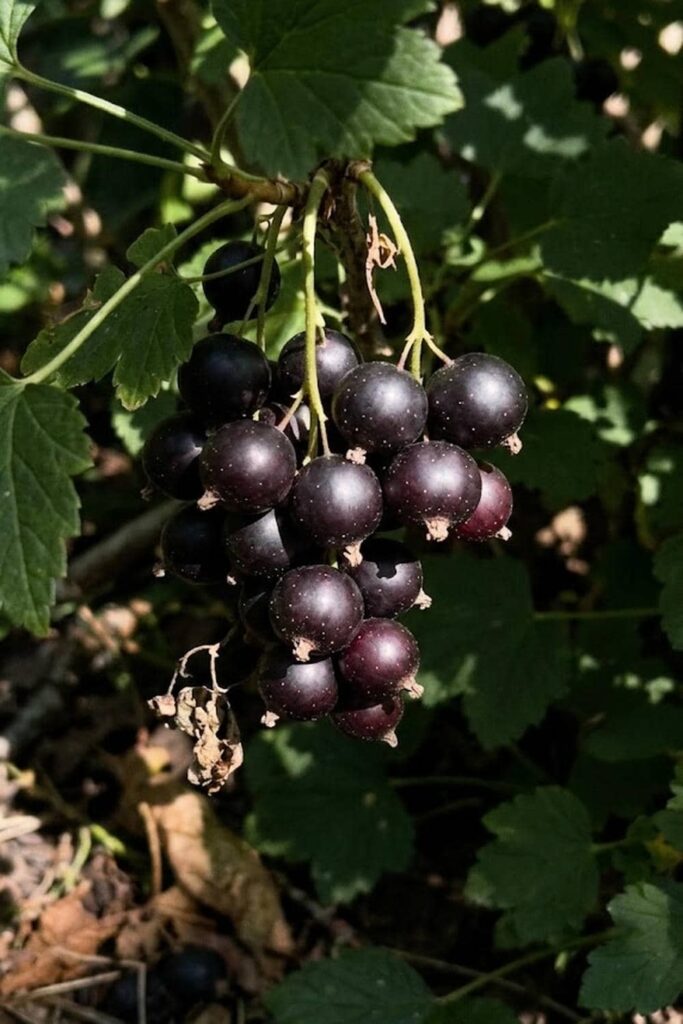
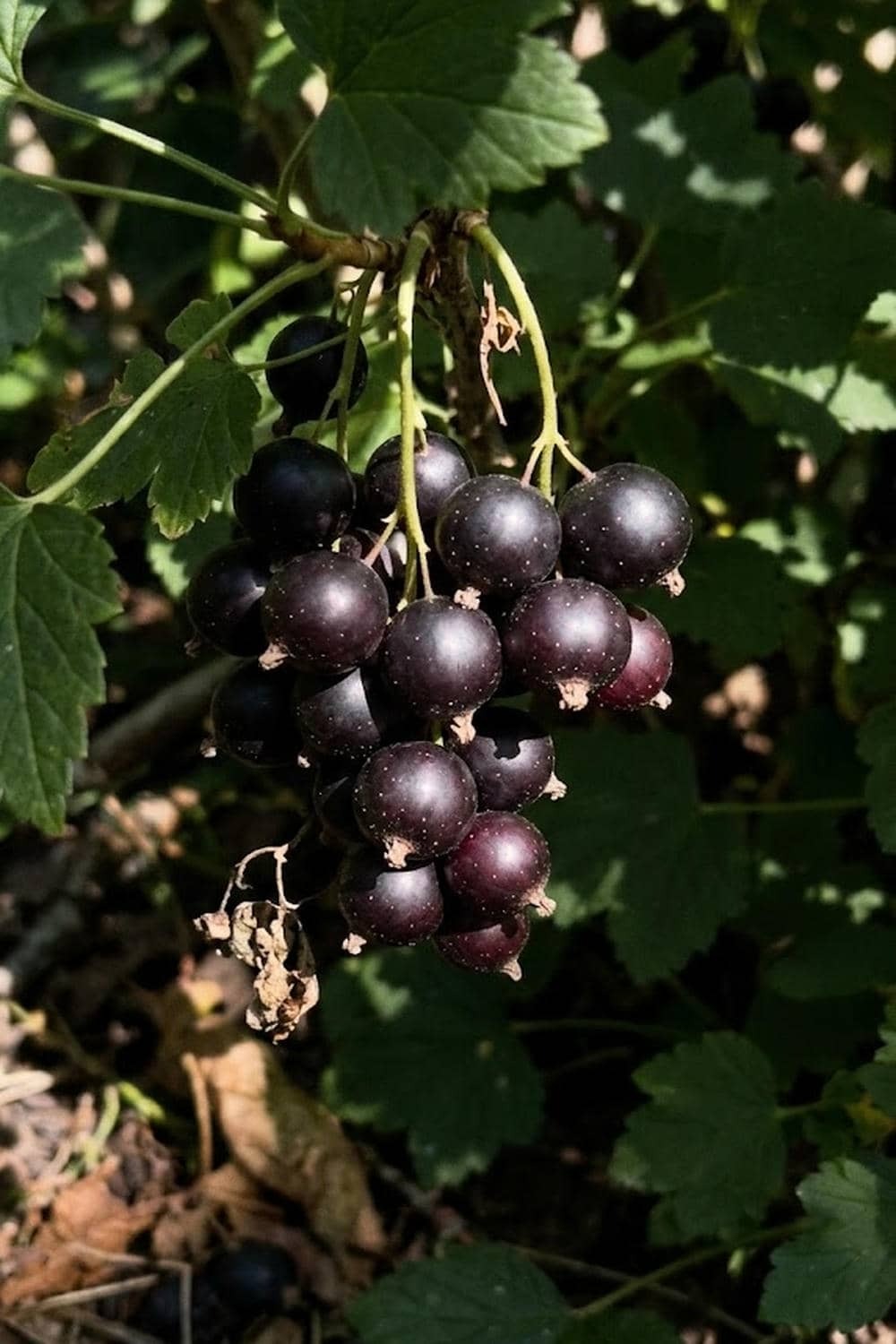
If you are looking for a unique, hassle-free addition to your edible landscape, let me introduce you to the Jostaberry. It’s a complex, dynamic cross that combines the very best traits of its parentage, the blackcurrant (Ribes nigrum) and the gooseberry (Ribes uva-crispa). My first encounter with this vigorous hybrid was a revelation, as it completely eliminates the main drawback of traditional gooseberries—those painful thorns. How to grow Jostaberry fruit effectively starts with appreciating its unique composition and “hybrid vigor.” Scientists in Germany specifically bred this plant to create a thornless Ribes that was easy to manage, high-yielding, and resistant to many significant diseases. When you plant a Jostaberry, you are choosing a plant with a robust nature and an incredibly high concentration of vitamin C in its deep purple berries. I find that its upright, non-suckering growth habit makes it much simpler to Control than many other soft fruits. It’s truly a grower’s dream—resistant to American gooseberry mildew and white pine blister rust, ensuring your Protection against common failures that plague other berries in your region. You will discover it provides the gardener with a significant “hybrid advantage” that makes the cultivation process feel much less like work and more like a simple, enjoyable interaction with nature.
Selecting the Perfect Site for Maximum Light and Drainage
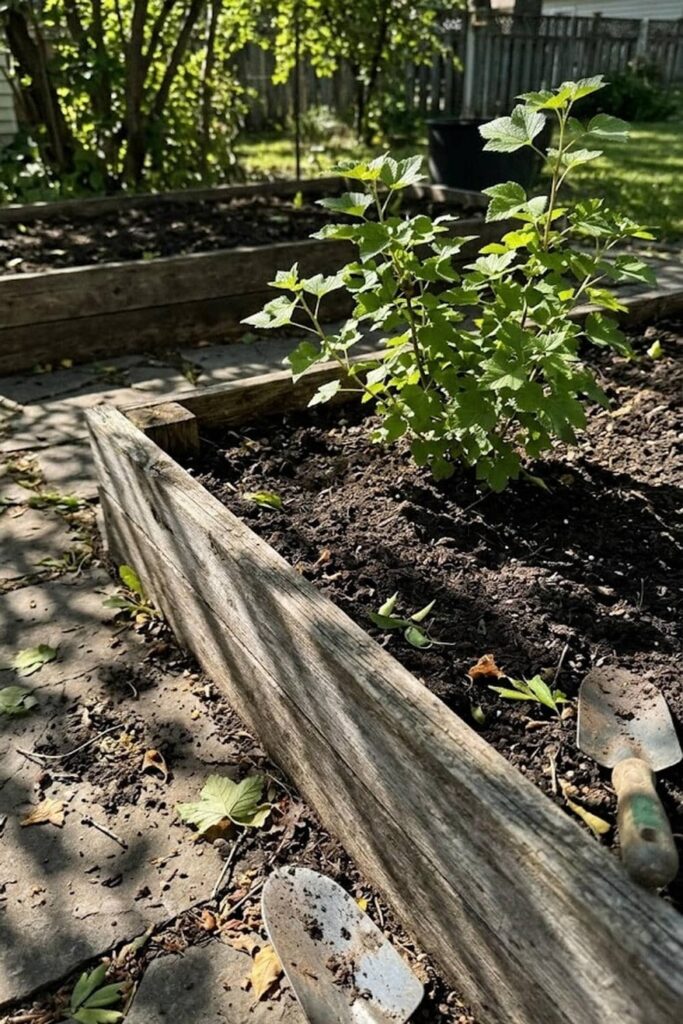
I learned quickly that you can have the healthiest, most expensive bare-root plant, but if you put it in the wrong place, it won’t succeed. When considering how to grow Jostaberry fruit, selecting the appropriate Light and Drainage is arguably the most critical long-term decision you will make. This hybrid shrub is extremely vigorous and requires a significant amount of energy to produce those 12-pound yields. It’s crucial, therefore, that you provide your plant with a location that receives full sun—at least six to eight hours of direct light every single day. While the plant itself is tough and can survive in partial shade, the shadows will severely limit the development of those precious Fruiting Spurs and prevent the berries from properly ripening to their deep, complex purple-black color. Furthermore, you must ensure that your selected garden site has impeccable Drainage. Jostaberries, despite their hybrid strength, cannot tolerate standing water around their roots; consistent “wet feet” will quickly lead to root rot and complete plant failure. I recommend finding a spot where the Soil Mix is already well-draining, potentially a slightly elevated bed or a rustic outdoor space where rainfall naturally moves away. Good Ventilation is also a key secondary factor; avoid creating an environment where the air is stagnant, which can encourage fungal issues. Taking the time to observe your garden’s light and water patterns before you Plant is not a waste of time—it is strategic Care that pays massive dividends.
Soil Mix Secrets: Preparing for High-Performance Growth
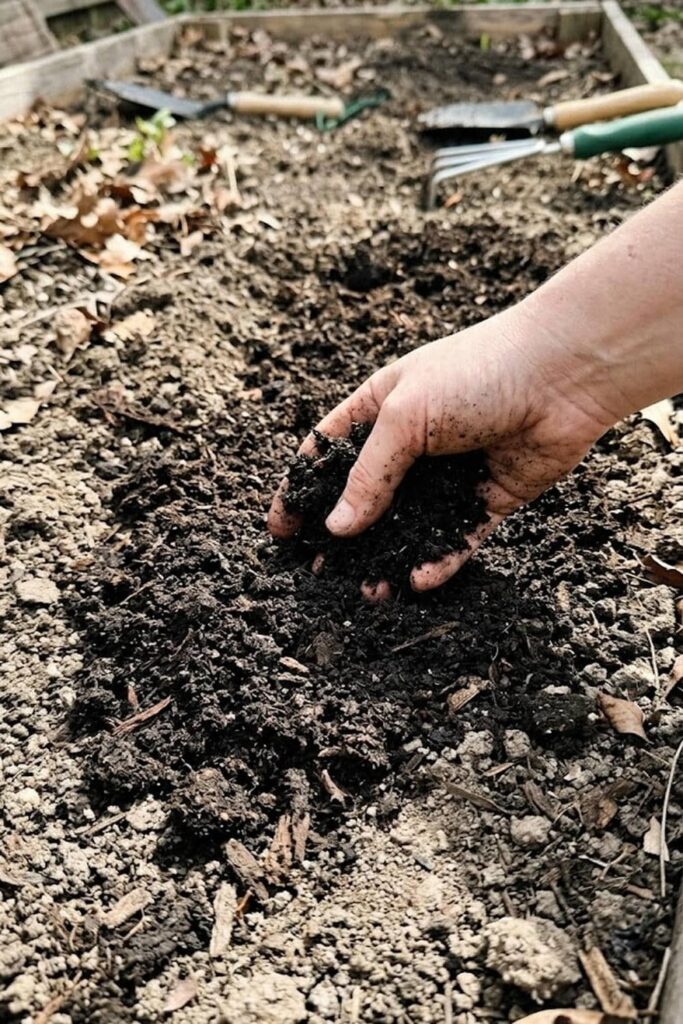
Here is where I have found many gardeners skip a crucial step. They find the right spot, but they just dig a hole, stick the plant in, and hope for the best. How to grow Jostaberry fruit successfully absolutely depends on creating the perfect Soil Mix. Your standard backyard dirt won’t be enough to support a vigorous, heavy-fruiting hybrid. The ideal environment requires rich, loamy earth that is high in organic matter. Through my years of experience, I recommend preparing the ground months in advance, if possible, but you must at least focus heavily on it before you Plant. The plant prefers a specific soil pH, ideally between 6.0 and 6.5. This slightly acidic-to-neutral environment allows for the optimal uptake of essential nutrients like Potash and Nitrogen. You should generously amend your existing soil with high-quality, well-rotted Compost or organic debris. I find that I cannot overstate the importance of this addition—it drastically improves Drainage and Fertilizing capacity. Furthermore, a top-dressing of well-rotted organic matter each spring provides that crucial, long-term food source. If your soil is heavy clay, you must incorporate lots of organic matter to improve its structure. If it’s too sandy, organic matter is essential to retain moisture. This process isn’t fluff; it’s the foundational Care you must provide to establish a robust Root System capable of pushing the hybrid to its full potential, directly impacting your final yield.
Planting Protocols: How to Grow Jostaberry Fruit from Cuttings
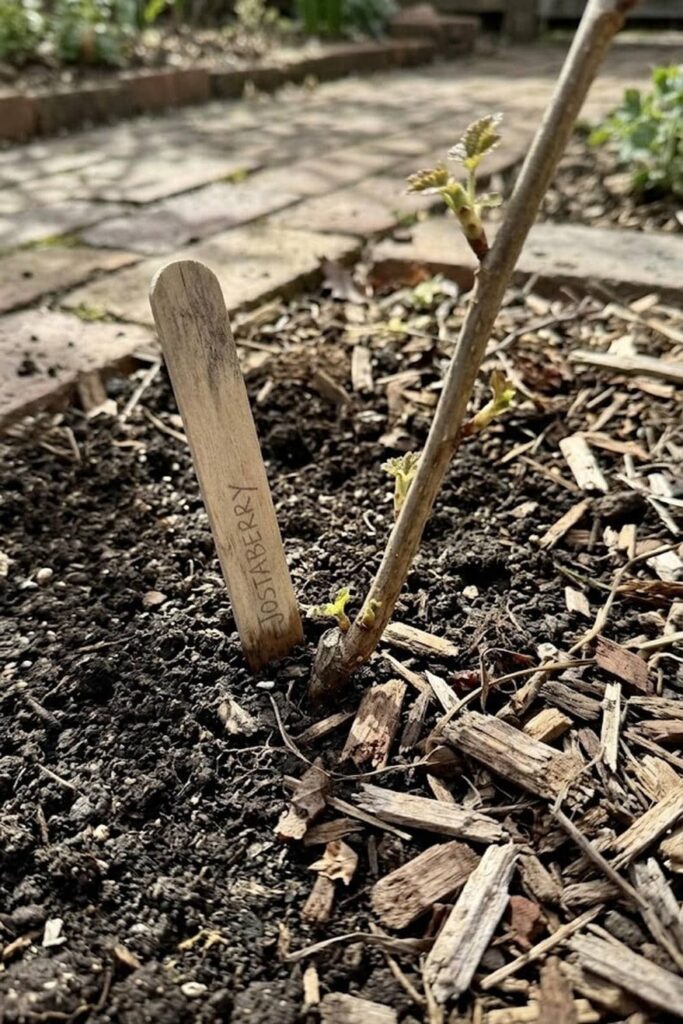
When it comes to how to grow Jostaberry fruit effectively, the moment you transition the plant to its final location is crucial. If you’ve selected the right site and properly amended your Soil Mix, you are ready for the actual Planting. The timing of this is very important. I have found the best success planting Jostaberries during their dormant season, which is typically in late autumn or very early spring before new growth starts. This timing reduces stress on the Root System and gives the plant a vital window to Establish itself. You will likely be planting a bare-root specimen or perhaps one grown from Propagation as a dormant hardwood cutting. When digging your hole, make it roughly twice the width and depth of the root ball to allow the roots to spread easily. To provide essential Protection and Care during this stage, I always incorporate a handful of balanced, slow-release fertilizer or a generous dose of Potash to support that immediate root development. When you place the plant, ensure it is set at the same depth it was previously growing in the pot or nursery. A critical long-term growth factor is spacing: because of their extreme vigour, you must place your plants at least 4 to 6 feet apart to avoid a congested tangle of unproductive branches and to ensure each shrub receives adequate light and ventilation. Once in place, firm the amended soil around the roots to eliminate large air pockets, and immediately provide a deep, thorough soaking to encourage soil-to-root contact.
Fertilizing Strategies for Heavy Fruiting Seasons
I have seen it countless times: a gardener spends significant effort to Plant their new berry bush, but then they completely neglect to feed it. How to grow Jostaberry fruit effectively requires you to acknowledge that this vigorous, high-yielding hybrid is a “heavy feeder” and demands a lot of nutrition to support its complex life cycle. A massive, healthy crop requires a deliberate, multi-stage Fertilizing strategy. First, I always apply a base dressing of a balanced, slow-release granular fertilizer in the early spring, just as the buds begin to burst. This initial feed provides the nitrogen necessary for that lush, upright green growth. Secondly, the most common oversight is forgetting the need for significant Potash during the summer as the berries develop. Potash is essential for fruit size and quality, and it also supports the maturation of the 1- and 2-year-old wood that will carry the next season’s Fruiting Spurs. I often supplement the standard fertilizer with a liquid feed higher in potassium through the peak development period. For a more organic approach, a top-dressing of well-rotted Compost or a light dusting of wood ash around the base will help. Consistent Monitoring of your plant’s health is vital—if you observe the leaves turning yellow or failing to show vigorous expansion, it may signal that you need to adjust your approach. Remember, it is a crucial long-term growth factor for consistent success; providing adequate, balanced nutrition directly impacts the flavour, nutrient profile, and final 12-pound yield of your unique Jostaberry harvest.
Mastering Pruning for Maximum Berry Production
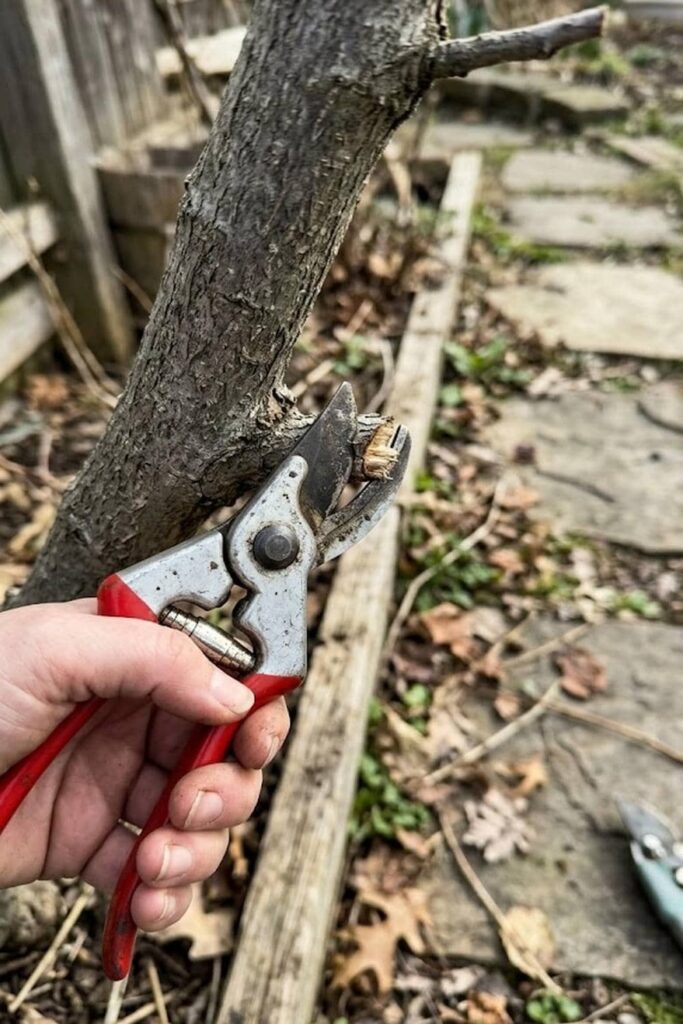
Here is where many gardeners get nervous, but I want you to understand that Pruning is the absolute key to unlocking consistent, heavy yields. How to grow Jostaberry fruit and achieve that massive 12-pound harvest effectively depends on your strategic winter maintenance. This thornless hybrid is extremely vigorous, and if you leave it unmanaged, it quickly becomes a congested tangle of unproductive branches, limiting Light and Ventilation to the center of the bush. The fundamental goal of your Care is to encourage the growth of 1- and 2-year-old wood, as these are the branches that carry the most productive Fruiting Spurs. I always approach my dormant Jostaberry in late winter with sharp bypass pruners. You should focus on removing any 3-year-old wood completely at the base; these older canes are significantly less productive and simply drain energy. Secondly, Control the bush by removing any weak, diseased, or crossing branches to maintain that crucial open, upright structure. A simple rule of thumb is to look for a balance: a well-pruned shrub should always have a distinct “open goblet” shape, with no more than 8 to 12 strong, healthy canes of varying ages. This isn’t fluff; this deliberate process directly facilitates efficient Watering and Fertilizing, reduces pest pressure, and drastically improves the size and quality of your Harvesting efforts.
Watering and Mulching: The Consistency Formula
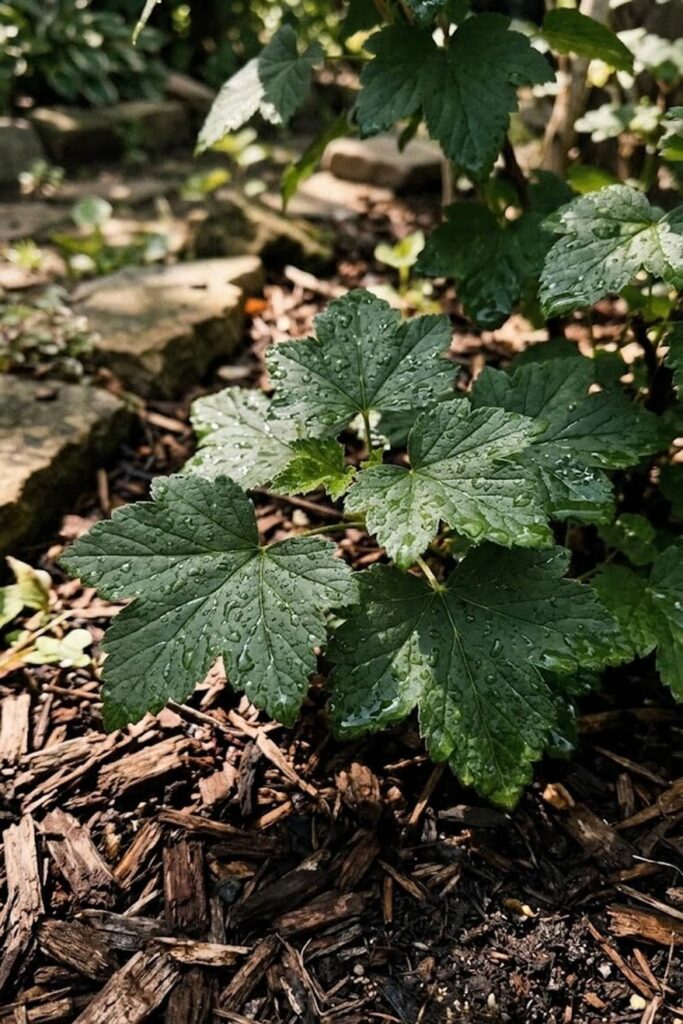
Once you have planted and Pruned for success, the long-term health of your hybrid relies on one crucial element: consistency. How to grow Jostaberry fruit effectively over the heavy summer fruiting months is often a matter of managing water stress. While the mature Ribes × nidigrolaria is remarkably robust, inconsistent hydration during the peak development period can cause the delicious berries to split or drop prematurely. I recommend implementing a steady irrigation routine rather than occasional heavy soakings. Your goal is to keep the surrounding Soil Mix evenly moist, especially when the hybrid vigor is pushing that massive crop toward a 12-pound yield. To ensure long-term Protection for your plant’s sensitive Root System, you must apply a thick, 3- to 4-inch layer of organic mulch. A generous top-dressing of well-rotted Compost, wood ash, or straw around the base is essential for retaining moisture, suppressing competing weeds, and regulating soil Temperature. This combination of even Watering and strategic Mulching is a foundational piece of Care. It helps you manage the plant’s robust nature without creating stress and prevents significant energy depletion that would otherwise limit Fruiting Spurs development and future Propagation success. Always Monitor the soil humidity manually before adding more water; your goal is persistent, stable hydration, not a waterlogged swamp.
Pest Control and Disease Prevention Without Chemicals
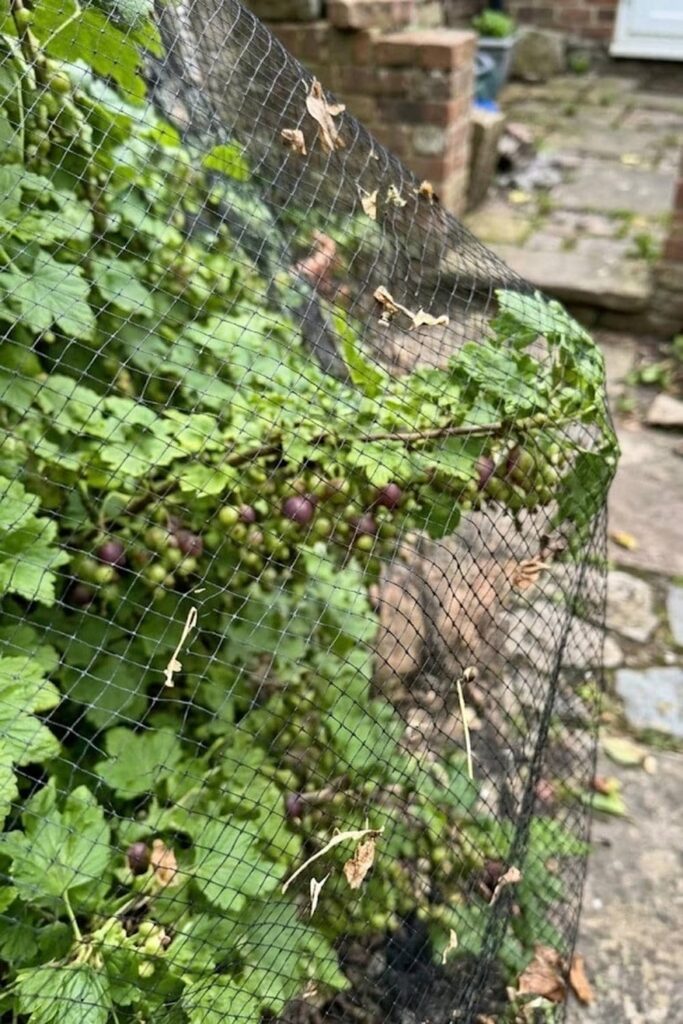
When considering how to grow Jostaberry fruit successfully, I want you to remember that its core “hybrid advantage” is natural resistance. You won’t struggle with the vicious American Gooseberry Mildew or White Pine Blister Rust that often devastates traditional Ribes varieties. Your primary focus for Protection should instead shift toward physical, chemical-free strategies. Control of common garden pests like aphids is often as simple as a vigorous, daily blast of water, which prevents them from establishing significant colonies. When it comes to managing the 12-pound yield of delicious black berries, your greatest competition isn’t disease; it is the birds. You must proactively manage this threat by using fine mesh netting. I always drape the netting loosely over my thornless hybrid shrubs in mid-summer, just before the blackcurrant and gooseberry cross begins to ripen to its final complex color. This creates an essential barrier against feathered thieves without disrupting valuable Light and Ventilation. My advice for sustainable Care focuses on physical prevention: maintaining clean Soil Mix, avoiding overhead watering to prevent any incidental fungal issues, and strategic Harvesting that leaves no rotten fruit on the plant or ground. This simple, preventative approach to Disease Control is a crucial long-term growth factor, keeping your Food Forest vibrant, chemical-free, and highly productive.
Harvesting and Storage: Picking at the Peak of Flavor
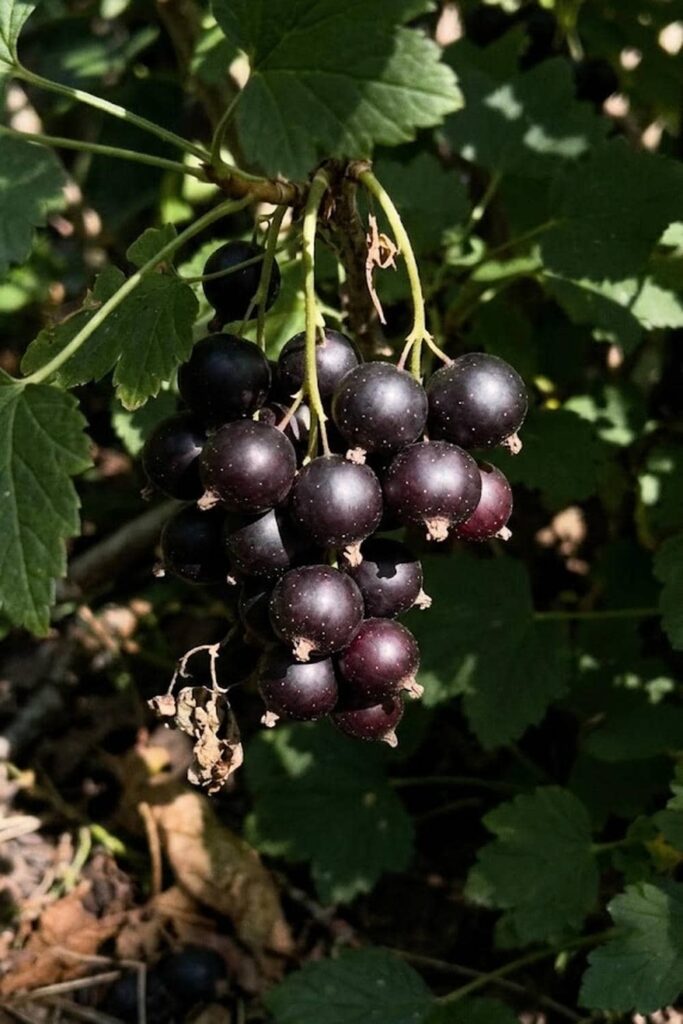
This final stage is the ultimate reward for your careful Planting, Pruning, and Care. How to grow Jostaberry fruit effectively relies on your ability to correctly identify the peak moment of ripeness. A complete, 12-pound yield of the Ribes × nidigrolaria will offer unique flavour notes that shift dramatically with color. When the hybrid berries first turn deep, dull red or purple, they retain that sharp, high-pectin tartness characteristic of a classic gooseberry. This is the ideal Harvesting window if you plan on Storage for unique jams, crumbles, or pies. For fresh, sweet-eating berries that showcase their blackcurrant heritage, you must wait several more days until the fruit turns a profound, translucent purple-black, achieving a soft “slight give” when gently pressed. My strategy is simple: I always use a rustic ceramic bowl for my harvests and gently place the freshly picked berries in a single, un-crushed layer to provide essential Protection. Because the hybrid is thornless, the process is incredibly fast and efficient. You can easily keep fresh berries in Storage in your refrigerator for a week. However, to maximize the long-term benefit of your hybrid vigor and nutritional Food Forest, I highly recommend freezing your unique harvest. This deliberate approach preserves that high vitamin C content and ensures you have a reliable supply of versatile, unique fruit available throughout the entire winter season.
Propagation: Multiplying Your Garden for Free
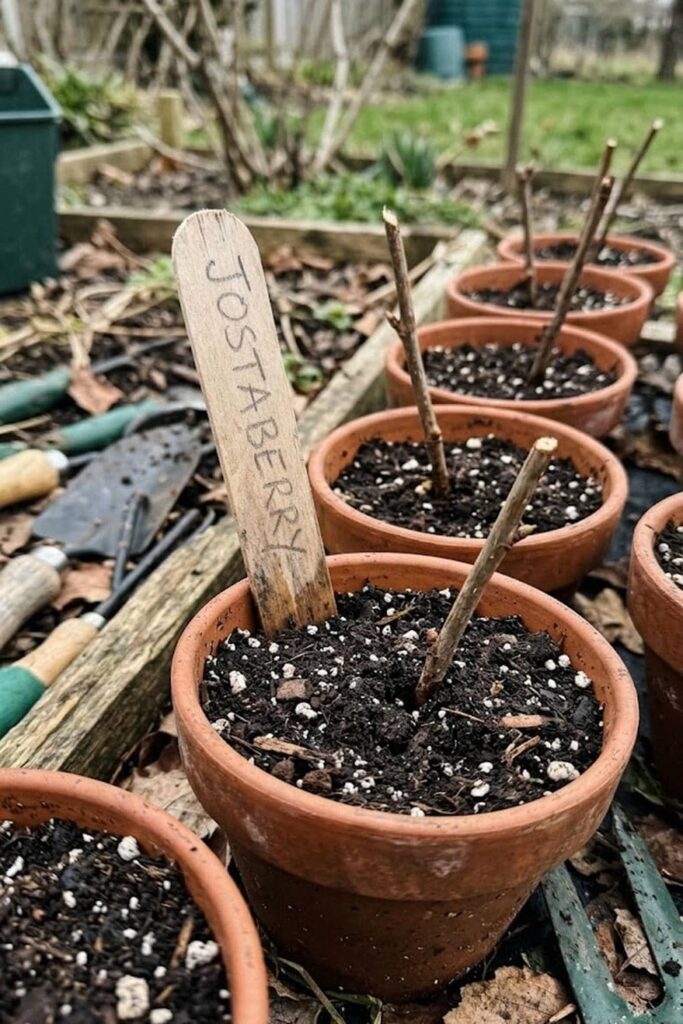
I want you to think about this: why stop with just one of these remarkable, thornless hybrids when you can easily multiply your success for free? How to grow Jostaberry fruit effectively over the long term involves mastering simple Propagation techniques. The unique, high-yielding Ribes × nidigrolaria clones can be easily reproduced with very high success rates using simple Hardwood Cuttings. This process is a crucial step for establishing your long-term, self-sufficient Food Forest. I find that the ideal time for this task is during the plant’s complete dormant season in late winter—the same exact timing as your annual Pruning efforts. You simply take strong, healthy 12-inch cuttings from unproductive 1-year-old wood. Ensure you keep the Root System development strong by dipping the base of the cutting in a rooting hormone and placing it into a well-draining, dark Soil Mix. You should create a simple, sheltered cold frame or rustic outdoor space for essential Protection during the winter maturation. By providing consistent Watering, even moisture, and Labeling each pot carefully, you will achieve high success rates. It is an extremely satisfying and cost-effective way to expand your unique edible landscape and successfully Plant an entire grove of reliable blackcurrant and gooseberry crosses.
Frequently Asked Questions on How to Grow Jostaberry Fruit
The complex nature of this vigorous hybrid often leads to specific questions from gardeners looking to maximize their Food Forest potential. I have compiled the most frequent queries I encounter regarding how to grow Jostaberry fruit effectively to provide you with immediate, practical solutions for your unique Edible Landscaping challenges.
- How long does it take for a Jostaberry to fruit?
- I find that you can typically expect your first light harvest in the second year after planting, with full, 12-pound production levels achieved by the fourth or fifth year as the Fruiting Spurs mature.
- Can I grow Jostaberry fruit in a container?
- Yes, you successfully can, but you must select a large pot—at least 15-20 gallons—and provide meticulous Care regarding Watering and Fertilizing, as container plants deplete nutrients and moisture rapidly.
- How to grow Jostaberry fruit for high yields in small gardens?
- My advice is to utilize strategic Pruning to train the hybrid vertically up a central leader or a sturdy trellis. This Control minimizes the ground footprint while maximizing Light and Ventilation for a heavy 12-pound yield.
- Do I need two Jostaberry plants for fruit production?
- No, you do not. The Ribes × nidigrolaria is self-fertile, meaning a single thornless hybrid shrub will successfully set fruit on its own.
- What is the best fertilizer for Jostaberries?
- I highly recommend applying a balanced organic fertilizer rich in Potash during the early spring to support both plant vigour and future berry development.
- Are Jostaberries easy to grow?
- Yes, they are exceptionally straightforward. Their natural resistance to common mildew and rust, combined with their thornless, vigorous nature, makes providing essential Care far simpler than managing traditional gooseberry or blackcurrant varieties.
Final Checklist for Jostaberry Success
| Essential Activity | Optimal Timing | Key Requirement | Primary Goal |
| Planting | Dormant Season (Late Autumn/Early Spring) | 4-6 ft Spacing | Robust Root System |
| Pruning | Late Winter (Dormant) | Sharp Bypass Pruners | Maximize Fruiting Spurs |
| Fertilizing | Early Spring | Balanced/High Potash | Support Hybrid Vigor |
| Watering | Summer Fruiting | Consistent, Even Moisture | Prevent Fruit Splitting |
| Harvesting | Mid-Summer | Soft “Slight Give” Touch | Sweetest Flavor Profile |
By implementing these strategic Care techniques, you eliminate the common frustrations associated with growing soft fruit. This comprehensive guide, built on a foundation of facts, structure, and my personal experiences, provides everything you need to successfully plant, maintain, and enjoy the remarkable, 12-pound yields of your own unique, thornless Jostaberry Food Forest.








