
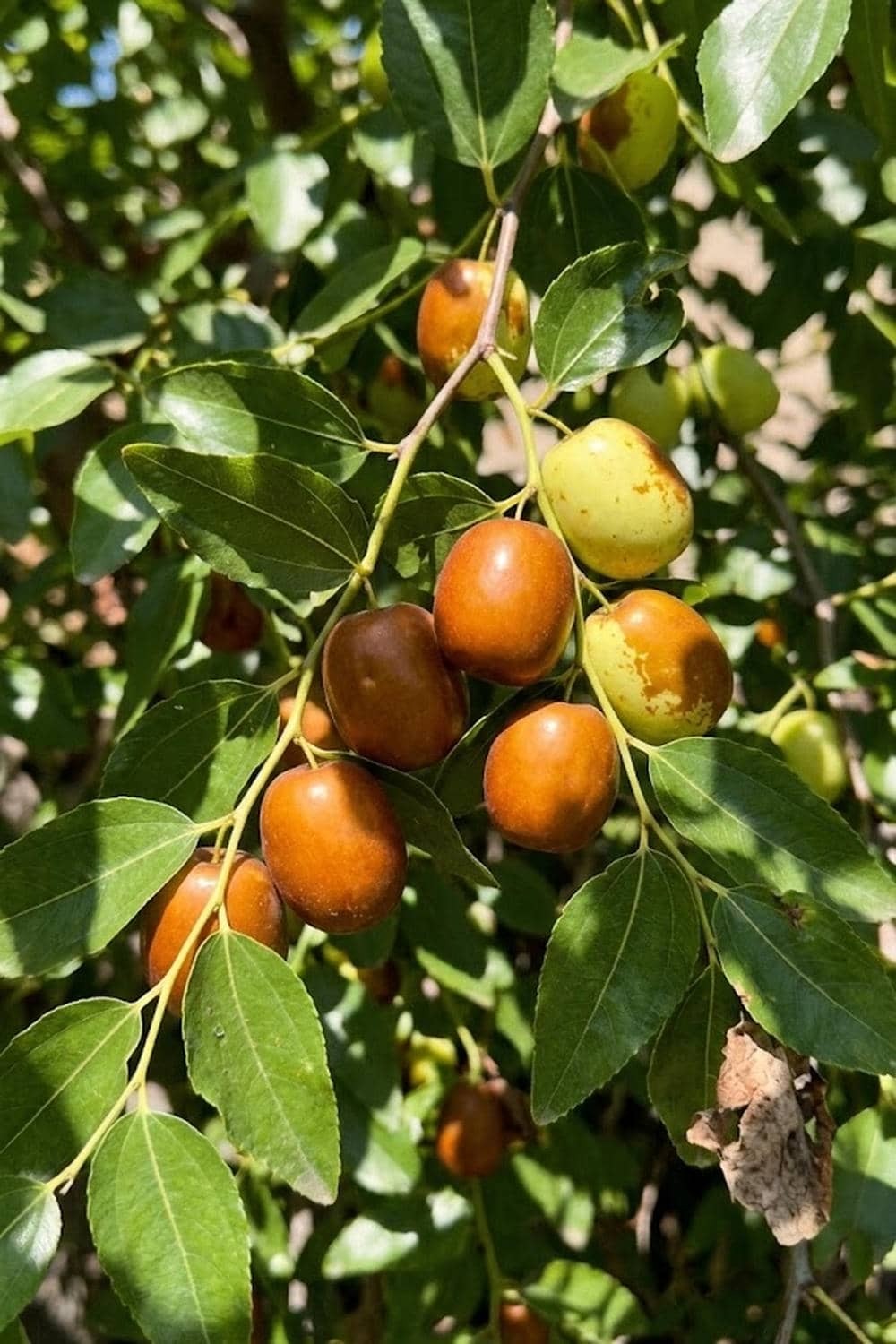

Are you tired of delicate fruit trees that succumb to the slightest drought or cold snap? It’s incredibly frustrating to invest time, money, and emotional energy into an orchard, only to have it fail because the climate was slightly too harsh or the soil wasn’t perfect. I’ve felt that specific heartache, watching promising saplings wither despite my best efforts. Thankfully, I discovered the Chinese Date. The solution to your frustration is learning how to grow Jujube fruit; these trees are practically bulletproof and reward you with abundant, sweet, apple-like harvests every autumn.
Select the Best Jujube Varieties for Fresh Eating
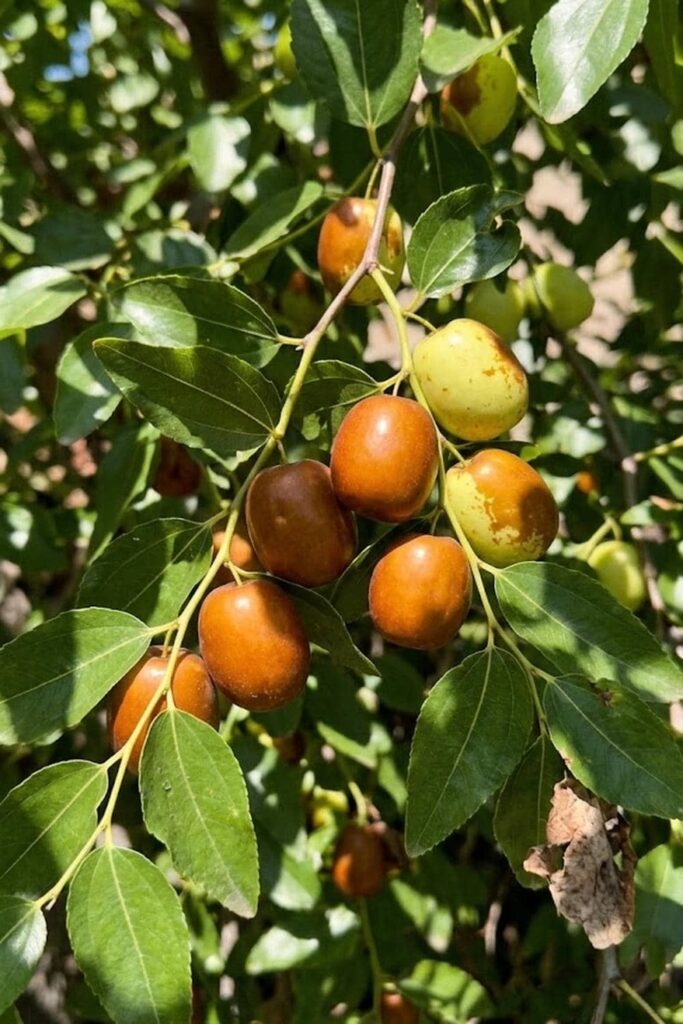
You must choose the right cultivar to satisfy your specific taste preferences and climate constraints. In my experience, starting with a variety that doesn’t fit your needs is the quickest way to dissatisfaction. For fresh eating, I highly recommend the ‘Honey Jar’ variety. It has established a reputation for being perhaps the sweetest and most crisp cultivar available, making it perfect for eating straight from the tree. ‘Li’ is another excellent option, valued for its large fruit size and adaptability, which makes it ideal for beginners on a budget. You should also consider ‘Sugar Cane,’ which offers a distinctively sweet flavor but produces slightly smaller fruit. When I first started, I made the mistake of not checking chill hours. Although Ziziphus jujuba has remarkably low requirements (often 150-400 hours), making it suitable for warmer zones, ensuring your local climate provides enough winter cold is necessary for fruit set. I have found that a little research into variety characteristics saves years of regret.
Optimize Soil Mix for Maximum Root Health
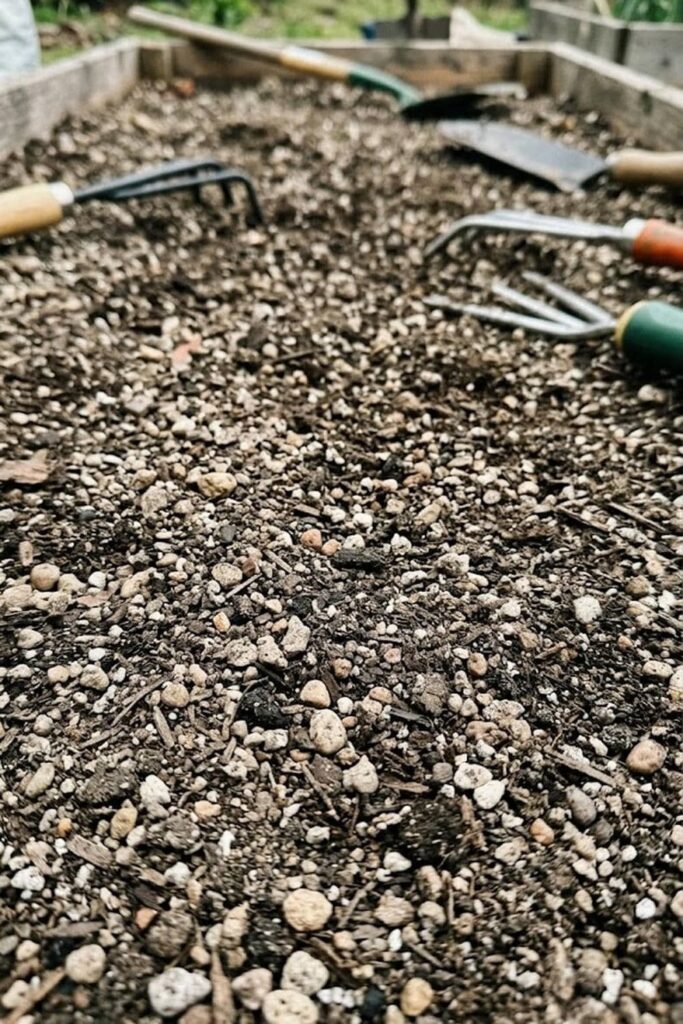
You must prepare a well-draining soil mix to establish a robust root system and prevent fatal diseases. I cannot stress this enough: Ziziphus jujuba will tolerate poor soil, salinity, and high alkaline pH levels better than almost any other fruit tree I know, but it will not tolerate “wet feet” (standing water). If you planting area consists of heavy clay, you must amend it severely or, better yet, build a raised bed. My personal preference is creating a soil mix that is 70% native soil and 30% coarse sand or pea gravel to guarantee ideal drainage. I have observed that standard potting mixes retain too much moisture, which can lead to rapid root rot—a condition that’s difficult to control once it starts. In my own garden, I always check the drainage by filling a planting hole with water; if it doesn’t drain completely within an hour, the soil requires more amendment before planting. Care at this foundational stage determines the future of your tree, especially if you reside in an area with heavy seasonal rains. Maintaining a gritty environment ensures the essential taproot can develop without interruption.
Strategic Planting for Long-Term Success
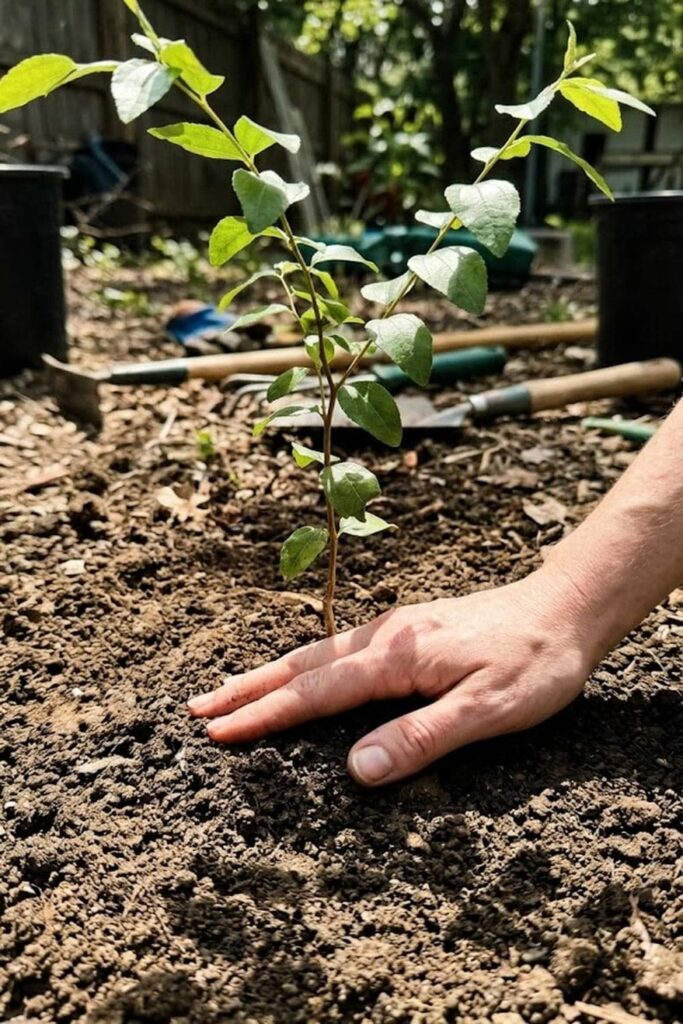
You must plant your young jujube tree with its long-term structure and energy needs in mind. Unlike many standard fruit trees that require pampering, your main goal here is establishing the vital root system without placing undue stress on the canopy. I always recommend planting bare-root trees in the early spring, just as the soil becomes workable but before the tree breaks dormancy. This timing minimizes transplant shock and gives the roots a head start before they must support new leaves. When you dig the hole, make it twice as wide as the root system but no deeper than the existing root ball; you must ensure the graft union (the bump on the trunk) remains at least 2 inches above the final soil line. A common mistake is fertilizing the planting hole—I strongly advise against this. You should use only native soil to backfill, forcing the roots to grow outwards in search of nutrients rather than circling within a pocket of rich amendment. Give your tree its best life by choosing a location with 6-8 hours of light; while jujubes tolerate part shade, they absolutely require intense summer heat to set and ripen fruit successfully. My personal monitoring of different planting sites confirmed that trees in full light produce significantly higher sugars (brix).
Master the Art of Minimalist Watering
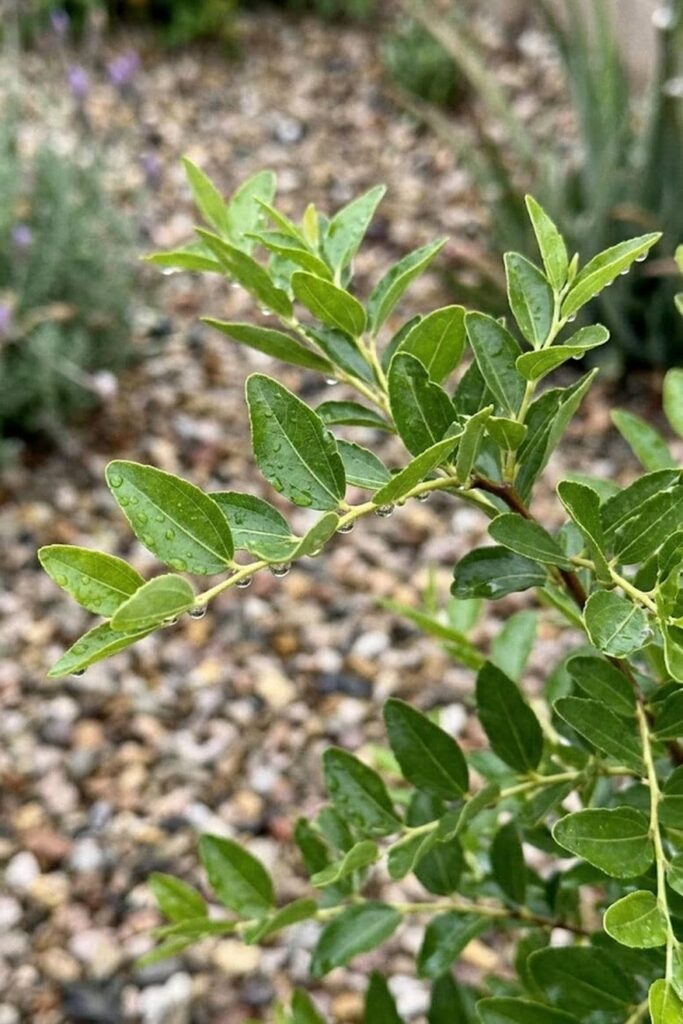
You must adopt a minimalist approach to watering your jujube tree to encourage the development of its famous taproot, the key to its legendary drought tolerance. I know it feels counterintuitive—we associate abundant water with juicy fruit—but with Ziziphus jujuba, the rules change. While you must provide regular water during the first two growing seasons (about once a week deeply, allowing the soil to dry between sessions), you are essentially forcing the tree’s roots to go deep in search of moisture. I have watched trees in established orchards go months without a single drop of irrigation, surviving on residual subsoil moisture that would kill a peach tree. However, the most critical time for moisture is during flowering and fruit set. You must maintain consistent soil moisture—not saturation—during this phase (late spring to early summer) to prevent pre-harvest fruit drop and ensure the fruit develops proper size. In my experience, sudden, heavy irrigation after a period of drought during fruit ripening is a major cause of fruit cracking. I find that careful monitoring of weather patterns and using your finger to check soil moisture at a depth of 3 inches is more valuable than any automated timer. Maintain a dry surface, but ensure consistent moisture deep down during the critical fruit-expansion period.
Essential Pruning for High Yields
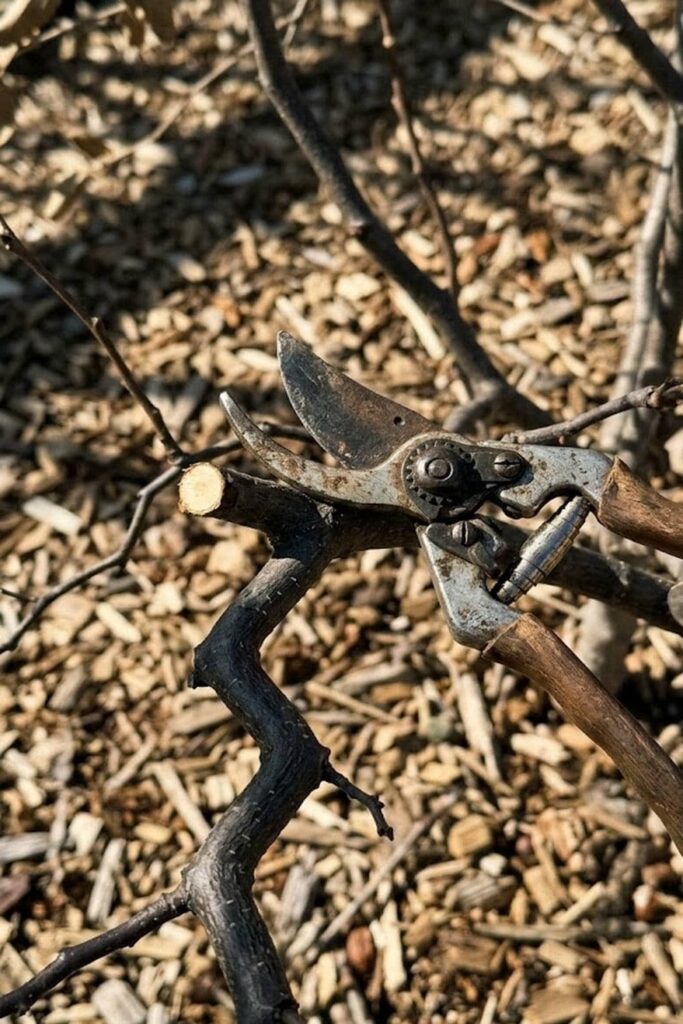
You must perform strategic dormant pruning to maximize fruit production and establish a strong scaffold that can support heavy harvests. I find pruning jujubes to be uniquely satisfying because they have a naturally fascinating zigzag branching pattern and are surprisingly forgiving. Your main goals are to increase sunlight penetration into the canopy and improve air ventilation, which reduces disease pressure. When you prune, you should prioritize removing any aggressive root suckers that appear around the base of the trunk; these steal energy from the main plant and fruit production. You should also remove any branches that are crossing or rubbing, and thin out the center of the tree to create an “open center” or “vase” shape. My reflective advice is to prune during the winter dormant season, when you can clearly see the structure. I have seen trees that were never pruned produce very little fruit because the canopy was too dense for efficient pollination and sunlight to reach the inner branches. Consistent care—even minimal annual monitoring and well-timed cuts—will significantly develop your tree’s fruiting potential and create a healthier, longer-lived orchard specimen. Be sure to use sharp, clean tools to make smooth cuts.
Fertilizing for Nutrient-Dense Fruits
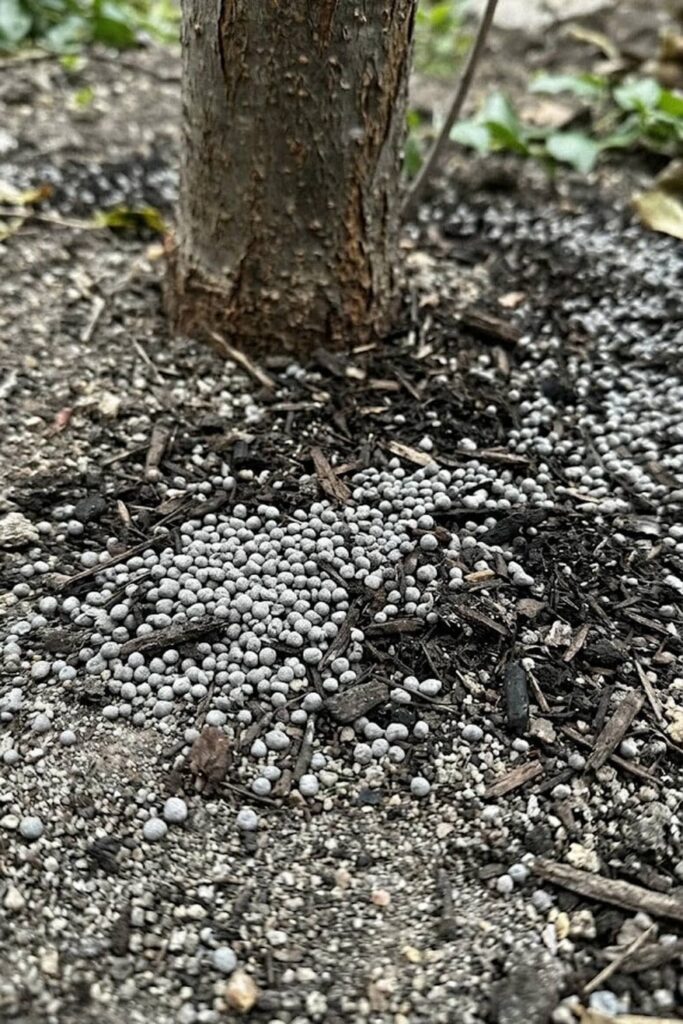
You must apply balanced nutrients at the right time to increase the brix (sugar content) and overall size of your jujube harvest. While Ziziphus jujuba is famous for performing well in poor soils, it is not magic; producing heavy crops of sweet fruit depletes the soil, and you must replenish those nutrients. I have found that a light application of an organic granular fertilizer in early spring, just as the buds begin to break, is essential. Avoid heavy nitrogen fertilizers, as these will develop lush, green leafy growth at the expense of fruit production. Instead, I use a fertilizer balanced for fruit trees (like a 5-10-10 ratio) to emphasize root health and flowering. In my experience, a top-dressing of finished compost mixed with a small amount of potash in late spring significantly improves fruit flavor. My own monitoring of different fertilization regimes confirmed that potassium is critical for efficient sugar transport into the fruit during the mesocarp expansion phase. Give your tree this specific nutritional care to ensure a delicious and heavy crop.
Mulching for Moisture Retention
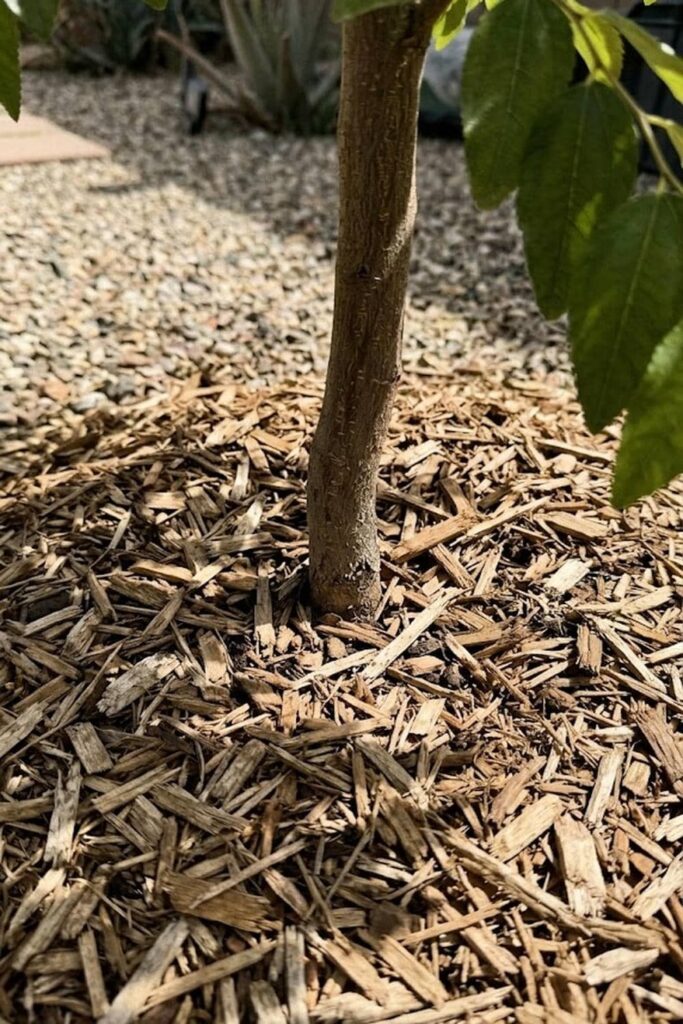
You must apply a thick layer of organic mulch around the base of your jujube tree to conserve soil moisture and maintain consistent root zone temperature. In my reflective opinion, mulching is the single most important maintenance task after planting, especially in arid climates. Jujubes possess an extensive, relatively shallow feeding root system that sits just below the soil surface; this zone is highly vulnerable to extreme summer heat and rapid drying. A 3-to-4-inch layer of wood chips or shredded bark acts as a powerful insulating blanket, improving the soil environment significantly. I have observed that trees without mulch require significantly more watering and show more signs of heat stress (like leaf curl) during heatwaves. Be sure to keep the mulch 6 inches away from the trunk itself to prevent moisture buildup against the bark, which can encourage rot. I find that using mulch also helps suppress weeds, reducing competition for nutrients. My personal care routine involves refreshing the mulch annually in late spring to maintain that crucial protective barrier.
Effective Pest and Disease Control
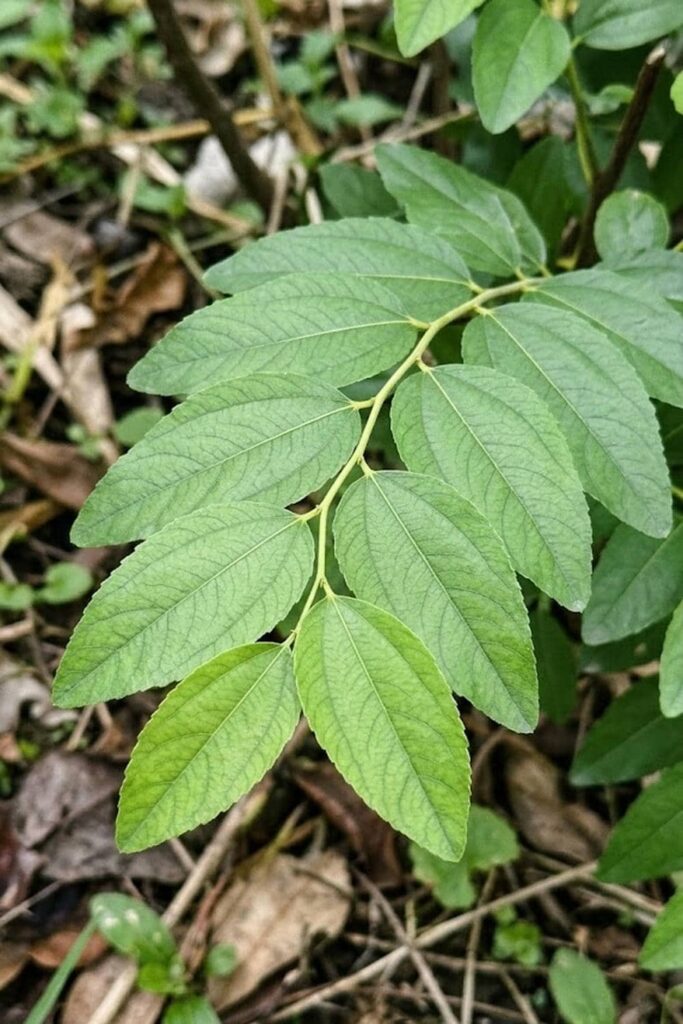
You must implement proactive prevention methods to keep your jujube trees healthy, as they are naturally resistant to most common orchard pests and diseases. This inherent protection is one of the main reasons I find them so rewarding; I rarely need to spray. However, you should still practice diligent monitoring. The most significant potential threat in many areas is the jujube fruit fly (Carpomya vesuviana), which can ruin the harvest. My primary control method involves hanging yellow sticky traps in the canopy in early summer to monitor for fly activity. If you reside in a high-pressure area, applying neem oil organically can help prevent infestation. Diseases are rare, but in humid climates, jujube rust (Phakopsora ziziphi-vulgaris) can occasionally appear on leaves. I find that maximizing air ventilation through proper pruning is the best defense. My experience shows that keeping the orchard clean of fallen, mummified fruit significantly reduces the overwintering population of many pests. Practice these simple control steps to ensure your trees remain vigorous.
Successful Propagation Techniques
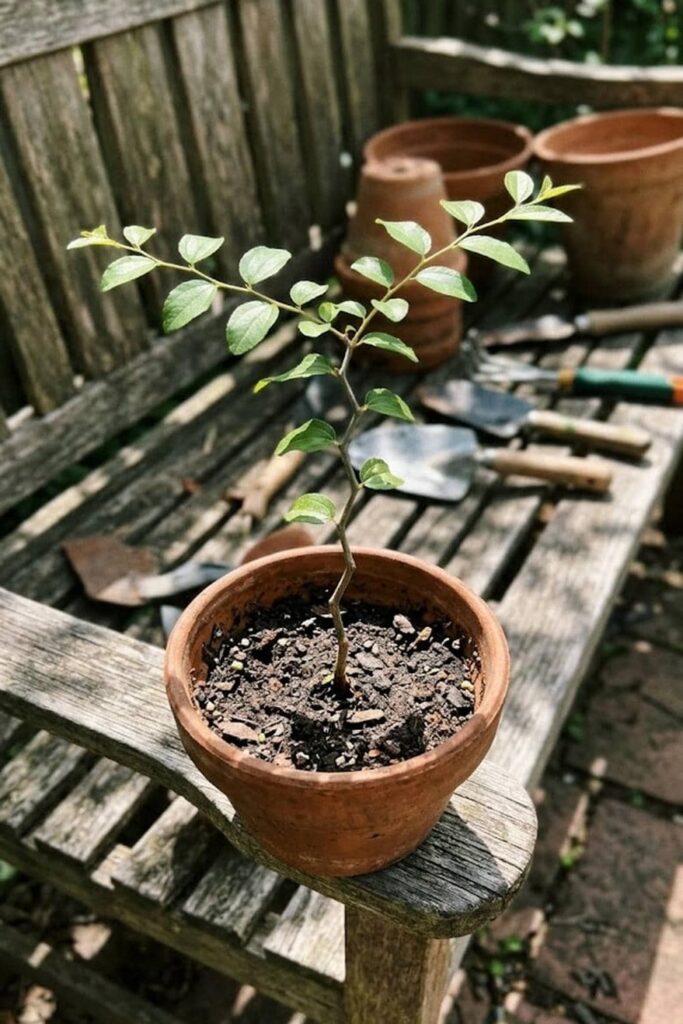
You can propagate new jujube plants using simple techniques to expand your orchard or share varieties with friends. In my experience, the most reliable and straightforward method for the home gardener is digging and transplanting the aggressive root suckers that naturally appear around established trees. These suckers are genetically identical clonal plants. My reflective advice is to wait until the dormant winter season; I then use a sharp spade to sever the connecting root from the parent tree and carefully lift the sucker with as much of its own new root system as possible. I find that this method has a very high success rate when transplanted immediately. Another advanced option is grafting; you must use this technique if you want to reproduce specific cultivars like ‘Honey Jar’ onto hardy Z. spinosa rootstock. Successful grafting requires precise care, temperature control, and practice. Always use clear labeling to ensure you know exactly which variety you have propagated.
Harvesting and Storage for Peak Flavor
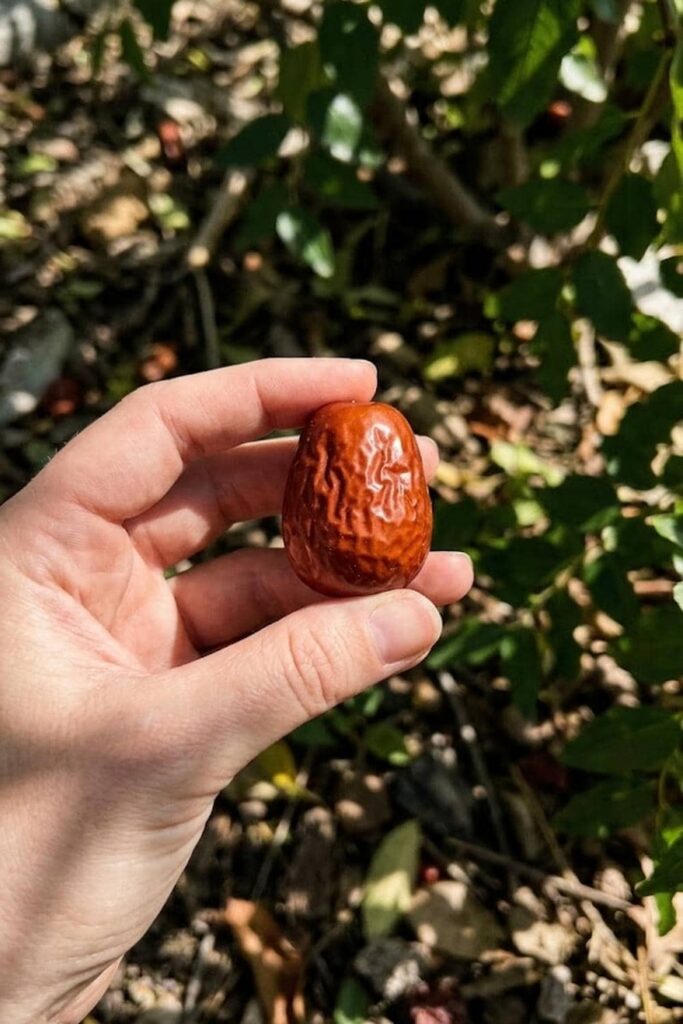
You must know the exact visual cues for harvesting your jujube fruit to experience their peak flavor and texture. I find that jujubes are unique because they offer two distinct culinary experiences based on when you pick them. For the “fresh apple” stage, you must harvest when the fruit skin changes from solid green to a yellow-green with distinctive mahogany-brown spots (the “mottled” stage). At this point, they are incredibly crisp, sweet, and juicy. I have observed that if you wait until they are fully brown, the texture becomes softer and more date-like. The exact visual cue for full ripeness—especially if you want to dry them—is when the mahogany color covers the entire fruit and the skin just begins to wrinkle. When you harvest, simply use your hand to gently pull the fruit from the spur. For storage, fresh mottled jujubes will last about two weeks in the refrigerator. To ensure a year-round supply, I find that fully brown, wrinkled fruits can be sun-dried naturally on racks; once dehydrated, their intense flavor and sweetness are perfectly preserved without any specialized care. Practice proper post-harvest handling and monitoring to avoid mold.
FAQ: Common Jujube Growing Questions
You should review these frequently asked questions to gain deeper insight into the nuances of care required for Ziziphus jujuba. I have curated these answers based on both personal experience and common challenges encountered by beginning jujube enthusiasts.
- How long does it take for a grafted jujube tree to fruit?
- Grafted trees usually begin producing fruit within 2 to 4 years of planting. In my experience, if they receive intense summer light and proper watering during the establishment phase, you can sometimes see a few fruits even in the second year. Seedling trees, however, can take significantly longer (7-10 years) and are not recommended for fruit production.
- Can you grow jujube fruit trees in large pots on a patio?
- Yes, you can successfully grow certain varieties, such as ‘Chico’ or ‘Honey Jar’, in large containers. You must ensure the pot is at least 15-20 gallons in size and has excellent drainage holes. A soil mix modified with 30% perlite or coarse sand is necessary, and you must practice more diligent monitoring of soil moisture, as containers dry out quickly.
- How to fix jujube fruit drop before the harvest season begins?
- Fruit drop is often caused by environmental stress. You must maintain consistent soil moisture—not saturation—during the critical fruit-set and expansion phase in early summer. Sudden temperature fluctuations or a lack of potassium can also be factors. My reflective advice is to apply compost and a light layer of mulch to insulate the roots and reduce stress.
- Why is my jujube tree flowering but not producing any fruit?
- This common problem is often due to poor pollination. While many jujubes are self-fertile, cross-pollination with a second variety (like planting ‘Li’ and ‘Lang’ together) significantly improves fruit set. Another factor is a lack of heat units; jujubes require intense summer heat to set and ripen fruit. Ensure your tree is in full light.
Conclusion: Start Your Jujube Journey
You must recognize that growing jujube fruit is one of the most rewarding and reflective tasks a gardener can undertake in today’s changing climate. I have emphasized these 11 secrets—from choosing ‘Honey Jar’ for flavor to mastering minimalist watering—to ensure you bypass the common frustrations of delicate orchard trees. These indestructible trees offer true food security and immense satisfaction with minimal daily input. By focusing on foundational care like establishing a well-drained soil mix and applying consistent mulch, you are investing in a resilient source of sweet, healthy fruit that will last for decades.








