
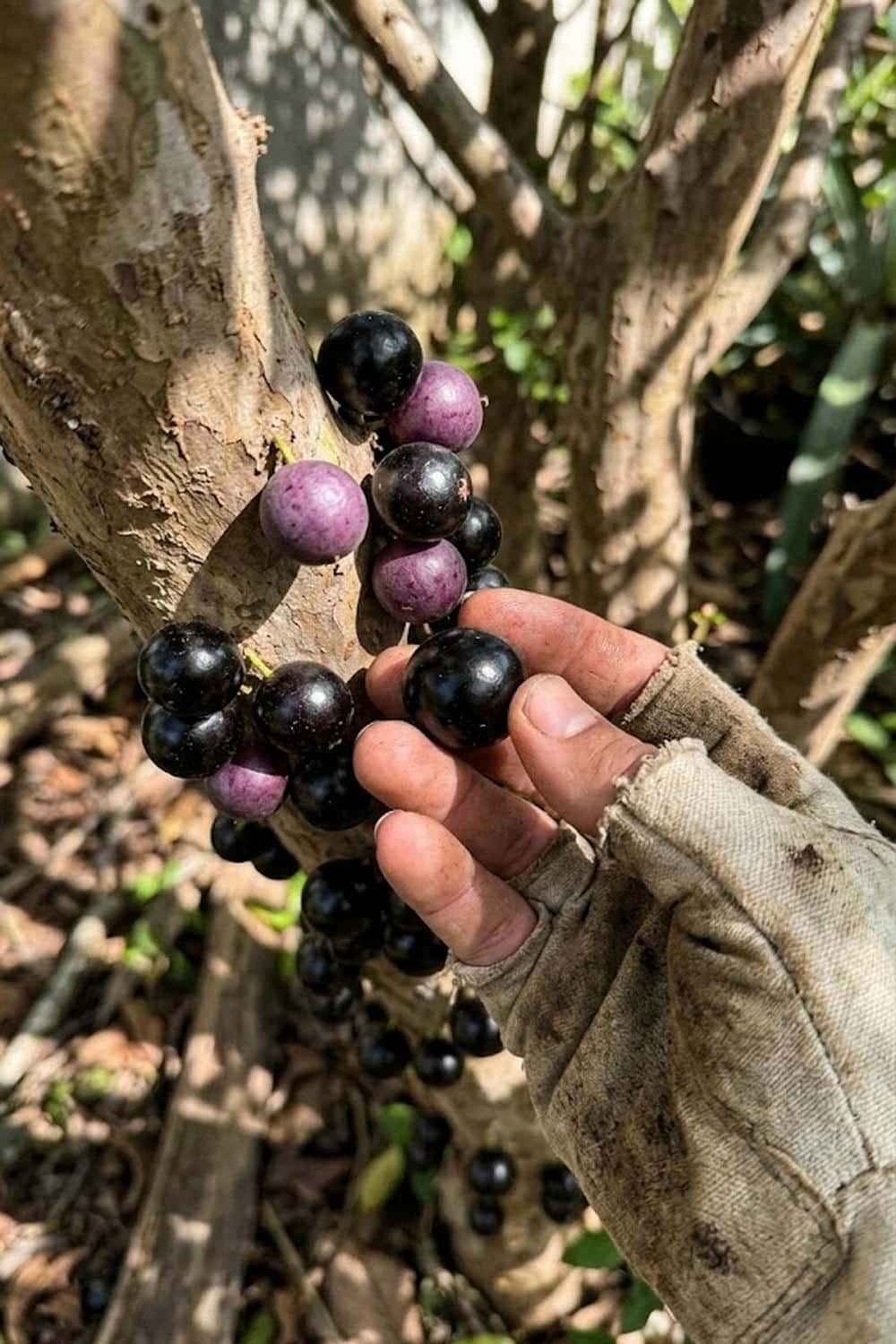

You wait years for a fruit tree to produce, only to find the fruits are sparse, the tree is sickly, and the specific soil needs are a constant battle against your native environment. It is incredibly frustrating to invest time and emotion into a unique plant like the Brazilian Grape Tree, especially when you see conflicting advice online that doesn’t account for its finicky, acid-loving nature. I have navigated these exact challenges, nearly losing my first tree to simple tap water and waiting too long for that iconic trunk-fruiting magic.
You don’t have to endure that frustration. Understanding how to grow Jabuticaba fruit effectively requires adhering to specific cultivation rules, focusing on soil acidity, and maintaining a strict hydration protocol. By leveraging professional insights and avoiding common pitfalls, you can significantly accelerate the timeline to harvest and ensure your tree not only survives but thrives. The strategy for successfully growing Plinia cauliflora lies in consistent Care, Protection, and Management of its unique ecological needs, moving past generic gardening advice into highly specialized techniques.
1. Select Pre-Grafted Varieties for Speed
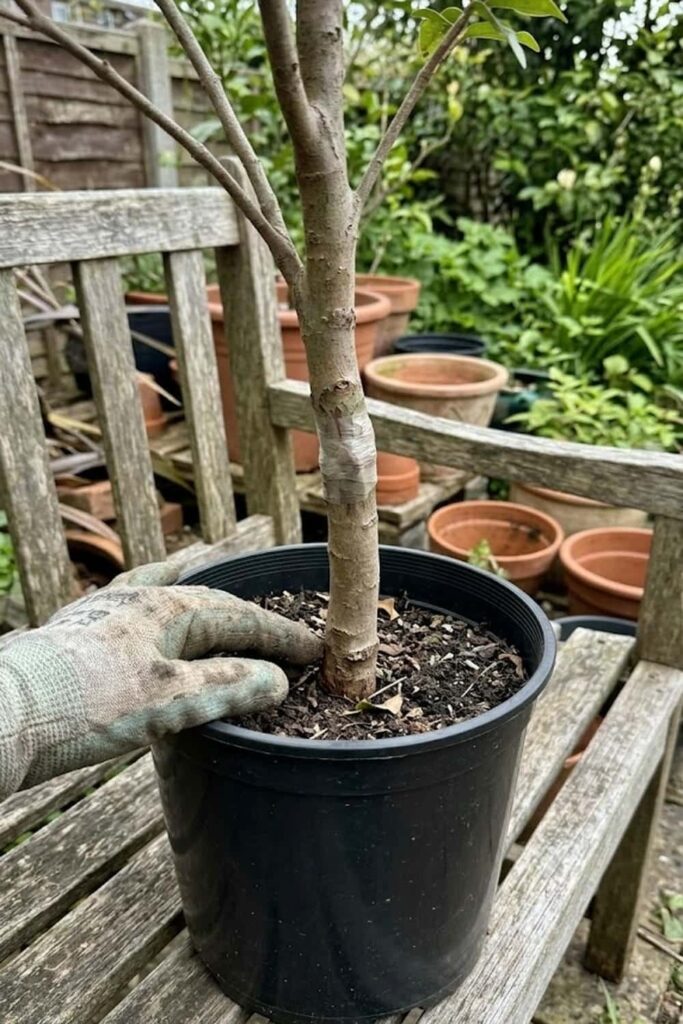
Select a grafted ‘Red Hybrid’ variety to reduce your wait time for Jabuticaba fruit from fifteen years down to just three. While growing from seed is a lesson in patience, most of us prefer the accelerated timeline that professional grafting provides. I made the initial mistake of starting with seedlings, and I regretted the lost decade; my focus quickly shifted to sourcing grafted specimens to satisfy the desire for a faster, more abundant yield. Grafted trees cloned from mature, high-yielding parent plants retain that mature fruiting capacity, effectively bypassing the lengthy juvenile phase typical of this specific botanical family.
A significant benefit of selecting specific cultivars lies in knowing exactly what quality of fruit you will get, rather than risking seed-grown genetic variation. When you utilize cultivars like ‘Sabará’ for traditional flavor or ‘Scarlet’ for compact growth and rapid production, you are implementing a focused strategy for Management and Care rather than relying on chance. Investing a little more upfront for a quality grafted tree from a reputable nursery is the primary Prevention measure against years of unproductive patience in your backyard sanctuary.
2. Master the Acidic Soil Foundation
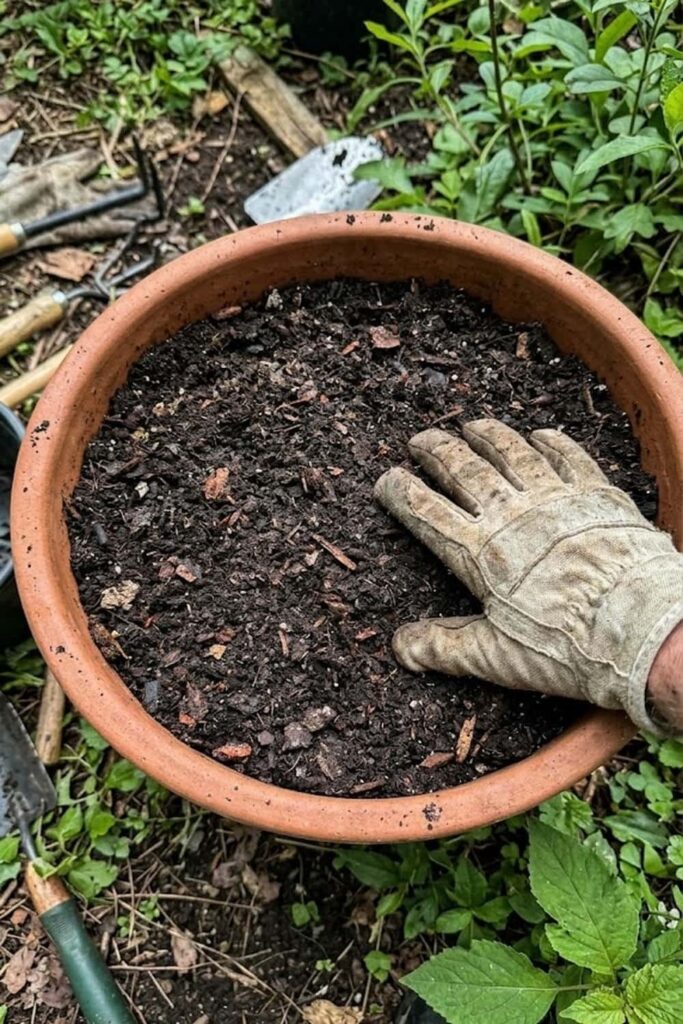
Maintaining a soil pH strictly between 5.5 and 6.5 is the most critical factor when learning how to grow Jabuticaba fruit effectively. I have found that standard garden soil or alkaline tap water will slowly kill these trees; therefore, you must prioritize creating and managing a specialized substrate. The strategy here involves specialized Care and Management: using a foundation of Canadian sphagnum peat moss or aged pine bark mulch naturally provides the high acidity and excellent drainage these surface-feeding roots require.
If your native soil is clay or limestone-based, do not plant this tree directly in the ground without a massive, dedicated acid-soil pit, as the Management of the surrounding ground pH becomes an impossible long-term battle. This is precisely why many advanced growers advocate for container cultivation, offering total Control over the immediate soil environment. Regular applications of elemental sulfur or agricultural lime are insufficient patches; you must establish the proper acidic environment before planting, as the optimal strategy relies on specialized, well-draining media rather than trying to chemical adjust unsuitable existing soil.
3. Implementation of the ‘Fish-Like’ Watering Schedule
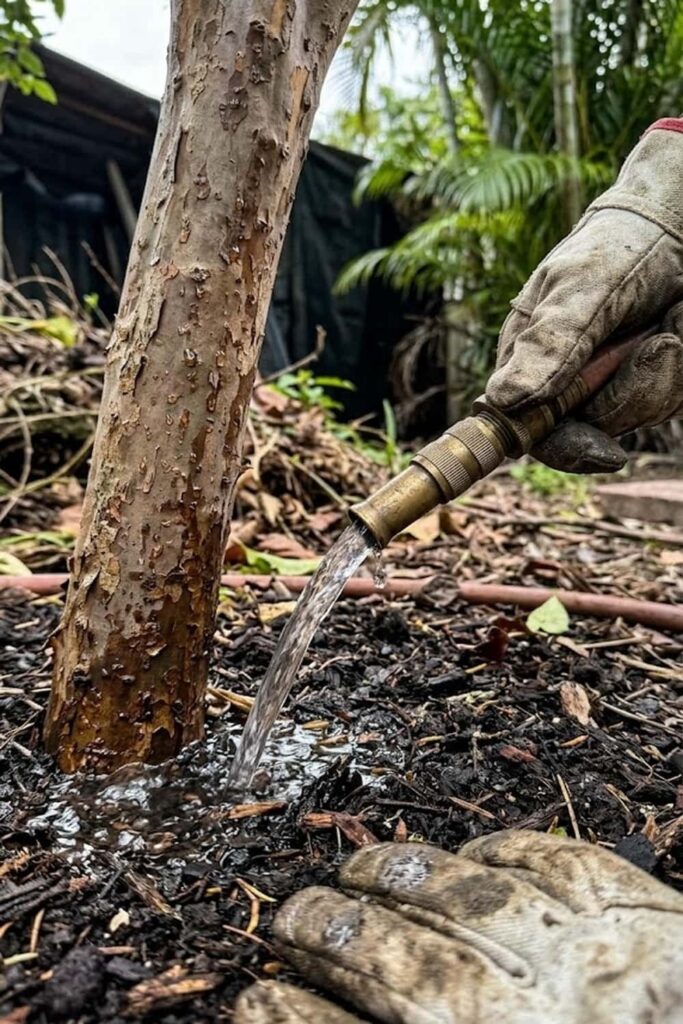
You must establish a rigorous watering protocol where the soil remains consistently, reliably damp, as Jabuticaba trees are functionally intolerant of drought. These plants are colloquially described as “water fish” because their large, shallow feeder roots demand extremely high humidity and non-stop moisture access, mimicking the humid environment of the Brazilian rainforest. Successful strategy here is all about proactive Management; a mature tree in the height of summer might require hydration twice a day, especially when cultivated in a well-draining potting mix.
This is a critical area for Care: while the tree needs constant moisture, it also requires that the water can drain away easily to prevent root rot. This is why a sand-free, high-organic-matter soil (like the peat/pine mix discussed) is necessary—it holds moisture without becoming a stagnant bog. The Prevention of total soil dehydration must be your primary directive, as even a few hours of complete dryness can cause significant leaf drop and jeopardize future fruit production. Consider installing a drip irrigation system with a smart timer as a core Management tool, ensuring that you are providing constant hydration rather than a harmful “flood-and-drought” cycle.
4. Management of Pot-Bound Root Systems
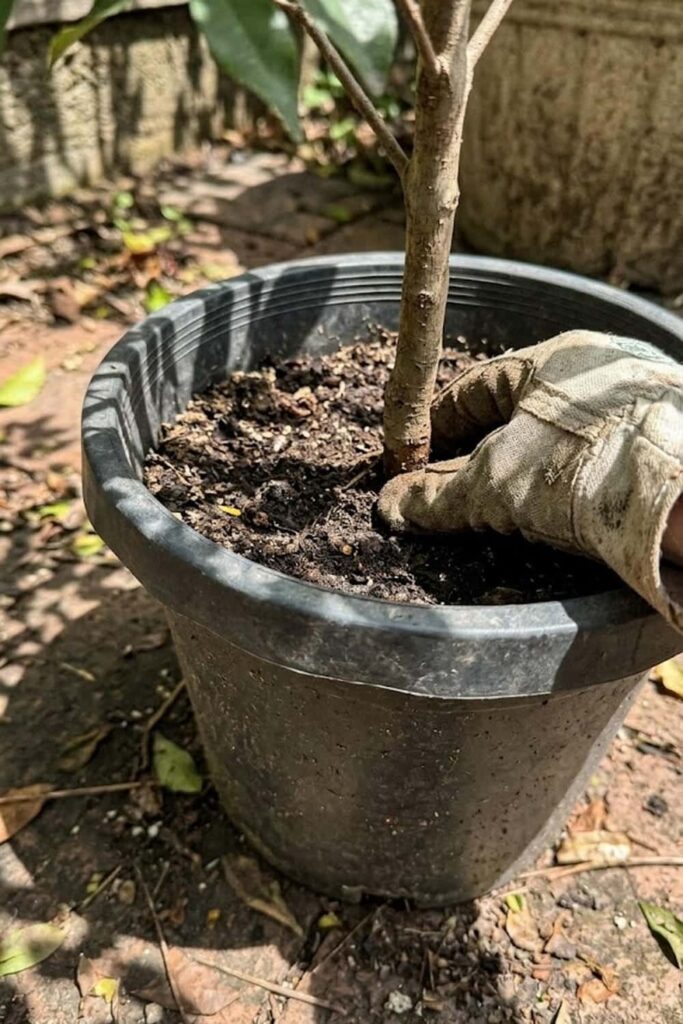
You should actively manage container cultivation to ensure thriving Jabuticaba trees, especially if you reside in an area with non-acidic or heavy clay native soil. Container gardening provides total Control and Care over the precise soil environment the tree requires, which is significantly easier than attempting massive soil amendments. While this tree possesses a extensive root system, it is well-suited to pot life because the shallow feeder roots actually prefer being somewhat confined, provided you are delivering non-stop hydration and nutrition. The best strategy is all about proactive Management: selecting a large, appropriately draining pot allows you to maintain that perfect pH and optimal soil moisture mentioned earlier, effectively bypassing the limitations of your local geography.
Proactive Management here is key: when the tree eventually becomes heavily root-bound, you must carefully uppot it to a container only 2-3 inches larger in diameter, rather than jumping to a massive vessel. When uppotting, focus on crucial Care: maintain the same planting depth and minimize root disturbance to avoid shocking the plant. By prioritizing this specialized Management of the root zone and providing consistent Protection from drought stress, you can successfully cultivate this unique fruit-bearing tree in almost any location, achieving that satisfying, trunk-fruiting harvest year after year.
5. Protection Against Cold and Frost Snaps
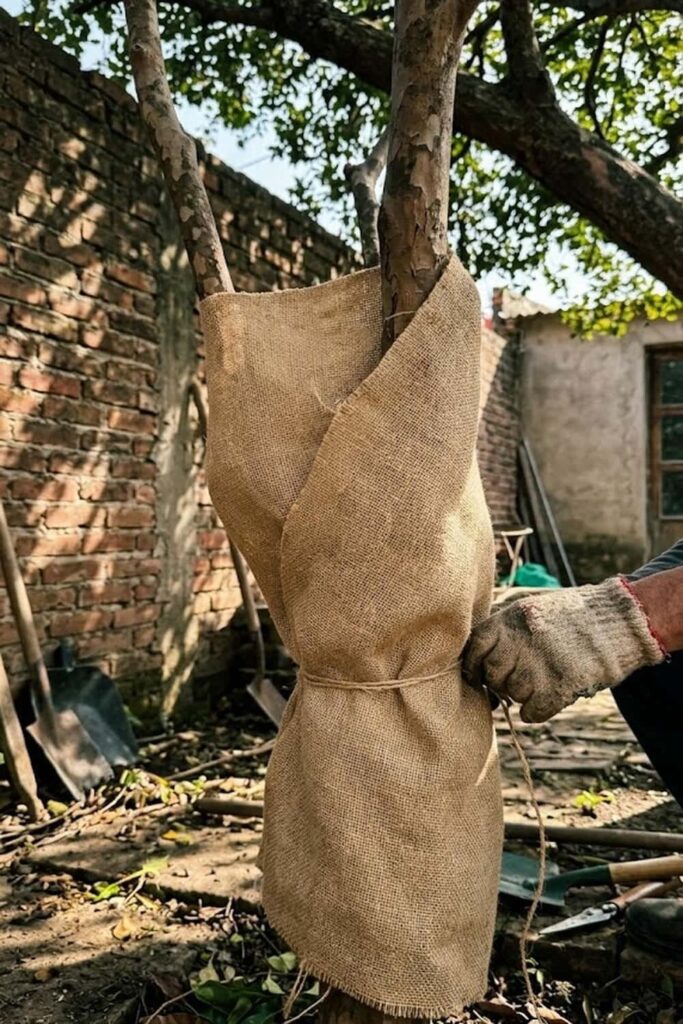
You must provide active cold protection, especially for young or container-grown Jabuticaba trees, as they are functionally intolerant of significant freezing temperatures. While mature, established trees (those that have survived 5-7 winters) can possess a surprising degree of resilience—potentially withstanding brief dips to 27°F (-3°C)—any prolonged frost is dangerous. A single night of sub-freezing weather can decimate years of Care and Management. This is why successful strategy relies on proactive Protection: moving potted specimens into a greenhouse, garage, or even indoors when low temperatures are forecasted, safeguarding the core Care you’ve invested in.
If your tree is planted in the ground and too large to move, your Management tactics must escalate: construct a temporary frame and drape it with heavy frost cloth, adding an old-school, non-LED string of lights inside the tent for passive heat generation. Ensure the soil is thoroughly saturated before the cold front hits, as wet soil radiates more heat than dry earth. This critical Prevention measure can mean the difference between minor leaf browning and total, terminal dieback. For most growers with limited winter space, this finicky requirement solidifies the recommendation to prioritize container Management, offering total Control over essential winter Protection.
6. Control of Nutrient Levels with Iron Chelates
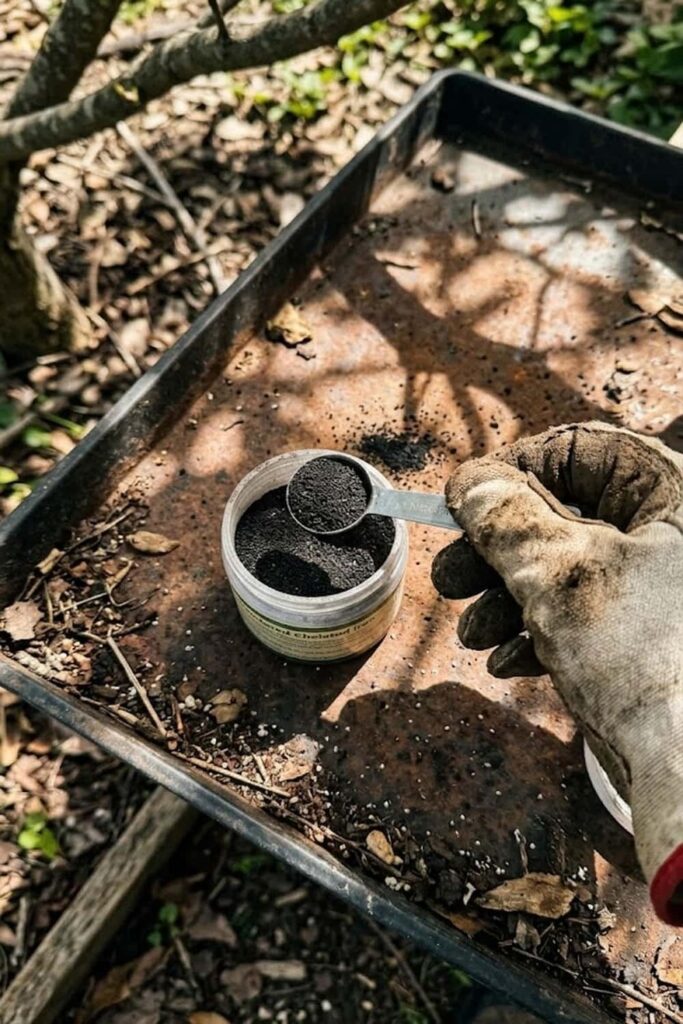
You should apply chelated iron supplements regularly to maintain the deep green foliage required for vigorous Jabuticaba fruit production. Because these trees are obligate acid-lovers, growing them in soil with a pH above 6.5 results in nutrient lockout; the tree cannot absorb essential iron, even if it is present in the soil. This manifests as interveinal chlorosis, where new leaves turn yellow while the veins remain green. I learned this through specialized Management and Care after generic fruit tree fertilizer failed to correct my tree’s sickly appearance. Utilizing Prevention by acidifying the soil is the first step, but direct Care with iron chelates (like EDDHA or EDTA forms) is often necessary for rapid correction.
This is a key area for Care and Protection: dynamic nutrient delivery is far more effective than heavy, singular applications. I recommend a specialized fertilizing Management schedule using a balanced, water-soluble fertilizer formulated for acid-loving plants (like those for azaleas or blueberries) applied at half-strength every 4-6 weeks during the growing season. Combine this Care with foliar sprays of iron chelate every quarter. This proactive Management provides consistent Protection against micronutrient deficiencies, ensuring the tree has the energy to develop those iconic, trunk-hugging flowers.
7. Prevention of Salt Burn on Leaf Tips
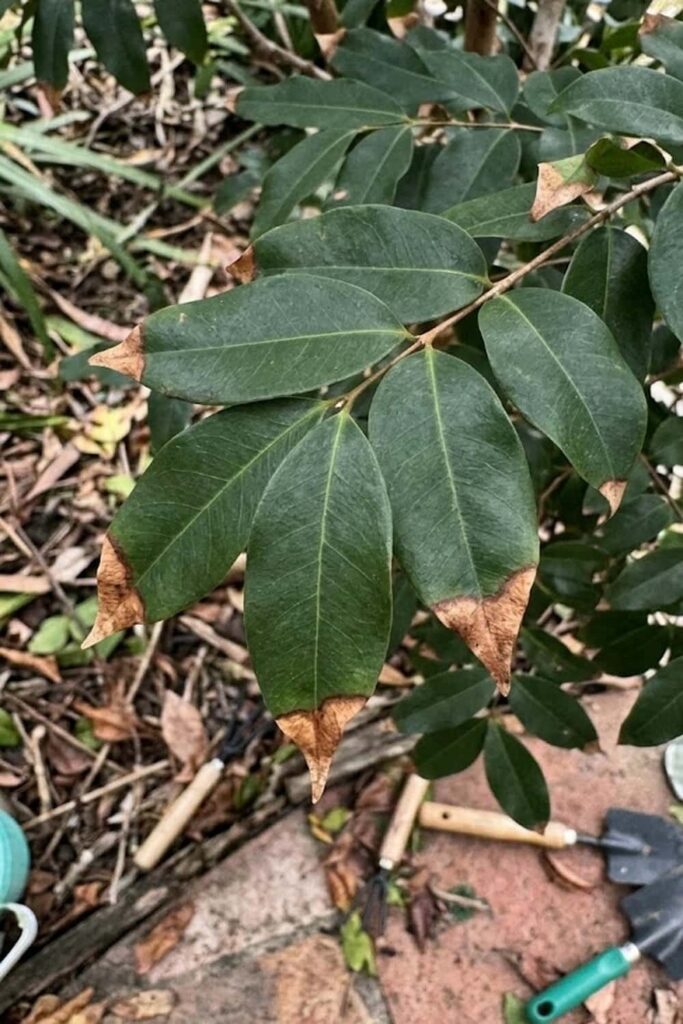
You must flush the soil of container-grown Jabuticaba trees periodically with heavy irrigation to prevent debilitating salt buildup, which causes unsightly brown leaf tips. This finicky plant is extremely sensitive to the dissolved minerals (salts) commonly found in municipal tap water and synthetic fertilizers. I learned this through painful Management experience when I thought the brown tips indicated underwatering; the proper response, however, is dynamic Prevention. A successful strategy here involves monthly leaching Management: saturate the pot with rainwater or reverse osmosis water until it flows freely from the drainage holes, effectively washing away the accumulated salts. This is a critical factor for successful Management and Care.
This is crucial Protection and Management: use rain barrels to collect natural water, which is naturally acidic and mineral-free, providing the perfect Care for these surface roots. When you do fertilize, prioritize low-salt organic options over traditional synthetics to provide gentle Management and Care. By prioritizing this specialized Prevention technique and delivering high-quality water, you can safeguard your tree from this common stressor, ensuring lush, healthy foliage that supports robust fruit production. Consistent, proactive Management of the water quality is your primary defense against salt burn.
8. Strategic Afternoon Shade Placement
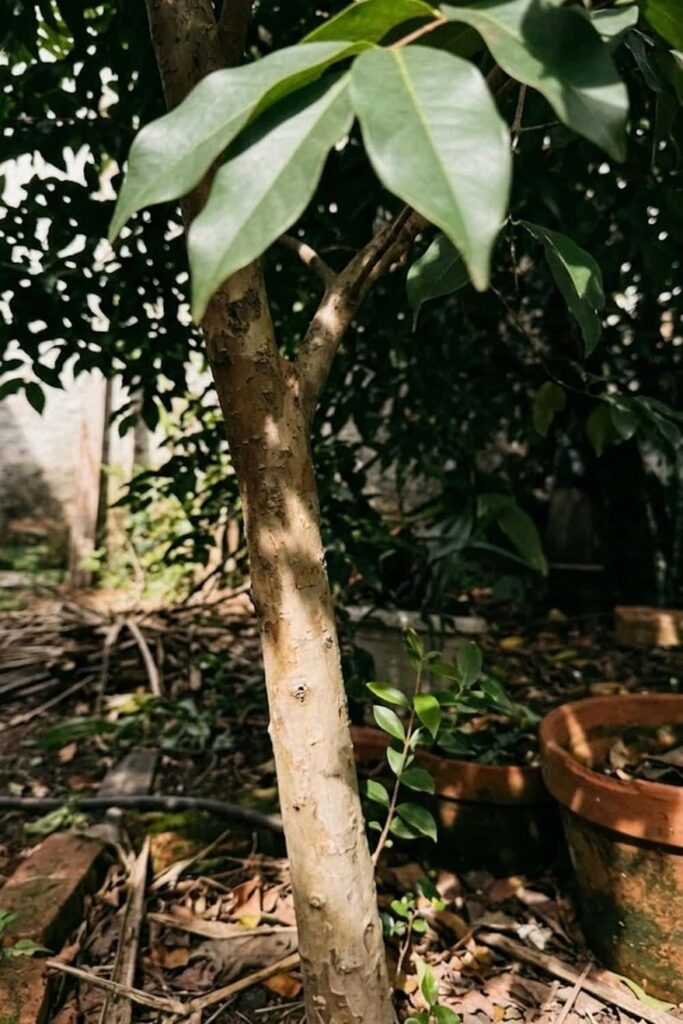
You must provide your Jabuticaba tree with strategic afternoon shade to prevent heat stress, which can stall growth and compromise future fruit production. While these trees are native to the high-humidity understory of the Brazilian Atlantic Rainforest, they are often cultivated in full sun locations. I found through observation and Care that a mature tree can indeed tolerate intensive sun, but young specimens require proactive Protection. The intense, direct sun from 2:00 PM to 5:00 PM, especially during peak summer, can severely stress the surface roots, even if you are providing optimal irrigation, making strategic Management and Care essential.
This is critical Protection and Care: the goal is dappled, shifting sunlight during the hottest part of the day. A successful Management strategy involves using 40% shade cloth draped over a simple structure during July and August, or positioning the tree on the east side of a structure where it is naturally shielded. The specialized Prevention of heat stress, not just the delivery of water, is a core requirement for robust Care. I encourage you to see afternoon shade not as a weakness, but as essential, specialized Protection and Management of the tree’s native ecological needs.
9. Management of Pruning for Airflow
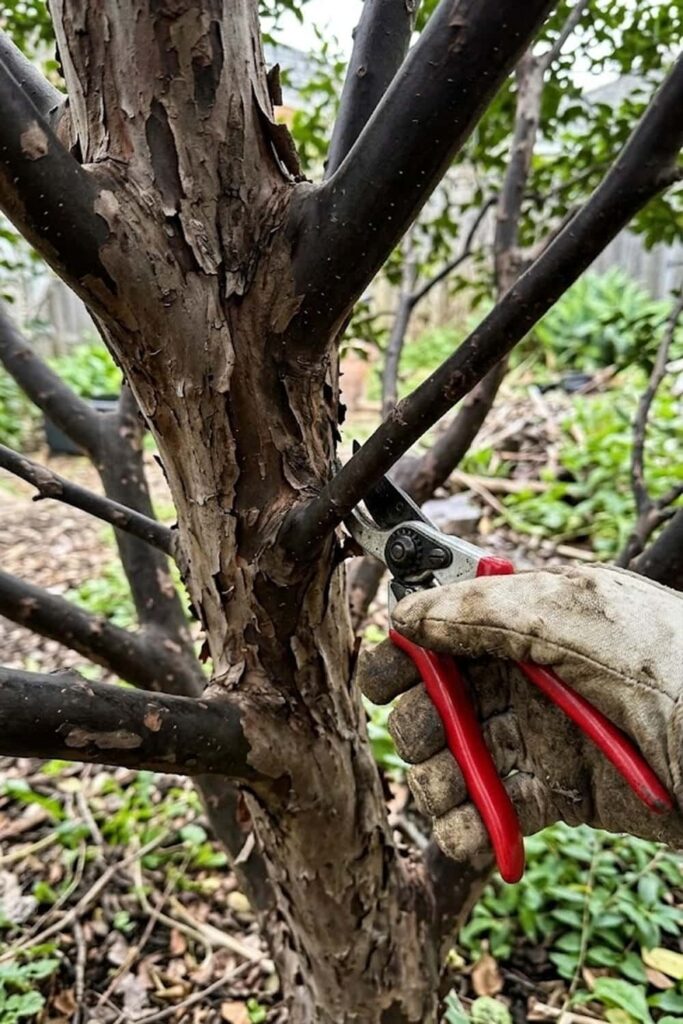
You should thin out the dense inner branches of your Jabuticaba tree to improve crucial airflow and ensure sunlight reaches the main trunk, which is essential for stimulating cauliflorous flowering. Because Plinia cauliflora bears fruit directly on its mature wood, maintaining an open canopy structure is not just about aesthetics; it is a vital strategy for reproductive Care and Management. When the interior becomes too cluttered with thin, unproductive “sucker” growth, it creates a dark, stagnant environment that discourages bloom development on the trunk and increases the risk of fungal issues like rust. Proactive Management here is key: remove any crossing, dead, or inward-growing branches during the winter dormant season to maintain this essential structure.
This is critical Care and Protection: always use sharp, sterilized bypass pruners to make clean cuts, preventing the spread of disease. I’ve found that focusing on “less is more” yields the best Management results; over-pruning can stress the tree and reduce overall yield. The best strategy is all about balanced Management: remove no more than 20% of the total canopy in a single year. By prioritizing this specialized thinning Care and providing consistent Protection from fungal pressure through improved ventilation, you safeguard the tree’s unique fruiting mechanism, ensuring a satisfying backyard harvest year after year. Consistent, proactive Management of the canopy is your primary defense.
10. Care During the Cauliflorous Flowering Phase
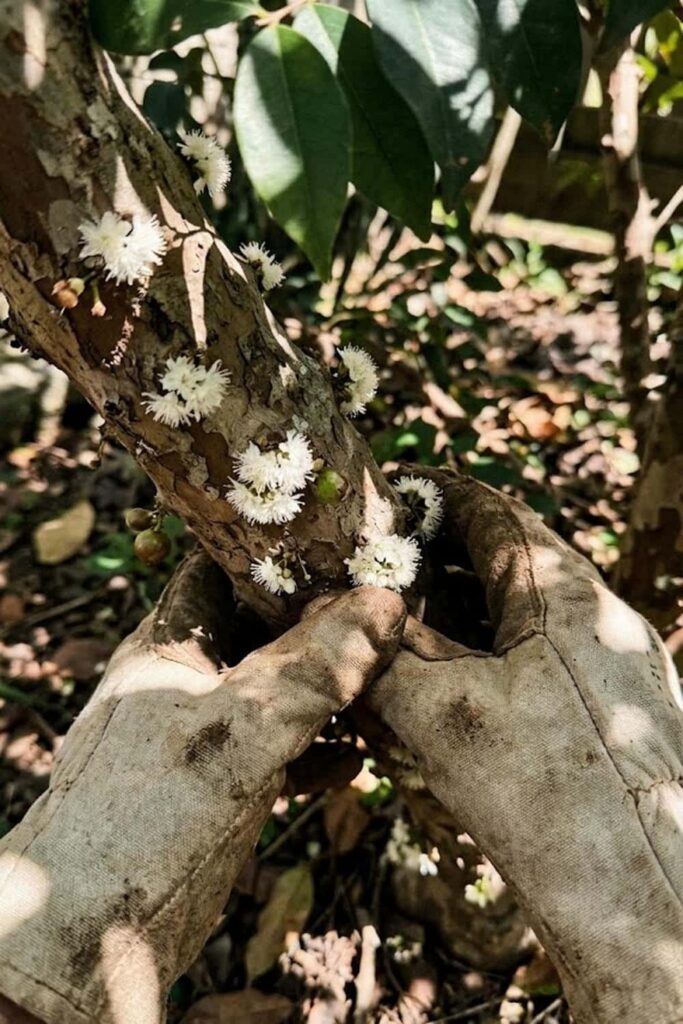
You must minimize physical disturbance to the trunk and avoid overhead watering once the delicate, white Jabuticaba flowers begin bursting directly from the bark. This unique fruiting habit, known as cauliflory, is the tree’s most iconic feature, but it is also a highly sensitive period where simple Management can significantly impact your final harvest density. While some online advice might suggest misting the trunk, my experience indicates that this is a critical moment for proactive Protection: too much direct water pressure or physical contact can easily knock the blossoms or emerging fruitlets off the trunk, disrupting the entire reproductive cycle. This dynamic Care is essential for specialized Management.
The best strategy here focuses on specialized Management and Care: maintain the ground-level watering schedule but ensure the trunk itself remains dry. If you must apply nutritional sprays, do so only to the leaves, never the flowering trunk, as this specialized Prevention is key to a robust fruit set. I encourage you to see this delicate cauliflorous phase as a highly targeted Management window where minimal intervention on the trunk surface constitutes the most high-value Care and Protection. Your role shifts from active Management to respectful observation, allowing the iconic trunk-fruiting process to proceed unimpeded for a satisfying backyard harvest.
11. Identifying the Peak Ripeness Window
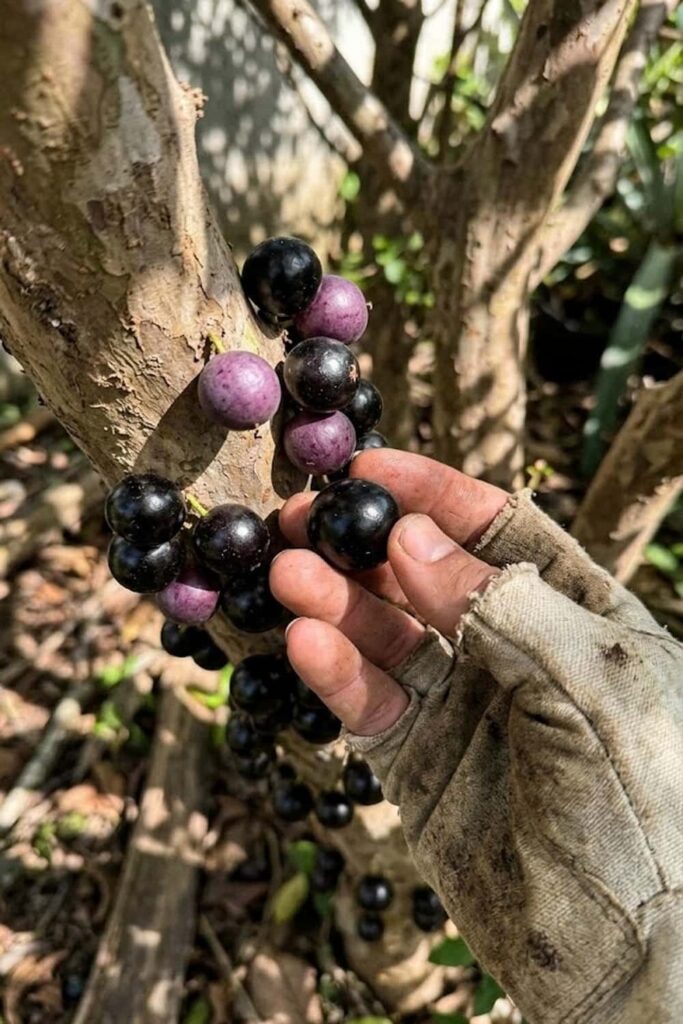
You must harvest Jabuticaba fruit precisely when they turn a deep, glossy black and yield slightly to gentle pressure, as they do not ripen off the tree and ferment rapidly. This is the culmination of all your specialized Care and Management. While they might look like grapes, the texture is entirely unique—a thick, slightly tart skin encasing a sweet, gelatinous, translucent pulp. I’ve found that many people pick them too early based on color alone; wait until they lose that dull, matte purple look and develop a brilliant shine and palpable softness, ensuring you achieve that satisfying Management result. This specialized Care is essential for a productive backyard harvest.
The critical factor here is specialized Management: once picked, the fruit typically spoils within 24 to 48 hours, developing an unpleasant fermented taste. This makes immediate consumption essential for specialized Care. Successful Management means harvesting small amounts frequently rather than attempting a large single pick, allowing you to enjoy the fresh fruit directly from the trunk, a core strategy for optimal Management and Care. Identifying this perfect ripeness window is your highly targeted, high-value Management window, providing the sweet, immediate reward for years of dedicated Care, Protection, and Management.








