
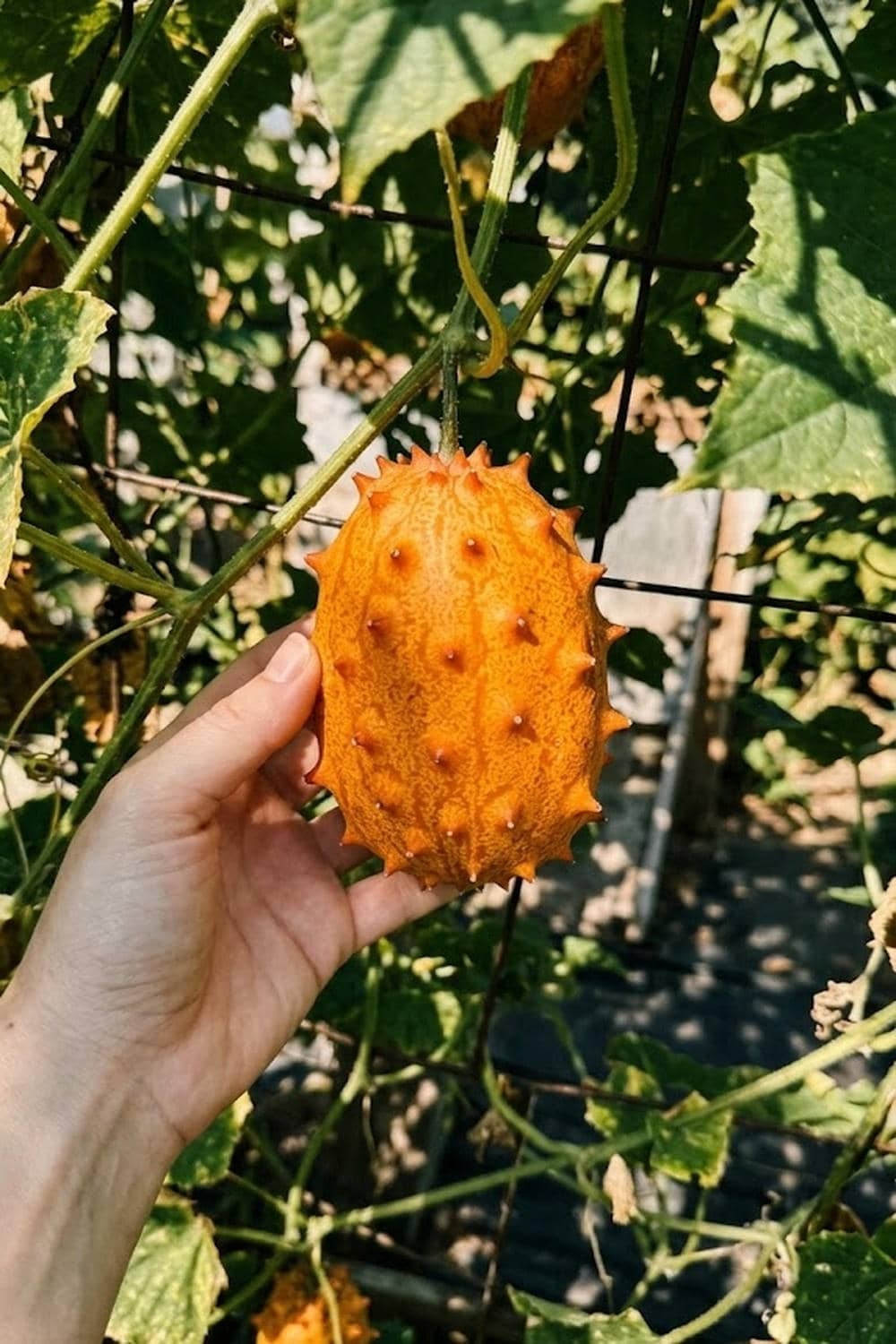

You are scrolling through exotic fruit photos, dreaming of a unique backyard harvest, only to realize your current garden feels repetitive and boring. It’s frustrating when you invest time and money into the same old tomatoes and cucumbers, yet you secretly crave the excitement of growing something truly extraordinary, something that makes your neighbors stop and stare. What if I told you that you can easily overcome this gardening rut? How to grow Kiwano fruit successfully is not as impossible as it seems; you just need the right knowledge to manage this thirsty, heat-loving vine from the Kalahari Desert. By following the 17 practical secrets I’ve learned through trial and error, you can protect your yield from common pitfalls and enjoy a bountiful harvest of vibrant orange, lime-banana flavored horned melons.
Select the Best Seeds for High Germination Rates
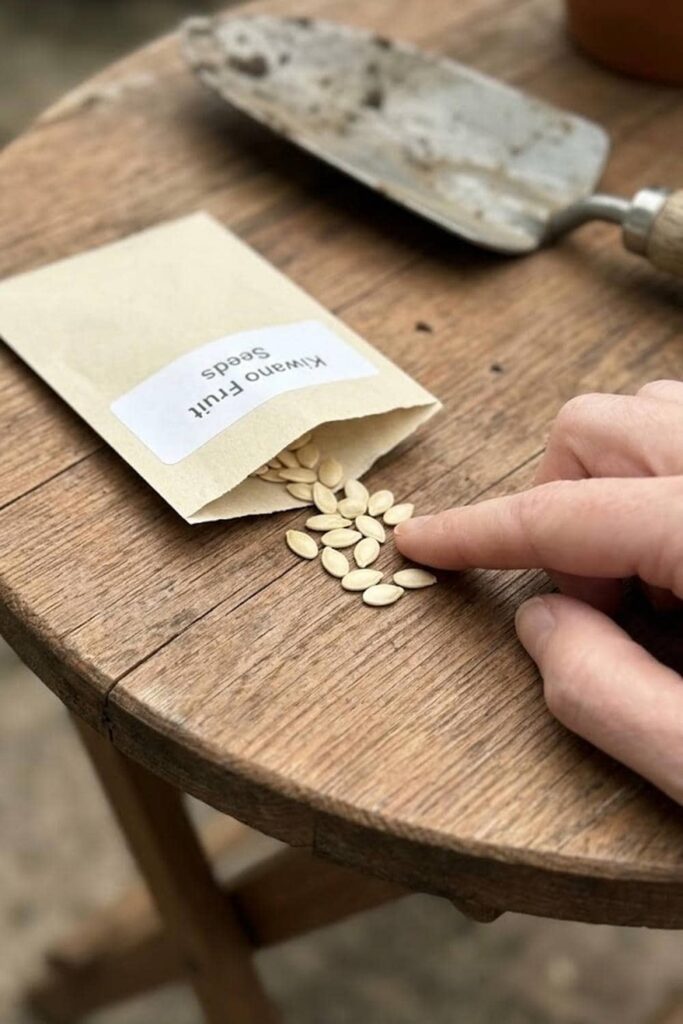
When I first decided to try my hand at growing these spiky wonders, I made the mistake of grabbing the cheapest seeds I could find online. I ended up waiting weeks for sprouts that never arrived, which was incredibly disheartening. I soon learned that successful Kiwano cultivation demands high-quality, viable seeds.
I highly recommend sourcing organic, heirloom seeds from reputable suppliers rather than relying on grocery store fruit, which often results in weak hybrid plants. You are looking for seeds that feel full and firm; avoid any that are papery or discolored. A simple viability test you can perform involves dropping the seeds in a bowl of water; the viable seeds usually sink, while the duds float. For long-term viability, I store my selected seeds in a cool, dark, dry environment.
| Seed Feature | Ideal Characteristic | Why it Matters for You |
| Origin | Organic/Heirloom | Superior plant vigor and true-to-type fruit |
| Viability | Firm, Full | Higher germination rate, less wasted time |
| Storage | Cool, Dark, Dry | Maintain long-term seed health |
Start Seeds Indoors to Beat the Cold
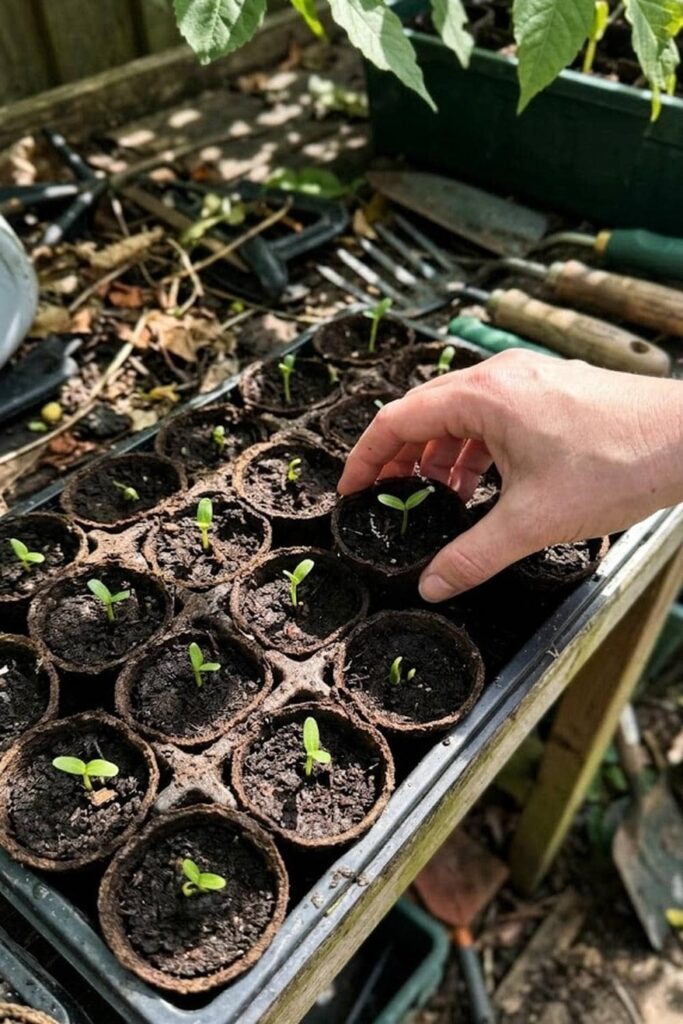
I quickly discovered that African Horned Melons are exceptionally sensitive to frost. When I rushed them into the cold spring ground too early during my second season, I watched helplessly as the seedlings turned to mush overnight. Now, I always start my seeds indoors, and you should too, to give them the head start they desperately need, especially if your growing season is short.
In my experience, the best time to start them is about 4 to 6 weeks before you expect the very last frost. Since they love heat, you must provide consistent warmth, preferably around 21°C to 27°C (70°F to 80°F), using a heat mat if your home is chilly. I prefer using peat pots because they minimize root disturbance during transplanting, which Kiwano plants really appreciate.
Maintain Tropical Temperatures for Fast Growth
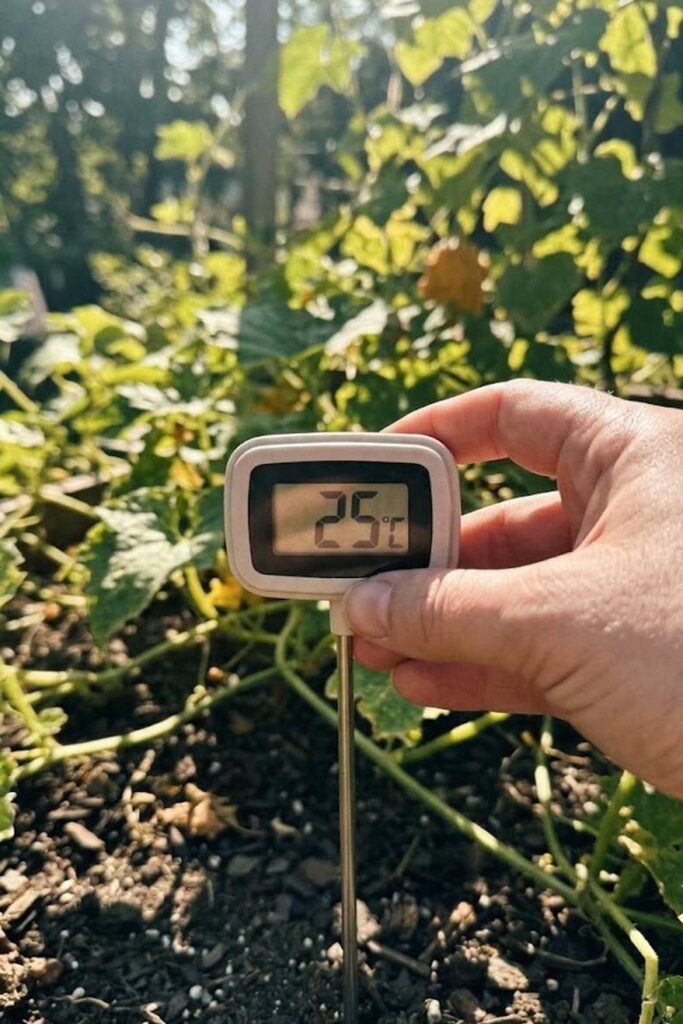
Coming from the hot desert regions of southern Africa, these plants require intense heat to thrive. I once had a season where a cool, cloudy July stunted my Kiwano, and the vines barely grew or produced flowers. To manage their care successfully, you must maximize their exposure to warmth and direct sunlight. They perform best when daytime temperatures are above 24°C (75°F) and night temperatures stay above 15°C (60°F).
I’ve found that using black plastic mulch in the early spring helps tremendously by absorbing sunlight and warming the soil before transplanting. If you live in a cooler climate, you might consider how to grow Kiwano fruit within the protective environment of a greenhouse, or use row covers to trap warmth during cool spells, which helps protect your yield from temperature stress.
Choose a Sunny Spot with Well-Draining Soil
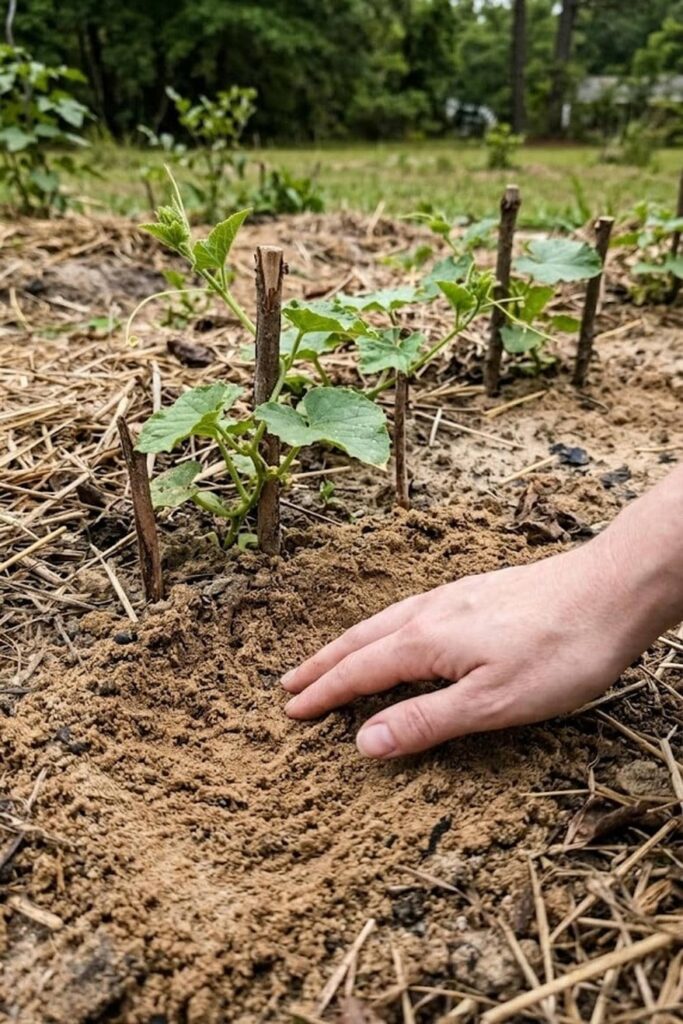
You need to select your growing location very carefully. How to grow Kiwano fruit with deep, healthy roots requires a spot that receives full, hot sun for at least 6 to 8 hours daily. I have observed that when they are shaded by other plants or fences, the vines remain weak, and fruit production is significantly reduced. They are not overly picky about soil quality, but excellent drainage is non-negotiable.
In my garden, I prefer to grow them on slight mounds or in raised beds, especially if you deal with heavy clay. The soil should ideally be a light sandy loam. I often amend the area with well-rotted compost to improve drainage and offer baseline nutrients. Before planting, I suggest you check that your soil pH is slightly acidic to neutral, ideally falling between 6.0 and 6.5.
Build a Sturdy Trellis for Vertical Vine Management
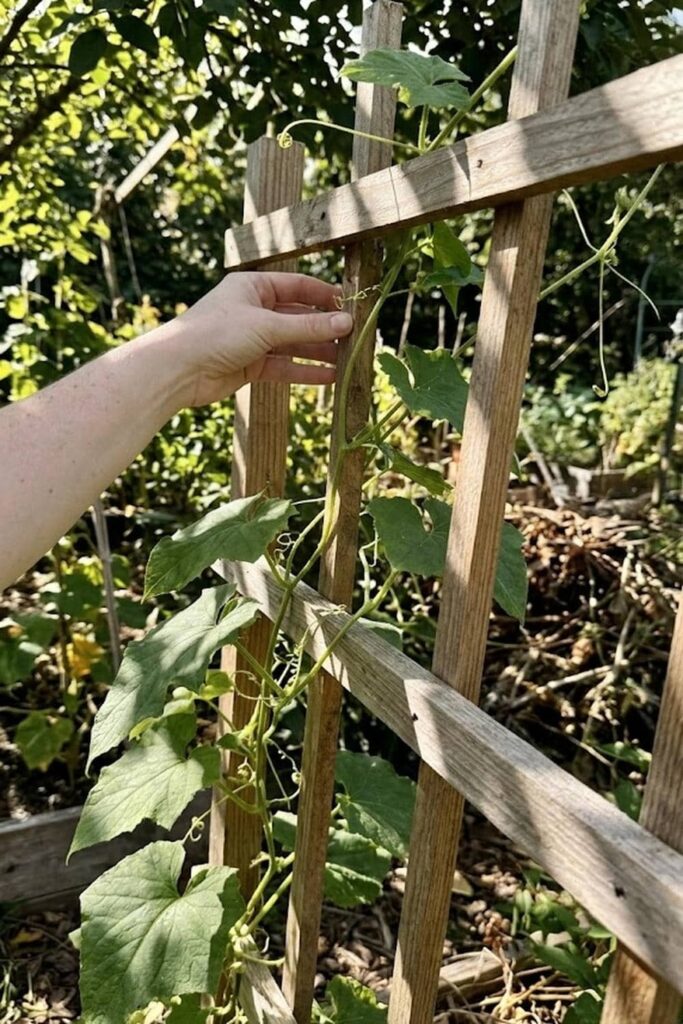
The first time I grew these melons, I underestimated their vigor. A single plant completely took over my small vegetable garden, smothering my peppers and creating an impenetrable, spiky mess. I quickly realized that containing these 100-foot vines requires robust support structures. How to grow Kiwano fruit efficiently in small spaces means utilizing vertical gardening techniques.
You absolutely must build a very sturdy trellis or fence before the vines begin to sprawl. I found that vertical growth keeps the spiky melons off the wet ground, which helps protect your yield from rot and makes harvesting significantly easier. I now use heavy-duty cattle panels or a strong A-frame trellis that can support the considerable weight of both the massive vines and the maturing fruit.
| Feature | Importance in Management | Best Approach |
| Vine Length | Can reach over 50-100 feet | Must use strong trellising or fences |
| Fruit Weight | Multiple melons can weigh down weak supports | Heavy-duty cattle panels or A-frames |
| Ground Rot | Fruit touching soil is susceptible | Vertical growth ensures clean, dry melons |
Provide Deep Watering to Prevent Fruit Stress
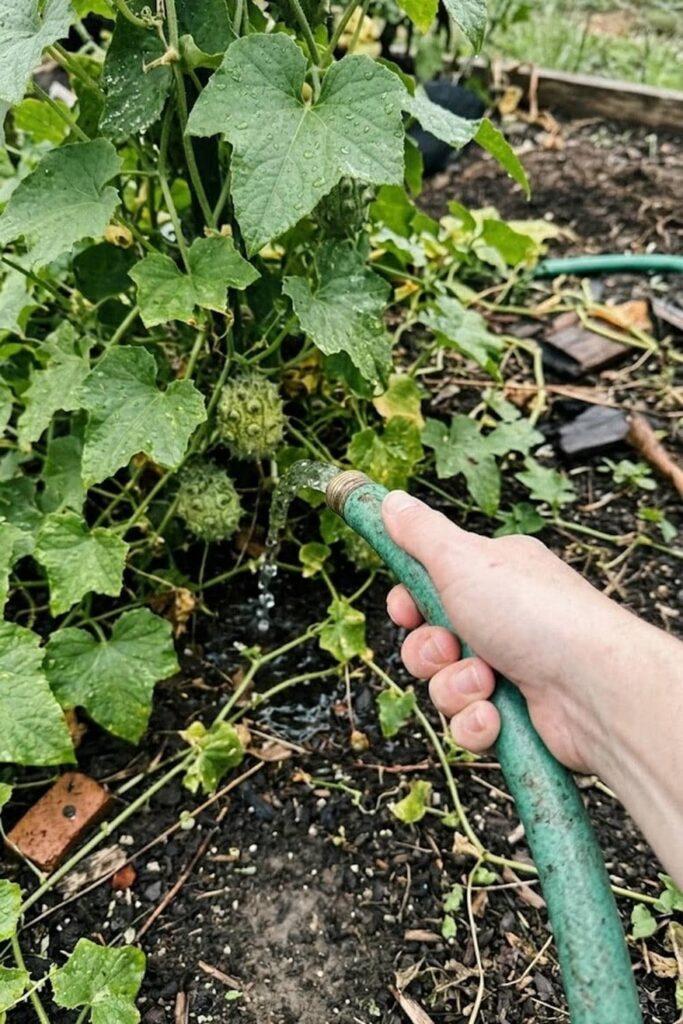
While these desert natives are surprisingly drought-tolerant once established, consistent moisture is vital for fruit production. In my early attempts, I assumed “desert plant” meant “no water,” which led to bitter, stunted melons and significant blossom drop. You must provide steady, deep watering, particularly from the moment flowers appear until the fruit finishes ripening. An irregular watering schedule can cause the developing melons to split or induce flavor stress.
I recommend you apply water directly to the soil base, avoiding overhead irrigation which often encourages fungal issues. My strategy involves a slow, deep soak once or twice a week, allowing the moisture to reach the extensive root system. Mulching around the plants with straw or leaves is an excellent management tool I use to conserve soil moisture and protect your yield during intense summer heat spells.
Use Organic Fertilizer to Boost Jelly Melon Yield
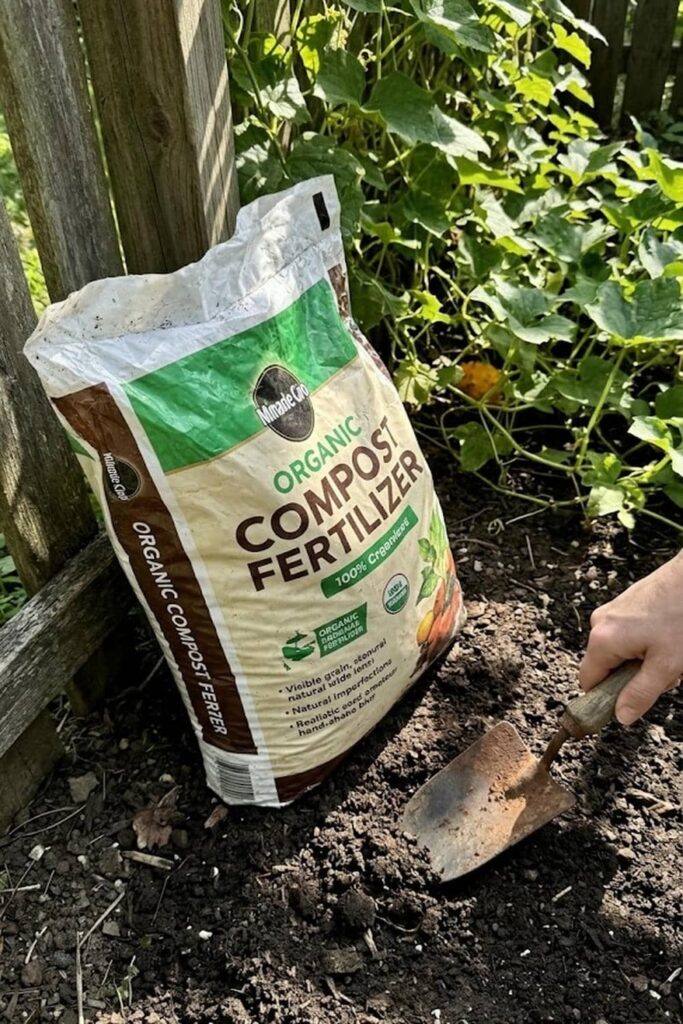
The African Horned Melon is a heavy feeder, particularly when grown on a trellis where it cannot root along the stems. If you ignore nutrient management, the vines remain thin, and fruit set is poor. I initially made the mistake of using a high-nitrogen fertilizer throughout the season, resulting in massive, lush vines but absolutely zero melons. You must adjust your feeding strategy to support both plant structure and eventual fruit development.
I recommend starting with soil rich in organic matter. After the plant is established, I switch my feeding regimen. I apply a balanced organic fertilizer every 3-4 weeks. When I see the first tiny yellow flowers appear, I move to a fertilizer higher in potassium and phosphorus, like a liquid seaweed or fish emulsion, which provides essential nutrients to protect your yield and encourages vibrant fruit production.
Master the Art of Hand-Pollination
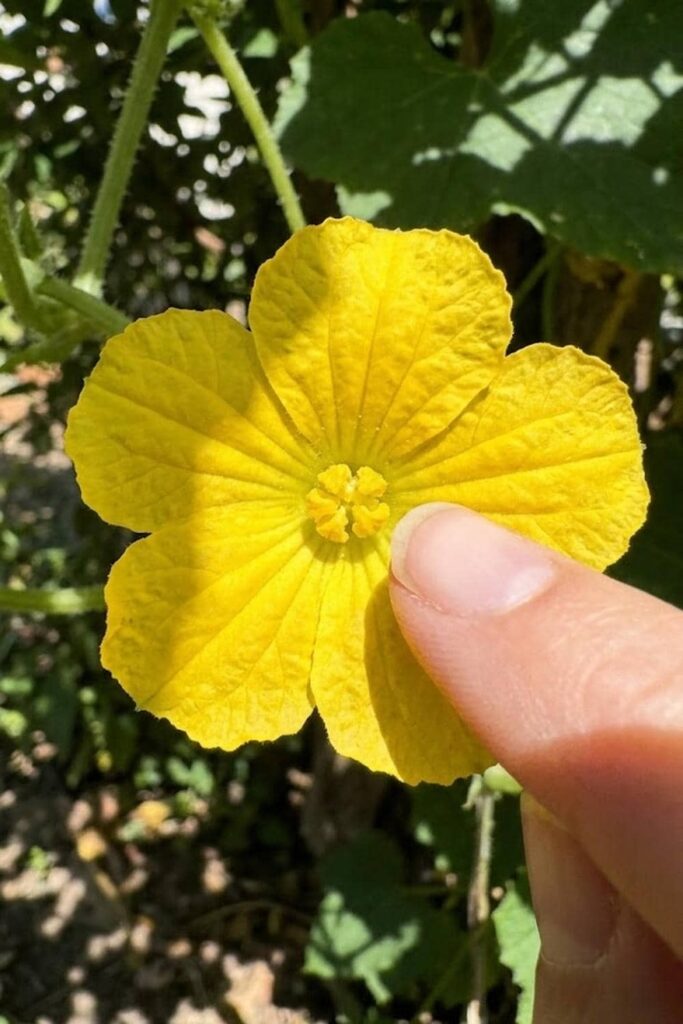
This is one of the most common critical failure points I see gardeners face. You can have the healthiest vines in the world, but if they aren’t pollinated, you will harvest absolutely nothing. Kiwano plants produce separate male and female flowers on the same vine. In many areas, the specific pollinators these plants rely on are missing, or cool weather keeps local bees inactive. How to grow Kiwano fruit with a reliable yield often means you must step in and manage the pollination yourself.
I suggested you check for female flowers, which you can easily identify because they have a tiny, miniature spiky fruit at their base. Male flowers just have a thin stem. My technique is simple: early in the morning, I pick a fresh male flower, carefully peel back its petals to expose the pollen-covered center, and gently rub it inside an open female flower. It’s a very quick, Relatable process that dramatically ensures your success.
Control Pests Like Aphids and Pickleworms
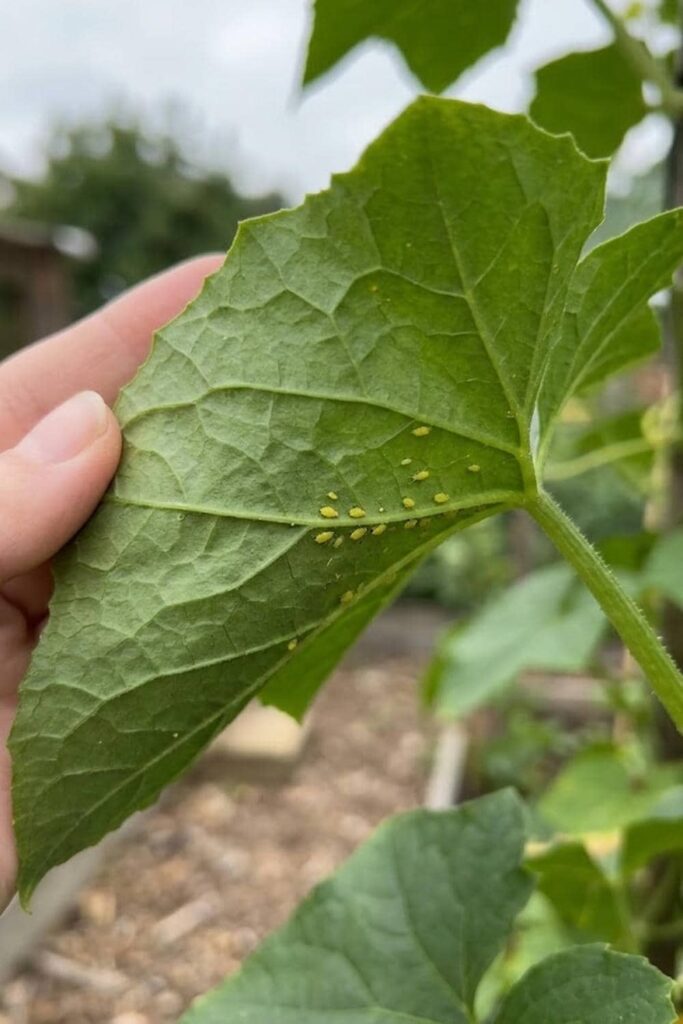
While I find Kiwano vines are remarkably resistant to most common garden diseases, they are unfortunately not immune to certain pests. You must stay vigilant, especially against squash bugs, aphids, and the dreaded pickleworm. I once lost an entire late-season harvest because pickleworms tunneled into nearly every mature melon right before I planned to pick them. This experience taught me that early management is far more effective than trying to control a full-blown infestation.
I SUGGESTED YOU monitor the undersides of the large leaves daily. If I spot aphid colonies, a sharp blast from the garden hose usually knocks them back. For serious protection against pickleworms, I highly recommend using floating row covers over your young vines before they start flowering. I have learned that prevention is key; management must start the moment you transplant your seedlings into the garden.
Manage Powdery Mildew in Humid Climates
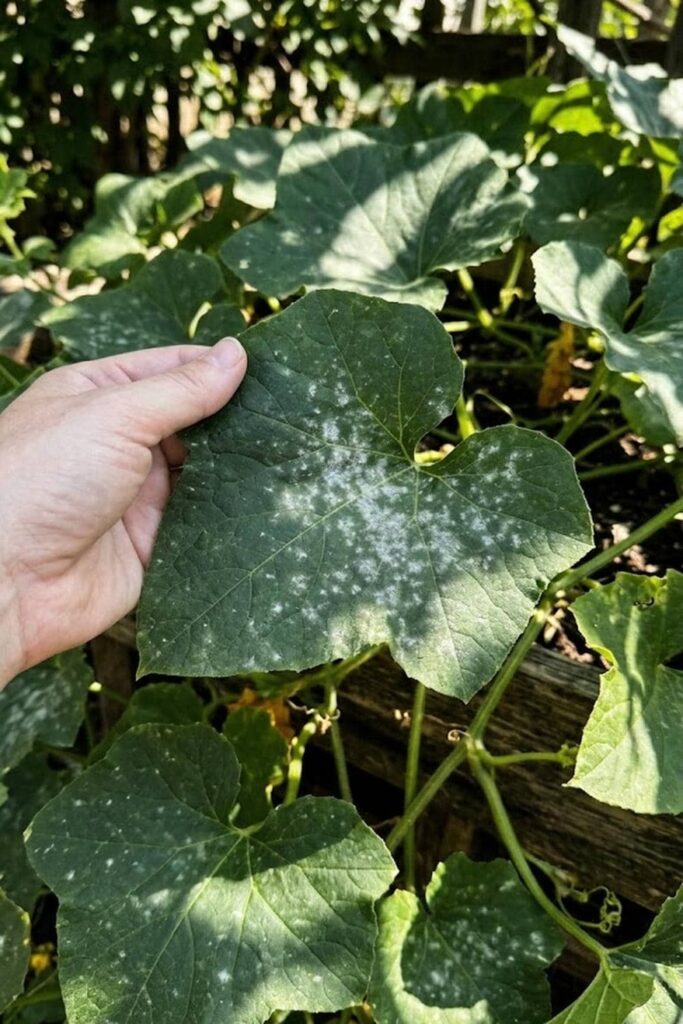
As robust as they are, Kiwano vines are susceptible to powdery mildew, a fungal disease that can quickly devastate the foliage if left unchecked. In my garden, a particularly wet and humid August once saw the beautiful green leaves turn into a white, dusty mess within days. This significantly weakened the plants, leading to a much smaller and less flavorful harvest. You must prioritize management, especially if you live in an area with high humidity or frequent summer rainfall.
I have learned that prevention is your best tool. You can manage mildew by always applying water at the base of the plant, avoiding any overhead irrigation that keeps the large leaves wet. I suggest you maximize airflow by ensuring proper plant spacing and using vertical trellises. If humidity remains high, I SUGGESTED YOU use an organic preventative spray, like a neem oil solution or a mixture of baking soda and water, to protect your yield before infections become established.
Identify the Exact Moment for Harvest
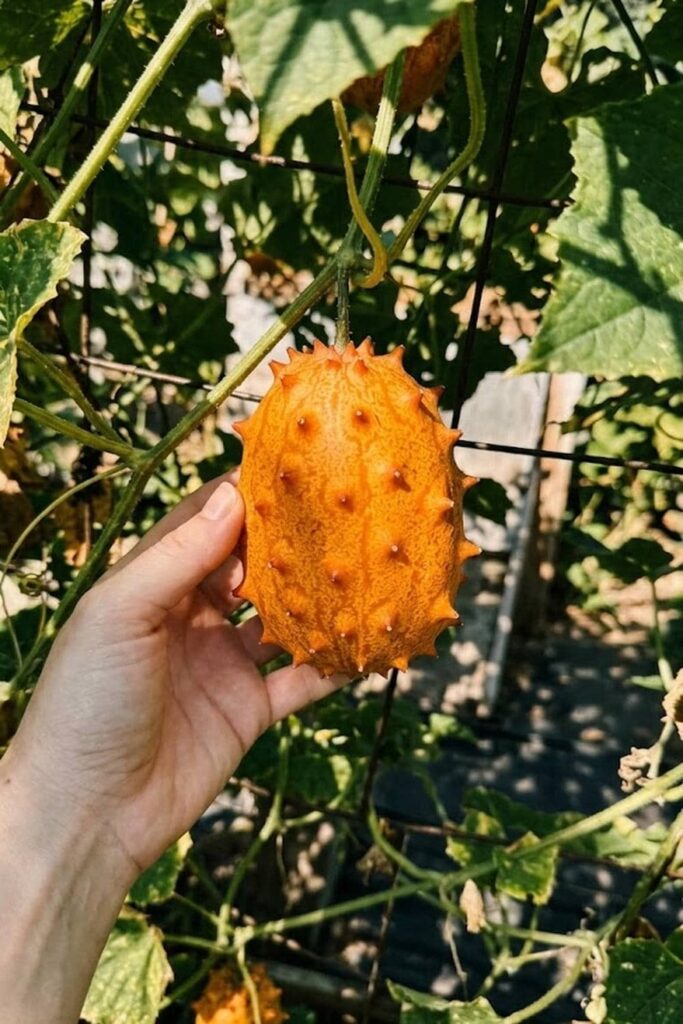
The biggest challenge I faced in my early Kiwano experiments was knowing precisely when to pick the fruit. They look intimidating and alien, and unlike a tomato, they don’t get soft when ripe. Through careful observation, I learned that the secret is all in the color. If you harvest them too early, while they are still deep green, they lack that signature banana-lime flavor and are incredibly tart. However, you cannot wait too long, as they will eventually split open on the vine.
You know it is the ideal time to harvest when the skin undergoes a dramatic transformation from a pale, mottled green to a bright, vibrant, and consistent orange. The longer you leave it on the vine after it starts turning orange, the sweeter the internal jelly becomes. I always perform a “push test”—the spiky rind should be very firm, but the area around the stem will show a slight, subtle yield when you press gently with your thumb. This precise color cue is the single best way to protect your yield from being wasted on tasteless, unripe melons.
Use Protective Gloves to Handle Spiky Rinds
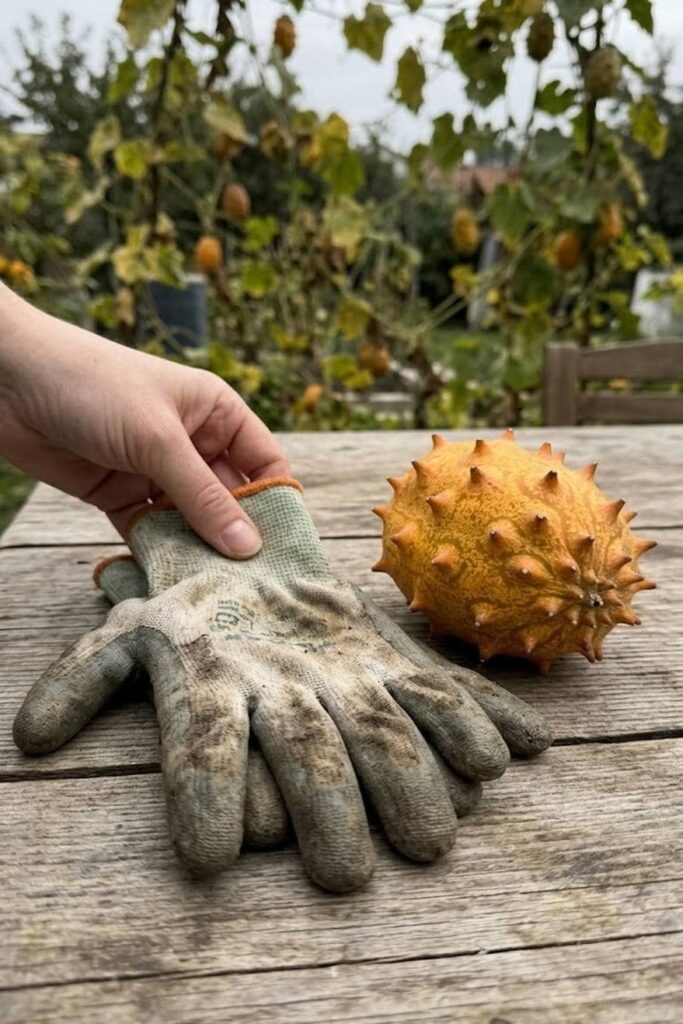
The name “Horned Melon” is an absolute understatement. Those characteristic horns are not just for show; they are incredibly sharp and rigid when the fruit is mature. I once made the mistake of rushing into the garden without protection to grab my first ripe fruit, and I ended up with multiple, painful punctures that took days to heal. This Relatable experience is something you can easily avoid with basic management.
You must always use thick leather or heavy-duty rubber gardening gloves when handling how to grow Kiwano fruit after it has sized up. The spikes can easily pierce standard, thin cotton gloves. I also recommend using sharp hand pruners to cut the stem rather than trying to pull or twist the fruit off. Treating these vigorous vines with care not only protects your skin but also prevents you from damaging the main vine during the harvesting process.
Cure the Fruit for Long-Term Storage
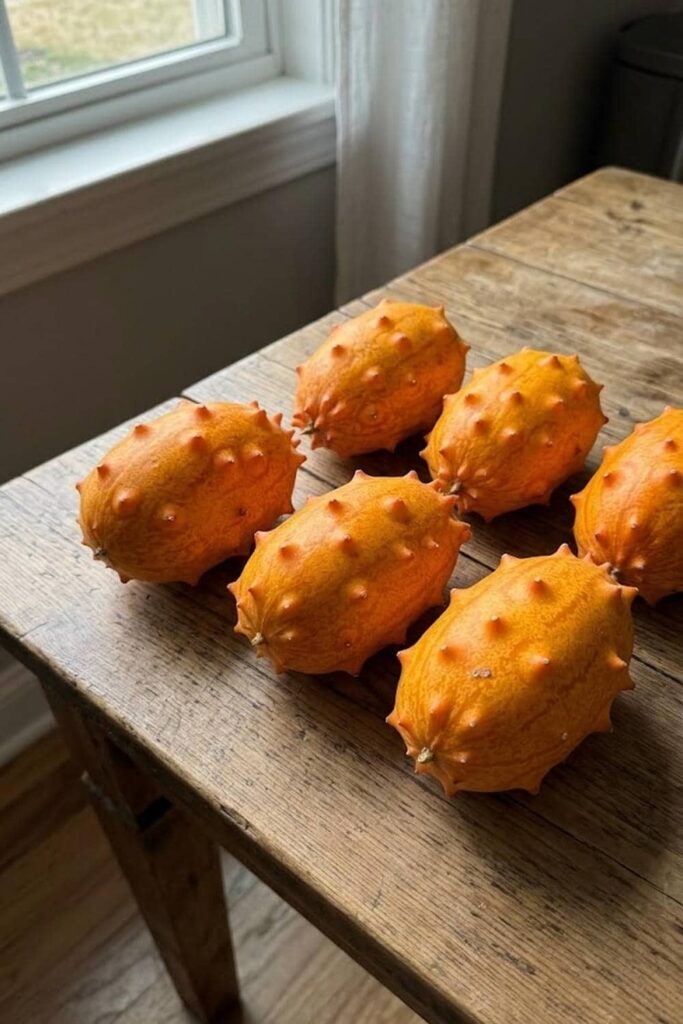
One of the most valuable aspects I’ve discovered about Kiwano is its incredible shelf life. While most garden melons spoil within weeks, the African Horned Melon can last for months if you manage the post-harvest curing process correctly. After harvesting the vibrant orange melons, I lay them out in a single layer in a warm (24°C/75°F), dry, and well-ventilated area for about 7-10 days.
This crucial curing step allows the thick rind to toughen up even further, effectively sealing the internal moisture and sugar. You must not put them in the refrigerator, as cold temperatures will quickly trigger chill damage and ruin the flavor profile. I have found that a successfully cured Kiwano can sit decoratively on your kitchen counter or in a rustic basket for six months or even longer, allowing you to enjoy a taste of summer in the dead of winter.
Prune Vines to Focus Energy on Fruit
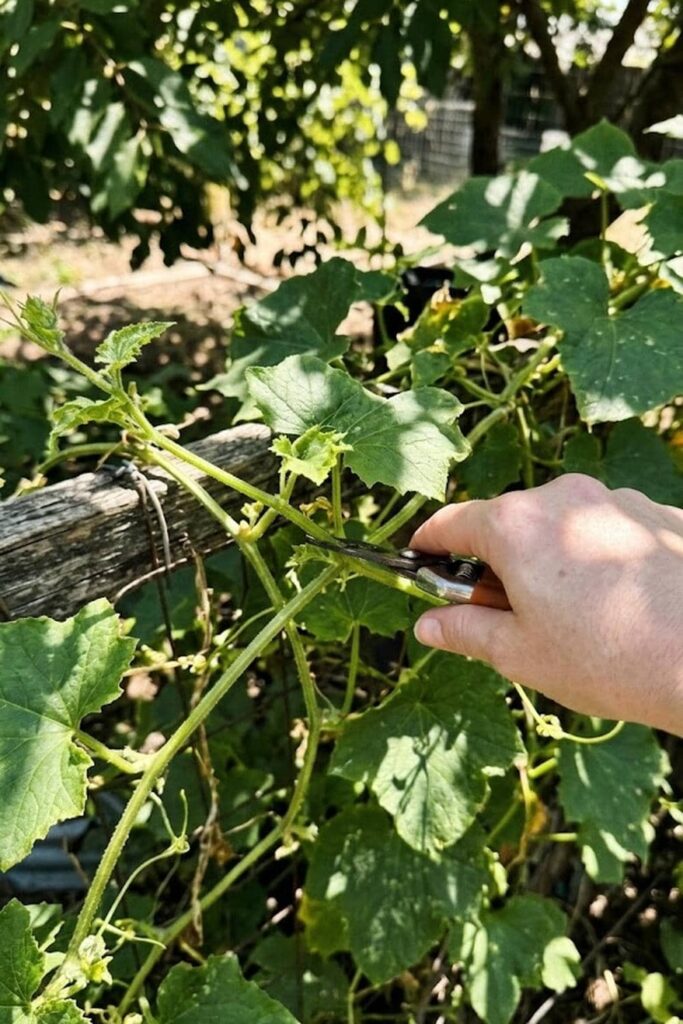
In my second year, I let the Kiwano vines run absolutely wild, reaching over 40 feet in all directions. The resulting “jungle” was impressive, but I was frustrated to harvest only a handful of very small melons. The plant was investing all of its tropical energy into creating massive foliage and vegetative growth rather than reproduction. Pruning is a critical management skill you must master to effectively protect your yield and encourage larger fruit.
I suggest you focus your efforts once the main vine reaches the top of your trellis (about 6-8 feet). I now pinch off the growing tip of the primary leader. This action signals the plant to divert its energy into developing the lateral, or side, branches. These side branches are where the majority of the female (fruit-bearing) flowers are produced. Regular management of these vigorous runners ensures a more manageable plant and significantly larger, better-quality jelly melons.
Grow Kiwano in Containers if Space is Limited
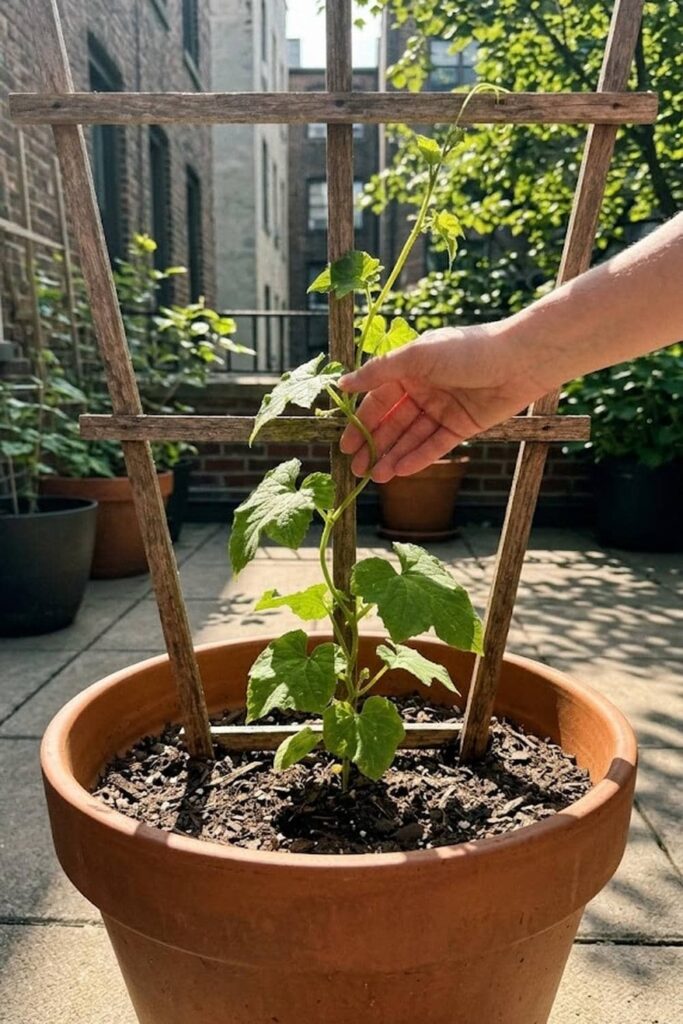
You don’t need a massive desert-like plot to be successful. I have experimented with how to grow Kiwano fruit on a small urban patio using containers, and the results were surprisingly bountiful. The key is to manage the restrictive environment of the pot by providing consistent nutrients and water, which tend to deplete rapidly. I found that container growing actually makes it easier to provide the intense heat these plants crave.
I suggest you choose a large pot, minimum 10-15 gallons, with excellent drainage holes. I have had success planting one seedling per pot in a high-quality, rich potting mix amended with compost. The most critical management tool for container success is providing immediate vertical support. You must insert a strong stake or tomato cage directly into the pot at planting time, or place the pot at the base of a sunny wall or trellis that the vigorous vines can climb.
Intercrop with Companion Plants for Better Soil
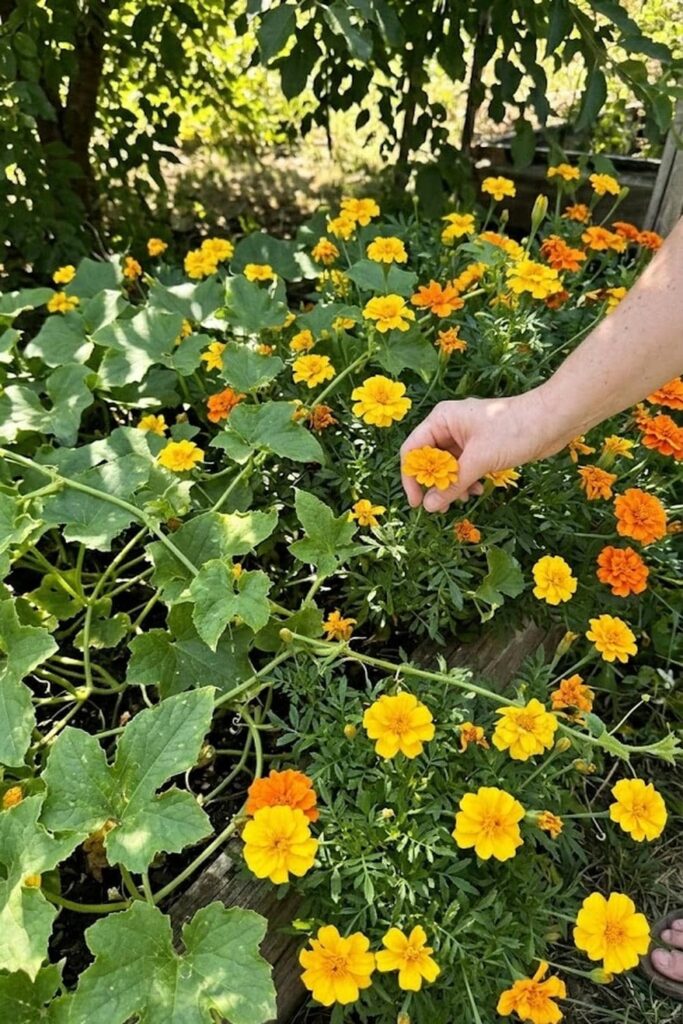
In my third season, I noticed that the area of my garden dedicated solely to Kiwano vines felt sterile and was increasingly prone to soil compaction. This spurred my interest in management techniques designed to enhance biodiversity and soil health. I SUGGESTED YOU integrate companion planting into your strategy for cultivating How to grow Kiwano fruit. I have learned that vertical Kiwano vines leave a significant amount of surface soil exposed to erosion and moisture loss.
I highly recommend you plant low-growing, beneficial neighbors. My success in maximizing space involves using living mulches such as clover, which fixes nitrogen, or culinary herbs like thyme and oregano, which provide ground cover and repel pests. This diversified approach dramatically improves soil structure, helps protect your yield by confusing pests, and utilizes the available resources of your garden far more efficiently than a monoculture.
| Companion Plant | Function | Why I Use It |
| Marigolds | Pest Protection | Repels squash bugs and nematodes |
| Clover | Living Mulch | Fixes soil nitrogen, suppresses weeds |
| Oregano | Beneficial Insect Attractor | Attracts pollinators, improves soil texture |
Save Seeds for Next Season’s Garden
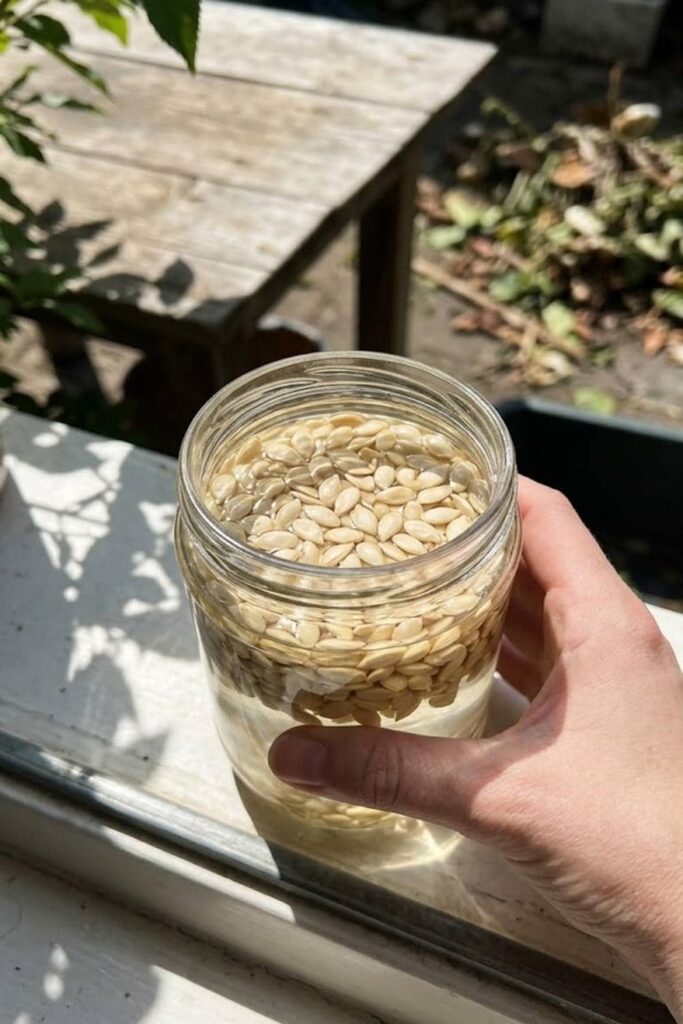
There is nothing more rewarding than closing the loop in your garden. I once made the mistake of trying to save seeds from a hybrid cucumber, which resulted in bizarre, useless plants the next year. I soon learned that true seed saving starts with heirloom varieties, which the African Horned Melon is. I suggest you learn how to clean, cure, and store these valuable seeds, because it effectively provides you with free, acclimatized plants every subsequent year.
I found that the process is slightly messier than average. I scooped the vibrant green pulp from a fully ripe, vibrant orange melon. You MUST ferment this pulp in a jar of water for 2-3 days; this critical management step breaks down the germination-inhibiting gel coating. After fermentation, I SUGGESTED YOU rinse the viable, heavy seeds that have sunk to the bottom. I then cure the clean seeds on a mesh screen in a dark, airy place for two weeks until they are completely dry, which guarantees successful long-term storage and a future harvest.
FAQ: Common Kiwano Growing Questions
- How many Kiwano fruits per plant can I expect? In my experience, a single healthy, well-managed vine can produce anywhere from 4 to 10 fruits. However, I once had a monster plant on a cattle panel that yielded over 15! Your specific yield depends heavily on optimal heat, consistent watering, and—most importantly—successful pollination of the female flowers.
- Why is my Kiwano fruit plant not producing fruit? This is usually caused by one of two factors I’ve struggled with. First, check your heat levels; Kiwano often won’t set fruit if temperatures are too cool (below 15°C/60°F). Second, and more commonly, it’s a pollination failure. You MUST ensure bees are present, or I highly recommend you step in and hand-pollinate early in the morning to guarantee fruit set.
- Can you grow Kiwano fruit in the United Kingdom? Yes, but it is challenging to manage outdoors. Due to the cool, short summers, you absolutely MUST grow them within a greenhouse or polytunnel to maintain the tropical temperatures they crave. If you must grow them outside, you need to select a highly sheltered, south-facing wall and protect your yield with row covers during any cool spells.
- How much space do Kiwano fruit vines need to grow? In my garden, I found that they are massive sprawlers. If you are growing them vertically on a trellis, I suggest you space the plants at least 2 to 3 feet apart. If you intend to let them run horizontally along the ground—which I do not recommend—you must provide at least 10 to 15 feet of space in all directions for a single plant to prevent it from smothering its neighbors.
Conclusion: Ready to Harvest Your Own Alien Fruit?
Venturing into the world of exotic melons like the Kiwano can feel intimidating at first, but I hope this guide has shown you that it is entirely achievable in your own backyard. These vigorous vines require intense heat, robust vertical support, and a watchful eye for successful pollination, but the rewards are truly extraordinary. By prioritizing consistent management and applying the 17 secrets I have learned, you can overcome the challenges of cultivating these unique desert natives. I encourage you to be patient—especially with their slow early germination and the final, beautiful color change that signals peak ripeness. The satisfaction of slicing open that vibrant orange rind to reveal the refreshingly sweet, lime-banana jelly inside makes every effort totally worthwhile.








