
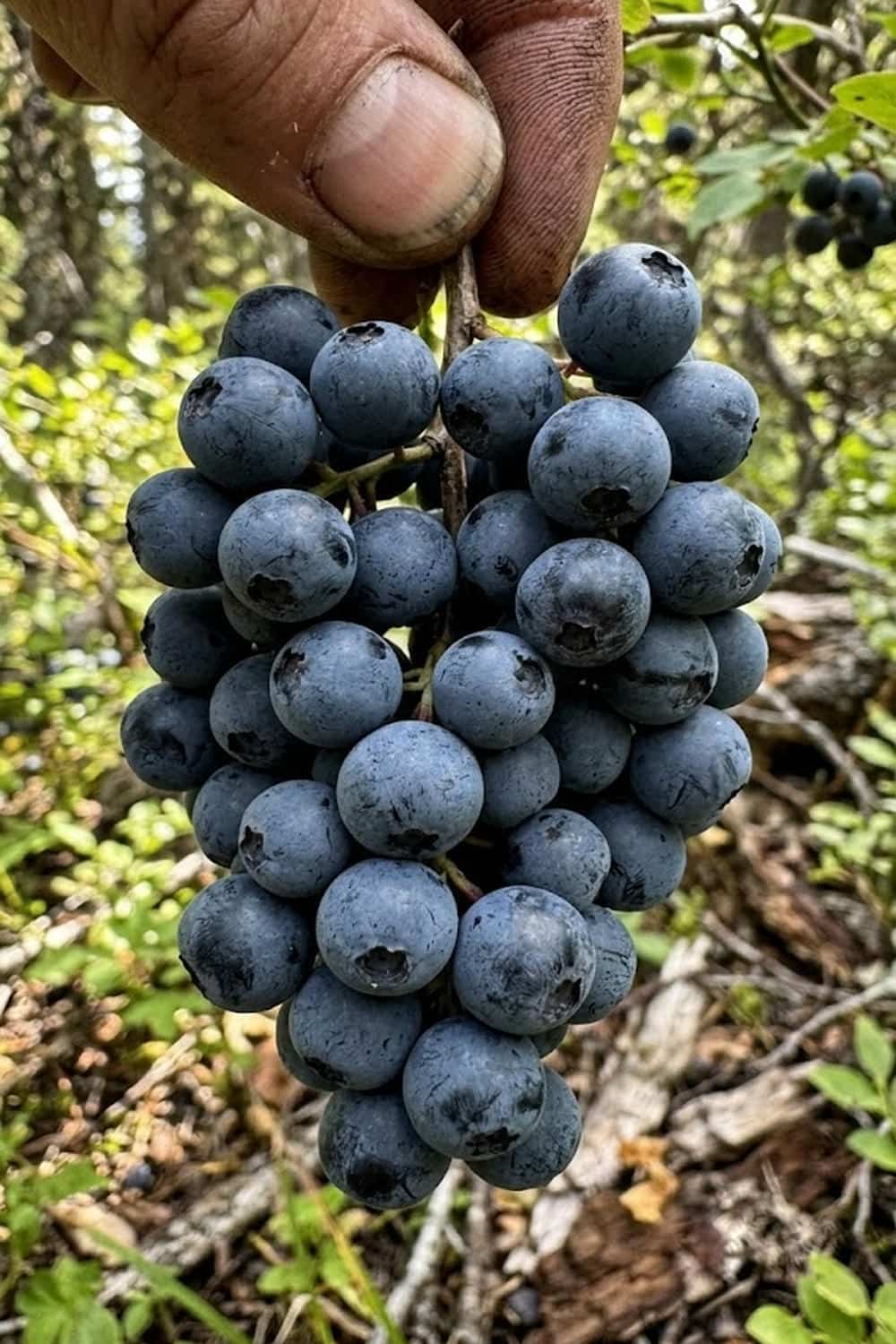

You love the intense, tart-sweet flavor of wild huckleberries, but perhaps you are tired of spending your limited weekends driving hours into the mountains just to find a decent patch. It is frustrating to pay premium prices at farmers’ markets for a tiny pint of berries that disappears in one sitting, especially when you have a perfectly good garden space at home. I understand that frustration completely because I used to be in the exact same position, dreaming of stepping out my back door to pick these elusive fruits.
The good news is that you absolutely can bring that wild, mountain flavor to your backyard. Bringing huckleberry fruit into cultivation is not impossible; it just requires a specific management strategy that respects the plant’s unique, native requirements. It is about understanding the delicate ecology of the forest floor and replicating that environment in a controlled way. This guide will walk you through the precise care steps I have used to successfully domesticate these berries, allowing you to enjoy a sustainable, personal harvest without the mountain trek.
Identify Your Species: The Perennial vs. Annual Huckleberry
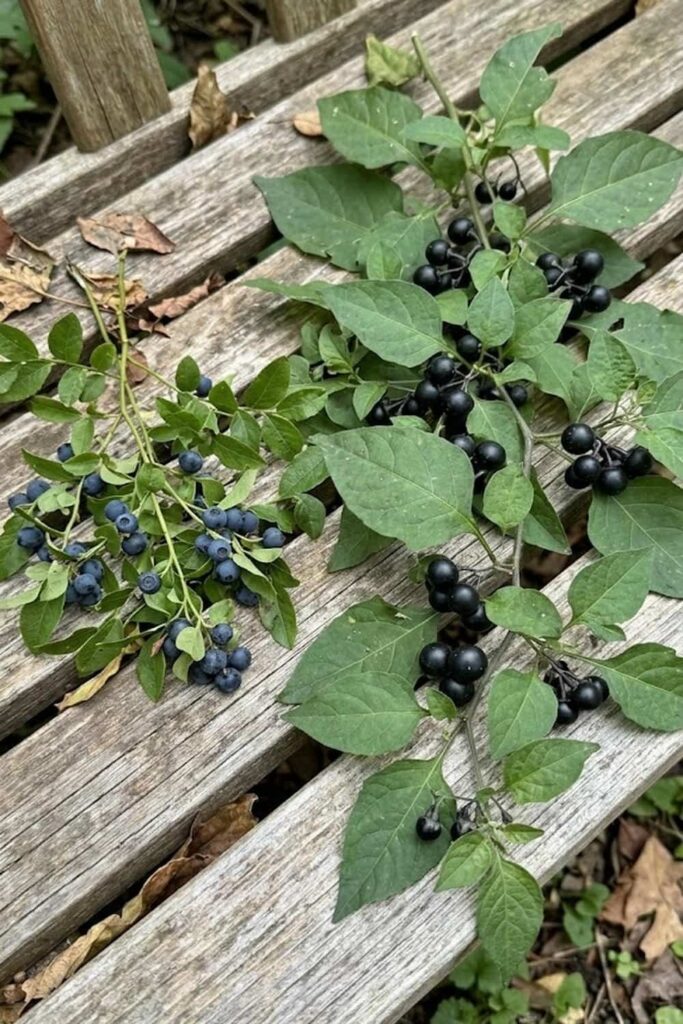
How to grow huckleberry fruit successfully starts with knowing exactly what you just bought or found, and this is where most beginners fail immediately. I have seen too many enthusiastic gardeners treat the slow-growing Vaccinium species (the true mountain huckleberry) like the fast-growing Solanum melanocerasum (garden huckleberry). They are completely different plants with vastly different care requirements.
The prevention of years of disappointment begins with this fundamental identification. The true Vaccinium huckleberry is a woody, perennial shrub, related to blueberries, that is native to the acidic soils of the West. If you want that classic, authentic flavor and a plant that lives for decades, this is your target. Conversely, the garden huckleberry is an annual herb from the nightshade family, related to tomatoes, that grows rapidly, produces massive yields in a single season, and dies with the first frost. Its raw berries are unsavory and must be cooked with sugar and acid to be palatable.
I encourage you to be a reflective gardener and determine which plant aligns with your goals. Are you looking for a long-term investment in a native edible landscape (Vaccinium), or a quick, high-yield summer crop for pies (Solanum)? Misidentifying them means applying the wrong management strategy, leading to failure. Check the scientific name on the plant tag before you buy; do not rely solely on the common name “huckleberry.”
Master Soil Acidity for Ultimate Fruit Protection
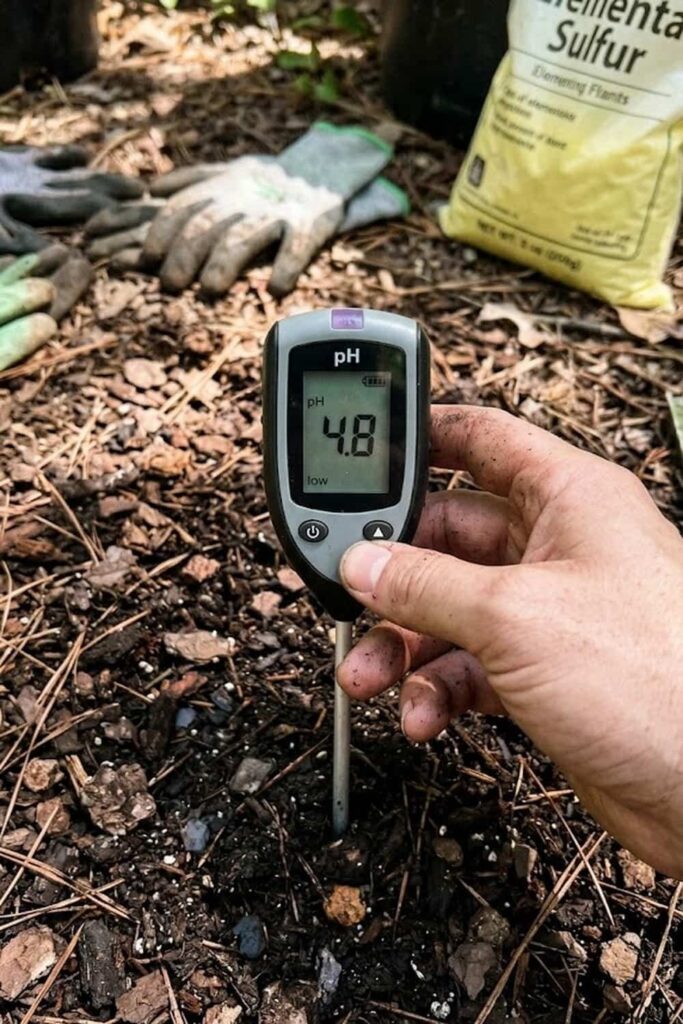
The huckleberry fruit simply will not survive in standard, alkaline garden soil, and I cannot stress this enough. The absolute most critical step is managing the soil pH to match their native subalpine environment. For true Vaccinium species, that means achieving a strongly acidic environment with a pH between 4.3 and 5.5.
The prevention of immediate transplant shock and the long-term death of your plant starts with a comprehensive soil test. You must know your baseline before you can alter it. If your soil is around the neutral mark (pH 7.0), as most vegetable gardens are, you must take active care to amend it drastically. I recommend a combination of elemental sulfur and heavy amounts of organic matter, like peat moss or aged conifer duff. Remember that sulfur takes time to lower pH; you should prepare your planting bed up to a year in advance for the best results.
| Soil Amendment Material | Effect on Soil | Purpose for Huckleberries |
| Elemental Sulfur | Drastically lowers pH over months/years | Primary acidification tool for native varieties. |
| Peat Moss | Increases acidity and moisture retention | Replicates forest floor structure. |
| Aged Sawdust/Bark | Slow acidification, increases drainage | Prevents root rot and maintains soil structure. |
| Lime/Ashes | Raises pH (Alkalizes soil) | Never use for true huckleberries; Use only for Garden Huckleberries if soil is below 6.0. |
This table outlines the essential inputs for successful long-term management. Garden huckleberries (Solanum), however, are more forgiving; they prefer a slightly acidic to neutral soil (6.0 to 7.0), so you do not need to fight your natural soil as much for them. Make sure you treat the root zone by mixing amendments thoroughly to a depth of at least 12 inches to accommodate their shallow root systems.
Strategic Site Selection and Dappled Light Management
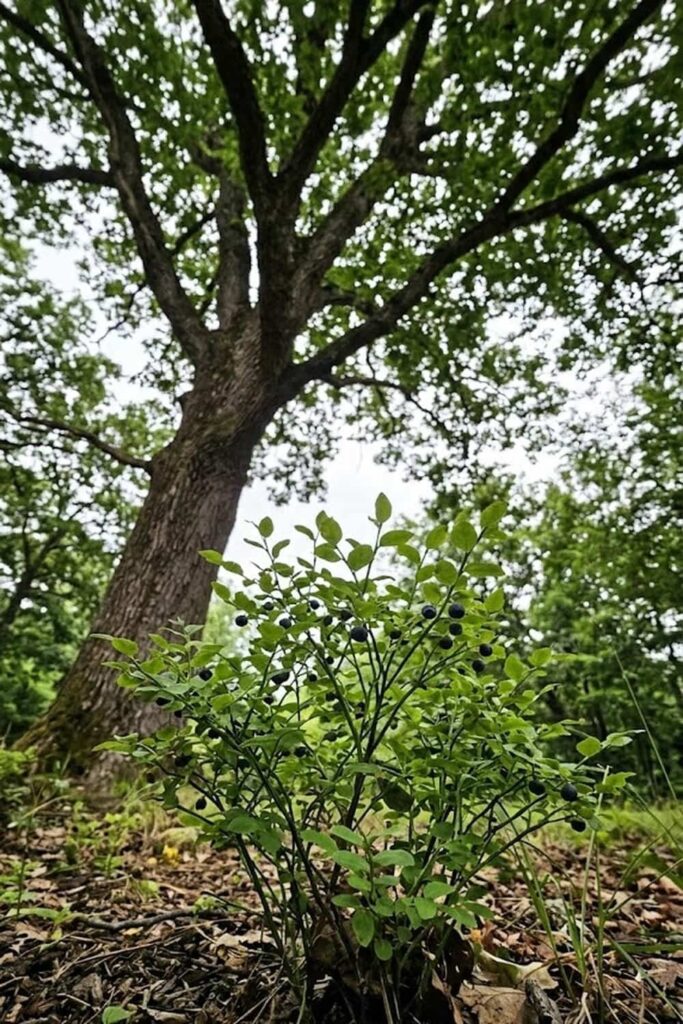
Effective management of sunlight is critical, and a common mistake in learning how to grow huckleberry fruit is providing full, blazing sun all day. I have observed that while true huckleberries appreciate significant light for fruit production, they naturally thrive on the “edge” of forest openings. In your garden, this translates to a need for protection from the harsh, desiccating afternoon heat.
I encourage you to replicate the forest understory by providing dappled sunlight through trees or choosing a location that offers morning sun but shifts to partial shade by 2 PM. This strategy assists in management of water loss and berry shrivel, ensuring the shallow root system does not bake. The high heat of July and August is a major pain point; if the plant gets too hot, it will prioritize survival over fruiting.
For Garden Huckleberries (Solanum), however, the rule is the opposite: they are heat-loving annuals that require full, intense sun for at least 8 hours a day to properly ripen their heavy yield. Misplacing either plant ensures poor health and a minimal harvest window. Take time to study the light patterns in your garden across the day before you plant a permanent shrub like a Vaccinium. The perfect site balance means a much lower care burden regarding irrigation and heat stress later.
Cold Stratification: The Secret to Seed Care
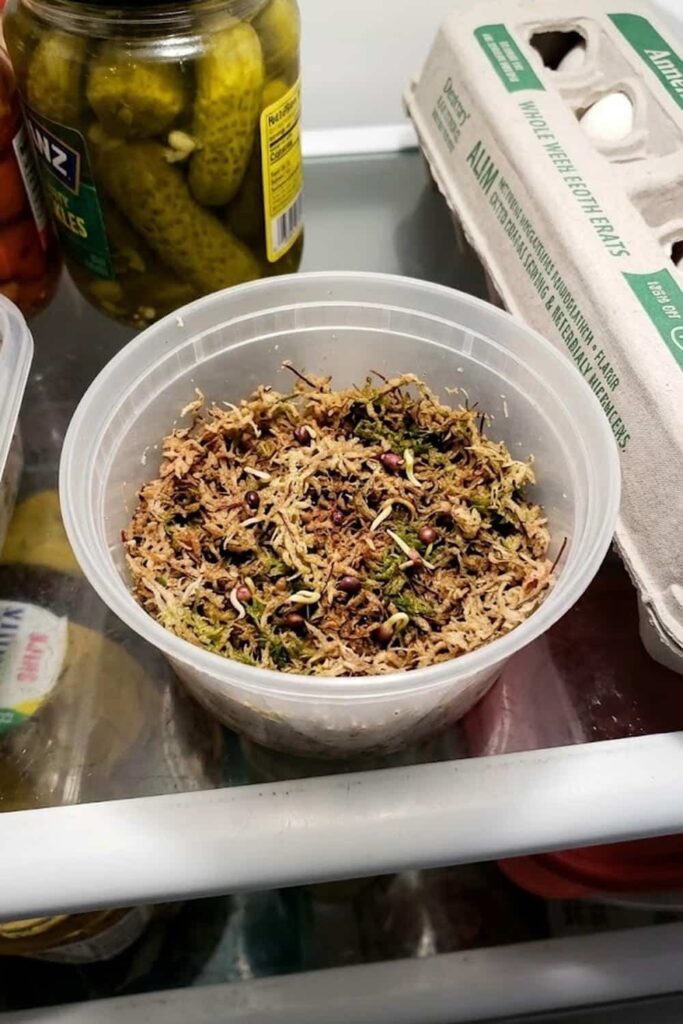
If you are beginning your journey of how to grow huckleberry fruit from seeds, I can assure you that patience will be your primary requirement. You cannot just sprinkle these seeds into warm soil in the spring; you must perform cold stratification. This care routine simulates a harsh mountain winter, breaking the chemical dormancy that prevents the seed from germinating too early in the wild.
The procedure requires that you place the Vaccinium seeds in a damp medium, such as sphagnum peat moss or a damp paper towel, and keep them in the refrigerator (not the freezer) for 90 days. This stable, cold environment must be managed; the medium cannot be allowed to dry out or get soaking wet, which causes rot.
I recommend starting this process in January so your seeds are ready for spring sowing. After 12 weeks of cold treatment, sow the tiny seeds in a flat filled with acidic peat mix. Prevention of failure during this delicate stage means keeping the soil consistently moist but never waterlogged. Do not bury the seeds; just press them gently into the surface, as they need some light to germinate. Expect germination to be slow and erratic; I have seen true huckleberry seedlings take several more weeks to appear, even after stratification. The Garden Huckleberry, as a warm-season annual, requires no stratification; you sow its seeds just like tomatoes in warm soil after the last frost.
Irrigation Tactics for Root System Protection
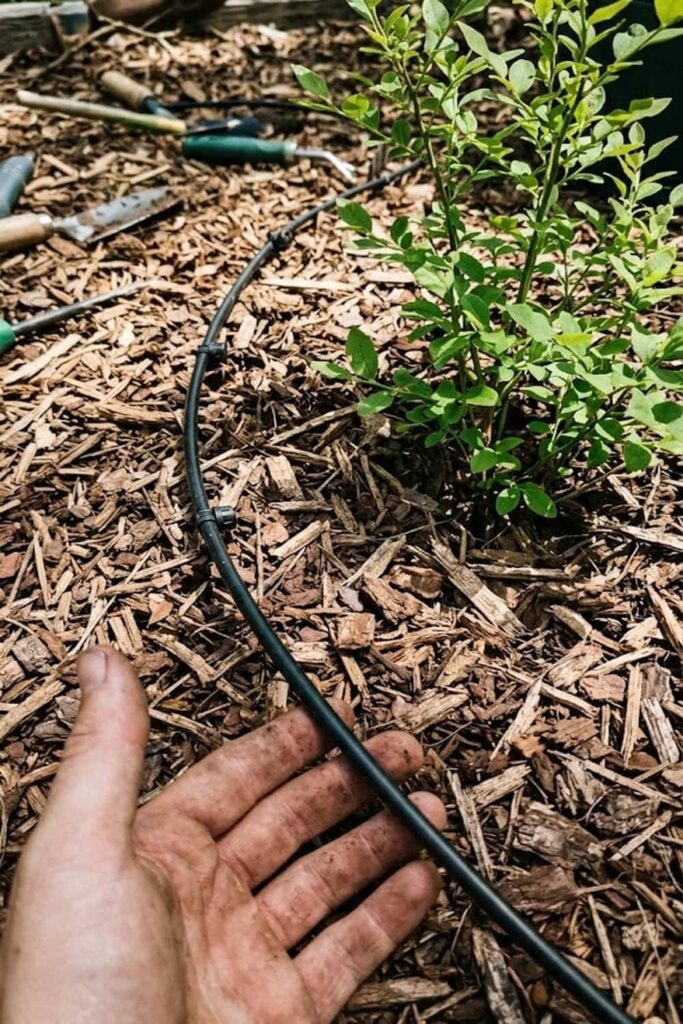
The shallow, sensitive root system is the plant’s Achilles’ heel, making management of soil moisture a daily task. While true huckleberries naturally thrive in relatively high-rainfall mountain areas, they are extremely susceptible to drought, especially during their first two establishment years. I have found that even a single week of high heat without water can kill a young Vaccinium shrub.
The optimal strategy requires that you provide consistent, deep moisture without ever creating waterlogged conditions. The protection from root rot, which occurs in heavy, poorly drained soil, is equally vital. To achieve this balance, I strongly encourage the use of drip irrigation on a timer; this ensures a slow, steady supply of water directly to the root zone without wetting the foliage (which can encourage disease).
Your daily care routine during the summer heat must include checking the soil moisture 2 inches down. Your goal is a soil that feels like a wrung-out sponge. If you are growing Garden Huckleberries, they are more resilient but still require consistent watering for heavy fruit set; drought stress leads to smaller, tougher berries and reduces your overall harvest window. Remember to always use rainwater or acidified water if your tap water is highly alkaline, as you do not want to slowly alkalize your carefully prepared acidic soil.
Mulching with Conifer Duff for Nutrient Control
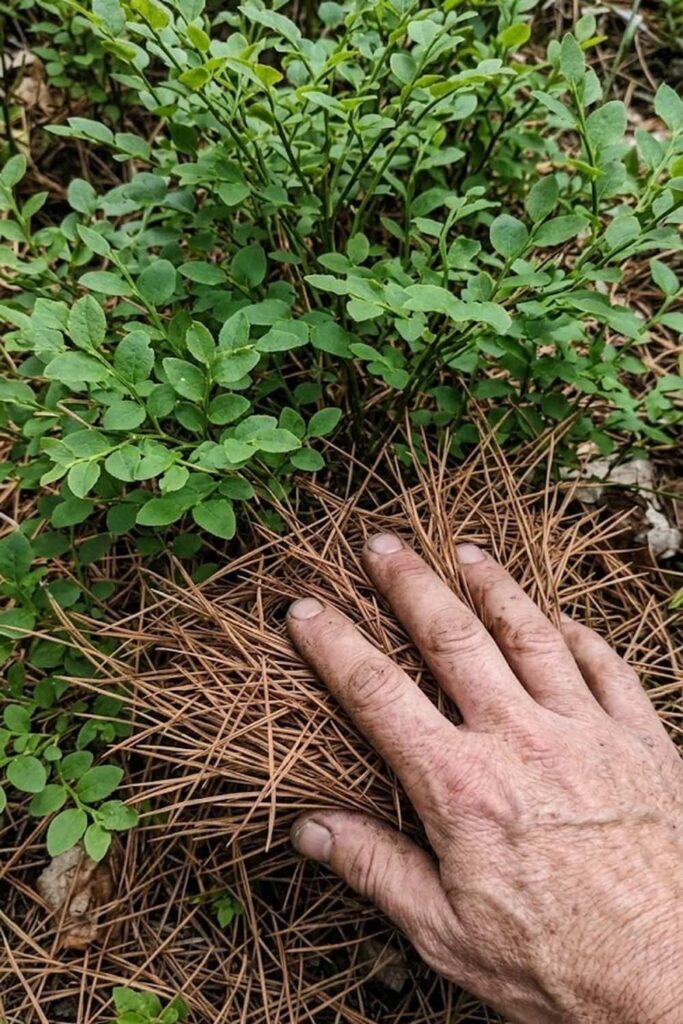
I have found that the secret to long-term care and replicating the forest floor is a robust mulching strategy. In the wild, huckleberries thrive in “conifer duff”—the decomposing layer of needles, twigs, and cone fragments under evergreen trees. This material provides natural management of soil moisture, temperature, and, most importantly, acidity. In your garden, this means applying a thick layer of organic mulch at least 3 inches deep.
The best materials for this task include pine needles, pine bark nuggets, or aged sawdust from coniferous trees. These materials break down slowly, maintaining the essential acidic growing medium that true huckleberries require. The mulch serves multiple functions:
- Prevention of surface soil drying, which is fatal to their shallow rhizomes.
- Management of weed competition, which steals vital nutrients.
- Control of soil temperature, keeping roots cool during summer heat.
I encourage you to avoid using standard hardwood mulch or compost derived from diverse municipal sources, as these can raise the soil pH over time, neutralizing your hard work. When applying mulch, ensure it does not pile up directly against the main stems, as this can encourage rot. Think of it as a protective, nourishing blanket that is vital for the bountiful summer harvest you desire.
Pollination Support for a Bountiful Summer Harvest
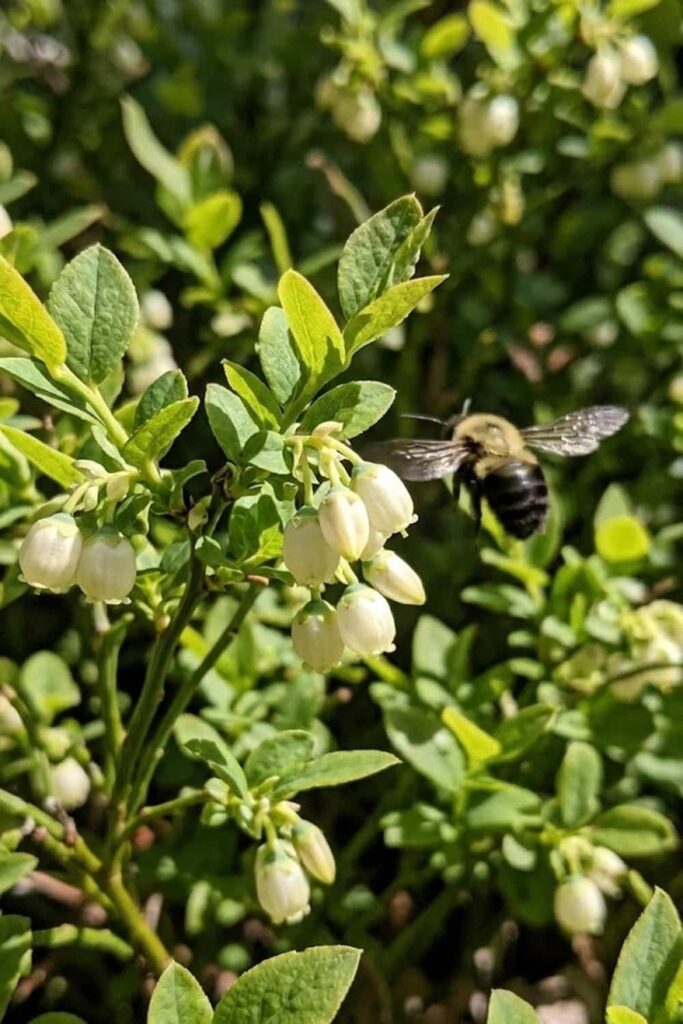
You can provide the perfect soil and water, but without successful pollination, your huckleberry harvest will be nonexistent. While many Vaccinium species are technically self-fertile, I can tell you from experience that cross-pollination by native bees significantly increases both the quantity and size of the fruit. I have found that bushes located near active pollinator habitats produce a harvest window that is much more productive.
The small, bell-shaped flowers of the true huckleberry are designed specifically for native pollinators like bumblebees, which use “buzz pollination” to release the pollen. You should focus on management of your garden ecosystem to attract these beneficial insects. I strongly encourage you to:
- Prevention of pesticide use, especially broad-spectrum insecticides, anywhere near your berry patch.
- Plant other early-blooming native flowers nearby to provide alternative food sources for bees.
- Provide nesting sites, such as exposed soil or bee hotels, for solitary native bees.
For Garden Huckleberries (Solanum), pollination is simpler; they are generally self-pollinating through wind and require minimal insect intervention for a heavy set. However, for that authentic, wild Vaccinium experience, supporting the local bee population is non-negotiable care step that directly translates to a more robust, antioxidant-rich yield.
Pruning Techniques for Long-Term Plant Health
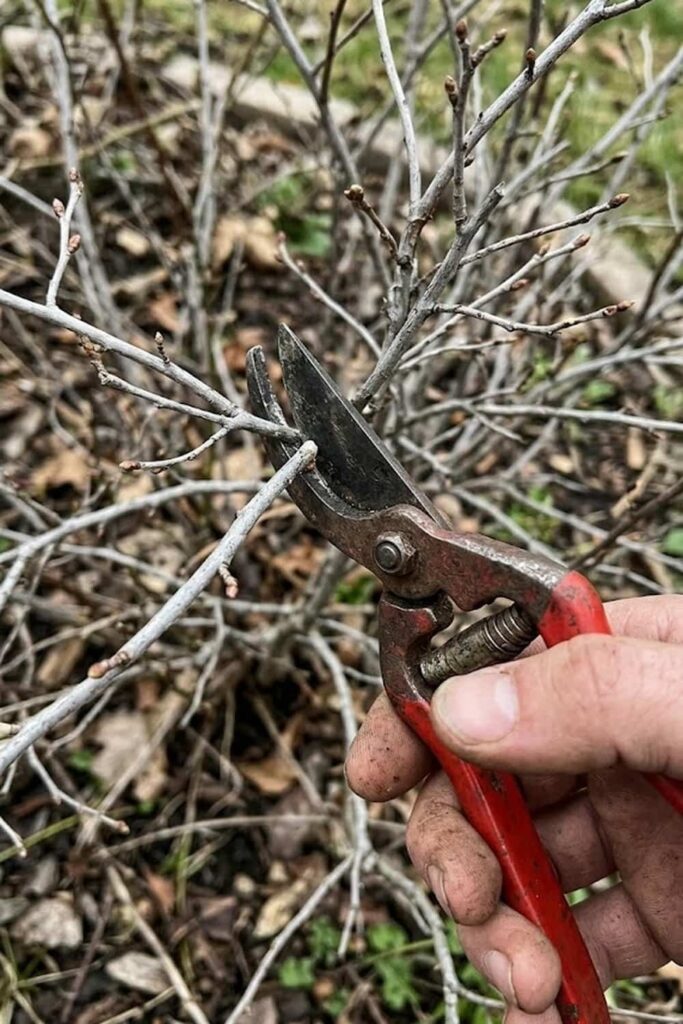
I understand that pruning a slow-growing plant like a true huckleberry can feel counterintuitive, but I assure you that strategic cuts are vital for long-term health and fruit production. For true Vaccinium species, the goal is management of the plant’s energy, directing it toward new, productive growth rather than maintaining old, unproductive wood.
Care during the dormant winter season, specifically late winter before new buds swell, is the ideal time. Your strategy should focus on the “Three Ds”: removing Dead, Damaged, or Diseased wood. Once the plant is established (after 3–4 years), you can begin more advanced pruning to renew the bush. I encourage you to:
- Thin out old, gray-barked canes that have become unproductive, cutting them back to the base.
- Remove any branches that are crossing or rubbing, which creates entry points for disease.
- Keep the center of the bush open to allow light and air penetration.
True huckleberries fruit on one-year-old wood, so extreme pruning (like hedging) will eliminate your crop. Prevention of over-pruning is easy—just focus on removing only about 15–20% of the oldest wood each year to ensure a continuous cycle of productive canes for a future bountiful summer harvest.
When to Harvest: The “Dullness” Rule
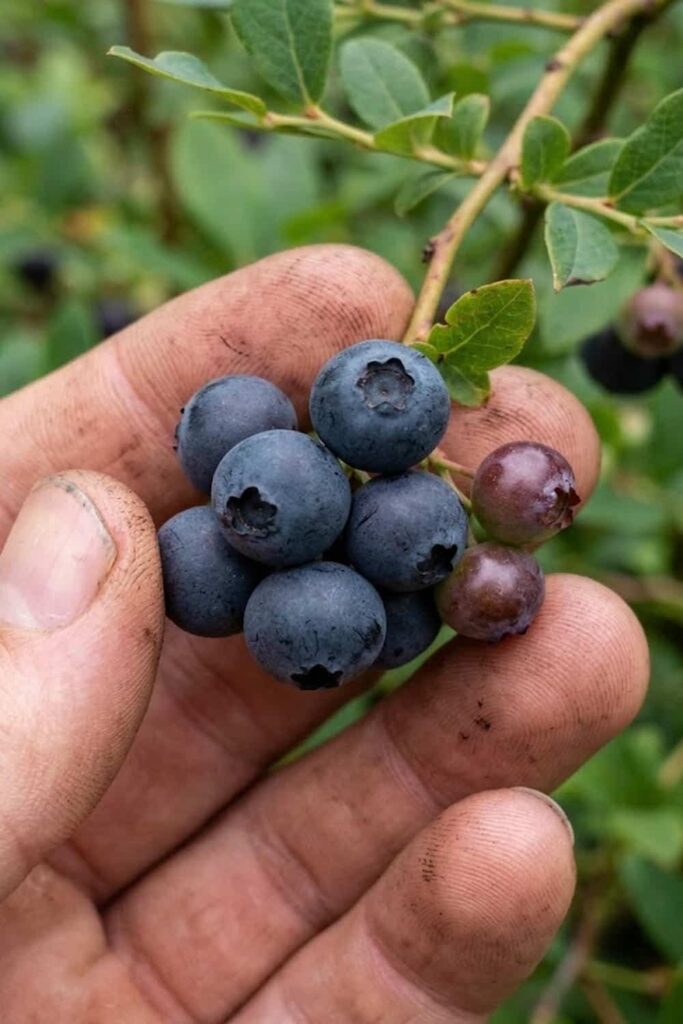
Waiting for the perfect moment is a reflective gardener’s challenge, but it is essential for bringing huckleberry fruit to the table at peak flavor. I have seen countless beginners harvest Vaccinium berries too early, resulting in a tart, disappointing experience. The biggest pain point with true huckleberries is that they turn blue long before they are actually ripe and sweet.
For successful management of flavor, you must follow the “dullness” rule. The berries of the Western Mountain Huckleberry will turn a deep blue or purple and look plump, but you must wait further care steps are not needed; the berries must lose their glossy sheen and develop a soft, matte, or dull finish. This matte look is the visual indicator that the complex sugars have fully developed.
This table highlights the visual cues I use for both species to ensure a successful harvest window:
| Huckleberry Type | Unripe Visual Cues | Ripe (Peak Flavor) Visual Cues | Flavor Profile |
| Western/Mountain (Vaccinium) | Shiny, firm, blue/purple berries | Dull/Matte finish, soft blue-black | Tart, sweet, complex, “wild” |
| Garden (Solanum melanocerasum) | Green or shiny black, extremely firm | Dull/Matte black, slightly soft | Bland raw; requires cooking/sugar for berry flavor |
I encourage you to test this rule. Pick one shiny berry and one dull berry from the same bush and taste the difference. You will instantly understand why prevention of premature picking is vital. Remember that true huckleberries ripen over several weeks, not all at once, which requires multiple selective harvests, giving you more time to enjoy your sustainable bountiful summer harvest.
Container Gardening: Huckleberry Care in Small Spaces
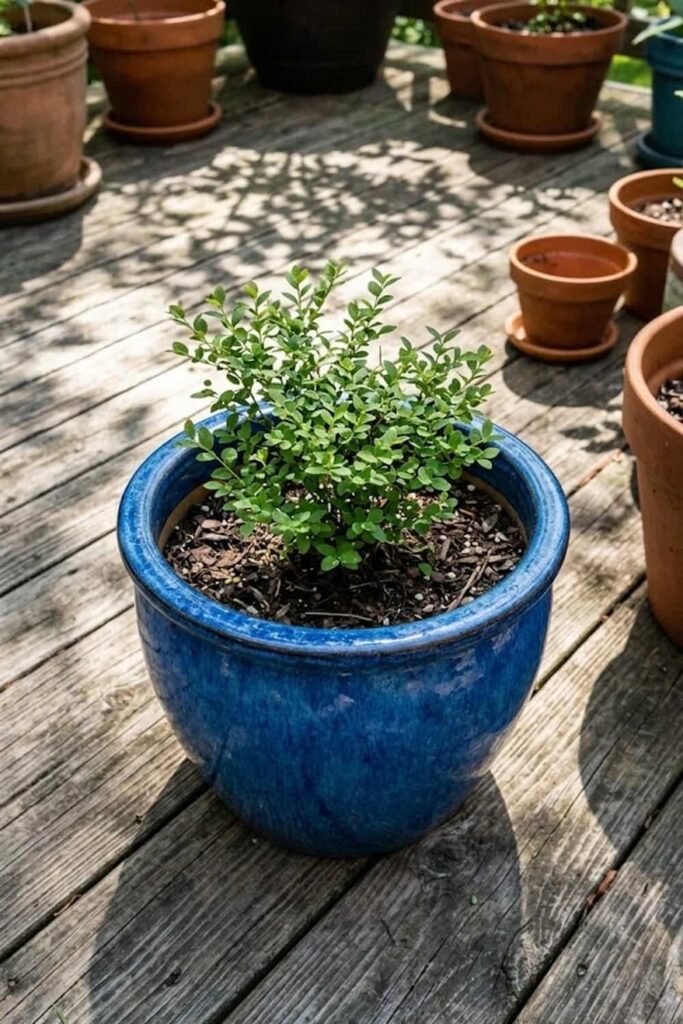
I understand that not every gardener has access to the large, acidic, well-drained native plot required for a full Vaccinium patch. This is where management of the root zone in a container becomes the perfect solution. Growing true huckleberries in pots allows you complete, uncompromised control over the soil environment, which is often easier for full-time professionals living in suburban areas with alkaline tap water and clay soil.
Successful care in small spaces means selecting the right pot and medium. I have found great success using large (15-20 gallon), non-porous containers with multiple drainage holes. For the soil mix, I strongly encourage you to abandon standard potting mix and create your own acidic growing medium:
- Use a mix of 50% Canadian sphagnum peat moss.
- Add 50% aged, fine conifer bark or a specific blueberry potting mix.
- Incorporate a small handful of elemental sulfur at planting.
This prevention of alkaline conditions ensures the shallow roots stay healthy. Remember that container plants dry out quickly, so your weekly care must be diligent. Drip irrigation or a consistent self-watering reservoir system offers the best moisture management, ensuring your container huckleberries never face the stress that reduces fruit production.
Winter Protection and Dormancy Management
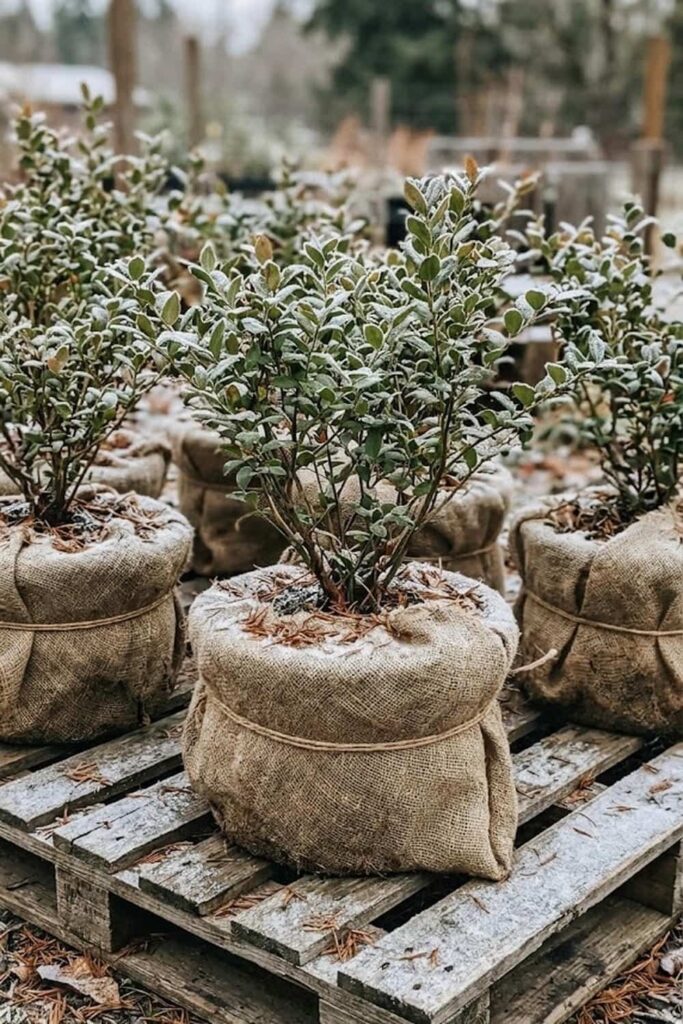
In colder regions, simply ensuring your huckleberry is hardy to your USDA zone is not enough, especially when growing them in containers. The biggest pain point during winter is not the absolute cold, but the freeze-thaw cycle, which can damage the delicate, shallow roots of the Vaccinium species. Effective management of dormancy is required to keep the plant healthy for the long term.
For ground-planted huckleberries, I encourage you to apply a generic layer of extra conifer duff or pine needles around the base in late autumn, which acts as protection against frost heave. For container huckleberries, care must be more robust. The soil in a pot can get much colder than the ground, so you must provide insulation. My successful strategy involves wrapping the entire pot in burlap or bubble wrap, or even moving the entire container into an unheated garage or shed for the prevention of extreme temperature swings.
Reflective gardeners know that winter is a quiet but vital stage. You must manage the plant’s moisture even during dormancy; check the soil in the pot once a month. It should remain slightly damp, but never saturated. Overwatering during dormancy in a cold pot is a quick recipe for root rot. With proper winter management, your domesticated huckleberry fruit bush will emerge safely from its sleep, ready for another season of growth.
Common Huckleberry Growing Questions (FAQ)
How to grow huckleberry fruit from seeds at home?
The specific care routine involves cold stratification. I have found success by placing Vaccinium seeds in damp peat moss in the refrigerator for 90 days before sowing them on the surface of an acidic soil mix.
How to grow huckleberry fruit in containers on a patio?
Successful management requires that you use a large pot with excellent drainage and fill it with an acidic growing medium composed of 50% peat moss and 50% conifer bark, rather than standard potting soil.
What is the best soil pH for growing wild huckleberry fruit?
For the true, native Vaccinium species, the soil pH must be managed strictly between 4.3 and 5.5 to mimic their native forest environment.
How long does it take for a huckleberry bush to fruit?
Patience is required; wild perennial huckleberries, when grown from seed or small transplants, typically take 3 to 5 years before they provide their first sustainable, bountiful summer harvest.
Can I grow huckleberries in the Pacific Northwest?
Yes, the Pacific Northwest is their primary native habitat, making it the ideal region for domestication, as you can often use local, acidic conifer duff to manage their unique soil needs.
Are garden huckleberries the same as wild huckleberries?
No, I encourage you to check the species; garden huckleberries (Solanum) are fast-growing annual nightshades, while true huckleberries (Vaccinium) are slow-growing perennial shrubs. The care steps are completely different.








