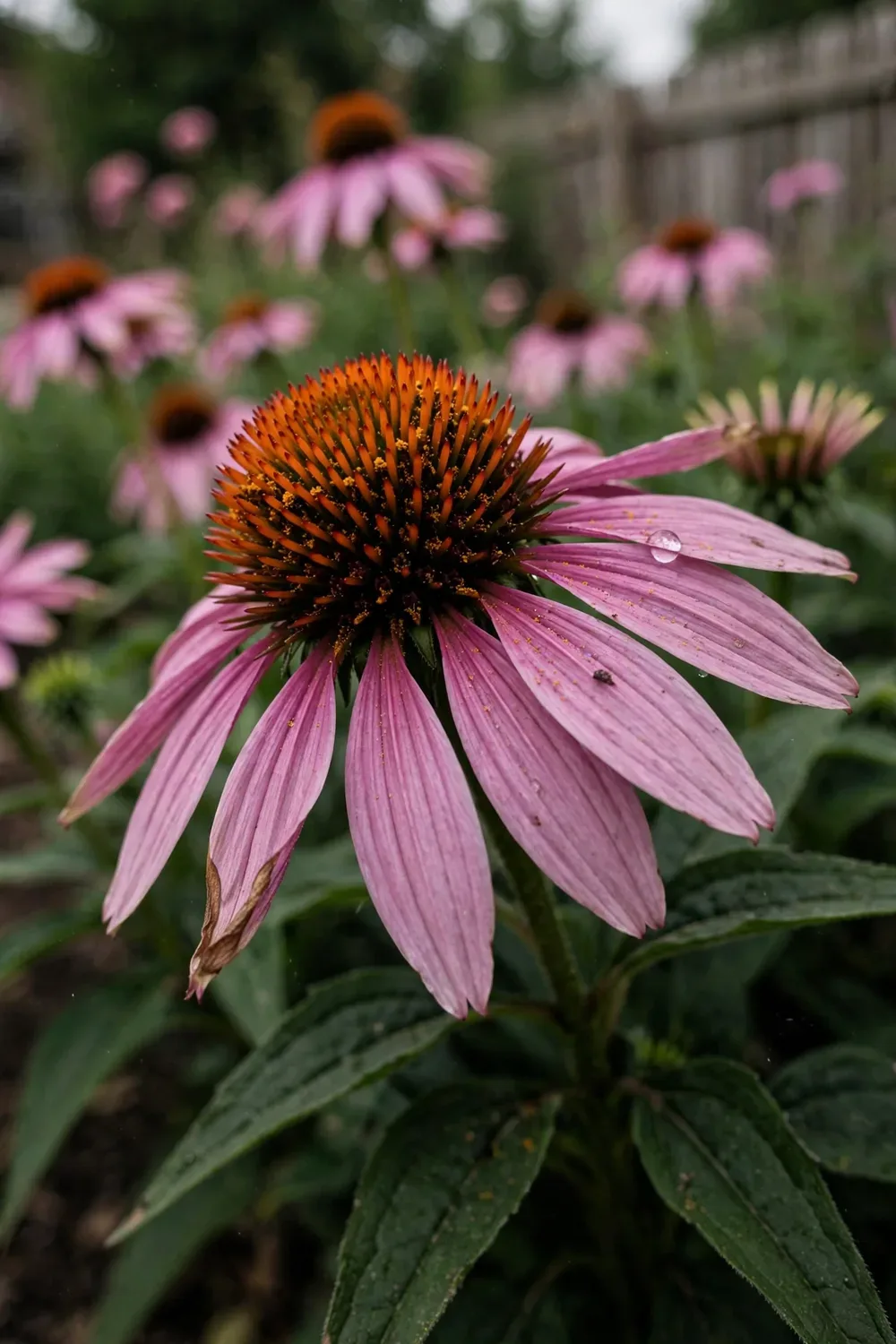

Learning how to grow echinacea from seed takes a cold stretch in the refrigerator, 10 to 20 days of warm patience after sowing, and then a full quiet year before the flowers arrive. Stratify the seed cold and moist, sow it shallowly, and hold it at 18 to 21°C. Purple coneflower rewards the wait with stiff 60 to 105 cm stems of pink-purple blooms that feed bees all summer and goldfinches all winter.
Echinacea purpurea is a coarse, rough-haired perennial of the daisy family (Asteraceae), native to the prairies and open woods of the central United States. The flower is a daisy with an attitude: drooping pink-purple rays around a spiky copper-orange cone that hardens into a seed head birds fight over. I have learned that a first-year seedling that looks like it is doing nothing is doing the most important work of its life, building the taproot that will carry a decade of summers.
The rest of this page runs the full sequence, from the refrigerator to the second-year bloom: stratification, sowing, planting, feeding, deadheading, dividing, the honest way to treat the plant’s medicinal reputation, and the pests that actually show up. If you are new to trays and grow lights, the seed-starting steps pair well with the protocol below.
1. Meet the Plant: Echinacea Purpurea at a Glance
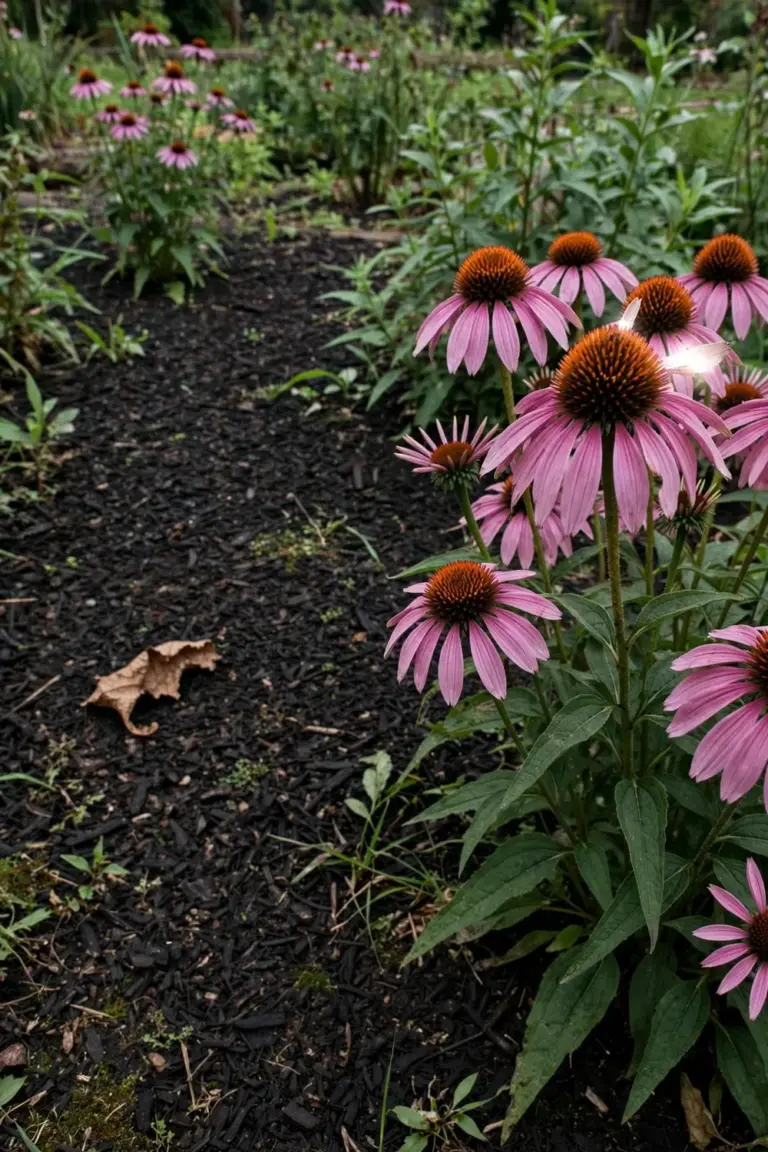
Echinacea purpurea is a herbaceous perennial of the daisy family (Asteraceae) that grows 60 to 105 cm tall, blooms from midsummer until frost, and survives winters in USDA Zones 3 to 9. Buy the seed or the plant under the botanical name, because “coneflower” on a packet can hide other species with different habits.
| Trait | Echinacea purpurea |
|---|---|
| Family | Asteraceae (daisy family) |
| Life cycle | Herbaceous perennial |
| Native range | Prairies and open woods of the central United States |
| Hardiness | USDA Zones 3 to 9 |
| Height | 60 to 105 cm (2 to 3.5 ft) |
| Spread | About 45 cm (1.5 ft) |
| Flower | Up to 7.5 cm wide, drooping pink-purple rays, spiky cone center |
| Sun | Full sun to part shade |
| Soil | Average, well-drained; drought tolerant once established |
| Bloom window | Midsummer to frost |
Clemson University’s extension service describes E. purpurea as reaching 2 to 3.5 feet tall and 1.5 feet wide, with flowers up to 3 inches across and drooping reflexed petals, in its echinacea growing guide. The same guide places the species in Zones 3 to 9 and notes that it blooms in midsummer and keeps flowering sporadically until frost. Missouri Botanical Garden’s Echinacea purpurea plant profile adds the culture: full sun to part shade, best in full sun, in average, dry to medium, well-drained soil, with tolerance for drought, heat, humidity, and poor soil.
Two close relatives deserve one line each so packets never confuse you. Echinacea angustifolia is the shorter, 30 to 40 cm narrow-leaf species of the dry prairies. Echinacea pallida is the pale coneflower with narrow, pendulous petals, a shorter garden life of 2 to 3 years, and hardiness in Zones 4 to 8. For the garden flower, purpurea is the easy one; Ontario’s agriculture department calls E. purpurea the easiest echinacea to cultivate in its echinacea crop guide.
Named cultivars give you color and height choices the straight species does not. ‘Magnus’ reaches 75 to 90 cm with 11 cm rose-pink flowers and comes reliably true from seed, which makes it the workhorse cultivar for seed growers. ‘White Swan’ grows 60 to 90 cm with white petals and makes an excellent cut flower. ‘Kim’s Knee High’ stays a compact 30 to 45 cm for the front of the border. ‘Bravado’ and ‘Bright Star’ carry rosy-red 10 to 12.5 cm blooms. Clemson University’s extension service lists all five in its echinacea growing guide. One warning travels with the showiest hybrids: seed does not always repeat the parent, so reproduce those by division or cuttings for reliable, consistent flower color.
2. Stratify the Seed Cold and Moist Before Spring Sowing
Echinacea seed germinates best after a cold, moist rest that mimics winter. Ontario’s agriculture department stratifies seed at 5°C for 3 months in moist sand or peat, then sows in pots 10 weeks before the transplant date, in its echinacea crop guide.
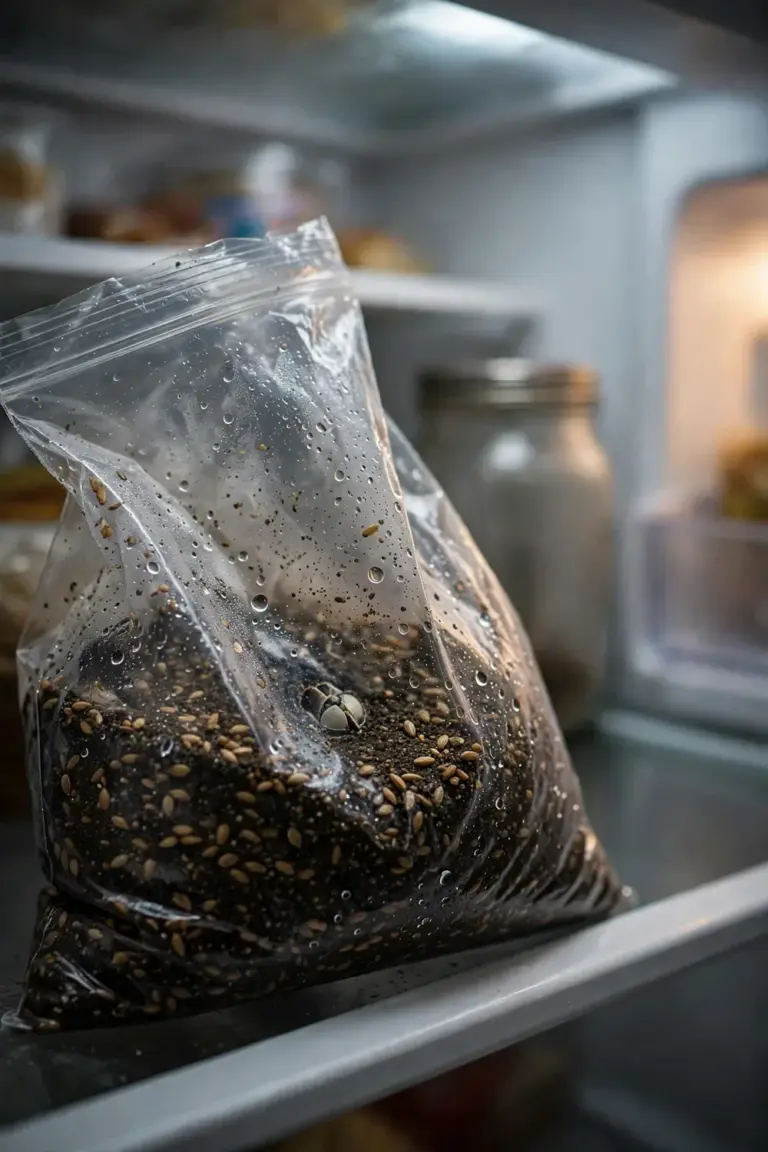
For a home seed packet, the same principle fits in a zip bag. Mix the seed with a spoonful of damp sand or vermiculite, seal the bag, and refrigerate it near 4°C through late winter for spring sowing. The mix should feel like a wrung-out sponge, never dripping. Check the bag weekly and remoisten if the sand dries, because dry cold does not break dormancy.
Skip the fridge entirely with fall sowing. Sow outdoors in autumn and let winter stratify the seed in the ground; the same OMAFRA guide notes that fall seeding assists germination. This is the lowest-effort method and often the most reliable, since nature handles the temperature curve better than a refrigerator door.
3. Sow Shallow at 18 to 21°C and Count 10 to 20 Days to Sprouting
Sow echinacea shallowly and keep it warm and misted. Clemson University’s extension service starts seed indoors at an air temperature of 18 to 21°C (65 to 70°F), covers the seed lightly with potting mix, and keeps the bed misted until germination 10 to 20 days later, in its echinacea growing guide.
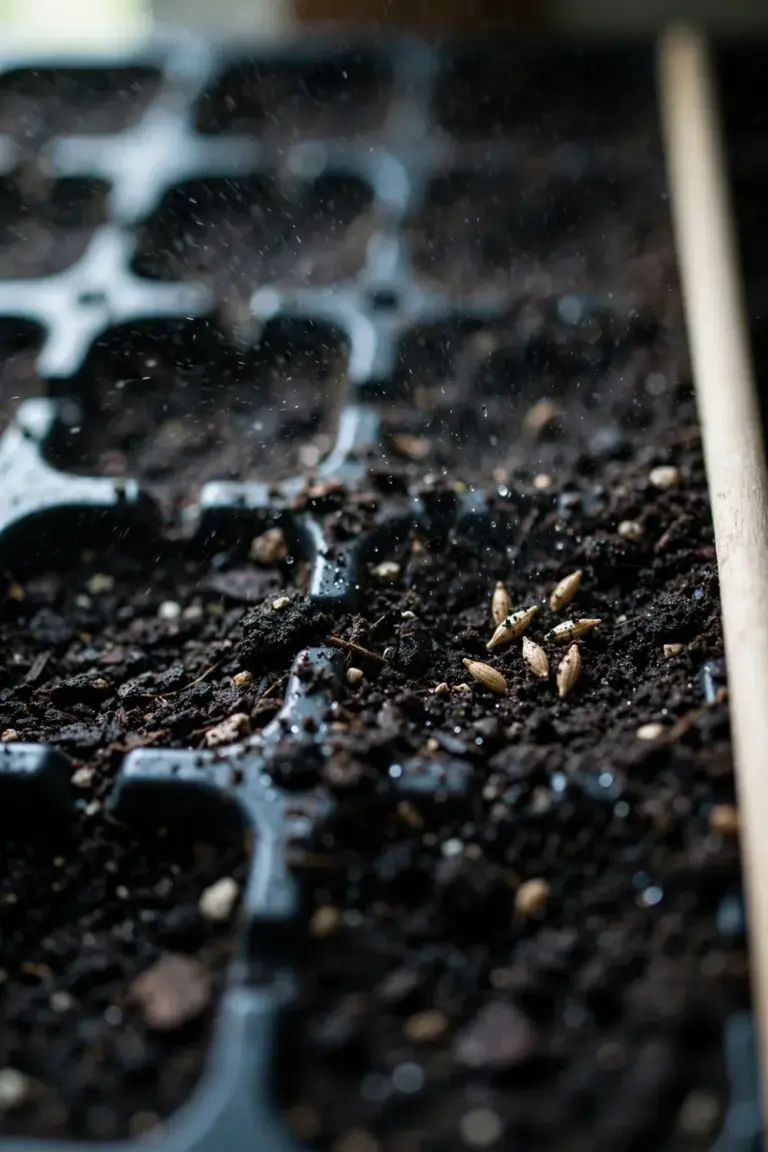
The light question has two honest answers, and both end at the same depth. Ontario’s agriculture department says light assists germination and instructs growers to sow shallowly, in its echinacea crop guide. Clemson covers the seed lightly with potting soil, warning that light can inhibit germination. The practical synthesis: press the seed into the surface and cover it with only a skim of potting mix, barely hiding the seed from view. Never bury it the way you would a bean.
Mist the surface instead of watering with a stream, which displaces seed. A humidity dome or a sheet of plastic holds the moisture until sprouts appear; lift it the day the first green shows, because trapped humidity invites damping-off. Give the seedlings strong light immediately after emergence. Clemson notes that seedlings are ready to transplant 20 to 28 days after sowing, which sets the pace for everything that follows.
4. Plant Out in Full Sun and Space Plants 30 to 60 cm Apart
Move seedlings outdoors after the last frost, into the sunniest spot you can offer. Echinacea tolerates part shade, but the heaviest bloom happens in full sun, and shade-grown plants stretch and flop.
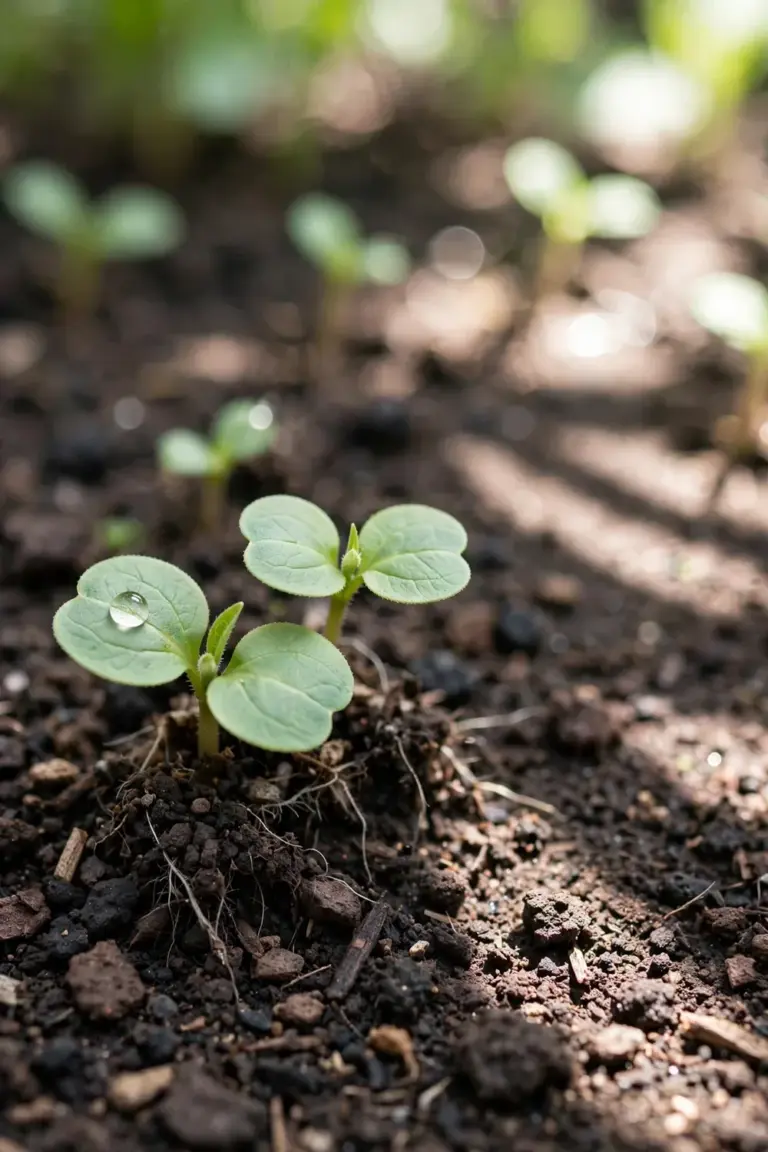
Give each plant 30 to 60 cm of room. Ontario’s agriculture department sets in-row spacing at 30 to 60 cm for the crop, in its echinacea crop guide. Tight spacing looks full in June and breeds powdery mildew in August, because still air keeps leaves wet. Clemson’s echinacea growing guide makes the same point in plain terms: proper spacing increases air circulation and helps prevent the spread of diseases.
Set the crown at soil level, never deeper. Echinacea builds a taproot that resents disturbance, so plant it where it will live for years and water it in once, deeply. The planting sequence is short:
- Dig the hole twice as wide as the root ball but no deeper.
- Set the seedling so the crown sits exactly at soil level.
- Backfill, firm gently, and water deeply to settle the soil around the taproot.
- Mulch 5 cm deep, keeping the mulch a finger’s width away from the stem base.
Fall is also an excellent planting season for nursery transplants; Clemson calls fall the best time to plant echinacea.
5. Expect Roots in Year One and Flowers in Year Two
Seed-grown echinacea spends its first year underground. The plant builds its taproot and a low rosette of leaves, and flowers are unlikely. Clemson University’s extension service warns that echinacea started from seed can take 2 or more years to develop into a sizable plant, in its echinacea growing guide.
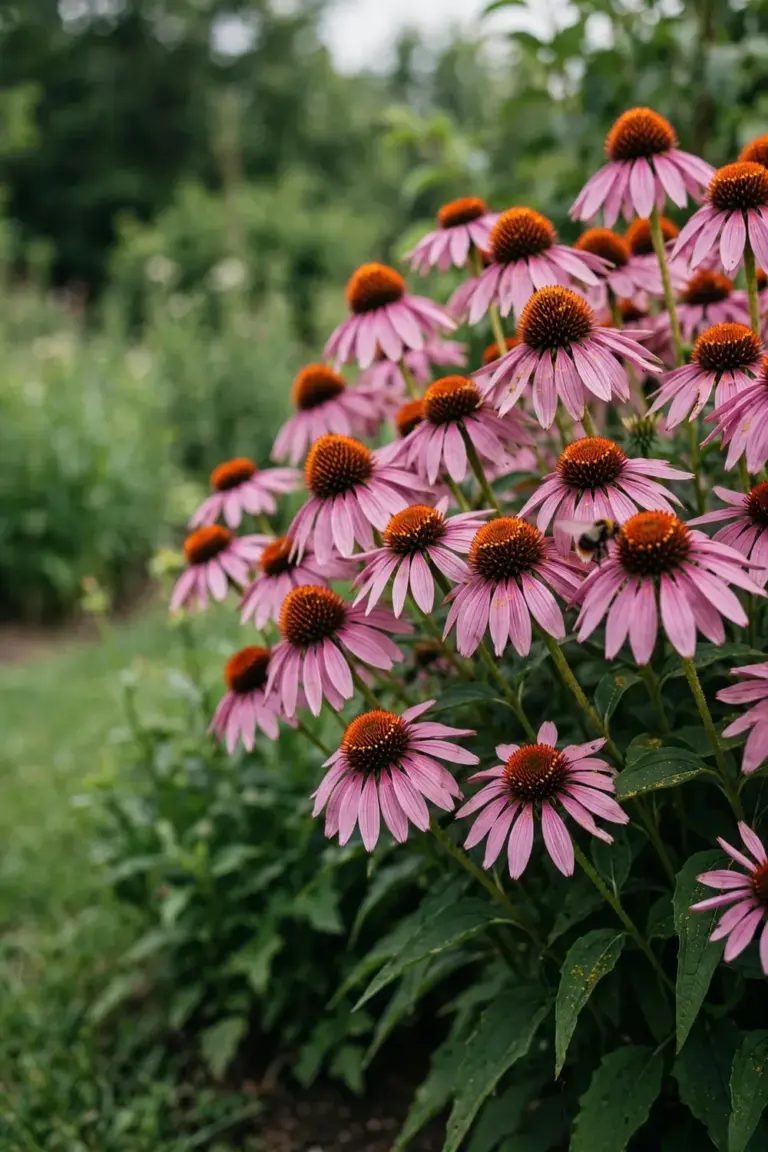
Treat year one as establishment, not failure. Keep the bed weeded, since young echinacea competes poorly with grass, and water through dry spells while the taproot reaches down. By the second summer the crown thickens and the flower stalks rise, and the display strengthens every year after.
The one shortcut is a very early indoor start. Missouri Botanical Garden notes that flowers can appear the first year 20 weeks after sowing, and advises starting seed indoors in late January in cold climates, in its Echinacea purpurea plant profile. Twenty weeks from late January lands in mid-June, which is why that trick works. Nursery transplants skip the wait entirely and usually bloom in their first garden summer.
6. Sow by the Hemisphere, Not the Calendar Month
Echinacea timing follows frost dates and seasons, not months. The protocol is identical everywhere; only the calendar flips.
| Task | Northern hemisphere | Southern hemisphere |
|---|---|---|
| Stratify seed in the fridge | January to February | July to August |
| Sow indoors | 10 weeks before the last frost | 10 weeks before the last frost (around September) |
| Plant out or direct sow | After the last frost; fall planting also excellent | After the last frost (October to November); fall planting March to April |
| Cut stems back | Late winter (February to March) | Late winter (August to September) |
| Divide crowded clumps | Spring or fall | Spring (September to October) or fall (March to April) |
In warm-winter climates with no real frost, the fridge stratification matters most, because the seed never gets its cold signal outdoors. In cool climates the opposite trick applies: sow outdoors in autumn and let real winter do the stratifying. Echinacea is hardy to Zone 3, so cold is never the enemy; the enemy is a wet, heavy soil that rots the crown over winter. Where summers run brutally hot, afternoon shade is kinder than all-day blast, and a deep weekly soaking beats daily sprinkles.
Echinacea earns its place in a long-season perennial bed, flowering from midsummer into autumn when many spring perennials are done. It pairs honestly with other late performers in a fall-blooming perennial planting, where the coneflowers carry July through September and the asters take over after.
7. Deadhead Spent Blooms for More Flowers, or Leave the Cones for the Birds
Deadheading is a choice, not a chore. Missouri Botanical Garden reports that echinacea usually reblooms without deadheading, though prompt removal of spent flowers improves the plant’s appearance, in its Echinacea purpurea plant profile.
Cutting the spent flower back to a side bud pushes a second flush, and the stems make sturdy, long-lasting cuts for the vase. A coneflower stem cut just as the petals open holds well in water, which is why the plant sits comfortably in a fall cut-flower lineup alongside the other late-season stalwarts.
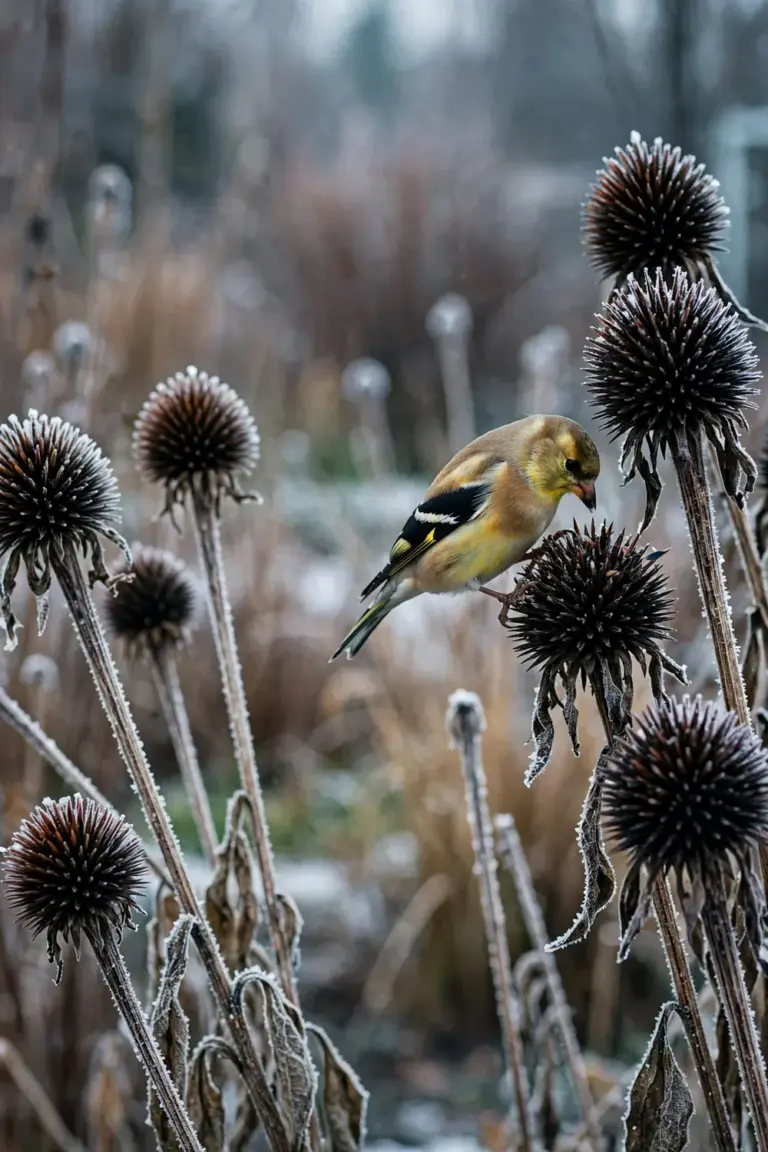
Leaving the cones standing is the wildlife option. The center cone hardens and darkens into a seed head, and goldfinches pry the seeds out through autumn and winter. Clemson’s echinacea growing guide advises delaying deadheading for exactly this reason, calling the seed heads very attractive to goldfinches in winter. The stiff dead stems also hold their shape through snow and frost, giving the winter bed its architecture. Many growers split the difference: deadhead the front of the border for looks, leave the back for the birds, and let a few heads self-sow.
8. Divide Overcrowded Clumps Every 3 to 4 Years
Echinacea clumps widen slowly and eventually crowd themselves. Flower numbers drop, the center thins, and the whole clump looks tired. Division resets the clock.
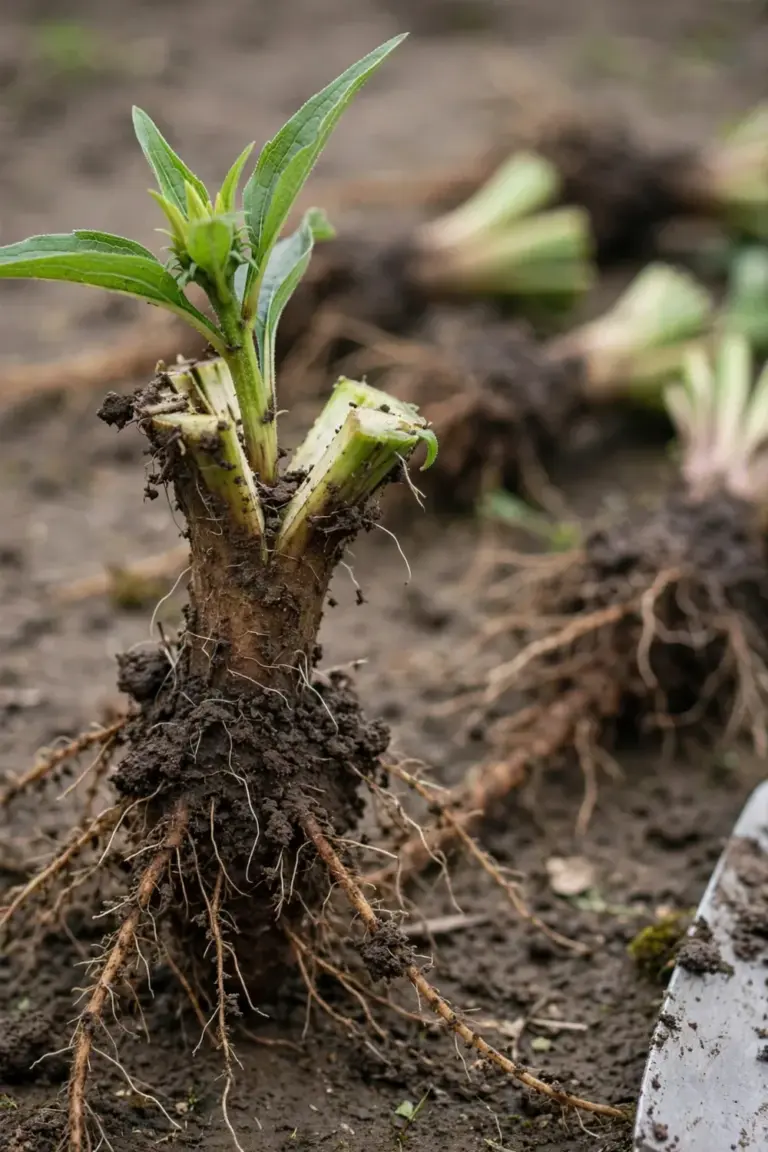
Clemson University’s extension service divides echinacea every 3 to 4 years to prevent overcrowding, working in spring or fall, in its echinacea growing guide. Missouri Botanical Garden gives the same rhythm at about every 4 years, when clumps become overcrowded, in its Echinacea purpurea plant profile.
Lift the whole crown with a fork, keeping as much of the taproot intact as you can. Echinacea resents root damage more than most perennials. Work on a cool, overcast day and replant fast, before the roots dry. Cut the crown into sections with a sharp knife, each carrying at least one strong shoot and a piece of root. Replant at the same depth and water deeply. Expect the divisions to sulk for a few weeks before pushing new growth.
9. Feed Sparingly: Echinacea Is Not a Heavy Feeder
Echinacea evolved in lean prairie soil, and it flowers hardest when the soil asks little of it. Rich feeding grows tall, soft stems that flop in the first storm and produce leaves at the expense of blooms.
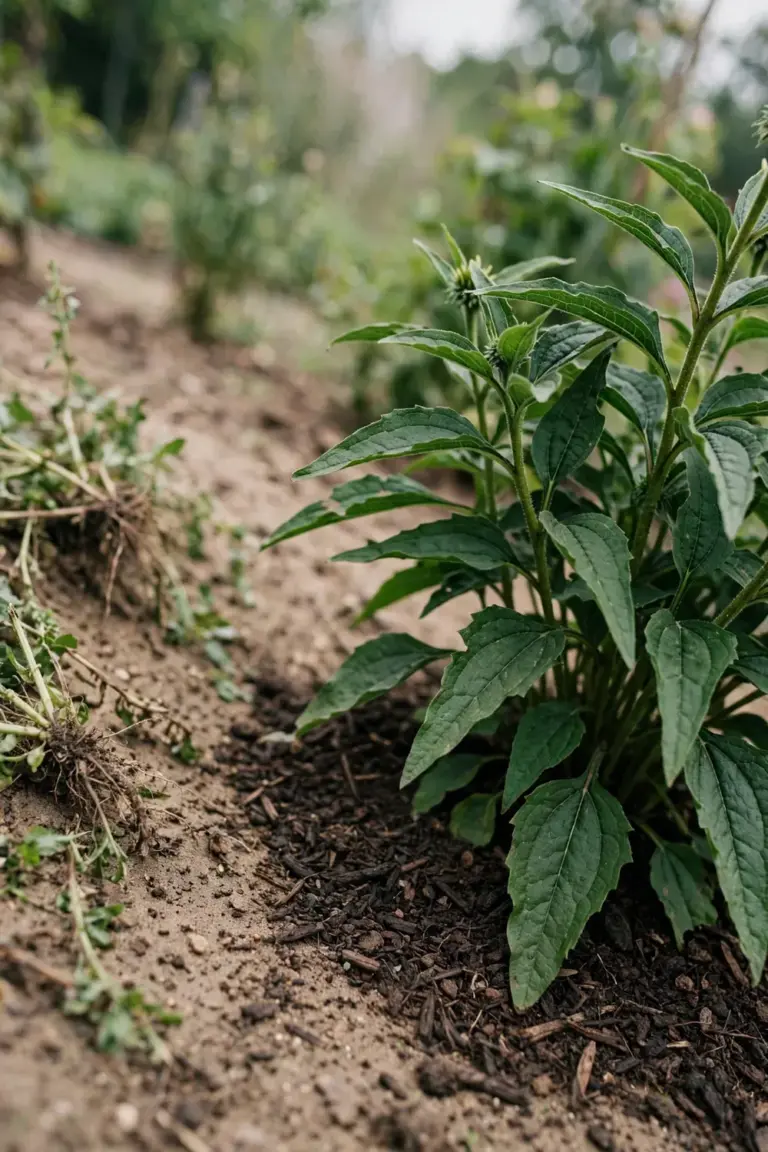
Clemson University’s extension service classifies coneflowers as not heavy feeders and maintains them with a single spring application of 12-6-6 slow-release fertilizer at 1 pound per 100 square feet (49 grams per square metre), applied in late March or early April just before new leaves emerge, in its echinacea growing guide. For most home gardens, a 2 to 3 cm top-dressing of compost in spring covers the same need with less risk. Skip the high-nitrogen lawn fertilizer near the bed; nitrogen pushes leafy growth while the flower buds wait.
Watch the plant, not the calendar. Pale leaves and weak stems on poor sand mean the spring feeding was too light. Dark green, floppy, flower-poor growth means it was too heavy, and the fix is to stop feeding entirely for a season. Established clumps in decent soil often need nothing at all beyond the yearly compost skim.
10. Cut the Stems Back in Late Winter, Not in Autumn
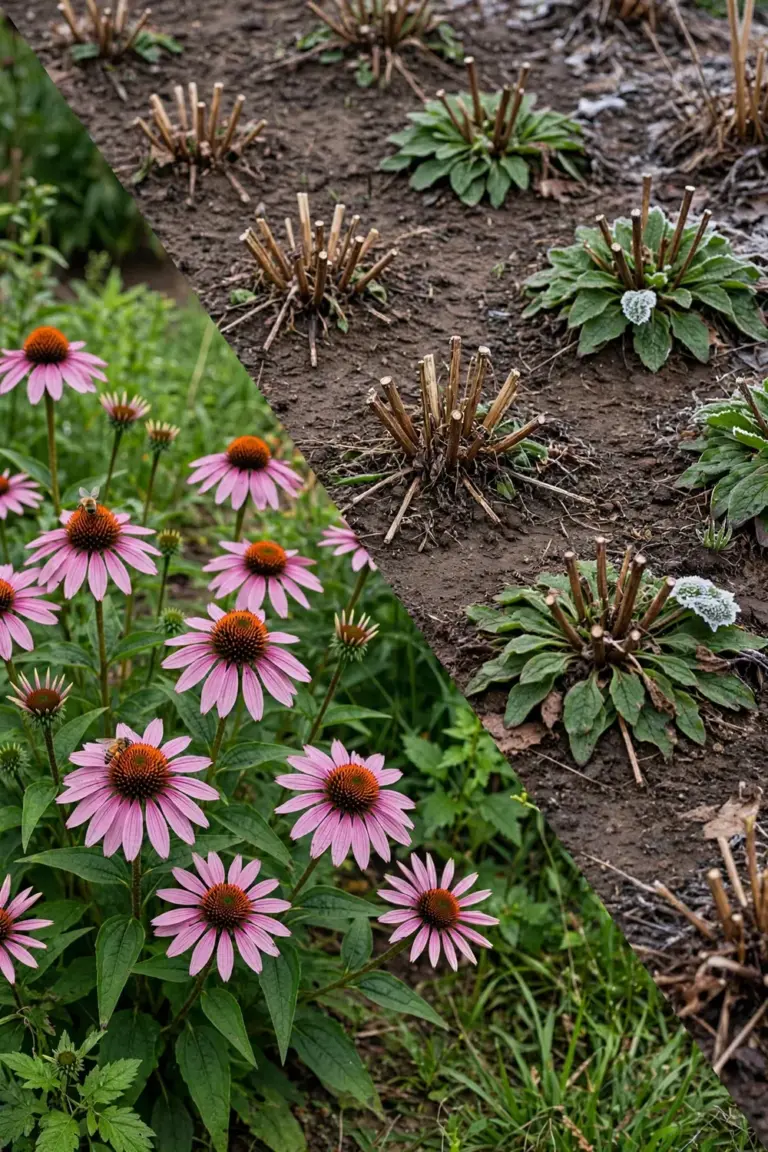
Leave the stems standing through winter. The stiff stalks and blackened cones feed goldfinches, shelter overwintering insects, and catch frost into sculptural shapes. Cutting everything down in autumn throws all of that away for a tidy bed that helps nothing.
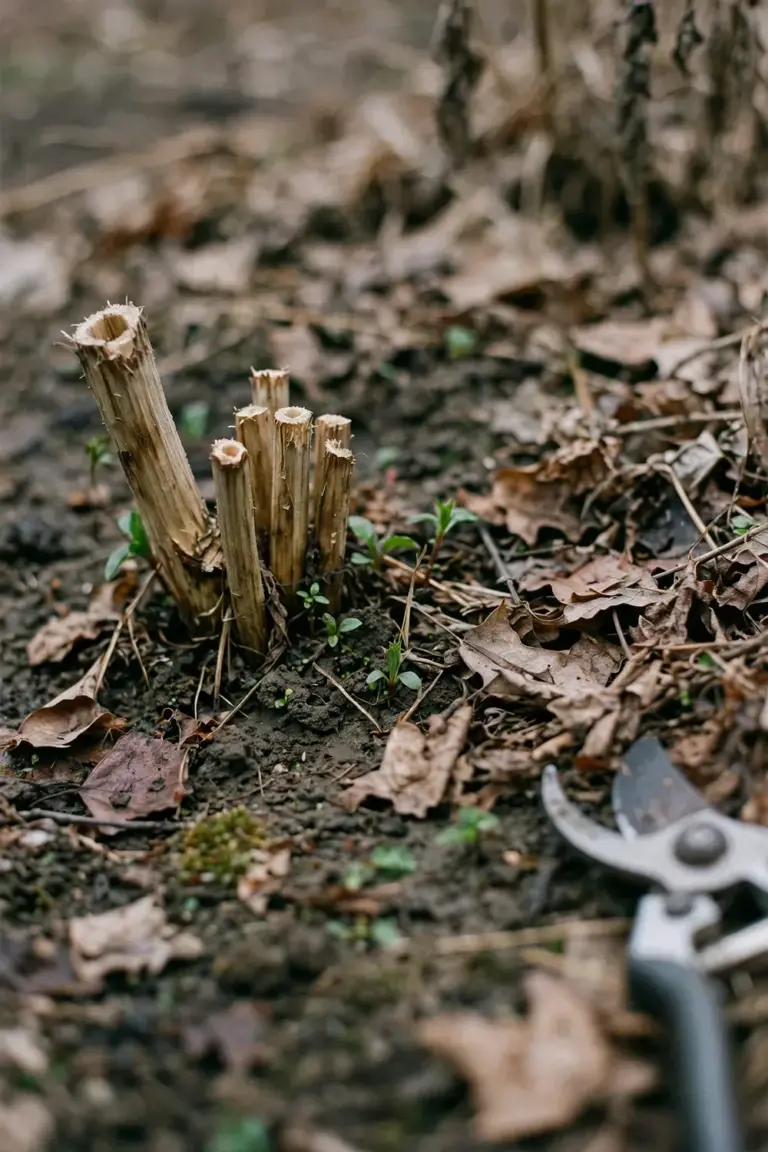
Cut back once, in late winter or very early spring, before new growth starts. Slice the dead stems to the ground and compost them, then clear the mulch back from the crown so spring sun reaches the emerging shoots. Clemson’s echinacea growing guide removes dead foliage and stems each year in fall, winter, or early spring, which gives you the full window, but the wildlife argument puts late winter first.
One caution: echinacea self-sows freely where heads are left standing. Missouri Botanical Garden notes that plants freely self-seed if at least some seed heads are left in place, in its Echinacea purpurea plant profile. Seedlings of named cultivars rarely match the parent plant. Deadhead the fancy varieties and let the straight species seed where you want more of it.
11. Treat the Medicinal Reputation as Traditional Use Only
Echinacea carries two reputations: the garden flower and the herbal remedy. Keep them separate in your head. The garden advice on this page is settled horticulture; the medicinal side belongs to tradition and to your health care professional, not to a planting guide.
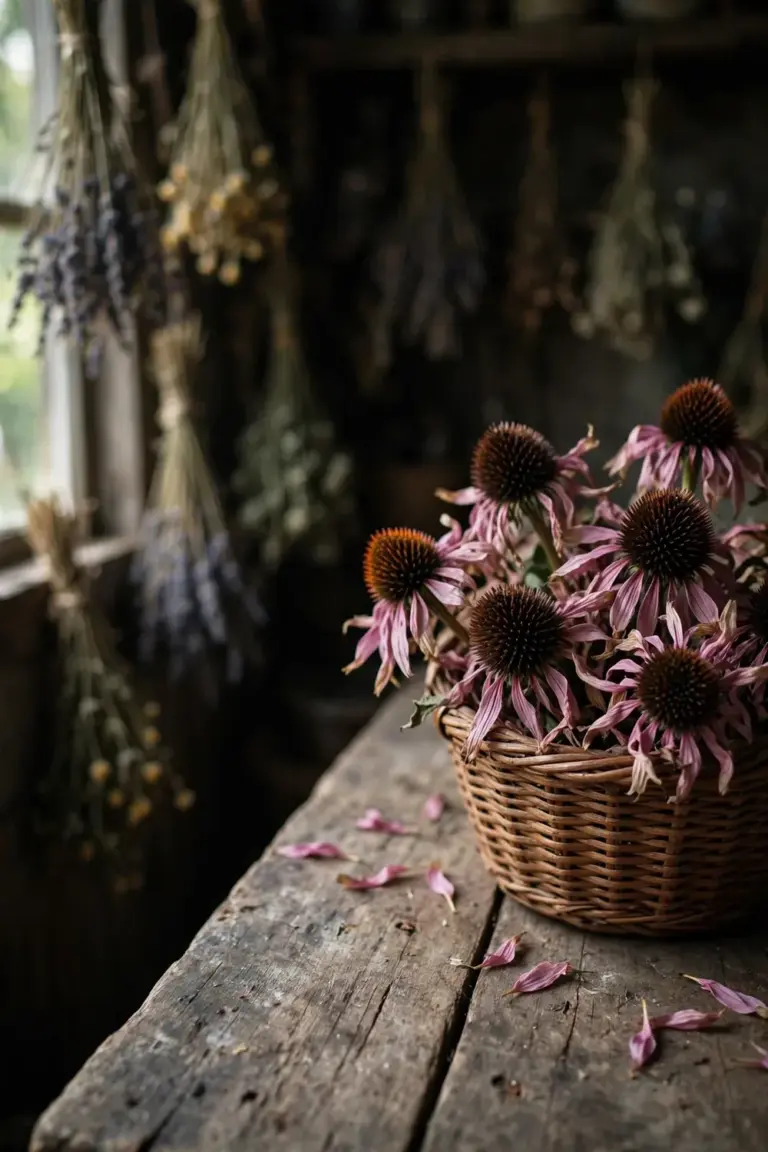
The history is real. The Echinacea purpurea species was used medicinally by Native Americans in North America for respiratory tract infections, tooth pain, and snakebite, according to the US National Center for Complementary and Integrative Health’s echinacea fact sheet. Today echinacea products are promoted mainly as dietary supplements for the common cold, based on the idea that the plant may stimulate the immune system. The same fact sheet reports that taking echinacea may slightly reduce the chance of catching a cold, while evidence that it shortens a cold remains unclear and more research is needed.
That is the honest boundary. Grow echinacea for the flowers, the bees, and the winter seed heads. If you want to use it the herbal way, learn from a qualified herbalist or clinician, start from the straight species rather than a bred cultivar, and never treat a serious illness with a garden plant. The related fall herbs to plant roundup keeps the same line: grow the plants with confidence, dose them with professional guidance.
12. Diagnose the Real Troublemakers: Powdery Mildew, Aster Yellows, and Mites
Echinacea is a tough plant with a short rogues’ gallery. Learn the three that matter and ignore the rest.
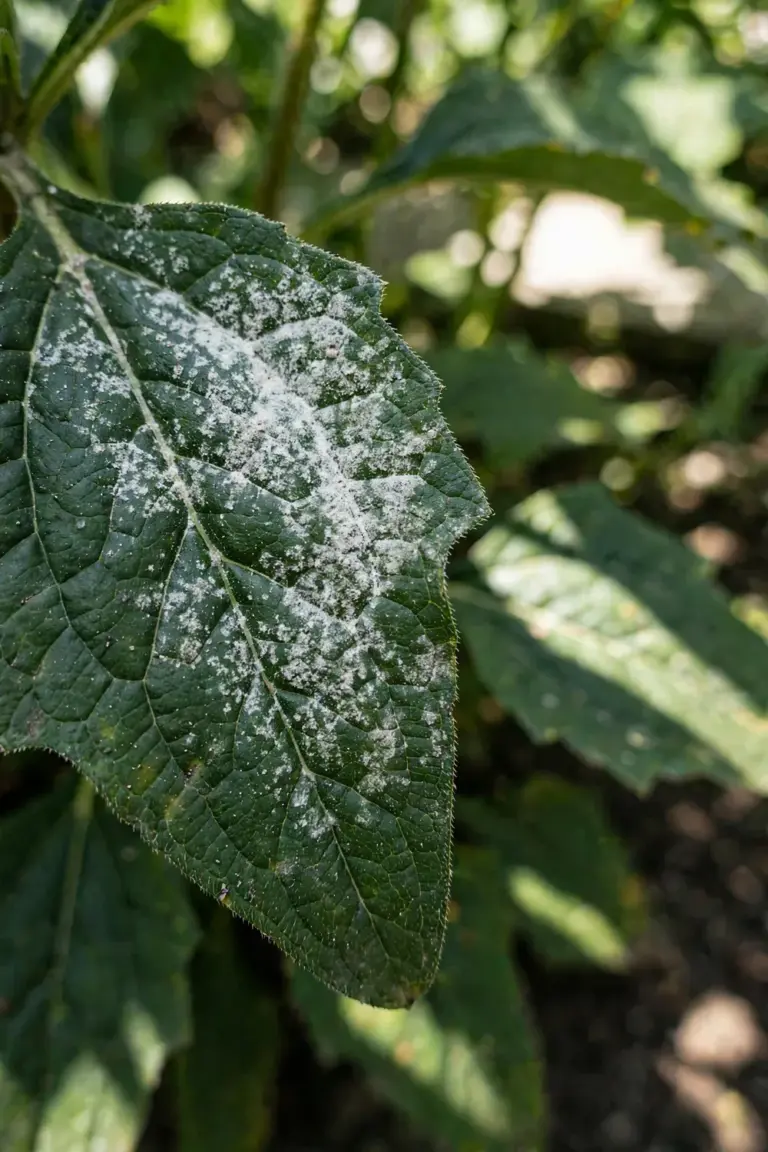
Powdery mildew dusts the leaves with a white film in late summer, worst where plants are crowded and air sits still. Prevention beats cure: space plants properly, water the soil instead of the foliage, and avoid overhead irrigation. Clemson University’s extension service lists powdery mildew among echinacea’s fungal problems and prescribes proper spacing, well-drained soil, and sanitation by removing plant debris, in its echinacea growing guide.
Aster yellows is the serious one. Leafhoppers spread this phytoplasma disease, and infected flowers grow deformed: a witches’ broom of stunted shoots in the flower head, occasional greening of the petals, and general stunting of the plant. Clemson’s echinacea growing guide instructs growers to remove and destroy infected plants to stop further spread, because there is no cure. Do not confuse it with eriophyid mite damage, which also distorts the flower head into tufts of stunted, twisted parts sprouting from the cone. Mite-damaged plants get cut back to the ground in fall with all debris destroyed, per the same guide, and usually recover. The visual tell sits in the flower head itself: mites produce tufts of stunted green tissue erupting from the cone, while aster yellows produces a witches’ broom of shoots, greening petals, and whole-plant stunting. When in doubt, assume the worse one and remove the plant.
Aphids cluster on buds in spring; Clemson treats them with insecticidal soap sprays applied 3 times at a 5- to 7-day interval. Japanese beetles chew the petals in midsummer where they are established. Rabbits can eat young foliage to the ground in a single night. None of these usually kills an established clump, and the plant’s real enemy is not a pest at all. It is wet winter soil rotting the crown, and proper drainage prevents that.
13. Fix the Three Failures New Echinacea Growers Hit Most
Failure one: the seed never sprouts. The cause is almost always depth. Seed buried a centimeter deep sits in the dark and rots, while seed pressed into the surface and kept misted sprouts in 10 to 20 days at 18 to 21°C. Old seed is the second suspect; echinacea seed loses vigor after a couple of years in a warm drawer. Store packets cool and dry, and sow fresh seed each season.
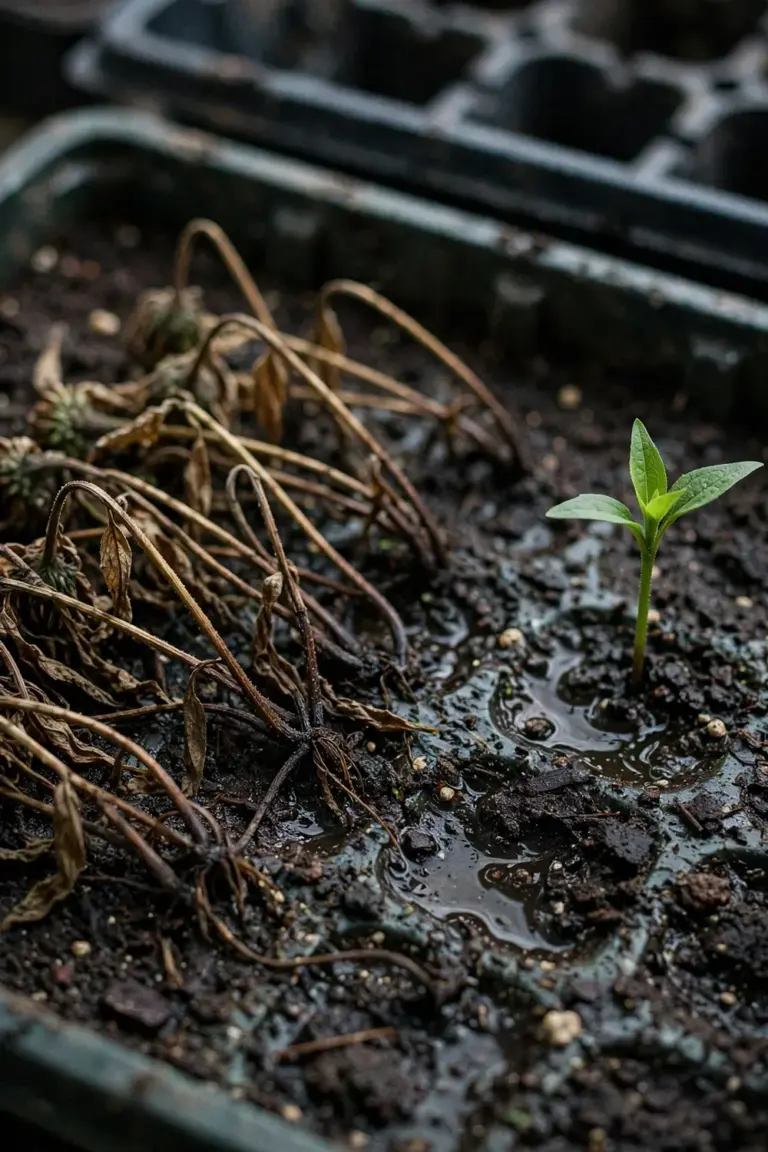
Failure two: a full first year with no flowers. This is the plant’s normal schedule, not a mistake. Clemson University’s extension service puts it plainly: seed-started echinacea can take 2 or more years to develop into a sizable plant. The rosette of leaves is building the taproot that powers every future summer. Judge the planting in its second year, not its first.
Failure three: tall, floppy stems with few blooms. Rich soil and heavy feeding are the usual culprits, pushing leafy growth while the buds wait. Move the plant to leaner ground, stop fertilizing, and cut the stems back by a third in early summer to force sturdier branching. In shade, the same flopping means too little light; only full sun grows the stiff stems the flower heads need.
Frequently Asked Questions
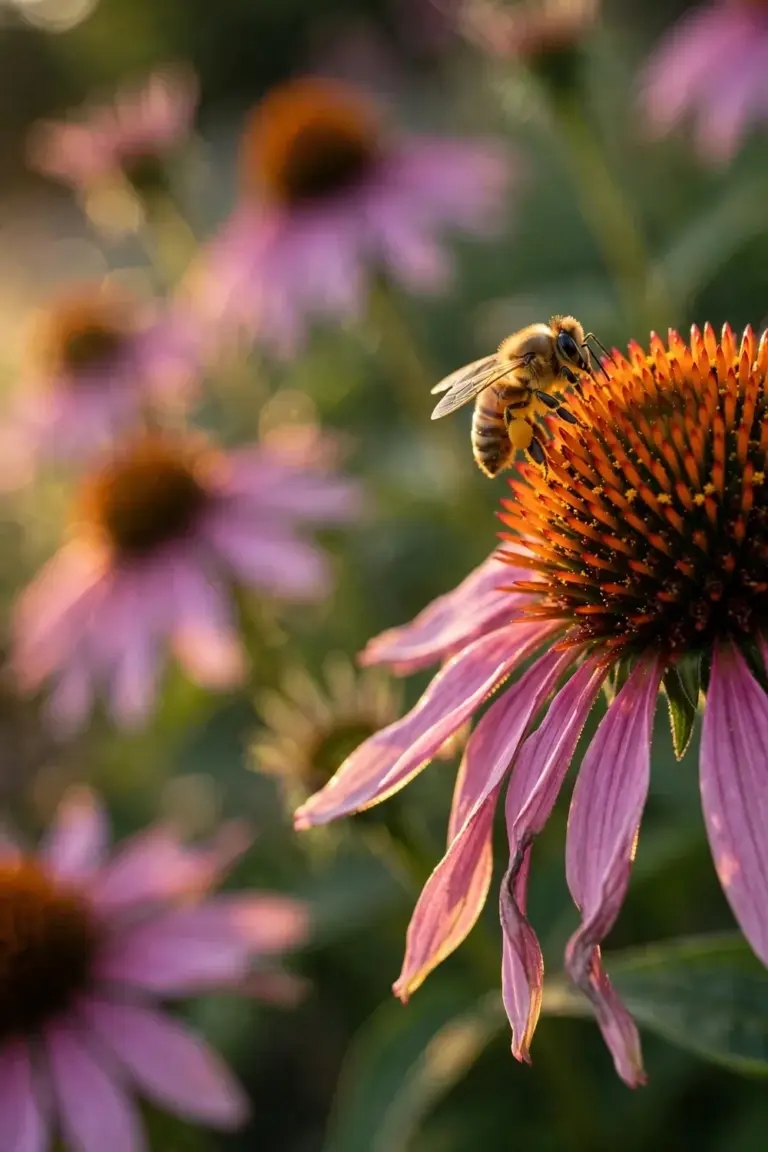
Usually not. Seed-grown echinacea spends its first season building a taproot and a leafy rosette, with flowers arriving in year two. A very early indoor start can bend the rule: Missouri Botanical Garden notes flowers appearing 20 weeks after sowing. Nursery transplants normally bloom in their first garden summer. Judge seed plantings in year two, not year one.
It germinates far better with it. Ontario’s agriculture department stratifies seed at 5°C for 3 months in moist sand or peat. Home growers get the same effect from 4 to 8 weeks in a sealed bag of damp sand in the refrigerator. Fall sowing outdoors lets winter stratify the seed naturally. Echinacea purpurea needs less chilling than its relatives, but the cold step still lifts germination.
Do both, in different parts of the bed. Deadheading spent blooms back to a side bud pushes a second flush and tidies the border. Leaving the cones standing feeds goldfinches through autumn and winter and lets the straight species self-sow. The stiff dead stems also give the winter garden its structure. Cut everything back once, in late winter, before new growth starts.
The evidence is modest and mixed. The US National Center for Complementary and Integrative Health reports that echinacea may slightly reduce the chance of catching a cold, but whether it shortens one is still unclear. It is a traditional herbal remedy, not a proven cure. Grow it for the garden; talk to a health care professional before using it medicinally.
A healthy clump lives many years, slowly widening until the center thins and flowering drops. Divide every 3 to 4 years in spring or fall to reset it. Each division needs a shoot and a piece of root, replanted at the same depth. One caveat: named cultivars will not come true from self-sown seed, so propagate the varieties you love by division instead.
Where to Go From Here
Start with the seed, the refrigerator, and a little patience. Stratify cold and moist, sow shallow at 18 to 21°C, plant out in full sun 30 to 60 cm apart, and let the first year belong to the roots. Year two brings the cones, the bees, and the goldfinches, and every year after gets better. Divide the clump when it crowds itself, feed it lightly or not at all, and cut it back once in late winter. That is the whole job, and it is an easy one.
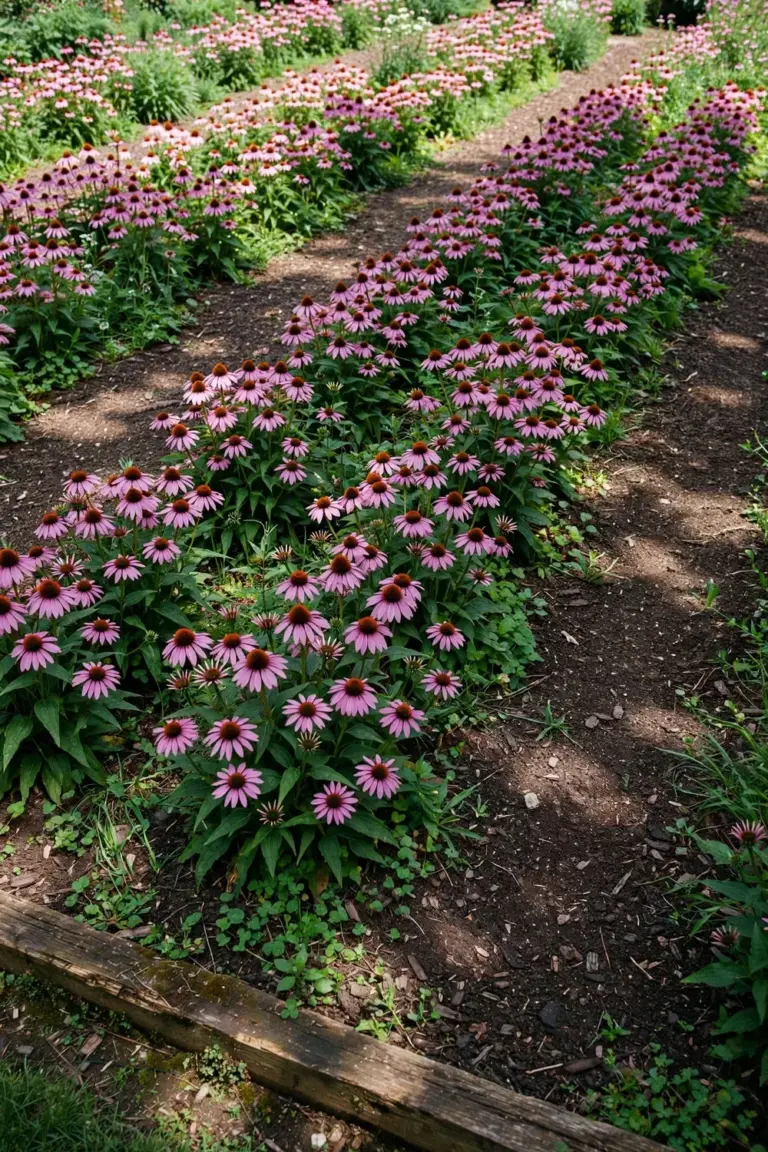
Buy the straight species if the birds and the bees matter most to you, since it self-sows and feeds both. Buy a named cultivar like ‘Magnus’ or ‘White Swan’ if a specific color earns the spot. Either way, the coneflower asks for less than almost any perennial in the bed and gives back more summers than most.