
Soak the soil until water runs out of the drain holes, then wait 2 weeks and check the soil with your finger. That is how to grow succulents indoors: a soak-and-dry cycle that replaces the watering calendar, plus the brightest window in the house. I have learned that the growers who lose the fewest plants check the soil with a finger instead of trusting a schedule.
Succulents store water in thick leaves, stems, or roots. That storage tank shrugs off weeks without water, and it makes rot the main threat indoors. Almost every dead indoor succulent got too much water, too little light, or both.
Starting from seed is a different job, and that work lives on this site’s succulent seed guide. This page stays on the potted plant: water, light, soil, the etiolation diagnosis, and rescue. Fourteen moves, from the first soak to the rescue repot.
Master the Soak-and-Dry Watering Rule
Soak-and-dry is the whole watering system in one phrase. Soak means water thoroughly until it flows out of the drain holes, then discard the excess after a few minutes. Dry means the soil must be completely dry before you water again. The University of Minnesota Extension instructs growers to always let the soil dry out completely between waterings, because repeated shallow sprinklings cause distorted growth (UMN Extension on cacti and succulents).
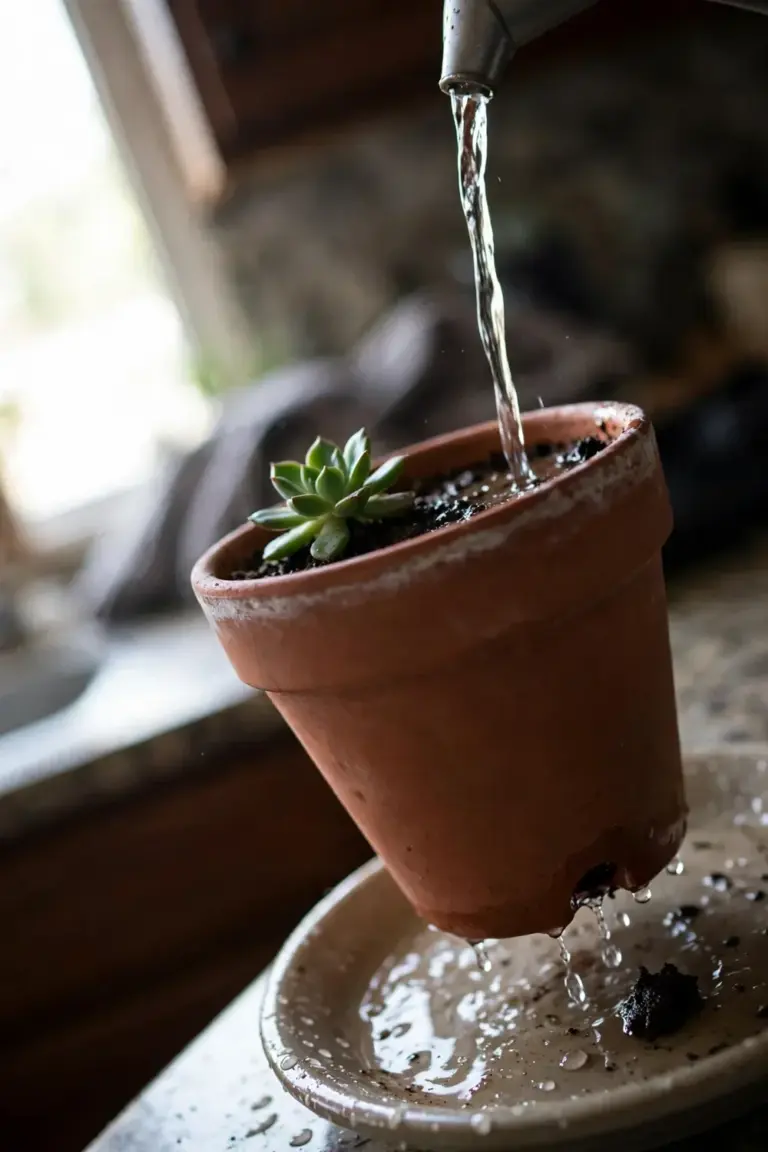
Frequency depends on season and your home. A large commercial nursery’s care guide advises checking first, then watering roughly every two to three weeks in spring and summer and every three to four weeks or longer in fall and winter (Costa Farms cactus and succulent care). The finger test beats every schedule: push a finger into the soil to the first knuckle. Dry means water. Damp means wait. A wooden skewer works the same way; if it comes out clean and dry, the soil is ready.
Three watering rules keep roots alive. Never let the pot sit in a full saucer; standing water rots roots within days. Never mist the leaves; misting raises humidity around the plant and encourages mold. Never give small sips on a fixed weekly schedule; sips keep the top wet while the roots stay thirsty, and the plant dies anyway.
Give Succulents the Brightest Window You Own
Succulents need the brightest spot in your home. Inadequate lighting tops the list of ways people accidentally kill indoor plants, and NC State Extension names succulents and cacti as plants that require bright light (NC State Extension indoor plant care). A south-facing window is the first choice in the northern hemisphere; east-facing comes next. Bright indirect light for most of the day keeps rosettes tight and colors strong.
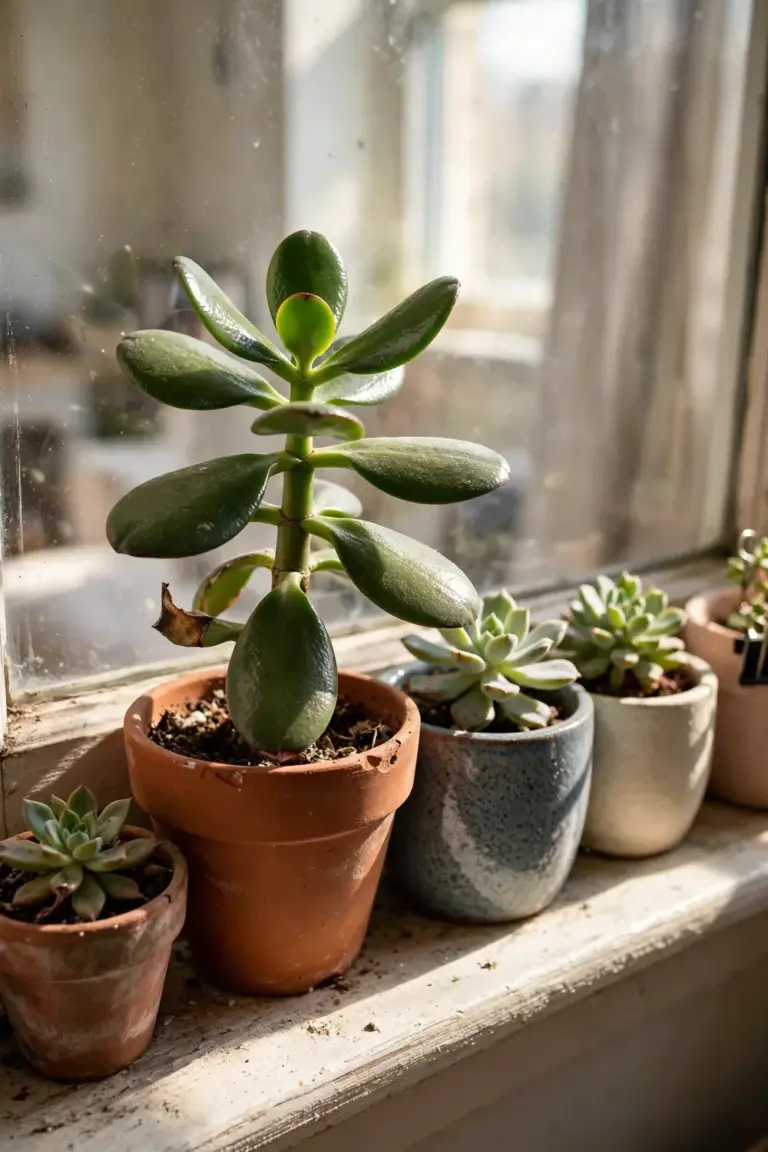
Rotate the pot a quarter turn every week or two. Rotation evens out the growth so the plant does not lean hard toward the glass. Watch new growth, not old growth, to judge your light. Tight new leaves with good color mean the spot works. If new growth arrives pale and stretched, the window is not bright enough and the plant needs help.
Sunburn is the opposite risk when a plant moves from a dim corner to full sun in one afternoon. Brown or white bleached patches on the leaves signal scorch. Move the plant gradually: one or two extra hours of brighter light per day, over a week or two, until it sits at its final spot.
Diagnose Etiolation: Stretching Means More Light, Not More Water
Etiolation is the single most common indoor diagnosis. The University of Maine Cooperative Extension describes etiolation as elongated, spindly stems and pale leaves caused by low-light conditions, with insufficient chlorophyll production (University of Maine Extension bulletin on irregular growth). The plant stretches toward the nearest light source. The center of the rosette opens up. The new stem looks weak and leggy.
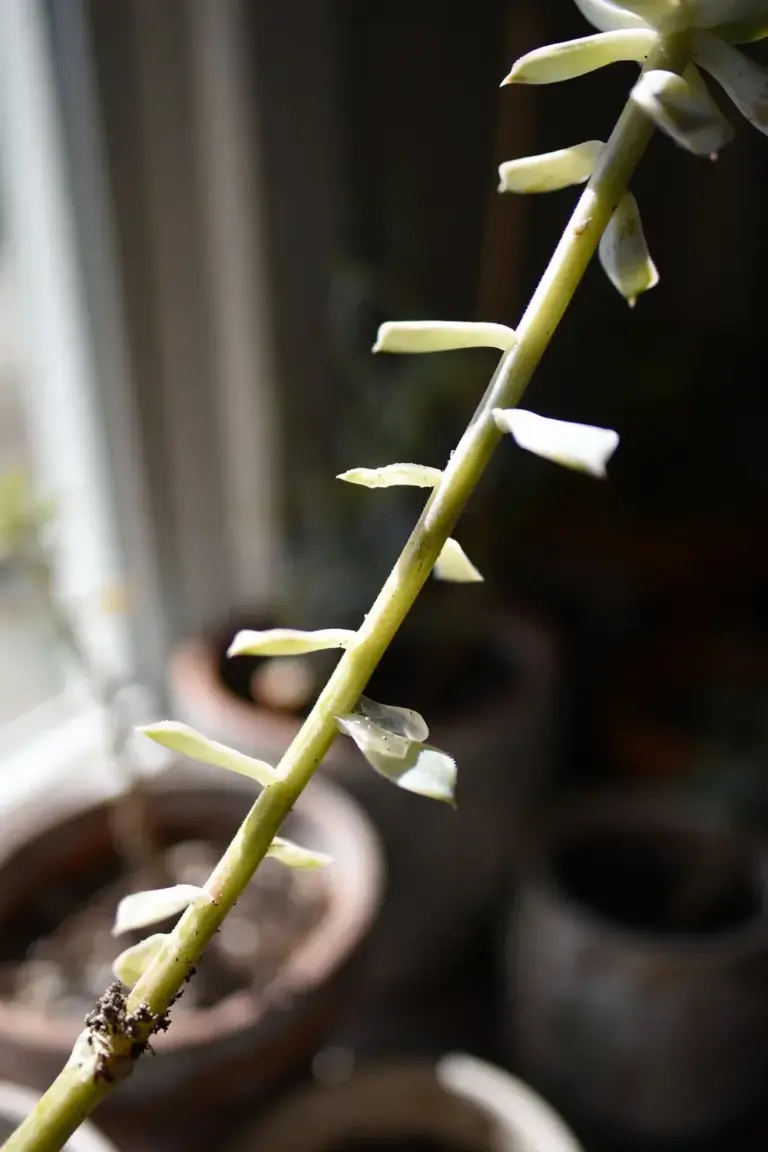
The first rule of an etiolated succulent: more light fixes it, more water makes it worse. Weak new growth that also feels soft and mushy points to overwatering instead. Overwatering leaves are yellow and translucent; etiolation leaves are pale but firm. Diagnose the light before you touch the watering can.
Once a succulent stretches, the damage is permanent: old growth never contracts back into a tight rosette. More light halts it. Every leaf that forms after the move arrives compact and well colored. To salvage the plant, cut the healthy rosette off the stretched stem with sterilized scissors, let the cut end dry for a few days, then replant it in fresh mix. The leftover stump, kept lightly watered in bright light, often pushes out brand-new offsets.
Distinguish etiolation from normal growth habits before you panic. Some succulents trail naturally, like burro’s tail. Some develop a single flowering stalk as a mature plant. Those patterns are symmetrical and hold their color. Etiolation looks desperate: rapid, lopsided stretching with washed-out color, often within weeks of arriving home.
Run a Grow Light for 14 Hours When Windows Fail
Apartment windows, north-facing rooms, and dark winters beat the brightest succulent placement. A grow light replaces the sun instead of supplementing your mood. Iowa State Extension recommends leaving a full-spectrum grow light on for 14 hours a day, controlled by a simple timer so the schedule never depends on memory (Iowa State Extension on supplemental light).
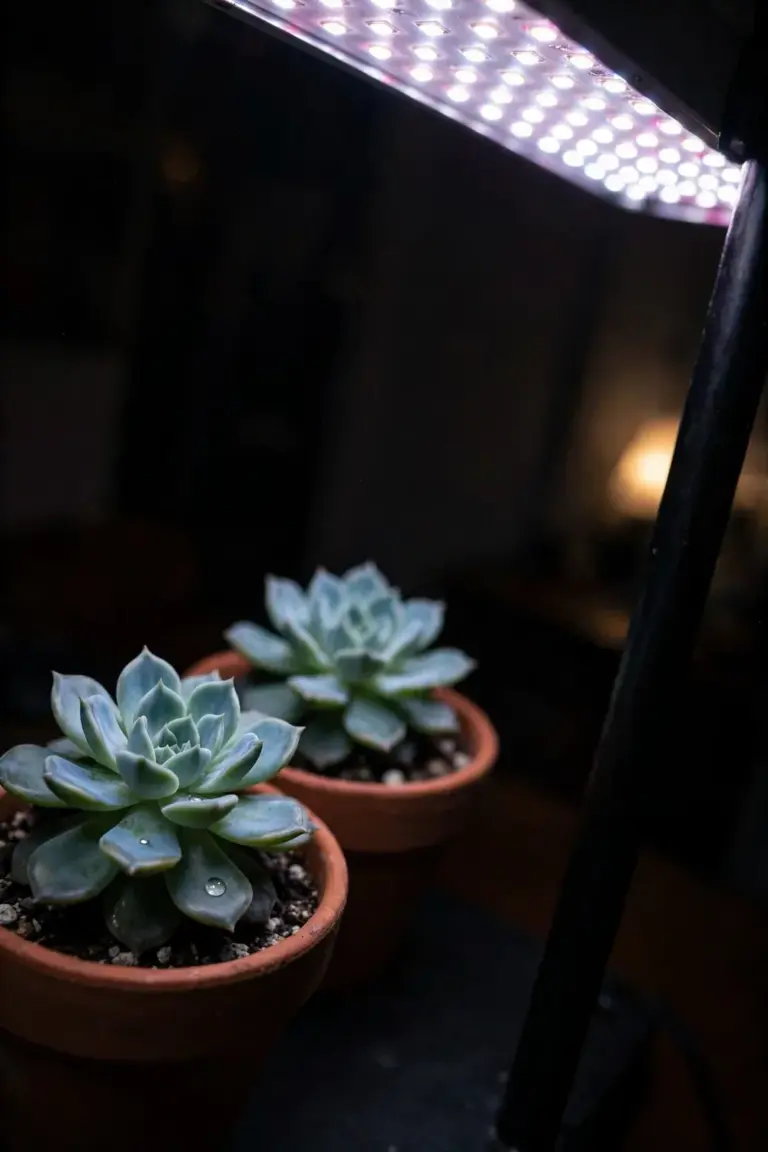
Choose a full-spectrum fixture. LEDs run cool and cheap; a standard full-spectrum LED shop fixture works when hung 45.7 cm from the foliage, per the same Iowa State guidance. Dedicated grow-light fixtures can hang closer, around 15.2 to 30.5 cm above the plant, following the manufacturer’s directions. Keep the light directly above the plant, not off to the side, or the plant stretches sideways toward it.
Give plants a dark period every night. Running lights around the clock stresses plants and wastes power. If you want a deeper breakdown of fixture types and distances, this site’s grow-light guide walks through the options for indoor gardens.
Mix a Gritty Soil That Drains in Minutes
Succulent roots demand air more than they demand water. Ordinary potting soil stays wet too long and suffocates them. The University of Minnesota Extension recommends a cactus potting soil, which carries a percentage of sand to give it good drainage; those same extension notes underpin this whole section. Bagged cactus and succulent mix from the garden center is the honest starting point for most growers.
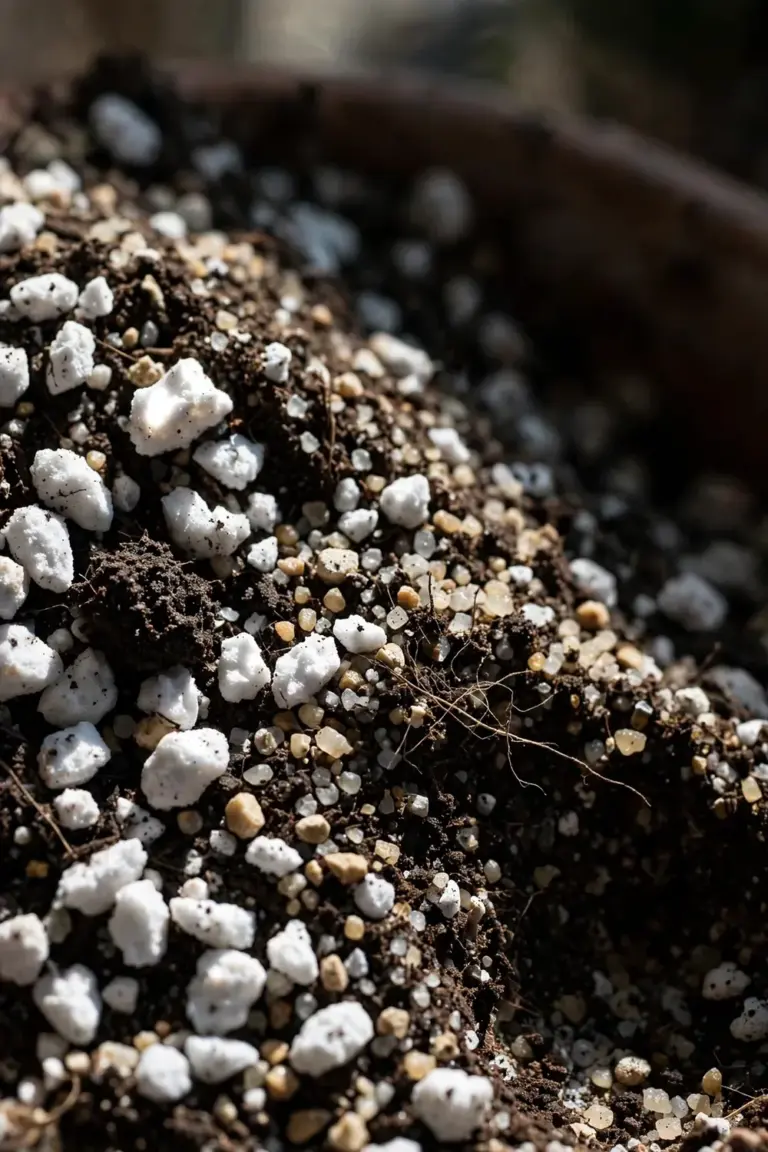
Boost any bagged mix for indoor use. Stir in coarse perlite, pumice, or coarse builder’s sand until the mix looks and feels gritty between your fingers. This site’s perlite guide explains what perlite does for aeration, and the potting mix guide covers the base ingredients you are modifying. Indoor air dries slowly compared to a desert, so err toward more mineral and less peat than an outdoor succulent mix would need.
Test the mix before you trust it. Water a freshly potted plant and watch the drain holes. Water should start flowing through within a minute or two, not pool on the surface for ten. Repot with fresh mix when the old mix stays damp for days or has compacted into a hard brick.
Pot Only in Containers With Drainage Holes
Drainage holes are non-negotiable. The same North Carolina extension guidance tells growers to make sure pots have a drainage hole, because a plant that sits constantly in water develops root rot. The prettiest cache pot on the shelf is a death trap without a hole. Either drill a hole, keep the plant in a nursery pot with holes nested inside the decorative shell, or choose a different pot.
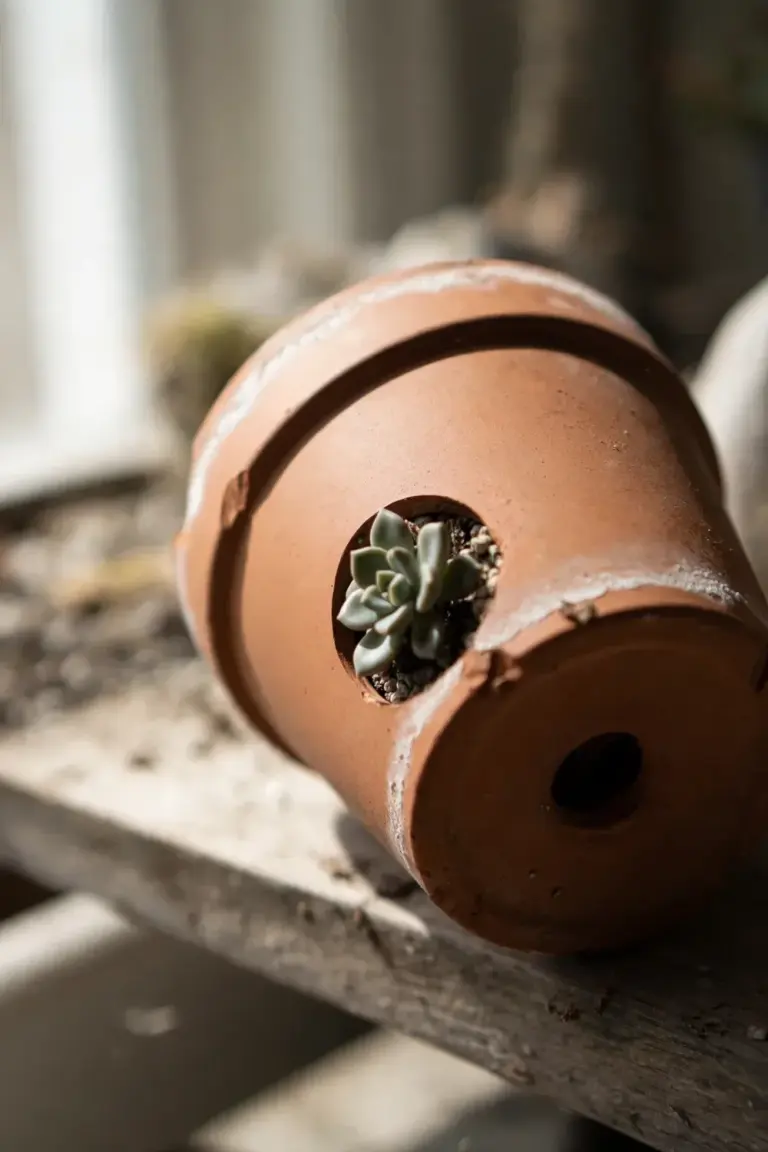
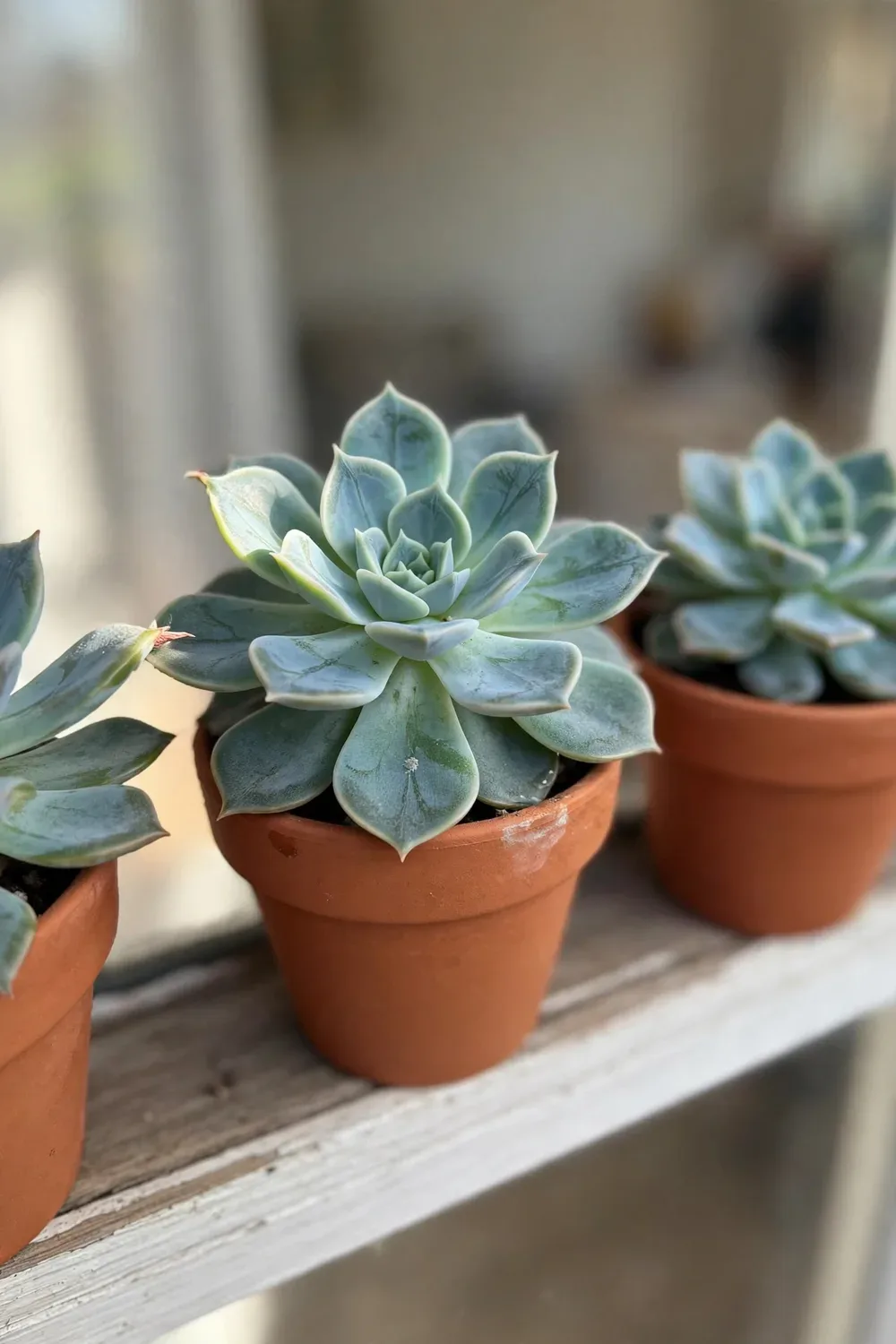
Terracotta is the forgiving choice. Unglazed clay breathes and wicks moisture out of the soil, which buys you a wider margin of error when you water a day early. Glazed ceramic and plastic hold water longer; they work fine once you trust your watering discipline, but they punish beginners.
Match the pot size to the plant. A pot 2 to 3 cm wider than the root ball suits most succulents; a cavernous pot holds a reservoir of damp soil the roots never reach, and that soil rots the roots it touches. Shallow bowls with drainage holes suit rosette types like echeveria. When the nursery plant arrives, slide it out and check whether the roots circle the bottom. If they do, repot into a slightly larger pot.
Keep Room Temperatures Steady and Humidity Low
Succulents prefer the same temperatures people do. Keep them at ordinary indoor temperatures and away from cold drafts, open windows in winter, and direct blasts from heaters or air conditioners. Sudden temperature swings stress the plant more than a few degrees of heat or cold.
Low humidity suits succulents perfectly. The University of Minnesota Extension records that many cacti and succulents are well adapted to houses where relative humidity runs between 10 and 30 percent (UMN Extension on cacti and succulents). That dry indoor air, the same air that cracks wooden furniture, is close to their native habitat. Never add a humidifier near your succulents and never mist them to “raise humidity”.
Move plants away from radiators and heating vents in winter. The heat dries the plant faster than it can use water, and the same corner often doubles as a cold spot at night. Set the pot a meter or more from the heat source and let room air circulate around the leaves instead.
Adjust for a Southern Hemisphere Window
Sun geometry flips south of the equator. The brightest window in an Australian home faces north, not south. A north-facing window gives the strongest all-day light for indoor succulents in Sydney, Melbourne, or Brisbane, while a south-facing window stays dim and grows etiolated plants.
Air conditioning changes the watering math. Cooled indoor air holds less moisture, so the soil in air-conditioned rooms can stay damp longer than the same plant in a naturally ventilated house. Check the soil before every watering rather than assuming the calendar from a guide written for another climate. Winter water needs drop everywhere indoors, and a plant in a cool Melbourne winter may go six weeks without needing a drink.
Feed Lightly: Fertilizer Just 1 to 4 Times a Year
Succulents ask for little feeding. The University of Minnesota Extension advises fertilizing cacti only once or twice a year during late spring or summer, when they are actively growing, and other succulents three or four times during the brighter months (UMN Extension on cacti and succulents). Use a houseplant food higher in phosphorus than nitrogen, diluted to half the label rate.
The mechanism is simple: fertilizer pushes growth, and growth needs light. A succulent fed heavily in a dim room grows fast, weak, and stretched. Feed only during the bright months when the plant can turn nutrients into compact tissue. Stop feeding entirely in late fall and winter; the plant rests and extra salts accumulate in dry soil.
Dilute every time. Half strength at each feeding protects the roots from fertilizer burn far better than full-strength doses given rarely. If the leaves ever look scorched at the tips after feeding, flush the pot once with plain water and skip the next scheduled feed.
Choose an Indoor-Tough Species From This Table
Not every succulent tolerates a windowsill. Species that evolved under desert scrub shade or tolerate lower light adapt far better to indoor life than sun-loving rosettes. Start with one of the five below; each stays compact, asks little, and forgives a missed watering. Single-species care profiles for these plants live on this site, so treat the table as your shortlist, not your manual. Cacti are succulents in the botanical sense, but spines and different handling give them their own growing lane.
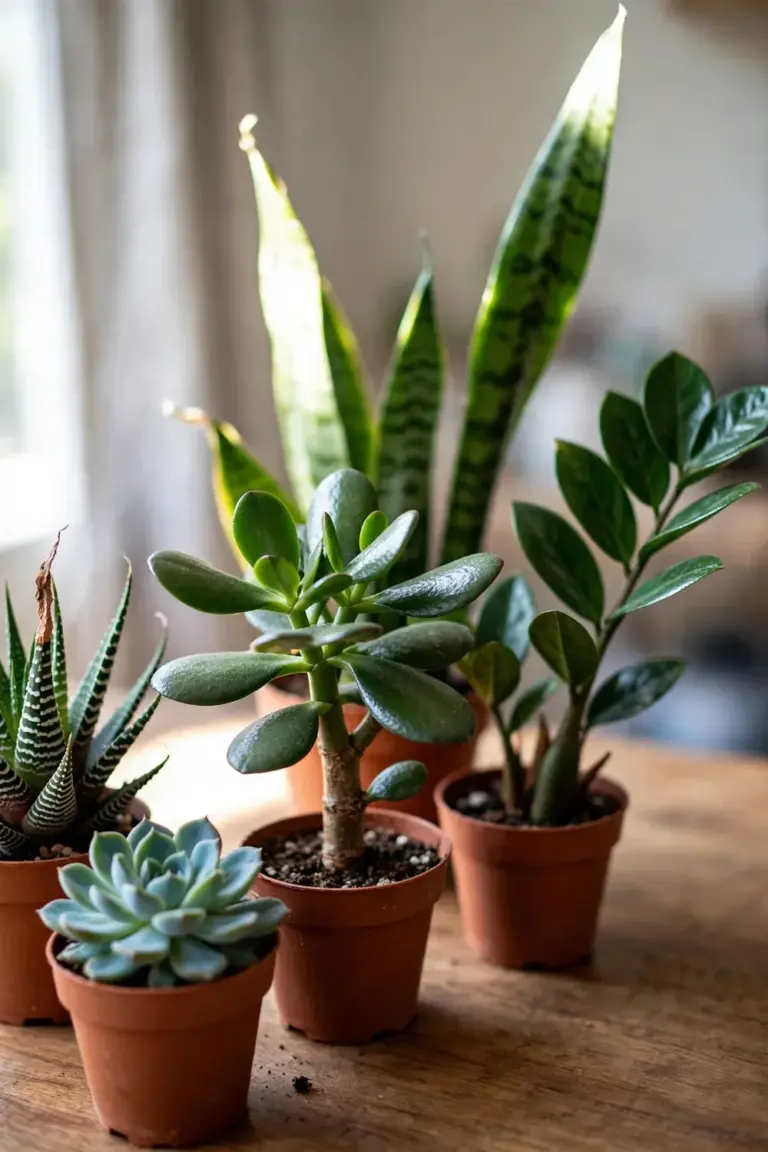
| Species | Light appetite | Water habit | Why it suits indoors |
|---|---|---|---|
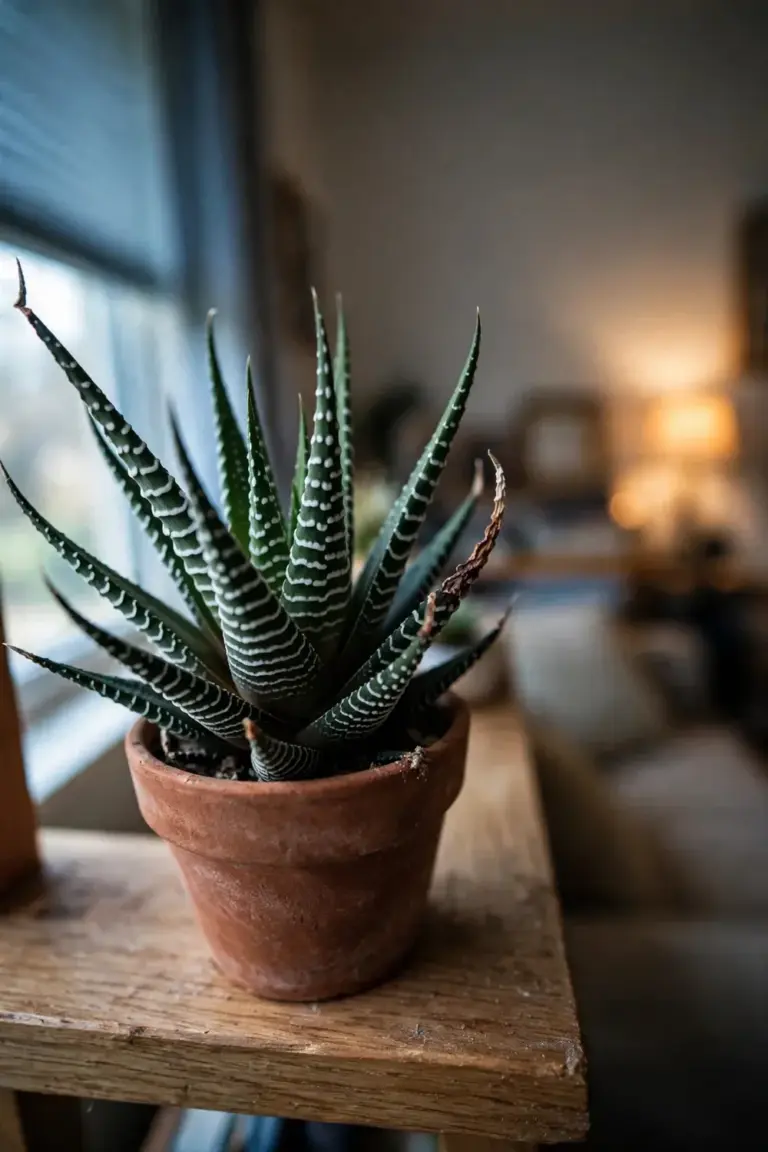
| Haworthia, Haworthiopsis attenuata | Moderate; tolerates bright indirect light without direct sun | Drought tolerant; water when fully dry | Small size, shade origins under desert shrubs, slow growth that stays tidy |
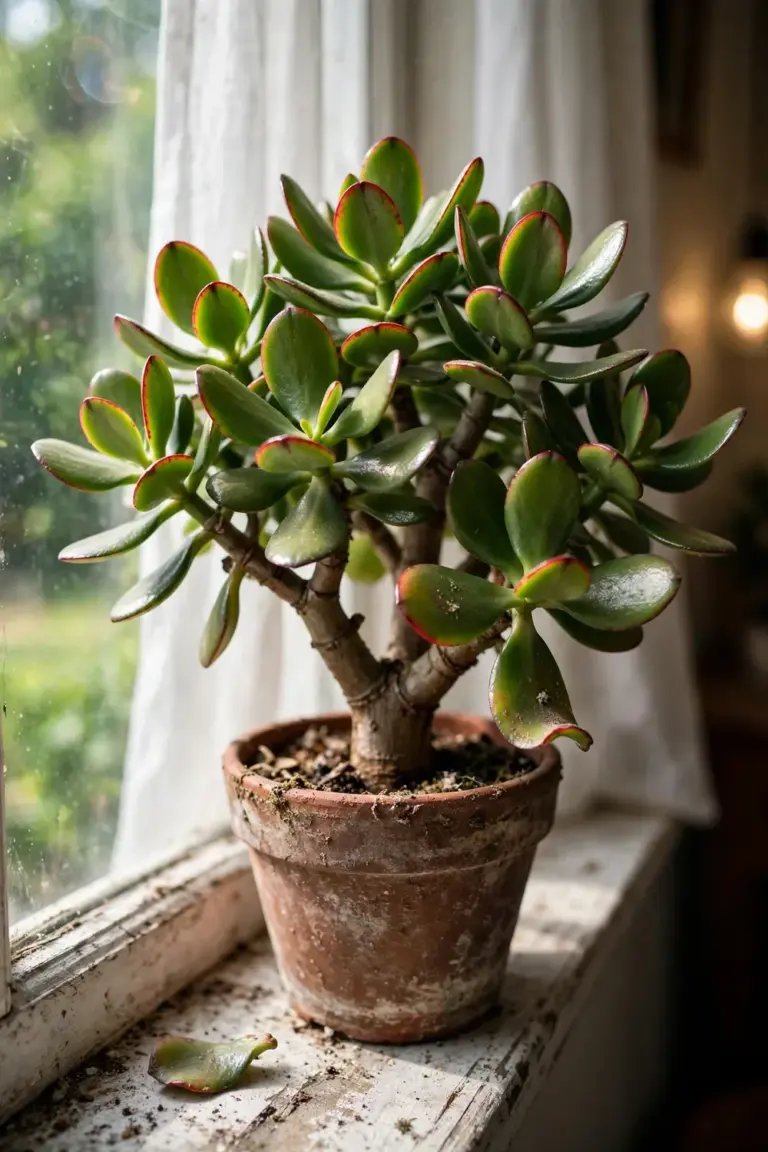
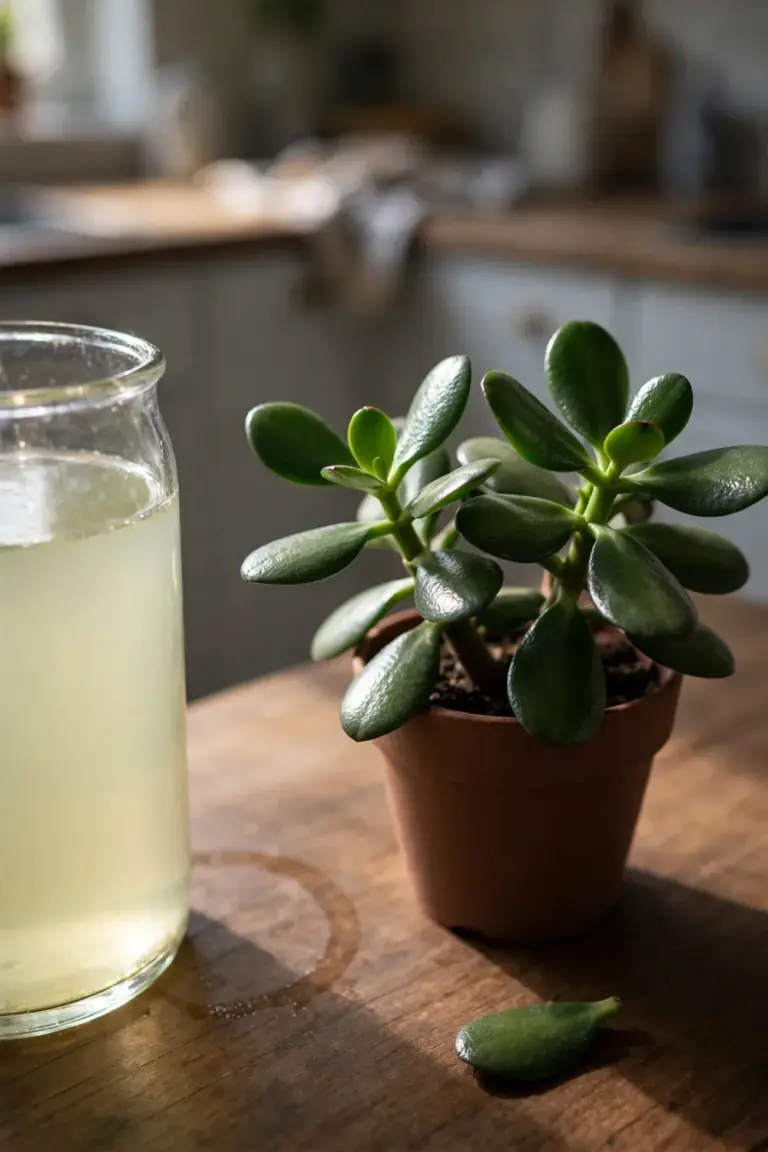
| Jade plant, Crassula ovata | High; brightest window you own | Very drought tolerant; leaves store months of water | Woody stems and thick leaves; survives irregular watering better than most |
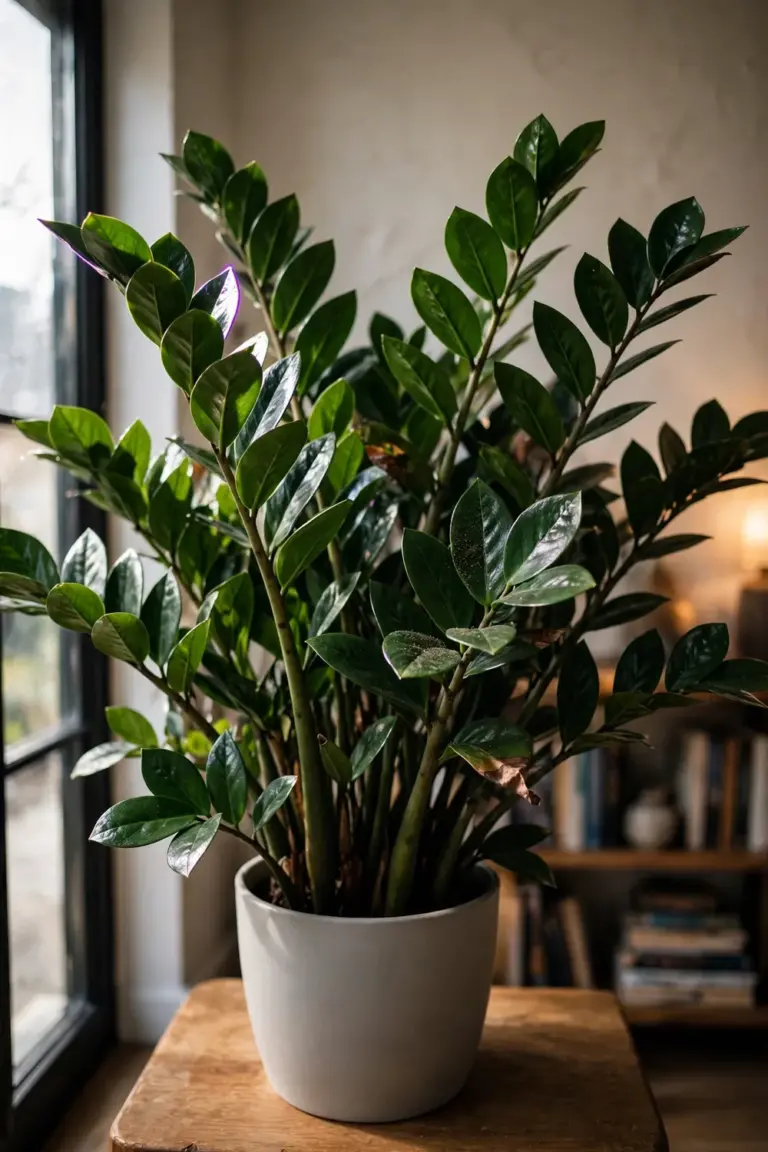
| ZZ plant, Zamioculcas zamiifolia | Low to moderate; forgiving of dim rooms | Water only when soil is fully dry; rhizomes store water | The toughest low-light option on this list; grows slowly and stays upright |
| Snake plant, Dracaena trifasciata | Low to high; adapts to dim and bright spots | Very drought tolerant; rots if kept damp | Vertical leaves suit corners and desks; handles dim rooms and bright windows |
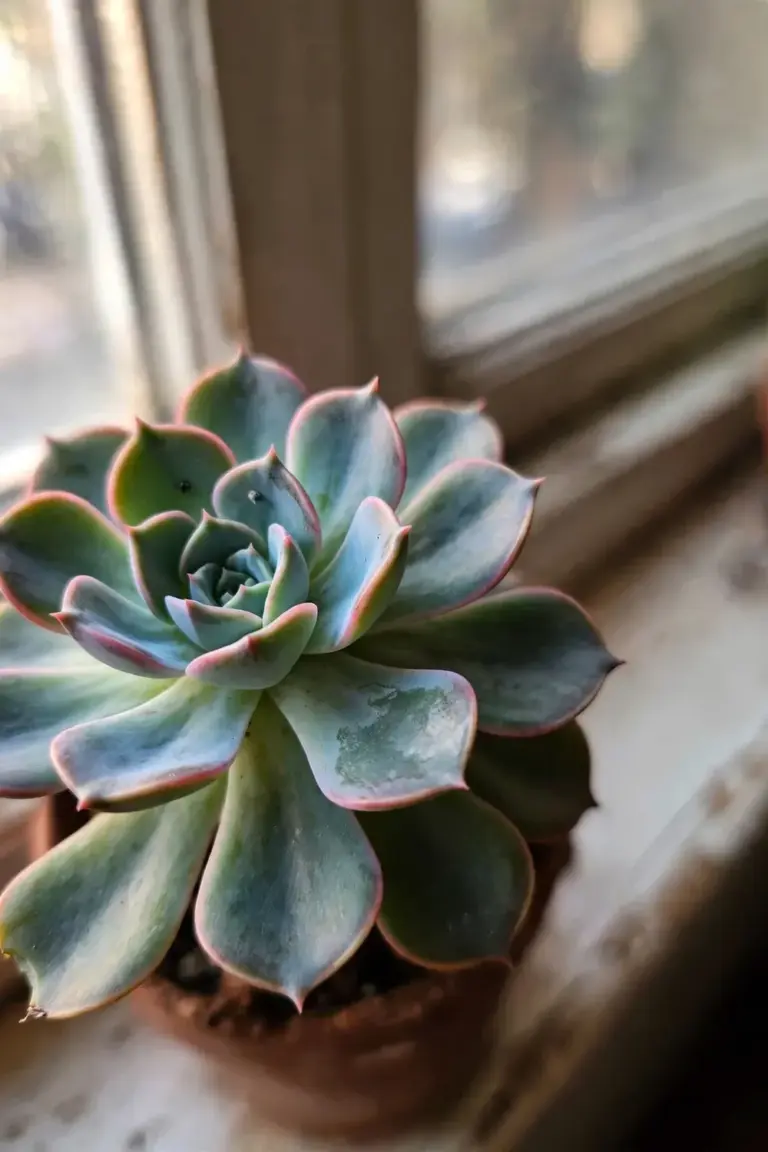
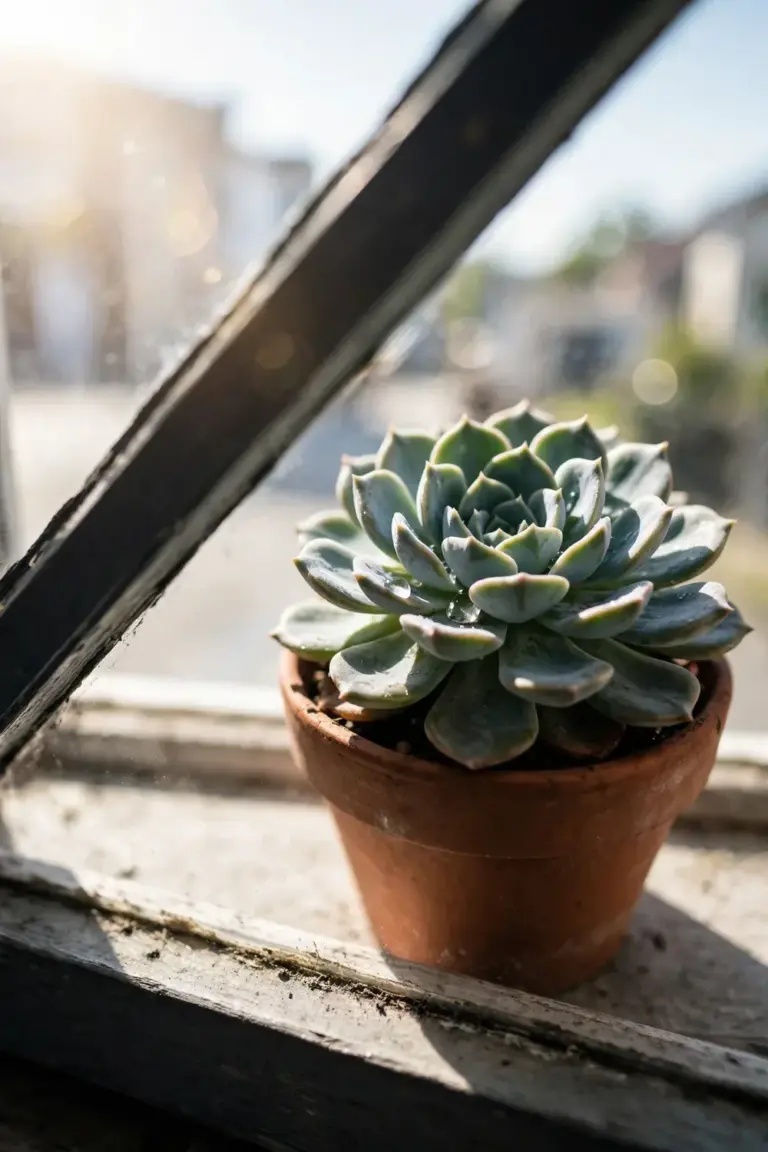
| Echeveria, Echeveria elegans and hybrids | High; needs direct sun or a grow light | Drought tolerant; rots easily if overwatered | Perfect rosettes that reward bright light; the classic windowsill succulent |
Pick one species per pot for your first plants. Mixed arrangements look good on the shelf but hide different watering needs in one container, and the thirstiest plant in the pot dies while the toughest survives.
Slow Down in Winter: Match Water to the Seasonal Rhythm
Winter watering keeps the plant barely alive, never thriving. The Minnesota extension guidance on cacti and succulents advises watering in the low-light winter months only enough to prevent shrinking and withering. Growth stalls, evaporation drops, and the plant uses a fraction of its summer water.
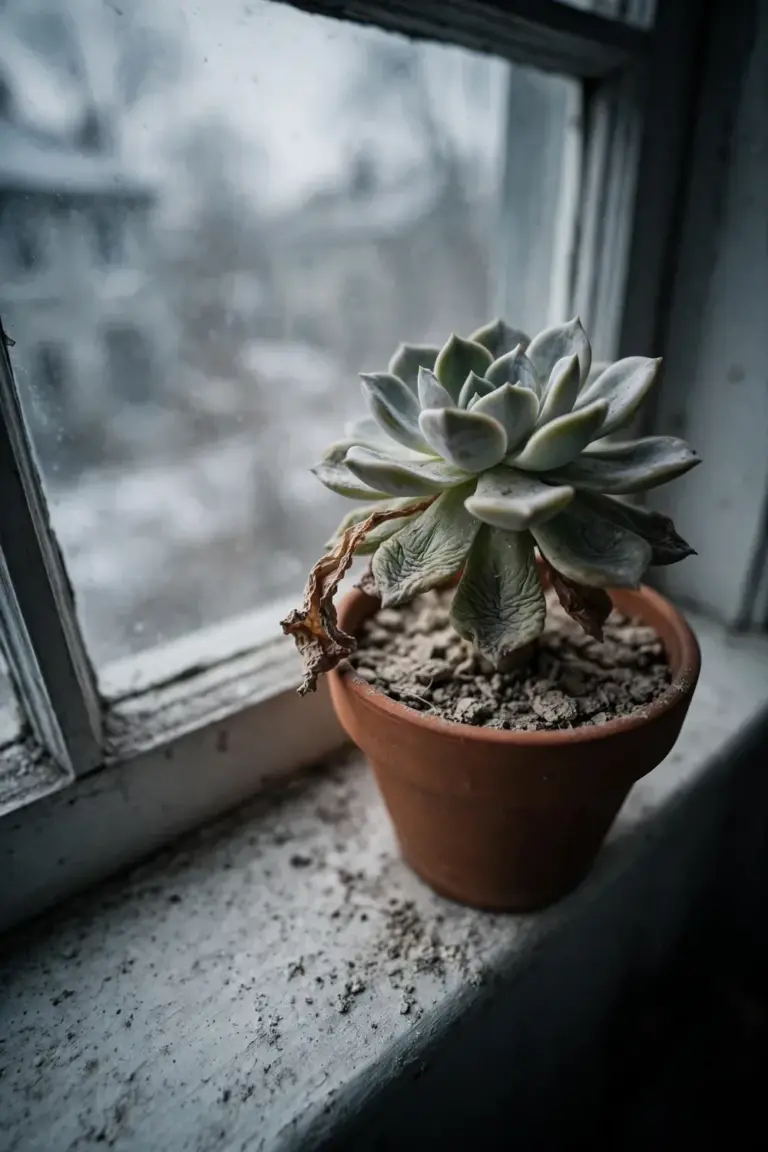
Shrinking is the signal, not the failure. Slightly wrinkled leaves in winter mean the plant is drawing on its stored water, exactly as it evolved to do. Wait until the soil is fully dry and the leaves show early softness, then water deeply once. A plant that received water every two weeks in summer may go four to six weeks between waterings in winter.
Stop fertilizing and skip repotting until spring. The plant cannot use nutrients or build new roots in low light, and fresh repotting soil in a cool room stays wet long enough to rot a resting plant. Return to the normal rhythm when days lengthen and new growth resumes.
Rescue an Overwatered Succulent Before the Roots Rot
Overwatering announces itself in stages, and each stage has a different fix. Translucent yellow leaves that fall at a touch mean the soil stayed wet too long; pull the plant from the pot, inspect the roots, and cut away any black or mushy ones with sterilized scissors. Firm roots are white or pale tan. Rotten roots are black and smell sour.
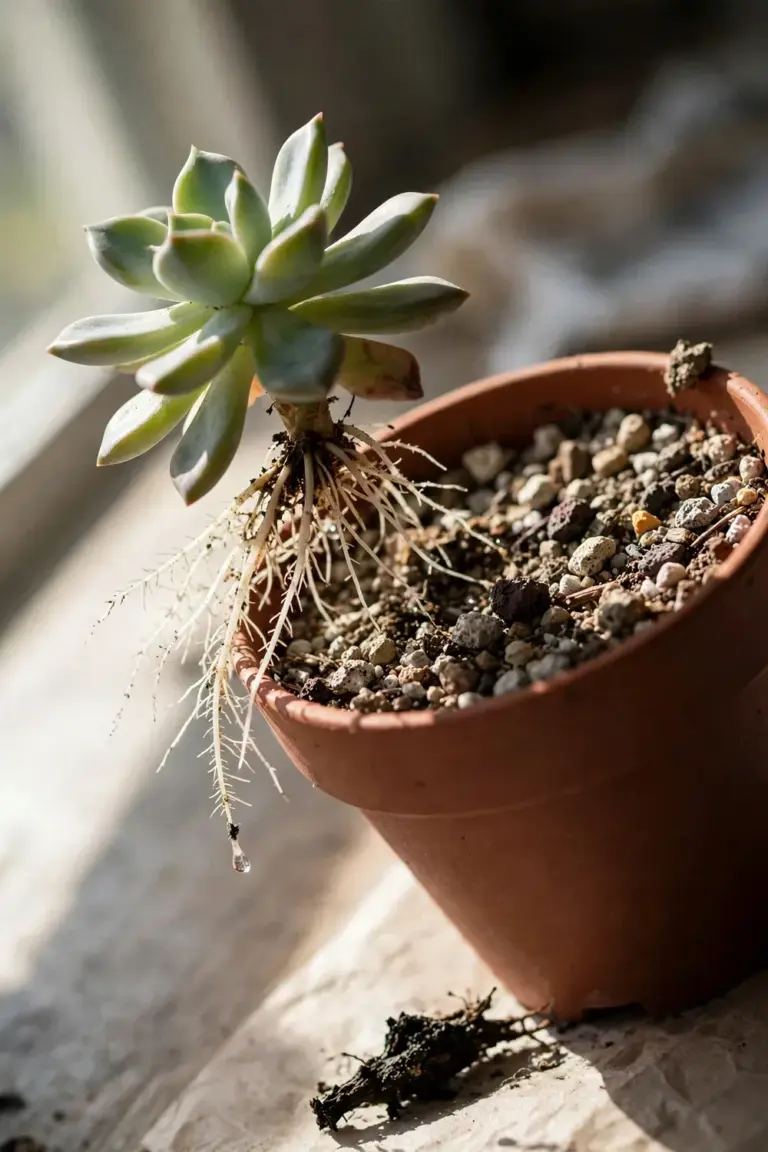
Repot into dry, fresh gritty mix immediately. Do not water for a week after repotting; the wounded roots need time to seal before they meet moisture. Place the plant in bright indirect light, not harsh sun, while it recovers.
A stem that has turned to mush at the base rarely survives as one plant, but its parts might. Cut above the mush into healthy firm tissue, let the cutting dry for a few days until the cut seals, then replant it. The cutting roots itself into a new plant, and the lesson costs you one pot of soil instead of a favorite succulent.
Avoid the 5 Mistakes That Kill Indoor Succulents
Most indoor succulent deaths trace to five habits. The good news: every one is a choice, not a curse.
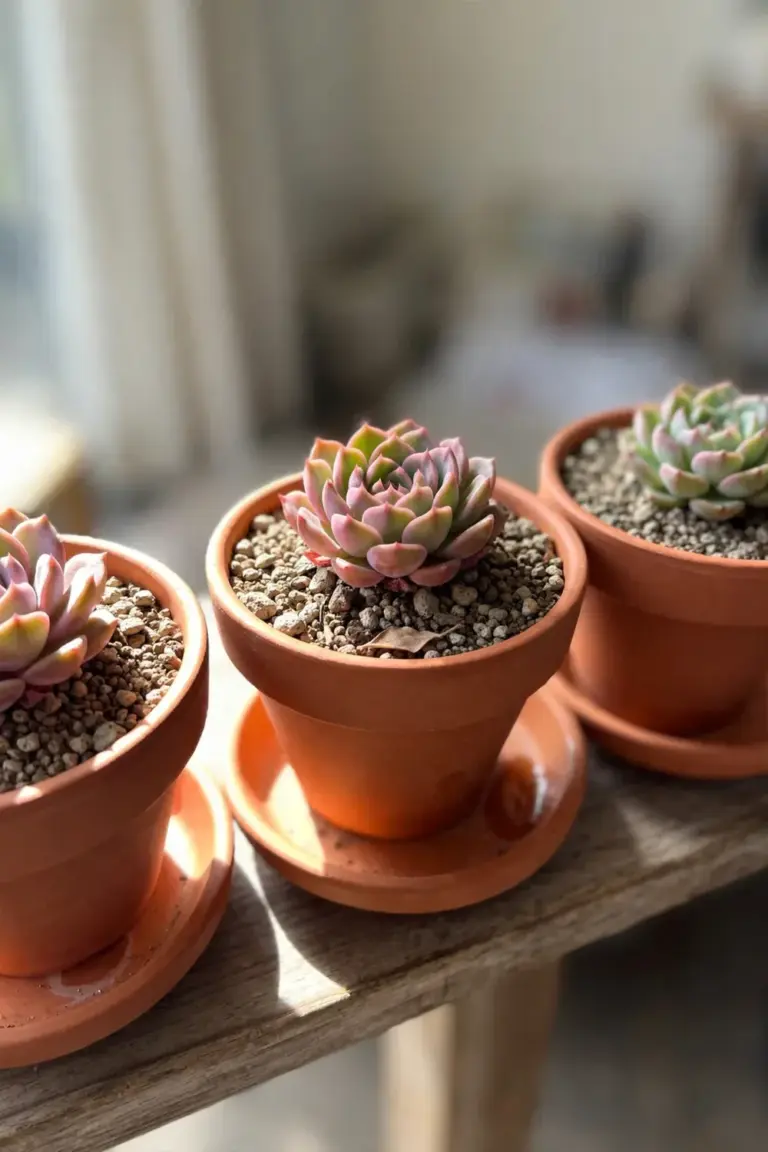
- Watering on a calendar. The plant in the kitchen and the plant in the hallway live in different microclimates. Soil first, calendar never. Check with a finger every time.
- Skipping the drainage hole. No hole means every watering accumulates at the bottom. Root rot follows within weeks. Drill it, nest a nursery pot inside the pretty shell, or change pots.
- Choosing a pot three times too big. Extra soil is extra water the roots cannot reach. Size the pot to the root ball with a small margin.
- Trusting a dark corner. Succulents do not decorate dim hallways. If you cannot read a book comfortably in the spot all afternoon, the plant will etiolate there.
- Misting because tropical houseplants get misted. Succulents are not tropical houseplants. Misting leaves wet rosettes and invites rot. Keep the spray bottle for the ferns.
One more silent killer deserves a mention: repotting an already stressed plant into a bigger pot with fresh damp mix. A rotting plant needs dry conditions and air around its roots, not a fresh wet bed. Rescue first, upgrade later.
Propagate Leaves Instead of Buying New Plants
A healthy succulent is a free nursery. Echeveria, jade, and many sedums root from a single leaf, which turns one plant into a row of gifts within a couple of months. Gently twist a firm leaf off the stem; the leaf must detach with its base intact. A torn base rarely roots.
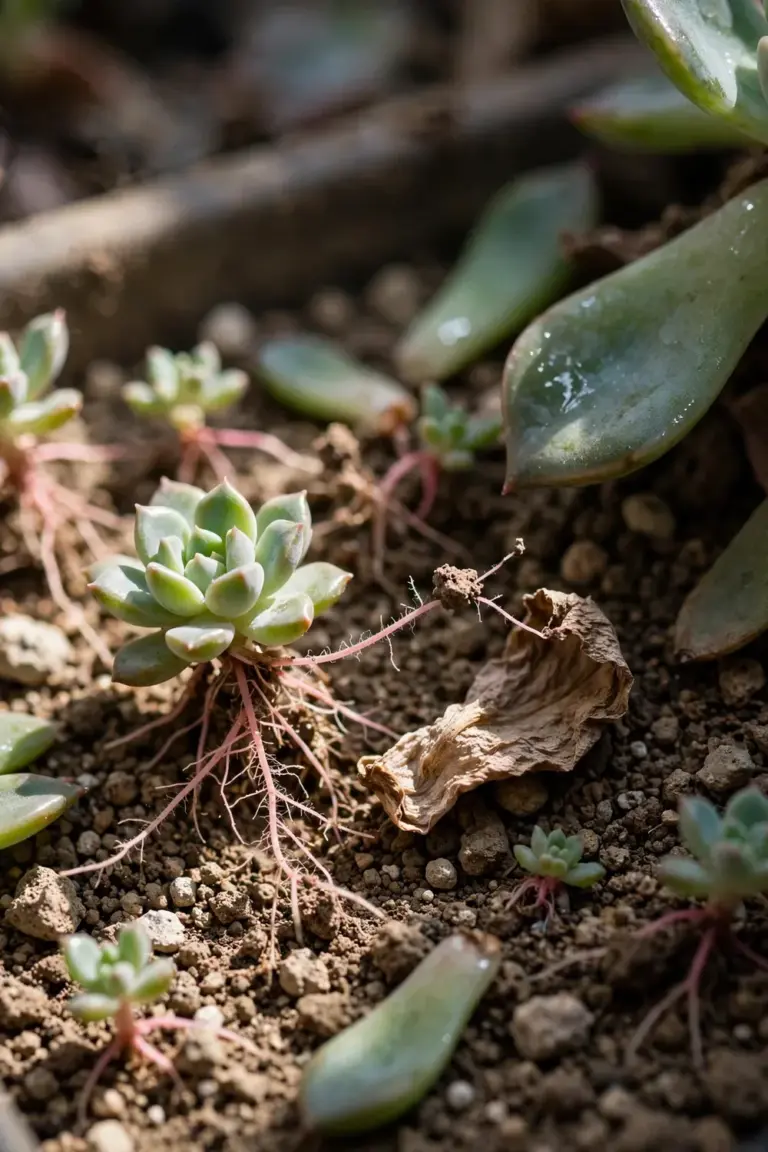
Lay the leaves on dry, gritty mix in bright indirect light. Do not bury them and do not water them. Roots and a tiny rosette sprout from the leaf base in a few weeks. Wait until the mother leaf shrivels and the new rosette has a few leaves of its own before moving it to its own pot.
Stem cuttings work for leggy jade and stretched echeveria. Cut with sterilized scissors, let the cut end dry for two to three days until it seals, then plant in dry mix and water only after a week. From a single mother plant you can pot up a whole shelf within one growing season.
Frequently Asked Questions About Growing Succulents Indoors
Water only when the soil is completely dry, which usually means every two to three weeks in the growing season and every three to four weeks or longer in winter. Check with a finger or a wooden skewer each time. Frequency changes with pot size, light, and indoor humidity, so the soil test always overrules the calendar.
Your plant is etiolated: it is stretching toward light because it is not getting enough. University extension guidance describes etiolation as elongated, spindly stems with pale leaves from low-light conditions. Move the plant to a brighter window or add a grow light for 14 hours a day. The stretched part stays stretched. New growth arrives compact once light improves.
A few tolerate it better than others. ZZ plants and snake plants adapt to dimmer rooms, though even they grow more slowly in poor light. Most succulents, especially echeveria and jade, need the brightest window you own or a supplemental grow light. No succulent thrives in a genuinely dark corner.
Many do best with several hours of bright light, including some direct sun through a window. Morning sun suits most species. Ease plants into direct afternoon sun gradually to avoid sunburn, and watch new growth: compact and colorful means the light level is right, stretched and pale means it is not.
A gritty, free-draining cactus and succulent mix. University extension guidance recommends cactus potting soil with a percentage of sand for drainage. Indoor growers should make the mix extra gritty with coarse perlite or pumice, since indoor air dries pots more slowly than outdoor air. Whatever mix you use, the pot must have drainage holes.
No. Misting wets the leaves and raises humidity around the plant without delivering useful water to the roots. Nursery guidance warns against misting succulents entirely. Water the soil deeply when it is fully dry, then let it drain. Keep the spray bottle for tropical houseplants that actually enjoy humidity.
Keep Your Rosette Compact for Years
Succulents reward boring consistency. The brightest window, gritty soil, a pot with a hole, water only when dry, and a grow light when winter closes in: that is the complete recipe. Master those five, and your succulents stop stretching, stop rotting, and start multiplying into more plants than your shelves can hold.