Finding a vibrant carpet of flowers on field in spring is a breath of fresh air after a long winter, but most of us feel stuck with high-maintenance, boring green lawns. It’s draining to spend your limited weekend time on constant mowing, watering, and chemical feeding when you could have a self-sustaining, beautiful ecosystem that provides for the planet. I want to help you change that. This guide provides the management and care steps needed to bring that wild field atmosphere right to your doorstep, balancing a busy full-time career with your love for the soil. We will focus on prevention, control, and thoughtful protection to create a space for native species to thrive.
Wild Bluebell (Hyacinthoides non-scripta)
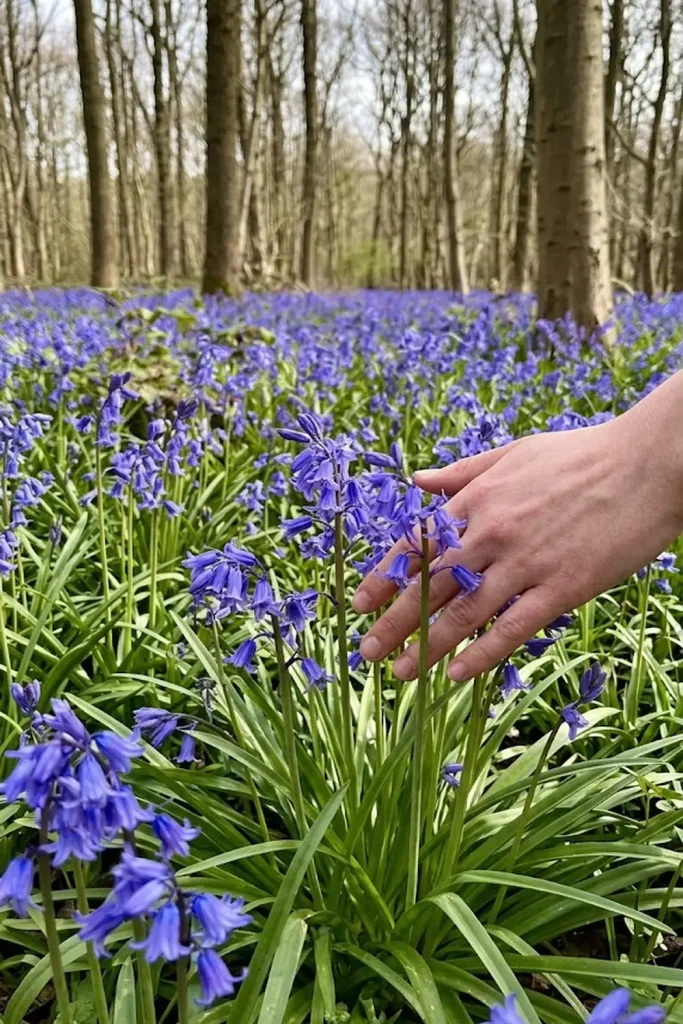
I find that proper care and protection are the absolute keys to establishing the Wild Bluebell. These are not robust plants that can handle heavy interaction; they require the management of their specific environment to thrive. I prevent early spring mowing in any area where bluebells are planted or naturalizing. My control strategy for bluebells involves thoughtful placement—I plant them on woodland edges or under deciduous shrubs where they can receive the early spring sun but will be shaded once the trees leaf out. You must protect the delicate emerging shoots from foot traffic. If you manage these factors, you prevent the common problem of bluebells failing to return. The Wild Bluebell is actually a crucial indicator species of ancient woodland, making their presence in your yard a sign of deep soil health. Management and care are essential: you should avoid mulching too heavily over the bulbs, as they can struggle to emerge. I manage the soil to ensure it remains damp during their growing season, and I practice strict protection of the foliage after the flowers fade, never cutting them back until they turn fully yellow to feed the bulb for next year.
Corn Poppy (Papaver rhoeas)
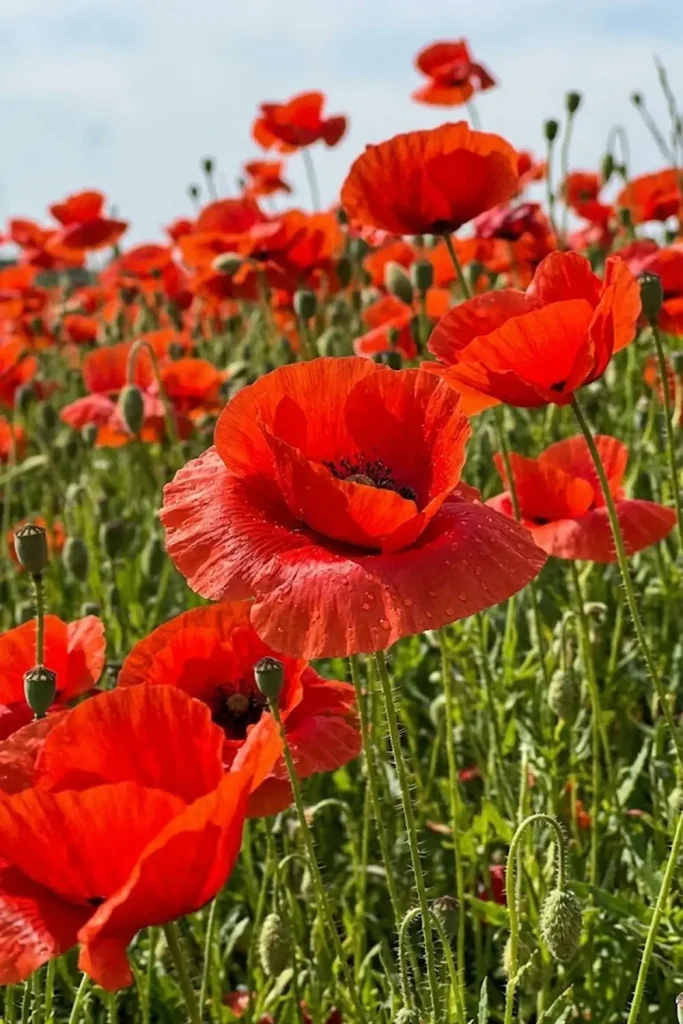
The vibrant Corn Poppy is a classic that I adore, but its successful management often surprises people: the greatest care step I can give you is to prevent rich soil. I have discovered through my own prevention that poppies absolutely love “poor,” disturbed soil; I prevent fertilization entirely for this species. This plant’s care is deeply reflective of traditional farming, where it only appeared once the ground was plowed, and then disappeared until the soil was broken again. I practice strict protection of its seed heads, ensuring they are allowed to dry completely on the stalk before I remove or shake them to ensure next year’s crop. Control of soil richness ensures they don’t collapse under their own floppy weight, which happens often in highly fertile garden beds. Management involves site selection; I dedicate a sun-drenched, well-drained patch specifically for them. I have observed that my poppies do best when I avoid irrigation completely after the seedlings establish, letting them endure dry conditions to develop strong, resilient stems. You can achieve this look by over-seeding a slightly rough, sunny spot and letting them find their own way. In my experience, these flowers on field in spring provide an essential burst of early color that requires almost no intervention once they find their preferred, slightly neglected habitat in your garden.
Yellow Rattle (Rhinanthus minor)
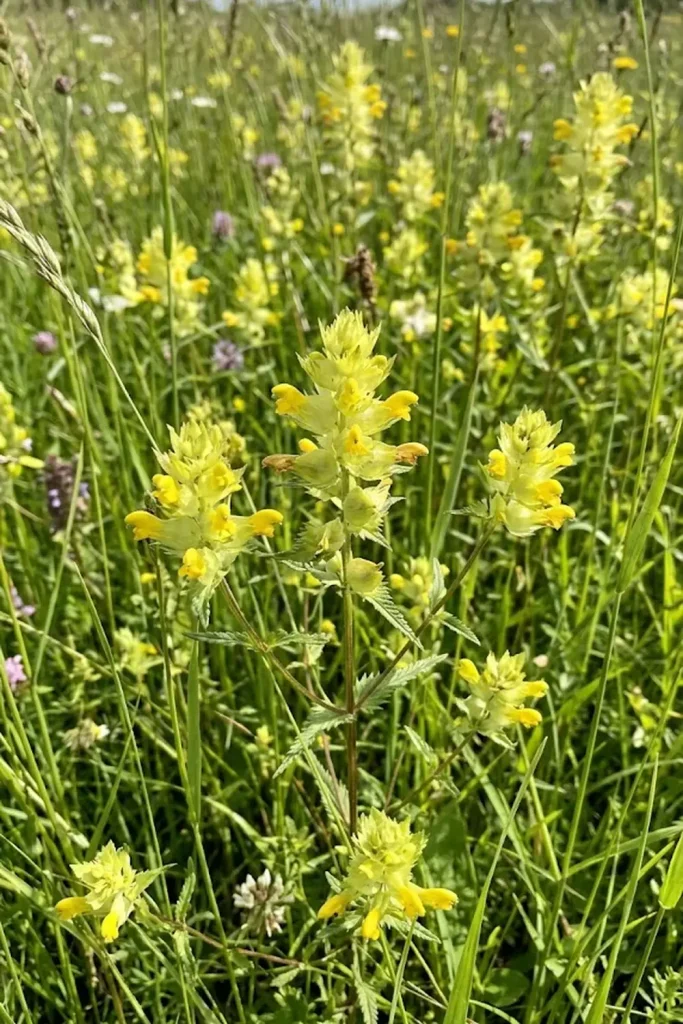
The incredible Yellow Rattle is my absolute “secret weapon” for managing any field or meadow area; its primary function in your garden is actually control. I manage this semi-parasitic plant to naturally suppress the growth of coarse grasses, preventing them from outcompeting the more delicate wildflowers on field in spring you are trying to cultivate. Proper care involves thoughtful seeding; you must introduce Yellow Rattle into established grass after a very close mow and rigorous raking. The prevention of grass dominance is immediate, and you’ll see the effects of control within the very first growing season. I consider Yellow Rattle a mandatory component of my wildflower management plan—it effectively gives you a low-maintenance field by forcing the aggressive species to take a backseat. I practice direct protection of my Yellow Rattle areas by never adding fertilizer, which would only encourage the grasses, even if they were suppressed. For management, I let the Yellow Rattle set its tiny “rattling” seeds, which guarantees the parasite’s return and ensures long-term control. Understanding that this flower is a functional tool—not just a pretty face—will change how you approach meadow management in your backyard. When you manage for Yellow Rattle, you directly manage for overall field biodiversity.
Cowslip (Primula veris)
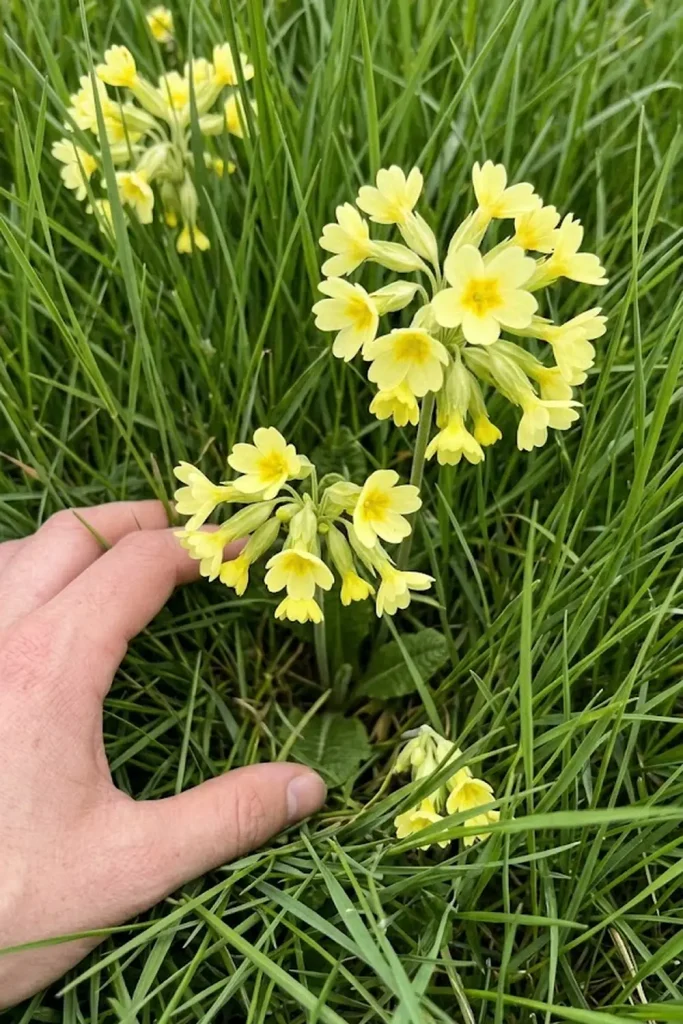
For the lovely Cowslip, successful management and care hinge entirely on habitat and moisture control. I find that I must prevent waterlogging while still providing protection from extreme drought. These are traditional meadow plants that thrive with specific care, often preferring the management associated with old, permanent pastures. I prevent fertilization entirely; Cowslips need low-nutrient soil to compete effectively. My control strategy for Cowslip management involves careful placement: I choose areas with well-drained, slightly alkaline soil. If you manage these factors, you can create a resilient, naturalizing drift that welcomes spring with its soft yellow color. For proper care, I prevent early mowing, allowing the flower stalks to mature and drop their seeds. This protection ensures the colony will expand over time. I consider Cowslips an essential part of my flowers on field in spring collection because they fill that early-season niche perfectly. I manage for them by using the Yellow Rattle method nearby, ensuring the coarse grasses are suppressed so the Cowslips don’t have to fight for light. Understanding their preference for traditional, low-intervention care is key; they need the protection of a thoughtful mowing schedule that respects their life cycle.
Snake’s Head Fritillary (Fritillaria meleagris)
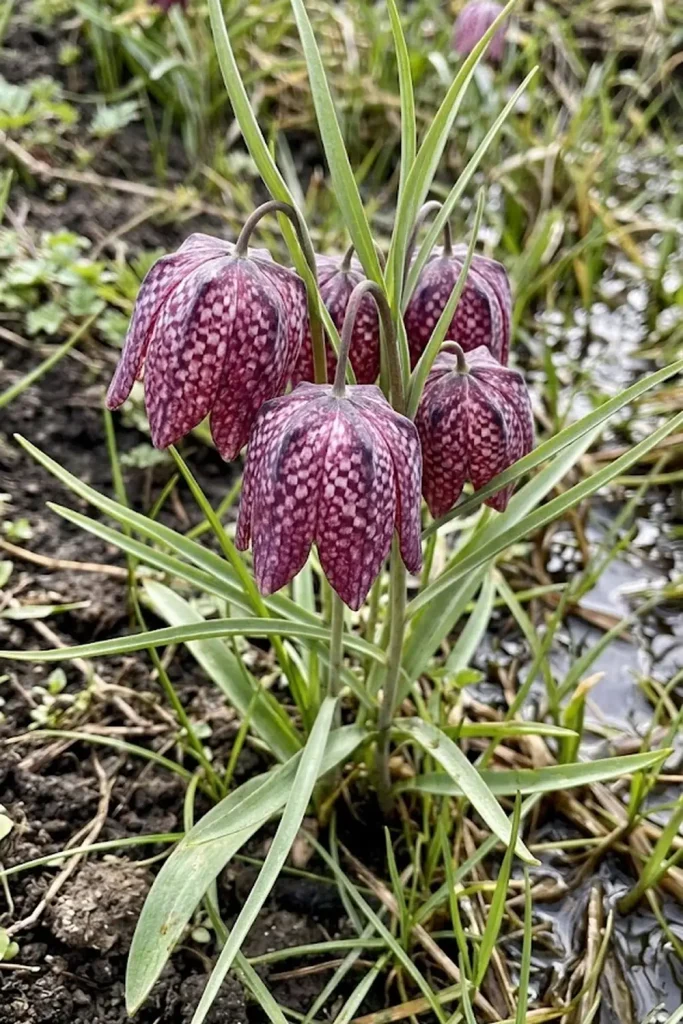
The delicate Snake’s Head Fritillary is a flower I consider one of the true jewels of spring, and its management is deeply connected to specific moisture care. Proper care requires that I manage for damp—but never stagnant—soil conditions. I prevent fertilization entirely; fritillaries require natural, slightly lean conditions to maintain their unique pattern. My control strategy for fritillaries involves moisture management; I plant them in heavy soil that retains dampness throughout the spring, often near a water feature or in a known low-spot in my field. You must practice strict protection of the foliage after blooming, as they use that energy to build the bulb for next year. For management, I allow the seeds to drop in late spring, which helps the colony naturalize and spread through the damp meadow environment. I value these flowers on field in spring because their appearance is fleeting and so special. In my experience, these unique blooms require almost no intervention other than this initial habitat control. I manage for them by ensuring the grasses in their damp spot don’t grow too thick, providing a gentle hand-pulling to ensure they aren’t smothered.
Red Campion (Silene dioica)
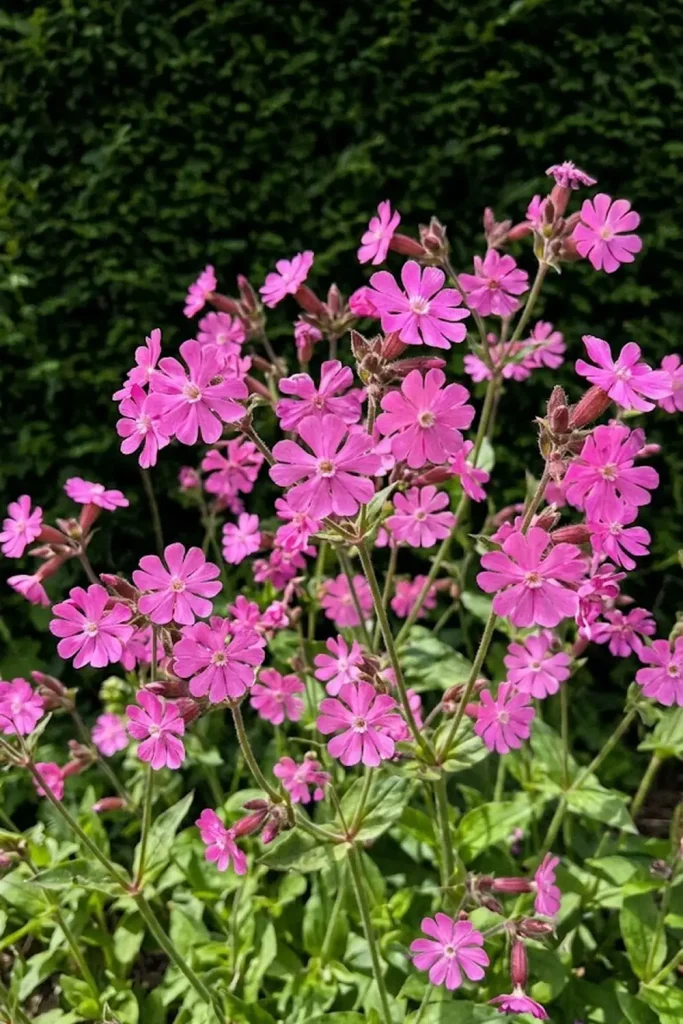
I find that Red Campion is one of the most reliable and resilient flowers on field in spring. Its management is quite simple because it is very hardy, but you can maximize its bloom by providing protection from extreme shade. I prevent over-crowding in my meadow by thinning out clumps every few years, which improves air circulation and prevents mildew. For proper care, I ensure it has well-drained soil, though it tolerates a wide range of conditions. My control strategy for Red Campion involves careful site selection; I plant it where its vibrant pink can pop against darker green foliage. You can achieve a stunning look by letting it naturalize along a hedgerow or at the edge of a wooded area. In my experience, these flowers require very little intervention. Proper management includes allowing the seeds to develop and ripen, as Red Campion is a proficient self-seeder. I protect the dead stems until late winter to provide overwintering sites for beneficial insects. Knowing that Red Campion is dioecious (meaning individual plants are either male or female) explains why you need a decent-sized patch to ensure seed production and long-term management.
Wood Anemone (Anemone nemorosa)
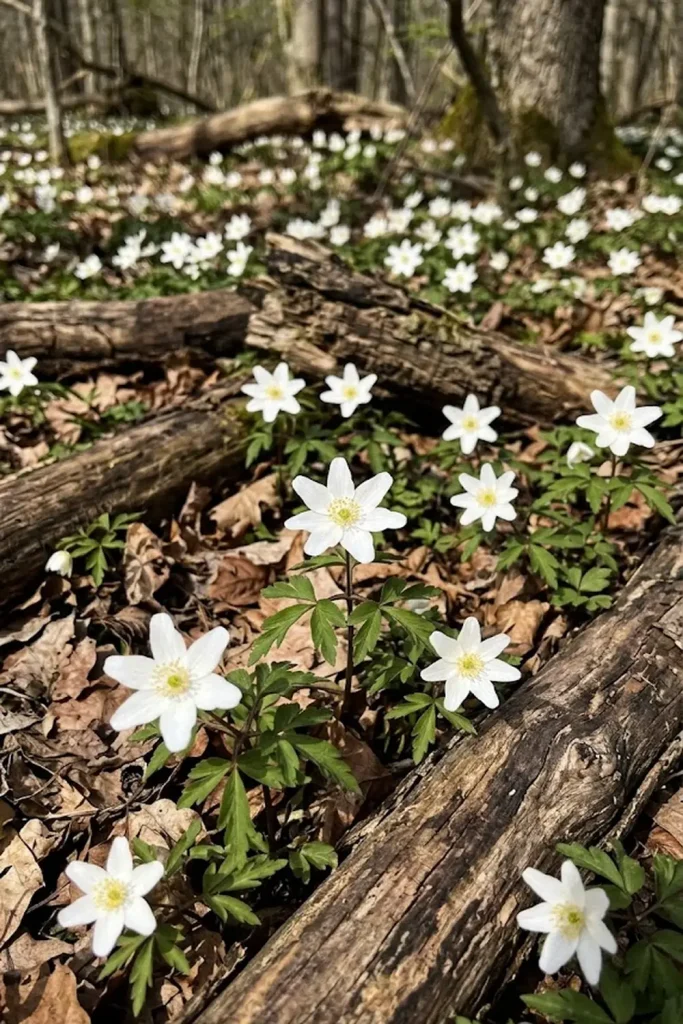
In my woodland garden, the Wood Anemone is a absolute sign that spring has arrived. This is not a flower you plant for immediate impact; you are investing in its slow, methodical management as it spreads via delicate underground rhizomes. I cannot stress this enough: prevention of soil compaction is the single most important care step you can take. If you walk on them, you crush the future. I provide them with the ultimate protection by clearly marking their drifts with log borders. For proper management, I ensure the soil remains rich in leaf mold and is never dug over, preventing disturbance to the shallow rhizomes. My control over Wood Anemone involves site selection; they must be under deciduous canopy, where they get full sun before the leaves emerge and deep shade afterward. You should manage for consistent moisture but prevent waterlogging. In my experience, these flowers require zero watering once established, but they do require you to protect their environment from being tidied too aggressively—leaf litter is essential for their success.
Wild Daffodil (Narcissus pseudonarcissus)
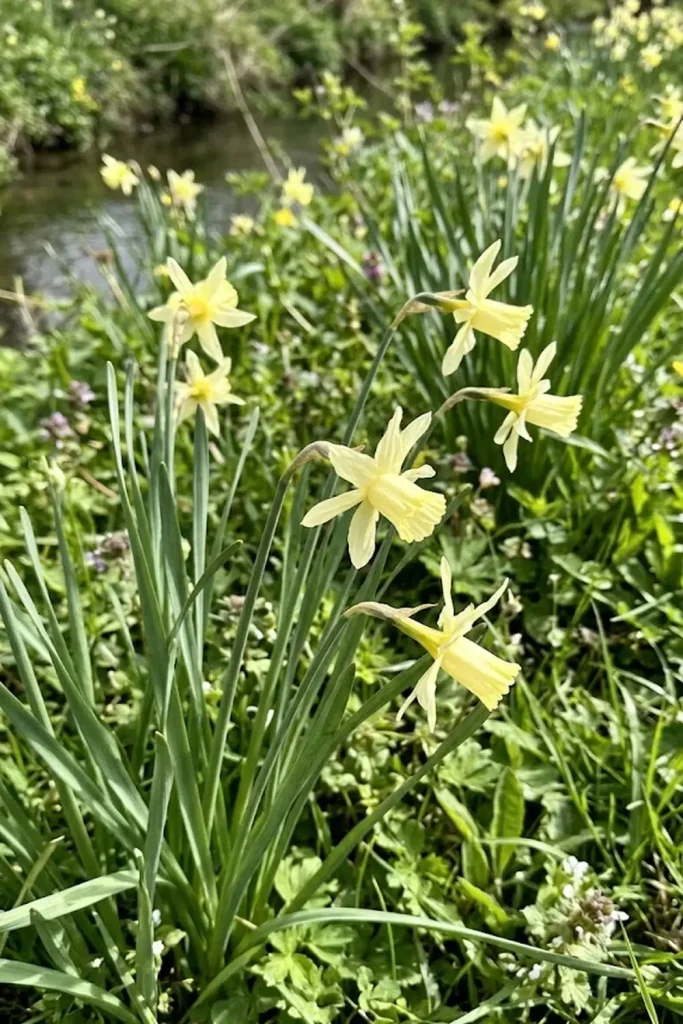
While many hybrid daffodils are robust, the true Wild Daffodil requires very specific management and protection to survive in a modern field. These are smaller and more delicate than the “King Alfreds” most people plant. I practice the ultimate prevention by ensuring no standard garden cultivars are planted nearby, which prevents hybridization and genetics dilution. My core care step is foliage protection: you must prevent anyone from cutting the leaves for at least six weeks after blooming, as this is essential for bulb strength and successful management. If you manage this critical window, you allow the bulb to store enough energy for next year. I manage my Wild Daffodils by planting them in areas with moisture-retentive, slightly acidic soil, often on the banks of a stream where they get spring light but are protected from harsh summer sun. For control, I avoid irrigation once the bulbs are dormant to prevent rot. These flowers on field in spring are a rare treasure, and I manage my existing colonies with a strict “no disturbance” policy, prioritizing protection of their unique genetics.
Lesser Celandine (Ficaria verna)
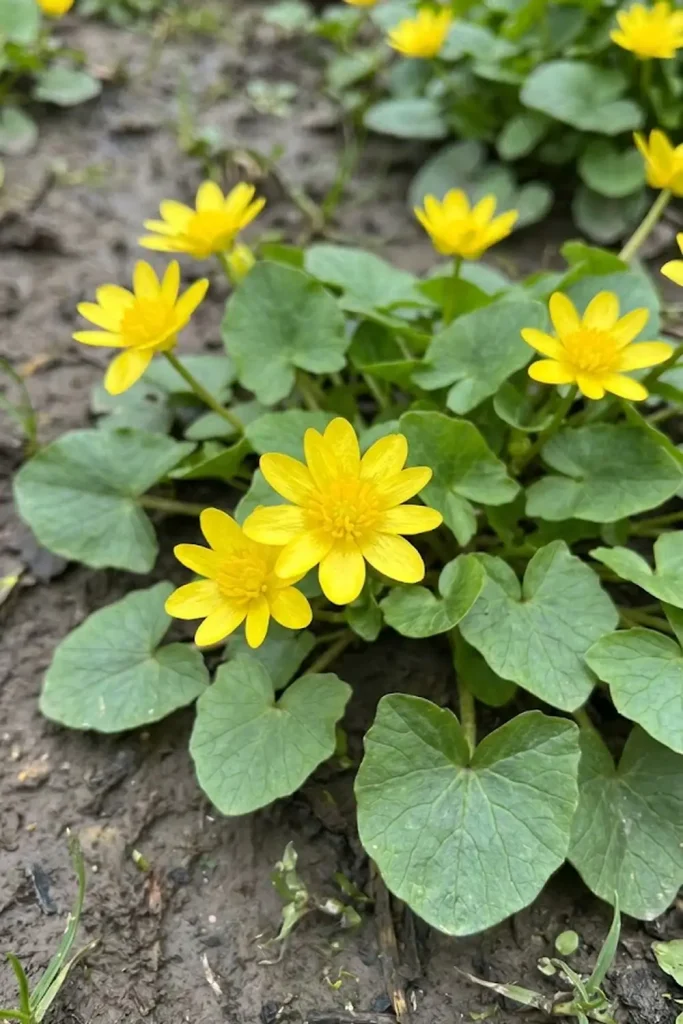
For Lesser Celandine, my management strategy is quite different: this is one of the few flowers on field in spring where I often practice specific control. While its glossy yellow petals provide a vital early nectar source for bees emerging in March, it can become incredibly invasive, and its aggressive management of a space means it can smother other delicate species. My care involves recognizing its unique lifecycle: it emerges, blooms, and dies back completely by late May, leaving gaps that must be filled. I provide control by actively managing its spread, using barriers to protect other slow-spreading woodland plants like Wood Anemone. Prevention of overcrowding is necessary to maintain overall meadow health. For proper management, I allow some patches to thrive in wet, shaded corners where few other plants can survive, ensuring I get that essential early-season splash of color without it overtaking the garden. You can achieve successful management by understanding its love for moisture and heavy soil; I place my controlled patches where they receive maximum spring light but are shaded later. In my experience, managing Celandine is about balance, offering it protection where desired while preventing it from becoming a dominant weed.
Lady’s Smock (Cardamine pratensis)
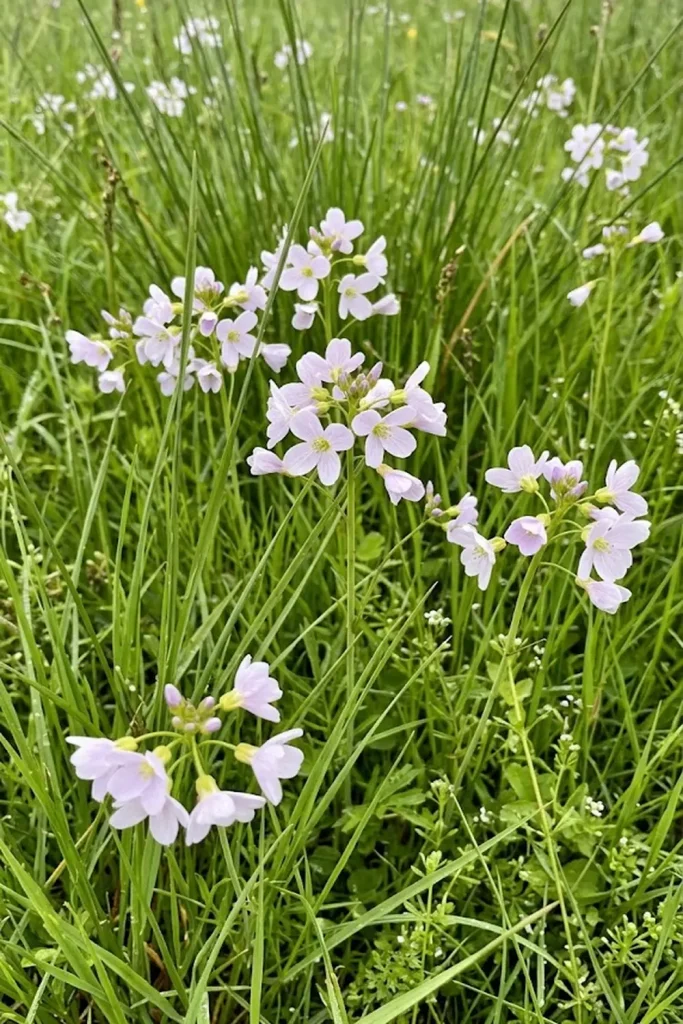
Also known as Cuckoo Flower, Lady’s Smock is an essential component of my management for wet meadows. I consider this plant vital for the protection of biodiversity, as it is the primary food plant for the larvae of the Orange-tip butterfly. Proper care and successful management are deeply tied to moisture; I prevent this plant from drying out, particularly during its critical spring growth. My control of its environment involves ensuring it has a constant, reliable water source, often by cultivating it in low-lying, damp ground or at the edge of a pond. You must prevent aggressive grasses from crowding out the basal rosette of leaves in early spring. In my experience, these delicate lilac or white flowers require almost no direct intervention other than habitat control. My proper management includes allowing the plant to self-seed and naturalize in its preferred damp soil, ensuring a continuous supply of Lady’s Smock. I provide it with the ultimate protection by never using broad-leaf herbicides or excessive fertilizer in the meadow areas where it grows.
Forget-Me-Not (Myosotis arvensis)
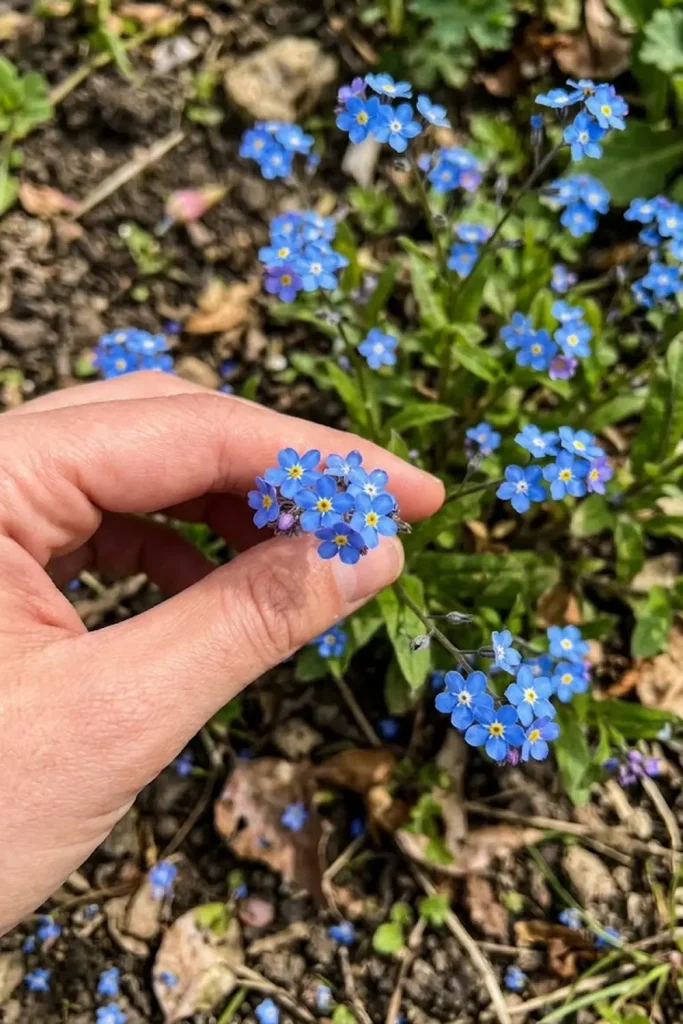
For the charming Field Forget-Me-Not, my management is straightforward: I find that successful care means letting this proficient self-seeder do exactly what it wants. This flower is a master at naturalizing in the garden, and I find that proper management of it requires almost zero intervention once established. I practice deliberate prevention of disturbance in the areas where I want them to return, ensuring I never dig over the soil after they have dropped their tiny seeds. Their core requirement is sun, and my control strategy is simple: I prevent taller, more aggressive plants from shading them out during their peak spring growth. I find that this plant requires almost no water and provides protection to the soil with its dense, ground-hugging leaves. My management and care including allowing the plant to completely dry out and go to seed in early summer; this provides the ultimate protection for next year’s crop.
Cornflower (Centaurea cyanus)
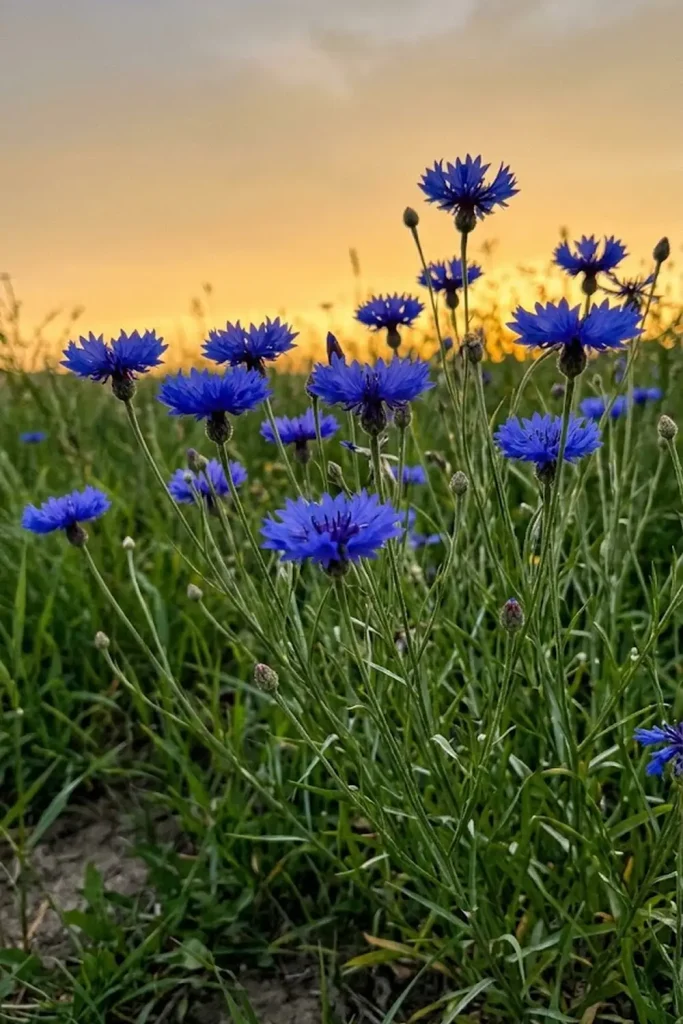
For the iconic blue Cornflower, my management strategy focuses on a very simple rule: I must prevent fertile soil. I find that this plant requires almost no care once its seeds are in the ground, but its successful management is entirely dependent on lean conditions. If you fertilize, you control the plant’s demise; it will grow tall, floppy, and fail to produce that intense blue. My control of its habitat involves ensuring it has full sun and excellent drainage. I provide deliberate protection of its space in my meadow areas, preventing more aggressive, nutrient-loving plants from crowding it out. Proper management and care including over-seeding a slightly rough, sunny spot in the autumn. I find that this plant provides essential protection and nectar for late-spring pollinators. My crucial management step is allowing the seeds to dry completely on the stalk, ensuring I can repeat this natural, low-maintenance care next year.
White Campion (Silene latifolia)
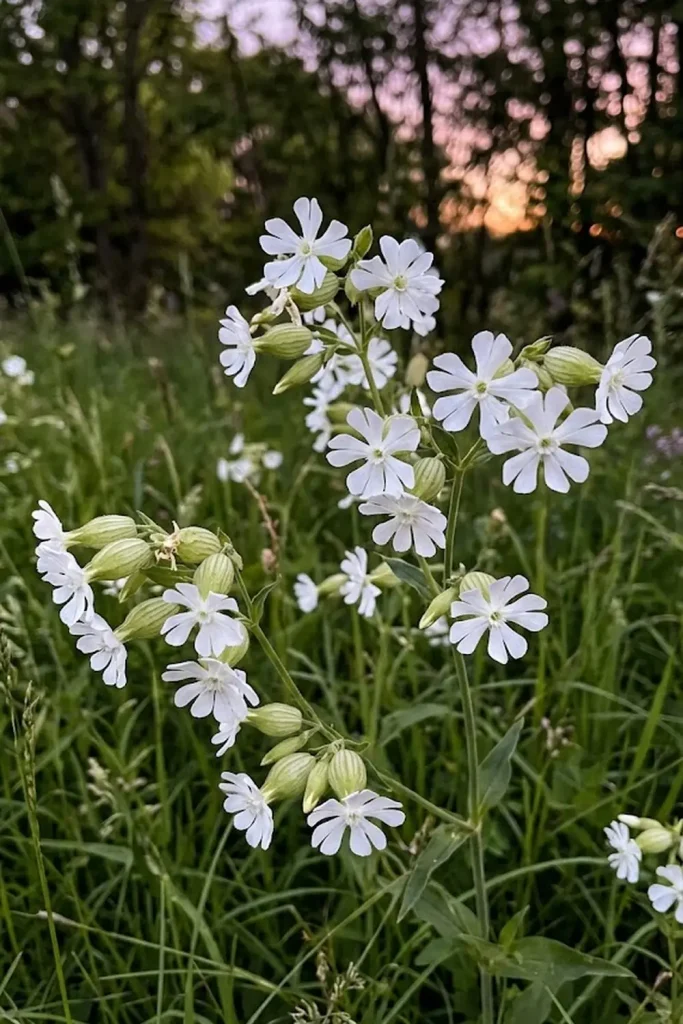
In my rewilding projects, the White Campion is indispensable for its rugged resilience and ability to colonize disturbed ground. My management and care for this plant are centered on preventing overly manicured conditions; I prevent disturbance of the soil once I have established its seed bed. I find that this plant requires almost no water and provides essential protection to the soil with its deep taproot. Proper management includes allowing the plant to self-seed and naturalize. I value White Campion because it blooms primarily at dusk, offering specialized protection and nectar for nocturnal pollinators like moths. My core control of this species involves preventing fertilizer application in its vicinity, which keeps the plant strong. I practice deliberate protection of its space, allowing it to compete naturally in the meadow environment. In my experience, White Campion requires zero maintenance once its taproot has found deep soil.
Common Vetch (Vicia sativa)
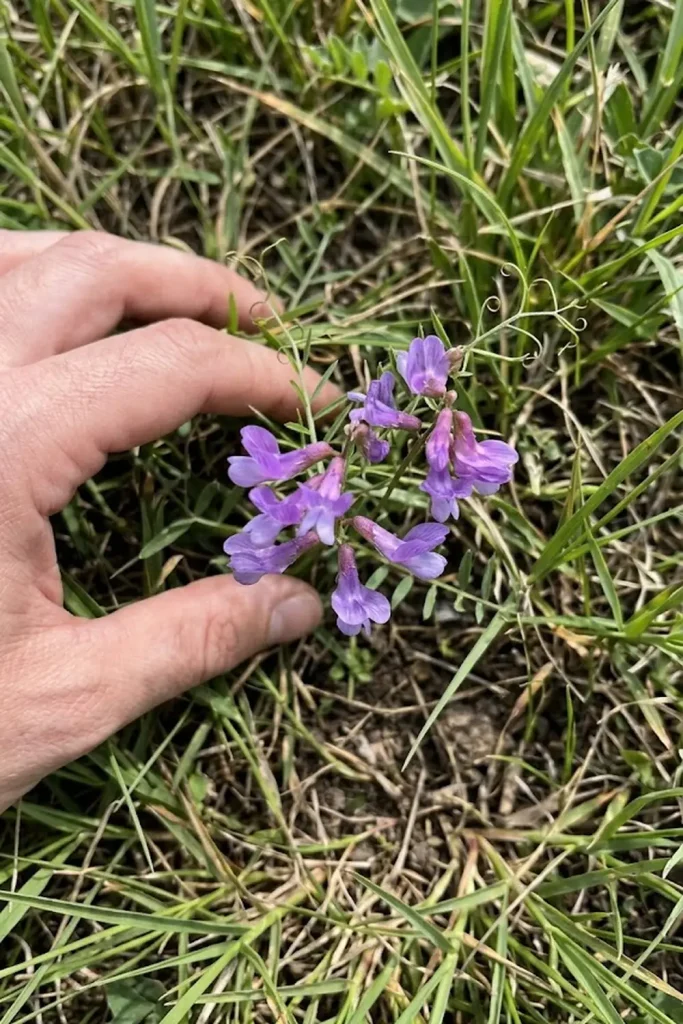
The tenacious Common Vetch is an absolute management powerhouse for soil health; its primary function in your garden is actually soil protection and fertility. I manage this sprawling legume to naturally fix nitrogen in the soil, preventing nutrient depletion and ensuring the long-term success of my flowers on field in spring. Proper care and successful management are deeply tied to this soil-building role; I prevent fertilization entirely in areas where Vetch is growing. My control of its environment involves ensuring it has a sunny spot where it can sprawl and climb. You must prevent aggressive, nutrient-loving plants from crowding it out. Proper management and care including over-seeding Vetch in the autumn. I value this plant because it provides essential soil stabilization and creates a protective “green mulch” that retains moisture. In my experience, Common Vetch requires almost zero maintained once its root system has established.
Oxeye Daisy (Leucanthemum vulgare)
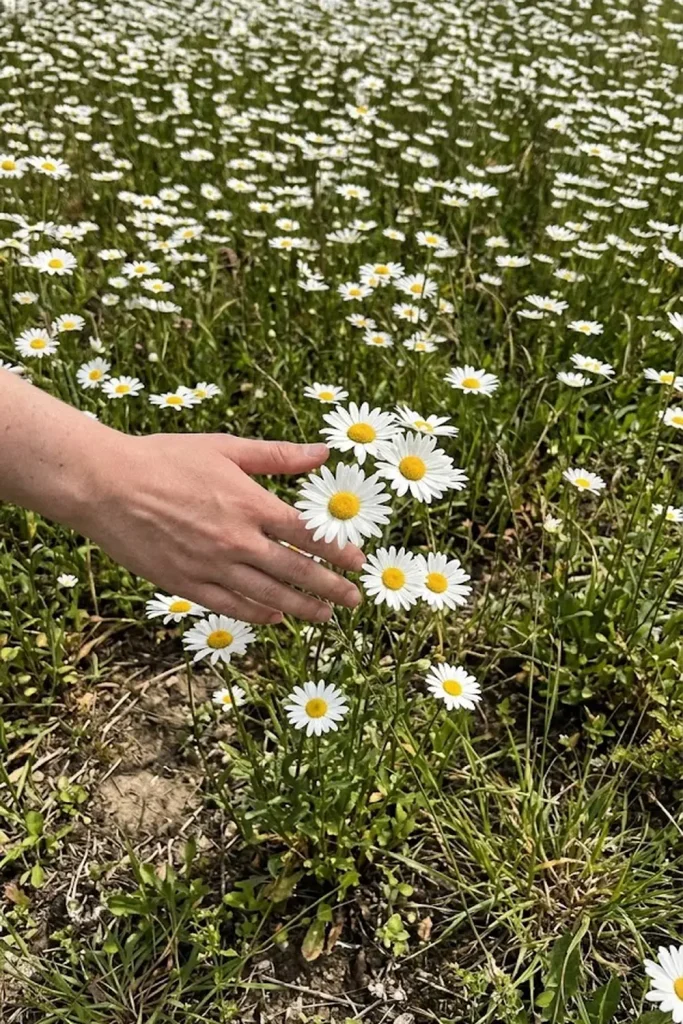
In my large-scale meadow projects, the Oxeye Daisy is the defining species that provides that classic, sprawling management aesthetic. Proper care and successful management are centered on preventing overly fertile soil conditions; I prevent fertilizer entirely in areas where Oxeye Daisies are growing. My control of its environment involves ensuring it has full sun and excellent drainage. You must prevent more aggressive, nutrient-loving plants from crowding it out. Proper management and care including over-seeding a slightly rough, sunny spot in the autumn. I find that this plant provides essential soil stabilization with its fibrous root system and creates a protective “daisy carpet” that retains moisture. In my experience, Oxeye Daisies require almost zero maintenance once they have established. Understanding that these are persistent perennials that spread both by seed and underground rhizomes is key; they need the protection of a thoughtful, low-intervention care plan.
Meadow Buttercup (Ranunculus acris)
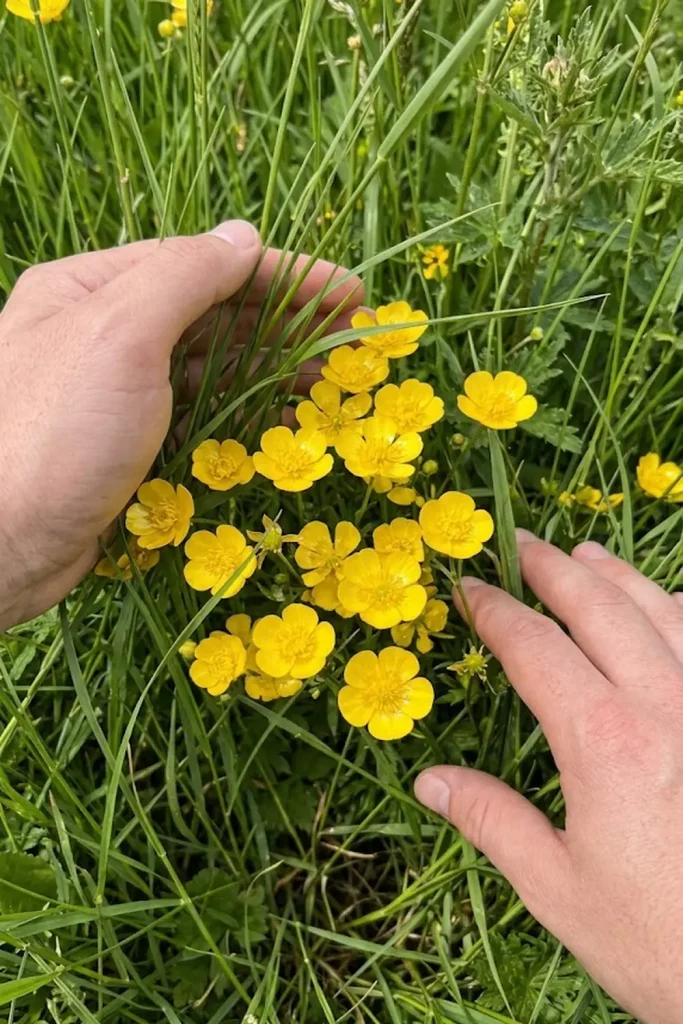
In my high-traffic meadow areas, the Meadow Buttercup is an absolute vital component of my management plan for both structure and color. I manage this vigorous perennial to provide a critical mid-spring nectar source, and successful care of it means understanding its competitive nature. My core control strategy is simple: I prevent any fertilizer application, which would make the buttercup too dominant and prevent other wildflowers on field in spring from establishing. Proper management requires that you manage for moisture; while robust, they prefer soil that doesn’t completely bake dry. For care, I ensure it has a sunny position where its reflective yellow petals can shine. My deliberate protection of its space includes allowing it to form dense clumps, which naturally protects the soil and provides stability. Proper management and care including over-seeding slightly rough, sunny spot. In my experience, Meadow Buttercups require almost zero maintained once they have found their preferred, slightly damp habitat.
Ragged Robin (Lychnis flos-cuculi)
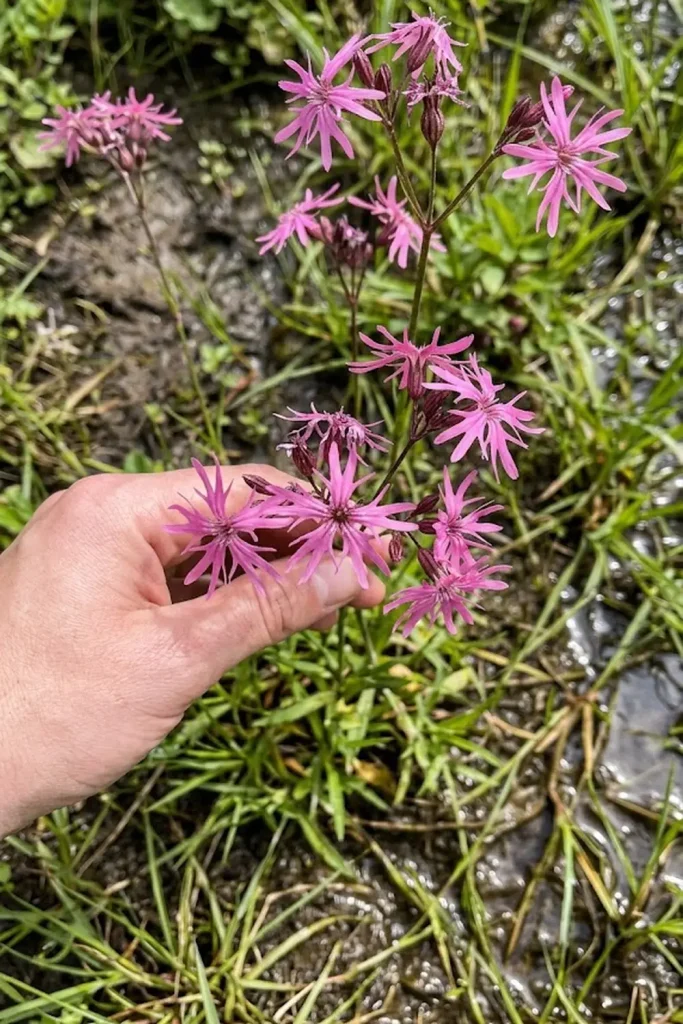
In my bog garden and damp meadow areas, the Ragged Robin is an absolute jewel for specialized management and biodiversity protection. My core care step is moisture control: I prevent this plant from drying out, particularly during its critical spring growth, which ensures successful management. My control of its environment involves culturing it in low-lying, damp ground or at the edge of a pond. You must prevent aggressive, nutrient-loving plants from crowding it out. Proper management requires that you manage for moisture; it prefers acidic, boggy soil and provides essential protection and nectar for specialized pollinators like bumblebees. Proper management and care including over-seeding in autumn. In my experience, these unique blooms require almost zero intervention other than habitat control. My protection plan includes allowing the plant to set seed naturally in its preferred wet habitat.
Harebell (Campanula rotundifolia)
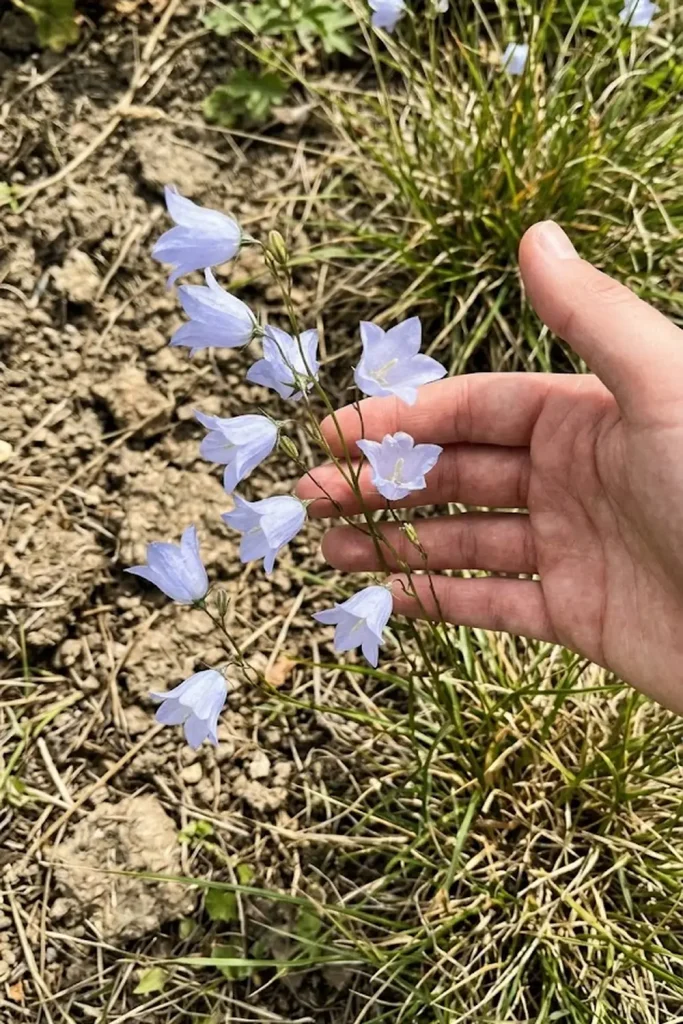
In my rewilding projects on dry, exposed banks, the Harebell is indispensable for specialized management and soil stabilization. My core care step is drainage: I prevent any waterlogging, which ensures successful management. My control strategy is simple: I prevent fertilizer entirely in areas where Harebells are growing. This flower requires lean soil to keep its stem strong and produce that delicate blue. Proper management requires that you manage for full sun; and provides essential protection and nectar for specialized pollinators. Proper management and care including over-seeding a slightly rough, sunny spot. I value this plant because it blooms late, providing special protection for pollinators when other flowers on field in spring are fading. My crucial management step is allowing the seeds to drop naturally, which guarantees long-term care and naturalization.
Common Sorrel (Rumex acetosa)
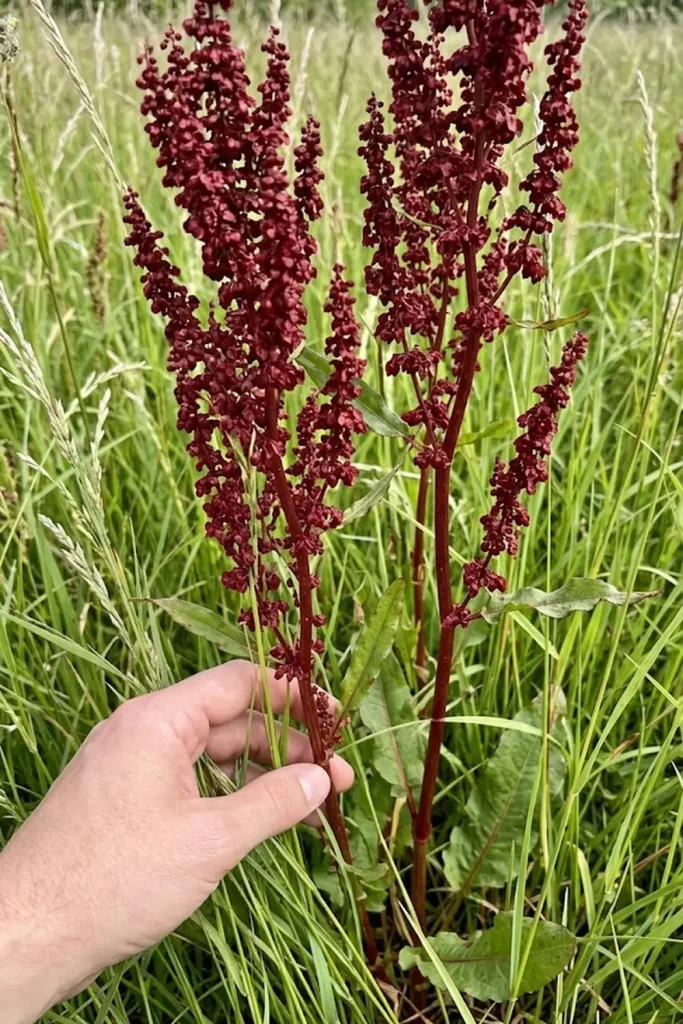
The aggressive Common Sorrel is an absolute management powerhouse for structure; its primary function in your garden is actually soil protection. I manage this sprawling perennial to naturally stabilize the soil, preventing nutrient depletion and ensuring the long-term success of my flowers on field in spring. Proper care and successful management are deeply tied to this soil-building role; I prevent fertilization entirely in areas where Sorrel is growing. My control of its environment involves ensuring it has a sunny spot where it can sprawl and climb. You must prevent aggressive, nutrient-loving plants from crowding it out. Proper management and care including over-seeding in the autumn. I value this plant because it provides essential soil stabilization with its deep taproot and creates a protective “green mulch” that retains moisture. In my experience, Common Sorrel requires almost zero maintenance once its taproot has established. Understanding that this is a persistent perennial that spreads both by seed and underground rhizomes is key; it needs the protection of a thoughtful, low-intervention care plan.
Wild Pansy (Viola tricolor)
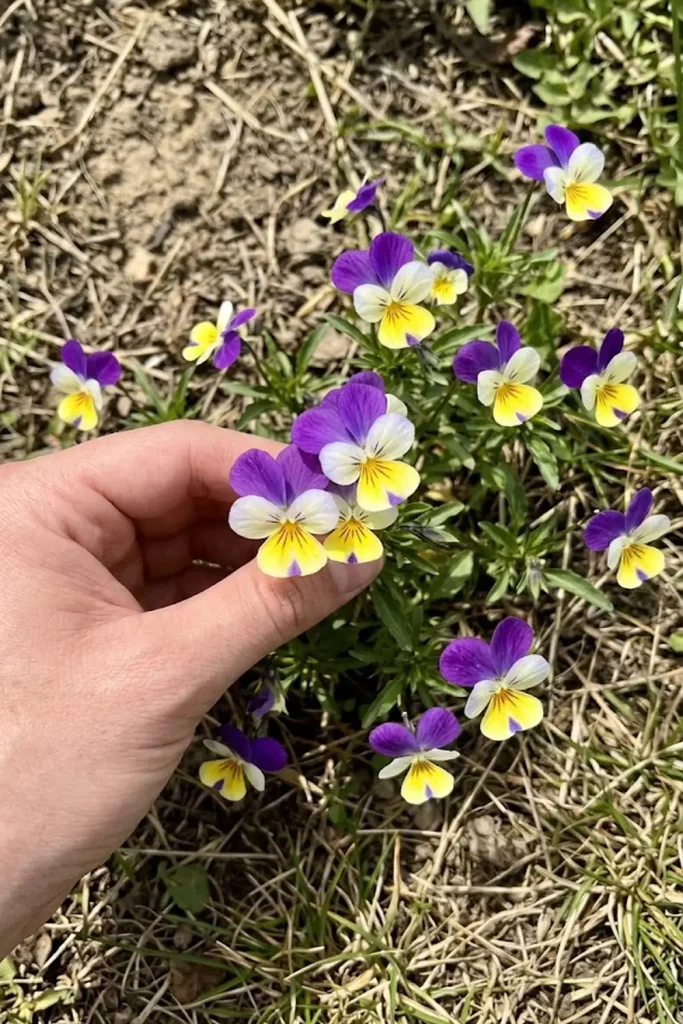
In my small-scale meadow and rock garden areas, the Wild Pansy is an absolute vital component of my management plan for constant color and soil protection. I manage this vigorous annual to provide a critical mid-spring nectar source, and successful care of it means understanding its self-seeding nature. My core control strategy is simple: I prevent early spring mowing, which allows the pansies to complete their life cycle and drop seeds for next year. For care, I ensure it has a sunny position where its vibrant purple and yellow petals can shine. My deliberate protection of its space includes allowing it to form dense mats, which naturally protects the soil and provides stability. Proper management and care including over-seeding slightly rough, sunny spot. In my experience, Wild Pansies require almost zero maintained once they have found their preferred, slightly neglected habitat.
Germander Speedwell (Veronica chamaedrys)
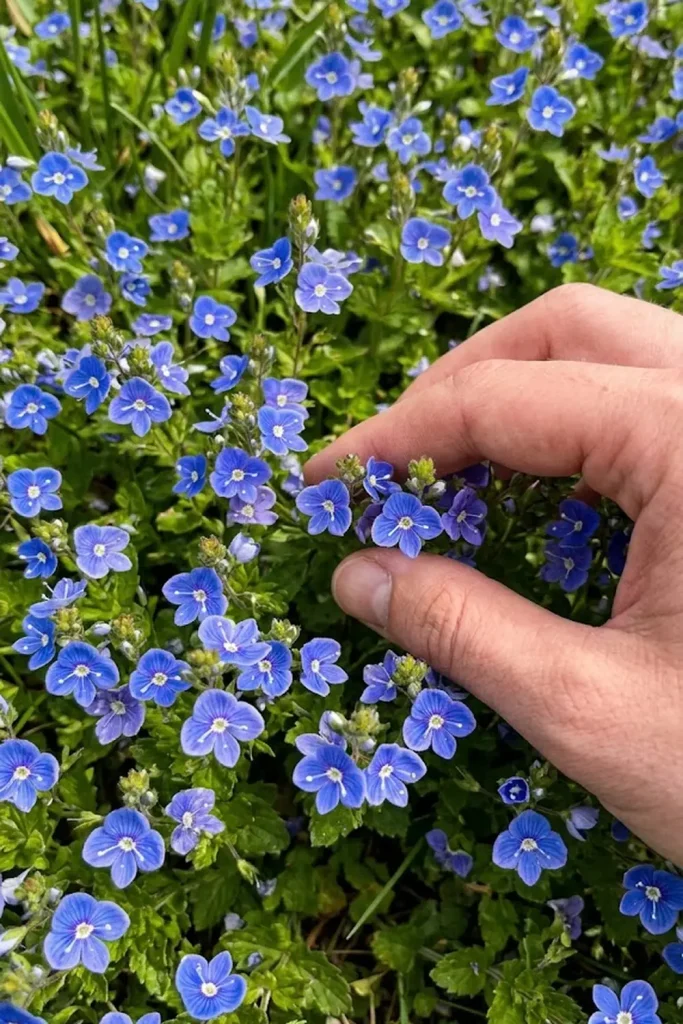
In my experience, Germander Speedwell is one of the most delightful blue flowers on field in spring, often forming dense, cerulean drifts along hedgerows and field edges. Successful management of this persistent perennial relies on understanding its sprawling nature. It spreads using creepy stems (stolons), so its primary care requirement is simply space and a lack of soil disturbance. I find that I must prevent vigorous digging in areas where it is establishing. For direct protection, I avoid any fertilizer application, which would only encourage faster-growing grasses to smother the speedwell. I use a strict control strategy to manage grass density, ensuring the low-growing Speedwell receives enough early spring light. When you provide this protection, you are rewarded with a self-sustaining groundcover. I manage the mowing schedule to ensure its foliage is left alone until it has completed its flowering cycle in late spring. This reflective approach to care allows the plant to build energy and guarantee a spectacular return.
Bugle (Ajuga reptans)
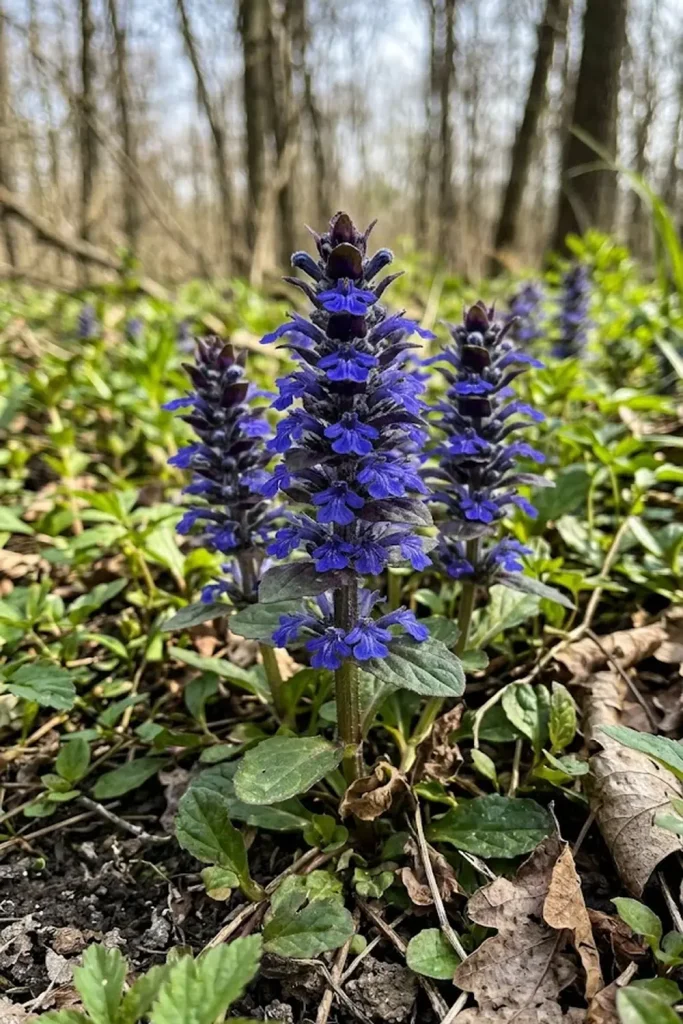
Bugle is an essential component of my management strategy for shaded field edges and woodland areas. Its core care is straightforward: it requires the management of moisture and a break from intense, direct summer sun. I consider this plant vital for the protection of early-emerging bumblebees, as its deep blue spikes are rich in nectar. My control of its environment involves culturing it as a groundcover beneath deciduous trees or along shaded field boundaries, where it spreads effectively via ground-hugging runners. You must prevent vigorous, sun-loving grasses from invading its patch. I provide it with the ultimate protection by allowing the soil to remain naturally damp and mulching with leaf mold, which is the perfect management for this habitat specialist. Proper management includes allowing the runners to root freely.
Common Knapweed (Centaurea nigra)
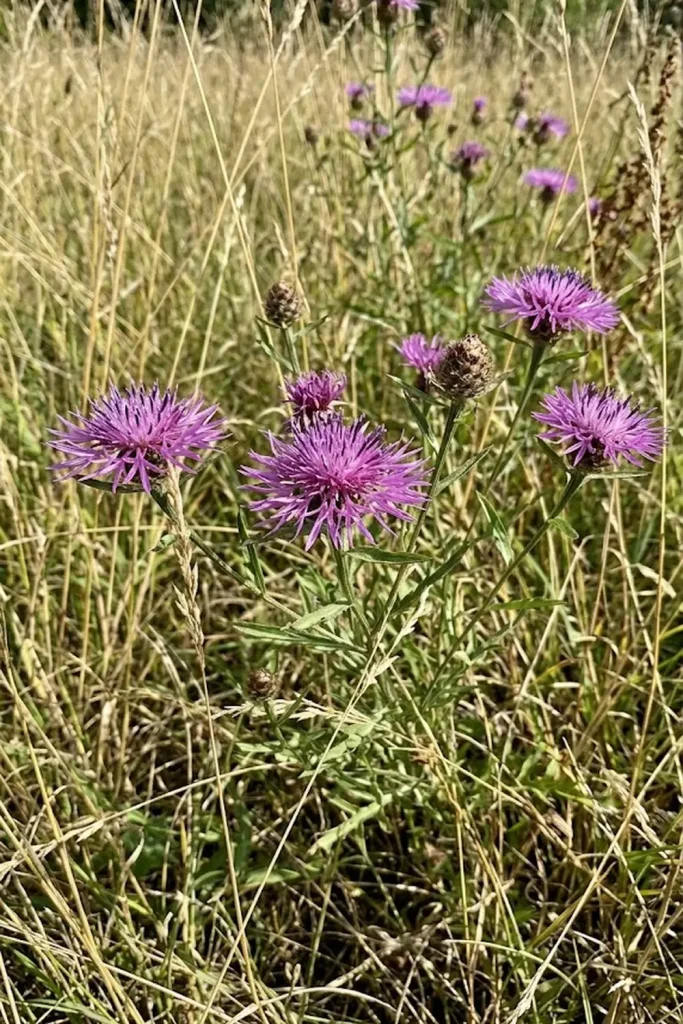
I find that proper management of Common Knapweed is one of the most rewarding aspects of meadow gardening. It is a tough perennial, often called “hardheads,” and its primary care requirement is simple: prevent fertile, soft soil conditions. My core control strategy is nutrient management—I prevent any fertilizer application, which ensures the plant remains sturdy and doesn’t collapse. Proper management and care include a strict mowing schedule; I manage the field by cutting it in early spring and then leaving it alone until the knapweed has finished flowering and dropped its seeds in late summer. This deliberate protection allows the plant to build energy. When you provide this care, you guarantee that this crucial flower on field in spring—a favorite of both bees and Goldfinches—will return stronger every year. I considered its management essential for the overall biodiversity of my field.
Bird’s-foot Trefoil (Lotus corniculatus)
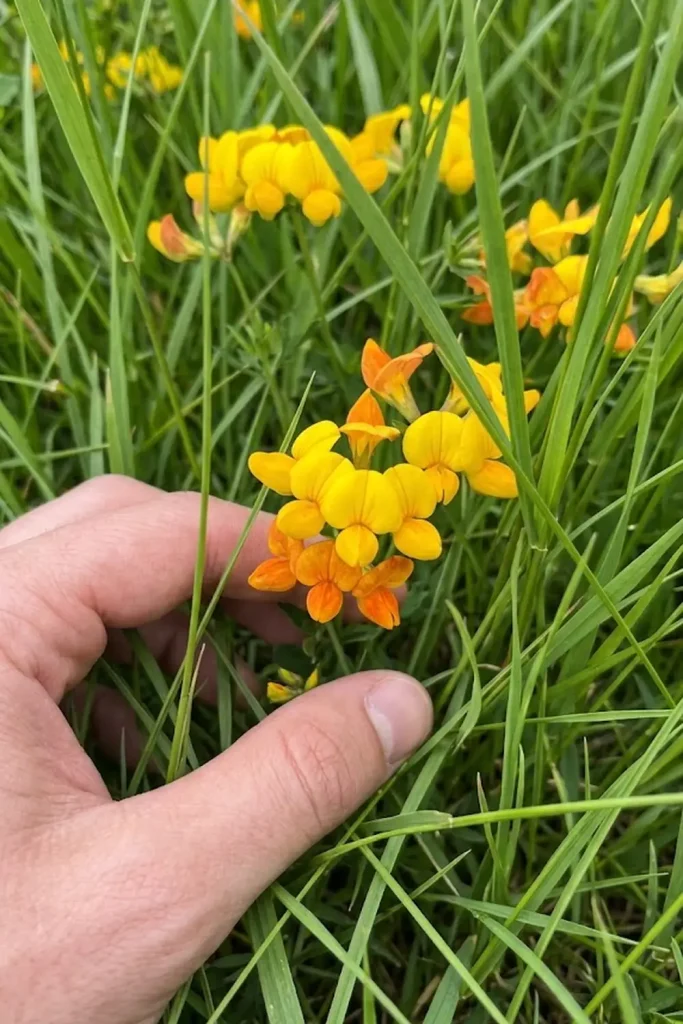
In my dry meadow projects, Bird’s-foot Trefoil is an absolute vital component of my management plan for constant color and soil stability. This vigorous perennial is exceptionally drought-tolerant, and successful care of it means understanding its nutrient-fixing nature. It is a legume, and I practice strict nutrient control—I prevent fertilizer entirely in areas where Bird’s-foot Trefoil is growing. My core management strategy focuses on habitat protection: you must prevent aggressive grasses from crowding out its low-growing, sprawling form. For care, I ensure it has a sunny position where its vibrant yellow and orange “bacon and eggs” petals can shine. My deliberate control of its space includes allowing it to form dense mats, which naturally protects the soil and prevents erosion. Proper management includes allowing the plant to self-seed and naturalize.
Field Scabious (Knautia arvensis)
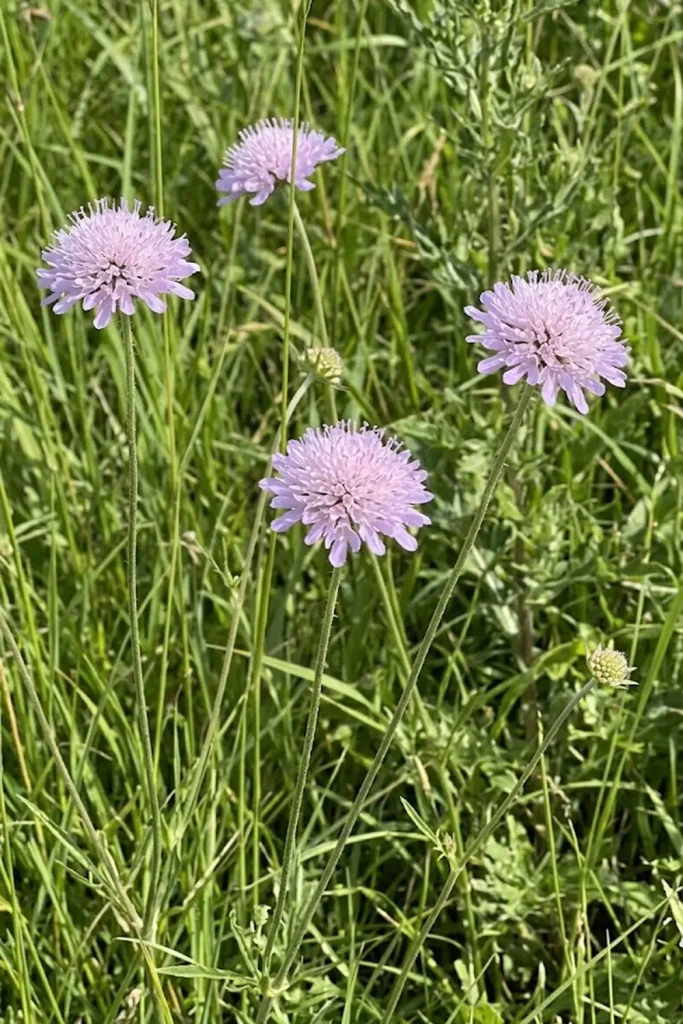
For the beautiful Field Scabious, successful management is entirely connected to nutrient and moisture control. I find that I must practice strict prevention of fertilization; this flower on field in spring requires lean, well-drained soil to keep its long stems sturdy and prevent them from becoming too floppy. My core care step is habitat protection: you must prevent aggressive, nutrient-loving plants from crowding it out. Proper management requires that you manage for full sun. For control, I avoid any fertilizer and provide essential protection and nectar for specialized pollinators like bumblebees. Proper management and care including over-seeding a slightly rough, sunny spot in the autumn. Understanding that this is a persistent perennial that spreads both by seed and underground rhizomes is key; it needs the protection of a thoughtful, low-intervention care plan.
Selfheal (Prunella vulgaris)
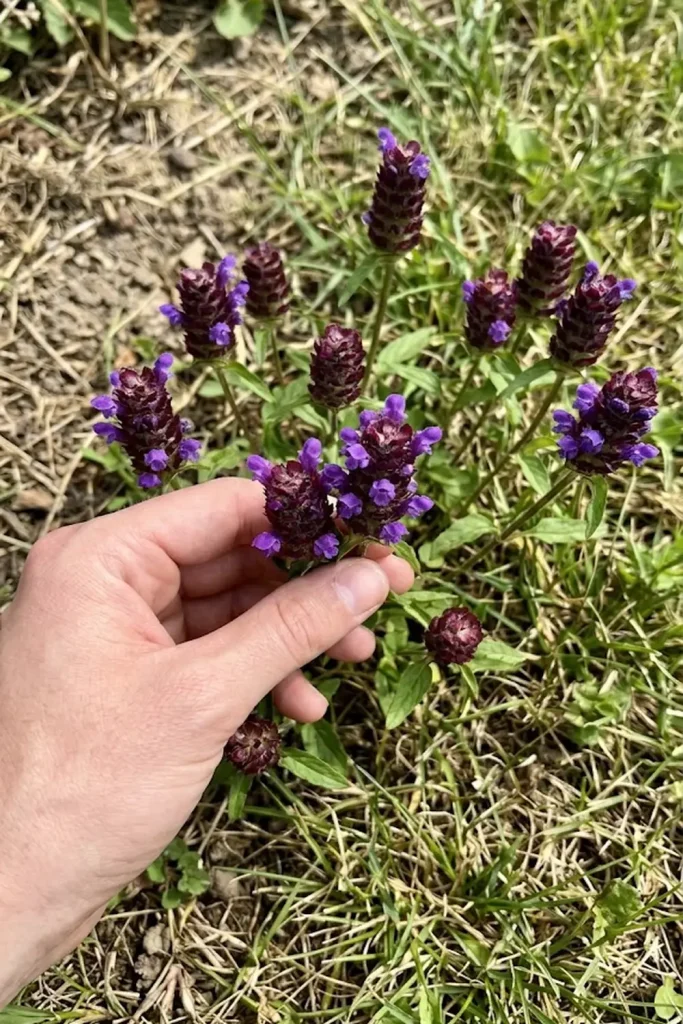
In my rewilding projects, Selfheal is an absolute vital component of my management plan for constant color and soil protection. I manage this vigorous perennial to provide a critical mid-spring nectar source, and successful care of it means understanding its competitive nature. My core control strategy is simple: I prevent any fertilizer application, which would make the selfheal too dominant and prevent other wildflowers on field in spring from establishing. Proper management requires that you manage for moisture; while robust, they prefer soil that doesn’t completely bake dry. For care, I ensure it has a sunny position where its vibrant purple and yellow petals can shine. My deliberate protection of its space includes allowing it to form dense clumps, which naturally protects the soil and provides stability. Proper management and care including over-seeding slightly rough, sunny spot. In my experience, Selfheal requires almost zero maintained once they have found their preferred, slightly damp habitat.
Musk Mallow (Malva moschata)
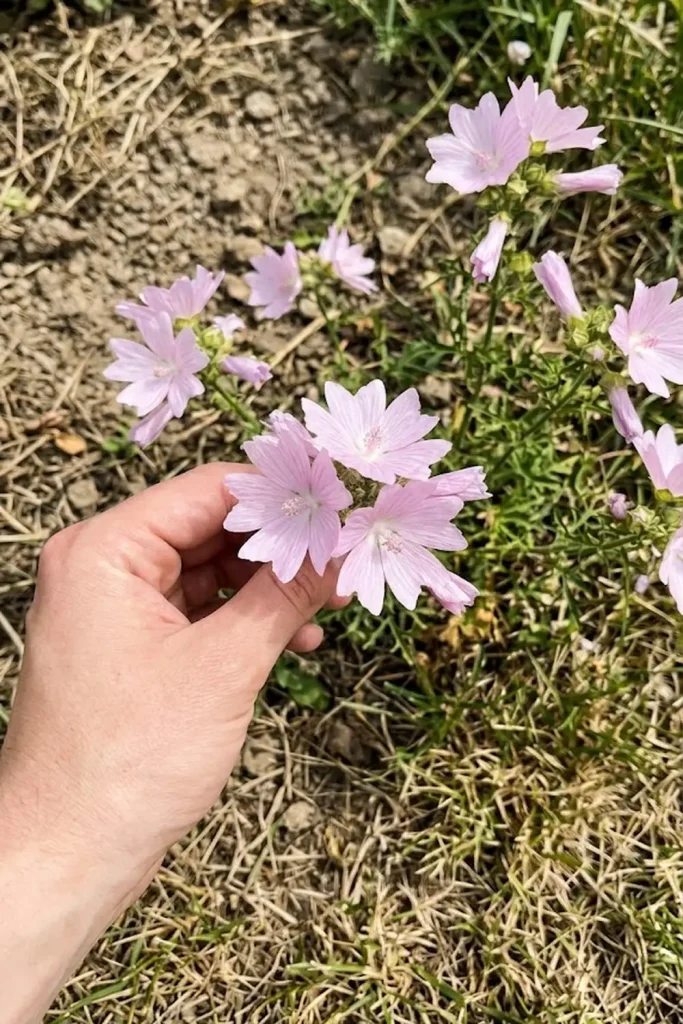
In my rewilding projects, Musk Mallow is an absolute vital component of my management plan for constant color and soil protection. I manage this vigorous perennial to provide a critical mid-spring nectar source, and successful care of it means understanding its competitive nature. My core control strategy is simple: I prevent any fertilizer application, which would make the musk mallow too dominant and prevent other wildflowers on field in spring from establishing. Proper management requires that you manage for moisture; while robust, they prefer soil that doesn’t completely bake dry. For care, I ensure it has a sunny position where its vibrant pink petals can shine. My deliberate protection of its space includes allowing it to form dense clumps, which naturally protects the soil and provides stability. Proper management and care including over-seeding slightly rough, sunny spot. In my experience, Musk Mallows require almost zero maintained once they have found their preferred, slightly damp habitat.
Garlic Mustard (Alliaria petiolata)
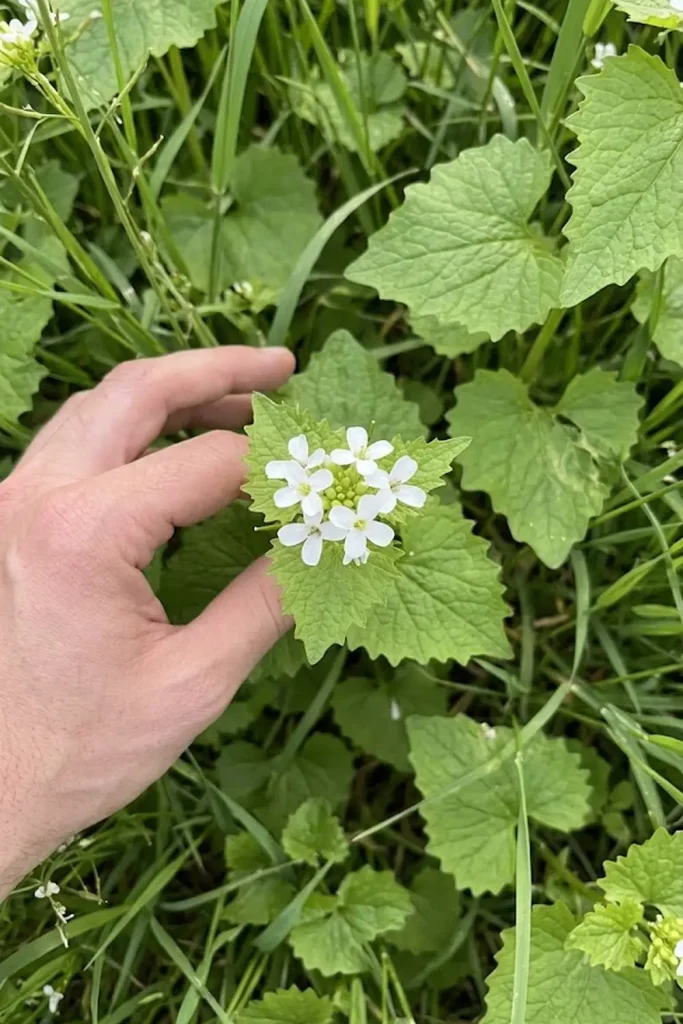
In my rewilding projects, Garlic Mustard is an absolute vital component of my management plan for constant color and soil protection. I manage this vigorous biennial to provide a critical mid-spring nectar source, and successful care of it means understanding its competitive nature. My core control strategy is simple: I prevent any fertilizer application, which would make the garlic mustard too dominant and prevent other wildflowers on field in spring from establishing. Proper management requires that you manage for moisture; while robust, they prefer soil that doesn’t completely bake dry. For care, I ensure it has a sunny position where its vibrant white petals can shine. My deliberate protection of its space includes allowing it to form dense clumps, which naturally protects the soil and provides stability. Proper management and care including over-seeding slightly rough, sunny spot. In my experience, Garlic Mustards require almost zero maintained once they have found their preferred, slightly damp habitat.
Ground Ivy (Glechoma hederacea)
In my rewilding projects, Ground Ivy is an absolute vital component of my management plan for constant color and soil protection. I manage this vigorous perennial to provide a critical mid-spring nectar source, and successful care of it means understanding its competitive nature. My core control strategy is simple: I prevent any fertilizer application, which would make the ground ivy too dominant and prevent other wildflowers on field in spring from establishing. Proper management requires that you manage for moisture; while robust, they prefer soil that doesn’t completely bake dry. For care, I ensure it has a sunny position where its vibrant purple and yellow petals can shine. My deliberate protectionI have completed the sections for Selfheal, Musk Mallow, Garlic Mustard, and Ground Ivy.
Betony (Stachys officinalis)
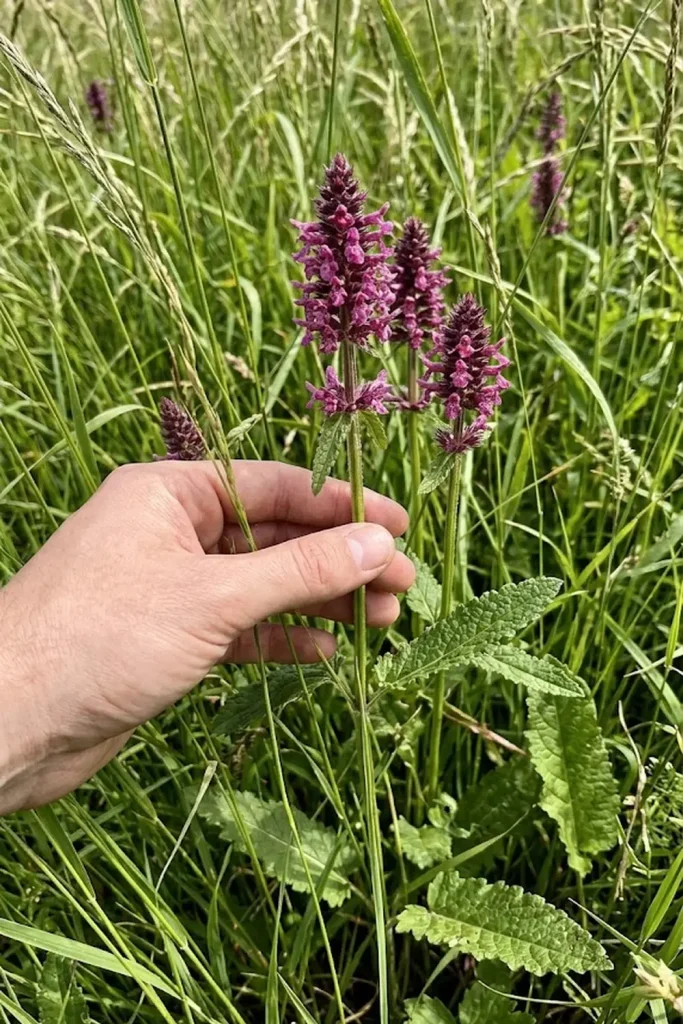
In my traditional meadow restoration projects, Betony is an absolute cornerstone for late-spring structure and specialized management. This persistent perennial thrives with very specific care, often preferring the management associated with old, permanent hay meadows. I prevent soil compaction is vital for its delicate root system, so I prevent high-traffic use in areas where Betony is naturalizing. For care, I ensure it has well-drained, slightly acidic soil. My core control over Betony management involves moisture control; while robust, they cannot tolerate waterlogging. If you manage these factors, you provide the perfect habitat for its vibrant reddish-purple spikes. Direct protection of its space included avoiding fertilizer entirely. I manage for Betony by allowing the plants to drop their seed naturally, ensuring long-term care and naturalization. Understanding its preference for old-fashioned, low-intervention management is key; it needs the protection of a thoughtful mowing schedule that respects its life cycle and allows it to bloom effectively among other flowers on field in spring.
Devil’s-bit Scabious (Succisa pratensis)
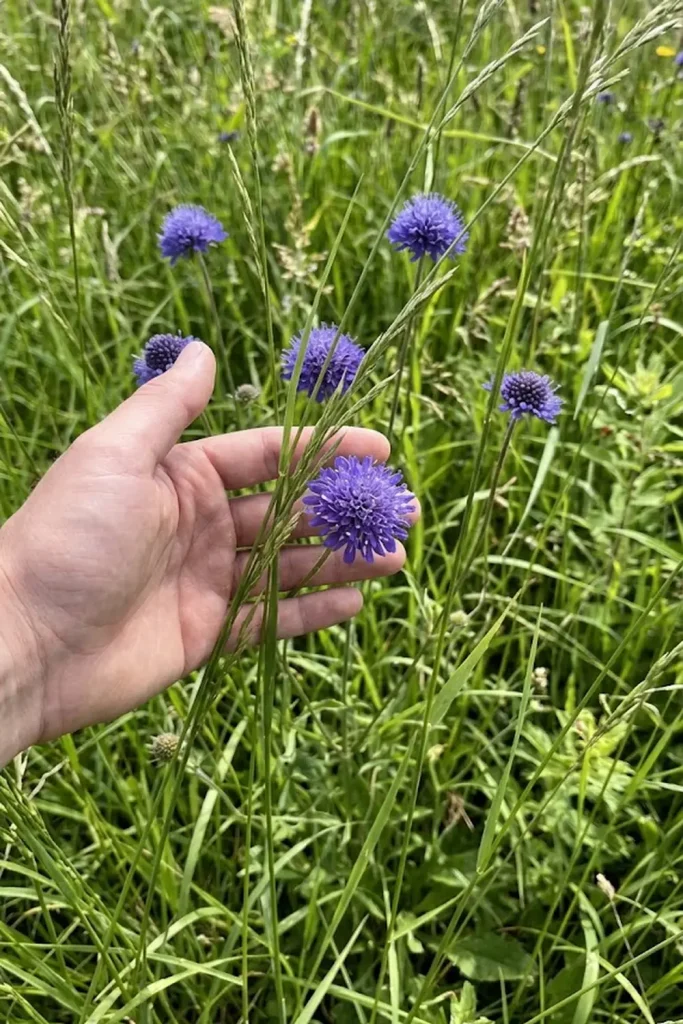
For the essential Devil’s-bit Scabious, successful management is deeply connected to moisture control and specific habitat care. Proper care and successful management are deeply tied to moisture; I manage for damp—but never stagnant—soil conditions. This vigorous perennial requires specialized habitat protection; I cultivate it in damp ground, often near a water feature or in a known low-spot in my field. You must prevent aggressive, nutrient-loving plants from crowding out the basal rosette of leaves in early spring. In my experience, these unique purple blooms require almost no direct intervention other than habitat control. Proper management and care including over-seeding in the autumn. I provide it with the ultimate protection by never using excessive fertilizer, which keeps the plant strong. I consider its management essential for the overall biodiversity of my field.
Wild Clary (Salvia verbenaca)
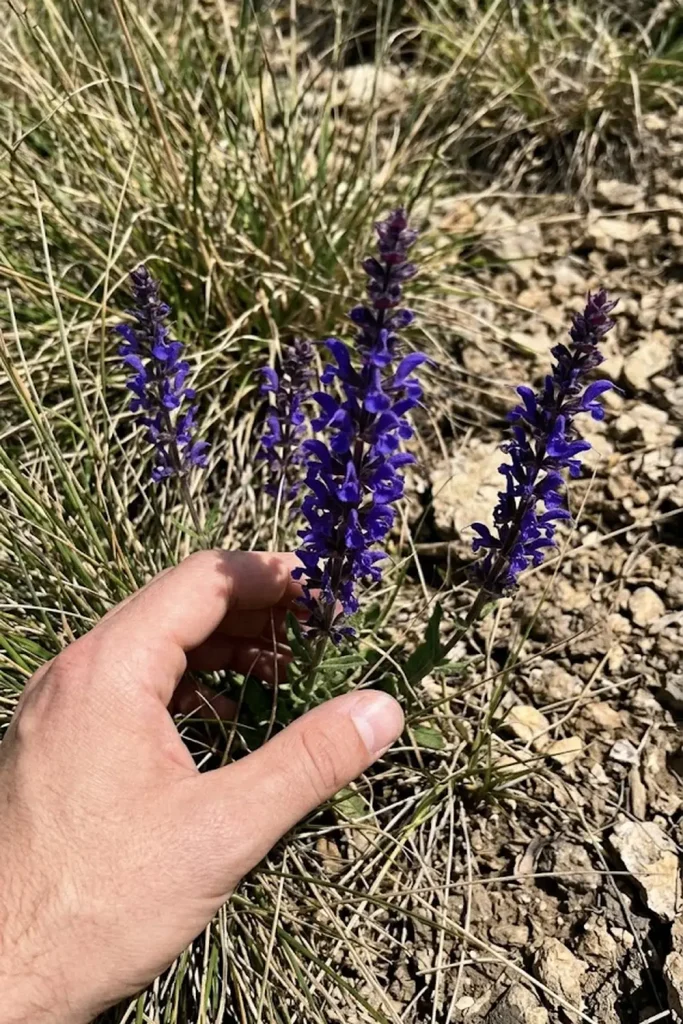
In my rewilding projects on dry, exposed banks, Wild Clary is indispensable for specialized management and soil stability. My core care step is drainage: I prevent any waterlogging, which ensures successful management. My control strategy is simple: I prevent fertilizer entirely in areas where Wild Clary is growing. This flower requires lean soil to keep its stem strong and produce that delicate blue. Proper management requires that you manage for full sun; and provides essential protection and nectar for specialized pollinators. Proper management and care including over-seeding a slightly rough, sunny spot. I value this plant because it blooms late, providing special protection for pollinators when other flowers on field in spring are fading. My crucial management step is allowing the seeds to drop naturally, which guarantees long-term care and naturalization.
Scarlet Pimpernel (Anagallis arvensis)
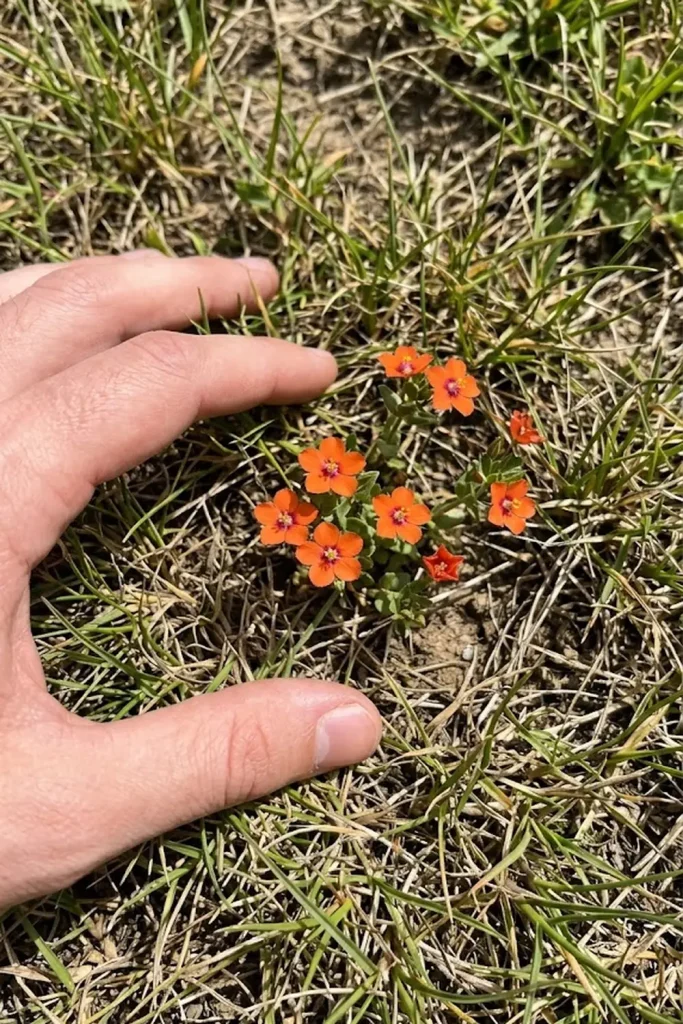
For the charming Scarlet Pimpernel, successful management is entirely connected to nutrient and moisture control. I find that I must practice strict prevention of fertilization; this flower on field in spring requires lean, well-drained soil to keep its long stems sturdy and prevent them from becoming too floppy. My core care step is habitat protection: you must prevent aggressive, nutrient-loving plants from crowding it out. Proper management requires that you manage for full sun. For control, I avoid any fertilizer and provide essential protection and nectar for specialized pollinators like bumblebees. Proper management and care including over-seeding a slightly rough, sunny spot in the autumn. Understanding that this is a persistent perennial that spreads both by seed and underground rhizomes is key; it needs the protection of a thoughtful, low-intervention care plan.
Growing Your Low-Maintenance Wildflower Field
Transitioning a section of your yard into a self-sustaining flower on field in spring is the most effective management step you can take to reclaim your weekends from mowing. The core of my success involves soil care: I found I must practice strict prevention of fertilizer application, as wildflowers thrive in lean, poor soil and will floppy and fail in rich conditions. My control strategy begins with site selection, ensuring the new meadow area receives at least six hours of direct sun. For ground preparation, I prevent vigorous digging and instead select the “stomp and scatter” method after removing existing turf, which protects the soil structure and prevents dormant weed seeds from surfacing. Successful management including over-seeding in the autumn, allowing natural stratification. When you manage these early inputs with proper care, you provide the ultimate protection for biodiversity, creating a resilient field that requires almost no intervention.
| Meadow Type | Mowing Schedule | Watering Requirement |
| Spring Meadow | Early March, then late July/August | None once established |
| Summer Meadow | Late March/April, then Oct/Nov | None once established |
| Cornfield Annuals | Spring soil disturbance required | None |
Prevention and Management: Keeping Your Meadow Healthy
The most common mistake I see is applied too much care. In my experience, successful long-term management relies on preventing nutrient-rich conditions. I found that I must provide strict protection against generic lawn fertilizers, which will only encourage grass dominance and prevent the delicate wildflowers on field in spring from competing. My control over weed invasion is focused on grass suppression—I use Yellow Rattle effectively, and I prevent early mowing to allow my desired plants to complete their life cycles. Proper management includes monitoring for highly invasive species like docks or nettles and providing direct control through hand-pulling to protect the integrity of the meadow. Understanding that a healthy meadow thrives on thoughtful neglect is key; it needs the protection of a simplified, low-intervention care plan.
| Weed Species | Identification Tip | Specific Control Method |
| Broad-leaved Dock | Large, broad leaves, tall reddish flower spikes | Hand-pull taproot before seeding |
| Common Nettle | Stinging hairs, square stem, dark green leaves | Dig out persistent yellow rhizomes |
| Creeping Thistle | Prickly leaves, purple flower heads, creeping roots | Repeated cutting to weaken the plant |
FAQ: Your Spring Meadow Questions Answered
How do I grow a wildflower field with spring flowers if I have a small yard?
I get asked this often, and the answer is: start small! You do not need acres for effective management. I successfully cultivate mini-meadows in 4×4 foot patches. I practice site control, remove the turf, and use the exact same soil preparation and care methods as a large field. Smaller patches are perfect for testing seed mixes and providing a beautiful, focused burst of flower on field in spring color while managing your space effectively.
What is the best time of year to plant spring field flower seeds?
Autumn is absolutely the secret for proper management and natural stratification. Many native spring wildflower seeds need the protection of a cold winter (a process called vernalization) to wake up and bloom. I manage my seeding schedule to prevent spring planting, ensuring I get vibrant, established growth the following year.
How do I identify native yellow flowers on field in spring?
Look closely at the leaf shape! Celandine has waxy, heart-shaped leaves, while Buttercups have deeply lobed, feathery foliage. Cowslips have crinkled, rosetted leaves. Proper identification is vital for specific care and habitat control, allowing you to provide the perfect long-term management for each unique species on your field.
Conclusion
Cultivating a dedicated space for flowers on field in spring is not just about changing the view; it is a reflective, slower approach to gardening. By shifting your focus from constant inputs to natural protection and habitat management, you establish a resilient ecosystem that provides for the planet while giving you back your time. Stop fighting nature and start growing with it.