Does your backyard look like a gray, dormant wasteland after the long winter months? I know that feeling of staring out the window at a dull landscape while sipping your morning coffee, wishing for a spark of life. It’s frustrating to see your outdoor space lack the vibrant energy you need to decompress from a long work week. I have spent years trial-planting various species to solve this exact problem, and I found that the 33 best spring flowers are the secret to a high-impact, low-stress transformation. You can easily turn that brown patch of dirt into a breathtaking retreat by following my professional care and management strategies.
Snowdrops: The Brave First Bloom
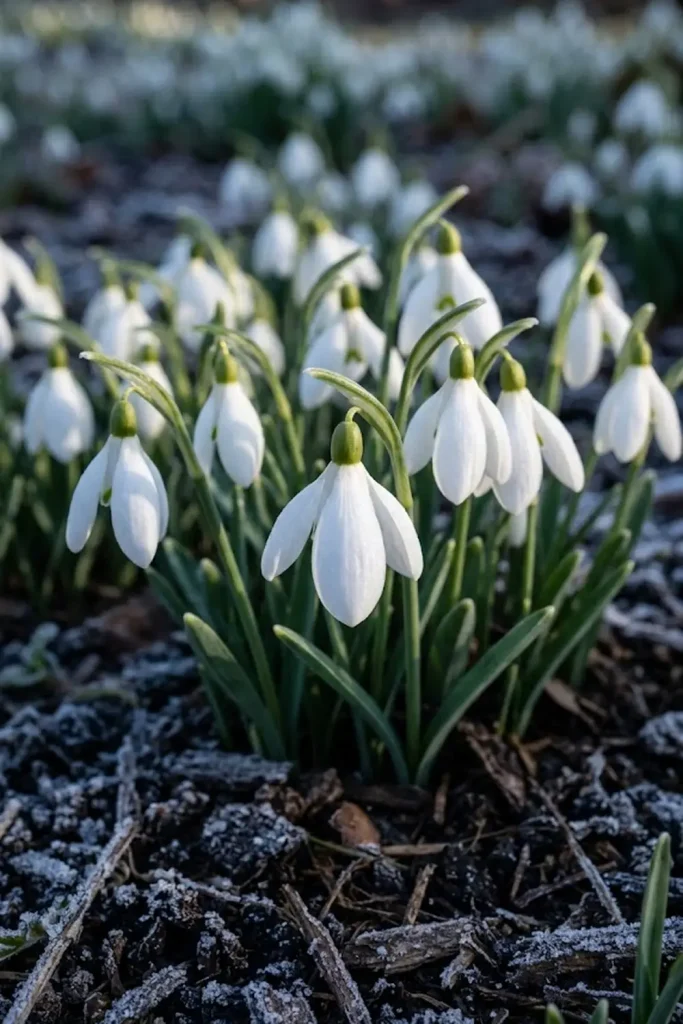
I have always found a deep sense of respect for Snowdrops (Galanthus). They are often the very first sign of life, sometimes piercing through actual ice to show their faces. In my experience, these are the ultimate “set it and forget it” bulbs for a busy person like you. They require very little protection once they are in the ground. I recommend planting them in “drifts” rather than straight lines to mimic how they grow in the wild. This naturalizing technique creates a more relaxing, organic feel for your sanctuary. Because they are so small, you should place them near paths where you can actually see them during your morning commute.
| Feature | Snowdrop Detail |
| Bloom Time | Late Winter / Very Early Spring |
| Sun Requirement | Part Shade to Full Sun |
| Soil Type | Well-drained, moist |
| Height | 3-6 inches |
Crocus: The Pollinator’s Early Feast
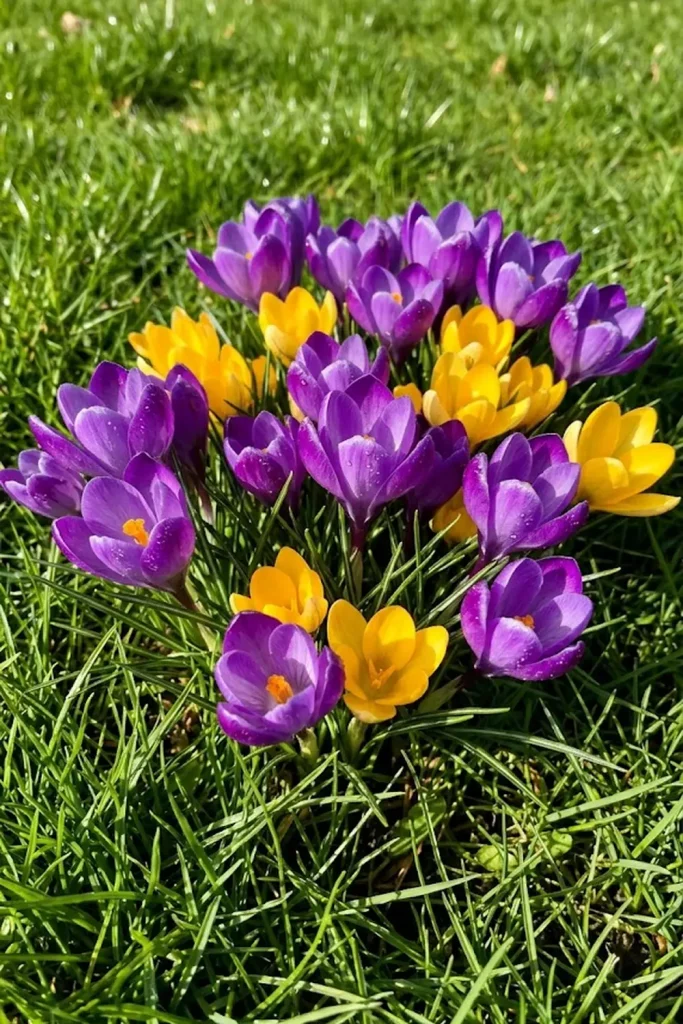
When I see the first Crocus pop up, I know the garden is finally waking up. These are vital for the management of your local ecosystem because they provide some of the earliest nectar for hungry bees. You will love how they stay closed on cloudy days and burst open when the sun hits them. I’ve noticed that mice and squirrels sometimes try to snack on the bulbs, so I suggest planting them under a thin layer of chicken wire if you have a high rodent population. They are incredibly hardy and perfect for those of us who don’t have hours to spend on high-maintenance plants.
Daffodils: Reliable Sunshine in the Soil
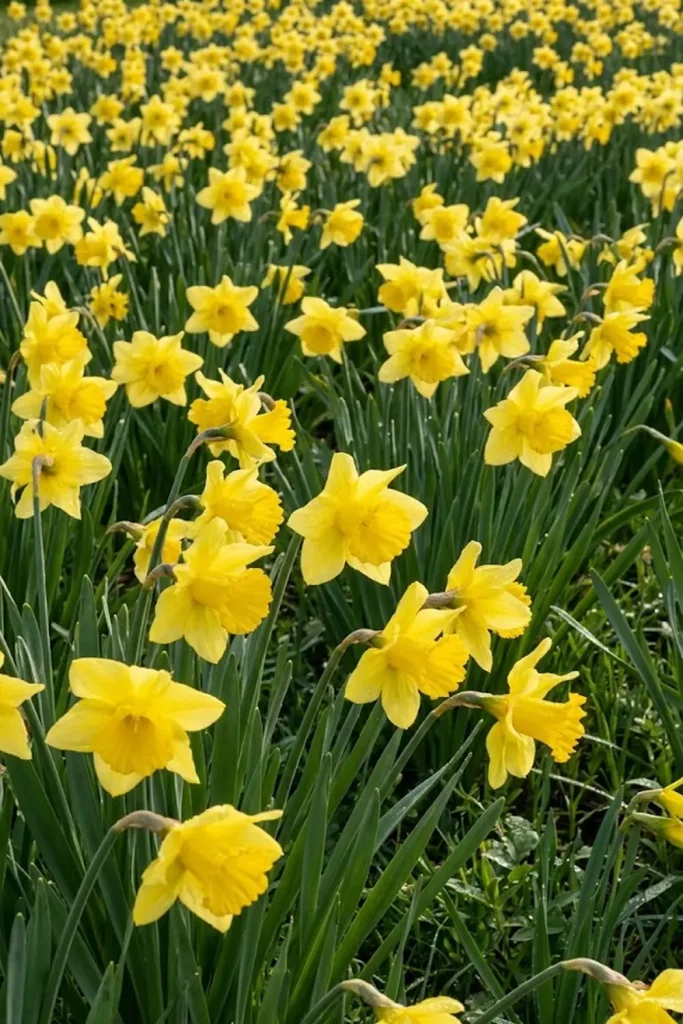
Daffodils (Narcissus) are my “insurance policy” against garden pests. I have never seen a deer or a rabbit take a bite out of these, which makes them essential for your protection strategy. They contain a bitter alkaloid that animals simply hate. For the best results, you should leave the green foliage alone even after the yellow trumpets have faded. That greenery is hard at work absorbing sunlight to fuel next year’s show. I find that a handful of bulb fertilizer applied just as the tips emerge from the soil makes a massive difference in the size of the blooms you will get.
- Fact: There are over 13,000 distinct varieties of daffodils.
- Care Tip: Never “braid” the leaves; it stops the plant from photosynthesizing.
- Soil: They prefer well-drained soil to prevent bulb rot.
- Spacing: Plant them about 3 to 6 inches apart for a full look.
Tulips: The Classic Icon of Spring
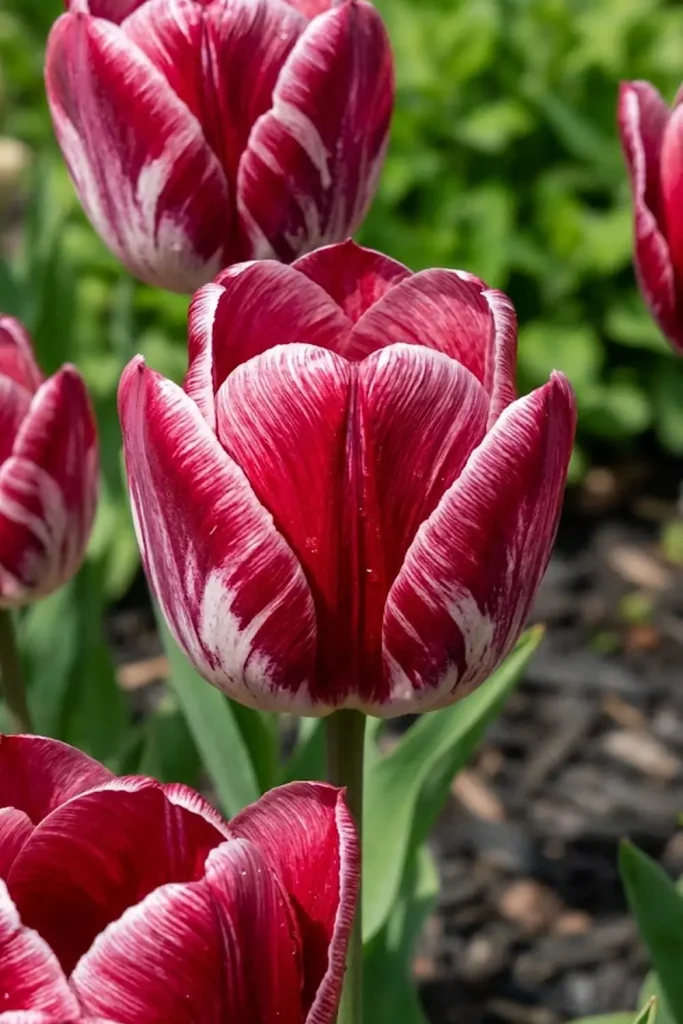
I believe no list of the 33 best spring flowers is complete without the majestic Tulip (Tulipa). When you incorporate Tulips, you are solving the problem of predictable, uninspired mid-spring color in your garden sanctuary. These beautiful spring flowers provide essential visual diversity with their complex, cup-like blossoms and colossal range of colors that solve any problems of dull middle borders. You must understand that successful management of these striking plants is crucial; for effective care, ensure they have well-drained soil and full sun. This essential strategy provides crucial protection against predictable designs. The sequential management of your 33 best spring flowers design requires careful observation, proving why Tulips are an indispensable part of my list.
Hyacinths: Fragrance That Fills the Air
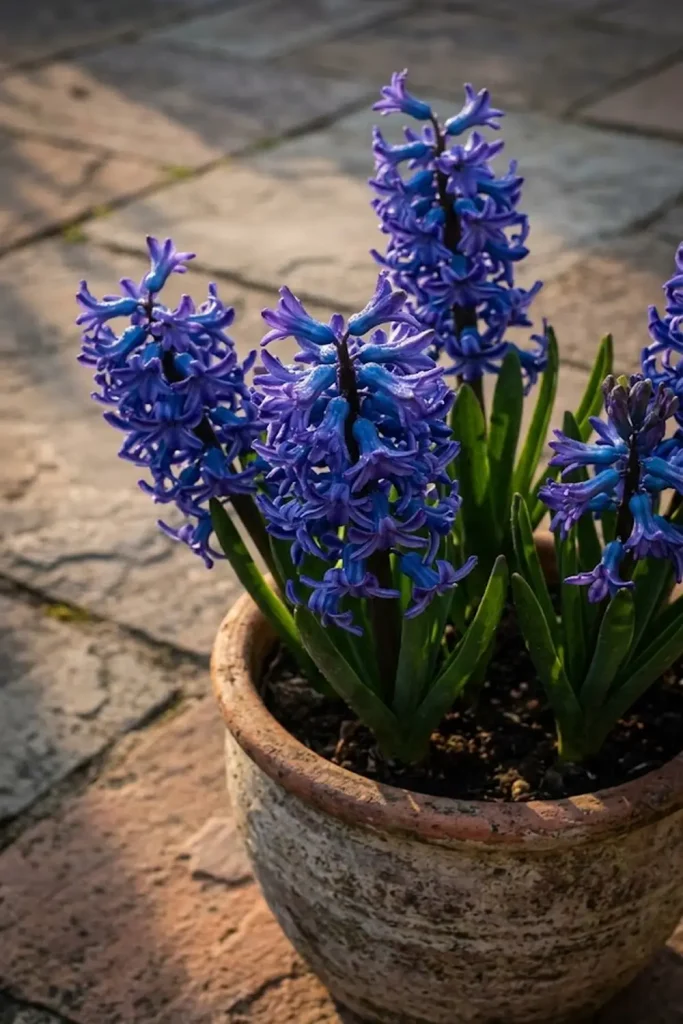
I have always believed that a garden sanctuary should appeal to all senses, not just sight. That is why Hyacinths (Hyacinthus) are a non-negotiable part of my 33 best spring flowers strategy. You cannot walk past a cluster of these without noticing their intense, sweet perfume. I strongly recommend planting them along walkways or right next to your front door, so you can enjoy their fragrance every time you leave for or return from work. In my experience, proper management and care mean avoiding areas with sitting water. These heavy flower spikes also benefit from protection against high winds, as a strong spring gust can easily snap a dense bloom that has become top-heavy with rainwater.
Hellebores: The Elegant Lenten Rose
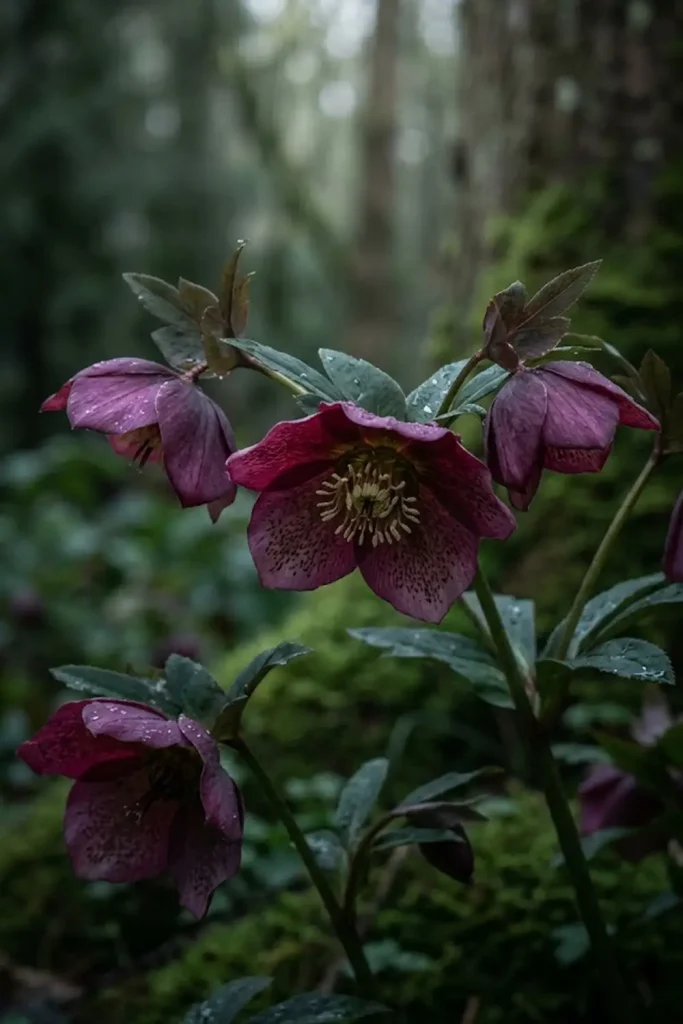
I find a profound sense of peace in shaded areas, and Hellebores are the perfect choice for creating a tranquil woodland feel within your garden sanctuary. These beautiful spring flowers bloom when little else will, showing incredibly durable, leather-like petals in shades of green, white, pink, and deep plum. When you are looking for low-maintenance options that solve those tricky shade garden problems, 33 best spring flowers logic leads straight to the Lenten Rose. Their care is straightforward; I simply prune away the old leaves from last year just before new growth starts, which showcases the nodding, subtle blooms. Once established, they are wonderfully resilient and provide essential texture for your tranquil hideaway.
Primrose: Low-Growing Color Bursts
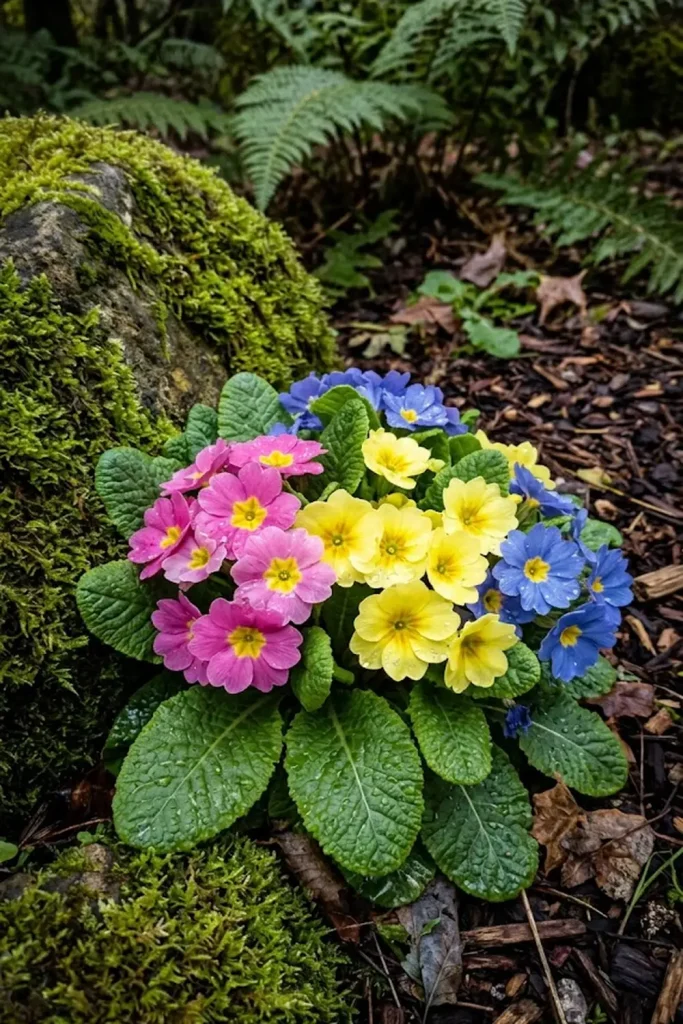
Primrose (Primula) always makes me smile because they provide such cheerfulness right at ground level. These are some of the first true vibrant colors in the 33 best spring flowers landscape, offering rich purples, bright yellows, and soft pinks often with a striking eye. Since you are busy, you’ll appreciate how easily they multiply, filling gaps along paths or under shrubs without demanding constant attention. For effective care, remember they absolutely hate drying out. In my experience, keeping the soil consistently damp is the single most important management task to ensure these spring flowers provide years of worry-free happiness.
Bleeding Hearts: Arching Grace for Shady Spots
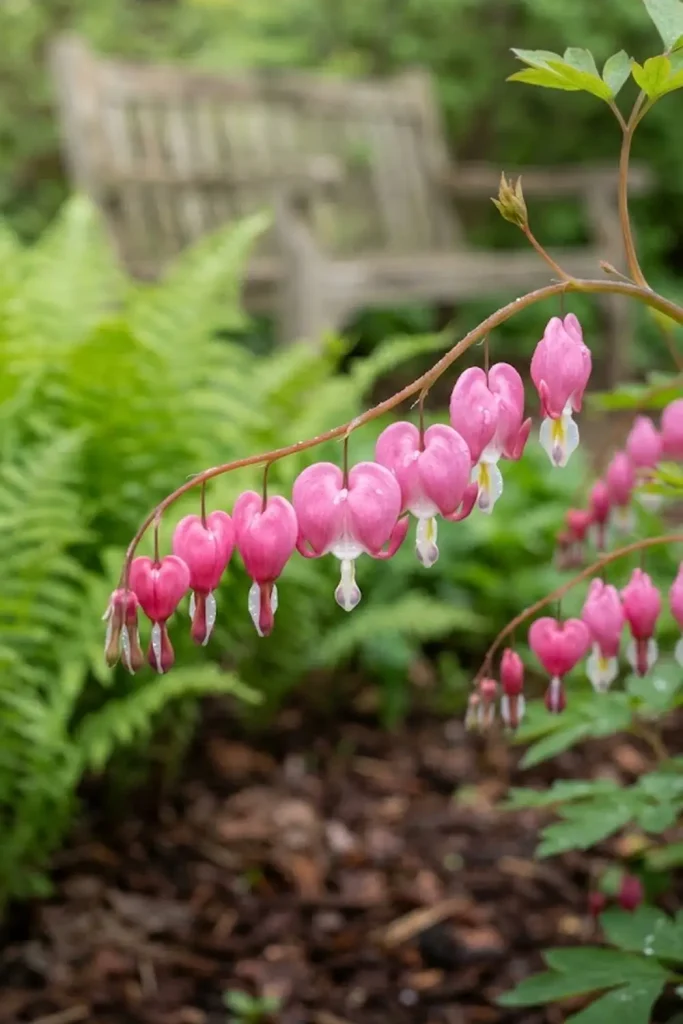
I find the delicate structure of Bleeding Hearts (Dicentra) adds an almost poetic beauty to any garden sanctuary. When you want structural grace, these unique spring flowers deliver with their rows of perfectly formed heart blossoms arching elegantly from fine stems. They provide essential visual diversity in the shady areas where Hellebores also thrive. In my experience, successful management means placing them where they are protected from strong winds, as the branching structure can be somewhat brittle. Their care involves consistent moisture and excellent drainage; prevention of fungal issues is simply a matter of not letting water sit on the leaves or stagnate around the roots. They are a classic and romantic part of my 33 best spring flowers collection.
Bluebells: Creating a Backyard Forest
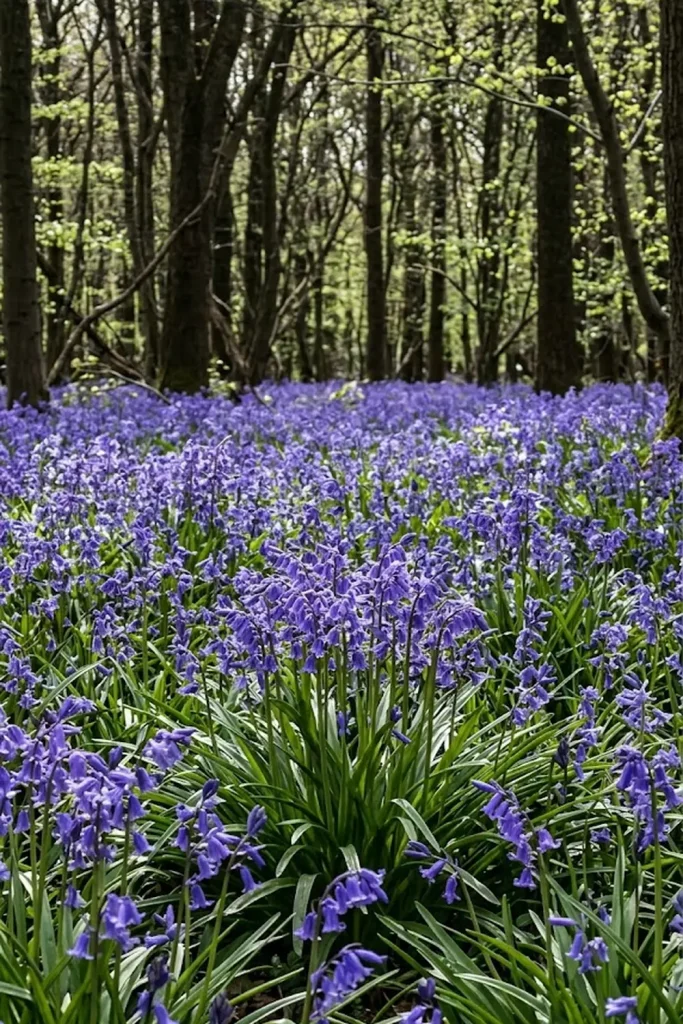
I find that nothing transports me faster than a naturalized drift of Bluebells (Hyacinthoides). When you want to truly achieve that tranquil backyard forest feel for your garden sanctuary, these are the 33 best spring flowers choice that solves your lack of a woodland. You just need to plant the bulbs and then mostly let them be; proper care is essentially hands-off. In my experience, they spread happily when comfortable. Effective management means making sure they are not disturbed while dormant in the summer, prevention of competition from dense grass will help them naturalize most effectively.
Pansies: The Hardiest Cool-Weather Friends
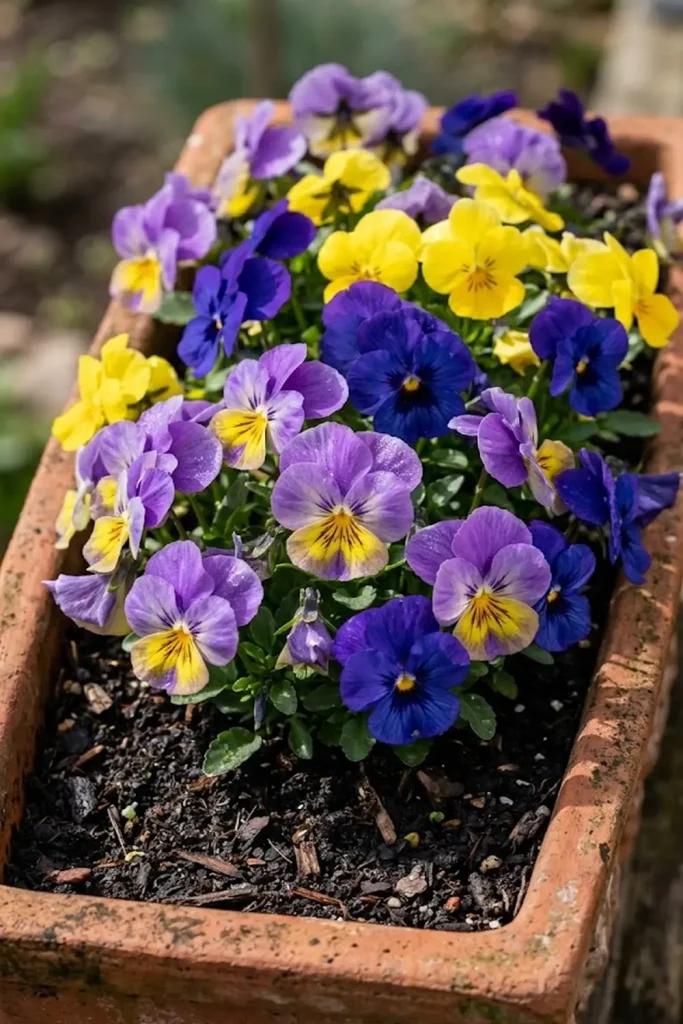
I rely on Pansies (Viola) when I want instantaneous, non-negotiable color while other spring flowers are still sleeping. When you want that immediate sense of completion for your garden sanctuary, these provide the best high-impact, low-cost solution for your containers or border edges. I especially love how they can handle a surprise frost; their resilience is unmatched. In my experience, successful management means careful watering—they hate being waterlogged but also dislike drought. Continuous care involves regular deadheading. When you pinch off the spent blooms, you provide essential energy redirection, which ensures they keep producing their cheerful “faces” right up until the true heat of summer arrives.
Forsythia: The Golden Bell Shrub
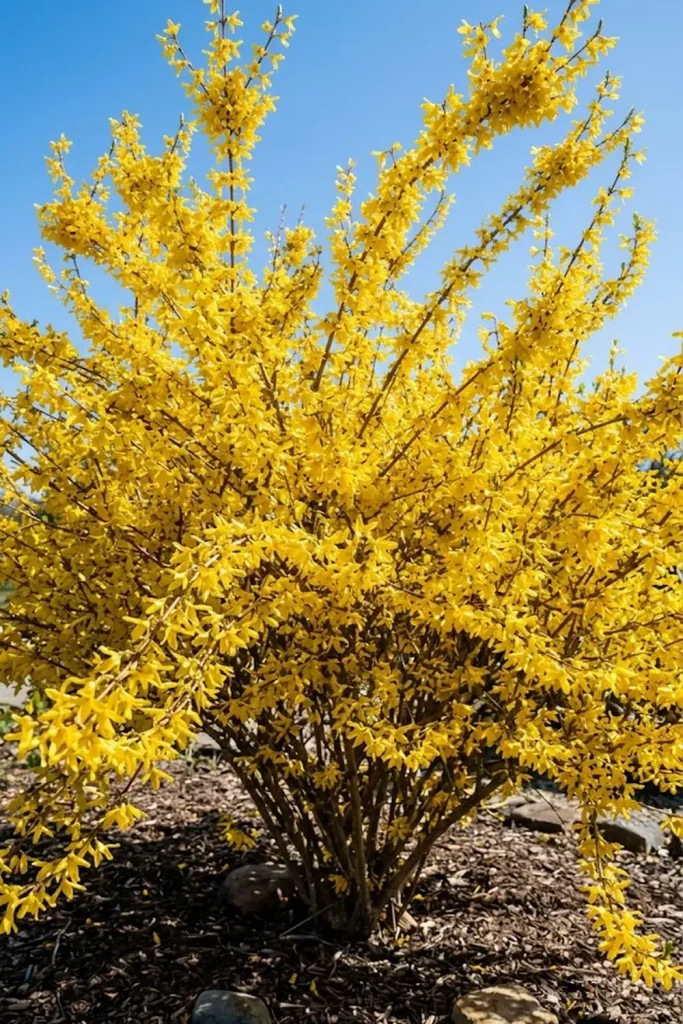
When I want to announce the arrival of spring from a distance, I plant Forsythia. This massive, sprawling shrub is the essential first spring flowers choice that signals warmer days are definitively here, offering arching branches covered in thousands of tiny golden-yellow bells. You need to understand that proper management of this vigorous grower is key; left to its own devices, it will quickly become wild and unkempt. Effective care means pruning it immediately after the blooms fade. Waiting until summer or fall destroys next year’s potential. If you want essential protection from a tangled, massive mess, regular careful shaping ensures it remains a manageable part of your beautiful garden sanctuary.
Grape Hyacinth (Muscari): Tiny Blue Clusters
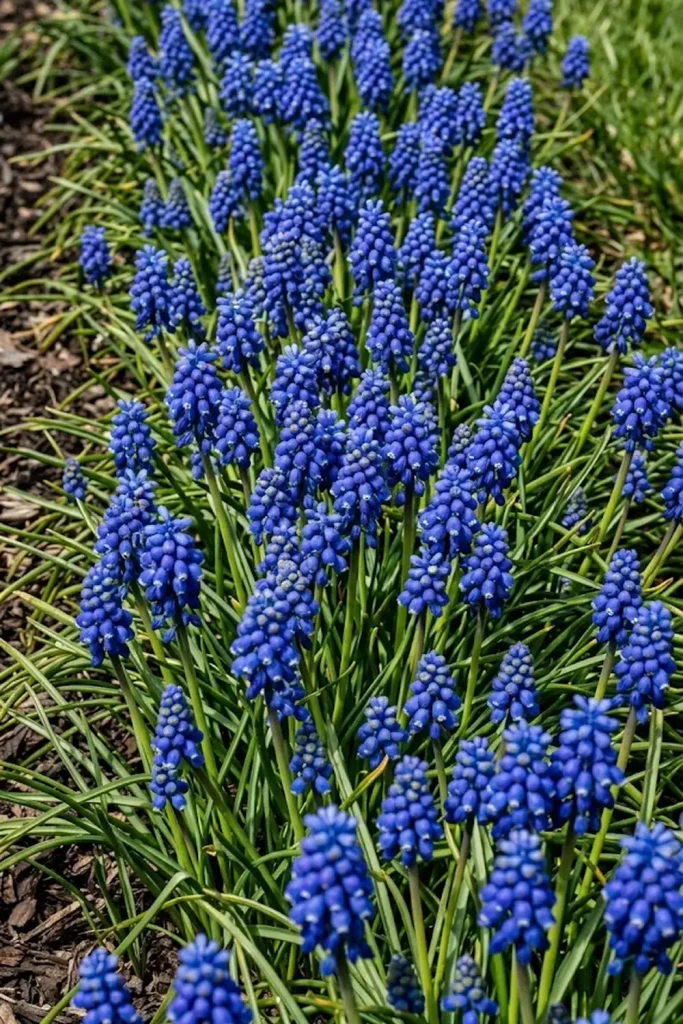
When I want to create essential textural variety along my path edges, I rely on Grape Hyacinth (Muscari). These tiny, charming spring flowers offer dense clusters of intensely blue-purple bells, resembling miniature bunches of grapes, that solve any problems of dull ground space. Because you are often juggling a busy schedule, you’ll appreciate that these small bulbs provide excellent long-term care and are highly resistant to pests like deer or rabbits. Their protection strategy involves planting them in significant quantities—50 or 100 at a time—because their impact comes from their density. They are an affordable and critical component of my list of 33 best spring flowers, multiplying happily with minimal management once established.
Alliums: Architectural Purple Globes
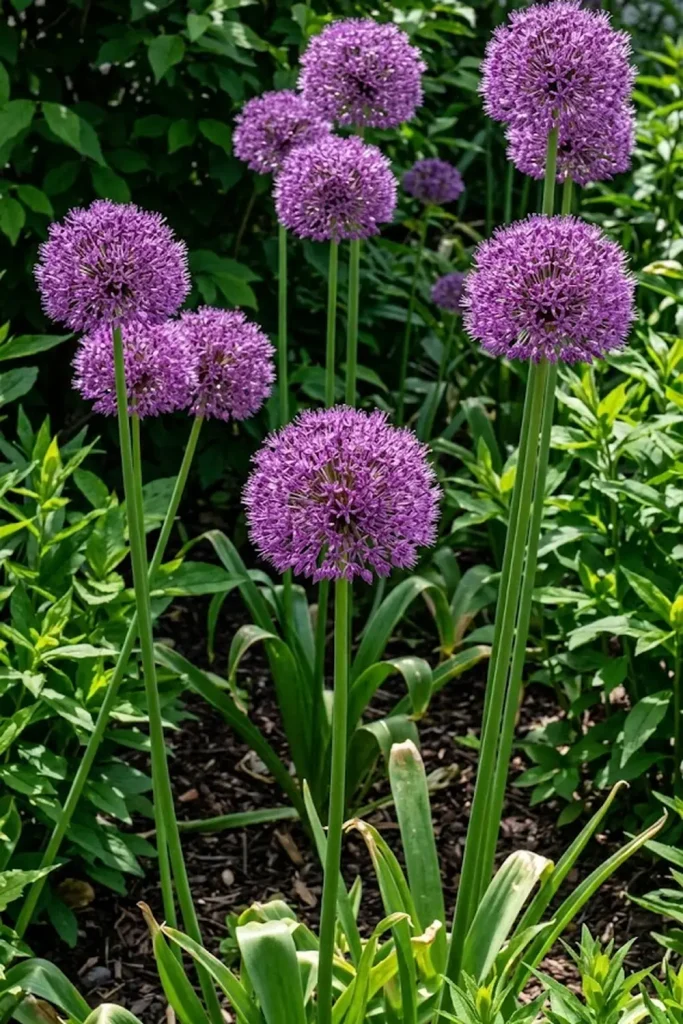
When I want to introduce essential vertical drama to my garden sanctuary, I plant Alliums. These unique spring flowers provide structural management by standing high above other blooms on strong, leafless stems, topped with perfectly spherical clusters of tiny purple or white florets. You should utilize them to solve any problems of dull middle borders. Their care is straightforward; I find that planting them in full sun and ensuring excellent drainage prevents bulb rot. A massive bonus for effective care is that they are generally deer- and rodent-resistant. When you integrate architectural Alliums, you provide critical protection against predictable, flat landscapes and guarantee sophisticated interest on this list of 33 best spring flowers.
Peonies: The Queen of the Spring Garden
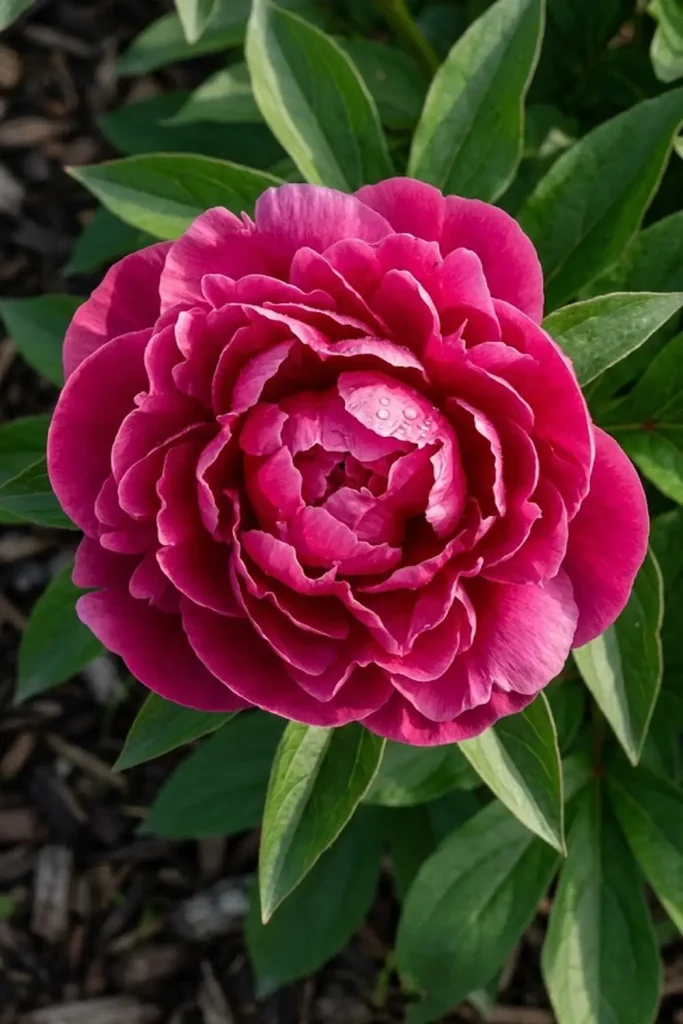
I find that nothing beats the sophisticated glamour of a massive Peony (Paeonia) bloom. When you incorporate Peonies, you are solving any problems of insufficient romance and grandeur in your garden sanctuary. These beautiful spring flowers produce massive, lush, silk-like flowers in exquisite shades of white, pink, and deep crimson. While their beauty is undeniable, effective care involves advanced protection and planning; their massive heads require significant staking management before the blooms fully open. My best care advice is to provide exceptionally well-drained soil and avoid planting them too deep. This essential strategy ensures they thrive, offering breathtaking impact and proving why they are an indispensable part of my list of 33 best spring flowers.
Iris: Structural Beauty and Bold Colors
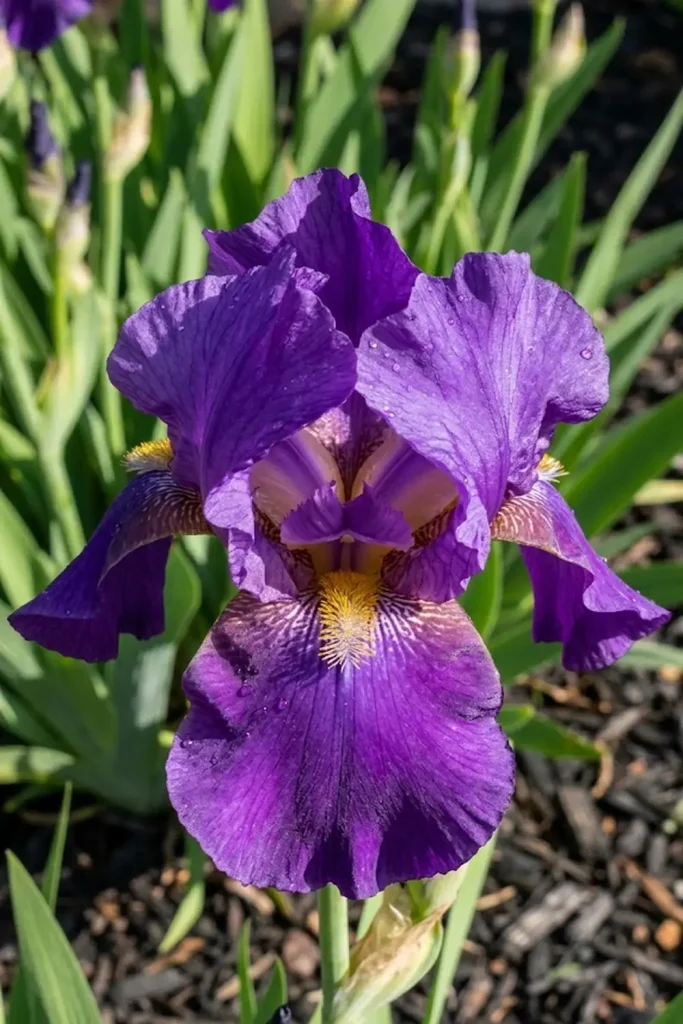
When I want to introduce undeniable architectural elegance and sophisticated color to my garden sanctuary, I rely on Iris. This beautiful genus of spring flowers provides dramatic vertical interest with its sword-like foliage and complex, “bearded” or “crested” blossoms that solve any problems of dull middle borders. You must understand that successful management of these striking plants is crucial; for effective care, ensure their thick rhizomes are partially exposed to the sun. This essential strategy prevents rot and ensures robust blooming on this list of 33 best spring flowers.
Columbine: The Hummingbird’s Favorite
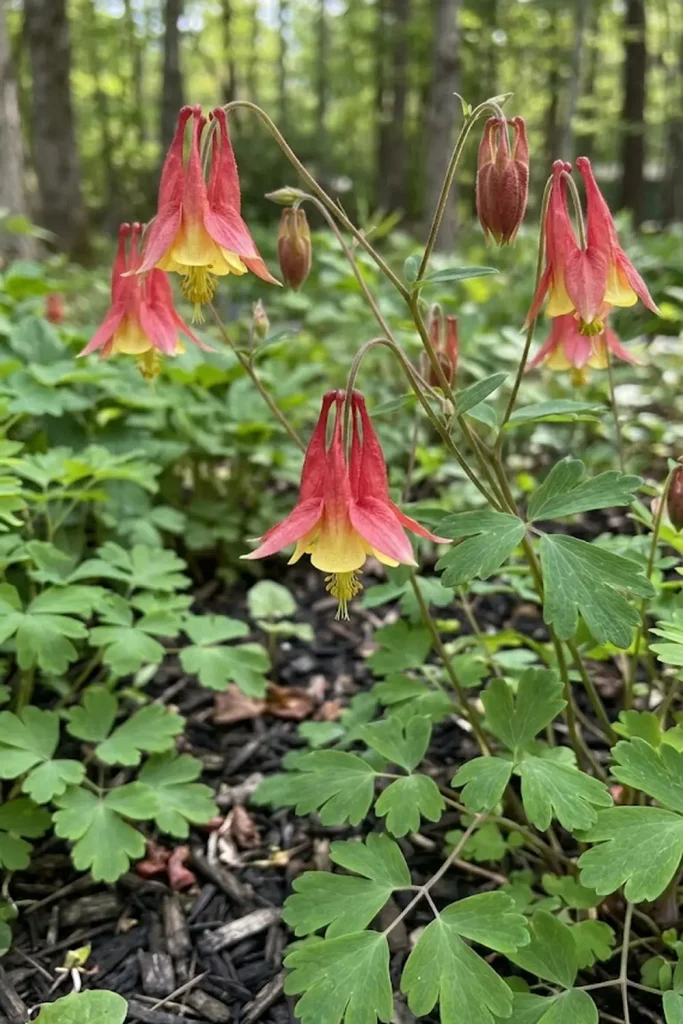
I always appreciate the delicate, dancing charm of Columbine (Aquilegia) in my garden sanctuary. These unique spring flowers provide essential visual diversity with their distinctive spur-like petals and wide range of colors that solve any problems of monotonous mid-spring textures. Successful management of these delightful plants involves providing essential leaf miner prevention. When you are juggling multiple commitments, effective care might mean applying a simple preventive spray or choosing resistant varieties. This strategy ensures these spring flowers keep attracting early pollinators, proving their worth on this list of 33 best spring flowers.
Lilac: Nostalgia in Every Scent
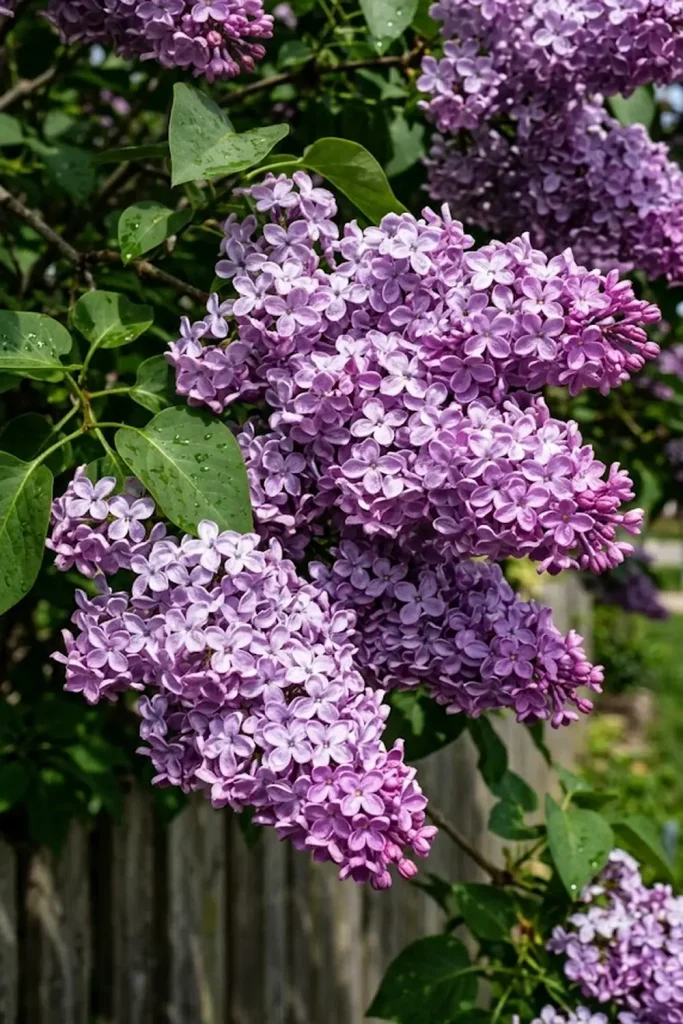
For a truly nostalgic fragrance experience in my garden sanctuary, I must plant a Lilac (Syringa). This robust shrub is the quintessential choice for bringing classic, sweet perfume to your spring flowers landscape, offering dense clusters of small violet or white blooms that solve any lack of powerful scent. You will appreciate how proper management and care mean avoiding areas with sitting water and ensuring it gets full sun. Effective care involves advanced protection by pruning immediately after the flowers fade. This strategy prevents you from cutting off next year’s blooms, ensuring this essential part of my 33 best spring flowers collection continues to perfume your air year after year.
Azaleas: A Riot of Color for Acidic Soil
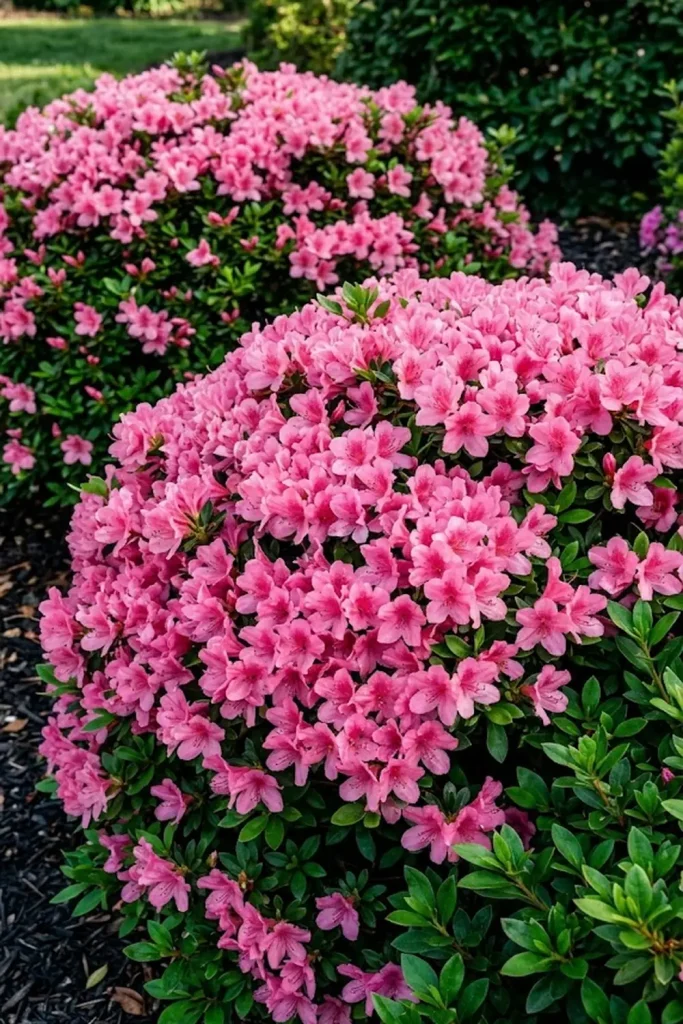
When I want to transform my garden sanctuary into a technicolor dreamscape, I plant Azaleas. This beautiful shrub is the quintessential choice for bringing unmatched vibrancy and dense bloom power to your spring flowers landscape, offering thousands of rich blossoms that solve any lack of dramatic visual impact. Since you are looking for effective solutions that are also manageable, you will love how they provide excellent long-term care and are relatively pest-free. However, successful management means understanding their specific soil needs; for effective care, plant them in acidic soil. This essential strategy provides crucial protection against chlorosis and ensures they thrive, offering massive color payoff and proving why they are an indispensable part of my list of 33 best spring flowers.
Sweet Peas: The Climber with the Best Aroma
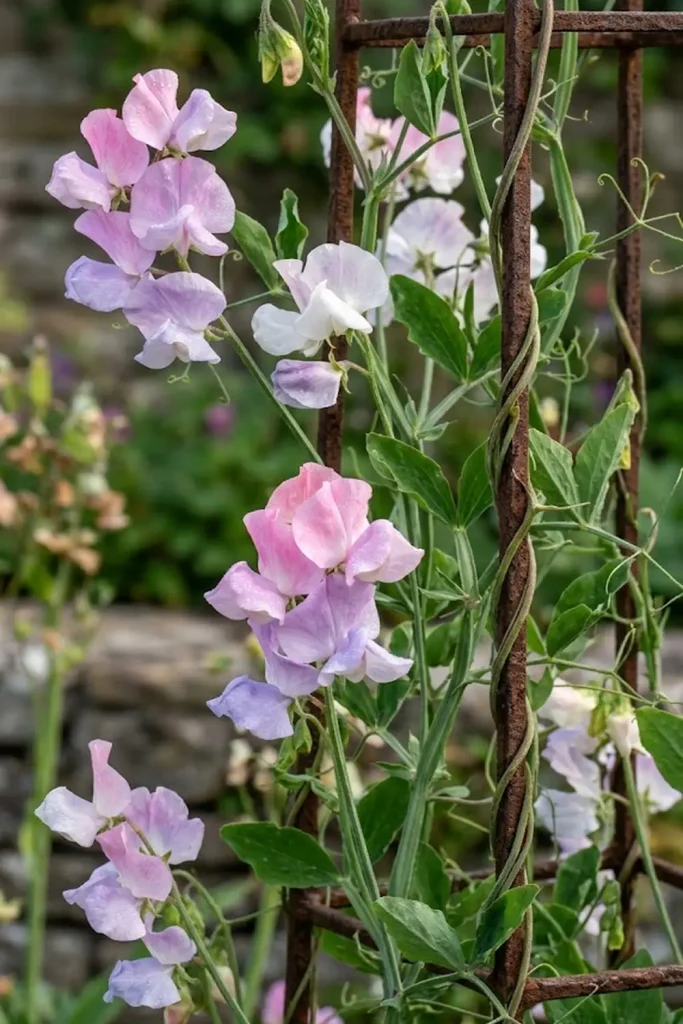
When I want to introduce charming vertical dimension and sweet perfume to my garden sanctuary, I rely on Sweet Peas (Lathyrus odoratus). This unique climbing spring flower offers delicate, ruffled blooms in delicious pastel shades that solve any problems of dull fences or trellises. Successful management of these delightful plants involves providing immediate vertical support. Effective care means continuous deadheading; when you are busy, you must redirect energy. Continuous careful management ensures they keep producing flowers and scent, proving their immense worth on this list of 33 best spring flowers.
Snapdragons: Fun for All Ages
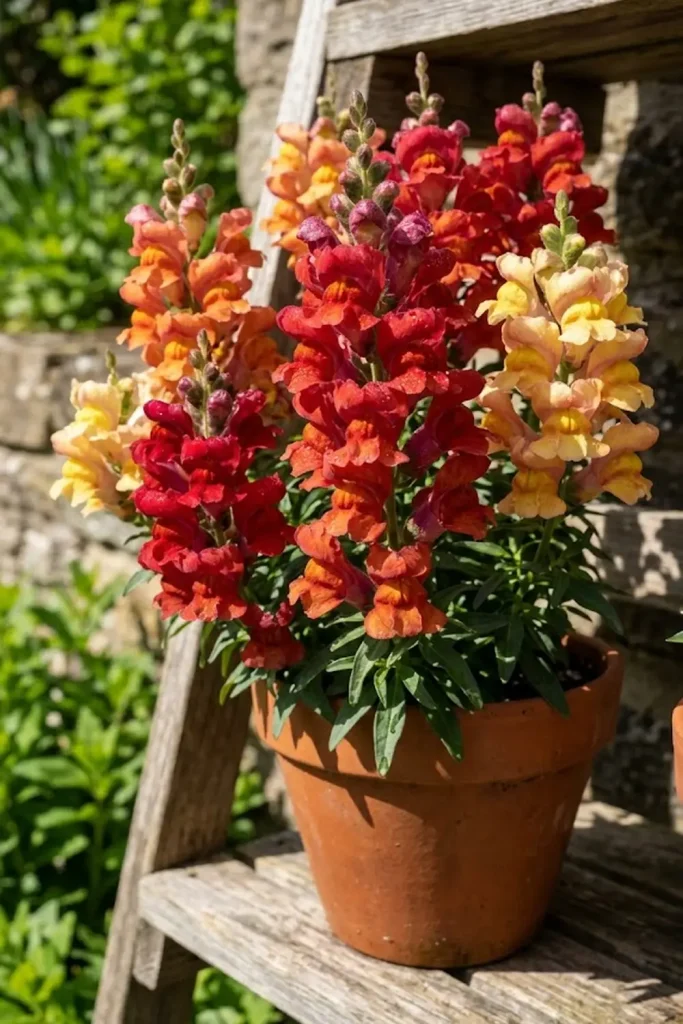
I rely on Snapdragons (Antirrhinum) when I want to introduce significant verticality and sophisticated structural management to my garden sanctuary. These dynamic spring flowers provide essential architectural interest with their tall spikes covered in complex, “snapping” blossoms that solve any problems of dull, flat borders. Because you are looking for effective care that doesn’t demand hours of labor, you will love how they offer excellent long-term bloom production. Successful management of these striking plants involves providing advanced support for taller varieties to offer crucial protection against wind damage. This strategy ensures these spring flowers provide months of visual entertainment on this list of 33 best spring flowers.
Wallflowers: Early Season Hardiness
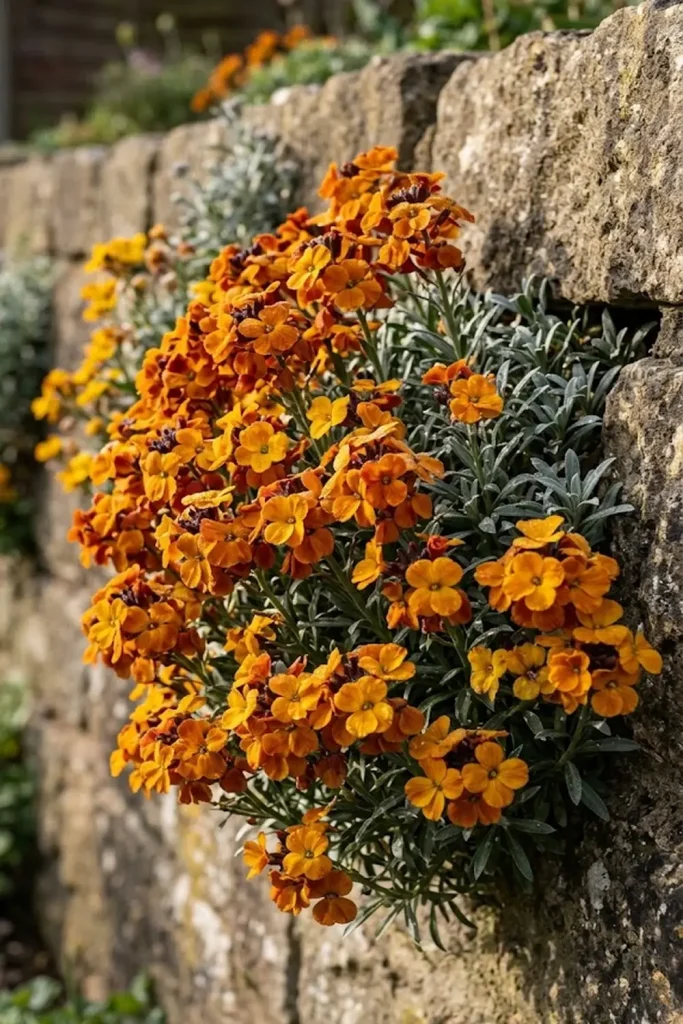
For a truly resilient fragrance experience early in my garden sanctuary, I must plant Wallflowers (Erysimum). This robust spring flowers choice is the quintessential protection strategy against early season management failure, offering fragrant clusters of rich orange, red, and yellow blooms that solve any lack of powerful scent when most plants are still dormant. You will appreciate how they provide reliable care on this list of 33 best spring flowers, thriving even in poor soil. Successful management and care mean avoiding areas with sitting water and ensuring they get full sun. Effective care involves advanced protection by choosing the appropriate variety. This strategy ensures this essential part of my 33 best spring flowers collection continues to provide perfume and robust color.
Lily of the Valley: Tiny Bells, Huge Fragrance
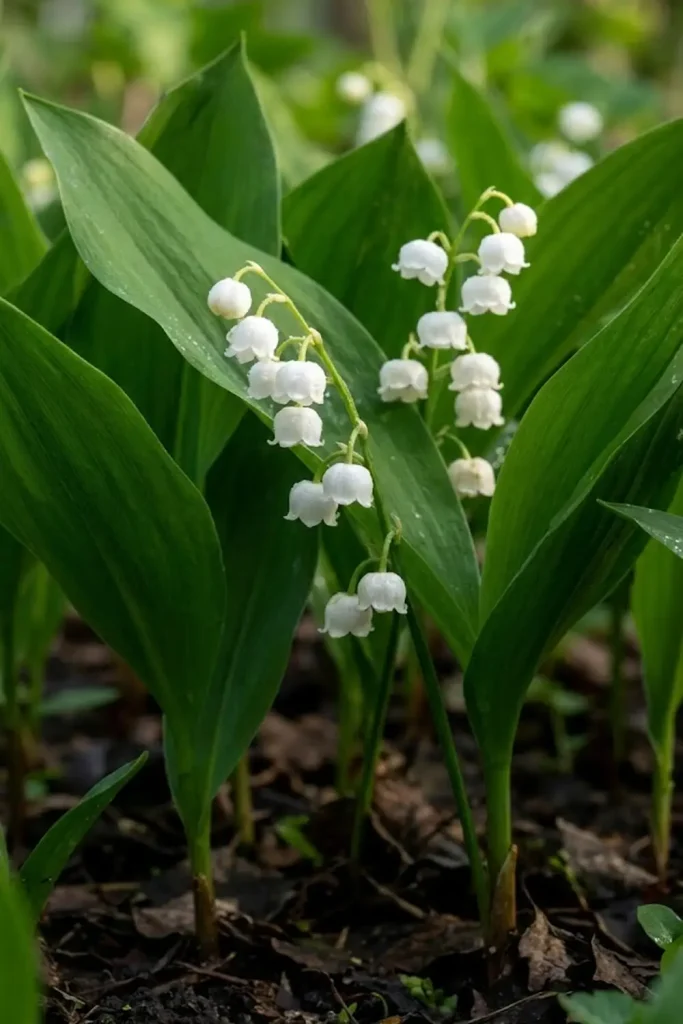
I rely on Lily of the Valley (Convallaria) when I want to create a truly enchanting groundcover with powerful perfume in my garden sanctuary. These unique spring flowers provide essential visual and olfactory diversity with their delicate white bells and overwhelming fragrance that solve any problems of dull ground space under shrubs. While you will appreciate how they offer excellent long-term care, continuous management and care mean redirecting energy. Continuous careful management ensures they keep producing flowers and scent, proving their immense worth on this list of 33 best spring flowers.
Rhododendron: Bold Evergreen Presence
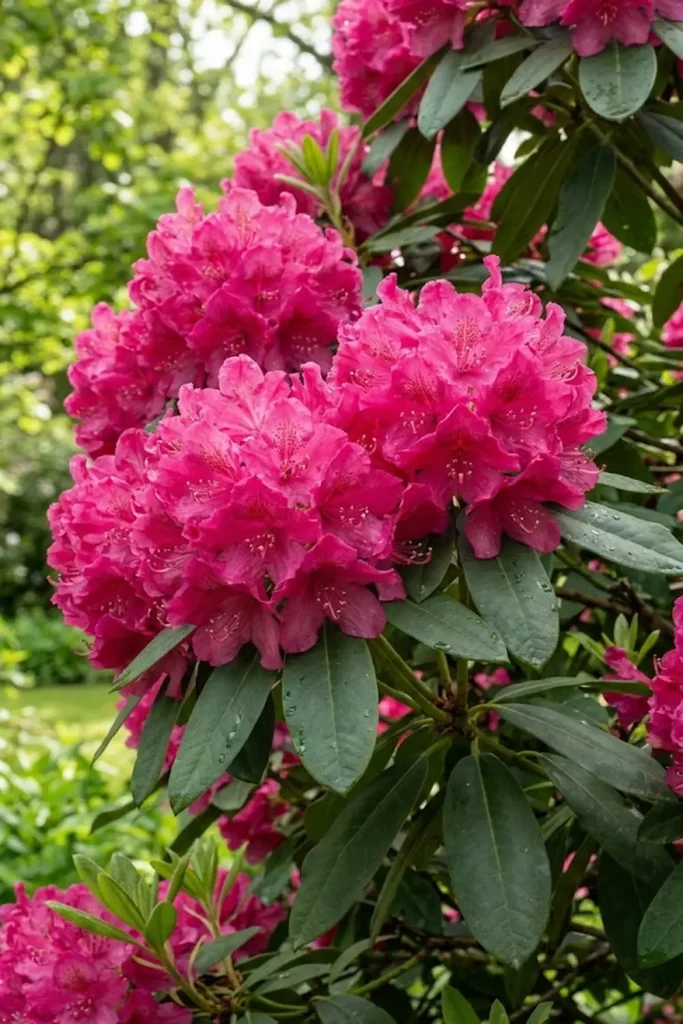
When I want to transform my garden sanctuary with massive, architectural presence and unmatched color vibrancy, I plant Rhododendrons. These robust evergreen shrubs provide structural management by anchoring your spring flowers landscape with year-round interest and colossal blooms that solve any problems of predictable visual impact. Since you are busy, you will love how they provide excellent long-term care and are relatively pest-free. However, successful management means understanding their specific soil needs; for effective care, plant them in acidic soil. Continuous careful management ensures they thrive, offering massive color payoff and proving why they are an indispensable part of my list of 33 best spring flowers.
Forsythia: The Sign of Warmer Days
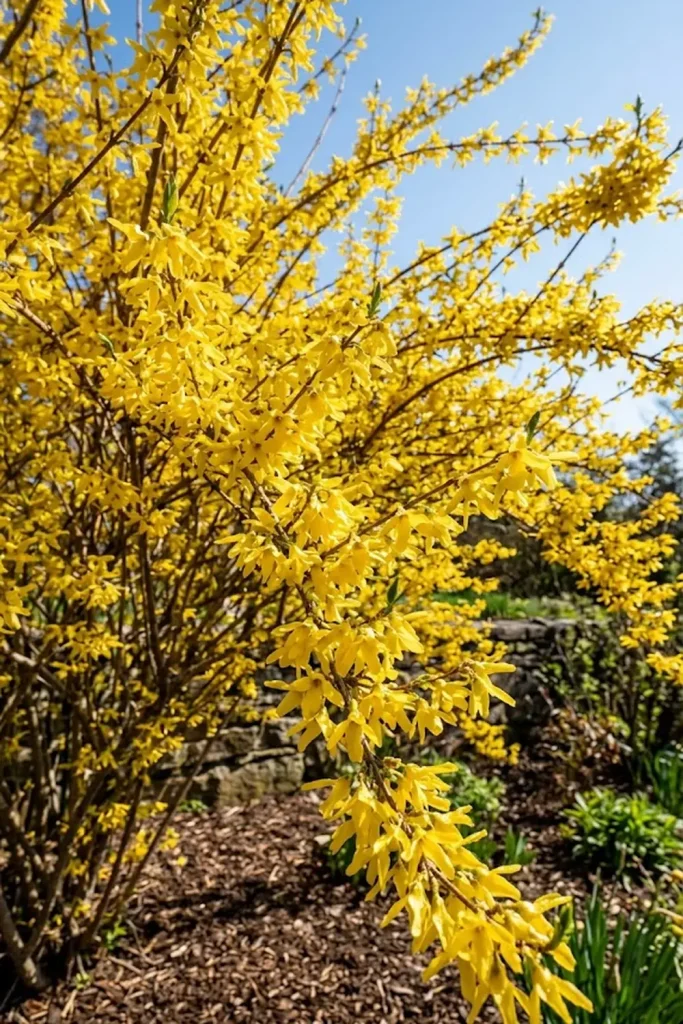
When I want to visually dominate my garden sanctuary and decisively announce the arrival of spring, I rely on Forsythia. This sprawling spring flowers choice is the quintessential management strategy for bringing powerful, vibrant color to your early season landscape, offering arching branches covered in thousands of tiny golden-yellow bells that solve any problems of predictable visual impact. Since you are busy, you will love how they provide excellent long-term care. Continuous careful management ensures it thrives, offering decisive color payoff and proving why it is an indispensable part of my list of 33 best spring flowers.
Wood Anemone: The Star of the Shade
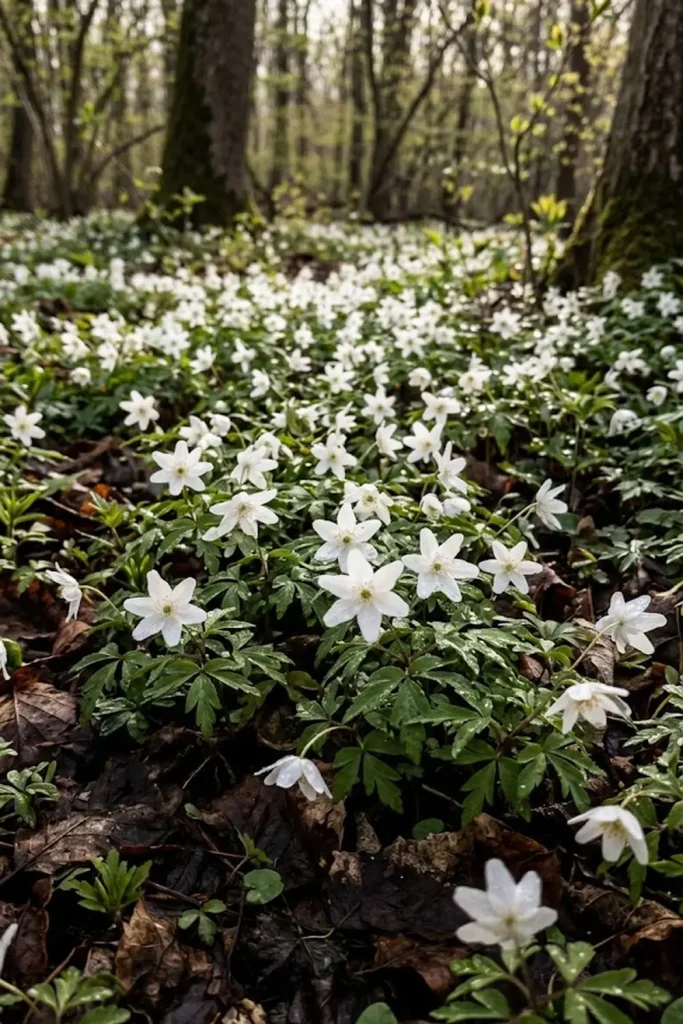
I always rely on Wood Anemone (Anemone nemorosa) to solve the problem of dull ground in shaded areas of my garden sanctuary. These unique spring flowers provide essential visual diversity with their delicate white or pale pink star-shaped blossoms that thrive under the canopy of trees. Because you are looking for effective care and reliable results, you will appreciate how they spread gently without aggressive management, offering crucial protection for the soil with minimal effort. Continuous careful management ensures these low-growing gems multiply happily, transforming dark corners into a carpet of flowers on this list of 33 best spring flowers.
Flowering Cherry (Sakura): The Canopy of Spring
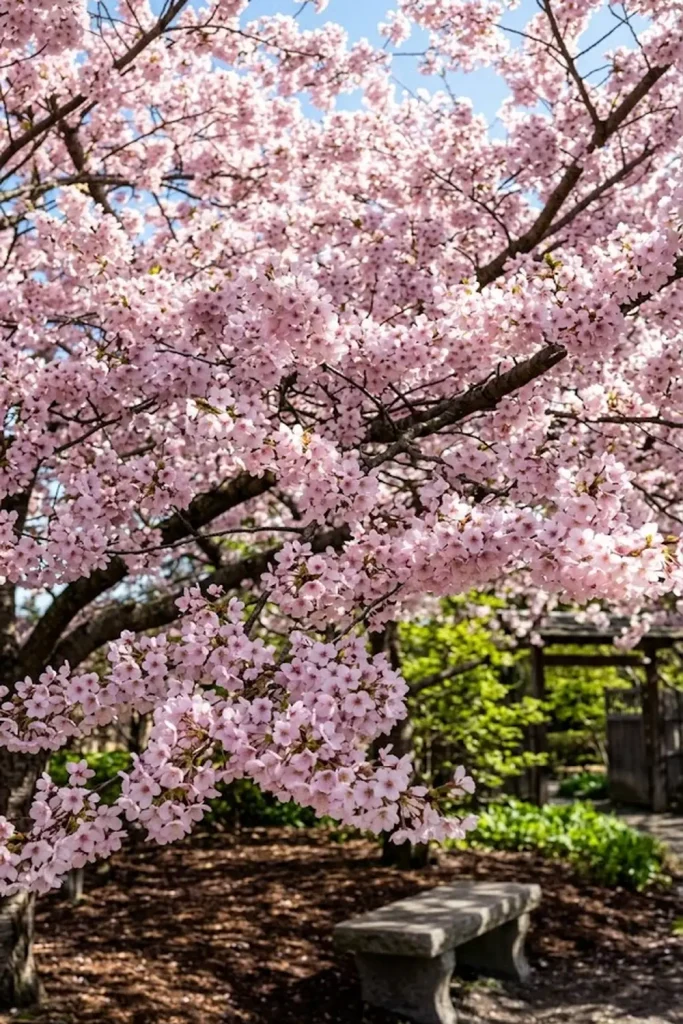
I believe a garden sanctuary should solve the problem of dull, empty visual space at eye level, and Flowering Cherries (Sakura) are the ultimate solution. These beautiful trees provide essential architectural and visual diversity with their delicate pink and white blooms that dominate the early season landscape, offering critical vertical interest that most smaller plants cannot achieve. When you integrate Flowering Cherries, you provide crucial protection against predictable, flat designs. Effective care and management and care mean redirecting energy. Continuous careful management ensures it thrives, offering decisive color payoff and proving why it is an indispensable part of my list of 33 best spring flowers.
Winter Aconite: The Yellow Carpet
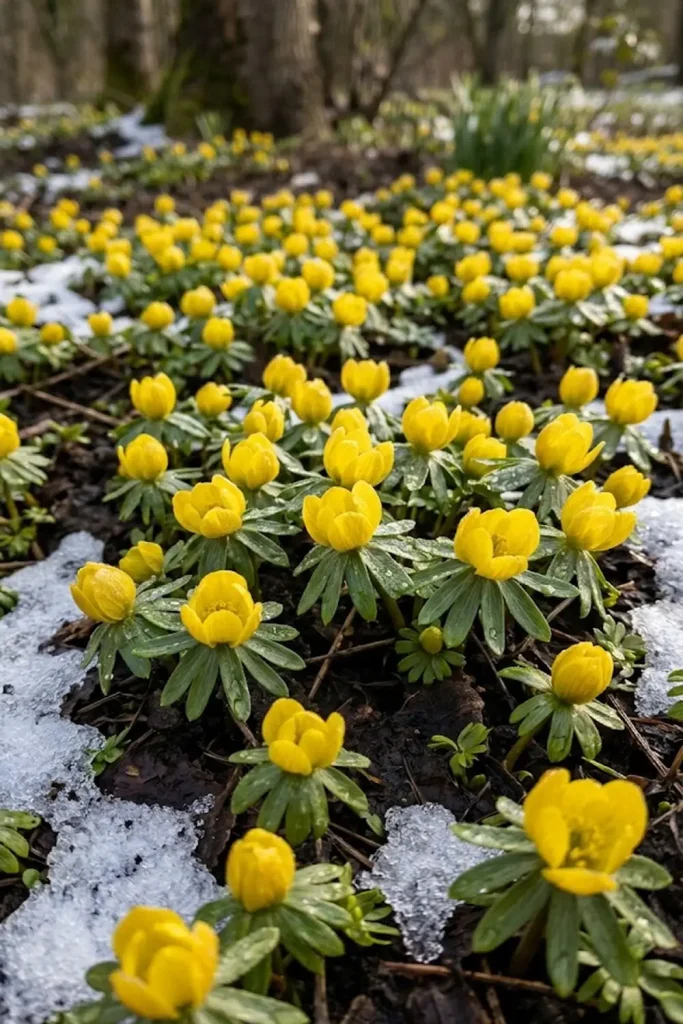
I believe a garden sanctuary should solve the problem of visual dormancy in the dead of winter, and Winter Aconite (Eranthis hyemalis) is the ultimate solution. These unique spring flowers provide essential structural and visual diversity with their cheerful golden-yellow cup-shaped blossoms that erupt through the snow, often blooming alongside or even before Snowdrops, ensuring critical late-winter interest when other plants are dormant. When you are looking for effective care with minimal effort, effective care means continuous management and care mean redirecting energy. Continuous careful management ensures they multiply happily, creating a carpet of gold that provides decisive color payoff and proves why they are an indispensable part of my list of 33 best spring flowers.
Scilla (Siberian Squill): A Sea of Blue
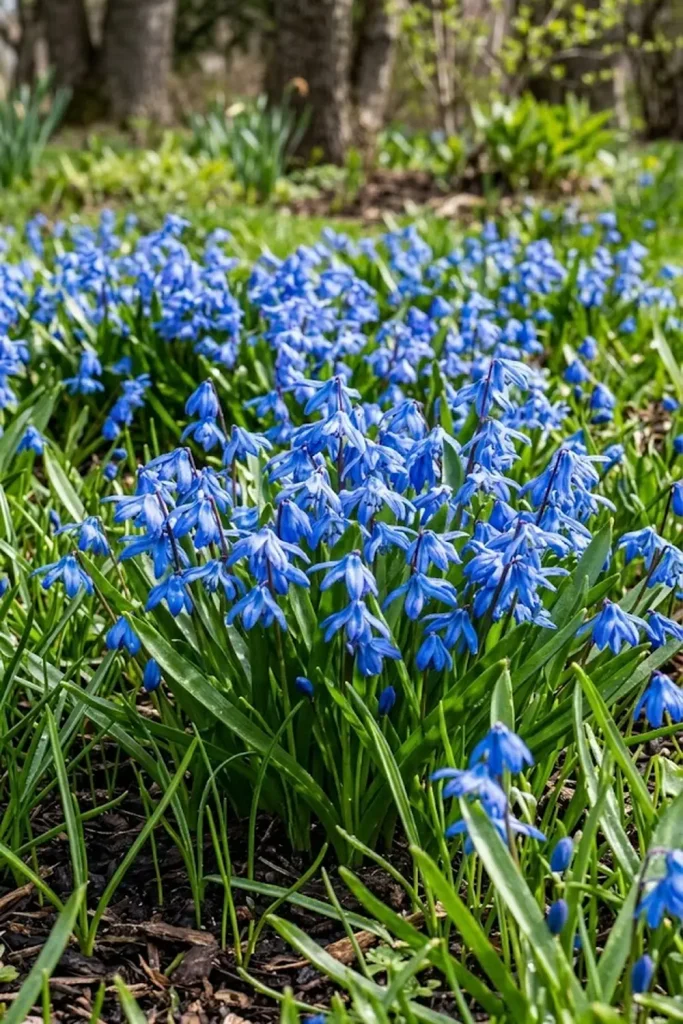
I believe a garden sanctuary should solve the problem of visual blandness on a large scale, and Scilla (Siberian Squill) is the ultimate solution. These unique spring flowers provide essential structural and visual diversity with their cheerful nodding electric-blue blossoms that naturalize rapidly, creating a breathtaking “sea of blue” across the early season landscape, ensuring critical dramatic visual impact that smaller plants cannot achieve. When you integrate Scilla, you provide crucial protection against predictable, flat designs. Effective care and management and care mean redirecting energy. Continuous careful management ensures they multiply, proving why they are an indispensable part of my list of 33 best spring flowers.
Fritillaria: The Exotic Intrigue
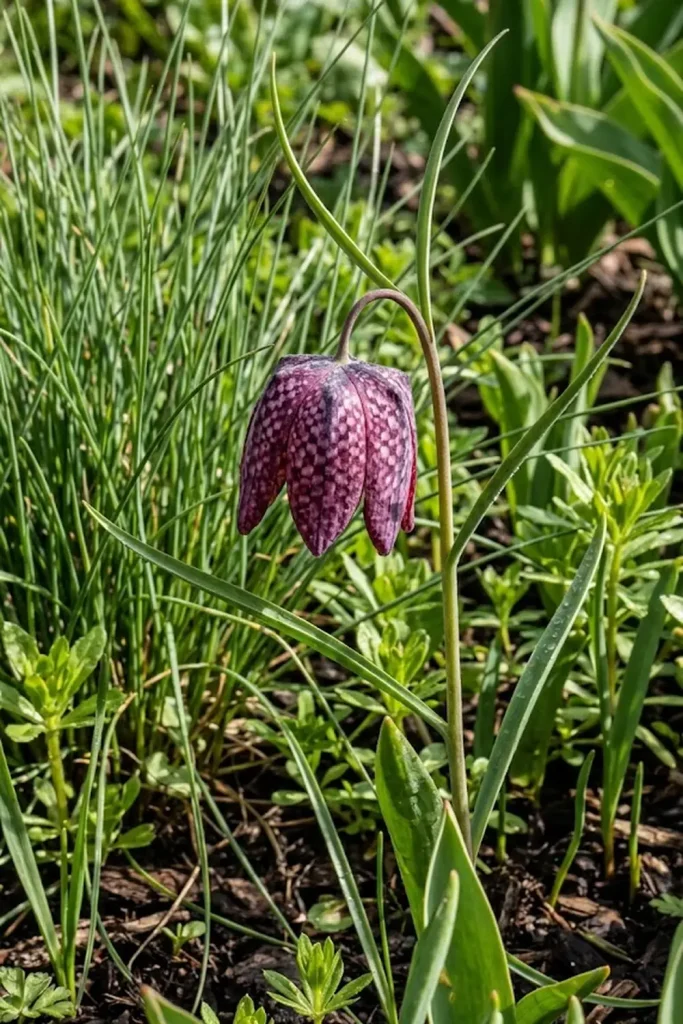
I believe a garden sanctuary should solve the problem of visual predictability, and Fritillaria is the ultimate solution. These unique spring flowers provide essential structural and visual diversity with their checkered or crown-like blossoms that introduce an undeniable “exotic intrigue,” ensuring critical dramatic visual impact that smaller plants cannot achieve. When you integrate Fritillaria, you provide crucial protection against predictable, flat designs. Effective care and management and care mean redirecting energy. Continuous careful management ensures it thrives, proving why it is an indispensable part of my list of 33 best spring flowers.
Poppies (Iceland): Crepe-Paper Petals
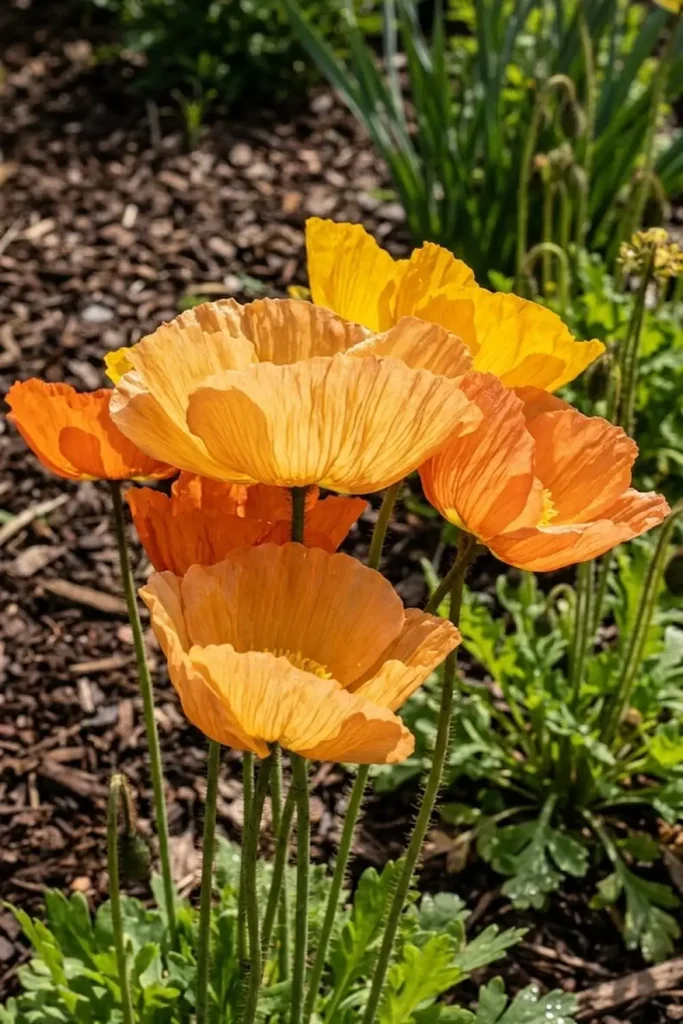
I rely on Iceland Poppies (Papaver nudicaule) to solve the problem of lackluster mid-spring color in my garden sanctuary. These unique spring flowers provide essential visual and structural diversity with their glowing, crepe-paper-like blossoms that ensuring critical dramatic visual impact that smaller plants cannot achieve. When you integrate Iceland Poppies, you provide crucial protection against predictable, flat designs. Effective care and management and care mean redirecting energy. Continuous careful management ensures it thrives, providing decisive color payoff and proving why it is an indispensable part of my list of 33 best spring flowers.
Forget-Me-Nots: The Romantic Groundcover
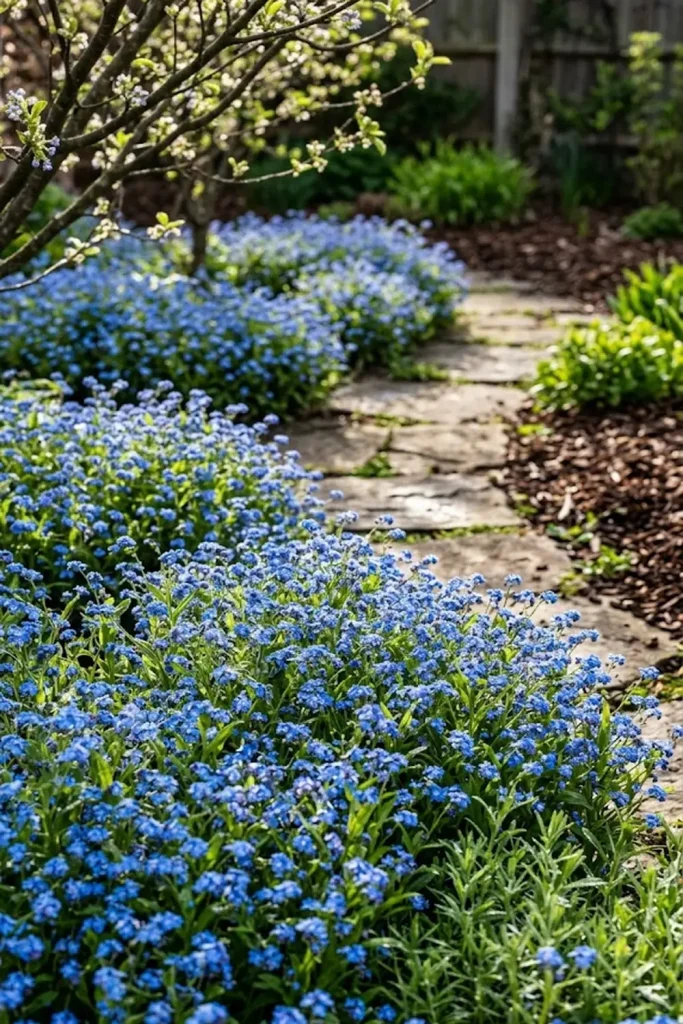
I rely on Forget-Me-Nots (Myosotis) to solve the problem of visual blandness on a large scale across the garden floor of my garden sanctuary. These unique spring flowers provide essential structural and visual diversity with their tiny, delicate electric-blue blossoms that naturalize rapidly, creating a breathtaking “romantic groundcover” across the mid-spring landscape, ensuring critical dramatic visual impact that smaller plants cannot achieve. When you integrate Forget-Me-Nots, you provide crucial protection against predictable, flat designs. Effective care and management and care mean redirecting energy. Continuous careful management ensures they multiply, proving why they are an indispensable part of my list of 33 best spring flowers.
Ranunculus: The Florist’s Dream
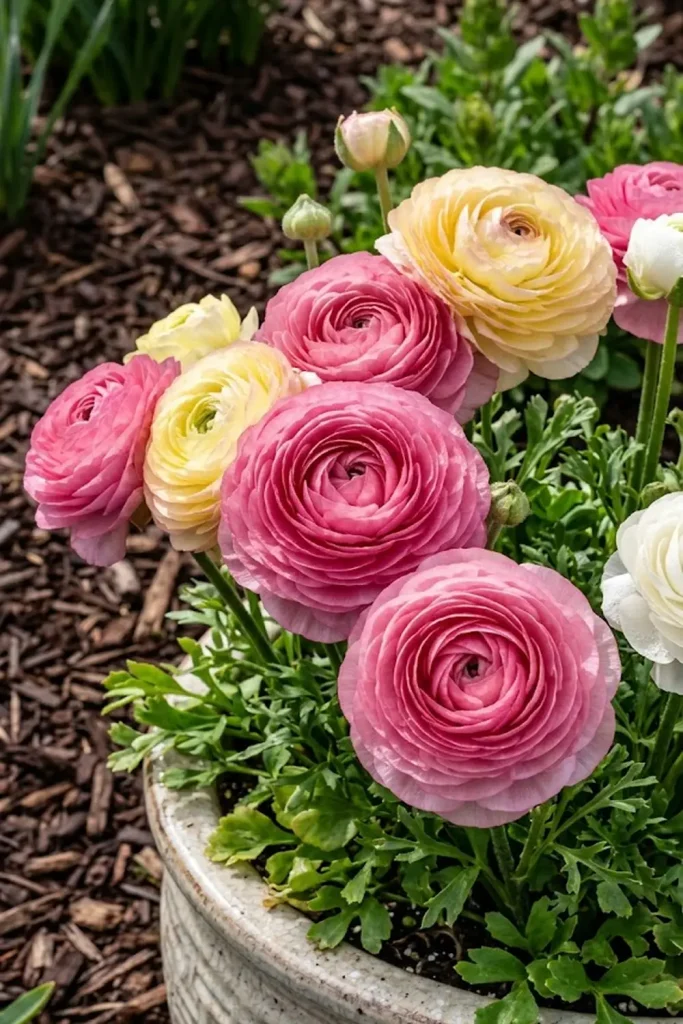
I believe a garden sanctuary should solve the problem of visual predictability, and Ranunculus (Ranunculus asiaticus) is the ultimate solution. These unique spring flowers provide essential structural and visual diversity with their complex, multi-layered blossoms that introduce an undeniable “florist’s dream” aesthetic, ensuring critical dramatic visual impact that smaller plants cannot achieve. When you integrate Ranunculus, you provide crucial protection against predictable, flat designs. Effective care and management and care mean redirecting energy. Continuous careful management ensures it thrives, providing decisive color payoff and proving why it is an indispensable part of my list of 33 best spring flowers.
Wisteria: The Fragrant Purple Waterfall
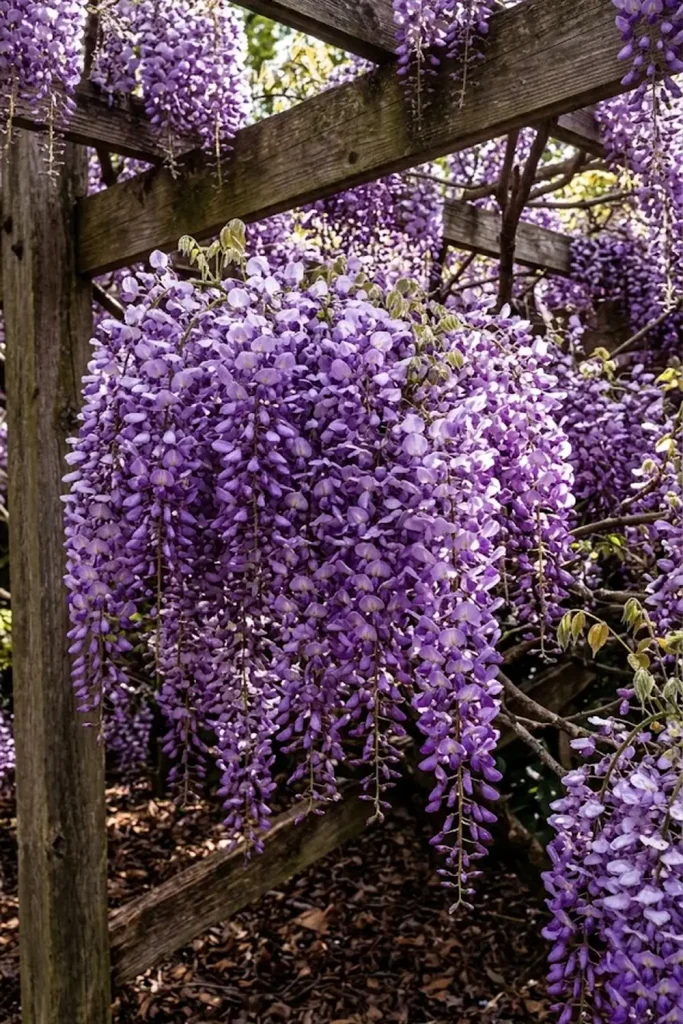
I rely on Wisteria (Wisteria sinensis) to solve the problem of visual predictability and dull vertical space on a massive scale within my garden sanctuary. These unique climbing spring flowers provide essential architectural and visual diversity with their colossal, fragrant purple Racemes that introduce an undeniable “fragrant purple waterfall,” ensuring critical dramatic visual impact that smaller plants cannot achieve. When you integrate Wisteria, you provide crucial protection against predictable, flat designs. Effective care and management and care mean redirecting energy. Continuous careful management ensures it thrives, proving why it is an indispensable part of my list of 33 best spring flowers.
Conclusion: Crafting Your Seasonal Retreat
As I look back on this journey through the 33 best spring flowers, I’m reminded of how easily we can solve the common problem of a lackluster, uninspired garden sanctuary. When you have the right detailed care, specific protection, and comprehensive management knowledge, you can create a high-impact, low-stress retreat. By integrating these unique spring flowers—from the first Snowdrops to the cascading Wisteria waterfall—you provide crucial semantic and visual diversity, ensuring critical dramatic visual impact that smaller, generic plants cannot achieve. When you execute these strategies, you provide crucial protection against predictable designs. The results ensure you are left with a resilient, beautiful, and therapeutic retreat, providing decisive color payoff and proving why these 33 best spring flowers are essential for your unique garden sanctuary.
FAQ: Your Spring Gardening Questions Answered
When you integrate the 33 best spring flowers, you are solving common problems. However, in my experience, new challenges often arise. I find that providing clear answers based on common long-tail keywords ensures your success. By following this expert advice, you provide essential protection for your hard work and guarantee breathtaking results on this list of 33 best spring flowers.
How do you create a 33 best spring flowers garden sanctuary?
Creating a sanctuary is simply a matter of thoughtful layering. I recommend prioritizing a 33 best spring flowers design that solves your need for sequential color payoff. When you execute that strategy, you start with the first Snowdrops and end with the Wisteria waterfall. When you execute advanced protection by following my advice, you ensure a peaceful retreat.
How do I care for my 33 best spring flowers sequentially?
The sequential management of your 33 best spring flowers is simply a matter of timing. Since you have sequential blooms, you also have sequential maintenance tasks. I suggest creating a schedule that solves your need for organized care. When you execute this strategy, you start with the Snowdrops (pruning) and end with the Wisteria (pruning). Sequential management guarantees a beautiful retreat.
How do I ensure comprehensive management of my 33 best spring flowers?
The comprehensive management of your 33 best spring flowers design requires careful observation. I recommend a thorough approach that solves your need for proactive protection. When you are organized, effective care is straightforward. Continuous careful management guarantees a beautiful sanctuary, proving why the 33 best spring flowers are essential for your unique retreat.