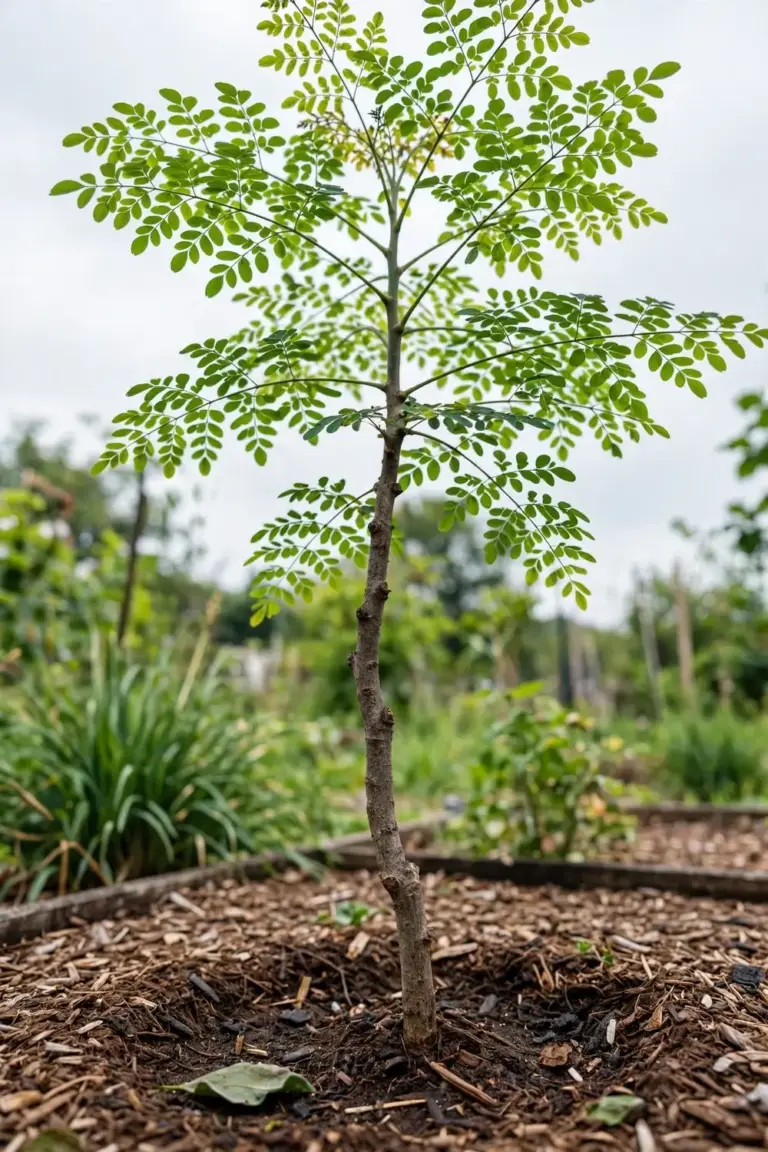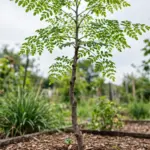

Plant one firm shampoo ginger rhizome division 2 to 3 inches deep after all frost danger has passed, and plan on moving the pot indoors before the first frost in fall. That is how to grow shampoo ginger in a temperate climate, and the rest of this page walks through all 15 steps, from the first division to the first cone of milky liquid. New shoots usually appear within 3 to 4 weeks in warm soil, and a single rhizome builds into a large clump in a couple of years. The cone harvest comes later, once the clump has bulked up.
Shampoo ginger is Zingiber zerumbet. It is a clumping perennial with reed-like stems, native to tropical Asia, and it is not the ginger in your kitchen. Culinary ginger is Zingiber officinale, grown for its underground rhizome, and it gets its own guide to growing culinary ginger at home. Shampoo ginger puts its value in a pinecone-shaped inflorescence at ground level, and the fragrant liquid inside a mature cone works as a traditional hair wash. The shampoo ginger rhizome tastes bitter, so it never replaces culinary ginger in cooking.
The 15 steps below follow one clump through a full season. You will choose a division, plant after frost, water and feed for strong growth, grow in a container, store the rhizome dry through winter dormancy, harvest the cone liquid at the red stage, and tell shampoo ginger apart from its lookalike cousins. I have learned to budget one full season of leaves before judging a new rhizome, because the first season builds the clump that makes cones.
| Fact | Detail |
|---|---|
| Botanical name | Zingiber zerumbet |
| Family | Zingiberaceae (ginger family) |
| Names you will see | Shampoo ginger, awapuhi, pinecone ginger, bitter ginger, lempuyang (Indonesian) |
| Winter hardiness | USDA zones 8 through 11 outdoors, per the Pinecone Ginger growing guide; colder zones grow it as a container plant or store bare rhizomes |
| Mature size | Clumps reach up to about 7 feet tall, per the Pinecone Ginger growing guide |
| Cone harvest | The ground-level cone turns from green to red, then releases a slippery, ginger-scented liquid, per the NC State Extension profile |
| Edible part | The cone liquid, used as a traditional hair wash; the rhizome is bitter and is not a culinary ginger substitute |
1. Start With a Rhizome Division Instead of Seed
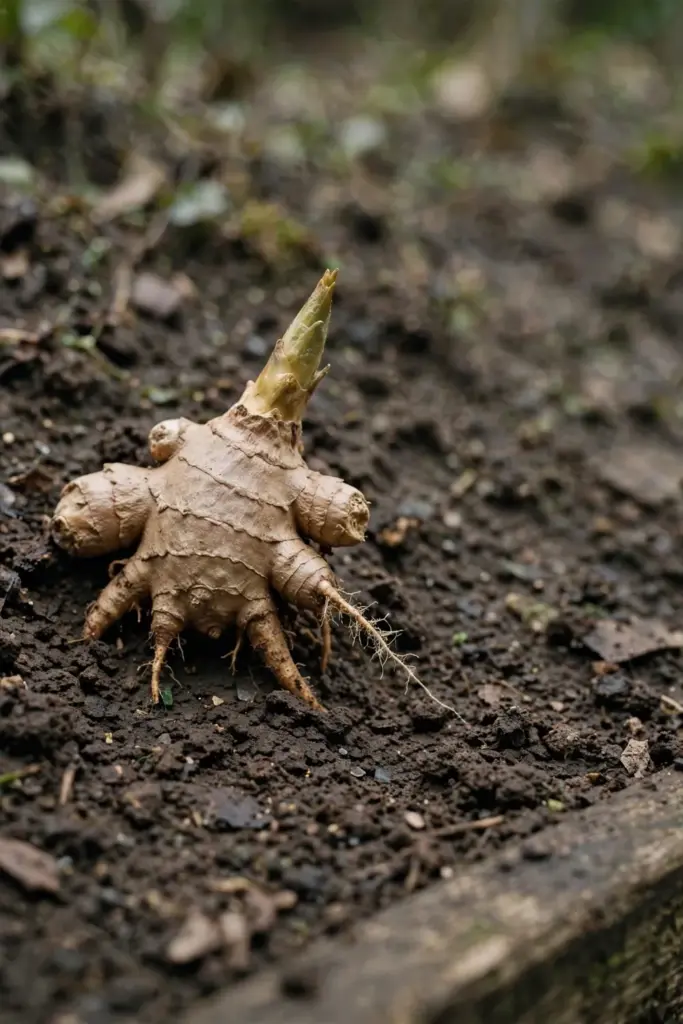
Buy a rhizome division with at least one firm growth bud. Division is the practical propagation route for shampoo ginger. The new clump is genetically identical to the parent, it establishes fast, and it builds a large clump from a single rhizome in a couple of years, per the Pinecone Ginger growing guide. Rhizomes are sold by tropical nurseries in spring, and a healthy piece feels dense and heavy, with no soft or sour-smelling spots.
Seed is a poor bet. Shampoo ginger rarely sets seed in a home garden, and a seed-grown plant takes far longer to reach cone size than a division. Skip the seed packets. Division is how to grow shampoo ginger reliably. Spend the money on one good rhizome piece with visible buds, and you will see shoots within weeks instead of waiting a season for germination that may never come.
Handle the rhizome gently. The buds bruise easily, and a bruised bud rots instead of sprouting. If a division arrives with two or three buds, plant it whole. Cutting a small piece into fragments gains nothing and risks every fragment. Keep the rhizome cool and barely damp until planting day, and never let it dry out completely in storage.
2. Plant After the Last Frost When the Soil Feels Warm
Wait until all frost danger has passed before the rhizome goes outside. Shampoo ginger has little frost tolerance, and a single cold snap on a newly planted division can rot the growth bud before it ever sprouts. Warm soil wakes the rhizome faster than any fertilizer, and a spring start gives the clump the longest possible runway before its first winter indoors.
Check the 10-day forecast before planting day. If nights still dip near freezing, hold the potted division in a bright, warm spot indoors for another week or two. Gardeners in zones 8 through 11 can plant directly in the ground on this schedule, per the Pinecone Ginger growing guide. Everyone in zone 7 or colder plants into a container that will travel indoors in fall, which step 8 covers in detail.
A soil thermometer removes the guesswork. When the top 6 inches of soil feel warm to the hand in the morning and nights stay mild, the rhizome will break dormancy quickly. Cold, wet soil makes the rhizome sit and wait, and waiting in cold, wet soil invites rot. Patience in spring saves the rhizome.
3. Give the Clump Morning Sun and Afternoon Shade
Site shampoo ginger in full sun to partial shade, with protection from harsh afternoon sun. The plant needs several hours of direct light to build the energy a cone demands, but scorching midday sun burns the broad leaves at the edges. An east-facing spot, or a place shaded by a building or tree canopy during the afternoon, hits the balance. The Pinecone Ginger growing guide lists full sun to partial shade, with regular moisture as the other half of the equation.
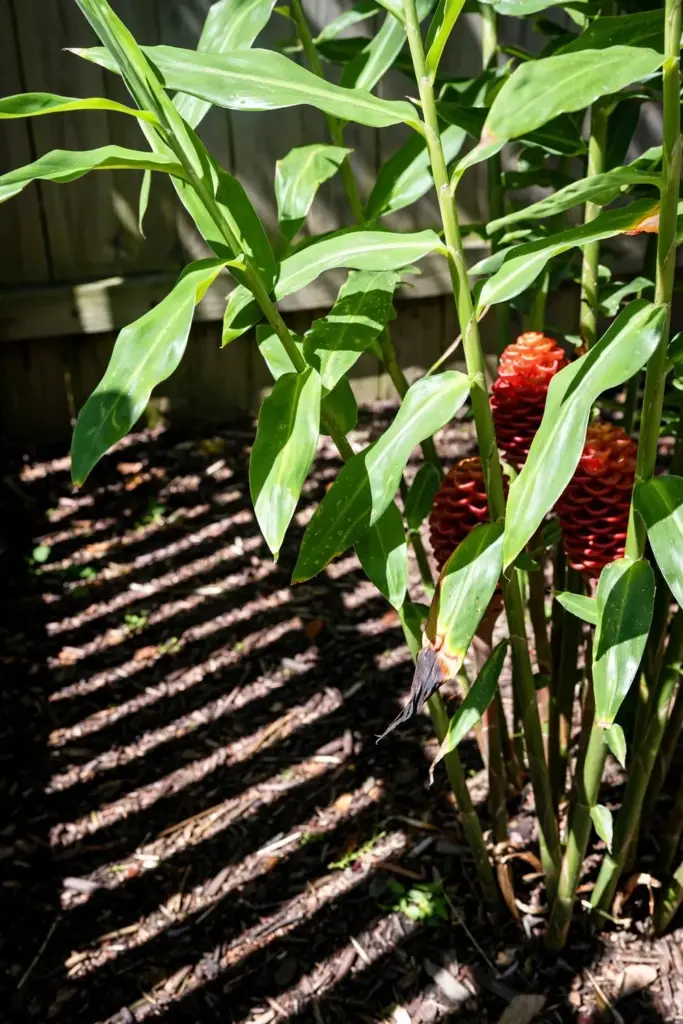
Shelter from strong wind matters as much as light. The leafy stems rise tall and catch wind like sails, and a snapped stem will not recover. A fence line, the lee side of a shed, or a cluster of sturdy shrubs all work as windbreaks. In a windy site, a container lets you move the plant to the calmest corner of the garden.
Indoors for winter, give the plant the brightest window you have if it still carries leaves. A south-facing window works. So does a simple grow light. Expect slower growth and no cones under glass. Winter indoors is about survival, not production, and the dormant months matter more than the lit ones.
4. Plant the Rhizome 2 Inches Deep in Rich Moist Soil
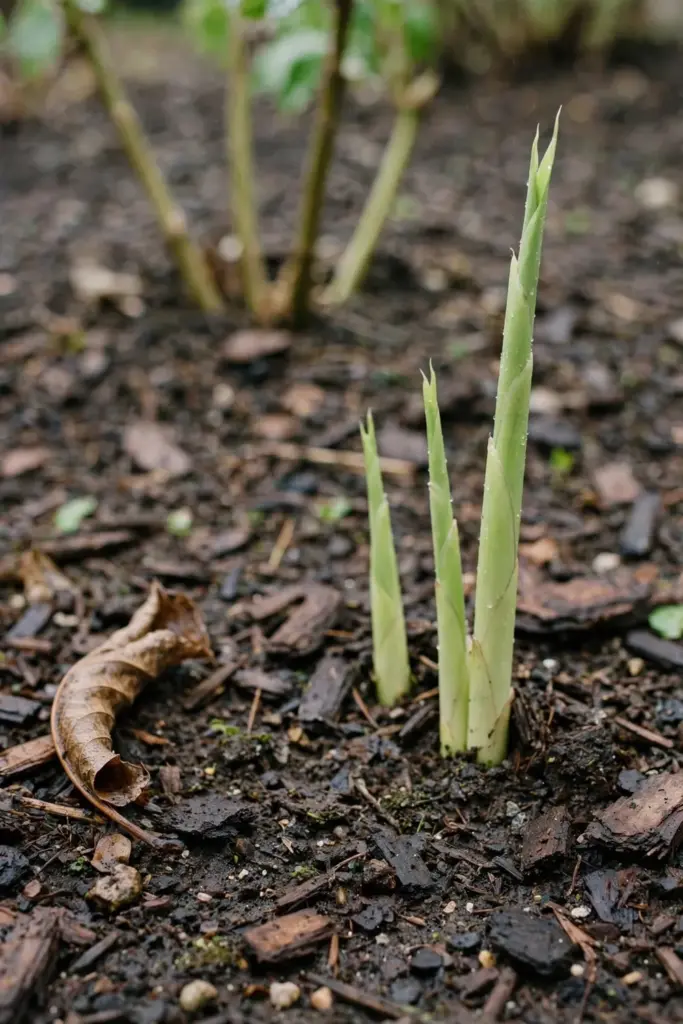
Set the rhizome 2 to 3 inches deep in soil that is rich in organic matter and drains freely, with the buds facing up. Lay it horizontally, cover it lightly, and water it in. Burying it deeper invites rot, because the rhizome needs warmth and air around the buds to sprout. Space multiple rhizomes about 12 inches apart so each clump has room to expand. New shoots usually appear within 3 to 4 weeks, per the awapuhi planting instructions from Mana Home Services.
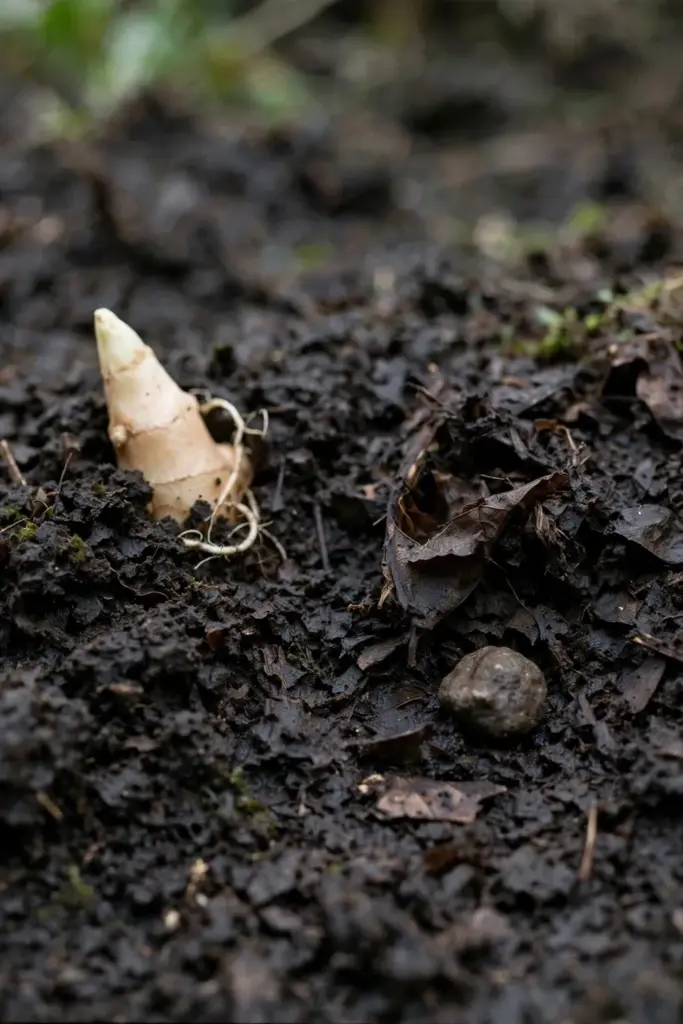
Work compost into the bed before planting. Shampoo ginger grows best in fertile, organically rich soil, and a generous helping of compost at planting time feeds the clump for months. Building soil health pays off across the whole garden, and this plant rewards it faster than most. Heavy clay needs loosening with compost and coarse organic matter so water drains within a few hours of rain.
Keep the soil moist from day one. A dry start stalls the buds, and a soaked start rots them. Water after planting until the top few inches are damp through, then check the soil every couple of days until shoots appear. The finger test beats any fixed schedule.
5. Water When the Top Inch of Soil Dries Out
Keep the soil consistently moist through the growing season, watering when the top inch dries out. In hot weather that can mean watering every day or two, especially in containers, which dry faster than ground beds. Shampoo ginger likes a moist environment and grows wild near rivers and waterfalls, per the NC State Extension profile. A dry spell shows first as browning at the leaf margins and limp stems in the afternoon heat.
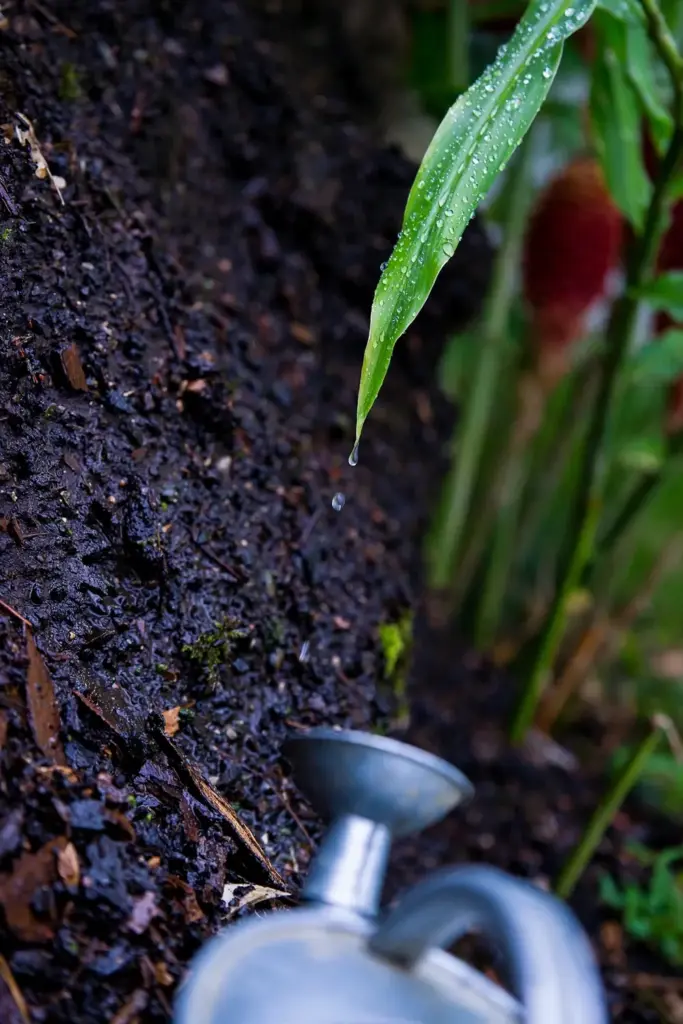
Never let the plant sit in standing water. Soggy soil rots the rhizome just as surely as drought stresses the leaves, so pots must have drainage holes and ground beds must drain within a few hours of heavy rain. If your site puddles, plant on a slight mound so excess water moves away from the clump. Mulch does half the watering work for you, which step 7 covers.
Check the soil, not the calendar. A rain gauge or a simple finger test tells you when to water, and the need changes as the season heats up and cools down. Container plants in full sun may need water daily in a heat wave. Ground plants in shade may go several days between waterings. The plant itself tells you the truth faster than any app.
6. Top-Dress With Compost Twice a Season
Feed the clump with compost, not with heavy synthetic fertilizer. Top-dress with a thick layer of mature compost in spring as shoots emerge, and again in midsummer when the clump is at full height. Compost feeds slowly, holds moisture, and builds the fertile, organic soil this plant prefers. Scratch it lightly into the surface and water it in.
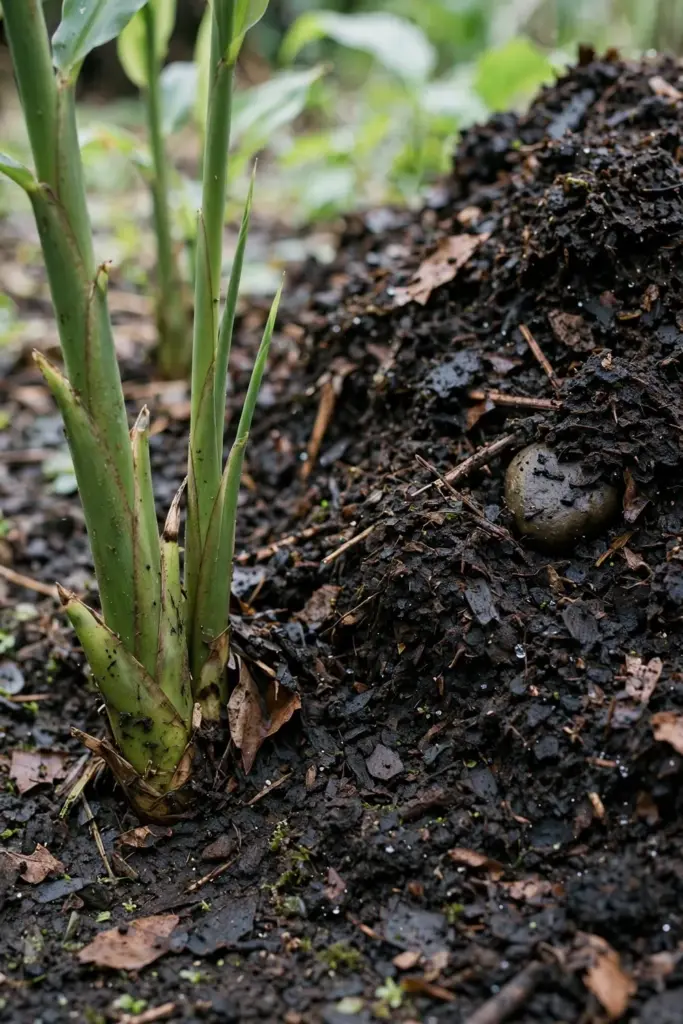
Skip the high-nitrogen push. A big dose of nitrogen grows tall, soft stems that flop in the first storm and invite pests. Shampoo ginger wants steady nutrition, not a growth spurt. A clump fed on compost grows sturdier stems and holds its leaves through summer heat without the soft, leggy growth that follows a chemical jolt.
Stop feeding when growth slows in fall. The plant heads toward dormancy, and fertilizer applied to a slowing clump sits unused in the soil. Feeding a dormant rhizome feeds nothing but rot organisms. The last compost of the year goes on in midsummer, and after that the clump coasts on what it has stored.
7. Spread Mulch to Hold Moisture and Warmth
Spread a thick layer of organic mulch over the root zone, keeping it a few inches back from the emerging stems. Mulch holds the consistent moisture shampoo ginger demands, keeps the shallow roots cool in summer heat, and slowly feeds the soil as it breaks down. The awapuhi planting instructions from Mana Home Services recommend mulch for moisture retention, weed suppression, and steady soil temperature.
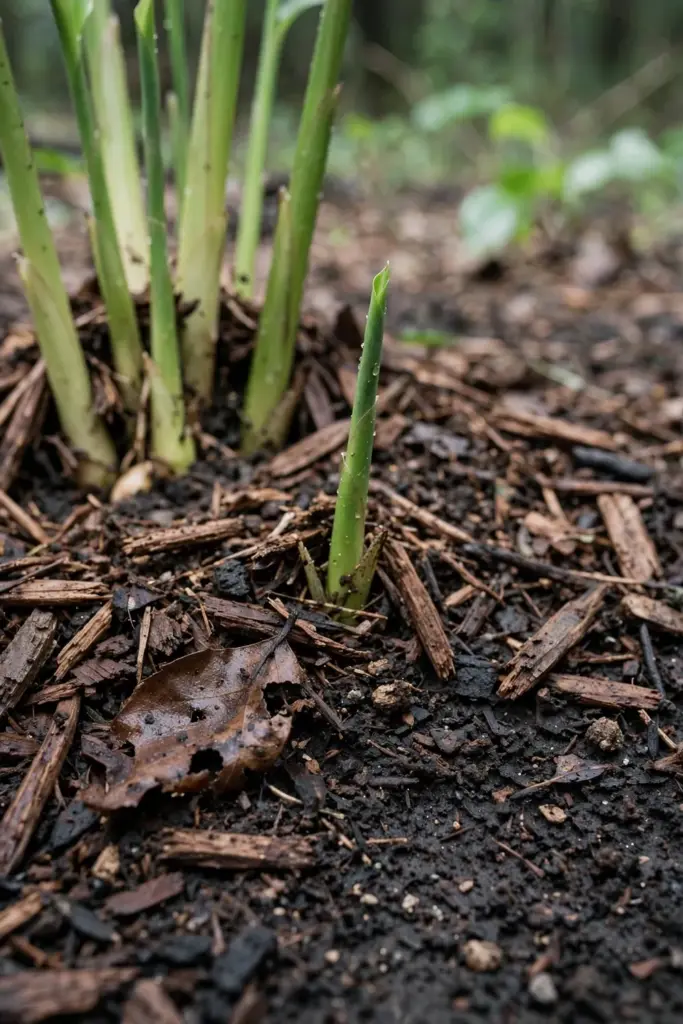
Good mulch materials include shredded bark, leaf mold, or composted wood chips. Avoid piling mulch against the stems themselves, which traps moisture where rot starts. Refresh the layer in midsummer if it has thinned, because a container in full sun can burn through mulch faster than you expect.
Mulch also keeps mud off the cones. The inflorescence emerges at ground level, right where rain splash throws soil onto the bracts. A clean mulch layer under the clump means cleaner cones at harvest and less grit in the liquid you squeeze out. That alone earns the mulch its place.
8. Move the Pot Indoors Before the First Frost
Move the container indoors before the first frost, while nights are still mild. Do not wait for the first frost warning. By then the damage is done, because shampoo ginger is not very frost tolerant, per the NC State Extension profile. In most temperate regions this means a move sometime in early to mid fall, weeks before tender annuals give up.
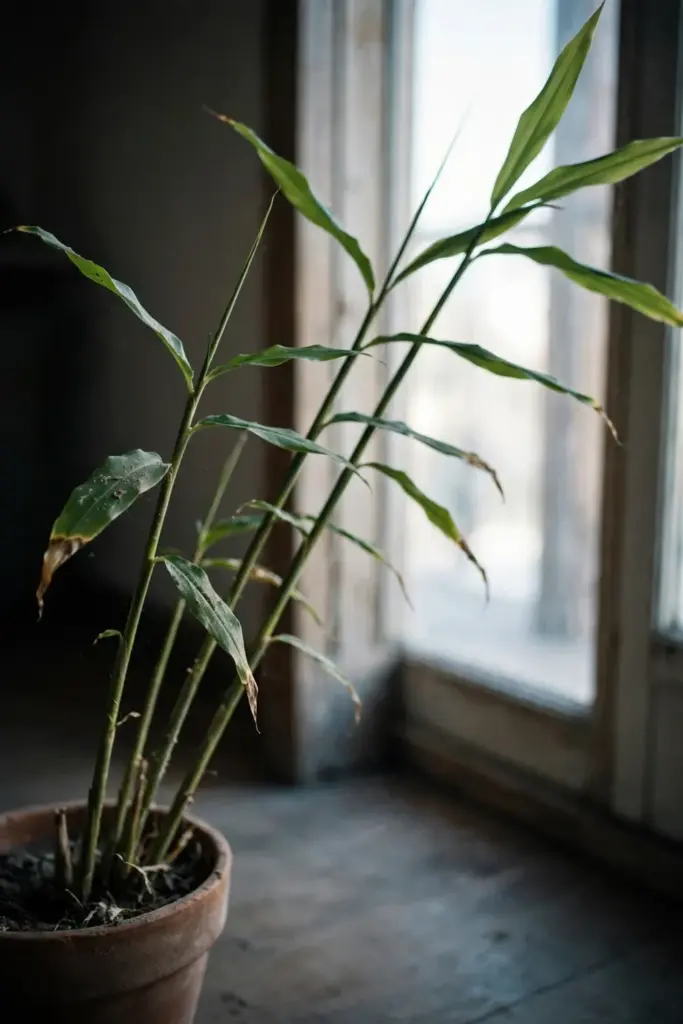
Transition the plant gradually over a week. Start with a few nights in a sheltered spot like a garage, then move it to its winter quarters. Check the whole plant for hitchhiking pests before it crosses the threshold, and cut back any tattered leaves so the indoor footprint stays manageable. Whitefly is one of the few pests that bothers this plant, per the NC State Extension profile, so inspect leaf undersides closely.
Winter quarters should be bright and cool, with sharply reduced watering. Let the top few inches of soil dry between waterings, since the plant grows slowly in winter and wet soil in a cool room invites rot. Stop feeding entirely until spring growth resumes. The goal is a quiet rhizome that wakes up healthy in spring.
9. Store Bare Rhizomes Dry in a Paper Bag All Winter
Gardeners who grow shampoo ginger in the ground in a cold climate dig the rhizomes before frost and store them bare. Lift the clump after the top growth dies back, shake off the soil, and let the rhizomes air-dry for a day. Then store them in a paper bag in a cool, dry, frost-free spot. The NC State Extension profile gives exactly this method, and adds that potting soil or sawdust in the bag keeps moisture away from the rhizomes.
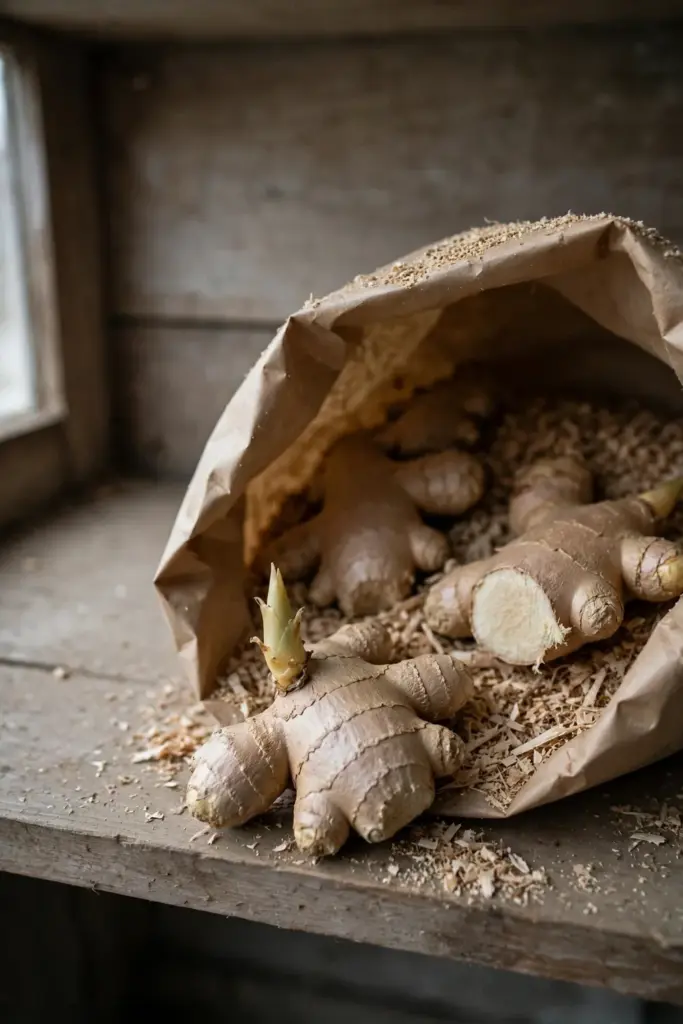
Dry storage is the whole trick. A dormant shampoo ginger rhizome needs to stay dry while it sleeps. A damp bag, a sealed plastic container, or a cold garage floor all invite mold and rot. Check the stored rhizomes through winter. If one feels soft or smells sour, cut it out and discard it before the rot spreads to its neighbors.
Replant in spring once frost danger has passed, following step 4. Stored rhizomes wake fast in warm soil, and a rhizome that spent winter dry in a bag often sprouts sooner than a container plant that sat wet all winter. Label the bag with the plant name and the digging date so spring planting stays organized.
10. Wait for Cones After the Clump Has Bulked Up
A new division spends its first season building leaves and roots. Cones follow once the clump has bulked up, and a single rhizome makes a large clump in a couple of years, per the Pinecone Ginger growing guide. Do not judge a first-year plant by its cone count. The first year is mostly leaves while the clump builds the energy a cone demands.
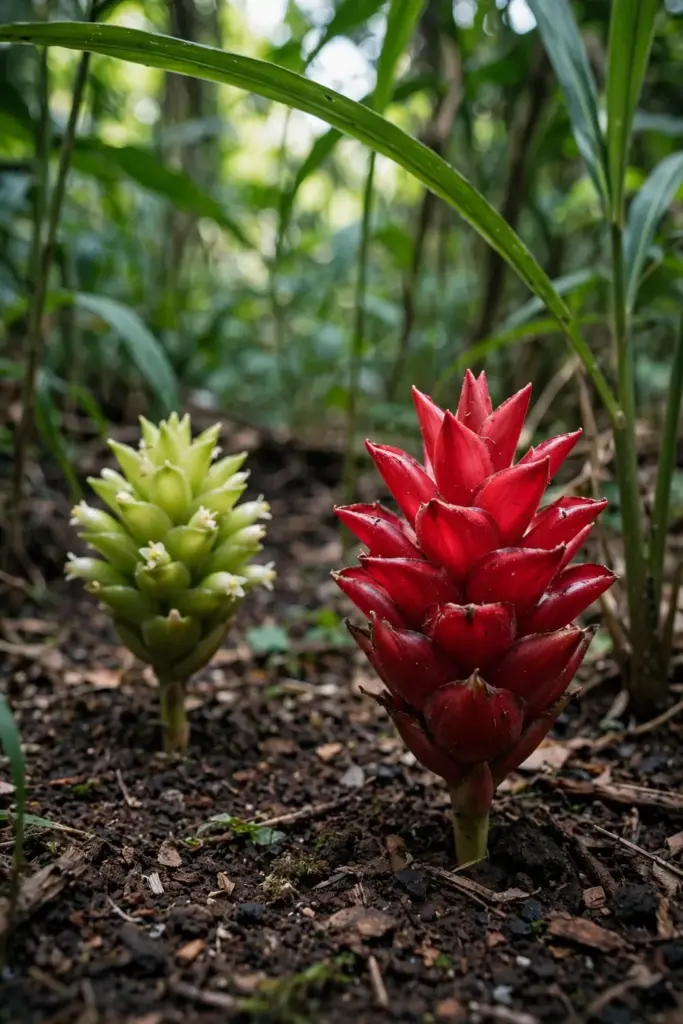
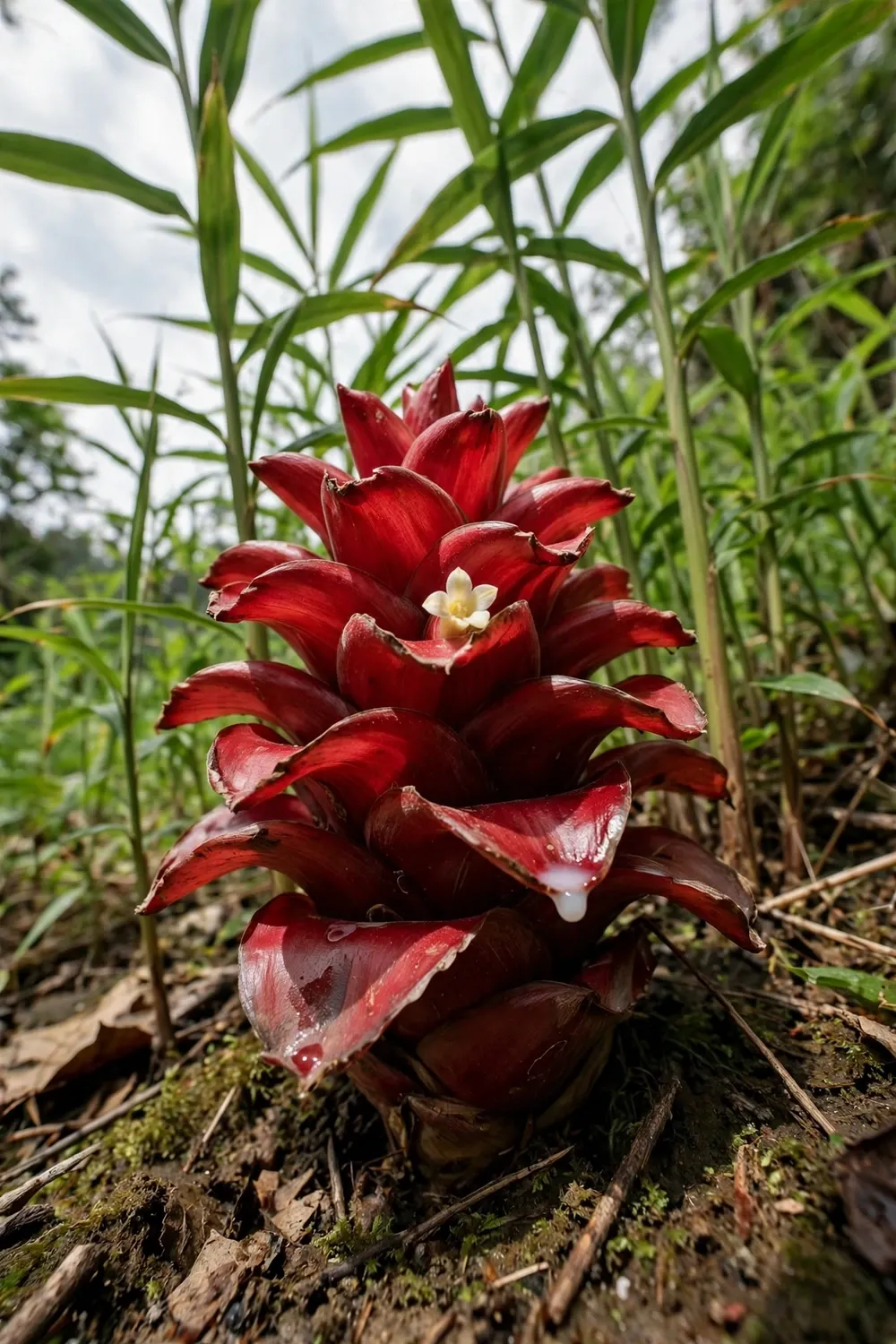
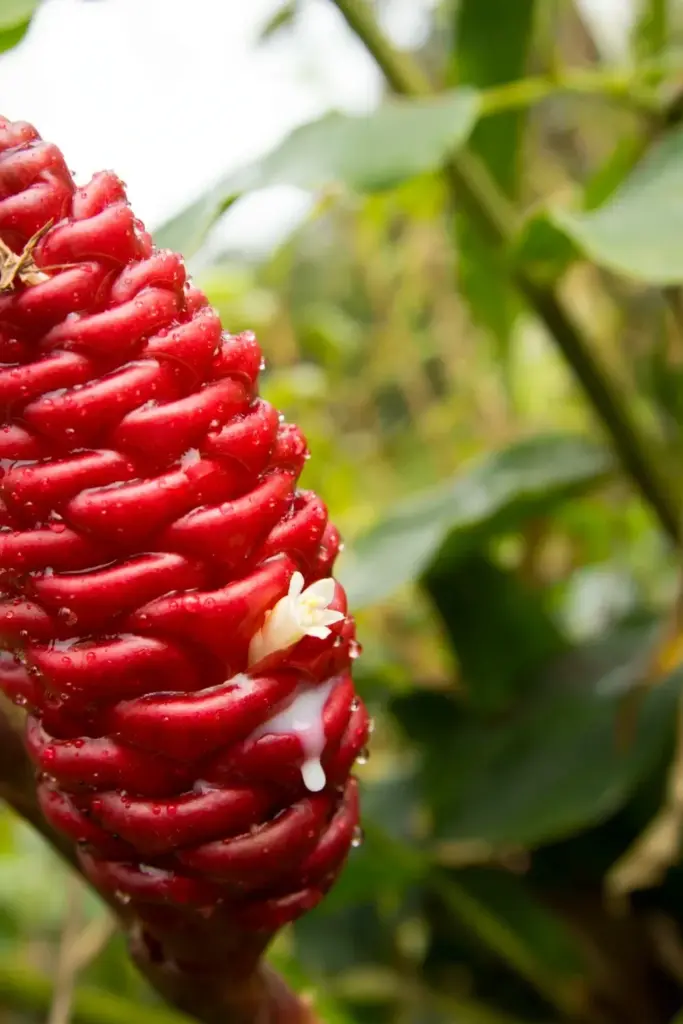
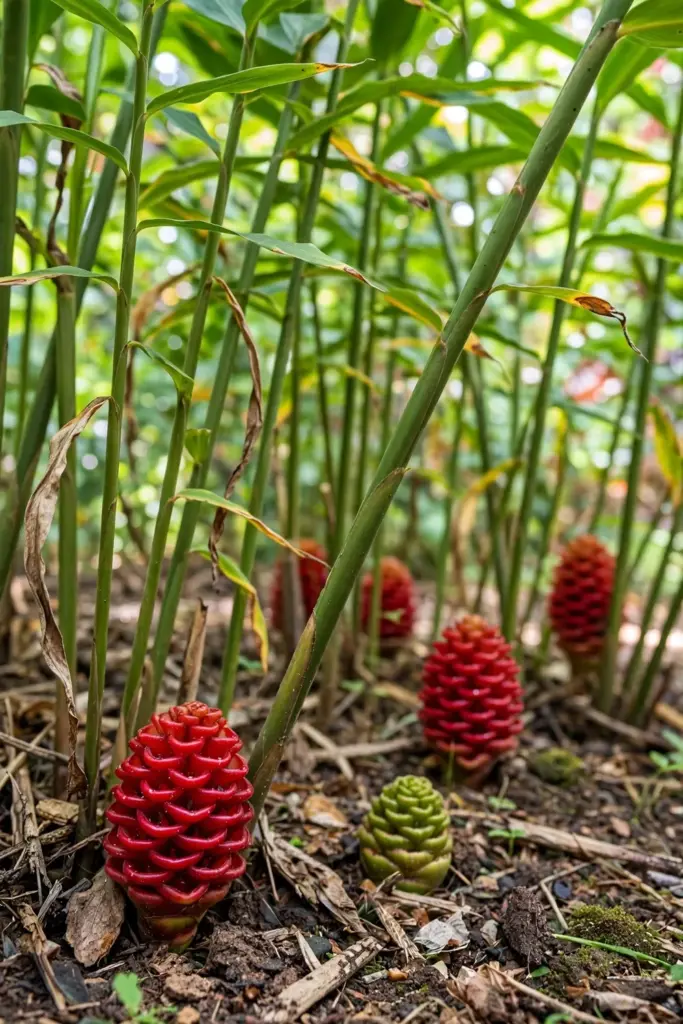
Cones emerge near the end of the growing season on separate short stalks that rise straight from the ground, beside the leafy stems. They start out lime green and cone-shaped, and small pale flowers emerge from between the bracts. After flowering, the bracts turn a showy shade of red, per the NC State Extension profile. Flowering falls in late summer into fall, and the Flora of North America treatment records flowering in fall.
A mature cone measures 7 to 11 cm long, with overlapping bracts, per the Flora of North America treatment. The leafy stems tower over the cone stalks, so cones hide under the foliage. Part the leaves gently and look at ground level in late summer to find them. Leaf blades run 30 to 32 cm long, per the same treatment. A full clump hides its cones well.
11. Squeeze the Cone Liquid at the Red Stage
Harvest the cone liquid when the bracts have turned fully red and the cone feels soft and full. Tilt the cone over a clean jar and squeeze it gently from the base upward. A slippery, milky liquid with a ginger scent runs out, and a single ripe cone yields enough for one hair wash. The NC State Extension profile describes this liquid as slippery and soapy-feeling with a ginger scent, and notes that the red stage is the time to harvest it.
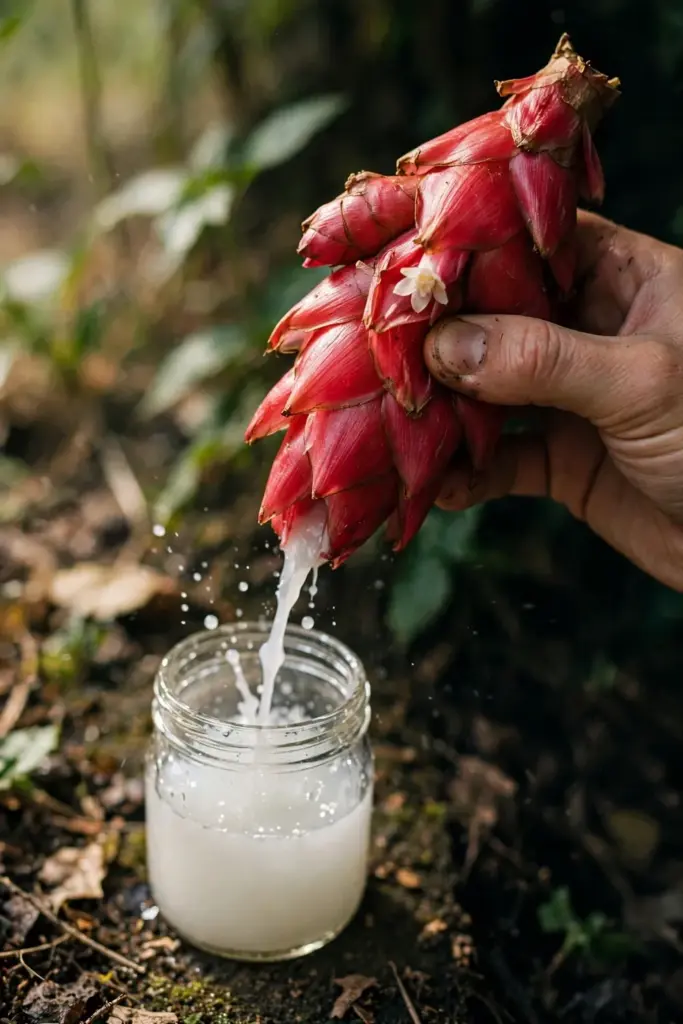
Work with clean hands and a clean jar. Refrigerate the liquid and use it soon, or freeze it the same day. Freeze it in an ice-cube tray, then move the cubes to a sealed bag, and thaw one cube per wash. Do not leave a squeezed cone sitting in warm sun, because the liquid turns quickly and the cone itself collapses into mush.
Leave some cones on the plant. A squeezed cone will not refill the same day. The clump keeps producing new cones through the late season while warmth holds. Harvesting half the ripe cones and leaving the rest keeps the display going and gives you a second round of liquid a week or two later.
12. Patch-Test the Cone Liquid Before Hair Use
Treat the cone liquid as a traditional hair wash, not as a proven cosmetic product. Dab a small amount on the inside of your forearm and wait until the next day before using it on your scalp. If the skin reddens, itches, or feels irritated, rinse it off and do not use it on your hair. Traditional use is long, and skin sensitivity still varies from person to person.
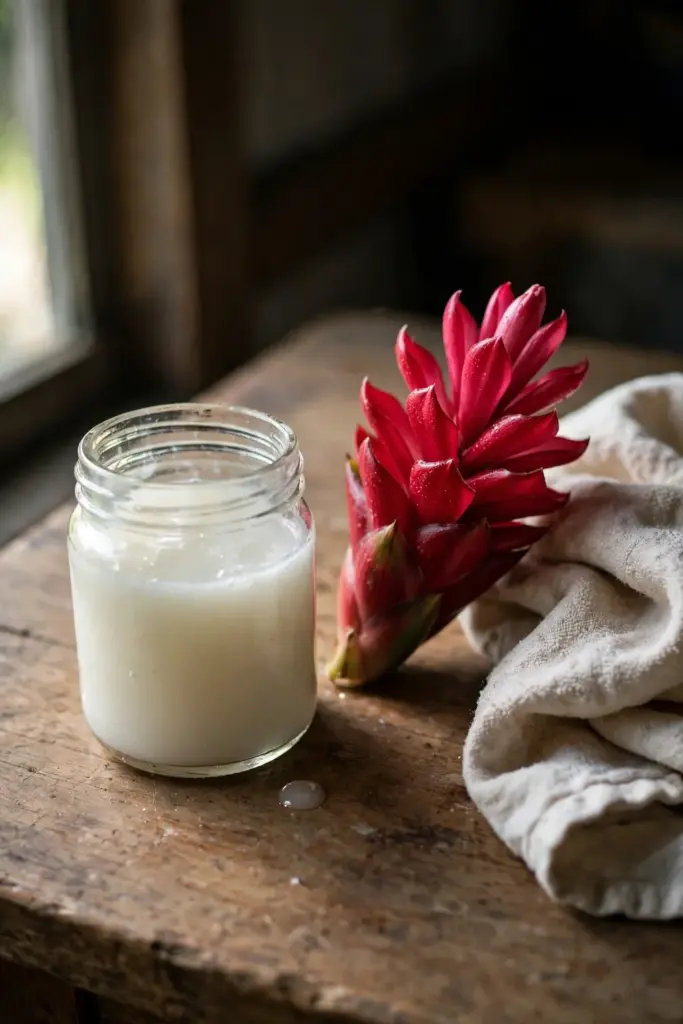
Use the liquid the way Hawaiians have used awapuhi for generations. Work it through wet hair, massage the scalp, and rinse it out. It cleans without lather, so hair feels different from a shampoo wash. Soft. Slippery. It rinses clean. Follow with your regular conditioner the first few times until you know how your hair responds.
Keep the liquid out of your eyes. The ginger scent comes with a sting on sensitive membranes, and a cone squeezed over the head drips toward the face. Lean back when you pour it on, keep a towel handy, and rinse with plain water if any reaches your eyes. Store the liquid away from small children, as you would any body-care product.
13. Divide the Clump Every Few Years to Keep It Vigorous
Divide the clump in late winter or early spring every few years, before new growth starts. A mature shampoo ginger clump expands steadily, and a crowded rhizome mass competes with itself for water and space. Division rejuvenates the plant and gives you free starts for friends or for expanding your own patch. A single rhizome makes a large clump in a couple of years, per the Pinecone Ginger growing guide, so the need to divide arrives sooner than most gardeners expect.
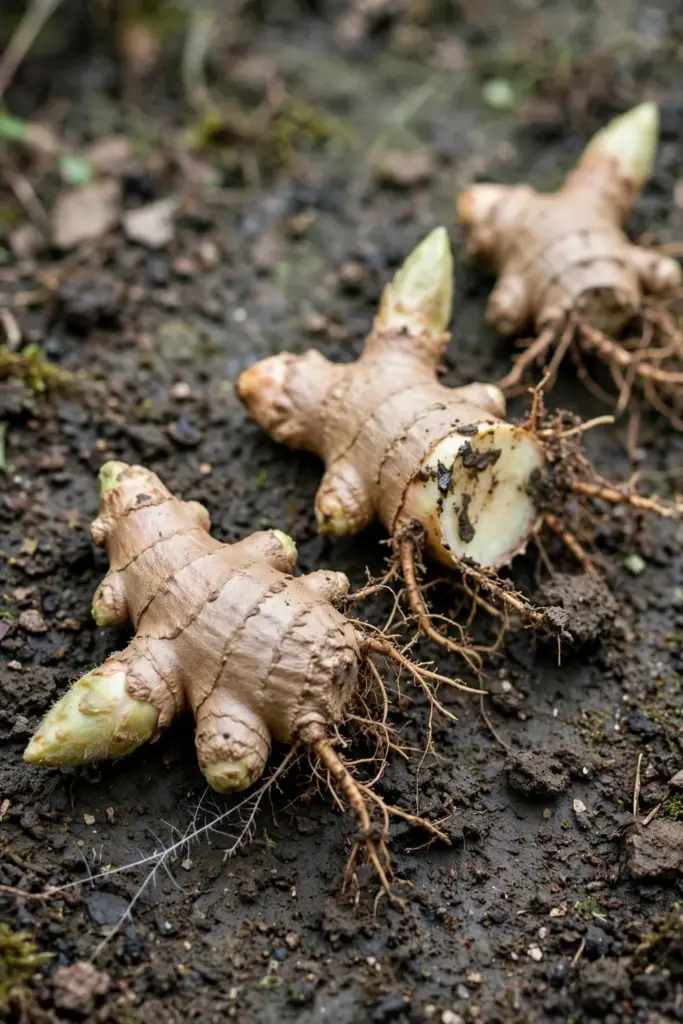
Lift the whole clump and cut the rhizome into sections, making sure each piece carries at least one firm growth bud and some healthy roots. Use a sharp, clean knife. Ragged tears heal slowly and invite rot. Let the cut faces air-dry for a day before replanting, the same drying step that protects stored rhizomes through winter.
Replant divisions immediately at the same shallow depth, water them in, and keep them warm and humid until new shoots appear. Do not bury the pieces deeply. Shallow planting with the buds just covered is the rule for divisions exactly as it is for a new rhizome. A divided clump often cones harder in its second season than the crowded parent ever did.
14. Tell Shampoo Ginger Apart From Torch Ginger and Culinary Ginger
Shampoo ginger is Zingiber zerumbet. Torch ginger is Etlingera elatior. Culinary ginger is Zingiber officinale. Three different plants, three different uses, and the growing advice for one does not transfer to the others. The ground-level cone with milky liquid is the identifier that settles the question. If the plant makes a pinecone at soil level that releases fragrant liquid when squeezed, it is shampoo ginger.
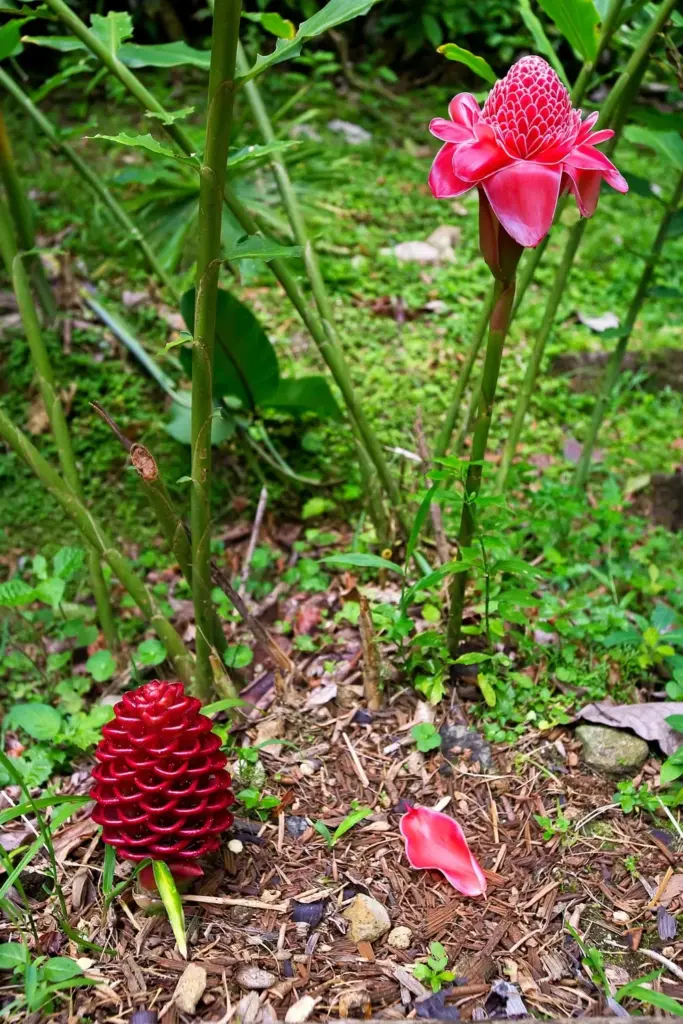
Torch ginger sends its bloom up on a tall stalk and is grown for its edible flower bud. Its clump grows far taller than shampoo ginger, and its bloom never sits at ground level. Shampoo ginger stays a leafy clump with cones hidden under the foliage. Nursery labels cause most of the confusion, because both get sold as ornamental gingers with red blooms. Check the botanical name on the tag before you buy. The types of ginger plants guide walks through the wider ginger family so you can match the plant to your plan.
Culinary ginger grows for its rhizome, and its rhizome flavors food. Shampoo ginger rhizome is bitter and is not a culinary ginger substitute. Growing turmeric at home follows the same rhizome logic as culinary ginger, and it stays a separate crop with its own harvest. When the tag reads Zingiber zerumbet, you have the shampoo plant. When it reads anything else, you have a different plant with different uses.
15. Fix 5 Common Shampoo Ginger Problems
No cones on a healthy-looking clump usually means the plant is too young or too shaded. A new division spends its first season on leaves, and deep shade starves the cones of energy. Move the container to brighter light. Give the clump another season before you worry. A clump that has bulked up for a couple of years cones reliably in warm summers.
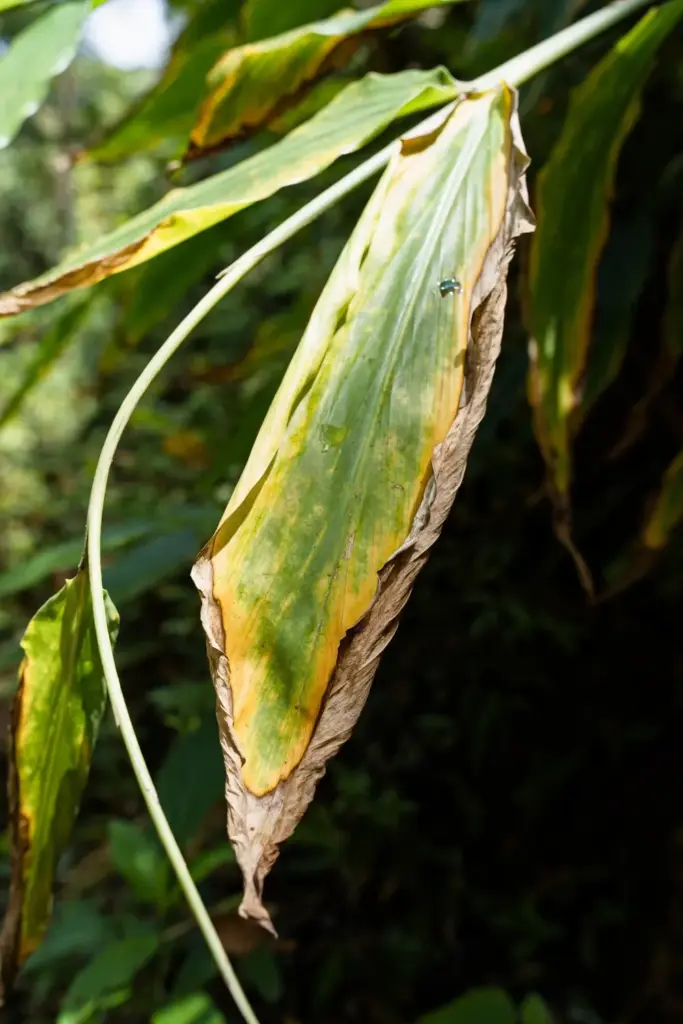
Yellow leaves with limp stems point to water trouble in either direction. Dry soil wilts the stems by afternoon, and soggy soil yellows the leaves from the base up. Check the soil before you water. If the top inch is dry, water deeply. If the soil is wet two inches down, hold off and check the drainage holes. Most yellow-leaf cases clear up once the watering rhythm matches the weather.
Soft, blackened rhizome tissue means rot from overwatering or planting too deep. Lift the rhizome, cut away every soft section back to firm pale flesh, let the cuts dry for a day, and replant shallow in fresh, fast-draining mix. Then water less until new growth proves the plant has recovered. A rhizome that stays firm after surgery usually pulls through.
No sprouts in spring usually means the rhizome stayed too cold or too wet all winter. Stored rhizomes that sat damp rot quietly in the bag. Container rhizomes that sat wet in a cold room do the same. Lift one rhizome and check it. Firm tissue means it is still dormant and needs warmth. Soft tissue means it is gone, and a fresh division is the fix.
A clump spreading past its bed means the rhizomes are doing what rhizomes do. Shampoo ginger spreads by rhizomes and can become weedy, per the NC State Extension profile. Dig a clean edge around the bed each spring, sink a root barrier 12 inches deep around an in-ground clump, or grow the plant in a container that contains the spread. A container solves the weed problem completely.
Frequently Asked Questions About How to Grow Shampoo Ginger
You can keep shampoo ginger alive indoors, but it will not thrive or cone well. The clump wants strong light, warmth, and humidity that most rooms cannot provide, and it goes fully dormant in winter even indoors. Grow it as a summer container plant that winters as a dormant rhizome, and move it back outside once frost danger has passed.
A new division spends its first season building leaves and roots. Cones follow once the clump has bulked up. A single rhizome makes a large clump in a couple of years, per the Pinecone Ginger growing guide. Expect the first cones in late summer of the second season in a warm spot. Stronger harvests follow every year after.
No. Shampoo ginger is Zingiber zerumbet, grown for the fragrant liquid in its ground-level cones. Culinary ginger is Zingiber officinale, grown for its rhizome. The shampoo ginger rhizome is bitter and is not a culinary ginger substitute. Check the botanical name on the nursery tag before buying, because the two plants share the word ginger and little else.
Yes, as a traditional hair wash with a patch test first. Squeeze a ripe red cone over a jar, work the slippery liquid through wet hair, and rinse. It cleans without lather and leaves hair soft. Dab a small amount on your forearm and wait until the next day before the first full use, and skip it if your skin reacts.
Zones 8 through 11 can grow shampoo ginger outdoors year-round, per the Pinecone Ginger growing guide. In zone 7 and colder, grow it in a container and move it indoors before frost, or dig the rhizomes and store them dry in a paper bag until spring. Dormant rhizomes must stay dry all winter.
Keep Your Awapuhi Clump Coming Back Every Year
Learning how to grow shampoo ginger comes down to respecting what it is. It is a tropical clump that wants warmth, steady moisture, rich soil, and a dry winter sleep wherever frost threatens. Start with a rhizome division in spring, give it morning sun and afternoon shade, water when the top inch dries, and squeeze the cones when they turn red.
Your second season is always better than your first. The clump expands, the cones multiply, and the harvest of fragrant liquid grows with them. Divide the rhizome every few springs, keep the compost coming, and a single original division can supply your hair wash and your garden display for years.