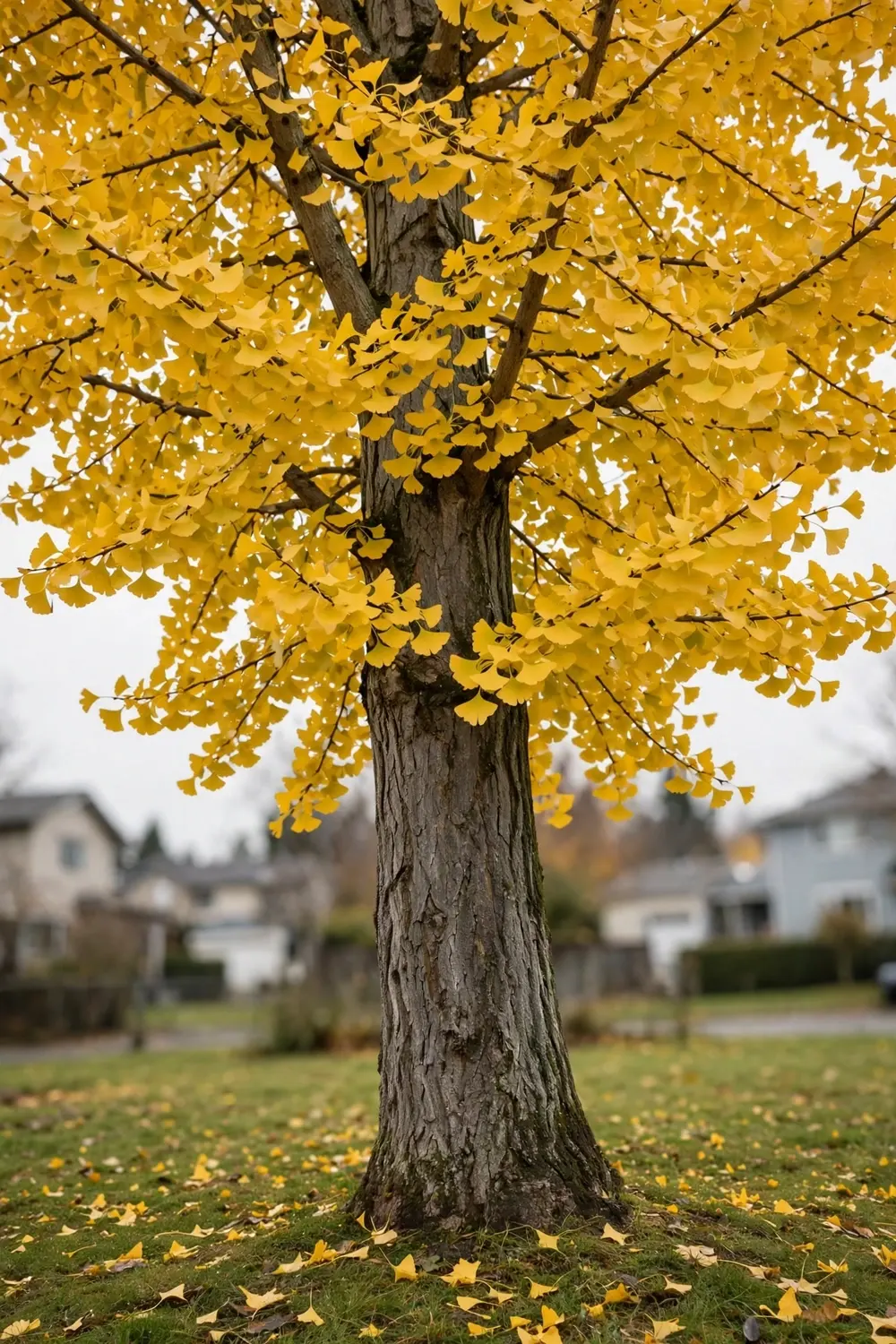

Plant 20 ginkgo seeds this fall, stratify them through winter, and expect the first green shoots in spring. That is the whole promise of learning how to grow ginkgo from seed: a living fossil on your windowsill by April, and a tree that can outlive you by centuries. But there is one truth you need before you touch a single seed. Ginkgo trees come in male and female, and only the female makes the infamous fruit. It smells like rancid butter left in the sun. You will not know which sex your seedling is for 20 to 30 years.
Ginkgo biloba, the maidenhair tree, is the last surviving member of an order of plants that shaded dinosaurs. Its fan-shaped leaves turn clear gold each fall, and it shrugs off pollution, pests, and drought once established. Do not confuse it with the maidenhair fern, a delicate houseplant that shares only part of the name. The fern is Adiantum. The tree is Ginkgo. They are not related.
This guide walks you through the full process in 19 moves: the male-versus-female decision, where ginkgo grows, how to get viable seeds, the stratification protocol that breaks dormancy, sowing, seedling care, transplanting, pruning, the bonsai option, and the honest rules for eating ginkgo nuts. Every number below comes from extension sources or established growers, and where sources disagree, you will see the range.
Male vs Female: Read This Before You Sow
Ginkgo is dioecious, which means individual trees are either male or female. Male trees produce pollen cones. Female trees produce ovules that ripen into plum-sized structures with a fleshy outer coat. That coat contains butyric acid, the same compound behind the smell of vomit and rancid butter. When the ripe structures fall and split in autumn, the stench is unforgettable.
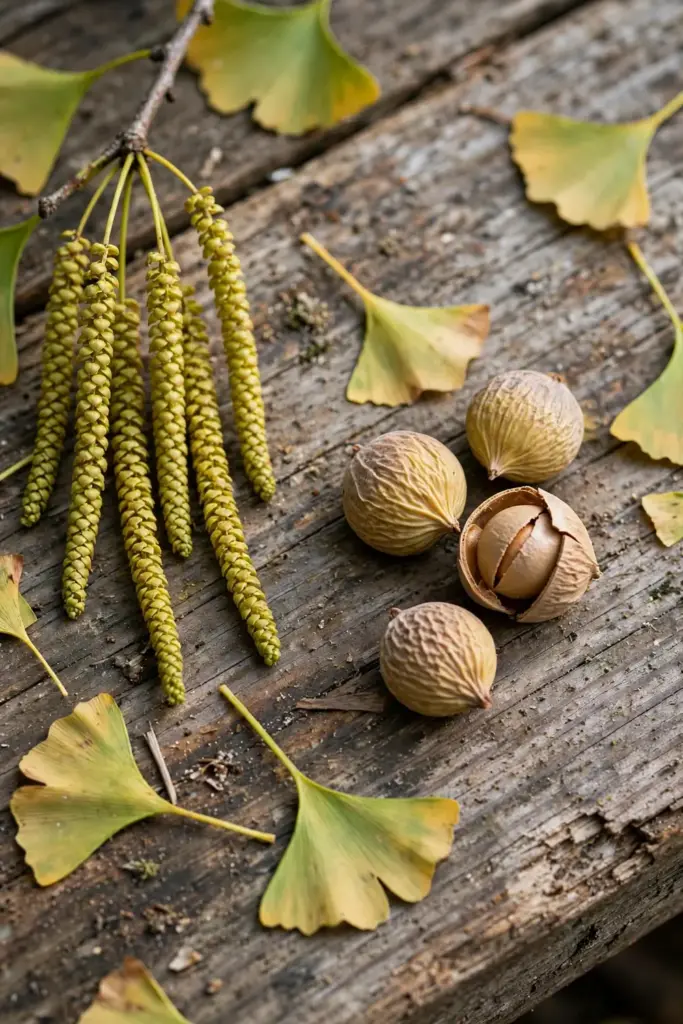
Here is the catch that matters for seed growers: there is no way to tell a seedling’s sex until it flowers, which takes 20 to 30 years or more. Nurseries solve this by grafting known male cultivars, such as ‘Autumn Gold’ and ‘Princeton Sentry’, onto seedling rootstock. From seed, you get a coin flip.
| Trait | Male tree | Female tree |
|---|---|---|
| Flowers | Pollen cones (catkins) in spring | Green ovules on stalks |
| Fruit | None, ever | Fleshy, plum-sized, foul-smelling when ripe |
| Smell | None | Strong rancid-butter odor in autumn |
| Landscape use | Preferred street and yard tree | Avoided near paths and patios |
| From seed | 50/50 chance | 50/50 chance |
| Guaranteed sex | Buy a grafted male cultivar | Buy a grafted female cultivar (rare) |
If your goal is a yard tree and you cannot risk the smell, the honest move is to grow your seedling for the joy of it and plant a grafted male cultivar for the landscape. If your goal is bonsai or curiosity, sex does not matter for decades.
Where Ginkgo Grows: Climate and Location
Ginkgo is hardy in USDA zones 3 through 8, which covers most of the temperate United States. It tolerates heat, drought, air pollution, and compacted urban soil once established, and it handles both acidic and alkaline soils. The North Carolina Extension ginkgo profile lists full sun and medium water needs, with a mature height of 50 to 80 feet and a spread of 30 to 40 feet.
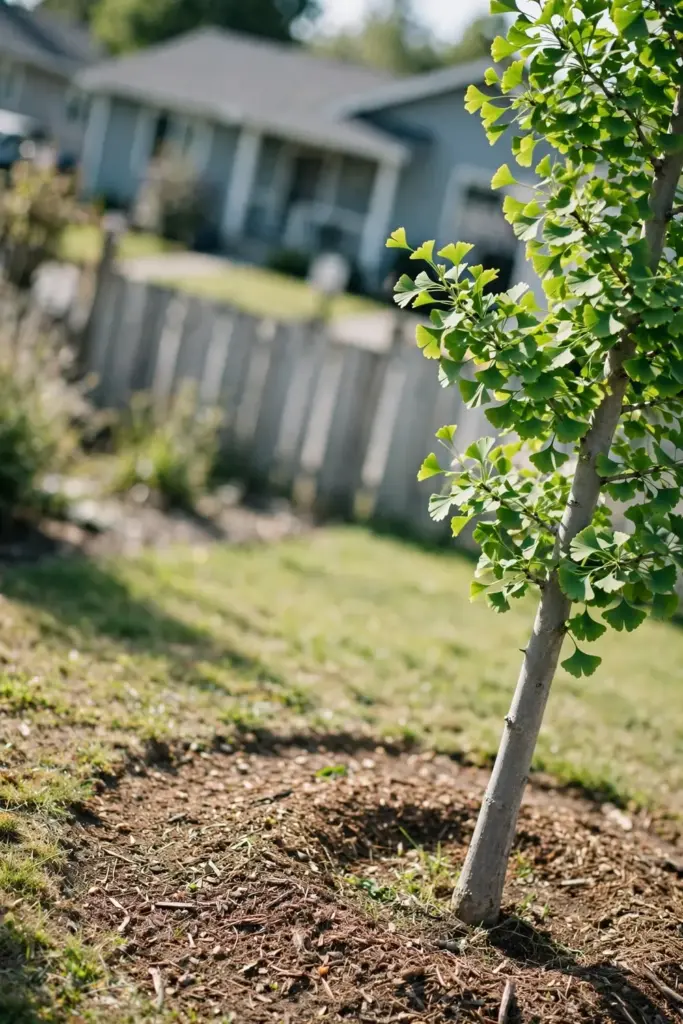
Give the tree room. A seed-grown ginkgo is a decades-long project, so plant it where a large tree belongs: away from foundations, power lines, and driveways. Young trees grow slowly at first, then pick up speed. Fall color is best in full sun.
In containers, ginkgo works only as a juvenile or as bonsai. A potted ginkgo left to its own devices will not stay small, and it will not thrive indoors long term. The bonsai section below covers the pot option properly.
Getting Viable Seeds: Three Honest Sources
You have three ways to get seeds, and viability differs sharply between them.
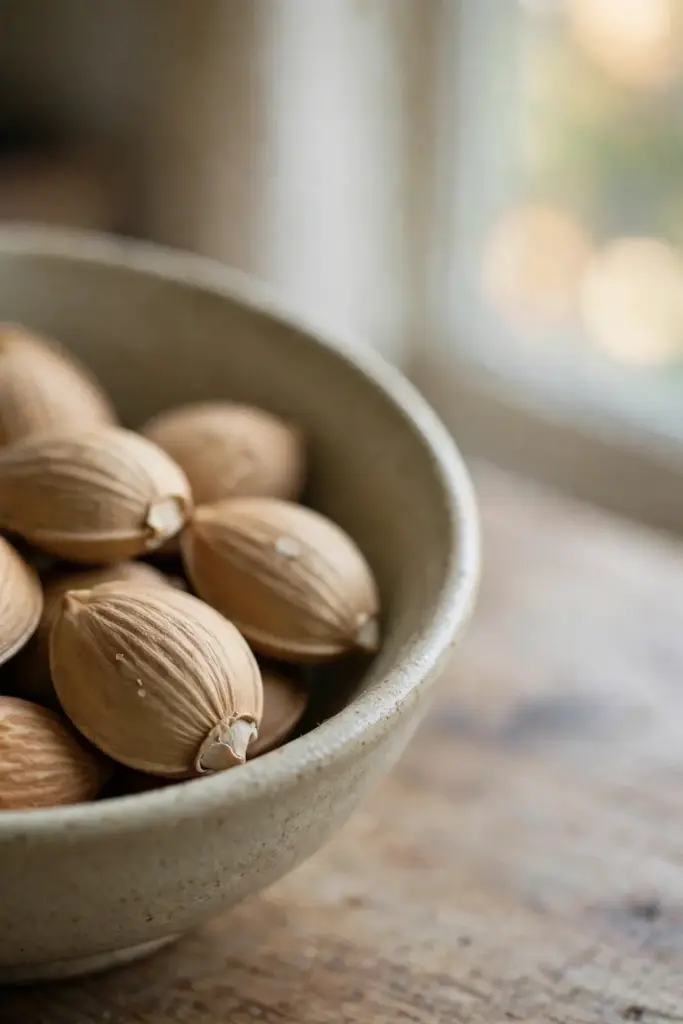
Forage under a female tree. In October and November, ripe structures litter the ground beneath mature female trees in parks and campuses. This is free and the seeds are fresh, which matters because ginkgo seeds lose viability in storage. Wear gloves. The pulp causes contact dermatitis in sensitive people.
Buy from a seed seller. Online sellers offer cleaned ginkgo seeds by the dozen. Expect lower germination than fresh-foraged seed, and buy more than you need. Twenty seeds is a sensible starting batch.
Ask a grower. Bonsai clubs and arboretum plant sales sometimes share fresh seed in fall. Fresh seed sown promptly gives the best results.
Whatever the source, choose plump, heavy seeds. Shriveled or cracked ones are dead. Float-test them in water and discard the floaters.
Buy early in the season. Sellers list ginkgo seed in late summer for fall delivery, and stock runs out because the harvest window is short. If your seeds arrive dried and rattling, soak them for 24 hours before stratification; desiccated seeds sometimes rehydrate enough to germinate, though rates drop. Stored seed keeps best in the refrigerator in a breathable paper bag, never sealed plastic at room temperature, where mold wins.
Tools and Materials
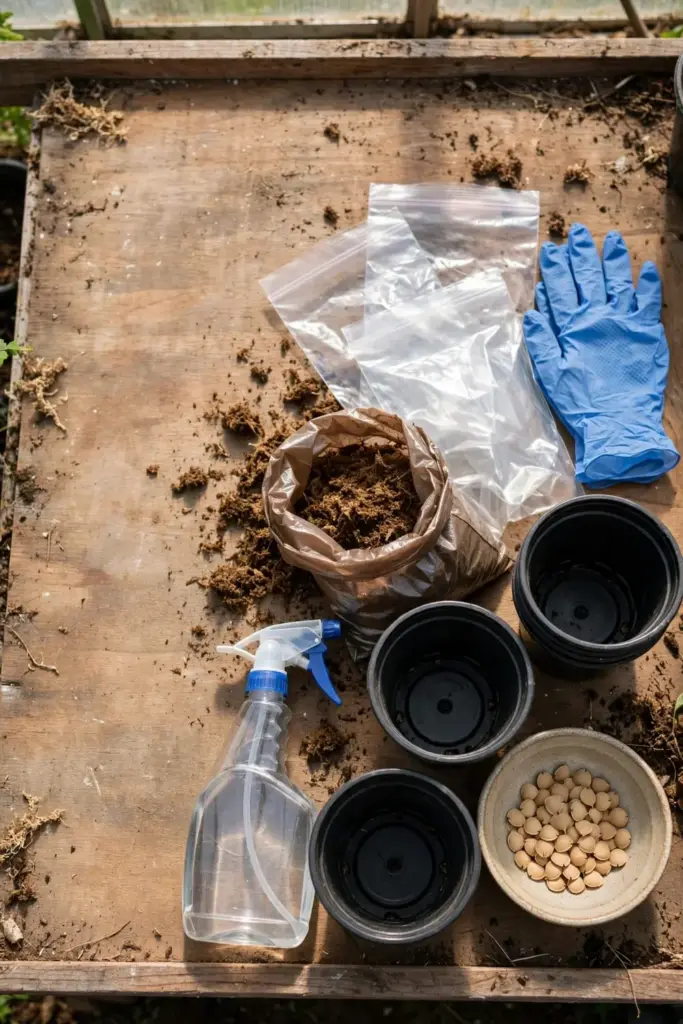
- Rubber or nitrile gloves (mandatory for handling fresh pulp)
- A bucket and old towels for cleaning
- Zip-top bags and moist peat moss or sand for stratification
- A refrigerator shelf cleared for 3 months
- 4-inch pots with drainage holes, scrubbed clean
- Sterile seed-starting mix or a sand-and-perlite blend
- A spray bottle and a clear plastic dome or bag
- Labels and a permanent marker
- A heat mat (optional but helpful)
Step 1: Clean the Seeds Without Touching the Pulp
Put your gloves on first. The fleshy outer coat of a ginkgo seed contains compounds that irritate skin, and the smell clings to everything. Work outdoors if you can.
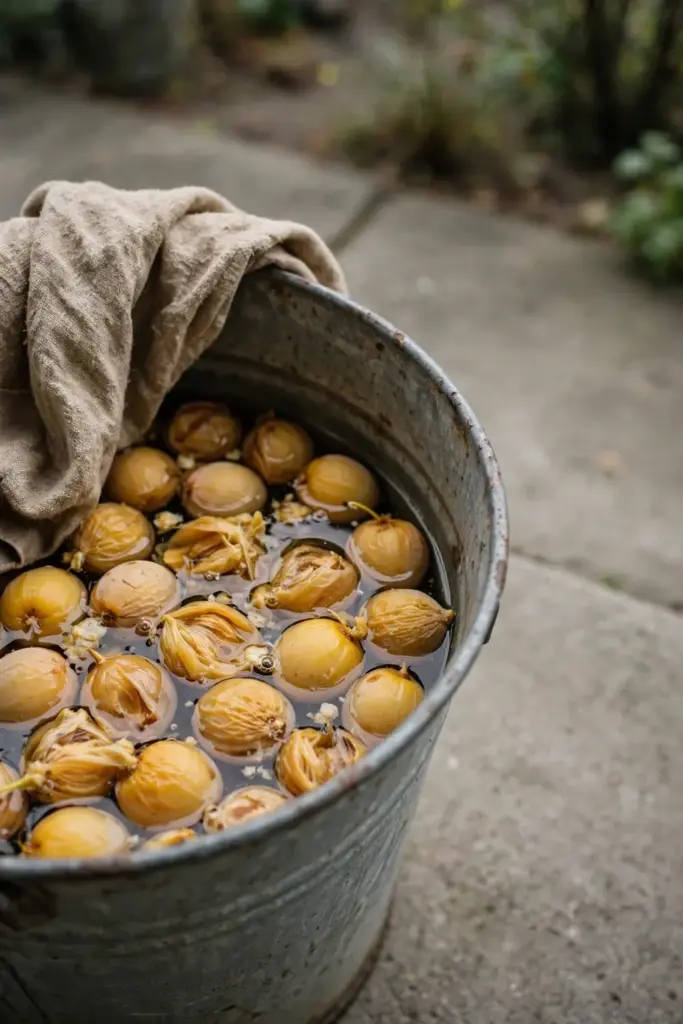
Soak the collected structures in a bucket of water for a day to soften the pulp. Then rub each one against an old towel or squeeze it gently until the hard, nut-like inner shell comes free. Rinse the cleaned seeds well. Spread them on a towel to air-dry for a day or two.
What you hold now is the true seed: a smooth, tan, almond-shaped shell about an inch long. Store cleaned seeds in a paper bag in the refrigerator until you are ready to stratify. Do not let them dry out for months; viability drops.
Step 2: Stratify the Seeds Through Winter
Ginkgo seeds have dormant embryos that need cold to wake up. In nature, seeds lie through winter under fallen leaves. You will imitate that.
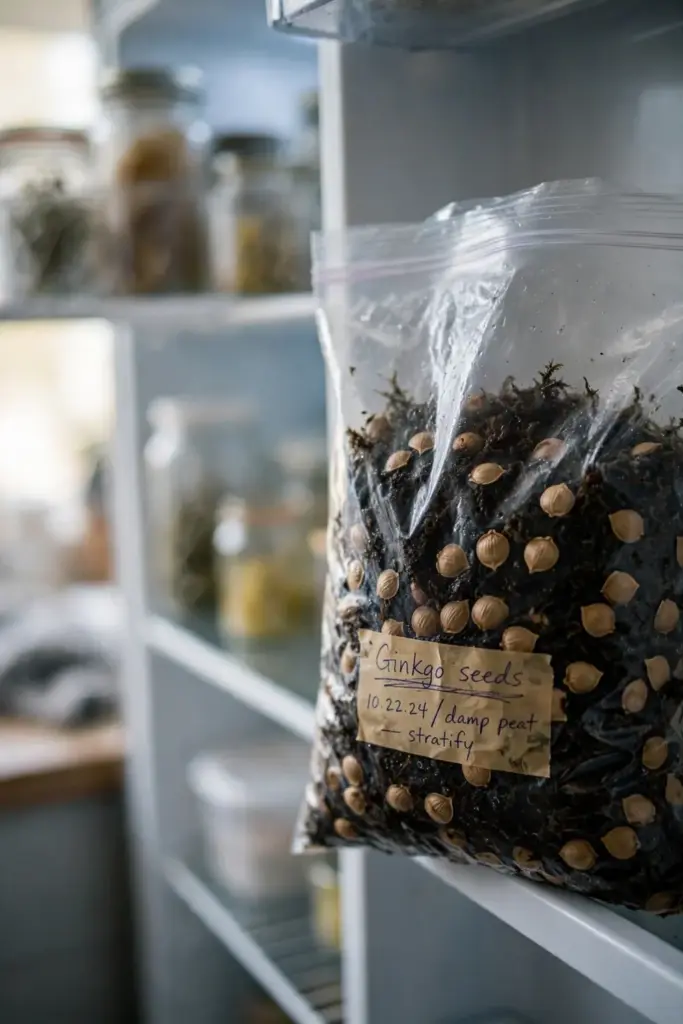
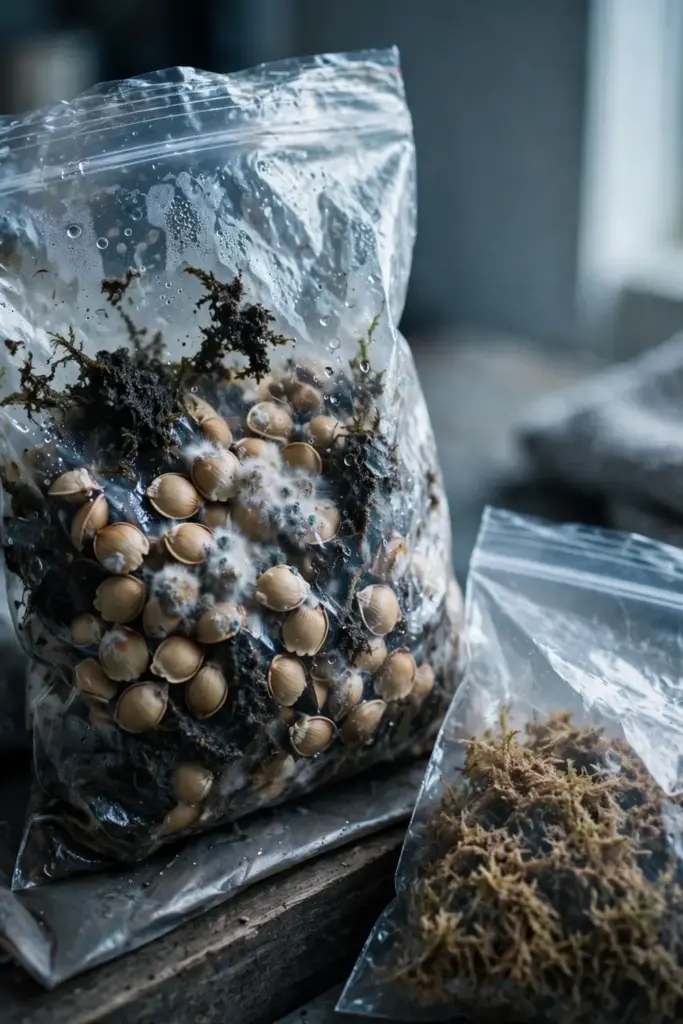
The most documented protocol runs in two phases. First, place the cleaned seeds in a zip-top bag with barely moist peat moss or sand and keep them somewhere warm but not hot for about six weeks. Then move the bag to the refrigerator for at least three months of cold. This warm-then-cold sequence, described in the Gardening Know How germination guide, mirrors what the seed experiences in the wild.
Sources disagree on the details, so here is the honest range. Some growers skip the warm phase and go straight to 2 to 3 months of cold stratification. Others sow outdoors in fall and let winter do the work. All three approaches can work. What fails is sowing unstratified seed in spring and expecting sprouts.
Check the bag monthly. The medium should feel like a wrung-out sponge, never wet. If you see mold, rinse the seeds, replace the medium, and return them to the cold.
Learning how to grow ginkgo from seed mostly means respecting this waiting period. The stratification is the skill. Everything after it is ordinary seedling care.
Step 3: Sow the Seeds in Spring
When the cold period ends and spring arrives, sow the seeds in individual 4-inch pots. Fill each pot with pre-moistened sterile mix or a sand-and-perlite blend. Push each seed about an inch deep, on its side, and cover lightly.
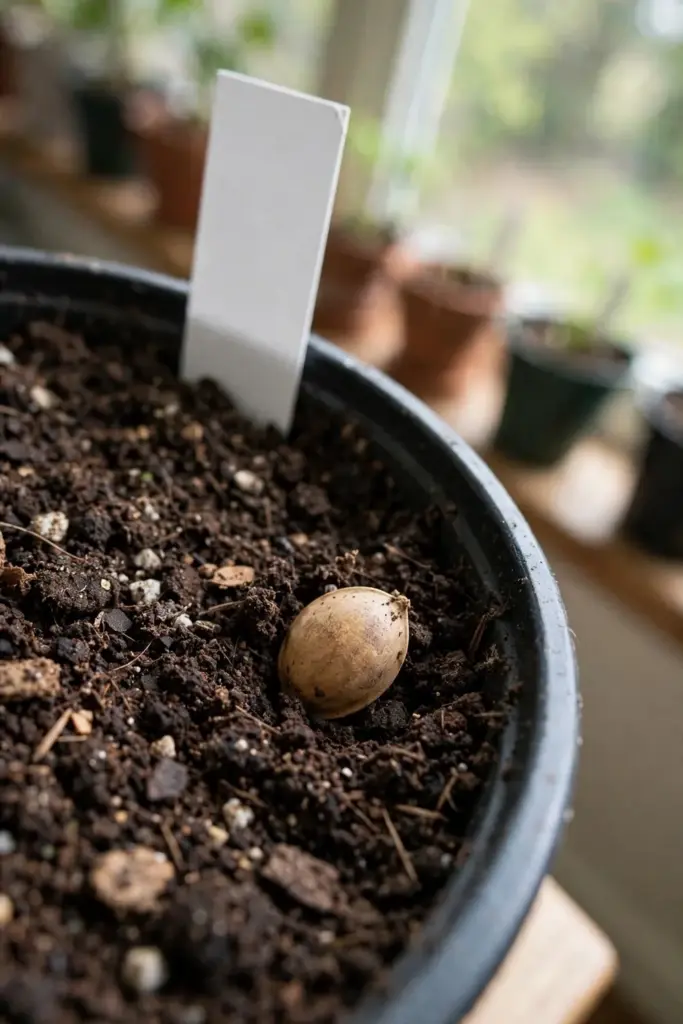
Water gently so the medium settles around the seed. Cover the pot with a clear plastic bag or dome to hold humidity, and set it in a warm spot out of direct sun. Room temperature works; bottom heat around 75°F speeds things.
Expect germination in 30 to 60 days. Ginkgo does not sprout uniformly. Some seeds pop in three weeks, others take two months, and a few never wake up. This is normal for the species, not a failure on your part. Remove the cover as soon as you see green.
Step 4: Raise the Seedlings Through Year One
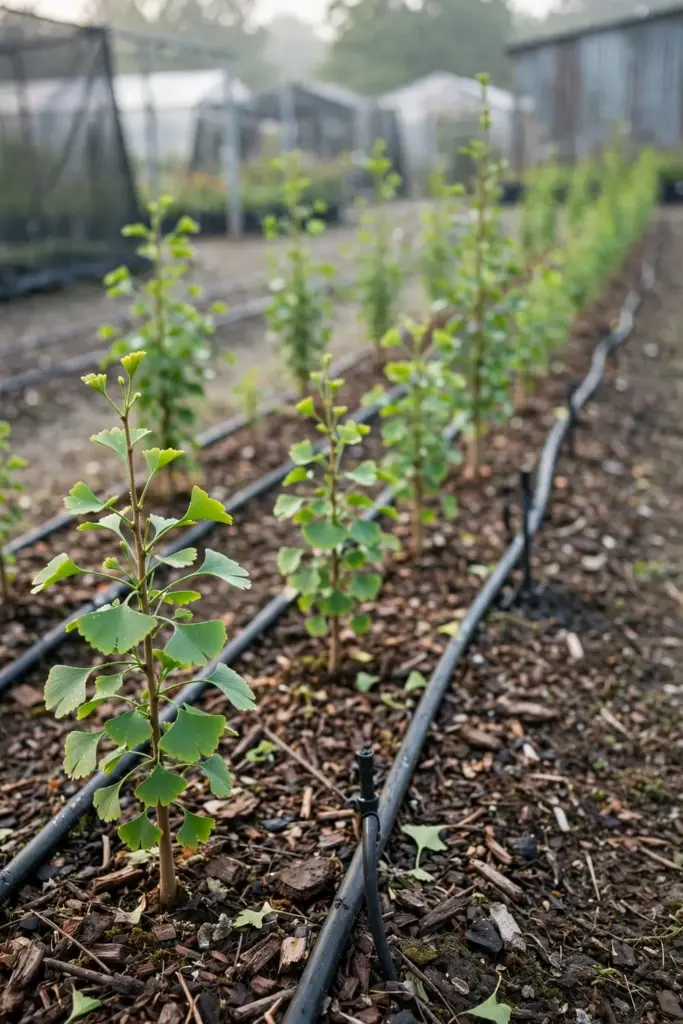
A new ginkgo seedling looks like a tiny palm tree: a straight stem topped with a tuft of fan-shaped leaves. Give it bright, indirect light for the first weeks, then move it toward stronger light gradually. Seedlings sunburn if shoved into full sun on day one.
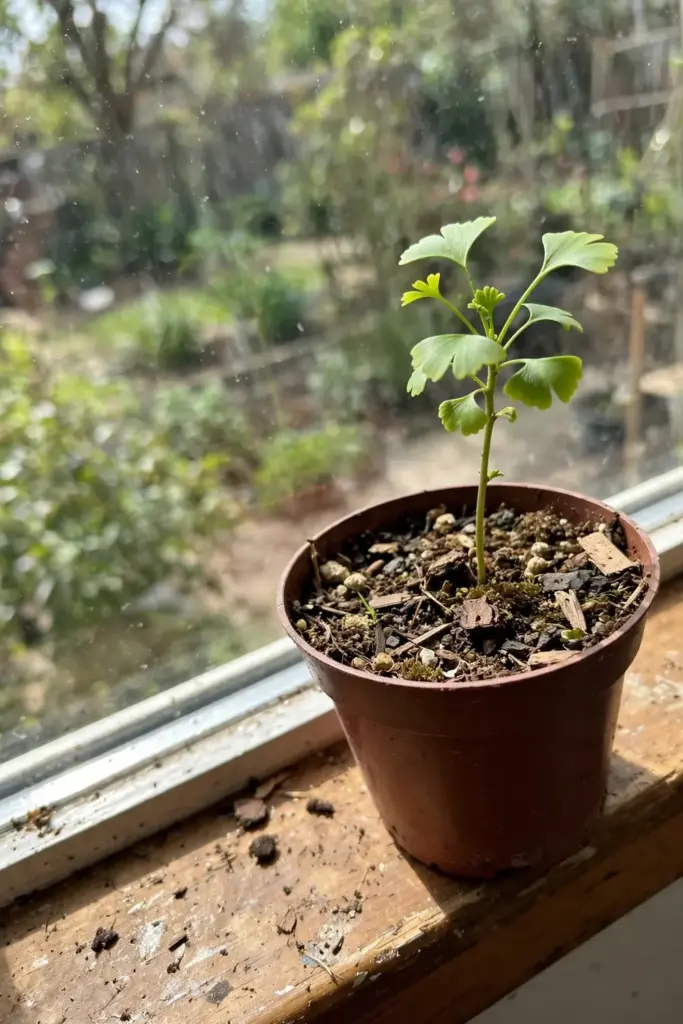
Water when the top inch of mix dries. Ginkgo seedlings rot in soggy soil, so drainage matters more than frequency. A light feeding with half-strength balanced fertilizer once a month during the growing season is plenty. Skip fertilizer entirely for the first month after germination.
Give seedlings 14 to 16 hours of light if you start them under grow lights. A simple shop light hung 6 inches above the pots works. Rotate the pots weekly so stems grow straight. By midsummer, move the pots outdoors to a spot with morning sun and afternoon shade, then shift to fuller sun over two weeks. This hardening step prevents the scorched leaves that plague seedlings shoved outside all at once.
By fall, a healthy first-year seedling stands 6 to 12 inches tall with a woody stem base. Let it go dormant naturally as days shorten. In cold climates, heel the pots into a sheltered spot or an unheated garage for winter. The roots in a pot freeze harder than roots in the ground.
Step 5: Plant Your Young Tree in the Ground
Transplant in spring of year two or three, when the seedling is sturdy and at least a foot tall. Choose the final site now, because ginkgo resents moving once established.
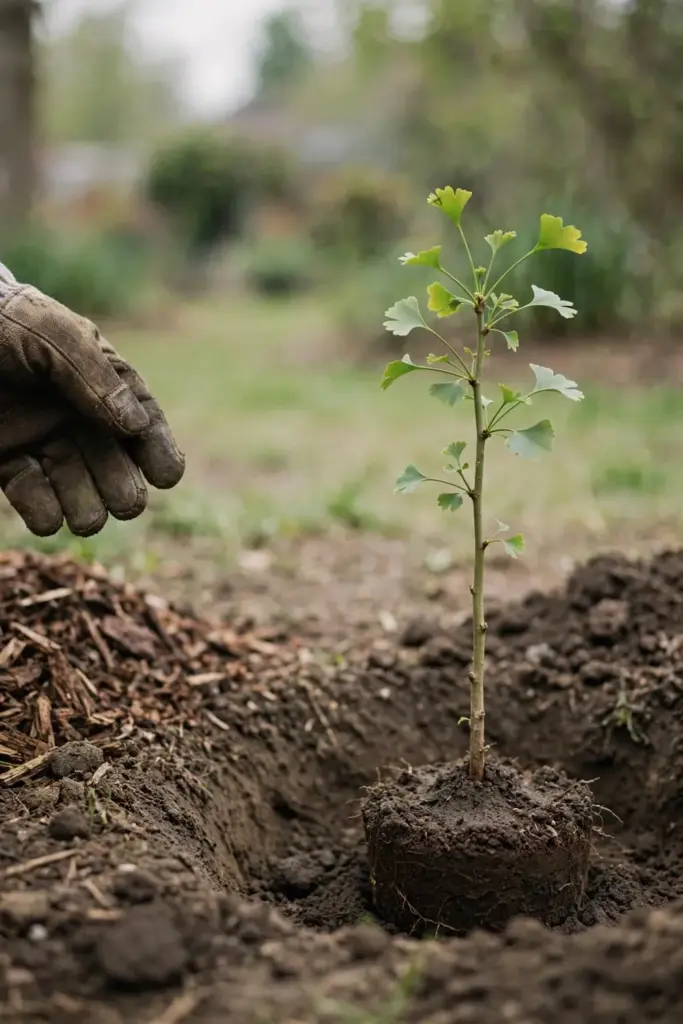
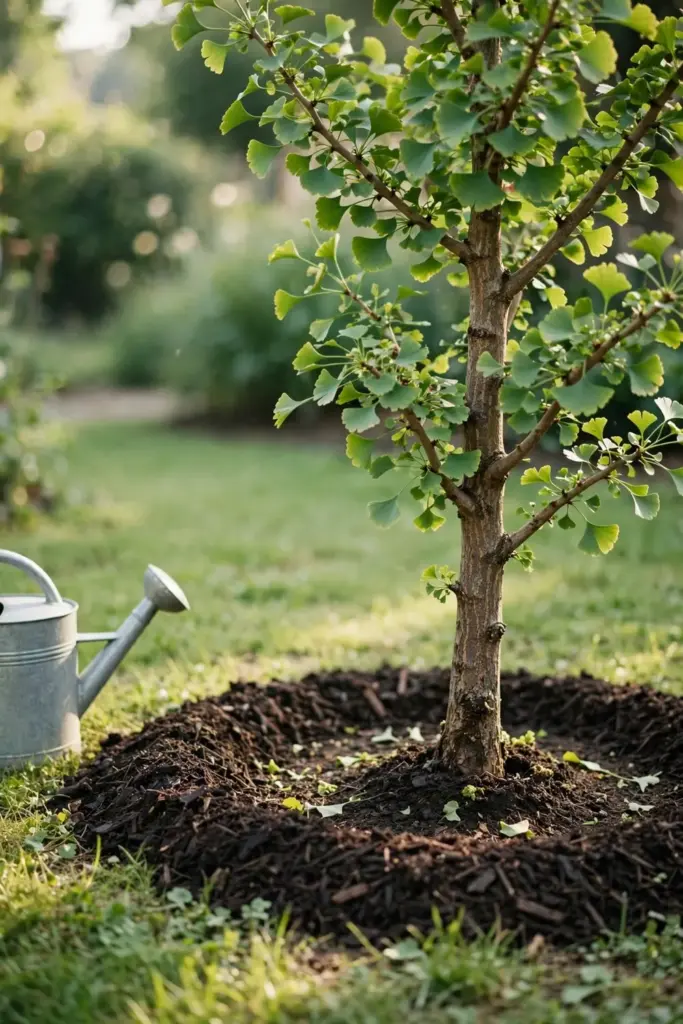
Dig a hole twice as wide as the root ball but no deeper. Set the tree so the root flare sits at or slightly above soil level. Backfill with native soil, water deeply, and mulch 2 to 3 inches deep, keeping mulch away from the trunk. Stake only if the site is windy, and remove stakes after one season.
Water deeply once a week through the first two growing seasons. After that, ginkgo handles drought on its own. Do not amend the planting hole with rich compost; the tree establishes better in native soil.
Step 6: Prune for Structure, Not for Show
Ginkgo naturally grows a strong central leader with well-spaced branches, so pruning is minimal. In late winter, while the tree is dormant, remove crossing or rubbing branches and any shoots competing with the leader. That is the whole program for landscape trees.
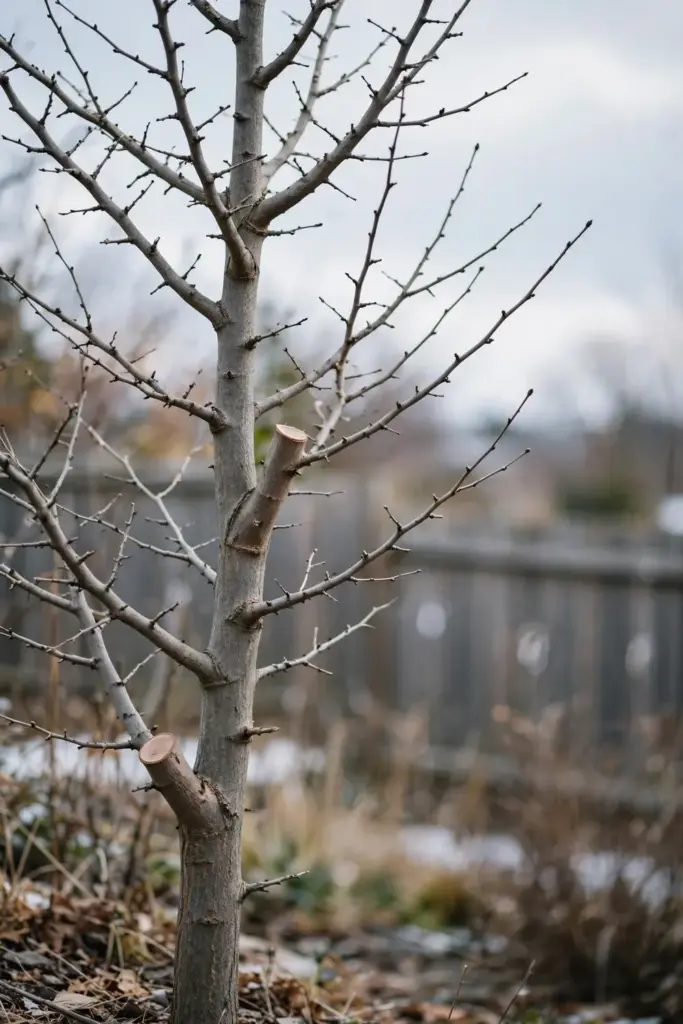
Young nursery trees sometimes stall if pruned in summer, so keep major cuts to the dormant season. Never top a ginkgo. The species does not respond to heading cuts the way maples do, and the resulting regrowth looks awkward for years.
For bonsai, the rules differ and are covered in the bonsai section below.
Watering and Feeding Through the Years
Established ginkgo is famously low maintenance. Deep watering during the first two years builds the root system; after that, rainfall usually suffices except in extended drought. Overwatering kills more young ginkgos than drought does, because wet feet invite root rot in a species that expects drainage.
Feeding is optional. A spring application of balanced slow-release fertilizer helps young trees in poor soil, but mature ginkgos in average soil need nothing. The Clemson Extension ginkgo care guide notes the tree’s tolerance of varied soils and its low fertility demands. Yellowing leaves on an established tree usually signal overwatering or compaction, not hunger.
Pests, Diseases, and Ginkgo’s Famous Toughness
Here is the shortest pest section you will read in any tree guide. Ginkgo has almost no serious pests or diseases. It survived the asteroid that ended the dinosaurs with its chemistry intact, and modern insects largely leave it alone.
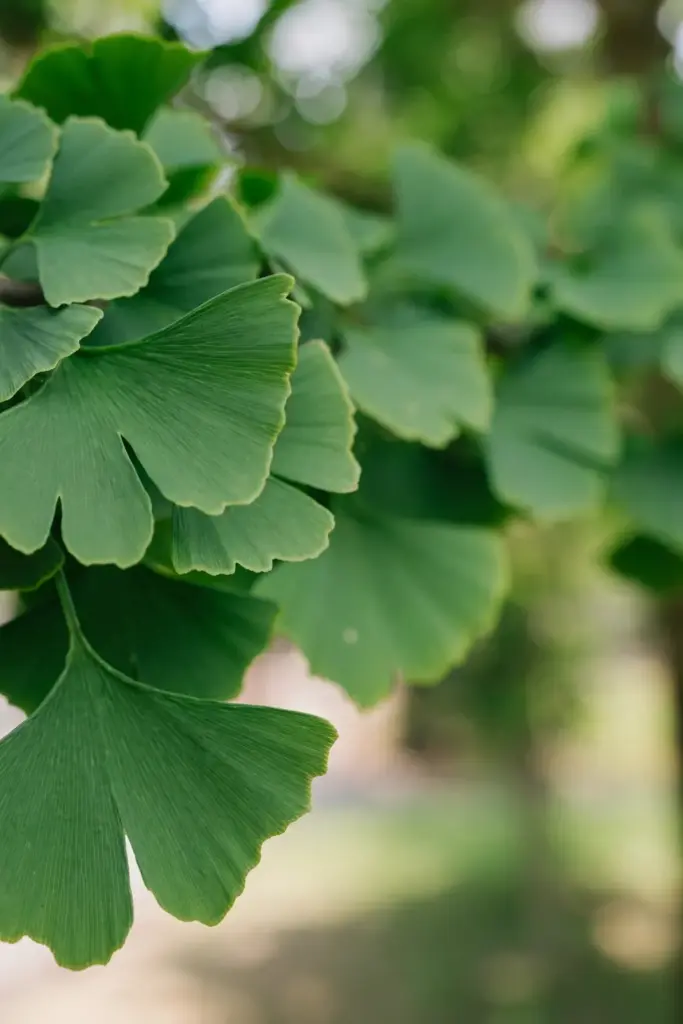
Occasional fungal leaf spots appear in wet years. They are cosmetic and need no treatment. Good air circulation and avoiding overhead watering keep foliage clean. No spray program exists for ginkgo because none is needed.
The real “pest” is the female fruit, which is a landscape problem, not a plant-health problem. Site selection at planting time is the only control that matters.
The Bonsai Option: Ginkgo in a Pot
Ginkgo makes an excellent bonsai, and seed-grown material is ideal because you control the trunk from day one. But get the framing right: ginkgo is an outdoor bonsai. It needs winter dormancy and will decline as a permanent houseplant.
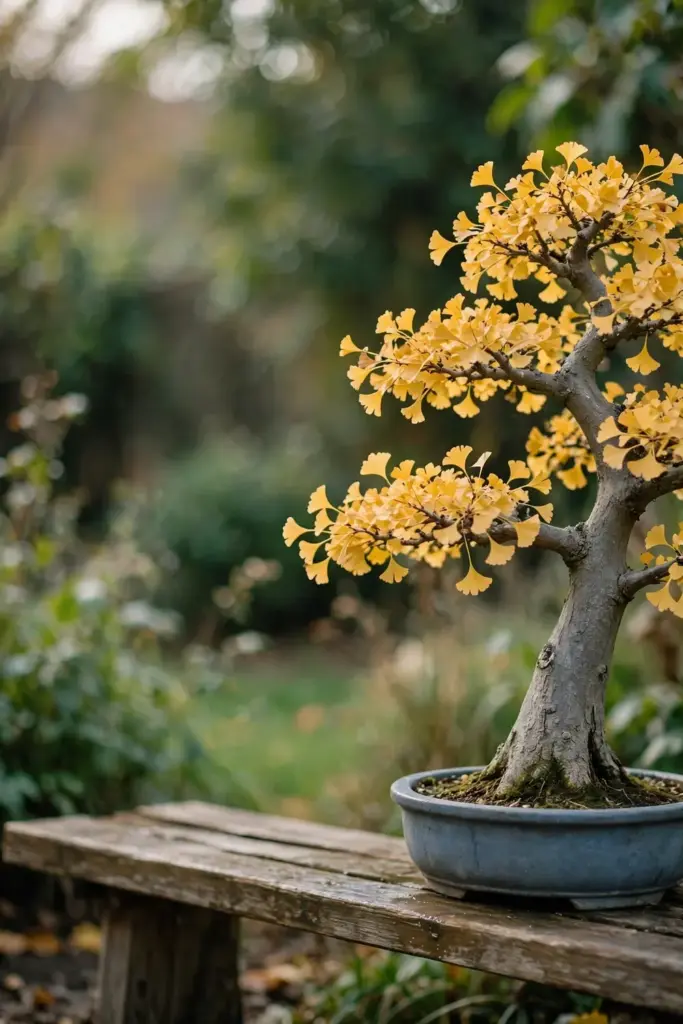
Start training in year two or three. Pot the young tree into a training container with free-draining bonsai soil and let it grow strongly for a season before any styling. Unlike most bonsai subjects, ginkgo dislikes hard pruning. Work gradually, removing a little each year, and let the tree’s natural architecture lead.
Protect the rootball from hard freezes. A pot exposes roots to far colder temperatures than the ground does, so winter a bonsai ginkgo in an unheated garage or cold frame once temperatures drop into the teens. Water carefully in winter; dormant trees in small pots still dry out.
Wiring works, but ginkgo branches are brittle. Wire in late winter while the tree is leafless, use aluminum wire about one-third the branch thickness, and check monthly during the growing season because ginkgo thickens fast enough to scar. Remove wire at the first sign of biting in. For trunk thickness, grow the tree in a large training pot or the ground for 3 to 5 years before the first bonsai pot; a pencil-thin trunk never looks ancient.
The payoff is a miniature ancient tree with golden fall color no other bonsai species can match.
Harvesting Ginkgo Nuts: Edible, With Rules
The inner kernel of the ginkgo seed, known as baiguo in Chinese cuisine, is eaten roasted or in soups. This is the one section of this guide with safety rules, so read it straight.
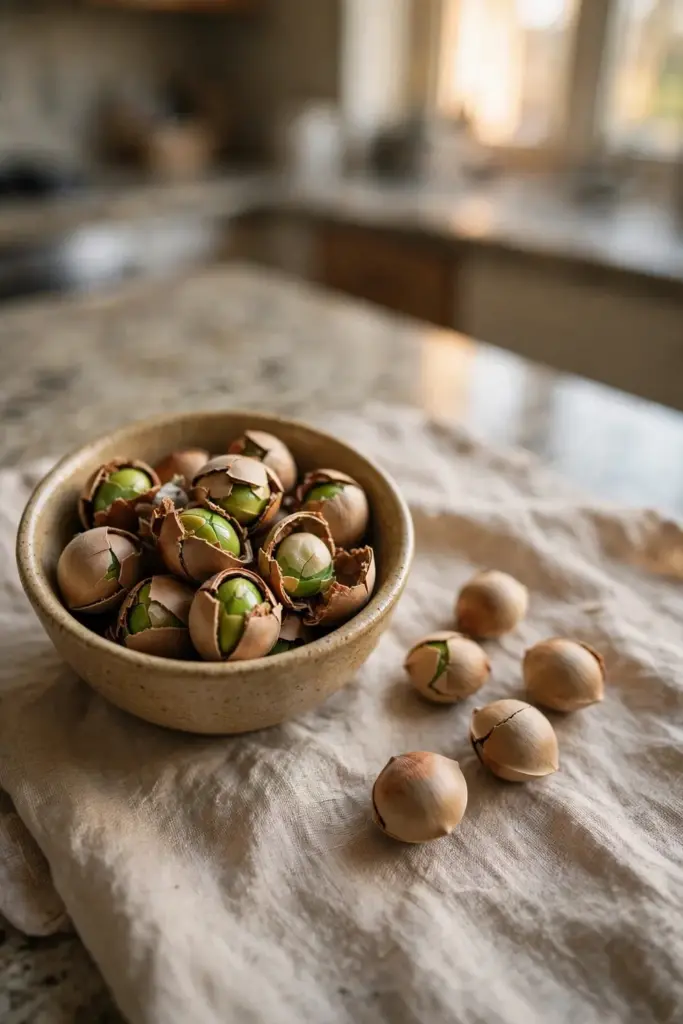
Eat only cooked kernels, and eat few. Raw ginkgo nuts contain ginkgotoxin, and overconsumption has caused poisoning, especially in children. Published case reports describe symptoms after eating dozens of raw nuts. A small handful of thoroughly roasted nuts is the traditional serving, and even that is not for children or for anyone pregnant.
Harvest fallen structures with gloves, clean and dry the seeds as described in Step 1, then crack the hard shells and roast the green kernels until firm. This is food knowledge, not medical advice. If you have any health condition or take medication, skip homemade ginkgo preparations entirely.
Seed vs Grafted Tree: Which Path Is Yours
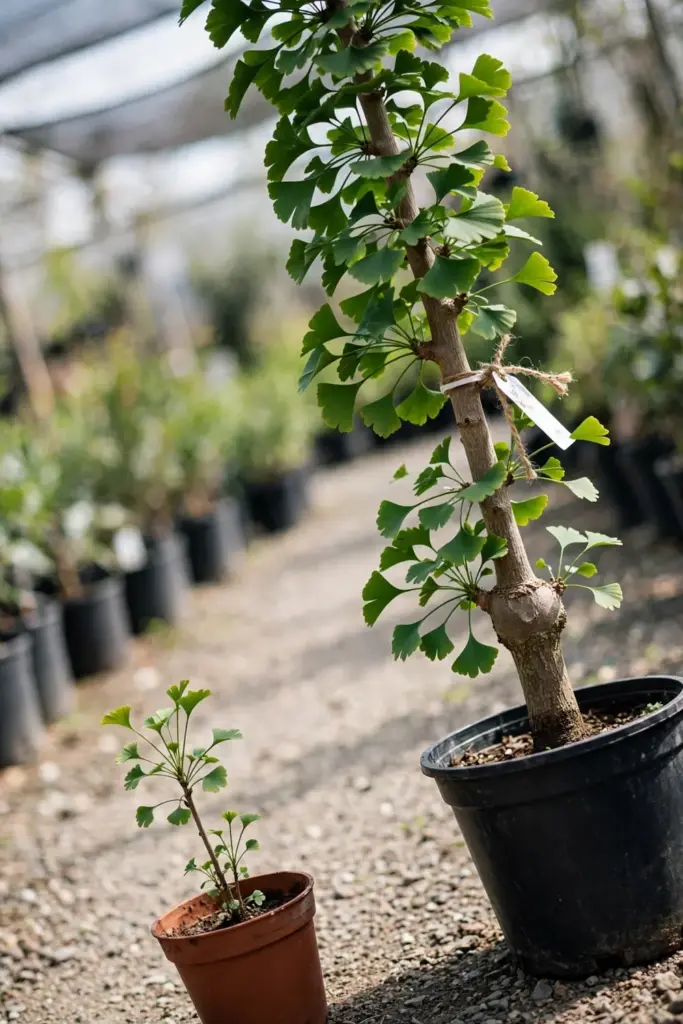
Seed is one of three ways to get a ginkgo. For a guaranteed male shade tree within a decade, buying a grafted cultivar beats growing from seed. This table lays out the trade honestly.
| Option | Years to landscape tree | Sex known? | Cost | Best for |
|---|---|---|---|---|
| Seed (this guide) | 10 to 15 | No, until 20 to 30 years | Nearly free | Bonsai, curiosity, gifts, groves |
| Grafted male cultivar | 5 to 8 | Yes, guaranteed male | Nursery price | Street tree, yard tree, no smell |
| Cutting from a male | 8 to 12 | Yes, matches parent | Free if you know a tree | Cloning a favorite male |
If you want a guaranteed male shade tree within a decade, buy a grafted cultivar and skip the seed project. If you want the experience of raising a living fossil from scratch, or material for bonsai, seeds are perfect. Many gardeners do both.
Common Mistakes and How to Fix Them
Sowing without stratification. The embryo stays dormant and nothing happens. Fix it by stratifying properly: warm 6 weeks, then cold 3 months, then sow.
Handling fresh pulp barehanded. The dermatitis shows up a day later as an itchy rash. Fix it with prevention: gloves every time, and wash tools after.
Sowing too deep. An inch is enough. Deeper seeds exhaust their reserves before reaching light. Fix it by sowing shallow and covering lightly.
Keeping seedlings indoors forever. Ginkgo needs seasons. A seedling kept as a houseplant for years grows weak and leggy. Fix it by moving pots outdoors after the last frost and letting dormancy happen.
Expecting a known sex from seed. No test exists for seedlings. Fix the expectation, not the tree: enjoy the seedling and buy a grafted male for the landscape if sex matters.
Overwatering in heavy soil. Soggy roots rot while the top looks fine. Fix it with drainage: sandy mix in pots, no amendments that hold water in the planting hole.
Giving up after 60 days. Ginkgo germinates unevenly. Fix it with patience: hold the pots through the season before declaring failure.
Troubleshooting Ginkgo Problems
Seeds mold in the stratification bag. The medium is too wet or the seeds were dirty. Rinse the seeds in clean water, replace the medium with fresh barely-moist peat or sand, and return the bag to the refrigerator.
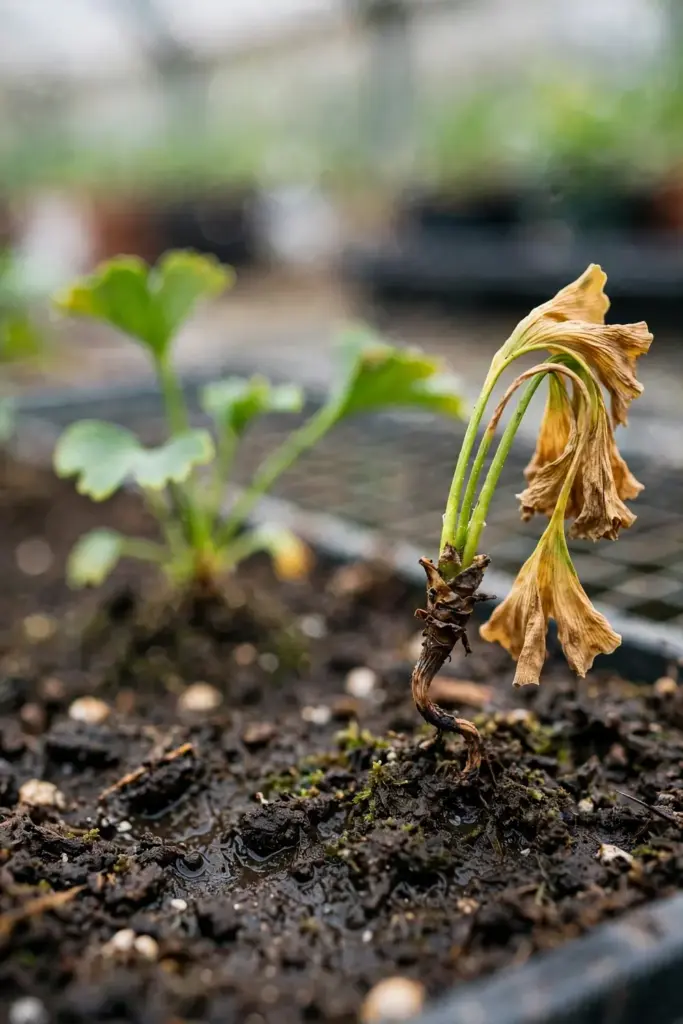
Seedlings damp off at the soil line. Classic seedling disease from wet, airless mix. Use sterile medium, water from below, and give the pots air circulation. Discard affected seedlings; they do not recover.
First-year seedling drops leaves in summer. Usually heat stress or a missed watering, not disease. Move the pot to afternoon shade, water deeply, and wait. Ginkgos refoliate.
Transplanted tree sits still for a year. Normal. Ginkgo spends its first season building roots. Do not fertilize heavily to force growth; keep watering and wait for year two.
Leaves emerge late in spring. Ginkgo leafs out later than most trees. Bare branches in April are not dead branches. Scratch the bark: green underneath means alive.
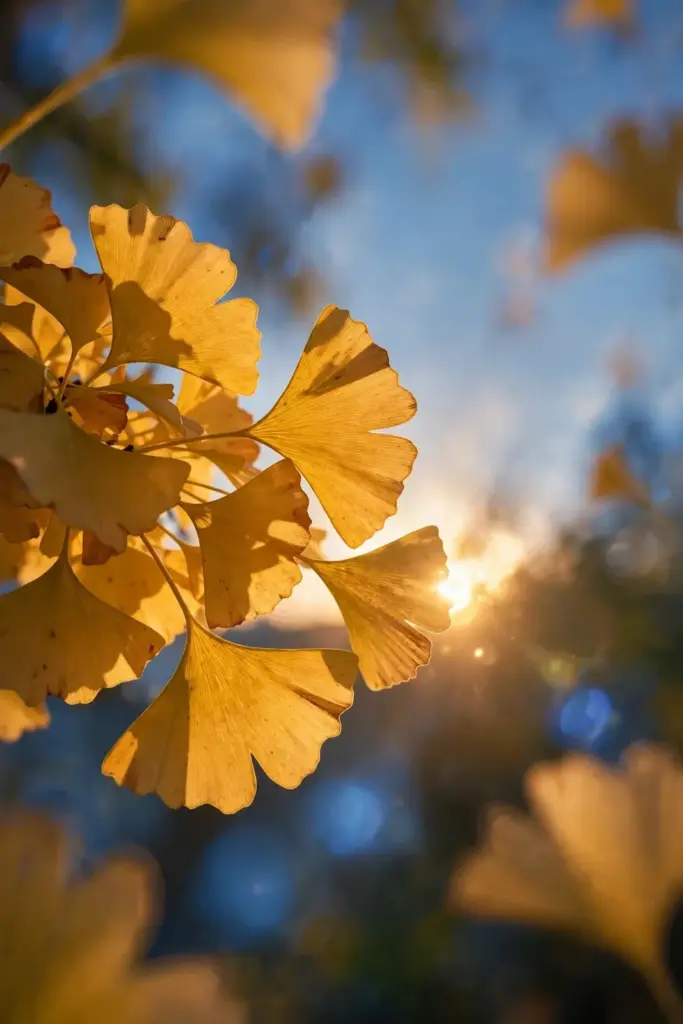
Yellow fall color never appears. Deep shade mutes the gold. If fall color matters to you, the tree needs full sun. You cannot fix this with fertilizer.
Frequently Asked Questions
Germination takes 30 to 60 days after stratification, and a seedling reaches a foot tall in its first or second year. A landscape-sized tree takes 10 to 15 years. Sex cannot be determined for 20 to 30 years, and fruit appears only on mature females. Think in decades, and you will enjoy the process.
You cannot know until the tree flowers, which takes decades from seed. Male trees produce pollen cones in spring; females produce ovules that become the smelly fruit. Nurseries guarantee sex by grafting: a grafted male cultivar is male from day one. Seedlings are always a coin flip.
Yes. The embryo is dormant and needs a cold period to wake up. The documented protocol is about six weeks warm followed by at least three months cold in the refrigerator, though some growers succeed with two to three months of cold alone. Sowing unstratified seed in spring usually gives nothing.
Only as a temporary seedling or as bonsai-in-training, and even bonsai ginkgos belong outdoors. Ginkgo needs winter dormancy and full sun to thrive long term. A seedling can spend its first winter on a bright windowsill, but plan its move outside from year two onward.
Cooked kernels are eaten traditionally in small quantities, but raw nuts contain ginkgotoxin and overeating has caused poisoning, particularly in children. Keep servings small, roast thoroughly, and keep them away from children and anyone pregnant. This is food tradition, not medical guidance.
The fleshy outer coat of the seed contains butyric acid, the compound behind rancid butter and vomit smells. It evolved to attract carnivorous dispersers millions of years ago. The smell peaks when ripe structures fall and split in autumn. Planting a grafted male cultivar avoids the problem entirely.
Where to Go From Here
Start with 20 seeds this fall. Clean them with gloves, stratify through winter, and sow in spring. That is the honest version of how to grow ginkgo from seed: simple steps, long timeline, unforgettable tree. By next autumn you will have a row of small living fossils and a story no nursery-bought tree can give you.
If the decades-long wait for a landscape tree feels too slow, pair the seed project with a grafted male cultivar for the yard. The seed starting guide covers the indoor sowing routine in more detail, and the spring pruning techniques guide will matter once your tree needs structural cuts. For the soil side of transplanting, the soil health foundation guide explains how to prepare ground that drains the way ginkgo likes. A seed-grown ginkgo is a gift to the future. Plant it like you mean it.