
Buy a sucker from a flowering male tree, never a seedling of unknown sex. That is how to grow kewra from India the reliable way, because only the male tree gives you fragrance. The rest of this page is 20 moves, from the first sucker to the distillation basket.
Start in the warm months. Plant at 2 by 2 meters. Wait years, not seasons.
Kewra, or Pandanus odoratissimus, is the fragrant screwpine of coastal India. Its male flowers are distilled into kewra water, kewra attar, and the legendary Ganjam rooh, while the female flowers carry no scent at all. A random seedling hands you a fifty-fifty chance of a tree that will never produce a single fragrant spike, which is why this guide insists on male material only, sucker propagation, honest timelines, and the Ganjam cultivation package that actually produces flowers.
1. Buy a Male Plant, Not a Mystery Seedling
Buy a sucker from a flowering male tree, never a seedling of unknown sex. Kewra is dioecious, so each tree is either male or female for life, and you cannot tell them apart until the first flowers appear years later. A seed-grown plant gives you a coin flip, and the losing half produces zero fragrance.
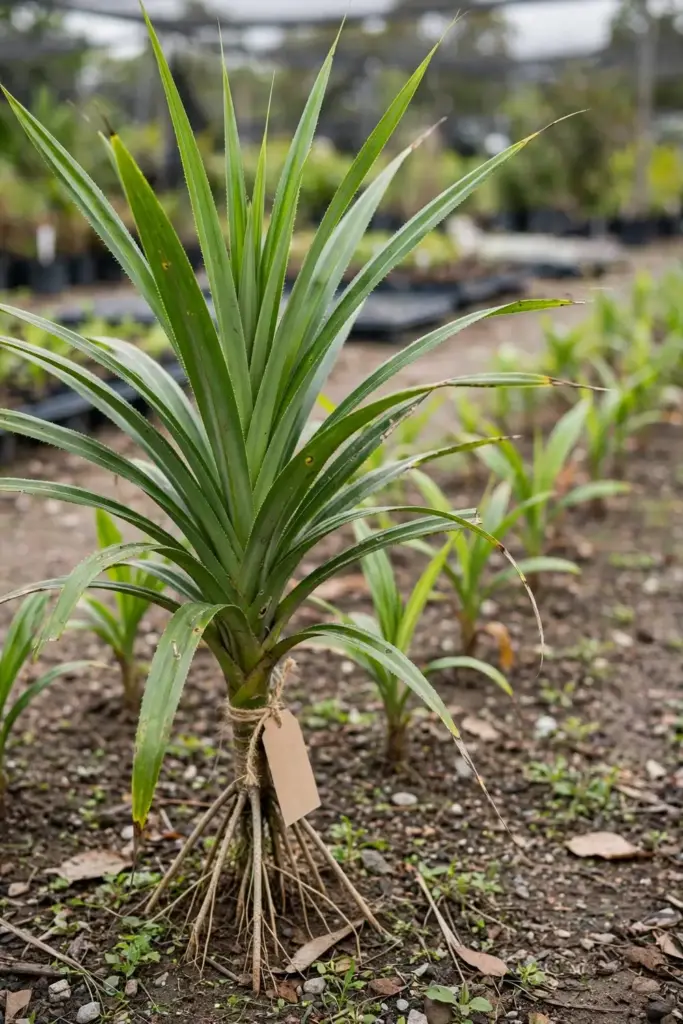
Ask the nursery which tree the sucker came from, and buy only when the seller can point to a flowering male mother plant. Nurseries that cannot answer that question are selling you a lottery ticket. If a seller offers “kewda” online, check the species label before paying, because one large nursery sells Pandanus pygmaeus under the kewda name, and that dwarf ornamental has no fragrance industry value at all.
2. Learn What Kewra Actually Is Before You Plant It
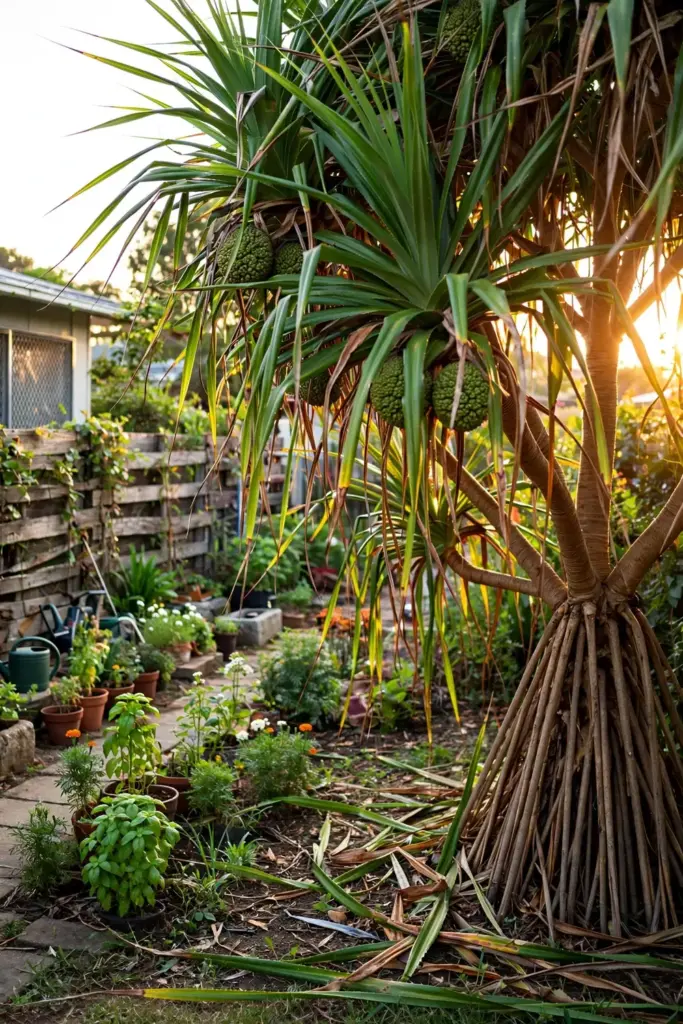
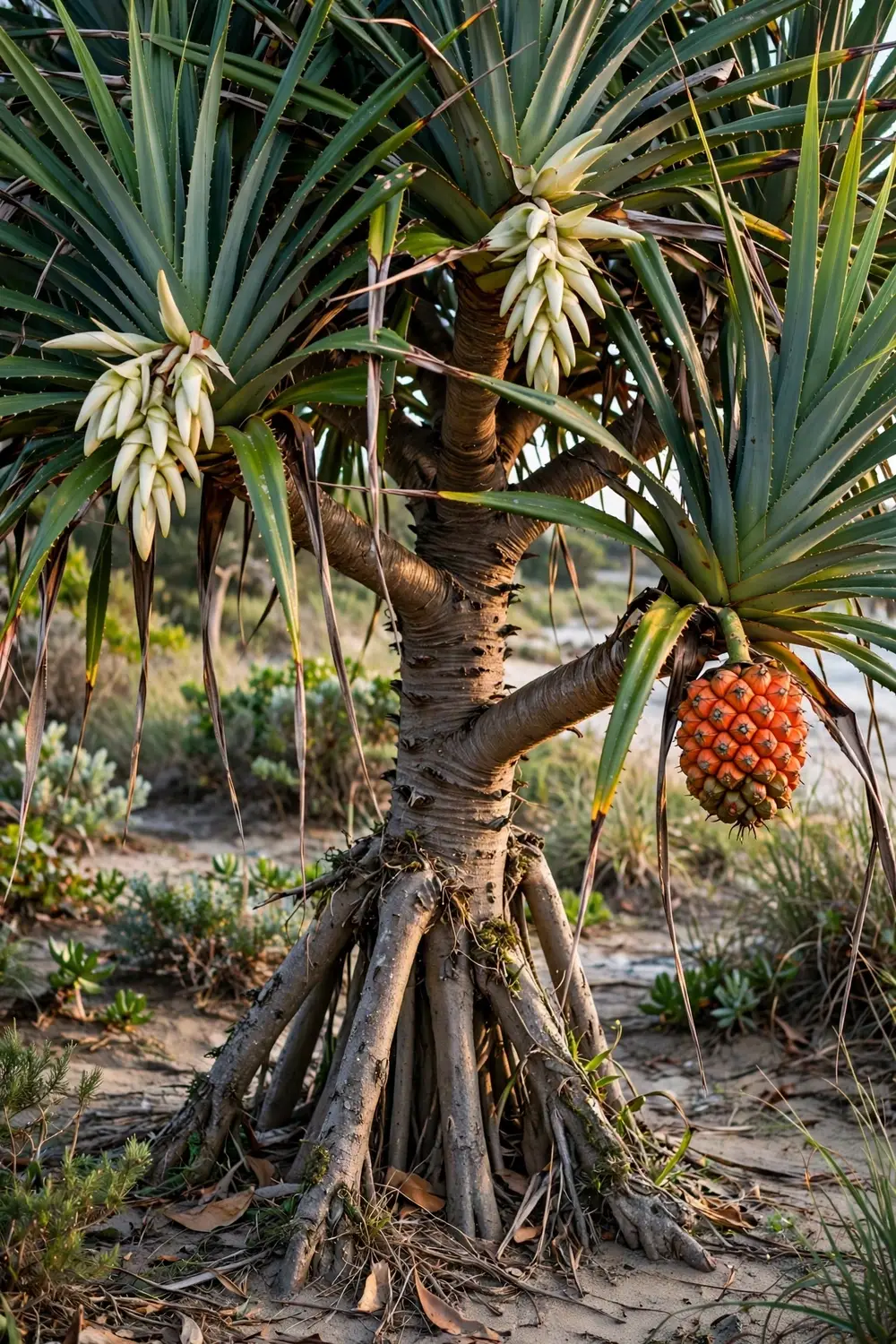
Kewra is Pandanus odoratissimus, a small coastal tree in the screwpine family also recorded as Pandanus odorifer and Pandanus fascicularis in botanical references. Its Sanskrit name is Ketaki, and it grows wild and cultivated along India’s east coast, with the densest plantings in Odisha’s Ganjam district. The tree carries stilt roots that brace its trunk against coastal wind, long sword-like leaves spiraling from the crown, and separate male and female flower structures on separate trees.
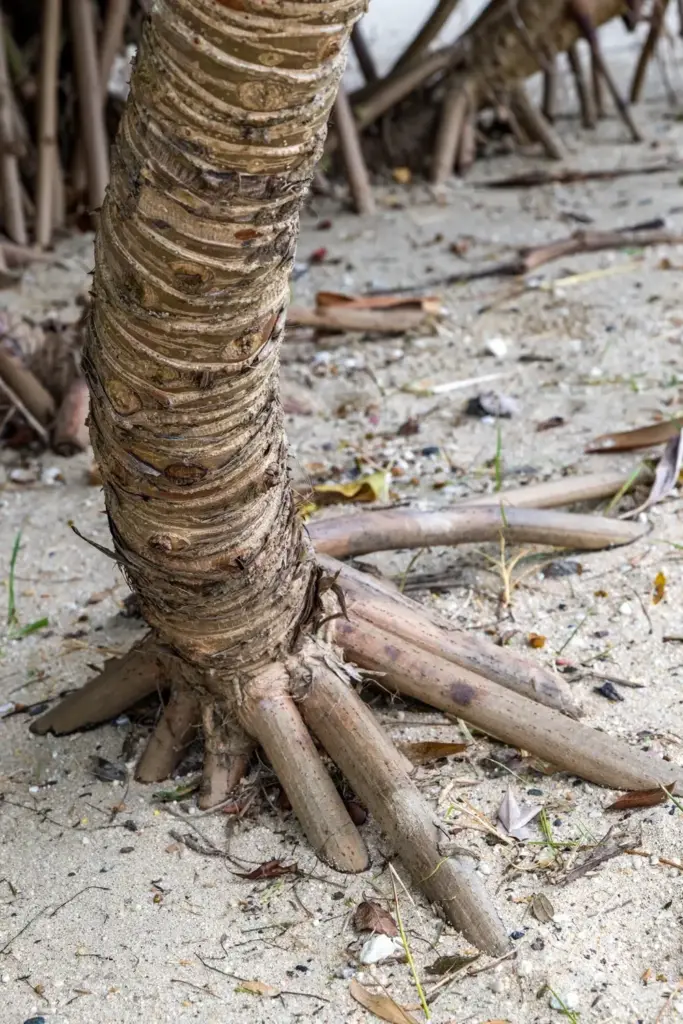
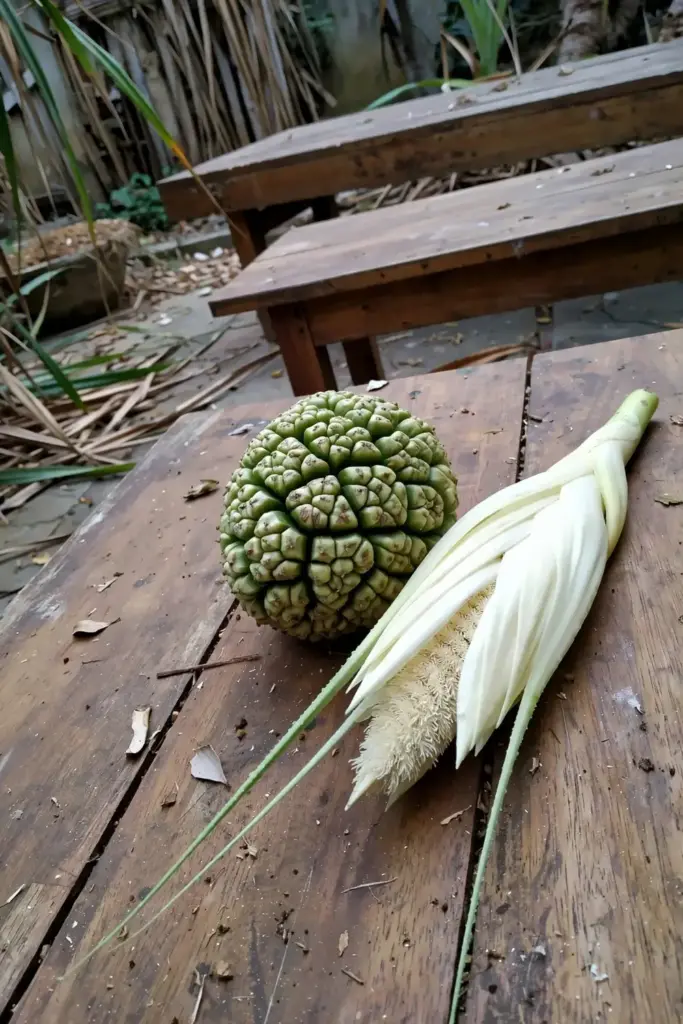
The male inflorescence is the fragrant part. Harvesters call it Ketaki Viphala, and a mature male tree releases its perfume in waves during three flowering flushes a year. The female flower, called Swarana Ketaki, has no fragrance worth distilling and develops instead into a pineapple-like syncarp that is fibrous and generally not eaten. Keep the two jobs straight from day one: male trees for fragrance, female trees for seed and fruit.
3. Read the Male vs Female Table Before You Spend Money
This table is the single most important thing here. Tape it to the nursery gate in your mind.
| Trait | Male Kewra Tree | Female Kewra Tree |
|---|---|---|
| Flower fragrance | Strong, sweet, distillable | None worth harvesting |
| Sanskrit name | Ketaki Viphala | Swarana Ketaki |
| Economic product | Kewra water, attar, rooh | Fruit (fibrous, generally not eaten) |
| How to identify young | Impossible until first flowering | Impossible until first flowering |
| Propagation for certainty | Suckers from a known male tree | Suckers from a known female tree |
| Seed-grown risk | Fifty percent chance of fragrance | Fifty percent chance of no fragrance |
The takeaway is blunt. Seeds cannot tell you the sex of the tree, and the Pandanus propagation notes on PROTA’s Pl@ntUse confirm that vegetative propagation is the standard method for this species. Suckers carry the exact sex of the mother tree. Seeds carry a gamble.
4. Put Kewra Where the Coast Would Put It
Kewra is a coastal plant, and it performs best near sea level in warm, humid air. The Ganjam kewda industry page on Wikipedia places the commercial belt in a narrow coastal strip of Odisha between the Rushikulya river in the north and the Bahuda river in the south, roughly 45 kilometers long and 15 wide, where Ganjam district supplies 85 to 90 percent of India’s kewda essence. Sea level near 20.1 meters is considered optimal, and the tree tolerates elevations to 600.4 meters, so hill stations are out.
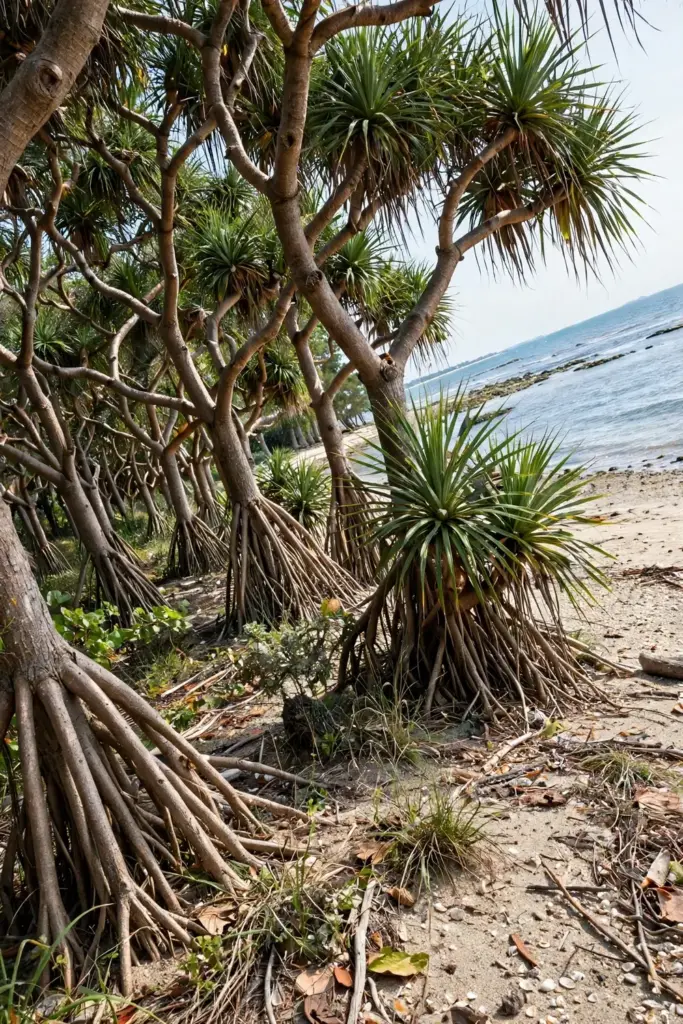
Give your tree full sun to light semi-shade, sandy or sandy-loam soil that drains fast, and shelter from hard frost rather than from wind. Kewra handles salt-laden coastal winds without complaint, which is why it lines so many east-coast homesteads. If your garden sits inland on heavy clay, build a raised mound 30.5 centimeters high and mix coarse sand through the planting zone before the sucker goes in. I have learned to treat kewra drainage like a palm’s: the crown must never sit in a puddle, because wet feet rot the base while dry feet only slow it down.
5. Choose Suckers Over Cuttings and Seeds
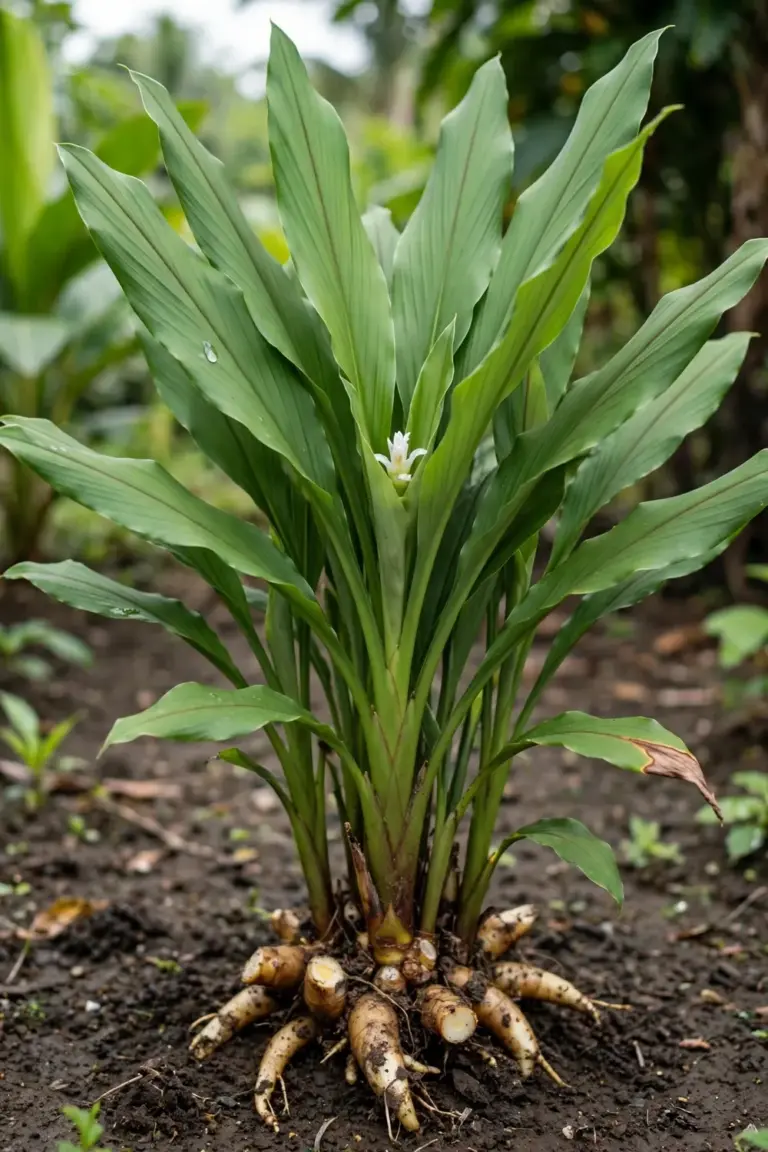
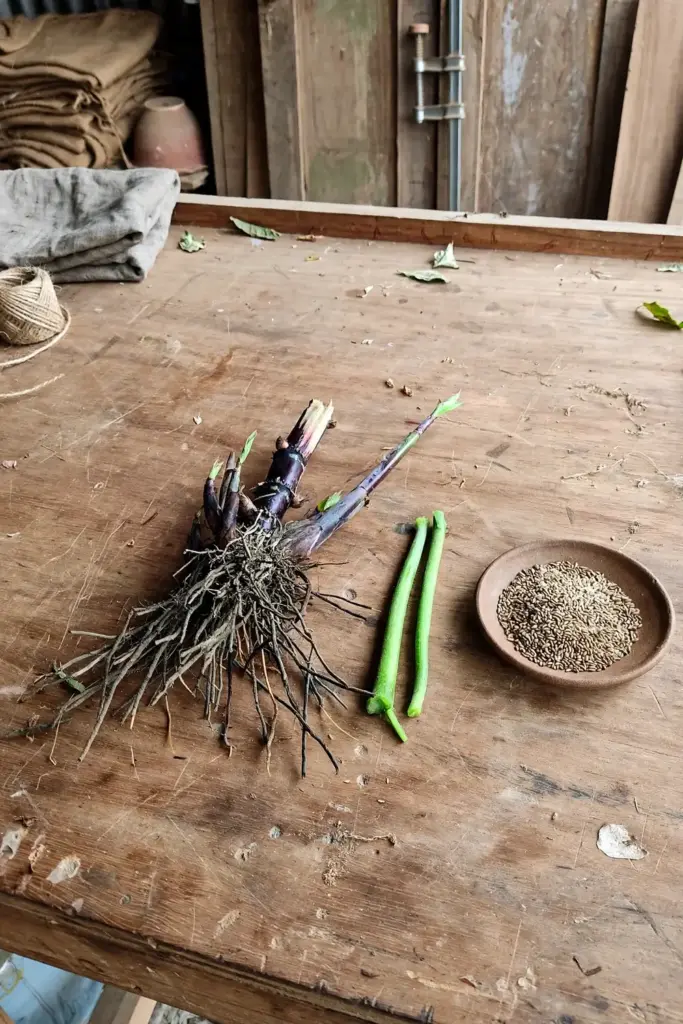
Vegetative propagation is the reliable lane for kewra, and the PROTA propagation notes list three vegetative methods: sucker shoots detached as plantlets from leaf axils, stem segments, and full-sized stems. Suckers from the leaf axils can go straight into the ground or root first in a sandy medium. Stems that already show slightly developed prop roots are cut, their leaf crowns trimmed but never removed, and the cuttings inserted at an oblique angle.
| Method | Speed | Sex Certainty | Best For |
|---|---|---|---|
| Sucker from a male tree | Fastest to flower | Certain male | Home fragrance growers |
| Stem cutting with prop roots | Slower, roots take time | Certain, if from male | When no suckers are available |
| Seeds (soaked 24 hours) | Slowest; germination takes months to a year | Coin flip | Breeders and the patient |
Seeds are the honest last choice. They need a 24-hour soak before sowing, and germination stretches from months to a full year according to the PROTA notes. Worse, a seedling cannot reveal its sex until flowering begins, which hands you the fifty-fifty problem from H2 1. Cuttings root slowly and the young plants grow very slowly for a time, as the Pandanus odorifer propagation notes on Wikipedia warn, so budget extra patience if suckers are unavailable.
6. Detach Suckers the Right Way
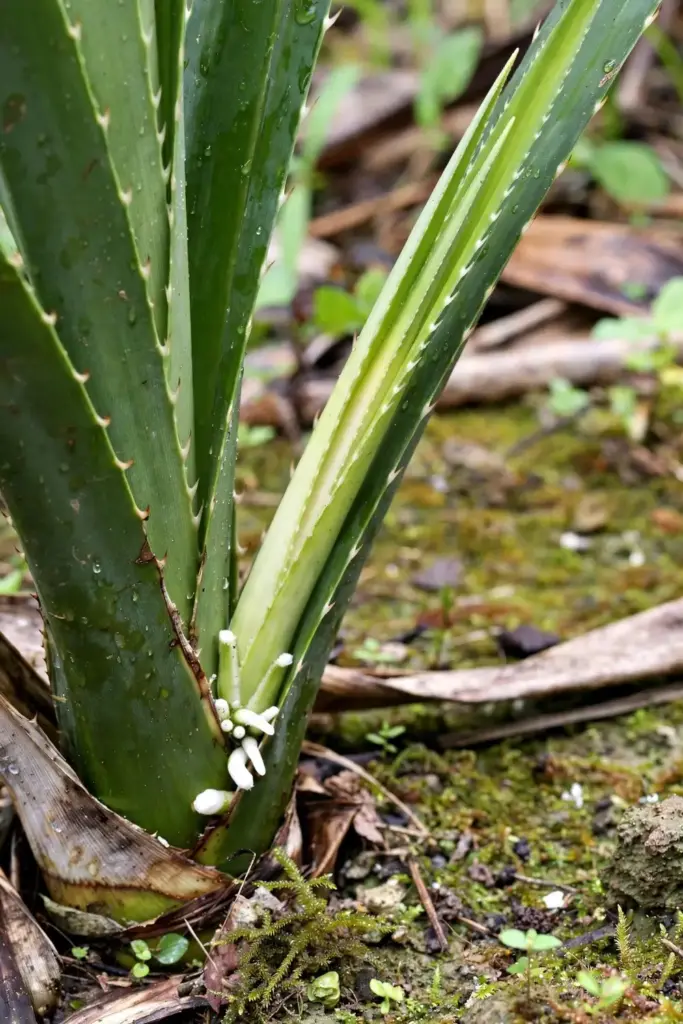
Work in the warm months, when the tree is actively growing and wounds heal fast. Spring through early monsoon is the practical window across most of India.
| Step | Action | Time |
|---|---|---|
| 1 | Choose a sucker with its own small prop roots at a leaf axil | Morning, dry weather |
| 2 | Cut it free with a clean, sharp blade; keep some basal tissue | Same day |
| 3 | Trim the leaf crown back by about a third; never strip it bare | Immediately |
| 4 | Let the cut surface air-dry in shade | 1 to 2 hours |
| 5 | Plant in coarse sand or a sand-compost mix, inserted obliquely | Within 24 hours |
| 6 | Water deeply once, then keep the medium barely moist | Daily check, first 2 weeks |
The seed-starting routine in the growit seed guide covers the nursery hygiene that matters here too: clean tools, labeled batches, and a shaded nursery bed until roots anchor. Suckers root faster than stem cuttings because they arrive with root initials already formed at the axil.
7. Set the Sucker in the Ground at 2 by 2 Meters
Dig a pit 60 centimeters wide and equally deep in the warm season, a few weeks before planting if you can. Mix the excavated soil with two baskets of well-rotted farmyard manure and a handful of coarse sand, then backfill so the sucker sits at the same depth it grew at the mother tree. The PROTA notes give 2 meters by 2 meters as the field spacing, which suits a home orchard corner and gives each crown room to throw its stilt roots wide.
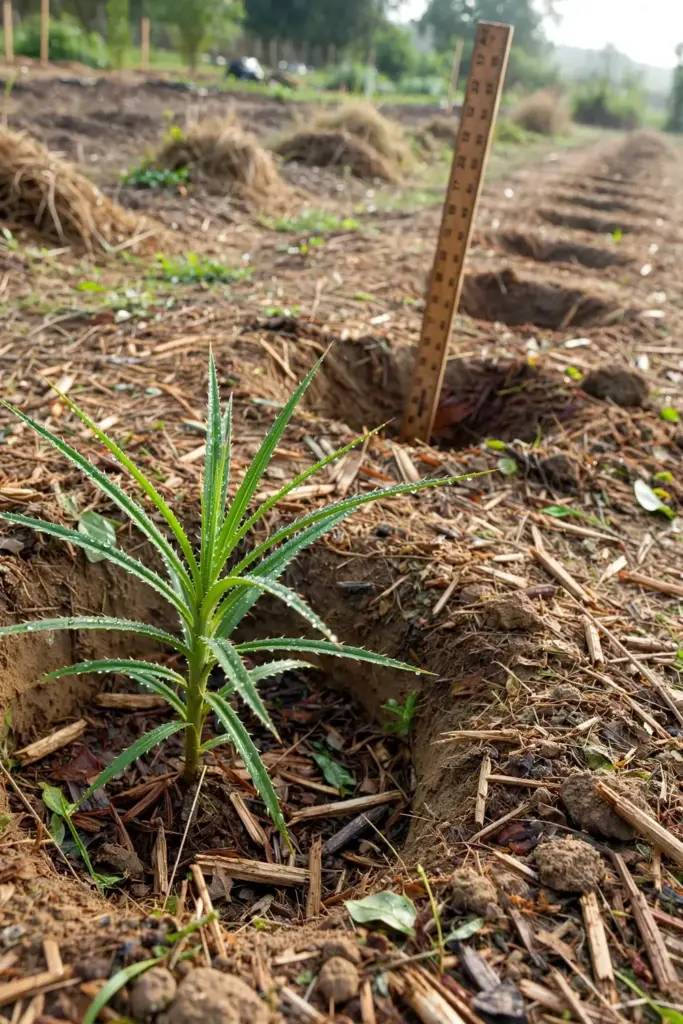
Water deeply right after planting, then water on a rhythm that keeps the root zone moist but never soggy for the first month. Mulch with dry leaves in a ring that stays a hand’s width clear of the stem. In the first year, weed the basin every three months, because young kewra competes poorly with grass. From the second year on, a weeding every six months is enough, and pulling dead lower leaves off the trunk reduces the fire risk that dry pandanus trash carries in hot summers.
8. Grow Kewra in a Large Pot When the Coast Is Not an Option
Kewra grows slowly enough in its first years that a large container buys you time while you decide on a permanent spot. Choose the biggest pot you can move, at least 61 centimeters across, with several drainage holes and a chunky mix of garden soil, coarse sand, and compost in roughly equal parts. Heavy potting soil that stays wet will rot the crown, so err on the sandy side.
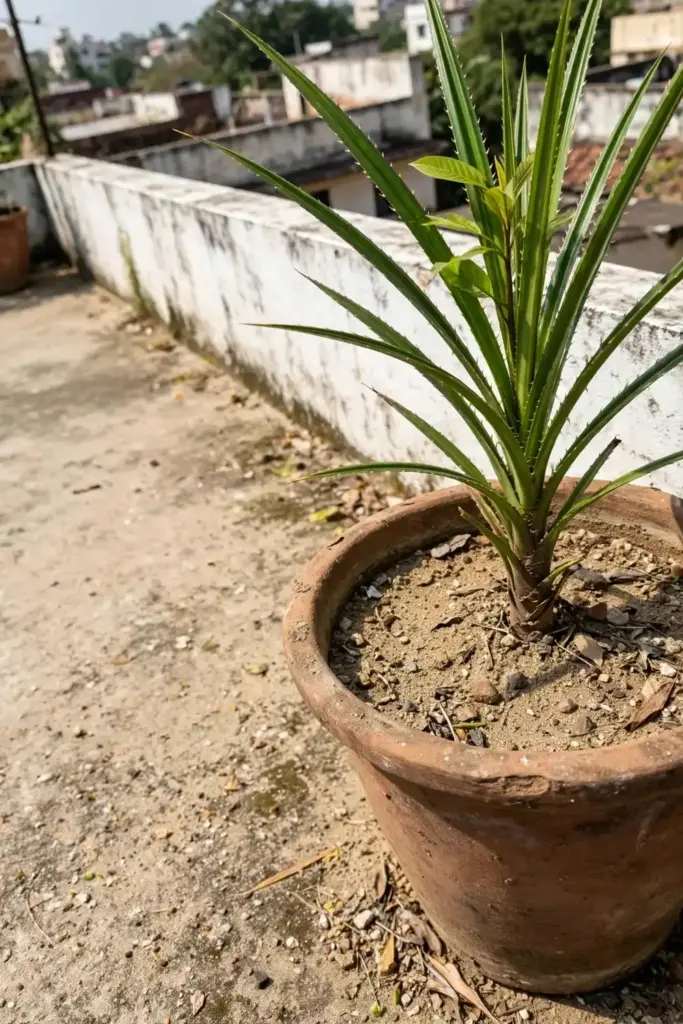
Keep the pot in full sun on a terrace or balcony, and water when the top 5.1 centimeters of mix feel dry. Feed lightly every two months in the growing season, and move the pot under cover before the first frost. The overwintering routine transfers directly to a young pandanus: bright light, reduced watering, and no feeding until spring growth resumes. Plan to move the tree into the ground by year three, because a container can never match field spacing for a tree that wants to stand 2 meters from its neighbor.
9. Feed for Flowers, Not Just Leaves
A kewra tree fed like a foliage plant gives you leaves. A tree fed for flowering gives you spikes. Work farmyard manure into the basin every year at the start of the growing season, and top it with a balanced mineral feed in two splits, one before the monsoon flush and one after. The PROTA notes list organic fertilizer as the standard input in kewra cultivation, and field practice in Ganjam pairs it with regular weeding rather than heavy chemical doses.
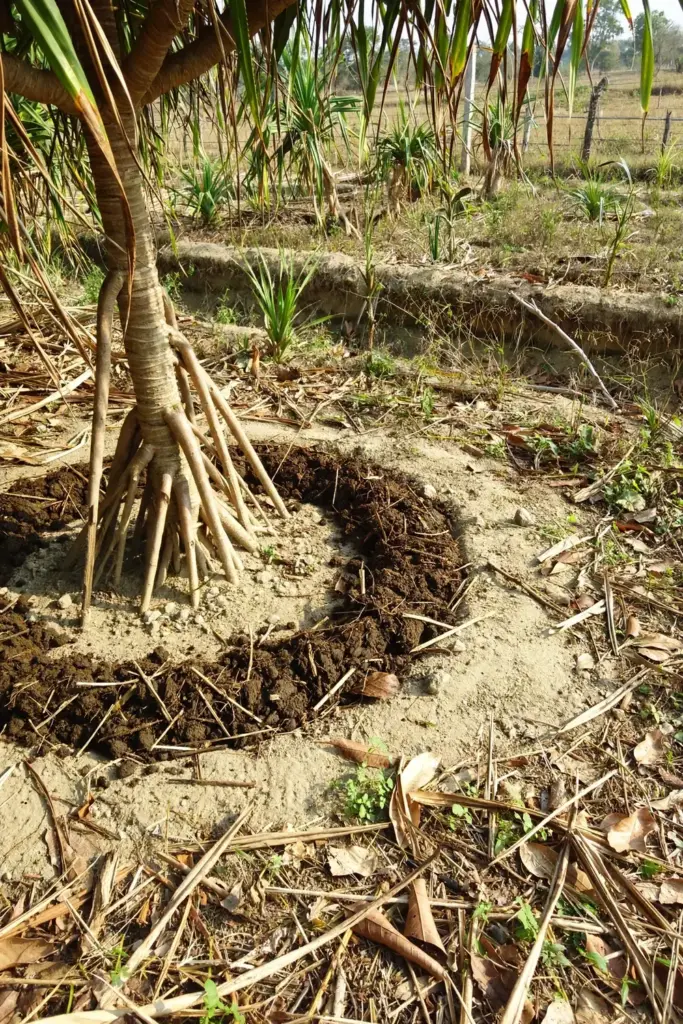
Watch the leaf color through the year. Deep green, upright leaves mean the feeding is right. Pale, floppy new leaves ask for nitrogen, and thin crowns with few suckers ask for a heavier manure round. A soil test every two or three years keeps the guessing honest. Build the whole feeding plan on the soil-health foundation used across the growit guides, because a living soil holds the slow-release nutrition a slow tree prefers.
10. Prune the Crown and Clear Dead Trash
Kewra needs little formal pruning, but it rewards regular cleaning. Remove dead and yellowing lower leaves by pulling them downward away from the trunk, which keeps the crown open to sun and air. Cut out any sucker you do not want before it thickens, leaving only the ones you plan to propagate or the replacement stems for an aging trunk.
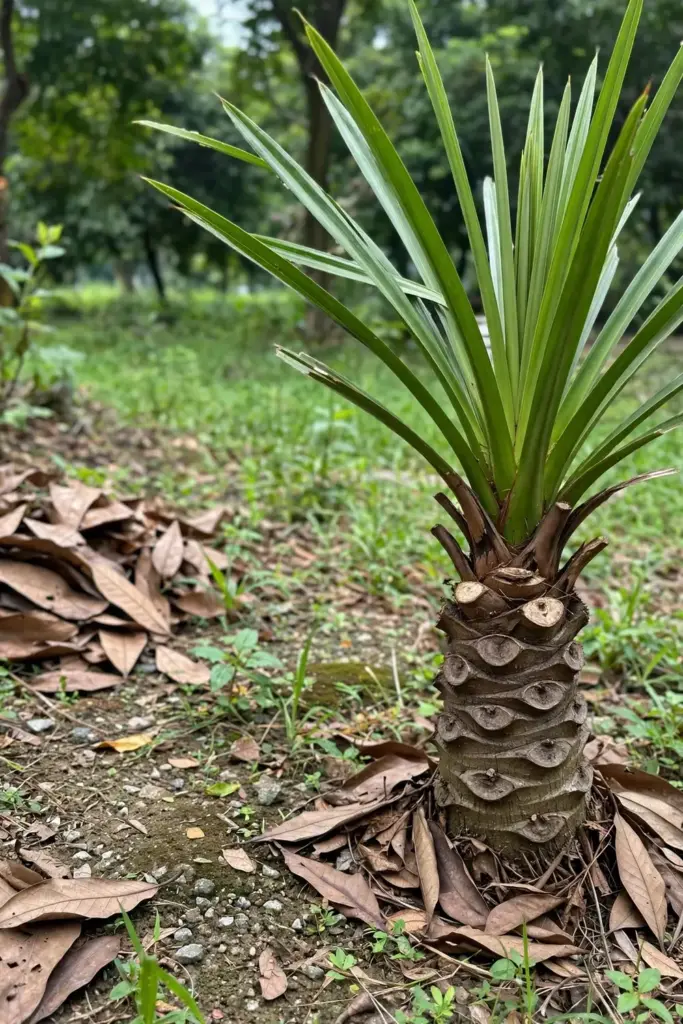
Never cut into the central growing point of a stem. Pandanus crowns grow from a single terminal bud per stem, and damaging it kills that stem outright. When an old trunk stops flowering well, let a basal sucker grow up beside it, then remove the tired trunk at ground level once the replacement is established. Clear fallen dry leaves from under the tree before summer, since the PROTA notes specifically flag dead material removal as fire prevention.
11. Protect Kewra Through a Cold Winter
Kewra is a tropical coastal tree, and frost is its hard limit. In zones that see even light frost, plant against a south-facing wall that radiates stored heat, and wrap the trunk with jute or hessian when a cold night is forecast. A thick mulch ring insulates the shallow roots, but keep it clear of the stem base to avoid rot.
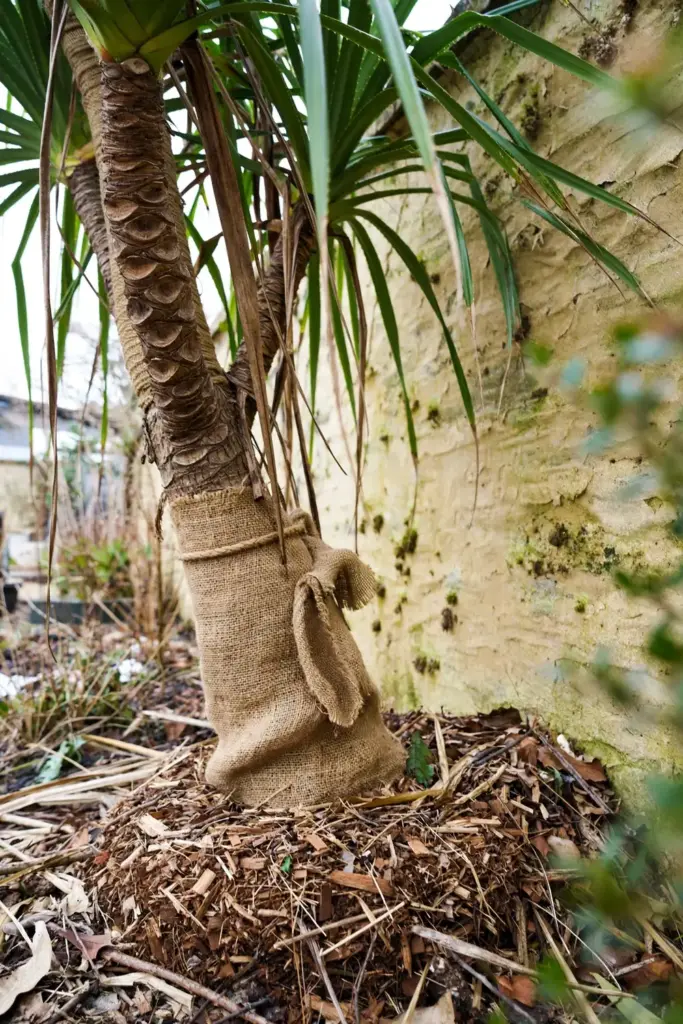
Potted trees come under cover before night temperatures drop toward 4.4°C, and they stay there until spring nights are reliably warm. Water sparingly through winter, because a cold, wet root zone is the fastest way to lose the tree. If your climate brings real freezes every year, treat kewra as a permanent container specimen and accept a smaller tree with fewer flowers, or choose a different crop. The tree will survive a mild winter with protection, but it will never forgive a hard freeze.
12. Handle the Usual Pests and the One Real Rot Risk
Healthy kewra shrugs off most pests. Mealybugs and scale insects sometimes colonize the leaf axils, and a strong jet of water followed by neem oil on the survivors clears them without drama. Check the crown after storms, when damaged leaves invite secondary problems.
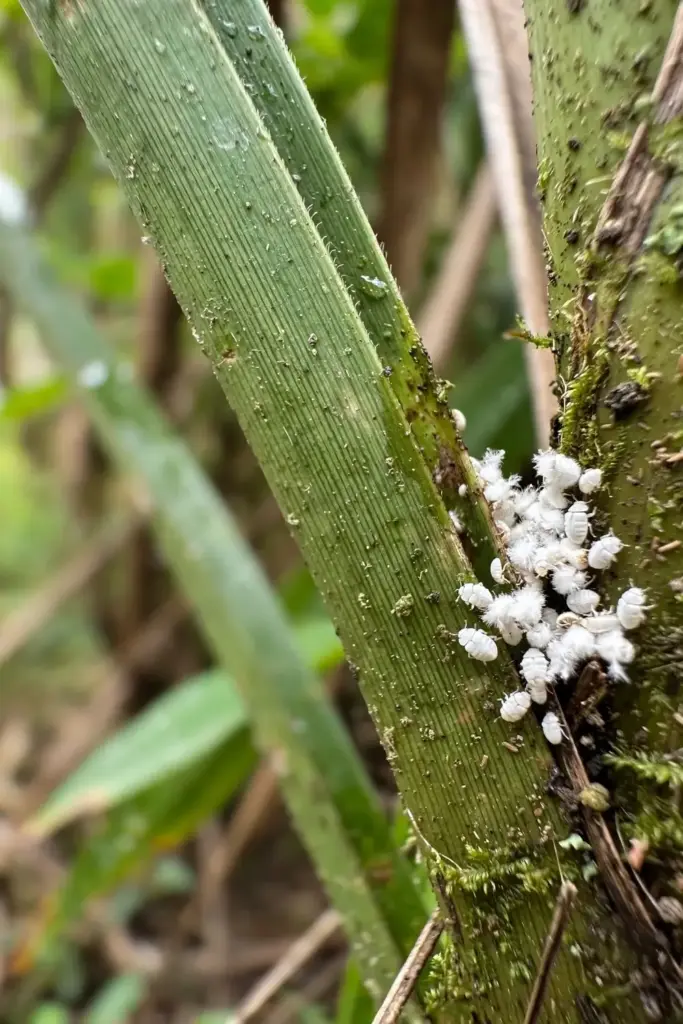
The one real enemy is crown rot from waterlogging. Symptoms start as a foul smell at the leaf bases and a crown that pulls loose with a gentle tug. Prevention beats cure: sandy soil, raised planting, and no overhead watering that pools in the crown. If rot starts, cut away every soft, discolored tissue back to firm white flesh, dust the wound with wood ash, and keep the crown dry for two weeks. A tree caught early can push a new bud from a lower node.
13. Pick Male Spikes at Peak Fragrance
A mature male tree produces 30 to 40 flower spikes a year, each weighing 141.7 to 170.1 grams, and flowering arrives in three flushes: summer brings 30 percent of the crop, the monsoon months of July through September bring 60 percent with the finest bouquet, and autumn contributes the remaining 10 percent. Harvest in the early morning, when the scent is strongest and the flowers are still turgid from the night.
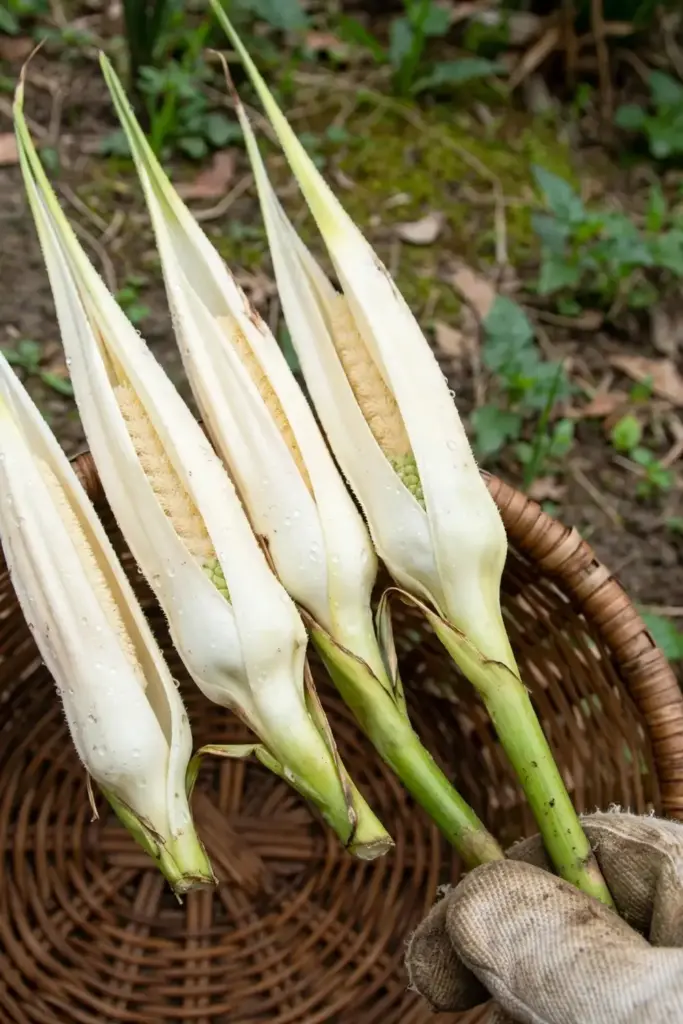
Cut the spike with a clean blade, leaving a short stub, and handle the flowers gently because bruised tissue loses volatile oil fast. Do not wait for the spathe to fully open and dry on the tree. Distillers in Ganjam time their picking to the flower’s prime, and a home grower chasing fragrance for the kitchen should do the same. One tree in full production can fill a basket several times over the monsoon flush alone.
14. Move Flowers From Tree to Distillation Basket
Fresh kewra flowers lose fragrance by the hour, so the chain from tree to still must be short. Spread the harvest in a single layer in shade, pick out damaged spikes, and pack the good ones loosely in breathable baskets. Never seal fresh flowers in plastic, which cooks them into a sour, composty smell within a day.
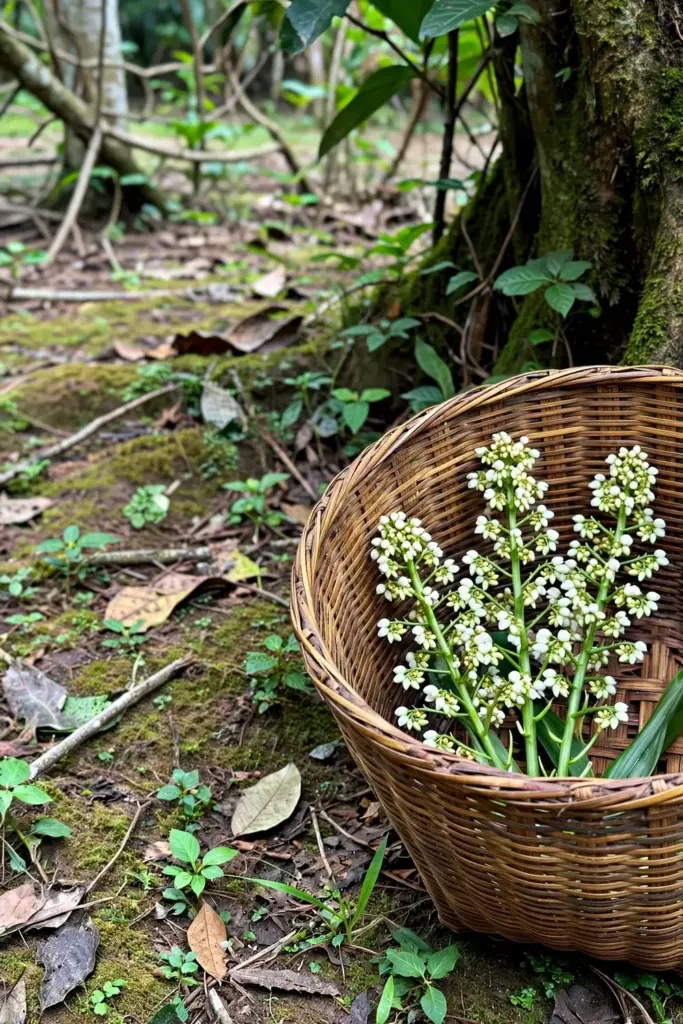
Traditional Ganjam distillation loads 1,000 flowers, weighing 167.8 kilograms, to yield 28.35 grams of kewra rooh, which explains why the genuine attar commands extraordinary prices. A home grower will more likely steep fresh flowers in water for kewra water or layer them with sugar for a fragrant syrup. Whatever the end product, process the flowers the same day they are picked. Fragrance is a fresh-flower business.
15. Accept the Honest Timeline: Years to the First Spike
Kewra is not a quick crop. A sucker-planted tree needs several years of vegetative growth before the first male spikes appear, and seed-grown trees take longer still while adding the sex gamble on top. Plan the planting as a landscape investment that happens to pay in fragrance, not as a seasonal vegetable bed.
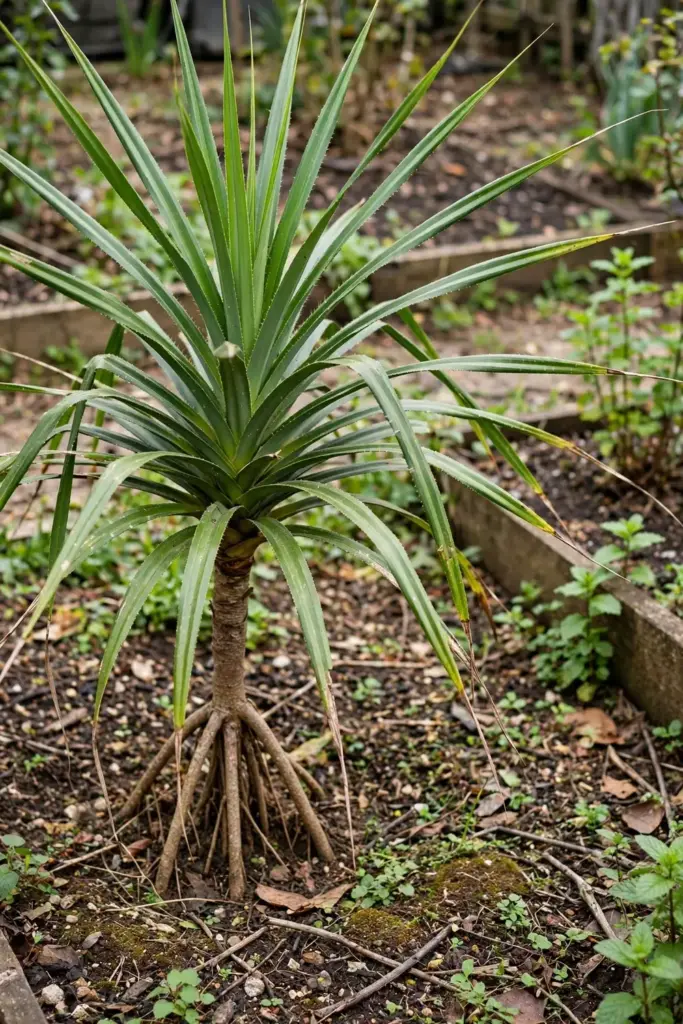
This is the same honesty the long-term tropical fruit guide applies to slow trees: the years are the price of admission, and the payoff is decades of harvests. A kewra tree in good coastal soil can flower productively for a generation, which turns the slow start into a rounding error. Plant it where it can stay, because transplanting a tree with stilt roots is a job nobody wants twice.
16. Read the Ganjam Numbers Before Dreaming of Attar Money
The scale of the Ganjam industry puts a home tree in perspective. Roughly 5,000 hectares in the district carry kewra, 140 traditional distillation units across some 200 villages process 30 to 40 million flowers a year, and farmer income from the trade runs to several million US dollars annually. The Ganjam kewda industry page records these figures alongside the GI registration of Ganjam Kewda Rooh, which protects the name for essence distilled in that belt.
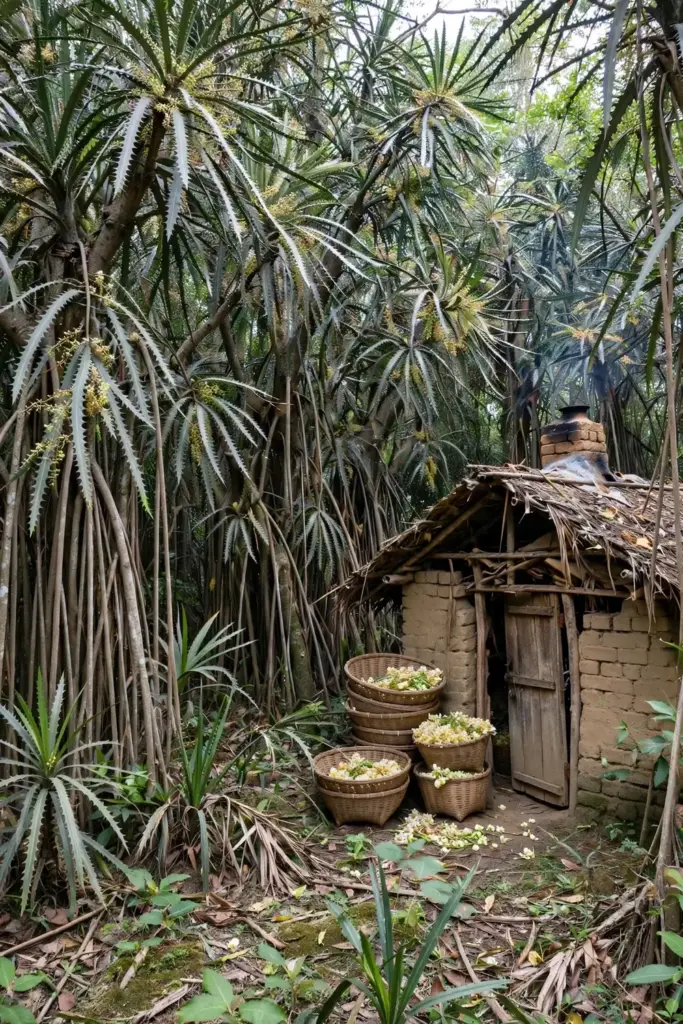
Retail prices tell the rest of the story. Kewra rooh has been reported at extraordinary per-litre figures in undated listings, and attar-grade oil was reported near ₹4 lakh per kilogram in older trade press, so treat any price you see online as a snapshot, not a promise. A home grower with one or two male trees should think of fragrant water for the kitchen and gifts for friends, not a distillation business. The romance is real. The economics belong to Ganjam.
17. Know Kewra Water, Attar, and Rooh for What They Are
Kewra water is the gentle product: distilled floral water used across north Indian kitchens to perfume biryani, phirni, shahi kheer, sharbats, and lassis. Kewra attar is the concentrated perfume oil, traditionally distilled into a sandalwood base. Kewra rooh is the purest distillate, the product that carries the Ganjam GI tag and the legendary price.
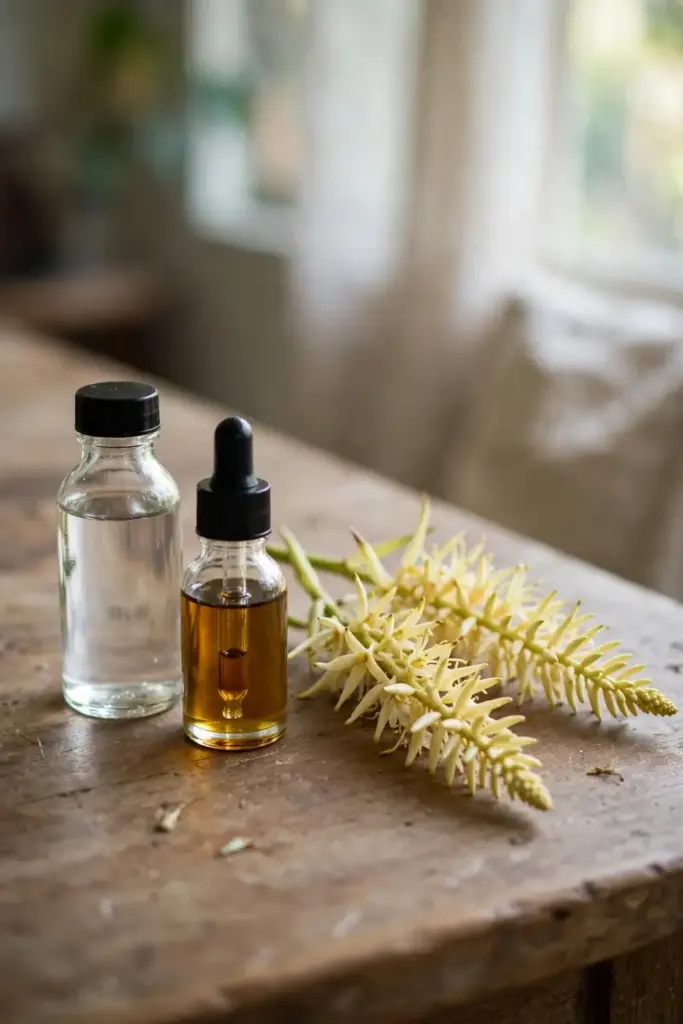
All three come from male flowers only. Any product claiming kewra fragrance from another plant part is marketing, not tradition. Buy kewra water from established brands, check that the ingredient names Pandanus odoratissimus or the accepted synonym, and store the bottle cool and dark. Traditional Ayurvedic texts credit kewra with a long list of uses, from headaches to skin complaints, but those are traditional claims, not medical advice, and this article makes no health promises for the home grower.
18. Never Confuse Kewra With Rampe
The pandanus family is a maze of similar names, and buying the wrong species is the costliest beginner mistake. This table keeps the two fragrance plants straight.
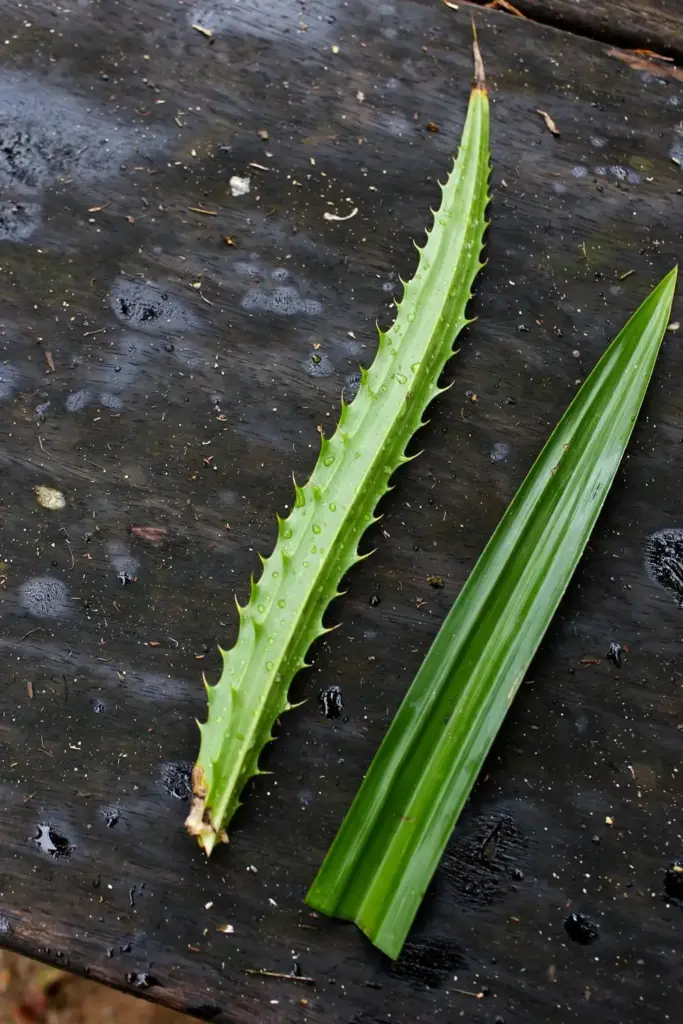
| Trait | Kewra | Rampe (Pandan Wangi) |
|---|---|---|
| Species | Pandanus odoratissimus | Pandanus amaryllifolius |
| Fragrant part | Male flowers | Leaves |
| Used for | Kewra water, attar, rooh | Rice and curry flavoring |
| Flowers | Yes, dioecious | Sterile, effectively never flowers |
| Region | Coastal India, especially Odisha | Southeast Asia and Sri Lanka |
One outlier press feature once claimed male flowers of the leaf-pandan are distilled into kewra in Ganjam, but that contradicts the botanical record of a sterile plant, so this article does not use it. Buy plants labeled with the full Latin name, and walk away from any “kewda” listing that names Pandanus pygmaeus, the dwarf ornamental with no fragrance value.
19. Avoid These Seven Mistakes
Planting a seedling and hoping for male. Half of all seedlings are female. Buy a sucker from a known male tree.
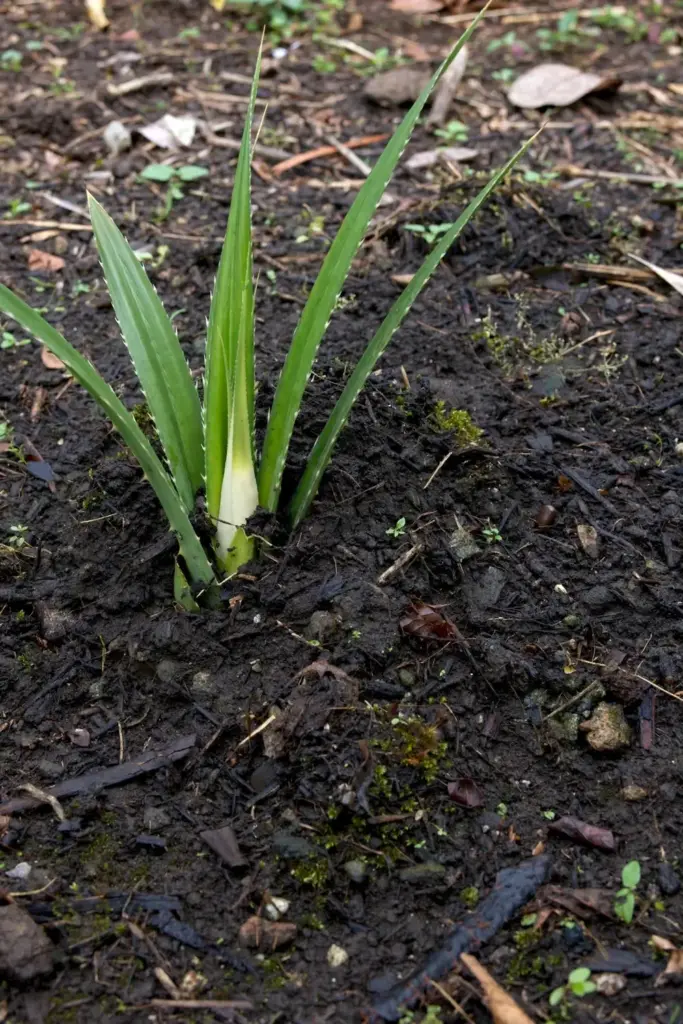
Burying the crown. Kewra rots from the top down in wet soil. Plant at nursery depth, on a mound if your soil is heavy.
Skipping the spacing. Two meters by two meters looks empty on planting day and perfect in year five, when the stilt roots need their room. Anyone learning how to grow kewra from India should mark the spacing before the first pit is dug.
Feeding for leaves. Heavy nitrogen grows a dense crown with few spikes. Feed for flowering with manure and balanced splits.
Ignoring the nursery label trap. Pandanus pygmaeus sold as “kewda” will never give you fragrance. Check the Latin name.
Letting dead trash pile up. Dry pandanus leaves are kindling. Clear them before summer, as the PROTA notes advise.
Expecting flowers in year two. Kewra pays on a tree’s schedule, not a gardener’s. Plant it, tend it, and let the years do the work.
20. Fix Yellow Leaves, Missing Spikes, and Falling Flowers
Yellow leaves with green veins point to iron chlorosis in alkaline soil. Acidify the basin with compost and a light sulfur application, and the new growth greens up within weeks. Uniformly pale old leaves usually mean nitrogen hunger, fixed with a manure top-dress.
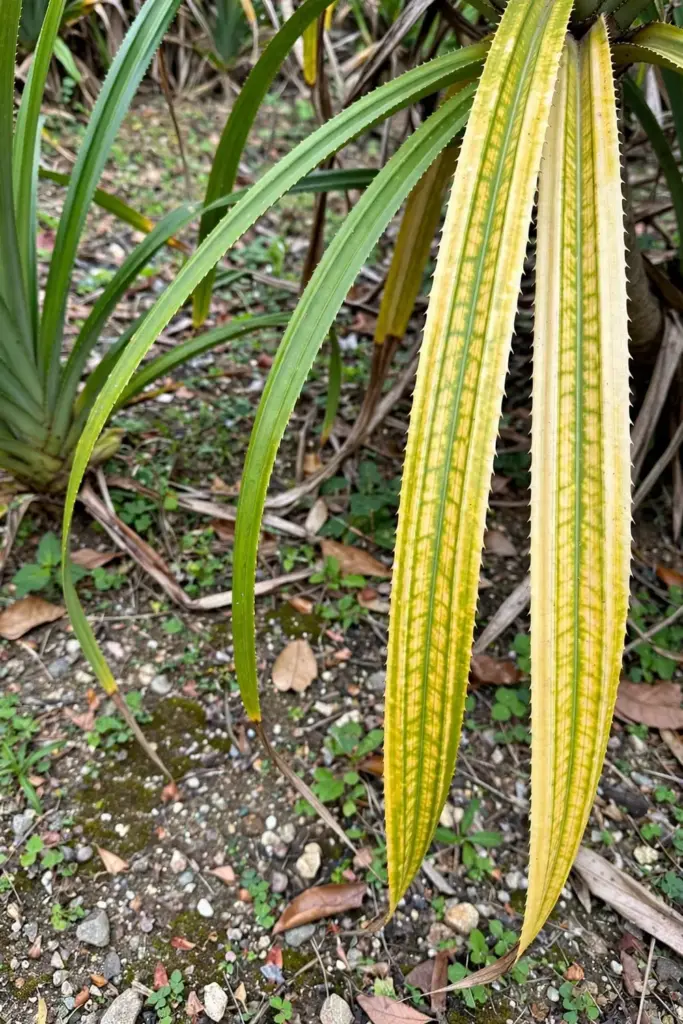
A mature male tree with no spikes is almost always underfed, overshaded, or too young. Open the canopy around it, feed for flowering, and confirm the tree’s age before worrying. Spikes that form but drop early usually follow water stress during bud development, so keep watering steady through the pre-flush weeks. Suckers that refuse to root want more warmth and less water: move them to bright shade, keep the sand barely moist, and wait. The mango growing guide’s seedling-versus-grafted honesty applies here too: vegetative material from a proven parent beats a seedling gamble every time.
Frequently Asked Questions
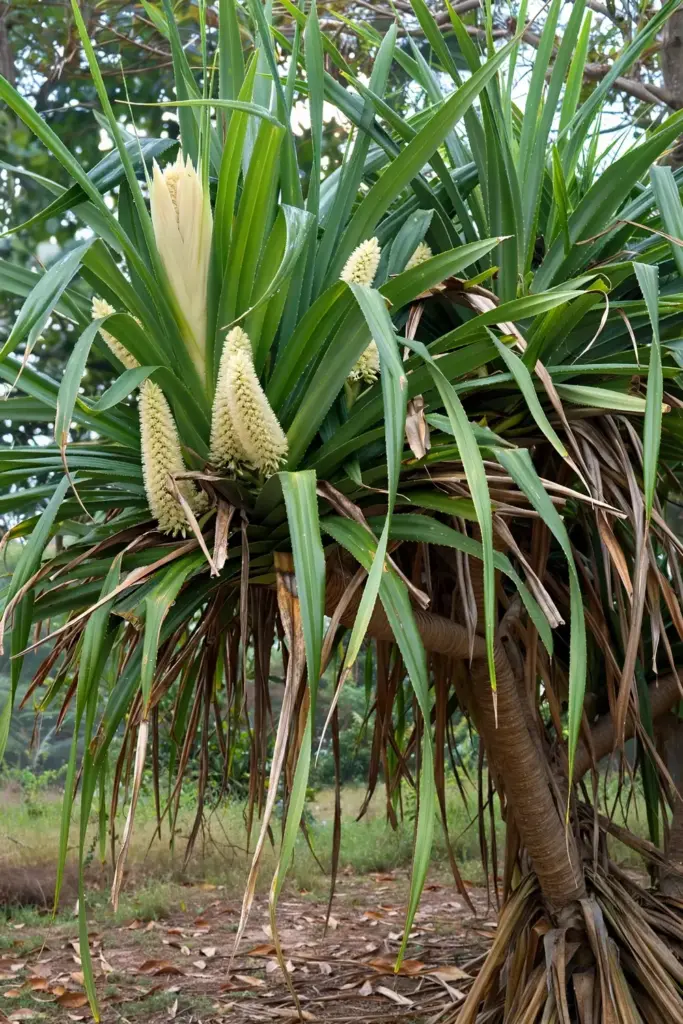
You can, but you should not if fragrance is the goal. Seeds need a 24-hour soak and germinate over months to a year, and each seedling is a fifty-fifty male-or-female gamble you cannot resolve until flowering begins years later. A sucker from a known male tree skips both the wait and the gamble.
Expect several years from a planted sucker before the first male spikes appear, with seed-grown trees taking longer. The tree then flowers in three flushes a year, heaviest in the monsoon, and a mature male yields 30 to 40 spikes annually. Treat the planting as a long-term landscape investment.
No. Kewra is Pandanus odoratissimus, grown for its fragrant male flowers, while pandan wangi or rampe is Pandanus amaryllifolius, a sterile species grown for its fragrant leaves. They are different species with different uses, and one cannot substitute for the other.
A large pot works for the first few years, but not permanently. Kewra wants 2-by-2-meter spacing and develops stilt roots that a container cannot accommodate. Keep it potted while young or in frost zones, then move it to open ground by year three for real flowering.
Early flower drop usually follows water stress during bud development or a sudden hot, dry wind. Keep soil moisture steady through the pre-flush weeks and mulch the basin. Consistent feeding also helps, since an underfed tree aborts the flowers it cannot afford to finish.
Buy from a nursery that can name the flowering male mother tree the sucker came from, and check that the label reads Pandanus odoratissimus or its synonym Pandanus odorifer. Avoid online “kewda” listings labeled Pandanus pygmaeus, which is a dwarf ornamental with no fragrance value.
Where to Go From Here
Kewra rewards the patient grower who starts with the right plant. Buy a sucker from a proven male tree, give it coastal-style drainage and 2 meters of room, feed for flowers, and let the years build a tree that perfumes the whole garden every monsoon. To learn how to grow kewra from India is to learn the Ganjam lesson: fragrance this fine cannot be rushed, only prepared for.