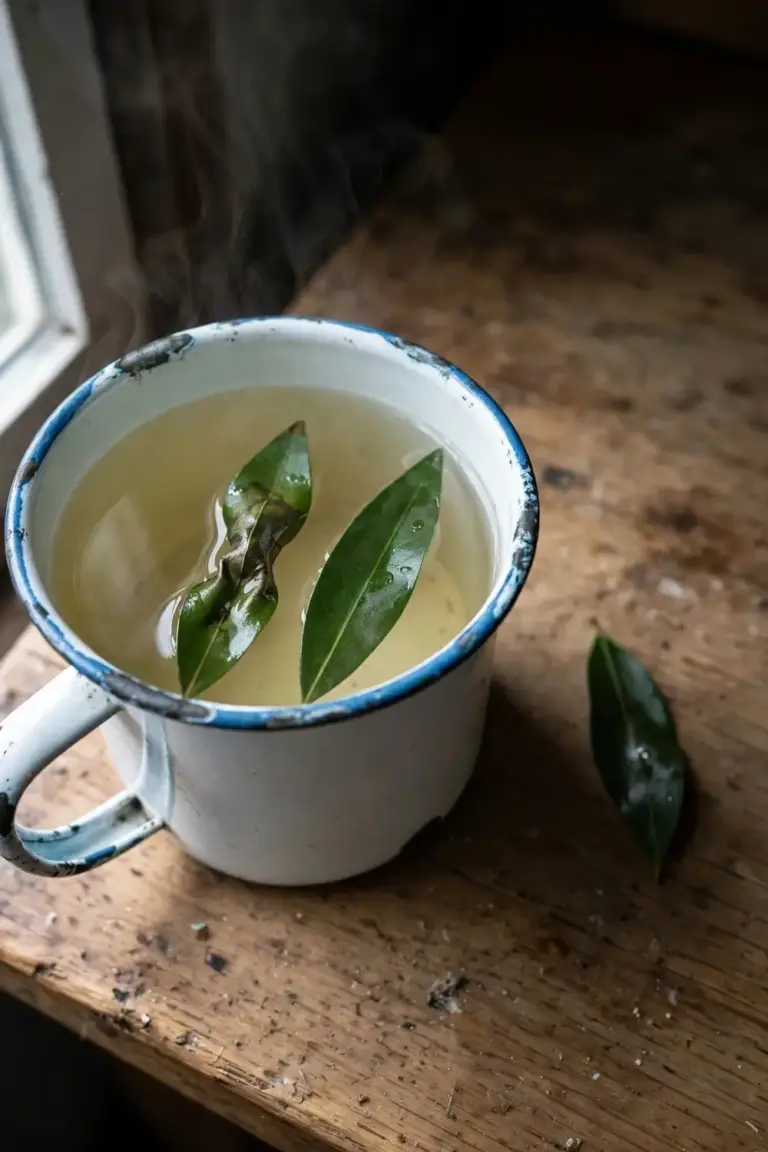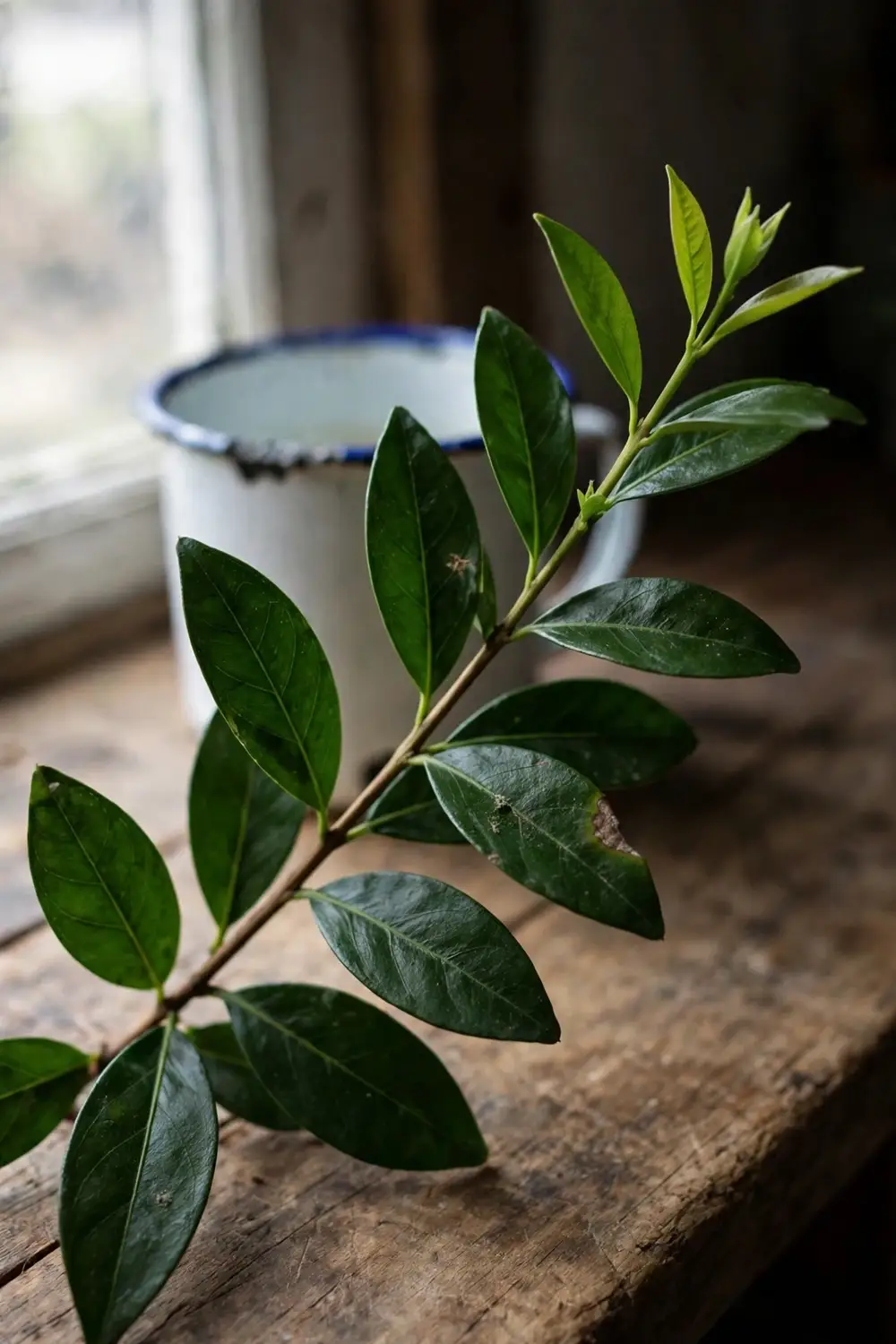

Pick 2 lemon myrtle leaves, bruise them, and steep them in hot water for 5 minutes. That is lemon myrtle tea, the simplest of the 9 uses on this page. Lemon myrtle leaves in Australia come from Backhousia citriodora, a Queensland rainforest tree in the Myrtaceae family.
The rest of this page is 9 uses, from tea to cleaning spray, plus harvest, care, and safety. Each use names the leaf count. Start with one small branch and cook tonight.
Crush 1 leaf before you cook with it. The scent is the test. A leaf that smells faintly of lemon is past its best. Lemon myrtle is Backhousia citriodora. It sits in the Myrtaceae family. It holds no relation to citrus. True myrtle is a different plant, Myrtus communis.
What Lemon Myrtle Leaves Are in Australia
Lemon myrtle leaves are the leaves of Backhousia citriodora, an Australian rainforest tree. The leaves sit opposite on the stem. Each blade runs ovate-lanceolate and measures 7.5 to 12.5 cm long, on a petiole up to 1.5 cm long, according to the PROSEA plant-use account&oldid=220770). Young leaves read lime green. Mature leaves turn dark green and glossy. Crush one and the lemon scent hits at once.
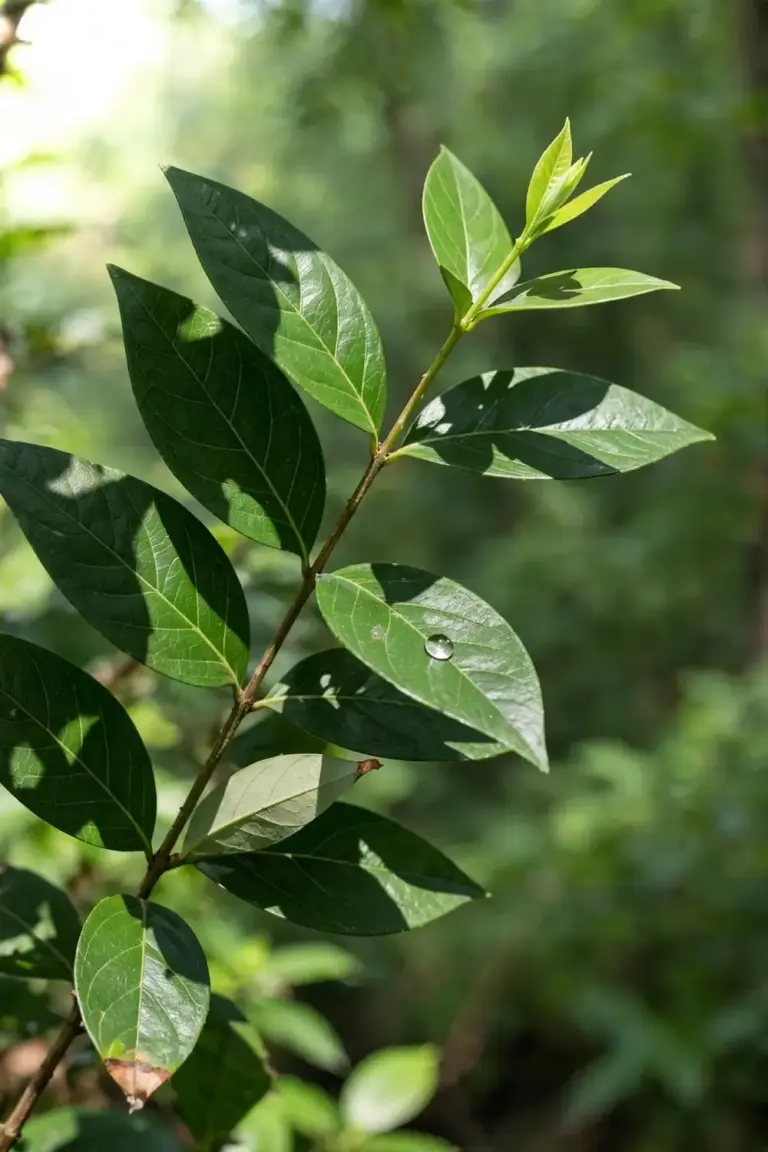
The tree behind the leaves grows as a tall shrub or small tree up to 8 m tall, per the same PROSEA account&oldid=220770). Wild plants stand taller. Garden plants stay smaller with pruning. The natural range runs through coastal notophyll vine forest in Queensland.
The scent comes from citral. Citral reaches up to 97.7% of the steam-distilled leaf oil, and oil yield reaches up to 3.8% of fresh leaf, per the same PROSEA account&oldid=220770). That citral load is why 1 leaf flavours a whole pot. It is also why the oil demands respect, which the safety section covers.
Two chemotypes exist. The citral chemotype is common and is the form grown for flavour and oil. The citronellal chemotype is uncommon and suits insect repellent use. Buy named citral-form stock when you want kitchen leaves. A plant sold only as “lemon myrtle” without a chemotype note is usually the citral form, but ask the nursery when the label stays silent.
First Nations peoples have long used Backhousia as a traditional bushfood and medicine, per the Auckland Botanic Gardens plant profile. The leaf became a commercial bushfood flavour in the 1990s. Today it is one of the best-known Australian native flavours.
The tree flowers in creamy white clusters at the ends of the branches. The blooms draw bees and other pollinators through the warm months. Fruit follows as small woody capsules. Gardeners grow the tree for leaves, not fruit. The capsules hold little a cook would want.
Buy the leaf by its botanical name. Bags labelled only “lemon myrtle” sometimes hold lemon-scented verbena or lemongrass blends. Check the ingredient line for Backhousia citriodora. A bag that lists a single ingredient is the honest one. Blends belong in the potpourri drawer, not in the pantry.
1. Brew Lemon Myrtle Tea From 2 Fresh Leaves
Bruise 2 fresh leaves and steep them in boiled water for 5 minutes. Strain and drink. The tea carries a clean lemon flavour with no acid bite. Fresh or dried leaves both work, and the Auckland Botanic Gardens profile lists steeping leaves in boiled water as a herbal tea use.
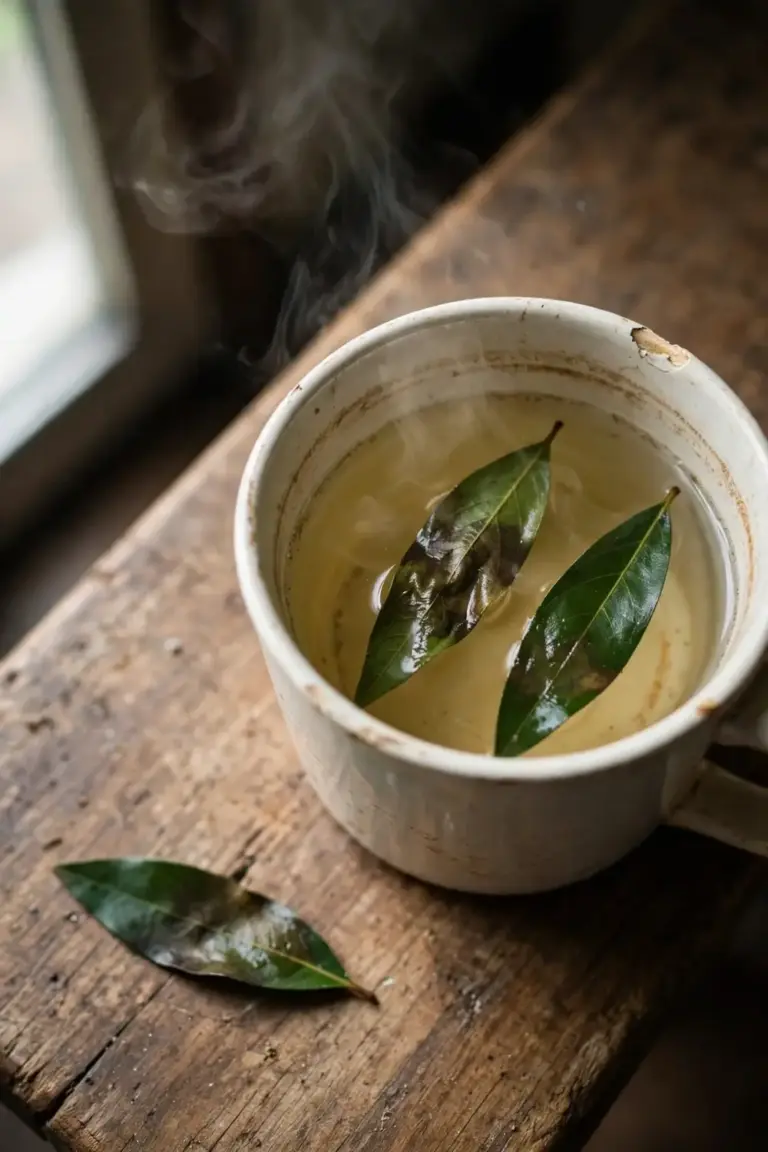
Start with 2 leaves per cup. A third leaf turns the cup sharp and medicinal. A bruised leaf gives more flavour than a whole one, because bruising breaks the oil glands. Use a spoon to press the leaves against the cup wall before you pour.
Weak tea means stale leaves. A leaf that smells faint at crush time makes faint tea. Pick fresh leaves and brew the same day, or reach for the dried jar from the pantry section below. Skip the tea bag. The leaf is the tea bag.
Iced tea takes the same leaf. Brew a double-strength pot with 4 leaves, cool it, and pour over ice. The flavour holds cold better than lemon juice does, because no acid drops out. A slice of fresh ginger in the pot adds warmth without fighting the lemon. Serve the same day. Iced lemon myrtle tea kept overnight turns flat and dull.
Sweeten with honey, not sugar, when the cup needs it. Honey dissolves cleanly in hot tea and keeps the lemon note forward. Sugar can flatten the top note. Stir 1 teaspoon of honey into the cup while the tea is hot. Taste before adding more. The leaf already carries sweetness in its scent, and most cups need less sweetener than a lemon tea does.
2. Flavour Shortbread With 1 Teaspoon of Ground Leaf
Add 1 teaspoon of ground dried leaf to a shortbread batch. The butter carries the lemon flavour through the bake. Ground leaves suit a shortbread-type biscuit recipe, per the Auckland Botanic Gardens profile. Sift the ground leaf with the flour so it spreads evenly.
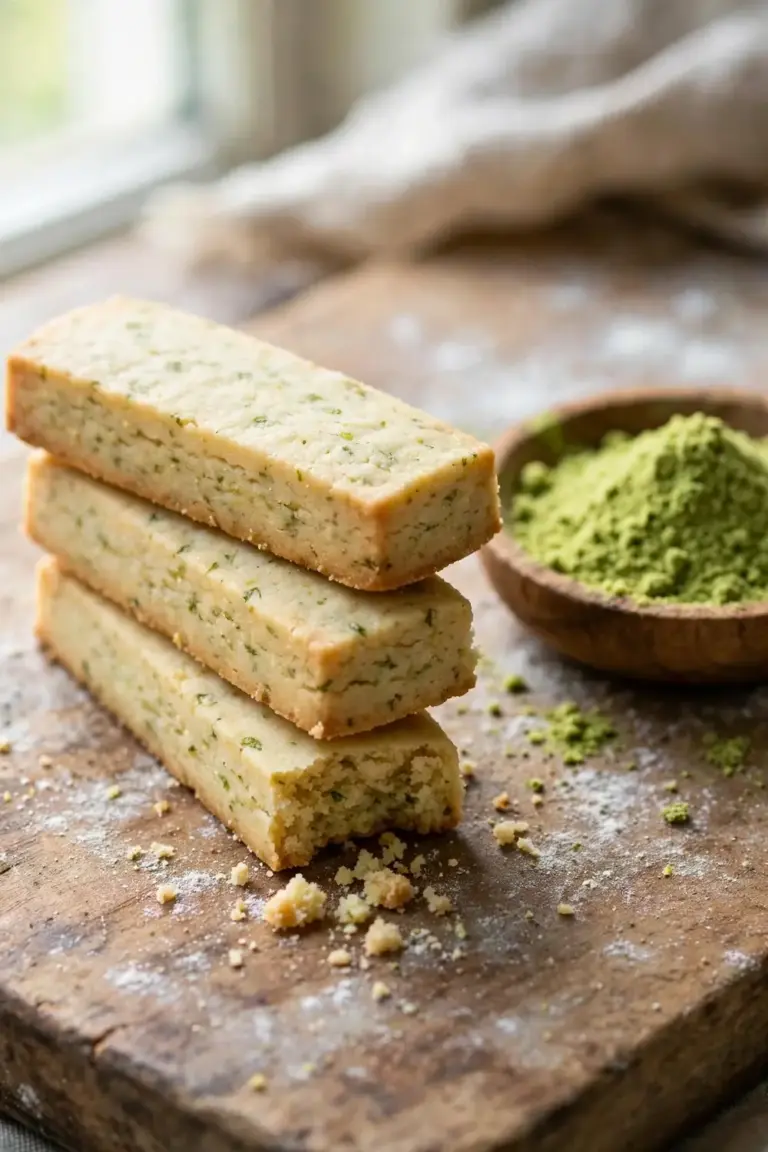
Grind the leaf fine. Coarse flakes leave bitter green flecks in the crumb. A spice grinder or mortar does the job in under a minute. Sieve out any stem pieces before the leaf goes into the bowl.
Too much leaf ruins the batch. One teaspoon flavours a standard batch. Two teaspoons turn the biscuit soapy and sharp. If the dough smells of lemon polish, you have gone past the line. Halve the leaf next time and keep the butter the same.
3. Season Fish With 1 Whole Leaf
Lay 1 whole leaf inside a fish before baking. The leaf perfumes the flesh from the inside. Whole leaves can be stuffed in fish or poultry in baking, per the Auckland Botanic Gardens profile. Remove the leaf before serving, the way you would remove a bay leaf.
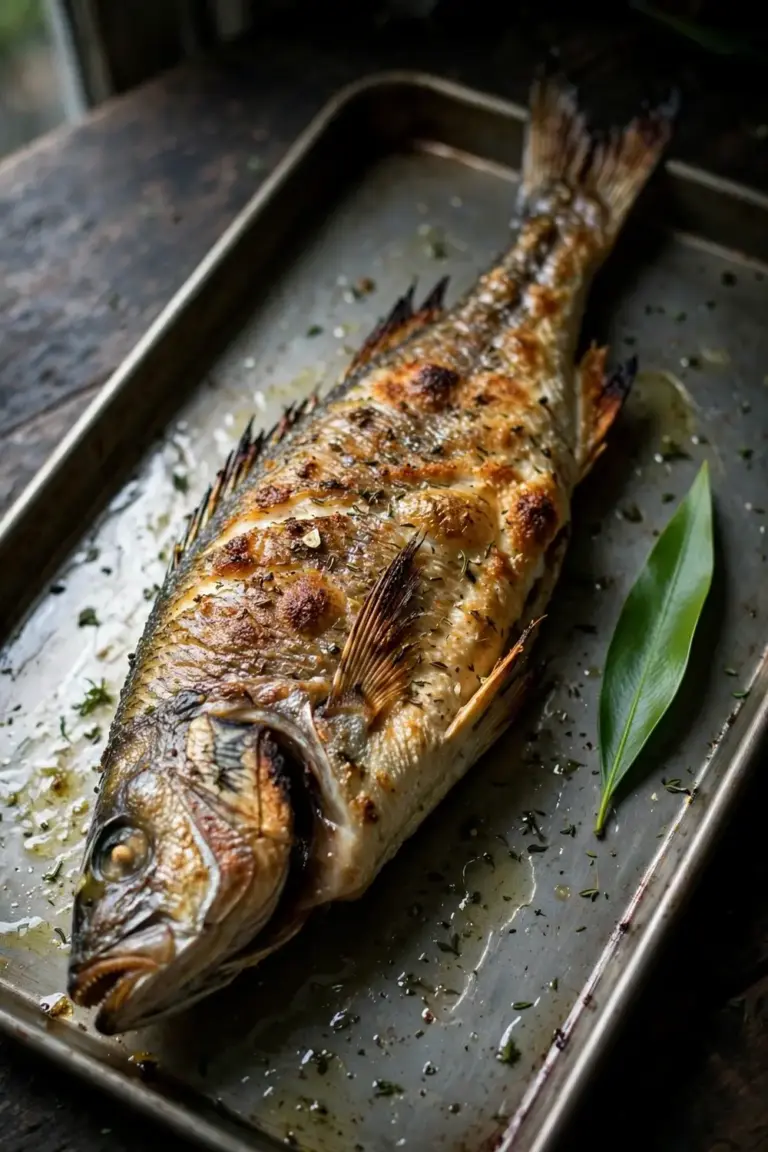
Pick a large unblemished leaf, one without tears or spots, for this job. A torn leaf sheds fragments into the flesh. A whole leaf lifts out clean. Tuck it under the skin or inside the cavity, not on top where the oven dries it to a crisp.
A leaf left in the fish after cooking is not dangerous. It is unpleasant to chew. Diners who bite a whole leaf taste bitter green, not lemon. Pull the leaf out at the table and the dish stays clean.
Poultry takes the same treatment with a bigger bird and a longer bake. Tuck 2 whole leaves inside a chicken with the stuffing. The leaves perfume the meat through the roast. Remove them with the stuffing before carving, because a chicken carved without removing them serves bitter mouthfuls to the table.
4. Season Soups and Roast Vegetables With Dried Leaf
Add dried leaf to soups and casseroles for a lemon note without acid. Fresh or dried leaves can give a lemon flavour to vegetable soups or casseroles, per the Auckland Botanic Gardens profile. Add the leaf early so the flavour cooks through the pot.
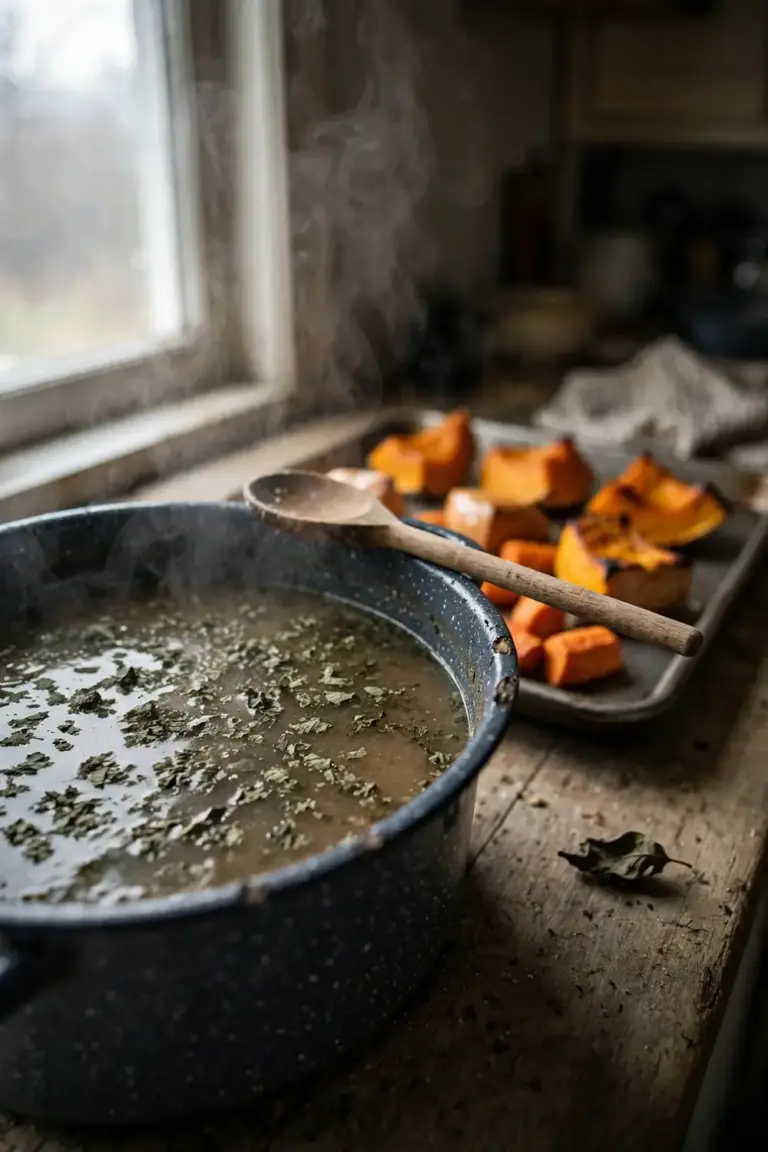
Use 1 teaspoon of crumbled dried leaf per 4 serves of soup. Stir it in with the stock, not at the end. Late leaf tastes raw and grassy. Early leaf melts into the background and reads as lemon.
Roast vegetables take the same treatment. Toss 1 teaspoon of crumbled leaf through the oil before the tray goes into the oven. Pumpkin, sweet potato, and carrots carry the flavour best. Delicate greens go bitter under the same dose, so keep the leaf off them.
Slow cookers suit the leaf too. A soup that simmers for hours extracts the full flavour from 1 teaspoon of crumbled leaf. Add the leaf with the stock at the start. A leaf added in the last hour tastes raw against a long-cooked base. The long cook is what turns the leaf from a garnish into a background note.
Coconut soups take the leaf well. The coconut fat carries the citral the way butter carries it in shortbread. Add 1 teaspoon of crumbled leaf to the coconut milk at the start of cooking. Lime leaf and lemongrass crowd the same pot, so pick one lemon voice per dish. Lemon myrtle alone gives a cleaner result than a three-way lemon pileup.
5. Infuse Oil With 5 Leaves for Salads
Warm 250 ml of macadamia or light olive oil with 5 whole leaves for 10 minutes over the lowest heat. Strain and bottle. The oil carries lemon flavour into salad dressings without a squeeze of citrus. Bushfood guides list oil infusion among the standard kitchen uses for the leaf.
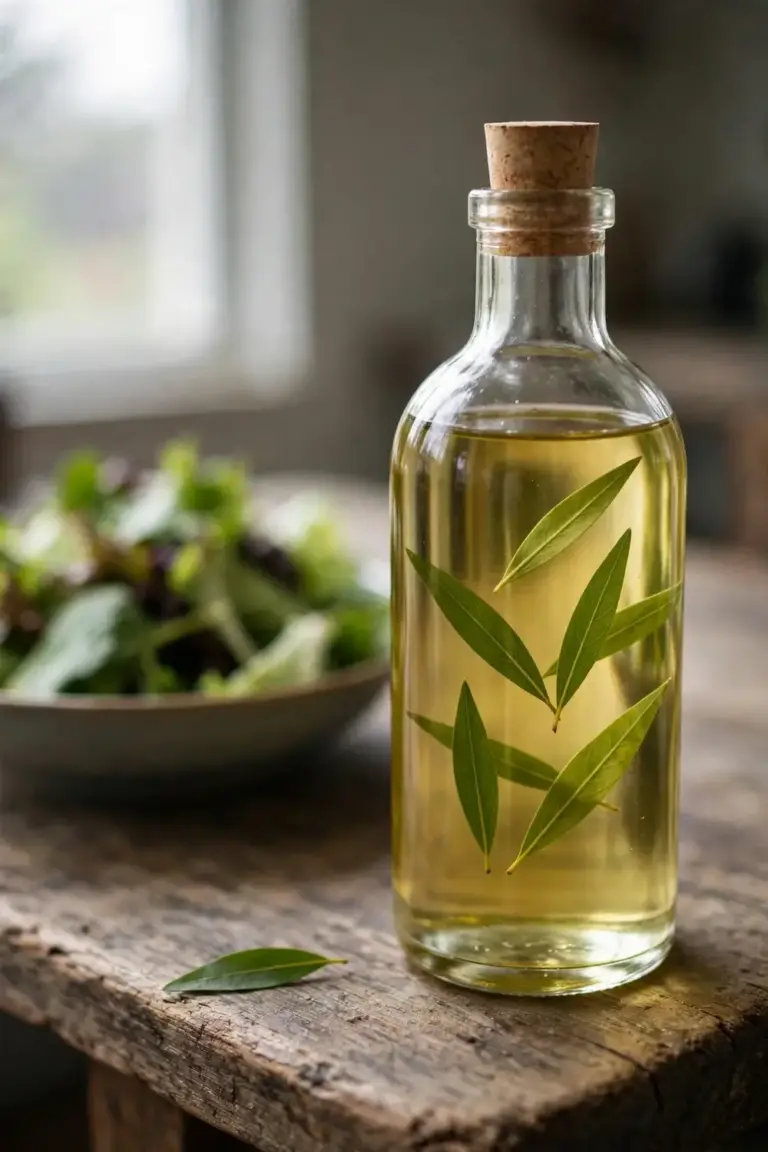
Keep the heat low. Oil that simmers cooks the leaves and turns the flavour bitter. The pot should feel warm to the touch, never hot. Ten minutes is enough. Longer steeping adds little and risks a cooked taste.
Strain through a fine sieve and discard the leaves. Leaves left in the bottle keep releasing flavour and turn the oil sharp within a week. Store the strained oil in a dark bottle in a cool cupboard. Use it within a month, the way you would use any fresh infused oil.
Taste the oil before you dress a salad with it. Dip a corner of bread and chew. The flavour should read as lemon, not as grass. A grassy note means the heat ran too high or the leaves sat too long. Pour that batch into the cleaning spray instead of the salad bowl. The cleaning job forgives a grassy note that a salad never would.
6. Sweeten Milk Desserts Without Curdling Them
Add ground leaf to cheesecake batter, ice cream base, or sorbet mix. The leaf carries citral, not citric acid. It flavours milk-based desserts without curdling them. Lemon fruit curdles milk because of its acid. Lemon myrtle skips that problem entirely.
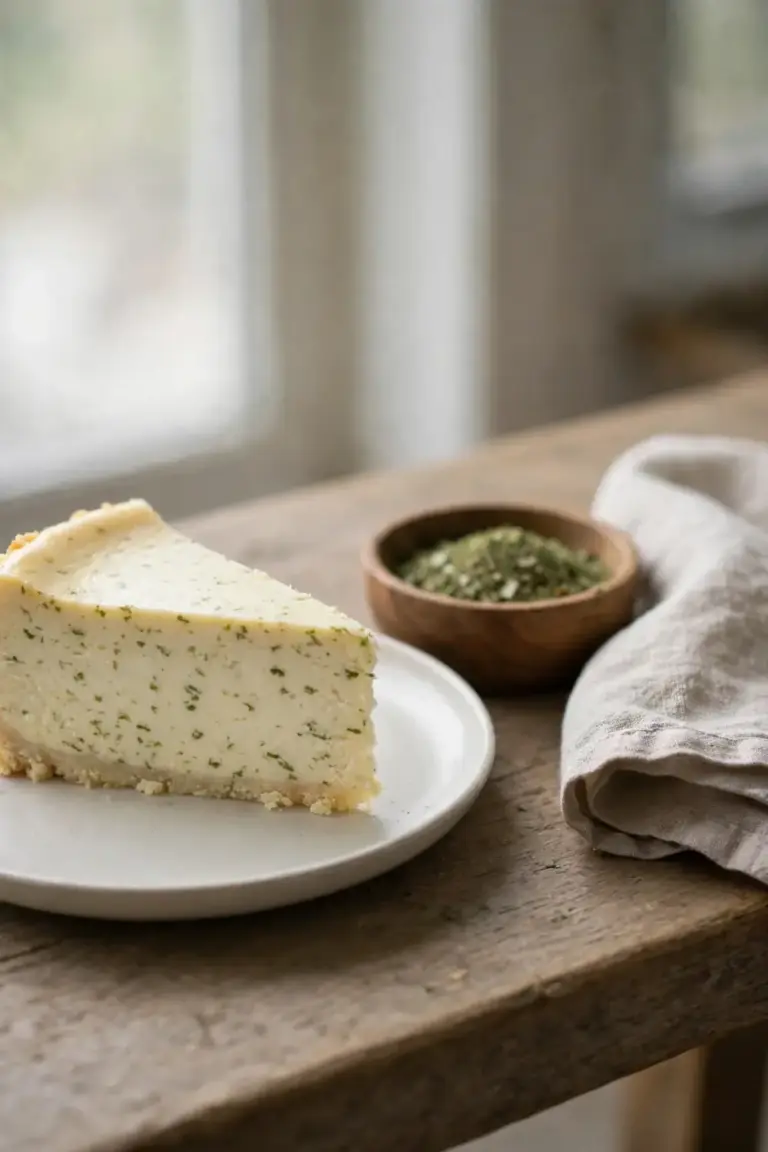
I reach for ground lemon myrtle when I want lemon flavour in a milk dessert, because the leaf carries citral, not citric acid. That one swap keeps the texture smooth and the flavour clean.
Use 1 teaspoon of ground leaf per 500 g of batter or base. Fold it in with the sugar so it spreads evenly. Taste the mix before baking. The flavour should read as lemon, not as perfume. If it reads as perfume, the dose is too high for the batch.
Cheesecake is the best test. A lemon cheesecake made with lemon juice splits if the acid runs high. A lemon myrtle cheesecake holds its set. Ice cream and sorbet take the same treatment, and the flavour survives freezing better than lemon zest does.
Panna cotta shows the same advantage. Lemon juice in panna cotta fights the set. Ground leaf folds into the cream and sets clean. Use 1 teaspoon per 500 ml of cream. Warm the cream with the leaf, strain it out, then set the panna cotta as usual. The strained cream keeps the flavour and loses the flecks.
7. Freshen the House With Dried Leaf Sachets
Fill small cloth bags with dried leaves and hang them in wardrobes and on door handles. The leaves release lemon scent for weeks. To freshen the house, hang scented sachets on wardrobes or on door handles, per the Auckland Botanic Gardens profile. Crush the bag once a week to refresh the scent.
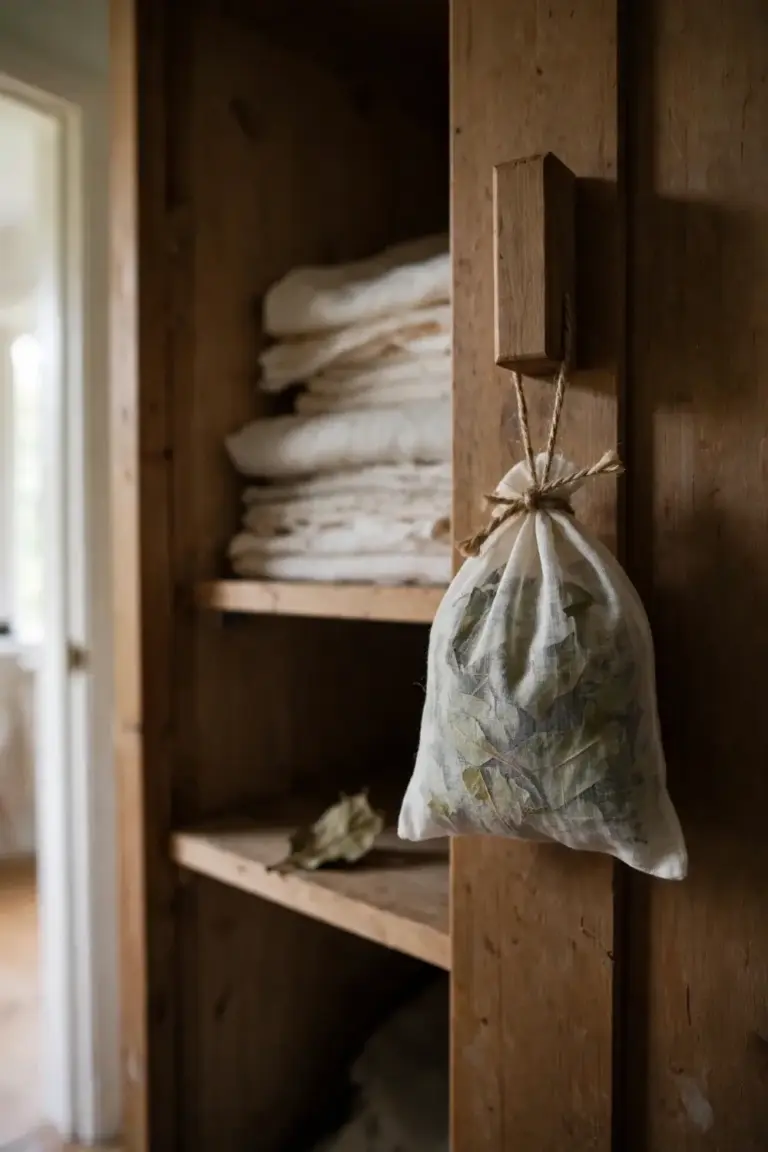
Use 2 tablespoons of dried leaf per sachet. Loose weave cloth works best. Tight cloth traps the scent inside the bag. A square of muslin tied with string does the job and costs nothing.
A sachet that smells of dust is spent. Empty it into the compost and refill. Dried leaf holds its scent for about 3 months in a closed bag. Open bags fade faster. Keep spare sachets in a sealed jar and refill from the jar.
Drawers and linen cupboards take the same sachet. Slip one between folded sheets. The linen picks up a faint lemon scent that survives a wash or two. A car hung with a sachet from the mirror smells fresh for a fortnight in summer heat. Heat speeds the scent out of the leaf, so car sachets need refilling sooner than wardrobe ones.
8. Clean With 3 Drops of Lemon Myrtle Oil
Add 3 drops of lemon myrtle oil to a spray bottle of warm water with a squirt of dish soap. Shake and spray benches, then wipe. The oil is a strong source of citral, which is used in cleaning products, per the Auckland Botanic Gardens profile. The soap disperses the oil through the water, because oil alone floats on top.
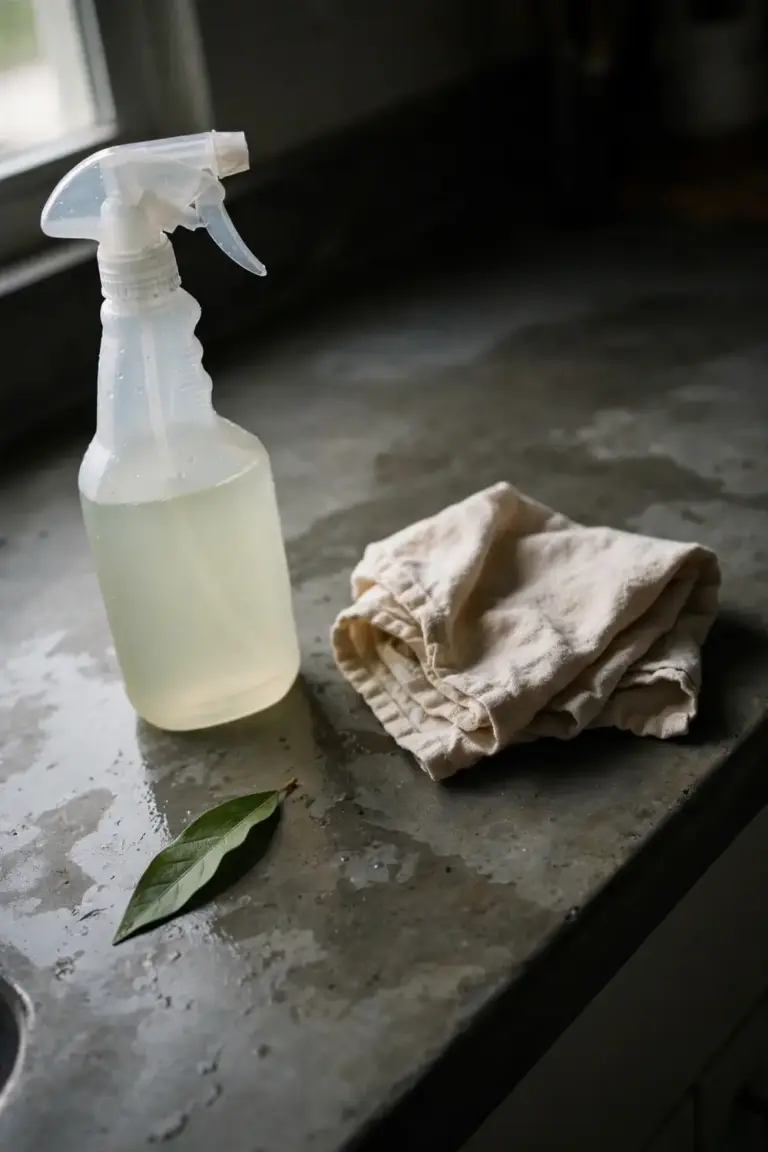
Never use the oil undiluted on a surface you touch. Undiluted oil irritates skin, and the safety section below sets the dilution cap. Three drops per 500 ml of water is enough for a bench spray. More drops do not clean better. They leave a sticky film and a stronger scent than the room needs.
Rinse food-contact surfaces after wiping. The spray is a cleaner, not a food ingredient. Keep the bottle out of reach of children. Label the bottle in large letters so nobody mistakes it for a drink.
Spray from 30 cm and wipe in one pass. A close spray floods the bench and wastes the mix. One pass lifts grease, and a second pass polishes. Let the bench air-dry after the second pass. The lemon scent fades as the bench dries, which tells you the volatile oil has gone.
9. Keep a Jar of Dried Leaf for Year-Round Cooking
Dry a batch of leaves each season and keep the jar in the pantry. Dried leaf cooks all year. A jar of dried leaf turns a single tree into a year-round pantry staple.
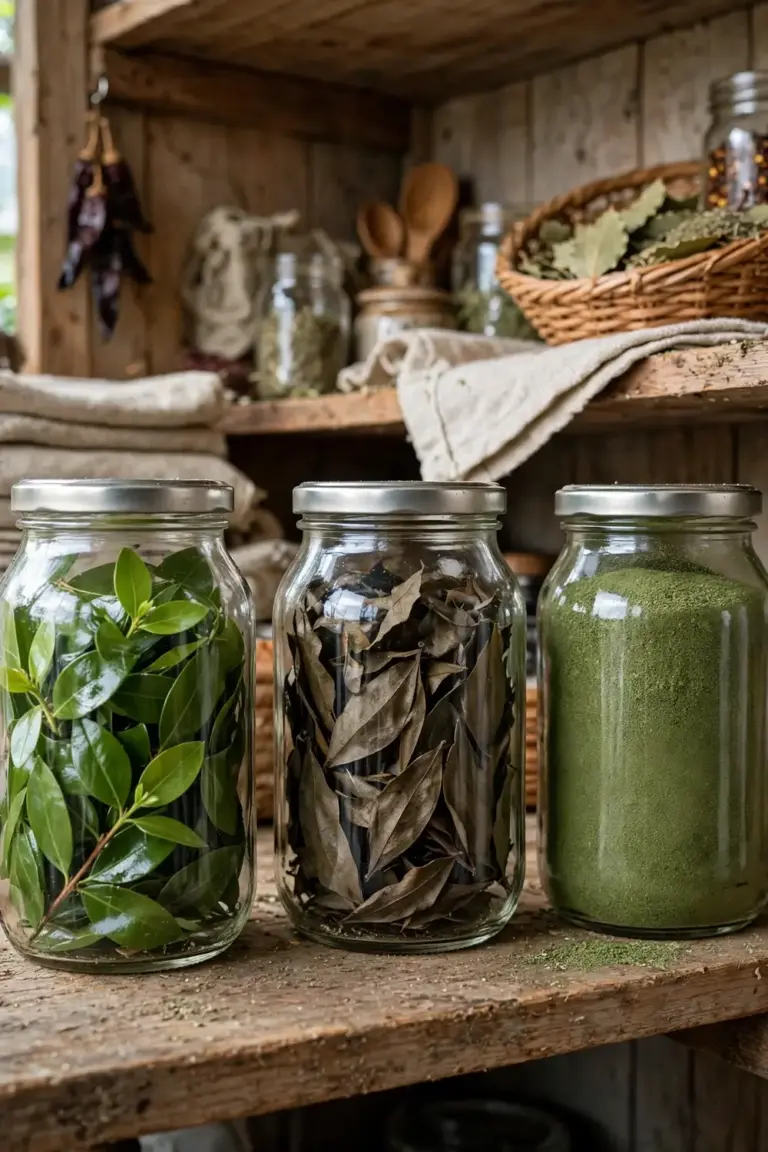
Dried leaf suits every use on this page except the whole-leaf fish job. Tea, shortbread, soups, oil, desserts, and sachets all take dried leaf, each in its own form. Grind it for baking and desserts, crumble it for soups, and leave it whole for tea and sachets.
| Form | Best For | Dose | Storage |
|---|---|---|---|
| Fresh leaf | Tea, whole-leaf fish | 2 leaves per cup | Use the same day |
| Dried whole leaf | Tea, sachets | 2 leaves per cup | Sealed jar, 12 months |
| Ground dried leaf | Shortbread, desserts, soups | 1 teaspoon per batch | Sealed jar, 6 months |
| Oil | Cleaning spray, fragrance | 3 drops per 500 ml | Dark bottle, cool cupboard |
Label the jar with the drying date. Dried leaf holds strong flavour for about 12 months. After that the scent fades and the dose stops working. A jar from last year belongs in the compost, not in the pot. Ground leaf fades faster than whole leaf, so grind small batches and keep the rest whole.
Harvest and Dry Lemon Myrtle Leaves for Year-Round Use
Pick mature leaves in the morning after the dew dries. Mature leaves carry the strongest scent. Young lime-green leaves smell lighter and give less flavour per leaf. Take a few leaves from each branch, never a whole branch at once. The tree keeps growing when you harvest lightly.
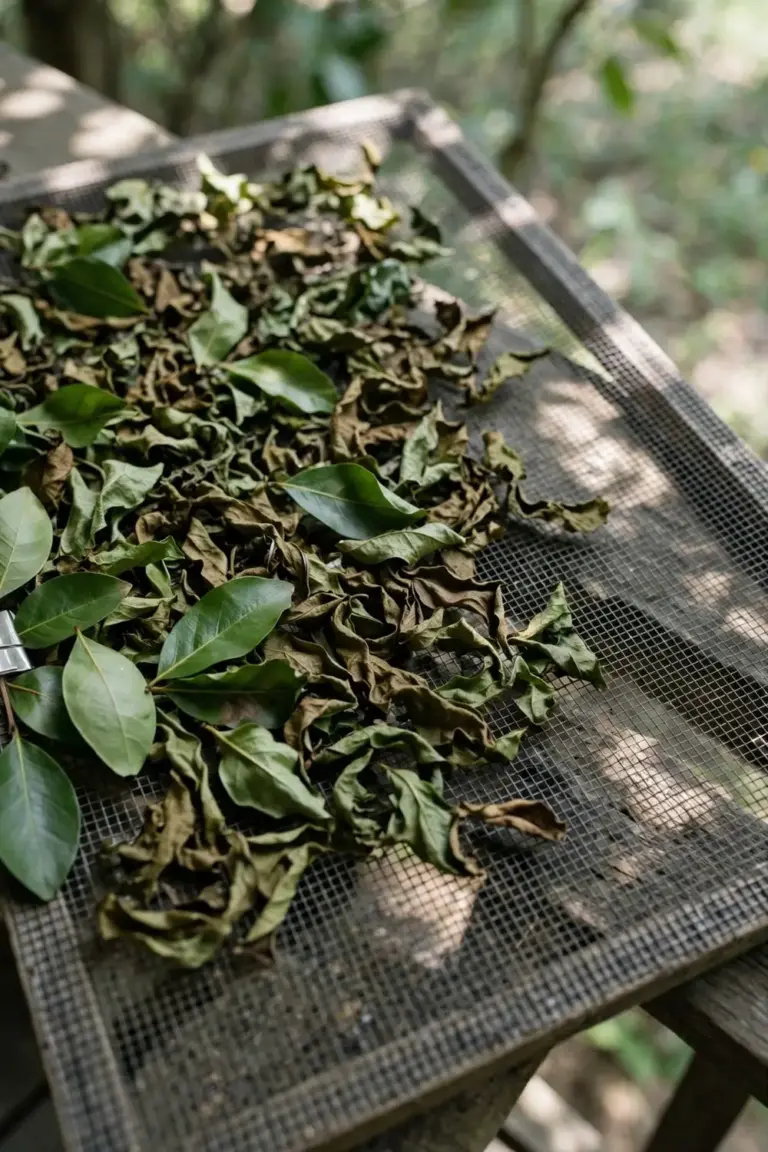
Dry the leaves in a single layer in shade with moving air. Shade drying keeps the green color and the lemon scent. Sun drying bleaches the leaf and dulls the flavour. Turn the leaves once a day. The batch is ready when a leaf crumbles between your fingers.
Store dried leaves whole in a sealed glass jar in a dark cupboard. Whole leaves hold scent longer than ground leaf. Grind only what you need for each bake. A jar kept in sunlight fades within weeks. A jar kept in the dark holds flavour for about 12 months.
Harvest lightly and often through the warm months. The tree replaces picked leaves with new growth when the roots stay moist and the canopy stays open. A hard strip of one branch stalls that branch for a season. Spread each picking across the whole canopy. The tree stays full, and the next picking comes sooner than a stripped branch would allow.
Care for the Tree Behind the Leaves
Plant lemon myrtle in rich, moist, well-mulched, well-composted soil. The best method of propagation is from tip cuttings taken in March, and roots develop more effectively when the bases of the cuttings are dipped in a rooting hormone, per the IndigiGrow growing notes. Seed germination is slow and unreliable, so cuttings beat seed for a home garden.
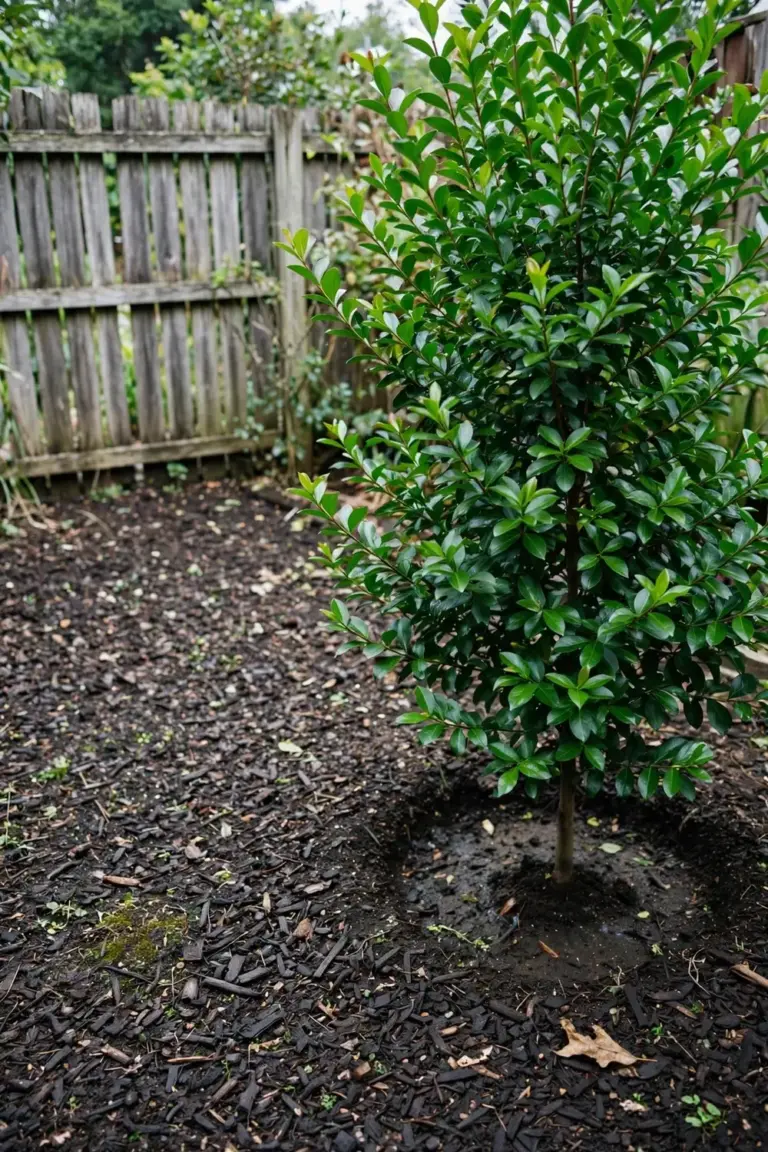
The tree is slightly frost-tender when young. It can be grown outside in frosty areas provided it is planted in a sheltered position in semi-shade, per the same IndigiGrow notes. Specimens at the Australian National Botanic Gardens have survived temperatures as low as minus 8 degrees Celsius in a sheltered gully. Young plants need protection first. Established plants cope better.
Feed and water with the same discipline you give any garden tree. Building soil health keeps the root zone alive, and a mulch layer holds moisture through dry spells. What is mulching covers the method, and the mulch ring stays clear of the trunk. How to protect plants from late frost covers the cold nights that threaten young plants.
Prune after flowering to promote new growth and to maintain a compact habit, per the Auckland Botanic Gardens profile. A compact tree gives more reachable leaves than a tall one. Cut back the longest shoots and clear crossing branches. A lemon myrtle tree also screens a fence line, and that screening job needs its own space in the garden.
Water young plants through their first dry season. The root zone should stay moist, never waterlogged. A young tree left dry in its first summer drops leaves and stalls. An established tree tolerates short dry spells once its roots run deep. The mulch ring does most of the moisture work for you.
Stay Safe: Leaves Are Food, Oil Is Concentrate
Culinary leaf and concentrated oil are two different products. The dried leaf used in small amounts in food is a seasoning, while the essential oil is a concentrate that behaves like one. Safety problems start when people treat the oil like a food ingredient.
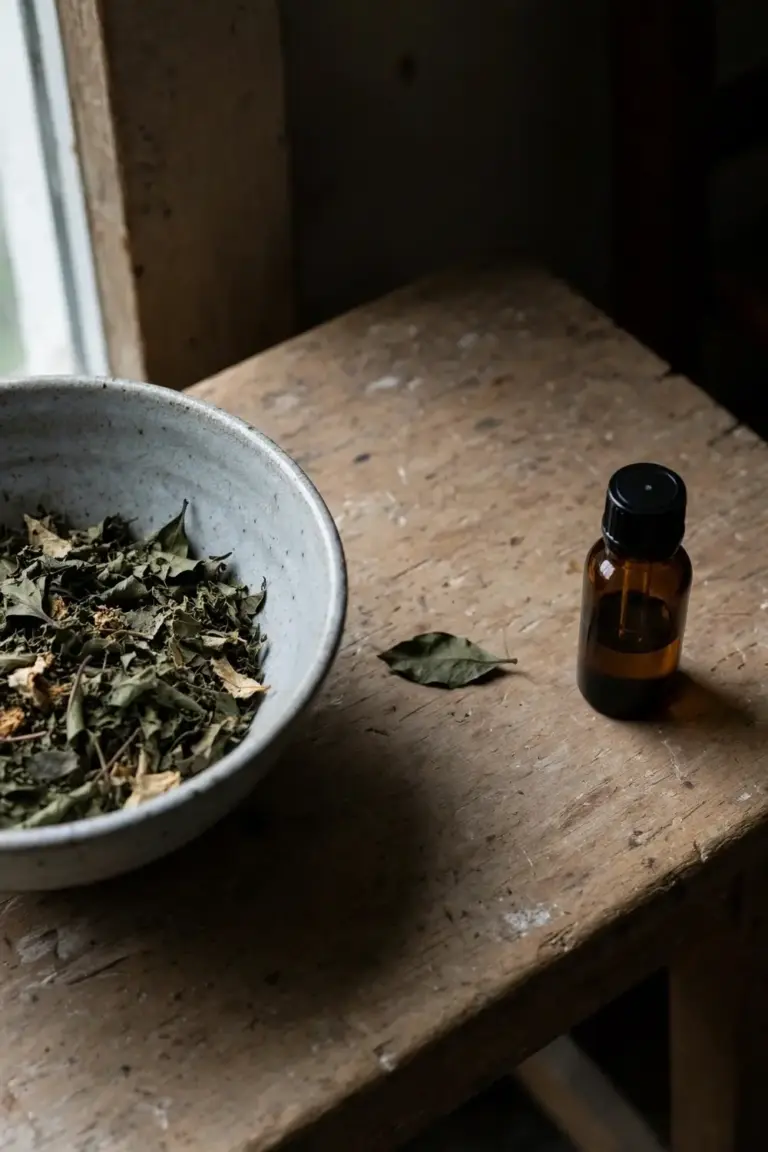
Do not use the essential oil internally. The oil is not for internal use, per the Herb Temple safety notes. Use the leaf for tea and cooking. Use the oil only in diluted form for cleaning and fragrance. The leaf and the oil are not interchangeable.
Do not use lemon myrtle oil during pregnancy. The same Herb Temple notes list pregnancy among the precautions. Culinary leaf in normal cooking amounts is a different question from concentrated oil. When in doubt, skip the oil and use the leaf.
Undiluted oil irritates skin. The oil is irritating to the skin in its pure state and must be well diluted for skin use, per the same Herb Temple notes. Australian seller guides cap body products at 1% oil, because skin sensitization sets in above that level, per Herb Temple guidance. Patch-test any preparation in the crease of the elbow at least 48 hours before wider use. Stop at the first sign of redness or itching.
Keep the oil bottle out of reach of children and pets. Store it below 30 degrees, away from direct sunlight. A bottle left on a sunny shelf loses strength and turns harsh. Buy small bottles and replace them yearly. An old bottle that smells flat or sharp belongs in the bin, not on the skin.
A skin reaction means stop at once. Wash the area with warm water and plain soap. Skip scented washes, which add more irritants to stressed skin. A reaction that spreads, blisters, or swells calls for a clinician the same day. Note the product name and the dilution you used, and take both to the appointment.
Frequently Asked Questions

Yes, but raw leaves taste harsh. A raw leaf chewed straight from the tree gives a sharp medicinal bite, not the clean lemon flavour of brewed or cooked leaf. Cooking, steeping, and drying all soften the bite. Taste 1 small piece raw once to learn the flavour, then cook with the leaf. Raw leaf suits nobody as a regular snack.
Dried leaves taste stronger per gram because the water is gone. One teaspoon of crumbled dried leaf matches about 3 fresh leaves in flavour. Fresh leaves suit tea and whole-leaf jobs. Dried leaves suit baking, soups, and sachets. Keep both on hand when the tree is in leaf. Dried leaf also stores for about 12 months.
Culinary leaf in normal cooking amounts is a seasoning, but concentrated oil is a different product. Safety guides advise against using lemon myrtle oil during pregnancy, so skip the oil entirely while pregnant. Use the leaf in normal food amounts. Ask your clinician for a firm answer for your own situation. Never treat the oil as a food ingredient, even in small drops.
Only well diluted, and only after a patch test. Keep skin dilution at or below 1% oil, because skin sensitization sets in above that level, per Herb Temple guidance. Undiluted oil irritates skin. Patch-test any preparation in the elbow crease at least 48 hours before wider use. Stop at the first sign of redness or itching. People with fragrance allergy or prior essential-oil reactions should skip skin use entirely.
Yes, with shelter. The tree is slightly frost-tender when young, but sheltered plants have survived minus 8 degrees Celsius at the Australian National Botanic Gardens. Plant in a sheltered semi-shaded spot in frosty areas. Protect young plants on cold nights. Established plants cope better. Warm temperate and subtropical gardens suit it best.
Start With 2 Leaves This Weekend
Pick 2 leaves, bruise them, and brew one cup of tea. That single cup teaches the flavour better than any list. Then dry a batch, grind a teaspoon into shortbread, and stock the pantry jar. Lemon myrtle leaves in Australia reward the cook who starts small and uses the leaf often.