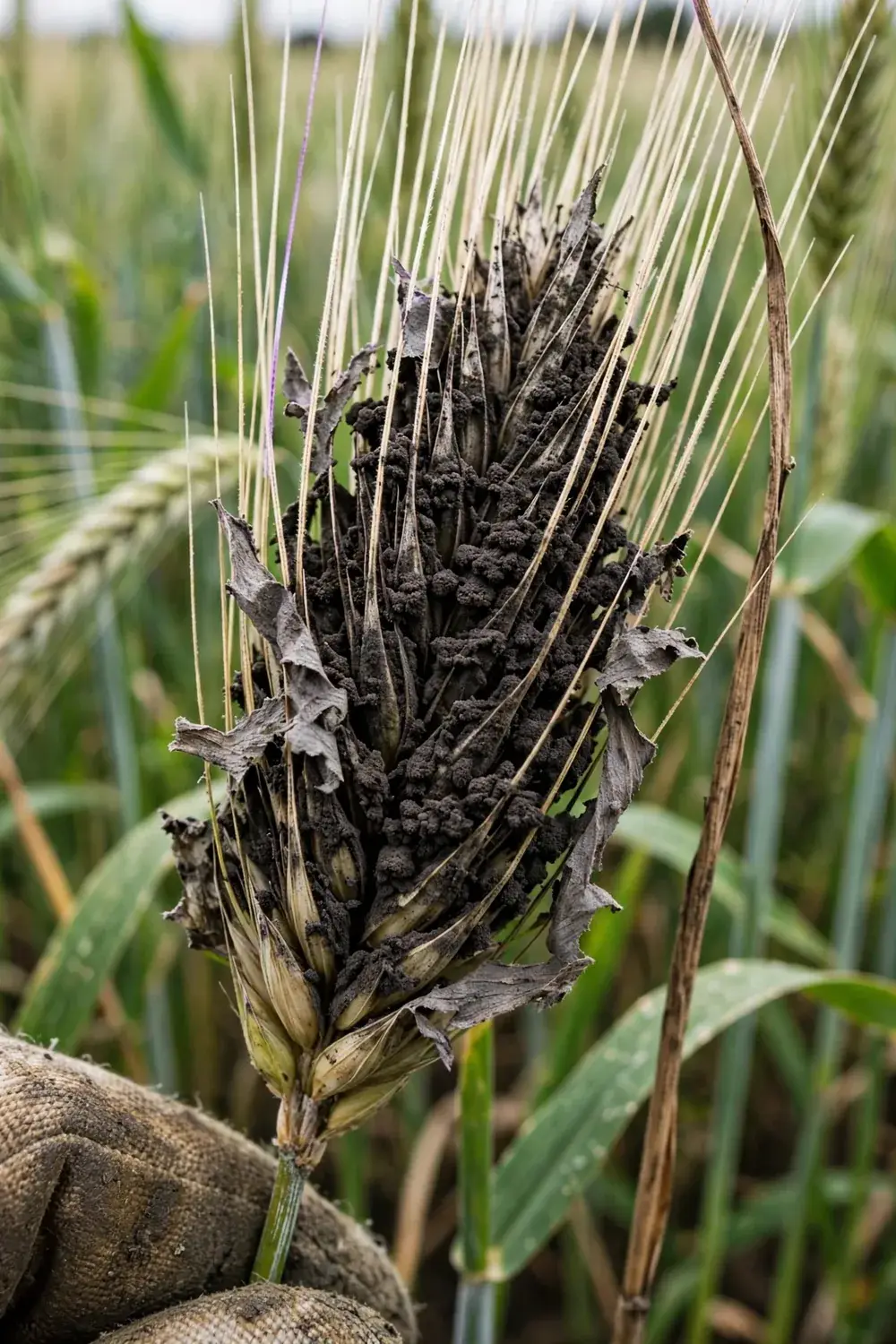

Semi Loose Smut turns barley and oats heads into black spore masses at heading, and the plants look healthy until then. The fungus behind it is Ustilago nigra. It rides in on seed, grows inside the plant all season, and shows itself only when heads emerge, and the page below gives 5 moves that stop it.
I have learned that the seed bag decides this disease long before any spray could. Semi Loose Smut is a fungal disease of barley and oats. Ustilago nigra causes it. The barley strain and the oats strain differ, and each strain stays on its own host.
The rest of this page gives 5 moves that keep Semi Loose Smut out of a small grain patch. The moves are seed, roguing, and cleanup. No spray rescues a smutted head, and no field check names this smut for certain.
What Semi Loose Smut Actually Is
Semi Loose Smut is false loose smut of barley and loose smut of oats. Ustilago nigra, a fungus, causes it. Older books also call it black loose smut.
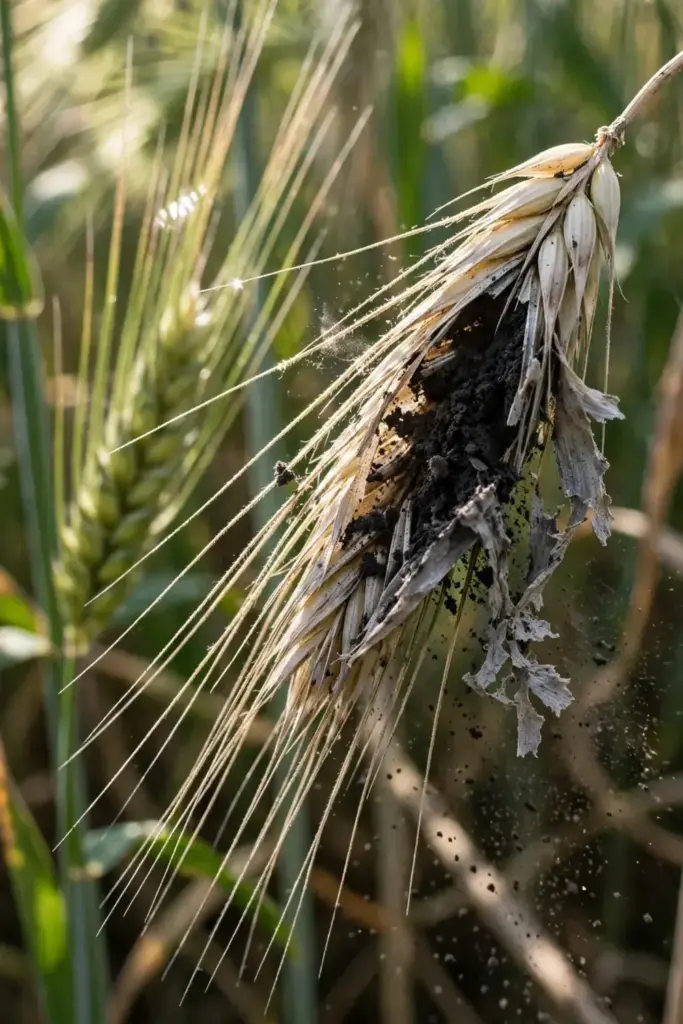
The name describes the middle ground. The disease looks like loose smut and acts like covered smut. Smutted heads show the loose, powdery spore mass of one disease and the seed-surface survival of the other.
Three fungi sit behind the three barley smuts. Loose smut of barley comes from Ustilago nuda, covered smut of barley from Ustilago hordei, and Semi Loose Smut from Ustilago nigra. Three fungi, three diseases, one similar-looking smutted head.
Some older sources list Ustilago avenae as a synonym of Ustilago nigra. Modern usage treats the two as distinct, with Ustilago nigra on barley and Ustilago avenae on oats, as the University of Vermont smut guide lists them. This page follows the modern split.
In field crops, the Bugwood loose smut and false loose smut page puts incidence at 1 percent or less, approaching 10 percent when seed goes untreated. Read those figures as field-crop reports. They describe commercial grain fields, and they promise nothing about a home patch.
How to Spot Semi Loose Smut at Heading
Check heads at heading. Smutted heads emerge slightly earlier than healthy heads and stand a little taller. Walk the patch when the first heads clear the boot, and look for heads that beat the rest out.
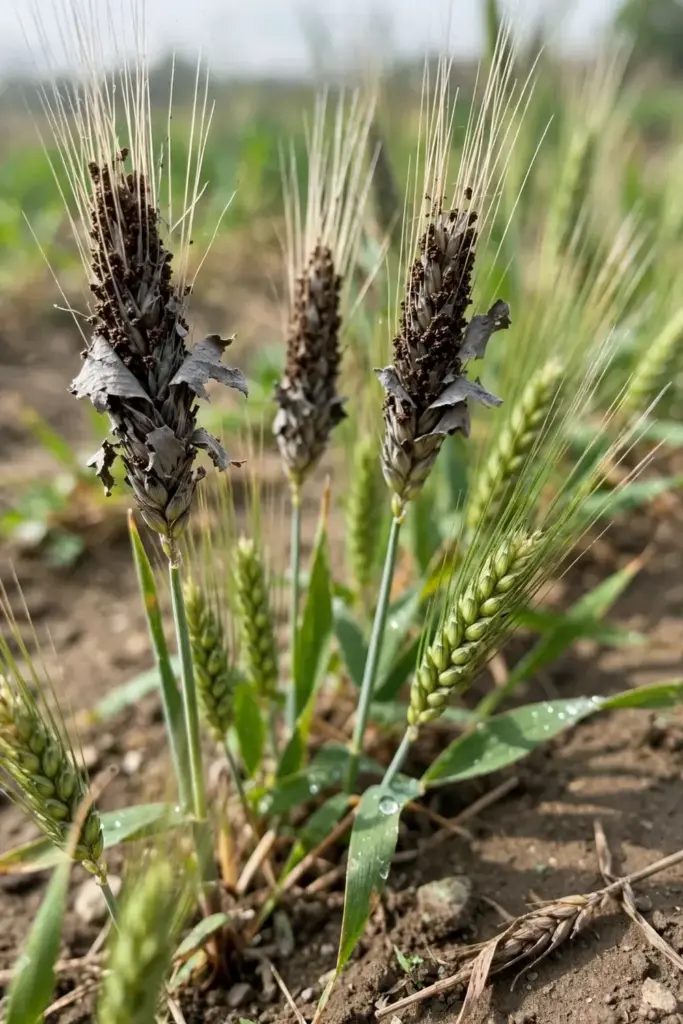
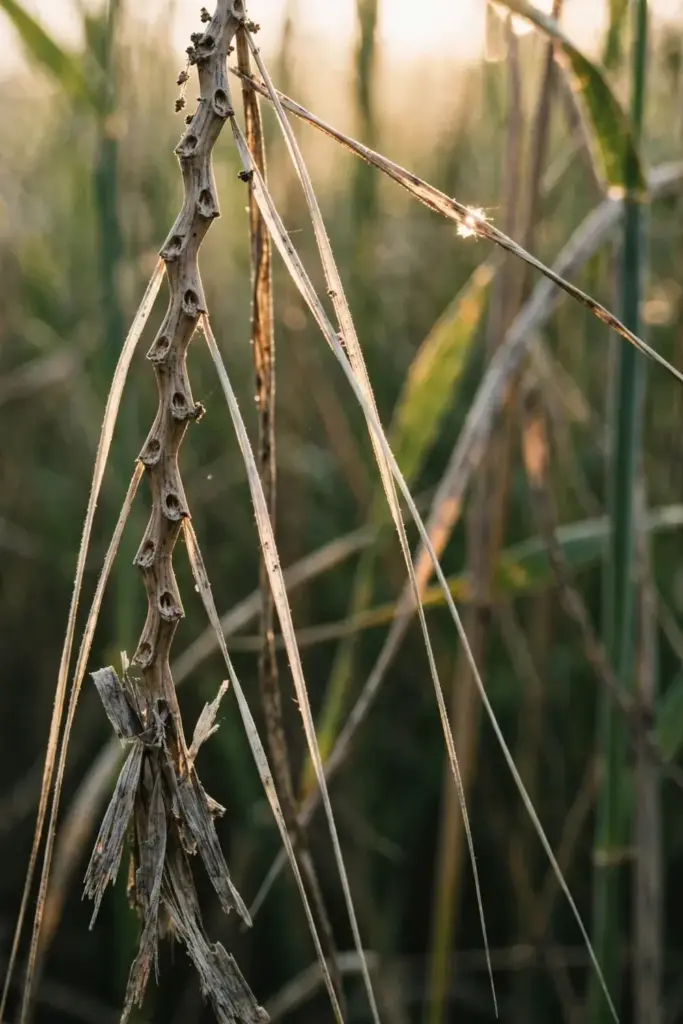
Each smutted head wears a delicate papery gray membrane at first. The membrane breaks soon after emergence and exposes a dark brown to black powdery spore mass. Wind strips the spores away and leaves a bare rachis, the bare stalk where grain should have formed. The UC IPM loose smut guide describes the same sequence: a fragile gray membrane that soon ruptures and releases airborne spores.
A smutted head tells you smut is present. It does not tell you which smut. Semi Loose Smut and loose smut look alike in the field. The University of Minnesota barley smuts bulletin states the limit plainly: semiloose smut can be distinguished from loose smut only by observing the type of spore germination with a microscope.
Treat any smutted head the same way at home. Pull it, bag it, trash it.
Why Semi Loose Smut Hides Until Heading
Ustilago nigra rides on seed. The UC IPM guide states that the false loose smut fungus survives as teliospores on the surface of contaminated seed. Infection strikes between germination and seedling emergence, and the fungus then grows inside the plant all season. At the boot stage it invades the floral tissue and converts it into masses of dark teliospores. Wind carries those spores to healthy heads, where they start the cycle again.
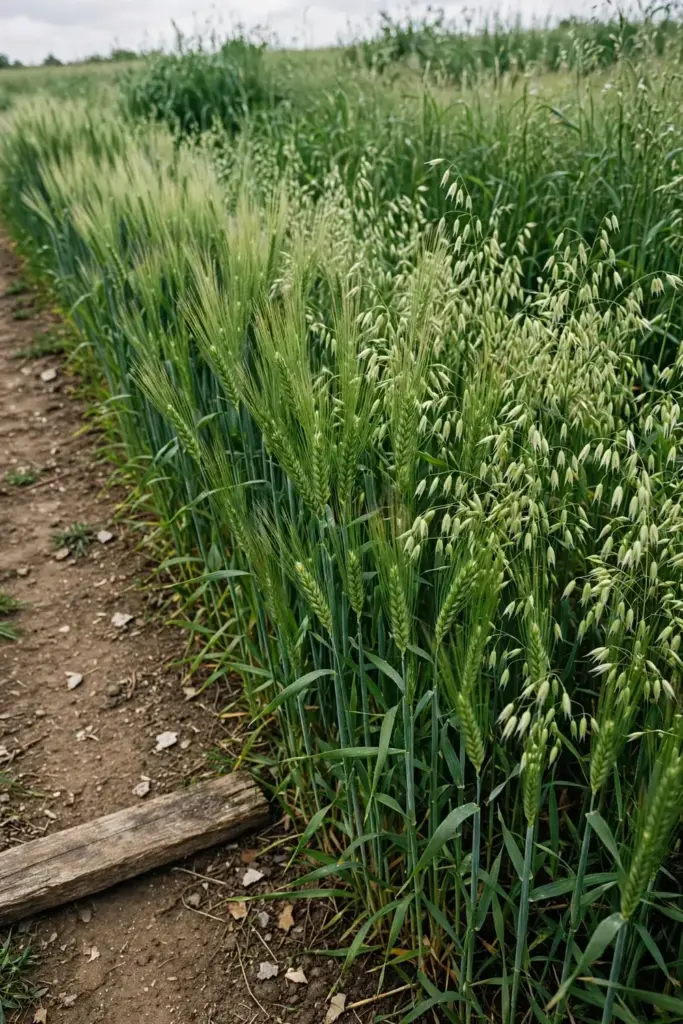
That hidden season explains the home playbook. Nothing on the leaf gives the fungus away. The seed lot is the only lever you hold before heading.
| Growth Stage | What the Fungus Does | What You See |
|---|---|---|
| On the seed | Teliospores rest on the seed surface | Nothing. The seed looks normal. |
| Germination to emergence | Teliospores germinate and infect the seedling | Nothing. The seedling looks healthy. |
| Vegetative growth | The fungus grows inside the plant | Nothing. The plant looks healthy. |
| Boot to heading | The fungus invades floral tissue and converts it to spore masses | Smutted heads emerge early, taller, under a gray membrane |
| After heading | The membrane breaks and wind disperses the spores | A bare rachis where grain should have formed |
1. Buy Certified Smut-Free Seed
Start with certified smut-free seed. The UC IPM guide names certified smut-free seed as the first cultural control for loose smut and false loose smut. A certified lot has passed the seed trade checks that bin-run grain never sees.
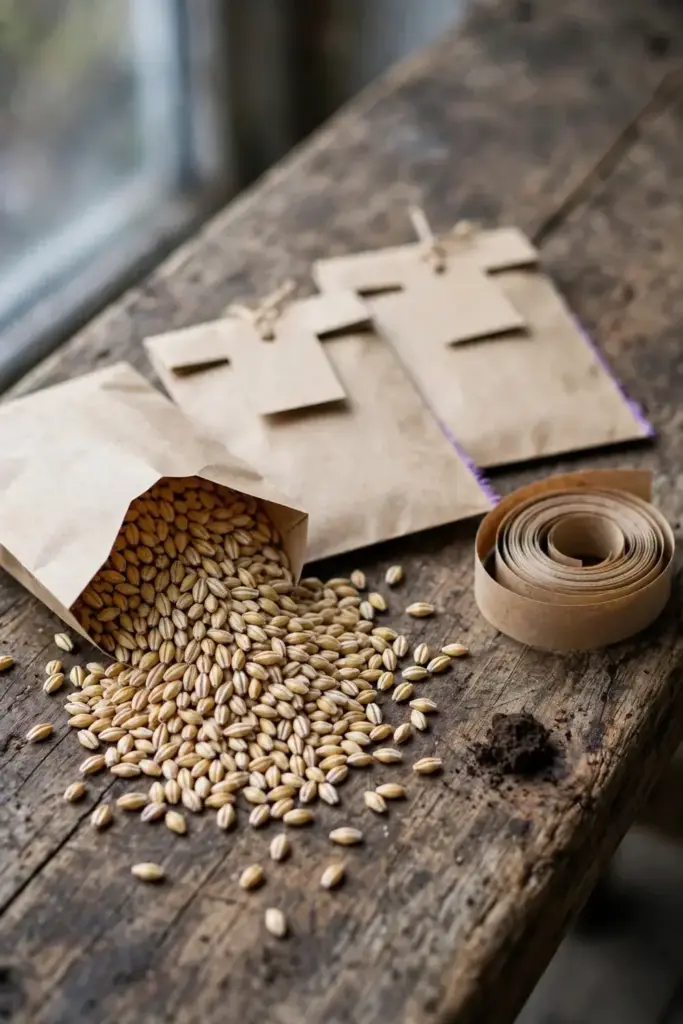
Ask the supplier for the certification before you order. Keep the supplier label with the lot until sowing ends. Certified seed costs more than bin-run grain. It buys the one thing no later step can replace: a clean start.
2. Never Save Seed From a Patch That Showed Smut
One smutted head in the patch means the lot carries the fungus. The pathogen survives between crops in contaminated seed, so saving that seed plants the disease again next season. Buy fresh certified seed for the next sowing.
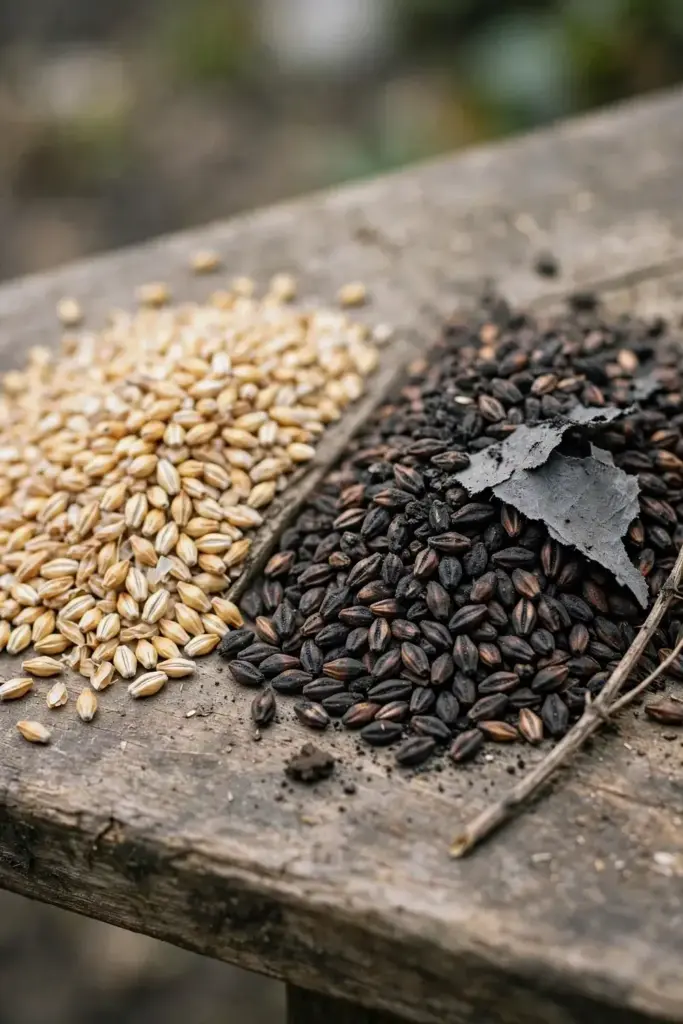
The seed starting guide covers saving seeds from healthy plants. A patch that showed smut fails that test. Keep smutted grain out of the seed bin entirely, and never mix leftover grain from a smutted lot into a fresh packet.
3. Pull Smutted Heads Early and Bag Them
Walk the patch at heading. Pull each smutted head before its membrane breaks. Bag the heads on the spot. Trash the bag. Do not compost smutted heads, and do not thresh them with healthy grain.
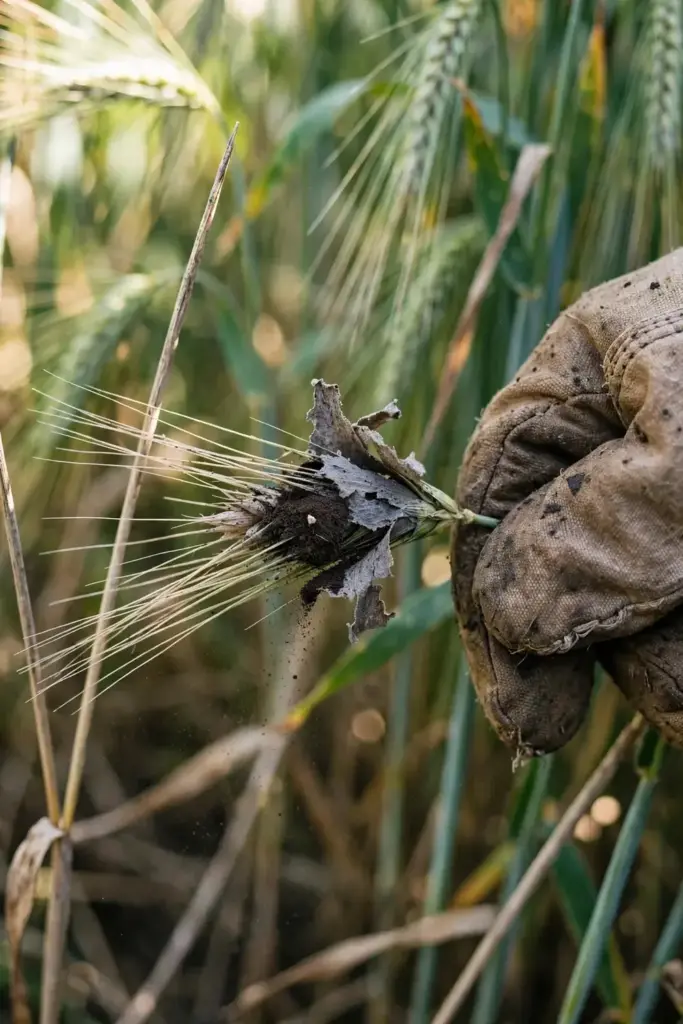
Pulling heads will not cure the plants they came from. Those plants already lost their grain. It cuts the spore load that reaches healthy heads, and it keeps smutted grain out of the harvest.
4. Keep Seed Lots Separate and Labeled
One bad lot can spoil a clean one when seed mixes in the bin. Keep lots in their own packets. Label each packet with supplier, variety, and year. The seed starting guide calls labeling essential for keeping track of what you planted, and the same habit keeps a smutted lot from vanishing into a clean one.

Never top up a fresh packet with leftover seed from a lot that smutted. A clean label on a mixed packet is worse than no label at all.
5. Clean Bins, Packets, and Tools After Smut
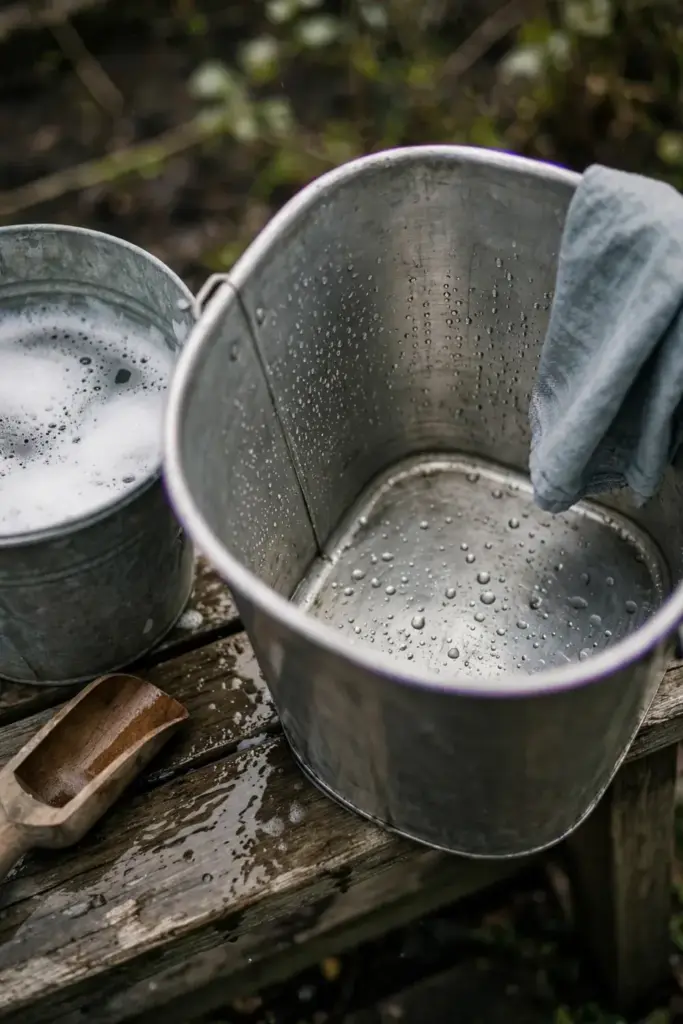
Empty the bin that held a smutted lot. Wash it with soap and water. Dry it before fresh seed goes in. Wipe down scoops and packets that touched the lot. A clean bin costs ten minutes, and it stops last season from riding into the next sowing on a dirty scoop.
Hot-water treatment and fungicide seed dressing belong to the seed trade. The UC IPM guide notes that hot-water treatment can clear smut fungi from seed, and warns that it must be used carefully to avoid reducing seed vitality. Leave those treatments to the supplier. This page carries no home hot-water recipe, because a wrong soak kills the seed along with the fungus.
Frequently Asked Questions
No. A smutted head holds a powdery spore mass instead of kernels, so there is nothing to eat. Pull the head, bag it, and trash it. Do not thresh smutted heads with healthy grain, since the spores would dust the good grain and ride into storage. The loss is the grain that never formed, and no kitchen step recovers it.
No. The strains are host specific. The false loose smut strains that infect oats differ from those that infect barley, and neither strain causes disease in the other host. The disease does not jump to vegetables, fruit, trees, or ornamentals. Keep your response to seed, roguing, and cleanup, and leave the rest of the garden alone.
No spray reaches it. The fungus grows inside the plant from seedling emergence to heading, and symptoms appear only when the grain is already lost. Field control runs through seed treatment in the seed trade. The home moves are certified seed, roguing smutted heads, and cleanup. A spray applied at heading spends money on a head with no grain left to save.
No. Semi Loose Smut comes from Ustilago nigra. Loose smut of barley comes from Ustilago nuda. The two look alike in the field, and only microscope spore germination separates them. Covered smut of barley, from Ustilago hordei, is a third disease again. Treat any smutted head the same way at home: pull it, bag it, and trash it.
Where to Go From Here
Walk the patch at heading. Pull 1 smutted head, bag it, and check the seed label before you sow again.

Plan next season now. Certified seed, a clean bin, and labeled lots beat any rescue spray. The soil health guide covers the bed care that keeps the rest of the patch vigorous.
Semi Loose Smut is a seed disease with a seed answer. Start with certified seed. End with a clean bin.