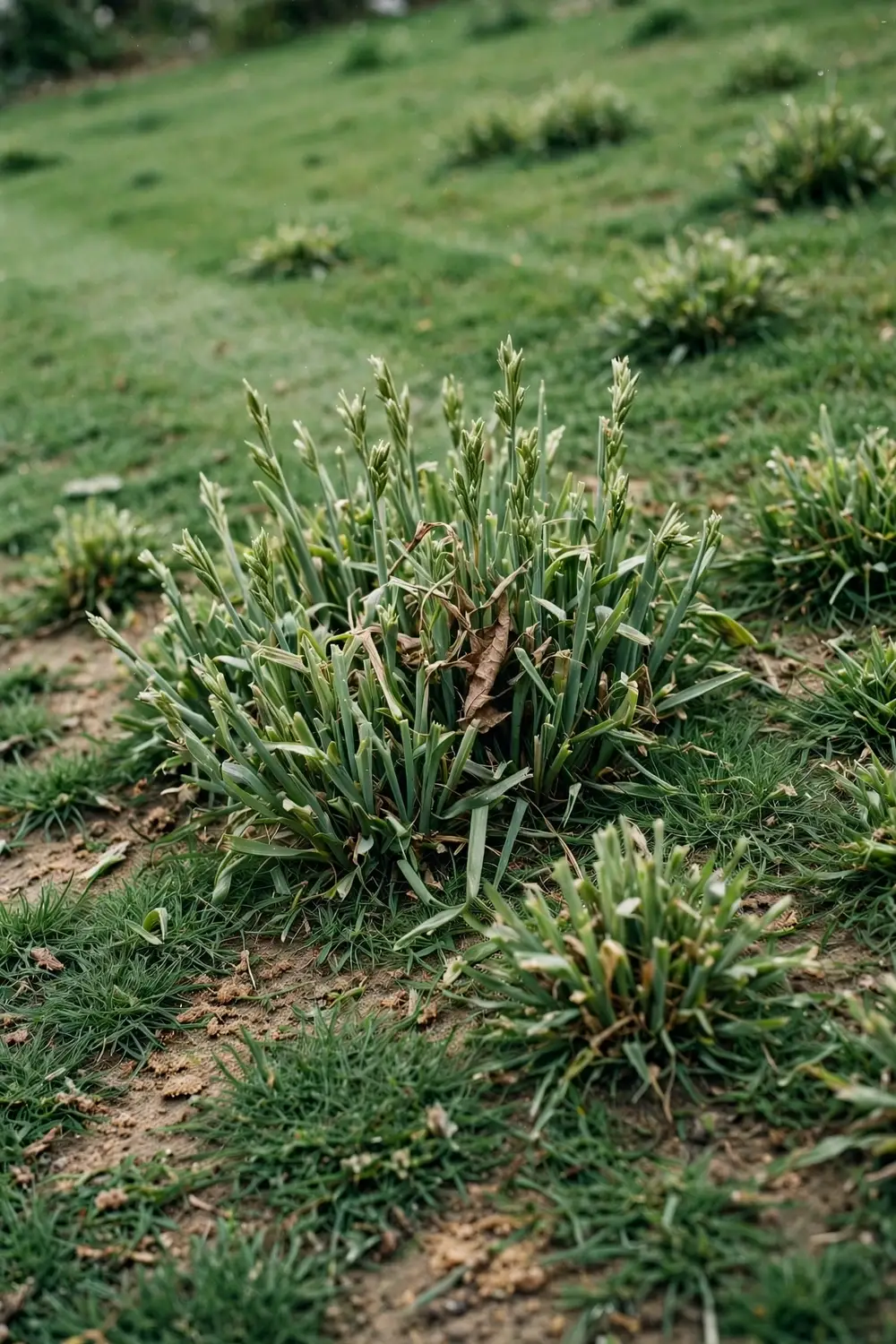

Ryegrass in your lawn is either a winter guest you sowed on purpose or an invader you never invited. Tell the two apart in 5 minutes by checking the leaf collar, the growth habit, and the lawn underneath it. Annual ryegrass dies in summer heat, while perennial ryegrass stays, clumps, and competes.
That split is the whole decision. The phrase rye grass in australian lawns covers both cases, and most lawn advice fails because it answers only one of them. A couch lawn that was oversown in autumn holds ryegrass on purpose. A buffalo lawn with ryegrass clumps holds a weed. The grass looks similar in both lawns. The right action is opposite.
Kneel at the edge of a clump, pull one shoot apart, and run the five-minute checks from the first section with nothing but your fingers and a ruler. I have learned that the clump I dig out before it seeds stays gone, while the clump I leave to head up seeds the next autumn. Work through the sections in order when the lawn is new to you, and skip straight to the action that matches your case when you already know which ryegrass you hold.
1. Spot Rye Grass in Australian Lawns in 5 Minutes
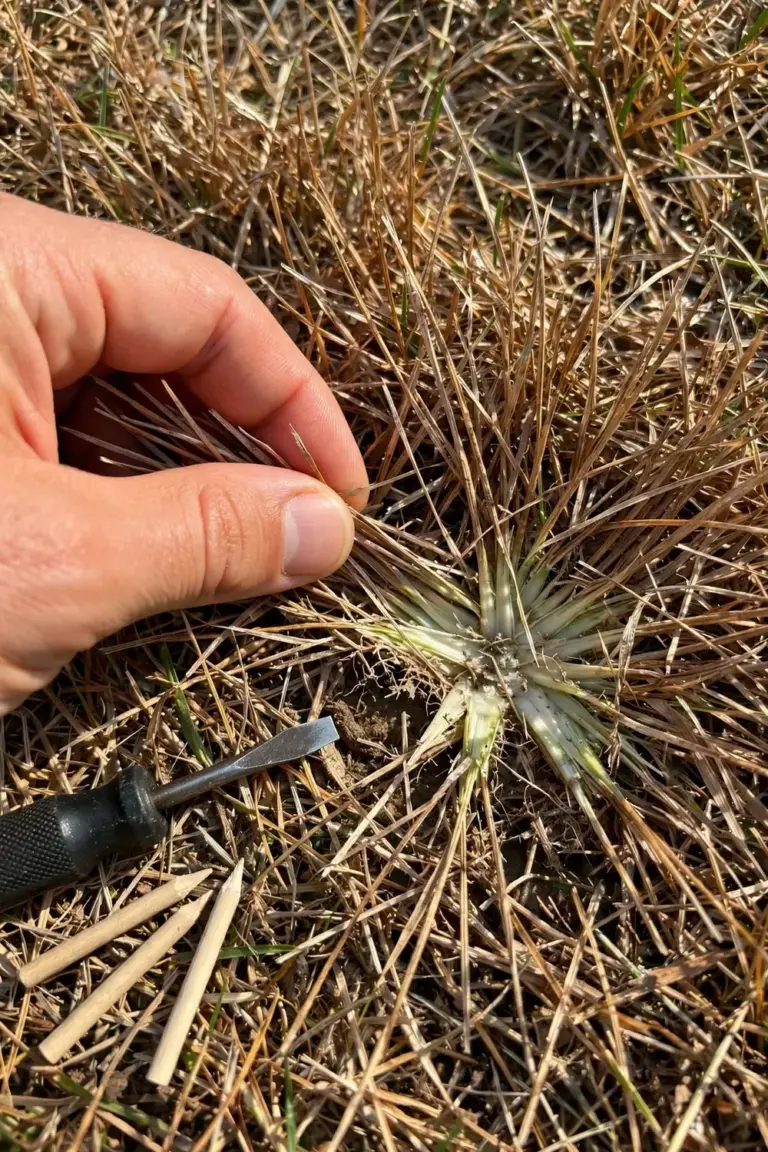
Check the collar first, then the bud, then the base. Ryegrass carries a folded leaf bud. The leaf sits folded in half inside the bud, like a closed book. The ligule is a thin membrane 0.5 to 1.5 mm long at the top of the leaf sheath, according to NC State Extension’s perennial ryegrass profile. The leaf blade runs 2 to 5 mm wide. The upper surface shows deep ridges. The lower surface stays smooth and glossy.
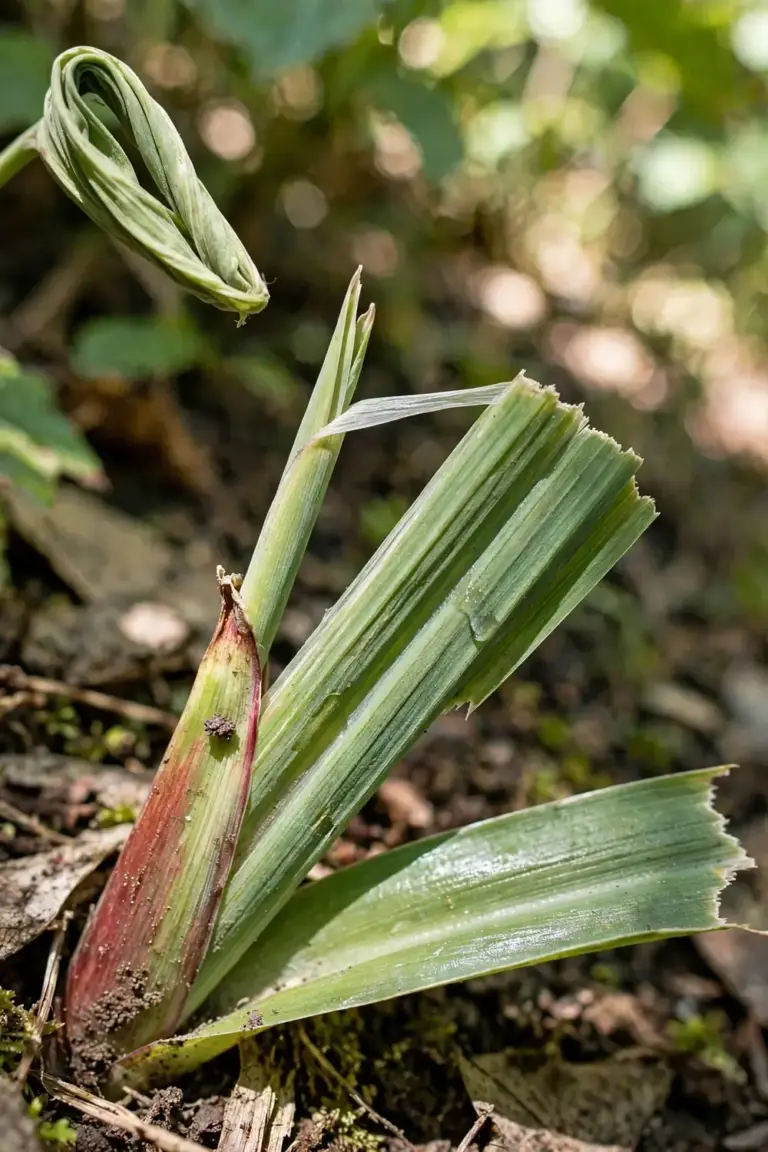
Check the base next. The sheath often shows red at the base. The collar is divided by the midrib and carries no hairs. The auricles are rudimentary, which means small and easy to miss. The plant grows as a bunch. It sends out no stolons and no rhizomes, so it never creeps across the lawn the way couch or buffalo does. Each clump stays where it started and thickens from the center.
Check the seed head when one is present. Ryegrass throws a spike. Flattened spikelets sit along each stem. The spike appears in spring and early summer on plants left unmowed. A clump with a spike, a folded bud, a glossy leaf underside, and a reddish base is ryegrass. A runner with stolons on the soil surface is a warm-season grass, not ryegrass. A flat mat with a hairy ligule is a different grass again.
2. Tell Annual Ryegrass From Perennial Ryegrass
Annual ryegrass is Lolium multiflorum. Perennial ryegrass is Lolium perenne. The two share the folded bud, the membranous ligule, and the glossy underside. The split between them is lifespan, and lifespan decides the action.
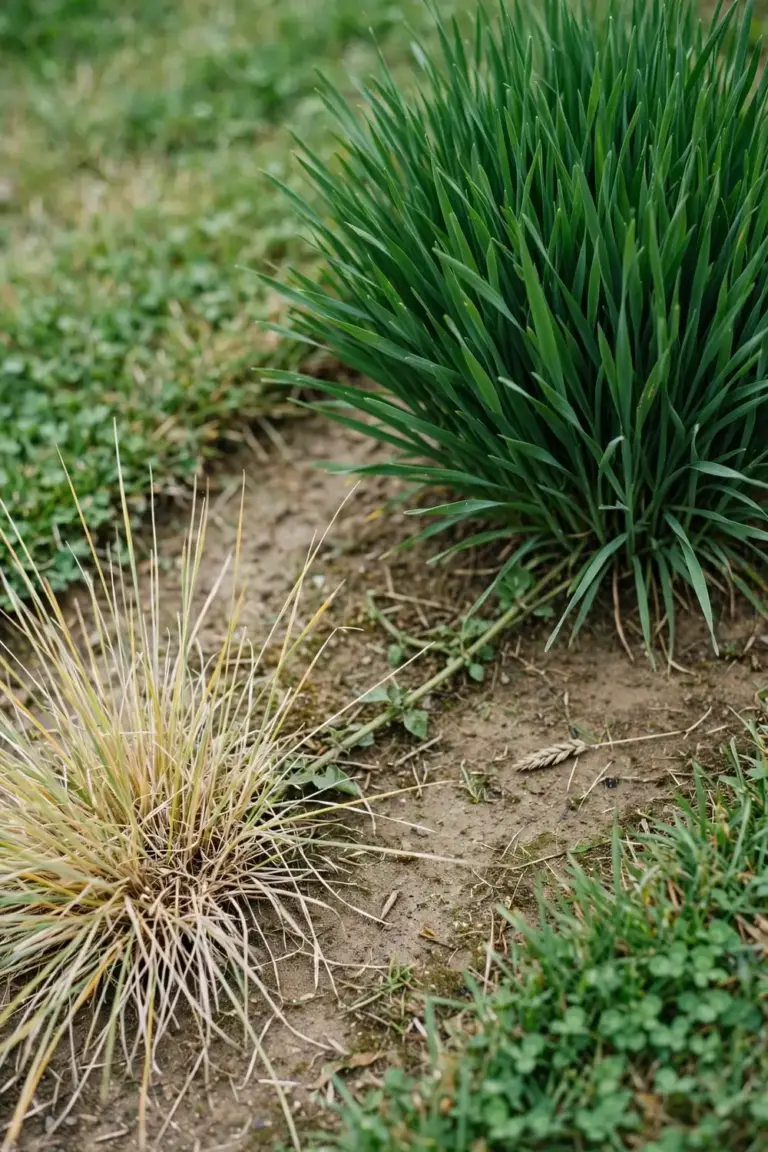
Annual ryegrass completes its life cycle in one season. It germinates fast, grows through the cool months, sets seed, and dies when heat arrives. Annual ryegrass germinates within a week when watered, and it dies or turns stemmy in warm weather, according to the University of Illinois Extension. The blades run coarser and lighter in color than perennial blades. The plant never comes back from the same crown. It returns only when shed seed germinates.
Perennial ryegrass lives on. It germinates in about two weeks when watered, grows faster than slow grasses beside it, and forms dense clumps that hold their ground, according to the same University of Illinois Extension notes. NC State lists it as a cool-season turf or a perennial weed, depending on where it grows. That double listing is the point. The same species is a lawn grass in one setting and a weed in another.
Tell them apart by behavior across one summer. Annual ryegrass fades on its own as heat builds. Perennial ryegrass holds its clumps through summer where water is available, and it competes with the warm-season grass waking beside it. When you cannot wait a season, look at the clump. A single-season patch that thins at the edges in spring leans annual. A dense, dark clump that thickens each month leans perennial.
A third name causes confusion. Lolium rigidum is annual ryegrass of the cropping belt, also called Wimmera ryegrass. It belongs to paddocks, not lawns. This article does not cover paddock ryegrass. Keep the lawn decision to Lolium multiflorum and Lolium perenne.
3. Decide Whether Ryegrass Is a Friend in Your Lawn
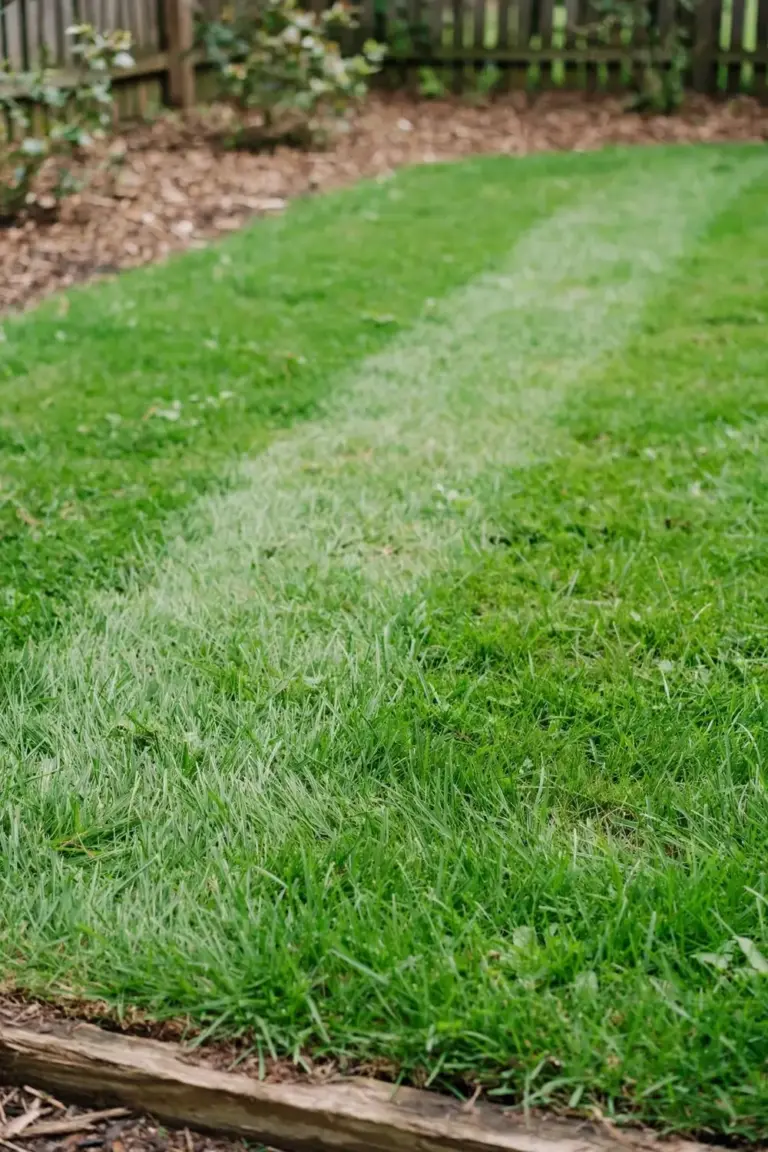
Ryegrass is a friend when it fills a gap the permanent lawn cannot fill. Warm-season lawns go dormant in winter. Couch, buffalo, and kikuyu turn brown and stop growing when cold arrives. Ryegrass grows through the cool months. It keeps the lawn green while the permanent grass sleeps. It holds soil on bare patches. It gives the mower something to cut.
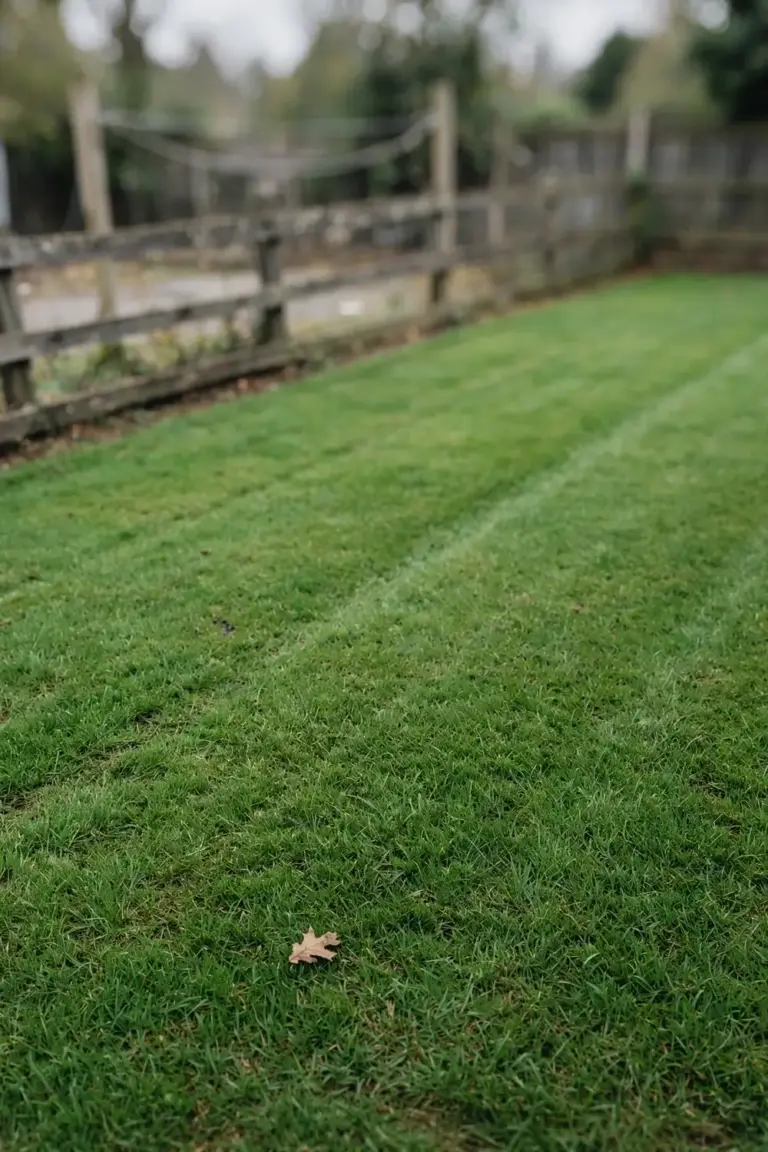
The friend case has three marks. The ryegrass sits evenly across the lawn, not in scattered clumps, over a warm-season grass in winter dormancy. The ryegrass arrived by sowing, not by accident. When all three marks hold, the ryegrass is doing a job, so leave it alone and let the season end it.
Oversowing is the deliberate version of the friend case. The lawn owner sows ryegrass seed into a dormant warm-season lawn in autumn so the lawn stays green through winter. Alabama Cooperative Extension puts the overseed rate for perennial ryegrass at 8 to 12 pounds per 1,000 square feet, which converts to 39 to 59 grams per square meter, according to Alabama Cooperative Extension. The seed needs soil contact to germinate. A short mow before sowing helps the seed reach soil. The ryegrass then carries the lawn through winter while the warm-season grass rests.
The friend case still costs something. Ryegrass needs mowing through winter. It drinks water the dormant lawn would not need. It competes with the permanent grass in spring when both want light and food. Accept those costs only when winter color matters to you. When winter color does not matter, the friend case is weak. A dormant brown lawn is not a dead lawn. It wakes on its own. Check the lawn in early spring. Green shoots at the crown mean the permanent grass is waking, and the ryegrass above it is on borrowed time.
4. Decide Whether Ryegrass Is a Weed in Australian Lawns
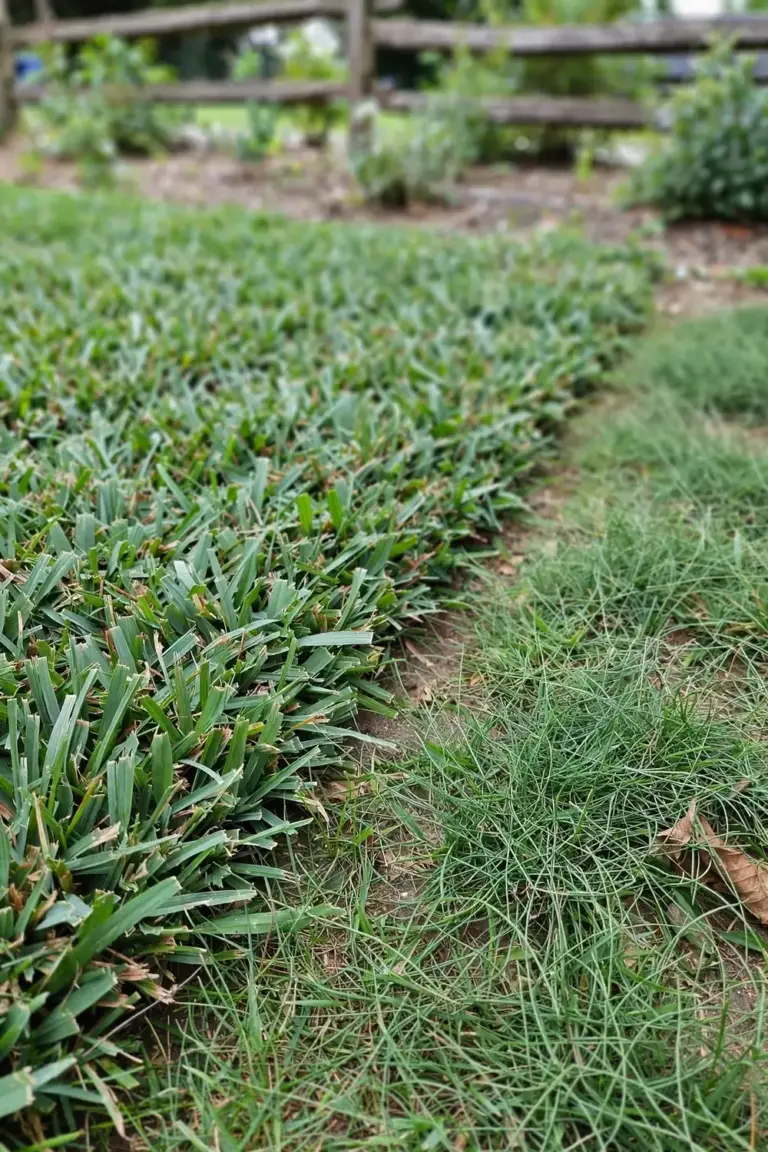
Ryegrass is a weed when it grows where it was never sown and never wanted. The weed case has three marks. The ryegrass sits in scattered clumps, not in an even cover. The lawn underneath is a cool-season lawn, or a warm-season lawn in full growth. The ryegrass arrived on its own, through seed in a cheap mix, in topsoil, or on boots and mower wheels.
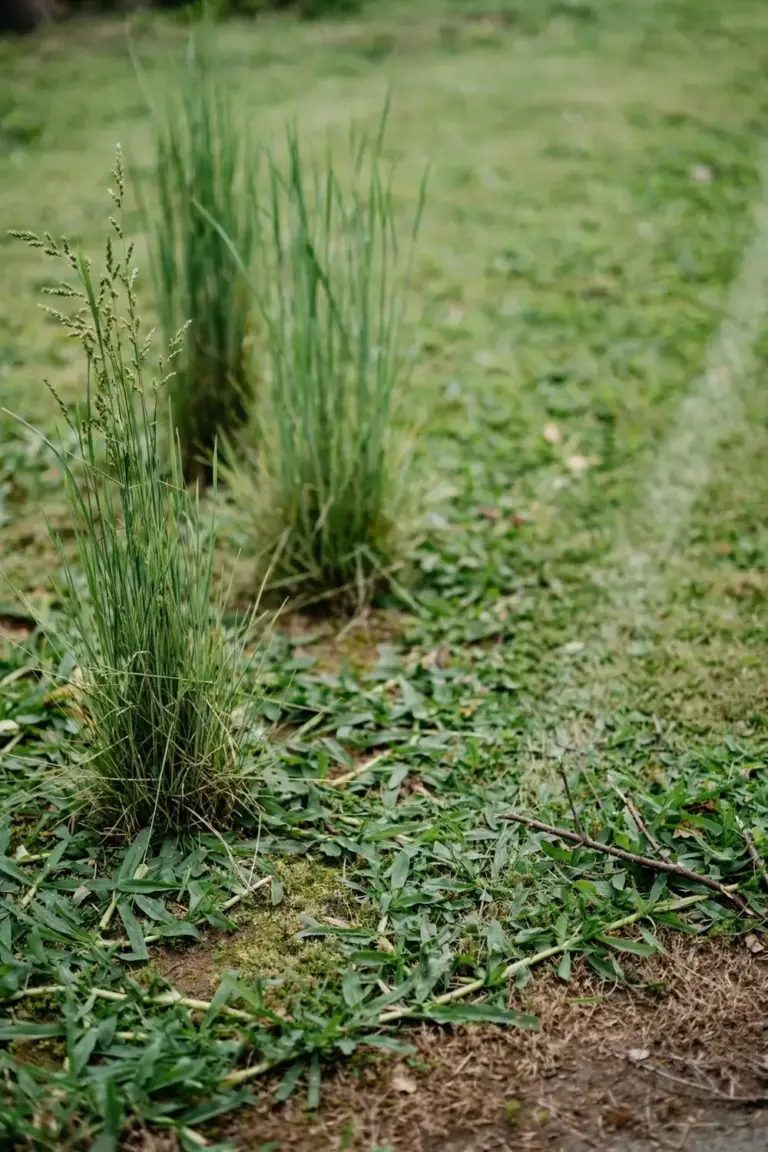
The weed case shows in texture first. Ryegrass blades run coarser and lighter than the lawn around them. Clumps rise above the mowing height between cuts. The lawn looks patchy even a day after mowing. The clumps thicken through spring while the lawn around them grows at its normal pace. A lawn with a dozen clumps in April holds a dozen weeds, not a dozen lawn plants.
The weed case also shows in the calendar. Ryegrass seeds in spring. Each head sheds seed into the lawn. That seed germinates the next autumn and starts new clumps. One clump left to seed becomes many clumps the next year. The weed case compounds when ignored. It shrinks when each clump is removed before it heads.
Buffalo and kikuyu lawns carry the sharp edge of the weed case. Selective herbicides that kill ryegrass in couch can kill buffalo and kikuyu too. The product label decides. Read it before any spray touches a buffalo or kikuyu lawn. The spray path below covers couch only. Buffalo and kikuyu lawns get the hand path or the wait path instead.
5. Read Your Lawn Type Before You Act
The lawn underneath the ryegrass decides the action. Couch, buffalo, kikuyu, and cool-season lawns each change the answer. Identify the permanent grass before you touch the ryegrass. The ryegrass check takes five minutes. The lawn check takes the same time and matters more.
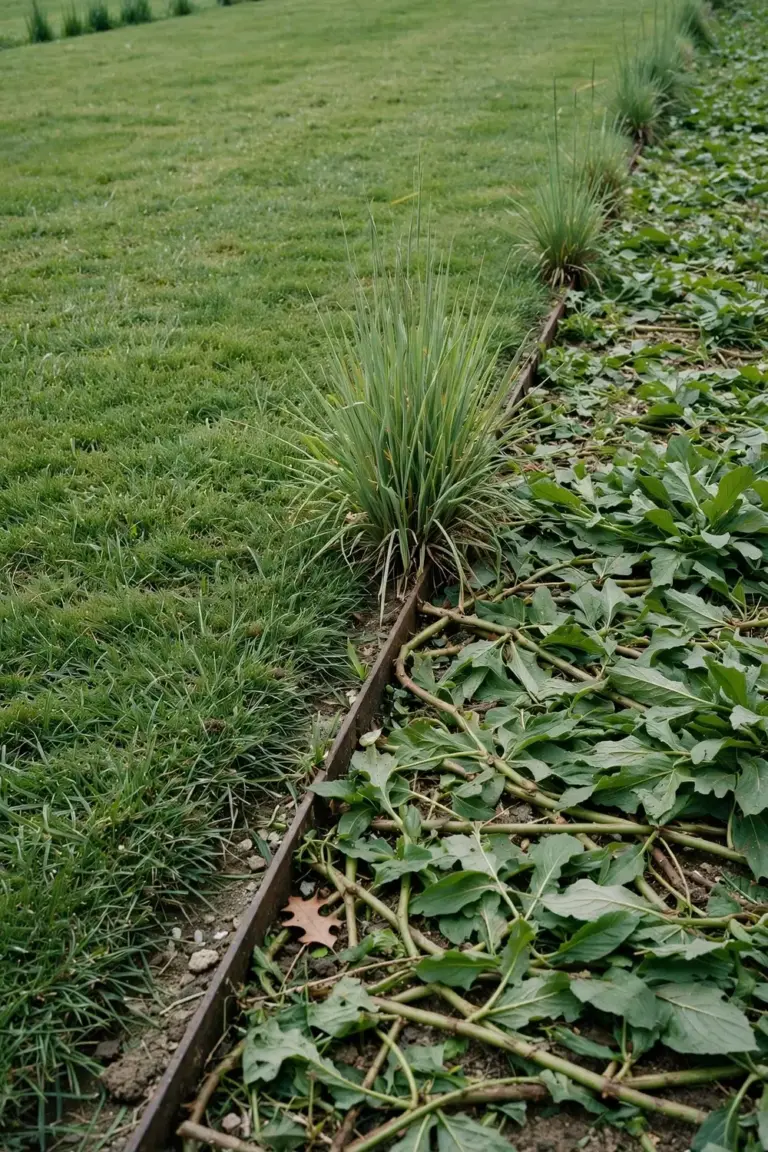
Couch is the most forgiving lawn for ryegrass decisions. Couch spreads by stolons and rhizomes. It recovers fast from gaps. Selective herbicides exist that kill ryegrass in couch while leaving the couch standing. Couch also competes hard in summer, and it reclaims ground once ryegrass fades. A couch lawn with ryegrass has every option open: leave, pull, or spray.
Buffalo narrows the options. Buffalo spreads by stolons above ground. It grows slower than couch. It recovers slower from gaps. The herbicides that clean ryegrass out of couch are not safe on buffalo. A buffalo lawn with ryegrass keeps two options: pull the clumps, or wait for summer to end the annual types. Perennial ryegrass in buffalo is a hand job. No spray shortcut exists that is safe for the buffalo.
Kikuyu narrows the options further. Kikuyu spreads fast by stolons and rhizomes. It swallows gaps quickly. The same herbicides that are unsafe on buffalo are unsafe on kikuyu. A kikuyu lawn with ryegrass also keeps the pull path and the wait path. Kikuyu’s speed is an asset here. A pulled clump leaves a gap, and kikuyu closes that gap faster than buffalo does.
Cool-season lawns change the question entirely. A lawn built from fescue or Kentucky bluegrass has no dormant season for ryegrass to fill. Ryegrass in a cool-season lawn is a weed in almost every case. It clumps, it outgrows its neighbors, and it never fills the role it fills in a warm-season lawn. Pull it. Do not sow it.
| Lawn type | Ryegrass usually | Best action |
|---|---|---|
| Couch, dormant in winter | Friend when sown, weed when stray | Leave, pull, or spray |
| Buffalo | Weed in most cases | Pull, or wait for summer |
| Kikuyu | Weed in most cases | Pull, or wait for summer |
| Cool-season lawn | Weed | Pull |
| Bare patch in winter | Temporary cover | Leave, then reseed the permanent grass |
6. Leave the Overseed Alone and Let Summer End It
Leave the ryegrass alone when it is the overseed you sowed or inherited, because the overseed is doing its job. It holds winter color, protects bare soil, and dies on its own schedule. The cheapest action is no action at all.
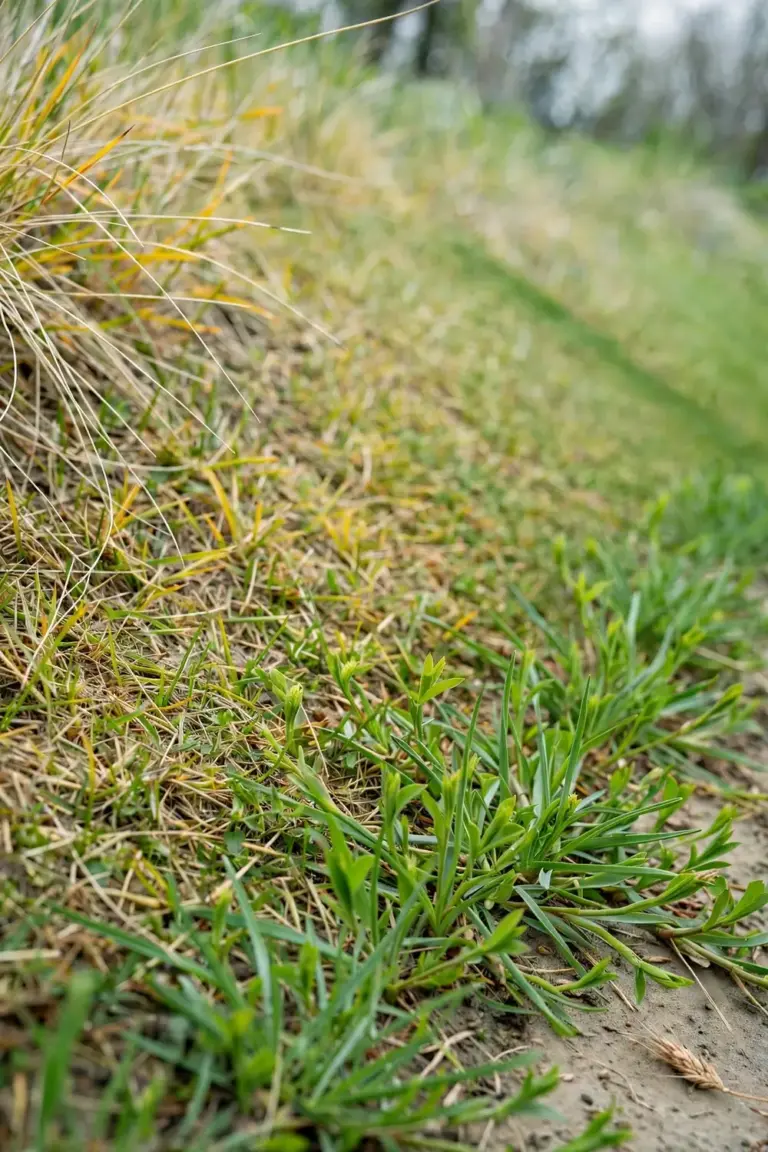
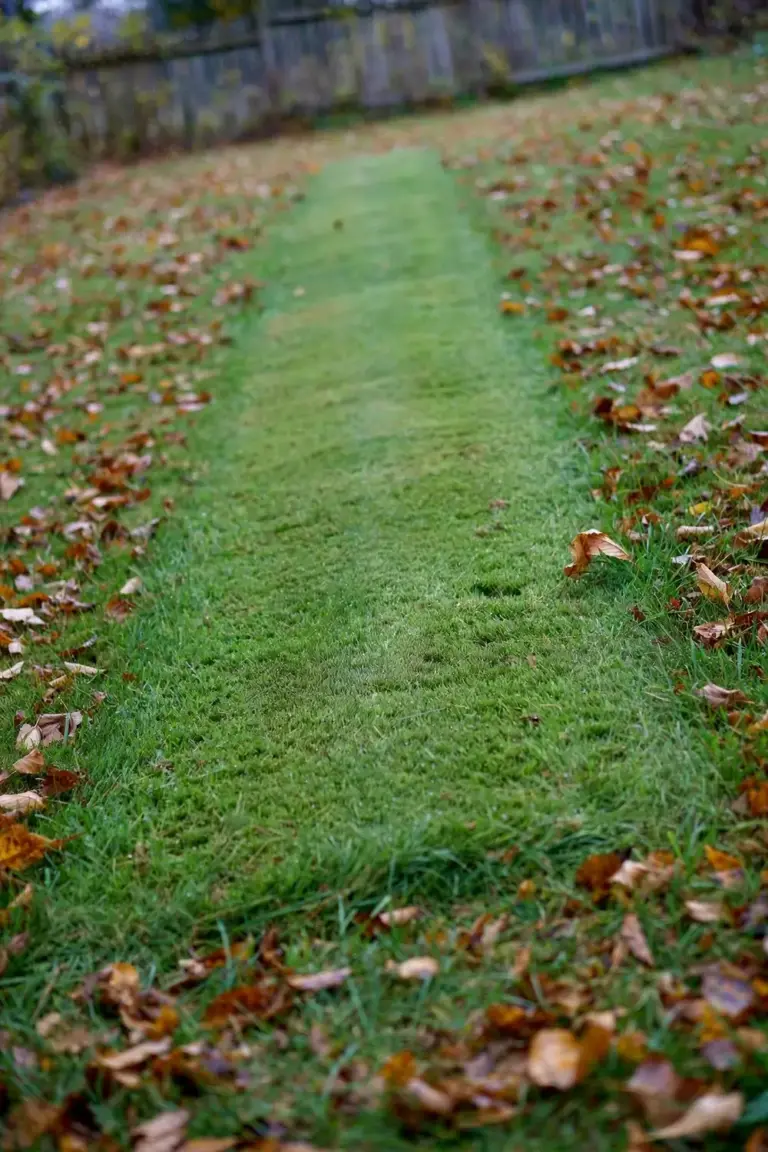
Annual ryegrass dies when heat arrives, because the plant completes its life cycle in one season and never returns from the same crown. The lawn underneath wakes as the ryegrass fades. The handover is not instant: the ryegrass thins first, then the warm-season grass thickens into the gaps. Give the handover time, mow at the normal height, and water the lawn to suit the permanent grass underneath.
Perennial ryegrass does not die on the same schedule. It holds through summer where water is available and competes with the waking warm-season grass. Alabama Cooperative Extension notes that perennial ryegrass forms a dense turf by late spring that competes with bermudagrass coming out of dormancy, and turf managers help the transition with vertical mowing, aeration, or a selective herbicide, according to Alabama Cooperative Extension. In a home lawn, the lighter version of that help is a low mow and a firm rake as the permanent grass wakes, opening the canopy, lifting the thinning ryegrass, and giving the permanent grass the light.
Watch the handover in spring: a clean handover shows warm-season runners filling the gaps where ryegrass thins. The sign of a stuck handover is ryegrass clumps still dense in early summer while the permanent grass stays thin beneath them. A stuck handover needs the pull path or the spray path. A clean handover needs nothing more than normal mowing. The spring lawn care tips guide covers the wider spring routine around this transition.
7. Pull Ryegrass Out by Hand Without Spreading Seed
Pull ryegrass when the clump count is small and the seed heads are still closed. Hand pulling suits buffalo and kikuyu lawns, cool-season lawns, and any lawn where spray is off the table. It suits a dozen clumps. It does not suit a lawn covered edge to edge.
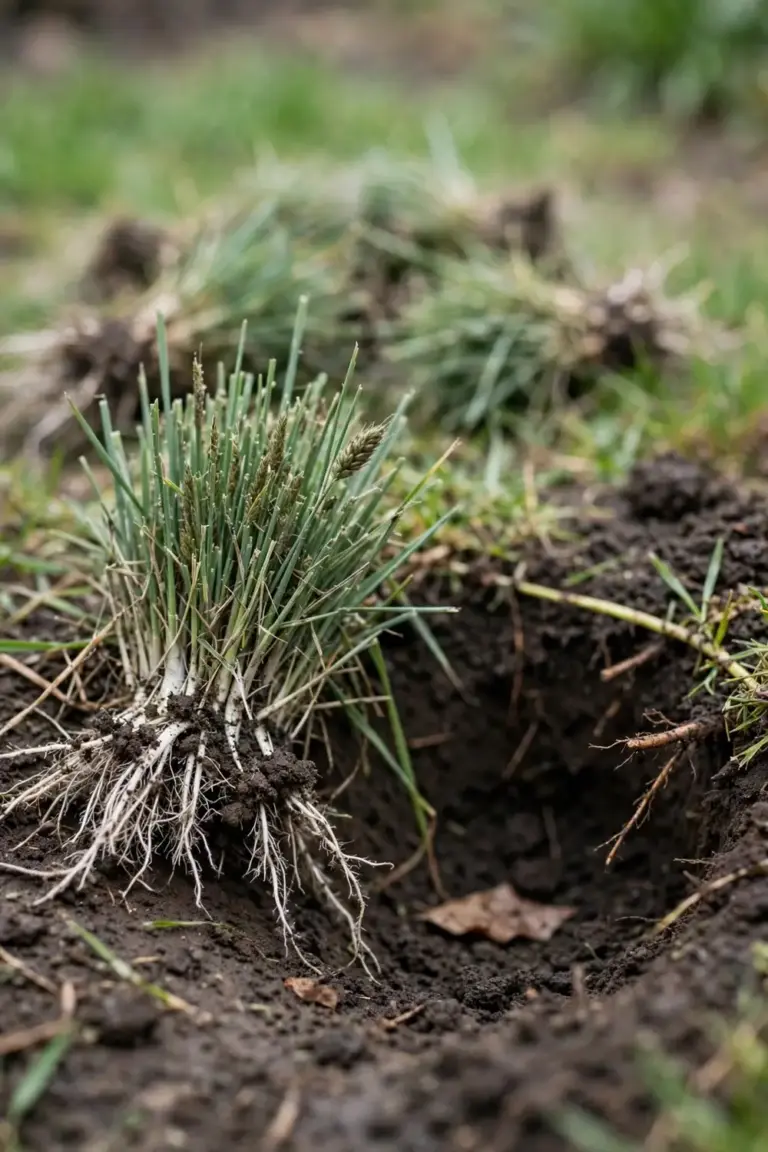
Pull after rain or watering, when the soil is soft. Grip the clump at the base, low on the stems. Pull straight up with steady pressure. The goal is the whole crown with its roots. Ryegrass grows as a bunch with no runners, so a clean pull takes the whole plant. A snapped stem leaves the crown in the soil, and the crown regrows. Check the hole. White root ends in the hole mean the crown stayed behind. Dig the crown out with a hand fork or a narrow trowel.
Bag the pulled plants when seed heads are present. Seed heads shed seed when they hit the compost pile or the lawn. A closed head in a bag cannot reseed the lawn. An open head shaken across the lawn reseeds it. Work from the clumps with closed heads toward the clumps with open heads, so the clean plants never touch the seeding plants. Wash the trowel and shake out the mower bag after the job. Seed rides on tools and in clippings.
Fill each hole. A pulled clump leaves a gap. Bare soil invites the next weed. Press the surrounding runners into the hole on couch, buffalo, and kikuyu lawns. Scatter a pinch of the lawn’s own seed on cool-season lawns. Water the patch. The gap closes in weeks when the lawn around it is healthy. A gap left open stays a gap, and the next weed takes it.
The hand path has a limit. A lawn with hundreds of clumps will not yield to hand pulling in one session. Pull in rounds, worst clumps first, and stop each round before the seed heads open. The organic weed control guide covers the wider hand-and-mulch approach for lawns that need more than one pass.
8. Spray Ryegrass Out of Couch Without Killing the Couch
Spray ryegrass only in couch and zoysia lawns, and only when the label names your lawn grass. Selective herbicides exist that kill ryegrass while couch stands. The same products are unsafe on buffalo and kikuyu. The label is the law on this point. Read it before the sprayer leaves the shed.
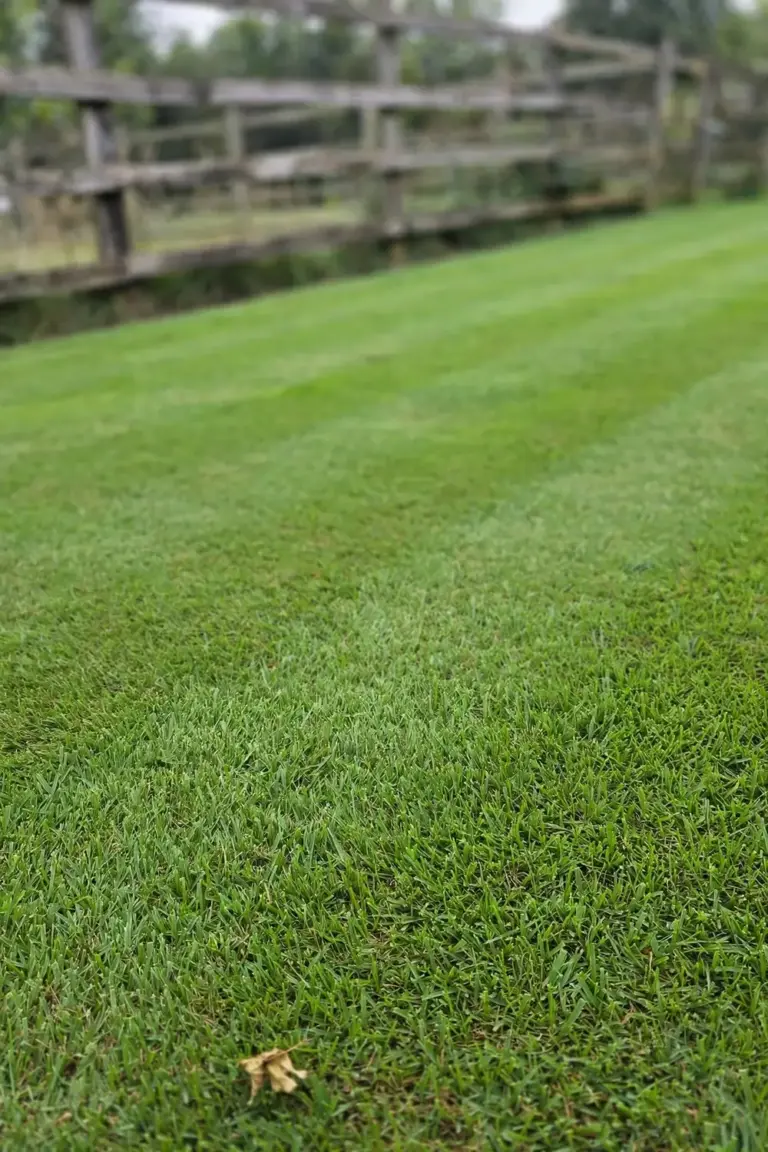
Monument is the product Australian lawn owners hear named most often for this job. Lawn Solutions Australia lists Monument Liquid Herbicide as controlling ryegrass, and lists it as safe to use on common couch, hybrid couch, Queensland blue couch, and zoysia, according to Lawn Solutions Australia. The same page carries the hard limit: do not use Monument on kikuyu or buffalo. A spray that cleans a couch lawn kills a buffalo lawn. The product choice never overrides the lawn type.
Check the label for three things before spraying. Your grass must appear on the lawn grass list, and ryegrass must appear on the weed list. The third check is the application rule. Some of these products sit behind licensed-applicator rules in Australia. When the label says so, hire a licensed turf contractor. The contractor carries the ticket, the calibrated sprayer, and the liability. A home sprayer with an unlicensed product on a buffalo lawn is the expensive mistake this section exists to prevent.
Spray on a calm, dry day when the ryegrass is growing. A stressed plant absorbs less herbicide. A windy day carries spray onto garden beds. A wet day washes it off the leaf. Mow two or three days before spraying so the spray lands on fresh leaf. Leave the lawn unmowed for a few days after spraying so the plant carries the chemical down to the crown. Follow the label’s re-entry rule before letting children or pets back on the lawn.
Expect a slow kill. The ryegrass yellows first, then thins, then dies back over weeks. The couch fills the gaps behind it. A second application may be needed for dense clumps. The label sets the gap between applications. Do not shorten it. A rushed second spray burns the couch without killing more ryegrass. When the kill is done, the best time to fertilize lawn in spring guide covers feeding the couch as it reclaims the ground.
9. Stop Ryegrass Returning Next Autumn
Ryegrass returns through seed. Stop the seed and you stop most of the return. The prevention work is dull, cheap, and effective. It starts the day the current clumps are gone.
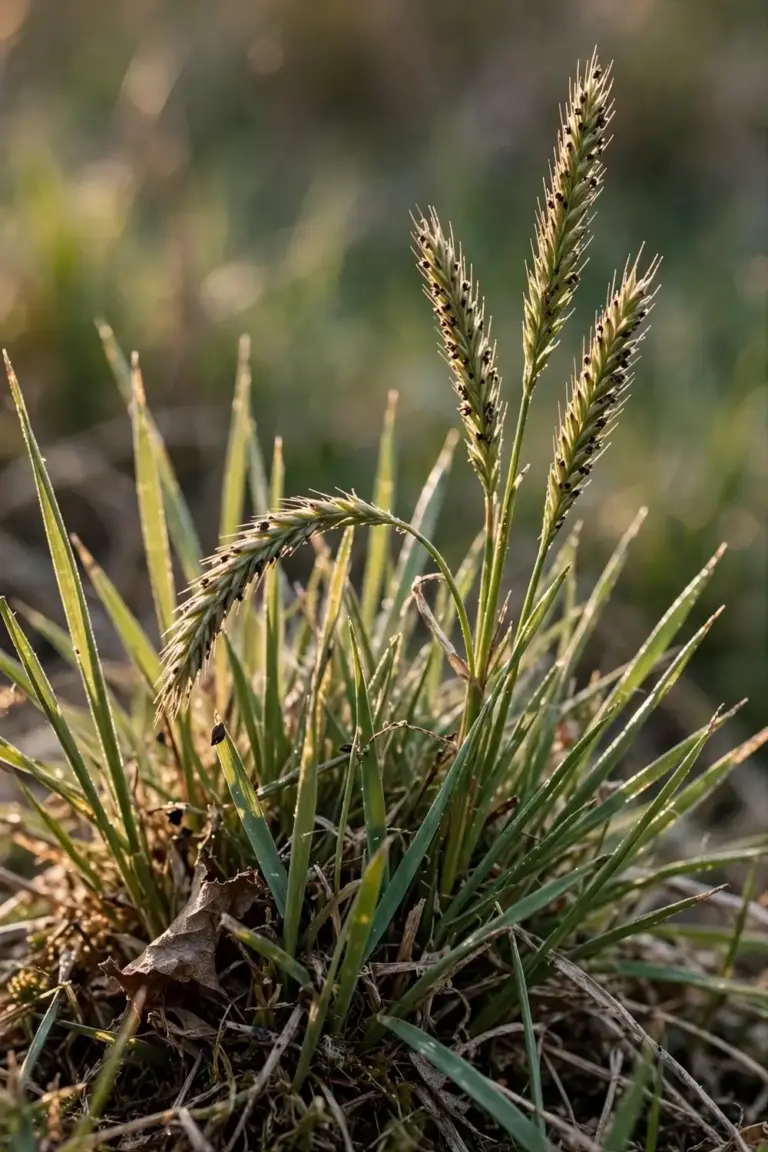
Keep seed heads off the lawn by mowing before heads open in spring. A mowed head cannot shed seed. A head left to ripen sheds seed into the lawn and into the mower bag. Empty the mower bag onto the compost pile, not onto the lawn. Clean the mower deck at the end of the spring mowing round. Seed hides in clippings and in deck corners.
Check what you bring into the lawn. Cheap seed mixes carry annual ryegrass as a fast filler. The filler germinates first, looks green fast, and leaves thin spots when it dies. Read the seed label before buying. A mix that lists ryegrass as a component sows next year’s weed. Topsoil and turf rolls can carry ryegrass seed too. Ask the supplier what the mix contains. A supplier who cannot answer is a supplier to skip.
Feed the permanent grass, not the ryegrass, because a dense lawn leaves no soil for ryegrass seed to reach. Overseed thin patches with the lawn’s own grass in the growing season, so the gaps close before autumn. Soil health decides how fast those gaps close. The soil health guide covers the groundwork that keeps a lawn dense enough to resist invasion.
Pre-emergent herbicides exist for annual grasses. They stop seed from germinating. They also stop wanted seed from germinating. Do not apply a pre-emergent in the same season you sow lawn seed. The label sets the window. A pre-emergent applied at the wrong time kills the lawn seed you paid for and leaves the ryegrass seed already in the soil to wait. Use pre-emergent only on an established lawn with no sowing planned, and only when the label names your lawn grass.
| Case | Action | When |
|---|---|---|
| Sown overseed in couch | Leave it | Autumn to spring, let summer end it |
| Stray clumps, few | Hand pull before seeding | Spring, after rain |
| Stray clumps in couch, many | Selective spray per label | Spring, ryegrass actively growing |
| Stray clumps in buffalo or kikuyu | Hand pull only | Spring, before seeding |
| Ryegrass in cool-season lawn | Hand pull | Spring, before seeding |
| Bare patches after removal | Fill with the lawn’s own grass | Growing season |
10. Frequently Asked Questions
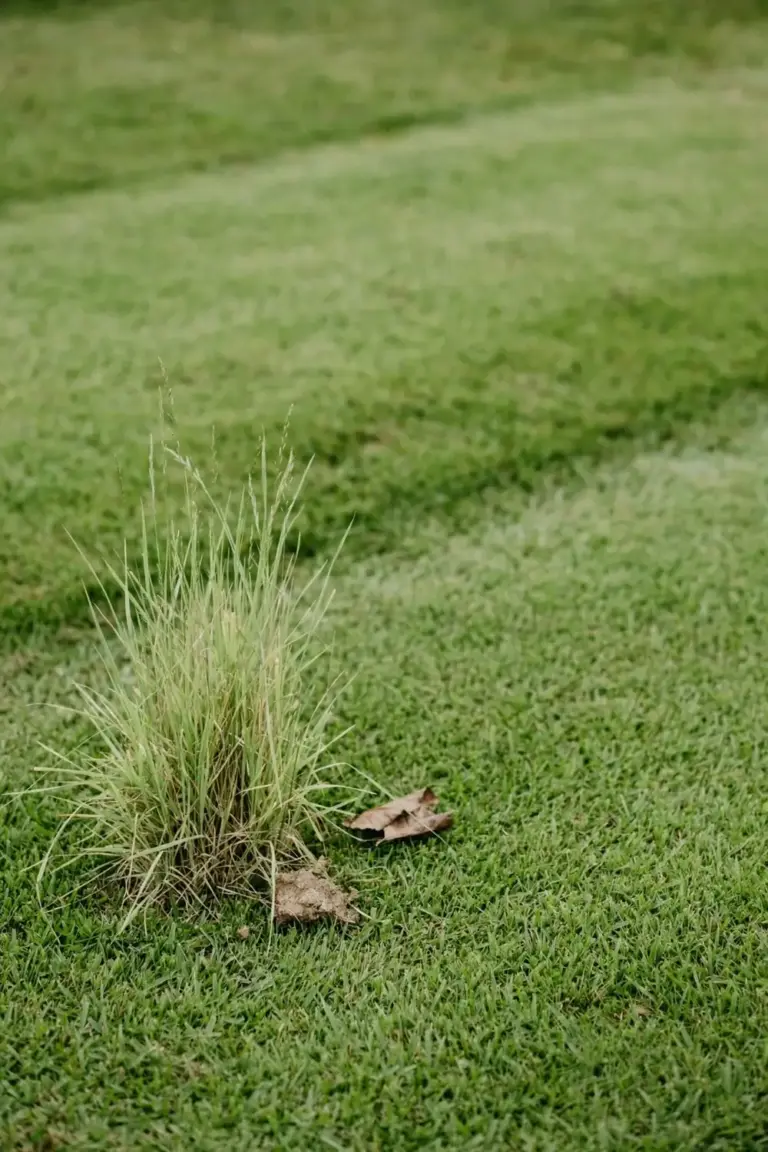
Ryegrass is both, and the lawn decides which one it is. Sown ryegrass in a dormant warm-season lawn is a lawn grass doing a winter job. Stray ryegrass clumps in a buffalo, kikuyu, or cool-season lawn are weeds. Check the lawn type, the clump pattern, and whether anyone sowed it. Even cover on dormant couch means friend. Scattered clumps on growing buffalo mean weed.
Annual ryegrass dies after one season and never regrows from the same crown. It returns only when shed seed germinates. A clump left to seed in spring starts new clumps the next autumn. A clump pulled or mowed before its heads open leaves no seed behind. The return is a seed problem, not a regrowth problem. Break the seed cycle and the annual type ends.
No spray covered here is safe for buffalo, so buffalo lawns keep the hand path and the wait path. The selective herbicides that clean ryegrass out of couch are not registered for buffalo, and they will damage or kill it. Pull clumps before they seed, and let summer end the annual types. A buffalo lawn with perennial ryegrass needs repeated hand pulling, not a spray shortcut.
Ryegrass grows as a bunch with folded buds, glossy leaf undersides, and reddish sheath bases. Winter grass, or Poa annua, grows lower and softer, with a boat-shaped leaf tip and a long membranous ligule. Ryegrass seed heads form spikes. Winter grass seed heads form open branched clusters. The two weeds need different controls, so identify the plant before choosing a product. The collar check in the first section separates them.
Overseed only when winter color matters more than the spring work it creates. Overseeding gives a green lawn all winter and a spring transition to manage. The ryegrass competes with the waking couch, and perennial types need help to exit. When winter color does not matter, skip the overseed and let the couch rest. A dormant couch lawn is not a failing lawn. It wakes on its own.
11. Where to Go From Here
Walk the lawn once with the collar check in hand. Name the permanent grass. Name the ryegrass type by its behavior. Then take the single action that matches your case. Leave the overseed. Pull the stray clumps. Spray the couch lawn when the label allows it. One action, done before seeding, beats three actions done after.
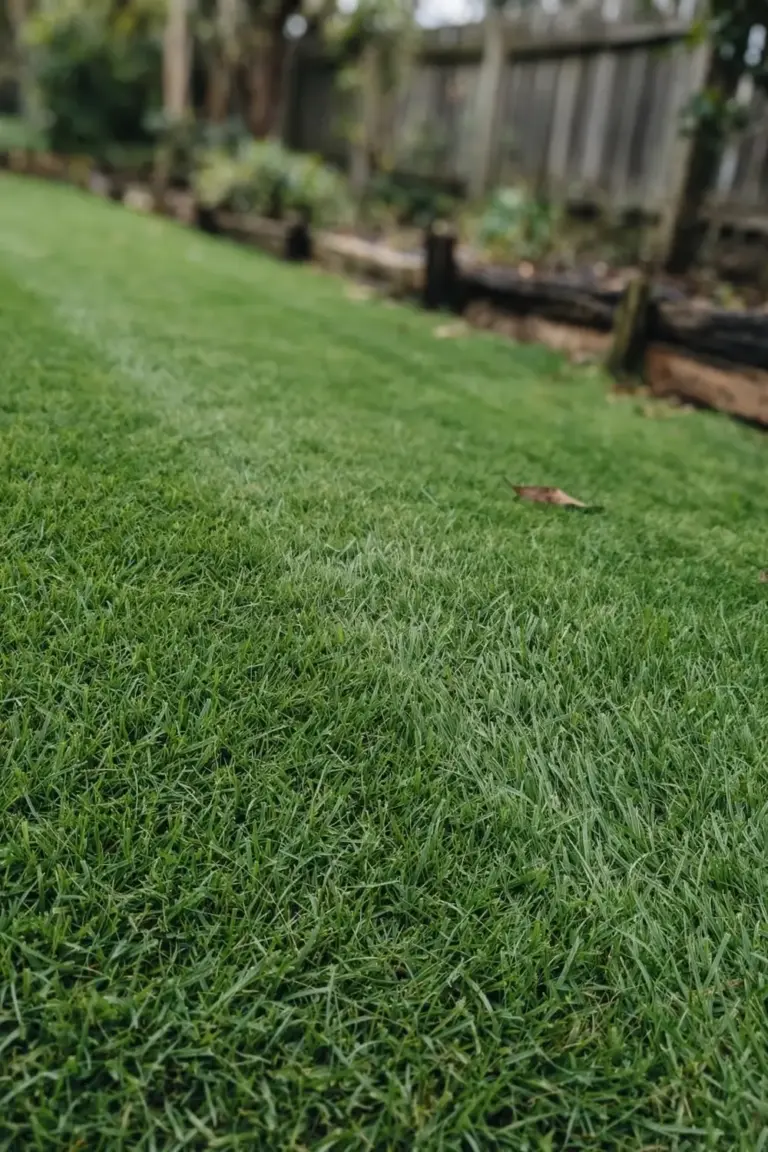
Keep the lawn dense after the ryegrass is gone. A dense lawn is the only prevention that never needs reapplying. Fill the gaps with the lawn’s own grass, mow before heads open in spring, and read every seed label before it touches the soil. Write down which case you found, so next autumn you know whether to sow, pull, or leave alone. The ryegrass decision gets easier each year you make it, because each year leaves less seed behind.