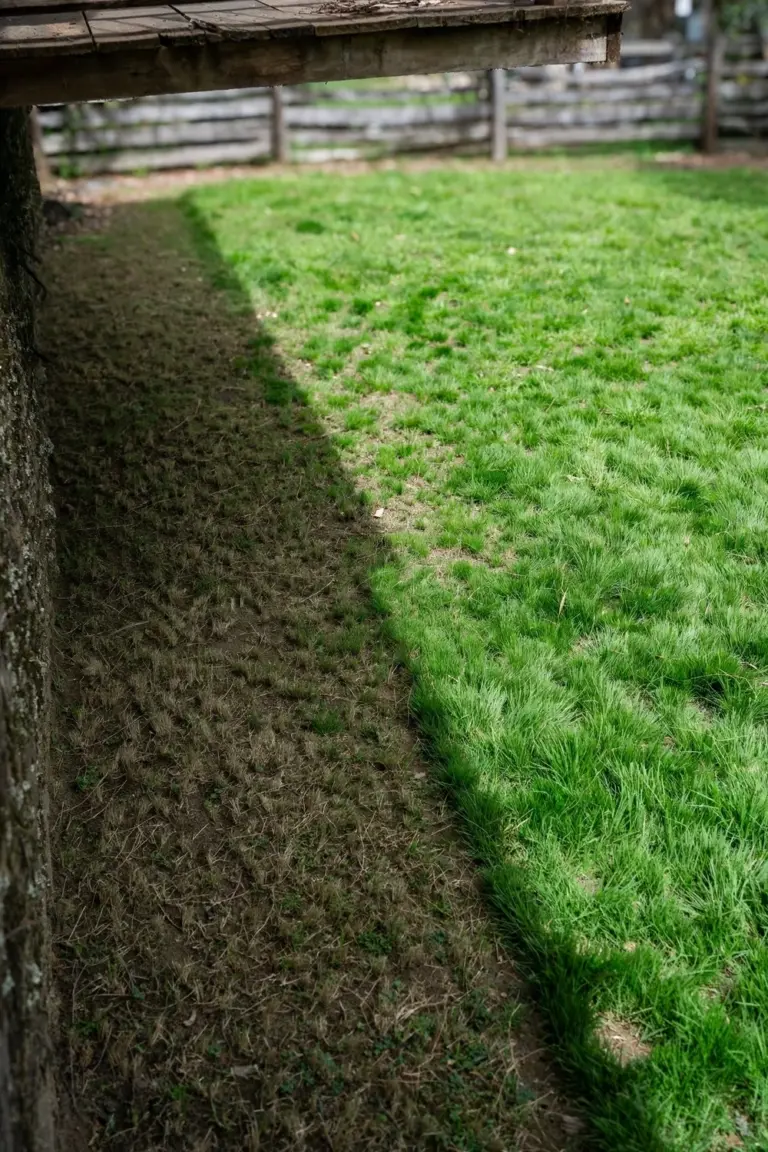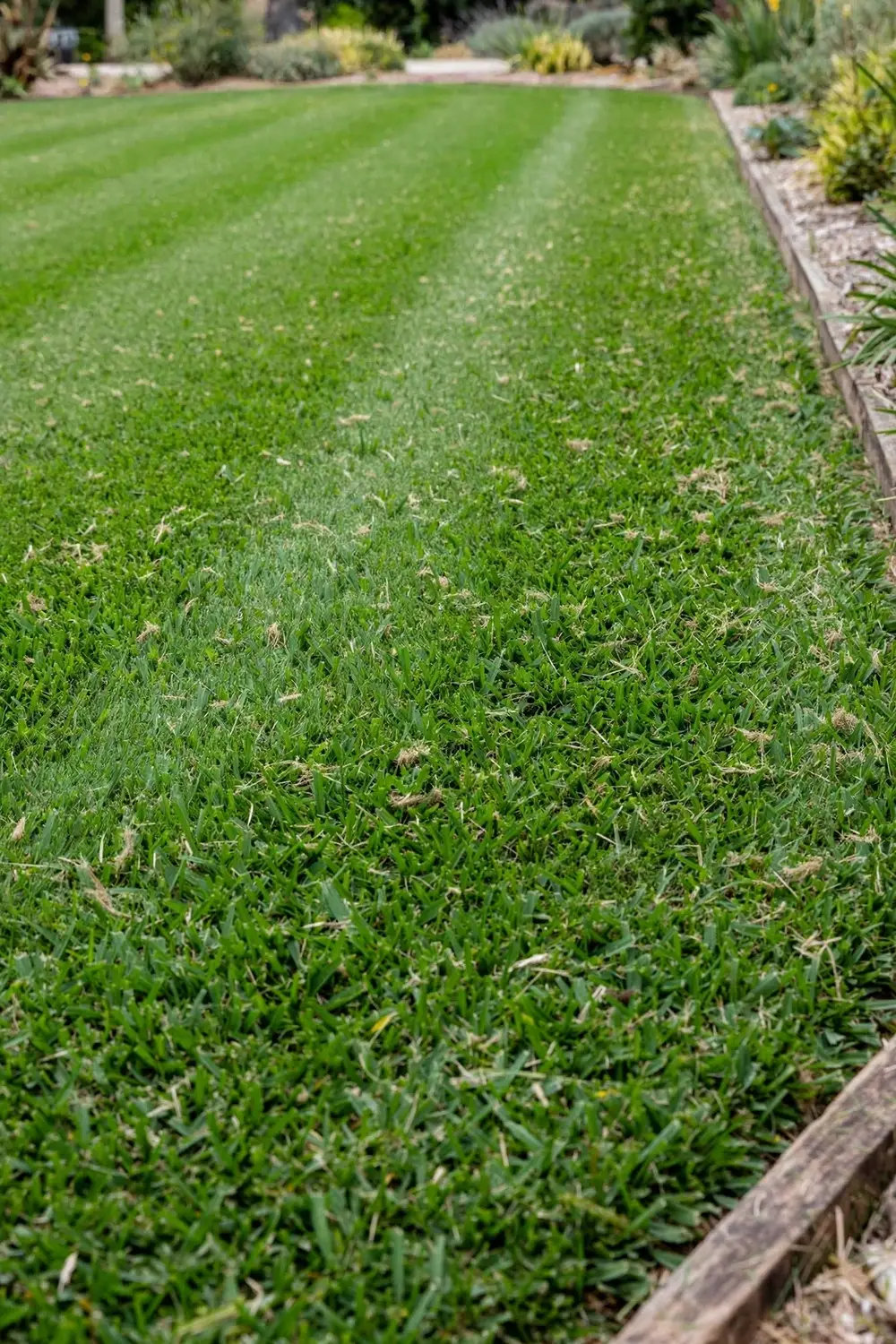

Sir Walter is one named Buffalo cultivar, not a species and not a synonym for Buffalo grass. It is Stenotaphrum secundatum ‘Sir Walter’, an Australian-bred soft-leaf Buffalo sold as turf, and every genuine roll comes with a DNA certificate and a 10-year warranty. I have learned that the Sir Walter lawn I mow high through shade holds its color while the one I scalp thins out.
That certificate is the whole point of this variety. Turf sold as Sir Walter is not always Sir Walter, and a pallet gives no clue. The rest of this page walks through what Sir Walter is, how it stacks up against the other Buffalo cultivars, how to buy genuine turf, and how to lay and care for it.
1. What Sir Walter Actually Is: One Named Buffalo Cultivar, Not a Species
Sir Walter is a single cultivar of Buffalo grass, and the name works like a brand on a plant. Buffalo grass is the species Stenotaphrum secundatum, known as St. Augustine grass in the United States. Sir Walter is one selected form of that species, bred in Australia for soft leaves and steady growth. Buyers who treat the two names as interchangeable buy the wrong thing. A nursery can sell any Buffalo turf, but only one cultivar carries the Sir Walter name.
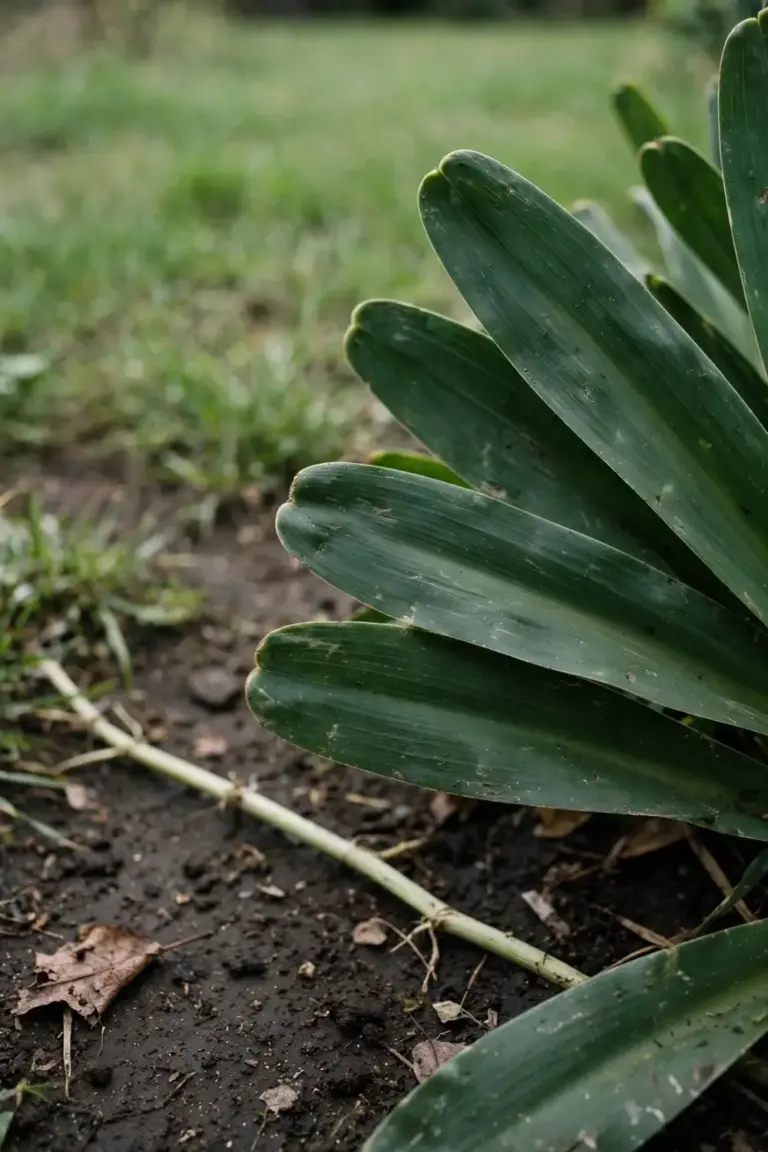
The cultivar sits inside the soft-leaf Buffalo group. Older Buffalo types had coarse leaves with microscopic jagged edges that scratched bare legs. Modern soft-leaf selections, Sir Walter among them, dropped that edge. The leaf stays broad and flat, and the plant spreads by above-ground runners called stolons. It has no strong underground rhizome system. That single fact shapes everything else: the lawn creeps across the surface, it stays out of garden beds more readily than Kikuyu, and it repairs damage more slowly than grasses that also grow underground.
Two naming traps catch buyers. First, “buffalo” alone means the species, and any Buffalo cultivar answers to it. Second, buffel grass is a different plant entirely. Buffel grass (Cenchrus ciliaris) is a pasture grass with a similar-sounding name and nothing to do with a Buffalo lawn. Check the botanical name on the label before money changes hands.
2. What Makes Sir Walter Different: 5 Traits, Each With a Limit
Sir Walter earned its name on five traits, and each one carries a limit that sellers rarely print in bold. The soft broad leaf is the first trait. The leaf measures 8 to 9 mm wide on one published comparison chart, and it feels soft under bare feet. The limit is thatch. Broad leaves drop more material, and a thick mat of dead and living stems builds between the green growth and the soil. Thatch is normal in a thin layer. A thick layer heats up, dries fast, and starves the roots below it.
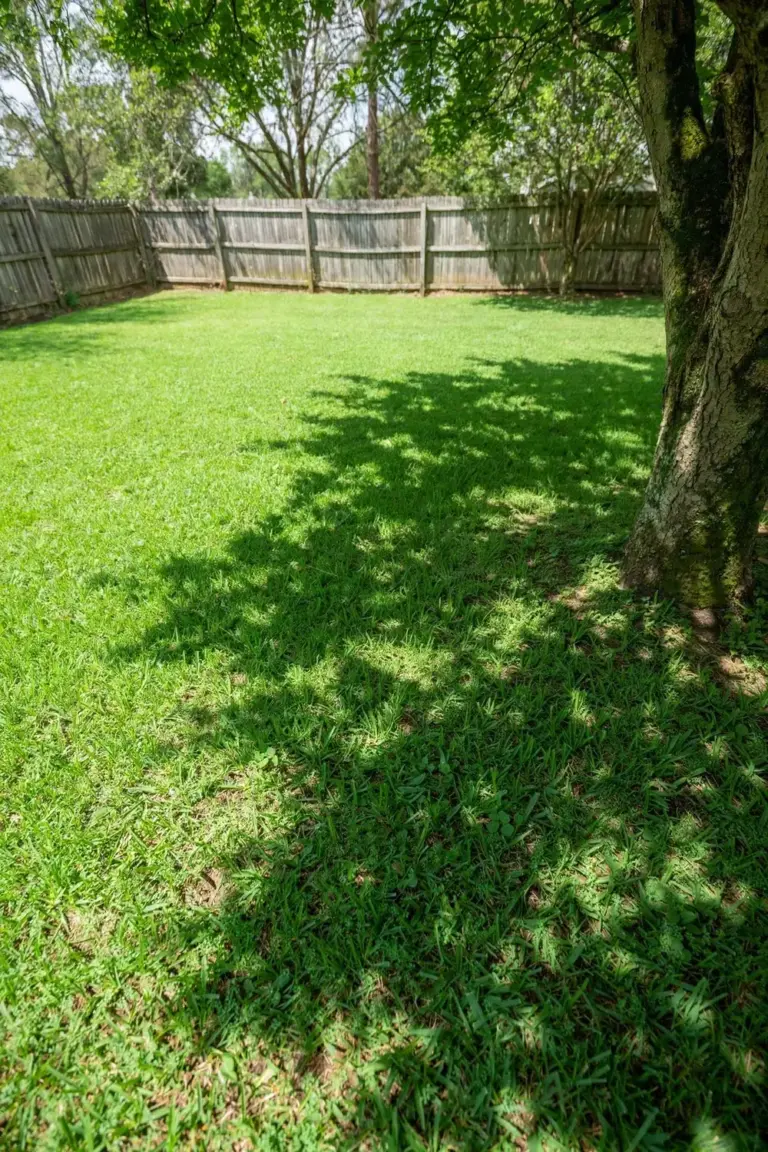
Shade tolerance is the second trait. Sir Walter handles shade better than Kikuyu or couch, and sellers quote a minimum of 3 to 4 hours of direct sun a day. The limit is that no Buffalo is shade-proof. Deep shade under a dense tree still thins the lawn, and a lawn in full shade needs a different answer than a different cultivar. Section 8 gives the honest shade numbers.
Drought response is the third trait. Once established, Sir Walter holds its color through dry spells on a deep root system, and it needs less water than a thirsty exotic lawn. The limit is establishment. A new lawn is not drought tolerant. Fresh turf needs steady moisture for its first weeks, and a lawn that dries out before its roots knit will shrink at the seams.
Winter color is the fourth trait. Sir Walter is a warm-season grass, so it slows in winter and its color dips. It keeps more color than couch through a mild winter, and it ranks among the more frost-tolerant Buffalo types. The limit is dormancy. Growth stops in cold weather. Feeding a dormant lawn will not wake it, and mowing a dormant lawn short will not thicken it.
Wear recovery is the fifth trait. Sir Walter takes family traffic, kids, and pets, and its surface runners knit small damage closed. The limit is speed. Because it spreads by surface runners only, a worn patch closes more slowly than a Kikuyu or couch patch, which also repairs from underground stems. A high-wear path needs patience or a repair patch, not another bag of fertilizer.
3. Sir Walter vs Palmetto, Sapphire, Matilda, and Kings Pride: Pick by the Trait You Need Most
No Buffalo cultivar wins every category, so pick by the trait your yard punishes most. The table below lines the five cultivars up on the traits that decide a purchase. Numbers come from a published turf comparison chart, and the shade ratings come from the breeder guides cited in the shade section.
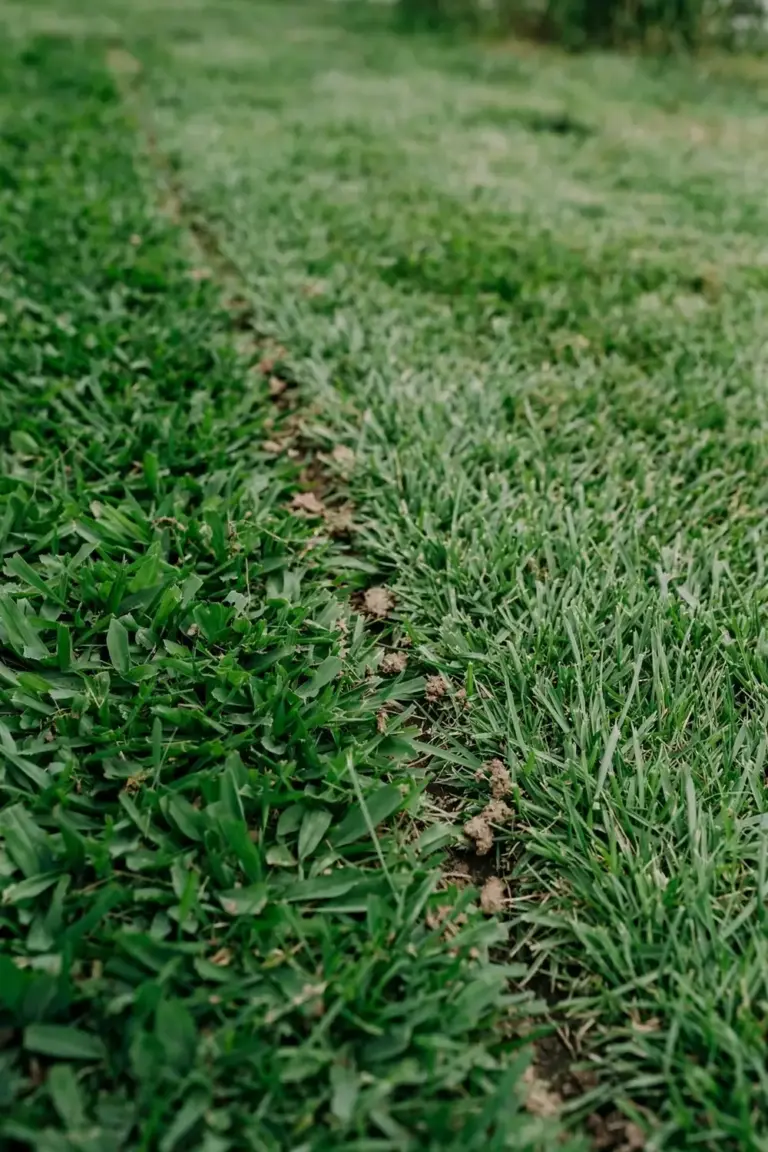
| Cultivar | Leaf | Shade | Growth | Thatch | Best For |
|---|---|---|---|---|---|
| Sir Walter | Broad, soft, 8 to 9 mm | Strong, 3 hours sun floor | Moderate | Low for a Buffalo | Family lawns, mixed sun and shade |
| Palmetto | Broad, softest of the group | Strong, 2 to 3 hours sun | Slowest, less mowing | Less than Sir Walter | Drought-prone yards, lowest mowing |
| Sapphire | Narrower, folded, 7 to 8 mm | Strongest, 70% shade | Moderate to fast | Low | Deep shade, fast wear recovery |
| Matilda | Soft, fine | Slightly better than Sir Walter | Slow | Higher, goes spongy in full sun | Shady yards where thatch is watched |
| Kings Pride | Fine, soft | Strong | Moderate | Data not available | Newer release, check local grower notes |
Palmetto is the drought pick. One turf supplier describes it as the softest leaf of all Buffalo grasses and the slowest grower, which means less mowing, and it needs only 2 to 3 hours of sun a day. It also carries less thatch than Sir Walter. A yard that bakes in summer and gets little water suits Palmetto better than Sir Walter.
Sapphire is the shade pick. Its folded leaf reads finer than Sir Walter, and breeder guides rate it the number one Buffalo for shade. Its stolons grow fast, so wear patches close sooner than Sir Walter patches. A yard with heavy tree shade and kids running across it suits Sapphire better than Sir Walter.
Matilda is the close second on shade. One head-to-head comparison finds Matilda slightly better than Sir Walter in shade, but it goes spongy and patchy when it gets too much sun, and it builds thatch faster. A yard that is mostly shade with little direct sun suits Matilda. A yard with mixed sun and shade suits Sir Walter.
Kings Pride is the newer release. Published head-to-head numbers were not available at writing, so the table says so plainly. Ask the grower for its shade rating, leaf width, and thatch behavior before choosing it over the four established cultivars. A cultivar with no published numbers is a gamble, not a bargain.
4. Sir Walter vs Kikuyu vs Couch: The Short Version
This section stays short on purpose. The full three-way decision belongs to a comparison guide, and this page profiles one variety. The short version is enough to stop a buyer from picking the wrong grass family.
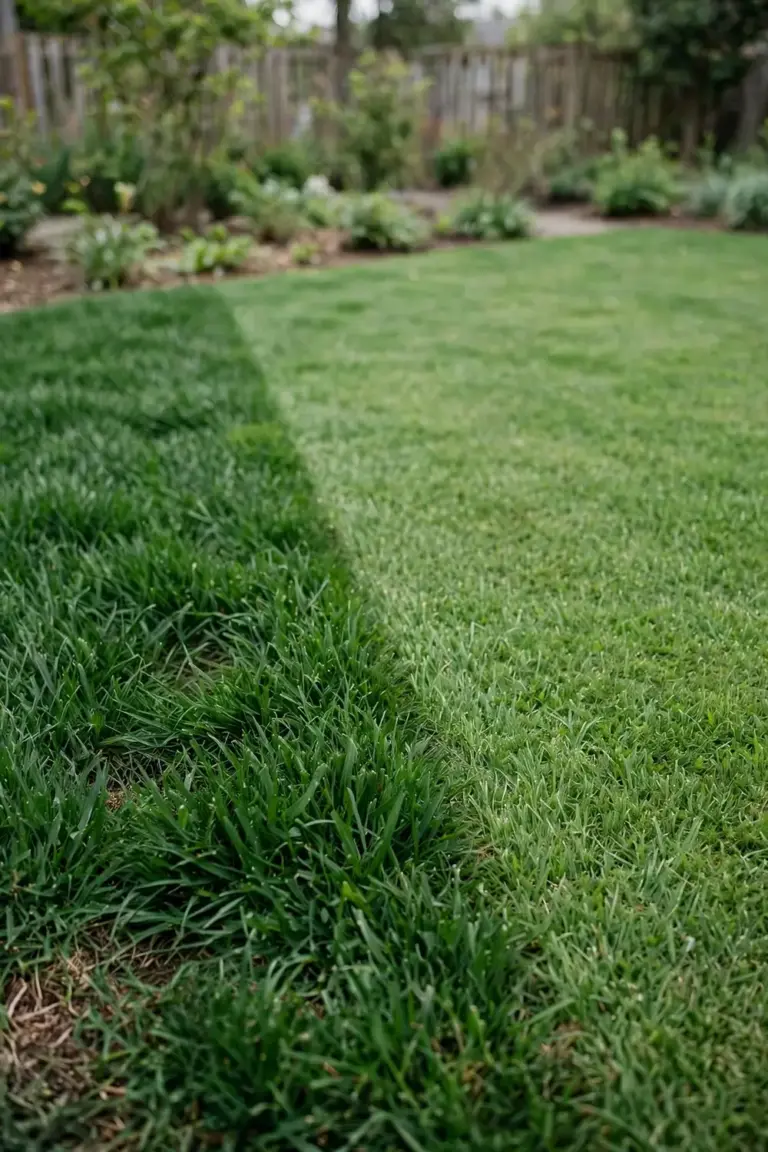
Kikuyu grows fast in full sun and repairs damage fast, because it spreads by both surface runners and underground rhizomes. That same vigor makes it invasive in garden beds, and it needs more mowing than Sir Walter. A sunny yard with no shade and an owner who mows weekly suits Kikuyu. A yard with shade, or an owner who mows less often, suits Sir Walter.
Couch grows fine and dense, takes heavy wear, and repairs from underground rhizomes, which is why sports fields love it. It needs full sun. It goes brown and dormant in winter in cooler districts. A sports field or a full-sun yard suits couch. A family yard with a shady corner suits Sir Walter.
Sir Walter wins on shade tolerance, soft leaf, and low allergen claims, and it loses on repair speed and full-sun vigor. Pick the family the yard rewards, then pick the cultivar inside that family.
5. Buy Genuine Turf: DNA Certificate, Warranty, and the Delivery Check
Genuine Sir Walter comes with paperwork, and the paperwork is the product. Every delivery should carry a Lawn Solutions Australia Certificate of Warranty and a Certificate of Authenticity. The certificate states that the turf is DNA Certified, which means the batch was tested against the original plant to the AusGAP standard. The Lawn Solutions Australia information sheet for Sir Walter carries the variety specs and the warranty terms. Without that certificate, the pallet is Buffalo turf of unknown parentage, not Sir Walter.
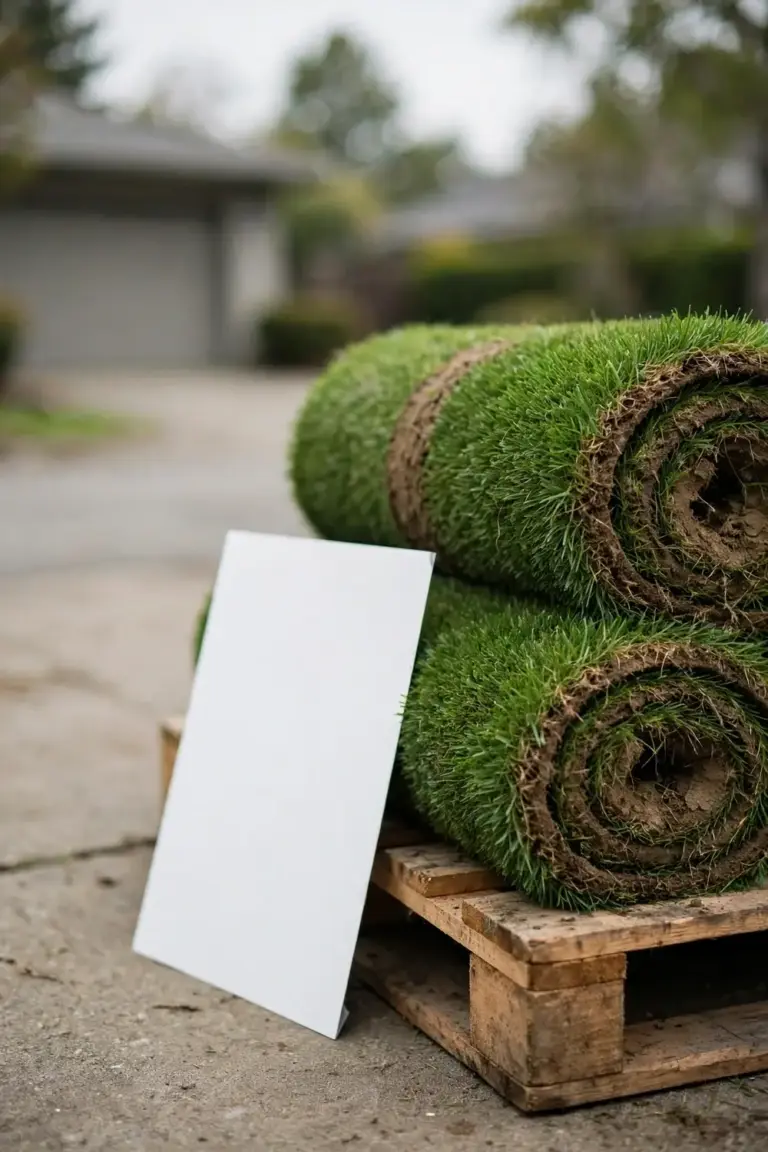
The warranty runs 10 years. Read what it covers before laying. A warranty on a living plant covers genetic purity and variety identity, not neglect. A lawn that dies from no water is not a warranty claim. Keep the certificate with the house papers, not in the bin with the pallet wrap.
Buy turf rolls, not seed. There is no Sir Walter seed. Buffalo seed heads are sterile, and the plant is sold as turf rolls, runners, or plugs. Any listing that offers Sir Walter seed is selling something else. Runners and plugs suit small repairs. Rolls suit a full lawn.
Check the delivery before the truck leaves. Turf should arrive fresh-cut, cool, and damp, with no sour smell and no dried-out edges. Count the rolls against the order. Measure the area again before the driver unloads, because turf cut today needs laying today. A pallet that sits in the sun through the afternoon starts dying before it is laid.
6. Lay It Right: Soil, Joints, Water, and the First Mow
Laying is one section here, not a full guide, because the job is simple and the mistakes are few. Start with the soil. Strip old lawn, weeds, and debris, then lay 50 to 100 mm of quality turf underlay over the base, following the Lawn Solutions Australia information sheet. Level the underlay, and firm it so feet leave no deep prints. A lawn laid on lumps stays lumpy. Soil health decides how fast roots knit, so fix drainage and compaction before the turf arrives, not after.
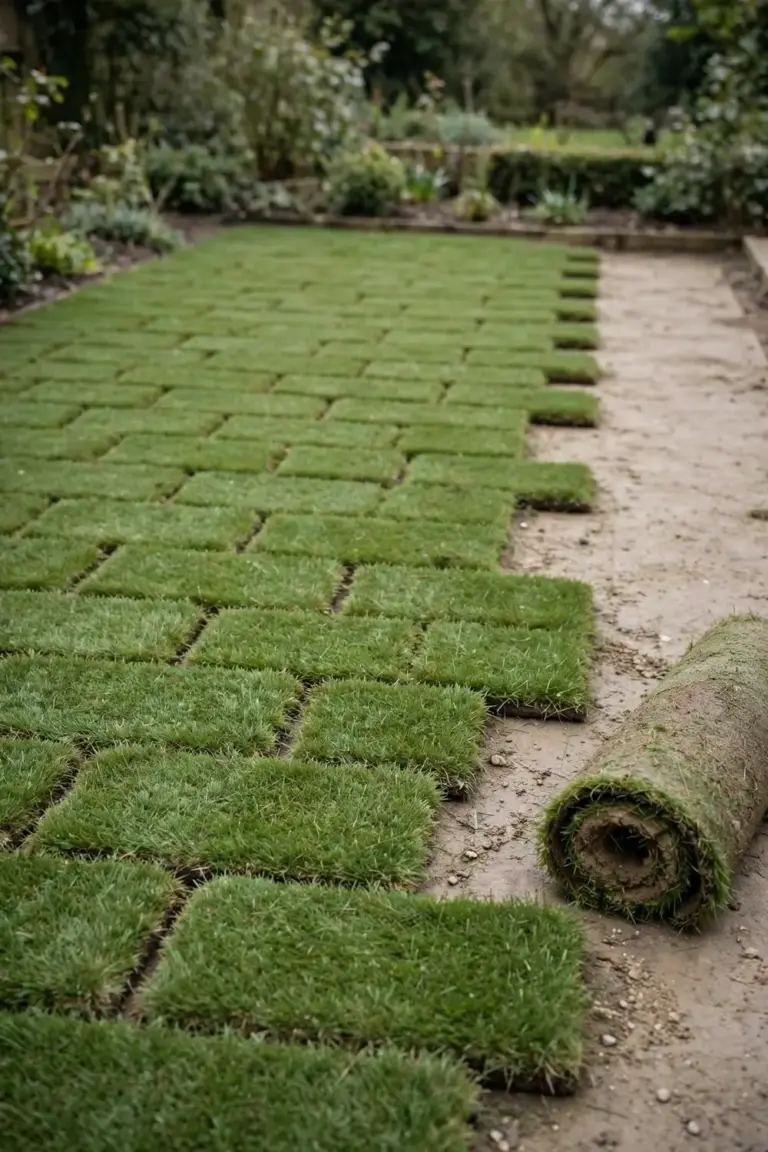
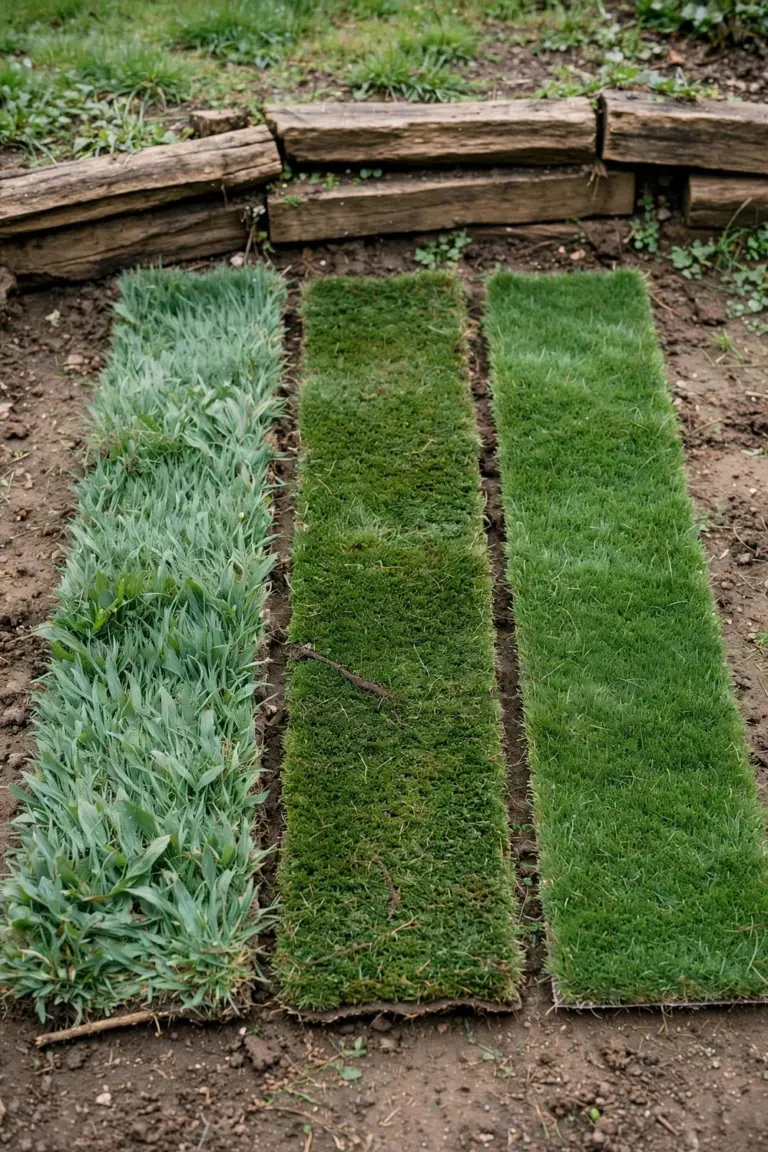
Lay along a straight edge, such as a driveway or a garden border. Butt the joints tight with no gaps and no overlaps, and stagger the joints in a brickwork pattern so seams do not line up. Roll the turf lightly to press it against the soil. Gaps dry out and shrink. Overlaps die and rot.
Water fast. One turf supplier advises at least 25 mm of water within 30 minutes of laying in summer. Soak the new lawn thoroughly for 10 to 14 days after installation, until the roots knit into the underlay. Keep traffic off the new lawn for the first two to three weeks. Roots that get walked on before they knit will not hold.
Mow once the turf resists a lift. When a corner can no longer be lifted by hand, the roots have taken. Make that first mow on a setting slightly higher than normal, then bring the height down gradually. A first mow that scalps fresh turf sets it back weeks.
7. Care Through the Year: Mow, Water, Feed, and Manage Thatch
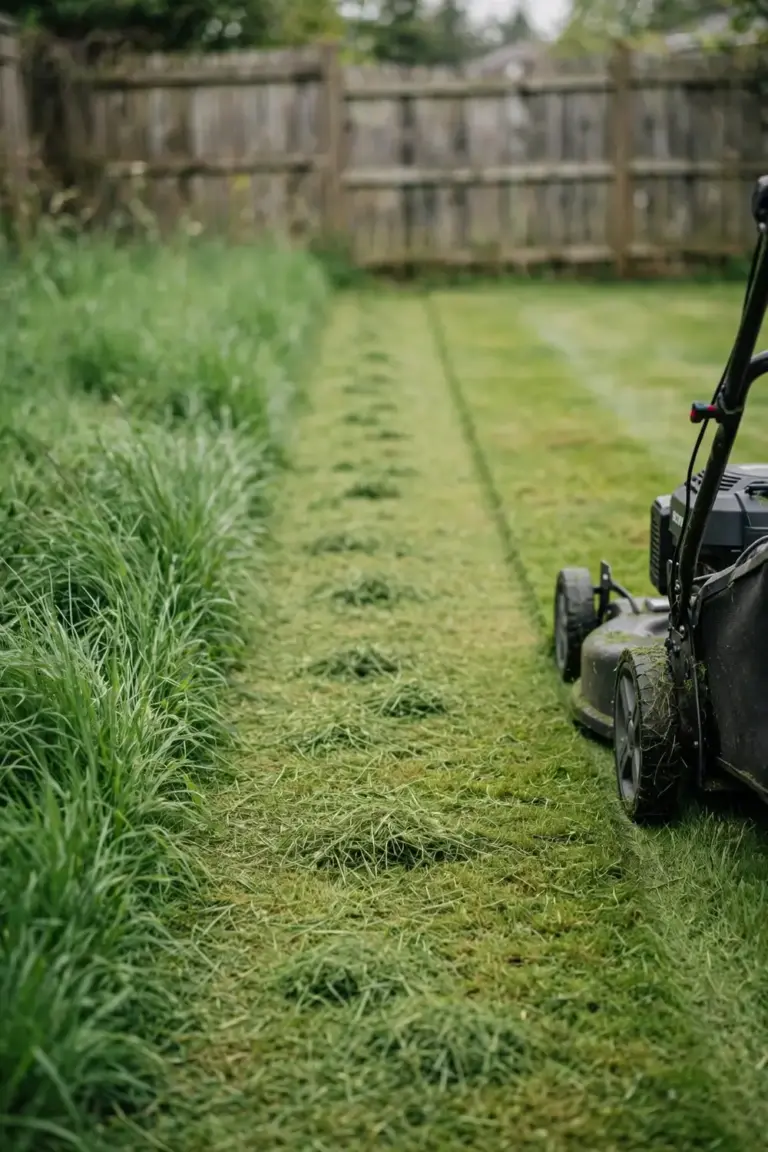
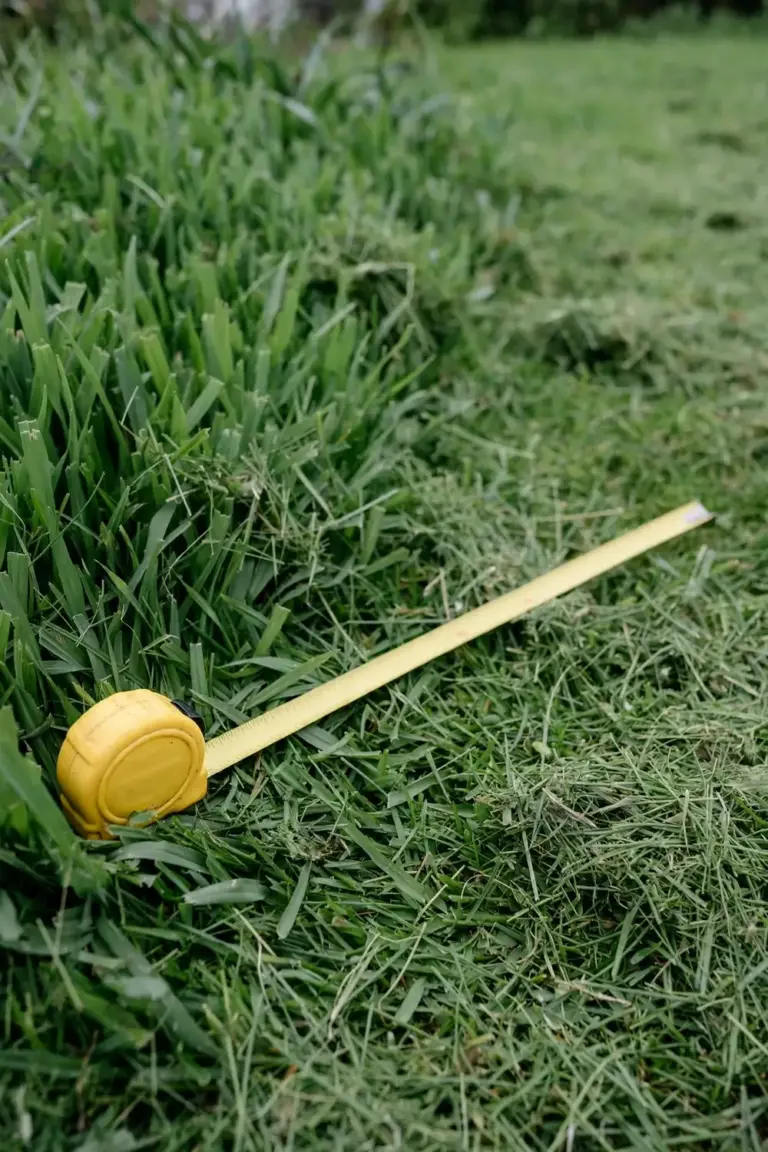
Mow Sir Walter at 35 to 50 mm. The comparison chart lists 35 to 40 mm in sun and 40 to 50 mm in shade, and the Lawn Solutions Australia information sheet lists 20 to 50 mm. The working rule is simple: keep the high side in shade and the low side in sun, and never cut more than one-third of the blade in a single mow. A lawn cut too short thins, weeds move in, and the soil dries faster. A lawn kept long shades its own soil and holds moisture.
Water deep and seldom once the lawn is established. One Australian care guide for Sir Walter advises keeping new turf moist for the first two to three weeks, then watering well once per fortnight through summer, about once per month in spring and autumn, and cutting back all watering in winter. Test before watering. Walk across the lawn and look back. Footprints that stay visible mean the lawn wants water. Footprints that spring back mean it does not.
Feed on a light schedule. The same Australian care guide advises waiting at least 6 weeks after laying before the first feed, then feeding quarterly while the lawn establishes, and about every 8 weeks once it is fully developed. Use a slow-release fertilizer in late autumn to carry the turf through winter, and water well after feeding, above all in hot months. The best time to fertilize a lawn in spring gives the seasonal window for the spring feed. A pale or fading lawn signals hunger. A lawn fed on a calendar with no check gets more fertilizer than it needs.
Manage thatch before it manages the lawn. A thin thatch layer insulates roots and holds moisture. A thick layer heats up, dries fast, and blocks water from reaching the soil. Sir Walter builds less thatch than some Buffalo types, but it still builds it. When the lawn feels spongy underfoot and water sits on the surface instead of soaking in, the thatch layer is too thick. A vertical mow or a dethatch in the growing season opens the layer up. Do not dethatch a dormant winter lawn.
8. Shade: How Much Sir Walter Really Handles
Sir Walter handles shade, and the honest answer is a range, not a single number. The Lawn Solutions Australia information sheet lists a minimum of 2 to 3 hours of direct sunlight a day. Published sun floors run from 2 to 4 hours across sellers and breeder sheets, with one Melbourne supplier at the cautious end. Treat 3 hours of direct sun a day as the planning floor. A lawn that gets less than that will thin, and no cultivar change fixes a yard that gets no direct sun at all.
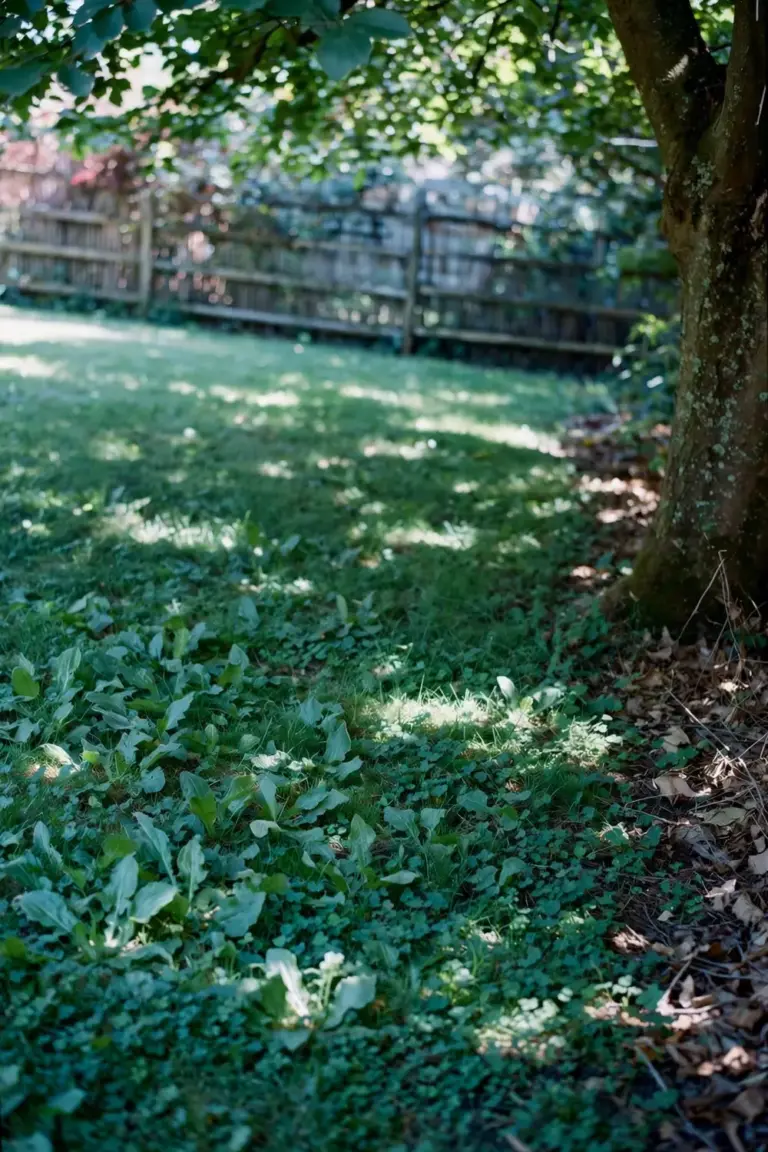
The shade rankings among Buffalo cultivars come from the breeder specification guide, which rates Palmetto to 60% shade and Sapphire to 70% shade. Sir Walter sits in the same strong-shade group, and Sapphire leads it. A yard at the Palmetto rating suits any of the three. A yard at the Sapphire rating suits Sapphire first.
Mow shade lawns high. The comparison chart lists 40 to 50 mm in shade against 35 to 40 mm in sun. A longer blade carries more leaf area, and leaf area is what catches light. A shade lawn mowed short starves. A shade lawn fed like a sun lawn grows soft and disease-prone. Keep shade lawns a little hungry and a little long.
Shade also changes water. A shaded lawn dries more slowly than a sun lawn, so it needs less water. Watering a shade lawn on a sun-lawn schedule keeps the soil wet, and wet soil breeds fungal problems. Check the soil with a finger or a screwdriver before watering a shaded lawn. If the top 5 cm feels damp, wait.
9. Winter: Dormancy, Color Dip, and When to Worry
Sir Walter is a warm-season grass, so winter slows it. Growth stops in cold weather, and the color dips toward straw in cooler districts. That dip is dormancy, not death. A dormant lawn still has living crowns and roots below the brown blades. It waits for warmth and grows again in spring.
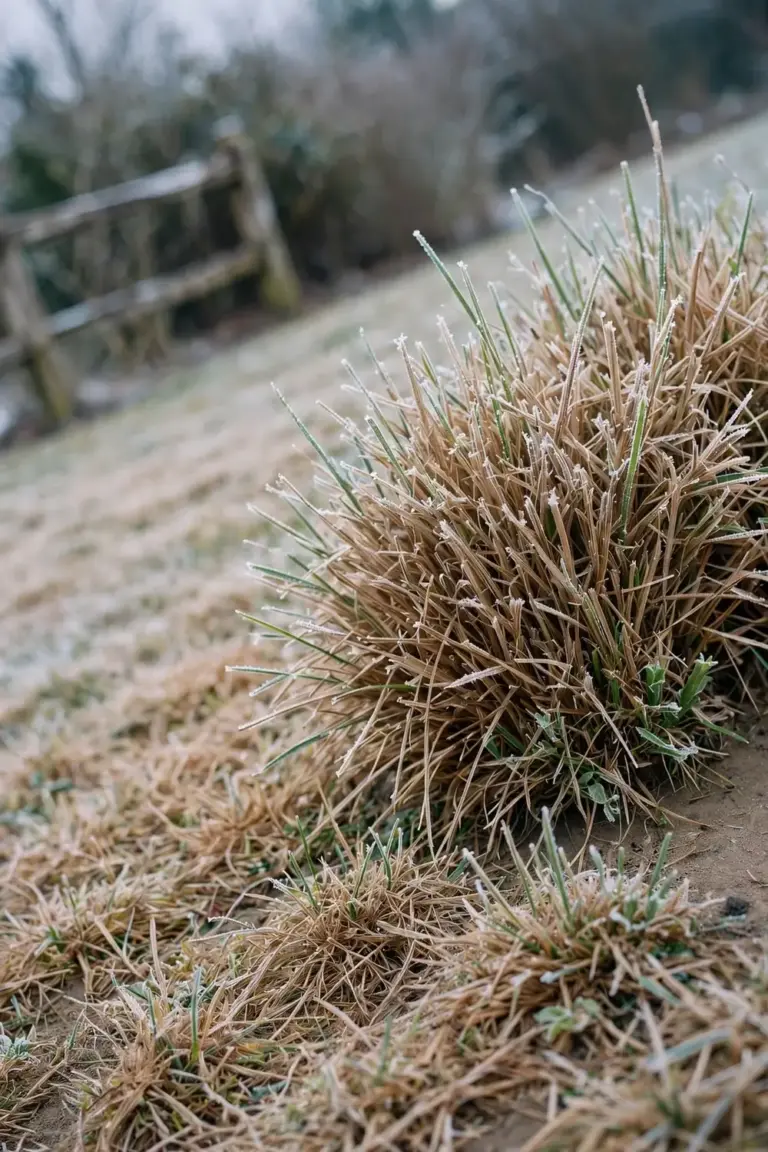
The color dip varies by district. Coastal and northern lawns hold more color through winter than inland and southern lawns. Sir Walter ranks among the more frost-tolerant Buffalo types, so a light frost will not kill it. A hard freeze can burn the leaves, and the lawn will look rough until spring growth returns. Do not judge a winter lawn by its color. Judge it by its crowns.
Two winter mistakes cost lawns every year. The first is feeding a dormant lawn. Fertilizer on a lawn that is not growing feeds weeds and washes away. Wait until spring growth starts before the first feed. The second is mowing a dormant lawn short. A dormant lawn cut short has no leaf to catch the weak winter sun, and it thins further. Leave the height up through winter.
When should winter worry start? Worry when spring growth fails to arrive. A lawn that stays brown and shows no green shoots by mid-spring, in a district where neighbors’ lawns have greened up, needs a diagnosis, not another month of waiting. Lift a corner of turf. Roots that are white and firm mean the lawn is alive. Roots that are dark, mushy, or absent mean the lawn has a problem that feeding will not fix.
10. Problems at Pointer Depth: Weeds, Grubs, and Fungal Patches
This section stays at pointer depth on purpose. Diagnosis and treatment protocols live elsewhere, and this page does not restate them. The pointers below tell a reader what to look for and where to go next.
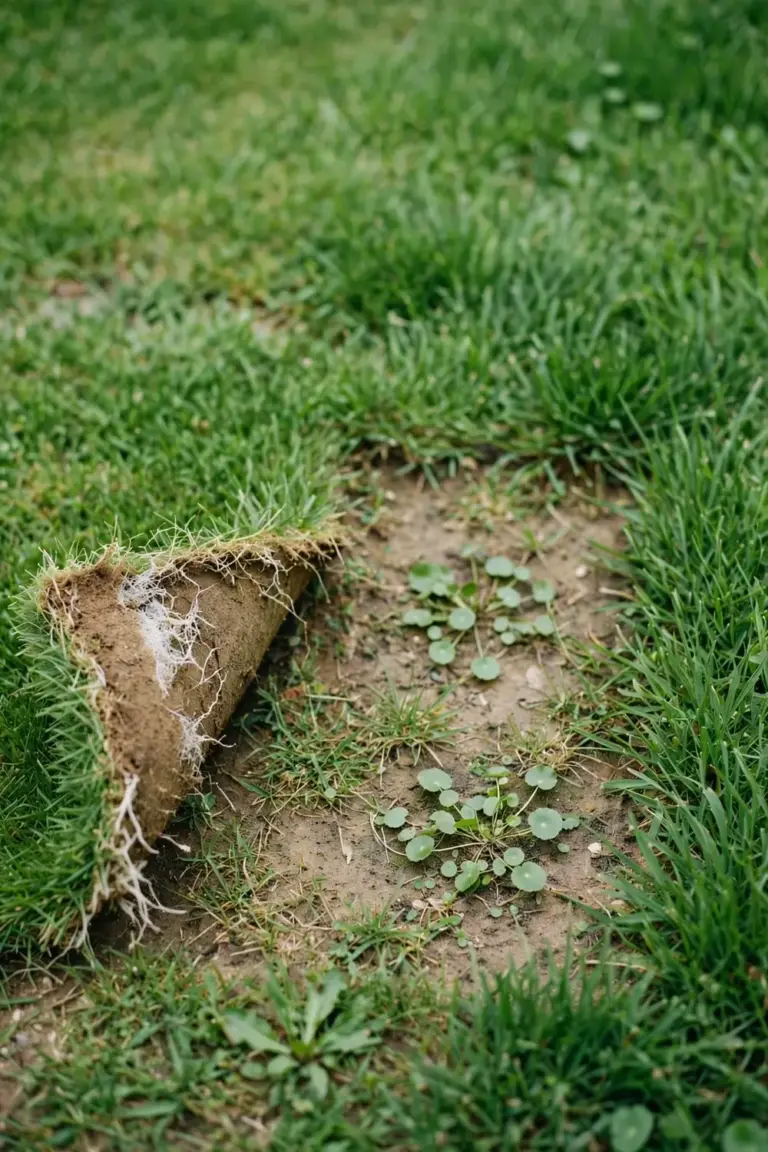
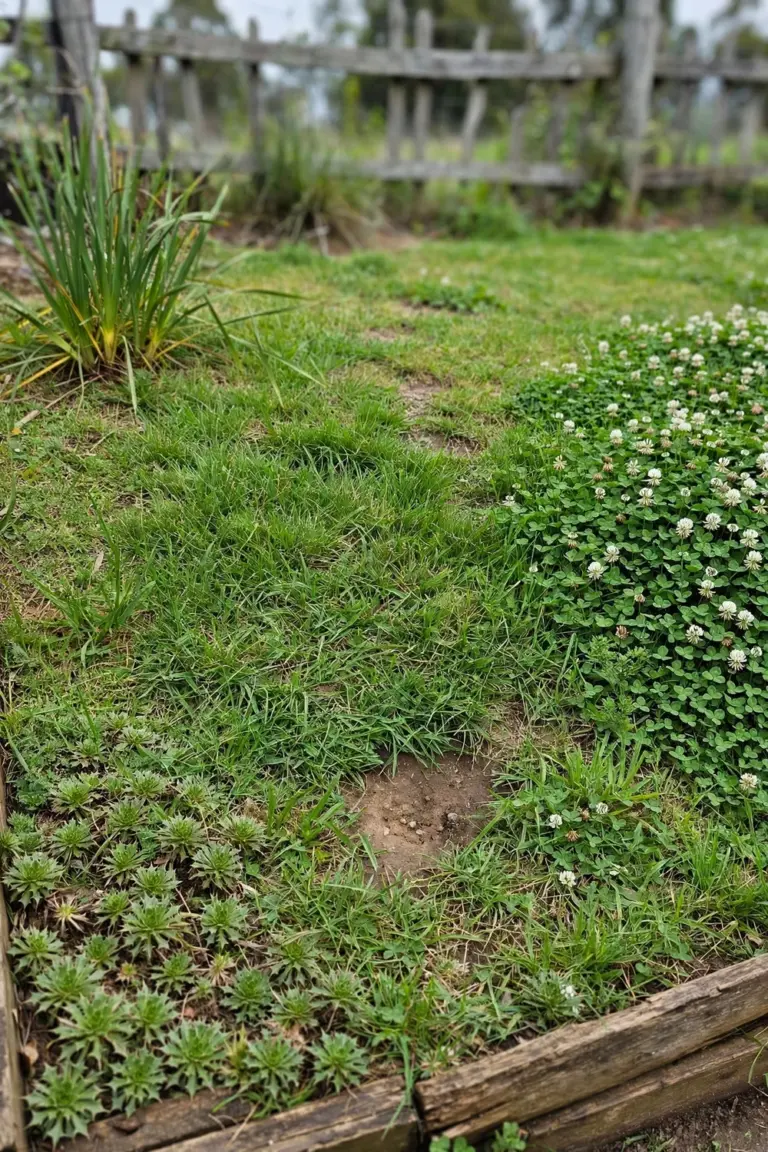
Weeds move into thin lawns first. A dense Sir Walter lawn crowds out most weeds, and a thin lawn invites them. Bindii, clover, and winter grass are the usual invaders in Buffalo. Buffalo tolerates fewer herbicides than couch or Kikuyu, so check every product label for Buffalo safety before spraying. A product that is safe on couch can kill Buffalo. One line of defense beats any spray: a dense lawn mowed high.
Grubs eat roots, and the lawn shows it as patches that lift like carpet. The turf peels back because nothing holds it down. Grub damage peaks in warm months. Confirm grubs by lifting a patch and looking for white curled larvae in the top soil. If grubs are present, treat to the label and water the product in. If the patch lifts with no grubs underneath, the cause is something else, and a grub treatment wastes money.
Fungal patches show as rings, spots, or thinning areas that spread in warm, wet weather. Wet soil, long leaf wetness, and heavy thatch favor fungal problems. Reduce watering, mow high, and open the thatch layer before reaching for a fungicide. A fungal patch that spreads fast, smells sour, or shows dark rotted crowns needs a diagnosis, not a guess. Organic pest control for beginners covers the organic-first approach to garden pests and diseases.
Dying lawns get one line here. A Buffalo lawn that is dying needs a diagnosis, not a variety profile. Check water, roots, and shade first, and follow a diagnosis guide for the rest.
11. Who Should Not Buy Sir Walter
Sir Walter suits many yards, and it does not suit all of them. Skip it in full shade. A yard that gets no direct sun will thin any Buffalo, and a shade-tolerant cultivar is not a shade-proof cultivar. A yard with no direct sun needs ground cover, mulch, or paving, not turf.
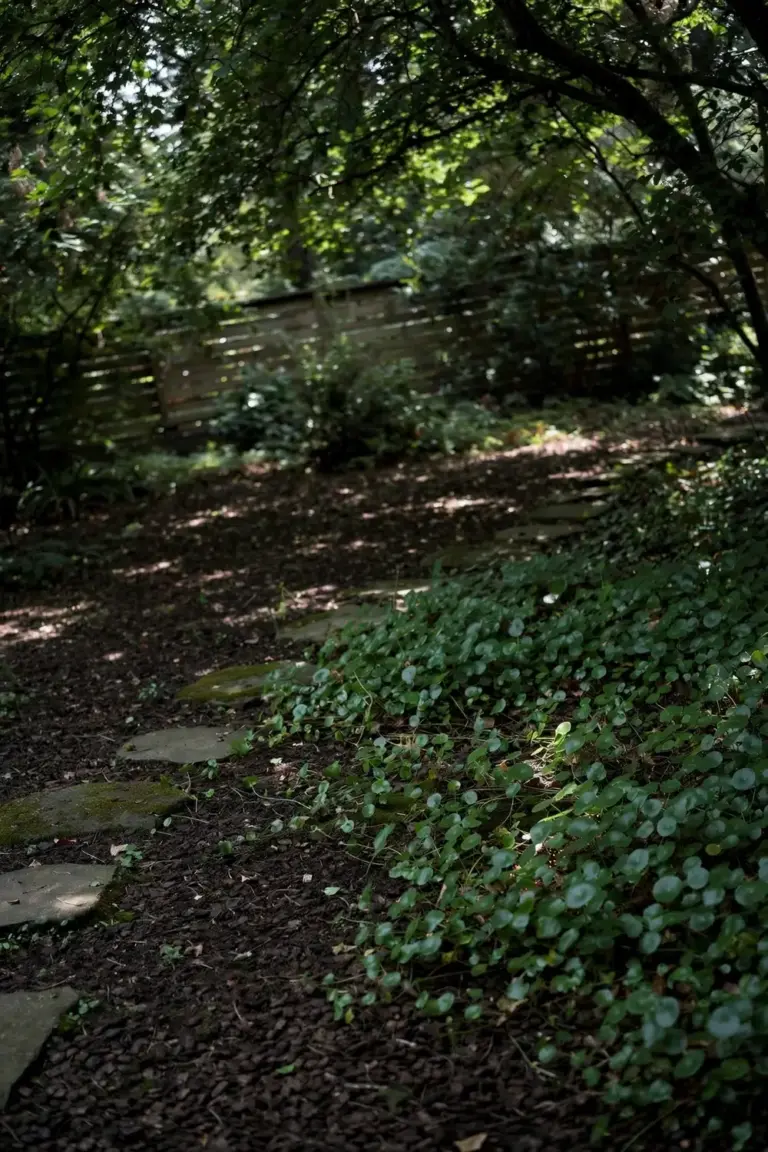
Skip it in cold districts with long, hard winters. Sir Walter tolerates light frost, but a district with months of cold and hard freezes will keep it dormant for much of the year. A cool-season grass or a non-grass surface serves a cold yard better.
Skip it where wear is extreme. A school sports field, a dog run with constant traffic, or a path that carries daily foot traffic will wear Sir Walter thin. Its surface runners repair slowly. Kikuyu or couch repairs faster under heavy wear, and paving handles a path better than any grass.
Skip it where mowing is impossible. A steep bank that cannot be mowed safely, or a yard with no mower access, will turn any lawn into a weed patch. Ground cover plants or mulch suit a bank better than turf. A lawn that cannot be mowed is a lawn that cannot be kept.
Skip it where the budget stops at the turf. A Sir Walter lawn needs underlay, water for establishment, and a mower that cuts at 35 to 50 mm. A buyer who cannot fund the underlay or the establishment water should wait. Turf laid on poor soil with no water is money on the ground.
Frequently Asked Questions About Sir Walter Buffalo Grass
No. Buffalo grass is the species Stenotaphrum secundatum. Sir Walter is one cultivar of that species, selected for soft leaves and steady growth. Any Buffalo turf answers to the species name, but only one cultivar carries the Sir Walter name and its DNA certificate. Check the botanical name and the certificate before buying.
No. Buffalo seed heads are sterile, and no Sir Walter seed exists. The plant is sold as turf rolls, runners, or plugs. Runners and plugs suit small repairs. Rolls suit a full lawn. Any listing that offers Sir Walter seed is selling something else, and the seed will not grow into Sir Walter.
Plan for at least 3 hours of direct sun a day. The Lawn Solutions Australia information sheet lists a 2 to 3 hour floor, and sellers quote 3 to 4 hours, so 3 hours is the honest planning figure. A lawn that gets less than that will thin. Sapphire handles deeper shade than Sir Walter, and a yard with no direct sun needs ground cover, not turf.
Mow to a height of 35 to 50 mm, keeping the high side in shade. Mow when the lawn needs it, not on a fixed calendar. Growth peaks in spring and summer and stops in winter, so mowing follows growth. Never cut more than one-third of the blade in a single mow, and keep the mower blades sharp so cuts heal cleanly.
Yes. Genuine Sir Walter comes with a Lawn Solutions Australia Certificate of Warranty and a Certificate of Authenticity, backed by a 10-year warranty. The warranty covers genetic purity and variety identity, not neglect. Keep the certificate with the house papers. Turf sold without that certificate is not proven Sir Walter, whatever the pallet says.
Start With the Certificate, Then the Sun Count
Sir Walter is a soft-leaf Buffalo cultivar with a DNA certificate, a 10-year warranty, and a real shade tolerance that stops short of shade-proof. Buy the certificate first. Count the direct sun second. Lay on good underlay, water for the first two weeks, and mow at 35 to 50 mm. A lawn bought on those four steps has a fair start. A lawn bought on a pallet with no paperwork and laid on bare clay does not.