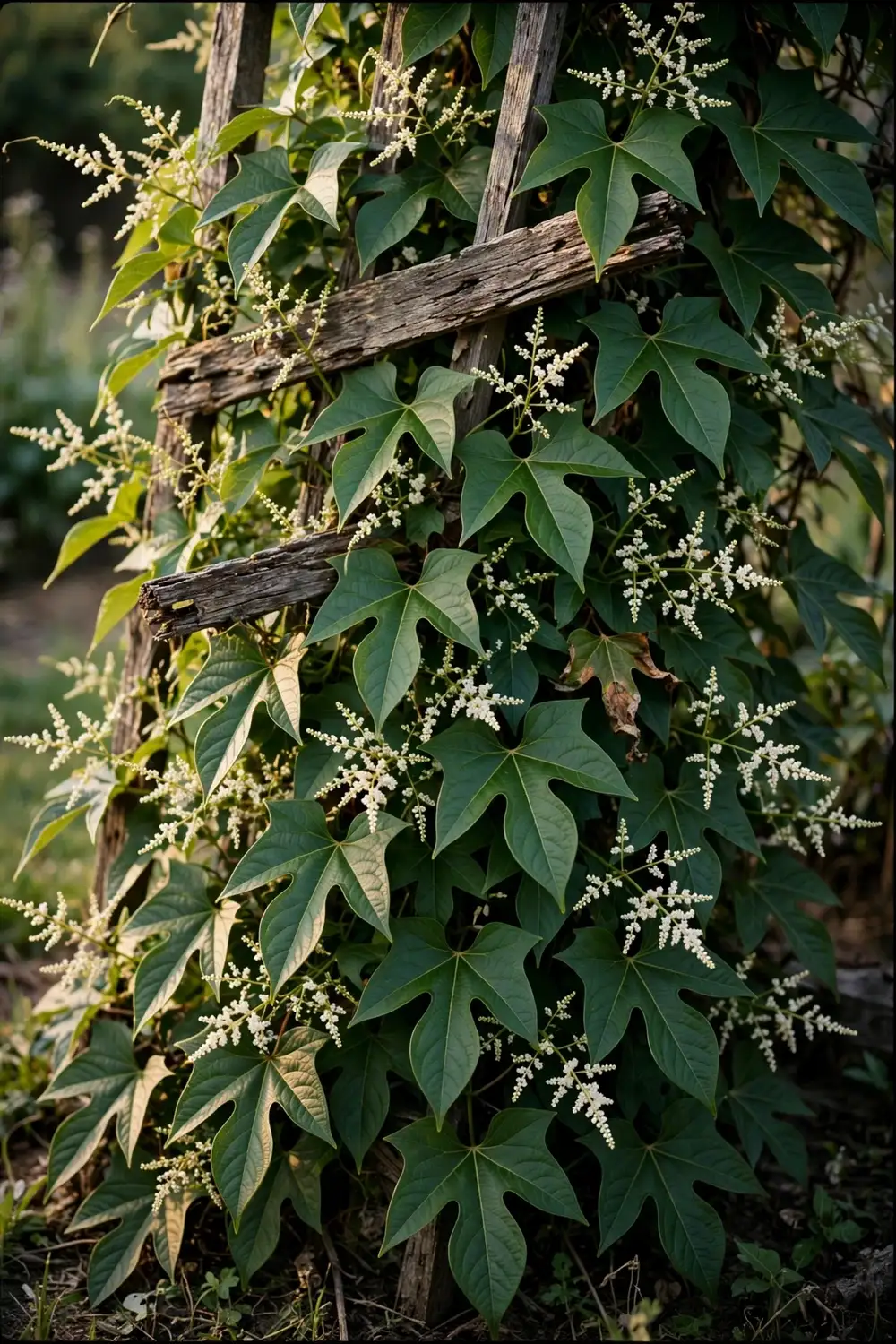

He shou wu is a 3-to-4-year root project disguised as a fast vine. The vines race up a trellis in a single season, but the tuberous root you are actually growing needs three to four full growing seasons before it is worth digging. This guide shows you how to grow he shou wu from seed, how to keep the vigorous vine contained, and how to harvest and dry the root safely.
This is an honest guide, so here is the second truth up front. He shou wu has a documented liver-injury record. A published case series tracked 25 patients who developed acute hepatitis after ingesting it, and the pattern is consistent enough that you should read the safety section before you plant anything. Growing the plant is straightforward. Using the root is a decision for you and your clinician, not this article.
1. Know the 3-to-4-Year Timeline Before You Sow a Seed
Start with the calendar, because the calendar decides whether this plant fits your garden. Sow seed in a cold frame in spring of year one. Expect quick germination and a vigorous vine in the first summer. Years two and three are root-building years: the top growth dies back each winter and returns each spring while the tuberous root thickens underground. Dig the root in autumn or winter of year three or four, after the leaves wither. In my experience, gardeners who accept the wait in advance enjoy the plant; gardeners who expect a first-year harvest do not.
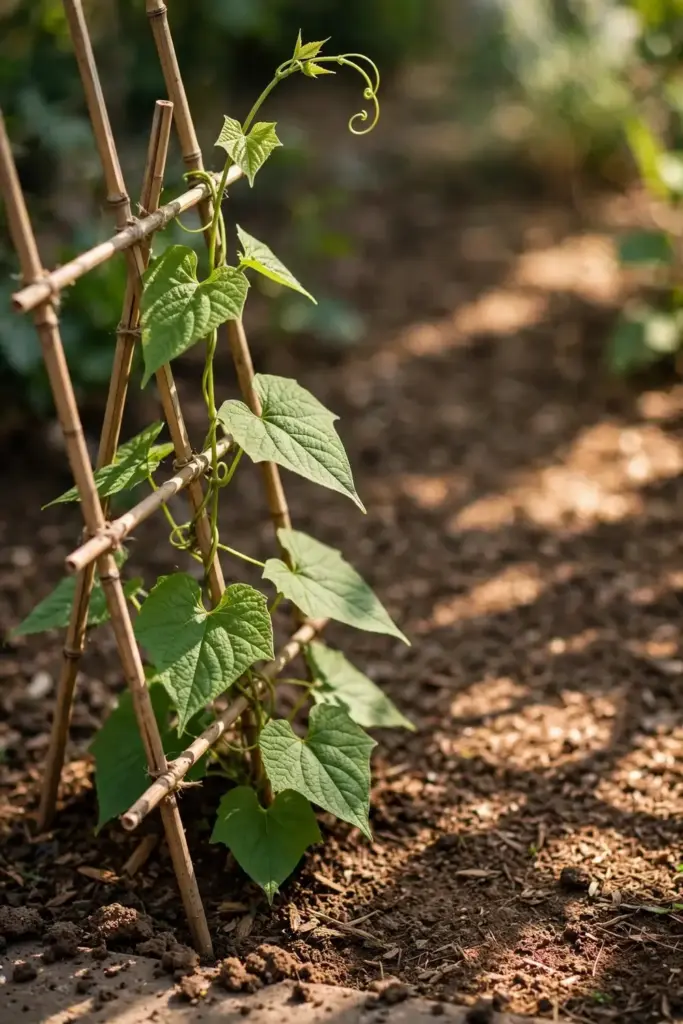
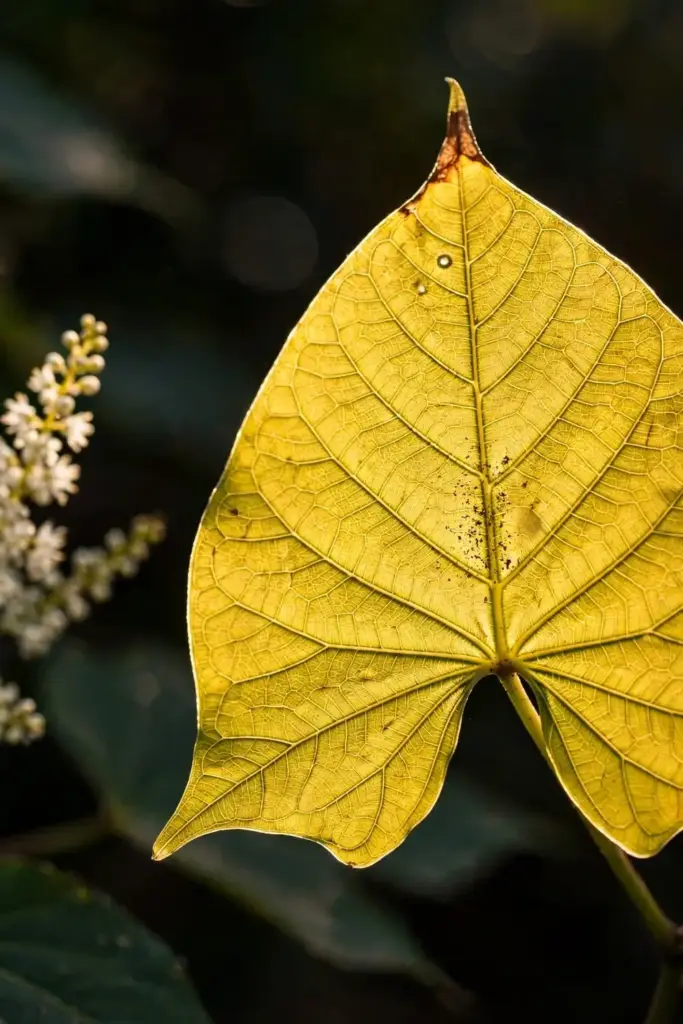
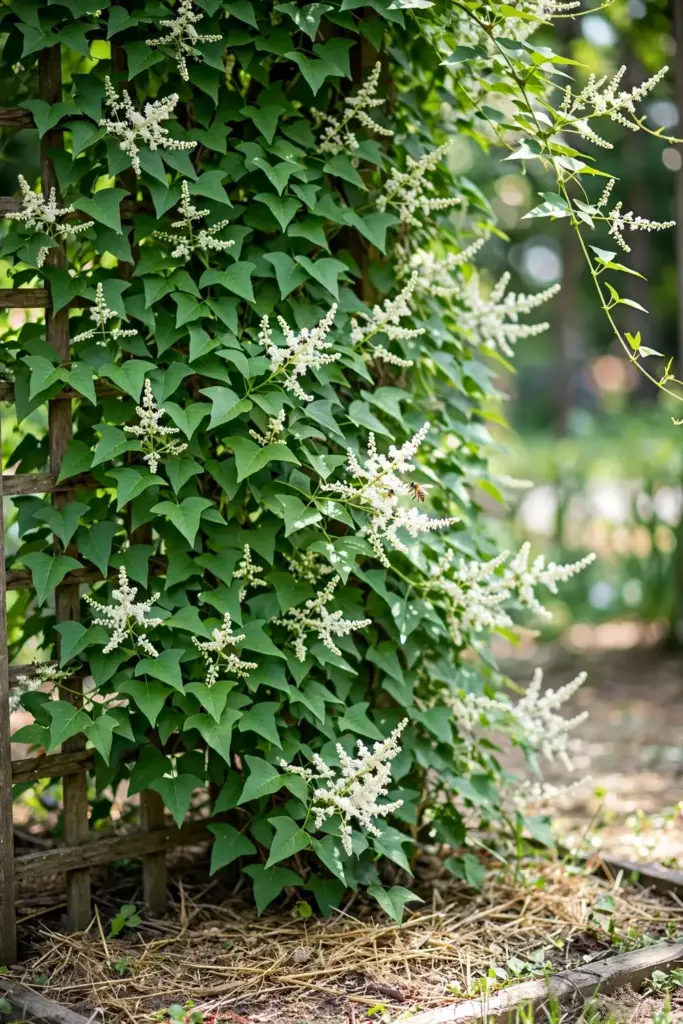
The vine itself gives you something to look at while you wait. Reynoutria multiflora is a herbaceous perennial vine that climbs 2 to 4 meters from a woody tuber, with broad arrowhead-shaped leaves and small white flower panicles in summer to mid-autumn. It dies back to the tuber each winter and returns reliably in spring.
2. Call It by One Name: Reynoutria multiflora
Search results call this plant four different Latin names, and the name-swapping is the single biggest source of confusion for growers. Botanists have moved the species between genera several times. Pick one name and use it everywhere, including your plant labels and seed orders.
| Name you will see | Status today | What it means for you |
|---|---|---|
| Reynoutria multiflora | Current accepted name | Use this on labels, in notes, and when ordering seed |
| Fallopia multiflora | Recent synonym, still widespread | Same plant; most nursery and houseplant listings use this name |
| Polygonum multiflorum | Older synonym | Same plant; appears in older books, monographs, and the liver-injury literature |
| Pleuropterus multiflorus | Oldest synonym | Same plant; appears in folklore references and some encyclopedias |
From this point on, this article calls the plant Reynoutria multiflora and the common name he shou wu. Fo-ti and tuber fleeceflower are the same plant too. When a seed seller lists “Fallopia multiflora seed,” you are buying the right thing. When a medical paper says Polygonum multiflorum caused liver injury, it is describing the same species you are about to grow.
3. Read the Liver Safety Record Before You Plant
This section belongs near the top because no page-one growing guide covers it, and you deserve the full picture before the plant goes in the ground. He shou wu root has caused documented liver injury. In a published case series, 25 patients admitted to a Korean hospital between 2007 and 2009 developed acute hepatitis after ingesting Polygonum multiflorum preparations, most commonly as tea. Jaundice appeared in 76 percent of cases, and 18 of the 25 showed direct injury to liver cells, according to the same published case series. Twenty-three patients recovered after stopping the herb and receiving supportive care, one required a liver transplant, and one died of liver failure, according to the 25-case study published in Gut and Liver.
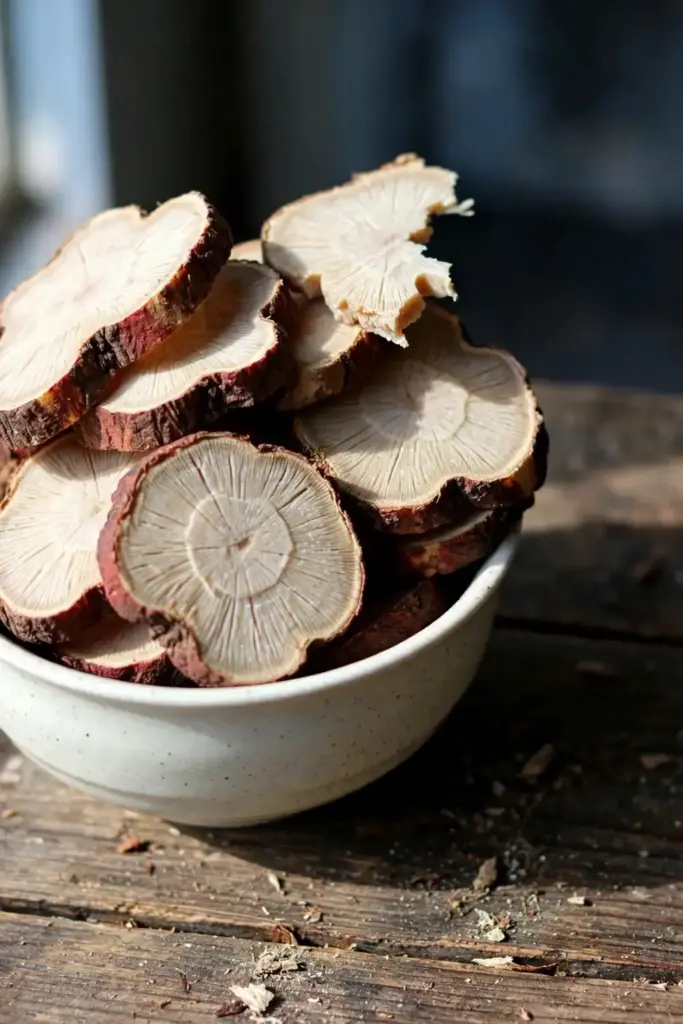
The pattern repeats in individual case reports collected in the NIH LiverTox monograph on Polygonum multiflorum, including a case where liver injury returned when the patient took the herb a second time. Symptoms typically appear about a month after starting the product, with yellowing of the skin and eyes as the most common warning sign. Both raw and processed forms have been implicated, though traditional processing is considered to reduce the risk.
What this means for a grower is simple. Growing he shou wu as an ornamental vine and a long-term root project is a gardening decision. Harvesting, preparing, and ingesting the root is a health decision. Do not take dosage or preparation advice from a gardening article, this one included. If you intend to use the root, talk to your clinician first, especially if you take other medications or have any liver condition. Stop immediately and seek care if you notice fatigue, abdominal pain, dark urine, or jaundice after taking any he shou wu product.
4. Check Your Climate and Hardiness Zone First
Reynoutria multiflora is hardy to at least minus 15 degrees Celsius, which covers roughly USDA zones 5 through 9 and a wide band of temperate climates. It grows as a perennial where winters stay above that floor, dying back to the tuber and returning each spring. In colder zones, grow it in a large container and move the pot into an unheated garage or cold frame for winter.
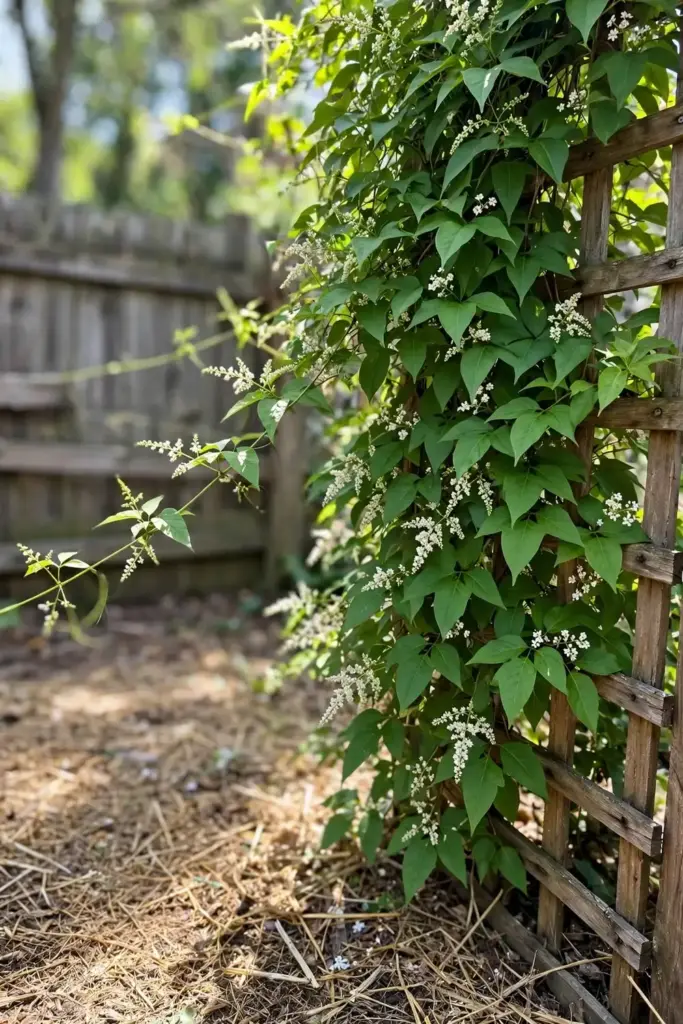
Give the vine sun or part shade. It tolerates full sun in cooler climates and appreciates afternoon shade where summers run hot. The plant prefers moisture-retentive soil that is not too fertile, a detail that matters more than it sounds: rich, heavily fed soil pushes soft top growth at the expense of the dense tuberous root you are growing for. A spot near a fence or sturdy trellis, with soil that holds moisture after rain, is ideal.
5. Sow He Shou Wu Seeds in a Cold Frame in Spring
Sow the seeds in spring in a cold frame, and expect germination to be free and easy. That is the good news that makes this plant such a tempting project. Use a seed tray or small pots filled with a standard seed-starting mix, press the seeds onto the surface, and cover them lightly. Keep the mix evenly moist and the frame closed on cold nights. Germination usually takes a few weeks in the mild, humid air of a cold frame.
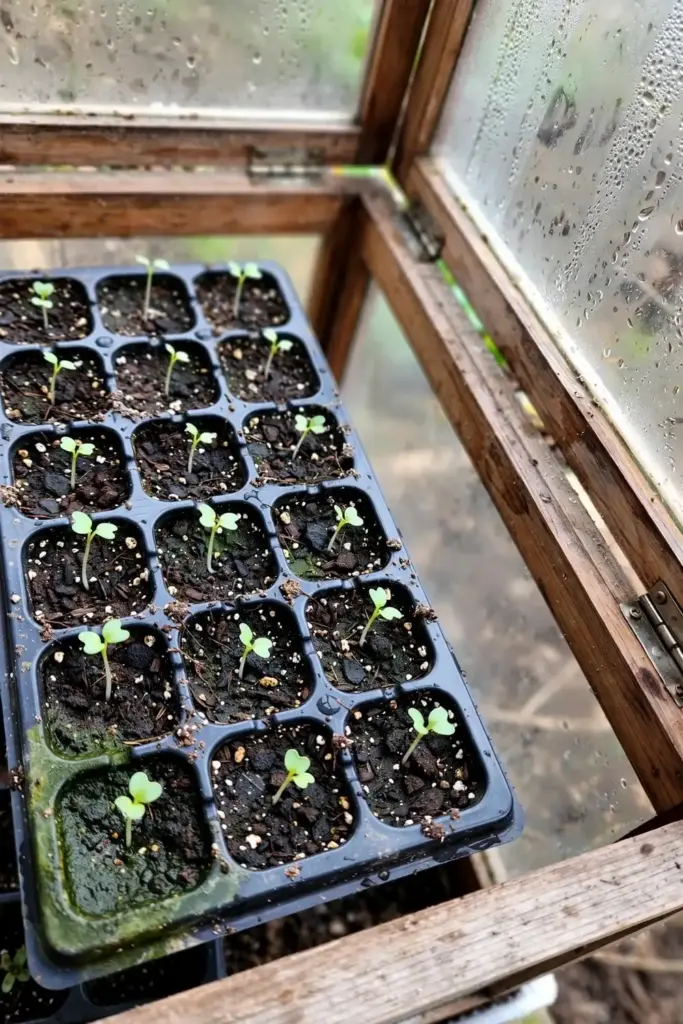
When the seedlings are large enough to handle, prick them out into individual pots and grow them on. Plant them out in the summer only if they have reached a sturdy size with several sets of true leaves. If the seedlings are still small by late summer, keep them in the cold frame over winter and plant them out the following spring after the last expected frosts. This patience pays off: a seedling that goes into the ground with a strong root system establishes faster than one rushed out too early. These sowing steps follow the cold-frame propagation method documented for Polygonum multiflorum. If you are new to starting seeds this way, the seed starting guide walks through the tray, moisture, and hardening-off routine step by step.
6. Divide an Established Crown in Spring or Fall
Division is the shortcut for anyone learning how to grow he shou wu without nursing seedlings through their fragile first year. If you can get a piece of an established plant, division in spring or autumn is very easy and skips the fragile seedling year entirely. Lift the crown, cut it into pieces with a sharp spade so each piece carries buds and roots, and replant immediately.
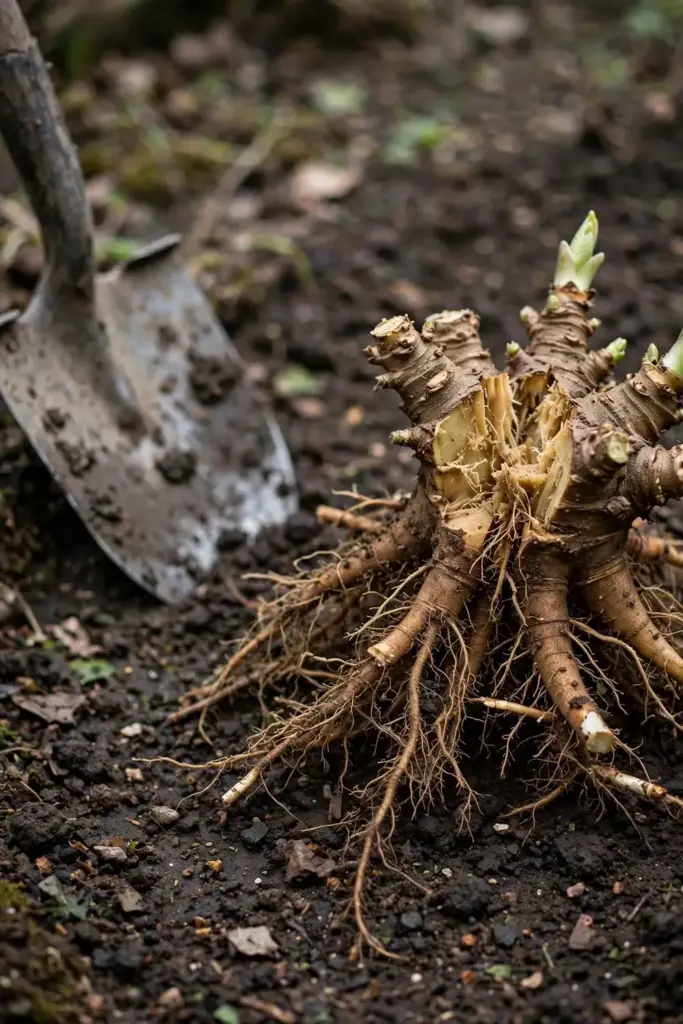
Larger divisions can go straight into their permanent positions. Pot up the smaller divisions instead and grow them on in light shade in a cold frame until they are well established, then plant them out in late spring or early summer. Division also lets you multiply a plant with traits you like, which seed cannot guarantee.
| Method | Years to a diggable root | Cost and effort |
|---|---|---|
| Seed in a cold frame | 4 years from sowing | Cheapest; one fragile first year, then the plant runs itself |
| Division in spring or fall | 3 years from planting | Needs a donor plant; skips the seedling stage, fastest path to harvest |
Either way, the root harvest clock starts when the plant is established in its permanent spot, not when the seed packet arrives.
7. Contain the Vine Before It Takes Over
This is the H2 most growers skip and later regret. Reynoutria multiflora is a vigorous rhizomatous vine. Left alone, it will climb everything within reach and spread through underground stems. Its close relative Japanese knotweed has a well-documented invasive record across the temperate world, and he shou wu deserves the same respect in your garden plan.
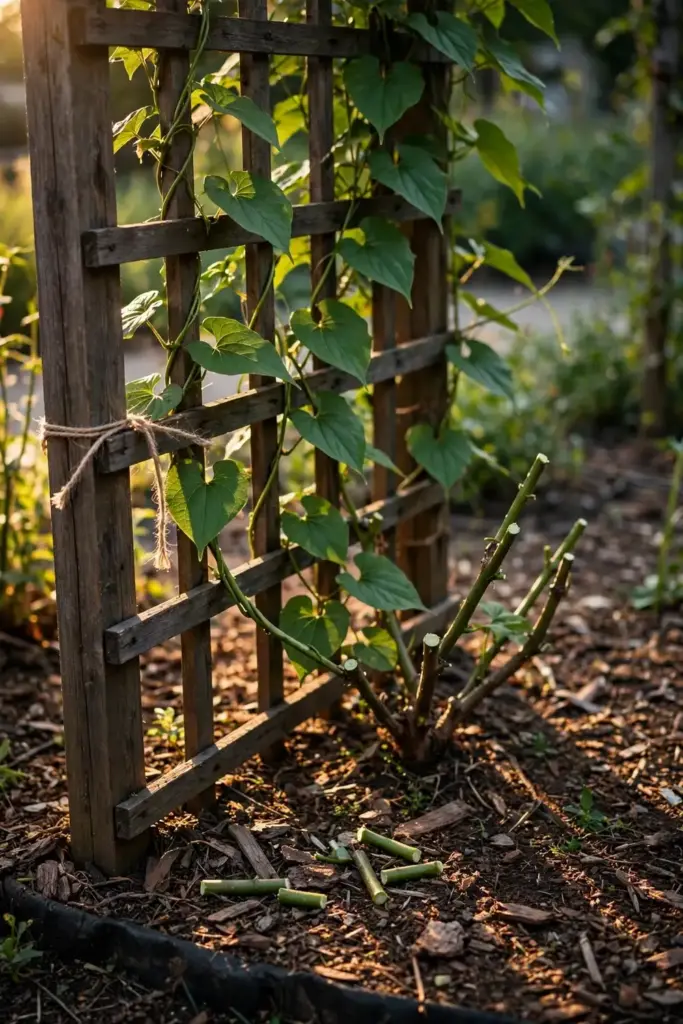
Install containment before you plant. Sink a root barrier 45 to 60 centimeters deep around the planting area to keep the rhizomes where you put them. Give the vine a dedicated trellis, arbor, or fence section, and prune wandering stems through the growing season. Never dump prunings or unwanted divisions in compost piles or wild areas. Bag them and dispose of them with household waste instead, because rhizome pieces can establish from discarded material. A vine that is pruned hard each year still produces a fine root, since the tuber stores the energy the top growth makes.
8. Mix Soil That Holds Moisture Without Staying Soggy
The plant succeeds in ordinary garden soil but prefers a moisture-retentive soil that is not too fertile, in sun or part shade. Dig the planting hole twice as wide as the root ball. Then mix the native soil with compost at roughly one part compost to three parts soil, and skip the heavy manure or rich planting mixes entirely.
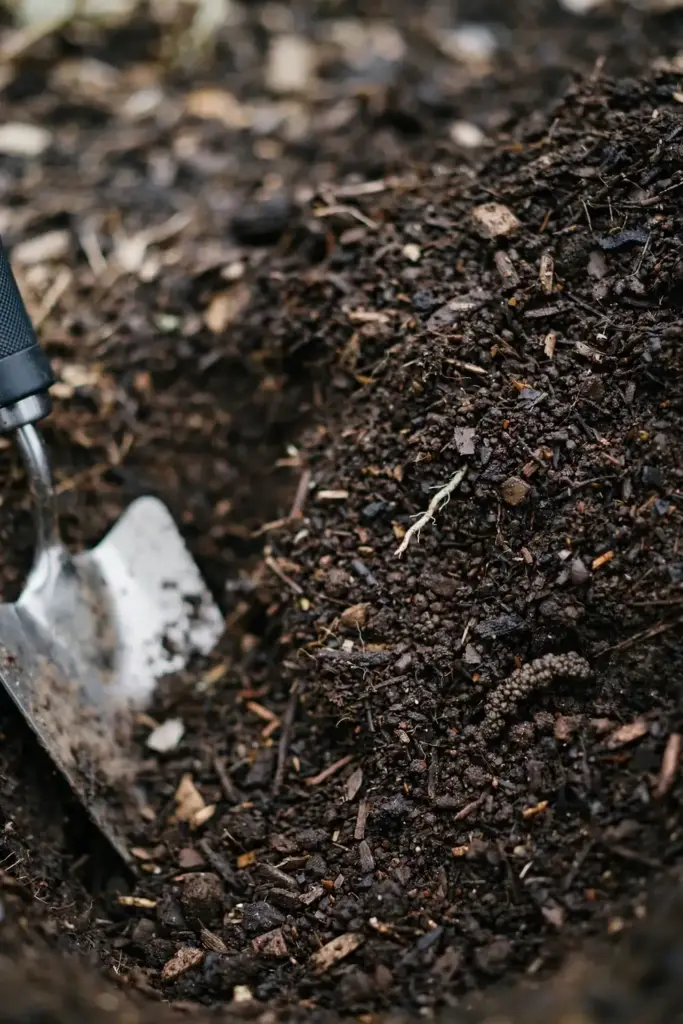
Why so lean? In its native range the species grows along stream banks and in valley thickets, where steady moisture matters more than fertility. Heavy clay? Plant on a slight mound or in a raised bed to keep winter wet away from the crown. Pure sand? The compost amendment matters even more. For the broader principles behind building soil that feeds roots instead of just top growth, the soil health and pest resistance guide explains how organic matter, drainage, and biology work together.
9. Water for Deep Roots, Not Soggy Crowns
Water newly planted he shou wu deeply once or twice a week through the first growing season, enough to wet the root zone 20 to 30 centimeters down. Once established, the vine is reasonably self-sufficient in climates with regular rain, but it rewards consistent moisture during hot, dry spells. The goal is steady, even moisture that encourages the tuber to swell, not a constantly saturated crown.
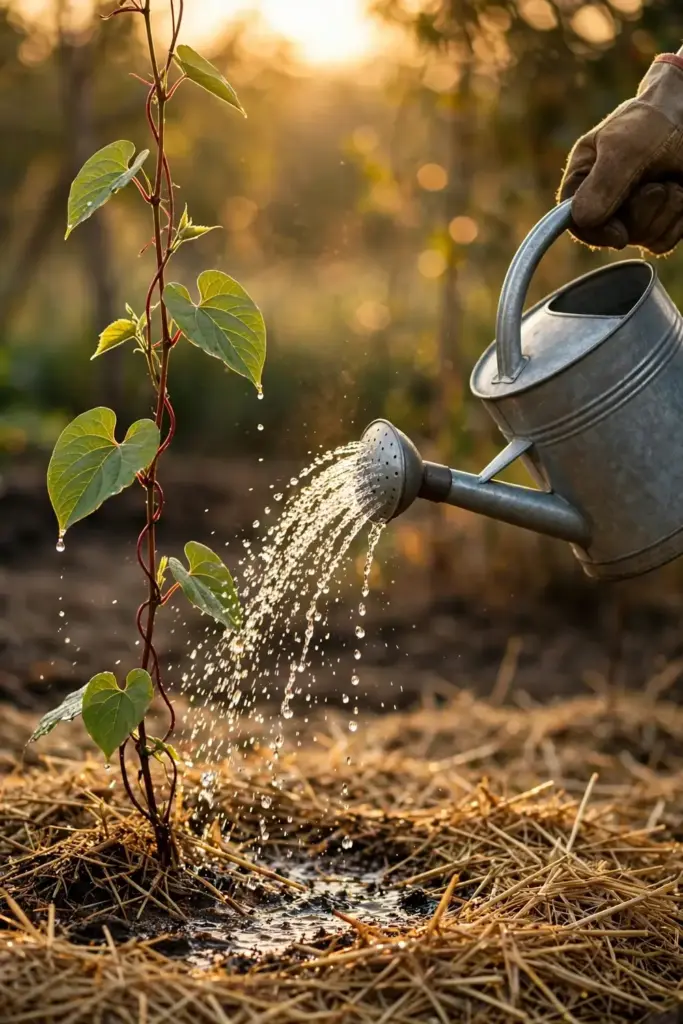
Mulch with 5 to 8 centimeters of straw or shredded leaves each spring, keeping the mulch a few centimeters away from the stem bases. Mulch does three jobs here: it holds soil moisture through summer, suppresses the weeds that compete with young vines, and cushions the crown against freeze-thaw cycles in winter. In containers, water when the top 3 centimeters of mix feel dry, and never let the pot sit in a saucer of water.
10. Feed Lightly: Rich Soil Works Against the Root Crop
Here is the counterintuitive part. Heavy feeding grows a spectacular vine and a disappointing root. Because the harvest is the tuber, you want the plant to invest energy underground, not in endless top growth. A single spring top-dressing of compost around the crown is enough for the whole year in most soils.
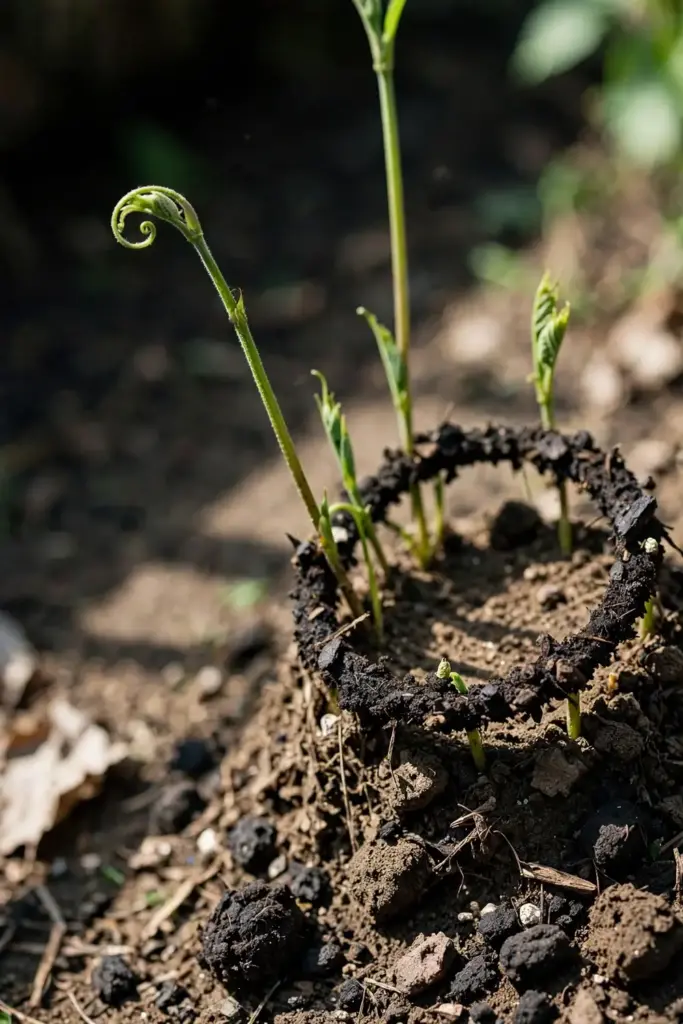
Skip high-nitrogen fertilizers entirely. If a soil test shows a genuine deficiency, use a balanced organic fertilizer at half the label rate, applied once in early spring as growth resumes. Container plants need slightly more attention: feed a potted he shou wu with a half-strength balanced liquid feed once a month during the growing season, since nutrients wash out of pots faster than garden soil.
11. Watch for Pests and Problems Early
He shou wu has few serious pest problems, which is one of its quiet advantages. The practicalplants database notes that the plants seem immune to rabbit predation, a rare compliment for a leafy vine. Slugs and snails may chew young spring shoots, so check new growth in damp weather and hand-pick or trap as needed. Aphids sometimes cluster on tender shoot tips; a strong jet of water knocks them off without chemicals.
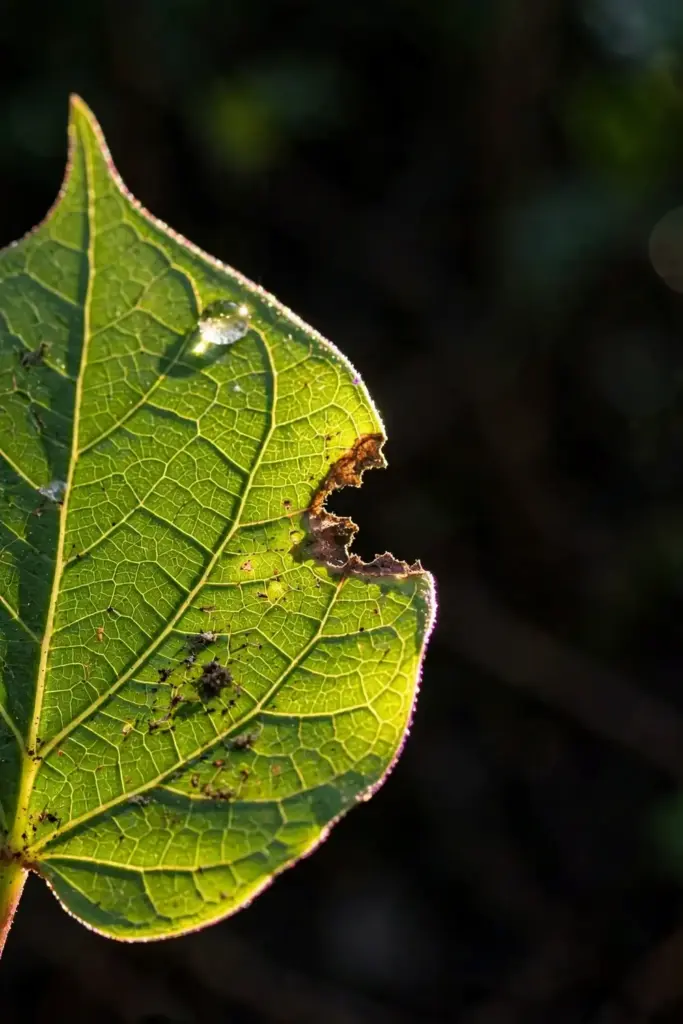
The main disease risk is root and crown rot in waterlogged soil, which is why the drainage advice in section 8 matters. If a vine wilts suddenly in wet weather, check that water is not pooling around the crown and improve drainage before replanting. Good airflow around the trellis also keeps the summer foliage clean.
12. Harvest the Roots in Years Three to Four
Dig the roots in autumn or winter, after the leaves wither and the vine dies back. This is the timing used in the official Hong Kong Chinese Materia Medica Standards, which describe the tuberous root being collected when the foliage has died down. Roots from plants 3 to 4 years old are the standard: younger roots are thin and watery, while older roots may turn woody.
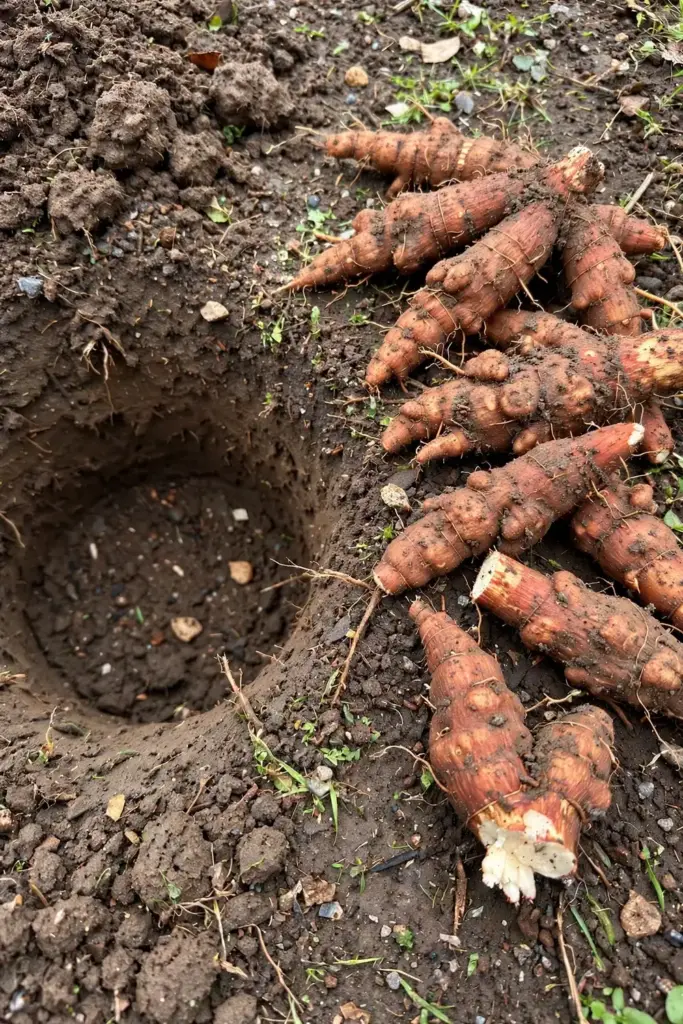
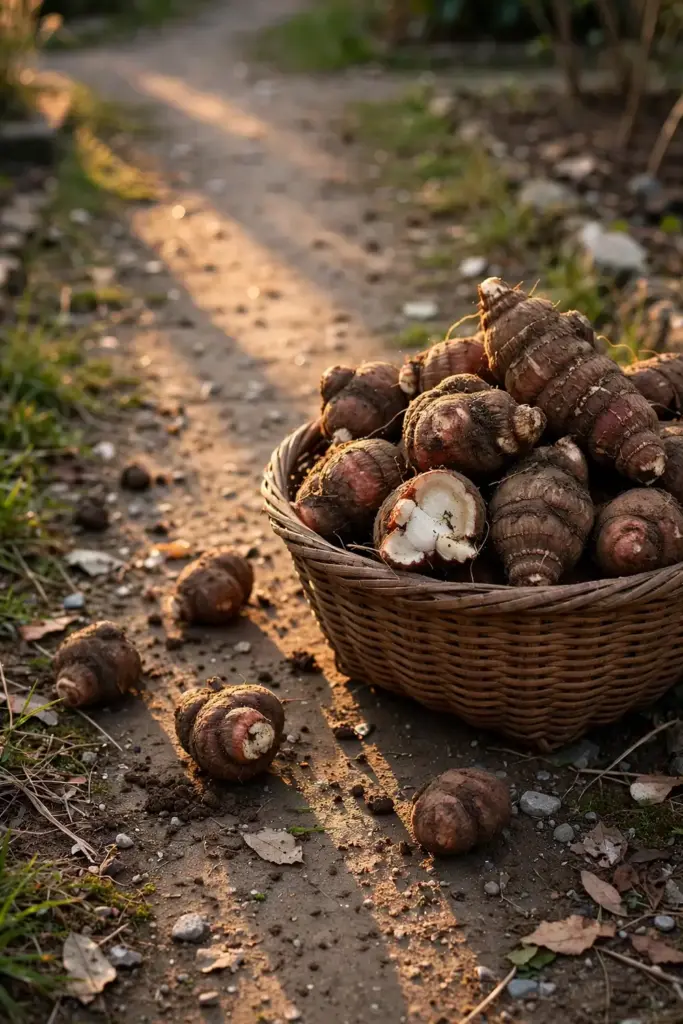
Loosen the soil in a wide circle around the crown with a fork, working at least 30 centimeters out from the stem base so you do not spear the tuber. Lift the whole root mass gently. A mature root is lumpy or irregularly spindle-shaped, roughly 7 to 17 centimeters long and 2.5 to 11 centimeters across, with reddish-brown skin. Save a section of crown with buds to replant immediately, and you will have next cycle’s plant already in the ground. This replanting habit turns a one-time harvest into a rotation: dig one plant each year, replant its crown, and the bed never goes empty.
13. Dry, Slice, and Store the Root Harvest
Wash the harvested roots clean, cut off both pointed ends, and slice the large roots into thick pieces. Dry the pieces thoroughly: spread them in a single layer in a warm, airy spot out of direct sun, turning them daily until they are hard and snap cleanly. Sun drying works in dry climates; in humid regions, use a dehydrator or a warm room with a fan. Properly dried root keeps for a year or more in airtight jars stored in a cool, dark place.
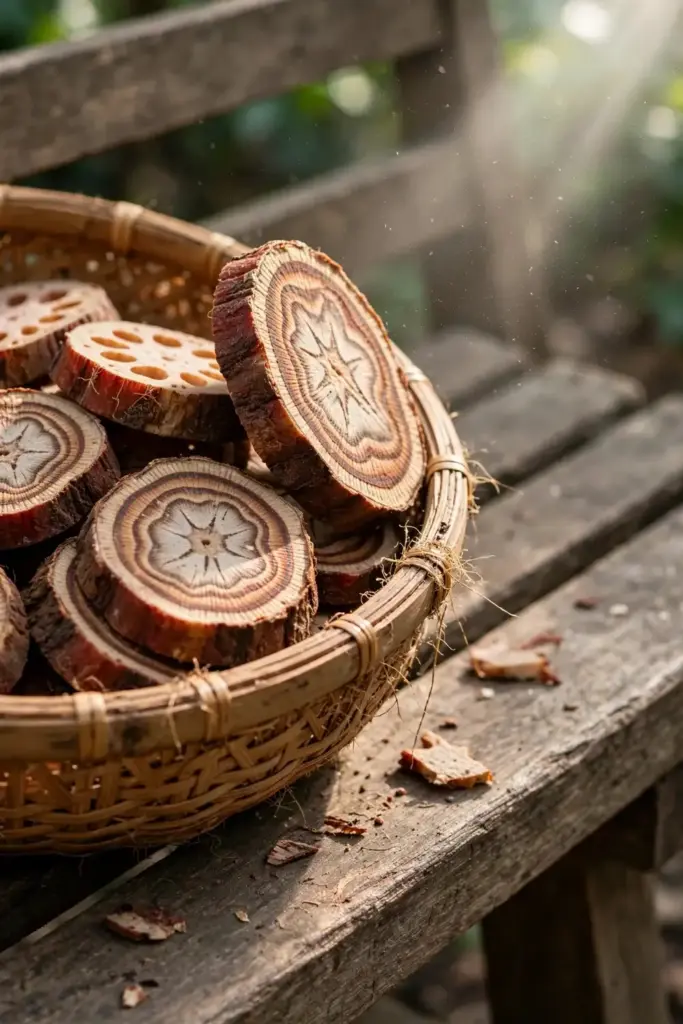
Traditional processing goes further than simple drying. The prepared form of the root is traditionally steamed or stewed, often with black bean juice, until it darkens, then dried again. Raw and prepared forms are considered different materials in traditional practice, and both have appeared in liver-injury reports, so processing is not a safety guarantee. If you are drying roots for ornamental or study purposes, the simple dry-and-store method is enough. The echinacea growing guide covers the same wash, slice, and dry chain for another root-harvest herb, and the rhythm transfers directly.
14. Grow the Variegated Form as a Houseplant in Pots
Here is the second lane the search results reveal. While herbal growers argue about root harvests, houseplant collectors are growing the variegated form of this same species for its looks alone: dark green leaves mottled and edged in white and pink, climbing a small trellis on a bright windowsill. No dedicated pot-growing guide exists anywhere on page one, which is exactly why this section is here.
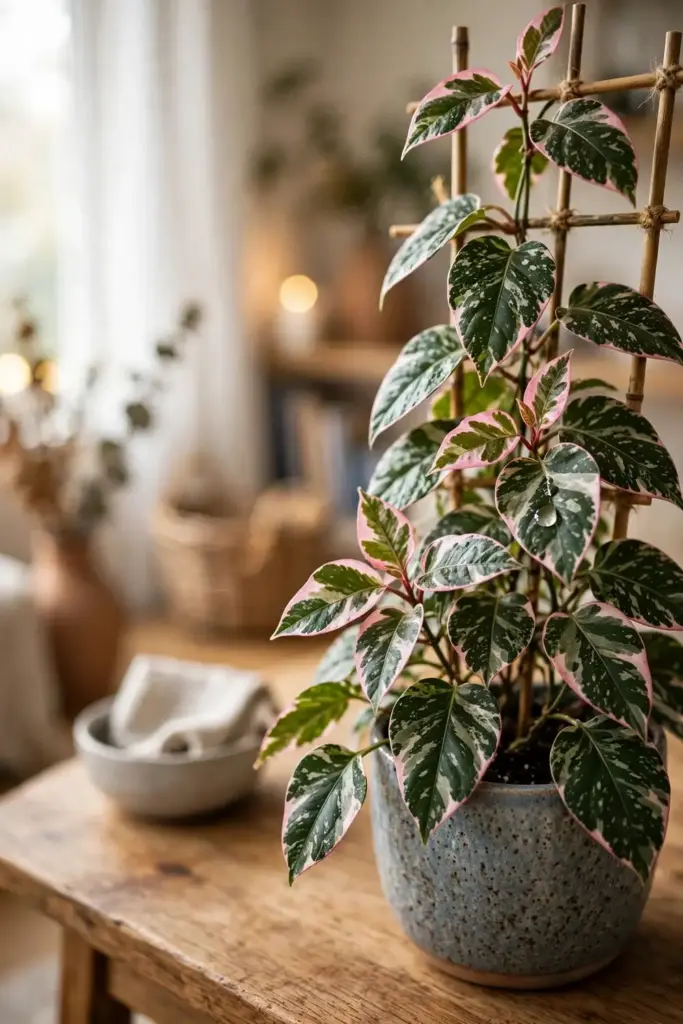
Choose a pot at least 25 to 30 centimeters wide with drainage holes, and fill it with a standard indoor potting mix amended with extra perlite for drainage. Set a small trellis or moss pole in the pot at planting time so the vine has something to climb from day one. Place the pot in bright, indirect light; an east or west window is ideal, and a few hours of gentle morning sun keeps the variegation strong. Variegated leaves burn in harsh midday sun, so filter it with a sheer curtain.
Water when the top 3 centimeters of mix dry out, and feed with half-strength balanced liquid fertilizer once a month in spring and summer. A self-watering pot suits this plant well, since it likes steady moisture without wet feet. Propagate by stem cuttings: snip a section with two nodes, root it in water or moist mix, and pot it up once roots reach a few centimeters. Bring the pot indoors before the first frost if you summer it outside, and expect slower winter growth in lower light. Prune wandering stems to keep the plant bushy, and never release cuttings or unwanted plants outdoors.
15. Avoid the 7 Mistakes That Waste Four Years
- Sowing without a cold frame and giving up on slow seedlings. Germination is easy in a cold frame’s mild humidity and fussy on a dry windowsill. Use the frame.
- Planting out seedlings too small. A seedling rushed into the ground in early summer stalls. Grow it on in its pot until it has several sets of true leaves, or overwinter it in the frame and plant out the following spring.
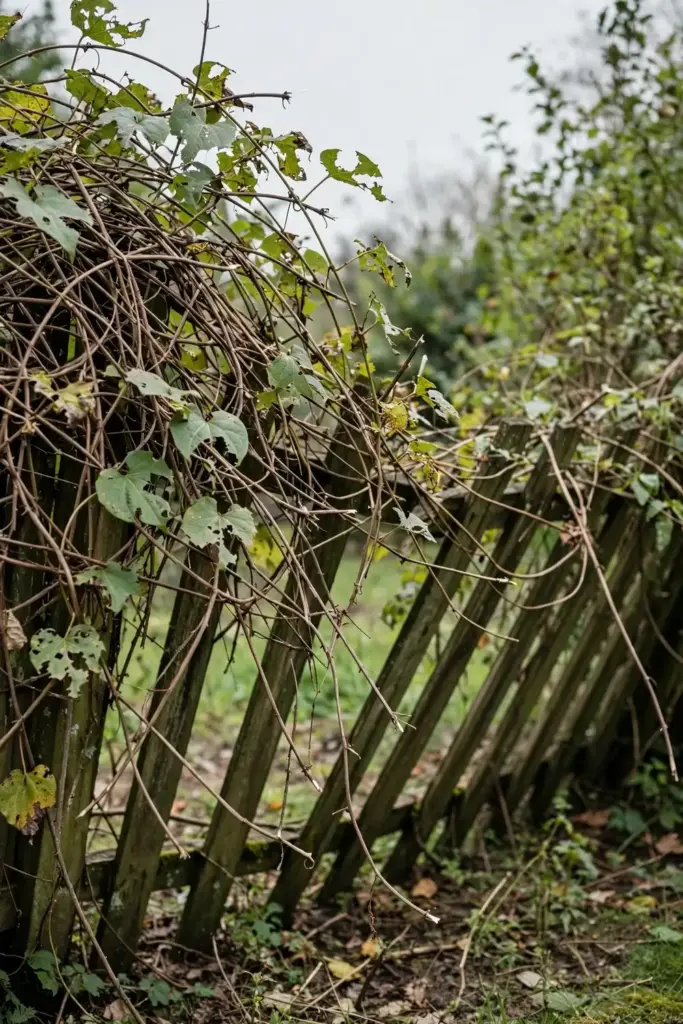
- Skipping containment. The vine will not stay where you put it without a root barrier and a dedicated trellis. Install both on planting day.
- Feeding like it is a tomato. Heavy nitrogen grows leaves, not tubers. One spring compost top-dressing is the whole feeding program.
- Digging in year one or two. A second-year root is thin and disappointing. Wait for year three or four, when the tuber has real substance.
- Ignoring the safety record. Growing the plant is gardening; ingesting the root is a health decision with a documented liver-injury record. Keep those two decisions separate.
- Dumping prunings in the compost or wild areas. Rhizome pieces can establish from discarded material. Bag and bin them.
16. Troubleshoot a Vine That Will Not Thrive
Seeds did not germinate. Old seed is the usual cause. Buy fresh seed from a reputable supplier each year, and make sure the cold frame stays evenly moist but not waterlogged. There is also a botanical wrinkle: the species may be dioecious, meaning individual plants can be male or female, so seed saved from a lone plant may not be viable.
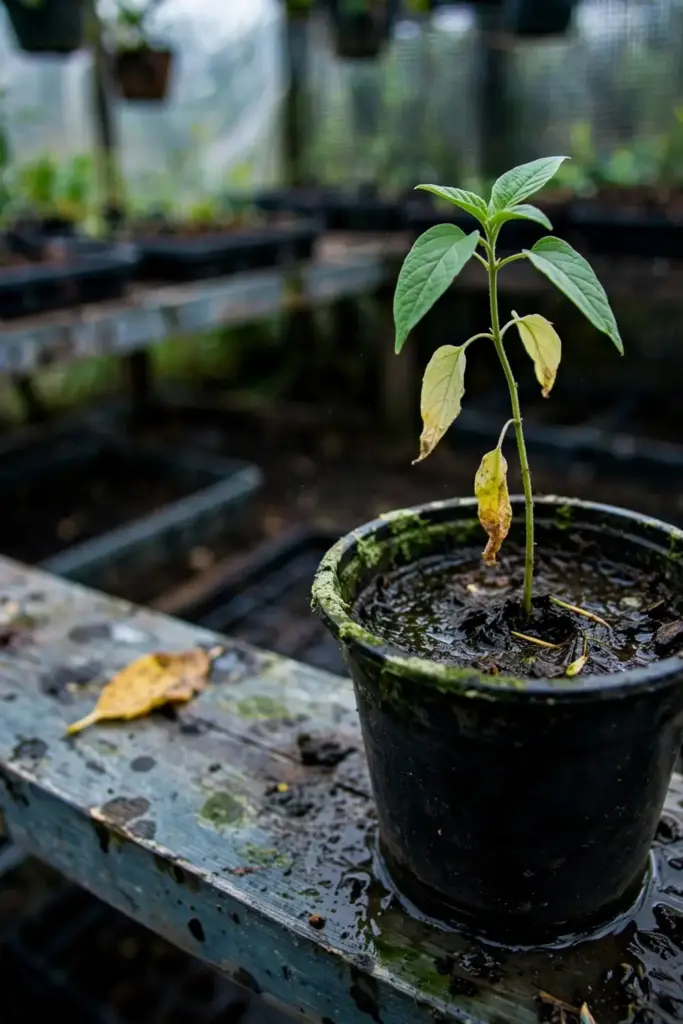
Vine grows but never thickens a root. The usual suspects are too much nitrogen, too much shade, or harvesting too early. Cut the feeding, confirm at least half a day of sun, and leave the plant undisturbed until year three.
Sudden wilt in wet weather. Check for water pooling around the crown. Lift the plant, improve drainage with a mound or raised bed, and replant. Do not water a wilted plant in soggy soil; that makes rot worse.
Variegated houseplant reverts to green. Low light causes reversion. Move the pot closer to a bright window, prune off fully green stems at their base, and give the variegated growth the light advantage.
Vine escapes its area. Cut back the wandering stems hard, dig a trench, and install or repair the root barrier. Check the barrier line every spring.
17. He Shou Wu Growing FAQ
Plan on four years from sowing to a diggable root. Germination in a cold frame is quick and easy, and the vine grows vigorously in its first summer. Years two and three are for the tuber to thicken underground while the top dies back each winter. Division from an established crown shortens the wait to about three years from planting.
It has a documented liver-injury record that you should take seriously. A published case series found 25 patients who developed acute hepatitis after ingesting it, most often as tea, with one death and one liver transplant among them. Symptoms usually appear about a month after starting the product. Talk to your clinician before using the root in any form, and stop immediately if you develop fatigue, abdominal pain, or jaundice.
Yes, and the variegated ornamental form is especially suited to it. Use a pot at least 25 to 30 centimeters wide with drainage holes, a standard potting mix with extra perlite, and a small trellis for the vine to climb. Water when the top few centimeters dry out, feed lightly in the growing season, and bring the pot indoors before frost. Expect a smaller root harvest than in the ground.
There is no difference; they are two names for the same plant. Botanists have moved the species between genera, so older books and medical papers say Polygonum multiflorum, nurseries often list Fallopia multiflora, and the current accepted name is Reynoutria multiflora. Use one name consistently on your labels to avoid confusion.
He shou wu itself is a vigorous rhizomatous vine that needs containment, including a root barrier and regular pruning, but it is its close relative Japanese knotweed that carries the famous invasive reputation. Treat he shou wu with the same caution: never dump prunings or divisions in compost piles or natural areas, and keep the planting contained.
Dig the roots in autumn or winter of the third or fourth year, after the leaves wither and the vine dies back. Roots from 3 to 4 year old plants are the standard, roughly 7 to 17 centimeters long. Save a section of crown with buds and replant it immediately to start the next cycle.
18. Where to Go From Here
You now know how to grow he shou wu from seed: sow in a cold frame in spring, contain the vigorous vine from day one, feed lightly, wait three to four years, and dig the roots after the leaves wither. You also know the two truths that matter most: the plant is easy to grow, and the root carries a real liver-injury record that belongs in a conversation with your clinician.
Start with containment and patience, and the vine will take care of the rest. If the variegated form caught your eye, a single pot on a bright windowsill is the lowest-commitment way to meet this species. Either way, label the plant with its one true name, Reynoutria multiflora, and give it the four years it needs.