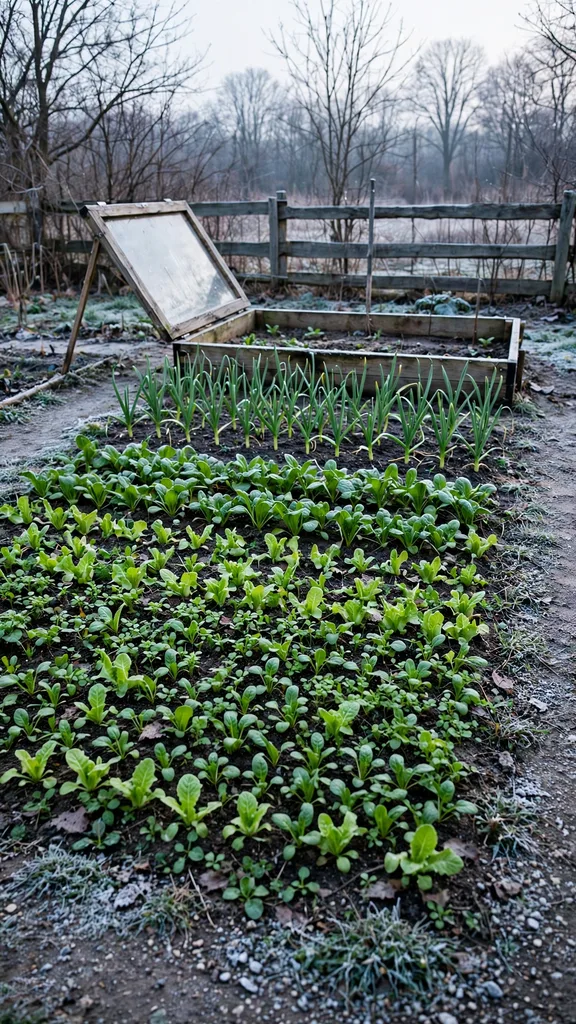
December is a planting month, but only your zone decides for what. In zones 9 to 11 it is the main cool-season planting month of the year, with broccoli, carrots, lettuce, and peas all going in. In zones 7 and 8 it is garlic, fava beans, and greens under cover. In zones 3 to 6 the planting moves indoors and underground: garlic in a mild spell, bare-root plants on frost-free days, and the first slow seeds on a windowsill. I keep a December list pinned by zone rather than by crop, because the same month that plants a tomato in Miami plants nothing outdoors at all in Minneapolis.
| Zone band | December outdoors | December under cover | December indoors |
|---|---|---|---|
| Zones 9 to 11 | Full cool-season list, warm crops in 10 to 11 | Not needed | Herbs, succession lettuce |
| Zones 7 to 8 | Garlic, fava beans, bare-root plants | Spinach, lettuce, radish, peas | Herbs, microgreens |
| Zones 5 to 6 | Garlic in mild spells, bare-root on frost-free days | Hardy greens in a cold frame | Onions and leeks from seed (late month), herbs |
| Zones 3 to 4 | Nothing reliable | Stored crops and soil care | Microgreens, herbs, planning seed orders |
Start With Your Zone, Not the Calendar
Every December planting decision hangs on one number: your USDA hardiness zone, which the USDA Plant Hardiness Zone Map sets from the average annual extreme minimum winter temperature where you live. The zone alone does not set your planting date. It tells you which of the four bands in the table above you garden in, and the bands barely overlap. A December list written for zone 9 is actively harmful advice in zone 5.
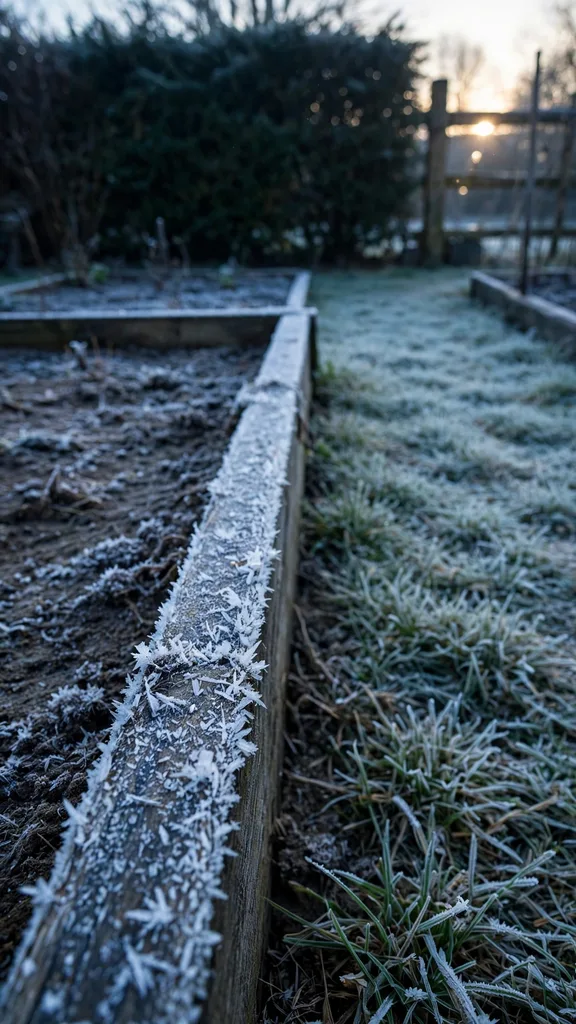
If you do not know your zone, find it before you order a single seed: the planting zone finder takes a ZIP code and returns the zone in seconds. Then read only your band’s sections below. Gardeners on a band border should follow the colder band for anything planted outdoors and the warmer one only for crops under cover.
Zones 9 to 11: Plant the Cool-Season Main Crop
In the frost-free and nearly frost-free South and Southwest, December is not a tail end of the season; it is the season. The University of Maryland Extension vegetable planting calendar shows how planting windows are set by frost dates, and in zones 9 to 11 December sits inside the main window for the whole cool-season list: broccoli, cabbage, cauliflower, carrots, beets, turnips, kale, lettuce, spinach, peas, radish, and onions all sow or transplant now and grow through the mild winter into spring harvests.
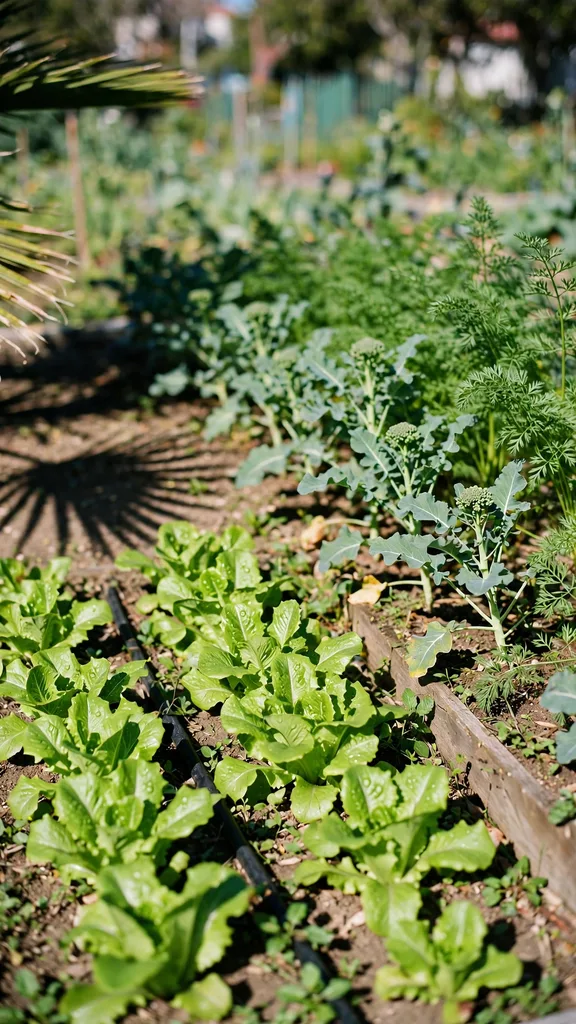
Warm-season crops belong to zone 10 and 11 gardens only, where December nights stay reliably warm: bush beans, sweet corn, and squash still plant in the warmest districts, and tomatoes transplant in zone 11 and the warmest parts of 10. Everywhere else in this band, hold warm crops for late winter. Water new plantings in well, because December rain in these zones is unreliable, and watch for the one or two frost nights a year in zone 9 with cloth ready.
Zones 7 to 8: Fava Beans, Garlic and Greens Under Cover
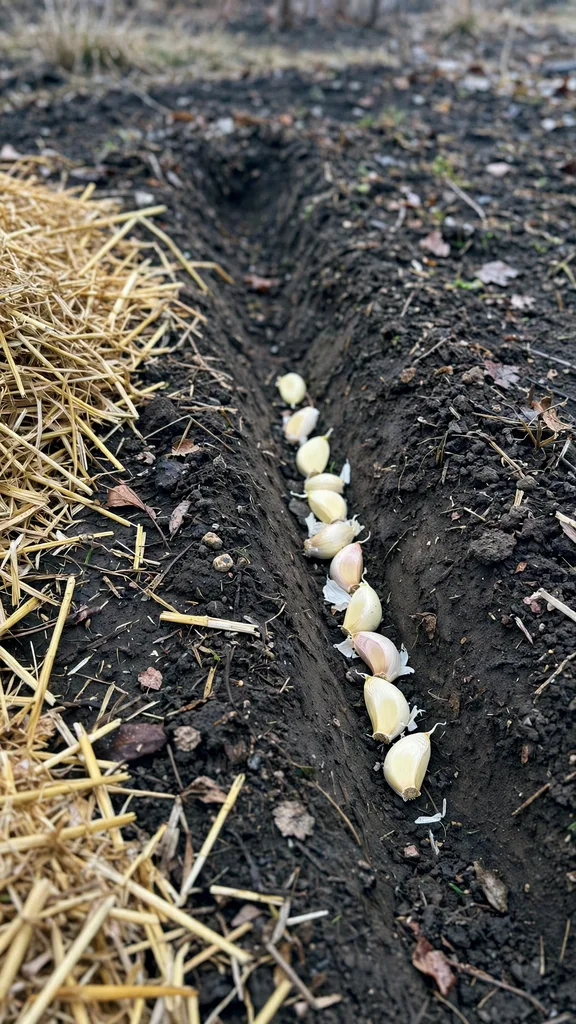
This is the band where December planting is a real outdoor list, just a short and hardy one. Garlic goes in now if it is not already planted: cloves set 5 cm (2 in) deep and 15 cm (6 in) apart root through winter and bulb up by early summer, and December-planted garlic in zones 7 and 8 catches up with October plantings by harvest. Fava beans sow direct now in zone 8 and in sheltered zone 7 gardens, germinating in cold soil and standing through frosts that would kill peas.
Greens go under cover rather than in the open: spinach, lettuce, radish, and Asian greens in a cold frame, under a low tunnel, or under fleece grow slowly all winter and cut from late winter onward. Peas sow in zone 8 for an early spring crop. Bare-root fruit and roses plant all month whenever the ground is workable, and December is the best month of the year for them in this band, because the roots settle into cool, moist soil months before spring growth starts.
Zones 5 to 6: Garlic in Any Mild Spell, Bare-Root on Frost-Free Days
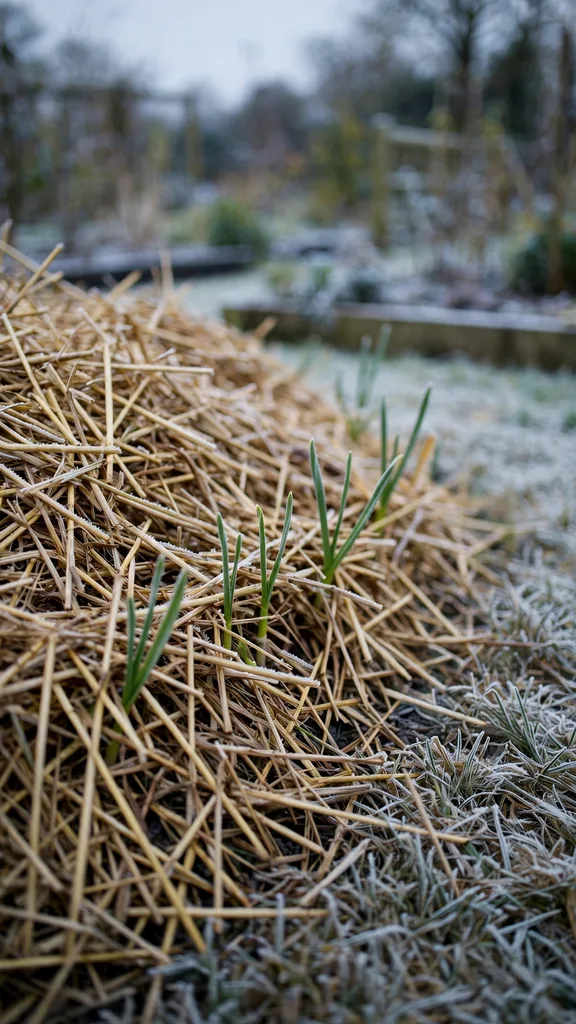
The outdoor list in this band is opportunistic: you plant when the weather opens a window, not by the calendar. Garlic is the one reliable crop, plantable in any December mild spell while the soil can still be worked, mulched heavily with straw after planting so freeze and thaw cycles do not heave the cloves out of the ground. A December planting here is late but worthwhile; an unplanted clove in a bag is worth nothing by spring.
Bare-root trees, shrubs, and roses plant on frost-free days when the soil is workable and not waterlogged: dig the hole, plant at the same depth the plant grew at, water in, and mulch. In a hard December with the ground frozen solid, heel bare-root plants into a spare corner of soil or compost at an angle and plant properly in the first thaw. Under a cold frame, hardy spinach and corn salad sown in autumn keep growing slowly, but new sowings wait for late winter light.
Zones 3 to 4: The Indoor Month
In the coldest zones December planting is an indoor activity, and it matters more than it looks. Microgreens and herbs on a bright windowsill, pea shoots, cress, basil under a light, give fresh harvests in two to four weeks in the middle of winter. Sprouting jars of mung beans and lentils need no light at all and crop in days.
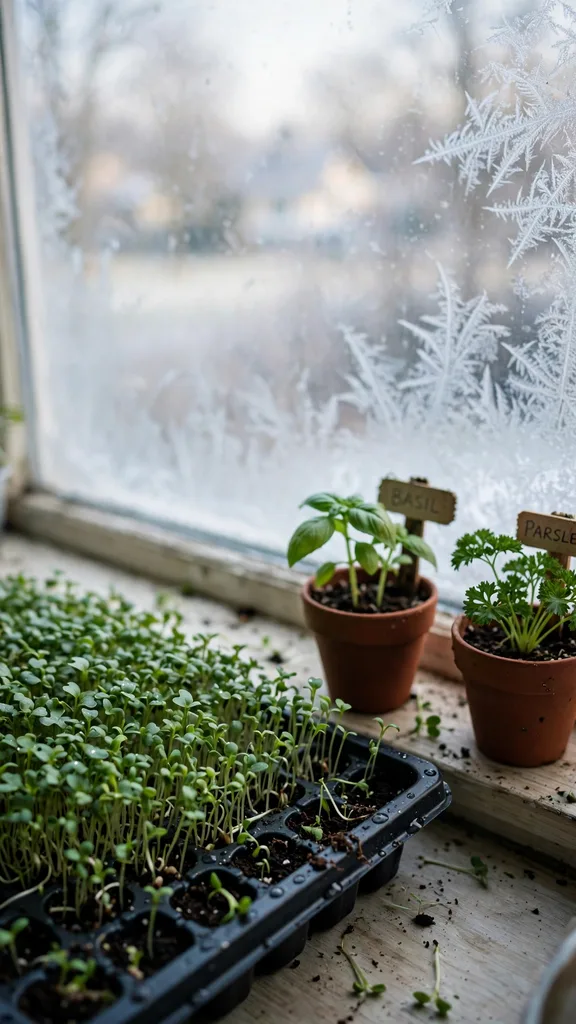
Late December is also when the slowest seeds of the year start indoors in this band: onions and leeks from seed, sown in the last week of December or the first of January, grow into the sturdy transplants that bulb up properly by summer, and starting them now rather than in February is the difference between full-size onions and small ones. The same indoor bench carries the season’s forced flowers, and paperwhites for Christmas planted in November are in flower on it now. Everything else this month is preparation: order seeds early while the varieties you want are in stock, test old seed for germination on damp paper, and repair the cold frames before you need them.
Flowers to Plant in December by Zone
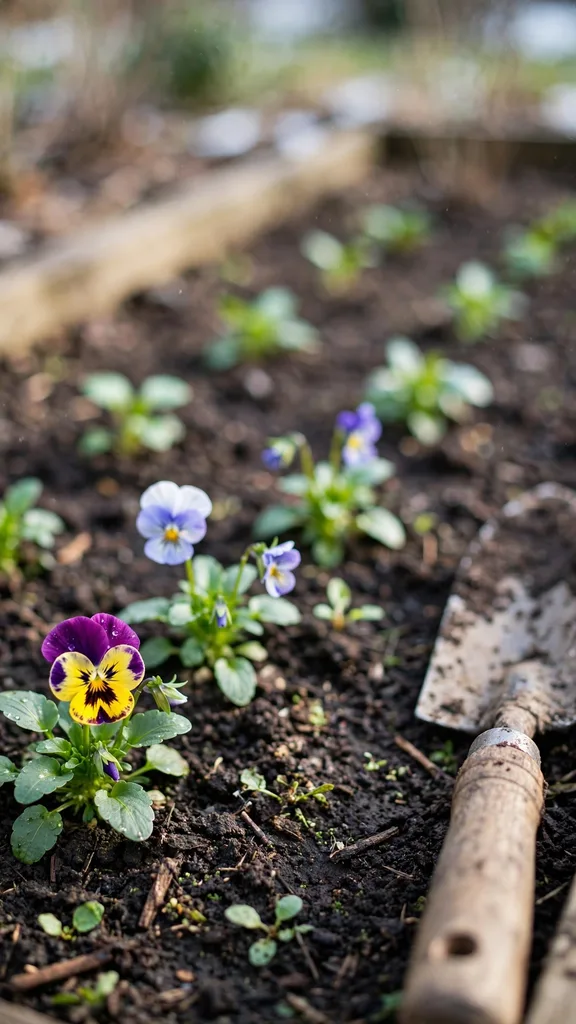
December flower planting splits the same way as the vegetables. In zones 7 to 10, winter bedding goes in or carries on: pansies and violas planted now flower through winter in zone 8 and warmer and build to a spring peak in zone 7, while snapdragons and calendula plant in zones 8 to 10 for late winter flowers. Sweet peas sow in zones 7 to 9 for the earliest spring blooms, in the ground in zone 8 and 9 and under cover in zone 7.
In zones 5 and 6, the December flower work is bare-root roses on frost-free days and the indoor bench: forced bulbs for the house, and the first sweet peas sown in pots in a cold frame at the end of the month in mild districts. In zones 3 and 4, flower planting is entirely indoors and entirely about forcing and seed starting. A garden in flower in December in the cold zones is a garden of structure, seed heads, and the winter bloomers covered in the Christmas garden ideas pillar, not of new planting.
Plant Bare-Root Trees, Roses and Fruit While They Sleep
December is prime bare-root season in every zone where the ground can be dug. Bare-root plants are dormant, cheap, light to ship, and they establish faster than potted plants set out in spring, because the roots grow into cool soil for months before the top growth asks anything of them. Fruit trees, roses, berry bushes, asparagus crowns, and rhubarb all plant bare-root now in zones 6 to 9, and on frost-free days in zone 5.
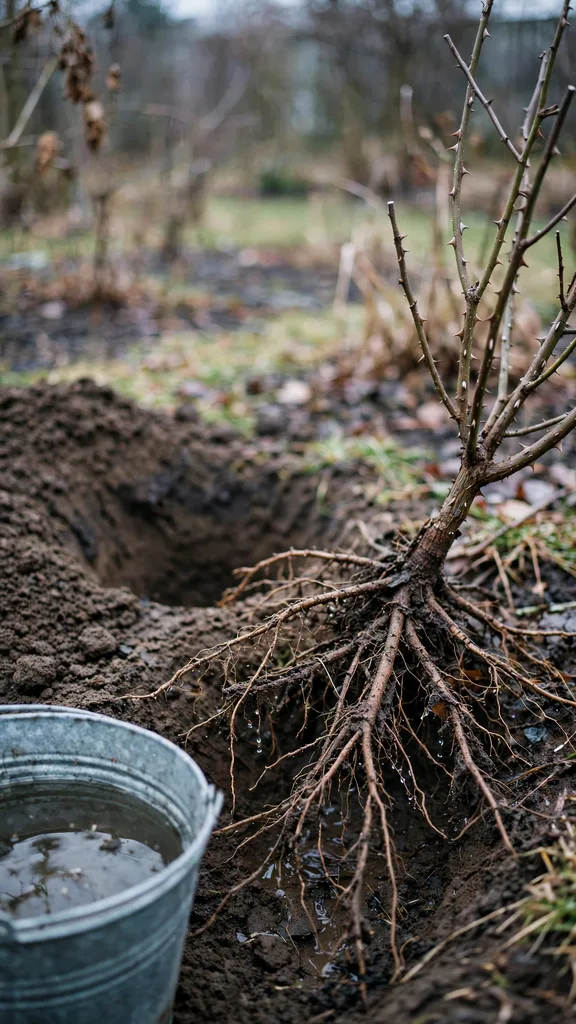
Plant the day the parcel arrives if you can. Soak the roots in a bucket of water for an hour, dig a hole wide enough for the roots spread out, plant at the depth mark on the stem, firm the soil in layers so no air pockets remain, water a full bucket per plant, and mulch 7 to 10 cm (3 to 4 in) deep, keeping the mulch off the stem itself. A bare-root plant heeled in within a day and planted within the month loses nothing; one left in its bag in a warm garage for three weeks can lose the season.
Sow Under Cover: Cold Frames, Cloches and Low Tunnels
Cover buys about one zone of warmth and, more importantly in December, it buys shelter from wind and winter wet, which kill more winter crops than cold does. In zones 6 to 8, a cold frame or a low tunnel over a bed keeps spinach, lettuce, radish, spring onions, and Asian greens growing slowly through the month, with harvests of leaves rather than whole plants. Vent the cover on every mild day, because a sealed frame on a sunny December noon can cook the crop it was protecting.
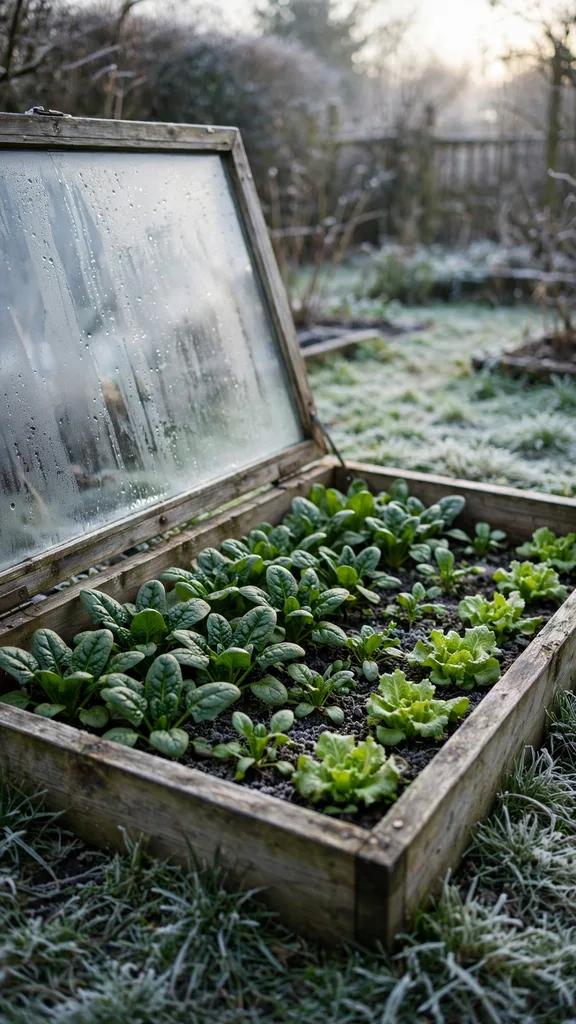
In zones 5 and 6 the same covers protect autumn-sown crops rather than start new ones, and they keep the soil workable weeks longer at both ends of winter. Whatever the zone, sow in short rows every two weeks rather than one long row: December growth is slow, and small, regular sowings match the pace the light allows.
Feed the Soil Month: Cover Crops and Compost
Where nothing else plants, the soil still takes work in December. In zones 7 and warmer, winter rye and crimson clover sown in early December still germinate in mild spells and hold the beds against winter rain. In colder zones the sowing window has closed, but the mulching window has not: bare beds covered with 7 to 10 cm (3 to 4 in) of straw, leaves, or compost lose less soil to winter weather and feed the worms that do the winter digging for you.
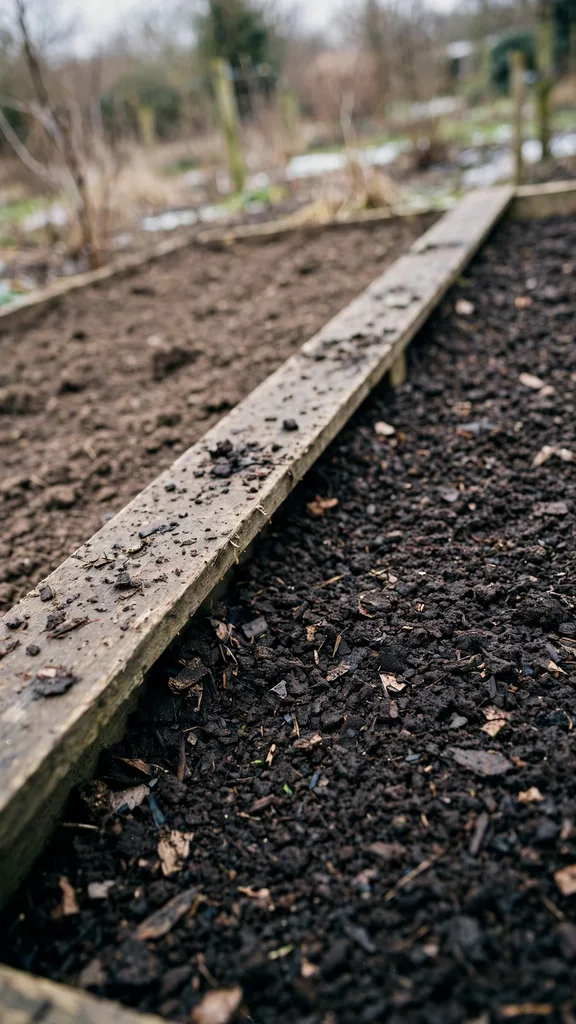
December is also the month to spread compost on beds that will be planted first in spring, because frost and worms work it in by March. Keep off wet soil while you do it: stand on a plank to spread weight, and never dig or tread a bed that is frozen on top and wet underneath, because the compaction you make in December is still there in June.
What Not to Plant in December
The negative list saves more gardens than the positive one. Do not sow warm-season seed outdoors anywhere frost reaches: tomato, pepper, bean, corn, and squash seed planted in cold soil rots before it germinates, and a freak warm week does not change the soil temperature at seed depth. Do not transplant tender plants in December in any zone below 10, whatever the garden center is selling.
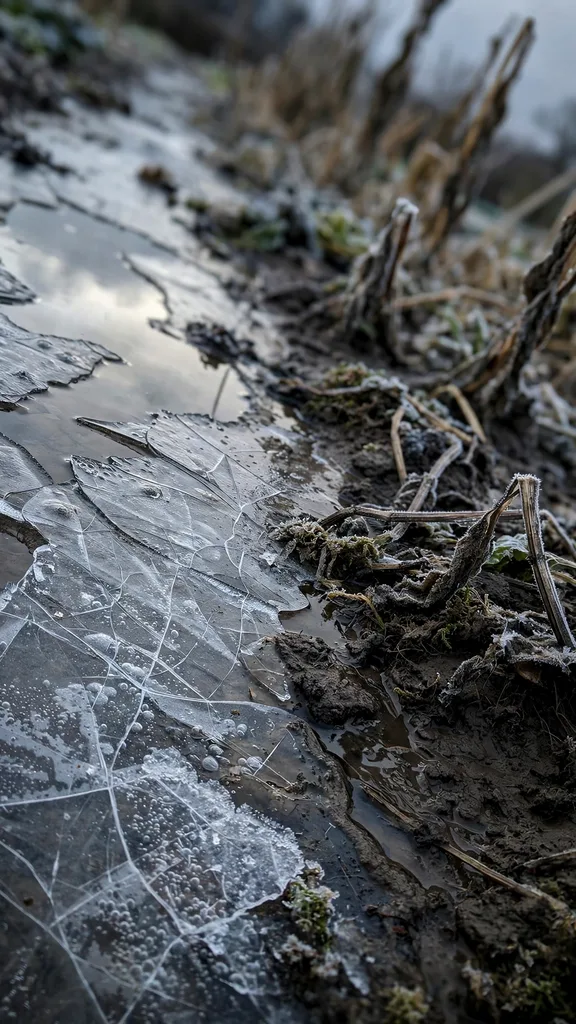
Do not plant into frozen or waterlogged ground in any zone: a bare-root plant forced into a smeared, wet hole sits in a sump and rots. Wait for the thaw or the drainage. And do not work wet clay soil at all this month: every footprint and forkful compacts it, and December compaction is the kind that takes a season of roots and worms to undo.
Frequently Asked Questions About What to Plant in December
Yes, on the right days. Garlic plants in any mild spell while the soil can be worked, mulched heavily against frost heave, and bare-root trees, shrubs, and roses plant on frost-free days when the ground is not waterlogged. Beyond those two, December in zone 5 is a cover and indoor month: cold frames protect autumn crops, and the windowsill carries herbs and microgreens.
In zones 7 and 8, no: December garlic catches up with autumn plantings by harvest in most years. In zones 5 and 6 it is late but worthwhile whenever the soil can still be worked, with a heavy mulch to stop heaving. In zones 3 and 4 the ground is usually frozen and the moment has passed; in zones 9 and 10, December is a normal garlic planting month.
In zones 8 to 10, pansies, violas, snapdragons, and calendula plant now for winter and early spring flowers, and sweet peas sow in zones 7 to 9. In zones 5 to 7 the flower work is bare-root roses and sweet peas under cover. In colder zones, December flowers are indoor work: forced bulbs such as paperwhites and amaryllis, which need no chill and flower weeks after planting.
Only the slowest crops earn a December start: onions and leeks from seed in the last week of the month in cold zones, so the transplants are sturdy by spring. Everything else started in December grows leggy in weak winter light before its planting date arrives. Herbs and microgreens are the exception, because they are harvested young from the same windowsill they grow on.
Almost the whole cool-season list: broccoli, cabbage, cauliflower, carrots, beets, turnips, kale, lettuce, spinach, peas, radish, and onions all go in now and grow through the mild winter. December is the main planting month of the zone 9 year, not a leftover. Warm-season crops still wait for late winter, except in the warmest parts of zones 10 and 11 where beans and corn plant all month.