Plant 1 peach tree in a small yard and wait for the first crop. Self-fertile is one tree fruiting alone: it sets fruit with its own pollen while a self-unfruitful apple beside it stays bare without a partner.
Self-fertile sounds like a promise of fruit from a lone tree. It is a narrower promise than that. The tree still needs bees, still needs bloom weather, and still needs a flower that opens at the right time. What it does not need is a second cultivar standing nearby. That single difference decides whether a small yard grows fruit or grows one handsome tree with no crop.
| Point | Detail |
|---|---|
| Definition | One cultivar sets a crop with its own pollen |
| Peach, nectarine, tart cherry | Self-fertile in most cultivars |
| Apple, sweet cherry, most pears | Need a second cultivar |
| Partner distance | 15.2 to 30.5 meters for cross-pollination |
| Bees | Still needed, even on self-fertile trees |
What Is Self-Fertile?
A self-fertile tree sets fruit with pollen from its own flowers. One tree of one cultivar, planted alone, carries a crop. The Penn State Extension list of pollination requirements states it plainly: those fruits listed as self-fertile set fruit with their own pollen, and all commercial peach varieties except J. H. Hale are self-fruitful. The same list puts apple on the other side: cross-pollination is always needed to produce an adequate apple crop.
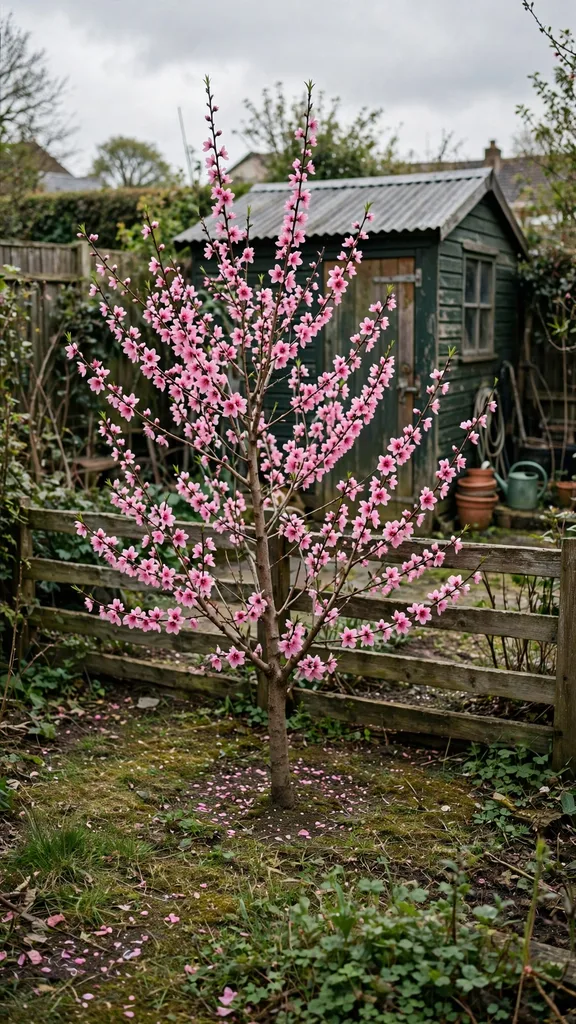
Self-fertile and self-pollinating are close cousins, not twins. Self-pollinating describes the pollen move: pollen lands on a flower of the same tree or the same cultivar. Self-fertile describes the result: that pollen grows a fruit. A tree can self-pollinate and still drop every flower if its own pollen fails to fertilize. The label that matters at the nursery is the one that promises fruit, not just pollen movement.
The word on the tag varies by nursery. Self-fertile, self-fruitful, and self-pollinating all appear on labels, and sellers use them loosely. Read the cultivar notes, not the tag alone. A peach labelled self-fertile fruits alone. An apple with the same label usually means partially self-fertile, which is a polite way of saying plant a partner.
How Self-Fertile Trees Work
A flower carries both parts it needs. Pollen forms on the anthers, and the stigma at the flower center catches it. On a self-fertile tree the pollen and the stigma accept each other. The pollen tube grows, fertilization follows, and the flower swells into a fruit. No second tree enters the process.
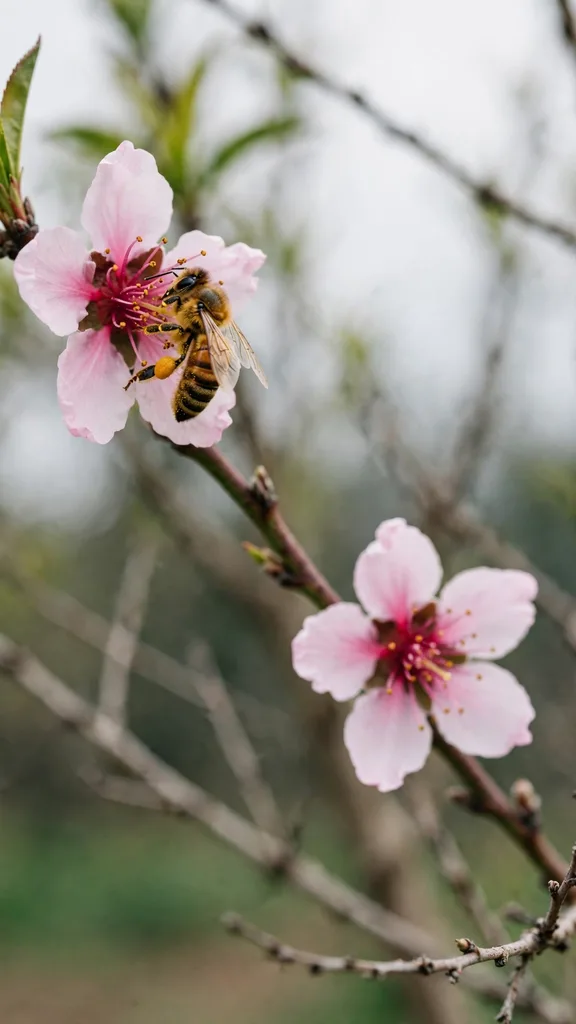
Bees still do the carrying. Wind shakes a little pollen loose, and gravity drops some, but bees move most of it from anther to stigma inside the same flower and between flowers on the same tree. A cold wet bloom week keeps bees in the hive, and the tree sets a thin crop that year. The tree needs no partner. It still needs pollinators.
Some of these trees fruit better with a partner nearby. Cross-pollination lifts fruit size and crop weight even where it is not required. The Iowa State Extension guide to pollination requirements notes that fruit set and crop size improve with cross-pollination on blueberry, and the same pattern holds for peach and plum. One tree fruits. Two trees fruit heavier.
The tree also needs its own bloom to open well. Frost on open bloom kills the flower before any pollen moves. A late frost takes a peach crop as fast as it takes a cross-pollinated apple crop. The fertility label protects against a missing partner. It never protects against weather.
Self-Fertile vs Cross-Pollinated
Self-fertile and cross-pollinated describe opposite needs. One tree fruits alone. The other needs pollen from a genetically different tree of the same fruit. Plant the wrong type in the wrong yard and the tree grows leaves for years without a single fruit.
| Point | Self-Fertile | Cross-Pollinated |
|---|---|---|
| Trees needed | 1 tree of 1 cultivar | 2 or more cultivars |
| Pollen source | Own flowers | A different cultivar |
| Typical fruit | Peach, nectarine, tart cherry, most plums | Apple, sweet cherry, most pears |
| Partner distance | None | 15.2 to 30.5 meters apart |
| Crop without a partner | Full crop, smaller in bad bee years | Little or no crop |
| Crop with a partner | Heavier, larger fruit | Full crop |
Distance decides cross-pollination. The Iowa State Extension guide puts pollination partners 15.2 to 30.5 meters apart, and closer works better because bees visit the nearest flower-rich tree first. A partner across the street may count. A partner three gardens away rarely does.
Bloom overlap decides it too. Two cultivars must open together for at least a few days. A very early apple and a very late apple never meet, even at 3 meters apart. Match bloom groups when you buy partners, and match them the same way you match chill hours on the chill hours page.
How to Recognise / Measure Self-Fertile Trees
The nursery label is the first check. Read the cultivar notes for the words self-fertile or self-fruitful. Then check a second source. Labels get it wrong, and a tree sold under that label may carry a footnote that cross-pollination improves the crop. That footnote is honest. Plant a partner if you have room.
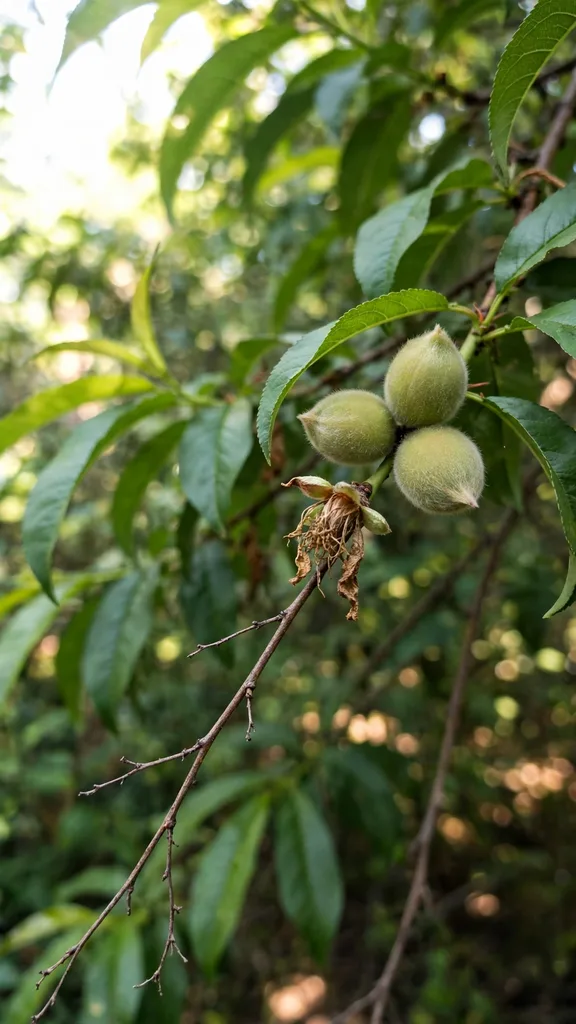
The spring bloom is the second check. A self-fertile tree in full bloom with bees working sets fruit on its own. Count fruitlets 3 weeks after petal fall. A peach that fruits alone holds a fruitlet on most flower clusters. A self-unfruitful apple with no partner holds almost none, and the few it holds drop by June.
The fruitlet count is the measurement. Walk the tree after bloom and count clusters with a swelling fruitlet. More than half the clusters holding fruit means pollination worked. Fewer than 1 in 5 clusters holding fruit means the tree needs a partner, better bee weather, or a different cultivar. The count takes 10 minutes and settles the question for the season.
Check the flower parts before you blame the label. Some cultivars carry sterile pollen. They bloom heavily and set nothing, even with a partner nearby. Triploid apples like Jonagold and Mutsu need two other cultivars around them because their own pollen is dead. The label says self-unfruitful. The real problem is sterility, and a second tree still leaves the crop thin unless a third tree joins it.
Common Mistakes With Self-Fertile Trees
The first mistake is reading the tag and stopping there. The label on a tag can mean fully self-fertile, partially self-fertile, or self-fertile only in a warm climate with strong bee activity. The cultivar notes give the real answer. Read them before you pay.
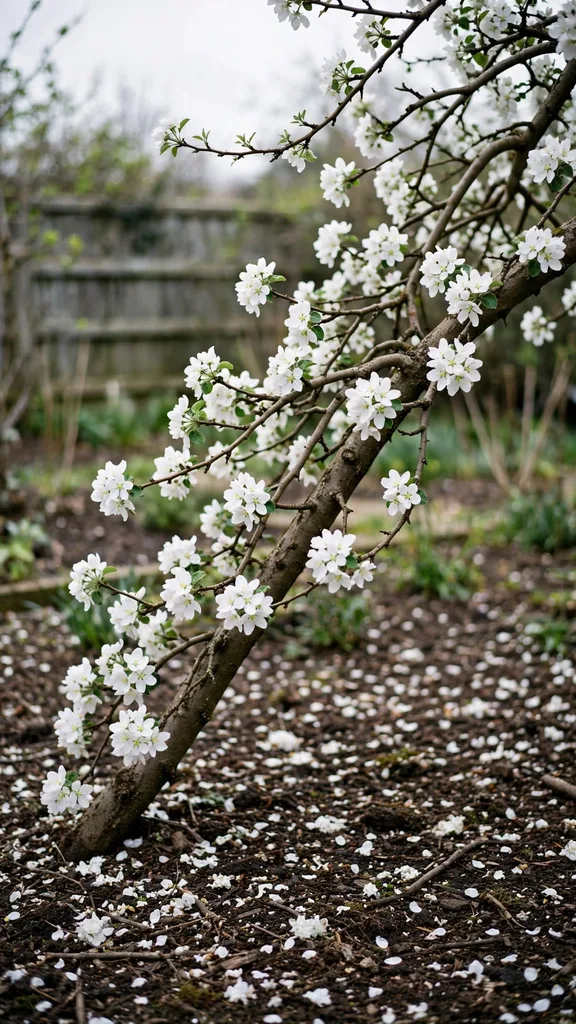
The second mistake is planting one apple and expecting a crop. Apples need cross-pollination, and a lone apple is the most common fruit disappointment in home gardens. Plant two cultivars with overlapping bloom, or plant one apple and borrow pollen from a neighbor crabapple within 30.5 meters. A single apple tree is a shade tree with blossom.
The third mistake is spraying during bloom. Insecticide on open flowers kills the bees that carry pollen, and a tree with no bees working sets as thin a crop as a self-unfruitful tree with no partner. Skip sprays from first bloom to petal fall. The pests wait. The bloom does not.
The fourth mistake is planting partners too far apart. Two apples at opposite ends of a long garden may as well stand in separate suburbs. Bees work the nearest flowers first. Keep partners within 15.2 to 30.5 meters, and closer is better. The fruit set page shows how thin pollination turns into dropped fruitlets by June.
The fifth mistake is trusting one good year. One tree sets a heavy crop in a warm spring with strong bee flight, then sets almost nothing the next year when bloom week turns cold and wet. One season proves nothing. Judge the tree on 3 years of bloom weather, not on the best one.
When Self-Fertile Trees Matter in Your Garden
Self-fertile trees matter most in a small yard. One peach or one plum fits where two apples never will. A courtyard, a narrow side bed, and a single sunny corner all grow fruit when the tree needs no partner. The label buys you a crop in the space of one tree.
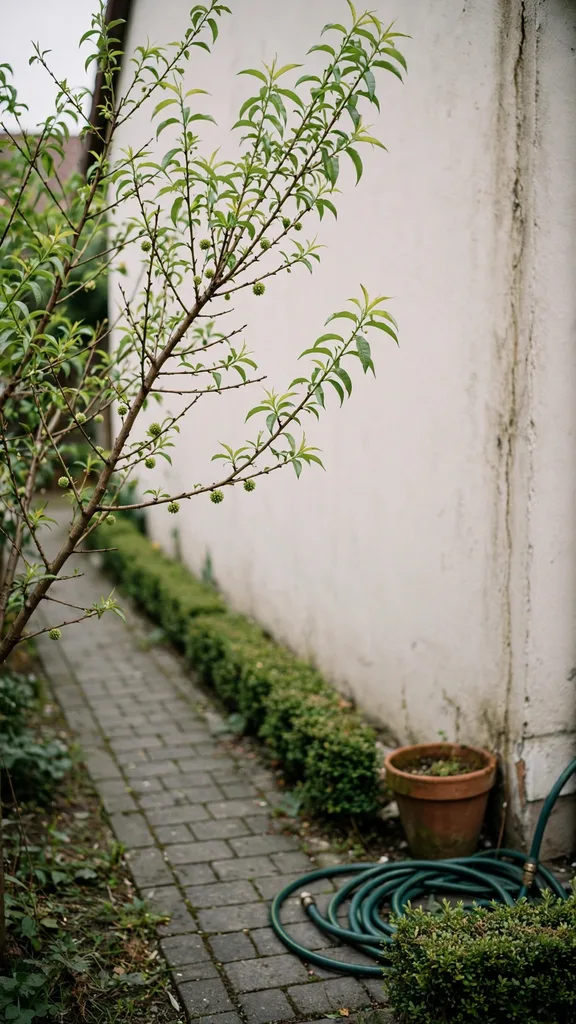
Self-fertile trees matter again when neighbors grow nothing. A new suburb with young gardens offers no borrowed pollen. A lone apple there has no crabapple down the street and no second apple over the fence. A self-fertile peach fruits in that same street from year 3 onward.
Self-fertile trees matter least in a big orchard. Room for partners is not the problem there, and cross-pollination lifts size and yield on every tree, whatever the label says. Plant partners anyway. The self-fertile label is a safety net in a big planting, not the plan.
Self-fertile trees never matter more than bloom weather. A cherry in a frost pocket loses its bloom to a late freeze, and no fertility label brings it back. Site the tree where cold air drains away, and let the label do the smaller job it was written for. The gardening glossary gathers every fruit term on this site in one place.
FAQ
Yes, in most cases. Most peach cultivars are self-fertile, and one tree sets a full crop with its own pollen. Bees still carry the pollen, so bloom week needs dry weather and active bees. A second peach nearby lifts fruit size and crop weight, but it is a bonus, not a requirement.
Apples need cross-pollination, so one apple tree with no partner sets almost no fruit. The fix is a second apple cultivar with overlapping bloom, planted within 15.2 to 30.5 meters, or a flowering crabapple nearby. Some apples also carry sterile pollen and need two partners, so check the cultivar notes before you buy.
Yes. Self-fertile means the tree accepts its own pollen, not that pollen moves by itself. Bees carry most of it from anther to stigma, inside one flower and between flowers on the same tree. A cold or wet bloom week keeps bees home, and the crop thins even on a self-fertile tree.
It means the tree sets some fruit alone and much more with a partner. Golden Delicious apple is the classic case: it fruits by itself in a good year and crops heavily beside another cultivar. Treat the word partially as a warning. Plant the partner if you have room.
No, not for cross-pollination. Two trees of one cultivar carry identical genes, so their pollen counts as self-pollen. A self-unfruitful tree needs a genetically different cultivar. Two Honeycrisp apples are one cultivar twice, and they pollinate each other no better than one tree alone.