Sow 7.3 to 14.6 g of fine fescue seed per square metre into a thin lawn and let the new grass fill the gaps. Overseeding is the practice of sowing seed into an existing lawn without tearing it up or starting over. The old grass stays. The new seed germinates between the old plants, thickens the turf and replaces varieties that have thinned out or died back.
That is the whole job. The seed needs soil contact, steady moisture and a clear window of mild weather. Get those three right and a tired lawn comes back dense. Get them wrong and the seed dries out on the surface or loses the race to weeds.
| Point | Detail |
|---|---|
| What it is | Sowing seed into existing turf, without removing the old lawn |
| Seed rate | Half the new-lawn rate; fine fescue 7.3 to 14.6 g per square metre |
| Best window | Mid-August to mid-September for cool-season grasses |
| Seed depth | Lightly raked in, a little seed still showing |
| First watering | Light irrigation 3 to 4 times a day until germination |
What Is Overseeding?
Overseeding adds new grass plants to a lawn that already exists. Seed goes down onto thin turf and bare patches, and the seedlings grow up through the old grass. Nothing gets tilled. No sod gets stripped. The lawn keeps working while the new plants establish.
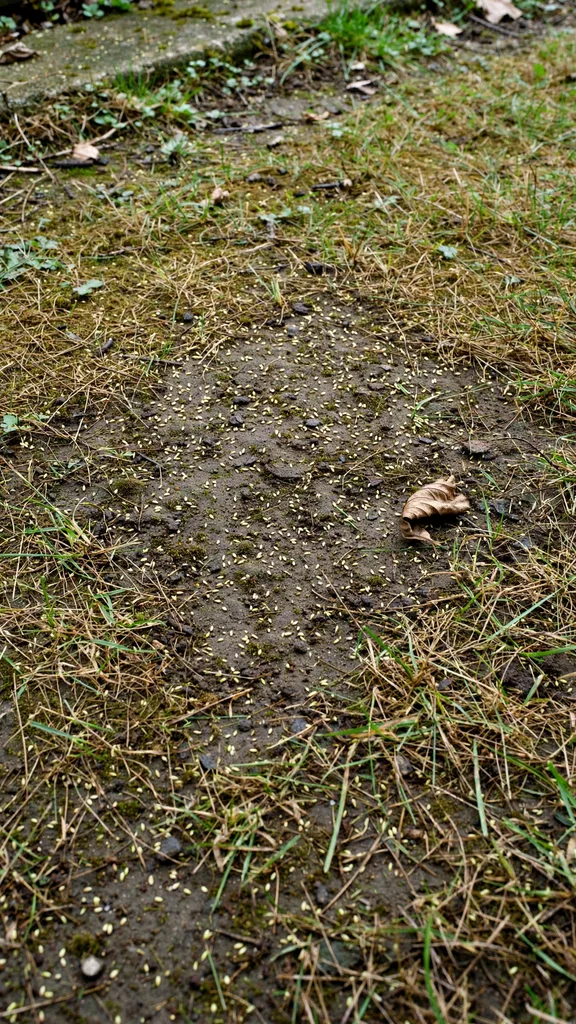
The deciding numbers are the rate and the window. Sow at half the new-lawn rate, because the existing turf fills half the gaps already and thick-sown seedlings stay spindly. The best time to seed in Minnesota is late summer, from mid-August to mid-September, when soil is warm, nights cool and weed pressure drops. The University of Minnesota Extension seeding guide gives both the window and the half-rate method.
Overseeding suits a lawn that is thin but alive. A lawn with wide dead or sparse areas is a candidate for renovation, and overseeding is the gentlest form of it. A lawn that is mostly bare soil is past overseeding and needs a full reseed. A lawn that is dense and healthy needs no seed at all. Stand back and look at the ground. If you see more soil than grass across wide areas, seed will help. If you see a solid green carpet with a few thin spots, seed only the spots.
How Overseeding Works
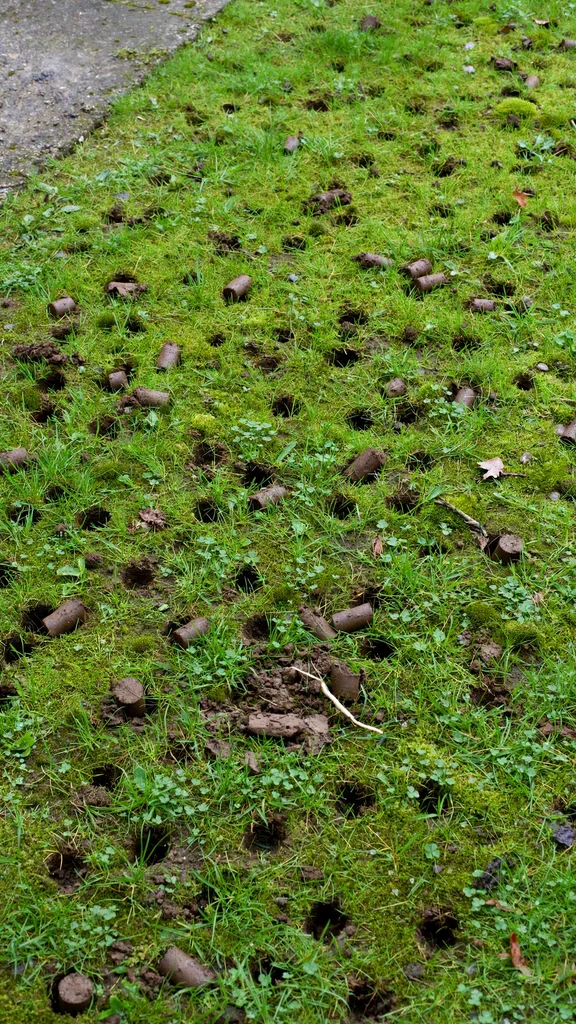
Seed germinates only where it touches soil and stays damp. Existing turf blocks both. The seed falls onto leaves, dries in the sun and never swells. Preparation fixes that. Mow the lawn short so light reaches the soil, then rake or core aerate to open the surface. Spread the seed at half rate in two passes at right angles, which leaves no bare stripes. Rake lightly so a little seed still shows. Seed buried deep rots. Seed sitting on top dries. Seed half covered germinates.
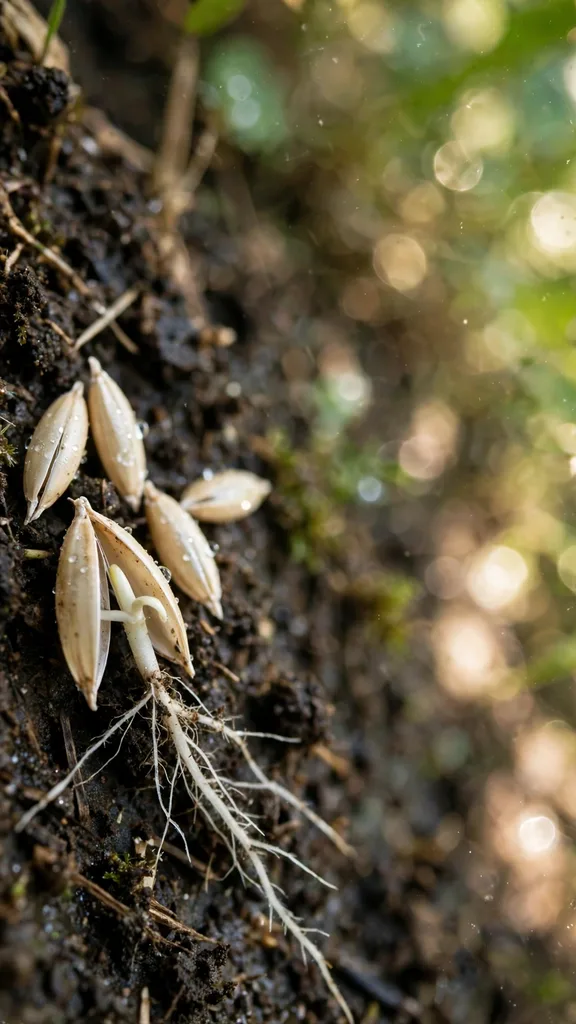
The rate depends on the grass. Fine fescue goes down at 14.6 to 29.3 g per square metre on a new lawn, so an overseeding pass at half rate uses 7.3 to 14.6 g per square metre, as the fine fescue guide records. The half-rate rule turns the full rate into an overseeding rate. Kentucky bluegrass needs far less seed because its seed is tiny, while tall fescue needs more. Read the rate on the bag, halve it, and weigh the seed before you start. Guessing the amount by eye is how lawns end up patchy.
Water decides the outcome. Water to a depth of 10.2 to 15.2 cm before seeding, then irrigate lightly 3 to 4 times a day until the seedlings appear. The top layer of soil must stay damp through germination. One deep soak a day lets the surface dry between waterings, and dry seed stops germinating. Cut back to deeper, less frequent watering once the seedlings root. Fine fescue takes 5 to 12 days to germinate under good conditions.
A thick thatch layer blocks overseeding the same way dense turf does. Seed that lands on the mat sits above the soil and dries out. Clear the mat first when the layer measures past 1.27 cm, then seed into the opened surface.
Overseeding vs Reseeding
Overseeding and reseeding both add seed. They differ in how much of the old lawn survives and how much work the job takes. Overseeding keeps the old lawn and adds plants to it. Reseeding removes the old lawn and starts from bare soil.
| Point | Overseeding | Reseeding |
|---|---|---|
| Old lawn | Stays in place | Removed or killed first |
| Seed rate | Half the new-lawn rate | Full new-lawn rate |
| Soil work | Mow short, rake or aerate | Till or grade, full seedbed prep |
| Cost | One bag of seed, little disruption | More seed, more labour, bare lawn for weeks |
| Recovery time | Lawn stays usable, fills in over weeks | Bare soil until the new lawn establishes |
| Best for | Thin turf, bare patches, variety change | Mostly dead lawn, wrong grass, heavy weeds |
Reseeding wins when the lawn is mostly gone. A lawn that is more bare soil than grass, or a lawn full of weeds with little desirable grass left, will not come back from seed scattered on top. Overseeding wins when the bones of the lawn are sound. The old grass holds the soil, shades the seedlings and keeps the lawn usable while the new plants fill in. A lawn between the two states needs judgment. Overseed one season and watch. If the thin areas stay thin, reseed the worst patches next year.
How to Tell Overseeding Worked
Watch the soil, not the calendar. Fine fescue seedlings appear in 5 to 12 days under good conditions, as thin green needles pushing through the old turf. Perennial ryegrass shows faster than fine fescue. Kentucky bluegrass shows slower than the others. The spread is normal. Seed timing varies by species, and the how long seeds take to germinate guide covers the wait for garden seeds. Different grasses germinate at different speeds, and a blend will green up in waves rather than all at once.
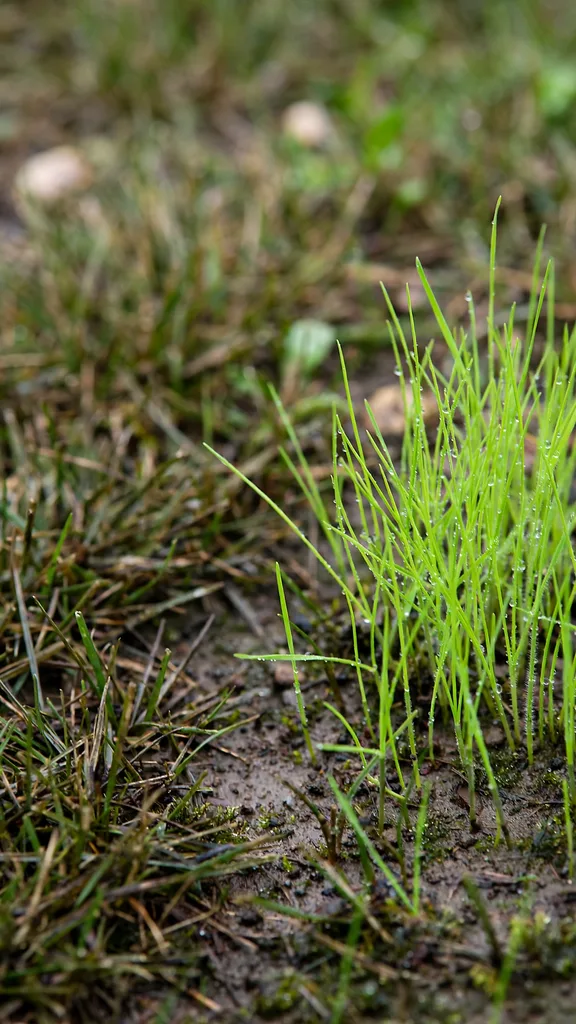
Count the seedlings in a small patch. A successful pass shows dozens of seedlings per square metre within two weeks of sowing, spread evenly rather than clustered in stripes. Stripes mean the spreader passed once instead of twice at right angles. Bare patches mean the seed dried out or never touched soil. A second light pass over the bare areas, at the same half rate and watering routine, fixes both without wasting a full bag.
Mow the new grass once it reaches mowing height. Set the mower high and use a sharp blade, because a dull blade tears young plants out of the soil. Leave the clippings where they fall to shade the soil and return nitrogen. Feed lightly in the first two months, at 1.2 to 4.9 g of nitrogen per square metre, to help the seedlings fill bare areas fast. A slow-release source suits the young plants best. The gardening glossary defines the other lawn terms in the same plain words.
Common Mistakes With Overseeding
Sowing at the full new-lawn rate is the first mistake. Seedlings sown too thick compete for light and water, stay spindly and invite disease. The stand thins itself back anyway, so the extra seed buys nothing. Halve the rate and spend the savings on a second pass. The second mistake is sowing onto unprepared turf. Seed needs soil contact, and a dense lawn gives it none, so mow short and open the soil before the seed goes down.
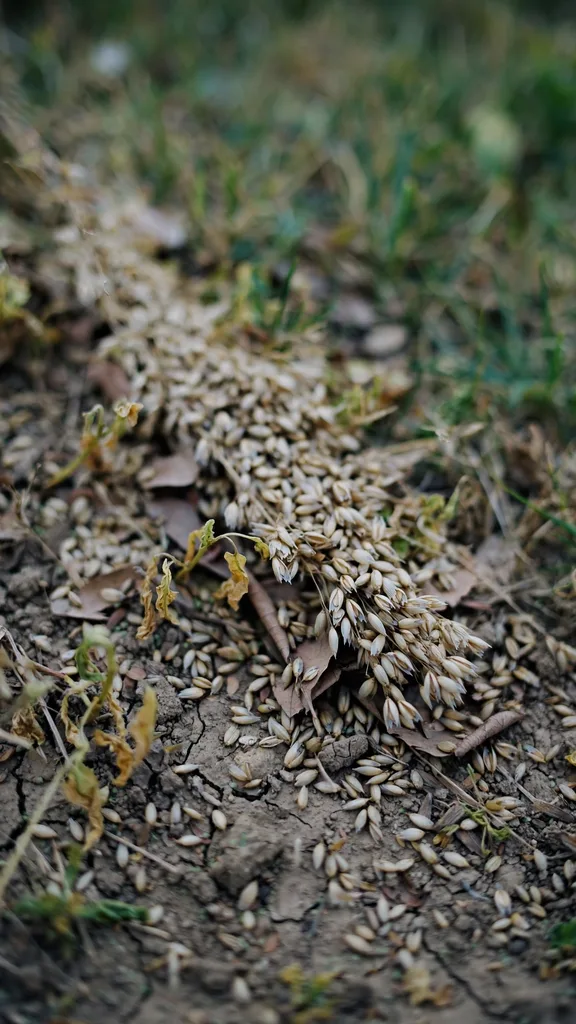
Watering once a day is the third mistake. Seed on the surface dries between waterings, and dry seed stops germinating. Light irrigation 3 to 4 times a day keeps the top layer damp until the seedlings root. Letting the seed dry out after it swells is the fourth mistake. A seed that starts to germinate and then dries will die. Keep the routine going, even when the weather turns cool.
Sowing in spring for a large project is the fifth mistake. Spring seed faces stiff weed competition and summer heat before it roots deeply, while small bare patches are fine in spring, once the soil warms. A whole lawn renovation belongs in late summer, when the seedlings root before winter. Mowing too soon with a dull blade is the sixth mistake. Wait until the new grass reaches mowing height, then cut high and sharp.
When Overseeding Matters in Your Garden
Overseeding matters when a lawn thins faster than it fills in. Shade, traffic, drought and age all thin turf, and a lawn that loses plants each year needs new ones each year. It matters when the grass variety no longer fits the site. A sun-loving lawn under a maturing tree, or a lawn that browns every summer, gains from seed bred for shade or drought. Sow the new variety into the old lawn and let it take over a little each year.
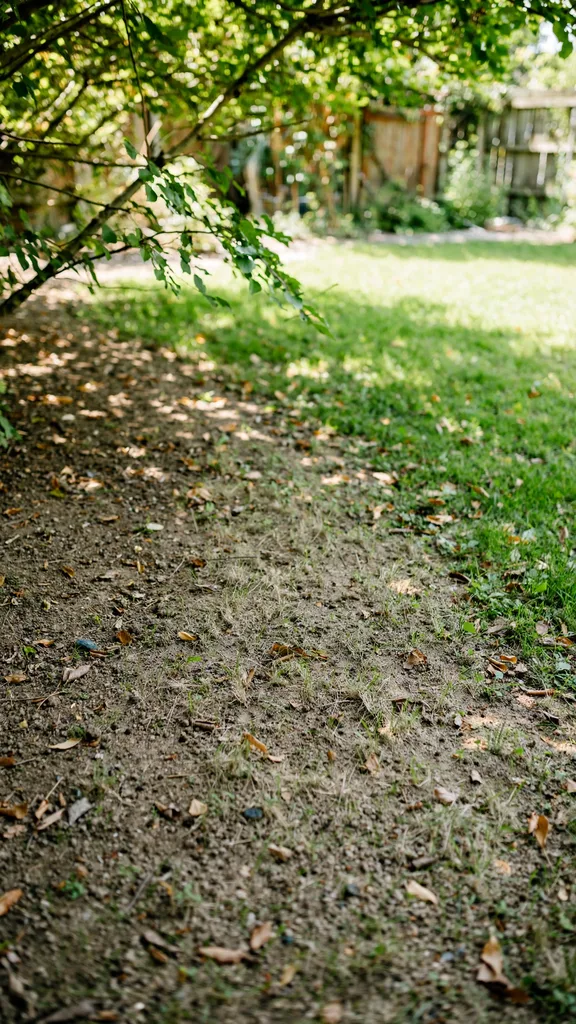
Overseeding matters after stress. A lawn that survived a dry summer, a grub attack or a disease patch will hold thin areas through winter. Seed those areas in late summer and the lawn enters winter dense. It matters before selling a house, because a dense lawn reads as cared for from the street. It matters least on a young, dense lawn. Seed adds nothing where the turf already covers the soil.
Plan the job for late summer every year and treat it as routine care, like feeding or mowing. A lawn overseeded once thickens for a season. A lawn overseeded every fall stays thick year after year, because each pass replaces the plants that age out. The seed bag costs little. The watering routine costs attention for two weeks. The dense lawn that follows is the return.
FAQ
Use half the new-lawn rate for the grass you sow. Fine fescue goes down at 14.6 to 29.3 g per square metre on bare soil, so an overseeding pass uses 7.3 to 14.6 g per square metre. Weigh the seed before you start and split it into two halves. Sow one half in one direction and the other half at a right angle, which leaves no bare stripes.
Late summer is the best window for cool-season grasses, from mid-August to mid-September. Soil stays warm, nights cool and weed pressure drops. Early spring suits small bare patches only, once the soil warms. Save large projects for late summer. Warm-season grasses want overseeding during active spring and summer growth instead.
Aeration helps but is not required on every lawn. Core aeration opens the surface, improves soil contact and gives seedlings holes to root into, which matters on compacted soil. Vigorous raking achieves the same opening on loose soil. The test is soil contact. If seed lands on leaves or a thick mat, it dries out. If it lands on open soil, it germinates.
Fine fescue takes 5 to 12 days under good conditions. Perennial ryegrass shows faster than fine fescue. Kentucky bluegrass shows slower than the others, and soil temperature, moisture and seed depth all shift the timing. Keep the top layer damp with light irrigation 3 to 4 times a day. A seed that dries out after swelling will die before it emerges.
Yes, for small bare patches. Spring seed germinates once the soil warms, and a patch repair can fill in before summer. Large projects do better in late summer, when weed competition is lower and seedlings root before winter. Spring seedings face crabgrass and summer heat before the roots run deep. Sow the patches in spring, save the whole lawn for August, and water lightly until the seedlings root.