
St. Augustine decline has no cure. A lawn that shows the first pale mottling on its blades can thin to bare soil within about 3 years. The 9 strategies below do two jobs: they separate this viral disease from take-all root rot and nutrient deficiency, and they slow the spread while you plan the replant.
The first move is a look, not a purchase. St. Augustine decline paints blades with a patchy yellow mottling called chlorotic mottling or stippling. That mottled pattern, plus roots that still grip the soil, separates it from the fungal and nutritional lookalikes that cause the same yellow thinning from a distance. I have learned that a lawn owner who checks blades, roots, and the tug test before buying anything saves more grass than one who sprays first.
The rest of this page walks the full decision, from the virus itself to the replant. The disease name leads because that is the name lawn owners use. The pathogen behind it is Panicum mosaic virus, and it stays in the background after this introduction.
What St. Augustine Decline Actually Is
St. Augustine decline is a viral disease of St. Augustinegrass and centipedegrass. The pathogen is Panicum mosaic virus, species Panicovirus panici in the family Tombusviridae. The St. Augustine strain is called SAD-PMV. The virus lives inside plant cells and forces them to make more virus particles, which disrupts normal metabolism and drains vigor over time.
The disease moves through leaf sap. A mower blade, an edger, or any tool that cuts infected blades carries sap to the next plant. Transmission runs higher when the grass is wet, because wet sap transfers more readily. Infected sod brings the virus into a clean lawn on day one. No insect vector carries it. No soil treatment reaches it, because the virus lives inside the plant, not in the soil.
The decline runs on a slow clock. Mild mottling appears in the first season. Chlorosis spreads in the following season. Stolon growth slows. Dead and dying turf usually shows by about year 3. Shade makes the decline faster, and stressed turf deteriorates sooner than vigorous turf. The pace is the reason the word decline fits: this disease does not strike overnight the way a fungal outbreak can.
Geography sets the risk. St. Augustine decline is a lawn problem of the Gulf Coast and the south-central and southeastern United States, where nonresistant varieties of St. Augustinegrass grow. In Australia, the same virus is a minor problem, limited to specific varieties in the Hawkesbury Valley, and a different virus dominates buffalo yellowing there. This article covers the United States lawn disease.
One related virus stays fenced off. Sugarcane mosaic virus can infect St. Augustinegrass in a Florida outbreak, and lethal viral necrosis is another separate virus problem. Neither is St. Augustine decline. This article covers Panicum mosaic virus on lawns only, and it does not borrow management evidence from switchgrass, millet, or satellite-virus research.
How to Identify St. Augustine Decline on Blades and Stolons
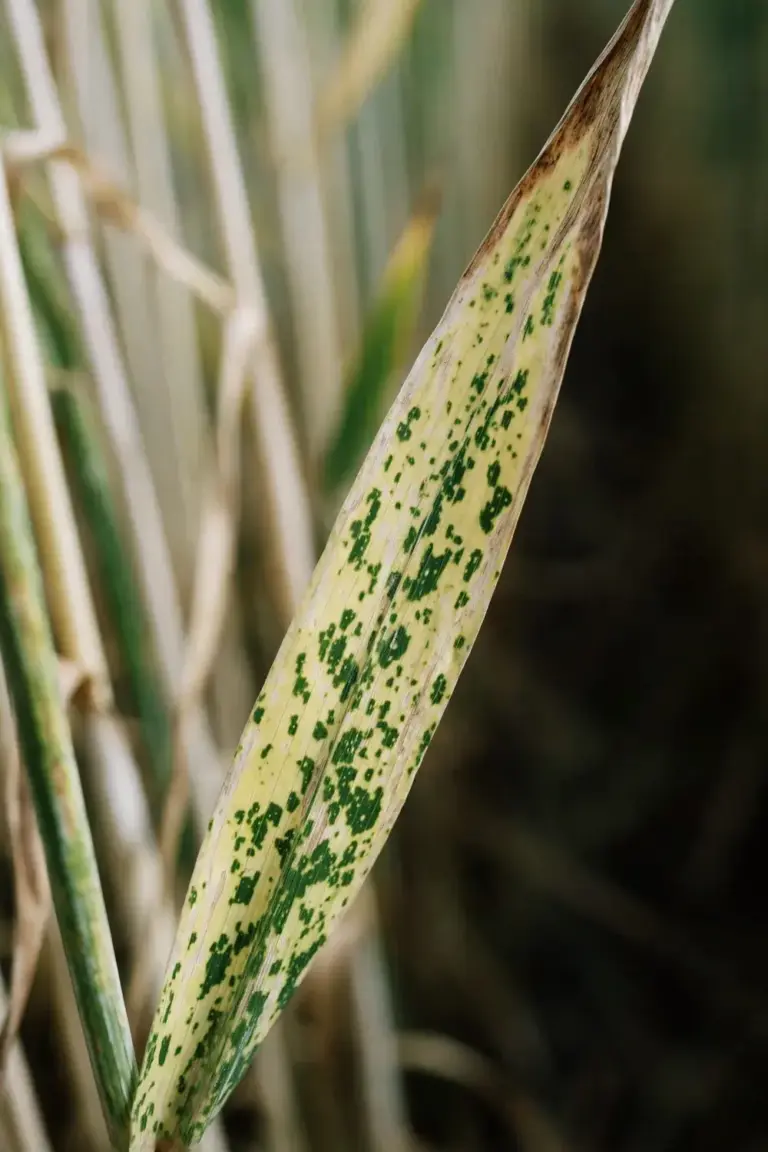
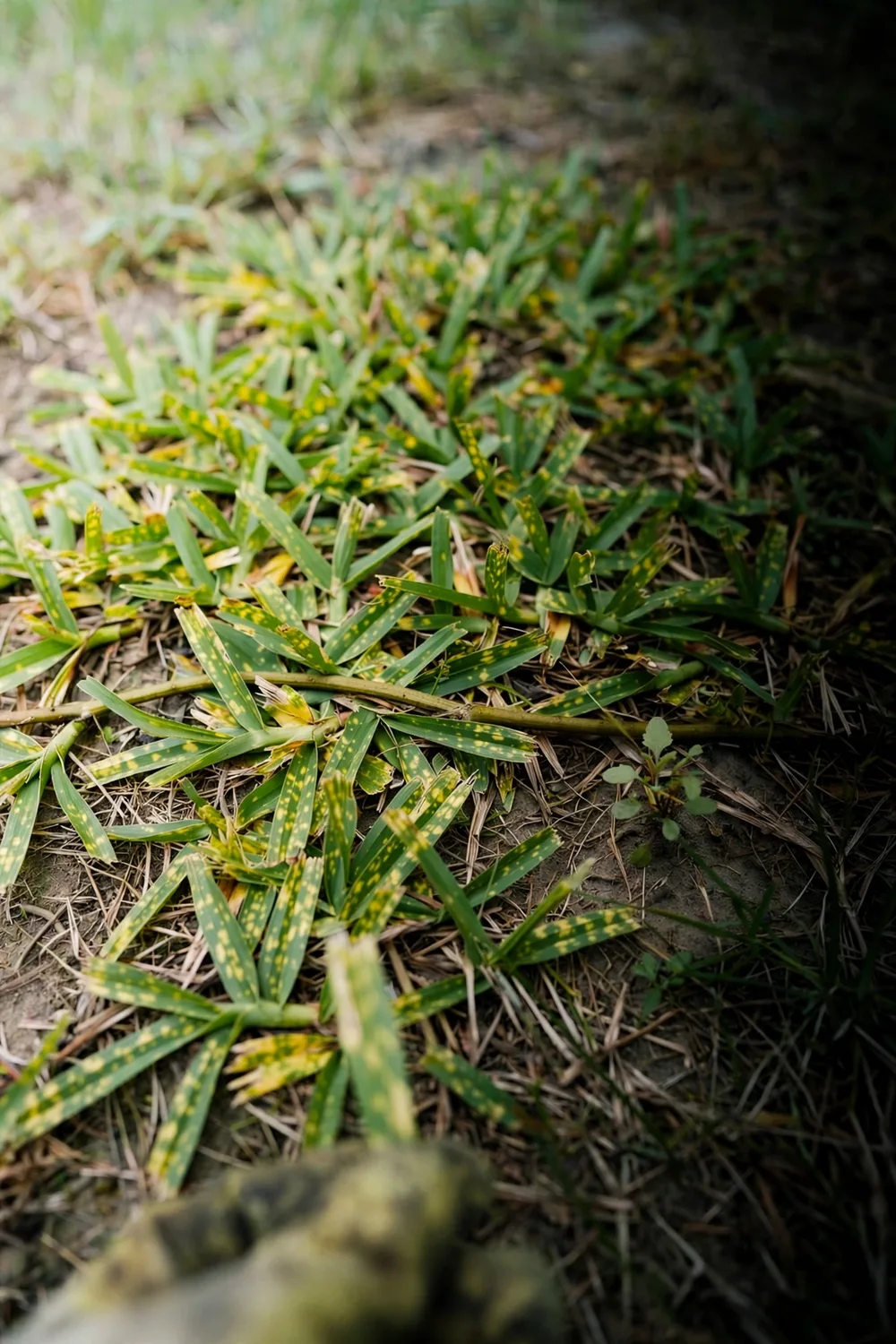
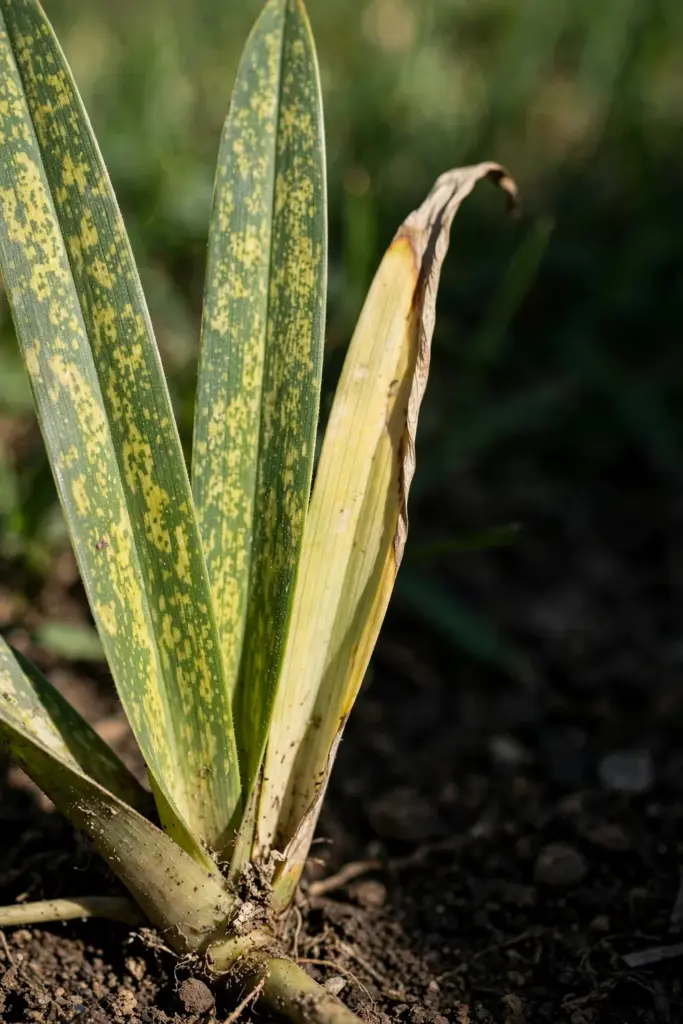
St. Augustine decline starts on the blades. The first sign is mild chlorotic mottling or stippling on leaf blades, a patchy scatter of pale yellow-green marks across the blade. The mottling deepens as the disease progresses until whole leaves turn yellow. The pattern is the diagnostic clue: scattered mosaic marks, not stripes, not rings, not uniform yellowing.
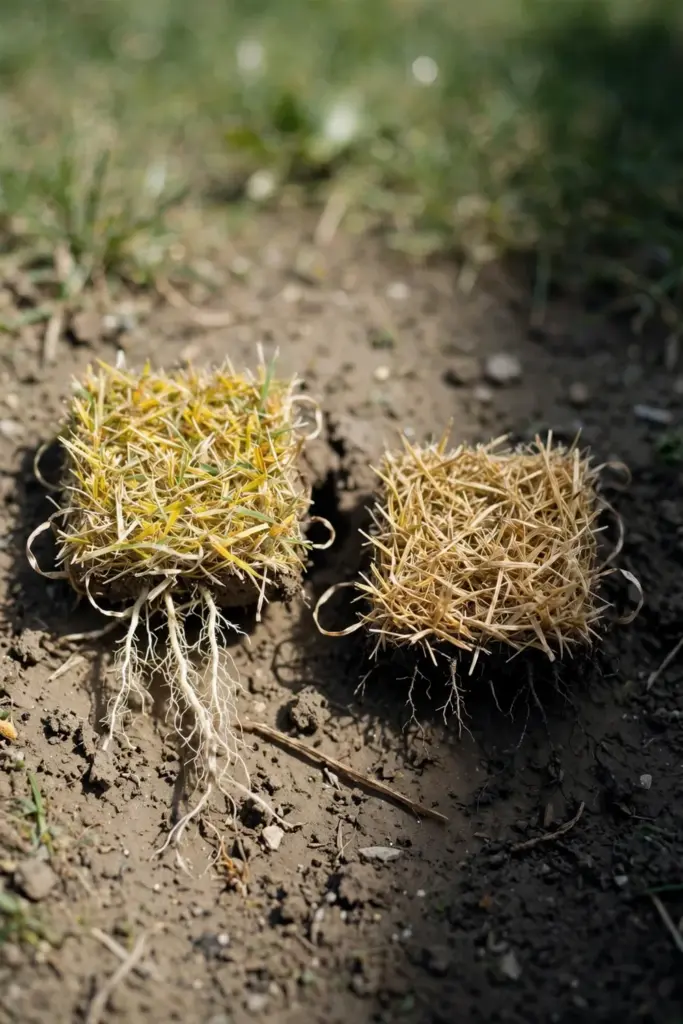
Stolon growth tells the second part of the story. Infected stolons grow slowly and the turf thins as spreading stalls. Pull gently on a stolon in a suspect patch. St. Augustine decline leaves roots largely intact, so the stolon resists the tug. That intact root system separates this disease from take-all root rot, where roots turn sparse and black and stolons lift with almost no resistance.
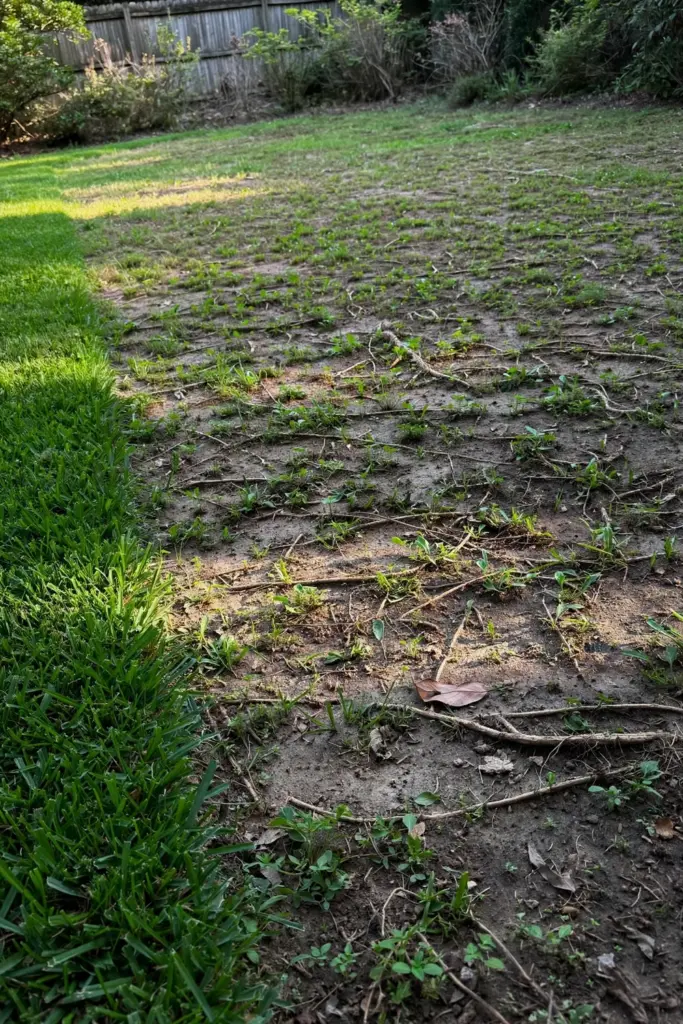
Watch the patch over weeks, not days. An infected area thins gradually, year after year, with irregular brown areas opening as grass weakens. Weeds and invading grasses crowd into the thin spots. Turf in shade deteriorates faster than turf in sun. A patch that appears suddenly after a storm or a single hot weekend points elsewhere.
Field identification is presumptive, never definitive. Mottling can resemble mite feeding damage. Uniform yellowing can resemble iron or zinc deficiency. Only a lab test confirms the virus.
Which Grasses Get Hit Hardest by St. Augustine Decline
St. Augustinegrass carries the damage that matters to a home lawn owner. Texas common, the old standard variety, is very susceptible. Lawns planted with Texas common in the Gulf Coast region are the lawns that show the classic slow decline. A lawn under 30 years old planted with a resistant variety is a far less likely candidate for this disease.
Centipedegrass is the second host. The same virus causes centipede mosaic on centipedegrass. A centipede lawn with the same mottling and thinning pattern deserves the same checks. The management logic is identical: no cure, sanitation to slow spread, resistant replanting to end the cycle.
Resistant varieties change the outcome. Floratam, Raleigh, Seville, and Bitterblue resist St. Augustine decline. Each carries its own caveat. Floratam is susceptible to cold injury and does not suit more northern areas. Seville is very susceptible to downy mildew. Raleigh fits the same areas as common St. Augustinegrass. Match the variety to the site, not just to the disease.
Age and stress set the speed. Older lawns with nonresistant varieties show the decline most clearly. Shade, drought, heat, and poor soil all make visible symptoms worse, because stressed grass cannot outgrow the drain the virus puts on it. A vigorous lawn still carries the virus, but it shows the damage more slowly.
St. Augustine Decline vs Take-All Root Rot
The field check is the blade plus the root. St. Augustine decline paints a mosaic on blades and leaves roots intact. Take-all root rot yellows and thins turf with no mosaic pattern on blades, and it destroys roots until they turn sparse, short, and black. Check blades, roots, and the tug test together, because patch appearance alone never separates the two.
| Clue | St. Augustine Decline | Take-All Root Rot |
|---|---|---|
| Pathogen | Virus, Panicum mosaic virus | Fungus, Gaeumannomyces species |
| Blade pattern | Chlorotic mottling and stippling, a mosaic scatter | Yellowing and thinning with no mosaic pattern |
| Roots | Largely intact, stolons resist a tug | Sparse, short, black roots, stolons lift easily |
| Spread | Leaf sap on mowers and edgers, worse when grass is wet, plus infected sod | Through soil, thatch, and roots, not usually by mowers or foot traffic |
| Timeline | Slow decline over about 3 years, mottle to chlorosis to thinning to dead areas | Patches in spring and early summer as grass leaves dormancy or under stress |
| Cure | None, no chemical cure exists | Stress reduction, drainage, and soil pH management per Extension guidance |
| Core response | Resistant varieties, mower sanitation, certified sod | Reduce plant stress and improve drainage |
| Fungicide | Useless, the pathogen is a virus | May play a role per Extension guidance for the fungal disease |
No published head-to-head table exists for this pair. This table compiles the St. Augustine decline side from Extension descriptions and the take-all side from Extension descriptions of that disease. Verify each row against Extension guidance before acting on it, and treat this article as a St. Augustine decline guide, not a take-all guide.
Nutrient deficiency gets one line. Iron or zinc deficiency shows as continuous stripes along the blade, while the virus shows mosaic stippling. A lab test settles any case where the two still look alike.
Why a Virus Changes Every Management Decision
A virus changes the job because no chemical reaches it. Fungicides kill fungi. Insecticides kill insects. Neither touches a virus living inside plant cells. The Texas A&M Plant Disease Handbook states the rule plainly: no chemicals are available to treat diseases caused by viruses. Any product sold as a cure for St. Augustine decline is a product that cannot do what it claims.
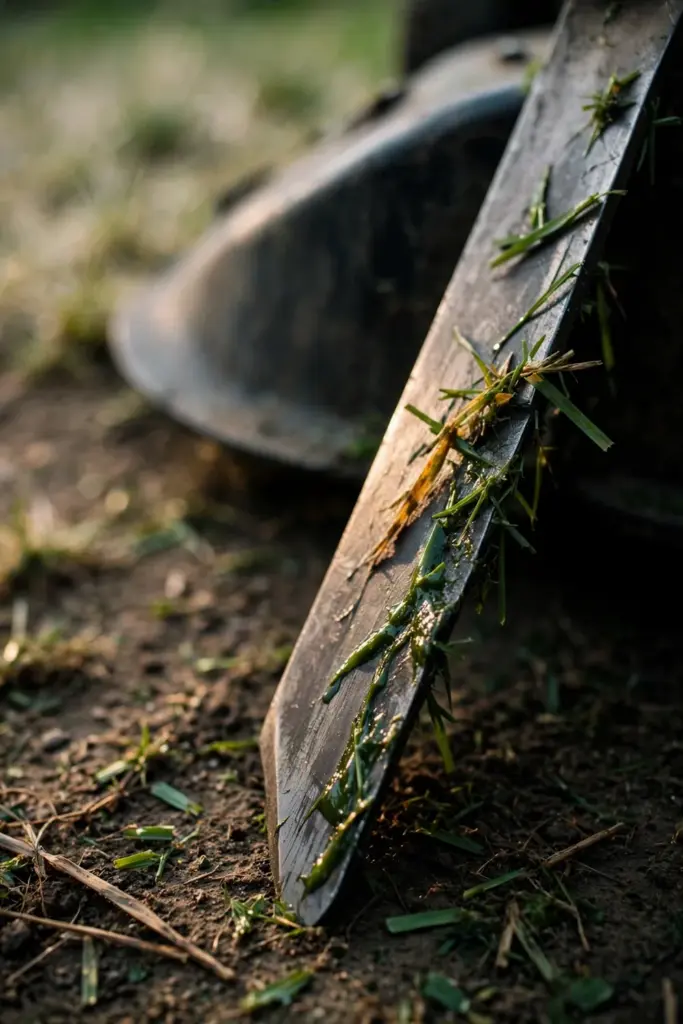
Sanitation becomes the main lever because sap is the vector. Every mowing pass across an infected patch loads the blade with virus-laden sap. The next pass across healthy grass delivers it. Steam cleaning or a 10 percent bleach disinfection of mowing equipment after mowing breaks that chain. The step costs minutes and it is the closest thing this disease has to a treatment.
Certified sod becomes the second lever because sod is the other entry point. Infected sod installs the virus across a whole new lawn in one afternoon. Sod from a reputable producer, certified virus-free, closes that door, while sod of unknown origin opens it. The cheapest sod on offer is the most expensive sod a lawn owner can buy when it carries this virus.
Time becomes the third lever because the decline runs slow. A lawn owner who catches mottling in year one has seasons to plan a resistant replant. A lawn owner who waits until bare patches open has weeds, erosion, and a bigger bill. Early recognition buys the one resource no product can sell, which is time.
What Makes St. Augustine Decline Worse in a Home Lawn
Mowing wet grass sets the first risk. Sap transmission runs higher when grass is wet, so a mower that cuts a wet infected patch spreads more virus than the same mower on dry grass. Morning dew counts as wet. A mowing schedule that waits for dry turf cuts spread at no cost.
Moving infected material sets the second risk. Sod, plugs, clippings, and plant material from an infected lawn carry the virus to the next site. A wheelbarrow of clippings dumped on a healthy strip is a delivery service for the virus. Bag and dispose of removed material instead of redistributing it around the yard.
Shade sets the third risk. Infected turf deteriorates faster in shade than in sun. A lawn that already thins under a tree canopy will thin faster once the virus arrives. Raising the canopy, improving air circulation, and minimizing shade over the lawn slow the decline where shade cannot be removed entirely.
Stress sets the fourth risk. Drought, heat, poor soil, and heavy thatch all deepen visible symptoms. Stressed grass shows the virus sooner and recovers more slowly from every other insult. Vigorous turf does not defeat the virus. It holds the line longer and gives the lawn owner time to plan.
Shared mowing equipment sets the fifth risk. A mower that serves several lawns, or a hired crew that mows property after property, can carry sap from an infected lawn to a clean one. Equipment hygiene matters most between properties, not just within one lawn. Ask a crew how they clean blades between stops.
Strategy 1: Check Blades for the Mosaic Pattern First
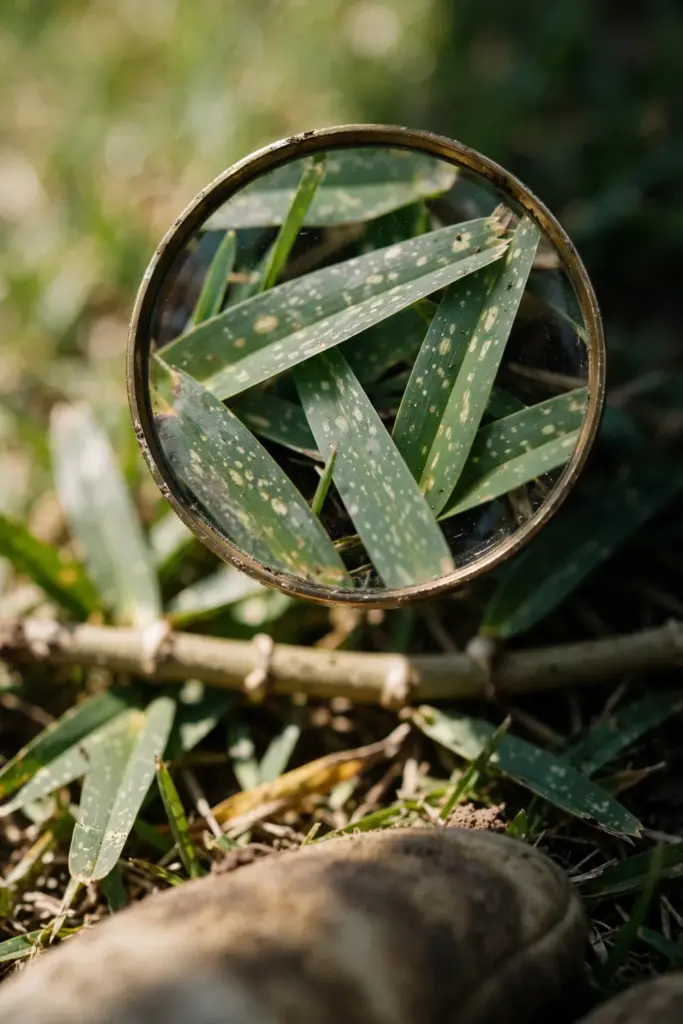
Walk the lawn in good light and look at individual blades, not the lawn as a whole. The signature is chlorotic mottling or stippling, a scatter of pale marks across the blade. Compare suspect blades with blades from a healthy area of the same lawn. The contrast between mottled and clean blades is easier to read than any single blade alone.
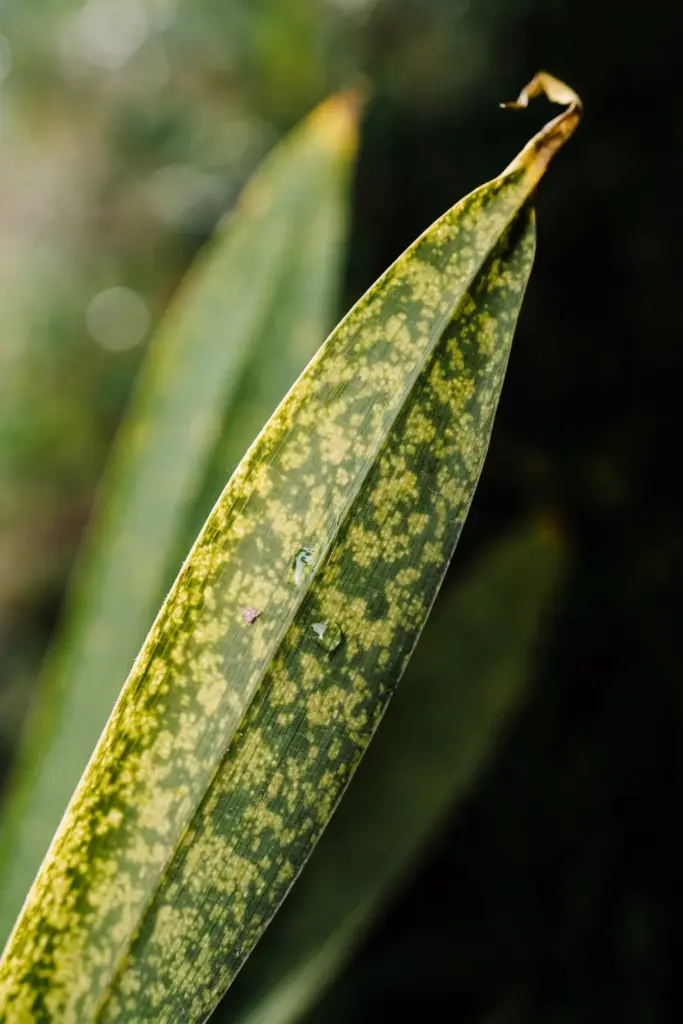
Use a hand lens on the blades. The mottling is a color pattern in the tissue, not a raised bump, not a powder, not a stripe. No spore mass, no webbing, no chewing damage accompanies it. A blade that shows stripes running parallel to the midvein points toward iron or zinc deficiency instead.
Record what you see. Note the date, the patch location, and whether the mottling is spreading. A photo of the same patch every few weeks shows the slow pace that marks this disease. A patch that explodes across the lawn in days is not St. Augustine decline, and the record will prove it.
Strategy 2: Run the Take-All Checks Before You Decide
Pull the tug test in the suspect patch and in a healthy patch for comparison. Grip a stolon and pull gently. Roots that hold firm point toward the virus. Roots that lift with almost no resistance, short and black, point toward take-all root rot. The tug test takes seconds and it separates two diseases that look identical from the street.
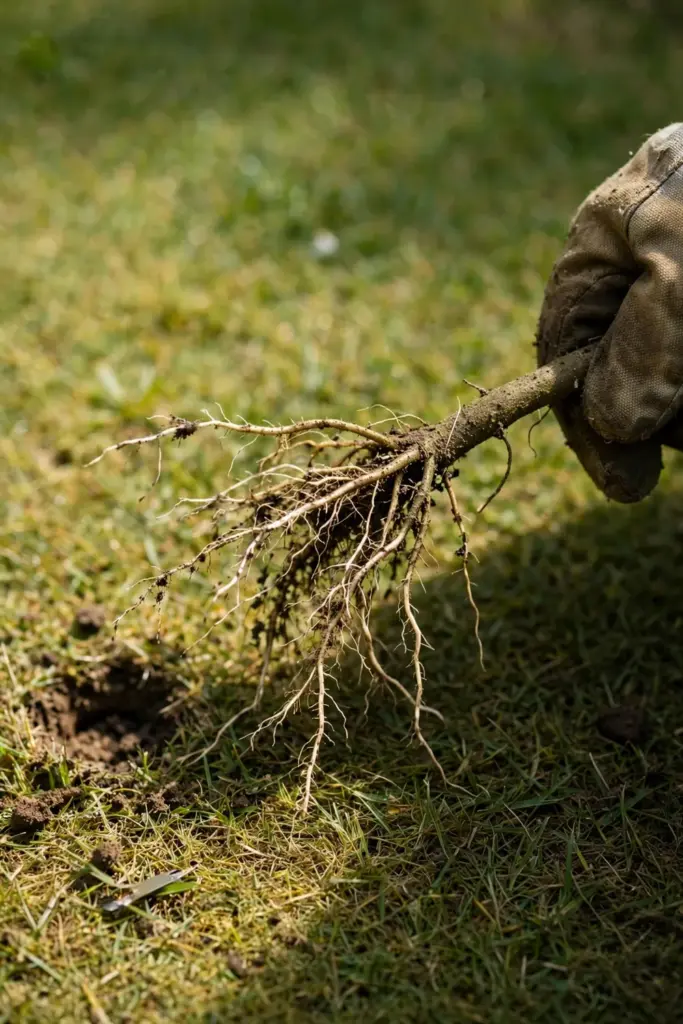
Dig a small plug and inspect the roots directly. Healthy roots on a virus-infected plant look normal, because the virus works in the blades and stolons, not by rotting roots. Black, sparse, shortened roots belong to the fungal disease. Wash the plug gently so soil does not hide the root color.
Read the timeline. St. Augustine decline builds over seasons, mottle to chlorosis to thinning to dead areas across about 3 years. Take-all shows as patches when grass leaves dormancy in spring or under stress in early summer. A patch that appeared this spring after winter dormancy deserves the take-all reading first.
Strategy 3: Rule Out Nutrient Deficiency and Confirm With a Lab
Compare the pattern against deficiency. Iron or zinc deficiency paints continuous stripes along the blade, often on young leaves first. The virus paints a mosaic scatter across young and old leaves alike. That pattern difference is the field check, and it is the check the Florida agriculture department circular uses to separate the two.
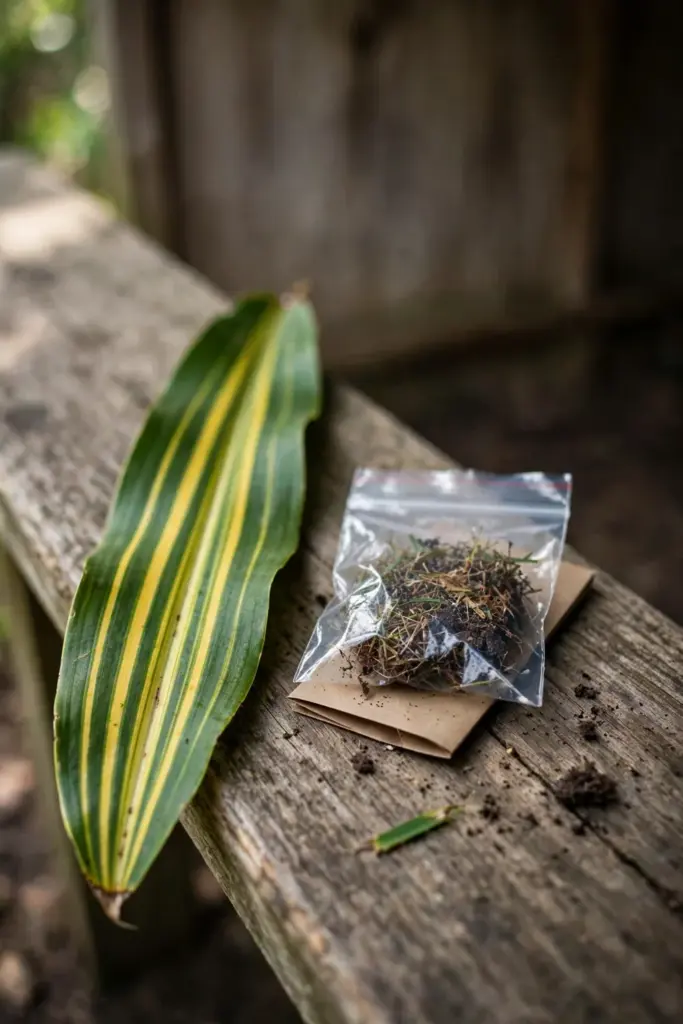
Correct the deficiency question with a soil test before guessing. A soil test shows whether iron or zinc is actually short, and it guides any fertilizer choice. A lawn that gets iron it does not need gains nothing, while the virus keeps working. Test first, then feed only what the test calls for.
Send a sample to a diagnostic center when the decision is expensive. A full-lawn replant, a variety change, or a dispute with a sod supplier all deserve lab confirmation. The LSU AgCenter Plant Diagnostic Center accepts turfgrass samples for disease identification. Pack the sample per the center’s collection guidelines and include the field notes from Strategies 1 and 2.
Strategy 4: Buy Certified Virus-Free Sod and Plugs
Buy sod only from a reputable producer. Ask directly whether the sod is certified virus-free, and walk away from a seller who dodges the question, because infected sod installs the virus across a whole lawn in one afternoon.
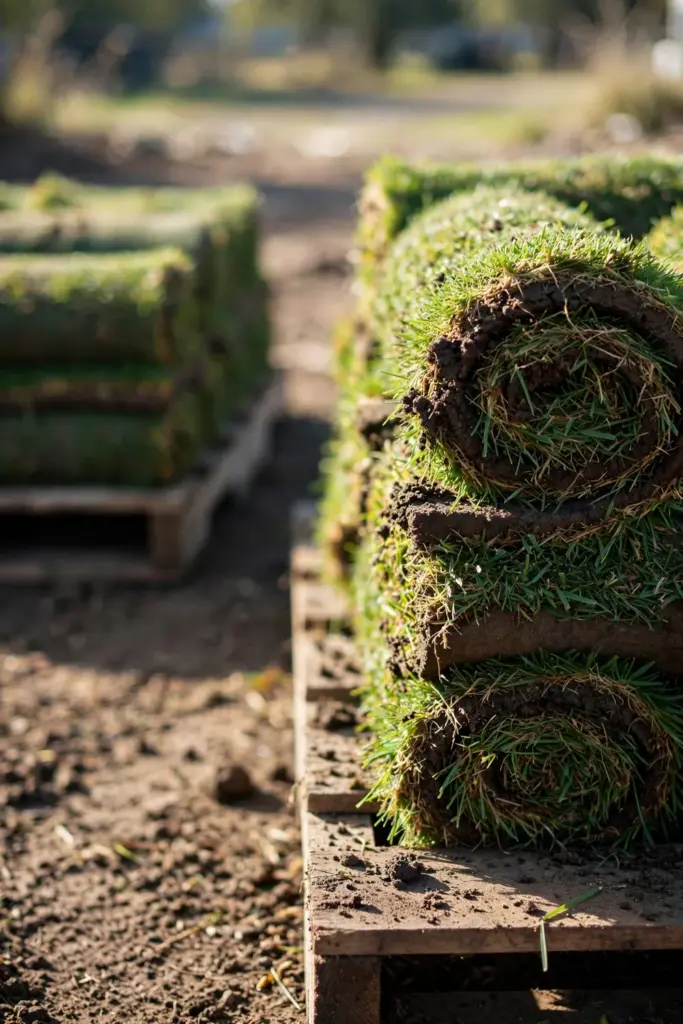
Inspect every pallet before it goes down. Look for mottled blades, thin growth, and weak stolons on the sod itself. Reject a pallet that shows the signs. The hour spent inspecting at delivery costs far less than the lawn that grows from infected sod.
Never accept sod of unknown origin. Sod stripped from another site, sod offered cheap with no paperwork, and sod from a lawn that showed decline all carry the same risk. The virus travels in the sod, invisible until the mottling starts. Paperwork is the only inspection that works before planting.
Strategy 5: Replant With Resistant Varieties
Choose Floratam, Raleigh, Seville, or Bitterblue when replanting. All four resist St. Augustine decline. The resistant variety is the only control that ends the cycle, because nothing cures grass that already carries the virus. Replanting is the decision that closes the disease out.
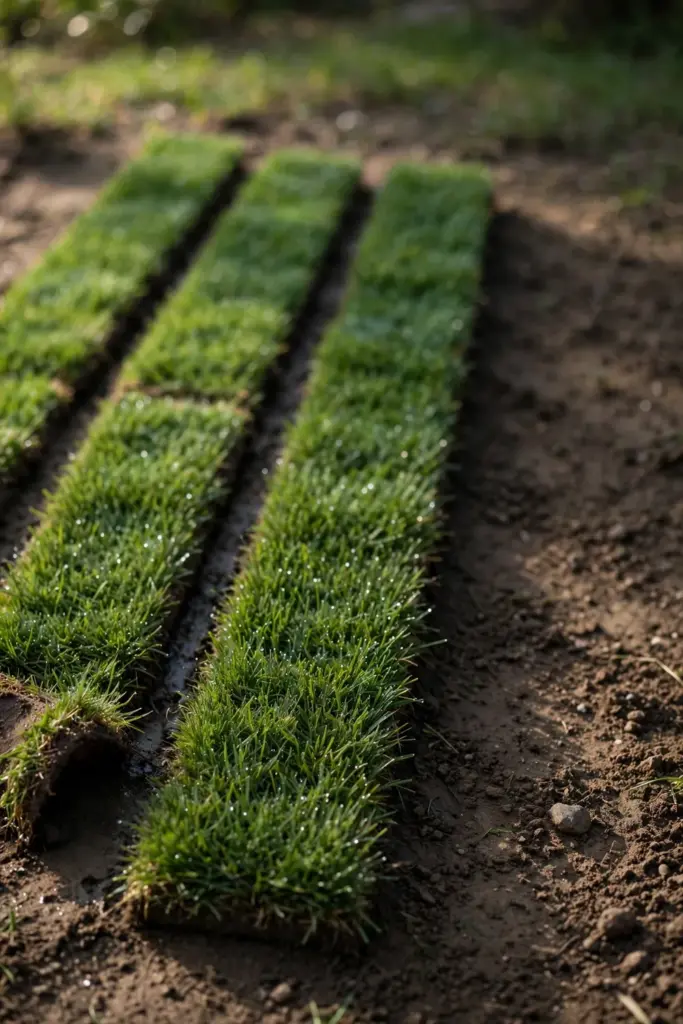
Match the variety to the site. Floratam needs warmth and suffers cold injury in more northern areas. Seville needs a plan for downy mildew, since it is very susceptible to that disease. Raleigh fits the same areas as common St. Augustinegrass. A variety that resists the virus and fails on climate trades one dead lawn for another.
Replant the whole infected area, not a patch inside it. A resistant patch inside an infected lawn still sits beside virus-laden neighbors, and mower traffic will keep moving sap across the boundary. A clean replant of the full area, with sanitized equipment from the first mowing, gives the new grass a clean start.
Strategy 6: Disinfect Mowers and Tools After Every Mowing
Clean the mower after every mowing of an infected lawn. Steam clean the blades and deck, or disinfect with a 10 percent bleach solution. Rinse after bleaching so the solution does not corrode the deck.
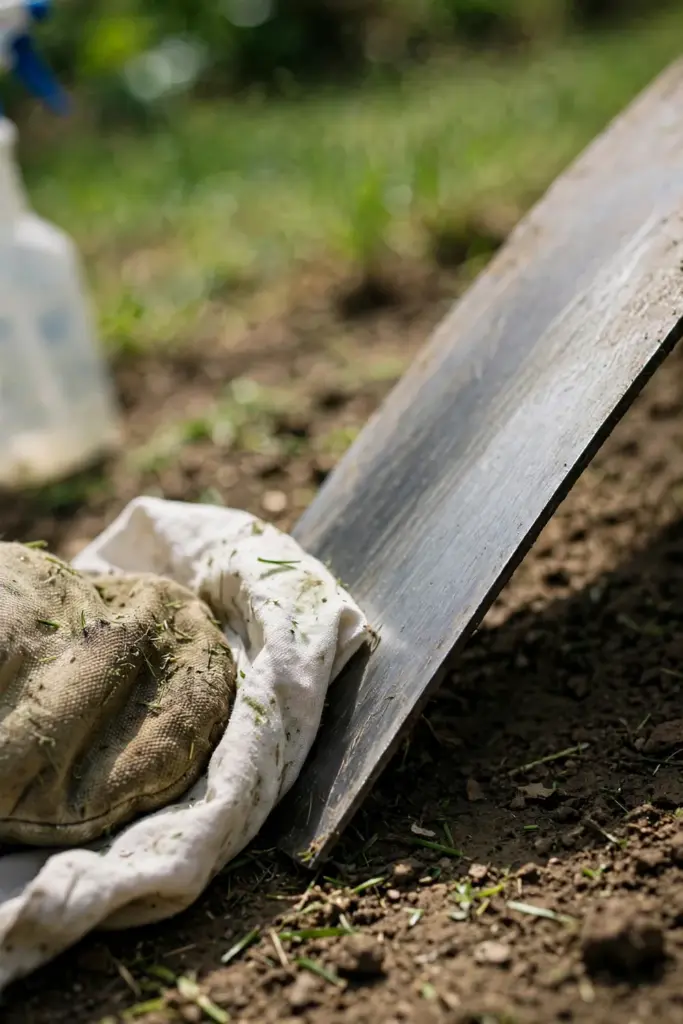
Clean between lawns, not just after the last lawn of the day. A crew or a neighbor who mows several properties must clean between stops, because the lawn mowed second inherits whatever the first lawn left on the blade. Between-property cleaning is the step that protects the neighborhood, not just one yard.
Clean edgers, trimmers, and hand tools the same way. Any tool that cuts infected blades carries sap. A quick wipe with the bleach solution after each use covers the whole tool set. Keep a spray bottle of the solution with the mower so the step never gets skipped for convenience.
Strategy 7: Mow Only When the Turf Is Dry
Wait for dry turf before mowing. Sap transmission runs higher when grass is wet, so a dry mowing moves less virus than a wet one. Morning dew counts as wet. An afternoon mowing on a dry day is the safer window, and it costs nothing but patience.
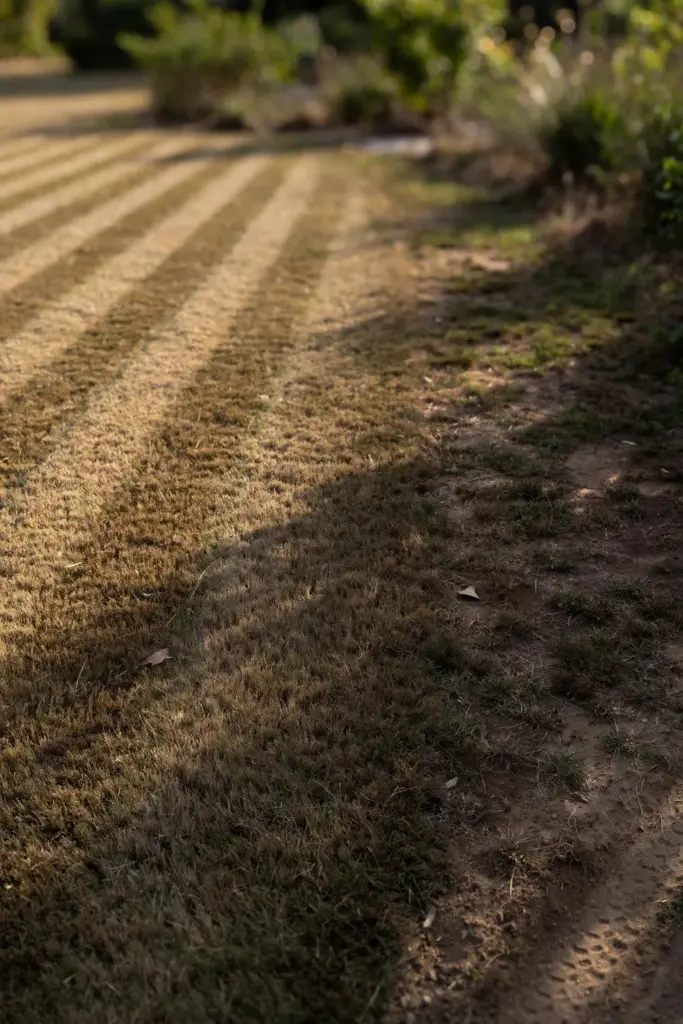
Skip the mowing after rain. A lawn that just took a downpour is the worst lawn to mow for virus spread. Wait a day. The grass will still be there, and the mower will move far less sap across it. The schedule bend is small and the payoff is real.
Raise the mowing height on infected turf. A higher cut leaves more blade to feed the plant and helps the turf recover from the stress the virus puts on it. The LSU AgCenter series lists raised mowing height among the practices that help infected turf recover. Set the deck one notch higher and keep it there through the season.
Strategy 8: Never Move Infected Sod, Clippings, or Plant Material
Bag clippings from an infected lawn. Do not blow them onto healthy areas, do not dump them on a compost pile that will return to the lawn, and do not use them as mulch under healthy turf. Bagged clippings go to municipal waste. The bag is the boundary that keeps the virus where it is.
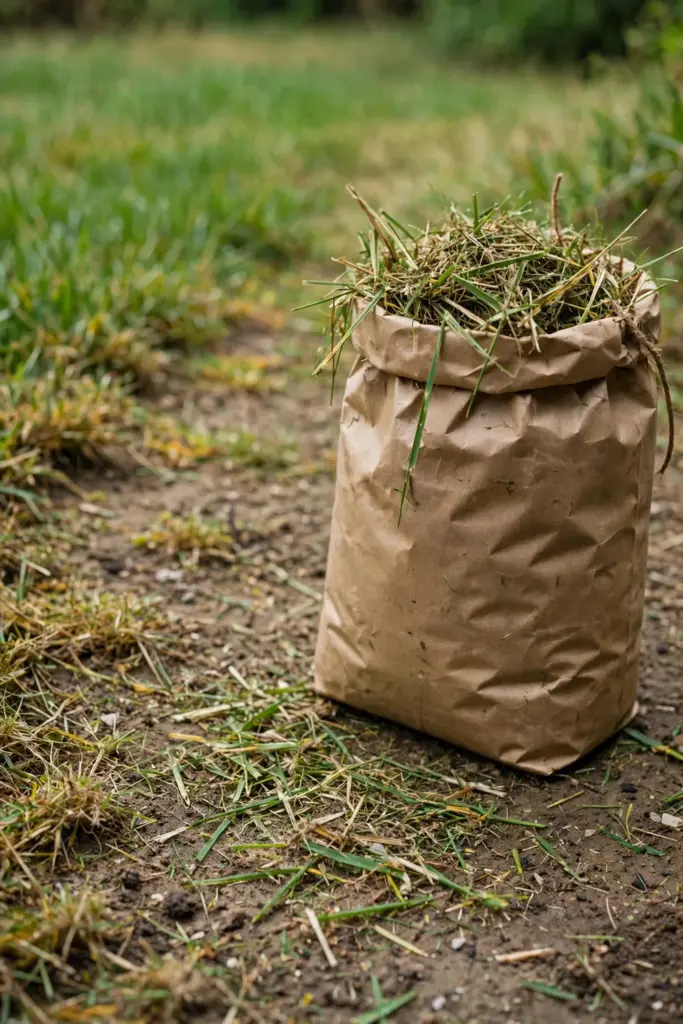
Quarantine removed plants. Sod, plugs, and stolons pulled from an infected area leave the property in a bag, not in a wheelbarrow that tours the yard. A single load of infected plugs transplanted to a bare spot starts the whole cycle again in the new spot. The bare spot waits for certified stock.
Tell anyone who works on the lawn. A hired crew, a neighbor with a mower, and a family member with a trimmer all need to know which areas are infected. A five-second warning before the mowing starts prevents a season of spread. Silence about the virus is how it travels.
Strategy 9: Grow Vigorous Turf to Slow the Decline
Feed by the soil test, never by habit. The LSU AgCenter caps nitrogen at 1 pound per 1000 square feet per application and ties all fertility to soil test recommendations. Overfeeding pushes soft growth that stresses easily. A balanced, tested feeding program keeps the turf strong without overshooting.
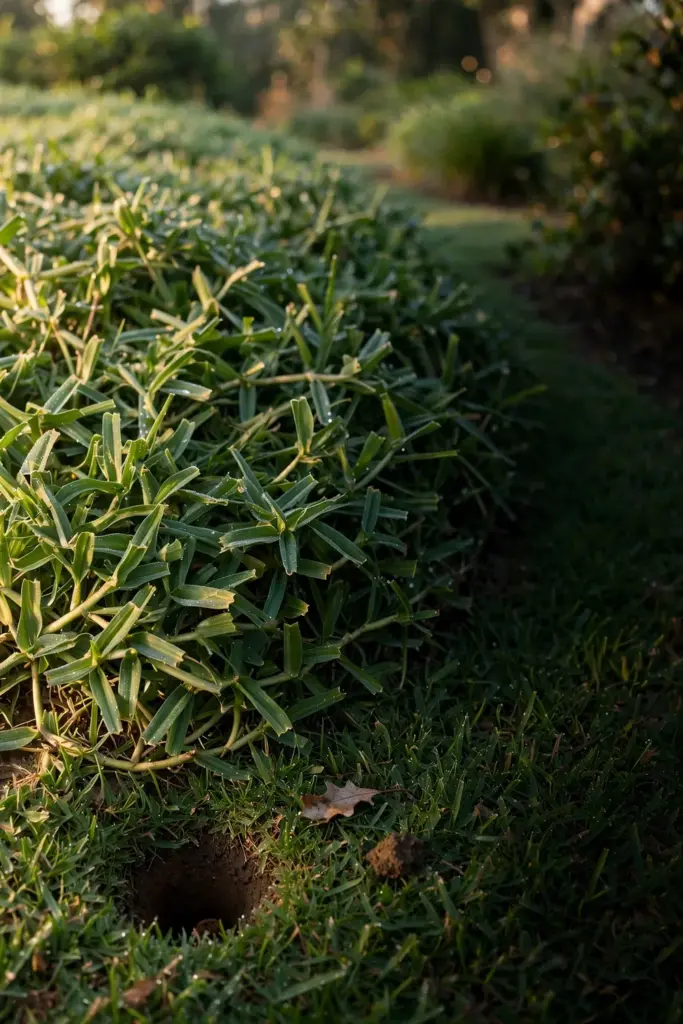
Water deep and infrequent, early in the morning. Deep watering builds roots that carry the plant through heat. Morning watering lets blades dry before nightfall. Shallow daily watering keeps blades wet and roots shallow, which is the worst combination for a virus-stressed lawn. Water with rainfall in mind, not on a fixed clock.
Aerate, dethatch, and open the canopy. Aeration relieves compaction and improves drainage. Dethatching removes the spongy layer that holds moisture and stress. A lawn that breathes holds its vigor longer against the virus. Vigorous turf does not defeat the virus. It holds the line longer and gives the lawn owner time to plan.
Living With St. Augustine Decline in a Lawn You Already Own
A lawn with St. Augustine decline is a managed lawn, not a dead lawn. Keep mowing dry, keep blades disinfected, keep clippings bagged, and keep the turf vigorous. The disease will still progress, but it will progress slowly, and the lawn will stay presentable while you plan the replant.
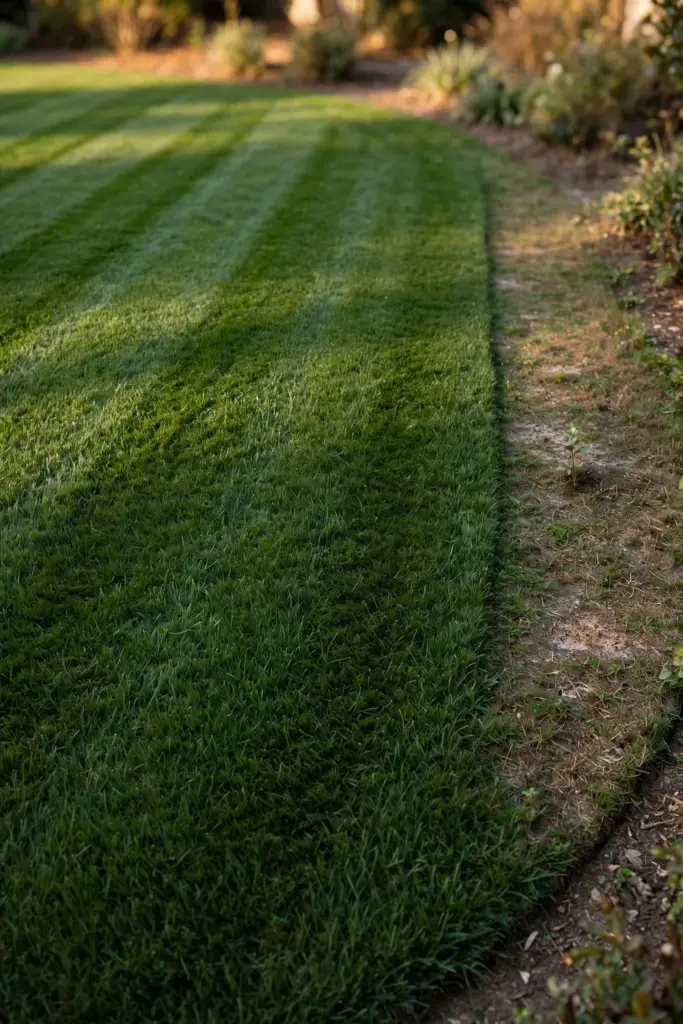
Set a decision date. If thinning keeps advancing after two seasons of disciplined care, the replant decision has made itself. A lawn that loses ground every year despite clean equipment and good feeding is a lawn asking for resistant varieties. The replant is the exit, and planning it early beats rushing it after the lawn fails.
Stop three habits. Do not mow wet turf. Do not move infected material around the yard. Do not buy sod without certification. Keep those three lines unbroken and the virus stays contained to the lawn that already has it.
Take-all root rot is the companion to know by name. The lawn care archive collects the site’s turf disease coverage, and the comparison sharpens the eye for all three. The spring lawn fertilizing guide covers the feeding timing that keeps a stressed lawn vigorous. Both companions are fungal or cultural topics, not virus topics, and neither replaces the sanitation routine above.
Frequently Asked Questions
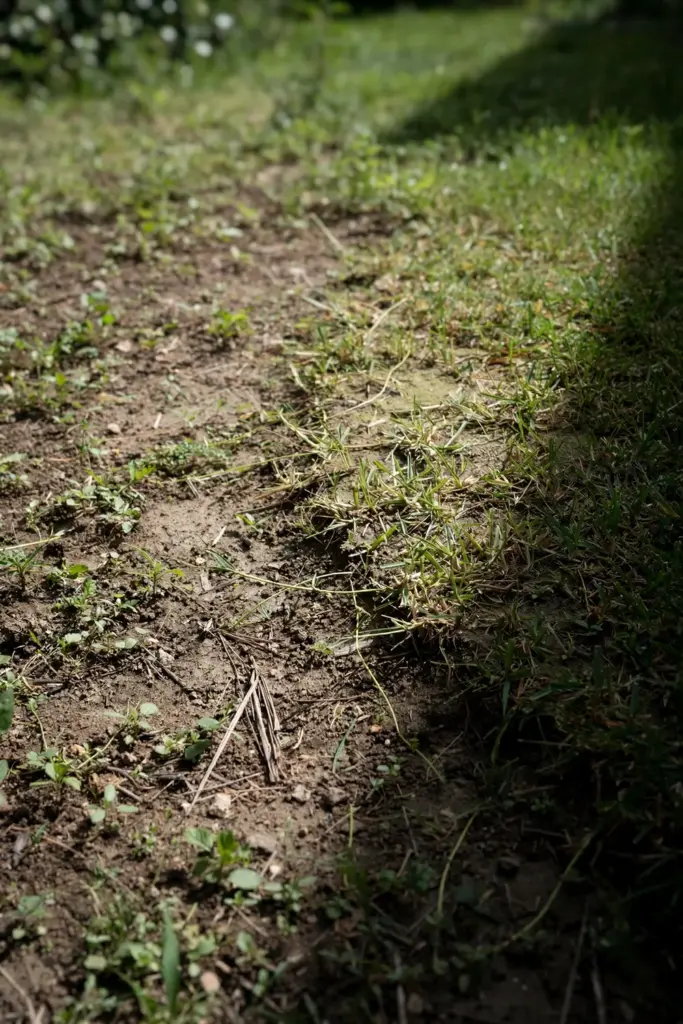
No. No chemical cures St. Augustine decline, and no cultural practice prevents or cures it. The virus lives inside plant cells, beyond the reach of sprays. Management means slowing the spread with mower sanitation, certified sod, and vigorous turf care, then replanting with a resistant variety. Any product sold as a cure cannot do what it claims.
About 3 years from the first mottling to dead turf, on the usual timeline. The first season shows mild mottling, the following season brings spreading chlorosis and thinning, and dead and dying turf usually appears by about year 3. Shade, drought, and stress accelerate the clock, while vigorous care slows it. That slow pace is what makes early recognition valuable.
No. Fungicides kill fungi, and St. Augustine decline is caused by a virus. Spraying fungicide on a virus-infected lawn spends money and adds chemicals for zero effect. The only useful sprays in this disease are disinfectants on equipment, such as steam or a bleach solution, which kill virus in sap on the blade. Keep fungicides for fungal diseases.
Overseeding with a susceptible variety fails, because the new grass meets the same virus through the same mower traffic. Overseeding with a resistant variety can work as part of a full replant plan, with sanitized equipment from the first mowing. A thin overseed scattered into infected turf without sanitation is a thin overseed wasted. Replant the full area instead.
Not at once. Run the sanitation routine for a season or two while the lawn is still presentable: mow dry, disinfect blades, bag clippings, feed by soil test. If thinning keeps advancing despite disciplined care, replant the area with a resistant variety such as Floratam, Raleigh, Seville, or Bitterblue. The replant is the exit, and planning it early beats rushing it later.
Where to Go From Here
St. Augustine decline rewards the lawn owner who looks first and buys last. Check the blades for the mosaic pattern. Run the tug test against take-all. Rule out deficiency and confirm with a lab when the decision is expensive. Then hold the three lines: dry mowing, clean blades, certified sod.
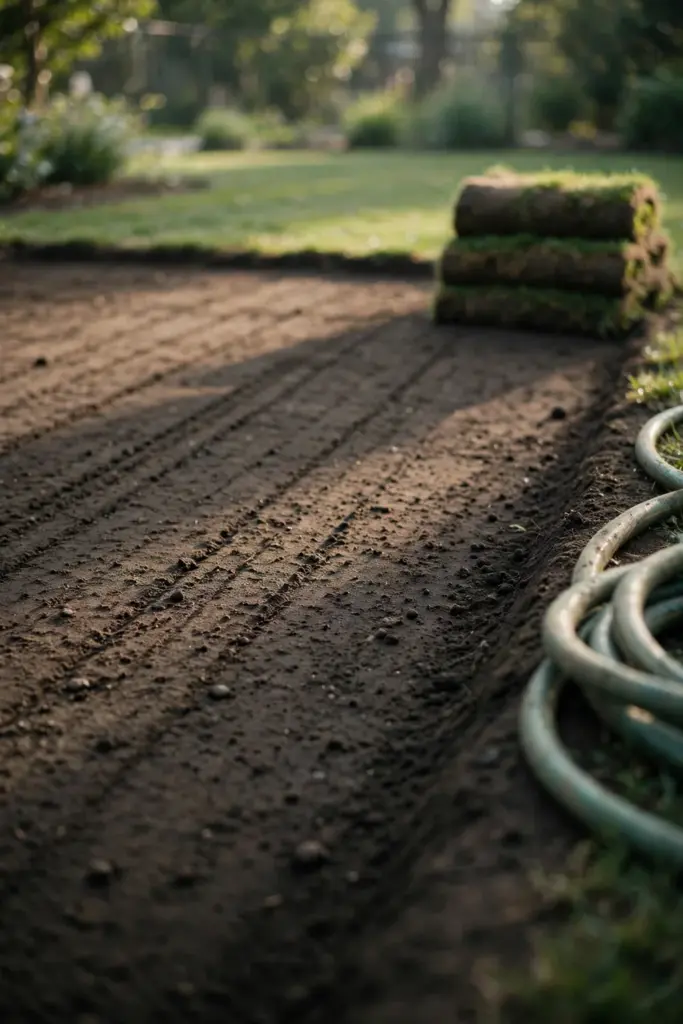
Next season, start clean. A resistant variety in the ground, a disinfected mower in the shed, and a soil test on file will do more for the lawn than any product. The bipolaris crown rot lawn guide is a useful companion if the tug test ever points toward a fungal root disease instead, since it trains the same roots-first inspection habit.