
Lime withertip and lime anthracnose are one disease, not two. The pathogen is Colletotrichum limetticola, 1 fungus with 2 common names. Withertip is the twig phase: shoot tips wither and die back. Anthracnose is the fruit-and-leaf phase: sunken lesions on fruit and spots on leaves. The 5 strategies below tell you how to read both phases, how to run the honest home response, and why the disease is rare in the modern record.
Start with the honesty. Clemson lists one entry under Key Lime: “Gloeosporium limetticola: Lime withertip, Lime anthracnose”, one entry, one pathogen, one host, two common names. The Tier 3 queue split that one entry into two rows. This article covers the pair as one disease. There is no second disease behind either name.
Start with the second honesty. This disease is rare in the modern record: a 2023 genome paper notes no further occurrences of Colletotrichum limetticola have been documented on its original hosts despite other Colletotrichum species infecting citrus. The disease is real, but it is not a common garden problem. The article does not present it as one.
What Lime Withertip (Lime Anthracnose) Actually Is
Lime withertip (lime anthracnose) is a fungal disease of Key lime. The pathogen is Colletotrichum limetticola, member of the Colletotrichum acutatum species complex. Clemson lists it as “Gloeosporium limetticola: Lime withertip, Lime anthracnose” under Citrus aurantifolia (Key Lime). One pathogen, one host, one disease.
Use one naming convention. Colletotrichum limetticola is the working name. Gloeosporium limetticola is the Clemson name, noted once. The spelling variant Gloeosporium limetticolum in the older FDACS circular is the same epithet, not a second species. One name, one fungus, one disease.
Do not present Colletotrichum gloeosporioides or Colletotrichum acutatum as the cause of this disease. Later descriptions associated the disease with strains of those species, but the resolved identity of the Clemson entry is Colletotrichum limetticola, so the complex is the group and the species is the cause.
Do not present this as a general citrus disease. The Clemson entry sits under Key Lime only. FDACS: only Key (West Indian or Mexican) lime and Dominican thornless lime are known susceptible to anthracnose. The Key lime is the host. The Dominican thornless is the second host. The general citrus is not the host.
How to Identify Both Phases on Your Lime
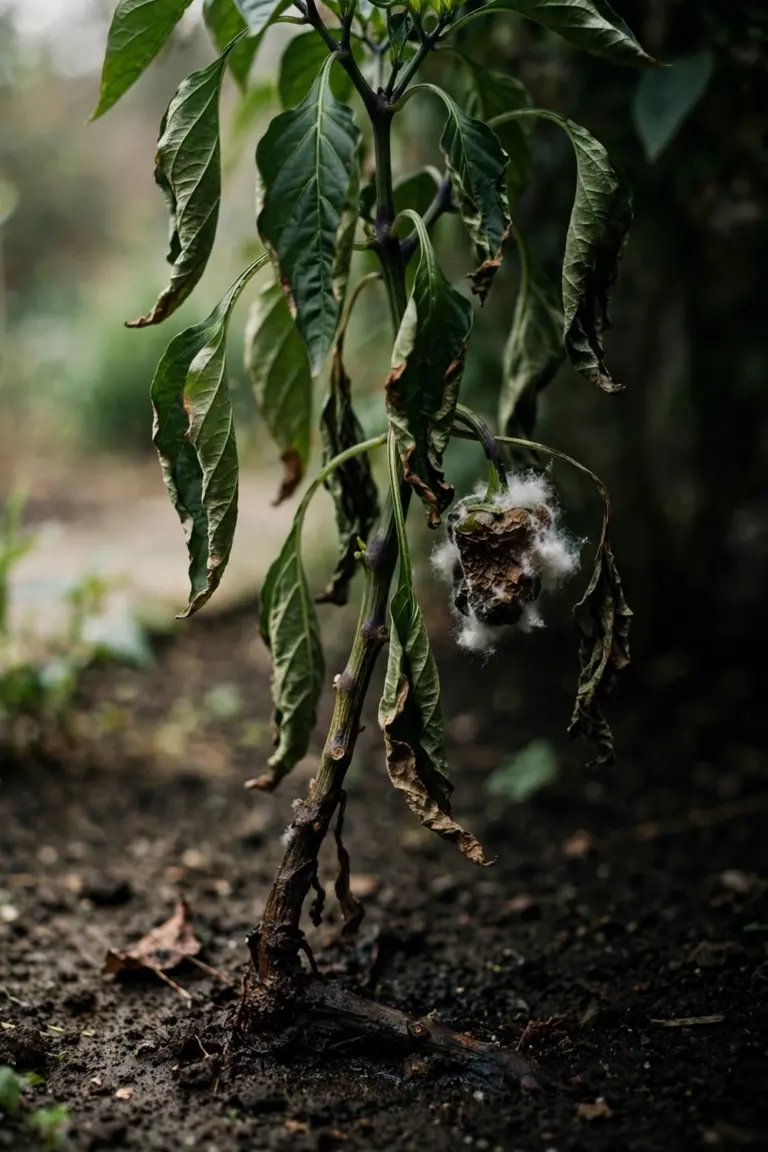
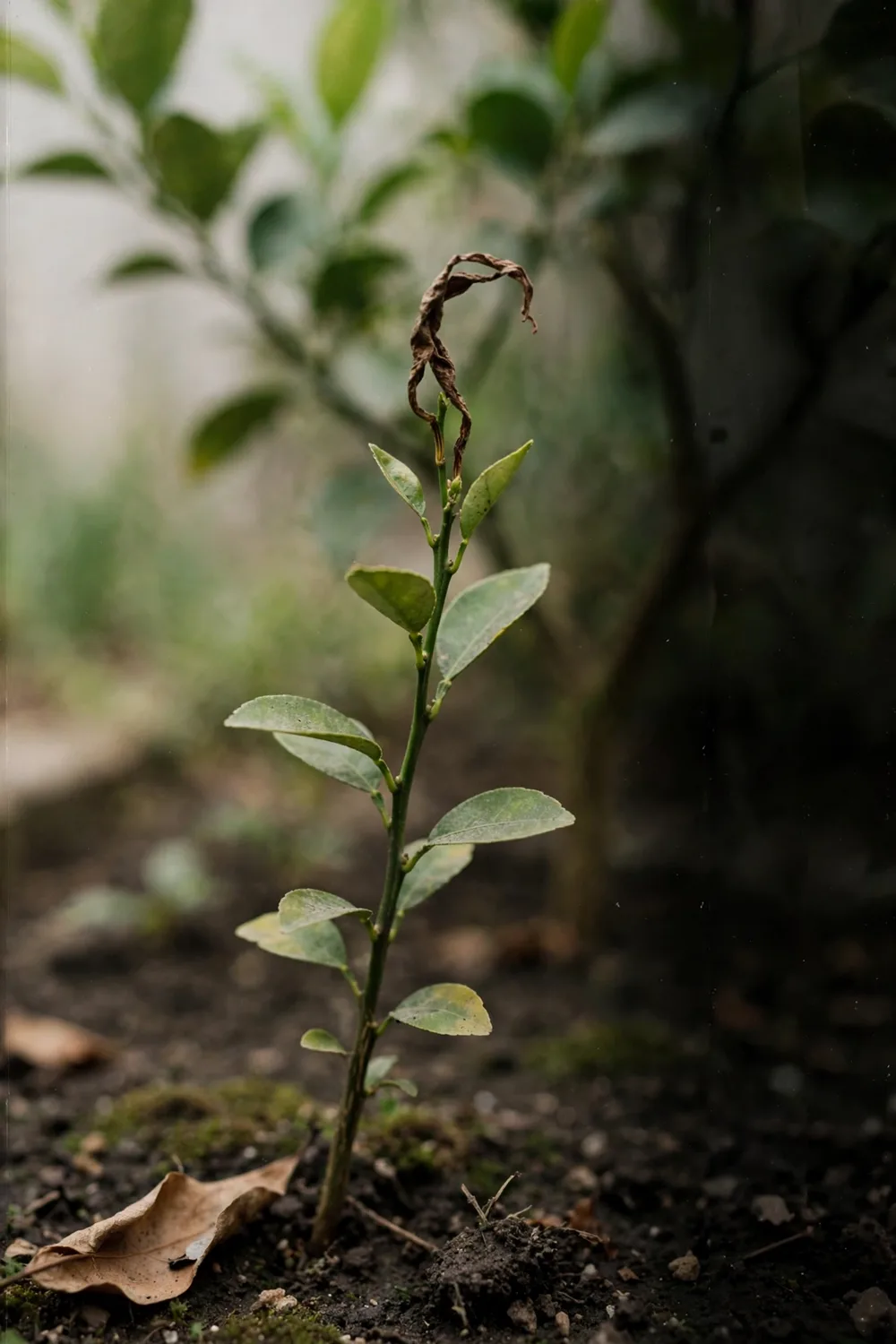
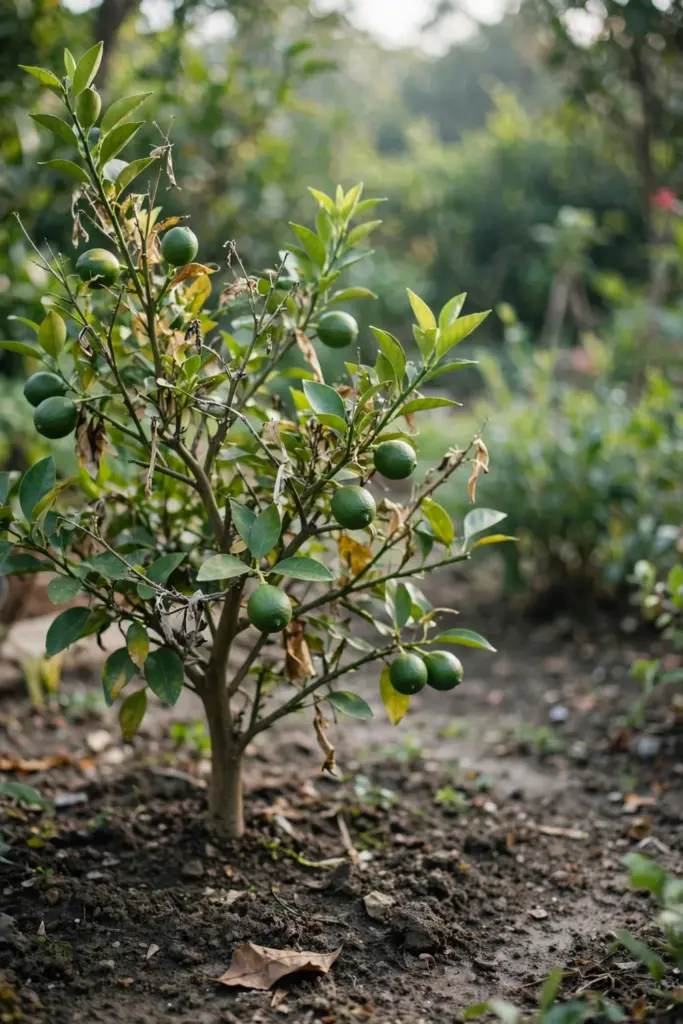
Read the twig phase first. Infected young shoots wilt and eventually die back several inches. The wilted shoot is the withertip. The dieback is the phase. The shoot tip is the site.
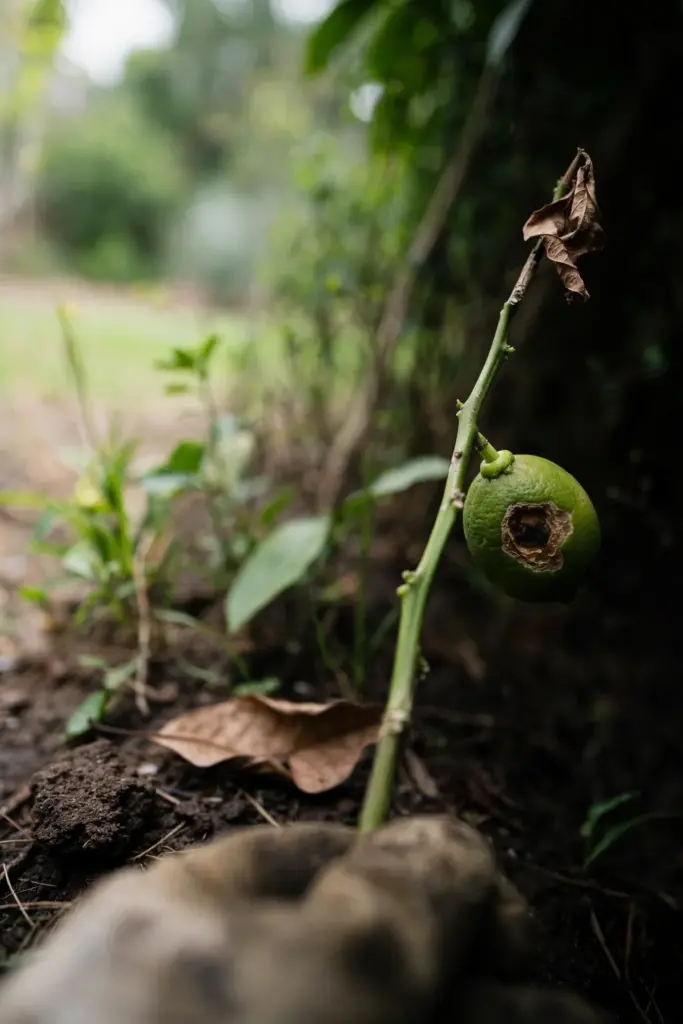
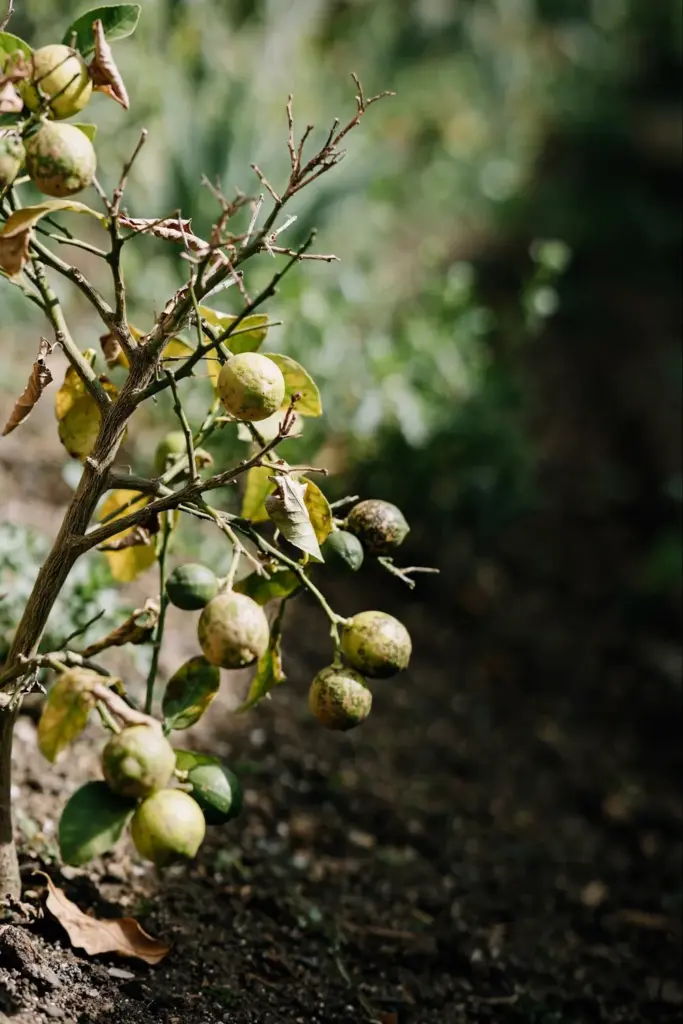
Read the fruit phase next. On young, rapidly growing fruits the effect varies from shallow spots to deep, depressed cankers, so the shallow spot is the early fruit sign and the deep canker is the severe fruit sign. The young fruit is the target.
Read the flower phase. Diseased flower buds turn brown and fall before opening, so the brown bud is the flower sign and the fallen bud is the loss. The flower is the target.
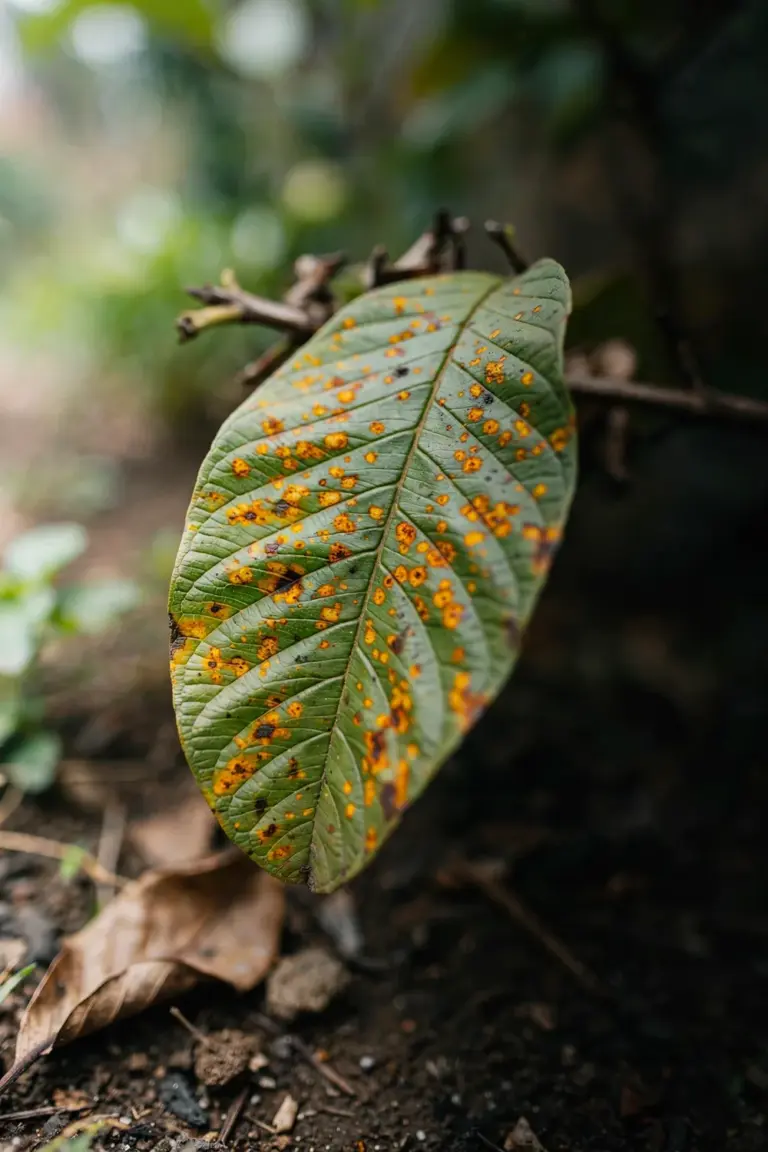
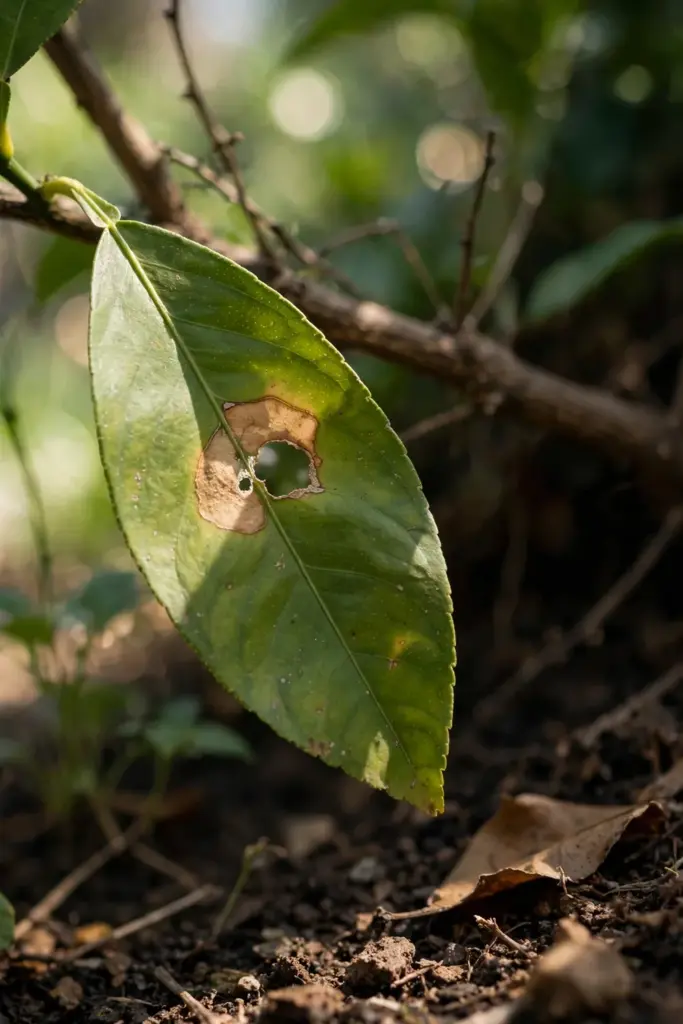
Read the leaf phase. Characteristic tan, circular to oval spots develop on leaves, and as the spots mature, the center often falls out, giving a shot-hole appearance, so the tan spot is the leaf sign, the shot hole is the mature sign, and the leaf is the target.
Read the immunity rule. After the fruit is three-fourths grown, it becomes immune to further attack. The three-fourths fruit is the safe fruit. The young fruit is the vulnerable fruit. The growth is the defense.
Do not confuse with cassava withertip. Cassava withertip (Gloeosporium manihotis) is a different disease on a different host. The cassava is the other withertip. The lime is this withertip. The hosts are different.
Do not confuse with post-bloom fruit drop. Post-bloom fruit drop is a different citrus disease with different symptoms. The buttons are the post-bloom sign. The withertip is the lime anthracnose sign. The diseases are different.
Strategy 1: Scout Young Tissue in Flush
Scout young tissue during flush. The fungus attacks fruit, leaves, twigs, and blooms, so the young tissue is the target and the mature tissue is the resistance. The flush is the window.
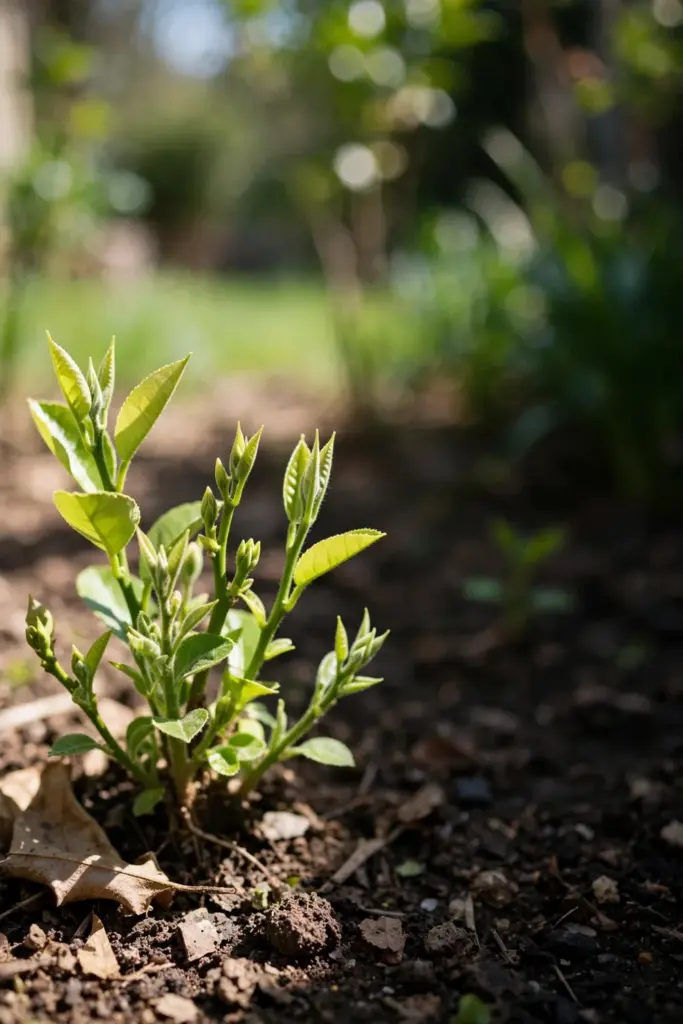
Check shoot tips first. Shoot tips wither and die back, so the withered tip is the withertip and the healthy tip is the clean tip. The tip is the check.
Check young fruit next. Young fruit shows shallow spots to deep cankers. The spotted fruit is the anthracnose. The clean fruit is the healthy fruit. The fruit is the check.
Strategy 2: Prune Out Infected Shoots
Prune out infected shoots, because the infected shoot is the spore source, so the removed shoot is the removed inoculum. The pruning is the cut.
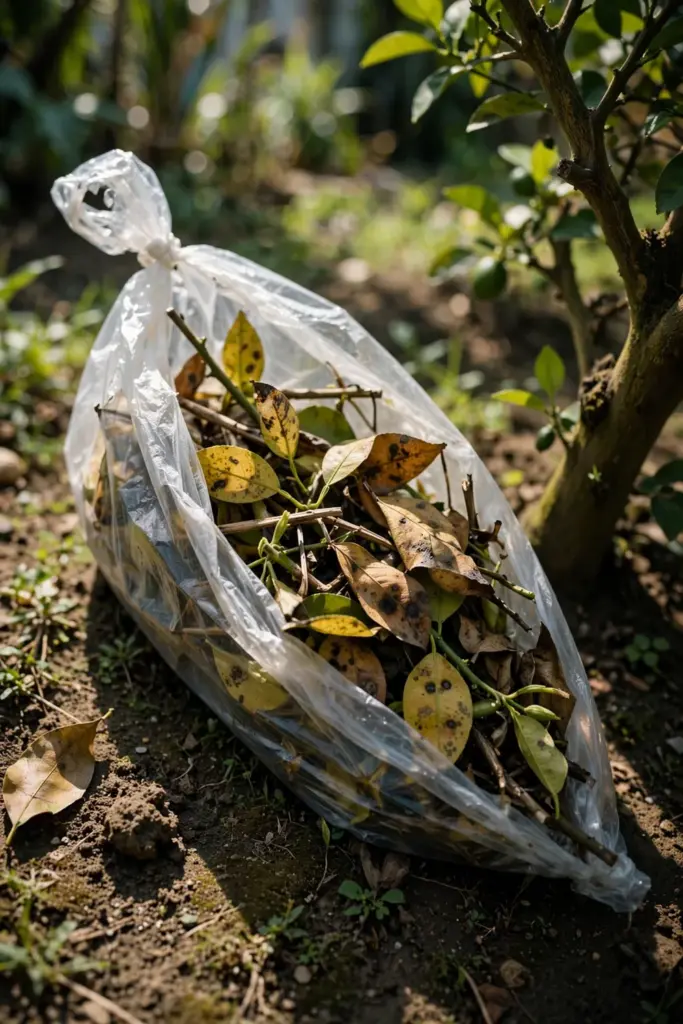
Cut below the dieback into healthy tissue. The healthy tissue is the clean margin, the dieback is the infected margin, and the cut is the fence.
Bag and trash prunings. Never compost infected material, because the compost is the spread and the trash is the containment. The bag is the habit.
Strategy 3: Keep Leaves Dry
Keep leaves dry. Warm, wet weather favors the disease, so the wet leaf is the trigger and the dry leaf is the defense. The dryness is the fence.
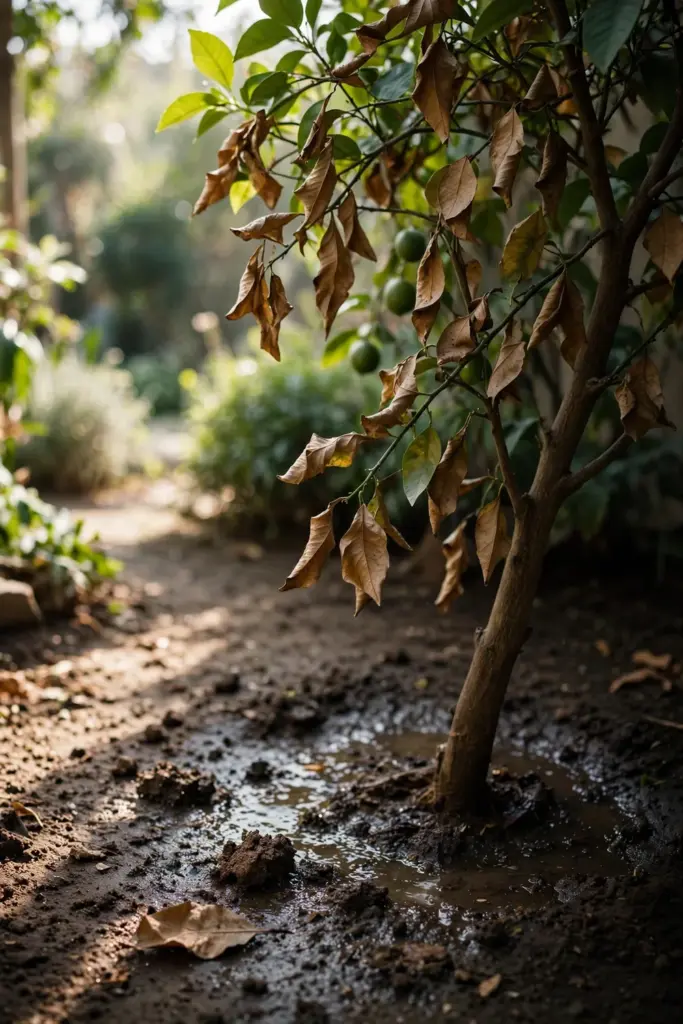
Water at the base. Water at the base keeps leaves dry, so the base is the watering place and the canopy is the dry zone. The hose is the tool.
Avoid overhead irrigation. Overhead irrigation wets the canopy, so the overhead spray is the wetting and the under-tree watering is the dryness. The method is the habit.
Strategy 4: Sanitize and Remove Fallen Material
Remove fallen fruit, buds, and leaves. Fallen material carries spores, so the fallen fruit is the reservoir and the clean ground is the fence. The cleanup is the habit.
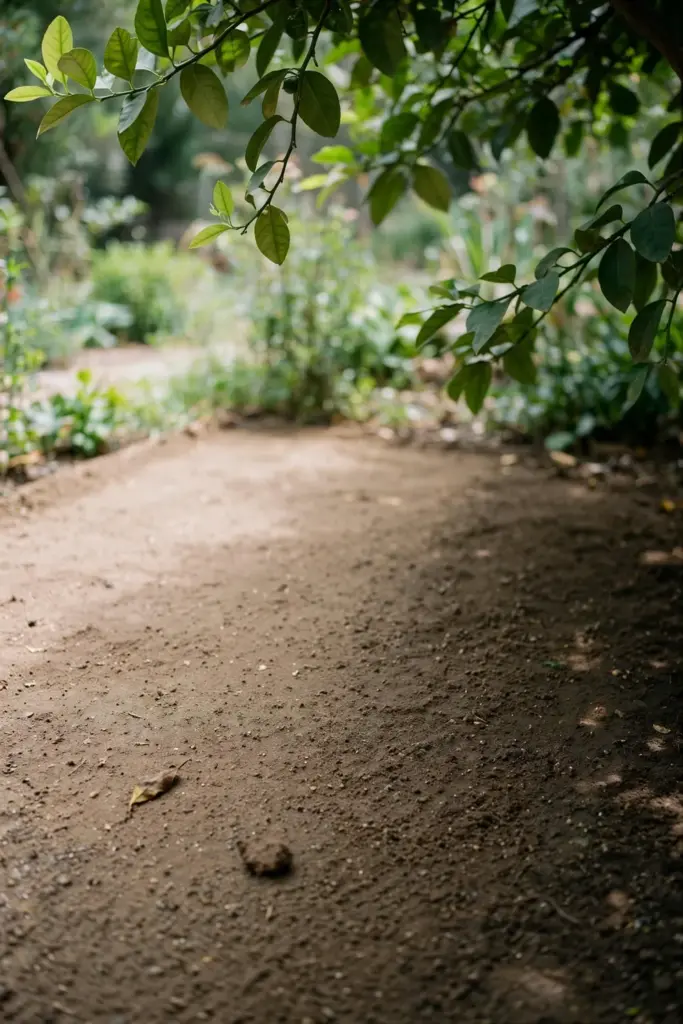
Do not leave infected fruit on the tree. Infected fruit is the spore source, so the left fruit is the spread and the removed fruit is the cut. The removal is the break.
Clean up after flush. Flush leaves the most debris, so the post-flush cleanup is the break and the skipped cleanup is the return. The cleanup is the habit.
Strategy 5: Know That Spray Is Not the Home Answer
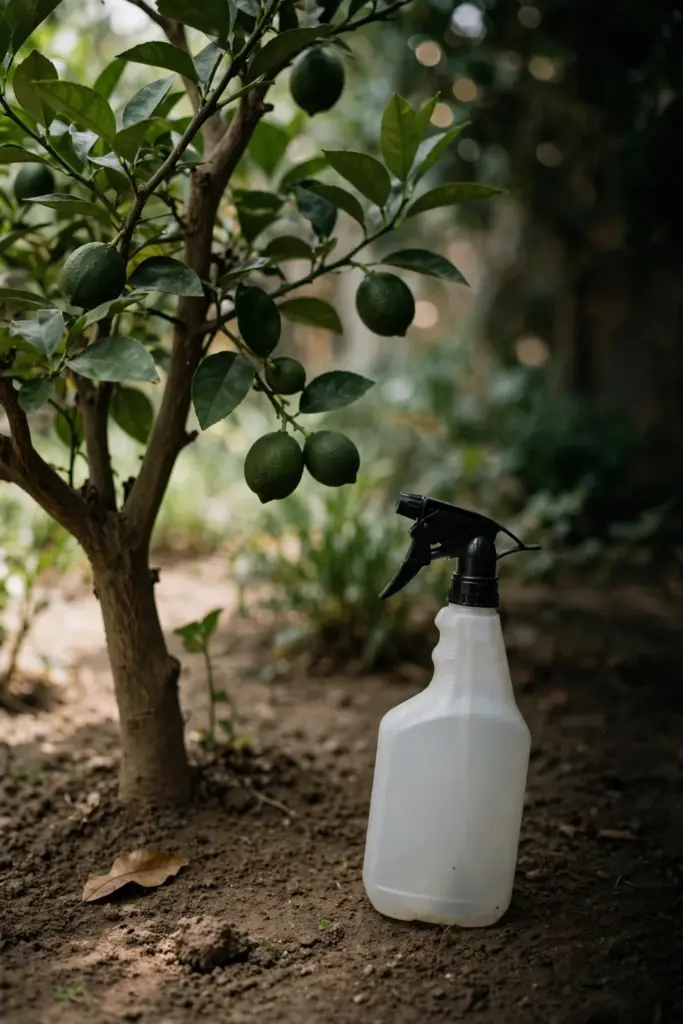
Know that spray is not the home answer. FDACS (1972) reports lime anthracnose can be controlled with neutral copper fungicide, with two or three applications during flush, but that is 1972 commercial guidance, not a home program, so the 1972 circular is the history, the home is the garden, and the copper is not the first step.
Do not borrow management from other citrus anthracnose species. Other citrus anthracnose species (Colletotrichum gloeosporioides, Colletotrichum siamense, and others) have their own evidence, so the other species are the other evidence and this species is the row. The borrowing is the error.
Run the cultural program first: scout young tissue, prune out infected shoots, keep leaves dry, and sanitize fallen material. The cultural program is the home answer. Save any spray for last resort only.
Living With Lime Withertip on Lime You Already Grow
A Key lime tree with withertip is a tree to manage, not a tree to abandon. Scout young tissue in flush, prune out infected shoots, keep leaves dry, sanitize and remove fallen material, and know that spray is not the home answer. The disease will still appear, but it will appear on a few shoots, not on the whole tree.
Stop three habits. Do not let infected shoots stay on the tree, do not wet the canopy with overhead irrigation, and do not leave fallen fruit and leaves under the tree. Keep those three lines unbroken and the lime withertip stays cosmetic. The Plant Care archive carries the site’s other citrus disease explainers for readers who want the pattern across crops. The Plant Care archive collects the site’s disease coverage for the next problem the garden throws up.
Frequently Asked Questions
No. They are one disease, two phases. Clemson lists one entry: “Gloeosporium limetticola: Lime withertip, Lime anthracnose” under Key Lime. Withertip is the twig phase (shoot tips wither and die back). Anthracnose is the fruit-and-leaf phase (sunken lesions, tan spots). One pathogen, one host, one disease, two names.
The fungus is Colletotrichum limetticola, member of the Colletotrichum acutatum species complex, listed by Clemson as Gloeosporium limetticola. Do not present Colletotrichum gloeosporioides or Colletotrichum acutatum as the cause: the resolved identity of the Clemson entry is Colletotrichum limetticola. One name, one fungus, one disease.
Check the shoot tips. Lime withertip shows shoot tips that wilt and die back several inches, alongside fruit cankers, brown falling buds, and tan leaf spots with shot holes. Post-bloom fruit drop shows buttons (persistent peduncle, calyx, and floral disk after fruitlets abscise) without the shoot dieback. The dieback is the withertip. The buttons are the post-bloom sign.
Not as the first step. FDACS (1972) reports lime anthracnose can be controlled with neutral copper fungicide, with two or three applications during flush, but that is 1972 commercial guidance, not a home program. Home actions are scouting, pruning, dry leaves, and sanitation. The cultural program is the answer. The spray is not the first step.
It can, if the inoculum and the wet flush stay, because spores survive in infected shoots and fallen material, so prune out infected shoots, sanitize fallen material, and keep leaves dry. The cleanup is the break, the skipped cleanup is the return, and the flush is the window.
Where to Go From Here
Lime withertip rewards the gardener who scouts young tissue, prunes out infected shoots, keeps leaves dry, sanitizes fallen material, and knows spray is not the home answer. Scout, prune, dry, sanitize, and skip the spray.
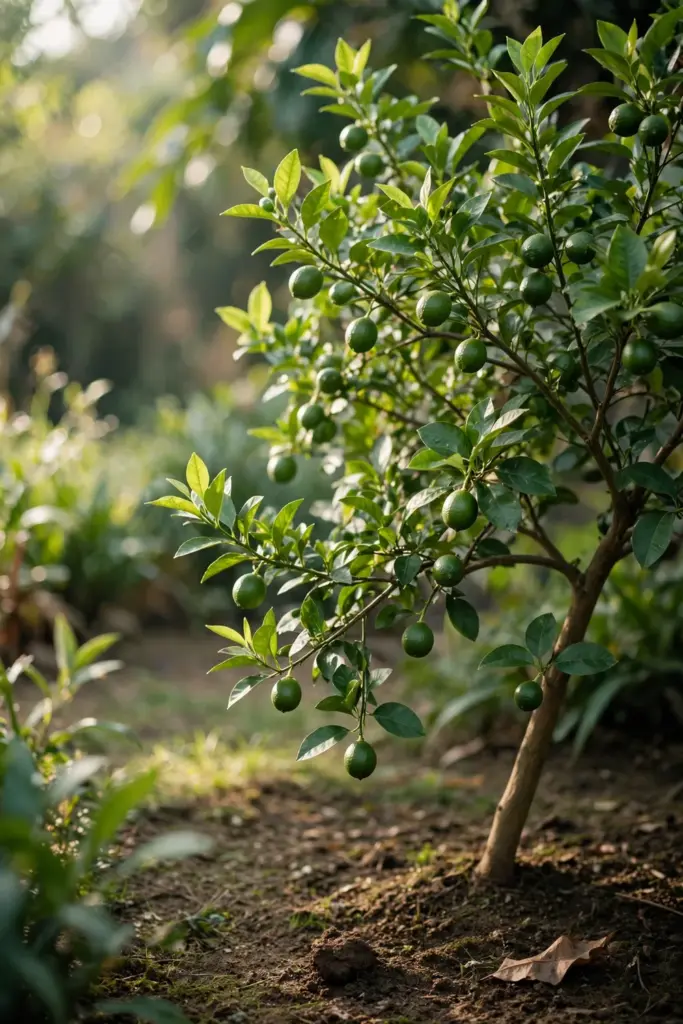
Next season, start with a clean tree. A tree with pruned shoots, dry leaves, clean ground, and prompt removal will hold lime withertip to a few shoots. The Infonet anthracnose page is a useful companion for the symptom picture, since it sets the home-garden response here against the evidence behind it.