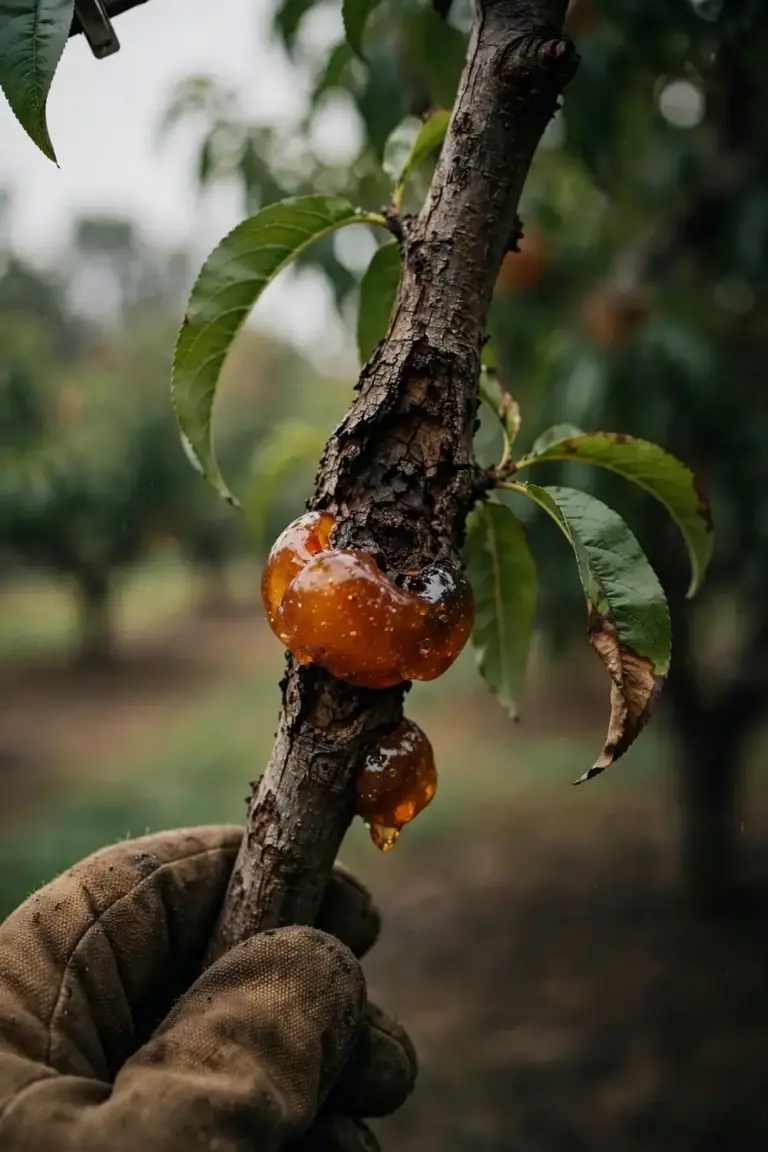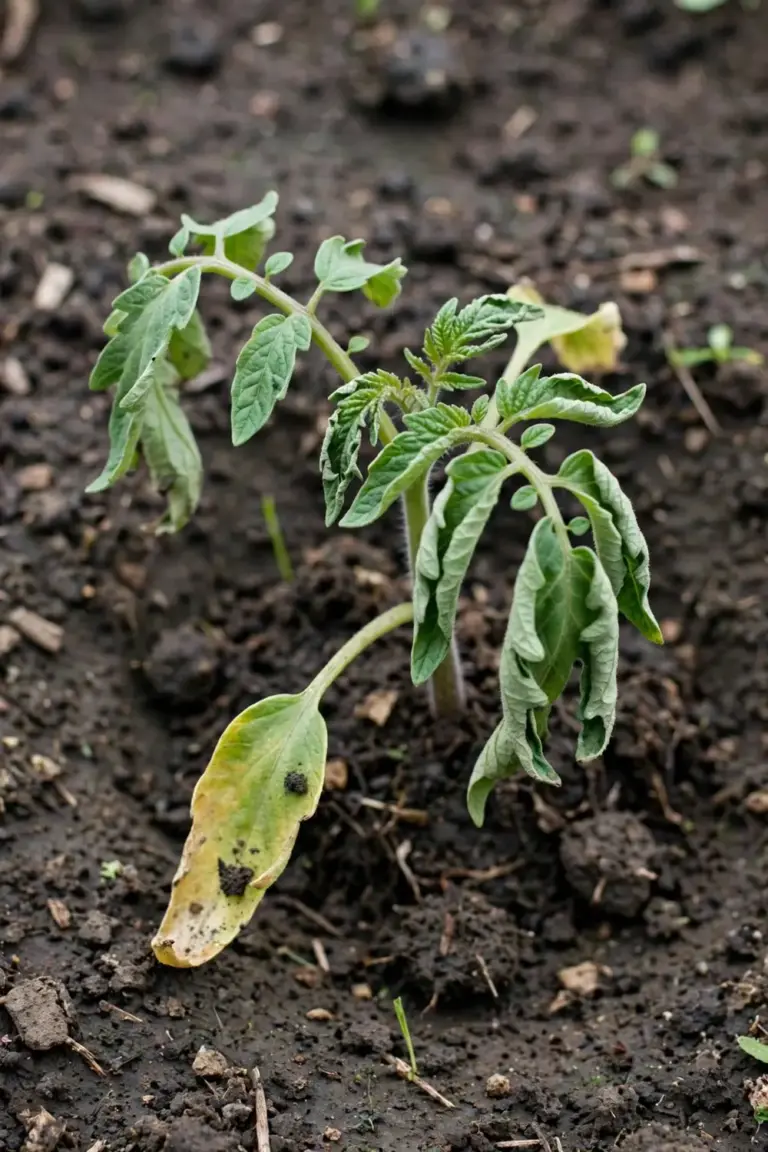

Laurel wilt has no cure once a redbay or avocado tree shows symptoms. The 9 strategies below catch it early, separate it from Verticillium wilt, and stop the spread, starting with the report that keeps one sick tree from becoming a street of dead ones.
The signature is wilting that starts on one branch or one section of the canopy, leaves that turn off-color and hang dead on the tree, and dark streaking in the sapwood under the bark. A tiny ambrosia beetle carries the fungus from tree to tree, and infected wood moved as firewood carries it farther. The disease works only in the laurel family, so a redbay, sassafras, or avocado tree is at risk while the oak beside it is not.
The rest of this page runs the order a gardener should follow. Identify the disease first, then decide whether the tree is worth saving, then work the 9 steps from the first report to replanting. I have learned that the walk past the redbay matters more than any spray bought after symptoms show.
What Laurel Wilt Actually Is
Laurel wilt is a vascular wilt disease of the laurel family. The fungus Harringtonia lauricola causes laurel wilt.
Harringtonia lauricola was formerly named Raffaelea lauricola, and most Extension pages still use the older name. One name covers one fungus. The fungus lives in the sapwood, the wood that moves water through the tree. The fungus blocks those water channels, and the blocked tree wilts and dies of thirst while its roots still sit in damp soil.
The redbay ambrosia beetle carries the fungus. The beetle is a small wood-boring insect from southern Asia, and both the beetle and the fungus arrived in the United States as introductions. The Clemson University Home and Garden Information Center laurel wilt page states that the female beetle bores into a host tree, inoculates the tree with the fungus, and cultivates the fungus as food for her offspring. Ambrosia beetles earn the nickname fungus farmers from this habit. The beetle does not eat the wood. The beetle farms the fungus inside it.
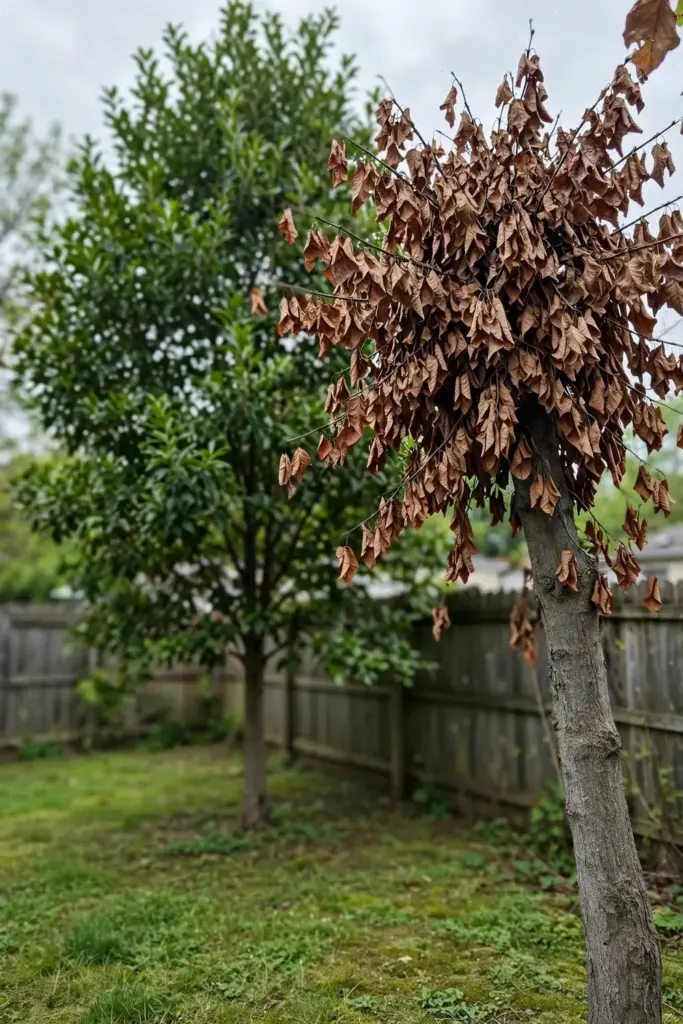
The disease first showed in Georgia in 2002, and the same Clemson page states that laurel wilt has since spread to eleven states across the Southeast and caused extensive mortality. Infected trees generally die within months, often holding a full crown of dead, brown leaves. That speed sets the whole program. A gardener who waits to see whether the tree recovers waits through the window when reporting and containment still help.
How to Identify Laurel Wilt on Leaves and Branches
Check one branch first, then the whole canopy. Laurel wilt starts on one branch or one section of the canopy, then spreads through the crown.
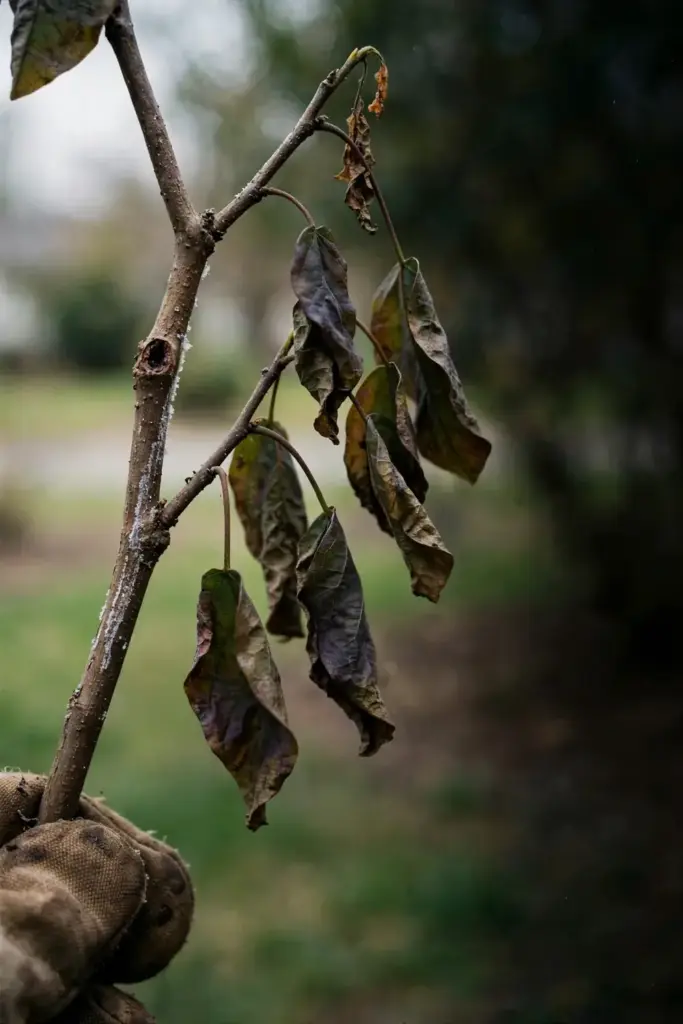
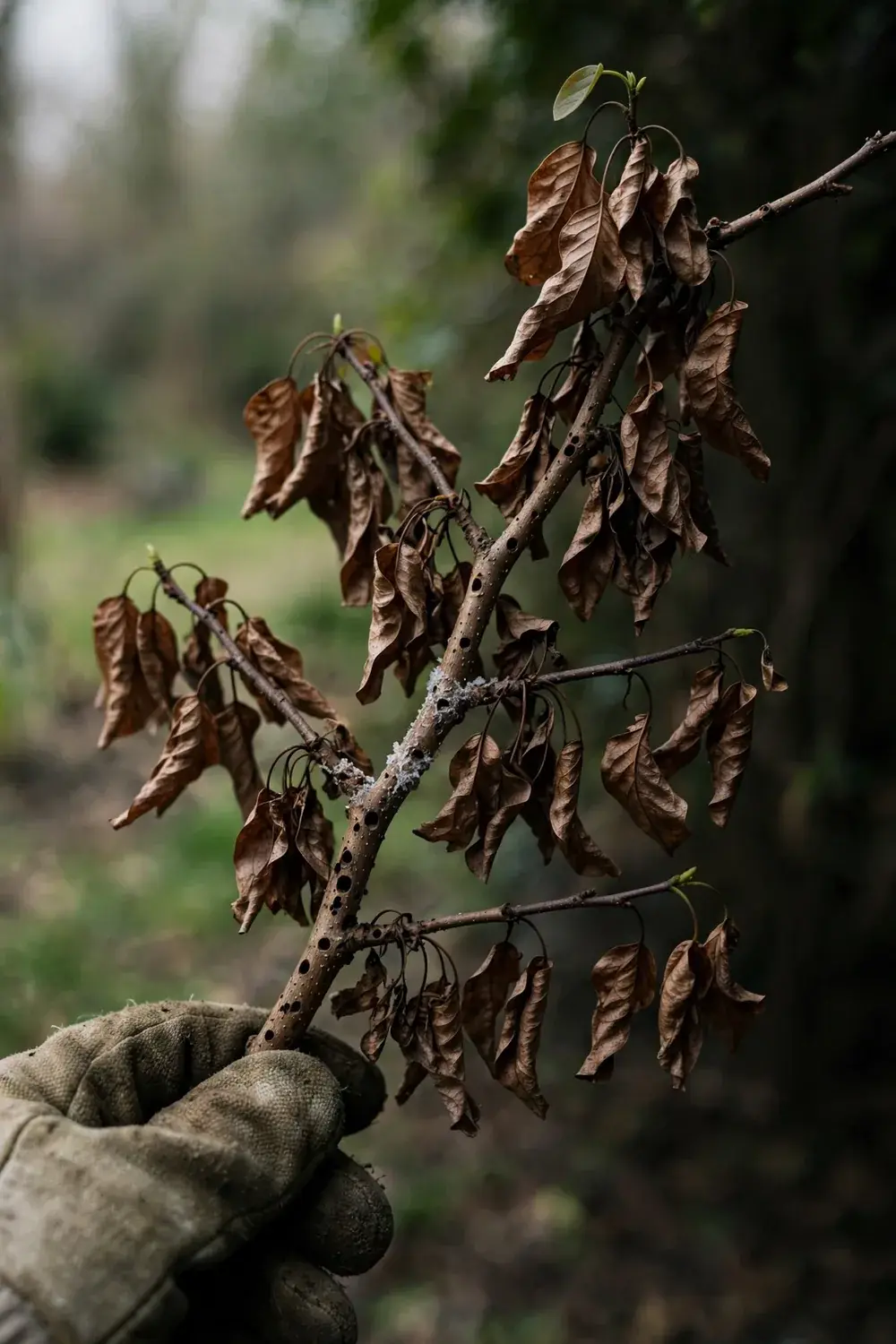
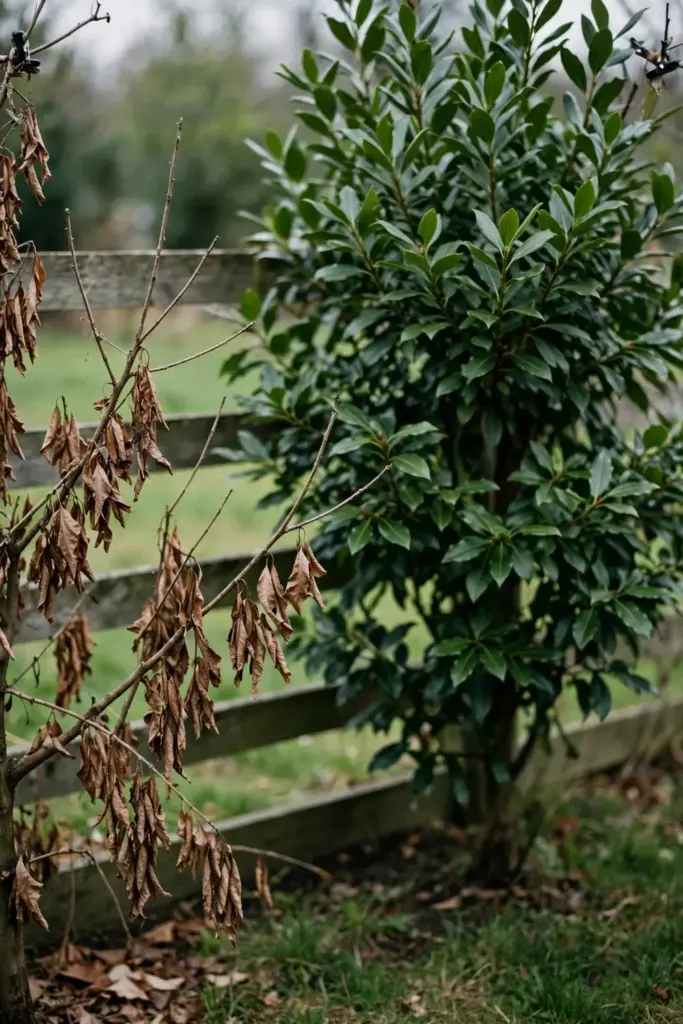
Leaves and young stems wilt first. Leaf color shifts from light green to dark purplish green, bluish green, or greenish brown. Dead leaves hang on the tree instead of dropping. Stems and limbs die back from the tips inward. The University of Florida homeowner guidance on laurel wilt lists this exact sequence and adds that the tree should be sampled when these symptoms appear, since the symptoms alone do not prove laurel wilt.
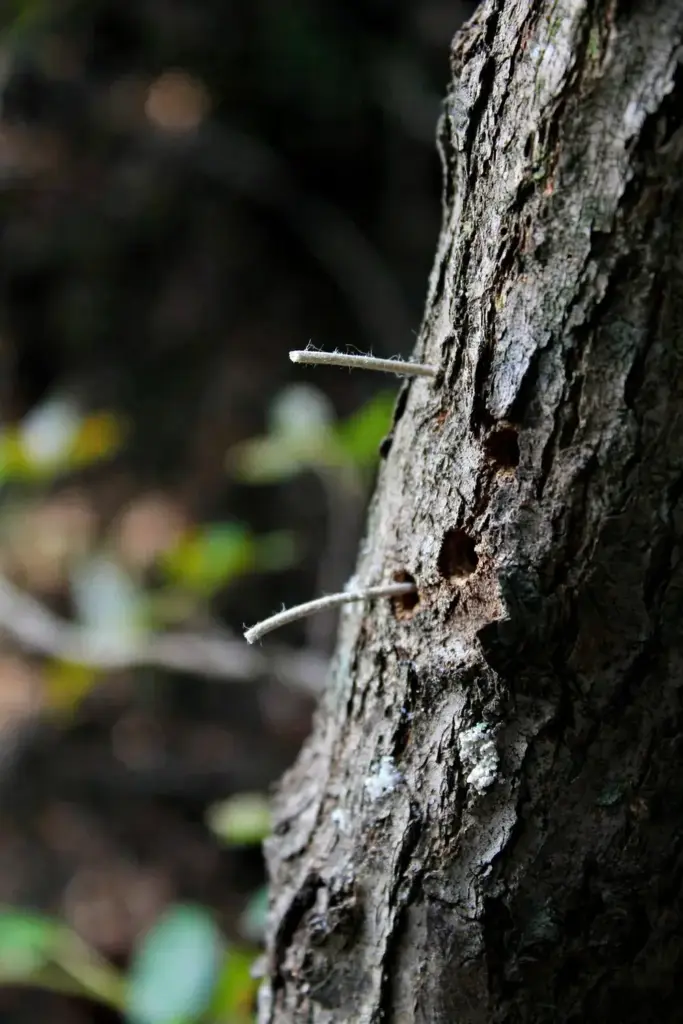
Look at the trunk and the major limbs for beetle signs. Dried sap may show as a white, crystalline, powder-like material on the bark. Small dark holes mark beetle entry points. The same Clemson page notes sawdust toothpicks that stick out of beetle entrance holes. Those toothpicks are strings of sawdust and beetle waste pushed out of the boring holes, and they mark a tree the beetle has already entered.
One more symptom separates laurel wilt from a simple dry spell. A drought-stressed tree drops leaves and recovers after rain. A laurel wilt tree holds dead brown leaves on the branch for weeks, and watering changes nothing. The crown stays brown through wet weather. A tree that keeps dead leaves through rain earns a sample, not a hose.
How to Identify Laurel Wilt in the Wood
Cut a small window in the bark before you decide anything. Laurel wilt shows in the sapwood, and the bark hides it.
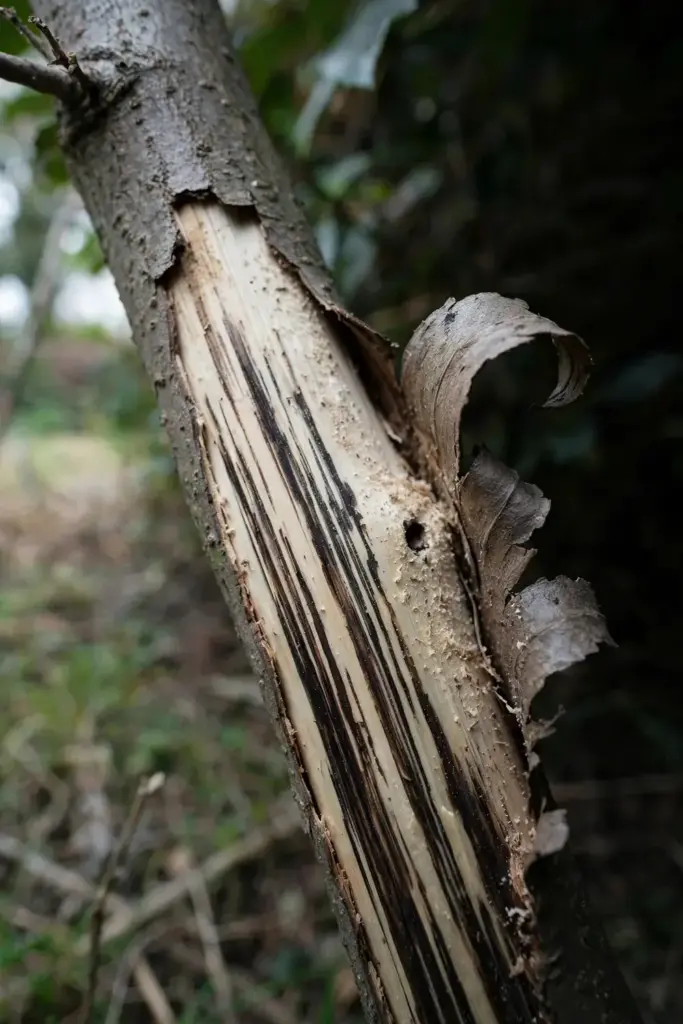
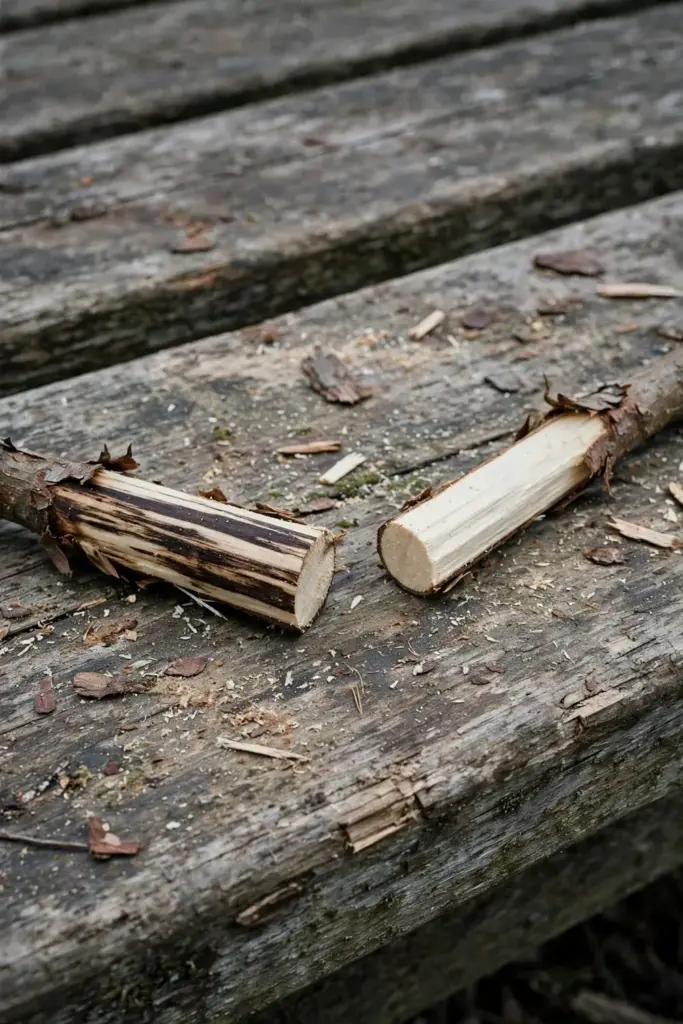
Peel back a patch of bark on a wilting branch, down to the sapwood. Healthy sapwood runs white to yellowish with no dark staining. Infected sapwood shows dark streaking that runs parallel to the grain. The University of Florida sampling guidelines for laurel wilt in avocado describe symptomatic sapwood as light to dark brown with streaks of black, brownish, or bluish black, while healthy sapwood stays cream to off-white. The contrast is sharp once you see it.
Check the streaks on more than one branch. A single dark streak can come from an old wound or an unrelated infection. Streaks that show on several wilting branches, plus dead leaves hanging on the tree, point hard at laurel wilt. Streaks on one branch of an otherwise green tree need a closer look and a lab sample before you act.
Take the sample from fresh wood. Cut a small piece of symptomatic sapwood from a wilting branch, seal it in a zip bag, and mark the bag with the tree and the date. A lab must confirm the fungus from fresh wood samples, since field signs alone stay presumptive. The University of Florida sampling guidelines for laurel wilt in avocado cover the tools for the job, including a hatchet, zip bags, a marker, and a disinfectant such as a 25 percent chlorine bleach solution for cleaning tools between cuts. Do not mail wood across state lines. Call your county Extension office or your state plant industry division first and follow their sampling instructions.
Which Laurel Family Trees Get Hit Hardest
Redbay takes the worst of laurel wilt. Swamp bay and sassafras follow close behind. Avocado carries the highest stakes for a home gardener who grows fruit.
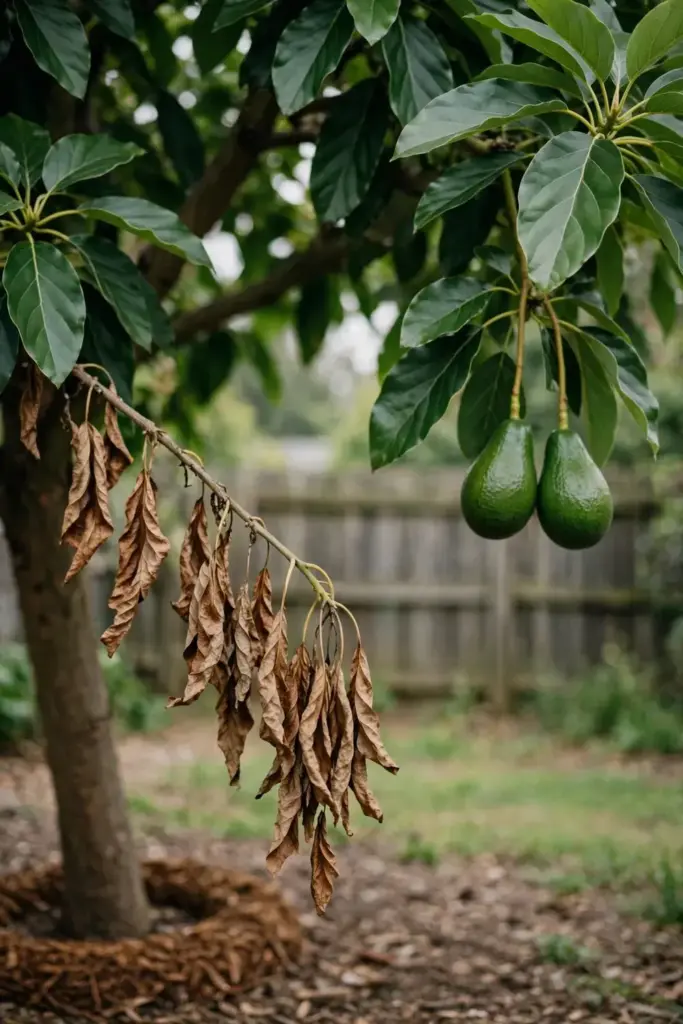
Redbay is the tree the disease is named around, and whole stands of redbay die in infected areas. Swamp bay grows in the same wet coastal ground and dies the same way. Sassafras drops its leaves early once infected, and its wide range across the eastern United States gives the disease a long road north. Avocado trees in home yards die too, and a fruiting avocado takes years to replace.
| Host | Pressure in a Home Yard | First Sign |
|---|---|---|
| Redbay | Highest. Whole stands die in infected areas | One branch wilts, then the crown turns brown |
| Swamp bay | Highest. Dies the same way as redbay | Wilting in one canopy section, then full-crown browning |
| Sassafras | High. Leaves drop early once infected | Drooping, discolored leaves, then fast leaf drop |
| Avocado | High. A fruiting tree takes years to replace | Wilting leaves and dieback on one limb, then across the canopy |
| Spicebush | Present. A garden shrub host | Wilting stems and dieback |
| Bay laurel | Present. A garden herb tree host | Wilting leaves and dieback |
Spicebush, bay laurel, pondspice, and pondberry all host the fungus too. The same Clemson page lists redbay, sassafras, spicebush, pondspice, swamp bay, bay laurel, and avocado as hosts. Every host sits in the laurel family, and no tree outside that family catches laurel wilt. An avocado that wilts beside a healthy oak points at a laurel problem, not at a yard-wide blight.
If you grow an avocado from a seed with a paper towel, the young tree in the pot faces the same risk once it moves outdoors in the Southeast. A seedling avocado is a laurel tree from its first leaf. Site it with the spacing in Step 7 and watch it with the same walk you give the older trees.
Laurel Wilt vs Verticillium Wilt
Check recovery first, then the sapwood, then the vector. Laurel wilt kills. Verticillium wilt often lets the tree recover.
| Sign | Laurel Wilt | Verticillium Wilt |
|---|---|---|
| Pathogen | Fungus. Harringtonia lauricola | Fungus. Verticillium dahliae |
| Vector and spread | Redbay ambrosia beetle carries the fungus into the tree. Root grafts move it between neighboring trees. Infested wood moves it across counties | Soilborne fungus. It moves through soil and water, not through beetles |
| First symptom pattern | Wilting starts on one branch or one canopy section, then spreads through the crown | Wilting often shows across scattered branches and can ease and return across seasons |
| Leaf color and hang | Leaves turn off-color and hang dead on the tree for weeks. Defoliation follows within 3 to 4 months | Leaves yellow and wilt, and the tree often drops them and regrows |
| Sapwood | Dark streaking parallel to the grain, light to dark brown with black, brownish, or bluish black streaks | Discoloration also shows in the wood, and the pattern overlaps enough that wood alone cannot settle the call |
| Recovery | Infected trees generally die within months. Recovery is rare | Complete recovery of trees from Verticillium wilt is common |
| Lab confirmation | A lab must confirm the fungus from fresh wood samples | A lab confirms Verticillium from wood samples too |
| First move | Report the suspect tree, then destroy a confirmed tree. Do not move the wood | Confirm the diagnosis, then manage soil, water, and resistant replanting |
The Australian Farm Biosecurity laurel wilt fact sheet states the key contrast directly. Symptoms resemble those of Verticillium wilt. Complete recovery of trees from Verticillium wilt is common, whereas trees affected by laurel wilt usually do not recover. That single line decides the urgency. A tree that might have Verticillium wilt earns patience and a lab test. A tree that might have laurel wilt earns a report the same week.
One more lookalike deserves a short note. The UF homeowner guidance warns that the same wilting and dieback can come from lightning strike, flooding and root rot, severe drought, or one of the many other ambrosia beetles and the fungi they carry. An avocado with wilting leaves and root damage may carry avocado root rot instead of laurel wilt. The root rot guide covers a water mold that rots roots in wet soil, and its treatment does not transfer to laurel wilt. Match the full symptom set before you cut.
Why the Redbay Ambrosia Beetle Makes Laurel Wilt So Hard to Stop
The beetle does three things that defeat ordinary pest control. The beetle attacks healthy trees, hides inside the wood, and farms the fungus that kills the tree.
Most ambrosia beetles colonize dead or dying wood. The redbay ambrosia beetle breaks that rule. The same Australian fact sheet states that the beetle attacks healthy trees. A vigorous redbay with deep green leaves draws beetles as readily as a stressed one. Tree vigor alone never keeps this insect out.
The beetle is tiny. The same fact sheet describes a cylinder-shaped, brown to black beetle about 2 mm long. Female adults fly, and the smaller males cannot. A 2 mm insect bores a hole too small to notice until the sawdust toothpicks appear. By that point the fungus already runs in the sapwood.
The beetle lives inside the tree. The female bores a gallery, lays eggs, and inoculates the gallery walls with the fungus. The larvae eat the fungus, not the wood. Sprays cannot reach an insect that spends its life under bark. The University of Florida homeowner guidance on laurel wilt gives three reasons insecticides fail against this beetle. By the time a tree wilts, the beetle has already infested the tree. Insecticide activity does not last long. The insecticide must contact the beetle to work, and no one can tell if or when the beetle sits on a given tree. Skip the spray. The spray cannot reach the target.
Root grafts add a second road. The same Australian fact sheet states that the disease can move to healthy trees through root grafts. Two laurel trees planted close together fuse roots underground, and the fungus travels the graft from a sick tree to a sound one without any beetle. That road is why spacing in Step 7 and watching neighbors in Step 8 matter as much as any beetle control.
Human movement adds the third road. The UF homeowner guidance lists five ways people move the beetle and the fungus: infested wood, firewood, and logs; wood chips used as mulch; wood products sent to landfills that do not burn or bury them; illegal dumping of logs, brush, and limbs; and movement of live host trees. Natural spread by the beetle runs 24 to 55 km per year, according to the same UF guidance. A truckload of infested firewood covers that distance in an hour. The woodpile decides the range.
What Makes Laurel Wilt Worse in a Home Garden
Planting laurel trees close together feeds the root graft road. Tight spacing fuses roots, and fused roots carry the fungus from a sick tree to the next one without a beetle.
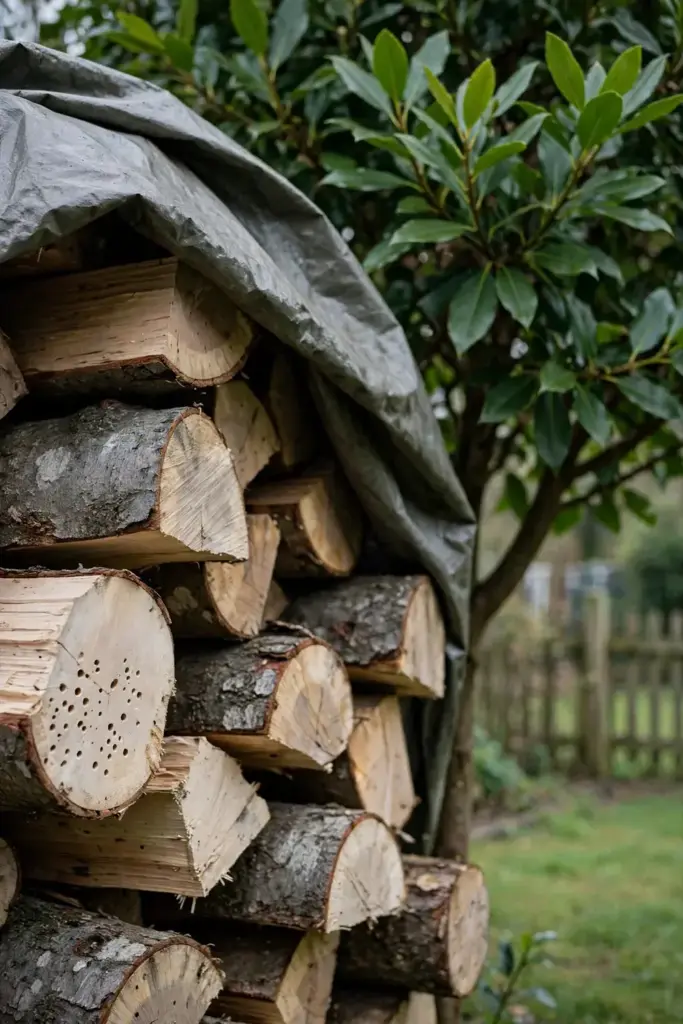
Moving host wood feeds the long-distance road. A load of redbay firewood, a trailer of trimmings, or a bag of wood chips from an infected tree moves beetles and fungus across county lines. The same Clemson page notes isolated counties far from the main distribution, likely from infested firewood carried across state and county lines. One load of firewood seeds a county.
Pruning at the wrong time invites the beetle. The UF homeowner guidance states that the beetle is attracted to volatiles naturally emitted by healthy living trees, severed limbs, and wounded trees of avocado and redbay. A fresh pruning cut broadcasts the exact scent the beetle follows. Prune laurel trees only when you must, and never prune a suspect tree without a plan for the cuttings.
Leaving a dead laurel tree standing breeds beetles. A dead tree holds galleries full of beetles and fungus, and the next generation flies out of it. A dead redbay left as a snag is a beetle nursery. Step 4 covers removal, and the removal cannot wait for a convenient weekend.
Skipping the walk wastes the early window. The fungus moves from beetle boring to tree damage or death in about 3 weeks to about 3 months, according to the same UF guidance. A monthly walk catches the one-branch stage. A yearly glance catches the dead crown. The disease moves too fast for a yearly glance.
Step 1: Decide Whether Your Tree Is Worth Saving
Count the damage before you spend anything. A tree with one wilting branch and a mostly green crown earns a report and a sample. A tree with a full brown crown is already gone.
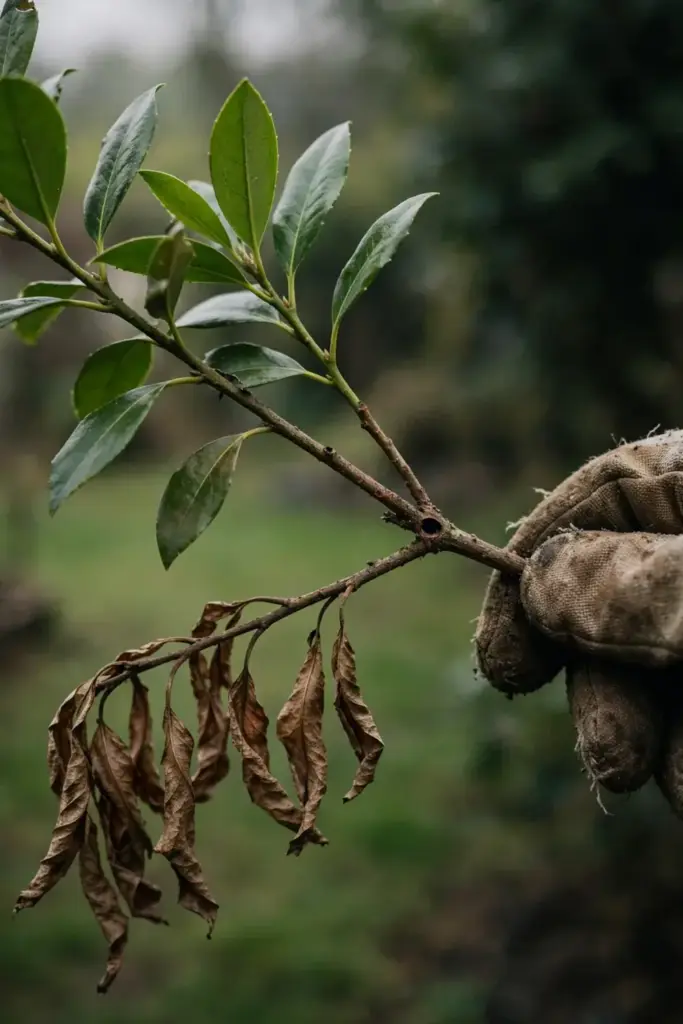
Laurel wilt has no cure once a tree shows symptoms. No spray, drench, or injection saves an infected tree. The same Clemson page states plainly that there is no cure once a tree has this disease. Treatment money spent on a symptomatic tree buys nothing. The honest call is the report in Step 2 and the removal in Step 4.
A healthy high-value tree earns prevention, not treatment. A mature avocado that crops every year, or a redbay that shades the yard, earns the pro-only injections in Step 5 while it still looks sound. A young seedling avocado or a common redbay at the woodline earns watching and spacing, not a costly injection program. The injection protects a tree worth protecting.
Ask one more question before you spend anything. Is the tree worth its place if it dies? A redbay that shades a patio and feeds birds earns the prevention budget. A redbay crowded against a fence, shading nothing, earns replacement with a non-laurel tree in Step 9. The decision is about the tree’s value, not about sentiment. A tree that dies despite prevention still costs removal, so a tree with low value never earns an expensive program.
Other fatal tree diseases need the same triage habit. The guide to Armillaria root rot covers a different fungus that also kills trees from below ground, and its triage call runs the same way. Match the treatment to the disease. A root rot program on a laurel wilt tree wastes a season.
Step 2: Report a Suspect Tree Before You Cut Anything
Call your state plant industry division or your county Extension office first. Reporting is the move that protects every laurel tree on the street.
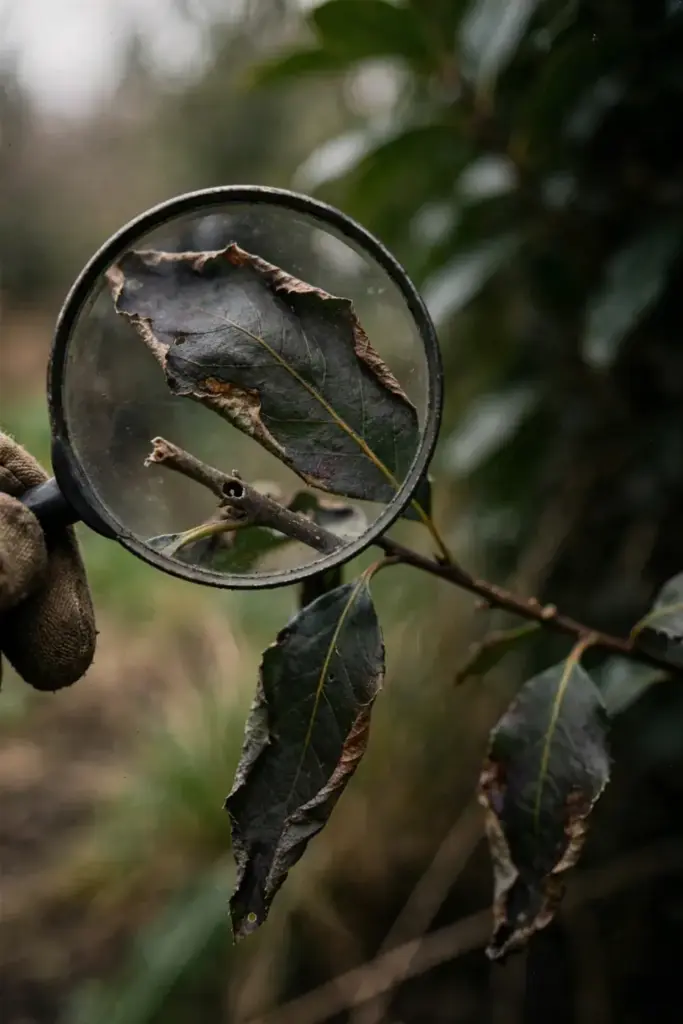
In Florida, report suspicious redbay, sassafras, and avocado trees to the Division of Plant Industry at 1-888-397-1517. The University of Florida homeowner guidance on laurel wilt gives that number and adds that the beetle does not attack trees in other families, including oaks, maples, mangos, sapodilla, and citrus. Outside Florida, call your county Extension office or your state agriculture department and ask for the plant pathology or plant industry division. Every state in the Southeast has a reporting path, and the office tells you how to sample.
Report on the one-branch stage, not on the dead-crown stage. The report triggers sampling and tracking, and sampling confirms the fungus. A report filed while the tree still holds green leaves gives the state a live sample. A report filed after the crown turns brown gives the state a dead tree and a neighborhood already exposed.
Cut a sample only when the office tells you how. The office may send a sampler, or it may ask you to cut fresh symptomatic wood and seal it in a zip bag. The University of Florida sampling guidelines for laurel wilt in avocado describe the kit: a hatchet, zip bags, a marker, and a disinfectant such as a 25 percent chlorine bleach solution for cleaning tools between cuts. Clean the blade between cuts. A dirty blade smears fungus from a sick branch onto a healthy one and ruins the sample.
Do not prune a suspect tree for a look. A pruning cut on a suspect tree releases beetle-attracting volatiles and scatters infected cuttings. The sample cut is the only cut until the lab answers. Step 3 covers what happens to the wood in the meantime.
Step 3: Keep Infected Wood on Your Property
Do not move host wood off the property. That single rule stops the long-distance road, and it covers the whole tree: limbs, trunk, chips, and stump sprouts. Redbay and other host wood must not be moved or sold as firewood, tree trimmings, BBQ smokewood, mulch, or woodturning material. The same UF homeowner guidance gives that rule directly. A chip pile from an infected tree holds beetles. The same guidance notes that chipping decreases beetle emergence without eliminating it. Chips from a suspect tree are infected chips.
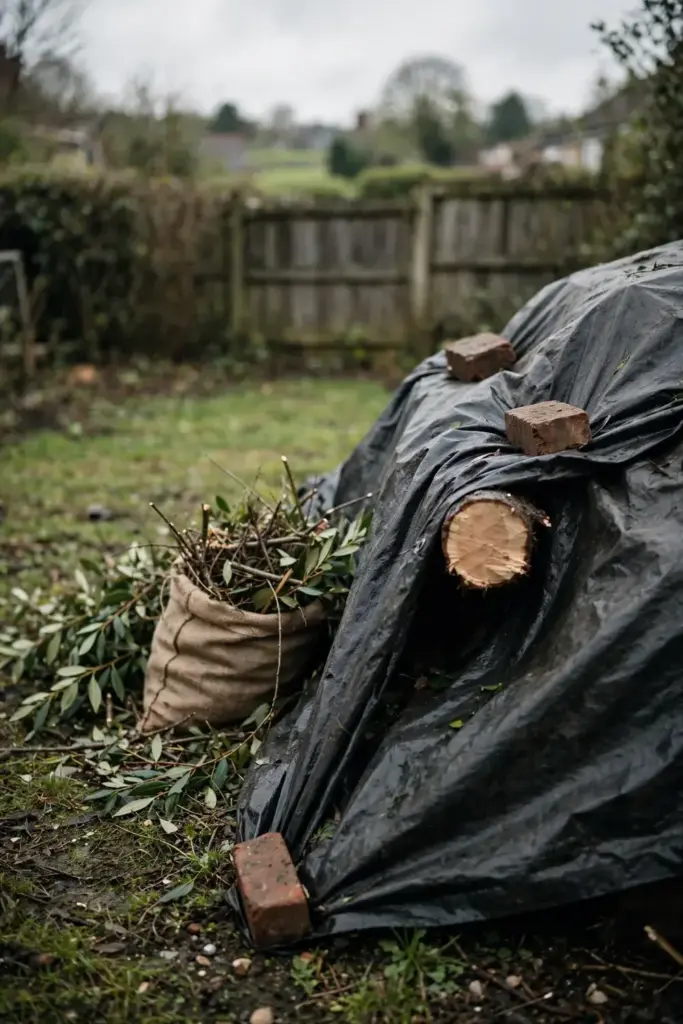
Burn the idea of a roadside free-firewood pile. A neighbor who hauls home a load of redbay firewood hauls home the beetle and the fungus. A brush pile at the curb does the same job with a city truck. Keep every cutting on the property until the lab answers, and keep it covered or bagged where beetles cannot fly out of it.
Watch the wood chips too. Chips from a suspect tree must not go onto garden beds as mulch, and they must not go to a landfill that neither burns nor buries them. The UF homeowner guidance lists wood chips used as mulch as one of the five human-assisted movement routes. A mulched bed of infected chips places the fungus beside healthy trees by hand.
Buy firewood locally and burn it locally. The same Clemson page states that the best way to prevent the spread of laurel wilt is to avoid transporting firewood. Local firewood burned near where it was cut never crosses a county line. A truckload of cheap firewood from two counties away is the most expensive firewood you will ever buy.
Step 4: Destroy a Confirmed Tree the Right Way
Cut a confirmed tree to the ground and destroy the wood. A confirmed tree is beetle habitat, and every week it stands breeds the next flight.
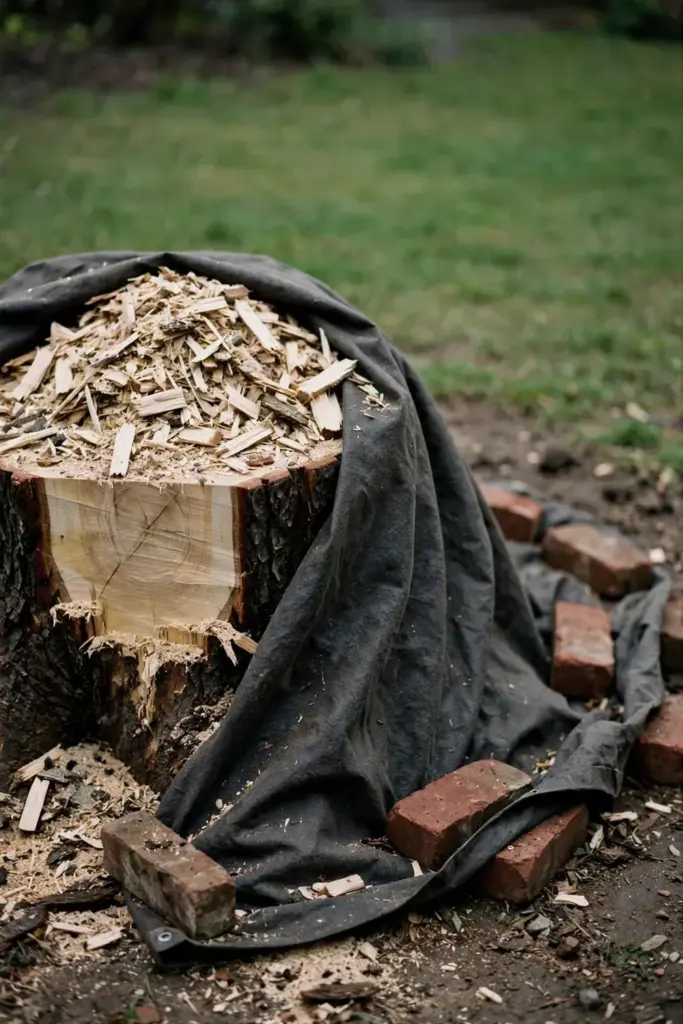
The UF homeowner guidance states that trees confirmed positive for laurel wilt should be destroyed because of their potential as habitat for producing more beetles. Cut the tree down and send the wood into the urban debris stream, to a local landfill that destroys or buries it. Where local rules allow, compost the tree by cutting it to the ground, piling all wood or chips on the stump, building a compost pile over it, and covering the pile with a tarp all the way to the ground. Composting is not allowed in some urban areas, so check with your county government first. Burning is not recommended because of burn permits and the danger of uncontrolled burning by residents.
Work from the healthiest tree to the sickest tree if you must cut more than one. Clean the blade between trees with a disinfectant. Carry a bag or a tarp to the tree and drop every cutting straight into it. Do not drag cuttings through the garden on the way out. Dragging smears beetles and fungus across healthy bark and drops infected twigs along the path. The spring pruning techniques guide covers clean cut placement for fruit trees in full.
Pull the stump sprouts too. A stump that resprouts from infected tissue grows beetle habitat back in a season. Grind the stump where the budget allows, or cover it and watch it. A stump left to sprout restarts the cycle on the same spot.
Check the disposal rules before you cut, not after. Disposal options vary by county and by local regulation, and the same UF guidance says so directly. A tree cut on Saturday and left in a pile until the landfill opens on Monday feeds beetles all weekend. Line up the truck, the landfill, or the tarp before the saw starts.
Step 5: Protect a Healthy High-Value Tree With Pro-Only Injections
Protect a healthy tree before the beetle finds it. Injections prevent infection in sound trees, and they cure nothing in sick ones.
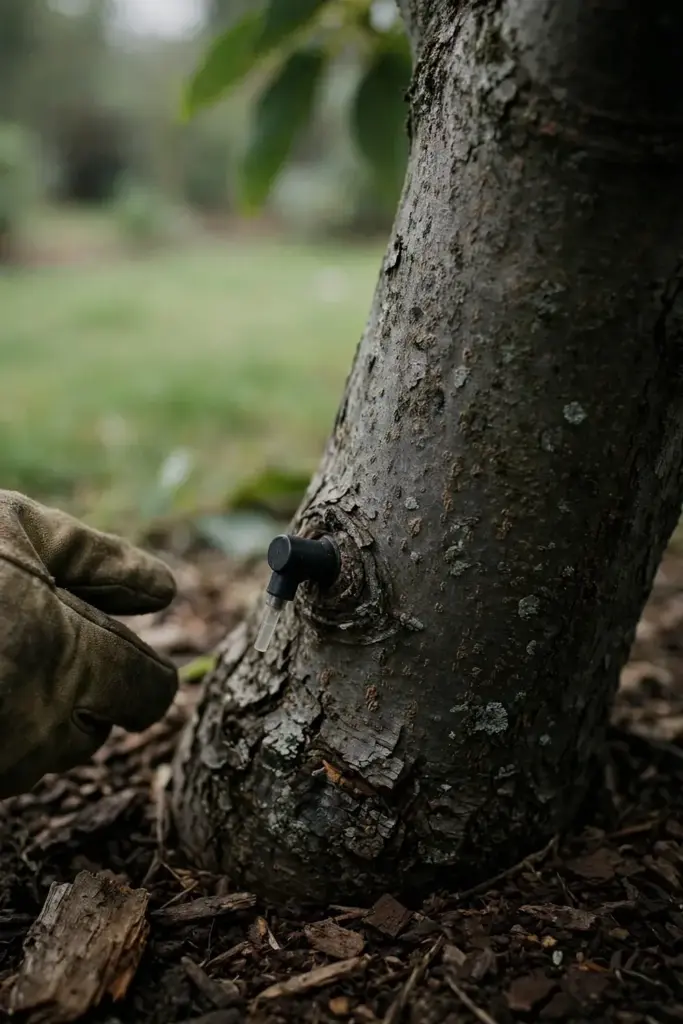
Propiconazole, sold under the trade name Alamo, is the preventive fungicide UF names for high-value landscape trees. The process pushes diluted fungicide into the tree through passive uptake or microinjectors. The University of Florida homeowner guidance on laurel wilt states that research has shown protection lasts for up to 2 years at most. A tree that earns injections earns repeat injections on that schedule, or the protection lapses.
Hire a certified, licensed, and insured arborist. The same UF guidance tells homeowners to verify that any arborist offering the service uses the correct product and carries certification, a license, and insurance. Injections are pro-only work. A homeowner cannot buy the setup, dose the tree, or judge the uptake. A bad injection wounds the tree and wastes the money.
Skip the bark spray sold for avocado trees. The same UF guidance states that the fungicide Tilt mixed with Pentra-Bark has approval as a bark spray for avocado, and that UF does not recommend it at this time. Too little is known about its efficacy, its potential toxicity to the tree, and how long the treatment lasts. The mixture works only on trees 6 to 7 years old or less, and only when applied before the tree is infested. The material is expensive and not readily available to homeowners. A spray that must go on before infestation, on a young tree only, with unknown efficacy, is not a homeowner tool.
Weigh the cost against the tree. Injections cost real money, and they repeat every 2 years at most. A mature avocado that crops every year earns the program. A seedling avocado or a common redbay earns watching and spacing instead. The honest math is simple. Two years of protection costs less than a mature fruit tree, and more than a seedling.
Step 6: Keep Remaining Trees Healthy and Less Attractive to Beetles
Feed and water the laurel trees that remain. Healthy trees draw fewer beetles, and steady care is the cheapest prevention available.
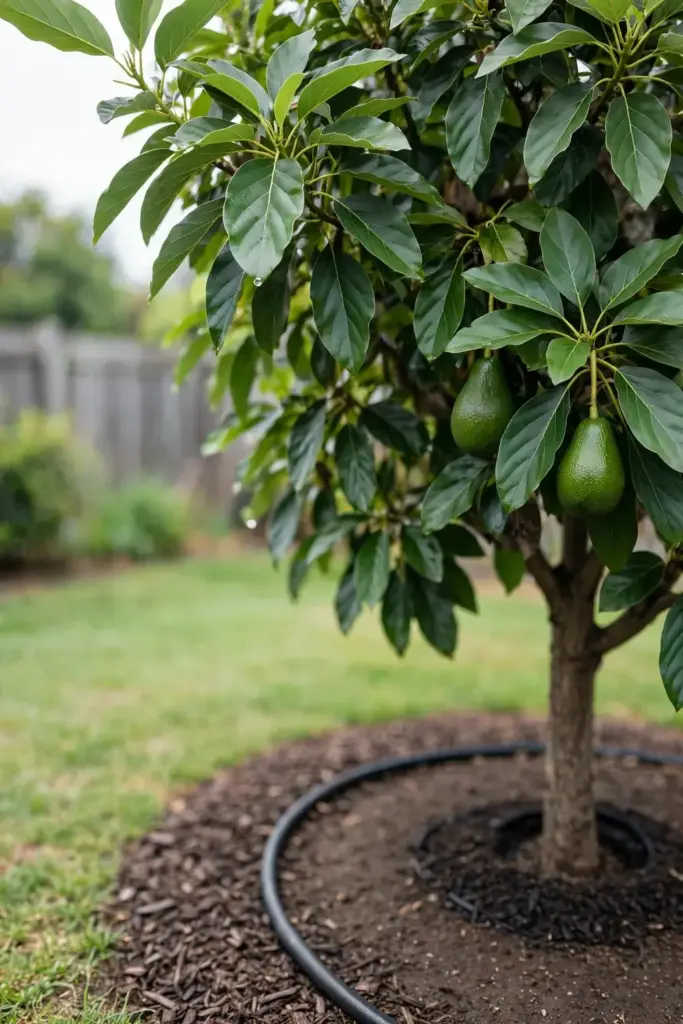
A good fertilizer program and periodic irrigation keep avocado trees vigorous. The UF homeowner guidance lists tree health as a standing recommendation: healthy trees are less attractive to ambrosia beetles, and avocado trees benefit from a good fertilizer program and periodic irrigation. Water at the base and keep mulch off the trunk. A mulch ring holds soil moisture and suppresses weeds, and mulch piled against the trunk holds bark wet and invites decay. Pull mulch back a few inches from the bark so the root zone stays damp and the trunk stays dry.
Fix drainage before you feed. Roots standing in water rot, and a root-rotted tree draws beetles. A laurel tree in a low spot that floods after rain needs drainage work or a new site, not fertilizer. Fertilizer on a drowning tree feeds nothing.
Prune only when you must, and time it with care. Fresh pruning cuts release the volatiles that draw the beetle, so every cut is an invitation. Prune laurel trees in dry weather, clean the blade between trees, and bag the cuttings at once. Never prune a laurel tree the same week a neighbor reports a confirmed case. The beetles from that tree are flying, and your fresh cuts call them in.
Watch the trees you kept after a removal. A tree that stood beside a confirmed case faces the highest risk in the yard, through root grafts and through beetles. Walk it weekly for the first season after the removal. The one-branch stage is the stage that still allows a report in time.
Step 7: Space New Laurel Trees and Buy From Registered Nurseries
Give new laurel trees room. Root grafts fuse the roots of trees planted close together, and the fungus travels the graft from a sick tree to a sound one without any beetle.
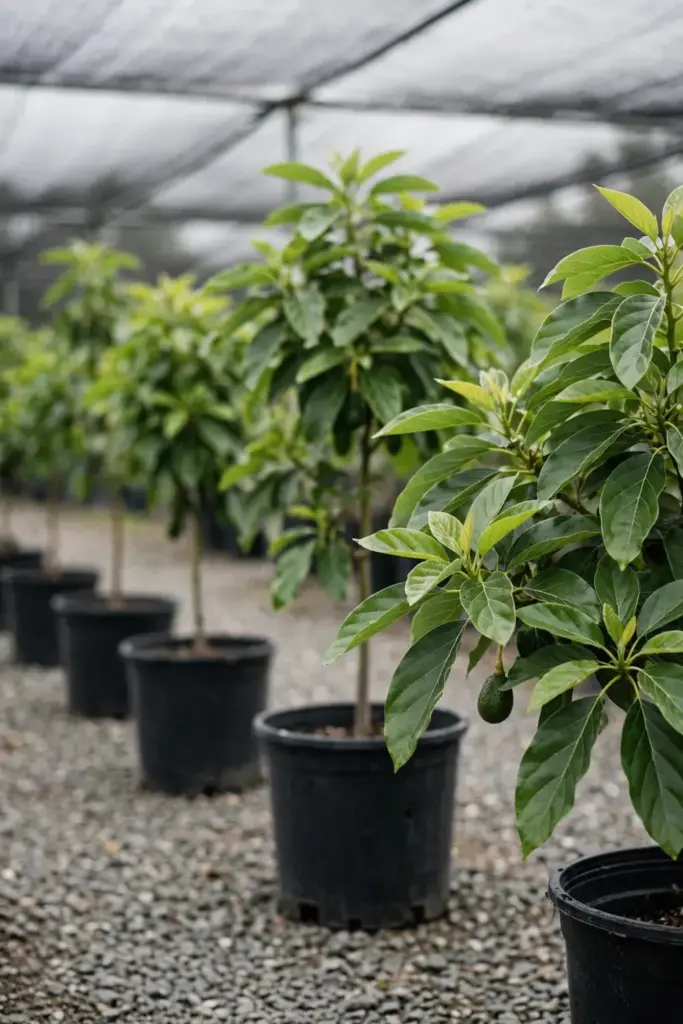
Space new redbay, sassafras, and avocado trees wide enough that their root zones never meet. A gap of several meters between laurel trees breaks the graft road. A laurel tree planted against another laurel tree shares roots within a few seasons. The gap costs nothing at planting time and buys years of safety later.
Buy containerized host trees only from registered nurseries. The same UF homeowner guidance gives that rule directly. A registered nursery sells insect-free and disease-free containerized trees. A roadside tree with wilt or dieback may already carry the fungus, and the same guidance says trees showing any signs of wilt or dieback should be tested for laurel wilt. A cheap tree with a wilted branch is the most expensive tree in the nursery.
Inspect every new tree before it goes in the ground. Check the leaves for wilting, the bark for small dark holes, and the branch tips for dieback. Reject any tree with a wilted branch, a dead leader, or sawdust on the bark. A rejected tree costs a trip. An infected tree costs the whole planting.
Plant non-laurel trees between laurel trees where the design allows. A maple, an oak, or a citrus tree between two redbays breaks the root graft chain, since the beetle does not attack trees outside the laurel family and the fungus cannot travel a non-laurel root. The gap tree earns its place as a firebreak.
Step 8: Watch Neighboring Laurel Trees After a Confirmed Case
Walk every laurel tree within sight of a confirmed case. The fungus travels root grafts and the beetle flies, so the neighbors of a dead tree are the next trees in line.
Start the watch the week the lab confirms a case. Check each neighboring laurel tree for the one-branch stage: wilting on one branch, off-color leaves, dead leaves hanging. Check the bark for small dark holes and sawdust toothpicks. Mark any suspect branch with tape and report it the same week. A suspect neighbor reported early earns a sample. A suspect neighbor watched for a month earns a dead crown.
Map the laurel trees on your street. Redbay and sassafras grow wild along fences, ditches, and woodlines, and a wild tree beside the yard counts as a neighbor. A wild redbay at the back fence with a brown crown is a beetle nursery beside your avocado. Report wild suspect trees the same way you report yard trees. The state tracks them, and the tracking shapes the county response.
Talk to the neighbors. A neighbor who knows the signs reports a suspect tree in week one. A neighbor who never heard of laurel wilt reports it in month three, or never. Share the symptoms in plain words: one branch wilts, dead leaves hang, dark streaks under the bark, sawdust toothpicks on the trunk. A five-minute conversation beats a dead avocado.
Keep watching for a full season after the removal. Beetles fly from the removed tree’s wood for weeks, and root grafts carry the fungus for longer. A neighbor tree that looks sound in month one can wilt in month three. The watch ends when a full growing season passes with no new suspect tree.
Step 9: Replant With Non-Laurel Trees Where Laurel Wilt Has Struck
Replant the empty spot with a tree outside the laurel family. A non-laurel tree cannot catch laurel wilt, and the spot itself holds no lasting danger from the fungus.
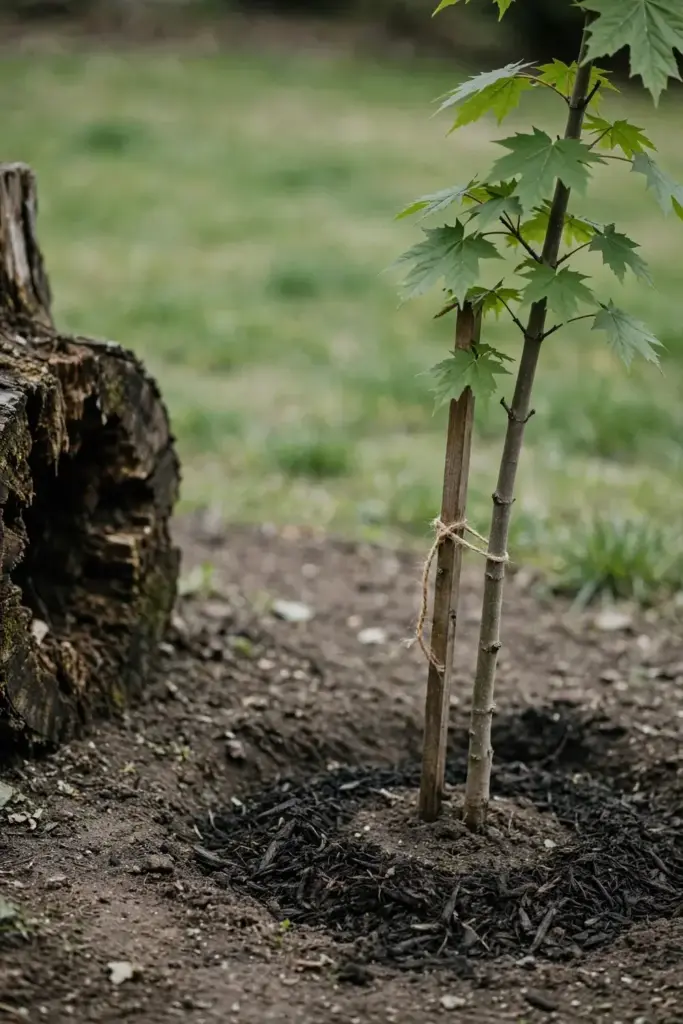
The fungus does not live in the soil as a long-term threat, so the spot is safe for a new tree once the infected wood is gone. A maple, an oak, a citrus tree, or a stone fruit tree fills the gap and breaks the root graft chain. The replacement earns the same sun and water the laurel tree had, and it faces no laurel wilt risk.
Skip a laurel tree in the same hole. A new redbay or avocado planted where a confirmed tree died faces the same beetles, the same neighboring root grafts, and the same risk. The soil itself holds no curse. The spot still holds the same beetles and the same grafted neighbors. Only the species changes the odds.
Choose the replacement for the site, not for sentiment. A wet corner that grew swamp bay suits a bald cypress or a river birch. A dry sunny spot that grew avocado suits a citrus tree or a fig. A fence line that grew sassafras suits a native oak or a serviceberry. The right tree in the right spot outgrows the old one within a few seasons.
Keep the old tree’s lesson in the new planting. Space the replacement wide, mulch the root zone without piling mulch on the trunk, and walk it monthly in the first season. The habits that catch laurel wilt early catch every other tree problem early too.
Living With Laurel Wilt Damage You Cannot Undo
Some damage stays. A yard that lost a redbay keeps the empty spot and the memory of the brown crown.
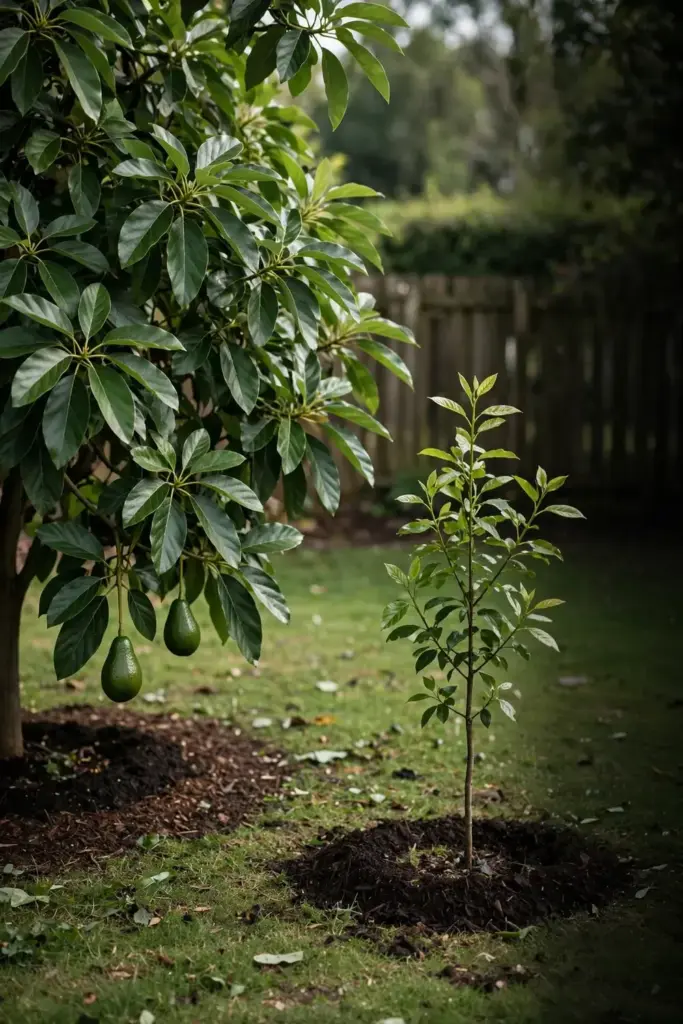
A tree that lost one branch to a confirmed case is gone, not pruned back to health. Laurel wilt does not leave a tree with a few dead twigs to recover from. The tree dies, and the removal in Step 4 is the end of that tree. The living-with work is the replanting in Step 9 and the watching in Step 8, not nursing a dying tree.
Keep the healthy trees that remain. Feed them, water them, space them, and walk them weekly. A yard with one dead redbay and three sound ones still holds a garden. The sound trees earn the care, and the care lowers their risk.
Other tree diseases need their own responses. The guide to Armillaria root rot covers a fungus that kills trees through root decay, and its treatment does not transfer to laurel wilt. A laurel wilt program on a root rot tree wastes a season. Match the treatment to the disease. A lab test settles the call when the symptoms overlap.
Frequently Asked Questions
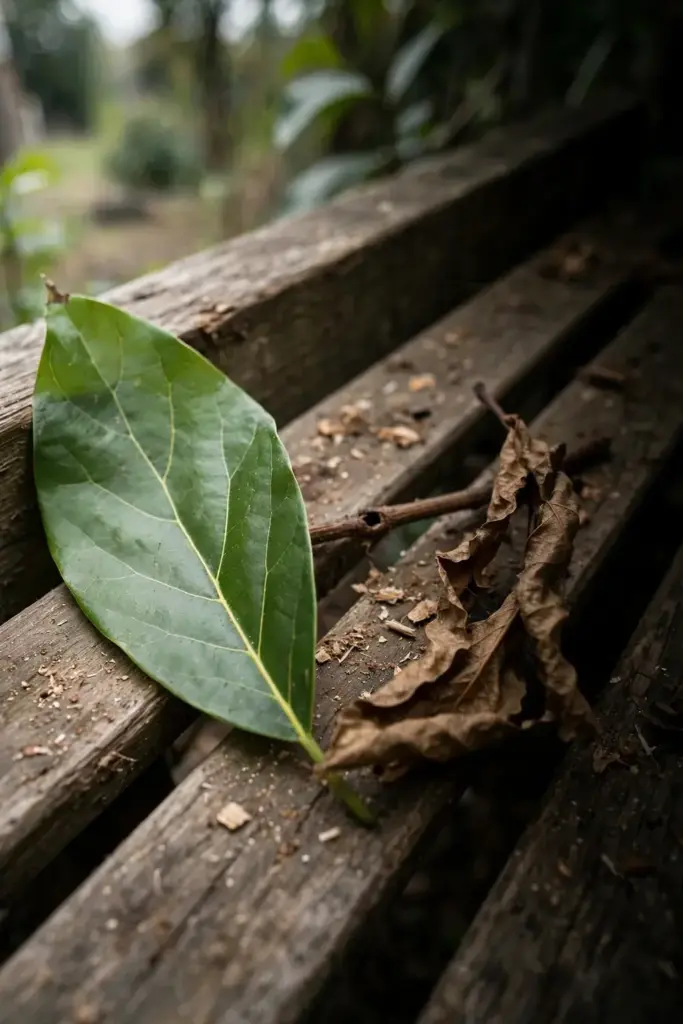
Laurel wilt kills avocado trees. Infected trees generally die within months of showing symptoms, often holding a full crown of dead, brown leaves. No spray or injection saves a tree that already shows symptoms. A healthy avocado earns prevention through pro-only injections, spacing, and the reporting habit. Report a suspect avocado the week you see one branch wilt.
No treatment saves a tree that already shows laurel wilt. Propiconazole injections prevent infection in healthy trees, and they do not cure infected ones. The honest move is the report in Step 2 and the removal in Step 4. A confirmed tree is beetle habitat, and every week it stands breeds the next flight. Spend the treatment budget on the healthy trees that remain.
Check recovery first. Complete recovery from Verticillium wilt is common, while laurel wilt trees usually do not recover. Laurel wilt starts on one branch or one canopy section and kills within months, with dark sapwood streaking and sawdust toothpicks on the bark. Verticillium wilt spreads through soil, not beetles. A lab must confirm either disease from fresh wood samples.
Do not cut a suspect tree before you report it. Call your state plant industry division or county Extension office first and follow their sampling instructions. A sample cut is the only cut until the lab answers. Once the lab confirms laurel wilt, cut the tree to the ground and destroy the wood under local rules. A confirmed tree left standing breeds beetles.
Never use wood from a suspect or confirmed laurel wilt tree as firewood. The wood carries beetles and fungus, and hauling it moves both across county lines. Keep all host wood on the property until the lab answers. After confirmation, send the wood to a landfill that destroys or buries it, or compost it under a tarp per local rules. Buy firewood locally and burn it locally.
Laurel wilt can return through root grafts, beetles from nearby wood, and new infested plantings. Removal ends one tree, not the disease. Watch neighboring laurel trees for a full season after a removal, keep new laurel trees spaced wide, and buy containerized trees only from registered nurseries. Replant the empty spot with a non-laurel tree. The habits in Steps 6 through 9 hold the line.
Where to Go From Here
Start with the walk. Check every redbay, sassafras, avocado, spicebush, and bay laurel on the property for one wilting branch, off-color leaves that hang dead, dark sapwood streaks, and sawdust toothpicks.
The order is identify, decide, report, hold the wood, destroy what is confirmed, inject what is healthy and valuable, feed the rest, space the new trees, watch the neighbors, and replant with non-laurel trees. One next action beats ten good intentions. Walk the laurel trees this week. Report the first suspect tree the same day.