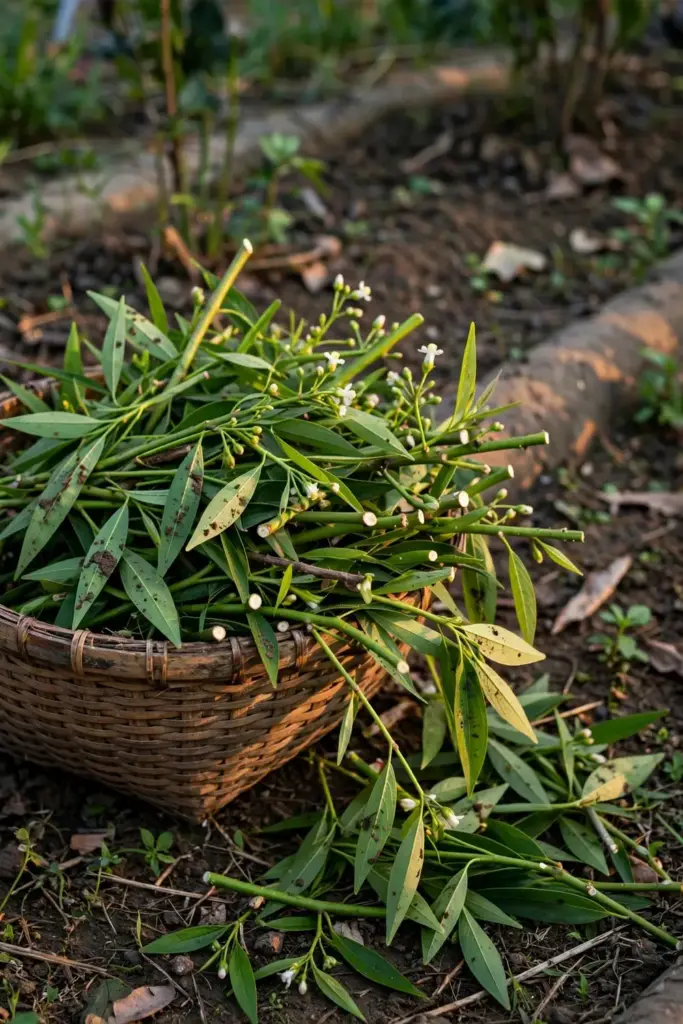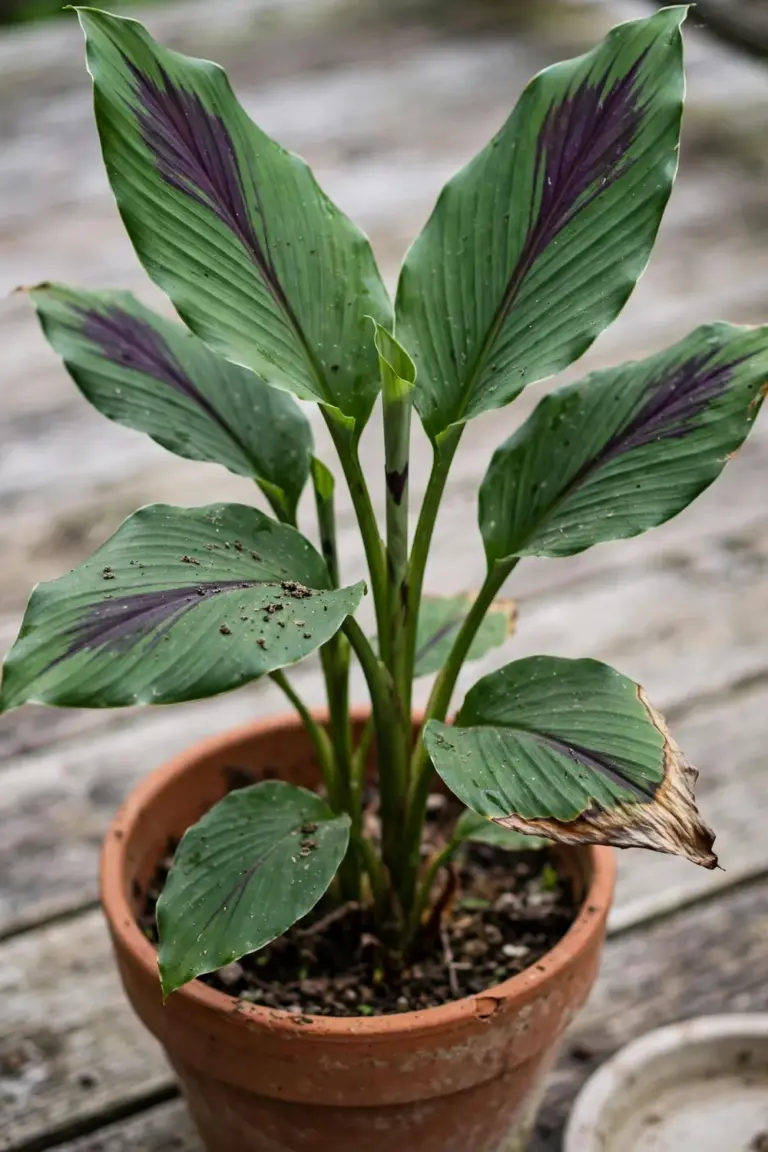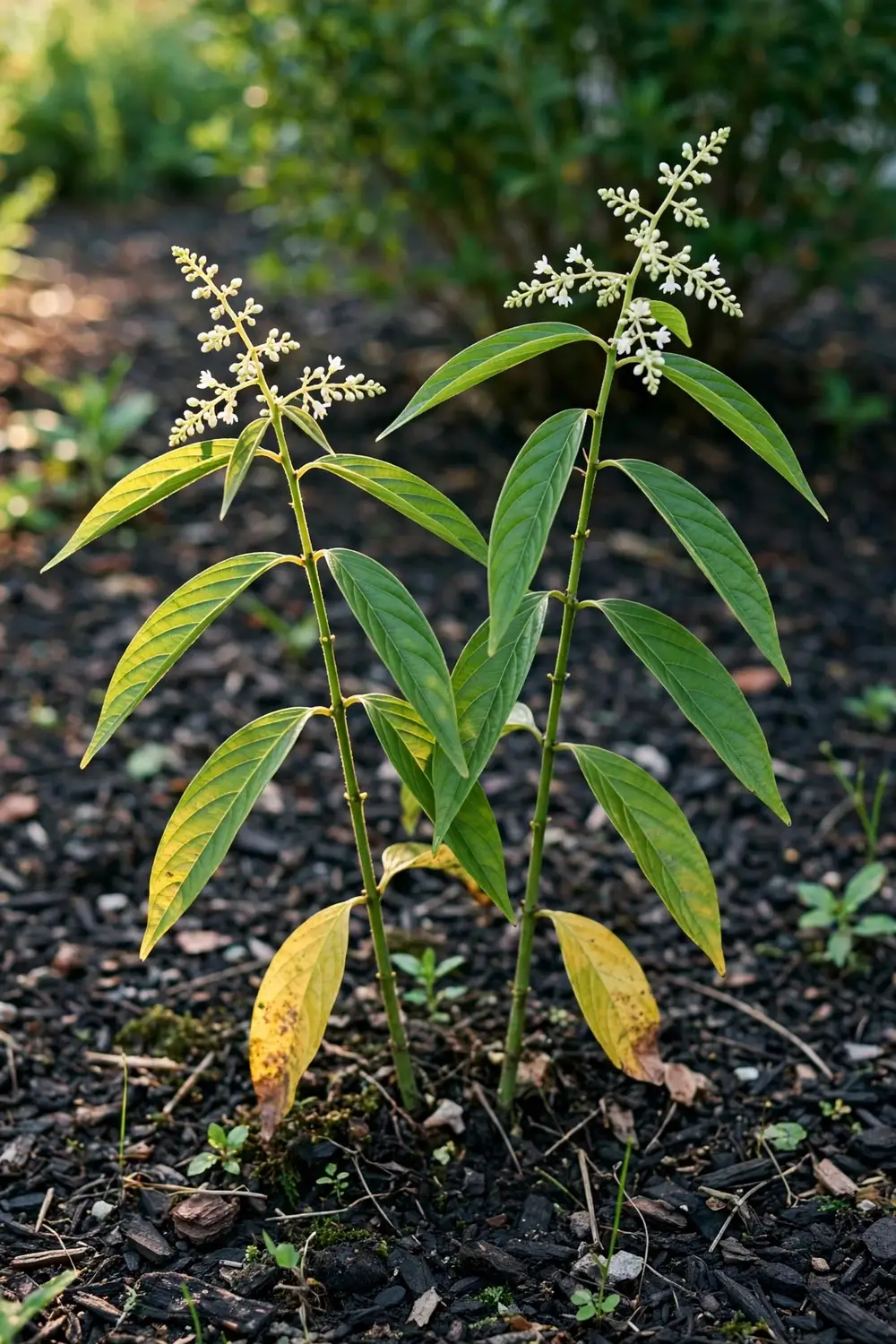

Kalmegh is a tropical annual that takes 90 to 120 days from sowing to harvest. In cold climates you grow it the way you grow tomatoes, as a single-season crop sown after the last frost, and you start the seeds warm. The prize is a basket of intensely bitter leaves whose andrographolide content peaks as the first flowers appear.
The name means “King of Bitters,” and it is not marketing. This leaf sets the bitterness benchmark other herbs get measured against. People grow it anyway because the bitterness is the point, and because it is one of the easiest medicinal herbs to raise from seed in a warm climate. Sow after the danger of frost, give it sun, harvest at early flowering, and you are done for the year.
One piece of honesty first. Kalmegh (Andrographis paniculata) is not chirata, the famous bitter of a different genus, and it is not the plant in most “king of bitters” supplement bottles you cannot verify. It is a small green herb you can raise on a balcony. This guide shows you how to grow kalmegh from India, from seed dormancy to the drying rack.
1. Climate and Zone Reality: Kalmegh Is a Tropical Annual Everywhere Cold
Kalmegh is native to India and Sri Lanka, and it behaves like the Kharif crop it is: it wants heat, humidity, and a long warm season. In India it is sown with the monsoon, around May to June, and harvested about 120 days later. In the United States it grows outdoors as an annual roughly anywhere summers are hot, and it can stay perennial only where winters never approach freezing.
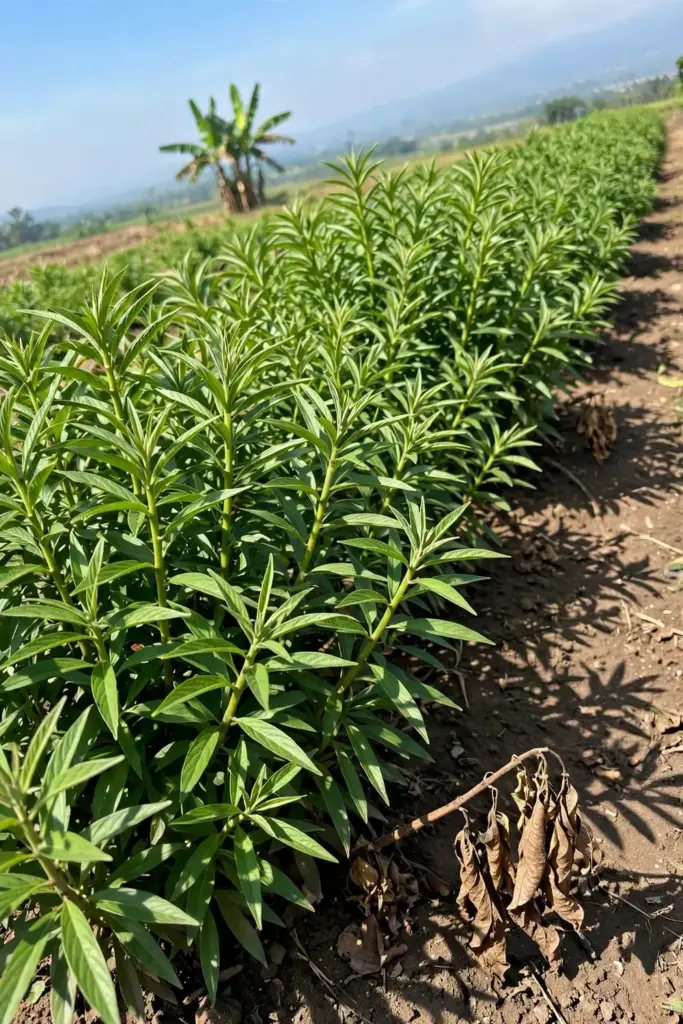
For most readers, the honest rule is simple. Treat it like basil. Sow when nights stay above about 15°C (60°F), give it the warmest spot you have, and expect it to die at the first hard frost. Below freezing it will not overwinter in the ground; it never evolved for that.
The comfort band from Indian agricultural sources is 25 to 35°C for vigorous growth, which is why a cool greenhouse bench or a heat mat changes everything in temperate gardens. Full sun is the standard recommendation, and research from India shows the plant grows most prolifically with a little shade in the hottest part of the day, so in desert or extreme-heat gardens, afternoon shade is a feature, not a failure. Floral Encounters, a specialist seed grower, describes it as an excellent garden plant in the hot southeastern United States and warns that it will not do well in cooler regions without warm summers.
2. Seed Shopping: What to Look For and Why Dormancy Matters
Kalmegh seed has a hard waxy coat. That coat lets the seed survive long storage in hot climates, but it also locks the seed in dormancy for months. The scout work behind this guide found germination claims ranging from 5 days to 6 months without treatment, which explains why some gardeners call kalmegh hard to start while others call it a weed.
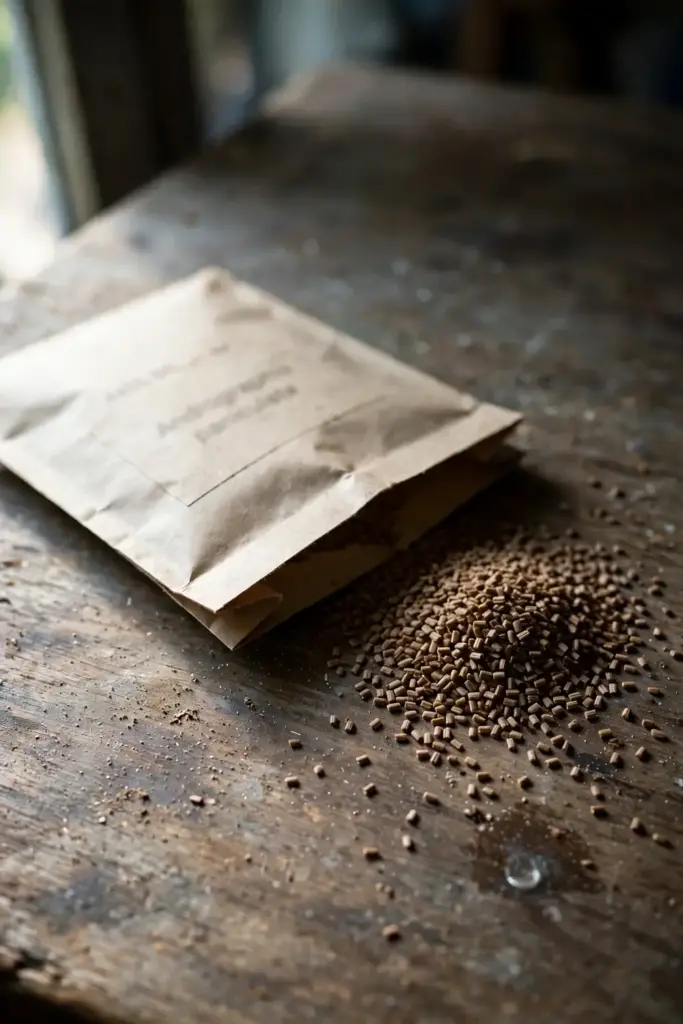
Buy fresh seed from a reputable herb-seed vendor. The dormancy coat means old seed from an unknown bin is the single most common reason for failure. Seed saved from your own plants stores well in a dry, airtight container, and Indian growing guides recommend sun-drying collected seed completely before sealing it.
Skip seed packets that do not name the species. You want Andrographis paniculata, full stop. “Green chireta” on a packet is the same plant, but bare “chirata” is a different species entirely; the disambiguation table further down sorts out which is which.
3. Breaking Dormancy: The 50°C Five-Minute Method
The best-documented way to wake kalmegh seed is a short hot-water bath. Soak the seed in water at about 50°C (122°F) for exactly five minutes, then sow immediately. A specialist seed grower tested this protocol directly against untreated seed. Do not use boiling water, and do not leave the seed in longer than five minutes, or viability drops.
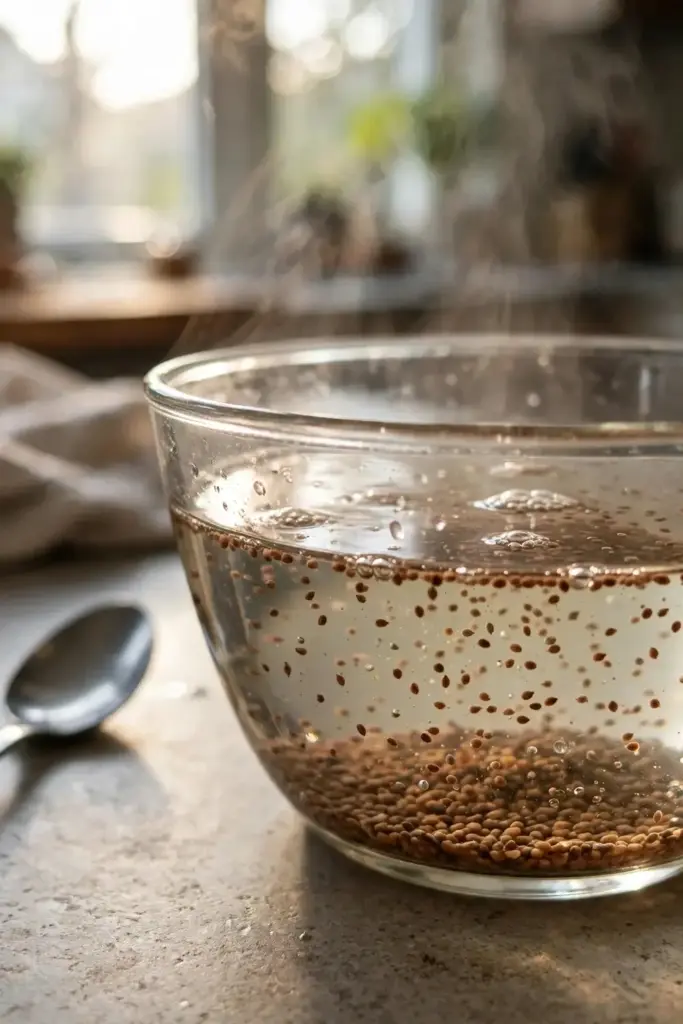
The numbers behind this protocol come from a specialist grower that tested it directly. With the hot-water treatment, germination runs about 85 percent and takes 5 to 7 days; without it, germination is erratic and can fall as low as 20 percent. That is the difference between a full tray of seedlings and a puzzling empty one.
A plain 24-hour soak in room-temperature water is the other common recommendation, used by Indian nurseries and retailers, with emergence around 7 to 14 days. It works. But the hot-water method wins on reliability, so save the plain soak for when you have spare seed and patience.
| Step | Action | Time |
|---|---|---|
| 1 | Heat water to 50°C (122°F), not boiling | 2 min |
| 2 | Pour seeds in, stir once | 5 min |
| 3 | Drain and sow immediately into prepared mix | Same day |
| 4 | Cover with a very thin layer of mix plus a dusting of sand | Same day |
| 5 | Keep warm at 25 to 35°C | 5 to 7 days to emergence |
The sand detail matters. The seeds are tiny and dislike deep burial, and a thin layer of sand over the mix scratches the seed coat as the seedling pushes through, which aids germination further.
4. Sowing Timeline: When to Start for Your Climate
Sources disagree on the calendar, and the disagreement is regional, not a mistake. Indian field guides sow with the monsoon, May to June, for a Kharif crop harvested around September. One detailed Indian growing guide instead raises nursery seedlings in early September and transplants at six weeks. Both are real; they suit different regions and seasons.
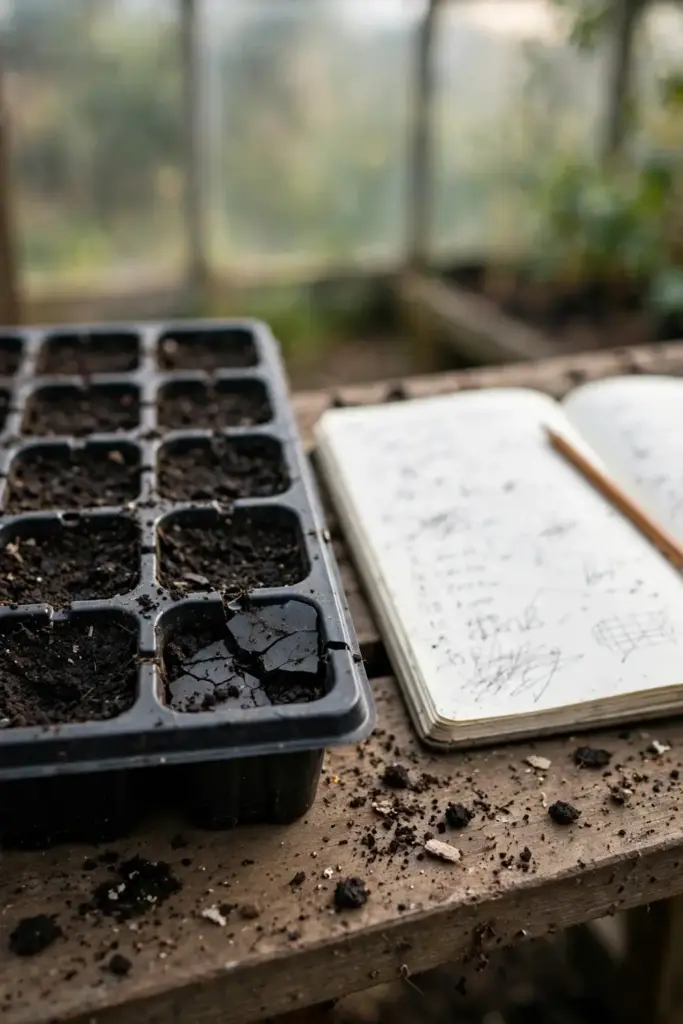
For the home gardener learning how to grow kalmegh from India outside the tropics, ignore both calendars and follow temperature. Start seeds indoors 6 to 8 weeks before your last frost date, on a heat mat if you have one. Transplant out only when nights stay reliably above 15°C (60°F). In the subtropics and tropics, sow with the start of the warm rainy season, which is the May to June window Indian growers use.
The plant needs 90 to 120 days from sowing to harvest, so count backward from your first fall frost and make sure the season is long enough. A 120-day window plus a 6-week indoor head start covers most temperate summers.
5. Seedling Care: Light, Warmth, and the First Pinch
Kalmegh seedlings want bright light from day one. A sunny windowsill works for a tray of seedlings, and a south-facing window is the classic starting setup for the container method covered below. Give them 6 or more hours of direct light or a simple grow light; weak light produces leggy stems that never recover their compact form.
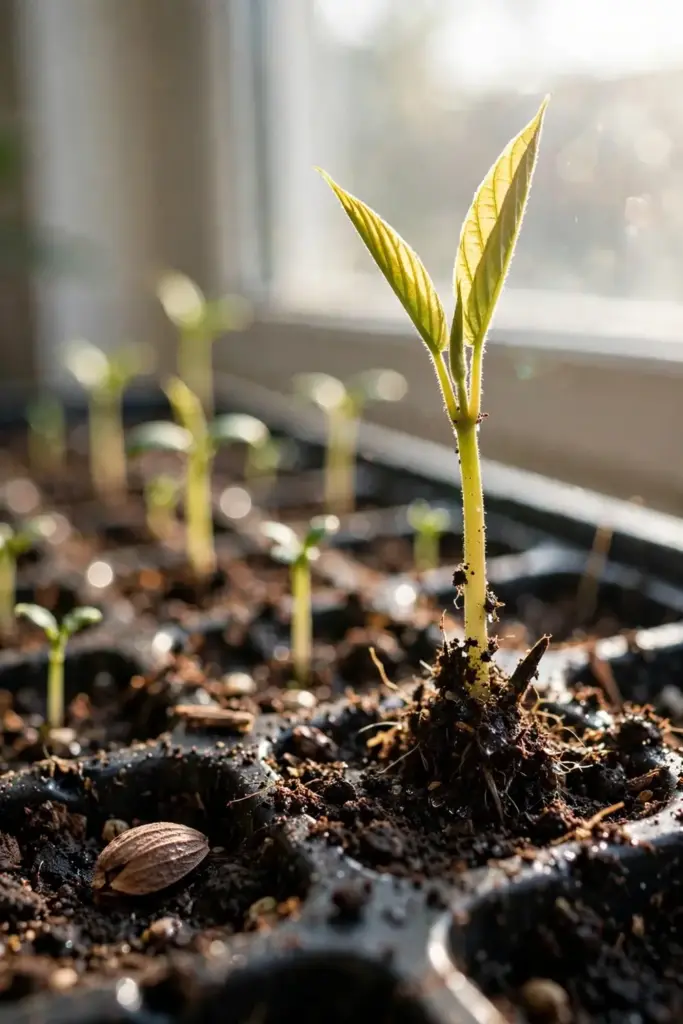
Keep the mix evenly moist but never waterlogged. Tiny seeds and young seedlings rot easily in soggy trays, so water gently and let the surface dry slightly between waterings. Warmth matters as much as light: germination and early growth stall below 20°C (68°F).
When seedlings reach 10 cm (4 inches) with several true leaves, they are ready for hardening off. Move them outdoors for a few hours a day over a week before transplanting. By 12 inches tall, Indian retail growers note, the plant is sturdy enough for a first light leaf harvest, but for most gardeners the main harvest comes later.
6. Transplanting: Spacing That Keeps Air Moving
Set transplants out after hardening, when the soil is genuinely warm. Indian field spacing runs 30 by 15 cm or 15 by 15 cm, which translates for home beds to roughly 12 to 18 inches between plants. The tighter end suits rich soil and regular harvesting; the wider end suits humid climates where airflow prevents disease.
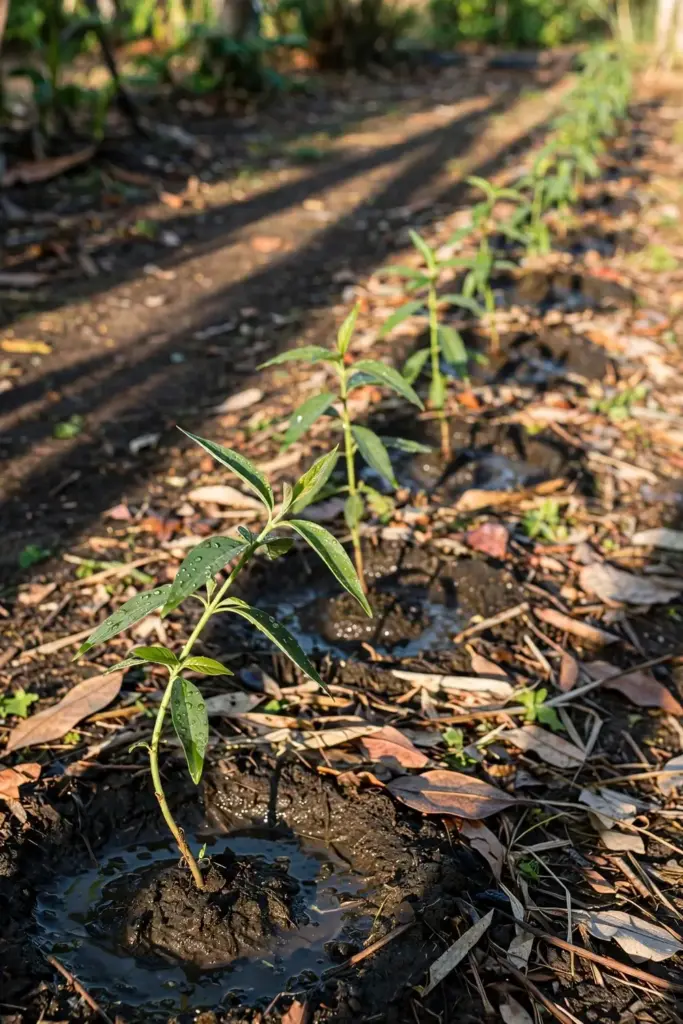
Plant at the same depth the seedling grew in the tray. Firm the soil gently around the roots and water in well. In the first week, watch moisture closely; a wilted transplant on day two is almost always a watering problem, not a disease.
Mulch lightly once plants are established. A thin organic mulch keeps roots cool, holds moisture, and suppresses the weeds that compete with young kalmegh, which is a modest competitor in its first month.
7. Growing Kalmegh in Pots: The Thin Lane Worth Owning
Almost no dedicated guide covers kalmegh in containers, yet it is genuinely pot-friendly. A nursery product FAQ answers the question directly: yes, it does well on terraces and balconies. A sunny windowsill can carry a plant through the season where outdoor space is missing.
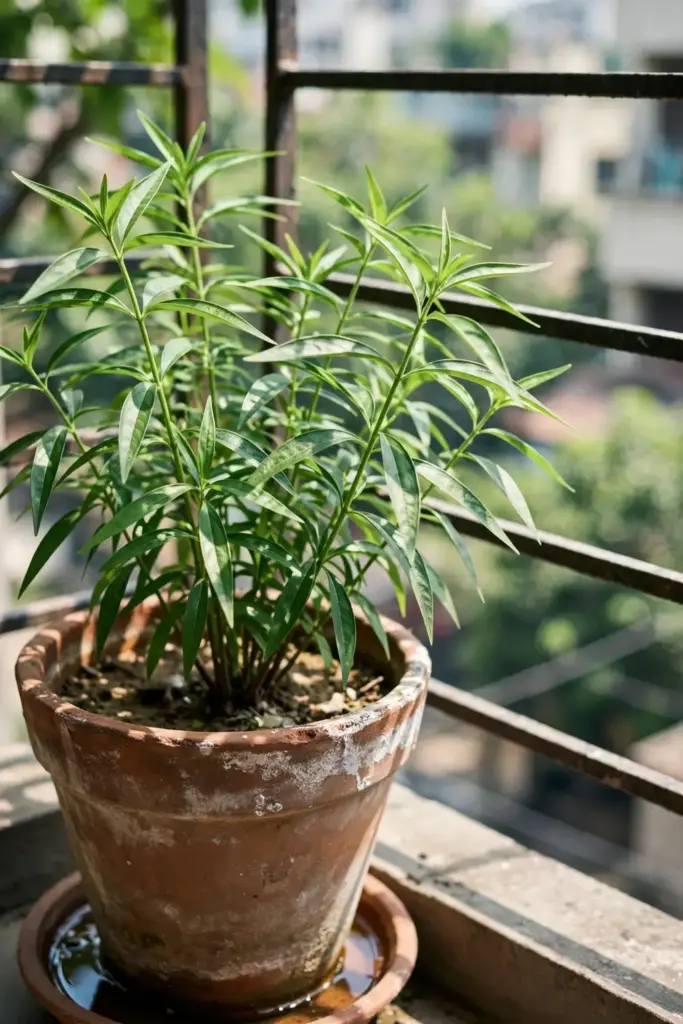
Use a pot of at least 10 to 12 inches across with drainage holes. Fill it with a loose, well-drained mix; a simple 1:1:1 blend of garden soil, sand, and compost mirrors the nursery-bed ratio Indian guides recommend and works in containers too. One plant per pot is the rule for full-size harvest; crowding produces thin, weak stems.
Container plants dry faster than bed plants, so check moisture daily in hot weather. Feed lightly, since pots leach nutrients with every watering; the indoor herb garden principles for containers apply outdoors on the balcony too. The container harvest is smaller than a bed harvest, but for a bitter leaf used by the pinch and the handful, one or two pots supply a household easily.
8. Soil and Feeding: Simple Fertility, Zero Chemicals
Kalmegh accepts a wide range of soil types. Drainage is the non-negotiable part. Sandy loam to clay loam with a pH between 6.0 and 7.5 covers its needs. Waterlogged ground rots the roots of a plant that evolved for monsoon drainage, so heavy clay beds need compost and, ideally, a raised profile.
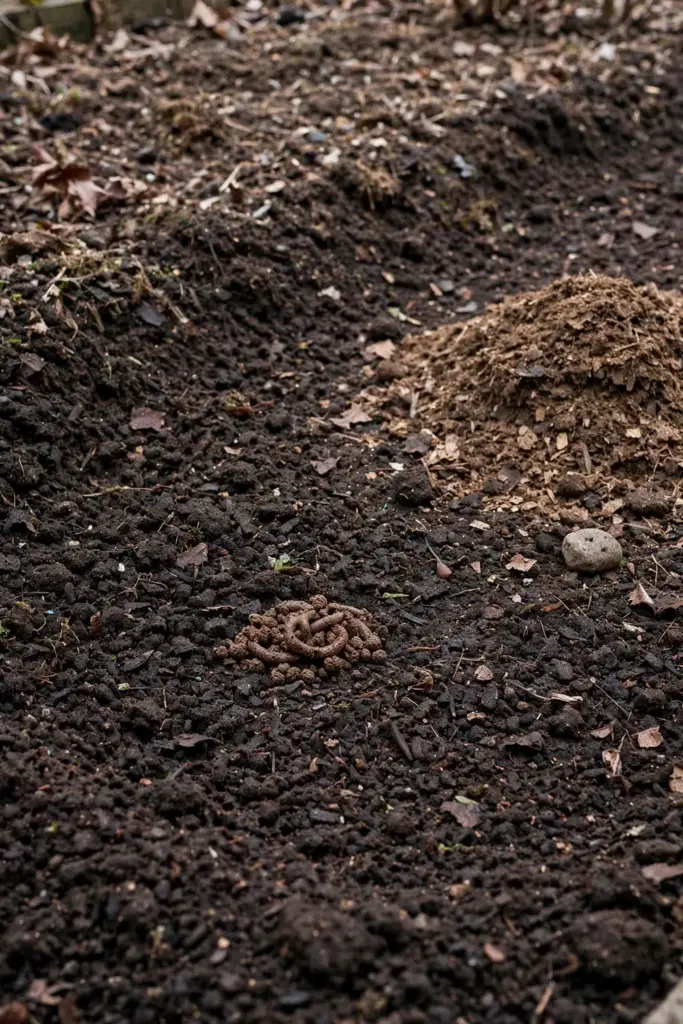
Indian medicinal-crop guides are explicit on one point: grow kalmegh without synthetic fertilizers or pesticides. The field recipe in one Indian medicinal-crop guide is farmyard manure at 10 tonnes per hectare with vermicompost at 2 tonnes per hectare, and nursery beds get a heavy manure dressing before sowing. Translate that to a home bed as a generous layer of finished compost worked in before planting, plus a mid-season top-dressing.
In containers, a balanced organic liquid feed every 4 to 6 weeks keeps growth steady. Stop feeding once flowering begins; late nitrogen produces soft growth at exactly the moment you want the plant concentrating its bitter compounds.
9. Watering: Monsoon Habits in a Garden Bed
Think monsoon, then dry spell, then monsoon again. Kalmegh likes consistent moisture during active growth and tolerates the rhythm of rainy-season downpours followed by drying. In a garden bed, deep watering two to three times a week in hot weather usually suffices; adjust so the top inch of soil dries between waterings.
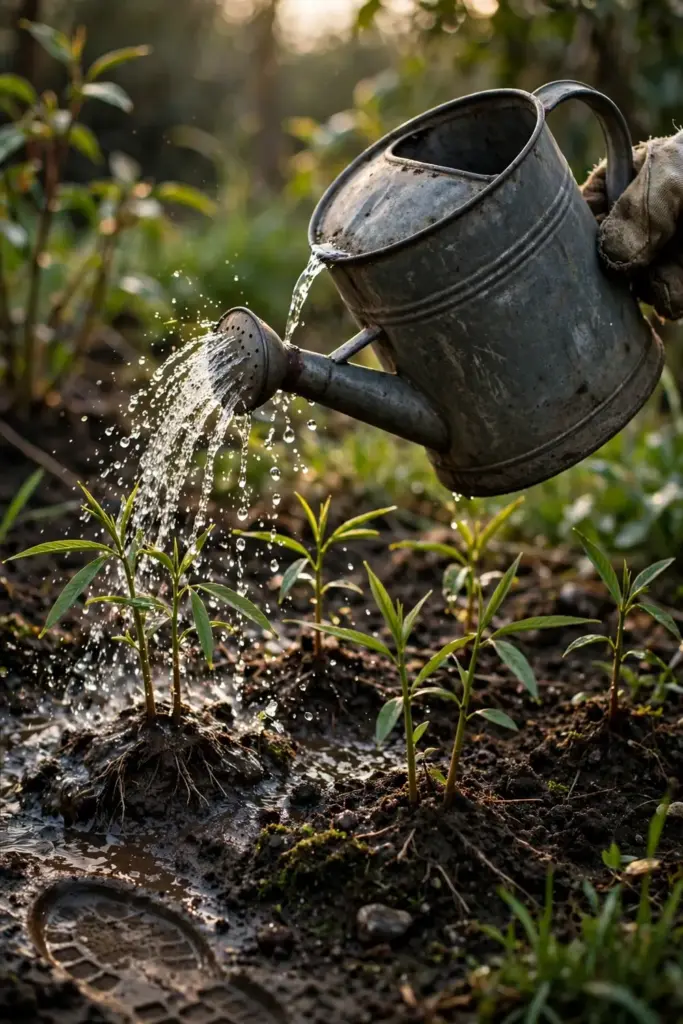
Seedlings and fresh transplants need steadier moisture than established plants. Once plants pass the one-foot mark and the root system fills out, they handle short dry spells without drama. Overwatering shows first as yellowing lower leaves, which is the plant’s standard complaint about wet feet.
In arid regions, the specialist growers note, more watering and some midday shade keep the plant happy. Mulch is your best friend here; it cuts evaporation and keeps the root zone in the warm-moist band the plant prefers.
10. Pinching and Pruning: Bushier Plants, More Bitter Leaves
Kalmegh branches naturally into an upright, somewhat open habit reaching 50 cm to 1 m. Pinching the growing tips when plants are 15 to 20 cm tall forces side branches, and side branches mean more leaf nodes, which means more harvest.
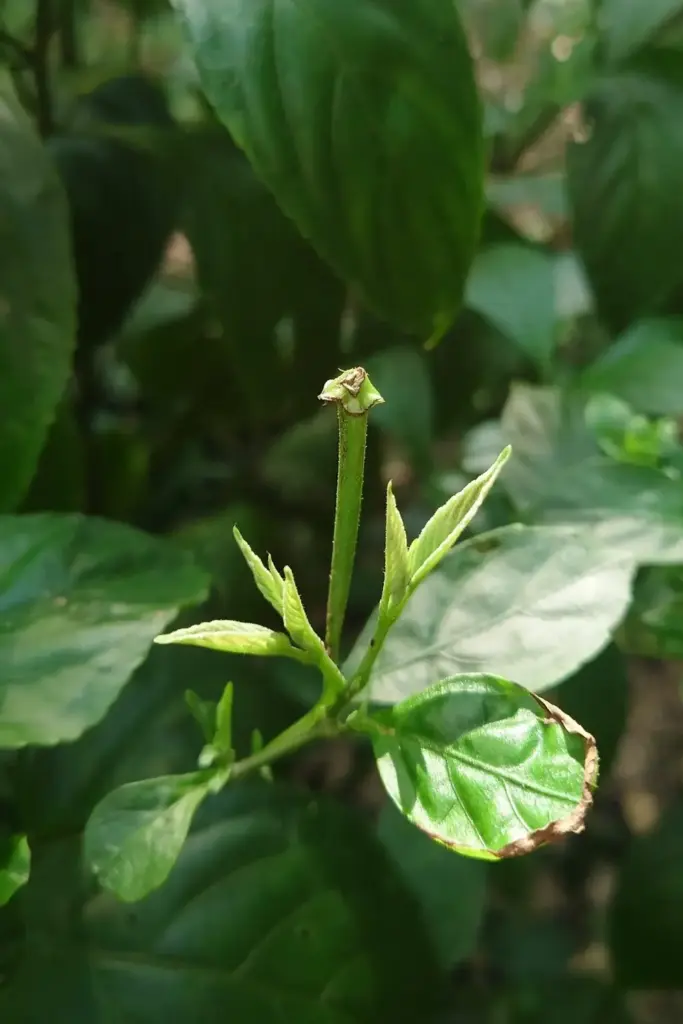
Prune lightly and regularly through the season, taking the top few inches of stems. Use the prunings; they are harvest, not waste. Avoid hard cutting late in the season once flower buds form, because the plant is about to do its most important chemical work, and stress at that point costs you bitterness.
Remove any dead or damaged stems promptly. Good airflow through the center of the plant matters more than perfect shape, especially in humid climates where dense canopies invite fungal trouble.
11. Pests and Diseases: What Actually Bothers It
Kalmegh is a tough plant with a short list of enemies. Because it is grown without synthetic pesticides in medicinal production, the control methods here are the organic ones by design: neem oil sprays, hand-picking, and cultural prevention.
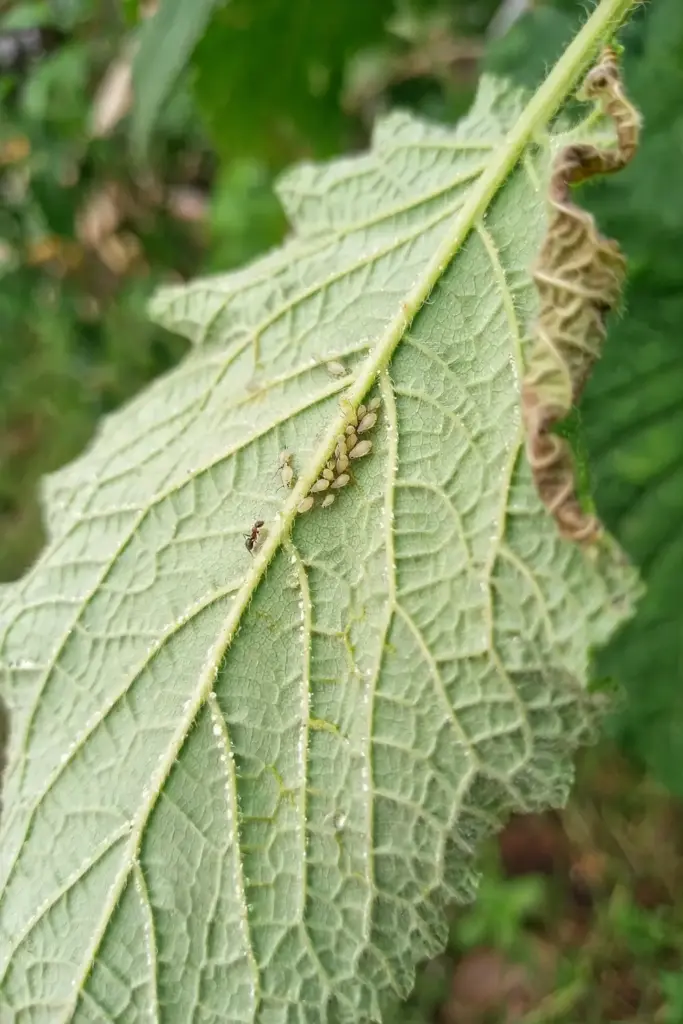
Aphids and whiteflies are the most common visitors, clustering on tender new growth. A strong jet of water dislodges light infestations; neem oil handles persistent ones. Caterpillars chew leaves in some regions; hand-pick at dusk when they feed.
The real disease risk is fungal, and it is almost always a drainage or spacing problem. Leaf spots appear when foliage stays wet, so water at the base, space plants for airflow, and avoid overhead watering late in the day. Plants grown in waterlogged soil decline quickly and rarely recover, which is why the soil section of this guide leads with drainage.
12. Harvest Timing: 90 to 120 Days and the Flower-Initiation Window
Here is the number that matters most. The crop reaches its peak 90 to 100 days after sowing, and the active compound andrographolide is highest in the leaves at flower initiation. Harvest when the majority of plants begin to bloom, not before and not long after.
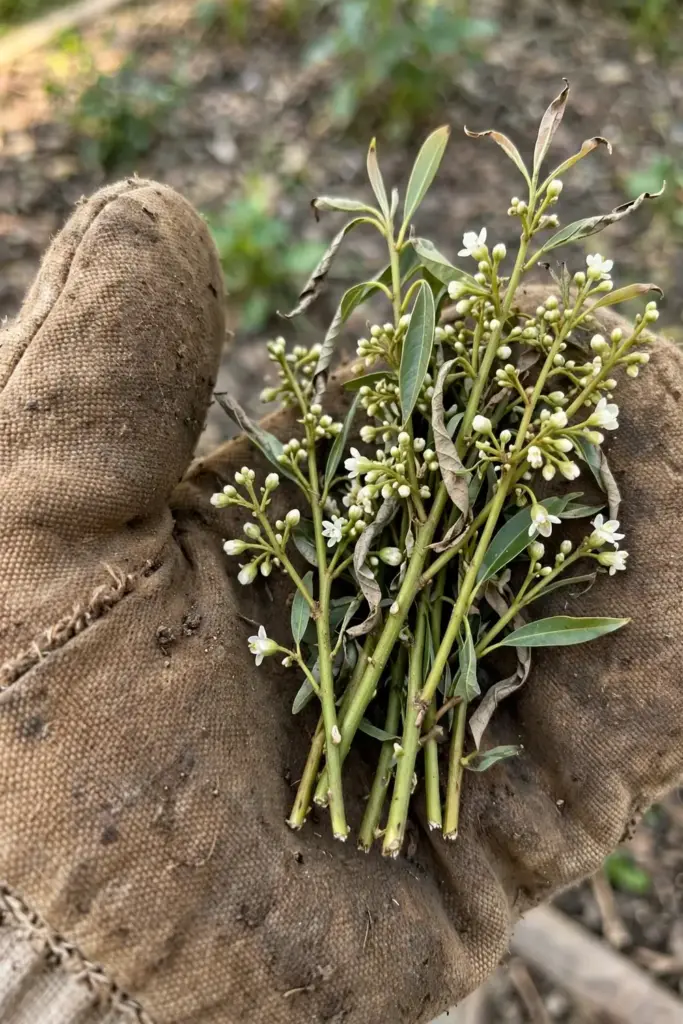
The whole plant is the harvest in commercial production: plants are uprooted at flowering, because roots, stems, and leaves all carry active compounds. For home growers who want a longer season, cut stems at early flowering instead of uprooting, leaving the base to regrow for a second, smaller flush.
| Stage | Days From Sowing | Action |
|---|---|---|
| Early leaf pick | 60 to 75 | Light harvest of mature lower leaves |
| Peak harvest | 90 to 120 | Cut or uproot at flower initiation |
| Past prime | 130 plus | Leaves shed; bitterness declines |
Do not wait for seed maturity to harvest the leaf crop. Once flowering finishes and seed sets, the plant sheds leaves and the medicinal quality drops. Save a few plants separately for seed if you want next year’s sowing; harvest the rest at the flowering window.
13. The Andrographolide Story: Why Bitterness Is the Point
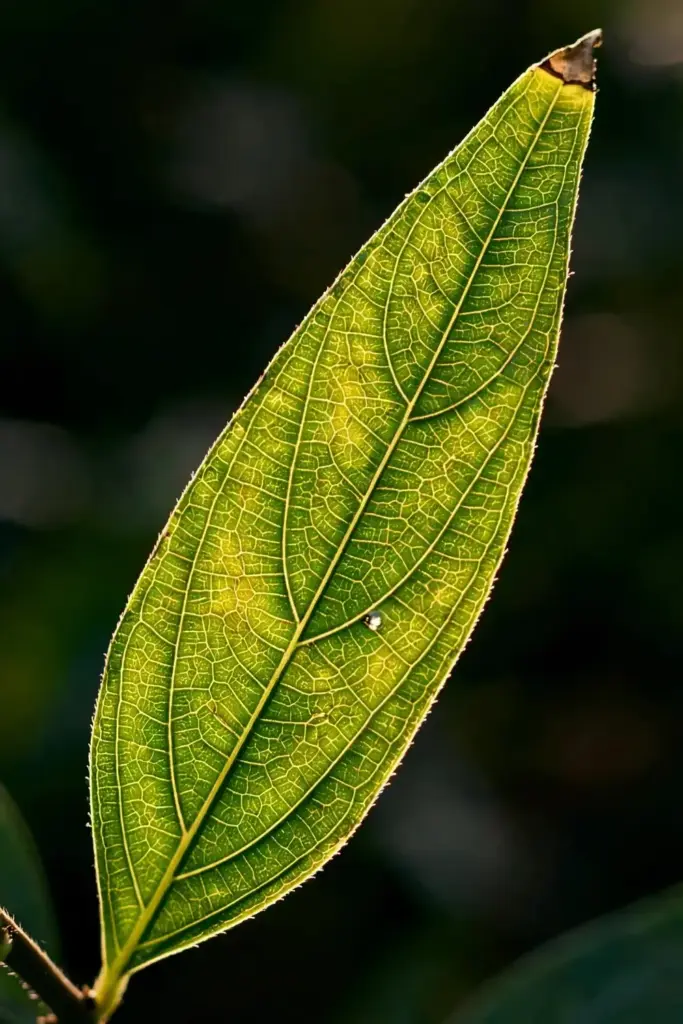
Andrographolide is the diterpene lactone that makes kalmegh intensely bitter and gives the plant its place in traditional medicine. Indian cultivation research notes that the compound concentrates in the leaves at flower initiation, which is exactly why the harvest window in the previous section is timed to flowering rather than to maximum bulk.
Traditional Ayurvedic use centers on the whole-plant powder and leaf preparations for digestive and immune support, and modern supplement makers standardize extracts to andrographolide content. That is the bitter-tablet lane: your homegrown leaves are the raw material of a global herbal industry.
Keep the framing honest. Traditional use describes history, not dosage. A homegrown leaf carries no standardized dose. If you plan to use kalmegh for anything beyond culinary curiosity, talk to a clinician first, especially because this plant carries a real safety flag, covered in the safety section below.
14. Drying and Storing Your Harvest
Dry kalmegh in the shade, not the sun. Spread stems loosely on racks or hang small bundles in a warm, airy spot out of direct light. Sun drying bleaches the leaves and degrades the compounds you grew the plant for; shade drying preserves both color and bitterness.
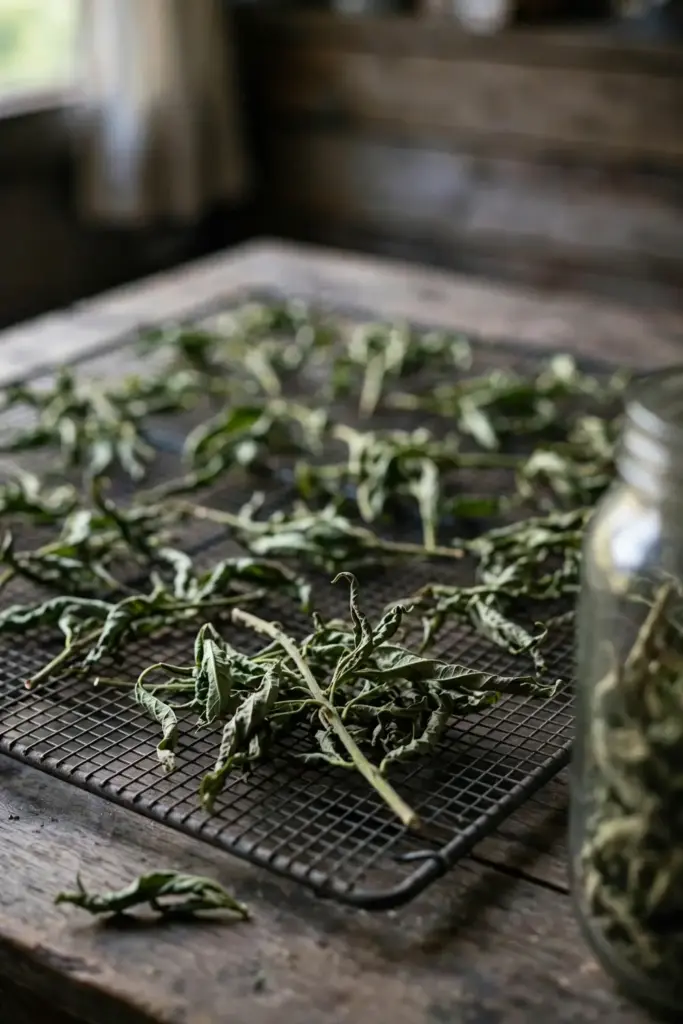
The material is ready when stems snap cleanly and leaves crumble. Strip the leaves, discard thick woody stems, and store in airtight jars away from light and heat. Properly dried leaf keeps its potency for about a year.
Seed saving follows the same principle with one extra step. Let a few plants mature fully, collect the capsules when ripe, sun-dry the seed completely, and store it in airtight containers. Dry, sealed seed carries the waxy-coat dormancy into next season, which is why the hot-water treatment in the sowing section exists.
15. Disambiguation: Kalmegh Is Not Chirata
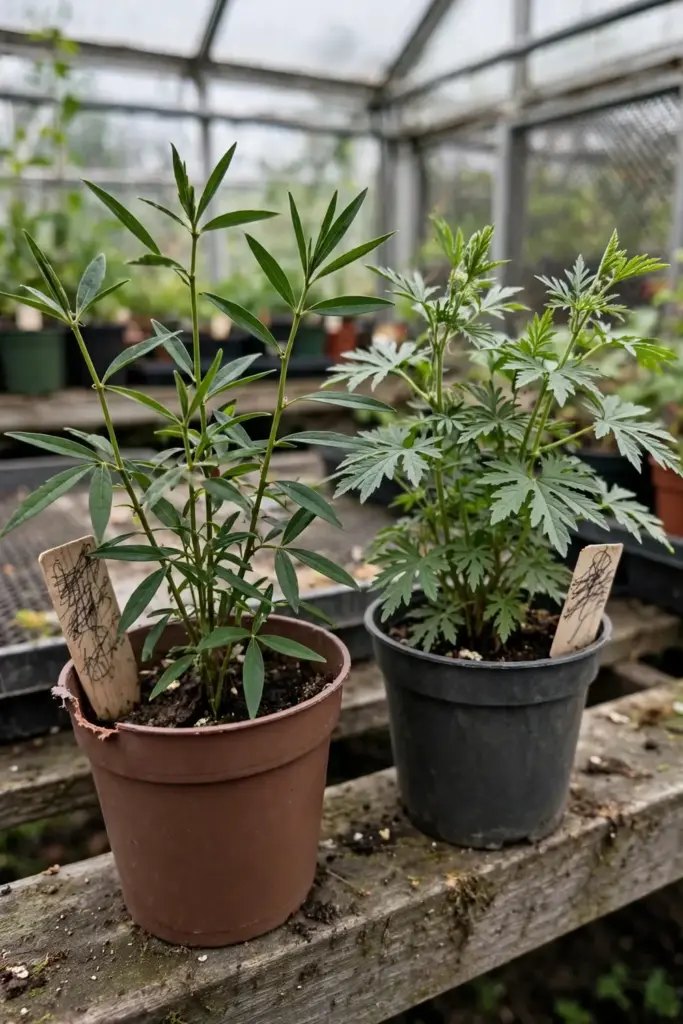
The naming tangle is real enough to deserve its own table. Kalmegh is sold as “green chireta,” which invites confusion with true chirata, a different plant with a different chemistry. Buy and grow by Latin name.
| Name | Species | Relationship to Kalmegh |
|---|---|---|
| Kalmegh, green chireta, creat, chuan xin lian | Andrographis paniculata | The plant covered here |
| Chirata, chirayata | Swertia chirata | Different genus; also bitter, not interchangeable |
| Bhumi amla | Phyllanthus niruri | Unrelated; shares Ayurvedic shelf space only |
If a seed packet says only “chirata” with no Latin name, do not buy it for this project. If it says Andrographis paniculata, you have the right plant however the common name is spelled.
16. Overwintering: The Annual Reality Check
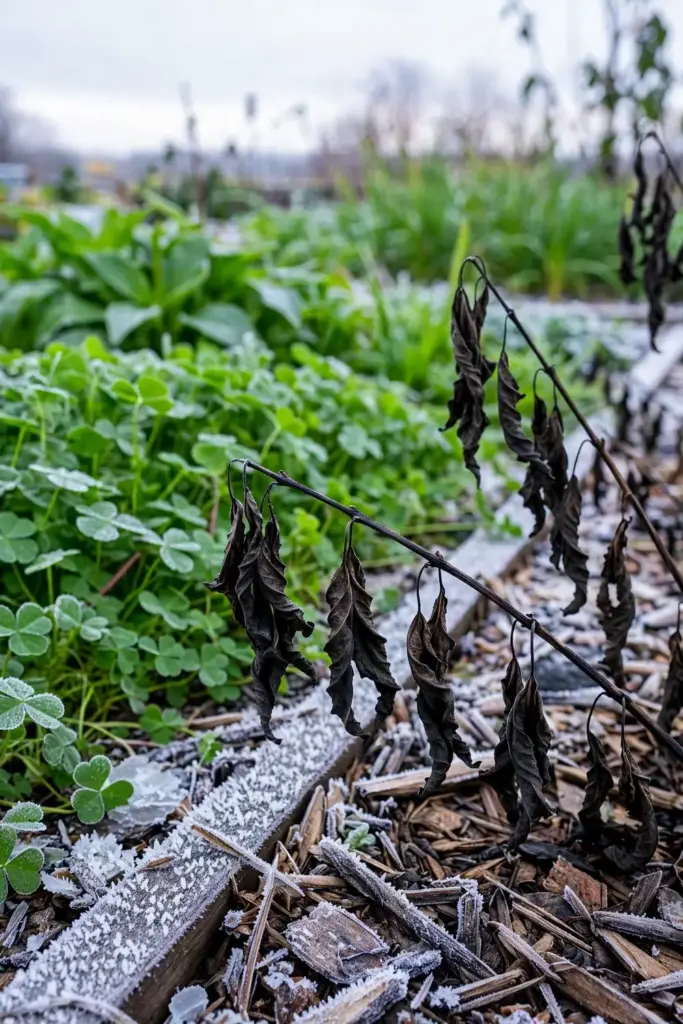
In zones with frost, kalmegh is an annual. It dies at frost, and no amount of mulch changes that. Plan the season backward from your first frost date, allow the full 90 to 120 days plus germination time, and compost the spent plants.
Two workarounds exist for gardeners who want an earlier start next year. First, save seed from your own plants; it stores well and the hot-water treatment resets dormancy. Second, take stem cuttings in late summer and root them indoors on a heat mat under lights. Cuttings root readily and give you mature plants the moment spring warmth returns.
In frost-free climates the plant can persist as a short-lived perennial, but productivity falls after the first season. Most growers, tropical ones included, replant annually from seed for the strongest harvest.
17. Common Mistakes to Avoid
Sowing into cold soil. Kalmegh seed sits and rots below 20°C. Wait for warmth or use a heat mat; the calendar date means nothing without the temperature.
Skipping the dormancy treatment. Untreated seed germinates erratically at best. The five-minute hot-water soak is the highest-return five minutes in this entire guide.
Burying the tiny seed. These seeds want a whisper of cover, not a blanket. Sow shallow, dust with sand, and mist instead of flooding.
Harvesting too early or too late. Leaves picked weeks before flowering are mild; plants left standing past seed set are shedding. The flower-initiation window is the whole game.
Growing it like a perennial in a cold climate. It will not come back. Save seed, take cuttings, and replant.
Using synthetic pesticides on a medicinal crop. Indian medicinal-crop standards forbid them, and residues defeat the purpose of growing your own. Stay organic from sowing to drying.
18. Troubleshooting: Slow Germination, Leggy Seedlings, Early Flowering
Nothing emerged after two weeks. The usual suspects are cold soil, old seed, or a skipped hot-water treatment. Check soil temperature first; below 20°C, nothing in the sowing section works. Re-sow with fresh seed and the full 50°C protocol.
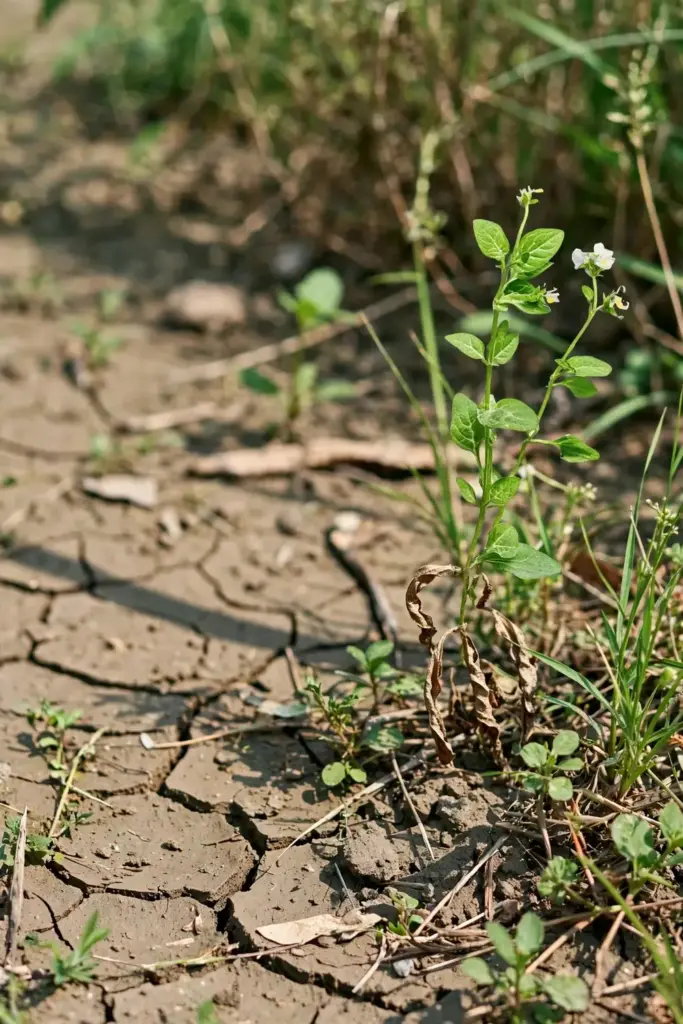
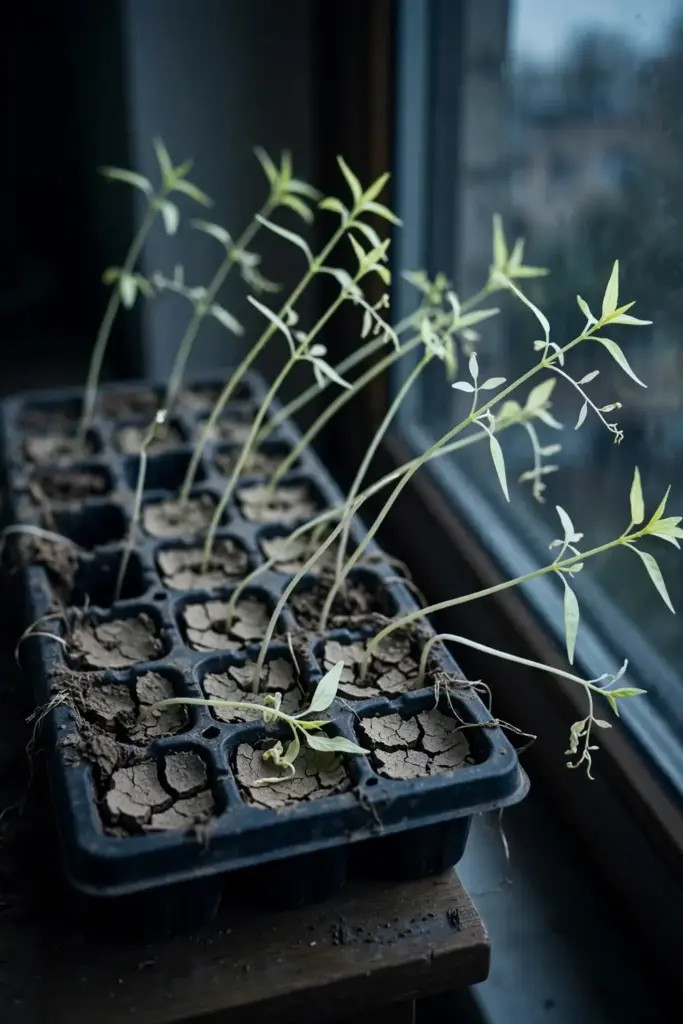
Seedlings are tall and floppy. Not enough light. Move trays to the brightest spot available or add a grow light inches above the seedlings, and brush the tops gently once a day; the mechanical stress builds sturdier stems.
Plants flowered at six inches. Stress flowering, usually from drought, root crowding, or a cold snap. Pinch the first buds, restore water and warmth, and the plant often resumes vegetative growth for a partial harvest.
Lower leaves yellowing. Overwatering in most cases. Let the top inch dry, check that the pot or bed drains freely, and hold off on feeding until new growth looks healthy.
Whiteflies cloud up when you brush the plant. Treat with neem oil in the evening, repeat weekly for three weeks to break the lifecycle, and improve airflow around the plants.
19. Safety and Traditional Use: Read This Before You Chew a Leaf
Kalmegh has centuries of traditional use in Ayurveda and Traditional Chinese Medicine, and modern research has studied andrographolide for immune and inflammatory pathways. None of that makes a homegrown leaf a medicine, and this guide does not prescribe anything.
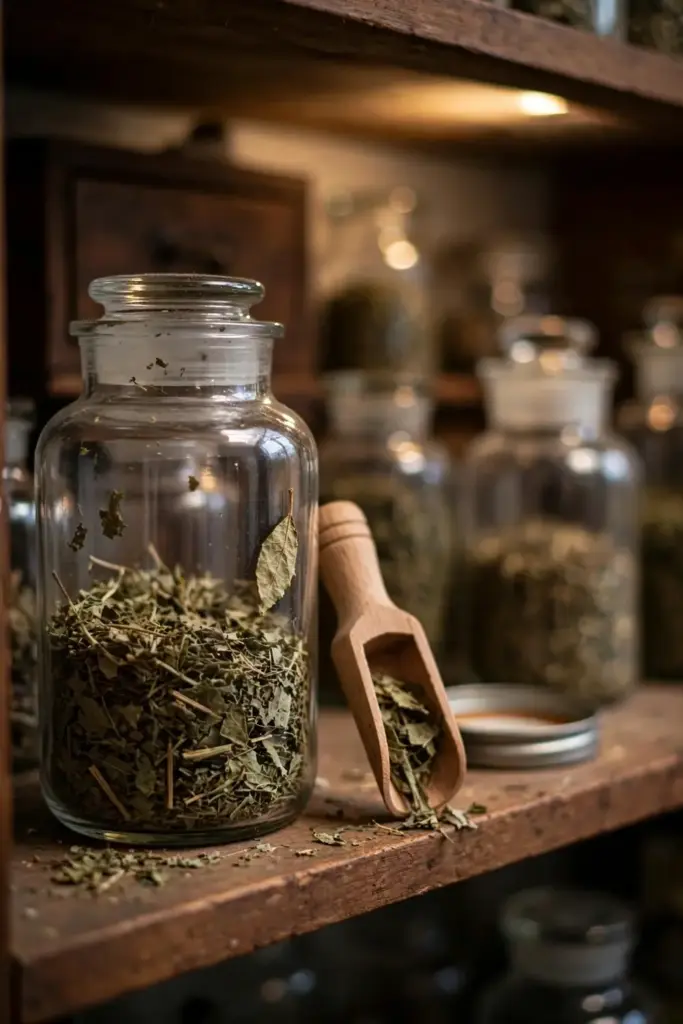
One safety flag is specific and well documented enough to state plainly: animal research has shown antifertility effects, and traditional sources advise avoiding kalmegh during pregnancy and when trying to conceive. Treat that as a hard boundary, not a footnote.
Bitter herbs can also interact with medications and irritate sensitive stomachs. Anyone considering regular use should speak with a clinician or qualified herbalist first. Growing the plant is gardening; using it therapeutically is a health decision, and the two deserve different levels of caution.
Frequently Asked Questions
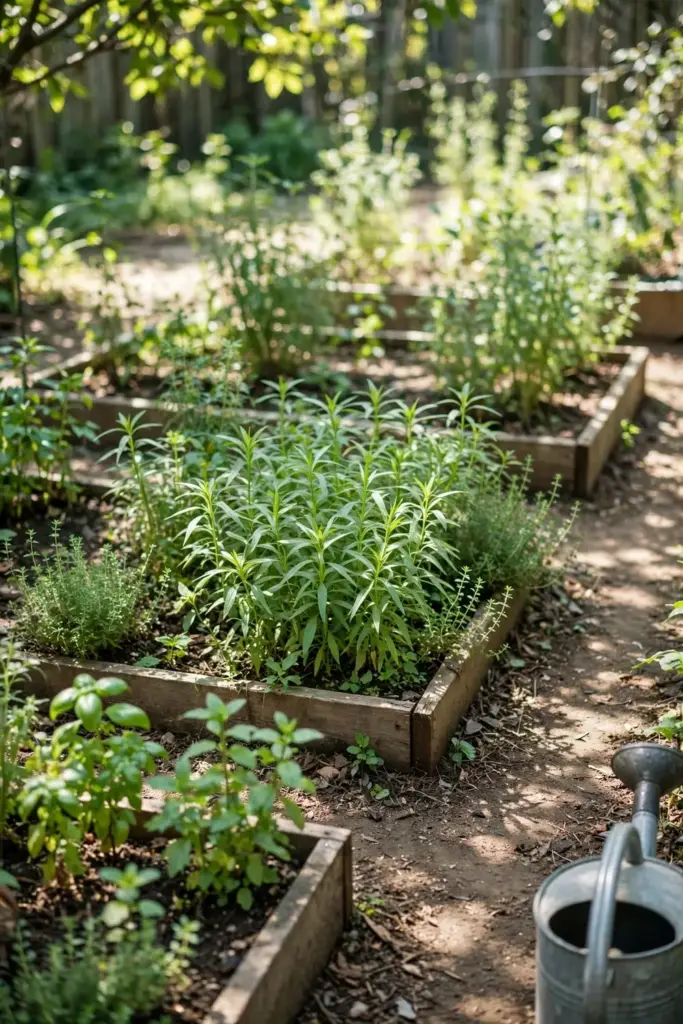
A 90 to 120 day run from sowing to harvest at flower initiation. Germination takes 5 to 7 days with the 50°C hot-water treatment, seedlings need roughly 6 weeks in the nursery before transplanting, and the leaf harvest peaks when the first flowers open, which is when andrographolide content runs highest.
Yes. Kalmegh is genuinely pot-friendly and does well on terraces, balconies, and sunny windowsills. Use a 10 to 12 inch pot with drainage holes, a loose well-drained mix of soil, sand, and compost, one plant per pot, and daily moisture checks in hot weather. Expect a smaller harvest than a garden bed, but one or two pots supply a household.
The hard waxy seed coat locks the seed in dormancy. Soak seed in 50°C water for exactly five minutes before sowing, keep the soil between 25 and 35°C, and sow shallow with only a whisper of cover. Without treatment, germination can be as low as 20 percent and erratic; with the hot-water protocol it runs about 85 percent in 5 to 7 days.
No. Kalmegh is Andrographis paniculata, also called green chireta or creat. True chirata is Swertia chirata, a different genus with different chemistry, and the two are not interchangeable. Because sellers use the names loosely, always buy seed by the Latin name to be sure you are growing the right plant.
At flower initiation, some 90 to 120 days after sowing, when andrographolide concentration peaks in the leaves. Cut stems or uproot the whole plant as the first flowers open. Waiting until seed set means the plant sheds leaves and the medicinal quality of the harvest declines sharply.
No. Animal research has shown antifertility effects, and traditional sources advise avoiding kalmegh during pregnancy and when trying to conceive. Treat this as a hard boundary rather than a footnote. Anyone considering regular medicinal use should speak with a clinician or qualified herbalist first, since bitter herbs can also interact with medications.
Where to Go From Here
That is how to grow kalmegh from India at home: respect two things, warmth and timing. Give the seed its five minutes in hot water, give the plant its 90 to 120 warm days, and harvest at the first flowers. The bitterness you taste in that first leaf is the andrographolide peak you timed the whole season around, and it is the reason a small green herb from India earned the title King of Bitters.