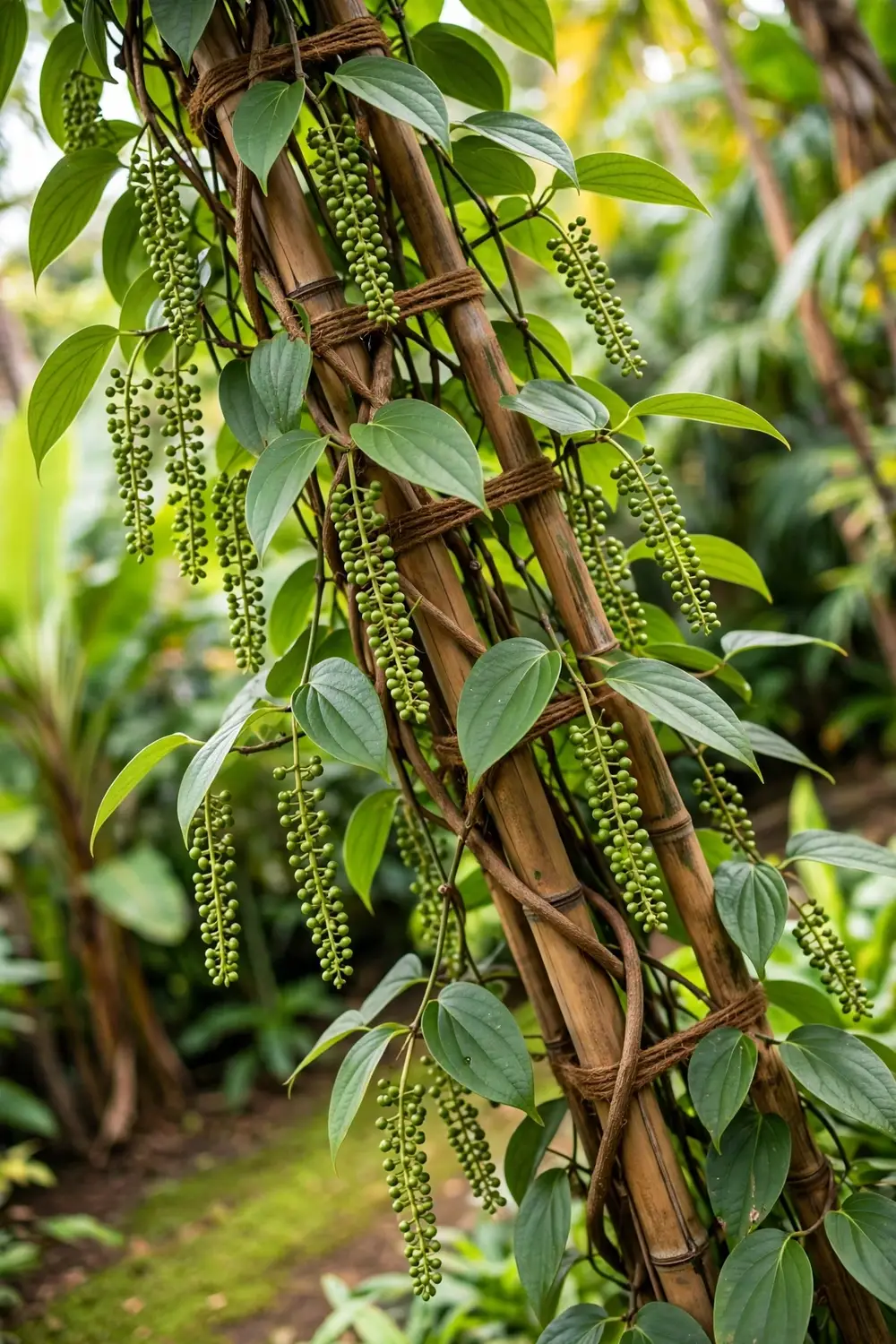

Cubeb seed asks 4 to 6 weeks of warm, humid patience before the first sprout appears, and the vine it becomes needs a sturdy tree or trellis to climb. Cubeb is the tailed peppercorn of Java, a perennial climbing vine in the pepper family whose dried berries carry a clove-like warmth that black pepper cannot imitate. This guide walks you through how to grow cubeb from India honestly: what the plant needs, where Indian gardeners can realistically grow it, how to tell it apart from black pepper, and when to harvest the berries at their most aromatic.
Cubeb is not a new crop pretending to be old. It sailed to Europe through Indian ports centuries ago, carried by Arab traders from the Indonesian islands where it still grows best. Today the spice turns up in Indian markets as kabab chini, a whole dried spice sold for its fragrance and its place in traditional garam masala blends. The question this guide answers is whether you can grow it yourself, and the answer is honest rather than easy: you can, if you give it tropical warmth, heavy rain or constant moisture, and a vertical structure to climb.
This is a long-term vine, not a seasonal herb. Expect one full growing season before the vine looks like a vine, and a second season before berries appear. Below is the full route from seed to harvest, with the honest climate limits up front so you never waste a year on a plant that cannot survive where you live.
1. The Honest Truth: Cubeb Is an Indonesian Vine First
Before anything else, set the expectation straight. Cubeb grows as a commercial crop in Java and Sumatra, where it originated, and its documented cultivation centers on those Indonesian islands. One Indian food-writing source describes cubeb cultivation in Kerala and Karnataka, even naming the Kashmir valley, yet no research station or spice board publishes a formal cubeb package of practices for Indian farmers. That gap matters. It means every Indian grower is working partly from first principles, adapting what is known about this tropical vine to local conditions. Cubeb is grown in the tropical belt only when the garden stays warm year round, and it answers to monsoon, not to cool-season sowing calendars.
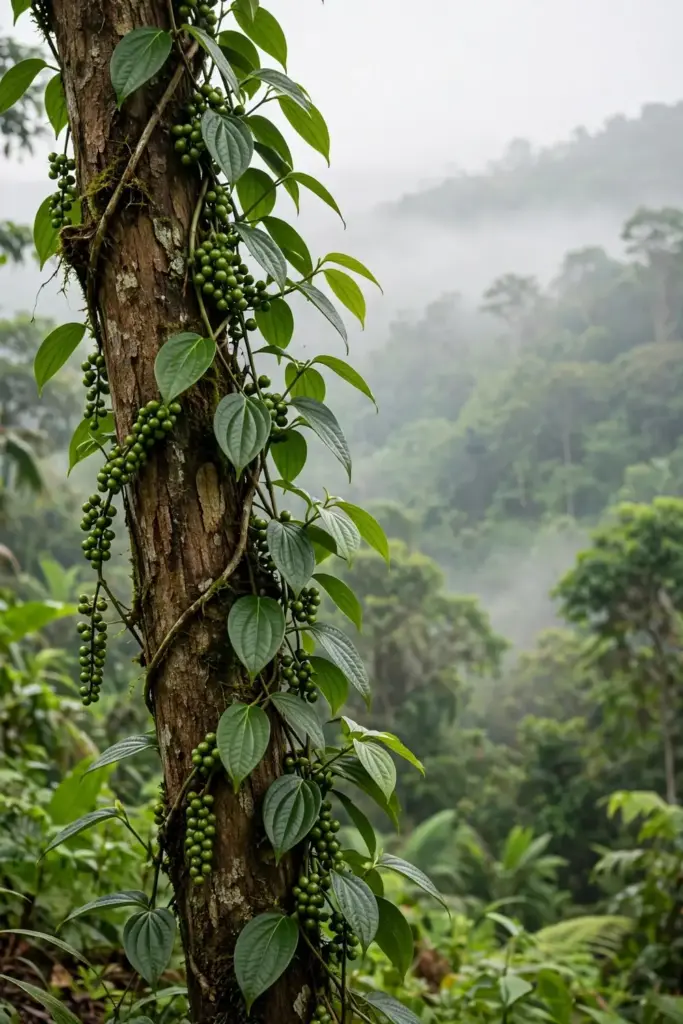
The practical read is this. If your region receives 1,500 to 3,000 mm of annual rainfall and daytime temperatures sit between 20 and 35 degrees Celsius for most of the year, your climate already resembles cubeb’s native conditions closely enough to try. Coastal Kerala, coastal Karnataka, Tamil Nadu’s coast, and parts of Andhra Pradesh fit this profile. Everywhere else, grow cubeb as a large container vine in a protected spot and bring it indoors during cold snaps. The plant will survive in a pot; it will not berry heavily there. That is the honest trade.
This honesty is the article’s spine. Too many guides treat cubeb as a plug-and-play pepper. It is not. It is a 16 to 20 ft climbing vine that demands support, humidity, and patience, and the kabab chini in your spice box traveled a long supply chain from an Indonesian hillside. Grow it for the craft and the fragrance, not for beating the market price.
2. What Cubeb (Piper cubeba) Actually Is
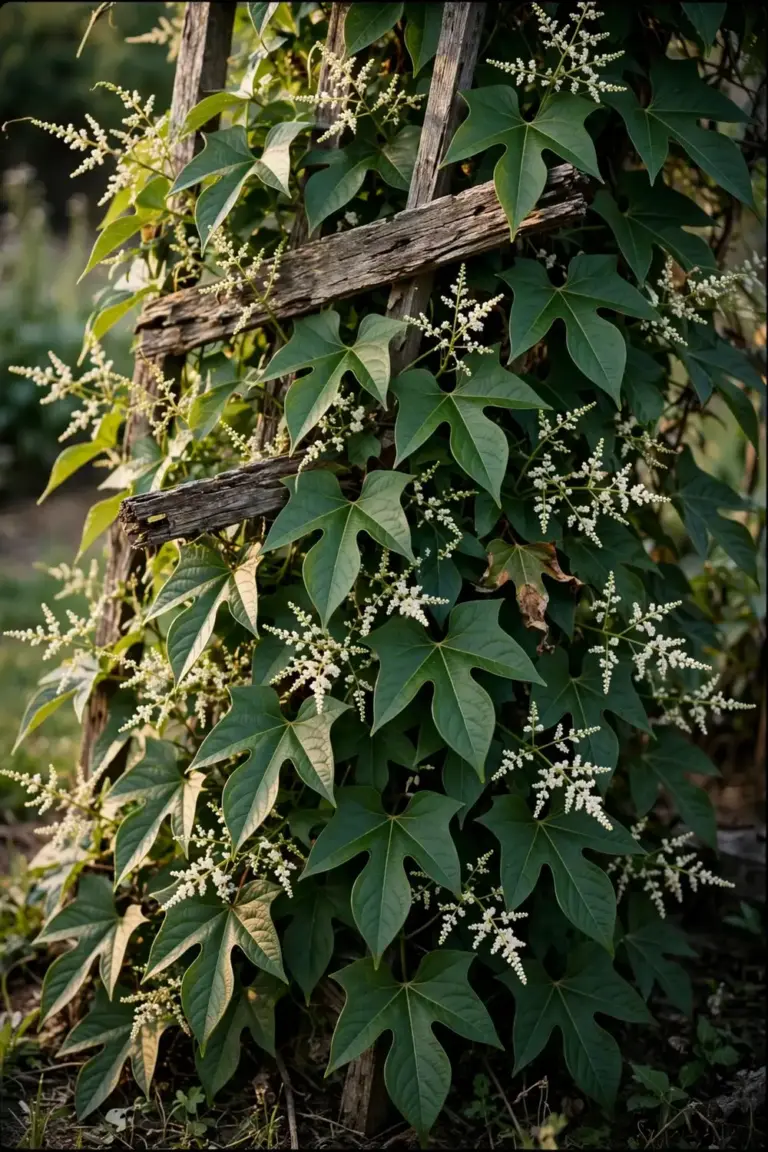
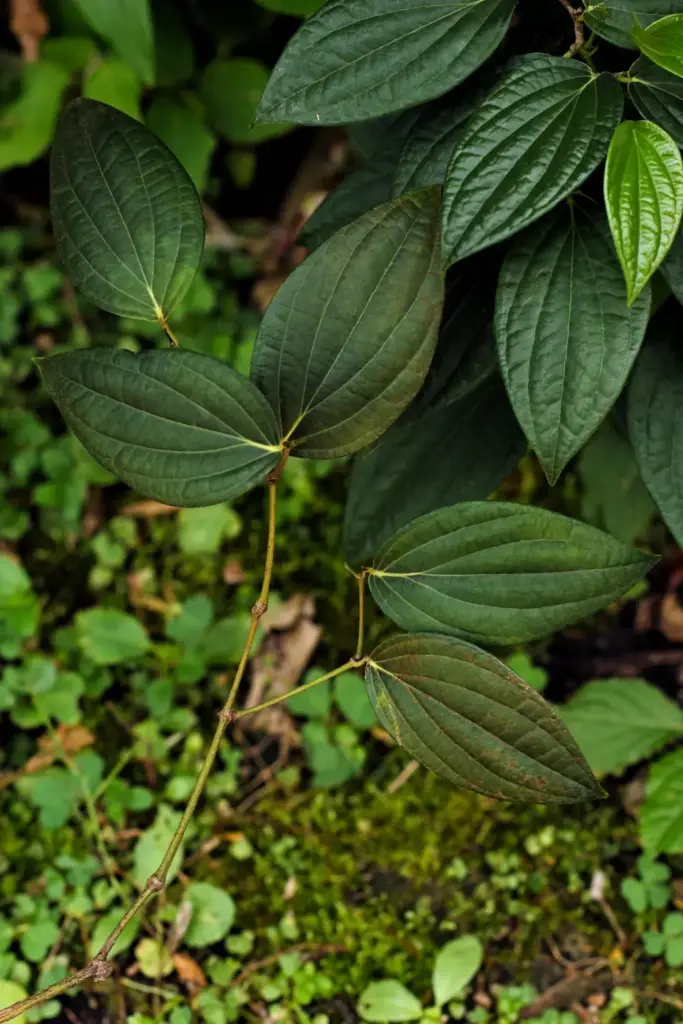
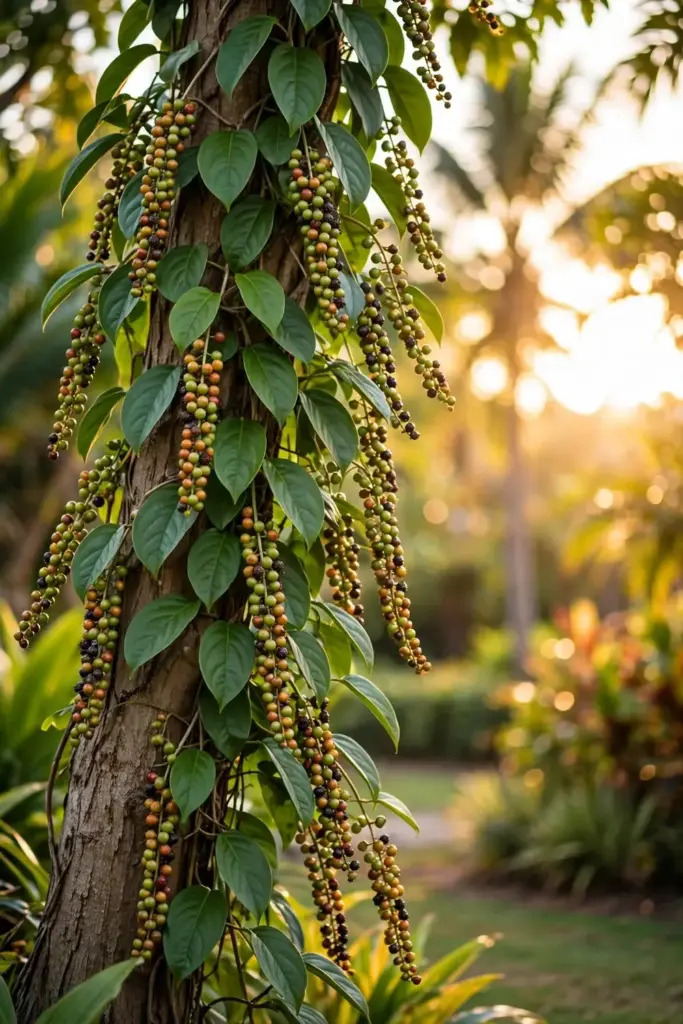
Cubeb is Piper cubeba, a woody perennial climbing vine in the pepper family, Piperaceae. It shares a genus with black pepper (Piper nigrum) and long pepper (Piper longum), but it is its own species with its own flavor chemistry. The plant climbs by twining, reaching 16 to 20 ft tall when given a support of wood or bamboo to hold its structure, and it produces oval leaves 10 to 12 cm long on a stout, rooting stem. Flowers form in narrow spikes at the ends of branches, and the fruit that follows is a tiny green berry gathered before it ripens.
The dried product is what cooks know. Commercial cubeb consists of dried berries picked just before they ripen and carefully dried, each berry still wearing its stalk. The dried skin wrinkles to a grayish-brown or black color, the seed inside stays hard, white, and oily, and the whole berry carries a pungent, acrid, slightly bitter flavor that lingers. The fragrance reads as a cross between black pepper and allspice, with warm clove-like notes from the aromatic oils.
History puts the plant in context. Cubeb traveled to Europe via India through trade with Arab merchants, and its name descends from the Arabic word for the berry. In 1640 the King of Portugal banned its sale to push black pepper instead, and after a brief medicinal fashion in 19th-century Europe, cubeb nearly vanished from the European market. The spice endured in Indonesia, where it still seasons food, and its essential oil continues to flavor gins and perfumery. In India it survives in market stalls under the name kabab chini, a reminder that this spice passed through Indian ports long before it reached European tables.
3. Cubeb Vs Black Pepper: The Tailed Difference
Every cubeb article must clear this confusion first, because the two berries look alike in a packet. One mark settles it: the tail. Cubeb berries dry with their stalks attached, and that stalked fruit is the universal visual identifier recognized across botanical and culinary sources. Black pepper berries have no tail. If the packet shows tailed berries, it is cubeb or a close relative; if it shows smooth round peppercorns, it is Piper nigrum.
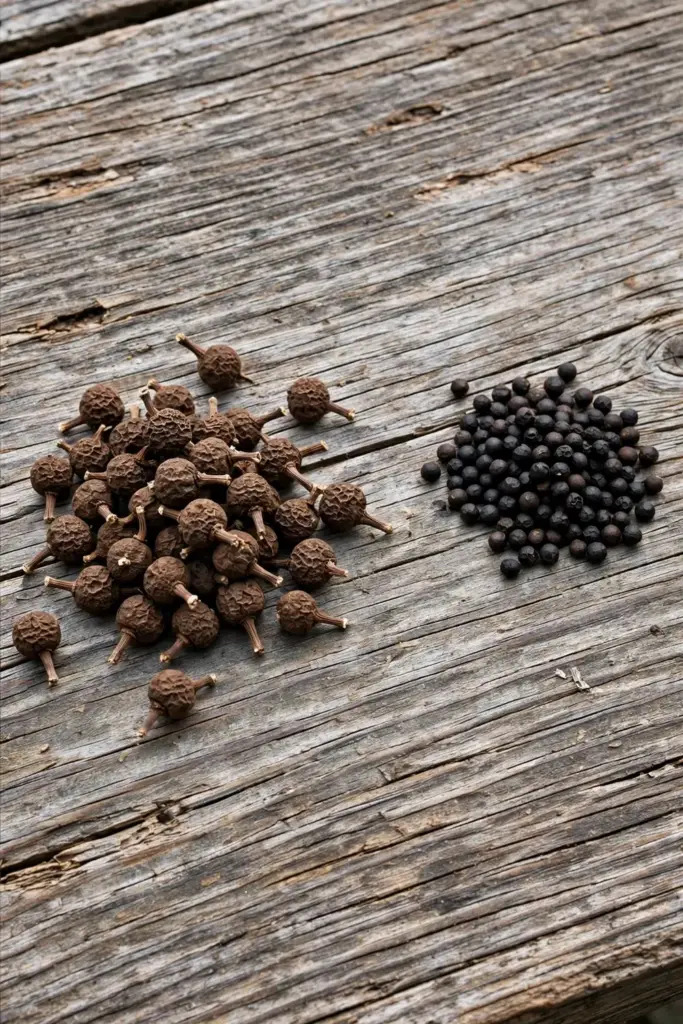
The differences run deeper than the tail. Black pepper’s heat comes from piperine-type compounds; cubeb’s signature is clove-like and aromatic, with eugenol notes that black pepper lacks, and its taste lingers with a slightly bitter persistence. Cooks describe cubeb as sitting between black pepper and allspice. The Indian market name maze adds a third trap: allspice itself is sometimes sold where cubeb should be, because both get called “all spice” in loose English. Check the tail, not the label.
| Trait | Cubeb (Piper cubeba) | Black Pepper (Piper nigrum) |
|---|---|---|
| Visual identifier | Stalked berry, the “tail” | Smooth round peppercorn, no stalk |
| Flavor signature | Clove-like, aromatic, slightly bitter, persistent | Hot, earthy, sharp |
| Chemistry note | Eugenol notes, aromatic oils | Piperine-type heat compounds |
| Native range | Java, Sumatra, Indonesian islands | South India, Malabar coast |
| Vine length | 16 to 20 ft on support | Climbs higher on tall supports |
| Indian market name | Kabab chini, sital chini | Kali mirch |
Do not carry long-pepper data into this comparison either. Piper longum is a third species with its own cultivation packages, and mixing its numbers into a cubeb guide corrupts the advice. Keep each pepper’s data with its own species.
4. The Name Maze: Kabab Chini, Sital Chini, Kankol
One plant, many names, and the buying counter is where gardeners get misled. In Hindi and Urdu the spice is kabab chini or sital chini; Bengali speakers say sital chini; Kannada has balamenasu and gandha menasu; Malayalam calls it thippali; Tamil uses valmilagu, thippili, or sinamilagu; Telugu says tokarmiriyalu; Gujarati uses tadamiri or chinikabab; Assamese has kakkol and kababcheni; Kashmiri says kushfal or kababchini. English adds tailed pepper and Java pepper to the list, and Indonesian sellers may write tjabe djawa.
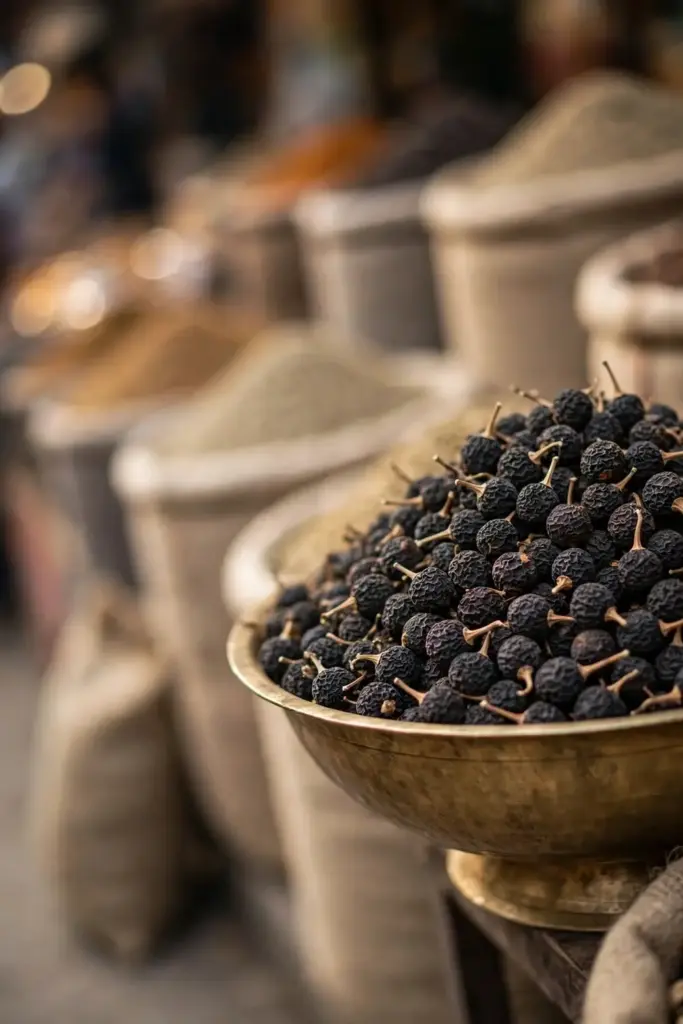
The buying rule is simple: anchor on the Latin name, Piper cubeba. Trade names drift. A packet labeled “sital chini” or “kankol” should trace back to the same botanical species, but not every market packet is botanically verified, so check the tail and buy whole berries from a spice seller whose stock you can see. The same caution applies when buying plants or seeds. A nursery tag that only says “cubeb” without the Latin name deserves a question before it deserves your money.
For this article, one naming decision applies throughout. Cubeb is the English spice name, Piper cubeba is the botanical anchor, and kabab chini is the Indian market name. No synonym swapping mid-article.
5. Seed Decision: Grow From Seed or Take Cuttings
Seeds are the most common propagation method for cubeb, and they are also the slowest. Fresh seeds sown in warm, humid conditions take around four to six weeks to sprout, and the seedlings grow slowly for months. Cuttings root faster when you can get them, though cubeb cuttings are far less common in Indian nurseries than black pepper cuttings. Both routes end at the same place: a young vine that needs support from the day it goes into its final position.
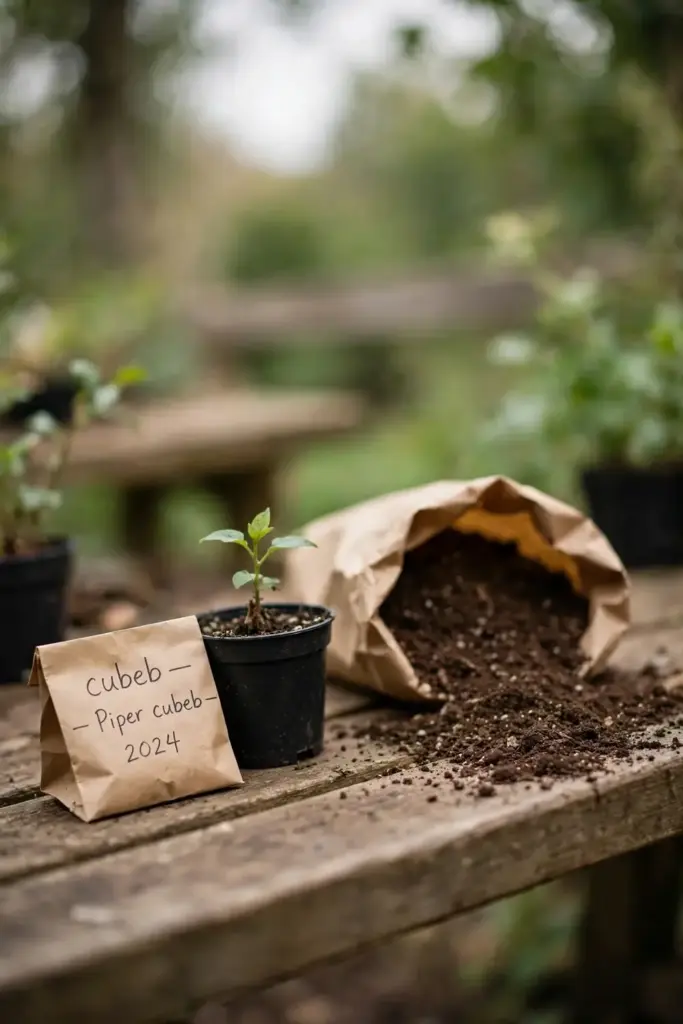
The decision that starts how to grow cubeb from India comes down to availability. Seeds are sold by online spice and herb seed sellers; verify the packet says Piper cubeba, and favor whole-berry stock over pre-ground powder, which is not seed at all. If you can source a cutting from a nursery that stocks the live plant, take it and skip the six-week germination wait. Do not attempt to germinate roasted kitchen cubeb from the spice rack. The berries in commercial spice packets are dried and often heat-treated, and their viability is close to zero.
Expect a slow start either way. Cubeb is not a quick herb; it is a perennial vine building toward a multi-year life. The first season builds roots and shoots. The second season builds the vine’s real length. Berries arrive when the vine is mature and well established, which is a realistic horizon of two to three years in good tropical conditions, not a promise of a harvest this monsoon.
6. Seed Sowing Step by Step
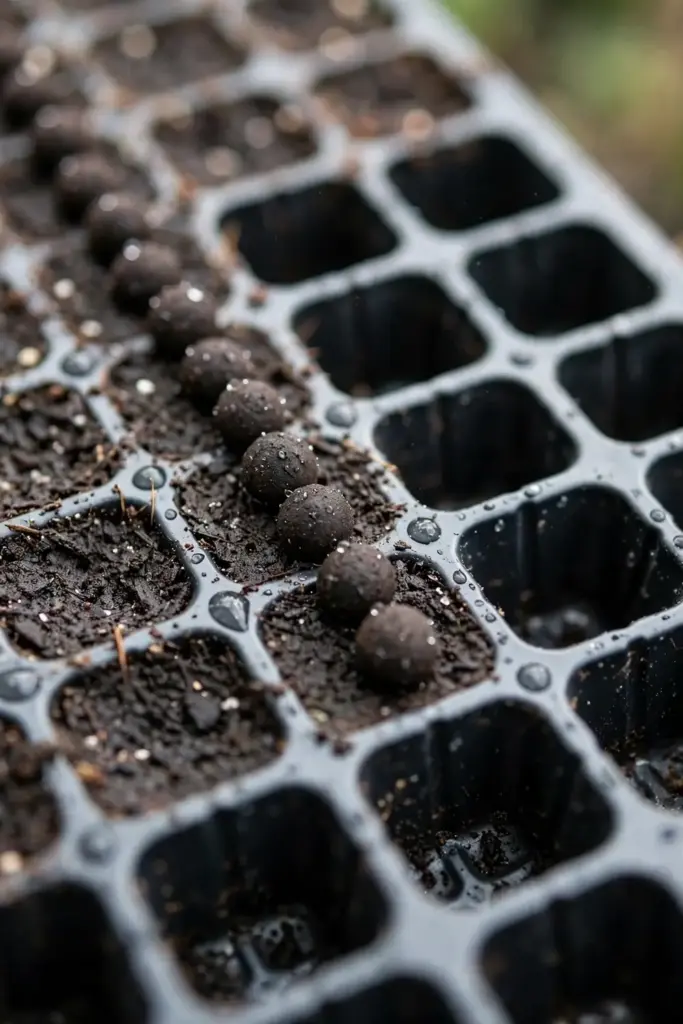
Sow cubeb seed the way tropical Piper seeds like to be sown: warm, humid, shallow, and undisturbed. The procedure below follows the cultivation references that document this species, with the numbers that matter.
| Step | Action | Time |
|---|---|---|
| 1 | Fill trays or pots with a loose, well-draining mix and moisten it evenly | Day 0 |
| 2 | Press seeds into the surface at 1 to 2 cm depth and cover lightly with a thin layer of mix | Day 0 |
| 3 | Cover with a clear lid or bag to hold humidity at 70 to 90 percent | Day 0 |
| 4 | Keep daytime temperatures between 24 and 32 degrees Celsius, never below 18 at night | Weeks 1 to 6 |
| 5 | Ventilate briefly each day to stop mold, and keep the mix moist but never waterlogged | Weeks 1 to 6 |
| 6 | Expect sprouting around week 4 to 6, and give seedlings bright indirect light | Weeks 4 to 8 |
| 7 | Transplant at the 4 to 6 leaf stage into the final position during the rainy season | Month 3 to 4 |
Depth matters. 1 to 2 cm is the documented sowing depth; burying the seed deeper invites rot in humid conditions, and leaving it fully exposed lets it dry out. Humidity matters as much as warmth. A humidity dome or a clear plastic bag does the work of a greenhouse for a handful of pots, and it costs nothing.
Seedlings demand restraint. Water when the top of the mix dries, not on a fixed schedule, and never let pots sit in saucers of standing water. Cubeb seedling roots rot in waterlogged mix faster than almost any other mistake you can make. Bright indirect light grows sturdier seedlings than full sun, which scorches young leaves in hot Indian summers.
7. Cuttings and Division: The Faster Lane
If seeds are the patient lane, cuttings are the shortcut. Stem cuttings root in moist potting mix under the same warm, humid conditions as seeds, and they skip the six-week germination wait entirely. Take semi-hardwood stems, keep several nodes, and plant them in a loose mix kept evenly moist. A humidity tent over the pot improves strike rates, especially during dry months.
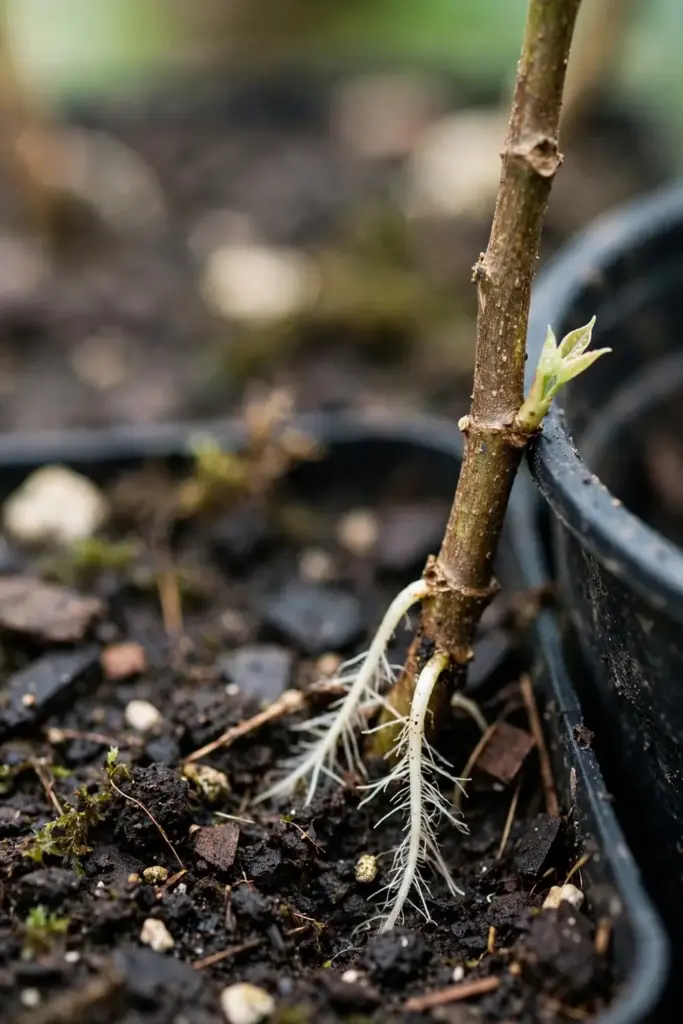
Division works on established plants. A mature cubeb vine develops layered stems and root clusters that can be separated when the plant is lifted for repotting. Each division needs its own roots and at least one growing point. Replant divisions immediately and keep them shaded and moist for two weeks while they settle.
The honest limitation is supply. Cubeb plants are rare in Indian nurseries compared with black pepper or betel, so most gardeners start from seed by default. When a nursery does stock the plant, buy the plant, not just the berries, and ask for the species name on the tag. Online marketplaces list live cubeb plants under names like sarvasugandhi and kababchini; verify the Latin name before ordering.
8. Vine Support: Trellises, Poles, and Host Trees
A cubeb vine without support is a cubeb vine on the ground, and a vine on the ground rots, breaks, and never berries properly. Install the support before planting, not after the vine flops. The plant grows 16 to 20 ft tall on a support of wood or bamboo holding its structure, so plan the support at that scale from day one.
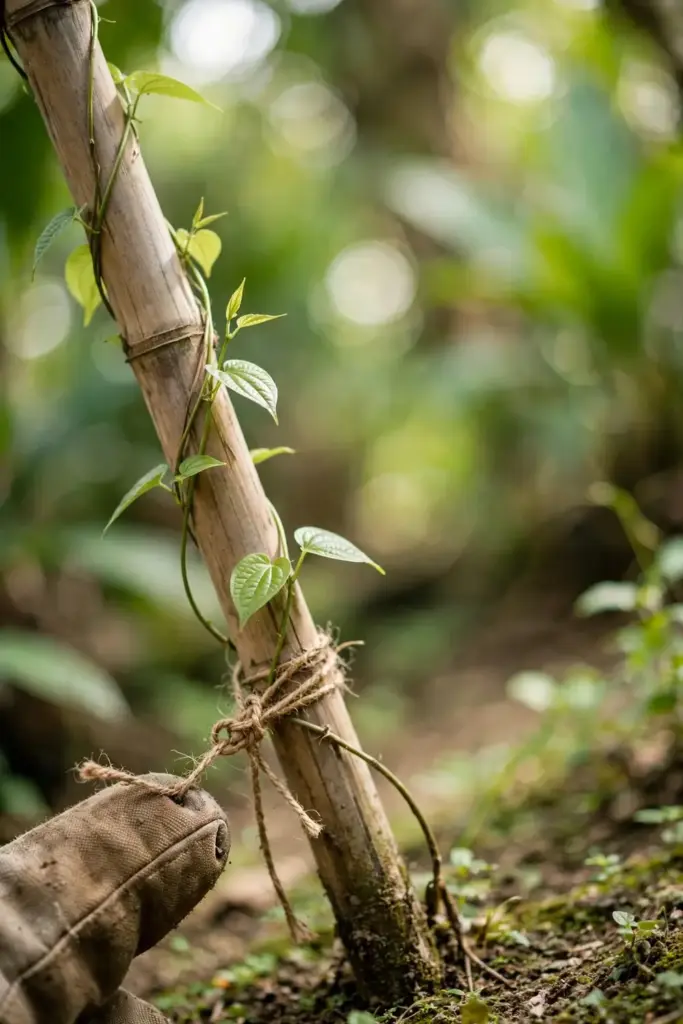
Three support types work. A bamboo or wooden pole, 2 to 3 meters tall and driven firmly into the ground, suits a single vine in a home garden. A sturdy trellis of wooden slats or wire mesh suits a row of vines along a boundary. A living host tree suits the traditional spice-garden style: plant the cubeb at the base of a rough-barked tree and let it climb, the same approach black pepper growers have used in the Western Ghats for centuries. Whatever the support, tie the young vine loosely with soft twine until its tendrils grip, then leave it to climb.
Spacing follows the support. Field references space cubeb plants 2 to 3 meters apart for airflow and light penetration, which suits trellis rows. For a single garden vine, give it a 2-meter radius of clear air and keep neighboring shrubs back from the climbing zone. Crowded vines invite the fungal problems that trouble this species.
9. Container Growing: What a Pot Can and Cannot Do
A container can raise a cubeb vine, but it cannot replace a trellis row in the tropics. Grow cubeb in a pot when your climate is marginal, when you rent and may move, or when you want the plant on a balcony or terrace. Do not expect heavy berry harvests from a pot. The honest container lane is foliage, craft, and a proof of concept, not a spice business.
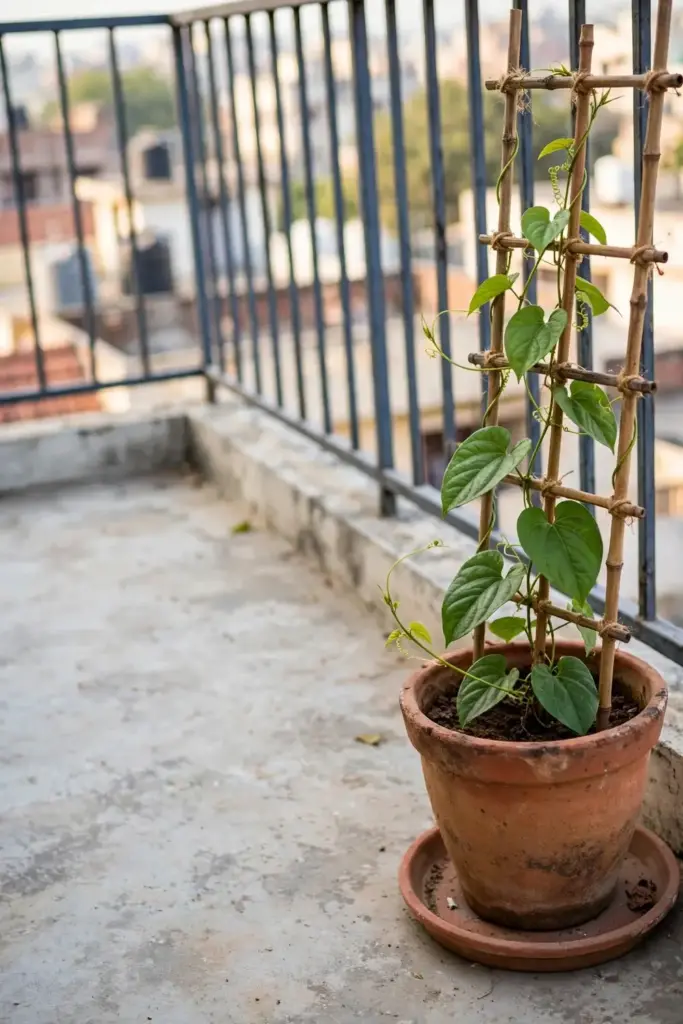
Choose a pot of at least 40 to 50 liters with drainage holes, because a 16-ft vine needs a root system to match. Fill it with a loose, rich, well-draining mix, and set a 2-meter bamboo pole or a tall trellis section into the pot before planting. Keep the pot in bright indirect light or morning sun with afternoon shade in hot months. Water deeply when the top inch of mix dries, and never let the pot stand in water. Feed lightly and regularly through the growing season, and bring the pot under cover or indoors when temperatures drop toward 10 degrees.
The container’s real limit is the vine’s own biology. A cubeb vine wants to climb 5 to 6 meters and spread its canopy; a pot restricts both. Berries are possible in containers, but they are a bonus, not a plan. If berry production is the goal, put the vine in the ground in a tropical zone and give it a tree.
10. Soil Mix for Cubeb
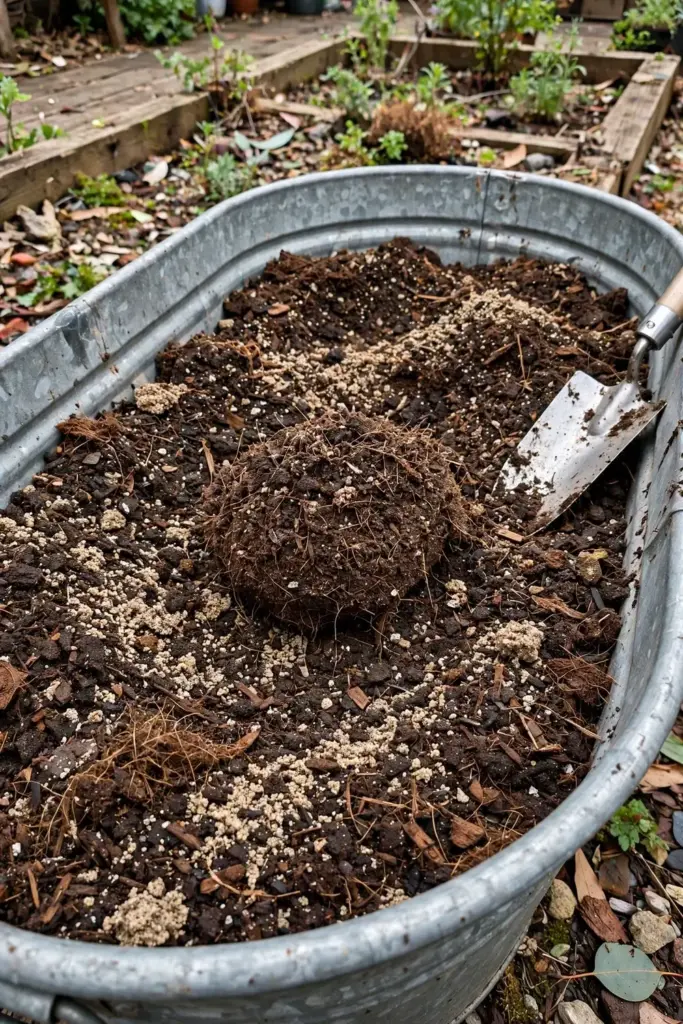
Cubeb wants what its native forest floor provides: loose, rich, well-draining soil that stays moist without turning soggy. The ideal sits slightly acidic, and the texture matters more than the recipe. Mix for drainage first, then feed.
| Component | Purpose | Proportion |
|---|---|---|
| Garden soil or loam | Base structure and minerals | 2 parts |
| Well-rotted compost or cow manure | Nutrients and moisture holding | 1 part |
| Coarse sand or perlite | Drainage, prevents root rot | 1 part |
| Cocopeat or leaf mold | Extra moisture retention in dry months | 0.5 part |
Blend the components dry, then moisten the mix and squeeze a handful. It should hold together briefly and crumble apart, not drip water. If it drips, add more sand or perlite. If it falls apart instantly, add more compost or cocopeat. Mulch the surface with dry leaves to hold moisture and feed the soil, keeping the mulch a few inches away from the stem.
11. Watering Schedule
Cubeb drinks steadily through the growing season and sulks in both drought and flood. The target is consistently moist soil, never waterlogged. In the monsoon, natural rainfall does most of the work; in dry months, water deeply when the top inch of soil dries, which usually means two to three times a week in hot weather and once a week in cool months.
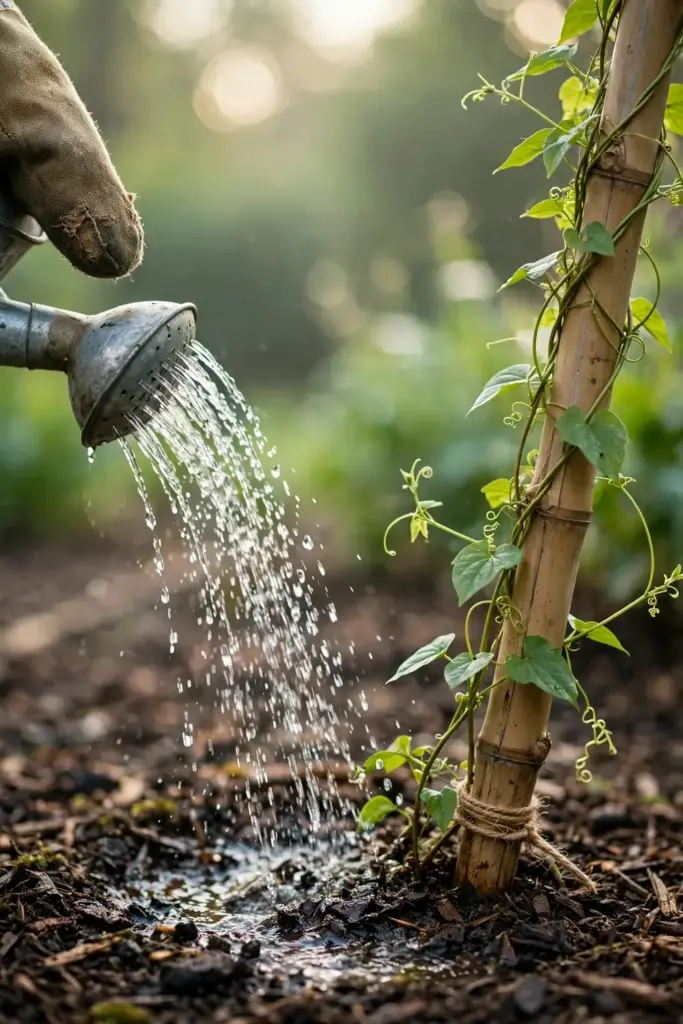
Mulch is the gardener’s best watering tool for this vine. A thick leaf-mulch layer around the base cuts evaporation, feeds soil life as it breaks down, and keeps the root zone evenly moist between waterings. Drip lines or a simple clay pot irrigation setup suit garden vines in dry regions; sprinklers that soak the foliage invite the fungal infections this species is prone to.
Container vines need watching, not a calendar. Lift the pot; a light pot means water. Check the drainage holes monthly to confirm they still run free. Reduce watering when growth slows in cool weather. Never fertilize a dry plant: water first and feed after, so the roots take up nutrients instead of burning on them.
12. Feeding Plan
Feed cubeb like a hungry perennial vine, not like a seasonal vegetable. The vine grows year round in the tropics, so it eats year round, with the heaviest demand in the monsoon growing flush. Organic feeding suits home growers best: it feeds the soil as well as the plant, and it matches the mulched, leaf-littered conditions the vine evolved in.
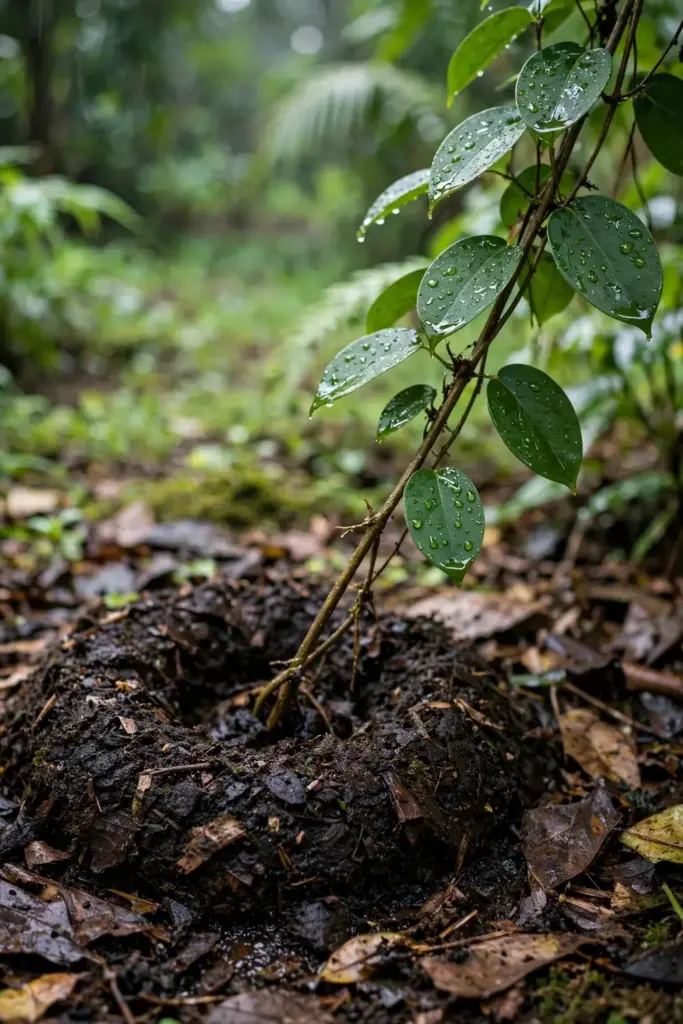
Apply a thick ring of well-rotted cow manure or compost around the base at the start of the monsoon, and top up with a lighter round mid-season. A balanced organic liquid feed every four to six weeks during active growth supports leaf and vine development. Hold back on nitrogen once the vine reaches its support height if you want it to set berries; excess nitrogen grows leaves at the expense of fruit in Piper vines.
Watch the leaves for the feed report. Pale yellowing across older leaves usually signals nitrogen hunger; dark green leaves with no new growth suggest the roots are waterlogged rather than unfed. Fix drainage before adding more fertilizer. A vine in soggy soil cannot eat, no matter how much you feed it.
13. Training and Pruning the Vine
Training decides the vine’s shape for life, so do it early and deliberately. From planting day, guide the main stem up the support with soft ties, spacing them every 30 to 40 cm as it climbs. Let the vine establish one strong leader before it branches; a vine with five weak leaders is a bush on a pole, and it berries poorly.
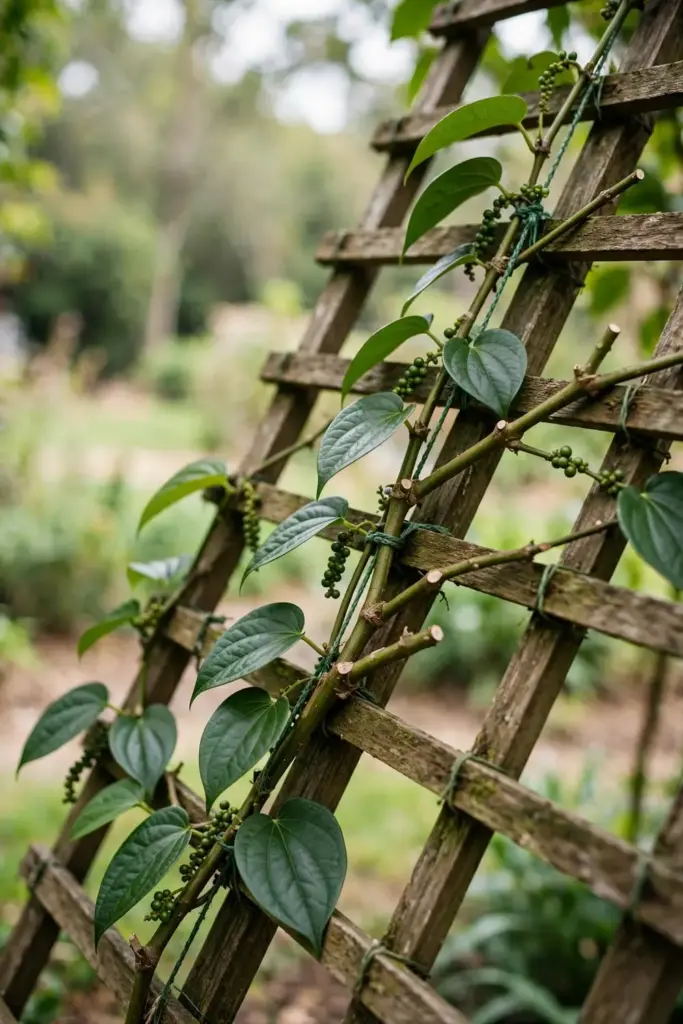
Pruning serves three purposes: air, light, and yield. Remove dead, damaged, and crossing shoots in the cool season when growth slows. Thin congested sections so air moves through the canopy; still air plus humidity is the fungal invitation this species accepts most readily. Tip-prune long leaders to encourage lateral branches, because berries form on the branch ends, and more laterals mean more bearing wood. Periodic pruning that opens the canopy is part of standard care for this crop.
Never shear a cubeb vine like a hedge. The plant fruits on mature wood, and hard cutting removes the season’s bearing potential along with the mess. Cut with intent, one branch at a time, and disinfect secateurs between plants to avoid spreading disease. Keep the cuts clean and let the plant’s own vigor do the rest.
14. Cold Protection and Overwintering
Cubeb has no frost tolerance worth testing. The vine thrives between 20 and 35 degrees Celsius and slows badly below 15; a night near 10 degrees damages leaves, and anything colder kills the top growth. Gardeners in the tropical belt rarely face this problem. Everyone else must plan for it.
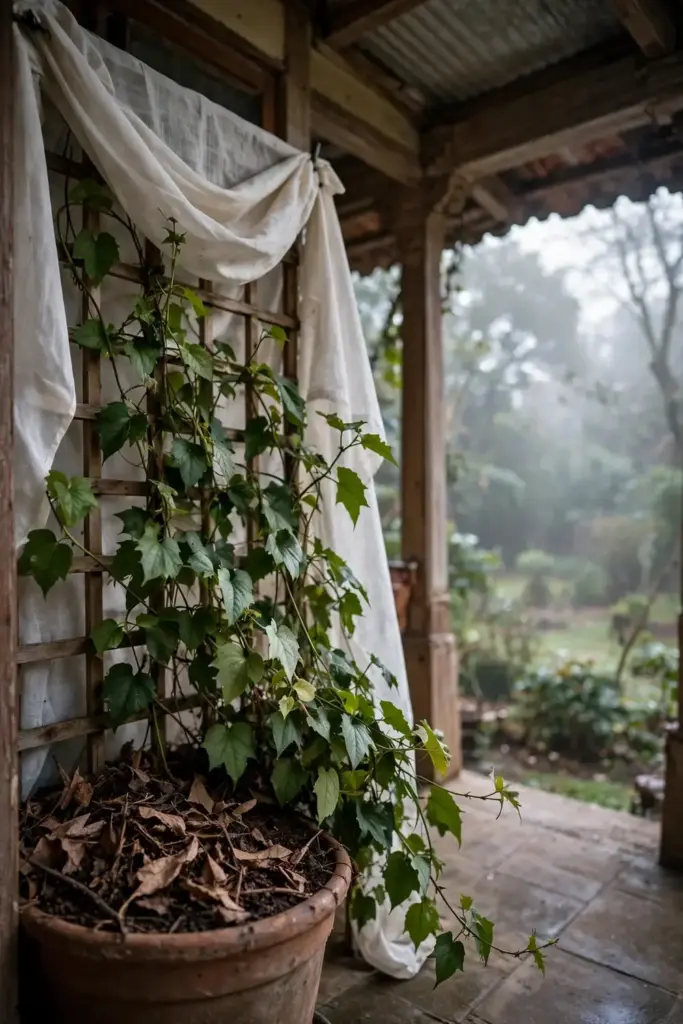
In pots, the plan is simple: bring the vine indoors or under a covered veranda before the cold arrives. Give it the brightest spot available, cut watering back to keep the mix just barely moist, and stop feeding until spring. The vine may drop leaves in protest; that is normal dormancy behavior, not death. Resume normal care when nights stay above 18 degrees.
In the ground, cold protection means a thick mulch over the root zone, a windbreak of fabric or shade net on the exposed side, and watering the soil before a cold night so the moist earth releases heat slowly. These measures buy a few degrees, not immunity. If your region sees regular frost, cubeb belongs in a pot, full stop. The honest container lane exists for exactly this reason.
15. Pests and Diseases
Cubeb shares the pest roster of the pepper family, and humid conditions invite the same problems. Mites and caterpillars chew and suck on the foliage; fungal infections spot and rot leaves and stems in still, wet air. Aphids and mealybugs colonize new growth when ants farm them. None of this is exotic; all of it is manageable with attention.
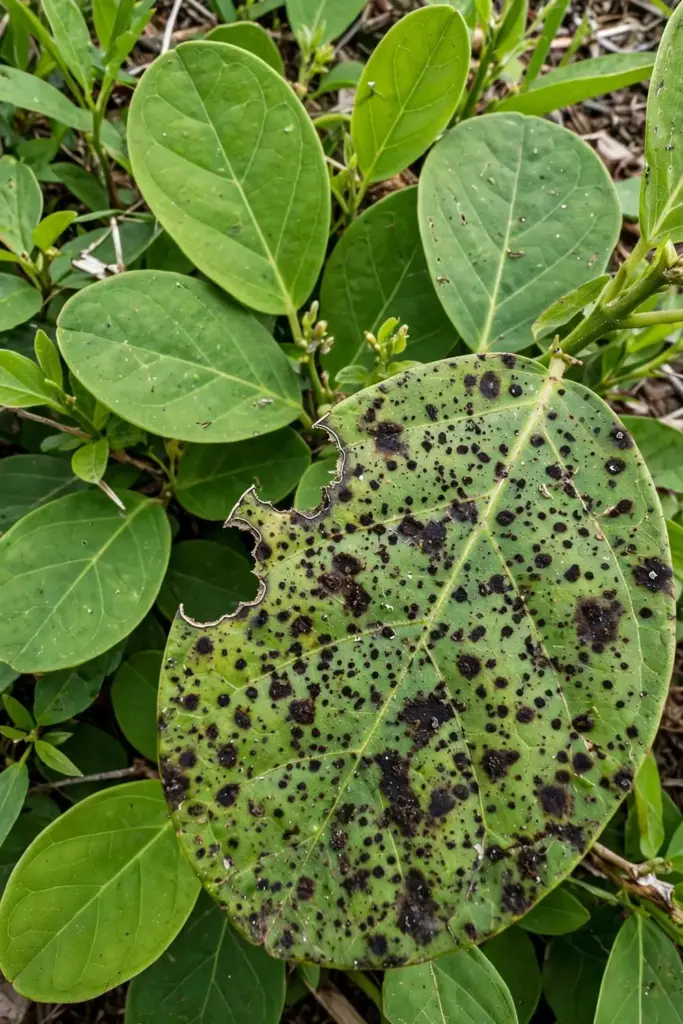
Prevention beats cure for every entry on this list. Space vines for airflow, prune for light penetration, water the soil instead of the foliage, and mulch without piling it against the stem. Inspect new growth weekly during the monsoon, when pest pressure peaks. Hand-pick caterpillars, blast aphids off with a strong water jet, and dab mealybugs with a cotton swab dipped in diluted neem oil.
Treat outbreaks with the gentlest effective option first. Neem oil sprays handle most sucking insects, and a soap-and-water spray takes aphids and mites. For fungal leaf spots, remove the affected leaves and improve airflow, and avoid overhead watering. Skip harsh synthetic pesticides on a spice vine you plan to eat from. If a vine declines despite good care, check the roots. Waterlogged soil causes more cubeb deaths than any insect, and the fix is drainage, not chemicals. The soil health foundation guide covers the drainage-first approach this vine needs.
16. Berry Harvest: Color, Rattle, and the Tail
This is the proof-of-concept moment, and it rewards patience with fragrance. Berries ripen on the vine from green to a reddish-brown color, and the harvest window in the native regions falls between November and February. The classic ripeness test is physical: cut a cluster and shake it gently. Ripe, ready clusters rattle, the berries knocking loosely inside their dried skins. Green, unready clusters stay silent.
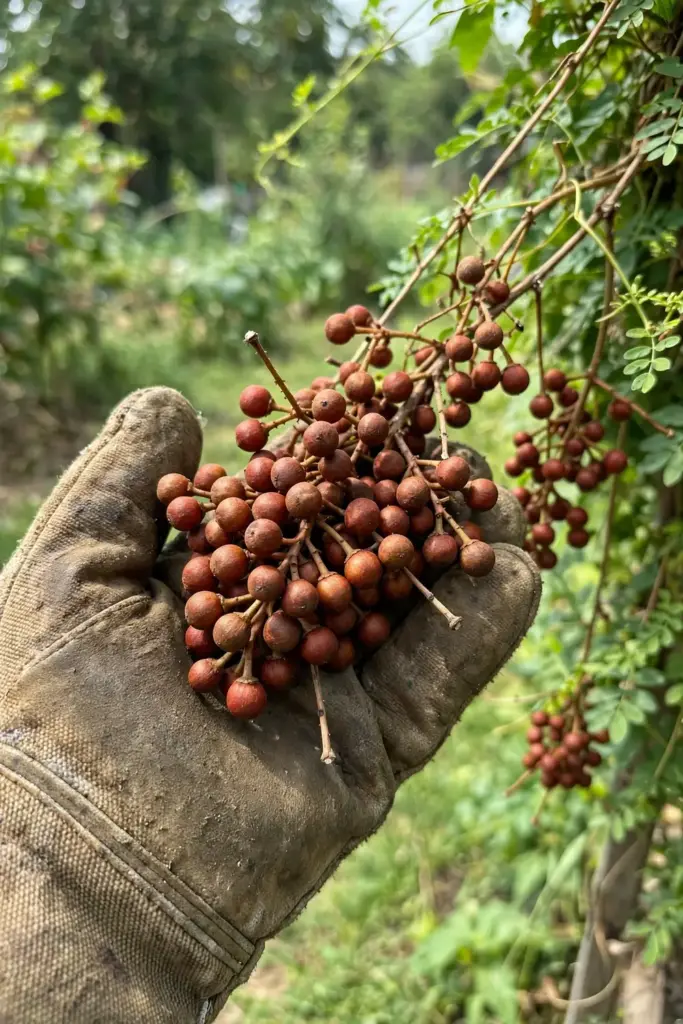
Cut whole clusters with the stalks attached. The tail is not decorative; it is the cubeb identifier, and careful harvesters keep it intact. Do not strip individual berries off the cluster. The Indian food-writing reference on this spice describes berries plucked fully mature but still green, just before ripening, then processed immediately. Either stage works, but fully reddish-brown clusters give the deepest aroma, while green-plucked berries give a sharper, more pungent profile. Match the harvest stage to your kitchen.
Expect the first real harvest in the vine’s second or third year, and only from vines that had full sun, good support, and a complete growing season. A pot-grown vine may produce a handful of clusters; a ground vine in the tropics can cover its support with berries. Dry every cluster the same day it is cut. Berries left in a basket ferment, and fermented cubeb tastes of vinegar instead of clove.
17. Drying and Curing the Berries
Drying is where cubeb becomes a spice. Spread the freshly cut clusters in a single layer on clean mats or trays in full sun, and turn them once or twice a day. The berries darken to brown or near-black over several days of steady sun, and the classic doneness test is the shake: dried berries rattle loosely inside their skins. Under-dried berries mold in storage; over-dried berries lose aroma. Aim for fully dark, fully rattling, and hard to the bite.
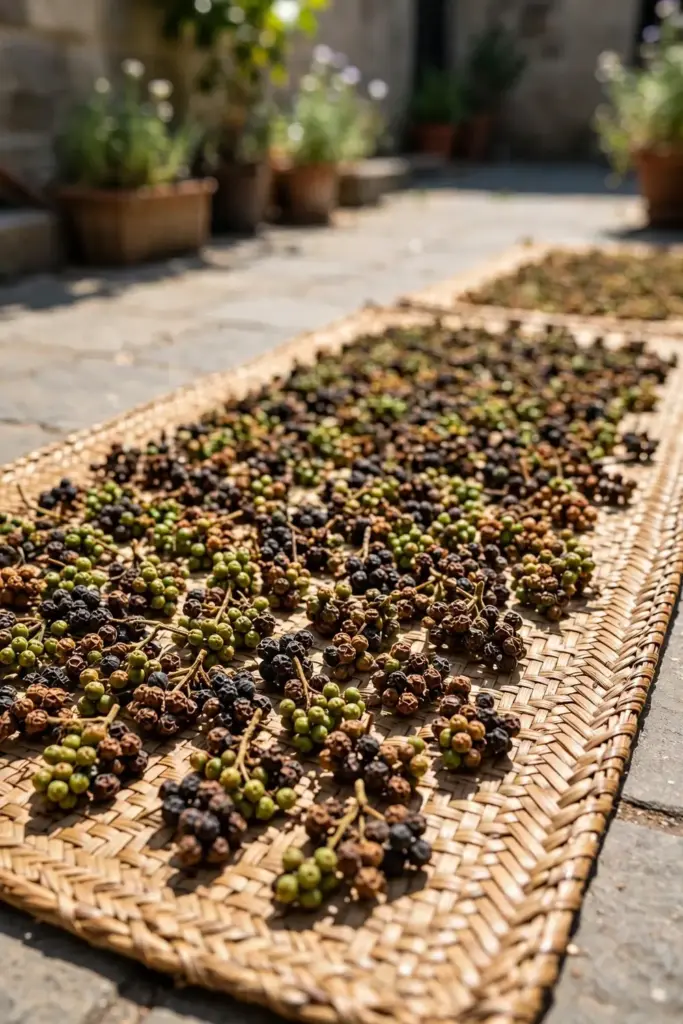
Rain during drying ruins the batch, so watch the sky and move trays under cover at the first sign of cloud build-up. A covered veranda with good airflow works when the monsoon lingers. Some growers finish the last stage in shade to protect the volatile oils that give cubeb its fragrance; the oils that define the flavor evaporate in harsh, direct heat.
Store the dried berries whole, never ground, in airtight jars away from light and moisture. Whole cubeb keeps its aroma for a year or more; ground cubeb fades in weeks. This is why the Indian market sells kabab chini as whole dried berries rather than powder, and why you should too. Grind only what the week’s cooking needs.
18. Culinary Uses of Kabab Chini
Kabab chini earns its place in the Indian kitchen as a whole-spice aromatics, not a daily grinder like black pepper. Its clove-like, allspice-adjacent fragrance suits slow-cooked meat dishes, and it plays a documented role in shahi garam masala blends, where traditional recipes call for 20 to 25 grams per kilogram of the blend. The quantity is small because the flavor is strong; a little cubeb perfumes a whole pot.
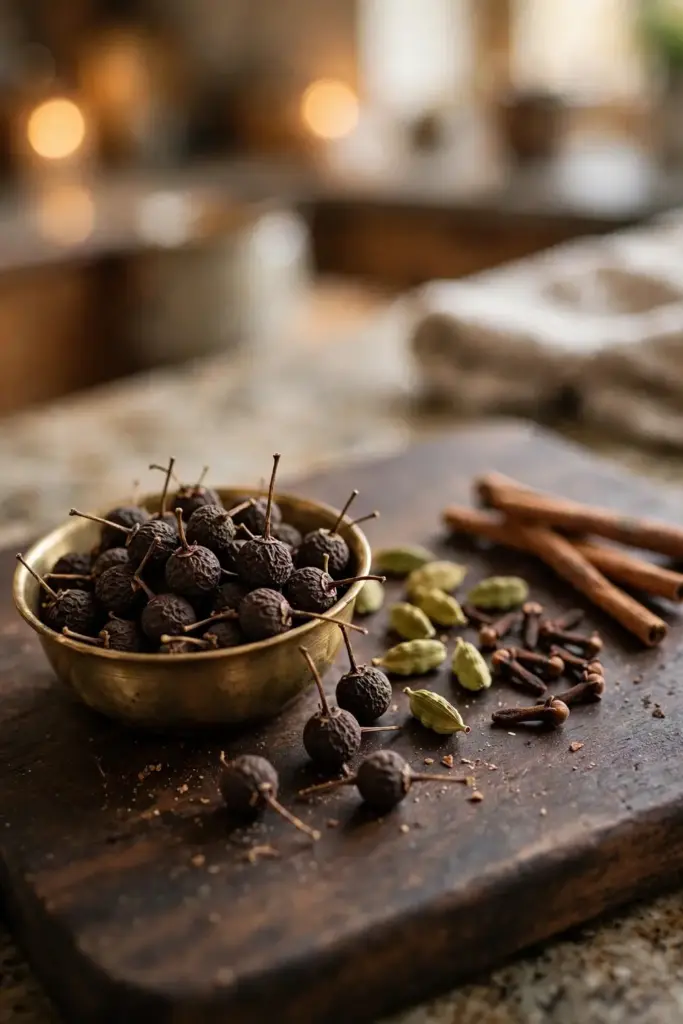
Use it where its name promises: kababs, rich curries, gravies, biryanis, and haleem. Dry-roast the whole berries for a few seconds before grinding to wake the aroma, then grind only the amount the dish needs. It works in both savory and sweet preparations, seasons pickles and marinades, and flavors teas and gin in the Western tradition. The essential oil, distilled from the berries, goes to perfumery and soap making rather than the kitchen.
Buy and store like a spice connoisseur. Choose whole berries with intact tails, reject dusty or stalk-free lots, and keep the jar sealed. At Indian market prices the spice carries a premium, which is one more reason the home vine is a craft project rather than a savings plan. One honest culinary note closes the loop: cubeb’s traditional medicine claims are broad and old, but this guide treats the berry as a kitchen spice. Anyone exploring medicinal use should consult a qualified practitioner, not a gardening article.
19. Common Mistakes to Avoid
Most cubeb failures trace to five mistakes, and all five are avoidable.
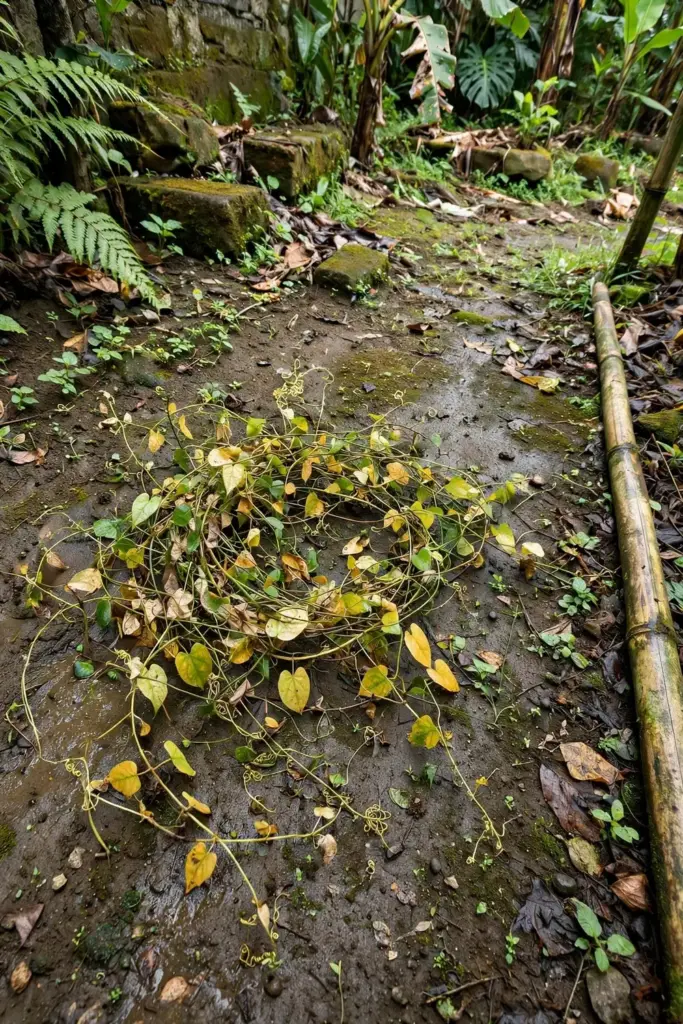
Planting without support. The vine needs a tree, pole, or trellis from day one. A support added late damages the roots you disturb while installing it, and a vine left to sprawl rots on wet soil.
Drowning the roots. Waterlogged soil kills more cubeb than any pest. The soil must drain freely; the pot must have holes; the saucer must stay empty. When in doubt, water less.
Sowing too deep or too dry. Seeds need 1 to 2 cm of cover, constant humidity, and warmth between 24 and 32 degrees. Deep, dry, or cold sowing gives you mold instead of seedlings.
Expecting berries in year one. Cubeb is a perennial vine with a multi-year arc. Year one builds the plant; berries arrive in year two or three in good conditions. Anyone promising faster is selling something.
Confusing the peppers. Long-pepper cultivation data, black-pepper fertilizer schedules, and allspice substitution notes do not belong in a cubeb plan. Keep each species’ numbers with its own species, and anchor every purchase on the Latin name Piper cubeba.
20. Troubleshooting
Seeds have not sprouted after six weeks. Check the three variables: warmth, moisture, and seed quality. If nights fell below 18 degrees, move the tray somewhere warmer. If the mix dried out even once, the embryos may have died; resow fresh seed. If the seed came from a kitchen spice packet, it was never viable. Buy seed sold as seed, from a seller who names the species.
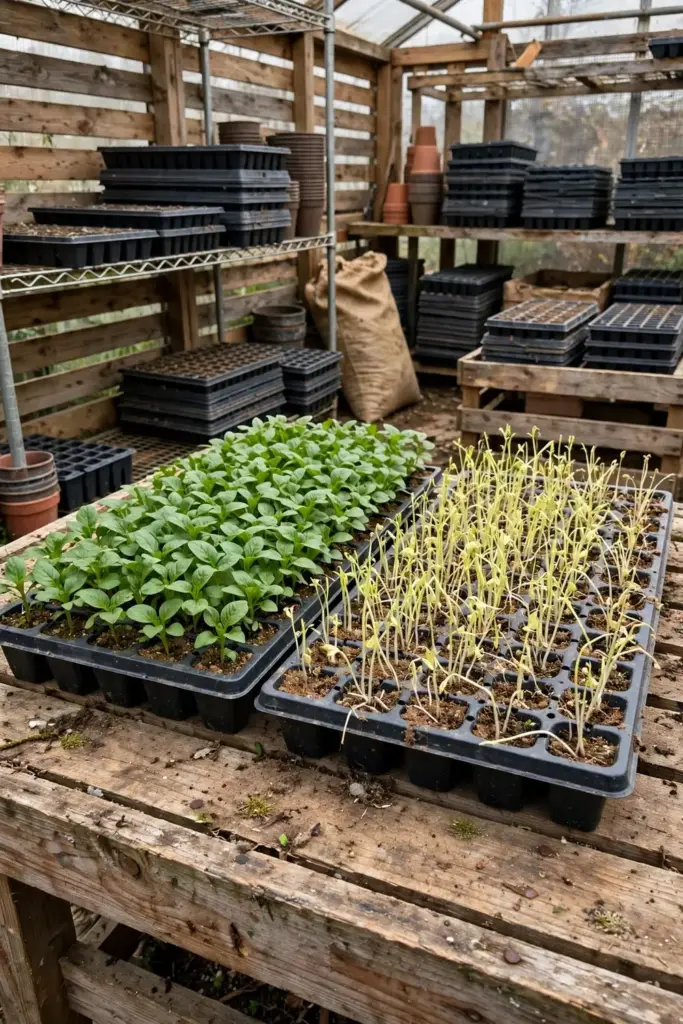
Seedlings damping off at the base. The mix is too wet and the air too still. Improve drainage, ventilate the humidity dome daily, and water in the morning so the surface dries by evening. Start over with fresh mix rather than nursing rotted stems.
Vine growing but no berries. The vine is likely too young, too shaded, or overfed with nitrogen. Cubeb berries on mature wood in good light; a first-year vine in shade will not oblige. Cut nitrogen, open the canopy to light, and give it another season.
Leaves yellowing and dropping. Overwatering is the first suspect, cold is the second, hunger the third. Check drainage holes, check night temperatures, and only then consider feeding. Yellow leaves on a waterlogged vine get worse with fertilizer.
Berries dropping before ripening. Sudden water stress, usually a dry spell after steady rain, triggers drop. Mulch heavily and water consistently through the berry-filling months. A vine that swings between flood and drought aborts its crop.
White powdery patches on leaves. Powdery mildew in humid, still air. Improve airflow with pruning. Avoid wetting the foliage, and remove affected leaves at the first sign. Neem oil helps early infections. Once the coating spreads thick, no spray reverses it: strip the worst leaves and fix the conditions.
Frequently Asked Questions
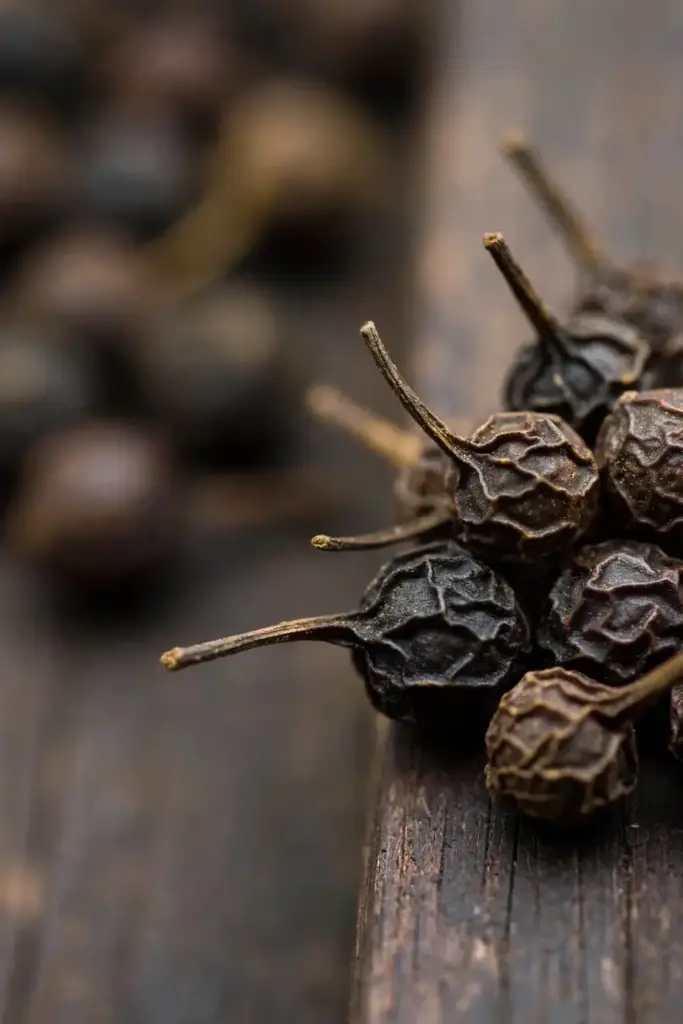
No. Cubeb is Piper cubeba and black pepper is Piper nigrum, two species in the same genus. The tail is the giveaway: cubeb berries dry with their stalks attached, while black pepper berries have none. Their flavors differ too, with cubeb reading clove-like and aromatic where black pepper reads hot and sharp.
Only in a large container you can shelter in winter. Cubeb needs year-round warmth between 20 and 35 degrees Celsius and suffers below 15. North Indian winters kill outdoor vines, so the realistic lane is a 40 to 50 liter pot on a terrace, moved under cover for the cold months.
Two to three years from seed in good tropical conditions. The first year builds roots and shoots, the second builds vine length, and berries form on mature wood once the vine is established. Cuttings shorten the wait by skipping germination, but not by a full year.
Yes, kabab chini is the Indian market name for cubeb, the dried berries of Piper cubeba. Related names include sital chini, kankol, valmilagu, and Java pepper. Anchor every purchase on the Latin name, since trade names drift and some packets are mislabeled.
Because they are probably not cubeb. The stalked berry is the species’ defining mark, and tail-free lots are either black pepper or a mislabeled substitute. Buy whole berries with visible tails from a seller whose stock you can inspect, and reject dusty, broken lots.
It can survive as one, but it will not thrive or berry. A 16 to 20 ft climbing vine needs far more light and space than a room provides. Treat indoor cubeb as an ornamental curiosity in a bright spot, and move it to a terrace or garden when the weather allows.
Where to Go From Here
You now have the full honest route for how to grow cubeb from India: the tropical reality check, the species identity with its telltale tail, seed sowing at 1 to 2 cm with four to six weeks of warm patience, support installed before planting, and harvest at the reddish-brown rattle stage. Start with fresh, species-verified seed or a nursery plant, give the vine its pole or tree, and let the monsoon do the heavy watering.
For the germination routine in detail, the seed starting guide covers tray setup step by step. Time the transplant for the rains using the fall planting calendar as your frost-date reference, and plan the cold-season protection for container vines with the indoor herb gardens guide.
Grow cubeb for the craft of it. A vine climbing a bamboo pole, heavy with tailed berries that smell of clove and pepper, is its own reward, and it connects your garden to a spice route that ran through Indian ports four centuries ago. That is worth the wait.