
Plant a cassia tree this year and grind your own cinnamon in three to five. That is how to grow cassia cinnamon at home: a tropical evergreen whose inner bark becomes the spice in your pantry, harvested by coppicing the tree and peeling the young shoots. The rest of this page is 15 moves, from the right species to the first quill. I have learned that the honesty comes first with this crop. Cassia differs from true cinnamon, the wait stretches years, and the coumarin numbers deserve a straight answer before you plant.
Cassia cinnamon comes from Cinnamomum cassia (Chinese cassia), a close relative of true cinnamon (C. verum) from Sri Lanka. The bark is thicker, darker, and stronger-flavored than true cinnamon, and it carries far more coumarin. This guide grows the tree, coppices it the Sri Lankan way, and walks the peeling and drying that turn bark into spice. The timeline is honest throughout: no cinnamon before year three, and the best bark after year four.
1. Know Your Cinnamons
Four species share the cinnamon name, and the table below sorts them. Cinnamomum verum is true (Ceylon) cinnamon from Sri Lanka: mild and sweet, light reddish-brown, with coumarin at just 0.017 g/kg. Cinnamomum cassia is Chinese cassia: bitter-spicy, dark reddish-brown, coumarin 0.31 g/kg. Cinnamomum burmannii is Indonesian cassia: spicy, dark, coumarin 2.15 g/kg. Cinnamomum loureiroi is Vietnamese (Saigon) cassia: sweet-spicy, dark, coumarin 6.97 g/kg, as the MDPI cinnamon review records. The spice jar labeled “cinnamon” in most supermarkets is cassia. This guide grows C. cassia, the Chinese species, because it is the hardiest and most available of the cassias for home growers.
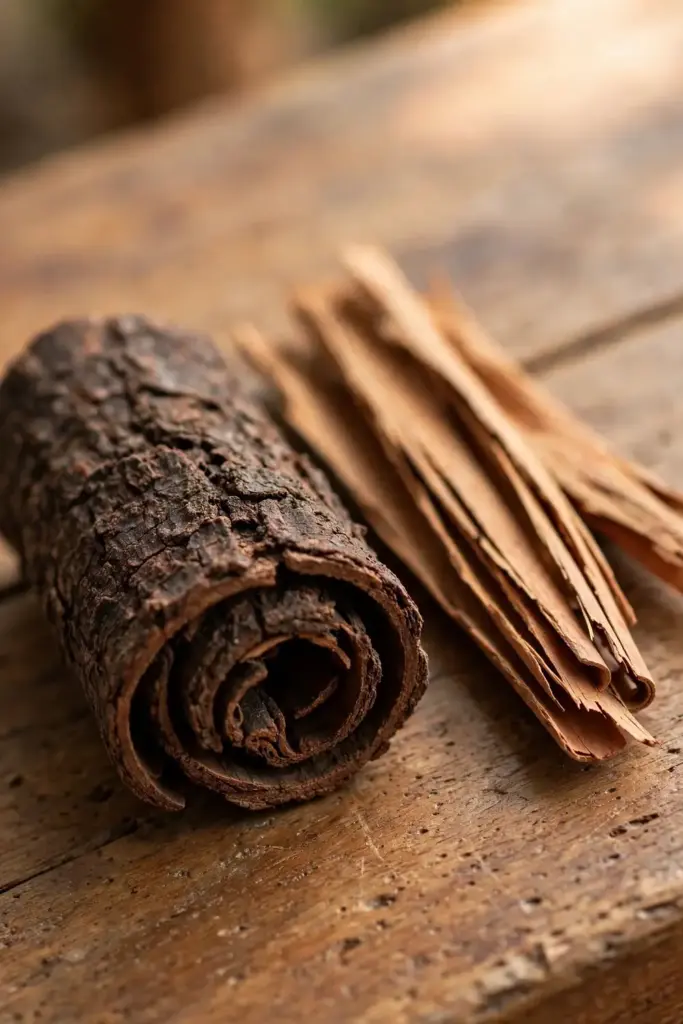
Learn the visual test too. True cinnamon forms thin, fragile, layered quills like a rolled cigar, light tan in color. Cassia forms a single thick, rigid roll, dark reddish-brown, hard enough to resist the grinder. Break a stick: true cinnamon shatters, cassia bends and fights. Once you have seen both side by side, the supermarket jar never fools you again. Buy one stick of each from a spice merchant and compare before you plant; knowing the target sharpens the whole project. The comparison costs a few dollars and teaches more than any article.
| Species | Origin | Flavor | Coumarin (g/kg) |
|---|---|---|---|
| C. verum (true cinnamon) | Sri Lanka | Mild, sweet | 0.017 |
| C. cassia (Chinese cassia) | China | Bitter, spicy | 0.31 |
| C. burmannii (Indonesian cassia) | Indonesia | Spicy | 2.15 |
| C. loureiroi (Vietnamese cassia) | Vietnam | Sweet, spicy | 6.97 |
2. The Coumarin Truth
Here is the straight answer. Cassia contains roughly a thousand times more coumarin than true cinnamon: 2,000 to 5,000 mg/kg in cassia bark versus 2 to 5 mg/kg in true cinnamon, per that same MDPI review. Coumarin in large daily doses can harm the liver, which is why European food authorities set limits on cassia in commercial baking. For home use, the practical guidance is simple: use your homegrown cassia the way you use any strong spice, in normal culinary amounts, and choose true cinnamon if you eat cinnamon by the spoonful daily. Do not let the numbers scare you out of the crop; do let them inform how you use it. A teaspoon in baking is a normal amount. A tablespoon a day, every day, is not.
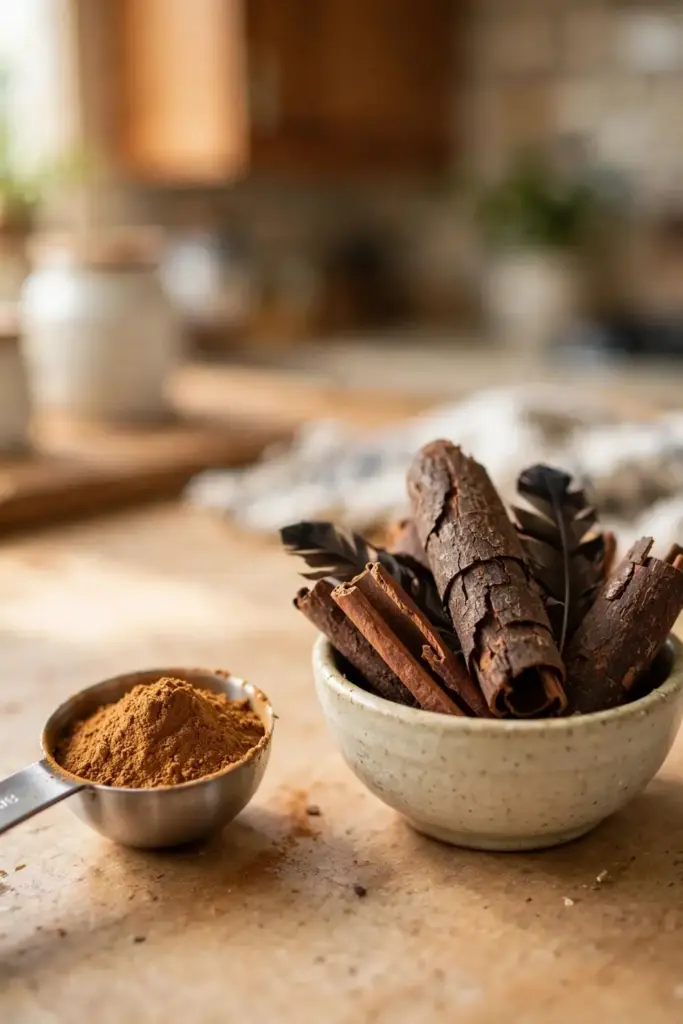
Keep the perspective that the numbers give. The coumarin concern applies to heavy daily consumption over time, not to normal cooking. Billions of people have cooked with cassia for centuries at culinary doses. The European limits target industrial bakeries dosing pastries daily, not home kitchens. Grow the tree, use the spice sensibly, and reserve the worry for the dose that actually matters. Honesty about coumarin builds trust; panic about it builds nothing. The informed cook is the safe cook.
3. Confirm Your Climate
Cassia is a wet-tropical tree. Outdoors year-round, it needs frost-free warmth, high humidity, and abundant rain: USDA zones 10 to 12, or the equivalent. In temperate climates, grow it in a large pot and move it indoors for winter, keeping it above 10°C. The tree is evergreen and grows year-round in warmth; it sulks below 15°C and dies near freezing. Humidity matters as much as heat: dry indoor winter air stresses the tree, so mist regularly or run a humidifier nearby. If you can grow mangoes outdoors unprotected, you can probably grow cassia. If your winters need a greenhouse for citrus, the cassia goes in the greenhouse too.
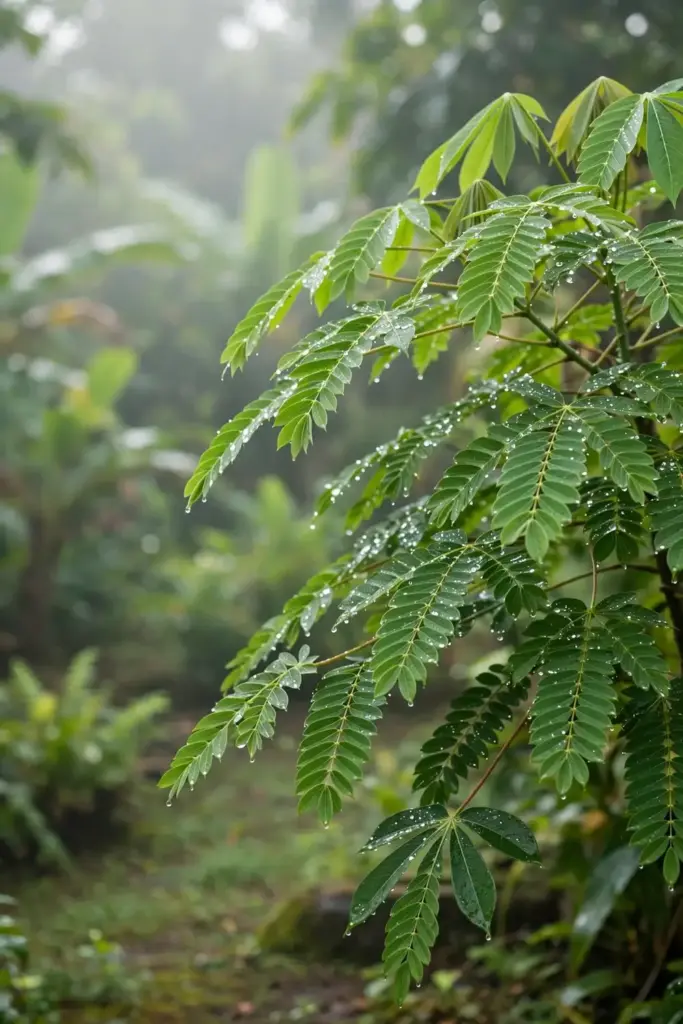
Test your winter before you commit. One season of minimum-maximum thermometer readings in your proposed spot tells you more than any zone map. Cassia survives a brief dip to 5°C; it does not survive a week of frost. Microclimates cheat the map: a walled courtyard can run 3°C warmer than the open garden. Measure first, plant second. A tree planted on hope and killed by the first frost is the most expensive free plant you will ever own. The thermometer is cheaper than the tree.
4. Cassia in Australia
Australia splits cleanly on this crop. In tropical north Queensland, from Cairns to Darwin, cassia grows outdoors year-round in the ground: the heat, humidity, and wet season match its native demands. In subtropical southeast Queensland and northern New South Wales, plant against a warm north-facing wall and protect from the occasional cold snap. A large pot you can move is the safer choice there. Everywhere else, from Sydney southward through Melbourne, Adelaide, Perth, and Tasmania, grow cassia in a pot in a greenhouse or a bright indoor spot, moving it outside only for the warmest months. The Australian cassia grower is really two growers: the Queenslander with a tree in the ground, and everyone else with a tree in a pot. Both get bark; the Queenslander just gets there faster.
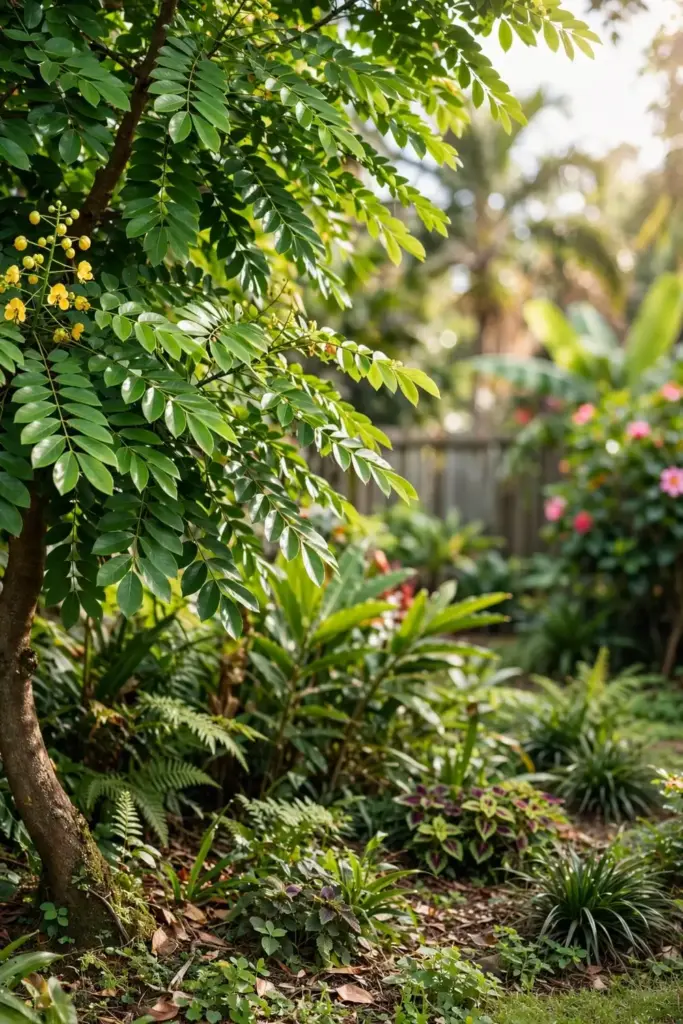
Queensland growers should still choose the site carefully. The wet-season downpours suit cassia, but waterlogged soil kills it; plant on a slight mound if your ground puddles. Cyclone winds snap young trees, so stake well and plant in a sheltered position. Southern growers in pots should wheel the tree out after the last cold night and back in before the first; two people and a plant trolley make this a five-minute job. The pot is not a compromise in the south; it is the correct horticulture for the climate.
5. Buy a Real Cassia Tree
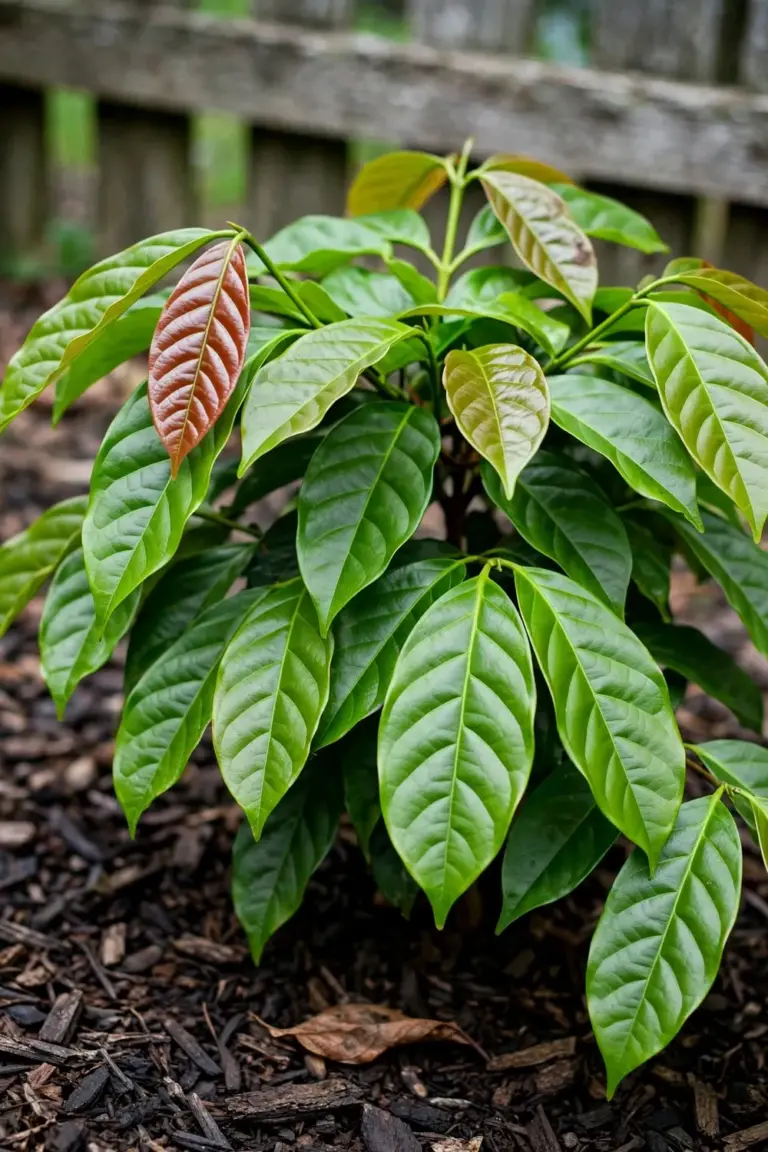
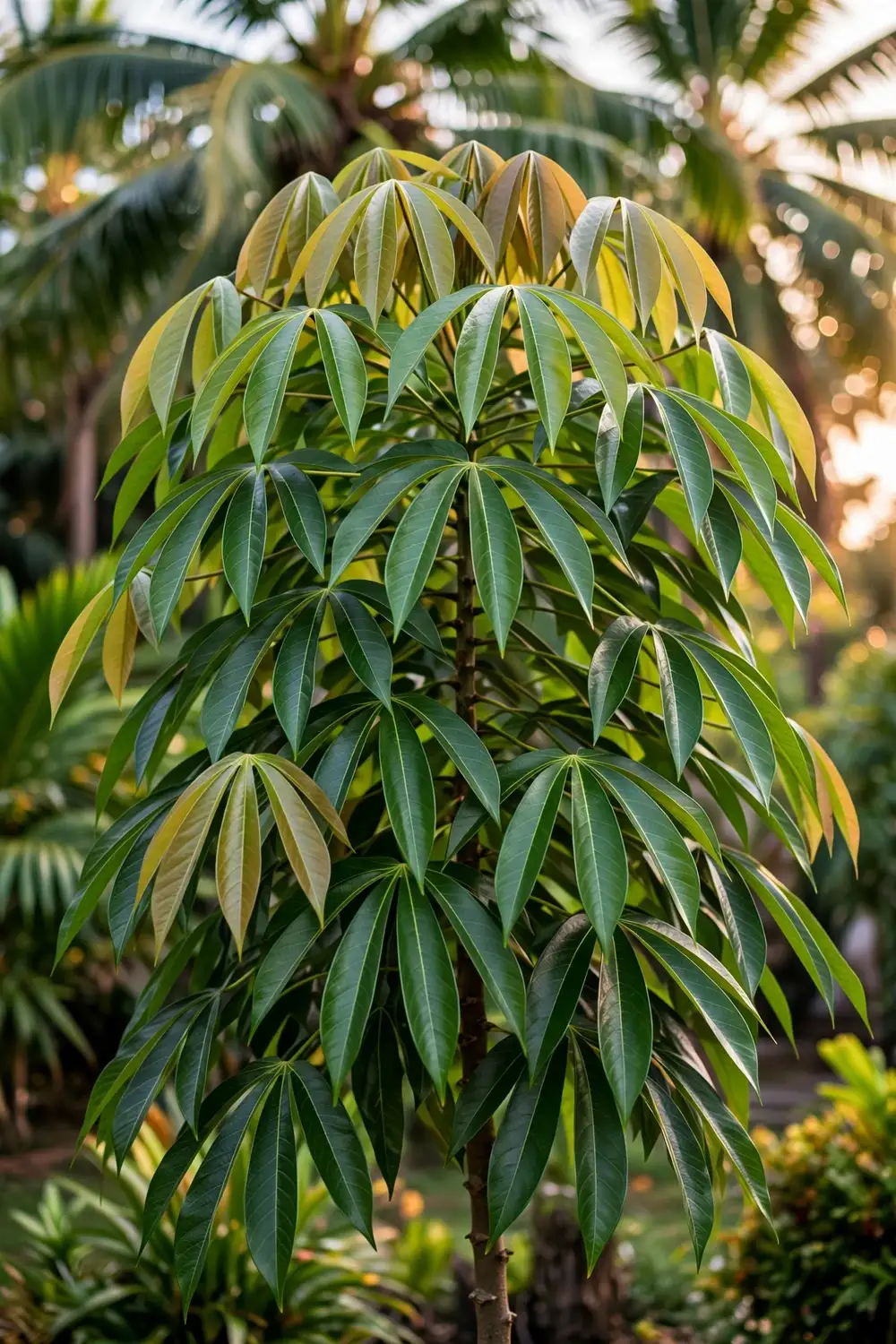
Buy a grafted or seedling tree from a specialist nursery, labeled Cinnamomum cassia. Generic “cinnamon tree” labels are unreliable: you may get verum, burmannii, or an ornamental relative. Ask the nursery which species it is and where the stock came from. A 30 to 60 cm potted tree is the ideal starter: big enough to establish fast, small enough to transplant without shock. Inspect the leaves: cassia leaves are glossy, leathery, and aromatic when crushed, with the spicy scent already present. Avoid trees with yellowing leaves or circling roots. One tree is enough for a home supply; two give you a backup and a faster first harvest.
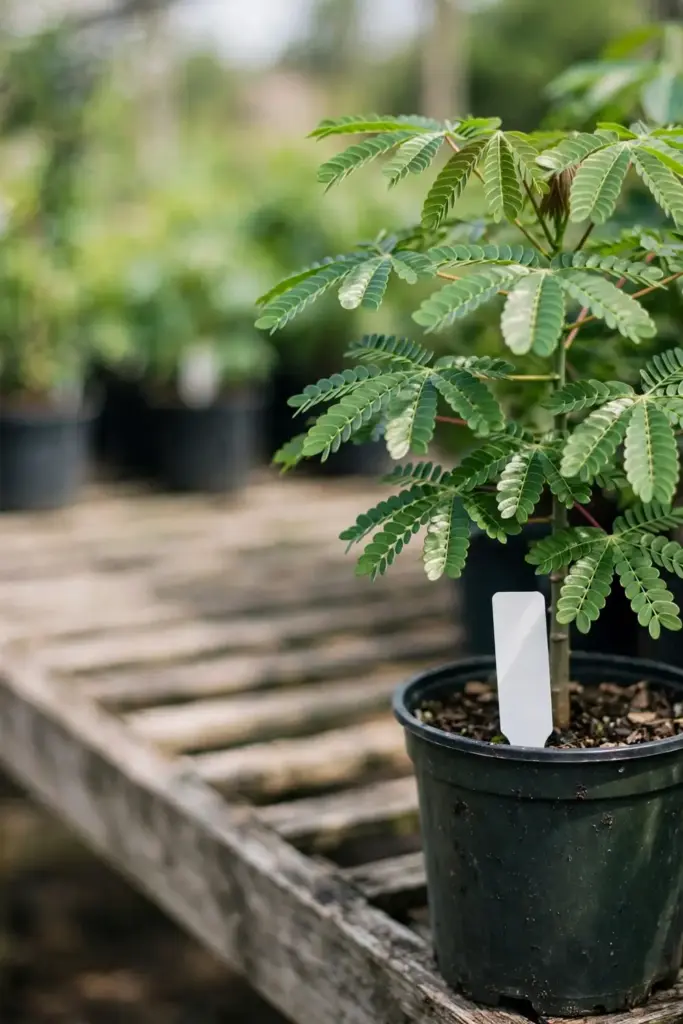
Buy from a nursery that grows its own stock. Resellers who cannot name the species are guessing, and a guessed tree is a five-year gamble. A specialist who propagates cassia knows the difference between the species and will tell you without being asked twice. The price premium for a correctly labeled tree is small; the cost of growing the wrong species for five years is enormous. Ask for the label in writing on the receipt. Good nurseries do this routinely, and the receipt is your proof.
6. Plant in Warmth and Humidity
Plant out only when nights stay above 15°C, in the hottest, most sheltered spot you own. In the ground, choose full sun to light shade with wind protection; a courtyard or walled garden is ideal. Dig a hole twice as wide as the pot, plant at the same depth, and water deeply. Soil temperature matters as much as air temperature, so wait until the ground itself feels warm. In pots, use the largest container you can move: 50 liters minimum, with drainage holes and a rich, moisture-holding mix. Mulch 8 cm deep to hold humidity around the roots. A newly planted cassia wants steady warmth more than anything; a cold snap in its first month can set it back a whole season. Time the planting for the start of your warm season and do not rush it.
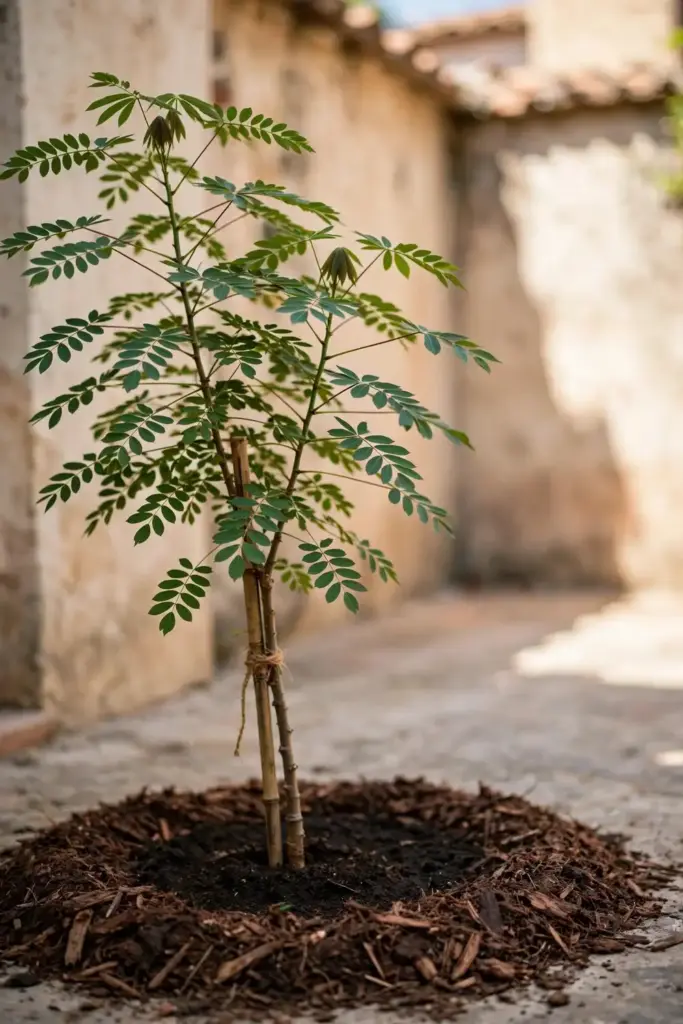
Harden a greenhouse-raised tree off before planting out. A week of gradually increasing outdoor exposure prevents the shock that drops leaves and stalls growth. Move it out for a few hours the first day and a full day by the seventh. Plant on a cloudy day or in the evening. Water the hole before the tree goes in so dry soil does not wick moisture from the root ball. The first month decides the first year; give it every advantage.
7. Give It Rich, Moist Soil
Cassia feeds heavily and drinks deeply. In the ground, work 10 cm of compost into the planting area; the tree wants fertile, moisture-retentive soil that never waterlogs. In pots, use a premium potting mix with added compost and a slow-release fertilizer mixed in. The soil pH should sit between 5.5 and 6.5, slightly acidic like its native forest soils. Mulch constantly: a deep organic mulch feeds the soil, holds moisture, and mimics the forest floor. Replenish the mulch twice a year as it breaks down. Rich soil grows fast shoots; fast shoots become harvestable bark sooner.
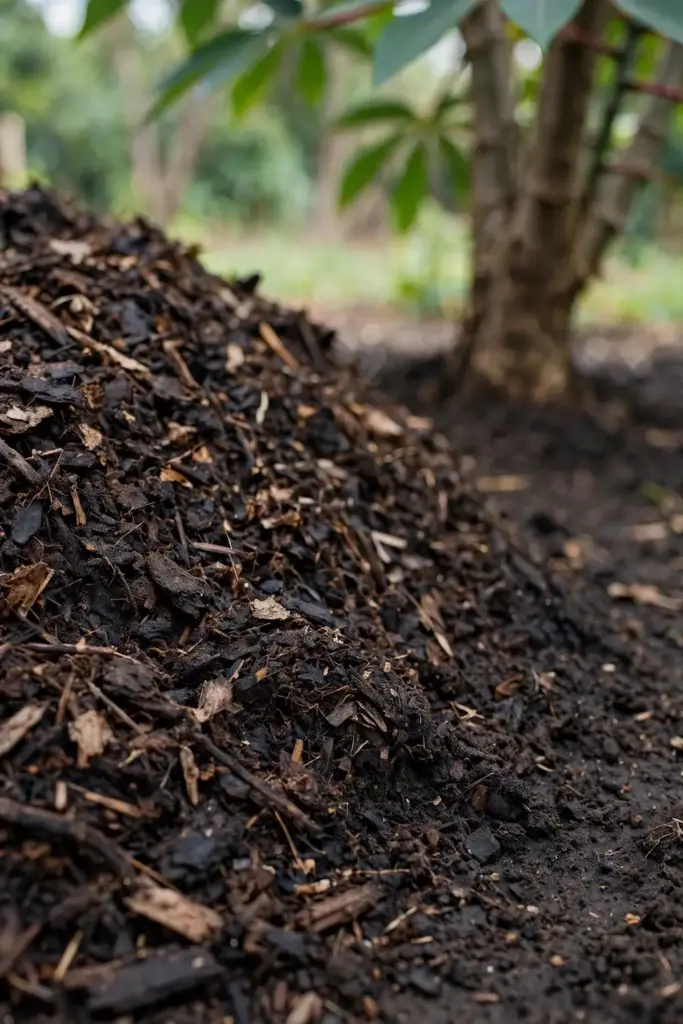
Test the pH before you plant, not after. A cheap test kit and a handful of soil take ten minutes. If your soil runs alkaline, amend with sulfur or grow in a pot where you control the mix; cassia in alkaline soil yellows and stalls no matter how much you feed it. The forest-floor mimicry matters: leaf litter, compost, and constant organic matter are the soil program. Bare, cultivated soil around a cassia is a missed opportunity the tree will bill you for in slow growth.
8. Water Like the Tropics
Water deeply and often. In the ground in a tropical climate, rainfall usually suffices; supplement in dry spells so the soil never dries out fully. In pots, check daily in warm weather: a 50-liter pot in summer sun can need water every day. The leaves tell you first. Slight drooping in the afternoon that recovers by morning is normal heat response. Leaves that stay wilted into the cool morning mean the roots are truly dry and a deep watering is due now. Reduce watering in cool weather, but never let a potted tree dry out completely. Humidity helps: mist the foliage on hot days or stand the pot on a tray of wet pebbles. This is a rainforest tree; treat it like one and it rewards you.
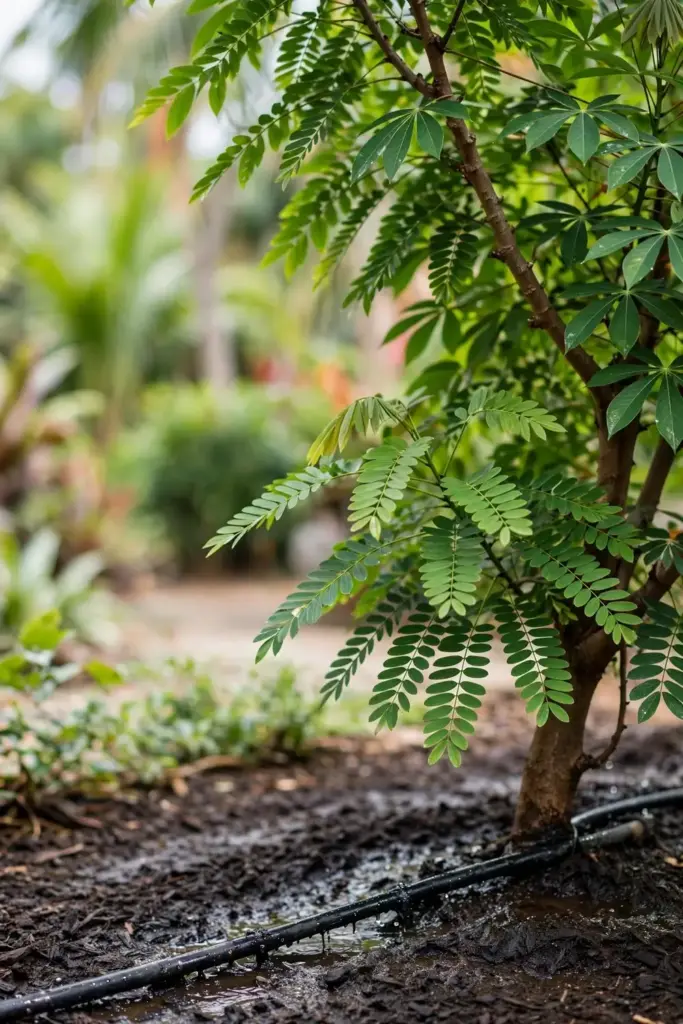
Set up irrigation before the dry season, not during it. A drip line on a timer beats crisis watering every time. Mulch does half the work: 8 cm of organic mulch can halve the watering frequency. In the ground in Queensland’s wet season, drainage matters more than watering; make sure the mound sheds the deluge. The goal is constant, even moisture: never soggy, never dry. Cassia forgives a missed day; it does not forgive a missed month.
9. Feed Heavily in Summer
Feed monthly through the warm season with a balanced fertilizer at the label rate, or side-dress with compost every two months. Cassia grows fast when fed and stalls when hungry; the difference shows in the shoot thickness, and shoot thickness is the harvest. In the ground, an annual 20 kg of compost per tree plus a spring fertilizer application carries the season. In pots, feed every two weeks at half strength through summer, because every watering leaches the container. Stop feeding as temperatures cool in autumn. A well-fed tree pushes the thick, straight shoots that peel best. A hungry tree pushes thin twigs that are barely worth the knife.
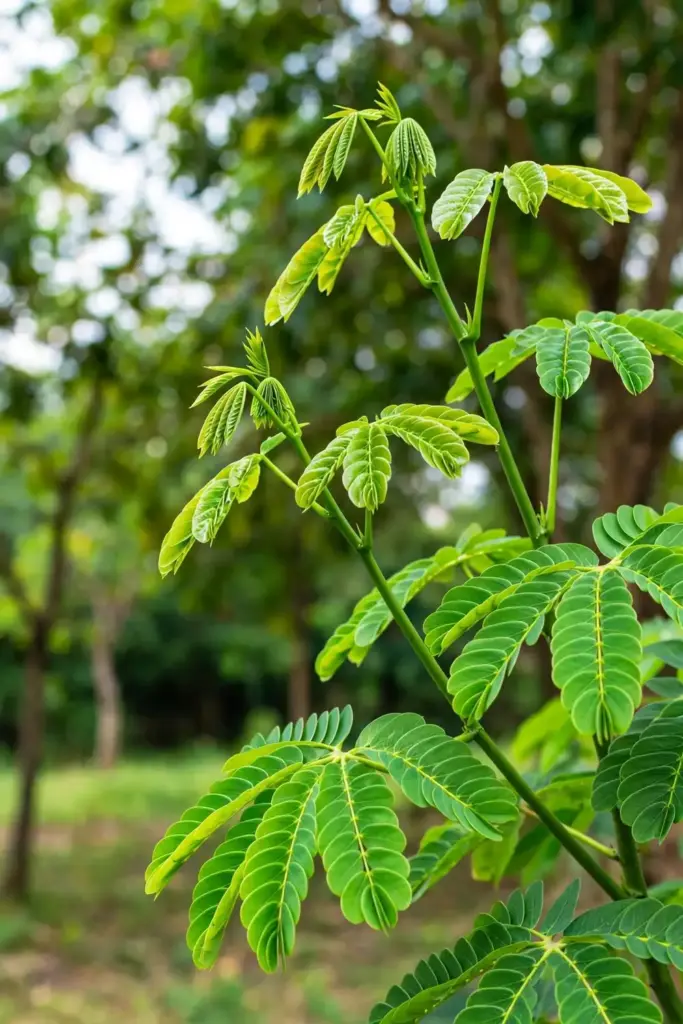
Watch the new growth for the feeding report. Thick, glossy, fast-extending shoots mean the program works. Thin, pale, slow shoots mean feed more or feed better. The tree is honest about hunger within weeks, which makes feeding a highly responsive job in the garden. Keep a simple log: date, product, amount. Next year’s feeding plan writes itself from this year’s notes. The log takes a minute and pays for years.
10. Prune to a Coppice Stool
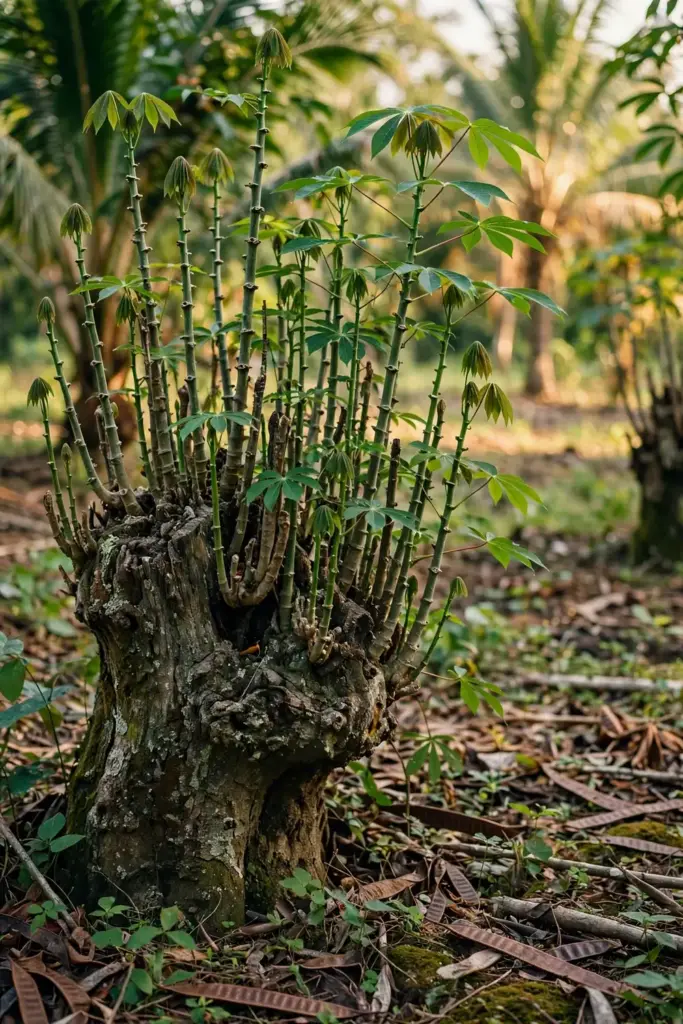
Here is the core technique. When the tree is 2 to 5 years old, cut the main stem back to a stump 30 cm above ground, as Kew’s cinnamon profile describes for harvest plantations. The stump resprouts vigorously, throwing up multiple straight shoots: the classic coppice stool. These shoots are the crop. The spring pruning techniques for woody plants cover the cutting basics. Use a sharp saw and make a clean, slightly angled cut. The stool will outlive you if you keep coppicing it; some plantation stools have produced for decades. One cut transforms a tree into a perpetual bark factory.
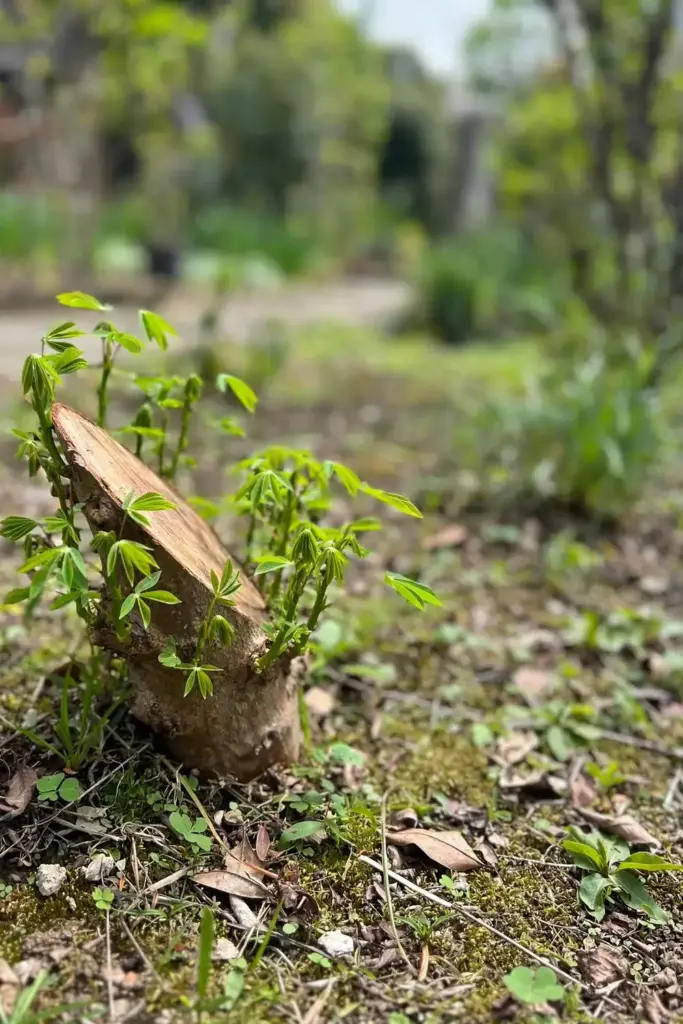
Time the cut for early spring, just as growth resumes. The stump’s stored energy explodes into shoots within weeks of a spring cut; an autumn cut sits vulnerable through winter and resprouts weakly. Seal nothing; the angled cut sheds water and the tree compartmentalizes the wound itself. Do not be timid: a 30 cm stump looks brutal and grows beautifully. The brutality is the technique. Every commercial cinnamon plantation on earth does exactly this.
11. Shape the Shoots
After coppicing, select the strongest 3 to 5 shoots and remove the rest. Fewer shoots mean thicker shoots, and thickness is what peels. Let the selected shoots grow straight and unbranched for 3 to 5 years, removing side twigs as they appear. Stake if they lean. The goal is a set of straight poles 1 to 2 cm thick and over a meter long: the ideal peeling size. Each coppice cycle produces 3 or more new shoots, as Sri Lankan coppicing practice records, so the stool never runs out of material. Thin ruthlessly in the first year after cutting; generosity with shoots is stinginess with bark.
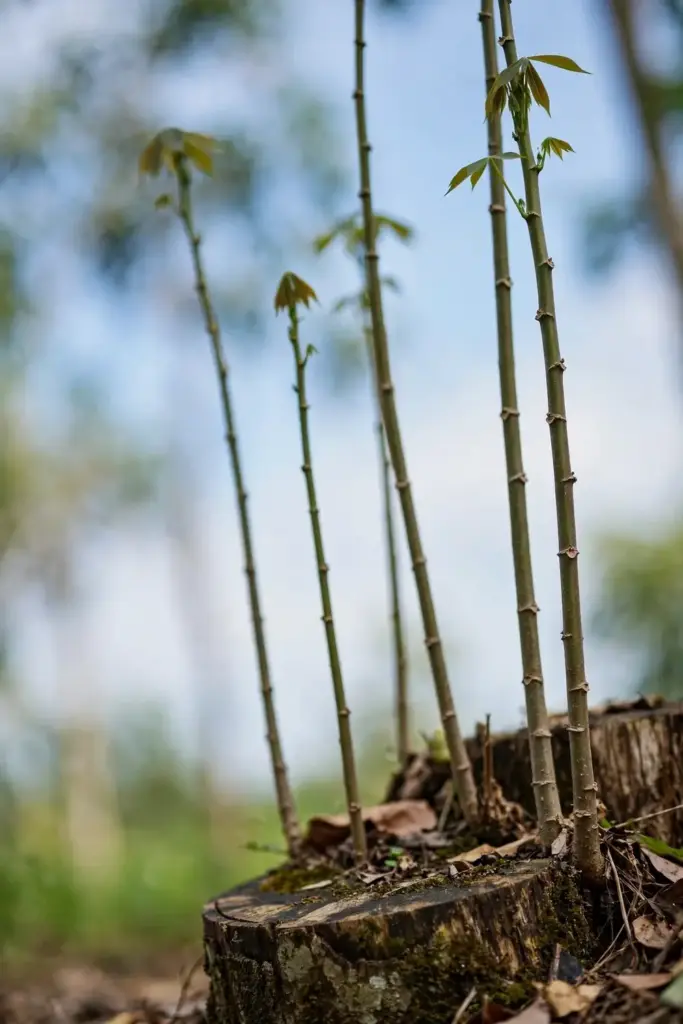
Rub off unwanted buds early rather than cutting shoots late. A thumbnail flicked across a bud in its first week prevents a shoot that would need the saw in its first year. Walk the stool monthly through the first growing season and rub out everything except your chosen leaders. This five-minute job, done monthly, replaces an hour of corrective pruning later. The stool responds to early decisions; make them early and make them firm.
12. Wait 3 to 5 Years
The honest timeline. Coppiced shoots need 3 to 5 years to reach peeling thickness, and Chinese cassia is traditionally harvested after 4 to 5 years, per the Saveur cinnamon glossary. Vietnamese cassia waits 15 to 20 years for its thickest bark, which tells you what patience can buy, but 4 years gives excellent home bark. Do not peel early: thin bark tears, yields little, and tastes weak. The tree tells you when it is ready: the bark turns a uniform brown and separates easily in a test cut. Mark the coppice date on the stool with a tag. Four years feels long until you taste the first quill; then it feels like the bargain of the decade.
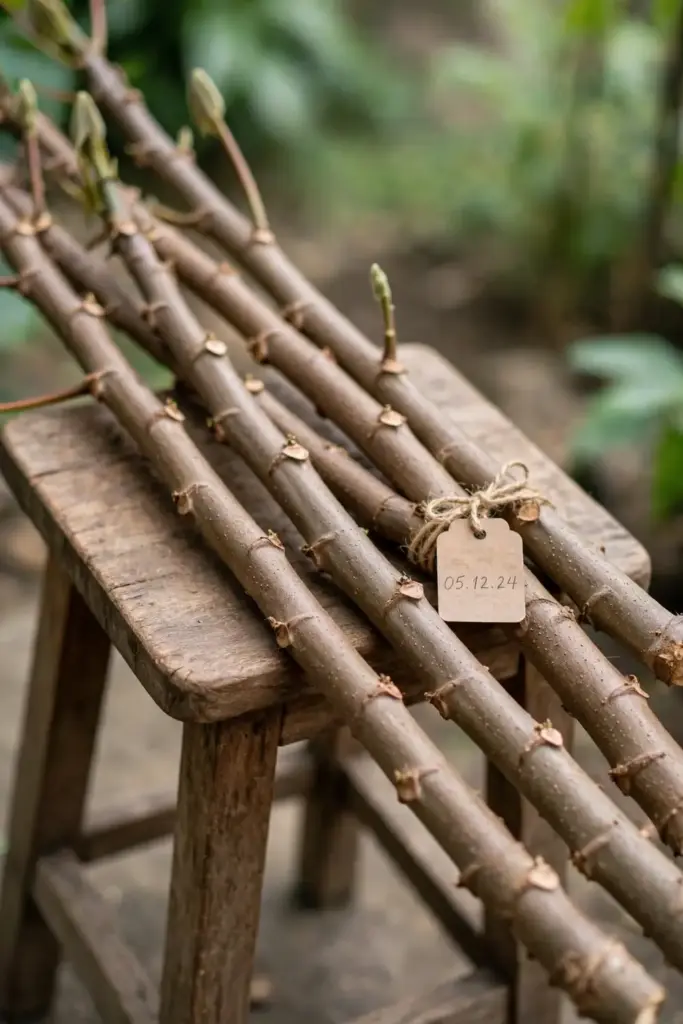
Use the waiting years well. The stool needs no harvest attention, but it needs care: water, feed, weed, and remove side twigs. Plant quick crops around it; the space between coppice cycles is prime real estate for vegetables. Keep a journal of the stool’s progress with a yearly photo. The photo series becomes the most convincing argument for patience you will ever show a skeptical visitor. Year one looks like sticks. Year four looks like cinnamon.
13. Strip the Bark
Harvest after rain or heavy watering, when the sap flows and the bark slips easily. Cut a shoot and make a test slit with a sharp knife: if the bark separates readily from the wood, proceed; if it clings, wait for wetter weather. Slit the bark lengthwise in two places, peel the strips away from the wood, and scrape off the rough outer bark with the back of the knife. Work in the shade; sun dries the bark too fast and it cracks instead of curling. Peel the same day you cut: cut shoots left overnight dry out and the bark locks on. A morning’s work yields a basket of bark strips. The technique takes one shoot to learn and a lifetime to master.
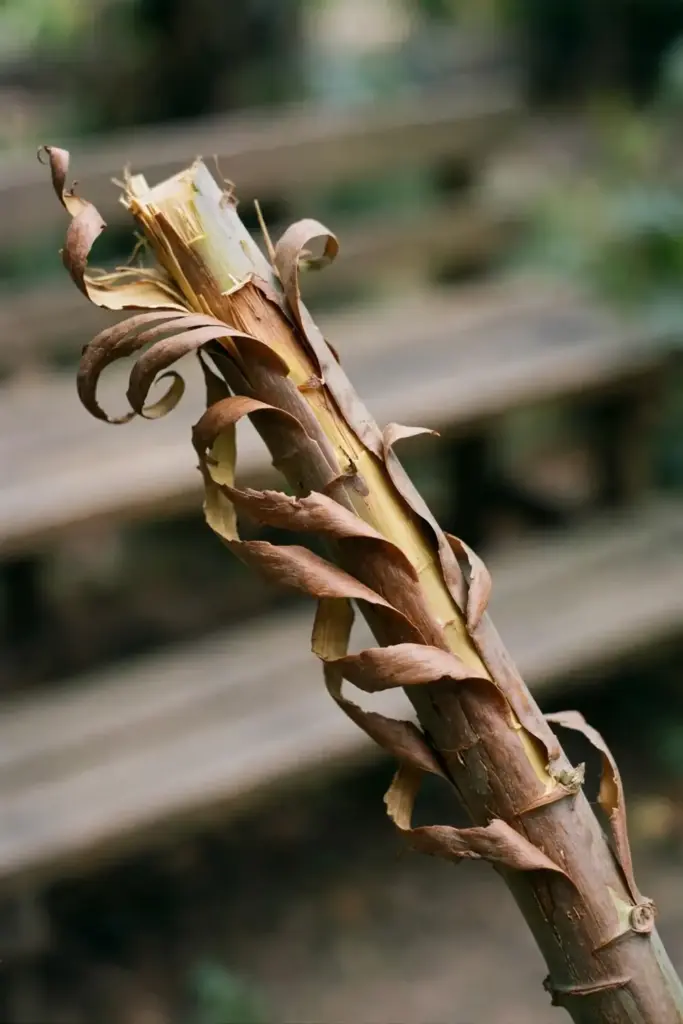
Keep your knife sharp through the whole session. A dull knife tears the inner bark and leaves ragged strips that dry unevenly. Strop the blade every few shoots; the five seconds it takes pays back in clean peels. Work methodically down the shoot: slit, peel, scrape, stack. The rhythm becomes meditative by the third shoot. Save the scraped outer bark for the compost or as mulch; it still smells wonderful and feeds the soil it came from.
14. Dry and Curl the Quills
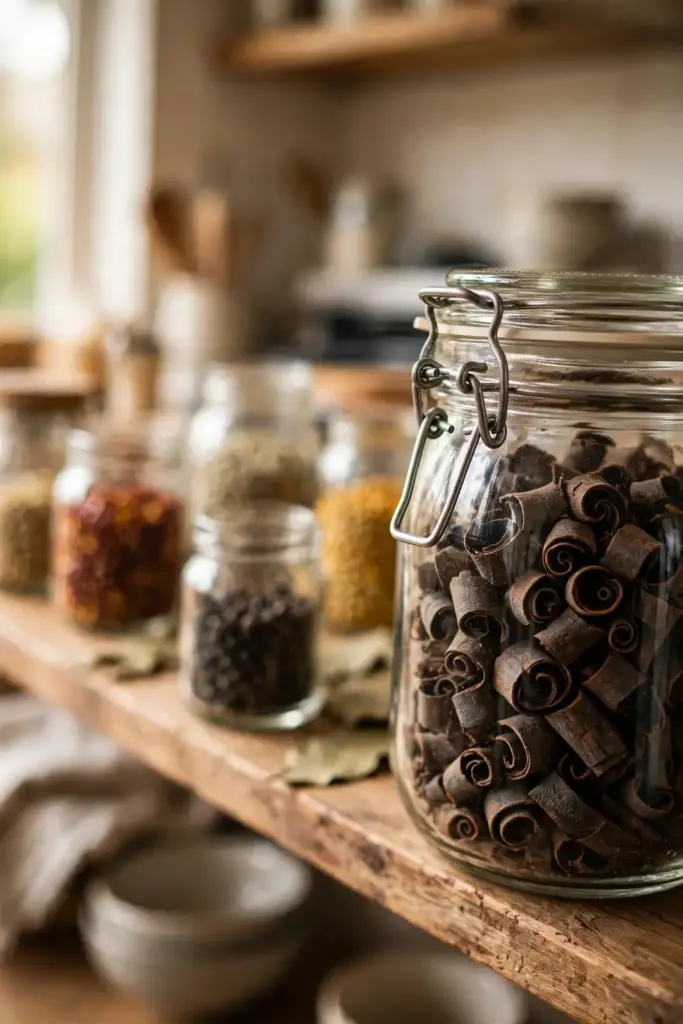
Lay the peeled strips inner-side up in the shade with good airflow. As they dry over 4 to 5 days, the strips curl naturally into quills: cassia forms a single thick, rigid roll, darker and harder than true cinnamon’s delicate layered quills. Turn the strips daily so they dry evenly and do not mold. They are done when they snap cleanly and smell intensely of cinnamon. Store the quills whole in a sealed jar away from light; grind only what you need, since ground cinnamon loses potency within months. Whole quills keep for years. A jar of home-peeled cassia quills is the most satisfying spice jar in the kitchen.
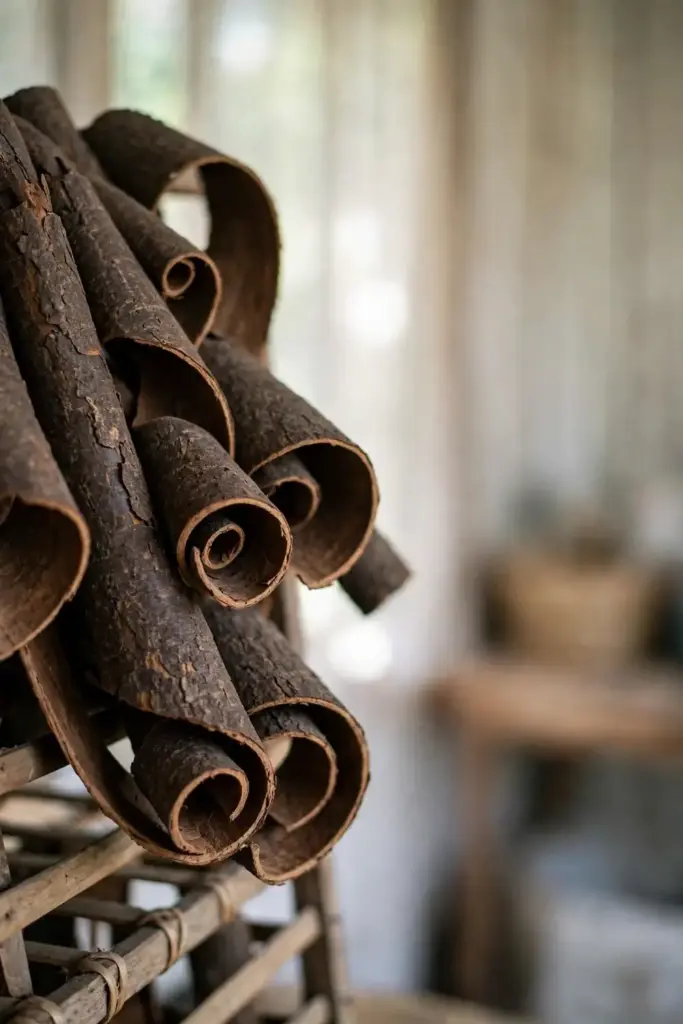
Protect the drying strips from rain and dew. A sudden shower on half-dried bark invites mold that ruins the batch; bring the trays under cover at night or at the first cloud. Good airflow matters more than heat: a breezy shade dries better than a still hot corner. If the strips feel leathery rather than snappy after five days, give them more time; under-dried quills mold in the jar. The snap test is the whole quality control. Snap, jar, done.
15. Grind Your First Stick
Break a quill into pieces and grind in a spice grinder or a mortar. The aroma that rises is stronger and fresher than any shop-bought powder: this is cinnamon at its peak, days or weeks from the tree instead of years from a warehouse. Use it in baking, curries, and hot drinks the way you use any cassia. Remember the coumarin note from step 2: normal culinary amounts, not daily spoonfuls. Taste the powder against the supermarket jar and the difference ends the debate about whether four years was worth it. This is the moment the tree becomes the spice.
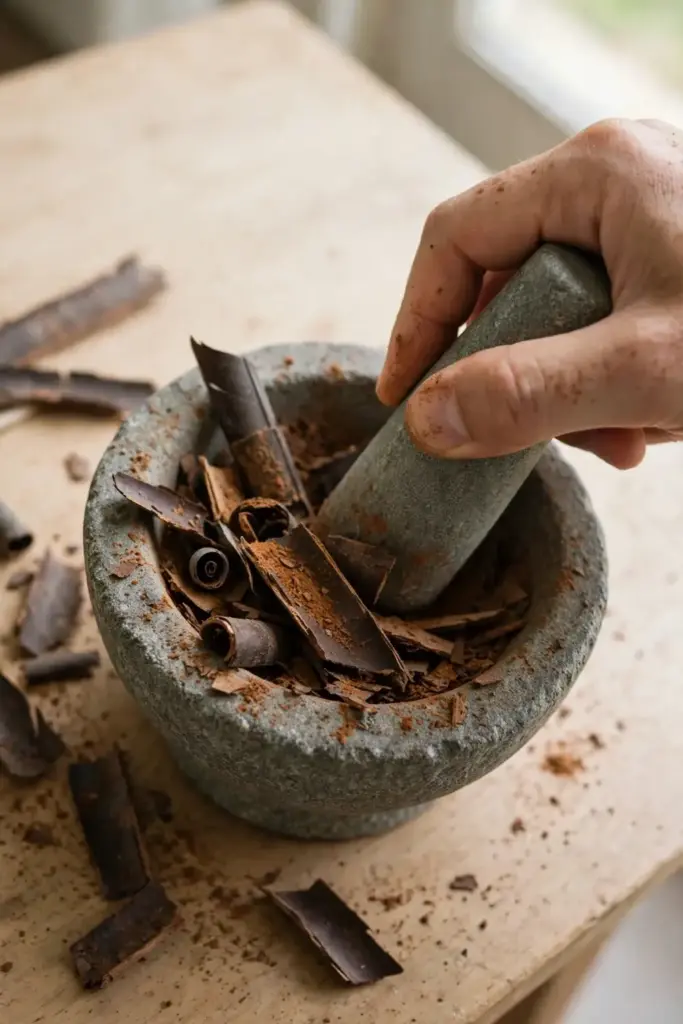
Share the first grind. A small jar of homegrown cassia, labeled with the harvest year, is a gift no shop can match. The story quadruples the value: planted in such-and-such year, coppiced, waited four years, peeled after rain. Keep a spoonful back for yourself and compare it yearly as your technique improves. The second harvest peels cleaner, dries better, and grinds finer than the first. Mastery compounds; the tree teaches and you learn. Every harvest after the first feels easier than the last.
Frequently Asked Questions
Three to five years from the coppice cut, with four to five years the traditional harvest age for Chinese cassia. The first coppice happens when the tree itself is 2 to 5 years old, so the total timeline from planting to first bark is roughly 6 to 9 years. After that, the stool produces harvestable shoots on a rolling cycle, as Sri Lankan growers practice. Slow crop, fast payoff once the cycle turns.
In tropical north Queensland, yes: plant in the ground and it thrives. In subtropical areas, plant in a sheltered spot or a large movable pot. South of Sydney, grow in a pot in a greenhouse or indoors, moving it out for summer. The tree needs frost-free warmth and humidity year-round to grow outdoors; everywhere else it is a pot specimen. Both versions produce bark, just on different schedules.
Yes, in normal culinary amounts. Cassia contains more coumarin than true cinnamon (roughly a thousand times more), and very high daily doses over time can affect the liver. A teaspoon in baking or cooking is a normal amount and the way cassia has been used for centuries. If you consume cinnamon by the spoonful daily for health reasons, choose true cinnamon (C. verum) instead. Use the spice, do not megadose it.
Grow cassia (C. cassia) if you want the hardiest, most available tree and the bold, spicy flavor most recipes expect. Grow true cinnamon (C. verum) if you eat cinnamon daily in large amounts and want minimal coumarin, and you can give it stricter tropical conditions. Most home growers choose cassia for its vigor and availability. The supermarket jar in your kitchen is almost certainly cassia already.
Where to Go From Here
Fifteen moves, one tropical tree, and a spice jar you filled yourself. Buy the real species, coppice at year three, wait the honest four years, and peel after rain. The first quill you curl pays for the whole wait. Plant the tree this season; the cinnamon comes on the tree’s schedule, not yours, and it is worth every year. The second stool you plant will feel like pure profit, and the third like a family tradition.