Start black-eyed Susan seed indoors 10 weeks before your last frost, then move the seedlings out after the frost passes. That is how to grow black-eyed susan from a packet of seed to a bed of gold flowers: one sunny spot, well-drained soil, and a weekly deadhead pass that keeps blooms coming into mid-fall. Work through 14 moves, from matching the plant to your zone to skipping the six mistakes that shrink the bloom.
Sow indoors in late winter. Move seedlings out after the last frost. Deadhead weekly. Leave a few seed heads standing for the birds.
I have learned that black-eyed Susan forgives a dry week faster than it forgives rich soil. Rich soil grows leaves. Lean soil grows flowers.
Match Black-Eyed Susan to Your Zone and Sun First
Match the plant to your winter before you buy seed. Black-eyed Susan is a North American native in the daisy family, and cold decides how long one plant lives. Most seed packets sold under this name are Rudbeckia hirta, a biennial or short-lived perennial that blooms in its first year from seed. Its perennial cousin Rudbeckia fulgida returns from the same roots each spring.
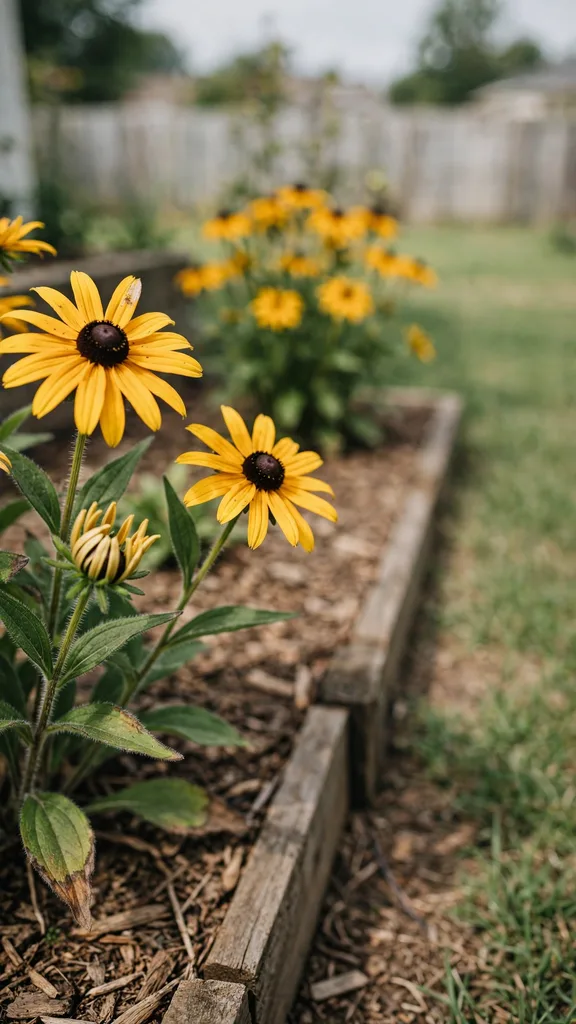
The North Carolina Extension plant profile lists Rudbeckia hirta as hardy in zones 3a to 8b, 61 to 122 cm tall and 30.5 to 61 cm wide at maturity.
| Spec | Rudbeckia hirta |
|---|---|
| USDA zones | 3a to 8b |
| Mature size | 61 to 122 cm tall, 30.5 to 61 cm wide |
| Light | Full sun to partial shade |
| Soil | Moist, well-drained clay, loam, or sand |
| Bloom | Midsummer to mid-fall with deadheading |
| Life span | Biennial or short-lived perennial, blooms in its first year from seed |
Give the plant full sun for the heaviest bloom. Partial shade still flowers, and a little afternoon shade helps in the hottest gardens. Deep shade grows long thin stems with few flowers, and no fertilizer fixes a light shortage. Pick the sunniest bed you own, then plant where the morning sun hits first.
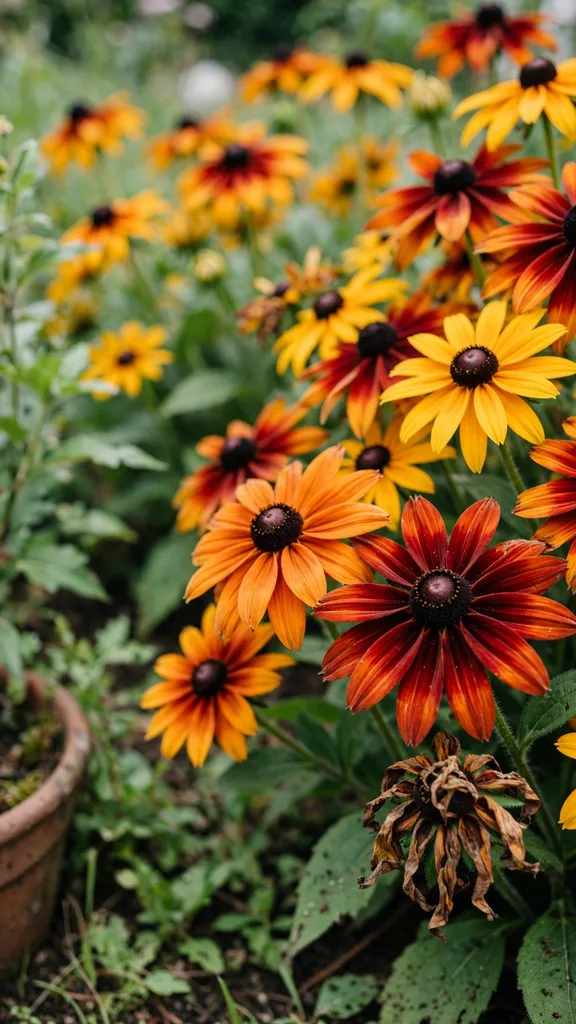
The flower is a yellow daisy with a dark brown domed center. One row of ray petals rings the cone, and the petals open flat in full sun. Bees, butterflies, and small beetles visit the open cones through summer, and the plant feeds the larvae of the Silvery Checkerspot butterfly. Plant it beside growing sunflower in the same sunny bed, and the two gold flowers carry the border from midsummer into fall.
Tell the two species apart before you shop. Rudbeckia hirta grows from seed, blooms in its first year, and often dies after flowering, while Rudbeckia fulgida grows into a clump that returns from the same roots each spring. A packet labeled black-eyed Susan usually holds hirta seed, and a potted plant labeled Goldsturm is fulgida. Buy the seed for a fast bed of color, and buy the potted clump for a permanent spot.
Pick a Variety That Fits Your Bed
Pick the height first and the color second. A tall variety in a small bed shades its neighbors, and a dwarf variety at the back of a border hides behind taller plants. Seed packets list the height on the back, so read the packet before you sow.
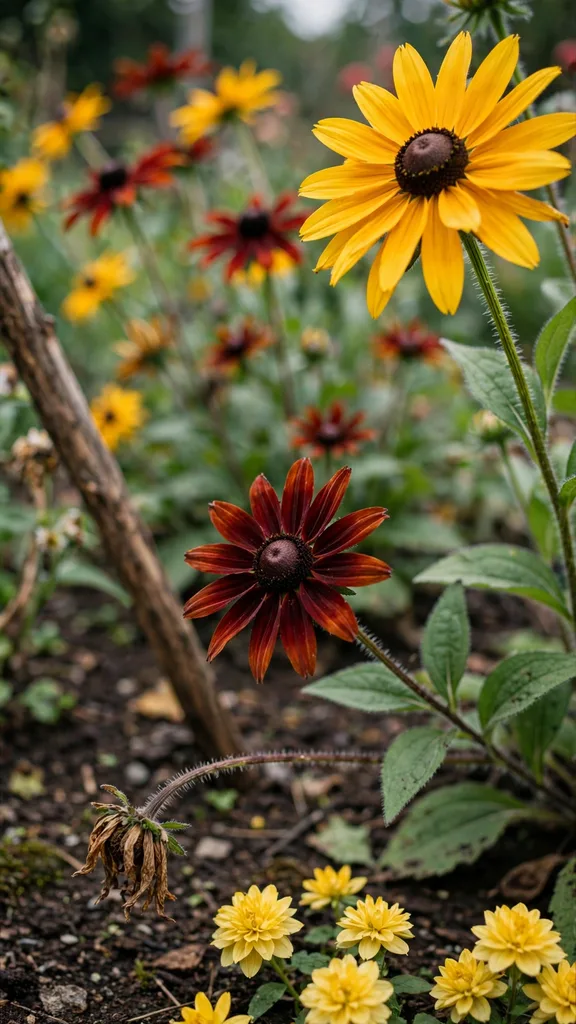
| Variety | Size Class | Flower Color | Best Use |
|---|---|---|---|
| Indian Summer | Tall | Gold yellow, large blooms | Back of border, cutting |
| Cherry Brandy | Medium | Deep red-brown | Front border accent |
| Goldilocks | Dwarf | Gold yellow, double blooms | Pots, edging |
| Becky Mixed | Medium | Gold, orange, and red mix | Mixed beds |
| Goldsturm | Tall | Gold yellow | Perennial clump, naturalized areas |
Indian Summer carries the largest blooms of the group, wide gold flowers on tall stems that suit cutting. Cherry Brandy breaks the yellow pattern with deep red-brown petals around the same dark center, and it reads best in a small drift where the color shows. Goldilocks stays short with double blooms, a dwarf form that fits pots and path edges without staking.
Becky Mixed is a seed mix, not one color, so each plant opens in gold, orange, or red. Sow the mix where a blend suits the bed, and sow a named variety where one color matters. Goldsturm is the odd one in the table: a Rudbeckia fulgida selection, the perennial black-eyed Susan. It spreads by underground stems into a clump. It outlives the hirta varieties by years.
Start Seed Indoors 10 Weeks Before Your Last Frost
Start seed indoors 10 weeks before your last frost for first-year flowers. Seed sown indoors gets a head start that direct sowing cannot match in a short season, and the seedlings move out already sturdy.
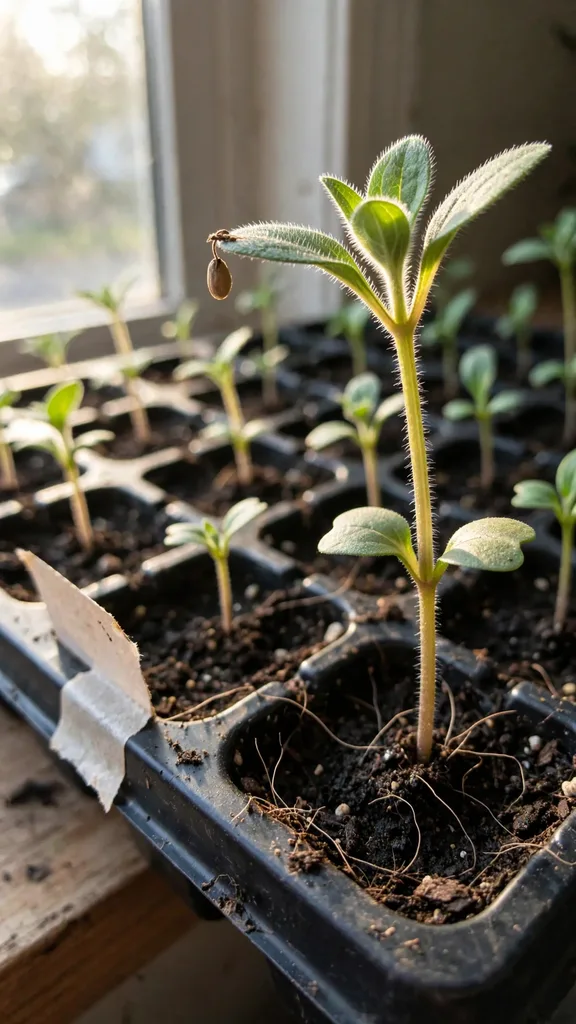
The Iowa State Extension germination table lists black-eyed Susan seed germinating at 21.1 degrees Celsius in 7 to 14 days, with 10 weeks from sowing to planting outdoors.
Fill trays with moist seed mix and press the seed into the surface. Cover the seed lightly, since the seed needs light to germinate and a deep cover buries it. Set the trays where the mix stays near 21.1 degrees Celsius, under lights or on a warm windowsill, and keep the surface damp until the seedlings show.
Thin the seedlings to one per cell once the first true leaves open. Crowded seedlings stretch pale and weak, and weak seedlings never catch up outdoors. Harden the seedlings off over a week, a few hours outside at first, then a full day, before they move into the bed.
Label each tray with the variety name and the sowing date, since the seedlings of one variety look like any other. A tray left unlabeled mixes tall and dwarf forms in one bed, and the mix shows only when the plants flower. Keep the trays out of cold drafts at night, and set them where the light hits from above rather than from one side, so the stems grow straight.
Sow Seed Directly After the Last Frost
Sow seed directly outdoors after the last frost, once the soil feels warm to the hand. Direct sowing skips the trays and suits gardeners with a long season, and the seedlings grow where they will flower.

Rake the bed smooth and scatter the seed thinly across the surface. Press the seed into the soil with the back of the rake, and cover it with only a dusting of fine soil. Water with a fine spray, and keep the surface damp until germination. A dry crust in the first week kills the seedlings before they show.
Thin the seedlings to 30.5 cm apart once they stand 7.6 cm tall. Direct-sown plants bloom later than indoor-started ones, so sow early in a short season or start indoors instead. A fall sowing also works in mild climates, where the seed rests through winter and sprouts with spring rain.
Set Well-Drained Soil and Space Plants 30.5 cm Apart
Set plants in well-drained soil in full sun, spaced 30.5 to 45.7 cm apart. Wet feet rot the roots, and tight spacing holds damp air between the leaves. Both failures show within a season, so get the bed right before the plants go in.
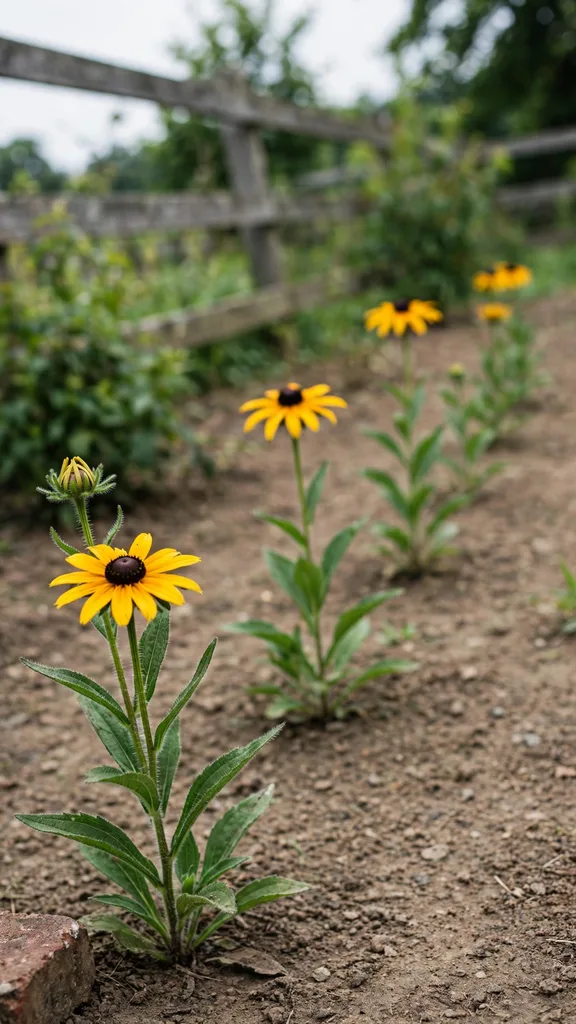
Clay, loam, and sand all suit black-eyed Susan when the bed drains. Dig compost into heavy clay to open it, and dig the same compost into sand to hold moisture. The plant asks for moderate fertility, so skip the rich manure bed and the heavy feeding schedule. Lean soil grows more flowers per plant than rich soil.
Space plants 30.5 to 45.7 cm apart in the bed, with tall varieties at the wide end of that range. Air moves between the leaves at that spacing, and the leaves dry fast after rain. A bed planted tight looks full in June and sick by August, when mildew finds the damp center.
Test the drainage before you plant. Dig a hole 30.5 cm deep, fill it with water, and watch it drain. A hole that empties within a few hours suits black-eyed Susan, and a hole that still holds water the next morning needs compost dug in or a raised bed. The test takes a day and saves a season of rotted roots.
Water Deep Until Roots Take Hold
Water deep at the base until the roots take hold, then back off. Established plants tolerate dry spells, and wet leaves invite mildew. The first month decides the root system, so water that month like it matters.
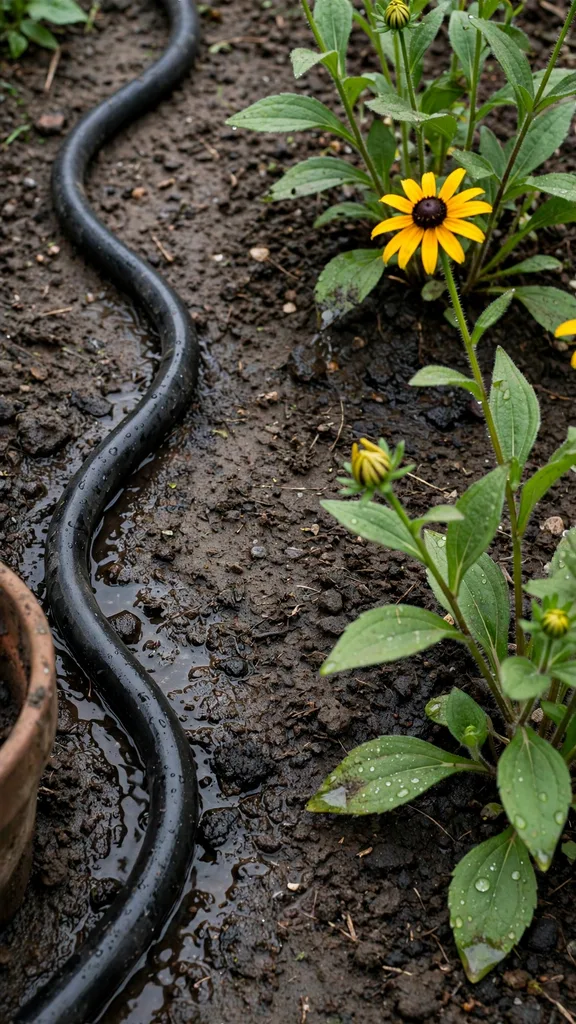
Water in the morning, at the soil line, and let the water sink deep. A shallow sprinkle wets the leaves and leaves the roots dry. Let the top 2.5 cm of soil dry between waterings, then water again. Wilting at midday is normal. A plant that recovers by evening needs no extra water.
Spread mulch 5.1 cm deep around the plants, kept clear of the stems. Mulch holds moisture in the soil and keeps the roots cool through hot afternoons. A mulch ring piled against the stems holds damp against the crown, and the crown rots.
Water transplants daily for the first week. Stretch the gap as the roots reach out. A transplant that wilts each afternoon and recovers each morning is still settling in, and a transplant that stays wilted at dawn needs water at once. Once the roots take hold, the plant handles a dry week without help.
Feed Light and Skip the Lawn Fertilizer
Feed light, once in spring, and skip the fertilizer the lawn gets. Rich feeding grows leaves at the cost of flowers, and black-eyed Susan shows the trade fast. Moderate fertility gives the best flower show, so feed for flowers and stop there.
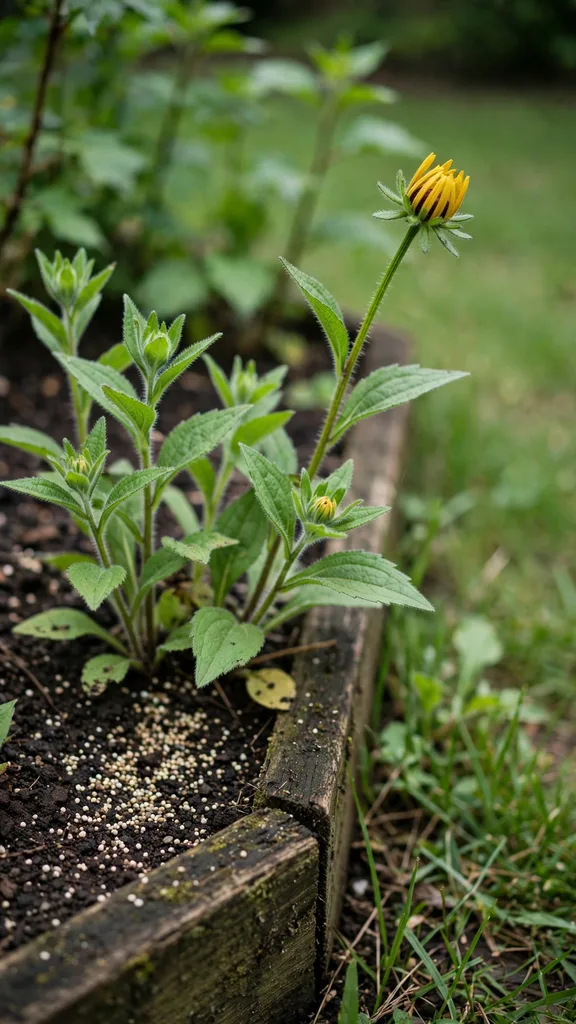
Apply one light feeding of balanced fertilizer in spring as growth starts. Scratch it into the soil around the plants, water it in, and leave it alone for the year. A second feeding in midsummer pushes soft leafy growth that mildew loves, and the flowers thin out.
Keep the plant away from lawn edges where lawn fertilizer washes into the bed. Lawn fertilizer carries excess nitrogen, and the extra nitrogen grows tall floppy stems with few blooms. Timber or stone edging keeps lawn feed out.
Deadhead Weekly for Blooms Into Mid-Fall
Deadhead weekly, and the flowers keep coming from midsummer into mid-fall. Each faded head left on the plant puts energy into seed instead of new buds, so the bloom slows within weeks. A weekly pass takes minutes and buys months of color.
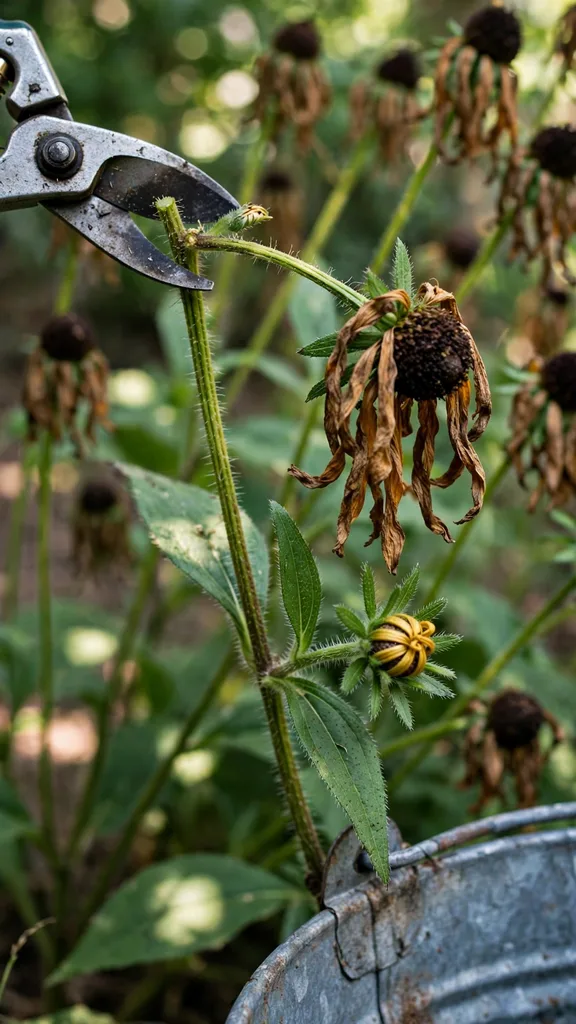
Snip each faded head just above a leaf node, where a new side shoot waits. The cut wakes the shoot, and the shoot opens a fresh flower within weeks. Carry a bucket on the pass and drop the heads in as you go, so the bed stays clean and the spent heads never seed where you do not want them.
Stop deadheading in late summer on the plants you want to self-seed. Those heads ripen into seed cones that feed birds through fall and drop seed for next spring. Pair the bed with growing salvia in the same border, and the two flower side by side for pollinators through summer.
Cut Black-Eyed Susan Stems for the Vase
Cut stems in the morning when the petals have just opened, and the vase holds color for days. Cut flowers are one of the best returns from this plant, and a weekly cut keeps the bed blooming too.
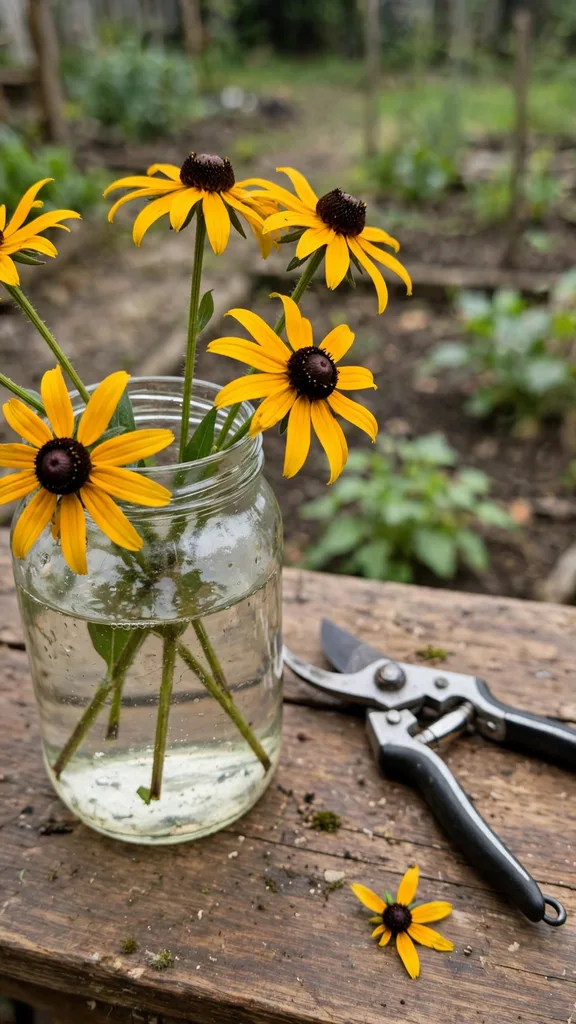
Cut each stem just above a leaf node, so a side shoot grows from the cut and opens a second flower. Strip the leaves that would sit under the water line. Leaves in water rot and cloud the vase. Set the stems in clean water at once, and recut the ends every few days.
Mix the stems with growing zinnia cuts for a vase of hot colors, gold and scarlet side by side. Tall varieties give the longest stems for cutting, so grow Indian Summer at the back of the bed if vases matter to you. Cut no more than one stem in three from any plant, and the plant keeps its shape.
Stop Powdery Mildew Before It Spreads
Stop powdery mildew with air and sun before it coats the leaves. The disease shows as a grayish-white powder on the upper leaf surface, and tight spacing feeds it. A plant with mildew still flowers, but the leaves look tired and the bloom thins.
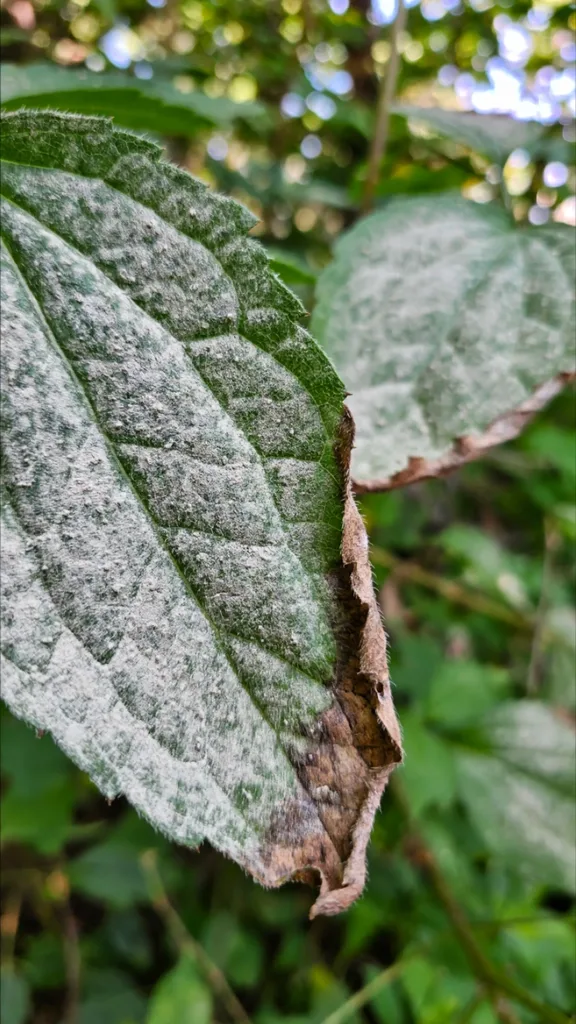
Black-eyed Susan is susceptible to powdery mildew, snails, and slugs. Water at the base in the morning so the leaves stay dry, and space the plants so air moves between them. Pull off badly coated leaves and drop them in the trash, not on the compost heap, since the heap spreads the spores back into the bed.
Check the undersides of leaves for slugs after rain, and pick them off by hand at dusk. Snails and slugs chew the lower leaves first, and a chewed plant invites more trouble. A bed with open air, dry leaves, and morning sun rarely needs more than that.
Clear the bed in fall once the heads have fed the birds and dropped their seed. Cut the stems down. Pull the dead plants. Clear the fallen leaves from the bed. Mildew spores rest on dead leaves through winter, and a clean bed in spring starts the new season without them.
Let Plants Self-Seed or Divide the Clumps
Let a few heads stand through fall, and black-eyed Susan sows itself. The plant self-seeds freely, so a bed renews itself without new packets. Seedlings appear in spring where the heads stood, and a light thinning leaves the strongest.
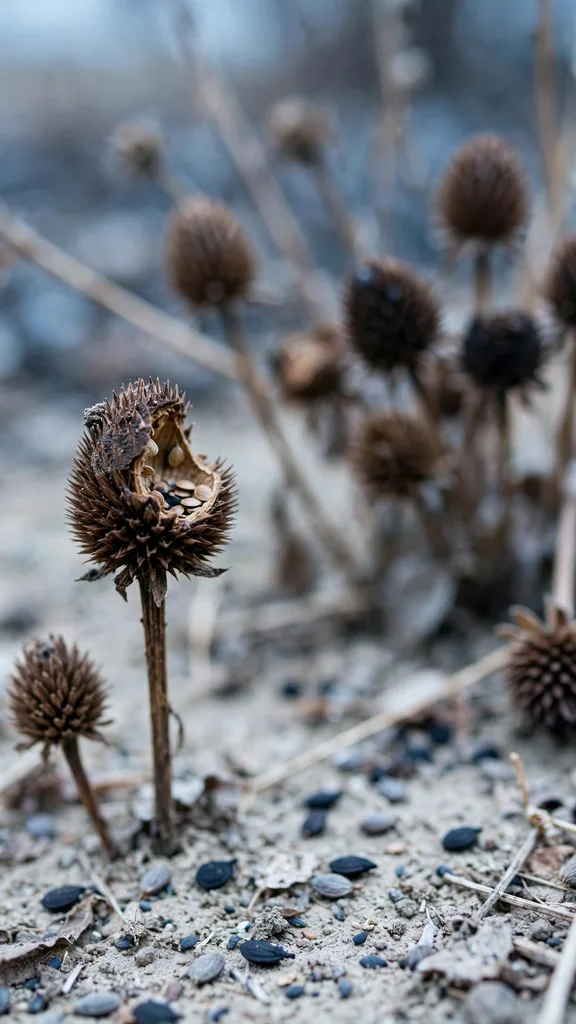
Leave the seed heads standing through winter, and birds work the cones for seed. The dark cones hold their shape in the winter garden, and the seed inside feeds birds while the bed rests. Cut the dead stems down in early spring, before new growth starts, and clear the old stems from the bed.
Rudbeckia fulgida, the perennial black-eyed Susan, spreads by underground stems and forms clumps. Divide the clumps in spring or fall, and replant the divisions at the same depth they grew. A divided clump flowers the same season, and the old center goes on the compost heap.
Save seed from your best plants if you want the same colors next year. Cut a few ripe heads, drop them in a paper bag, and let them dry in a cool dark place. Rub the heads over the bag to free the seed, and store the seed in a labeled jar through winter. Seed saved from a mixed bed opens in mixed colors, so save from named varieties kept apart.
Grow Black-Eyed Susan in Pots on a Sunny Balcony
Grow one dwarf variety in a pot on a sunny balcony, and it flowers all summer. Pots suit gardeners with no bed. They move with the sun. Dwarf forms fit pots best, since tall forms topple in wind.
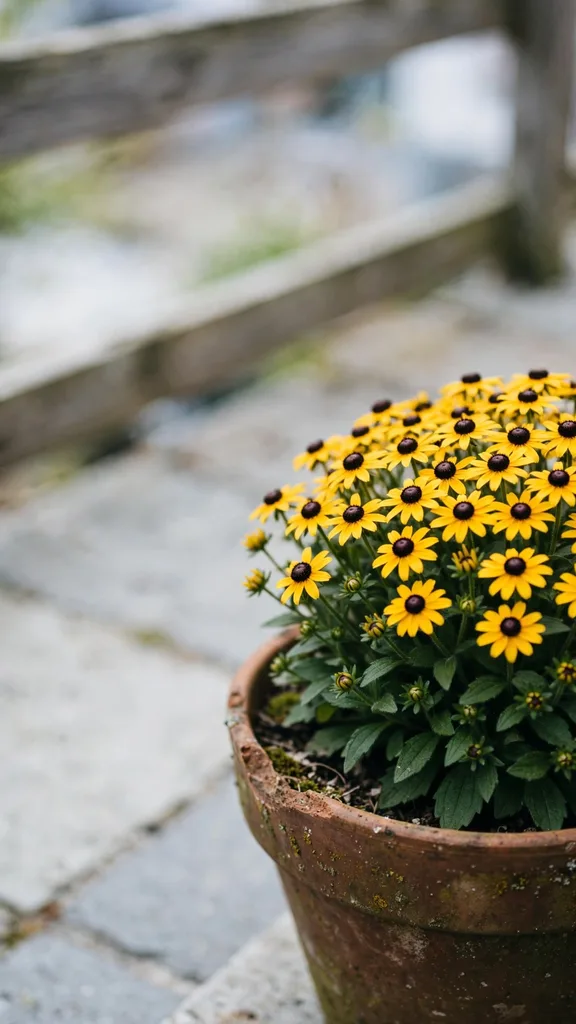
Set one dwarf plant in a 30.5 cm pot with drainage holes and free-draining potting mix. Water when the top 2.5 cm of mix feels dry, since pots dry faster than beds. Feed light in spring and deadhead weekly, and the pot flowers all summer.
Move the pot indoors only in the coldest zones, before hard frost. Set it in the brightest window you own. Water less through winter. Move the pot back out after the last frost, and the plant picks up where it left off.
Set the pot where wind cannot topple it, since a tall plant in a light pot falls in a summer storm. A heavy clay pot holds its ground better than a plastic one, and a pot tucked against a wall catches less wind. Turn the pot a quarter turn each week so the plant grows straight instead of leaning toward the light.
Skip Six Mistakes That Shrink the Bloom
Skip six mistakes, and the plant flowers on schedule. Most of them trace back to shade, rich soil, or tight spacing, and each one has a plain fix.
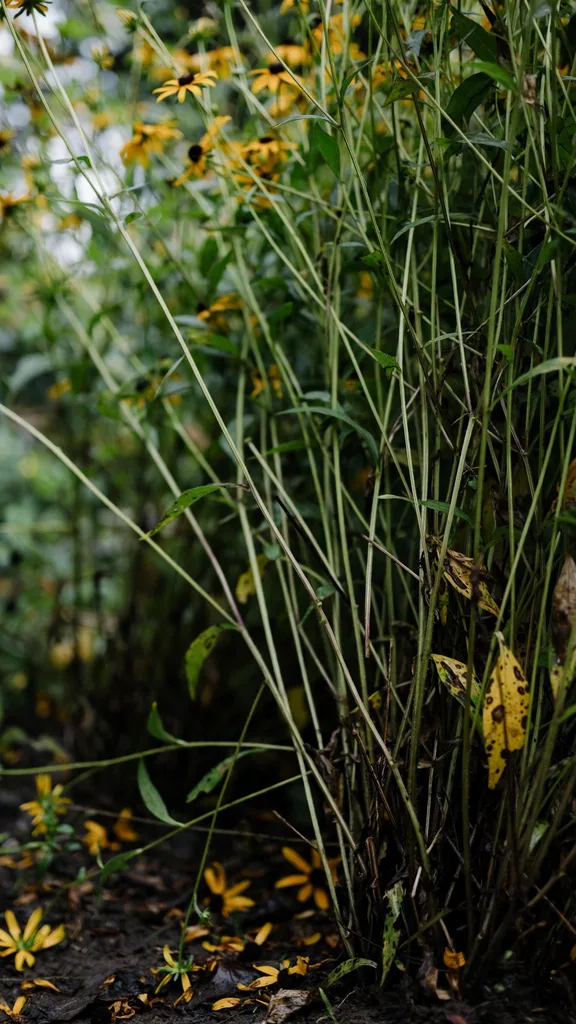
Deep shade comes first. A plant in deep shade grows long thin stems with few flowers, and no fertilizer fixes a light shortage. Move the plant to full sun, and the flowers return within a season.
Rich soil comes second. Heavy feeding and lawn fertilizer grow tall floppy stems with few blooms. Feed once in spring, keep the bed lean, and keep lawn fertilizer out of the border.
Tight spacing comes third. Plants pressed together hold damp air, and mildew coats the leaves by August. Thin the seedlings to 30.5 cm apart, and pull the weakest plants first.
Overhead watering comes fourth. Wet leaves invite mildew, and a wet crown rots. Water at the base in the morning, and let the leaves dry by noon.
Skipping deadheading comes fifth. Faded heads left on the plant put energy into seed, and the bloom stops early. Deadhead weekly through summer, and the flowers keep coming into mid-fall.
Cutting back too early in fall comes sixth. Cutting the stems down in early fall removes the seed heads that feed birds and sow next spring. Leave the heads standing through winter, and cut the dead stems down in early spring.
Frequently Asked Questions
Rudbeckia hirta grows 61 to 122 cm tall and 30.5 to 61 cm wide, with tall varieties such as Indian Summer at the top of that range and dwarf forms such as Goldilocks near the bottom. Pick the size before you buy seed, and set tall forms at the back of the border where they cannot shade shorter plants. Space tall forms wider than dwarf forms.
It depends on the species. Rudbeckia hirta is a biennial or short-lived perennial that blooms in its first year from seed, then often dies after flowering. The bed still returns, because the plant self-seeds freely and seedlings fill the gaps. Rudbeckia fulgida is a true perennial that returns from the same roots each spring. Let a few heads stand for seed, and the bed renews itself.
Flowers open in midsummer and, with weekly deadheading, keep coming into mid-fall. Each plant carries new buds while old heads are removed, so the display lasts for months rather than weeks. Plants left uncut set seed and stop flowering sooner. Deadhead through summer, then leave the last heads standing for birds and for self-seeding next spring.
Yes, and dwarf varieties suit pots best. Set one plant in a 30.5 cm pot with drainage holes and free-draining potting mix, and keep the pot in full sun. Pots dry faster than beds, so water when the top 2.5 cm of mix feels dry. Feed light in spring, deadhead weekly, and move the pot indoors only in the coldest zones.
A grayish-white powder on the leaves is powdery mildew, the most common problem on this plant. Tight spacing, wet leaves, and still air feed it. Space plants 30.5 cm apart, water at the base in the morning, and pull off badly coated leaves. The plant usually outgrows a light case once air moves through the bed and the leaves stay dry.