
Count 13 weeks of cold before you blame the bulb. A daffodil bulb that misses its winter chill grows leaves and skips flowers, and no amount of feeding fixes that in spring. That is the warm-Australia answer to how to get jonquils to flower: trumpet daffodils need a cold winter that Sydney and other warm districts no longer deliver, while jonquils flower on far less chill. I have learned that the jonquil I leave alone flowers every year, while the trumpet daffodil I fuss over fades after its first spring. The rest of this page walks the choice that fixes the problem, from naming the two bulbs to planting jonquils at the right depth, then keeping them flowering year after year.
Most gardeners ask how to get jonquils to flower. The honest answer is that jonquils already flower. The real job is to stop planting trumpet daffodils in warm winters, then to fix the three genuine failure causes when jonquils do stall: crowded clumps, leaves cut too early, and bulbs starved after bloom. This page stays on that choice. It does not cover general bulb growing, and it does not promise a forcing trick. Pick the bulb that fits your winter, plant it right, and leave its leaves alone.
Check your winter before you buy bulbs. Count the nights that fall into the 4.4 to 7.2 degree band across winter. Your local Bureau of Meteorology station records hold that history, and a quick look at the last few winters tells you whether your district banks 13 cold weeks or falls short. A district that banks 8 or 9 cold weeks will starve a trumpet daffodil and suit a jonquil. A district that banks the full 13 weeks grows either bulb. The count takes minutes and saves seasons of blind bulbs.
1. Count 13 Weeks of Cold Before You Blame the Bulb
A daffodil bulb needs 13 weeks at 40 to 45 degrees Fahrenheit (4.4 to 7.2 degrees Celsius) before it will bloom, according to the University of Missouri Integrated Pest Management daffodil guide. Cold breaks dormancy. Cold tells the embryo inside the bulb that winter passed and spring growth is safe. A bulb that never banks those 13 weeks grows foliage and holds back its flower. Gardeners call that blindness, and the bulb looks healthy while it does it.
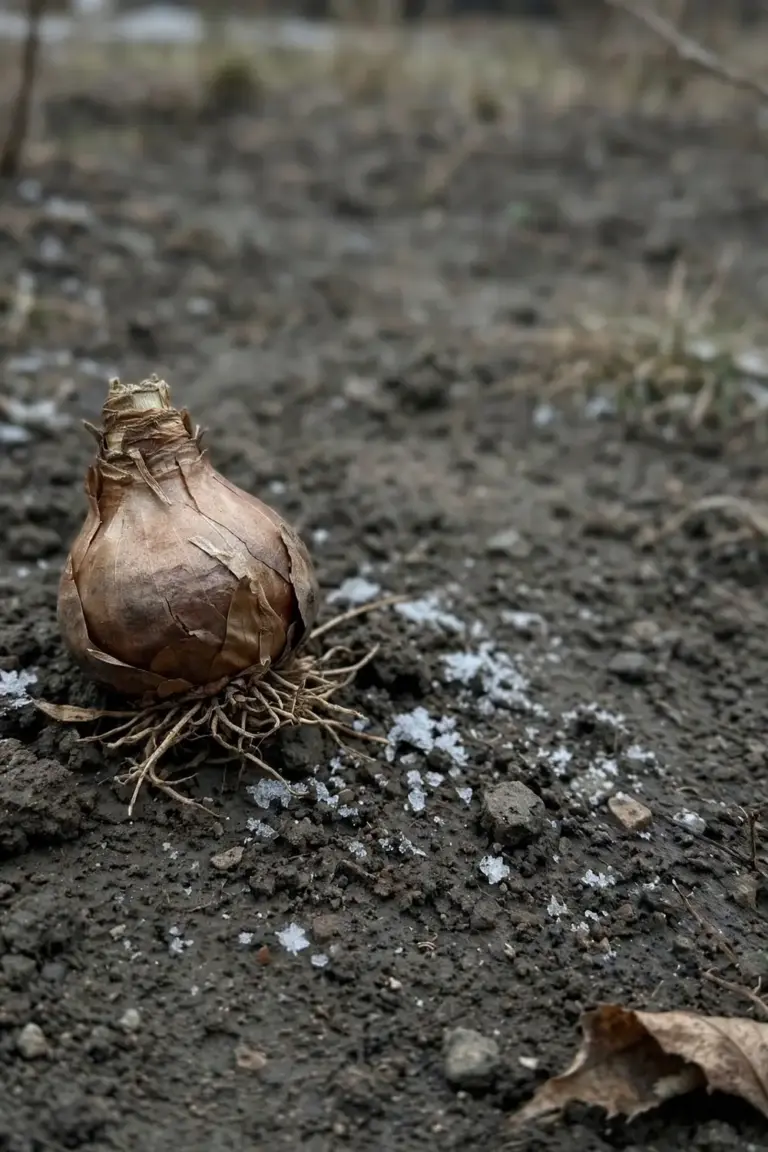
Warm winters break the count. Sydney winters now deliver fewer cold weeks than a trumpet daffodil needs, so the bulb banks partial chill and flowers sporadically or not at all. The failure sits in the weather, not in the bulb. A fresh bulb carries one season of stored energy, so it flowers in its first year even on short chill. Year two exposes the shortfall. The bulb then spends its stored food on leaves, and each blind year leaves less in reserve.
Count your cold before you buy. A week counts when night temperatures fall into the 4.4 to 7.2 degree band. A warm district that banks 8 or 9 such weeks will starve a trumpet daffodil. That same district suits a jonquil. The rest of this page turns that count into a buying decision.
Tell a blind bulb from a dead bulb before you dig. A blind bulb grows leaves and no flower. The leaves stand green and healthy, and the bulb feels firm under the soil. A dead bulb grows nothing, or throws soft, rotting leaves from a mushy base. Blindness is a chill failure and the bulb recovers when the choice changes. Rot is a drainage failure and the bulb goes in the bin. Dig one suspect bulb and squeeze it. Firm means blind. Mushy means dead.
Fridge chilling proves the count in miniature. A potted bulb held at 4.4 to 7.2 degrees Celsius for 13 weeks flowers on schedule, because the fridge banks the same cold the winter failed to deliver. The pot then moves into light and blooms within weeks. The method works because the number is real: 13 weeks of cold, not a feeling of cold. Outdoor beds cannot run a fridge, so outdoor planting must pick the bulb that fits the local count.
Partial chill shows up as weak flowers, not missing flowers. A bulb that banks most of its 13 weeks may throw a short stem with a small flower, or a bud that yellows and aborts before opening. A bulb that banks far less throws leaves and no bud at all. Both failures trace to the same shortfall. The gardener who sees short stems and aborted buds should read them as a chill warning, not a feeding failure. Feeding a short-chilled bulb will not lengthen its stem. Swapping the bulb type will.
2. Name the Two Bulbs Before You Plant Either
A daffodil is a Narcissus. A jonquil is also a Narcissus. The two names describe different branches of one genus, and the label on the bag decides whether the bulb flowers in a warm winter. Trumpet daffodils sit in Division I of the genus. Jonquils sit in Division VII (Jonquilla) and Division VIII (Tazetta), according to the North Carolina Extension Gardener Plant Toolbox Narcissus genus page. Read the division on the label. The division tells you the chill story before you pay.
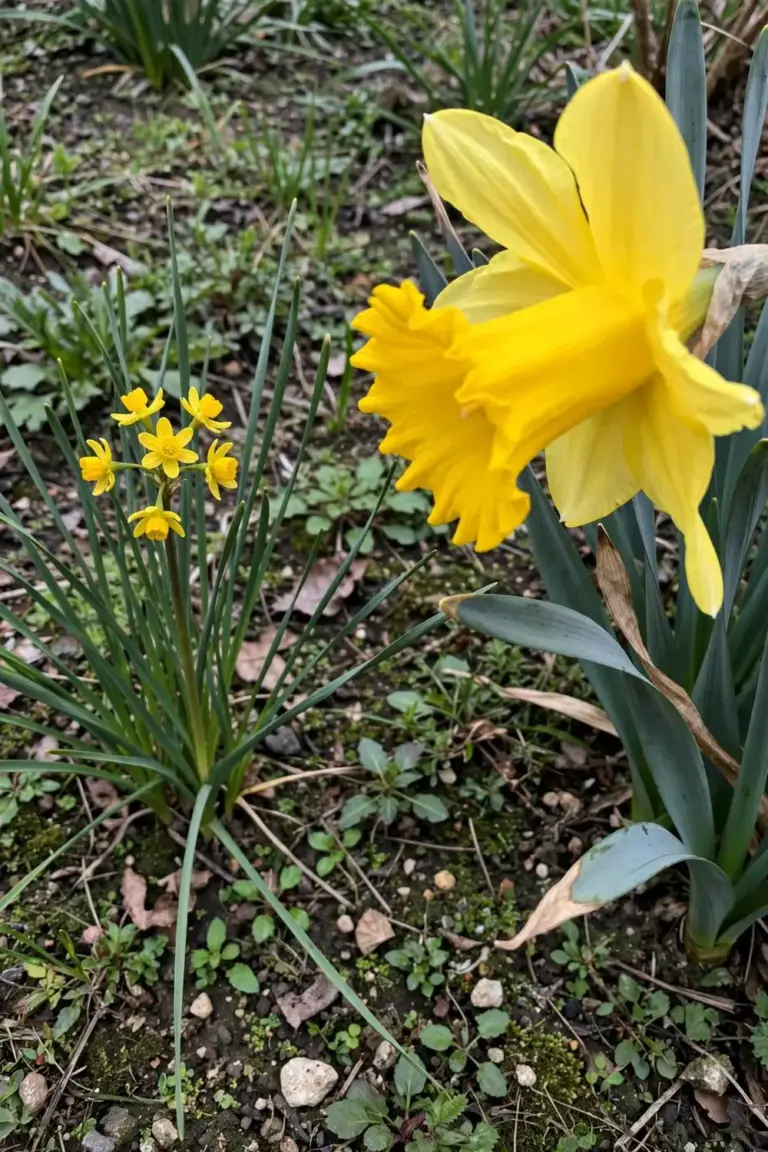
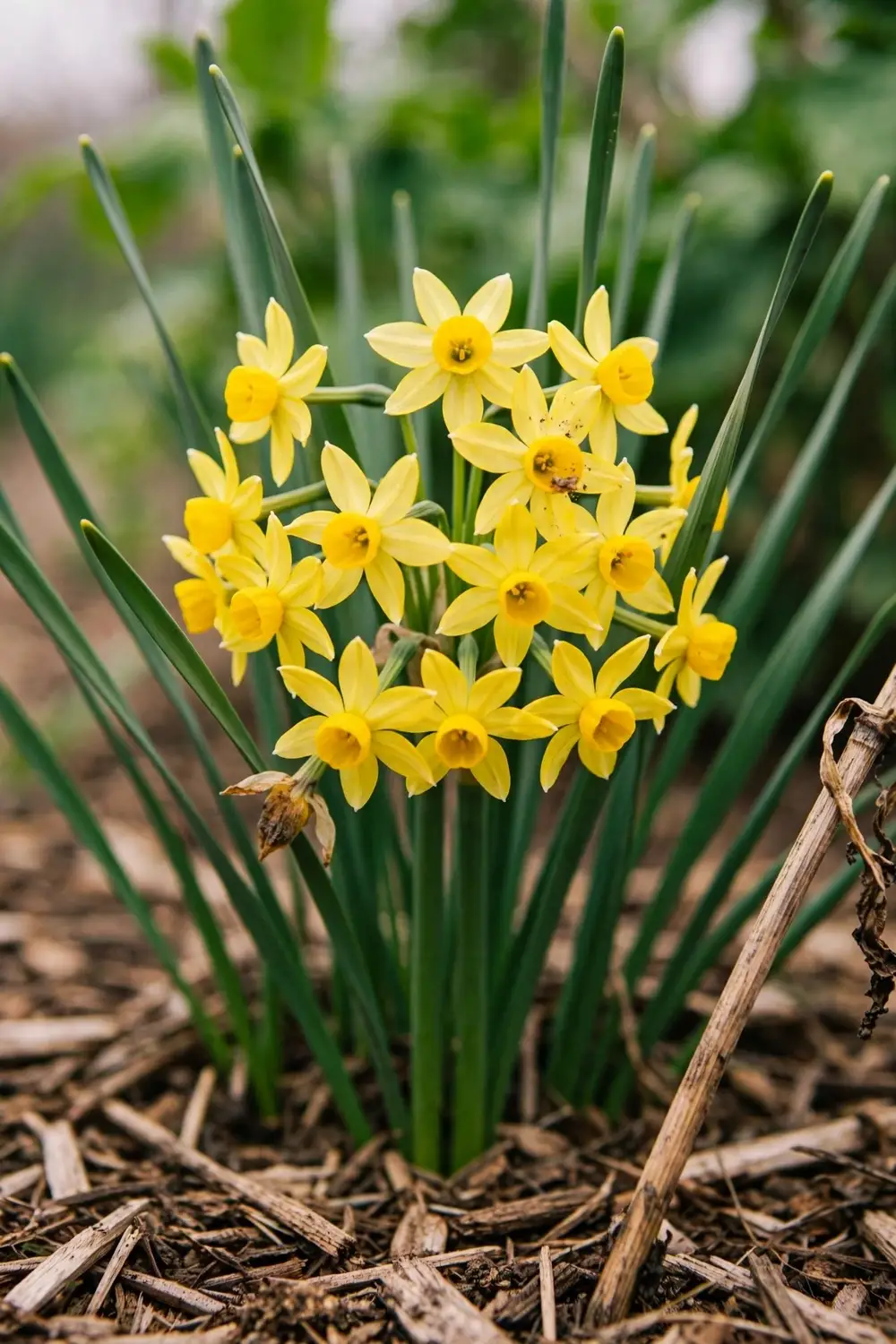
Trumpet daffodils carry one flower per stem. Their leaves run blue-gray. The famous one is ‘King Alfred’, botanically Narcissus pseudonarcissus, the big yellow trumpet that most people picture when they hear the word daffodil. Jonquils carry numerous fragrant flowers per stem. Their leaves run green and rush-like. The classic jonquil is Narcissus jonquilla, the rush daffodil, and the multi-headed tazetta jonquils belong to Narcissus tazetta. Macquarie University’s daffodil notes record the same split: daffodils carry one flower per stem with blue-gray leaves, while jonquils carry numerous fragrant flowers per stem with green leaves.
| Trait | Trumpet Daffodil | Jonquil |
|---|---|---|
| Botanical name | Narcissus pseudonarcissus, e.g. ‘King Alfred’ | Narcissus jonquilla, Narcissus tazetta types |
| Flowers per stem | 1 | Numerous, fragrant |
| Leaves | Blue-gray | Green, rush-like |
| Chill need | 13 weeks at 4.4 to 7.2 degrees Celsius | Less chill, flowers reliably in warm winters |
| Warm-climate record | Fails in warm Sydney winters after year one | Flowers regularly every year |
Check the label for the botanical name before you buy, because a bag marked “daffodils” can hold trumpet types, tazetta types, or a mix. A bag marked Narcissus jonquilla or Narcissus tazetta holds jonquils, while a bag marked Narcissus pseudonarcissus holds a trumpet daffodil. The common name on the front tells you nothing. The botanical name on the back tells you everything.
Australian shops use the word jonquil loosely. A bag marked “jonquils” usually holds tazetta types, the multi-headed fragrant ones, rather than true Narcissus jonquilla. Both flower reliably in warm winters, so the loose label rarely hurts. The trap runs the other way: a bag marked “daffodils” can hold trumpet types that fail in warm winters. Read past the front of the bag. The botanical name settles it.
The genus holds 13 divisions, and the division number on a specialist label narrows the bulb further. Division I covers trumpet types, Division II large-cupped types, Division III small-cupped types, and Division IV doubles. Division V covers triandrus types, Division VI cyclamineus types, Division VII jonquilla types, and Division VIII tazetta types. Division IX covers poeticus types, Division X bulbocodium hybrids, and Division XI split-corona types. Divisions XII and XIII cover miscellaneous types and species. A warm-climate gardener shops in Divisions VII and VIII and skips Division I.
3. Read Sydney as the Warm-Climate Warning
Sydney is now becoming just a tad too warm for trumpet daffodils such as the ever popular ‘King Alfred’, according to Macquarie University’s daffodil notes. Fresh bulbs will flower in their first year but only sporadically thereafter unless you live in one of the cooler, higher suburbs of Sydney. That sentence is the whole warm-climate story. Year one lies. Year two tells the truth.
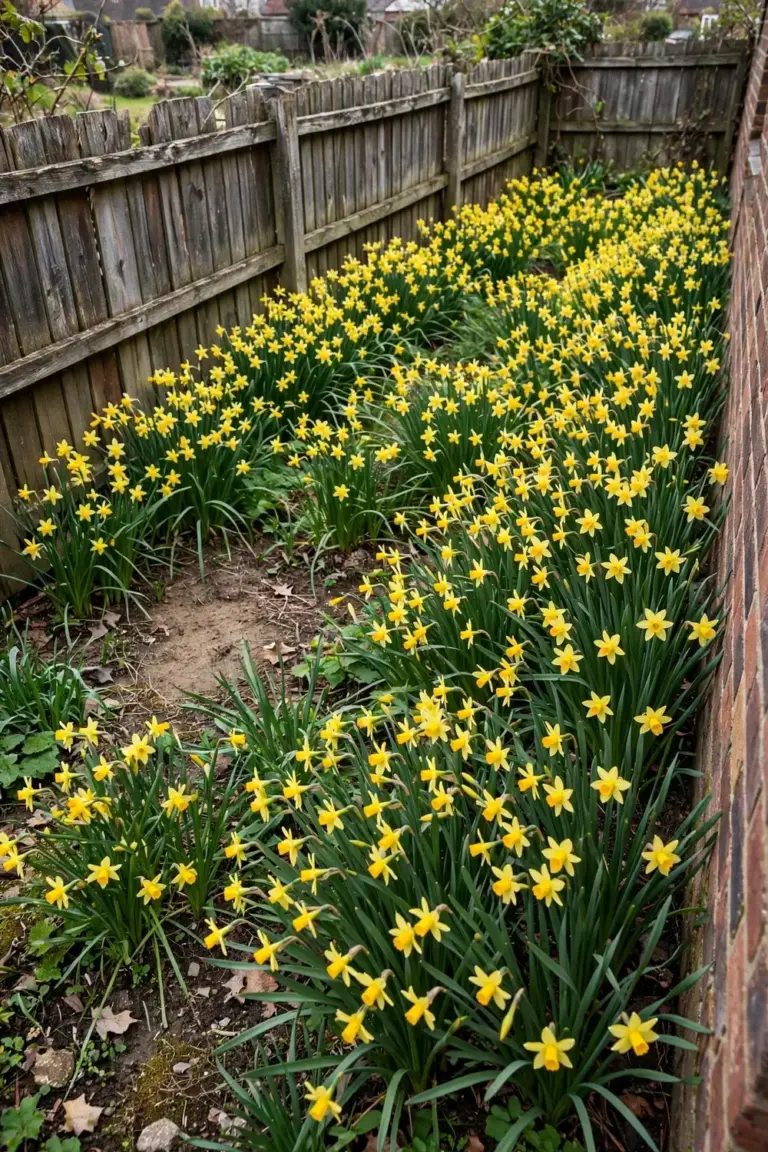
Jonquils, on the other hand, do well everywhere. Macquarie calls them tough, almost indestructible, fragrant, and regular flowerers every year. The same winters that starve a trumpet daffodil suit a jonquil. The difference is not care. The difference is the bulb’s chill demand. A gardener in a warm district who swaps trumpet types for jonquils stops fighting the climate and starts collecting flowers.
The warning travels beyond Sydney. Any district with short, mild winters behaves the same way: trumpet daffodils flower once, then fade. Coastal districts, lowland suburbs, and frost-free pockets all sit in the same band. The cooler, higher suburbs keep enough cold for trumpet types. The rest of warm Australia does not. Plant the bulb that matches your winter, not the bulb that matches your memory of a cold-climate garden.
Year one lies because a fresh bulb carries stored energy. The grower fed that bulb through its last season, and the bulb arrives holding one flower’s worth of food. It flowers in year one on short chill because it spends stored food, not because the winter suited it. Year two runs on what the bulb banked in your soil. A warm winter banks little. The bulb then throws leaves, holds back its flower, and shrinks a little each blind year. Three blind years can shrink a fat bulb to a small one that needs seasons to recover. The first-year flower proves nothing about fit.
4. Plant Jonquils 20.3 cm Deep in Autumn
Plant jonquil bulbs in autumn, March to May, as the soil cools. Autumn planting gives roots weeks to establish before winter. A bulb planted in spring misses the chill window and flowers poorly or not at all. March planting suits warm districts. April and May suit cooler districts. The soil should feel cool to the hand at bulb depth.
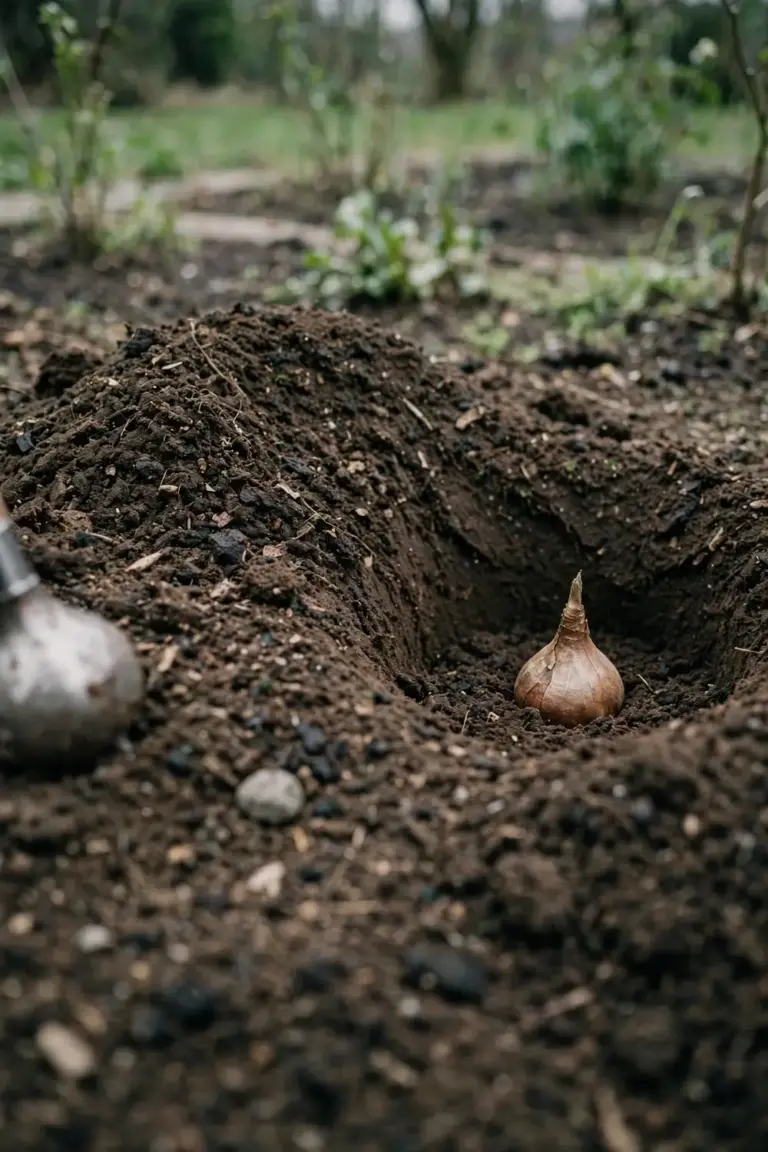
Plant bulbs at two to three times their own depth, according to the Royal Horticultural Society daffodil blindness guide. A 5 cm bulb goes 10 to 15 cm deep. The North Carolina Extension Narcissus genus page plants 20.3 cm deep, which is 8 inches, and spaces bulbs 5.1 to 7.6 cm apart, which is 2 to 3 inches, at 10 to 12 bulbs per square foot. The two figures agree on the principle and differ on the number. Use the two-to-three-times rule for small bulbs. Use the deeper 20.3 cm figure for large bulbs in light, dry soil, where the top layer dries fast. Shallow planting forces bulbs to divide into small pieces that stay too small to flower.
Set bulbs pointy end up. Space them 5.1 to 7.6 cm apart so each bulb feeds without crowding its neighbour. Water after planting if the soil is dry. Mulch lightly to hold moisture. The bulbs to plant in fall guide covers the wider autumn bulb bed, and soil health covers the drainage that keeps bulbs from rotting. Drainage decides survival. A bulb in wet soil rots before it ever sees spring. A bulb in free-draining soil with compost worked through flowers for years. The fall garden bed prep steps cover that groundwork before planting day.
Test the drainage before you plant. Dig a hole 30 cm deep, fill it with water, and watch it empty. A hole that drains within the hour suits bulbs. A hole that still holds water after hours needs compost worked through or a raised bed. Bulbs rot in standing water faster than they starve in poor soil. Fix the drainage first, then plant.
Pots suit jonquils near bushland and on small blocks. A pot 30 cm deep holds a cluster of jonquils at the two-to-three-times depth rule with room for roots below. Pots warm faster than soil in spring, which suits jonquils, and pots keep tazetta types contained where bushland sits nearby. Water pots through dry autumn weeks, since pots dry faster than beds. Move pots into light once shoots appear.
5. Leave the Leaves for 6 Weeks After Flowering
Leave the foliage for at least 6 weeks after flowering before you remove it or mow, according to the Royal Horticultural Society daffodil blindness guide. Leaves rebuild the bulb. Leaves photosynthesize and push sugars down into the bulb for next year’s flower. Cut the leaves early and you cut next year’s bloom. The foliage looks untidy for six weeks. That untidiness is the bulb refuelling.
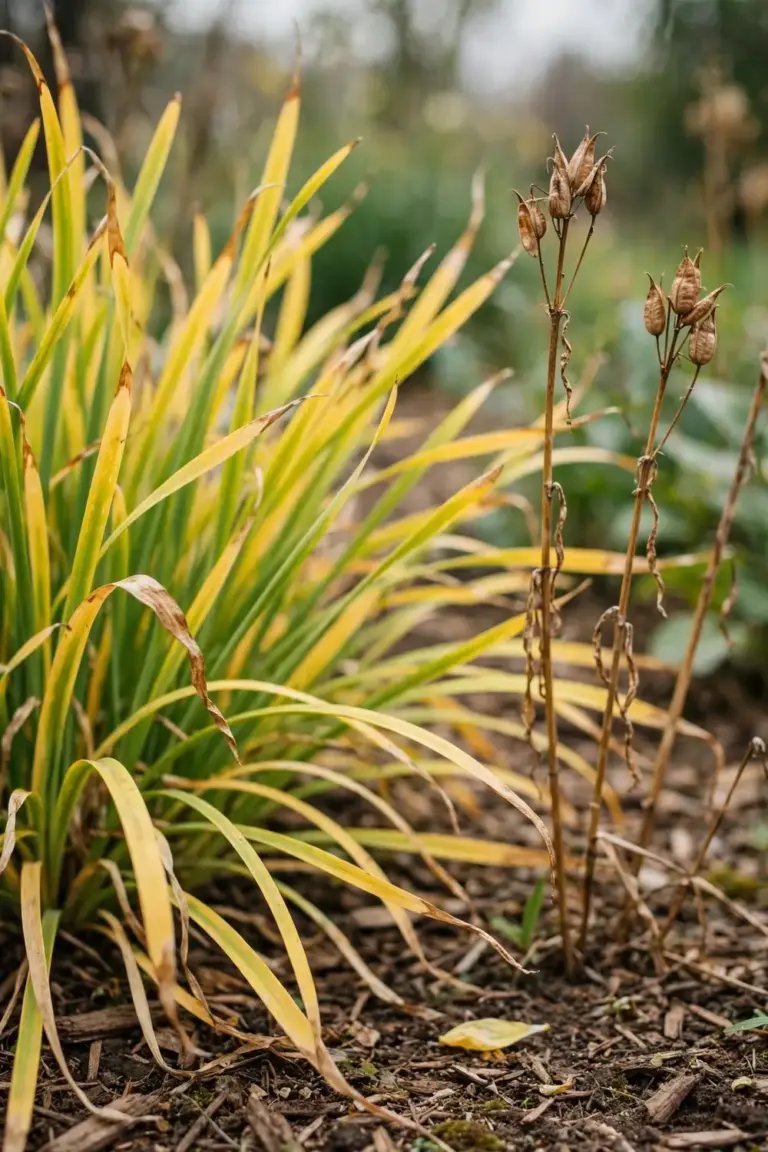
Do not tie the leaves into a knot, braid them, or fold them under a neighbouring plant. Tying reduces the leaf surface that catches light and may cause or increase the risk of blindness. Let the leaves stand loose and yellow naturally. The North Carolina Extension Narcissus genus page gives the same rule in plainer form: foliage should not be cut back until it begins to yellow. Yellow means the bulb finished feeding, while green means the bulb still works.
Water while the leaves stand. Dry soil after flowering starves the bulb during its rebuild window. The same RHS notes list dry soil after flowering as a leading cause of blindness. Keep the ground moist until the foliage starts to die down naturally. A deep soak once a week in a dry spring covers it. Stop watering once the leaves yellow and collapse. The bulb then rests until autumn.
Lawn plantings need the same patience. Bulbs in lawns flower, then the lawn needs mowing, and the mower tempts every gardener to cut the bulb leaves with the grass. Mow around the patch for 6 weeks. Mark the patch with stakes if the lawn is large. A mowed bulb banks nothing and shrinks year on year. A patch left alone for six weeks feeds its bulbs and flowers again. The untidy patch is the price of next spring.
Early cutting compounds across years. One early cut costs a little of next year’s flower. Three early cuts in a row can turn a flowering clump into a leafy clump. The bulb shrinks each year it cannot rebuild. Recovery then takes seasons, not weeks. The six-week rule is not tidiness advice. The six-week rule is the bulb’s food supply.
6. Deadhead the Flowers and Feed After Bloom
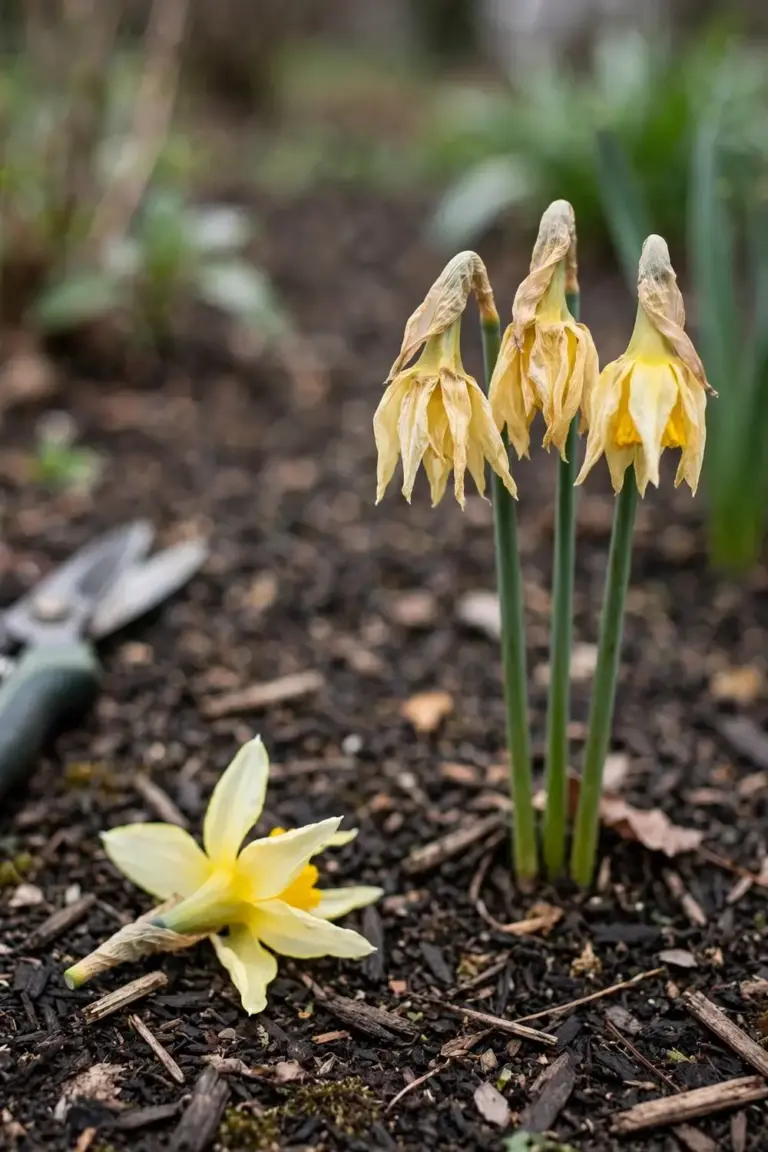
Pinch the faded flower heads off their stems as they fade, because a bulb that sets seed diverts energy from rebuilding into seed capsules. Deadheading keeps that energy in the bulb, so leave the stem in place while it stands green. The stem feeds the bulb through the rebuild weeks.
Feed after flowering. Australian bulb guides recommend sulphate of potash after flowering to harden the bulb for next season, per Yates’ jonquil growing notes. Apply it once the flowers fade, while the leaves still stand. Potash supports the rebuild. A high-nitrogen feed pushes leaves at the expense of flowers, so skip the lawn fertilizer. One potash feed after bloom beats a season of guessing.
Watch the clump while you feed. A clump that flowered well this year and holds green leaves for six weeks will flower again. A clump that threw leaves and no flowers needs the chill answer, not the feeding answer. Feeding fixes a hungry bulb. Feeding never fixes a warm winter. Keep the two failures apart before you reach for the bag.
Snap the flower head, not the stem. Pinch the faded head between thumb and finger, or snip it with secateurs, and leave the green stem standing. The stem feeds the bulb while it stands. A clean pinch beats a tear. A torn stem opens a wound that invites rot in wet weather. Work through the patch on a dry morning so the small wounds seal fast.
7. Divide the Clump When Flowers Thin Out
Overcrowding causes blindness. After a few years, clumps of daffodils may become overcrowded, leading to poor flowering, according to the Royal Horticultural Society daffodil blindness guide. Each bulb in a crowded clump fights for water, food, and space. Flowers shrink. Stems shorten. Some bulbs skip flowering entirely. A clump that once threw a dense patch of flowers thins to leaves.
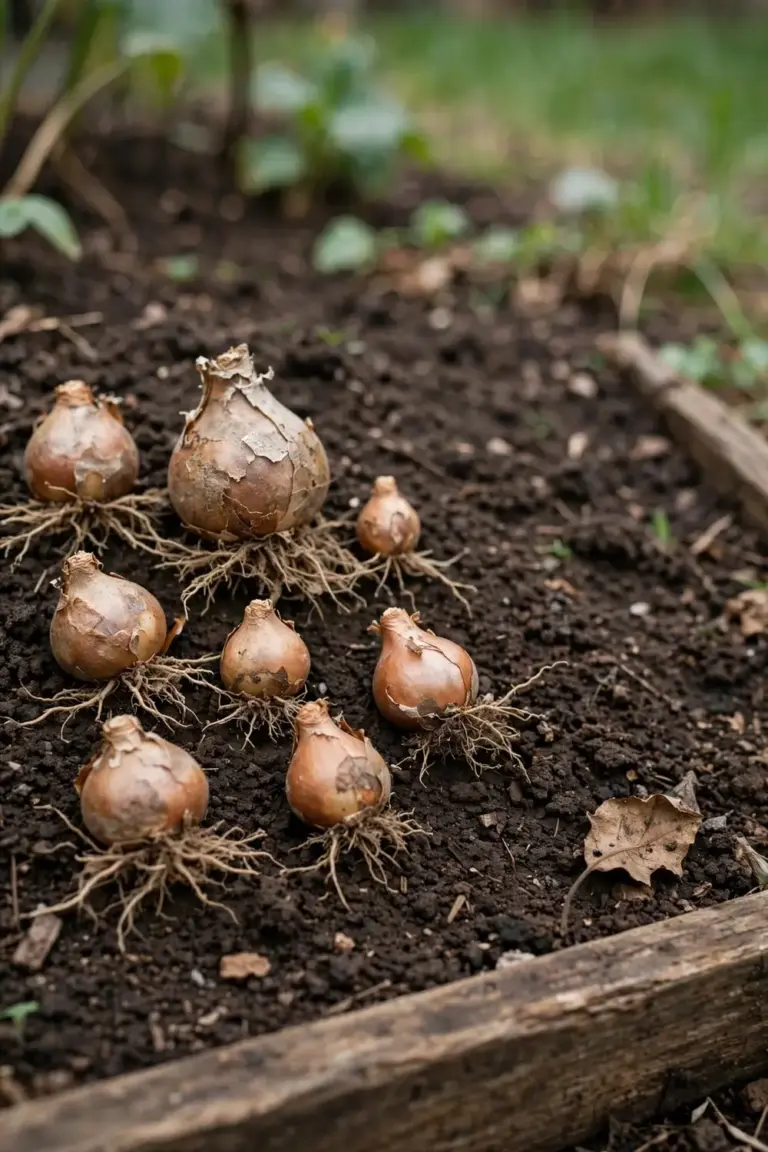
Divide when bloom quality and quantity decline over time. The North Carolina Extension Narcissus genus page sets the timing: dig just after the foliage dies back. Lift the whole clump with a fork. Pull the bulbs apart by hand. Keep the firm, fat bulbs. Discard any soft or rotted bulb. Replant at once at the two-to-three-times depth rule, spaced 5.1 to 7.6 cm apart. Water the replanted bulbs in.
Shallow planting causes the same thinning from the other direction. Shallow bulbs divide fast into small pieces that stay too small to flower. A clump planted shallow looks busy and flowers poorly. A clump planted deep divides slowly and flowers well. Depth and division work together. Plant deep, divide when the clump crowds, and the patch holds its flower count for years.
Expect a divided clump to settle before it peaks. Freshly divided bulbs spend their first season rebuilding roots and size. Flowers may run smaller in the first spring after division. The second spring shows the payoff. A gardener who divides and then judges the patch on its first spring will call the job a failure. Judge it on its second spring. The patch that got room will outflower the patch that stayed crowded.
8. Keep N. Tazetta Away From Bushland
Narcissus tazetta is listed as an environmental weed in Victoria, South Australia, and Western Australia, according to Macquarie University’s daffodil notes. The same notes record Narcissus pseudonarcissus as naturalised in coastal and highland areas of southern Australia. A bulb that escapes a garden bed can settle in bushland and spread. Plant jonquils with that risk in mind.
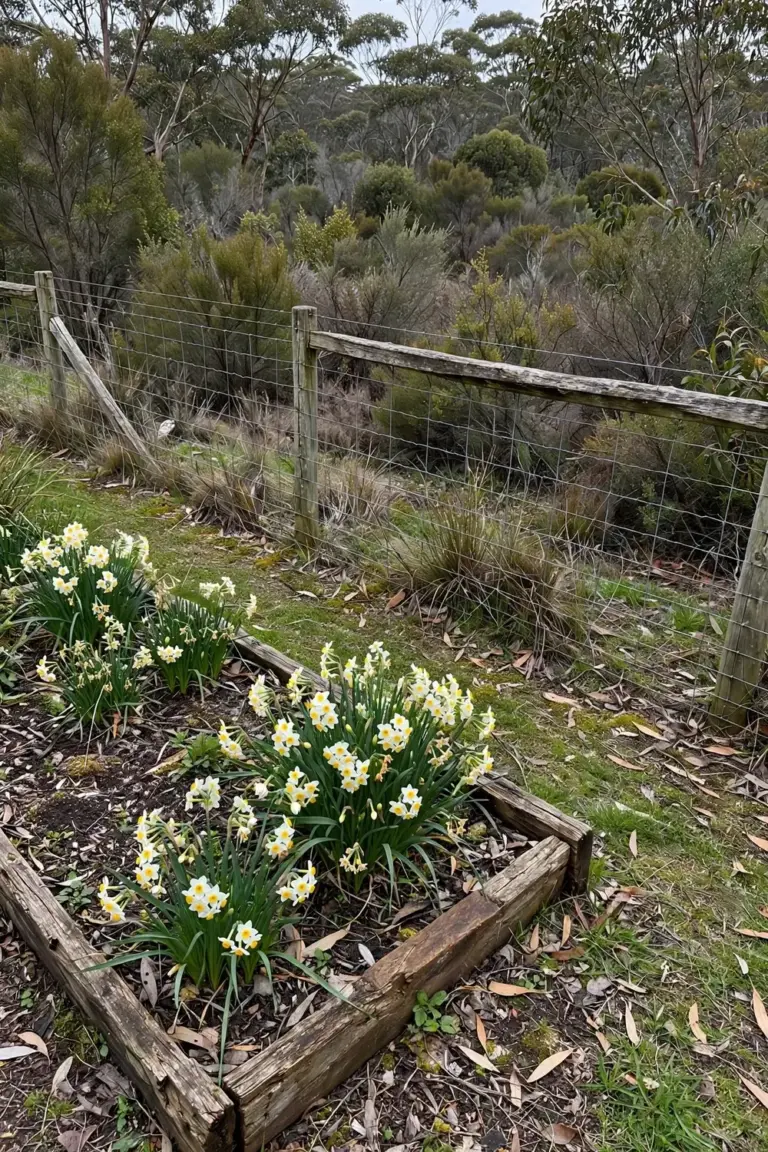
Keep tazetta jonquils out of beds beside bushland. Plant them in contained beds, pots, or lawns away from native vegetation. Never dump spent bulbs, leaves, or garden waste near bushland. Waste carries bulbs and offsets to new ground. Bag spent bulbs and bin them. A contained planting gives you the flowers without handing the plant a new postcode.
Check your state list before you plant. Victoria, South Australia, and Western Australia list Narcissus tazetta as an environmental weed. Other states and territories may list it locally. A quick check of your state weed list takes minutes and settles the question. The flowers are worth growing. The spread is worth preventing.
Bin the waste, never compost it. Spent bulbs, offsets, and leaves carry the plant to new ground when they leave the garden in green waste. Bag them and bin them. Compost heaps rarely run hot enough to kill bulbs, and a composted offset can sprout in the next bed you spread it on. The bin ends the journey. The compost pile restarts it.
Act fast if tazetta already escaped. Dig the escaped clump out roots and all, bag every bulb and offset, and bin the lot. Check the ground the next season for seedlings from dropped seed, and pull them before they set seed. Tell your local council weed officer if the escape reaches a reserve or waterway edge. Early digging stops a patch from becoming a population. A season of delay turns one clump into a front.
Frequently Asked Questions
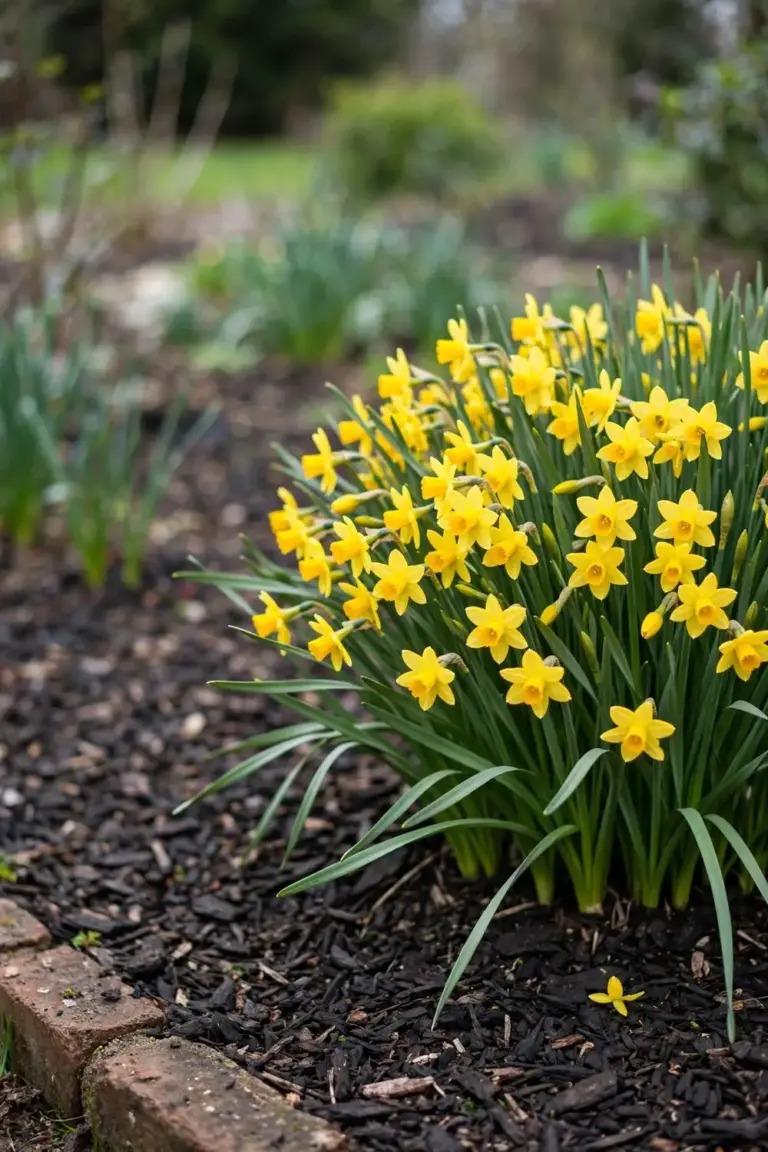
Warm winters cause most one-year wonders. A fresh bulb carries stored energy and flowers in year one on short chill. Year two exposes the shortfall. Trumpet daffodils need 13 weeks at 4.4 to 7.2 degrees Celsius. A district that banks fewer cold weeks starves the bulb. Swap to jonquils, which flower on less chill, and the patch recovers.
Yes. Pot the bulbs in mix, water once, and hold them at 4.4 to 7.2 degrees Celsius for 13 weeks, following the University of Missouri chilling figure. Keep the pots moist, not soaked, through the chill period. Move them into light once shoots grow. Fridge chilling suits pots for indoor display. Outdoor beds rely on winter instead.
Jonquils need full sun to partial shade, according to the North Carolina Extension genus page. Full sun suits open beds. Light shade under deciduous trees works while the trees stand bare in winter and spring. Deep shade starves the bulb after the first year or two. Give jonquils at least a half day of direct sun for steady flowering.
No. Leave the foliage for at least 6 weeks after flowering, per the RHS blindness guide, because leaves rebuild the bulb for next year’s flower. Cut them early and the bulb banks less food. Wait until the leaves yellow and collapse: yellow means the bulb finished feeding, while green means the bulb still works.
Plant with care. Narcissus tazetta is listed as an environmental weed in Victoria, South Australia, and Western Australia, per Macquarie University. Keep tazetta types in contained beds or pots away from bushland. Never dump spent bulbs or garden waste near native vegetation. Check your state weed list before planting near bushland edges.
Get Jonquils to Flower This Autumn
Buy jonquils, not trumpet daffodils, if your winters run warm. Read the botanical name on the bag, since a bag marked “daffodils” can hold either branch of the genus. Plant in autumn at two to three times the bulb’s depth. Leave the leaves for 6 weeks after flowering. Deadhead, feed once with potash, and divide the clump when flowers thin. Keep tazetta types away from bushland. The fall planting guide covers the wider autumn bed if you plant more than jonquils. Start with one patch of jonquils this autumn. The patch will flower next spring, and the spring after that.
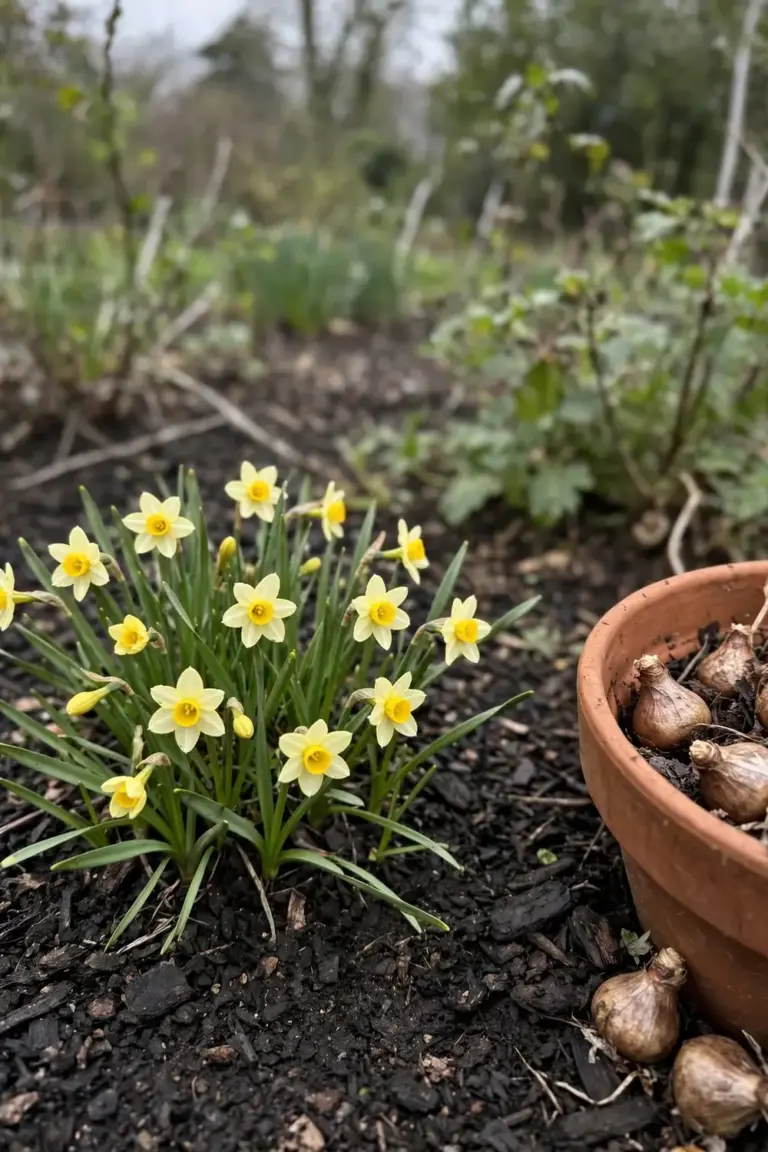
Run the buying checklist once and the patch runs itself: count your cold weeks, pick jonquils on the botanical name, and plant deep in free-draining soil. Leave the leaves for six weeks, feed once after bloom, and divide when the clump crowds. Keep tazetta types contained near bushland. Six moves, one autumn afternoon, and the patch pays them back every spring.