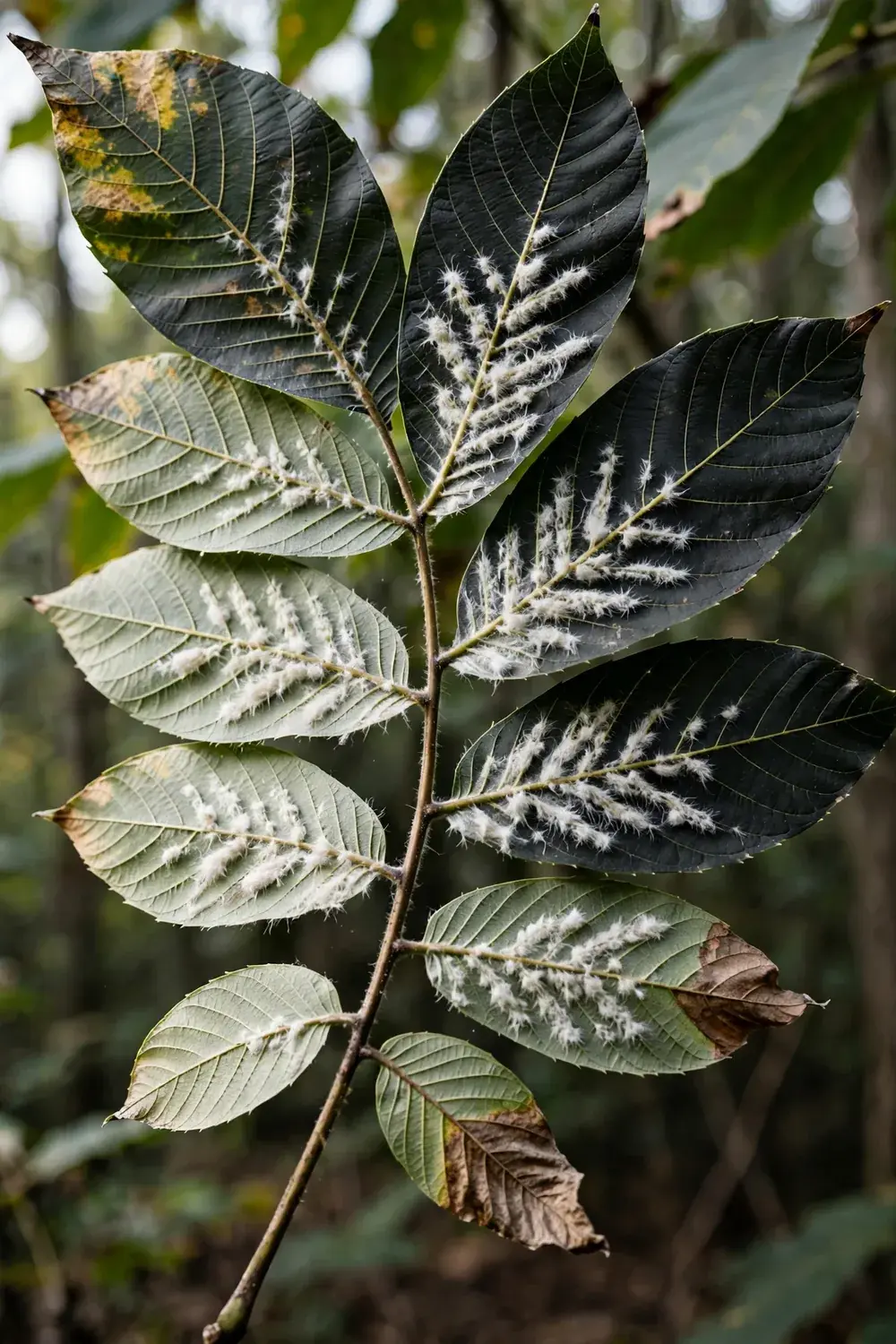

White fuzz on the underside of a walnut leaf looks like a crisis. Downy leaf spot is the usual cause on walnut and hickory, and the fix takes 7 moves and no spray in most cases. The fungus coats the leaf underside with white spore masses, yellows the matching upper surface, and leaves the tree standing. I have learned that the white fuzz on a walnut leaf looks worse than it is, and the rake does more than any spray.
The rest of this page is 7 moves, from the spray-or-skip decision to the fall cleanup that cuts next spring’s spores. Work from the top if the tree already shows fuzz. Rake in fall. Prune while the tree sleeps. Flip a leaf in spring and check the underside.
If the tree is an oak, this page is not your guide. Oak carries a different Microstroma species, a first-record curiosity with no home-garden guidance. This page covers walnut and hickory only, the trees home gardeners actually grow for shade and nuts.
What Downy Leaf Spot Actually Is
Downy leaf spot is a fungal leaf disease of walnut and hickory. The pathogen is Pseudomicrostroma juglandis, still widely listed under its synonym Microstroma juglandis. One fungus carries both names. The older name survives in most Extension publications, and the newer name is the current placement.
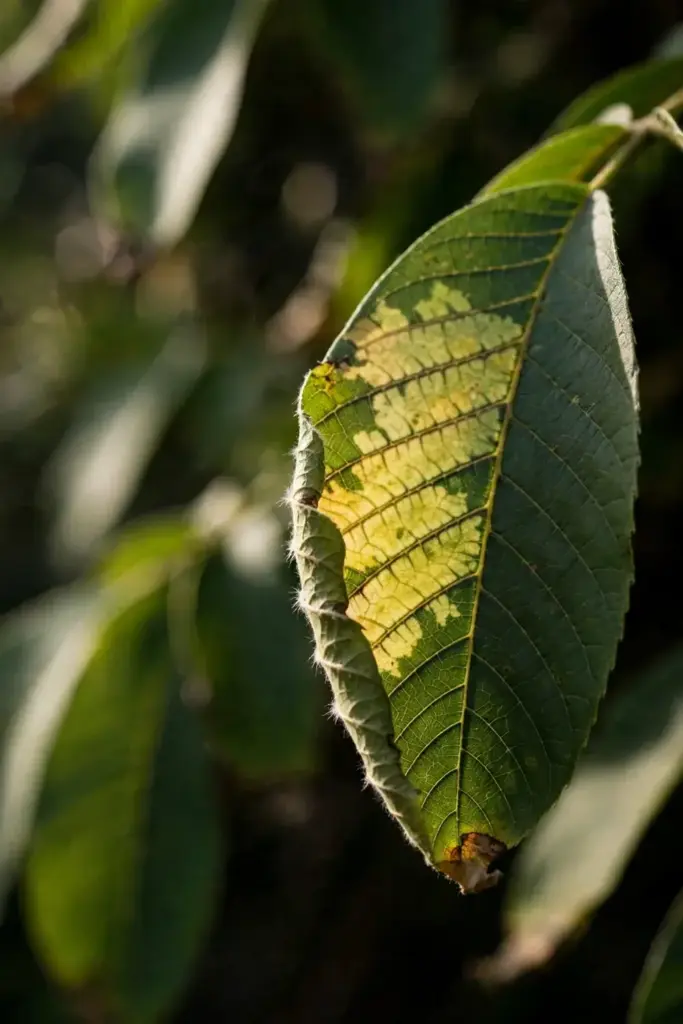
Downy leaf spot belongs to the basidiomycetes, the group that holds mushrooms and rusts, not the ascomycete group behind most leaf-spot fungi. That placement explains the symptom pattern. The fungus grows a downy white coat on the leaf underside. A typical leaf-spot fungus makes dry sunken spots. Downy leaf spot is a true fungus. Downy mildew is a different set of diseases caused by oomycetes, the water molds. The two names sound alike. The organisms differ.
Gardeners also meet this disease as yellowleaf blotch, white mold, or white leaf spot. All three names point at the same fungus on the same hosts. Keep one name in mind while reading labels and clinic notes. Downy leaf spot is the name this page uses throughout.
How to Identify Downy Leaf Spot on Leaves
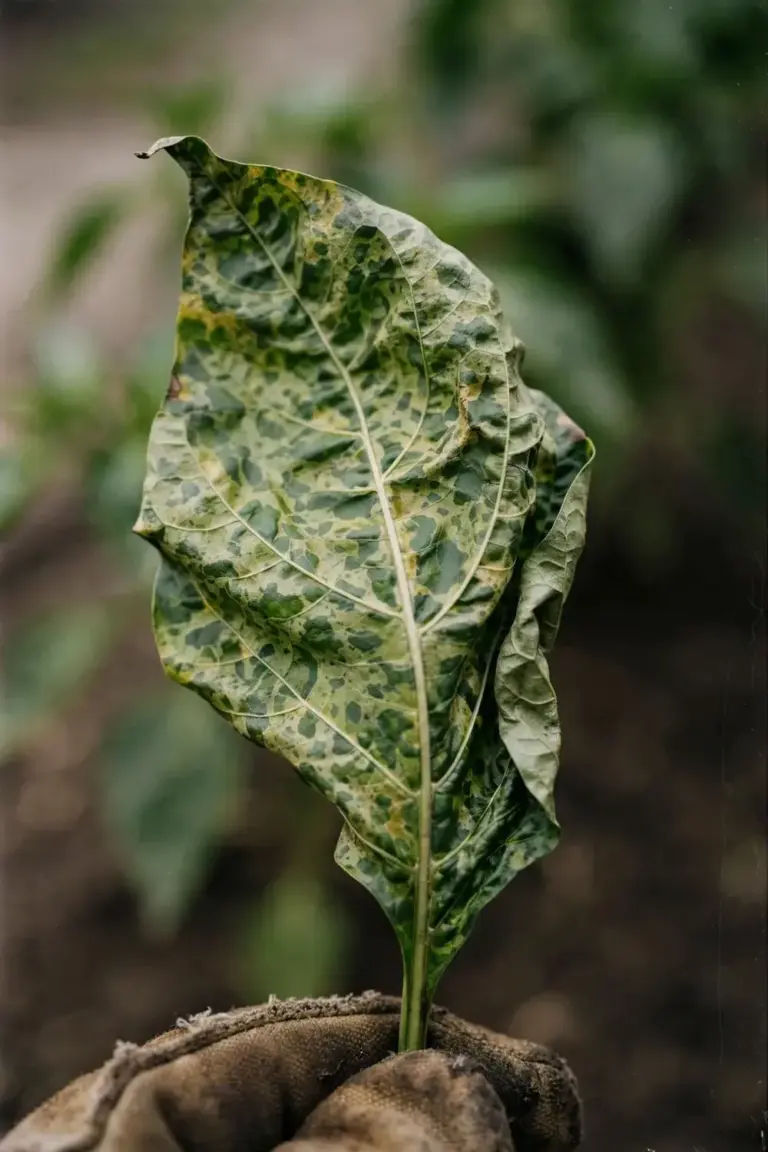
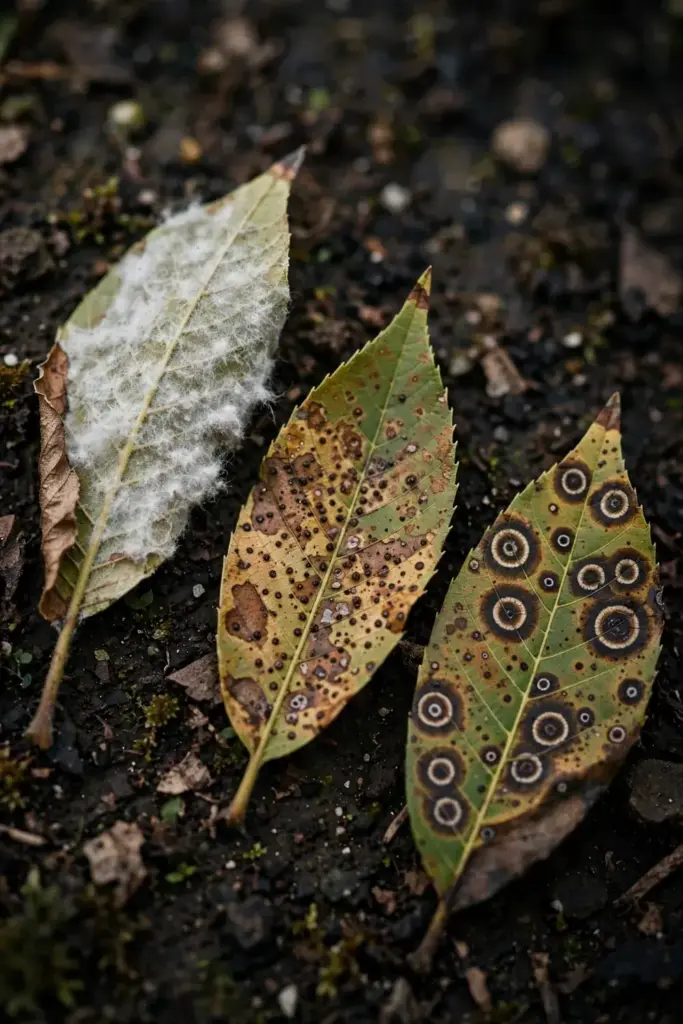
Flip the leaf. Downy leaf spot shows white fuzzy or powdery growth on the underside, often gathered along the veins, with a light-green or yellow blotch on the upper surface in the same spot. The upper blotch mirrors the growth below. That mirror pattern is the field mark. The USDA Forest Service account of black walnut leaf diseases describes the same pair: yellowish discoloration above, whitish growth below.
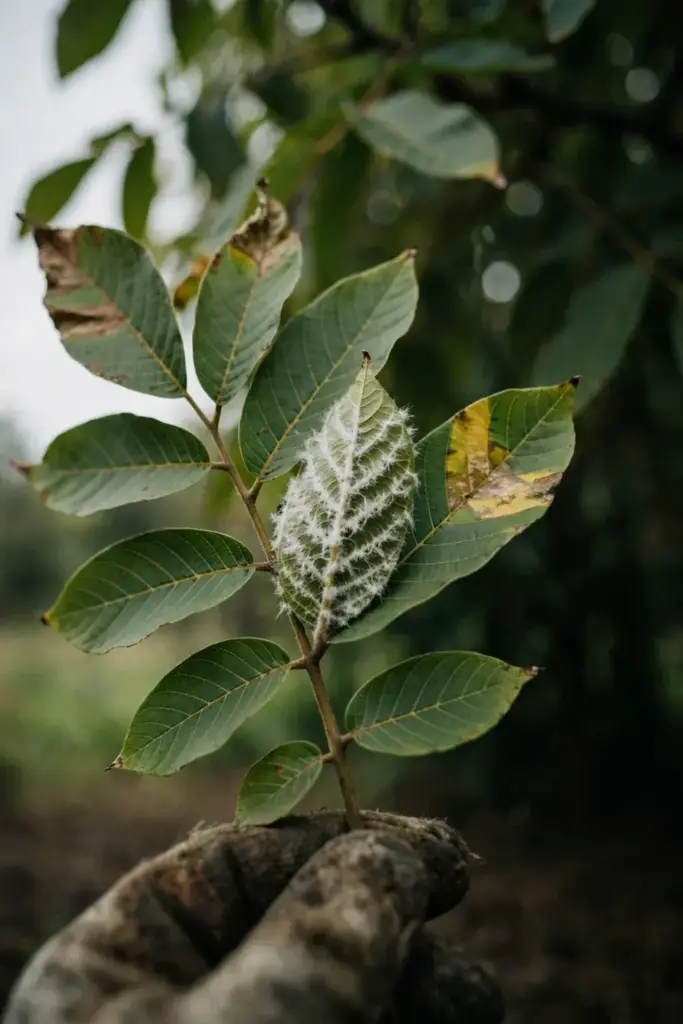
Spots merge as the season runs on. Merged spots form large angular lesions that sit on both sides of the leaflet. Upper blotches can brown and dry at the edges. The leaf itself stays alive. Downy leaf spot does not kill the leaf it grows on.
Symptoms appear as leaves reach full size in late spring. Secondary spread runs through the summer on wind-blown spores. The white coat is the spore mass itself, so a leaf with a heavy coat is already spreading the disease to its neighbors.
How to Identify Downy Leaf Spot on Twigs and Branches
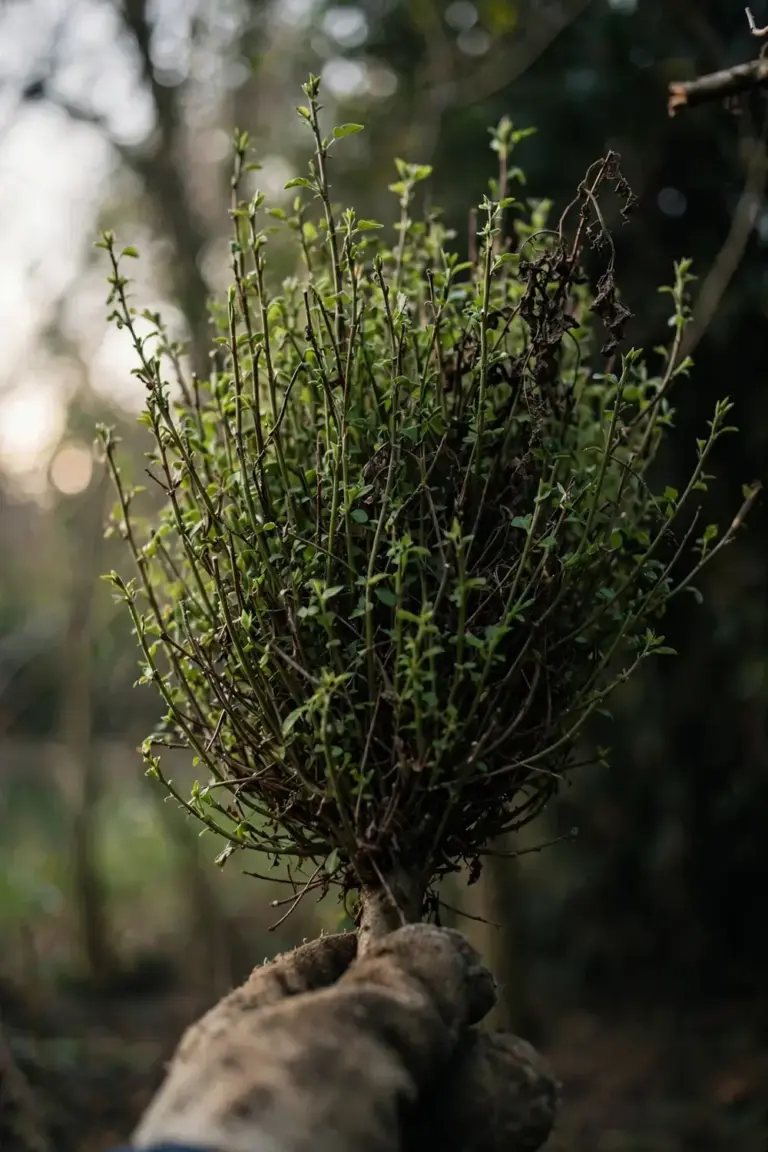
Witches’ brooms grow near the ends of branches on some infected trees. A broom is a dense tangle of twigs with small yellowish leaves. Those broom leaves shrivel and drop starting in early summer. The home-press guide to white spots on leaves puts broom size at several feet across, about 1 m, and notes that the broom leaves die back over the summer.
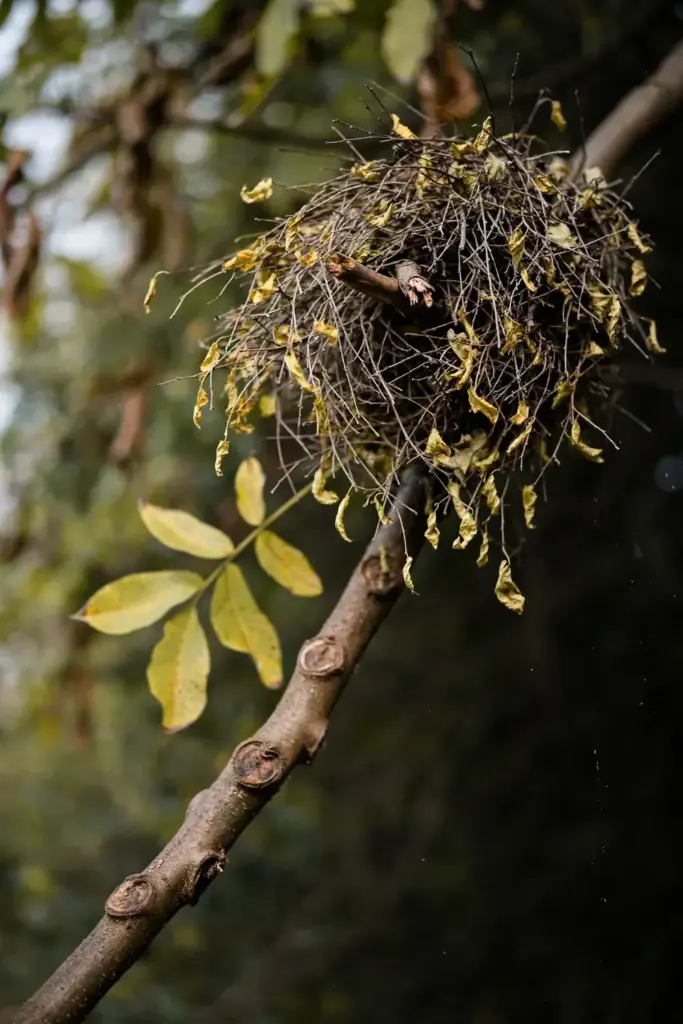
A broom alone does not prove downy leaf spot. Other problems grow brooms too. Confirm the disease by flipping nearby leaves for the white fuzzy growth underneath. Leaf evidence plus a broom makes a solid field diagnosis. A broom with clean leaves points elsewhere.
Cut brooms out in the dormant season either way, and carry the cut wood off the site. Step 3 covers the cut.
Which Walnuts and Hickories Get Hit Hardest
Downy leaf spot infects both genera, walnut and hickory, across a long host list. Penn State Extension’s hickory disease guide names butternut, bitternut hickory, mockernut hickory, pignut hickory, sand hickory, shagbark hickory, water hickory, pecan, Arizona walnut, black walnut, California black walnut, Hinds walnut, little walnut, and Persian walnut. Pecan sits inside the hickory genus, so pecan owners should watch for the same symptoms.
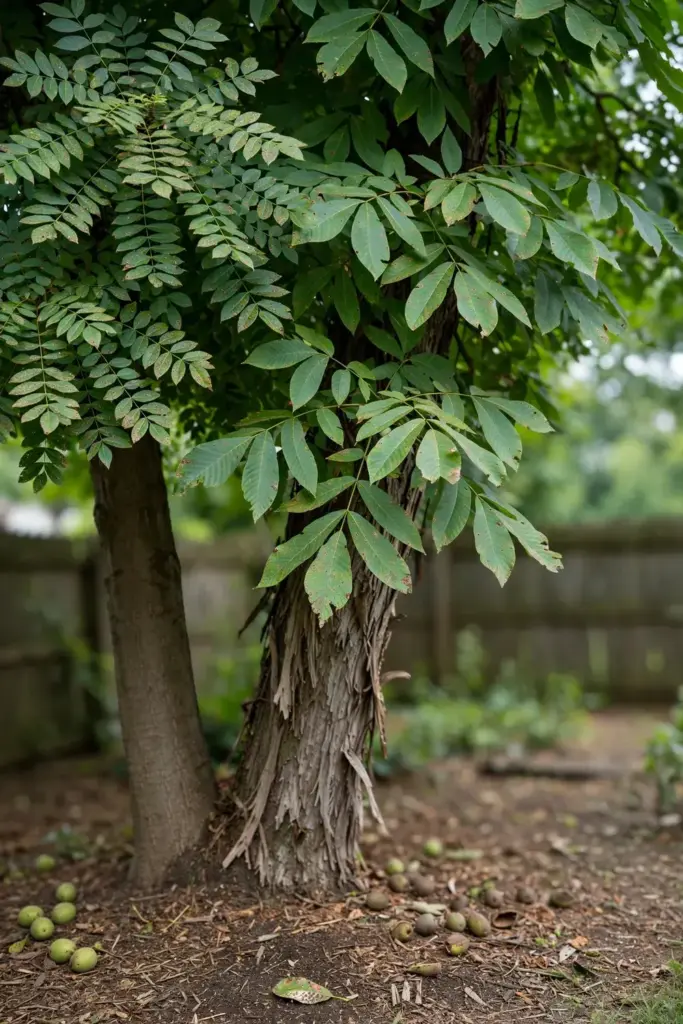
Black walnut carries the most published attention. The USDA Forest Service account of walnut leaf diseases treats black walnut as the reference host. Butternut appears on every host list. Persian walnut, the English walnut of orchards and gardens, appears too. No host on the list escapes the disease entirely.
No published home-garden resistance ranking exists for downy leaf spot. Data not available. Plantation research notes that individual trees vary in anthracnose resistance, and the same variation may apply here, but no source ranks walnut or hickory varieties for downy leaf spot resistance. Plant for site fit and vigor, not for a resistance score nobody has published.
Downy Leaf Spot vs Anthracnose vs Bull’s-Eye Leaf Spot
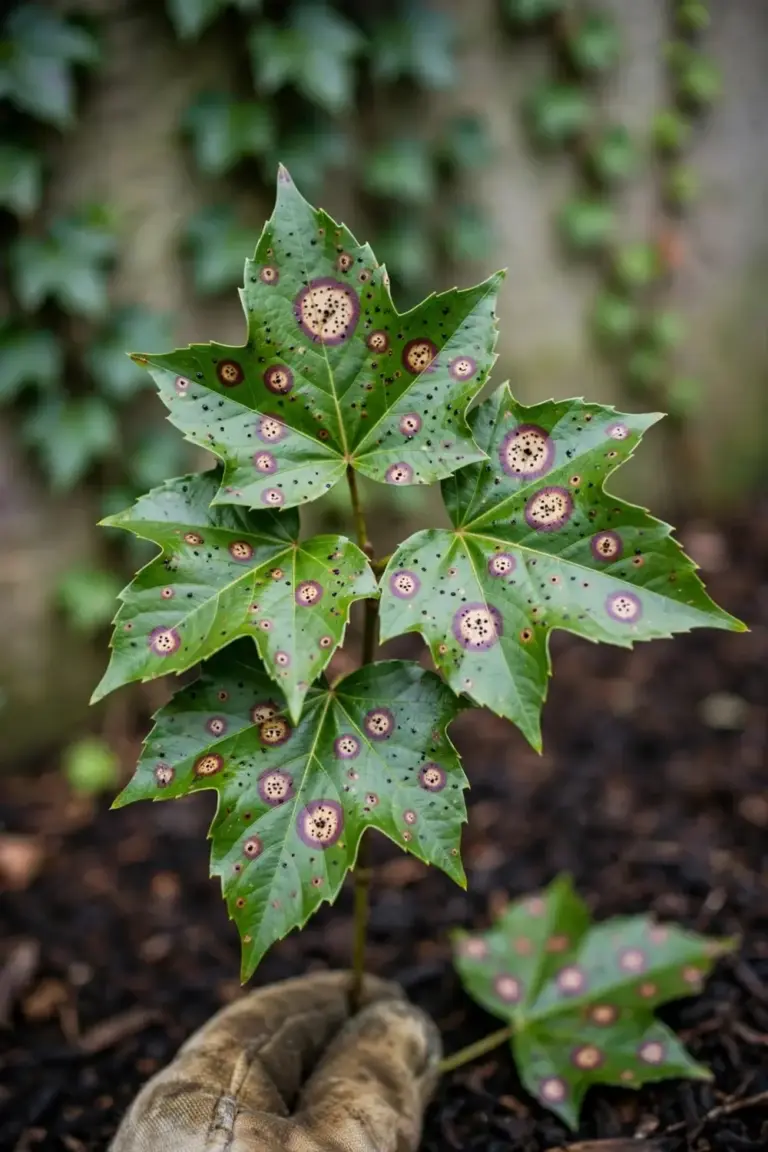
Three leaf diseases share walnut and hickory canopies, and the flip test separates them in seconds. White fuzz underneath means downy leaf spot. Brown lesions mean anthracnose. Round target rings mean bull’s-eye leaf spot. The table below lays out the full comparison across all three diseases.
| Feature | Downy Leaf Spot | Walnut Anthracnose | Bull’s-Eye Leaf Spot |
|---|---|---|---|
| Pathogen | Pseudomicrostroma juglandis | Gnomonia leptostyla | Grovesinia pyramidalis |
| Underside sign | White fuzzy spore masses, often along veins | Brown lesions, sometimes with tiny fruiting dots | Dark lesions with concentric white rings |
| Upper-surface sign | Yellow blotch mirroring the growth below | Brown spots from a few mm to 1.25 cm across | Same round target rings, visible from above |
| Leaf drop | No early leaf loss | Premature leaf fall, worst on lower interior leaves | Premature defoliation |
| Nuts | Nuts stay sound | Nuts infected, meats shrivel and darken | No nut damage reported in the USDA account |
| First move | Rake leaves, skip spray | Rake leaves, spray only after repeat heavy years | Rake leaves, thin the canopy |
No published head-to-head table exists for these three diseases. This comparison is compiled from parallel descriptions in the USDA Forest Service account of black walnut leaf diseases and the Penn State hickory guide. The field check behind it is simple. Flip the leaf and read the underside.
Anthracnose is the serious one of the three. The USDA account calls walnut anthracnose the most serious and most widespread leaf disease of black walnut. It strips leaves early, cuts growth, and shrivels nuts. Downy leaf spot stays cosmetic beside it. Anthracnose on dogwood comes from a different fungus, Discula destructiva, and belongs to a separate dogwood problem. Walnut anthracnose answers to Gnomonia leptostyla.
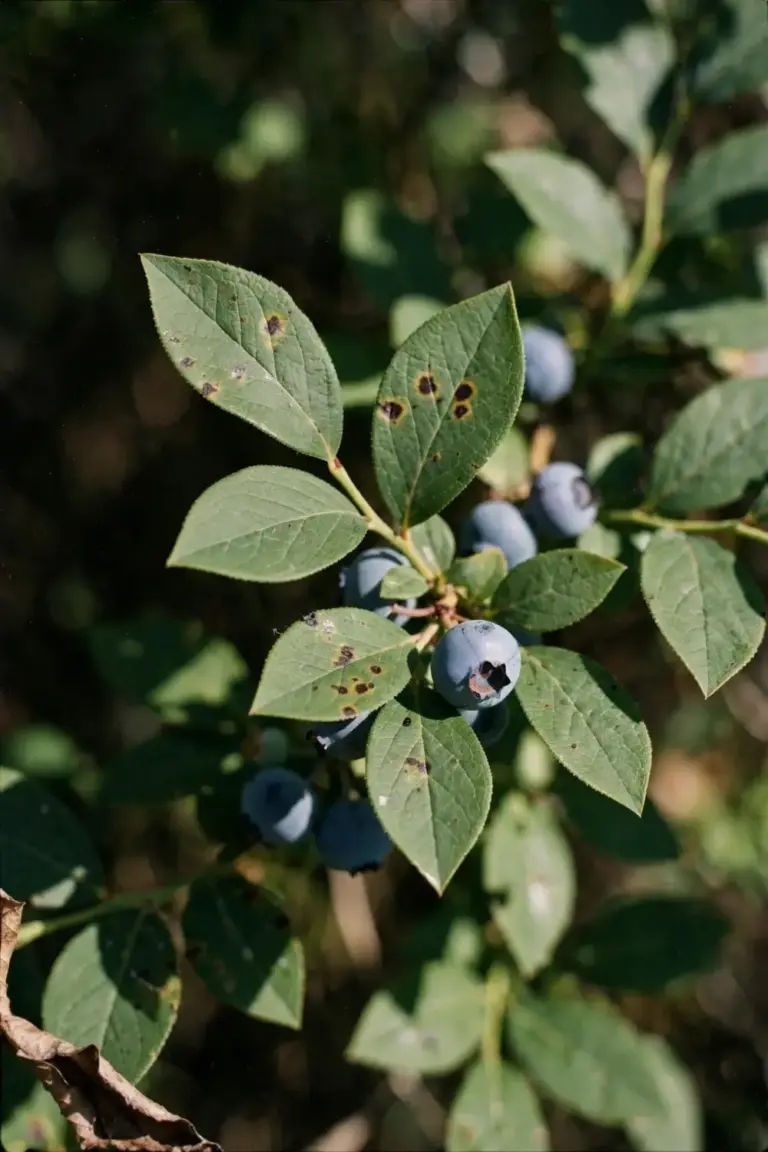
A fourth leaf spot, Mycosphaerella leaf spot, also shows up on black walnut. Its spots are angular and reach at most 4 mm across. Coalescing lesions trace a vein pattern or a leaf scorch look, and badly hit leaves fall in late summer, above all in dry weather. Mycosphaerella leaf spot sits behind the three in this table for home gardens. The flip test still sorts it. No white fuzz grows on its lesions.
Why Fallen Leaves Drive Next Spring’s Infection
Fallen leaves carry the disease through winter. The fungi overwinter as fruiting bodies on leaves lying on the ground. Primary infections start in spring, May through early June, from spores released by those fruiting bodies. Lesions appear on leaves within a couple of weeks of infection. The USDA Forest Service account traces this cycle for all four black walnut leaf diseases, downy leaf spot included.
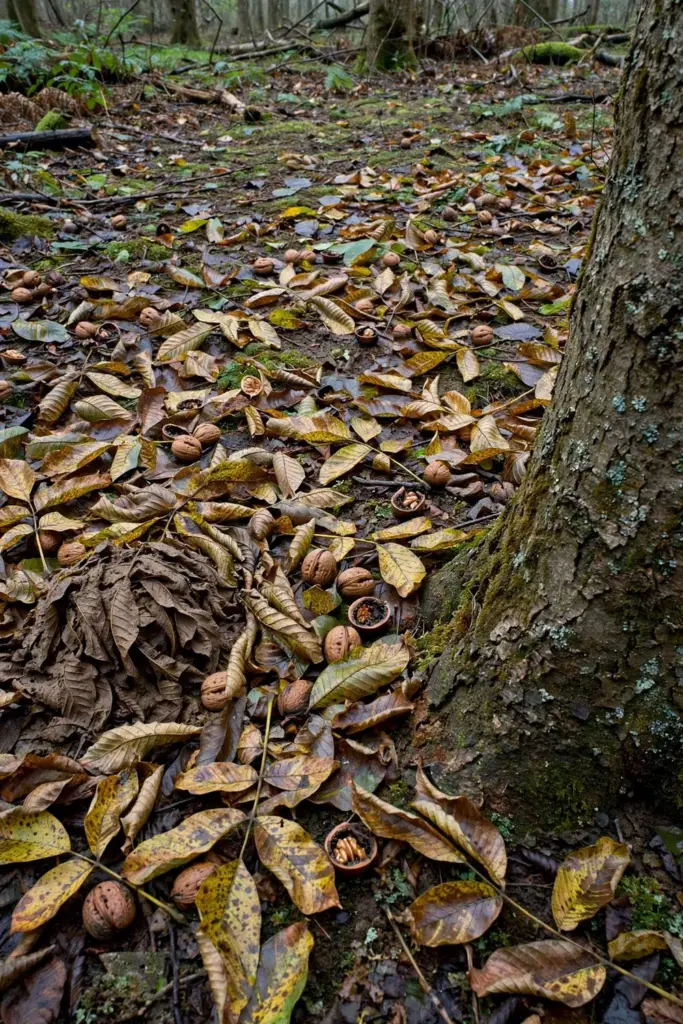
Secondary infections run all summer on wind-dispersed spores from those first lesions. Spore production climbs through July and reaches its peak in August. Each new lesion feeds the next wave. The infected fallen leaves at season’s end serve as the reservoir for the following year. The cycle closes where it started, on the ground.
Warm wet air drives the whole process. The USDA account names four drivers. Expect infection when humidity tops 98 percent, free moisture sits on leaves from rain, dew, fog, or irrigation, light stays low, and temperatures hover around 21 degrees C. A wet spring with long leaf-wetness periods feeds the fungus. A dry spring starves the fungus.
Sanitation breaks the cycle at its weakest link. Raking removes the overwintering leaves before spring spores release, and no fallen leaves means no spring inoculum. The fungus cannot start the season without its winter home.
What Makes Downy Leaf Spot Worse in a Home Garden
Dense stands make the disease worse. Crowded trees hold humid air, slow drying, and shade each other’s leaves. The USDA account ties dense stands to higher disease incidence and severity through increased humidity and free moisture on leaf surfaces. Thinning opens the stand and dries the leaves.
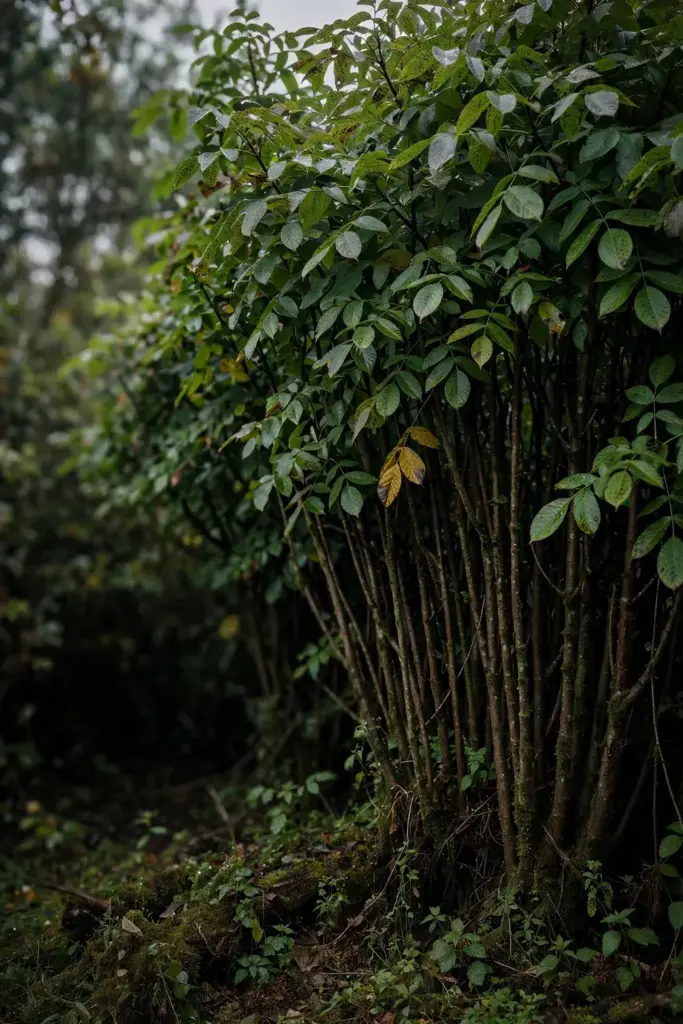
Overhead watering feeds the fungus. Sprinklers wet the canopy and stretch leaf-wetness periods. Weeds raise humidity in and around young trees. The USDA account lists weed control as disease control for this reason. Bare or mulched ground under the tree dries faster than weedy ground.
Site choice matters for new plantings. Small trees planted under or downwind of large infected trees catch spores from above. Low spots and small openings collect dew and hold cold damp air. The USDA account warns against planting in cold seeps and still hollows. A breezy slope beats a damp pocket.
Stress opens the door wider. A tree short of water or nutrients handles infection worse than a vigorous tree. The Minnesota leaf-spot guidance treats stress reduction as disease management: water through the growing season, mulch flat, and feed only on a soil test. Vigor does not cure downy leaf spot. It keeps a cosmetic disease cosmetic.
Step 1: Decide Whether Treatment Is Worth It
Treatment is usually not worth it for downy leaf spot. The USDA Forest Service account calls the disease more unsightly than damaging. Penn State recommends no control for it on hickory. The tree keeps its leaves, grows, and crops. A spray program buys little against a disease that does not threaten the tree.
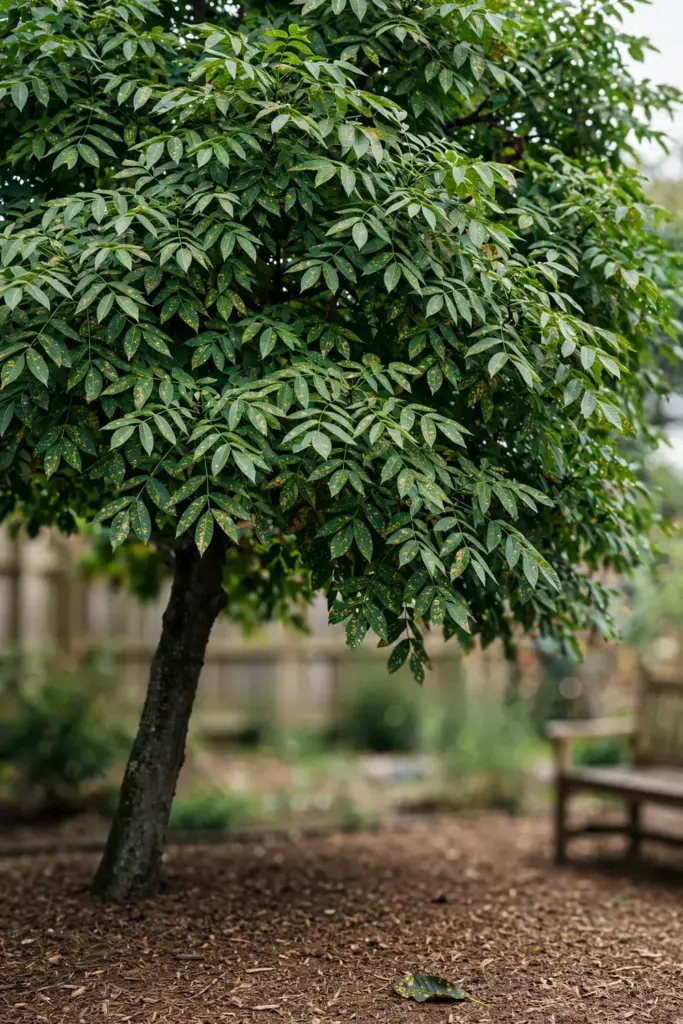
Use one decision rule. If the tree holds its leaves into fall and grows normally, skip treatment. Spray only if early leaf drop begins to cut growth. Minnesota’s general leaf-spot guidance reserves fungicides for trees that have lost all their leaves several years in a row. Downy leaf spot rarely reaches that bar on its own. Repeat early leaf drop points to anthracnose or another disease, not downy spot alone.
Spraying a cosmetic disease wastes money and product on a tall tree. Full canopy coverage on a mature walnut takes high-pressure equipment, and a homeowner sprayer cannot reach the top of a 20 m tree. The cost lands either way. Sanitation costs a rake and an afternoon, and it cuts next spring’s spores.
Step 2: Rake Up and Destroy Every Fallen Leaf, Shuck, and Nut
Rake up and destroy fallen leaves before the first snowfall. The University of Minnesota Extension leaf-spot guidance gives that timing, and the reason behind it is the overwintering cycle. Diseases survive in leaf piles and re-infect the tree the following season. Fallen leaves are next spring’s inoculum.
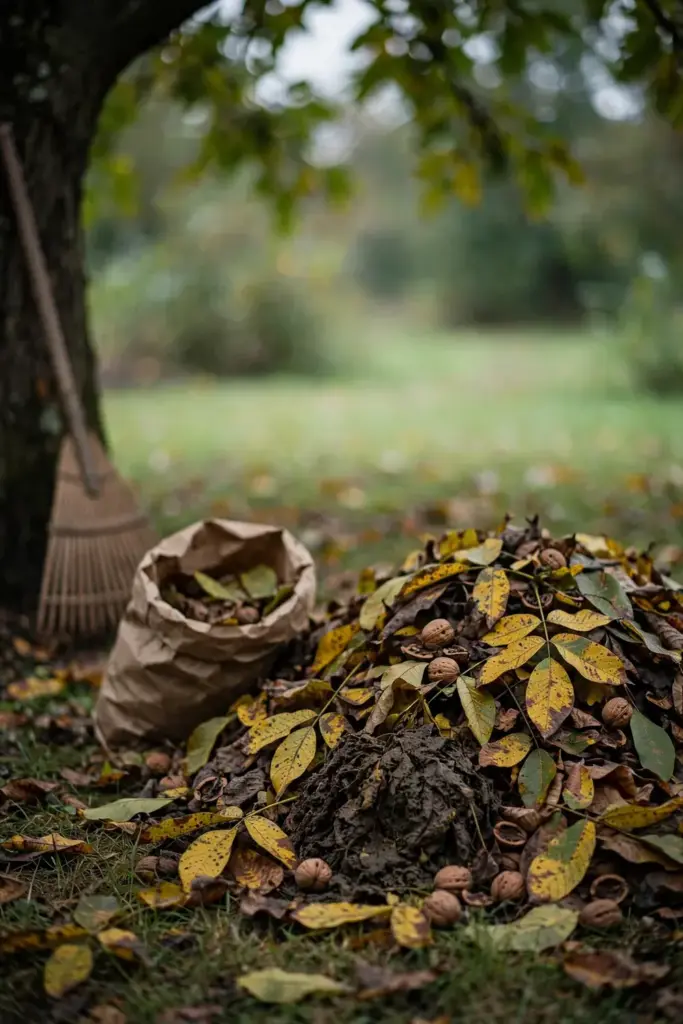
Clear everything. All leaves, infected or healthy, plus all shucks and nuts, leave the site each winter or in early spring before buds begin to swell. Infected leaves and nuts left to overwinter on the ground are major sources for new infections in spring. The home-press guide stresses this sweep as the core control for downy leaf spot. Nothing else in the program matters as much.
Destroy means bag for municipal waste or burn where local rules allow it. Do not add infected material to the home compost pile, and do not leave it on the ground. A bagged pile cannot release spores. A compost pile can.
Where the tree stands in a bed you cultivate, turning fallen leaves under after leaf fall is a second option. Cultivation incorporates the leaves into the soil and speeds their decay. The USDA account credits this practice with lowering spore production. Bagging stays the cleaner choice under a lawn tree. Cultivation fits a worked bed.
Step 3: Prune Out Witches’ Brooms in the Dormant Season
Cut every broom out while the tree sleeps. The home-press guide sets the timing: remove damaged twigs and limbs, including the broom, during the dormant season. Cut back to healthy wood below the tangle. Carry the cut wood off the site and bag it with the leaves. A broom left on the tree keeps its spores in the canopy.
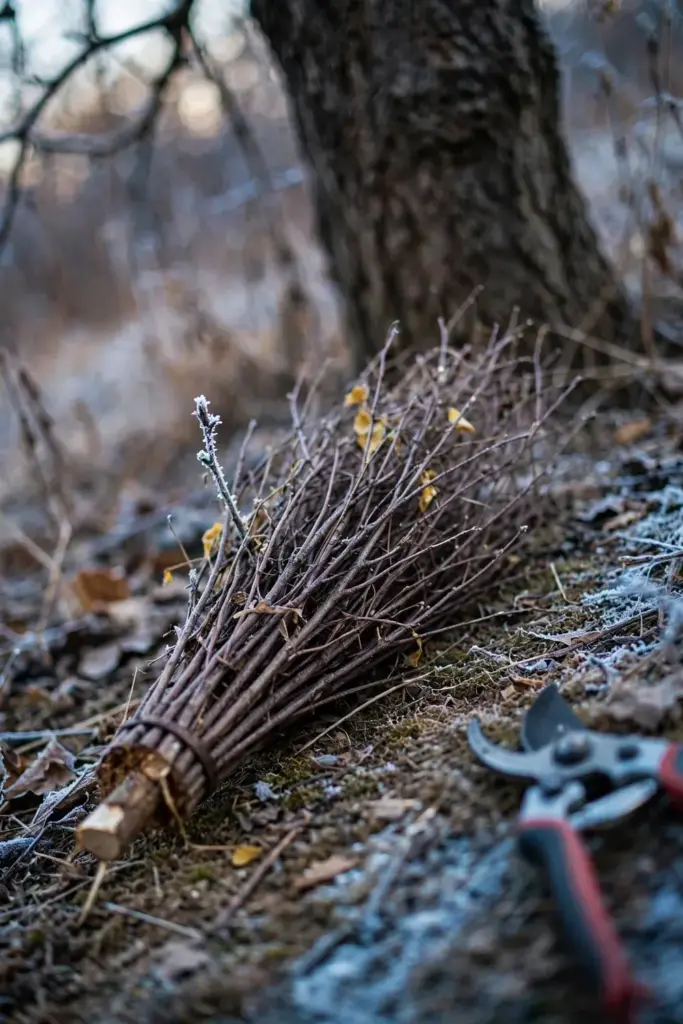
Prune for airflow at the same time. Thin crowded interior growth so light reaches the inner canopy and leaves dry faster after rain. The spring pruning guide covers cut placement and tool handling for dormant-season work. Make clean cuts. Leave no stubs.
Brooms are not diagnostic alone, so check the leaves next spring after pruning. White fuzz on the underside confirms downy leaf spot. Clean leaves after a broom prune point to another cause. Either way the prune helped. The canopy is more open, and the tangle is gone.
Step 4: Open the Canopy for Air and Light
Thin dense stands. The USDA account is direct: thinning improves drying of leaf surfaces and reduces leaf shading between trees, which cuts disease incidence and severity. Remove poorly formed or closely spaced trees, and keep the trees that stand apart with full crowns. A stand with air moving through it dries before spores germinate.
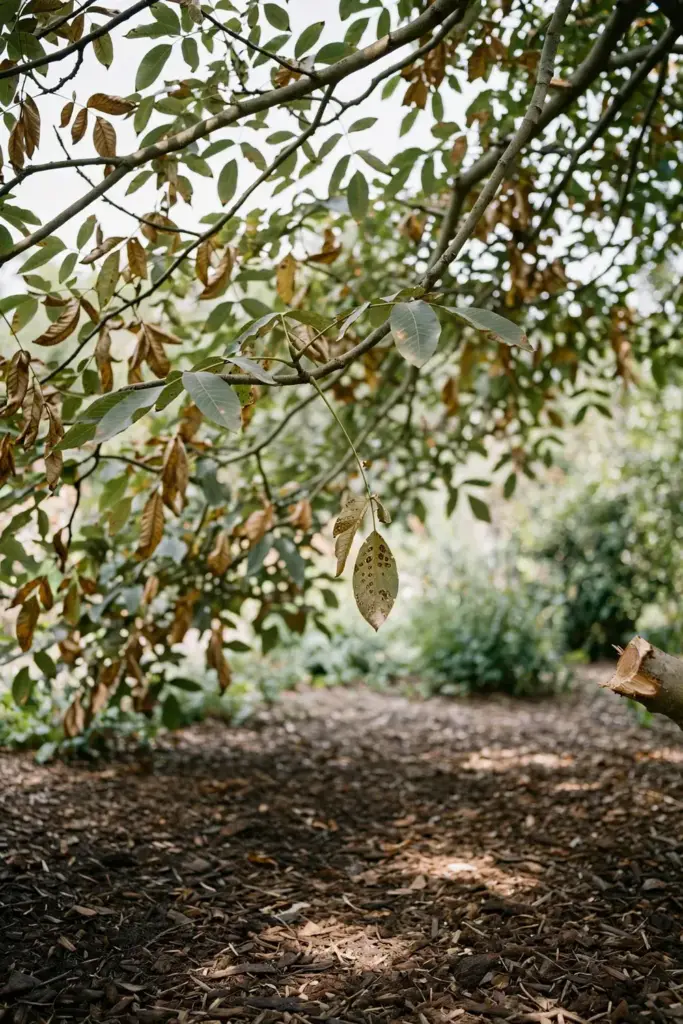
Prune the canopy to increase light penetration and air circulation, the same instruction Minnesota’s general leaf-spot guidance gives for shade trees and shrubs. Open centers and thinned interiors dry faster. Wet leaves drive infection. Dry leaves starve it.
Plan new plantings for airflow. Set long rows perpendicular to the prevailing winds of spring and summer. That orientation promotes leaf drying. Keep small trees out from under and downwind of large infected trees. Skip cold seeps and small openings where dew gathers. A new tree in a breezy spot starts the season ahead.
Control weeds under the tree. Weeds lift humidity around young trees and slow drying. The USDA account counts weed control as disease control. Mulch or cultivation under the canopy does both jobs: it holds moisture in the soil and keeps weeds down.
Step 5: Water at the Base and Mulch Flat
Water at the base. Minnesota’s general leaf-spot guidance warns against splashing water on leaves, and it names a drip or soaker hose as the best tool. Sprinklers wet the canopy and stretch the leaf-wetness periods the fungus needs. A soaker hose puts water in the soil and keeps the leaves dry.
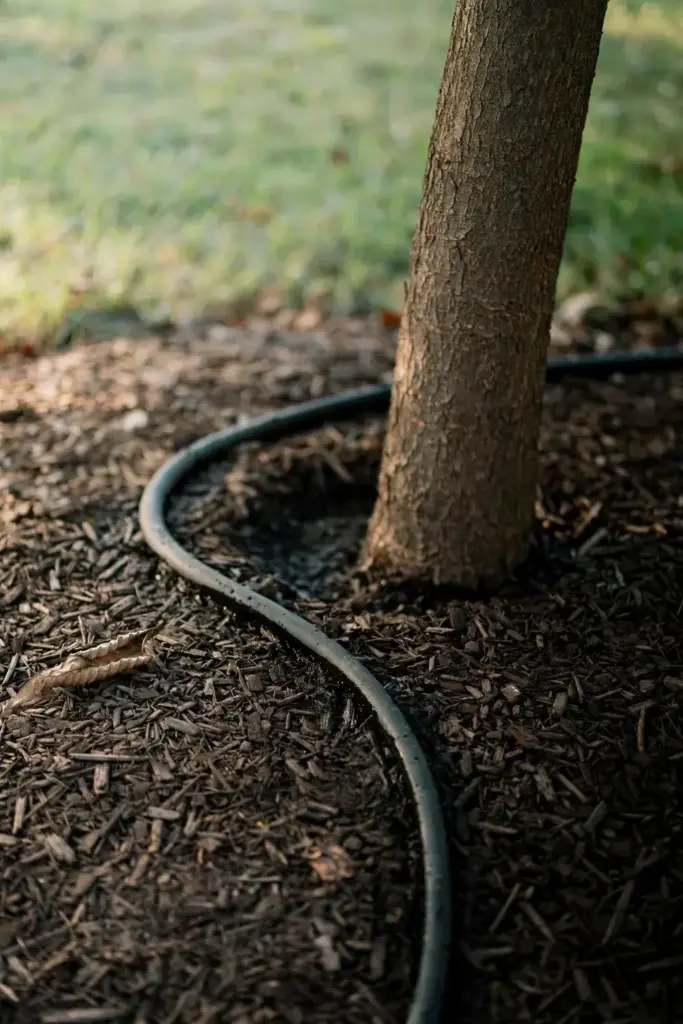
Keep the top 15.2 to 20.3 cm of soil moist through the growing season, above all during dry summers. Let the soil dry before watering again. Steady soil moisture cuts tree stress. Stress does not cause downy leaf spot. A stressed tree shows heavier symptoms and recovers slower.
Lay mulch flat. Minnesota’s guidance sets the layer at 7.6 to 10.2 cm deep, laid flat with at least a 5.1 cm gap between the mulch and the trunk. Never mound mulch against the trunk. A mulch volcano holds moisture against bark and invites rot. Reapply each year and check the depth.
This watering and mulch routine comes from general leaf-spot guidance, not a downy-spot trial. No downy-spot-specific watering study exists. The transfer is honest: wet leaves drive every leaf-spot fungus, and the same dry-leaf logic applies. Flag it as general guidance when passing it on.
Step 6: Feed Only on a Soil Test
Fertility advice for downy leaf spot splits. Plantation research cited by the USDA account found that nitrogen applications in April and June reduced infection and boosted growth. Minnesota’s guidance tells home gardeners not to fertilize trees with leaf-spot diseases unless a soil test recommends it to correct a nutrient deficiency. Both sources are sound. They answer different questions.
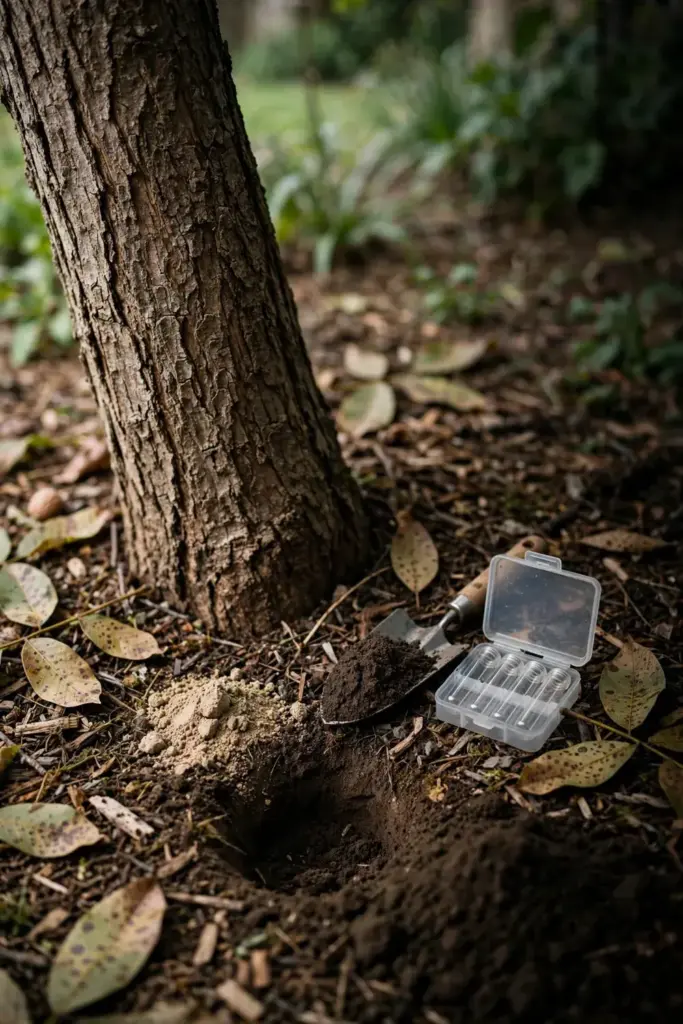
Default to the soil test. A test shows what the soil lacks. Feed what the test calls for, at the rate it calls for, and nothing else. The soil health guide covers how to read a test and build soil that feeds the tree steadily. A soil test costs less than one bag of the wrong fertilizer.
Do not guess with a balanced fertilizer. The USDA account notes that adding phosphorus and potassium diminished the benefit of nitrogen in plantation trials. A blind application can work against the tree. A test keeps the guesswork out.
Heavy nitrogen carries its own penalty. The USDA account reports that high nitrogen rates push non-fruiting shoots to grow late into summer, well past the infection period. Fresh late leaves mask the defoliation of older leaves and give a false picture of tree health. Feed to the test, not to the calendar.
Step 7: Keep Fungicide as a Last Resort
Do not spray by default. Penn State recommends no control for downy spot on hickory. Minnesota’s leaf-spot guidance says fungicides are not necessary unless a tree has lost all its leaves several years in a row. Downy leaf spot does not drive that kind of loss. A spray program against it treats a cosmetic problem with a canopy-wide chemical.
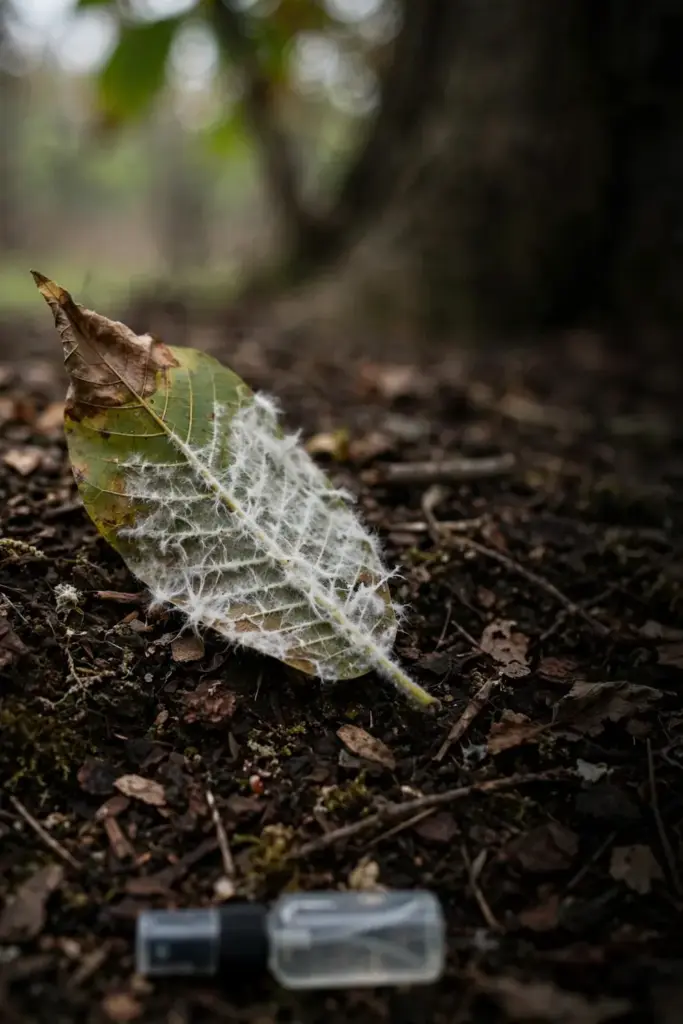
Spray only when early leaf drop begins to cut growth. That is the last-resort bar. Any product must be labeled for the tree and the disease. Read the label for rates, timing, and reentry rules. Call local Extension for current recommendations before buying anything.
Old recommendations do not carry over. Older publications name products that no longer carry a black walnut label. The USDA account warns that chemical registrations stay under review and tells growers to check with local Extension for the latest information. A product named in a 1980s bulletin may be unregistered, off-label, or gone. Verify before spraying.
A tall tree defeats homeowner equipment. Full canopy coverage on a mature walnut takes high-pressure spraying gear. Minnesota’s guidance says to hire a professional arborist for leaf-spot treatment on large trees. The home-press guide notes that commercial fungicides and the equipment to reach a full canopy sit beyond most homeowners. An arborist call beats a half-sprayed tree.
Living With Downy Leaf Spot on a Tree You Already Own
Live with it. A walnut or hickory with downy leaf spot keeps its leaves, grows, and crops. The whole program is fall sanitation, a dormant prune, and a watchful eye in spring. No spray schedule, no rescue treatment, no removal decision.
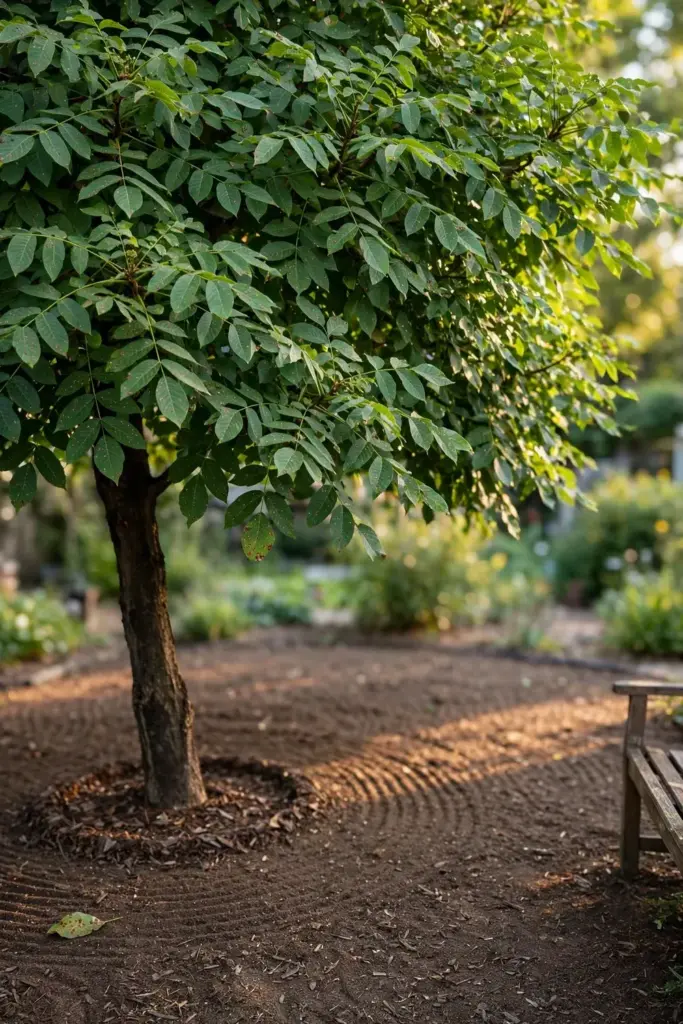
A normal season runs a simple pattern. Spotted leaves show in summer, brooms come out in winter, and the ground gets raked clean before spring. New leaves open sound, and the cycle restarts at a lower level each year. The disease never fully leaves. It fades to background noise under steady sanitation.
Downy spot does not attack the nuts. Nut damage points to anthracnose, which shrivels and darkens nut meats. A walnut crop under a downy-spotted canopy still fills and drops normally. Judge the crop by the nuts, not by the leaves.
Call for help when the pattern breaks. Repeated early leaf drop, a thinning canopy, or stalled growth means another disease may be at work. Cut a sample of affected leaves, keep them cool, and take them to a local Extension clinic. A lab diagnosis settles what a flip test cannot.
Frequently Asked Questions
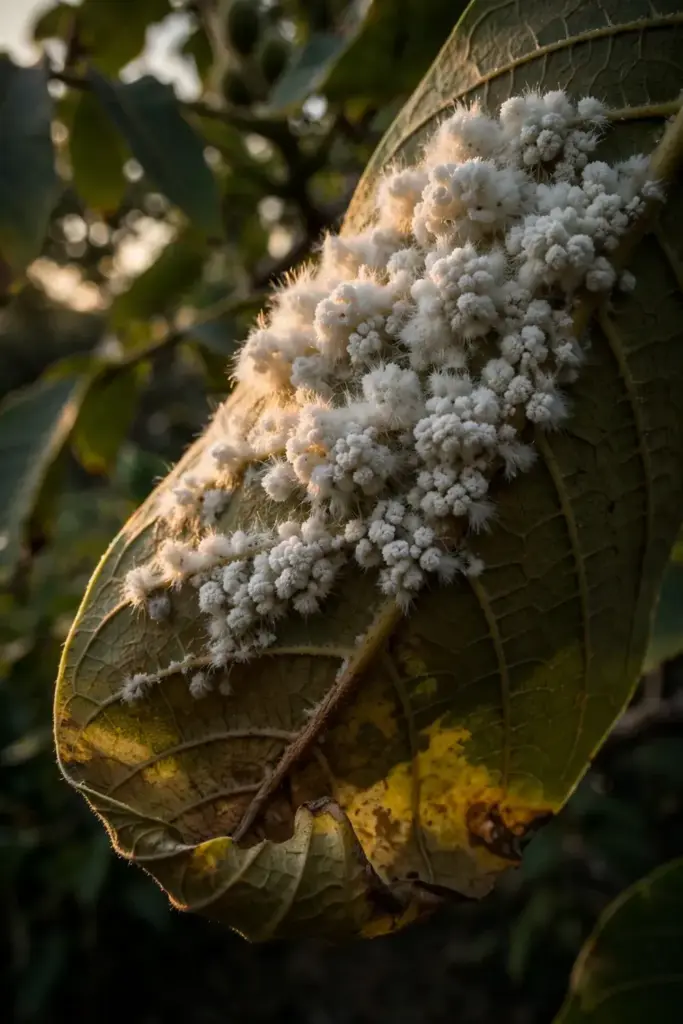
No. Downy leaf spot is a cosmetic disease on walnut and hickory. The USDA Forest Service calls it more unsightly than damaging, and Penn State recommends no control for it on hickory. The tree keeps its leaves, grows, and crops. Worry only if the tree drops leaves early several years in a row. Then another disease may be at work, and a local Extension clinic should see the leaves.
No. Bag fallen leaves, shucks, and nuts for municipal waste. The fungus overwinters in fallen leaves, and infected material left on the ground seeds next spring. A home compost pile does not reliably kill the fungus, and spreading that compost returns the spores to the tree. Rake before the first snowfall, bag everything, and keep the ground under the tree clean through winter.
Flip the leaf. Downy leaf spot shows white fuzzy growth on the underside with a yellow blotch above. Anthracnose shows brown lesions, often with tiny fruiting dots, and drops leaves early. Downy spot leaves the nuts alone. Anthracnose shrivels nut meats and darkens them. If the leaf underside shows white fuzz, the call is downy spot.
Usually no. Penn State recommends no control for downy spot on hickory, and Minnesota reserves fungicides for trees that lose all their leaves several years in a row. Spray only if early leaf drop begins to cut growth. Any product must be labeled for your tree and the disease. Read the label, call local Extension for current options, and hire an arborist for a tall tree.
Not by themselves. Downy leaf spot can cause brooms near branch ends, with small yellow leaves that shrivel and drop in early summer. Other problems cause brooms too. Confirm the disease by flipping nearby leaves for white fuzzy growth underneath. Prune brooms out in the dormant season either way, and remove the cut wood from the site.
Where to Go From Here
Downy leaf spot rewards one habit above all: rake the ground clean. Fall sanitation cuts next spring’s spores more than any product. Prune the brooms, open the canopy, water at the base, and let the soil test decide the fertilizer. Skip the spray unless early leaf drop starts cutting growth.
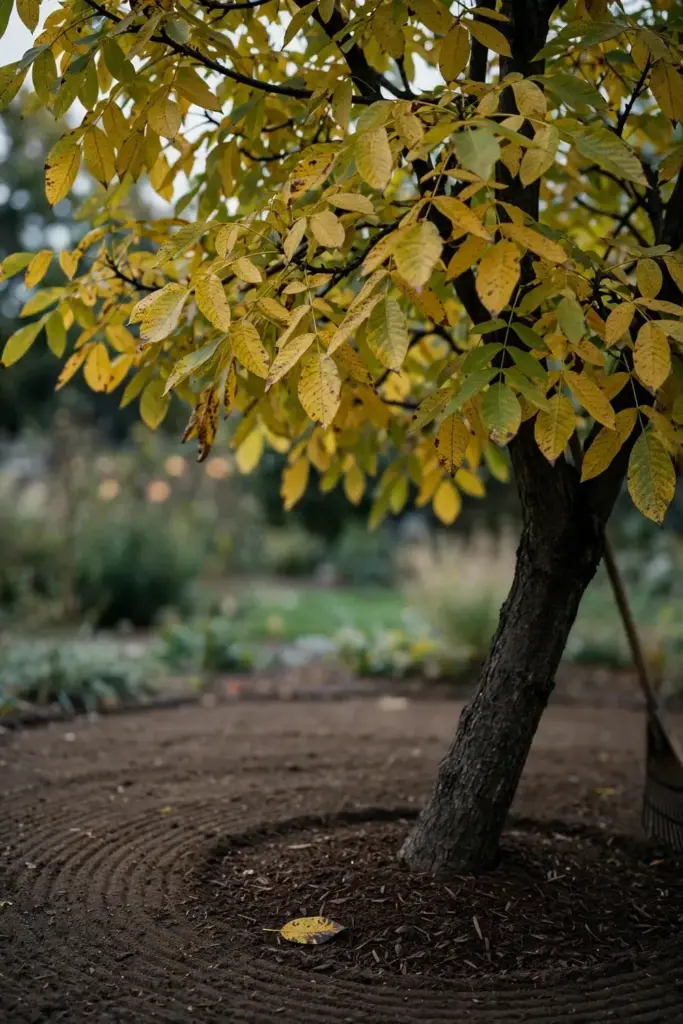
Start this fall. Rake every leaf, shuck, and nut under the tree before the first snowfall. Bag the pile. Walk the canopy in winter and cut out the brooms. Come spring, flip a leaf and read the underside. White fuzz means downy spot, and downy spot means the rake, not the sprayer.