
Run 5 home tests before you book a machine or buy a bag of anything. Most tired lawns need one step, not five. That is a lawn renovation decision, not a renovation procedure. “Reno” is the Australian shorthand for renovation. This page uses renovation from here on.
A renovation strips the lawn back so it can regrow thicker. The full job runs through five steps: scalp, dethatch, aerate, top-dress, and feed. Most lawns fail only one or two of the five tests below. Those lawns need only the matching step. A lawn that fails all five may need the full job or fresh turf. I have learned that the lawn I test before I renovate keeps more of its good grass than the lawn I scalp on a schedule.
The rest of this page is 5 tests, one verdict table, and one step per verdict. Work through the tests in order. Test on a dry day, after a mow, when the soil is moist but not wet.
1. Decide First: Most Lawns Need One Step, Not Five
A renovation is a decision, not a shopping list. The tests below tell you which step your lawn earns. A lawn that passes all five tests needs feed and regular mowing, not a renovation. A lawn that fails one test needs that one step. A lawn that fails four or five tests needs the full job or re-turfing.
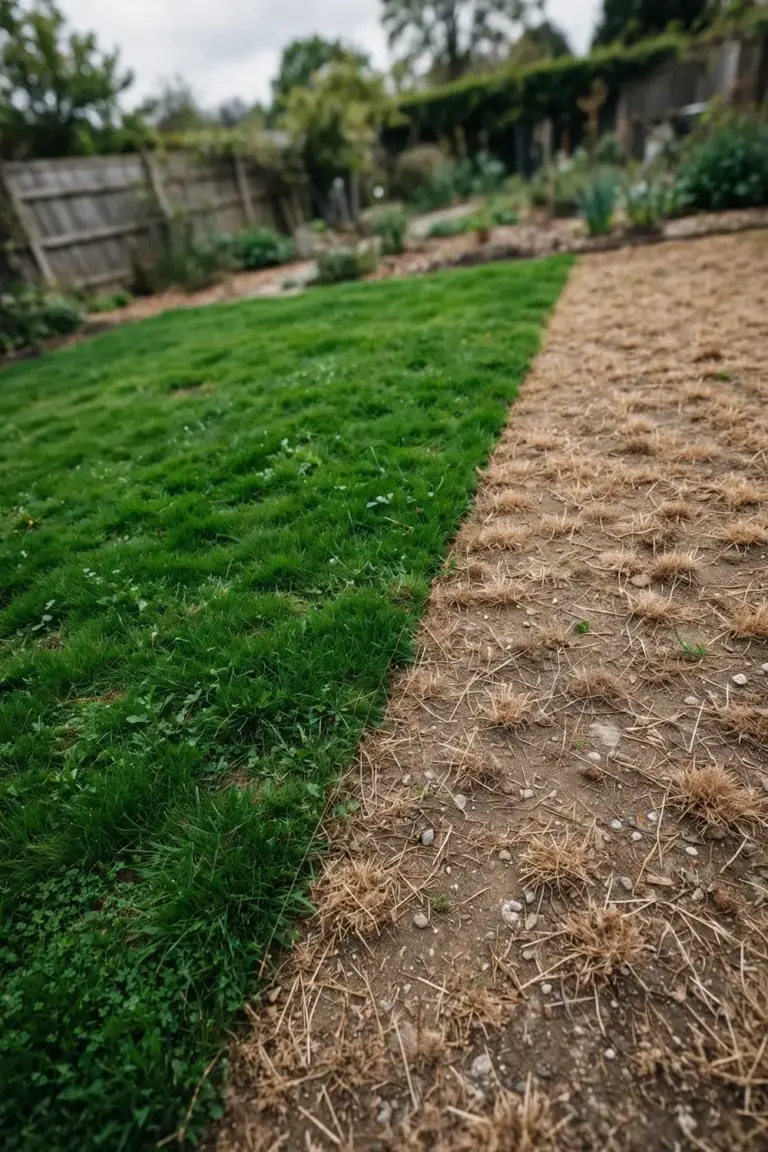
This order saves grass. Every renovation step removes living material. Scalping removes leaf. Dethatching removes thatch and some living runners. Aerating punches holes through the surface. Each step costs the lawn recovery time. A lawn that only needs aeration should not pay the price of a full scalp.
Start with the tests. Do not hire a scarifier before you know whether thatch is even the problem.
2. Run the Tug Test: Dead or Just Dormant?
Grab a handful of brown grass and pull firmly. Living grass resists the pull. Dead grass lifts away with no resistance and no roots attached.
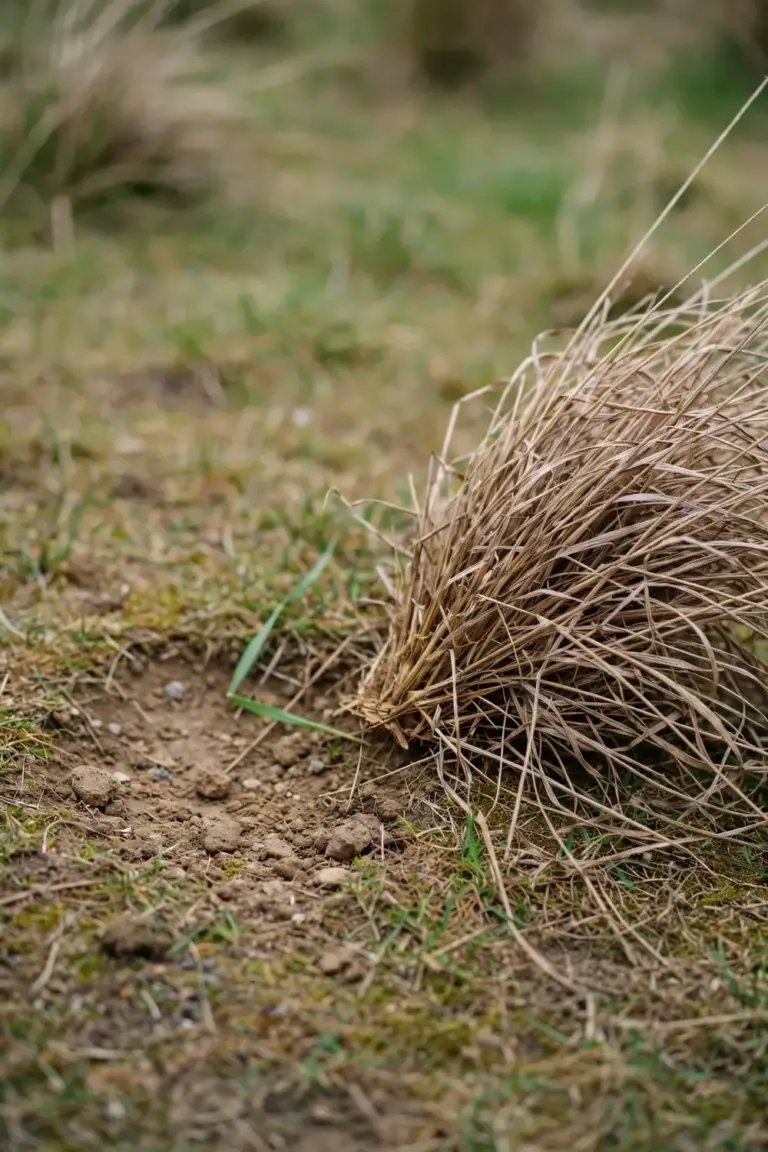
Dormant grass looks dead and still holds fast. Warm-season grasses go brown and idle in winter, while the crown at the base stays alive and the leaf sleeps. A tug that meets resistance means the plant lives. A tug that lifts a loose mat of dry blades means that patch is dead.
Test three spots: one green area, one brown area, and one patch edge. One brown patch on an otherwise green lawn is usually a local problem, such as a dog spot or a dry patch. A whole lawn that lifts away is a re-turf candidate, not a renovation candidate. Renovation cannot wake dead crowns.
Record the result as dead or dormant for each spot. The verdict table in section 7 uses this result first.
3. Push a Screwdriver In: How Compacted Is Your Soil?
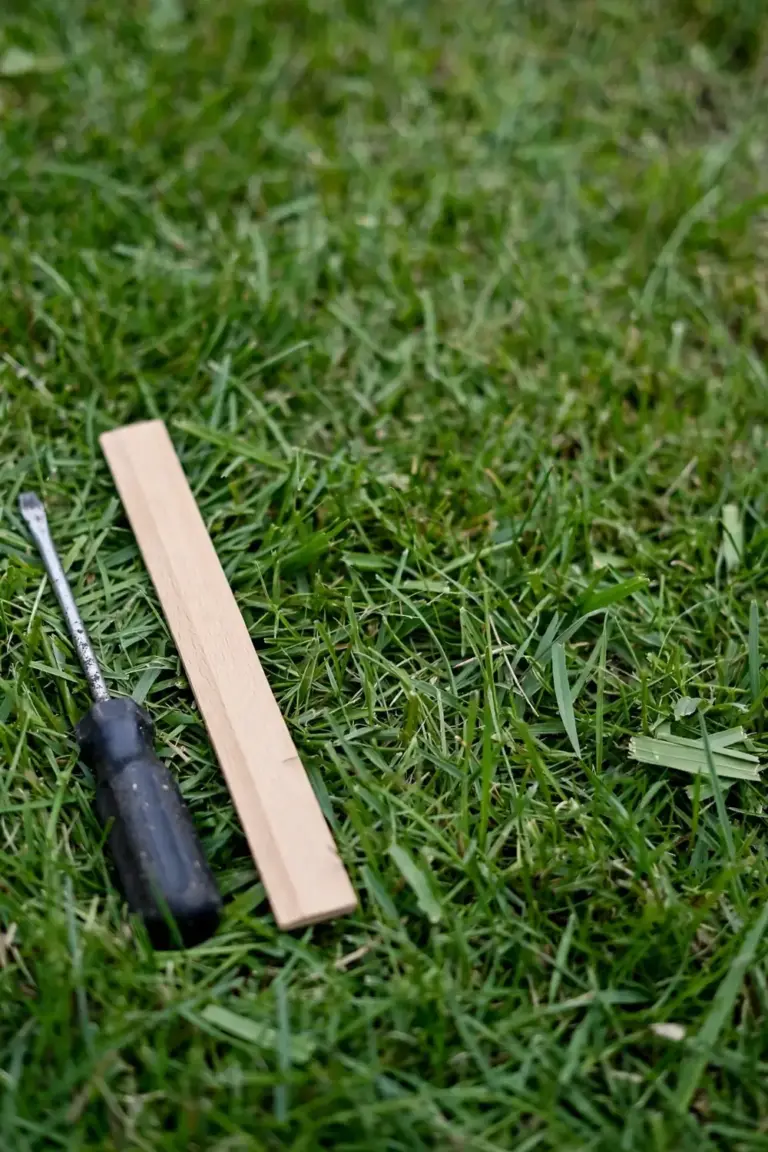
Push a long screwdriver into moist soil. Healthy soil takes the full length with steady hand pressure, while compacted soil stops the tool within a few centimeters. The top few centimeters may feel soft while a hard layer sits below, so push past the surface and feel for the change.
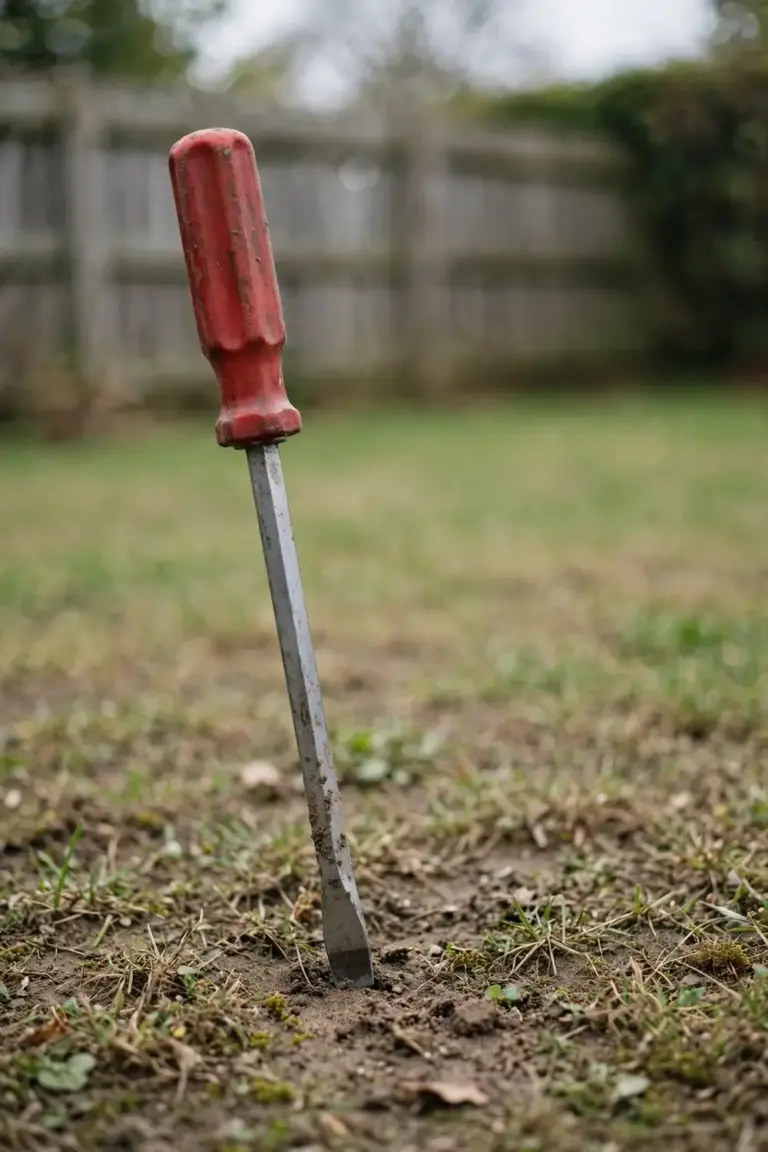
Compaction squeezes air out of the root zone. Roots stay shallow. Water runs off instead of soaking in, and the lawn thins from below even when you feed it. Foot traffic, parked cars, and heavy clay all compact soil. A lawn on heavy clay compacts faster than a lawn on sand.
Test three spots after rain or a deep watering. Bone-dry soil resists any tool, so the result misleads. Moist soil tells the truth. If the screwdriver slides in easily everywhere, compaction is not your problem. If it stops short in the worn areas, aeration is the step those areas earn.
4. Cut a Wedge and Measure Your Thatch Layer
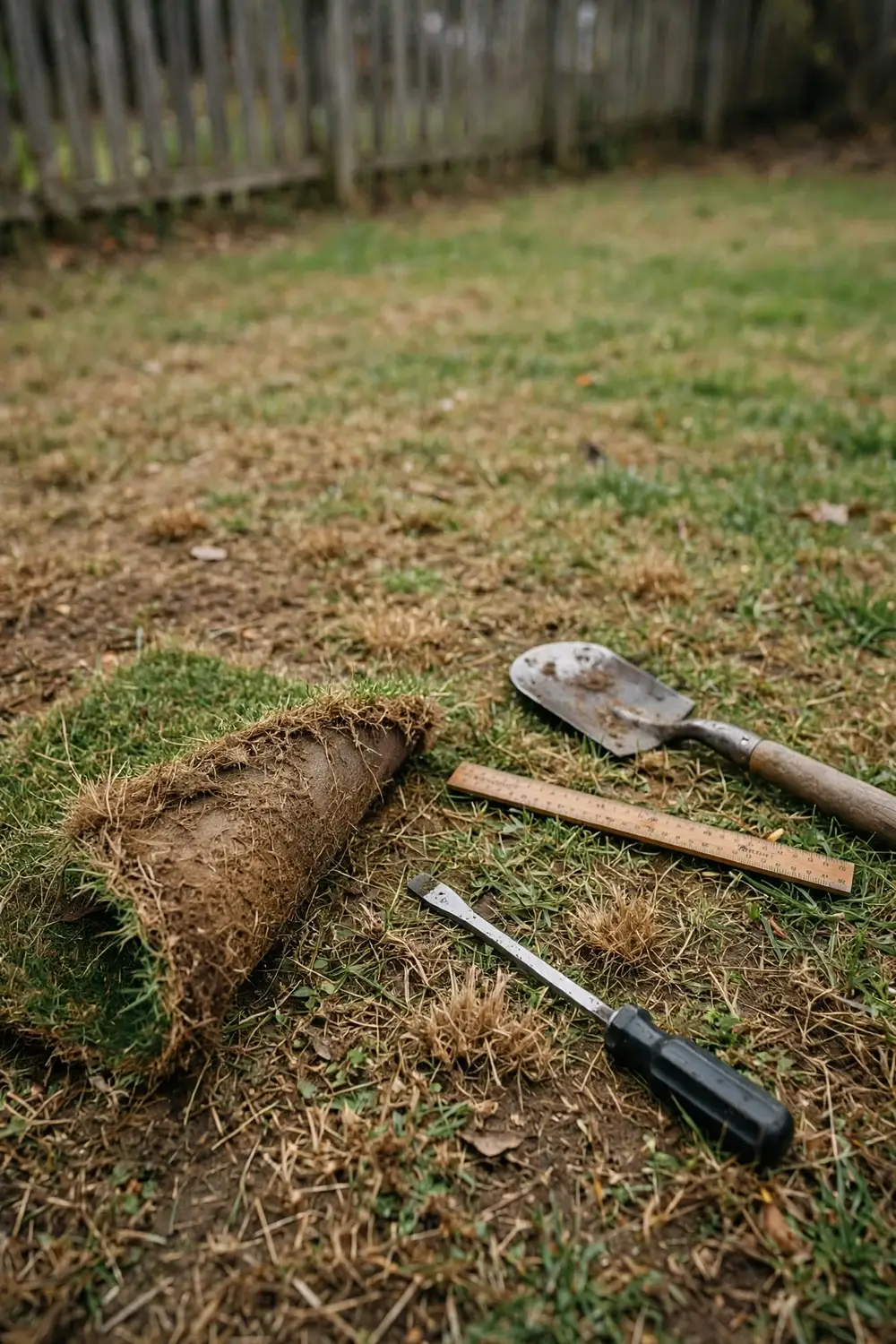
Cut a small wedge of turf with a spade, about the size of your palm. Lift it and look at the brown fibrous layer between the green leaves and the soil. Measure that layer with a ruler. Thatch is the mat of dead stems, crowns, and roots that sits on the soil surface. A thin layer cushions the lawn. A thick layer blocks water and air.
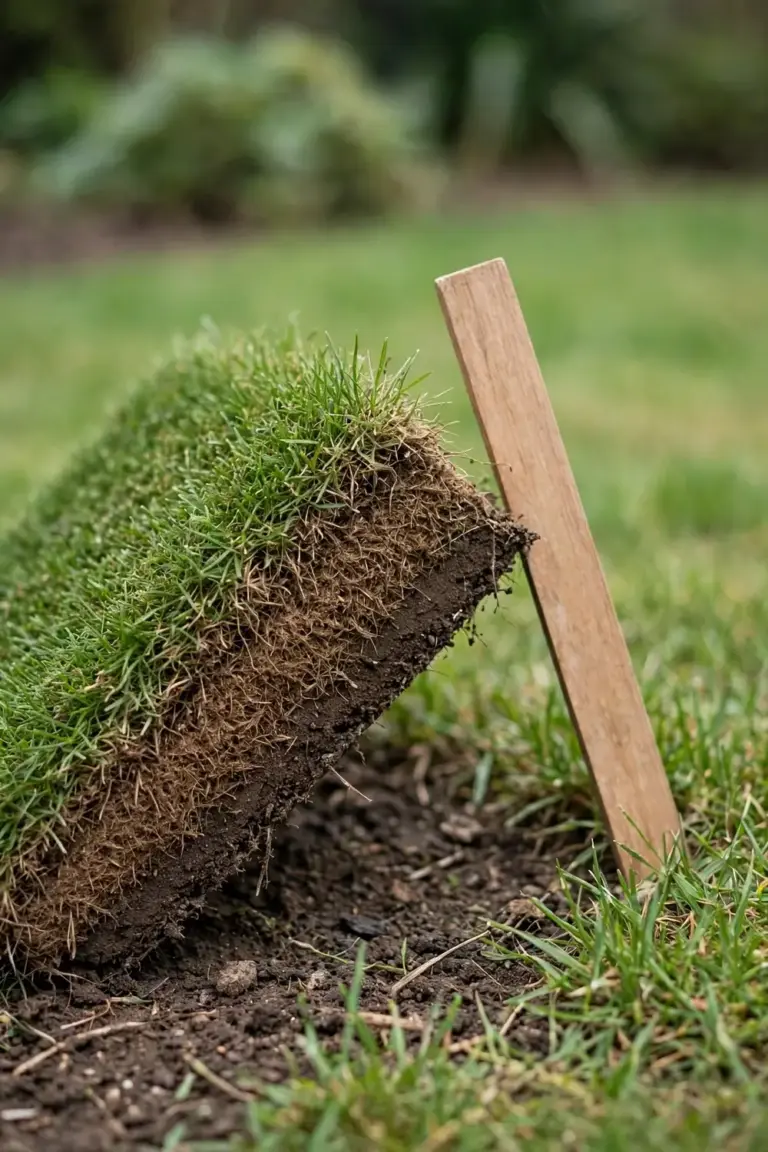
Extension guidance brackets the trigger. Texas A&M AgriLife treats a thatch layer over 1.3 cm (one-half inch) as a problem, because water, nutrients, and air struggle to reach the soil. Texas A&M AgriLife’s thatch guide for home lawns also warns that thatch over that depth makes the lawn harder to manage and more prone to pests and disease. Mississippi State Extension puts the removal line higher: thatch under 1.3 cm helps the lawn, and thatch over 2.5 cm (one inch) needs removal. Mississippi State’s dethatching guide adds that thatch itself is a symptom, and compaction, poor drainage, or low soil pH often sits behind it.
Read your wedge against both lines. Thatch under 1.3 cm passes. Thatch between 1.3 cm and 2.5 cm earns dethatching when the lawn also feels spongy underfoot or water pools on the surface. Thatch over 2.5 cm earns dethatching regardless. Push the wedge back into place and water it in.
5. Count Your Hours of Direct Sun
Stand in the lawn and count the hours of direct sun each area receives. Do it on a clear day, or check the shadows at 9 am, noon, and 3 pm. Direct sun means unfiltered sunlight hitting the grass, not bright shade under a tree.
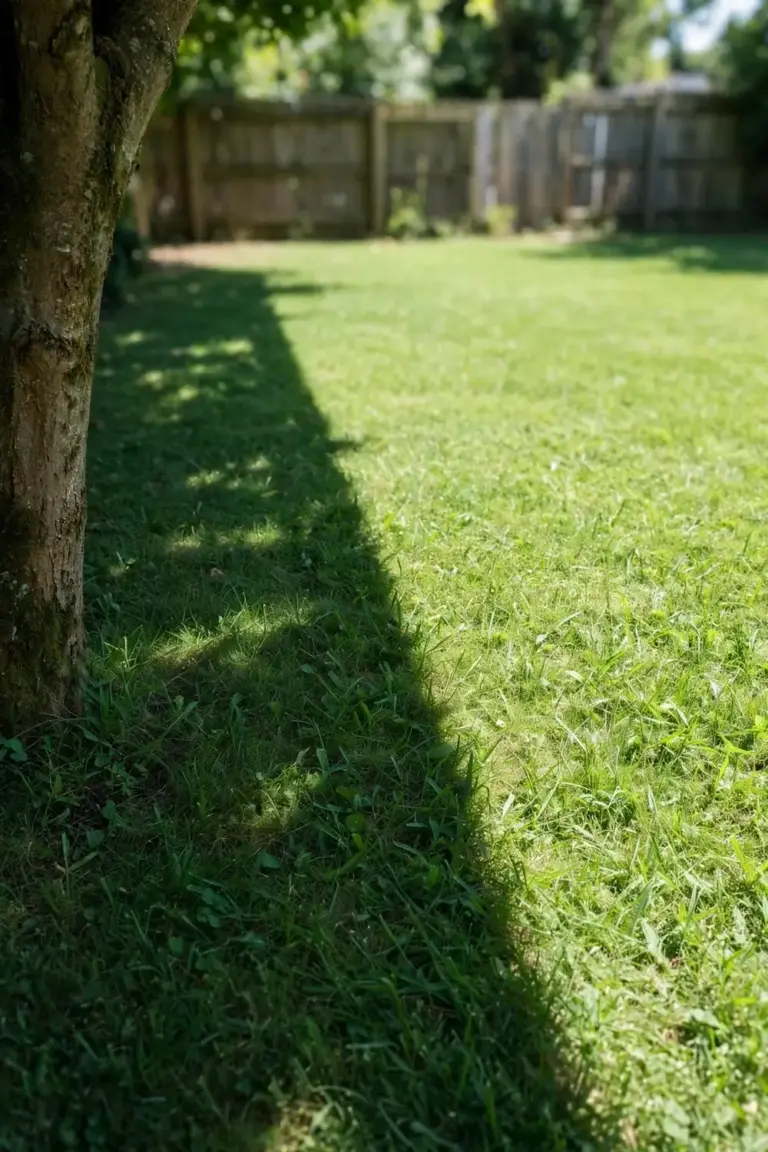
Sunlight drives recovery. A renovation opens the canopy and asks the grass to regrow. Grass in shade regrows slowly. Grass in deep shade may not regrow at all. A lawn that receives under 3 hours of direct sun will not hold a renovation. Fix the shade first, or change the grass to a shade-tolerant type. Renovating a lawn that sits under 3 hours of sun wastes the work.
Map the lawn by sun. A front lawn in full sun and a back lawn under a jacaranda are two different jobs. The sunny half may earn a renovation while the shady half earns a different fix. Write the hours down per area. Memory smooths over the shady corner every time.
6. Estimate Your Weed Share Before You Decide
Walk the lawn and estimate how much of the ground is grass and how much is weed. Count in quarters. A lawn that is three-quarters grass and one-quarter weed is a grass lawn with a weed problem. A lawn that is half weed is a coin flip. A lawn that is three-quarters weed is a weed lawn with some grass in it.
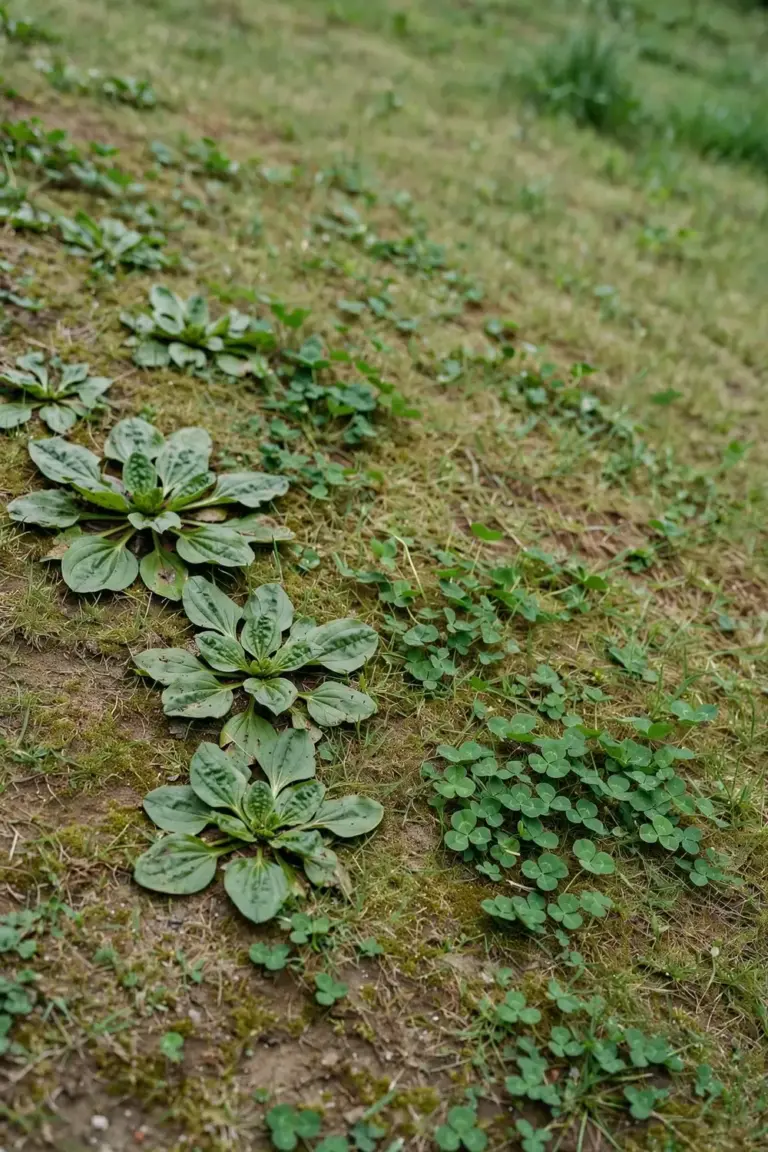
Weed share decides between renovation and re-turfing. A lawn with mostly grass keeps its good plants through a renovation. The renovation thins the weeds and the grass fills back in. A lawn that is mostly weeds has little good grass left to save. Renovating it clears the weeds and leaves bare soil. Fresh turf or a full re-seed serves that lawn better.
Look at which weeds dominate. Broadleaf weeds such as bindii and clover signal a thin lawn with room to invade. Grassy weeds such as winter grass and paspalum compete directly with your turf. Note the weed types, but do not start pulling yet. Weed removal is step one of a renovation, and the verdict table tells you whether you reach that step at all.
7. Read Your Verdict Table: Match Results to Steps
The five tests produce one verdict. Find your row. Do only the steps that row names.
| Test Results | Verdict | Steps to Do |
|---|---|---|
| All 5 tests pass | No renovation | Feed and mow on schedule |
| Thatch over 1.3 cm, everything else passes | Dethatch only | Dethatch, then feed and water |
| Screwdriver stops short, everything else passes | Aerate only | Core aerate, then feed and water |
| Tug test dead in patches, rest passes | Repair, not renovate | Repair the bare patches, leave the rest alone |
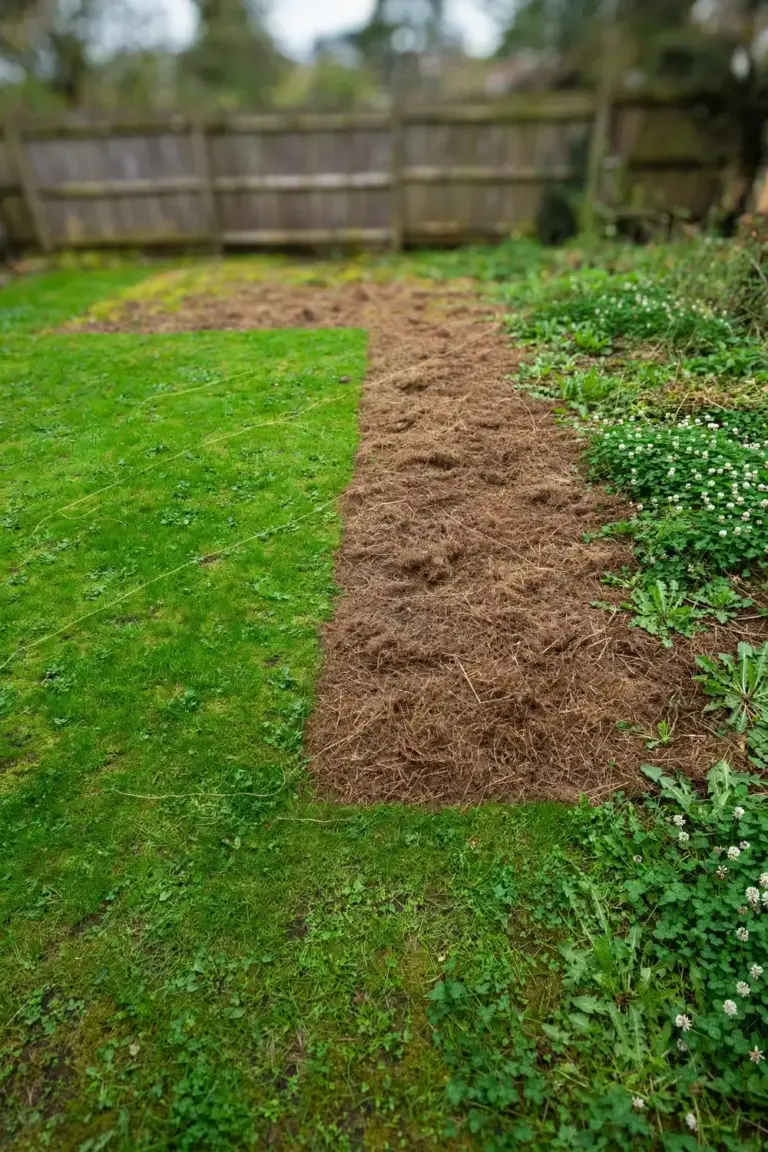
| Weeds over half the lawn | Renovation candidate | Weed first, then scalp, dethatch, aerate, top-dress, feed |
| Sun under 3 hours in the failing area | Fix shade first | Prune trees, thin canopy, or change grass type; renovate only after light improves |
A lawn can fail two tests at once. Thatch and compaction often arrive together. That lawn earns dethatching plus aerating, in that order. Dethatch first, then aerate. The aerator tines reach soil instead of chewing thatch.
A lawn that fails three or more tests earns the full renovation. Read sections 8 through 13 for the step that matches each failed test. Skip the rest.
8. Feed and Mow When Every Test Passes
A lawn that passes all five tests is a healthy lawn having a dull month. Feed it and mow it. Renovation would remove good grass for no gain.
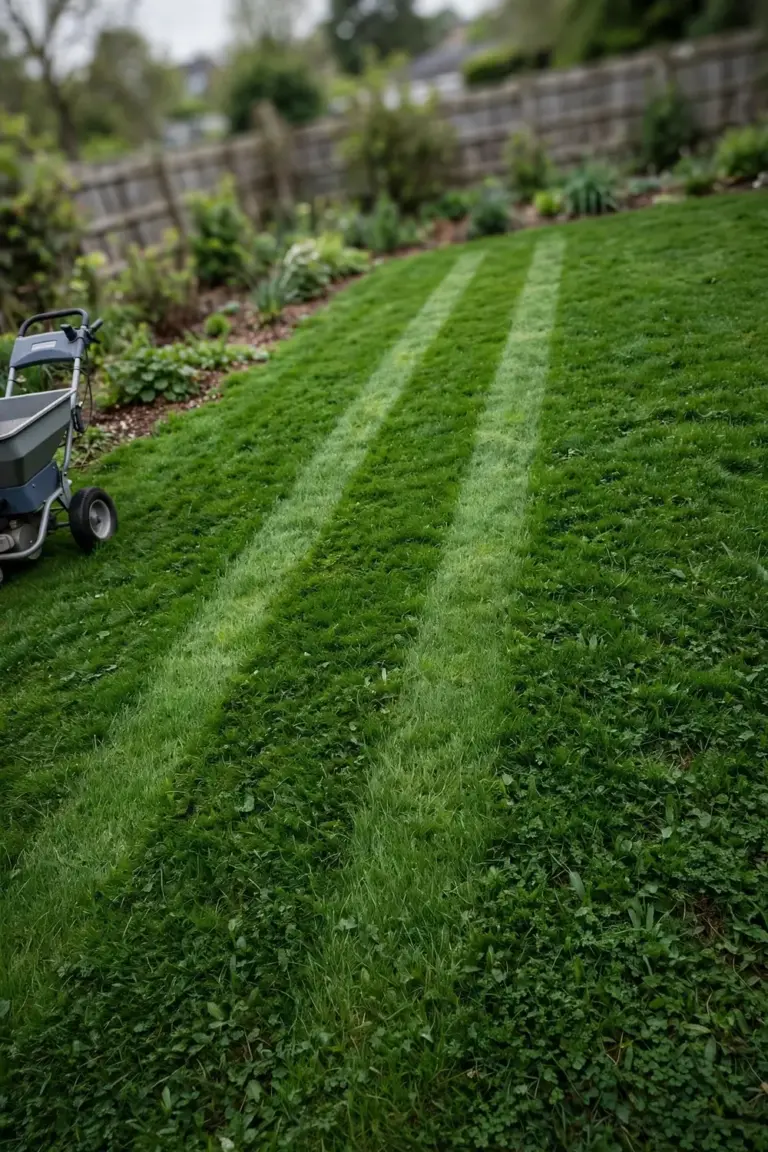
Feed with a slow-release granular fertilizer at the label rate. Water the granules in well after spreading. Time the feed for active growth, when the lawn needs regular mowing. Best time to fertilize a lawn in spring covers the spring feed in full, including the soil-temperature trigger.
Mow at the height that suits your grass type. Mow often enough that each cut removes no more than one-third of the leaf. A lawn mowed at the right height shades its own soil, holds moisture, and crowds out weeds. Re-test in six weeks if the lawn still looks thin. A lawn that keeps failing after a feed may hide a soil problem. Test the soil before adding anything else. Soil health basics explains what a soil test measures and why pH and organic matter matter more than another bag of fertilizer.
9. Dethatch When Thatch Fails the Test
Dethatching rakes or cuts the thatch layer out of the lawn. The tool lifts dead stems and crowns to the surface for removal. Water and air reach the soil again. Roots grow down instead of sideways into the thatch.
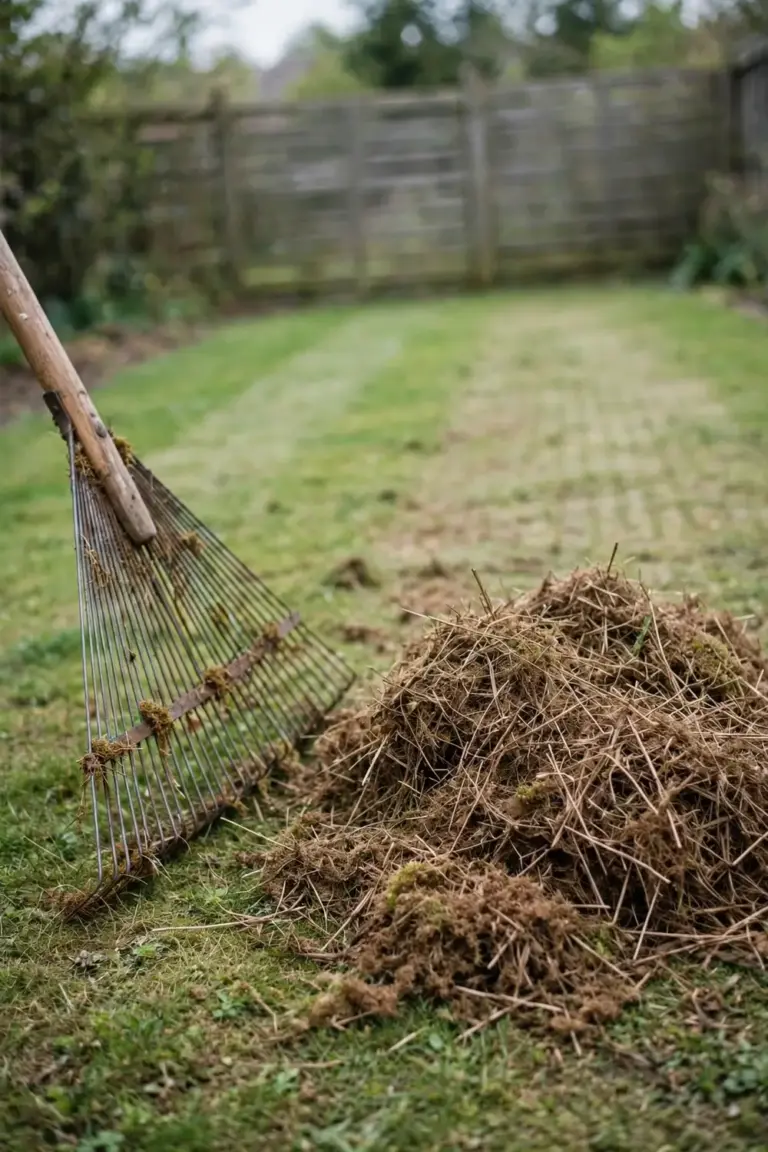
Dethatch only when the lawn is actively growing, because the lawn needs growth energy to recover from the damage. Dethatching a dormant lawn leaves bare soil with no regrowth to cover it. Mow the lawn short first, then run the dethatcher in two directions. Rake up the debris and compost it or bin it.
Buffalo needs a gentler hand. Buffalo spreads by above-ground runners called stolons, and it carries no below-ground rhizomes to regrow from. Lawn Solutions Australia’s renovation video skips the scarifier on its Buffalo lawn for exactly this reason: scarifying tears the stolons that Buffalo needs to recover. Use a dethatching rake on Buffalo, or hire a machine with a light setting and test a small patch first. If the patch looks stripped bare, stop.
A dethatched lawn looks rough for two weeks. Water it well and feed it lightly. New growth fills the gaps. Judge the result by cover after a month, not by color after a week.
10. Aerate When the Screwdriver Stops
Core aerating punches holes through the surface and pulls small soil plugs out. The holes let air, water, and nutrients reach the root zone. Roots grow deeper. The lawn thickens from below.
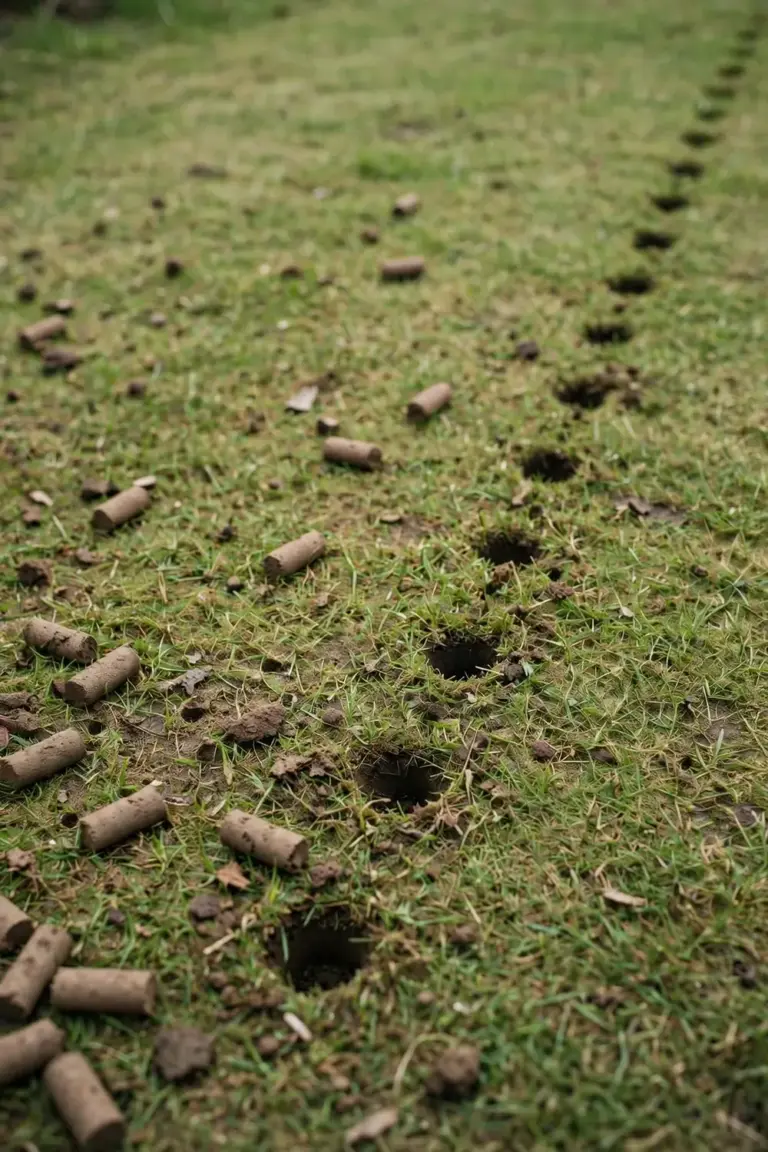
Use a hollow-tine core aerator. Solid spikes or aerating sandals push soil aside instead of removing it, and they can make compaction worse. The University of Maryland Extension specifies plugs 1.3 to 1.9 cm in diameter, 5.1 to 10.2 cm deep, and 5.1 to 15.2 cm apart. University of Maryland Extension’s lawn aeration guide adds that fall suits cool-season lawns, June through July suits warm-season lawns, and no lawn should be aerated while dormant.
Water the lawn a day before aerating if the soil is dry. Moist soil lets the tines pull clean plugs. Dry soil snaps tines and shallow plugs. Run the machine in two directions over the worst areas. Leave the plugs on the surface. They break down within a couple of weeks and return soil to the lawn. Water after aerating and feed at the label rate.
Aerate only when the grass grows vigorously. A lawn under heat stress or drought should wait. Aerating a struggling lawn adds a second stress on top of the first.
11. Repair Bare Patches Instead of Renovating
A lawn with dead patches and healthy grass elsewhere needs patch repair, not renovation. Renovation would strip the healthy grass along with the dead patches. Patch repair fixes only the failed spots.
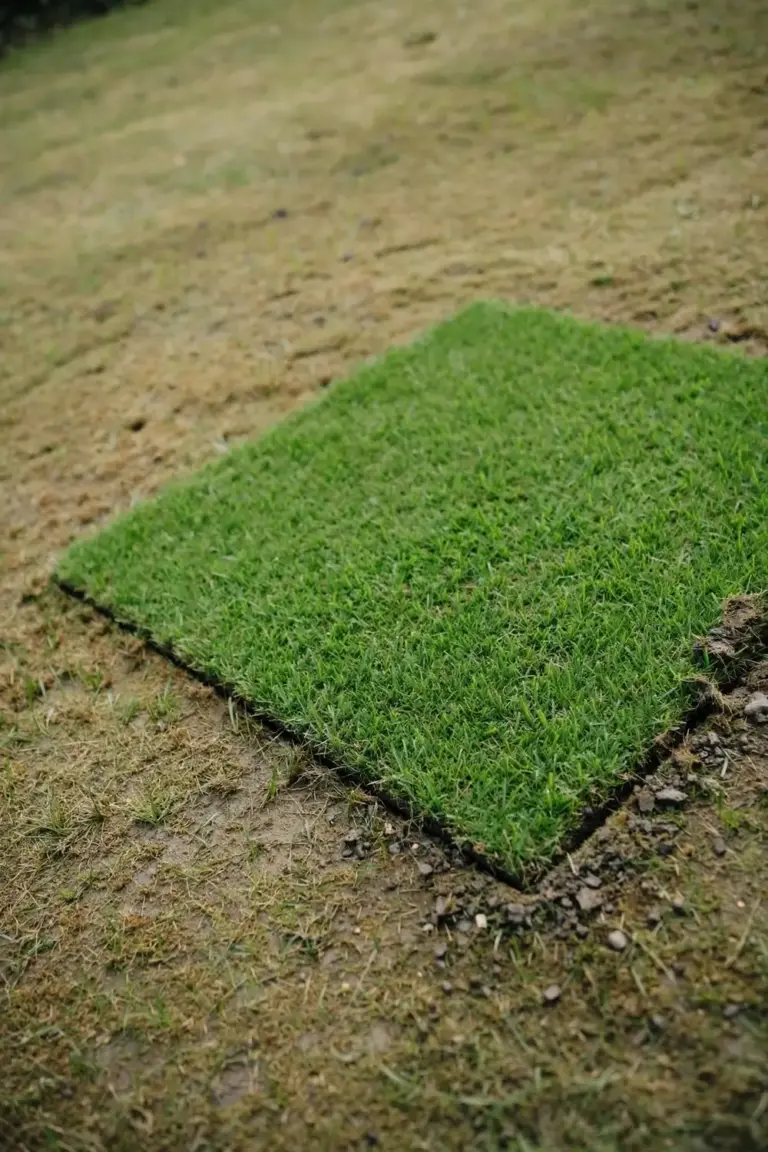
Cut out the dead patch and its edges. Loosen the soil underneath. Lay fresh turf cut to fit, or plant runners into the gap. Water the patch daily until the new grass roots down. Keep foot traffic off the patch for two weeks.
Match the patch grass to the lawn grass. A Couch patch in a Buffalo lawn stays visible forever, and a Buffalo patch in a Couch lawn spreads at the wrong speed. Buy the same cultivar when you can. Check the label before you pay. Turf sold under a cultivar name should carry certification that proves the name.
If patches keep appearing in the same spot, find the cause before you repair again. A leaking pipe, a shaded corner, or a dog run will kill the next patch too. Fix the cause, then repair the patch.
12. Renovate Only When Weeds Own the Lawn
A lawn that is more weed than grass earns the full renovation. The goal is a clean start with the grass you want. Weed first, then run the full sequence: scalp, dethatch, aerate, top-dress, feed.
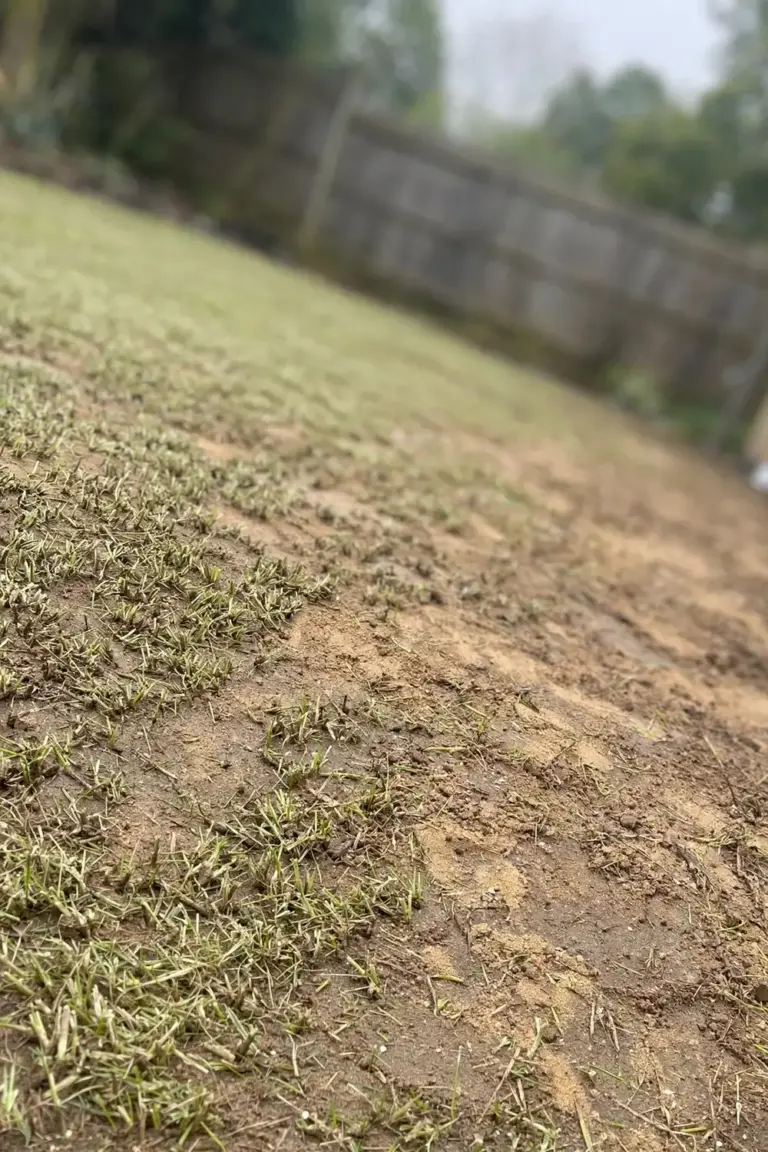
Remove the weeds before you scalp. A selective herbicide at the label rate kills broadleaf weeds without killing the grass. Read the label for your grass type. Some herbicides damage Buffalo. Hand-pull weeds that survive the spray. Do this a week before the renovation so the dead weeds clear out.
Scalp the lawn low in several passes. Lower the mower one notch at a time. Removing all the leaf at once scalps the crowns and stalls recovery. Bag the clippings so weed seed leaves the lawn. Dethatch next, then aerate. Top-dress last, before feeding.
Top-dressing spreads a thin layer of soil or compost over the surface. The layer fills the aeration holes and smooths low spots. Texas A&M AgriLife caps compost top-dressing at 3 mm (one-eighth inch) per application in its thatch guide, because a thicker layer can smother the grass and add to the thatch problem. Work the layer in with a rake until grass tips show through. Water it in well. Feed at the label rate once the lawn shows new growth.
If the lawn is more than three-quarters weed, skip the renovation and re-turf. Renovation clears the weeds but leaves bare soil that weeds recolonize faster than grass. Fresh turf covers the soil on day one.
13. Fix Shade Before You Renovate a Shady Lawn
A shady lawn fails the sun test, and no renovation step fixes shade. Prune the tree canopy first. Thin the branches to let filtered light through. Raise the canopy by removing low branches. Light that reaches the ground through a thinned canopy grows grass. Light blocked by a solid canopy does not.
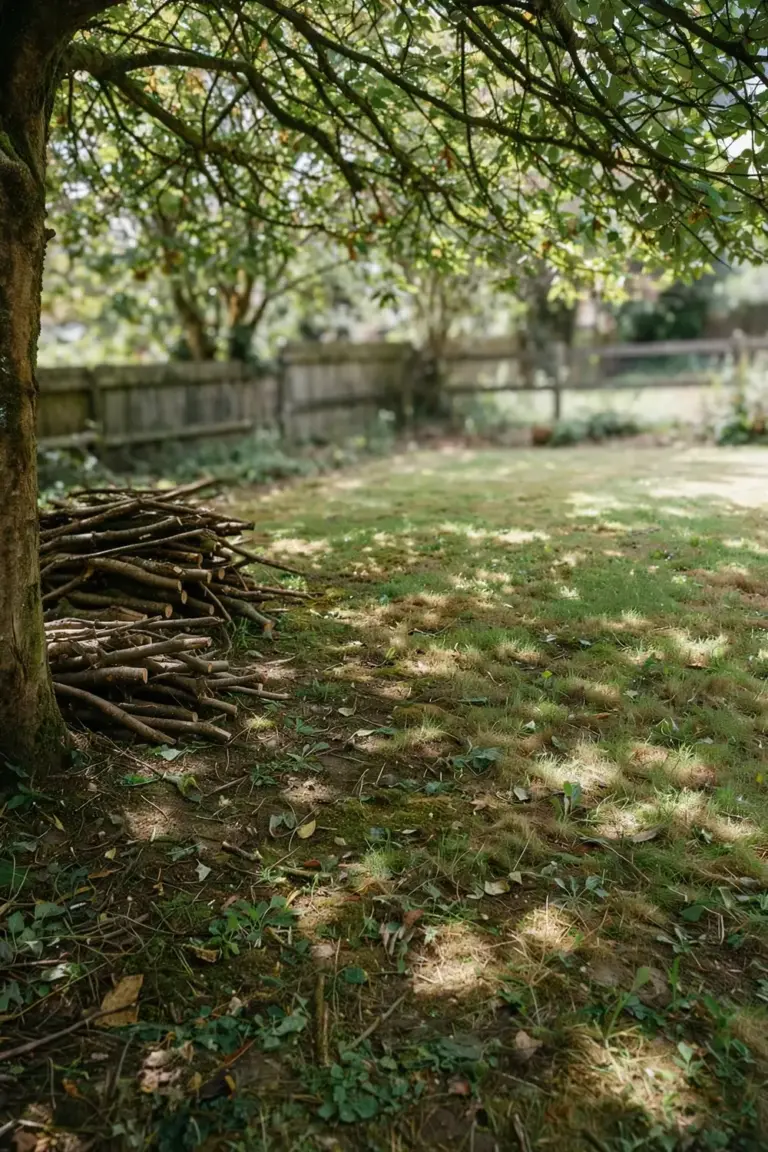
Move what you can move. A trampoline, a boat, or a pile of building materials shades the lawn beneath it. Shift it and the grass often recovers on its own. A lawn that sits under 3 hours of direct sun needs a different grass type or a different ground cover. Shade-tolerant Buffalo cultivars handle part shade. No warm-season grass thrives in deep shade.
Renovate only after the light improves. Run the five tests again after pruning. A lawn that now passes the sun test may still need dethatching or aerating. A lawn that still fails the sun test needs a new plan, not a renovation. Garden beds, mulch, or shade ground covers serve deep-shade areas better than any grass.
14. Treat Buffalo, Couch, Kikuyu, and Zoysia Differently
Grass type sets how hard you can push. Buffalo, Couch, Kikuyu, and Zoysia recover at different speeds, and one machine setting does not fit all four.
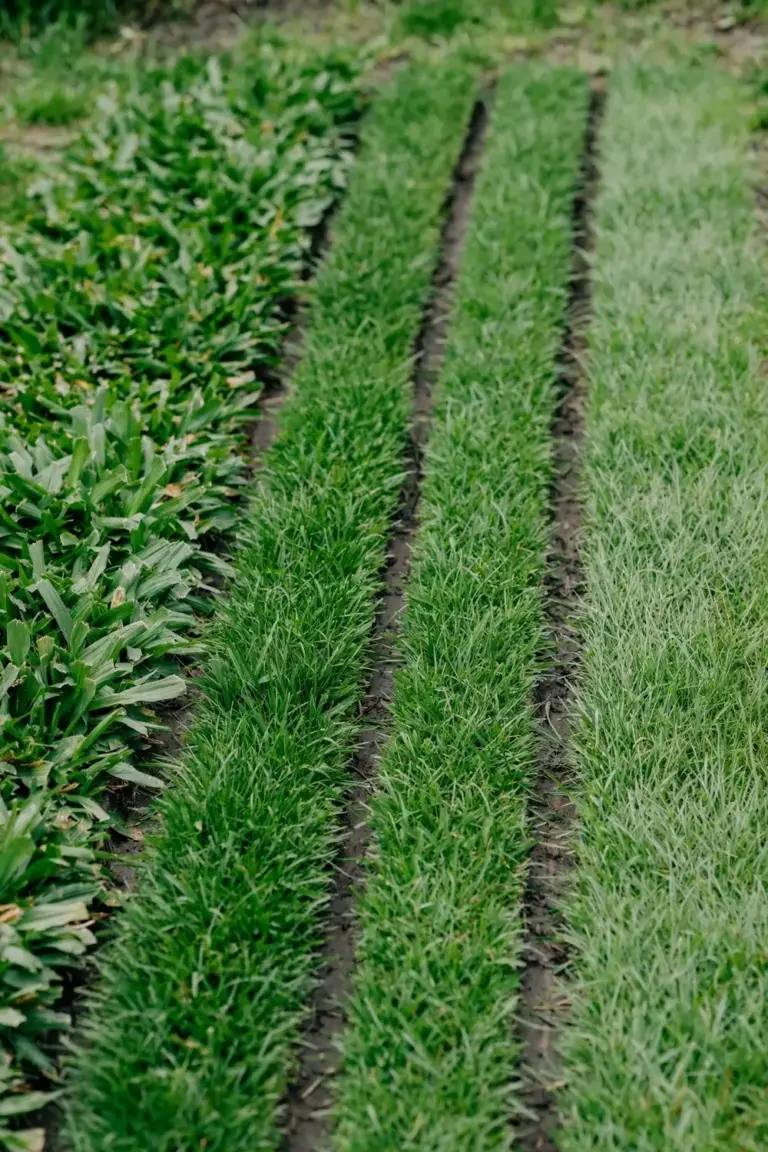
Buffalo spreads by above-ground runners only. It carries no below-ground rhizomes. A scarifier tears those runners and leaves roots with no way to regrow. Skip the scarifier on Buffalo. Use a dethatching rake or a light machine setting. Scalp Buffalo in small steps, never to bare soil. Buffalo needs green leaf showing to photosynthesize and regrow.
Couch and Kikuyu spread by runners above ground and rhizomes below ground. Both recover fast from hard treatment. A scarifier suits them. A low scalp suits them. They fill gaps within weeks in warm weather. Their speed is also their risk: both invade garden beds through the same runners that repair the lawn. Edge the beds before you renovate.
Zoysia sits between the two. It spreads by both runners and rhizomes, but it grows slower than Couch or Kikuyu. Go gentle. Use a light scarifier setting. Give Zoysia extra weeks to recover. A Zoysia lawn renovated in spring may not look full until midsummer. That pace is normal for the species, not a failure.
Cool-season grasses such as ryegrass and fescue follow a different calendar. Renovate them in autumn, when cool nights return and growth restarts. A spring renovation on a cool-season lawn pushes it into summer heat before it recovers.
15. Time the Work for Active Growth, Not the Calendar
Renovate when the grass grows vigorously. A renovation wounds the lawn on purpose, and active growth heals those wounds. Dormant grass cannot heal them.
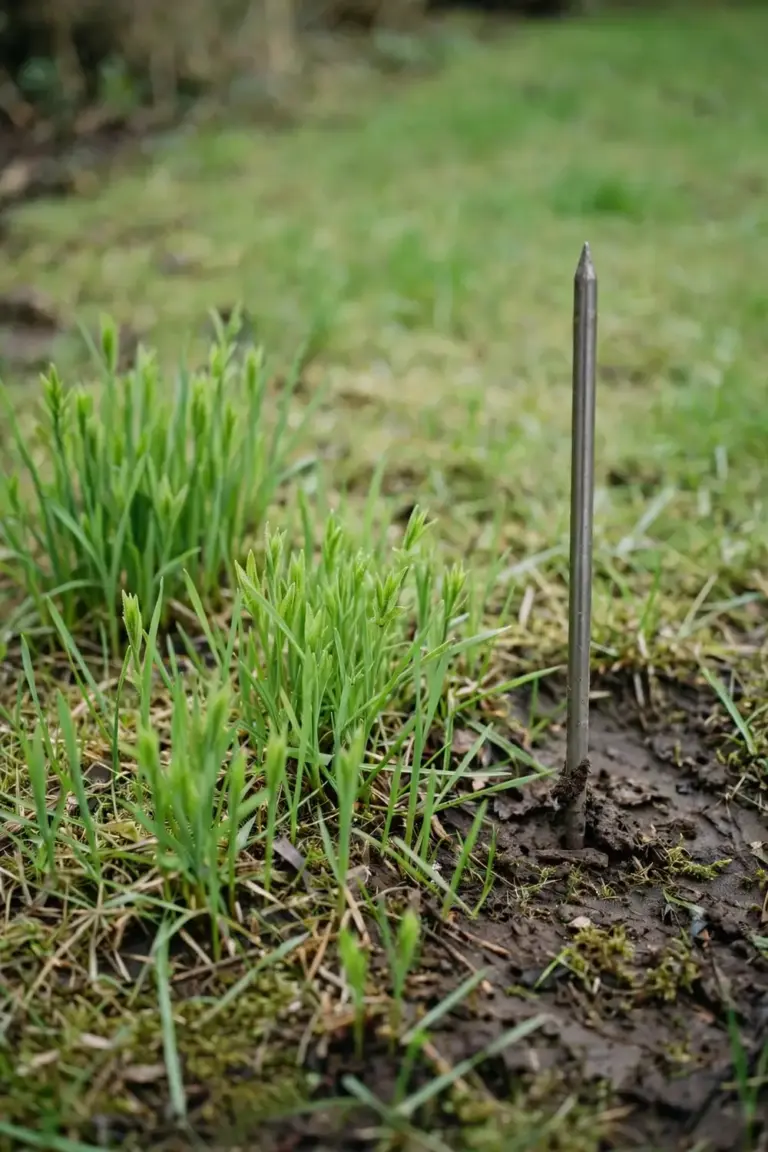
Warm-season grasses wake in spring. Lawn Solutions Australia notes that warm-season turf starts actively growing once soil temperatures rise above 14 degrees Celsius, and it uses the October long weekend as the rough guide for when that happens across most of the country. Renovate once the soil stays above that line and the lawn needs regular mowing. A lawn that still needs only one mow a month is not ready.
Never renovate in summer heat. A scalped lawn under a heatwave dries out before it regrows. Never renovate in winter dormancy. A dormant lawn cannot fill the gaps until spring, and weeds use the bare soil first. Never renovate on a dry lawn. Water deeply a day or two before the work so the soil is moist and the tines and blades cut cleanly.
Cool-season lawns renovate in autumn. The soil stays warm while the air cools. Growth restarts and the lawn fills in before winter. Autumn renovation also dodges the summer weed flush that follows a spring renovation on cool-season grass.
Check the soil before you book anything. A soil test tells you whether pH or nutrients sit behind the thin lawn. A lawn on acid soil may need lime before any renovation step pays off. A lawn with grubs or a fungal patch needs treatment first. Renovation cannot outgrow a pest or a disease. Bipolaris crown rot in lawns shows what a lawn disease looks like and how treatment runs; treat disease first, then renovate.
16. Water, Mow High, and Judge by Cover
Aftercare decides whether the renovation pays. Water, mowing, and patience carry the lawn through recovery.
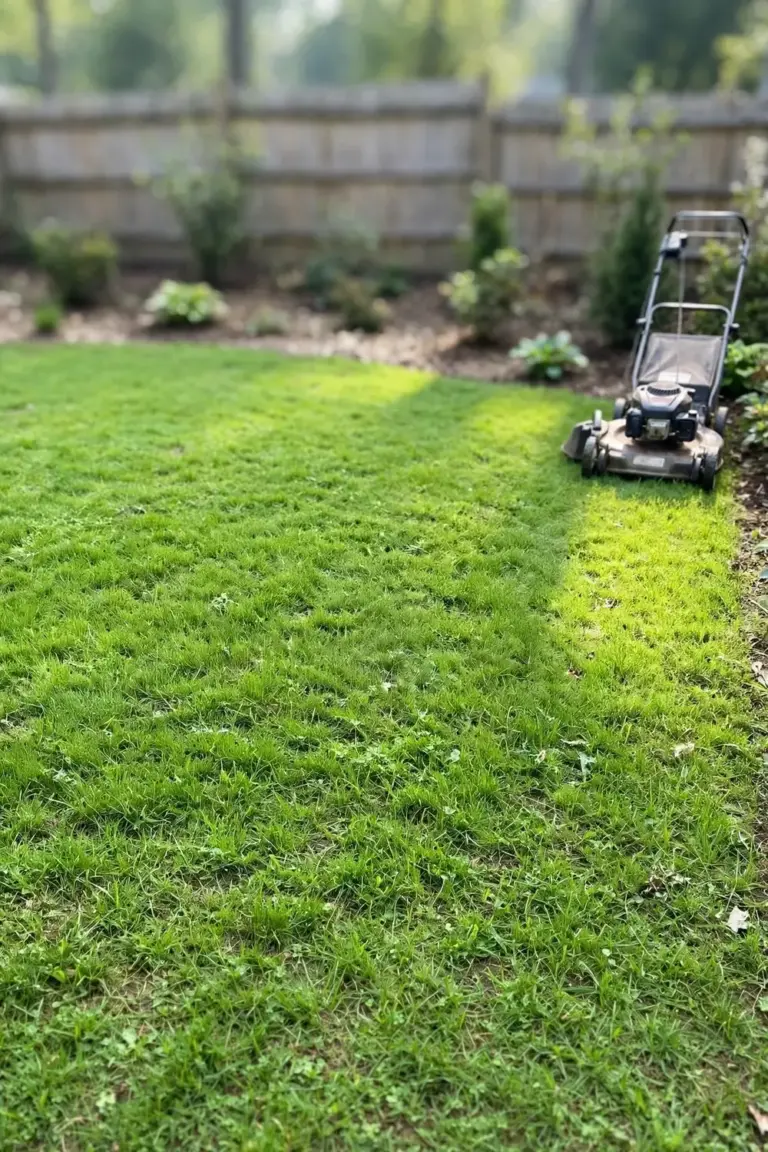
Water lightly and often for the first two weeks, and keep the surface moist while new shoots emerge. Then shift to deeper, less frequent watering so roots grow down instead of sitting near the surface. A lawn watered in shallow sips grows shallow roots. A lawn watered deeply grows deep roots. Skip watering on wet days, because soggy soil after renovation breeds fungal problems.
Mow high for the first month, with the mower set one notch above the normal height, and let each cut remove no more than one-third of the leaf. A high cut leaves leaf area for photosynthesis, which feeds recovery. Resume mowing one to two weeks after top-dressing, once the grass shows fresh growth. A top-dressed lawn mowed too early drags the dressing back off.
Judge by cover, not by color. A renovated lawn looks rough for weeks. Bare patches fill from the edges. Color returns last. Judge the result after six weeks of growth. A lawn that still shows bare soil after six weeks needs patch repair in those spots. A lawn that shows even cover is done, even if the color is still pale. Feed again at the label rate if growth stalls, and check the soil before adding more fertilizer.
17. Frequently Asked Questions About Lawn Renovation
Run the five tests in sections 2 through 6. A lawn that passes all five tests needs feed and regular mowing. A lawn that fails one test needs that one step. A lawn that fails three or more tests earns a full renovation. Feeding a lawn with thick thatch or compacted soil wastes fertilizer, because water and nutrients cannot reach the roots through the thatch or the hard layer.
Skip the scarifier on Buffalo. Buffalo spreads by above-ground runners only, with no below-ground rhizomes to regrow from. A scarifier tears those runners and can strip the lawn to roots. Use a dethatching rake or a machine on a light setting, and test a small patch first. Scalp Buffalo in small steps and leave green leaf showing. Couch, Kikuyu, and Zoysia tolerate a scarifier because their rhizomes regrow from below ground.
Renovate warm-season lawns in spring, once the soil stays above 14 degrees Celsius and the lawn needs regular mowing. That usually lands near the October long weekend in most states. Renovate cool-season lawns in autumn, when cool nights return. Never renovate in summer heat or winter dormancy. A lawn renovated while dormant cannot fill the gaps, and weeds take the bare soil first.
Recovery runs on growth, not on the calendar. A dethatched or aerated lawn looks rough for two weeks and fills in over the next month. A fully renovated lawn needs about six weeks of steady growth before you judge it. Judge by cover, not by color. Bare patches that stay bare after six weeks need patch repair. Water lightly at first, then deeply, and mow high while the lawn recovers.
Top-dress after aerating when the lawn needs levelling or the soil needs organic matter. Spread a thin layer and work it in until grass tips show through. Keep compost layers thin, since a thick layer smothers the grass and adds to the thatch problem. Leave the aeration plugs on the surface to break down. Water the dressing in well, then feed at the label rate once the lawn shows fresh growth.
18. Start With the Tests, Then Do Only What Failed
A renovation is five tests and one verdict. Run the tests. Read the verdict. Do only the steps the verdict names. Most lawns need one step. A few need the full job. None need a step that no test earned.
Test on a dry day and write the results down, then work in active growth, water after, and judge by cover after six weeks. A lawn treated this way keeps its good grass.