Sow seeds 6 weeks before one spring date and your transplants go out on time. That date is your last frost date, the average day of the last freezing night in spring.
A last frost date is an average, not a forecast. It comes from decades of past weather, and in about half of years a frost still arrives after the date. Tender plants set out on the date itself gamble every other year, and the safe move is to wait past it.
The autumn twin of this date is a different job, and it lives in first frost date. This page stays on the spring line, the end of the frost season, and the planting it unlocks.
| Detail | What It Means |
|---|---|
| Last frost date | Average date of the last 32°F night in spring |
| Frost line | 32°F, or 0°C, when ice forms on surfaces |
| Killing freeze | 28°F or lower, kills tender transplants |
| Based on | 30 years of records, 1991 to 2020 |
| Use it for | Timing tender transplants and direct sowing |
What Is Last Frost Date?
A last frost date is the average date of the last spring frost, and the Nebraska State Climate Office tracks the average last spring frost at 32 degrees Fahrenheit and a killing freeze at 28 degrees, with Omaha averaging April 20 across the 1991 to 2020 normals and North Platte still facing a 4 in 10 chance of a killing freeze after May 1. The date is the line spring planting counts back from, and the line tender plants wait behind.
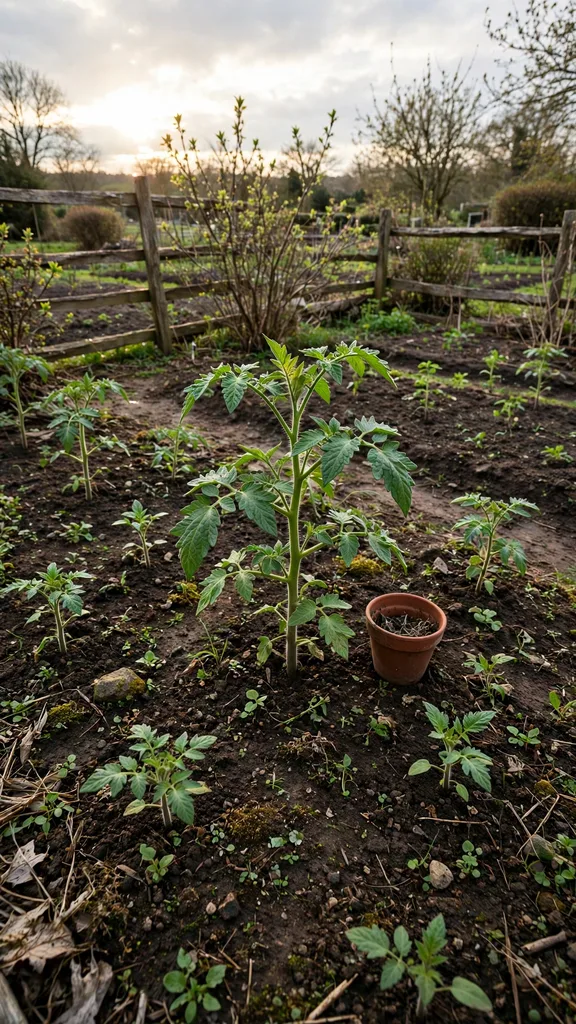
Indoor sowing counts back from the same date. Purdue Extension puts indoor sowing 4 to 14 weeks before the last expected spring frost, with one county averaging its last 32-degree frost between April 22 and 28. A seed sown on that count grows into a transplant ready for the ground, not a leggy seedling waiting on a windowsill.
The date is local. Two towns in one county can sit weeks apart on the last frost calendar, because elevation, water, and city heat shift the night temperature. Use the date for your own station, not the date for a town an hour away. The gardening glossary lists last frost date beside first frost date and frost hardy, so the cold terms stay straight.
How Last Frost Dates Work
Last frost dates come from probability, not from a calendar. Weather stations record the last freezing night each spring across decades of past weather, and the published date is a point on that spread. The middle date is the median, and half of the years saw frost after it and half saw frost before it.
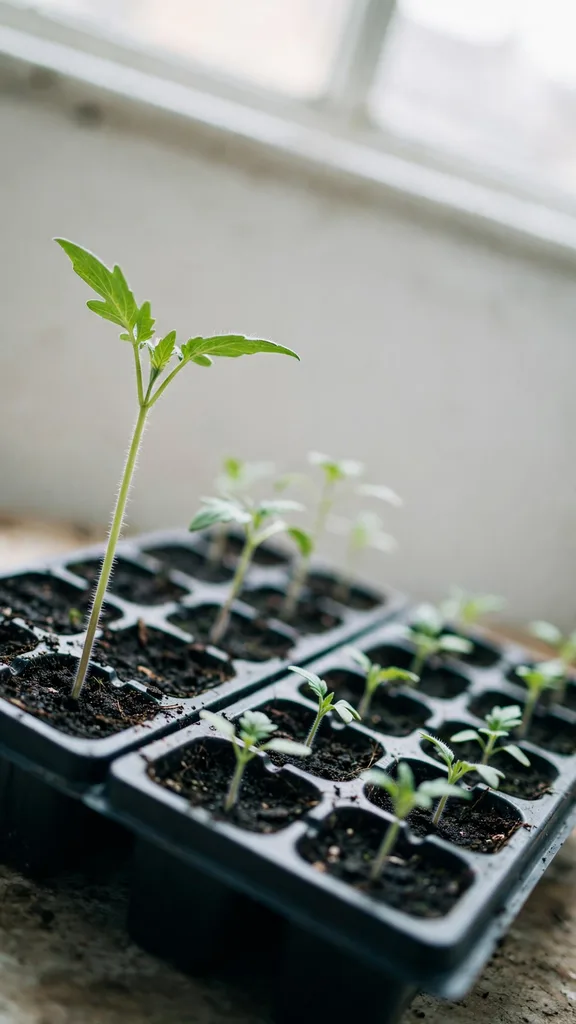
A later date on the same table gives tender plants a safer margin. The middle date is the one most gardeners quote, and the later date is the one cautious gardeners plant by, because frost arrives after it in most years. The gap between the two dates is the gamble, and the size of the gamble is the choice.
Your yard adds its own shift. Cold air sinks, so a low hollow can frost while a slope above it stays clear, and a wall that stores daytime heat can hold a tender transplant past a cold night. The station date is the starting point. Your yard writes the ending.
Last Frost Date vs First Frost Date
| Detail | Last Frost Date | First Frost Date |
|---|---|---|
| Season | Spring, the start of the season | Fall, the end of the season |
| Means | Average last 32°F night in spring | Average first 32°F night in fall |
| Marks | Start of safe planting for tender crops | End of tender crops outdoors |
| Planting use | Count back weeks for indoor sowing | Count back weeks for fall sowing |
| Risk after the date | Frost can still arrive late in some years | Frost can still arrive early in some years |
| Hard freeze line | 28°F, kills tender transplants | 28°F, kills most tender plants |
The two dates frame the frost-free season between them. The gap between the last spring frost and the first fall frost is the window tender plants can live outdoors, and every spring sowing counts back from the last frost while every fall sowing counts back from the first frost.
Confusing the two dates costs a season. A gardener who sets out tomatoes by the first frost date plants into autumn cold, and a gardener who sows fall lettuce by the last frost date sows in spring. Keep the dates straight, and keep them on the calendar where you can see them.
How to Find Your Last Frost Date
Look up the frost table for your own county from your state extension service. The table lists the last spring freezing night at three probability levels for the nearest stations, and the middle date is the one most gardeners quote. Pick the station nearest your yard, not the one in the biggest town.
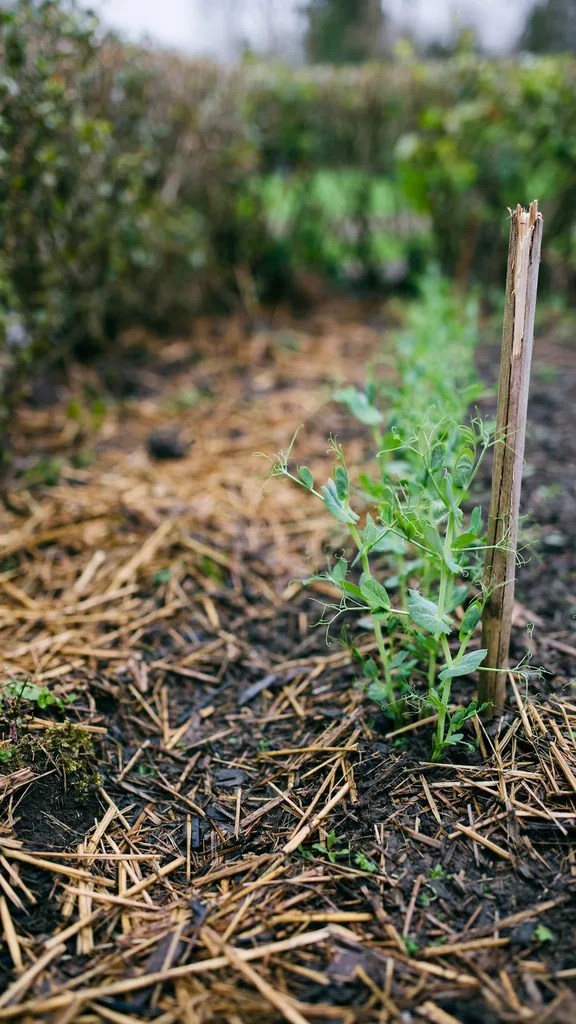
Count back from the date for indoor sowing. A tomato seed that needs 6 weeks indoors goes in 6 weeks before the last frost date, and a pepper that needs 8 weeks goes in 8 weeks before it. The seed packet gives the weeks, and the frost date gives the deadline.
Watch the soil as well as the air. Tender transplants want warm soil, and a bed that has sat cold and wet through a cool spring can chill roots even after the last frost night has passed. Warm soil and a frost-free forecast together mean the bed is ready.
Common Mistakes With Last Frost Date
Planting tender crops on the date itself is the first mistake. The date is a median, and frost arrives after it in about half of years. A tomato set out on the date gambles, and a tomato set out a week later, past the risk, grows without the setback.
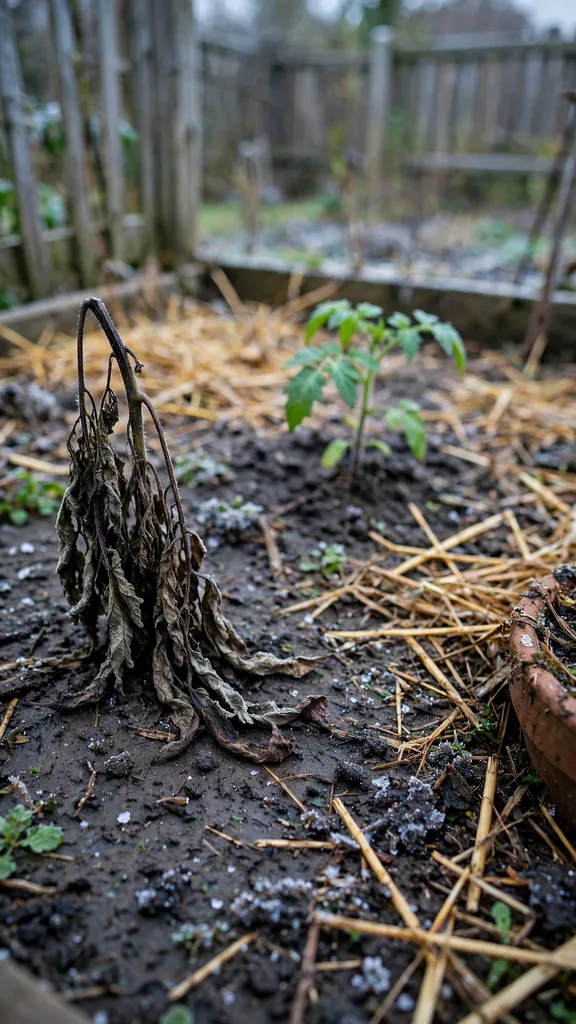
Trusting one warm week is the second. A warm spell in early spring feels like the season has turned, and the frost that follows it kills the transplants that went out early. Warm days are not a frost-free season. The date and the forecast together decide.
Starting seeds too early indoors is the third. A seed sown 10 weeks before the date outgrows its pot long before the ground is ready, and the leggy seedling that goes out late never catches the one sown on the count. Sow on the count, not on the impatience.
Ignoring soil temperature is the fourth. Air above freezing does not mean soil warm enough for peppers and basil, and cold wet soil rots seed and chills roots. Warm soil and a frost-free forecast together mean the bed is ready, and either one alone does not.
When Last Frost Date Matters in Your Garden
Last frost date matters most when you move tender plants outdoors. Tomatoes, peppers, basil, beans, squash, and cucumbers die at the first frost, and the date tells you when the risk has mostly passed. Set them out past the date, with a cover ready for a late cold night, and they grow without the setback.
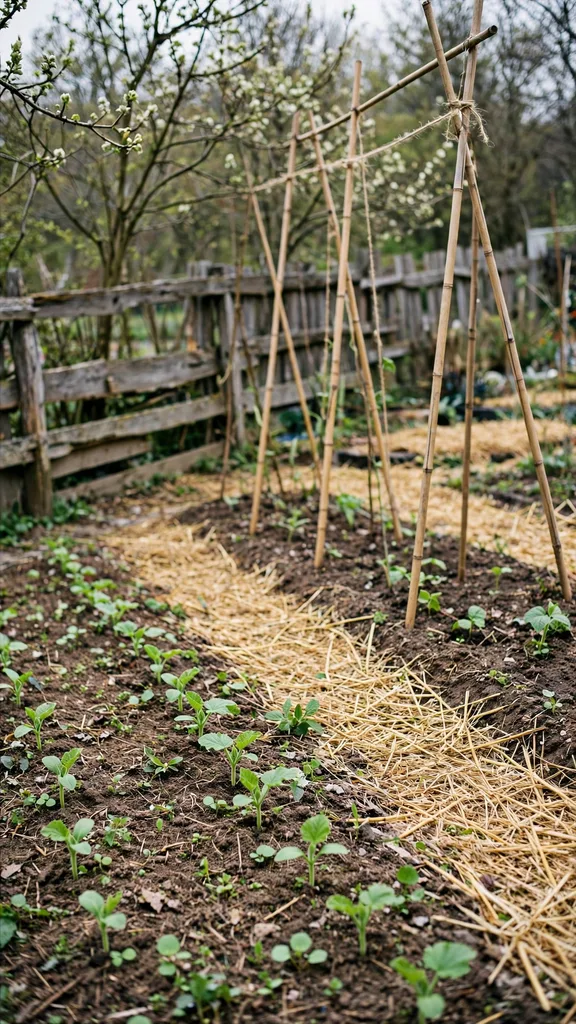
It matters when you sow indoors. Every seed packet gives weeks to transplant, and those weeks count back from the last frost date, so the date sets the whole indoor calendar. Sow on the count and the seedlings peak as the ground warms.
It matters when you direct sow. Beans, corn, and squash go straight into warm soil after the date, and a sowing that goes in too early rots in cold ground. Germination runs on warm soil and steady moisture, and the last frost date is the earliest day both are likely in place.
FAQ
No. The last frost date is an average from decades of records, and the actual last frost lands after it in about half of years and before it in about half. A cold spring can push it weeks late, and a warm spring can bring it weeks early. Use the date for planning, and watch the nightly forecast when spring turns warm.
Frost forms when surfaces drop to 32 degrees Fahrenheit, or 0 degrees Celsius, and ice coats the leaves. A freeze holds 32 degrees or below for at least an hour, and a hard freeze drops to 28 degrees or lower for an hour or more. Light frost nips tender leaves, while a hard freeze kills tender plants to the roots.
Wait until the last frost date has passed, then give tender plants another week if the forecast still shows cold nights. Tomatoes want warm soil as well as frost-free air, and a plant set out into cold wet soil stalls for weeks. Keep a row cover ready for a late cold night, and the tomatoes will outgrow the ones planted on the date itself.
Yes, for hardy crops. Peas, lettuce, spinach, kale, and radishes tolerate light frost and go in weeks before the last frost date. Tender crops like tomatoes, peppers, beans, and basil cannot go in before it, and a tender seedling set out early dies at the first frost night. Match the plant to the cold, not to the calendar alone.
The date is a median, and frost arrives after it in about half of years, so a late frost can still strike. Cold soil can also stall or rot tender roots even when the air stays above freezing. A forecast check, a week of waiting past the date, and a row cover on cold nights keep the next planting alive.