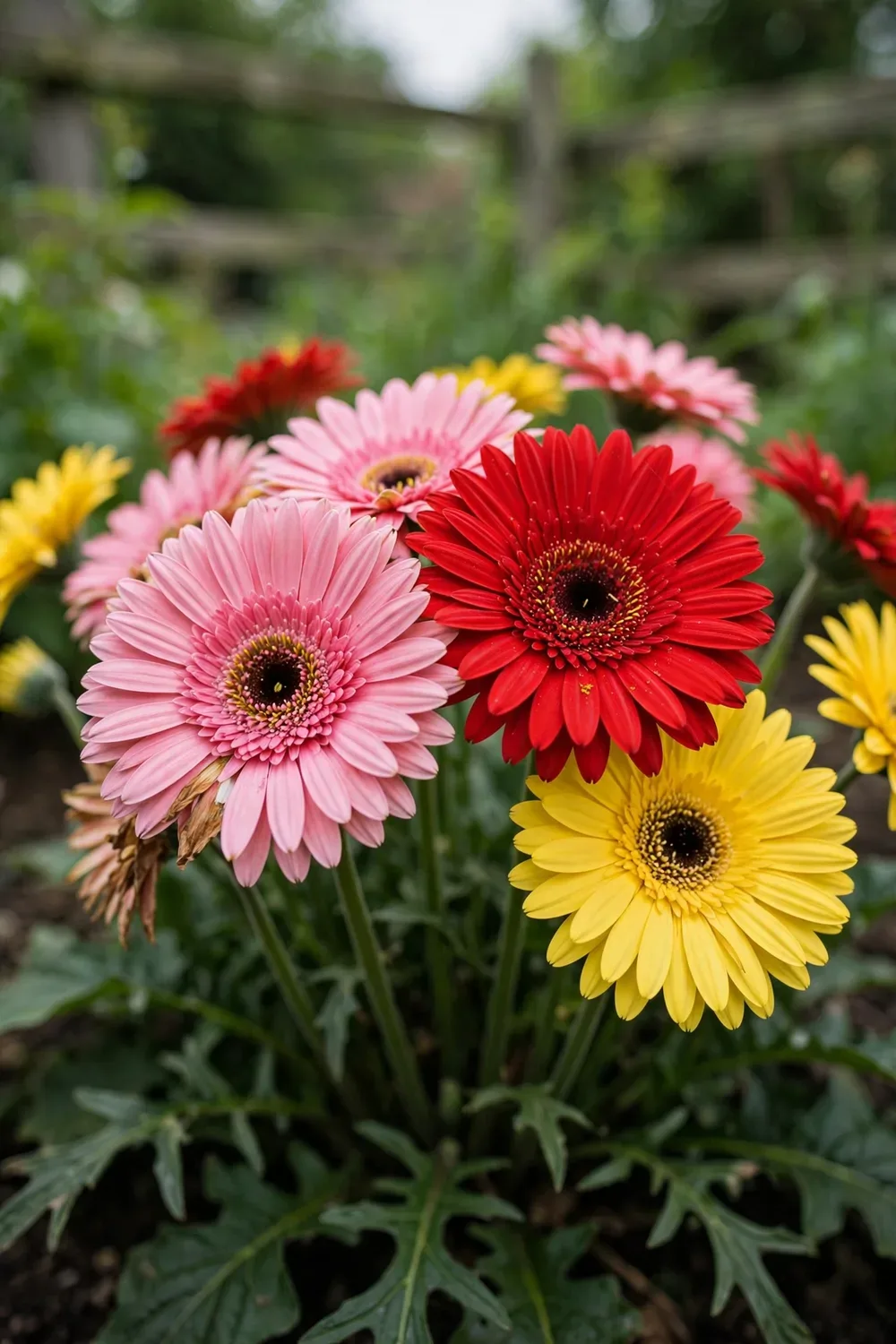

Set the crown 1 cm proud of the soil line before you backfill the hole. That is the whole trick to growing gerbera daisies. The rest of this page is 13 moves, from the first spade of compost to the second-fall replant.
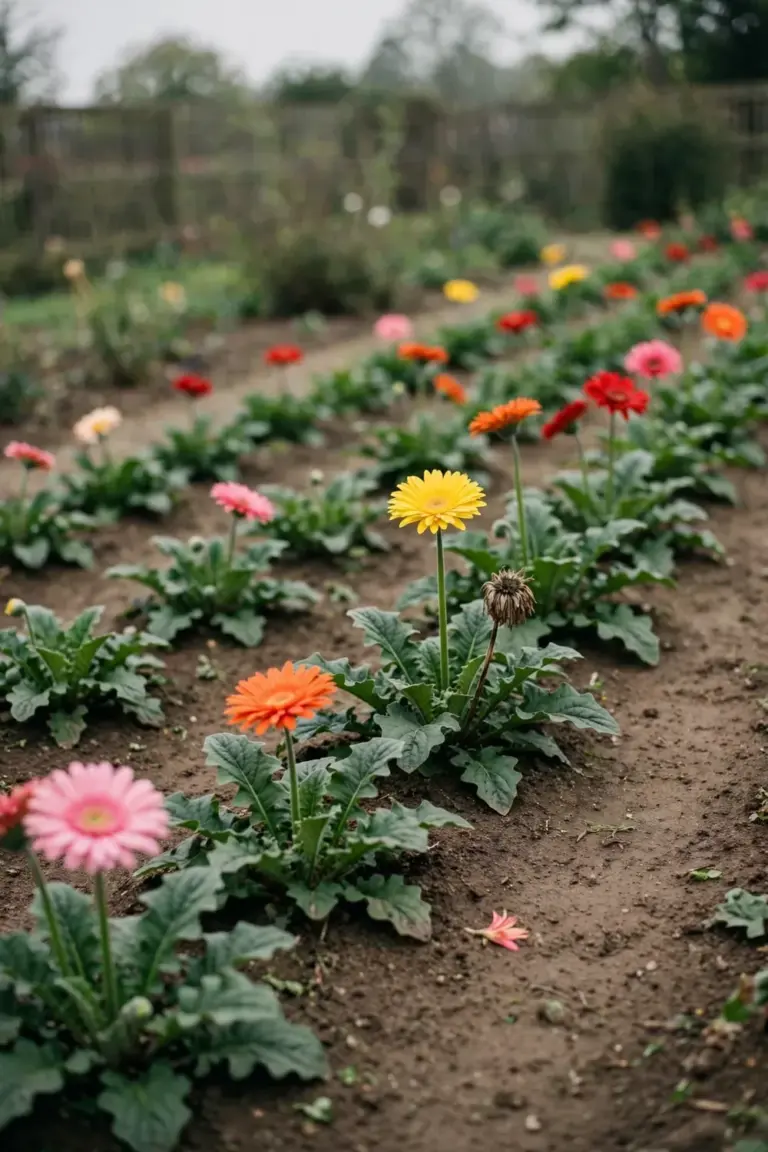
A gerbera daisy is Gerbera jamesonii, a tender perennial from South Africa in the daisy family, Asteraceae. Garden varieties are hybrids sold as Gerbera x hybrida, grown for large daisy-type flower heads 5.1 to 15.2 cm across in single, semi-double, and double forms. They flower from spring through autumn in warm climates, and they are hardy in USDA zones 8 to 10, with colder zones growing them as annuals or moving them to containers.
Crown rot is a planting error, not bad luck. It kills more gerbera daisies than pests, heat, and neglect combined, and it starts the day a plant goes into the ground too deep. Bury the crown and the plant dies. Set it proud and the plant thrives.
Start With the Crown: How to Grow Gerbera Daisies That Don’t Rot
The crown is the growing point where the leaves and flower stems meet the roots, and water sitting against it invites the rot that destroys the plant from the base up. Every dead gerbera with a brown, mushy base traces back to this one spot. The leaves can regrow. The roots can regrow. The crown cannot.
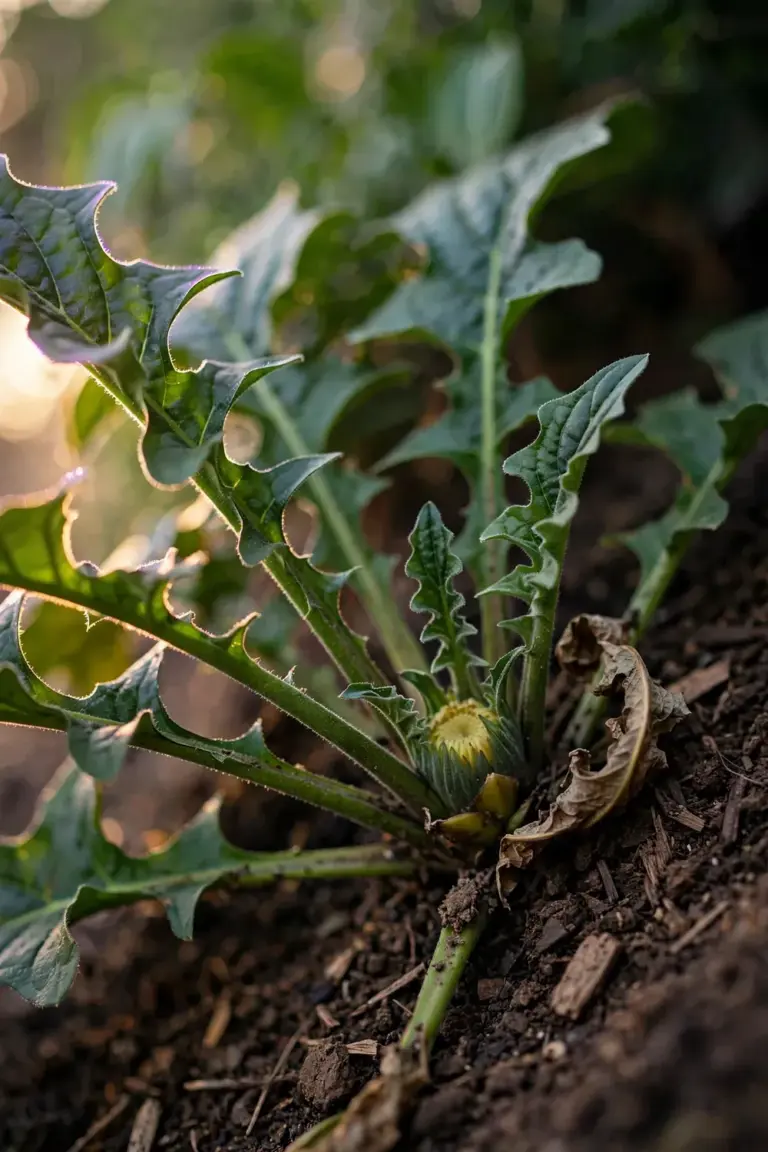
I have learned that a gerbera planted with its crown proud forgives almost every other mistake I make. That single habit explains the whole page: the soil section exists to move water away from the crown, the watering section exists to keep the crown dry, the deadheading section exists to stop moisture-trapping debris around it. Every decision below traces back to this point.
Scan the Gerbera Daisy Quick Reference First
| Spec | Number |
|---|---|
| Botanical name | Gerbera jamesonii (garden hybrids: Gerbera x hybrida) |
| Plant type | Tender perennial, grown as an annual in cold zones |
| Hardiness | USDA zones 8 to 10 |
| Flower size | 5.1 to 15.2 cm across |
| Sun | Full sun, 6 or more hours daily |
| Soil | Light, fast-draining, compost-rich |
| Soil pH | 5.5 to 6.5 |
| Spacing | 30 to 45 cm apart |
| Seed start | 12 to 18 weeks before the last frost |
| First blooms from seed | 18 to 24 weeks after sowing |
| Crown rule | Crown slightly above the soil line, always |
Mix a Fast-Draining Soil at pH 5.5 to 6.5
Gerbera roots demand drainage that moves water away fast, because standing water is what feeds crown rot. Mix compost-rich soil that stays loose and gritty, never heavy or compacted. Gerberas grow best in compost-rich, well-drained, slightly acidic soil with a pH of 5.5 to 6.5, and sharp drainage is the main protection against crown and root rot, according to Garden Design’s gerbera guide.
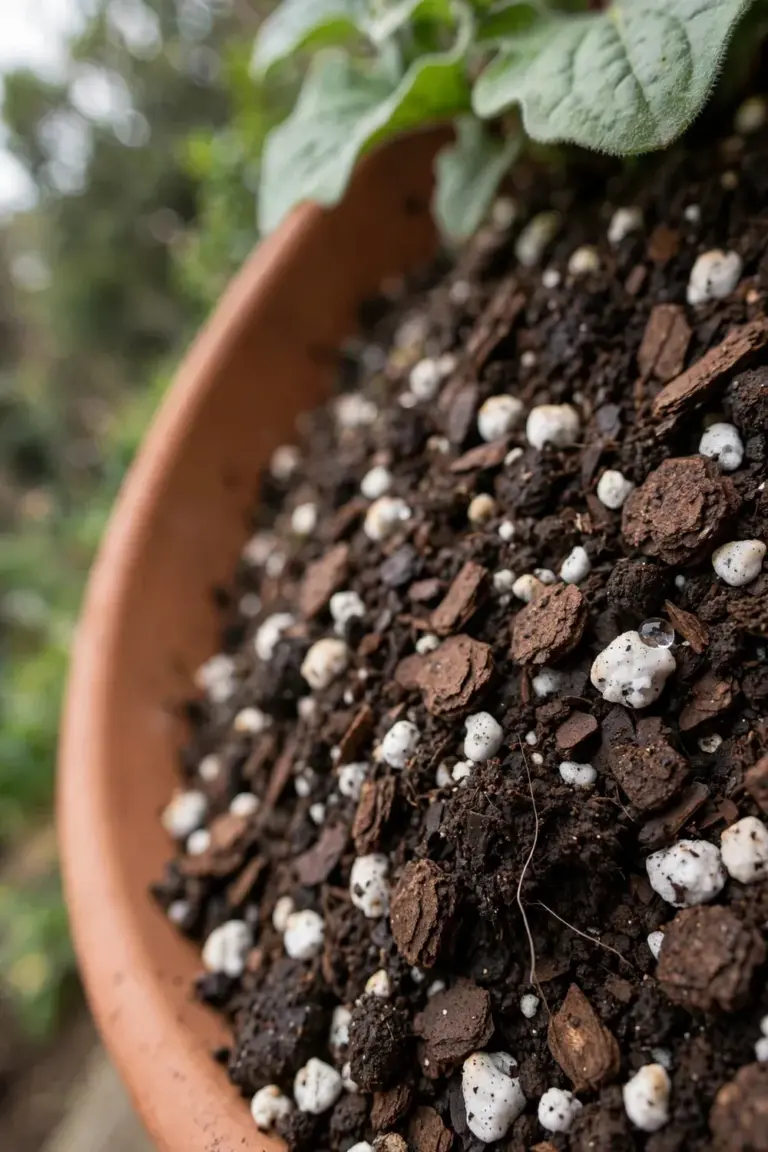
Clay soil is the enemy. Where the ground stays heavy and wet, containers with a quality potting mix outperform open beds, and raised beds come next. Flat ground that puddles after rain drowns a gerbera’s crown within a season. A raised bed or a terracotta pot with drainage holes keeps the root zone moving.
Work compost or aged organic matter into the planting area to open up the soil structure. Keep the mix light enough that a squeezed handful falls apart instead of holding a wet ball. Rich soil feeds the heavy bloom load. Fast drainage protects the crown. The pH band keeps iron and manganese available to the roots. Build the mix for water movement first and fertility second, because heavy feeding matters little when the drainage is wrong.
Building healthy soil structure pays off across the whole garden, and our soil health guide walks through the long game of keeping garden beds alive.
Set the Crown Proud at Planting, 30 to 45 cm Apart
Planting day decides whether the gerbera lives or rots. Dig the hole no deeper than the root ball, set the plant in, and check the crown before backfilling. The crown must sit slightly above the soil line, never level with it and never below. HGTV’s planting guide is blunt about it: tuck each gerbera into soil so the crown stands above the soil line, because crowns planted too deeply cause the rot that kills the plant, and mulch must never touch the crown, per HGTV’s gerbera daisy planting guide.
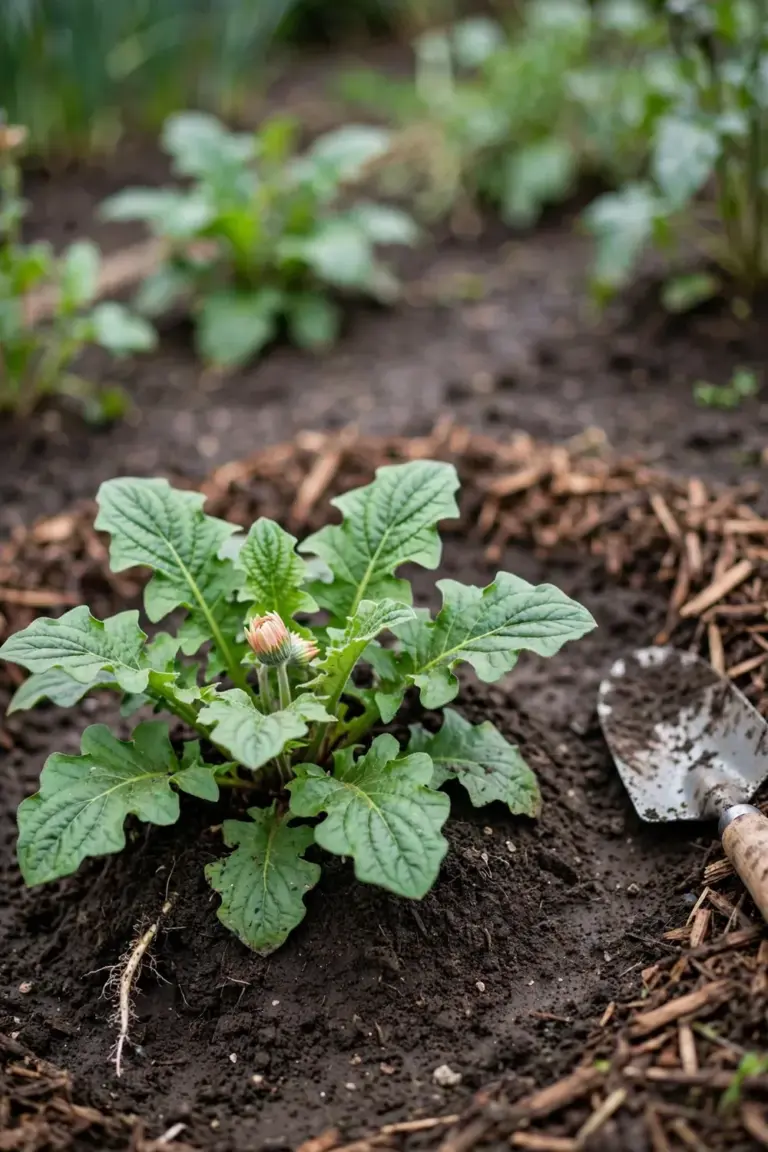
Backfill loosely and firm the soil around the roots, not over the crown. Pressing soil up around the leaf bases buries the growing point with every handful. Leave the crown visible. If in doubt, plant a touch high rather than a touch deep. The top of the root ball showing is fine. The crown hidden is not.
Space plants 30 to 45 cm apart. That gap gives airflow around the leaf rosettes, and moving air dries leaf surfaces after rain or watering. Crowded gerberas hold humidity in their basal leaves and invite powdery mildew. One plant per 30 cm pot works for containers, with drainage holes non-negotiable.
Mulch helps in summer heat, with a hard condition: keep it pulled back several centimetres from the crown, never piled against it. A thin ring of mulch around the plant conserves moisture in the root zone while the crown stays dry and exposed to air. Mulch touching the crown recreates exactly the damp collar that rots it.
Water at Soil Level in the Morning, Never Overhead
Gerbera leaves and crowns must dry fast, so water belongs at the soil, not on the plant. Aim the stream at the base and soak the root zone. Overhead irrigation splashes pathogens onto the leaves and keeps the crown wet, which is why the same planting guide warns against overhead watering and tells hand-waterers to deliver water directly to the surrounding soil instead of dousing the plant.
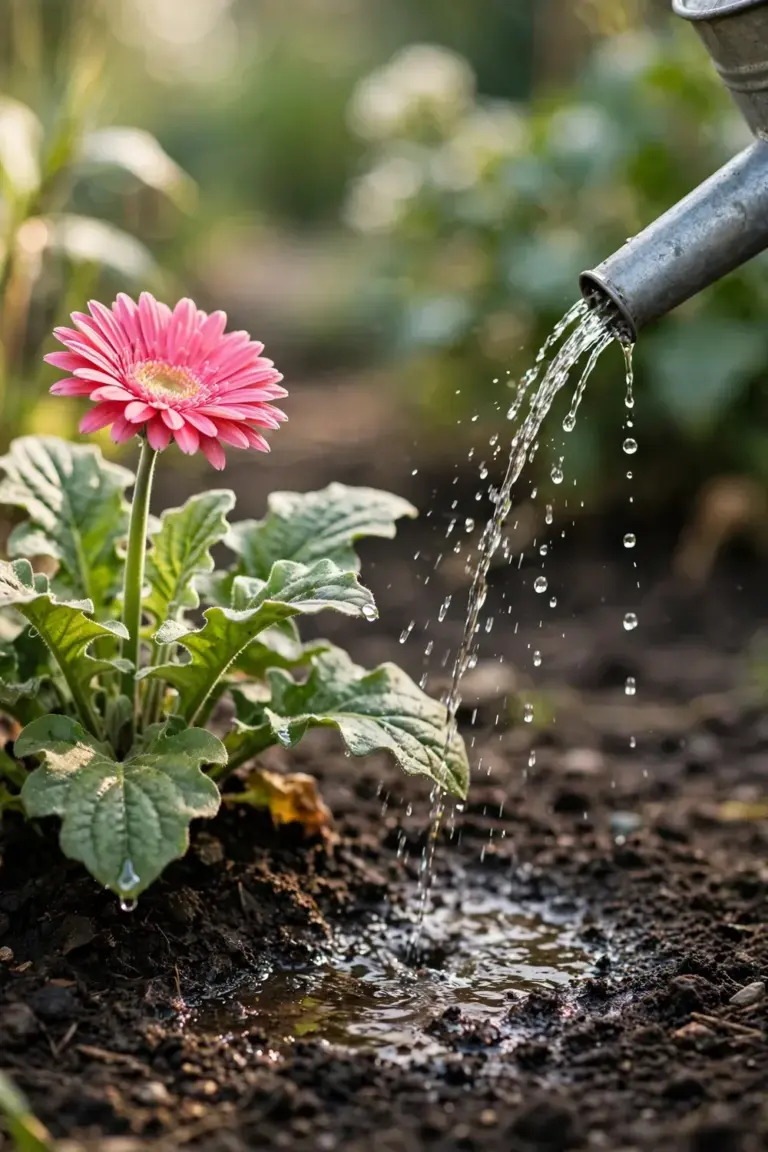
Morning watering gives leaves and crowns the full day to dry. Evening watering leaves the plant wet overnight, and that is when fungal disease takes hold. A morning routine is the cheapest disease control in the gerbera bed.
Let the top 2.5 cm of soil dry between waterings, then water deeply, per Gardenia’s gerbera care guide. Shallow daily sprinkles keep the surface damp and the roots shallow. A deep soak followed by a drying interval pushes roots down and keeps the crown surface from staying soggy. In pots, water until it runs from the drainage holes, then wait. Empty the saucers. Standing water re-soaks the pot from below and undoes the whole effort.
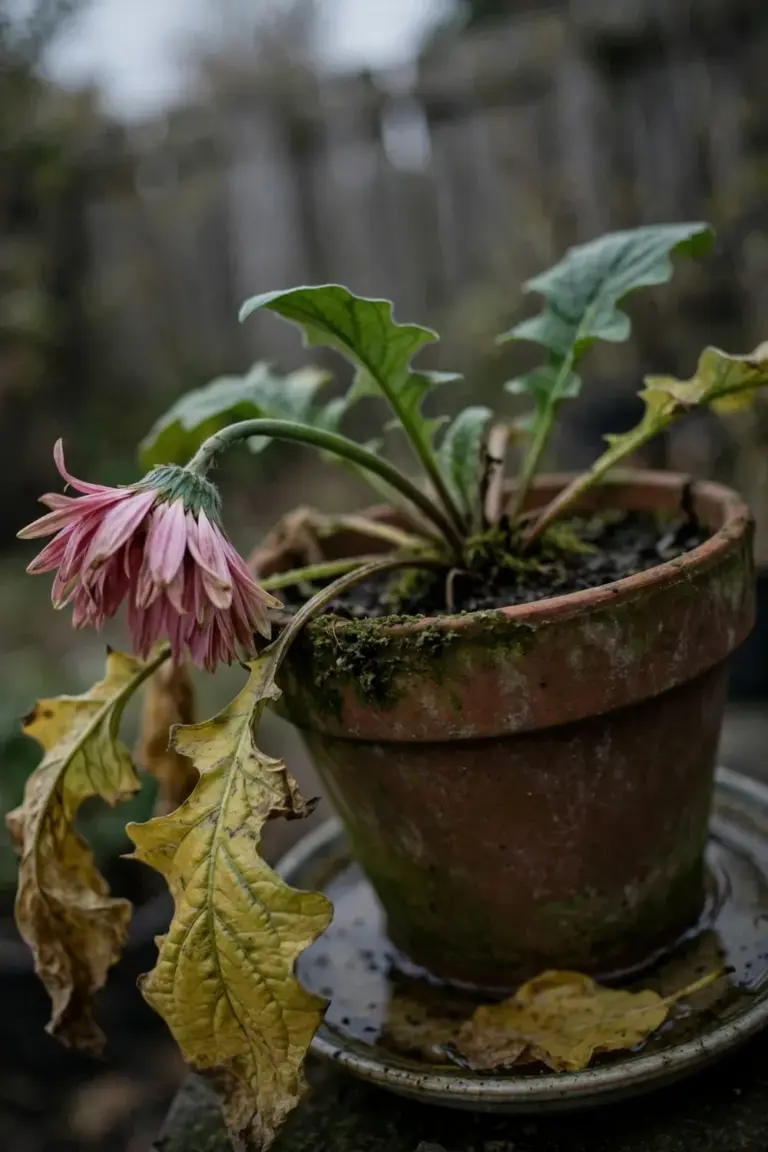
Read the plant to calibrate. Yellowing leaves that start at the base, a mushy crown, and wilting despite wet soil all signal overwatering. Drooping flowers and leaves with dry, crisp edges signal the opposite. The fix for overwatering is less water and faster drainage, not fertilizer. The fix for underwatering is a deep soak, not a daily sprinkle.
Give Gerberas 6 Hours of Sun With Afternoon Shade in Heat
Gerbera daisies bloom hardest in full sun. Give them at least 6 hours of direct sun a day, and the flower count follows. They dislike intense heat, though, and in hot climates a spot with afternoon shade protects the blooms without costing the plant its light budget, according to the same growing notes.
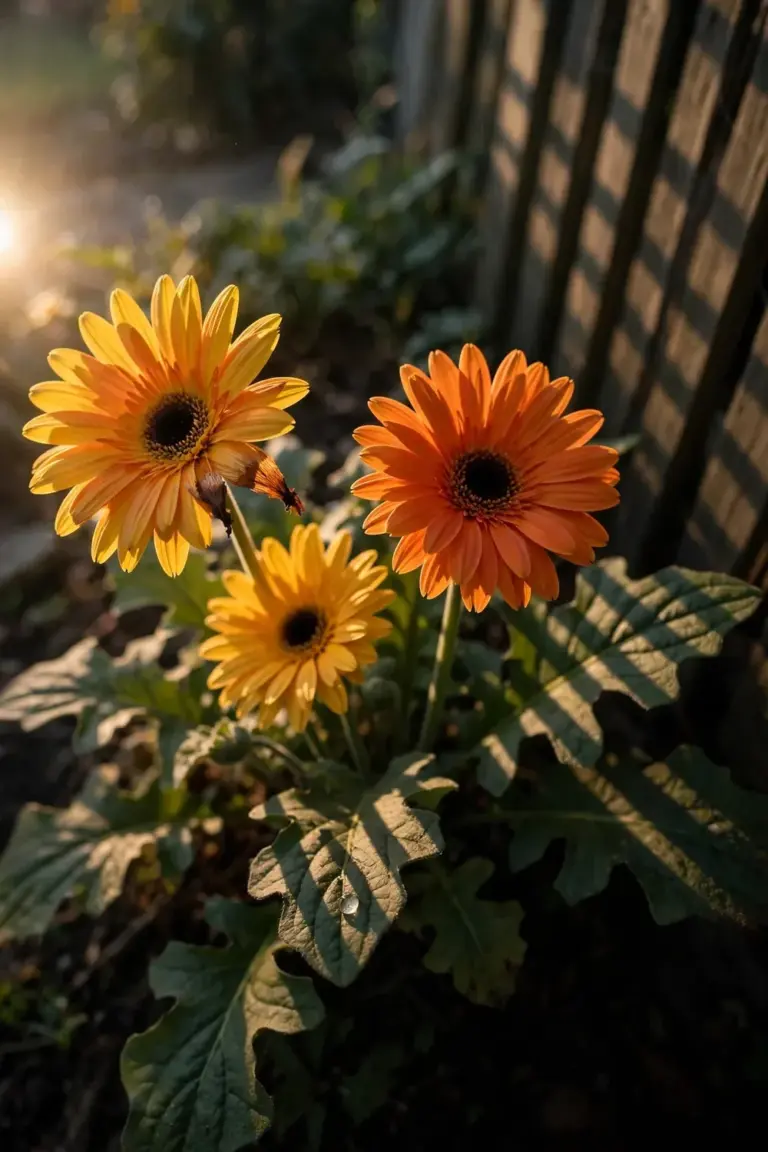
Morning sun with afternoon shade is the ideal compromise in warm regions. The plant gets its 6 hours early, then rests through the brutal part of the day. Full afternoon sun in extreme heat bleaches petals and stresses the plant, and stressed plants make smaller flowers and fewer of them.
Read the leaves to judge the light. Pale, stretched foliage leaning to one side means too little sun. Scorched petal edges and midday wilting that recovers by evening mean too much direct heat. Move containers to test positions before committing a bed. A pot moved in an afternoon costs nothing. A bed dug twice costs a weekend.
Sow Seeds 12 to 18 Weeks Before the Last Frost, or Divide a Crown
Two roads lead to a flowering gerbera: seeds for the patient, divisions for the impatient.
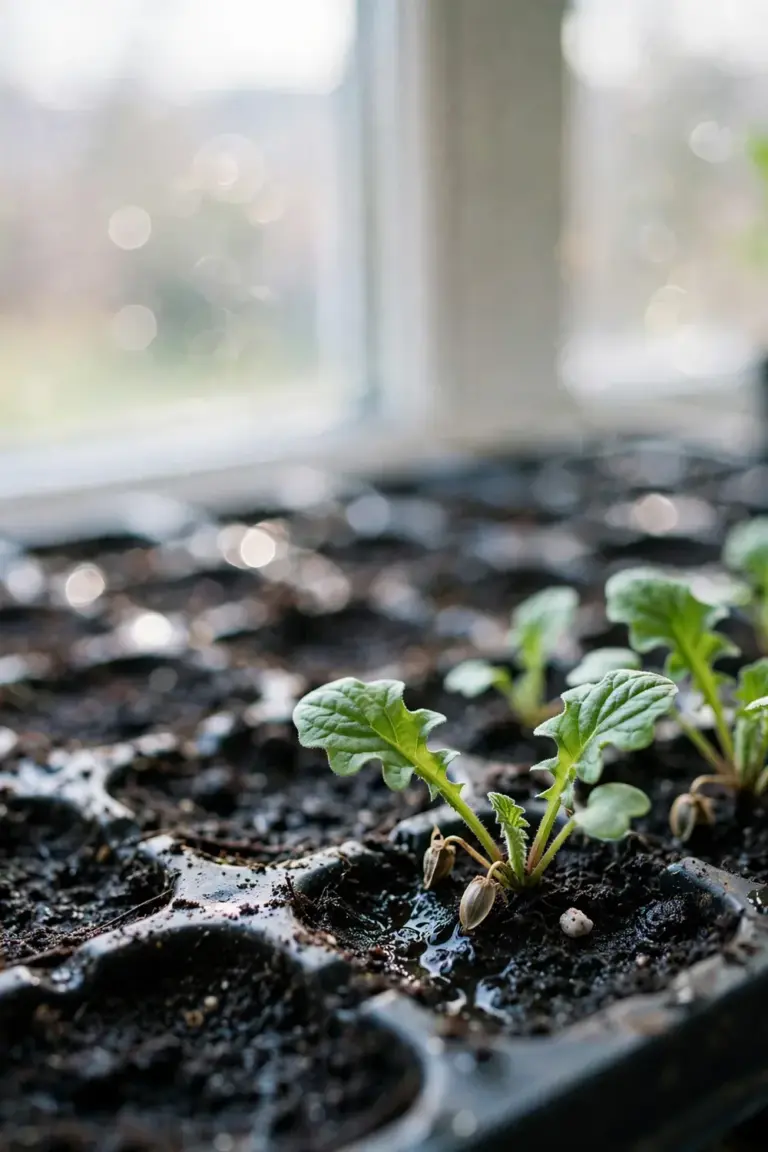
Sow gerbera seeds indoors
Gerbera seeds need light to germinate, so press them gently into the seed-starting mix and leave them uncovered. Burying them blocks the light they need. Start them 12 to 18 weeks before the last frost, because the plants need a long indoor head start. The first blooms appear 18 to 24 weeks after sowing, which is why late starts miss the season entirely, per the same source.
Warmth speeds germination, so keep steady moisture under a humidity dome or plastic cover. Transplant seedlings outdoors only after the last frost has passed and the seedlings carry at least two sets of true leaves. Harden them off first with a few days of increasing outdoor exposure. Planting straight from a windowsill into full sun shocks them.
Seed-grown gerberas vary. Hybrid cultivars do not always grow true from seed, so named varieties propagate reliably only by division. Seed packs give a mix of colors and forms, which suits a cottage bed better than a planned color scheme.
Our seed starting guide covers the indoor setup in detail, from lights to hardening off.
Divide a mature crown
Established clumps divide cleanly in early spring. Dig the plant, cut through the root ball with a sterilized knife or sharp spade, and keep roots on each division. Replant each piece with the crown slightly above the soil line, the same as a new plant. Water well and keep the divisions shaded for a few days while they settle.
Division doubles as rejuvenation. An aging clump that blooms less every year usually has a congested, sinking crown, and splitting it gives each piece fresh space and resets the planting depth.
Feed Lightly: Slow-Release in Spring, Liquid Every 2 to 4 Weeks in Pots
Gerberas are steady feeders that punish excess. A balanced slow-release fertilizer in spring covers garden plants for the season, and potted plants get liquid fertilizer every two to four weeks during the growing season, according to Gardenia’s gerbera daisy guide.
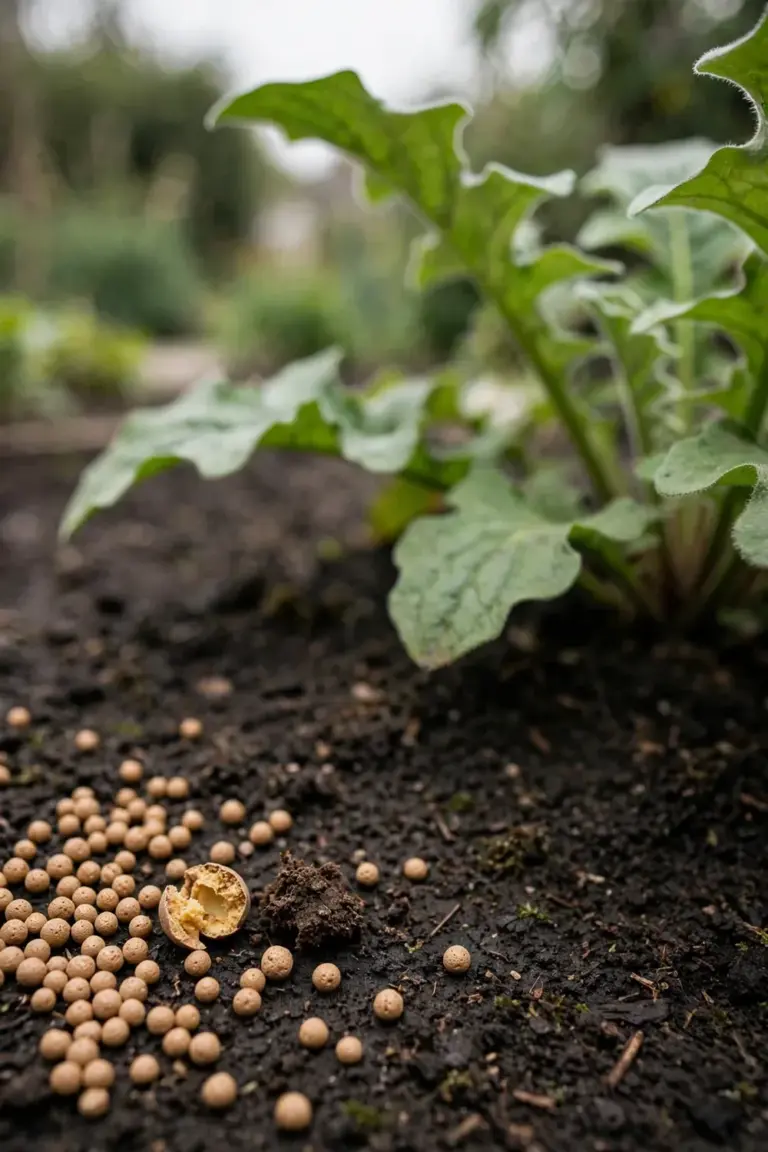
Little and often beats one heavy dose. Too much nitrogen grows a forest of leaves with few flowers. A bloom-leaning fertilizer with moderate nitrogen and higher phosphorus and potassium supports flower production over foliage. In beds, one spring application of slow-release granules plus compost is usually enough. In pots, regular watering leaches nutrients fast, which is why the liquid schedule matters there.
Stop feeding as growth slows in autumn. Fertilizer pushed into a plant heading for winter forces soft growth that cold damages. Resume when new leaves emerge in spring.
Deadhead Every Spent Stem Down at the Base
Deadheading is the highest-return ten minutes in gerbera care. Each flower rises on its own leafless stem, and a faded bloom left standing tells the plant to make seeds instead of new flowers. Cut the whole spent stem off at the base, down where it meets the crown, and the plant redirects its energy into the next round of buds, per the same care guide.
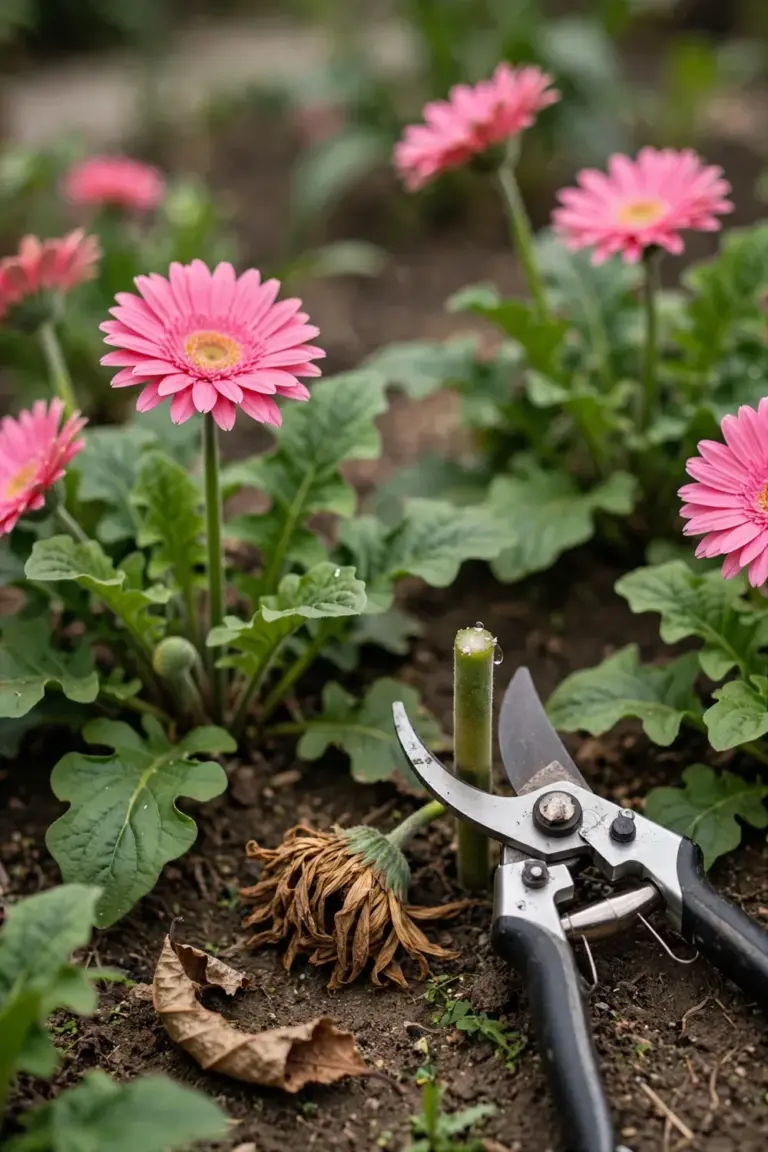
Cut low, not high. Snipping just the flower head leaves a hollow stub that dies back slowly and traps moisture near the crown, the exact conditions crown rot loves. Follow the stem down through the leaves and cut it flush at the crown. Use clean, sharp snips. Wipe the blades with rubbing alcohol when moving between plants.
Remove yellowing or damaged leaves the same way, from the base. Dead leaf litter around the crown holds moisture and blocks airflow, and a congested crown rots faster. A clean crown with air moving through it is the visual opposite of a rotting one.
Spent gerbera stems also make excellent cut flowers before they fade. Our fall cut flowers guide covers conditioning and vase life for garden-cut blooms.
Lift and Replant the Crown Every Second Fall
Crowns sink. Soil settles, mulch breaks down, and the growing point that started proud ends up buried by its own bed. The fix is scheduled, not reactive: dig and replant gerbera daisies every other fall, because the crown tends to sink below the soil over time, according to the same planting guide.
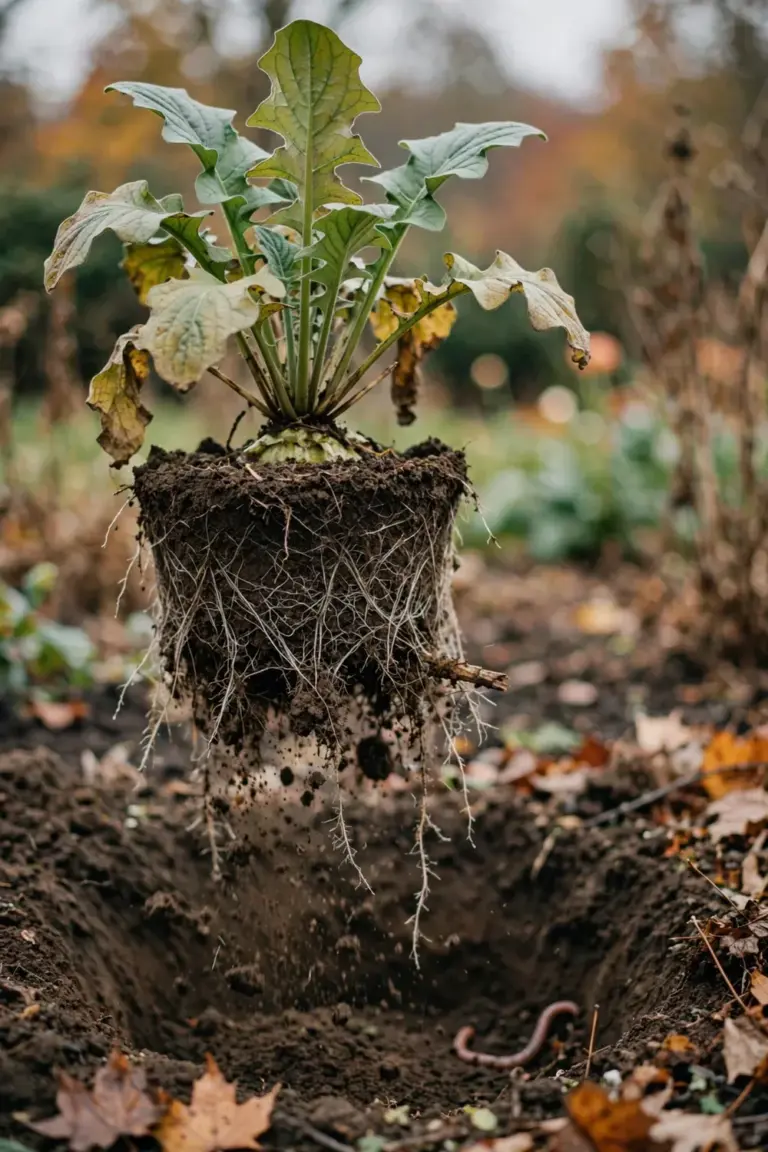
Lift the plant with a garden fork, working gently under the root ball. Strip off decaying leaves and dead roots. Cut back about one-half of the remaining mature leaves to reduce transplant stress. Set the plant back in with the crown slightly above the soil line, exactly like day one. Water it in and keep it moist while it re-establishes.
Treat the second-fall lift as maintenance, like sharpening a tool. A gardener who replants on schedule never discovers crown rot the hard way, because the sinking never gets far enough to matter. Skip it for three or four years and the plant that “suddenly died” was buried alive one season at a time.
Scout Thrips, Caterpillars, and Leaf Miners Before They Spread
Gerbera pests are manageable when caught early, and they escalate fast when ignored.
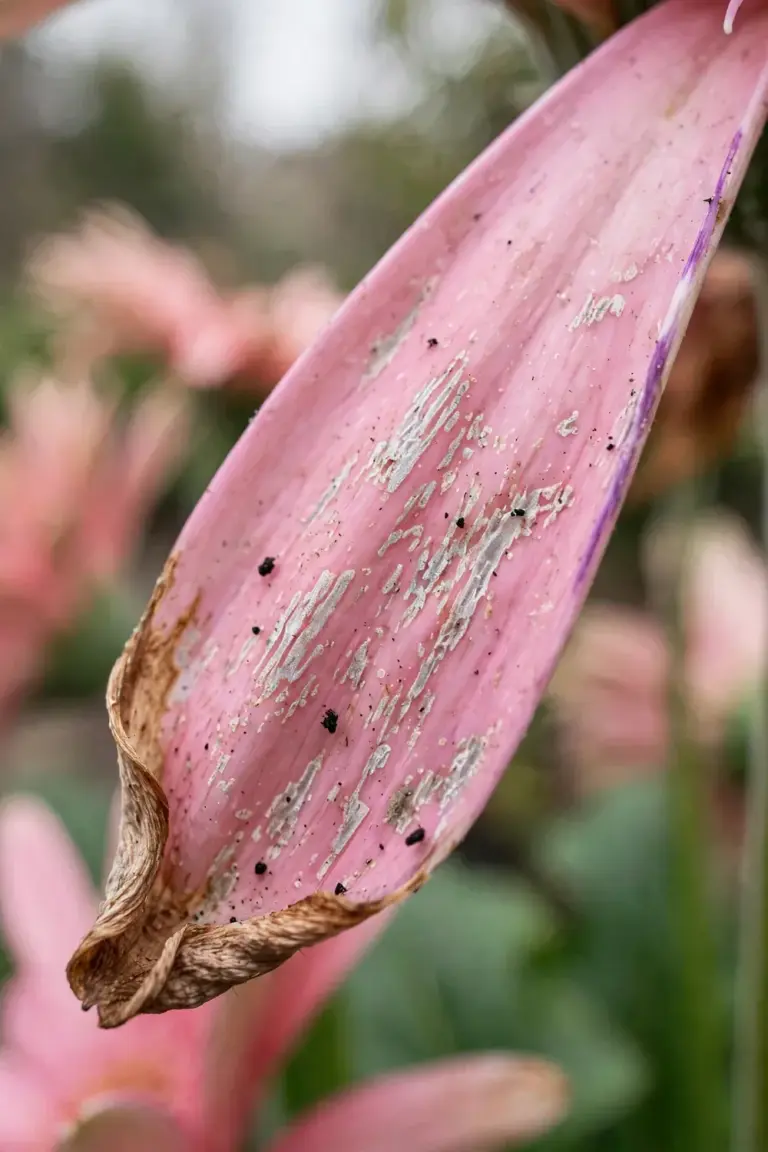
Thrips are the worst of them. These tiny insects puncture petals and leaves, leaving stippled, papery damage and black specks of frass. Western flower thrips also transmit tomato spotted wilt virus and impatiens necrotic spot virus, two tospoviruses with no cure, and gerbera is a documented host. British agricultural research lists Gerbera among the ornamental hosts for tomato spotted wilt virus, with western flower thrips as the vector, per the AHDB thrips damage guide.
Scout by shaking a flower over white paper. Tiny dark specks that move are thrips. Yellow sticky traps catch the flying adults and show population trends. Reflective mulch disorients them, and removing nearby weeds eliminates their reservoir hosts. A plant showing ring spots, bronzing, or distorted new growth with thrips present is likely virus-infected. Bag it and remove it. No spray cures a virus.
Caterpillars chew holes through petals and leaves, and leaf miners carve pale trails inside the leaf tissue. Hand-pick caterpillars at dusk when they feed, and strip mined leaves before the larvae finish developing. The same planting guide recommends organic sprays such as neem oil or pyrethrum for these two.
Powdery mildew coats leaves in white dust where airflow is poor and humidity runs high. The cure is cultural. Wider spacing, morning watering at soil level, no overhead irrigation. Fungicide treats the symptom. The spacing and watering fix the cause.
Grow Gerberas in Australia: Warm Climates Outside, the Coldest Zones Indoors
Gerbera daisies suit warm temperate, subtropical, and tropical Australian gardens as perennials, flowering through the warmer months and resting in winter. In the coldest zones, including frost-prone highland and southern areas, grow them as indoor plants in bright windows or as seasonal pots moved under cover.
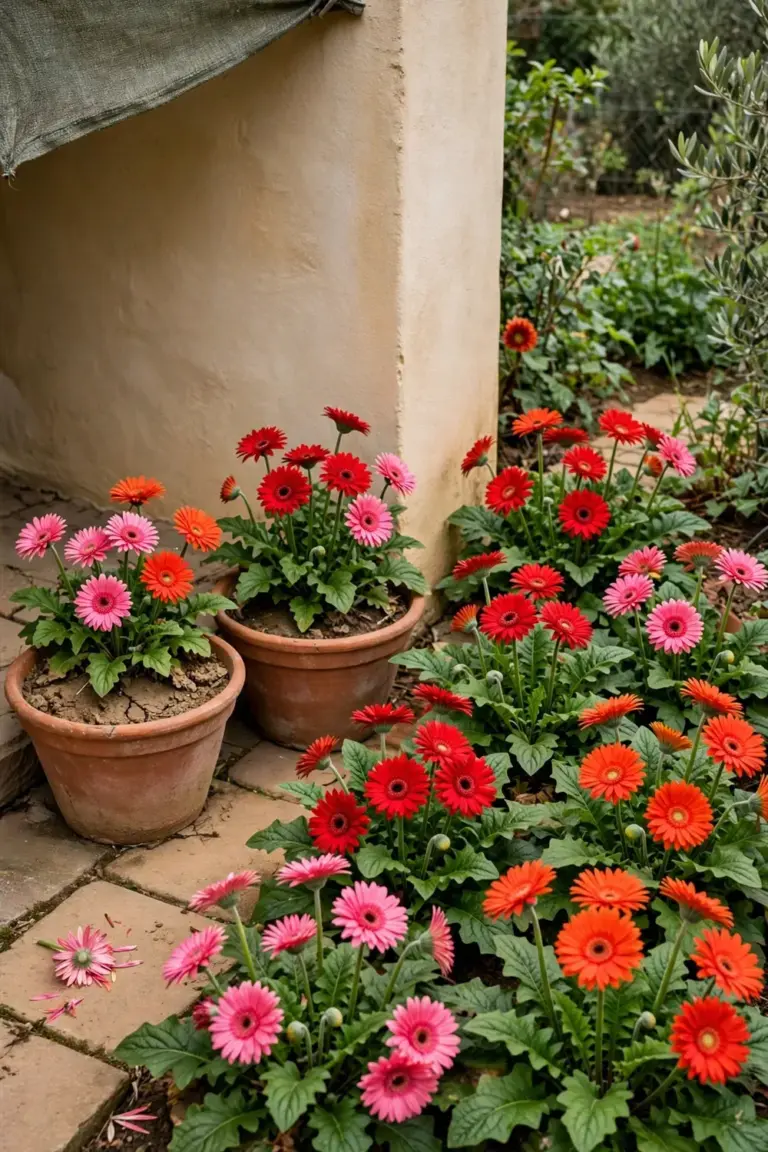
Southern-hemisphere timing shifts the calendar. Sow seeds indoors in late winter to early spring, plant out after the last frost, and expect the main bloom flush from spring through autumn. In frost-free coastal and northern regions, established crowns flower for most of the year with deadheading.
Heat management matters more in Australia than in the guides’ northern-hemisphere defaults. Afternoon shade in summer is not optional in Perth, Adelaide, or inland New South Wales. The 6 hours of sun should fall in the morning wherever possible. Containers give the most control: a pot moves into shade during a heatwave and back out after, and the free-draining mix a pot guarantees is exactly what the crown wants.
Winter care in cool zones: cut back spent foliage after the main bloom, keep the crown dry, and mulch the root zone without touching the crown. In pots, move plants to a sheltered spot or indoors before the first frost. A gerbera that survives winter with a dry, proud crown restarts strongly in spring.
Fix the 5 Ways Gerbera Daisies Die
| Symptom | Cause | Fix |
|---|---|---|
| Crown turns brown and mushy, plant collapses | Crown rot from a buried crown or mulch piled against it | Lift and replant with the crown above the soil line; pull mulch back several centimetres; improve drainage |
| Leaves yellow from the base up, soil stays wet | Overwatering and poor drainage | Water only when the top 2.5 cm is dry; switch to pots or raised beds in clay |
| Flowers wilt on hot afternoons, recover by evening | Heat stress in full afternoon sun | Move to morning sun with afternoon shade; mulch the root zone |
| Stippled petals, black specks, distorted new growth | Thrips, possibly virus | Yellow sticky traps, reflective mulch, weed removal; bag and remove virus-suspect plants |
| Fewer flowers each year, crown sinking into the bed | Settled soil burying the crown | Lift and replant every second fall; remove half the mature leaves at replanting |
Every row in that table ends at the crown. That is not a coincidence. The crown is the one part of a gerbera that cannot recover once rot takes it, while leaves, roots, and flower stems all regenerate. Protect the crown and the rest of the plant is replaceable. Lose the crown and the plant is gone.
Gerbera Daisy Frequently Asked Questions
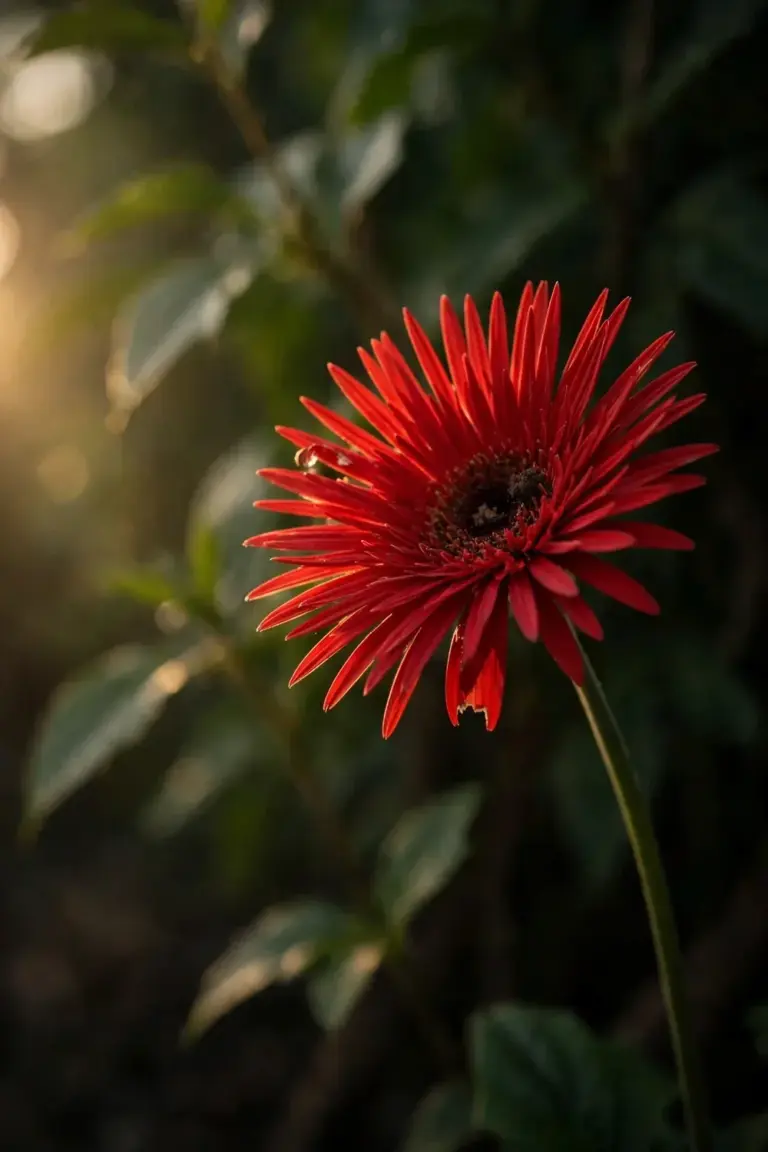
Never below the soil surface. Set the plant so the crown, the growing point where leaves meet roots, sits slightly above the soil line, with the top of the root ball visible. Burying the crown causes crown rot, the most common killer of gerbera daisies. Space plants 30 to 45 cm apart for airflow, and keep mulch pulled back several centimetres from the crown.
Yellow leaves starting at the base usually mean too much water or poor drainage. Gerberas hate wet feet, and soggy soil suffocates roots and rots the crown. Let the top 2.5 cm of soil dry between waterings, water at soil level in the morning, and move the plant to a raised bed or container with fast-draining mix if the ground stays wet. Nutrient deficiency yellows the whole plant more evenly and is less common.
In USDA zones 8 to 10 they survive winter outdoors as perennials. In colder zones they die back with hard frost, so gardeners there grow them as annuals, lift the crowns into pots before frost, or start fresh each spring. Where winters are mild but wet, a dry crown matters more than temperature: keep mulch away from the crown and make sure water drains fast.
Gerbera daisies are tender perennials by nature, native to South Africa. They live for years in frost-free climates with warm winters. In climates with freezing winters they behave as annuals unless brought indoors or grown in a greenhouse. Gardeners in cold zones either replant each spring, overwinter potted plants inside, or treat them as seasonal color.
Individual flowers last several weeks on the plant in cool weather, and a healthy plant produces new blooms continuously from spring through autumn with regular deadheading. Cutting each spent stem at the base keeps the flowers coming, while leaving faded blooms on the plant slows new bud production. A neglected plant still blooms, just far less.
Afternoon wilting that recovers by evening is heat stress, not thirst: give the plant morning sun and afternoon shade. Wilting in wet soil signals root or crown rot from overwatering, which needs less water and better drainage, not more. Wilting in dry soil with crisp leaf edges is genuine underwatering and wants a deep soak at soil level.
Keep the Crown High and the Blooms Keep Coming
The whole method fits on an index card. Plant the crown proud. Drain the soil fast. Water the soil, not the plant, in the morning. Feed lightly. Cut every spent stem at the base. Lift and replant every second fall. Do those six things and gerbera daisies bloom from spring to autumn with a flower count that surprises first-time growers.
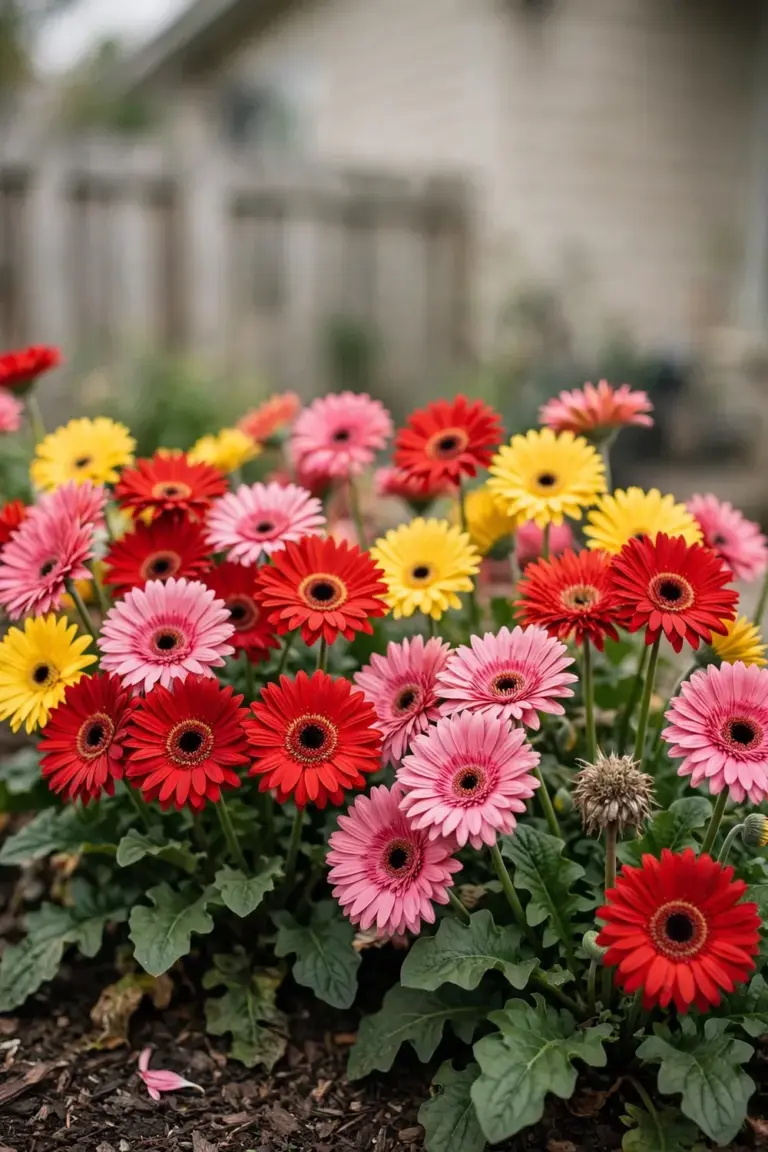
Most gardeners who lose gerberas lose them to depth, not disease. The crown sat a centimetre or two too low, the mulch crept in, the soil stayed wet, and the plant that “caught something” was drowning from the day it was planted. Set the crown high and the most common way to kill a gerbera disappears from your garden entirely.
For gardeners building a longer-blooming flower bed, our fall blooming perennials guide pairs well with gerberas for season-spanning color.